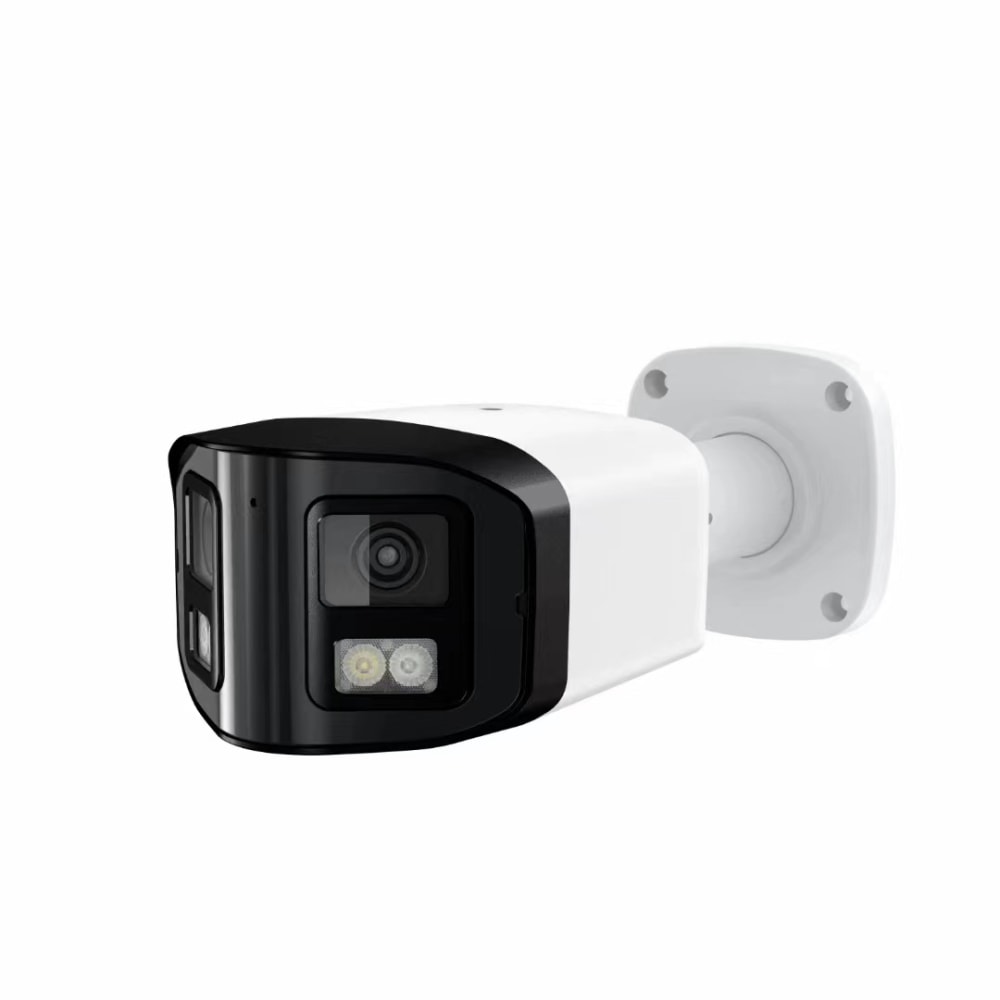
Remote business CCTV monitoring for North Carolina retail stores
Share
Remote business CCTV monitoring gives North Carolina retail stores a way to cut theft, improve safety, and control multiple locations without paying for on‑site security 24/7. Instead of relying only on recorded footage you watch after a loss, live video monitoring lets trained agents intervene in real time, speak through audio, and alert police when something is actually happening. If you share a few details about your store size, hours, and locations, we can outline a tailored remote monitoring plan and estimated budget for your North Carolina retail business.
What remote video monitoring delivers for North Carolina retail
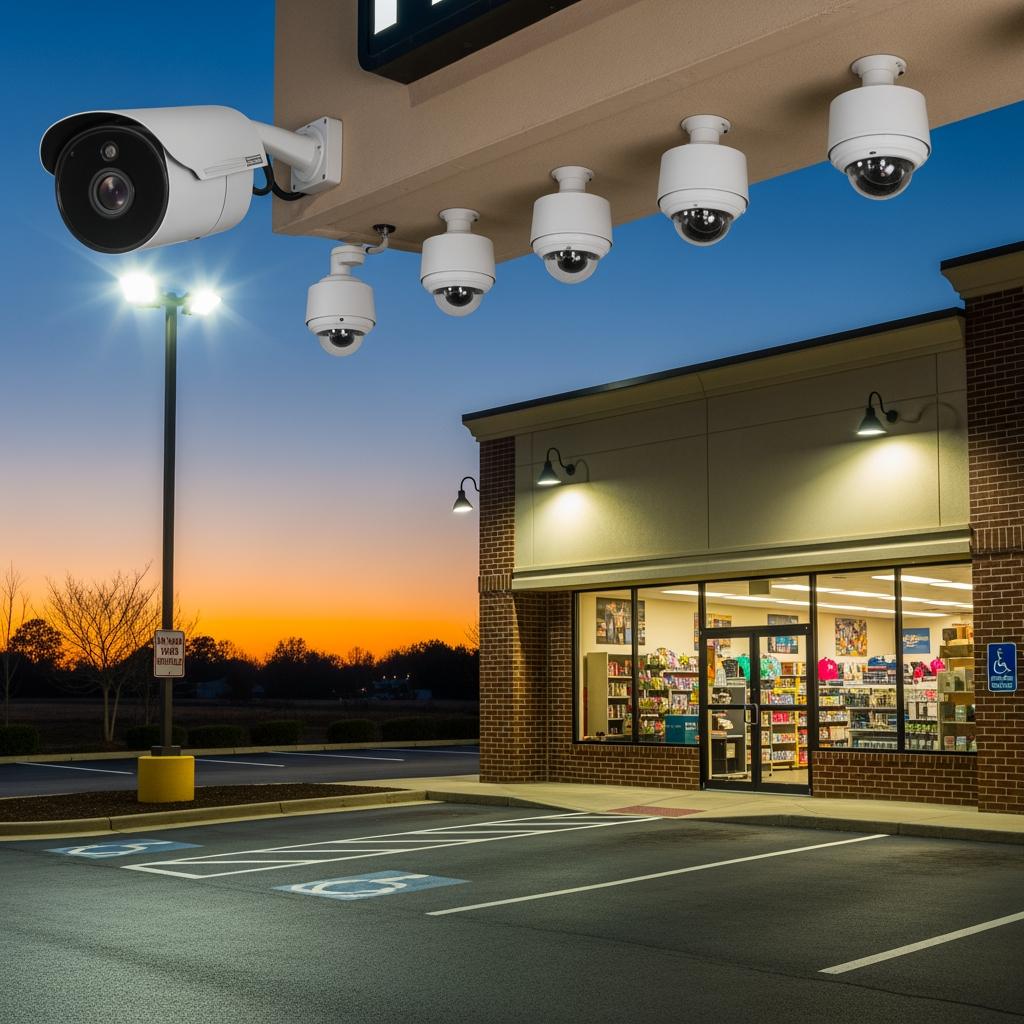
For North Carolina retailers, remote business CCTV monitoring is about turning cameras from a passive recording tool into an active security layer. Instead of only collecting evidence, your system is used to detect, verify, and respond to suspicious activity at any time of day.
In practical terms, monitored CCTV helps reduce shoplifting, ORC (organized retail crime), and employee theft by making it harder for offenders to operate unnoticed. Monitoring agents can spot loitering, bag stuffing, unusual behavior at self‑checkout, or after‑hours movement in back rooms. They can deliver live audio warnings, call store managers, or escalate to law enforcement with verified video to encourage faster response.
Remote monitoring also improves safety for staff and customers. Agents can watch parking lots and entrances for aggressive behavior, tailgating at staff doors, or people lingering near closing time. Many North Carolina stores use live monitoring as an added layer when opening or closing so employees aren’t walking to their cars alone without someone “watching their back” on camera.
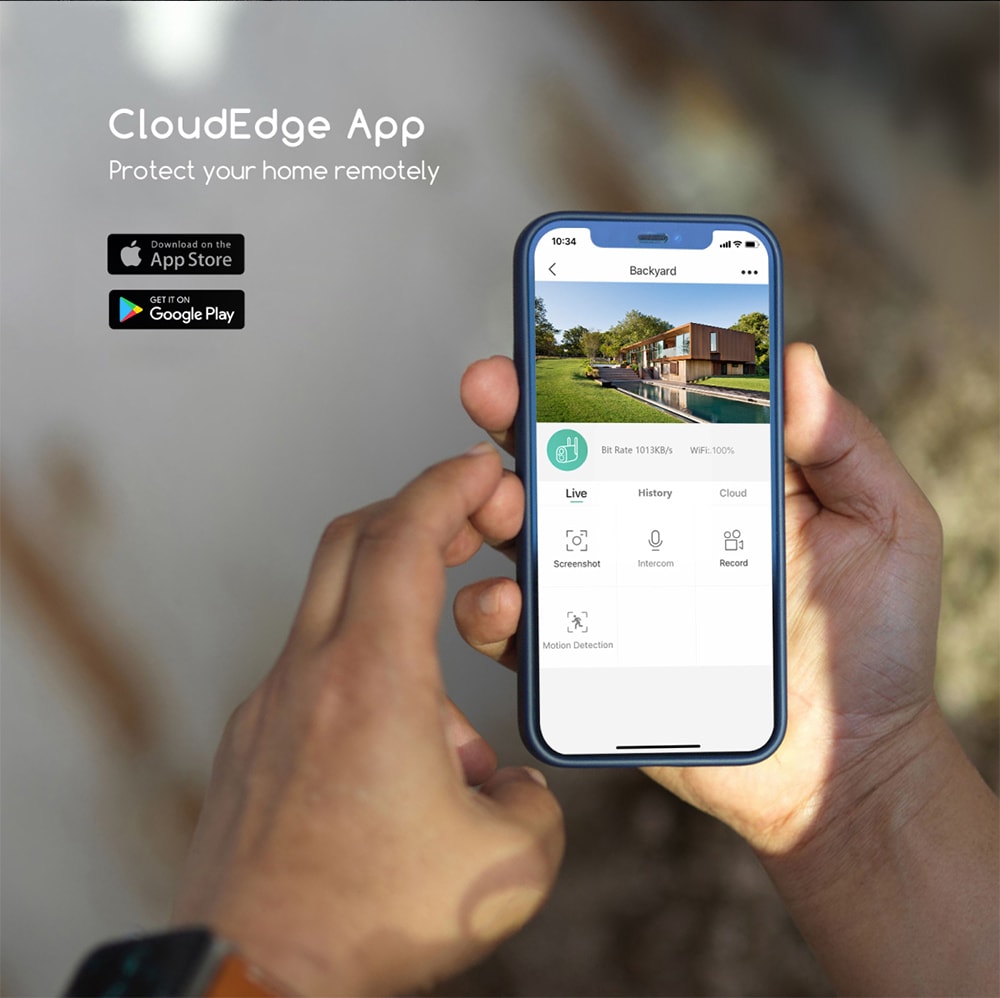
For owners and regional managers, one of the biggest benefits is visibility across locations. With a properly designed system, you can see store status at a glance, confirm that doors are locked, alarms are set, and closing procedures are followed, all from your phone or laptop. That combination of loss prevention, safety, and operational oversight is what makes remote business CCTV monitoring so valuable for NC retail.
Live CCTV monitoring vs security guards for NC retail stores
Most North Carolina retailers compare live CCTV monitoring to hiring on‑site security guards. Both have a place, but they work differently and have different cost and coverage profiles.
Security guards offer a visible physical presence. That can be useful in high‑traffic, high‑risk environments where you want someone on the floor to physically intervene, escort problem customers out, or manage crowd control. However, one or two guards can only be in so many places at once, and they may not see what’s happening in blind spots, stock rooms, or parking areas without constantly patrolling.
With live CCTV monitoring, coverage is driven by camera placement rather than footsteps. If you cover all entrances, aisles, cash wraps, back‑of‑house, and exterior areas with well‑positioned cameras, remote agents can see activity across your entire footprint at the same time. One monitoring team can also watch multiple NC locations, something a small in‑house guard team can’t easily achieve.
A common hybrid model for North Carolina retail is to use guards during the busiest hours or seasons, and rely on remote monitoring the rest of the time, especially overnight. This can significantly reduce payroll costs while still maintaining strong security. Remote monitoring is also easier to scale: adding a new store or extending coverage to new hours typically involves modest changes to your monitoring contract, not recruiting and staffing more people on site.
Ultimately, the best choice depends on your risk profile, store size, and budget. For many small to mid‑size NC retailers, remote business CCTV monitoring delivers broader coverage and a better cost structure than maintaining full‑time guards at every location.
Remote video surveillance solutions for North Carolina retailers
Remote video surveillance solutions for NC retail stores usually combine cameras, networking, storage, and a monitoring platform that ties it all together. The goal is to provide clear, reliable views of all high‑risk and high‑value areas, with enough intelligence in the system to prioritize what monitoring agents see.
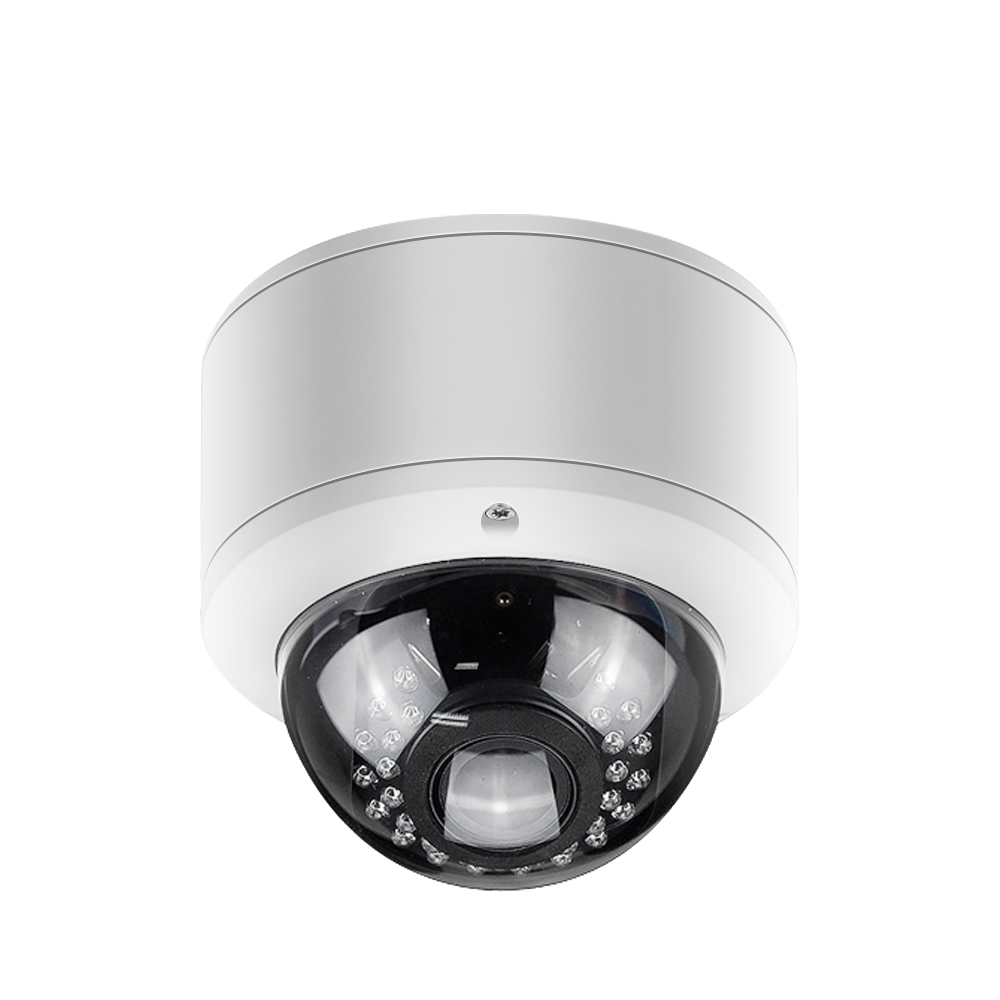
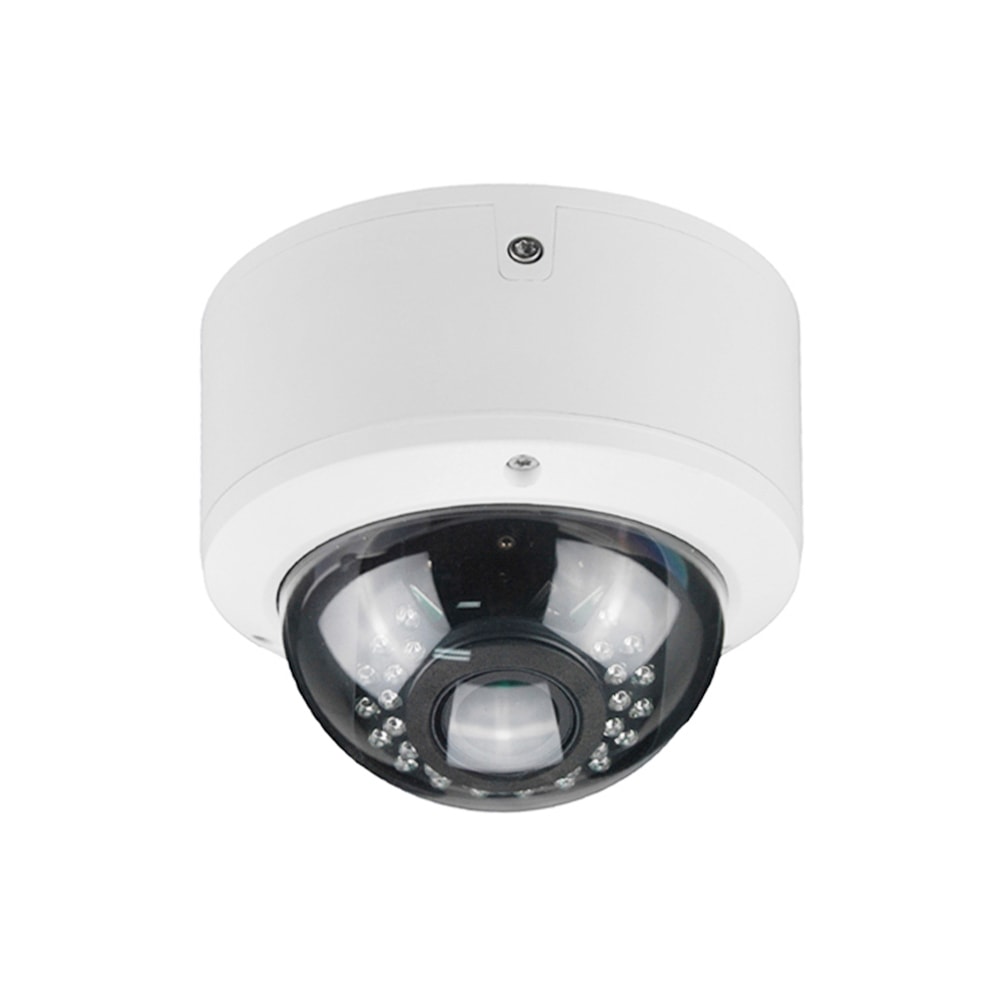
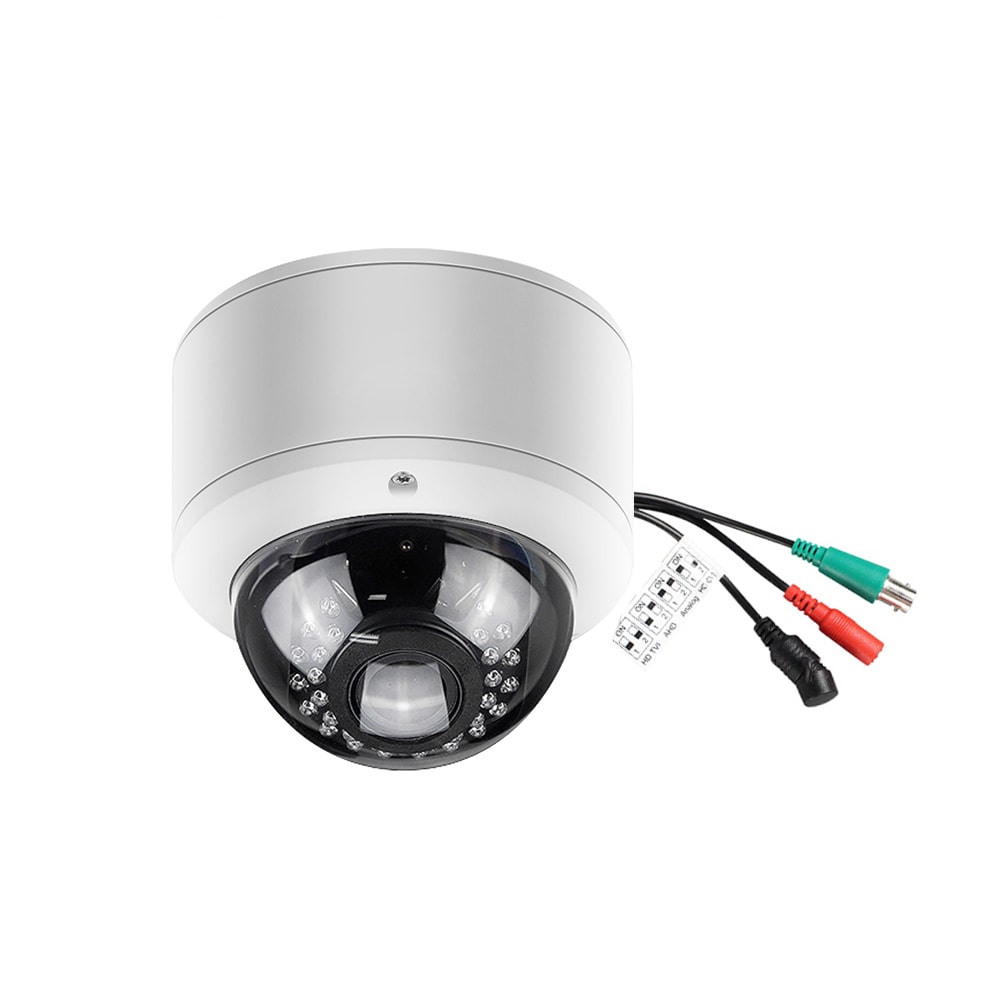
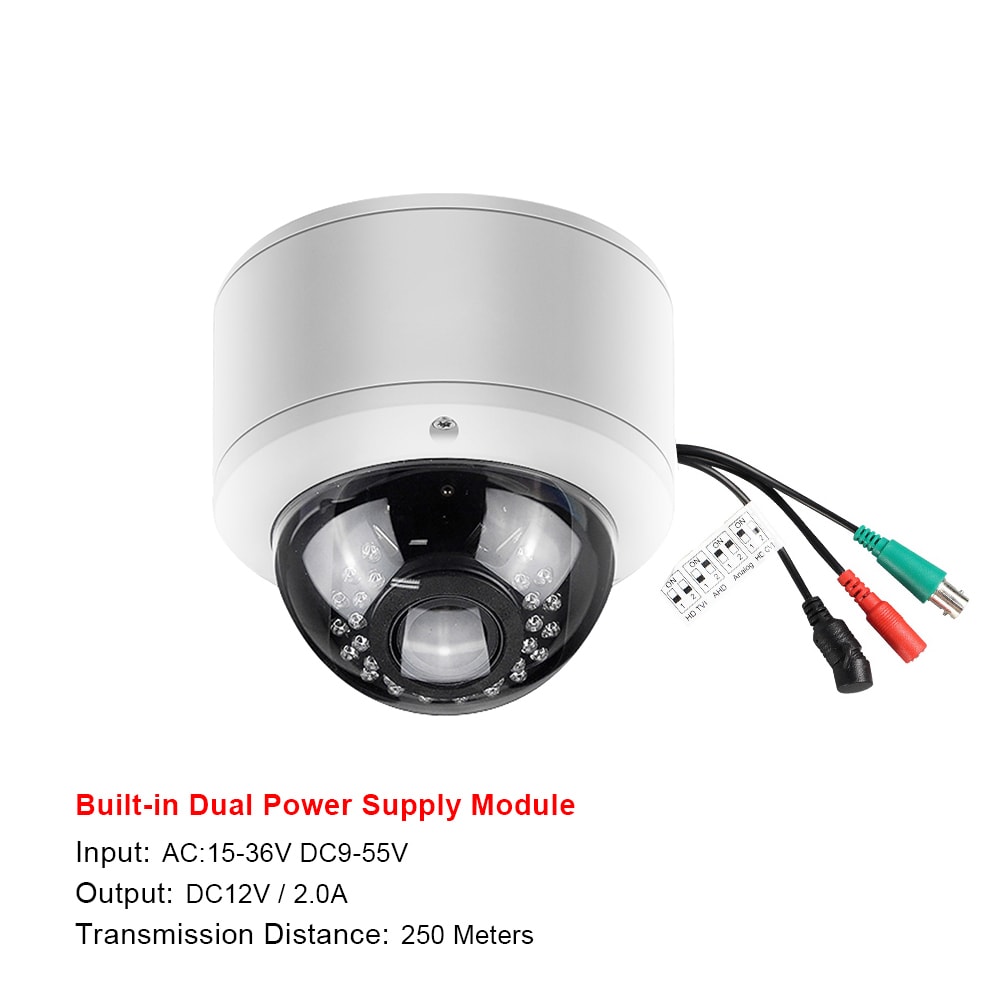
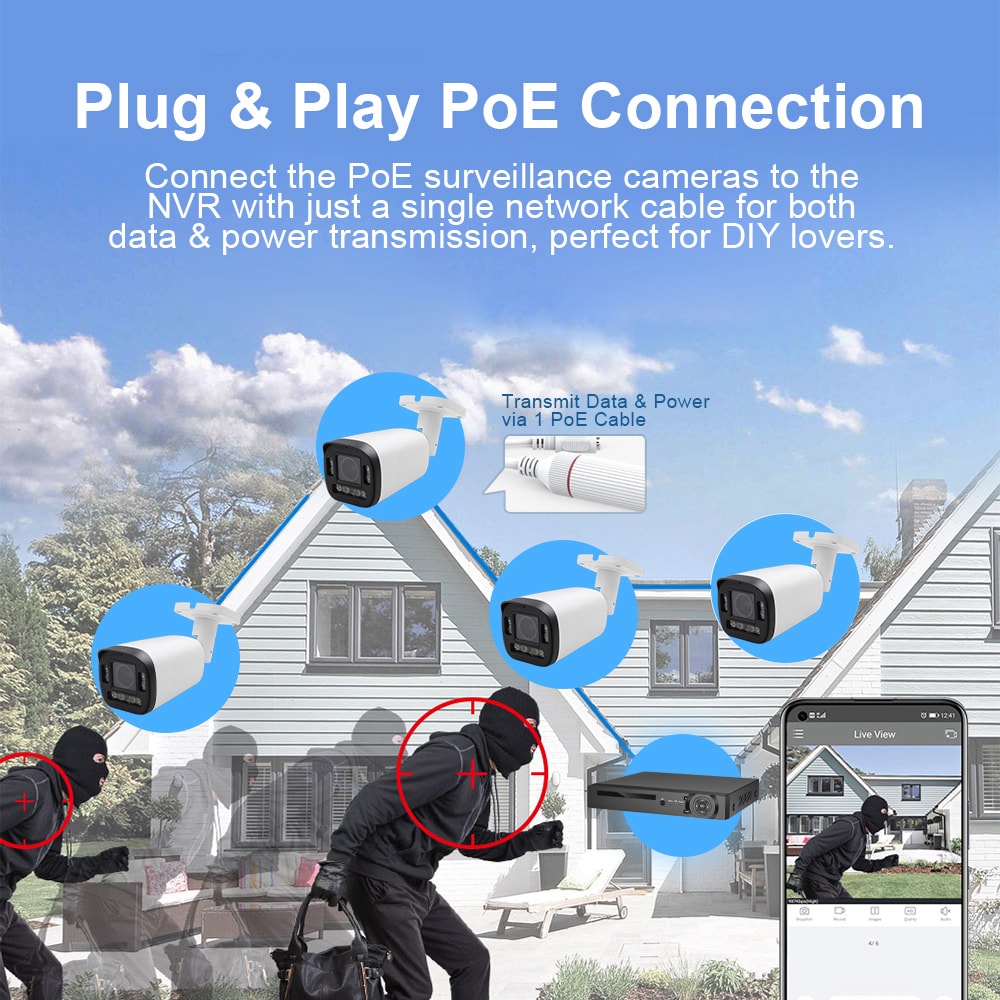
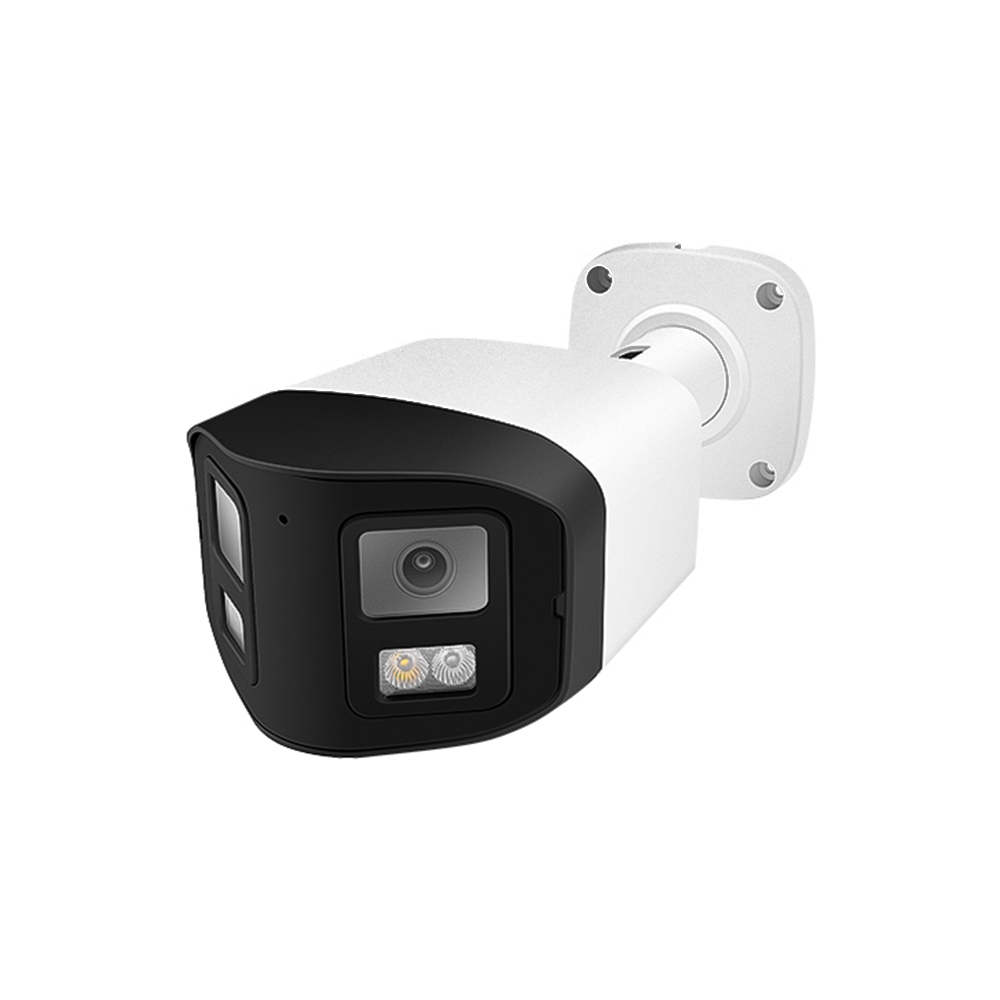
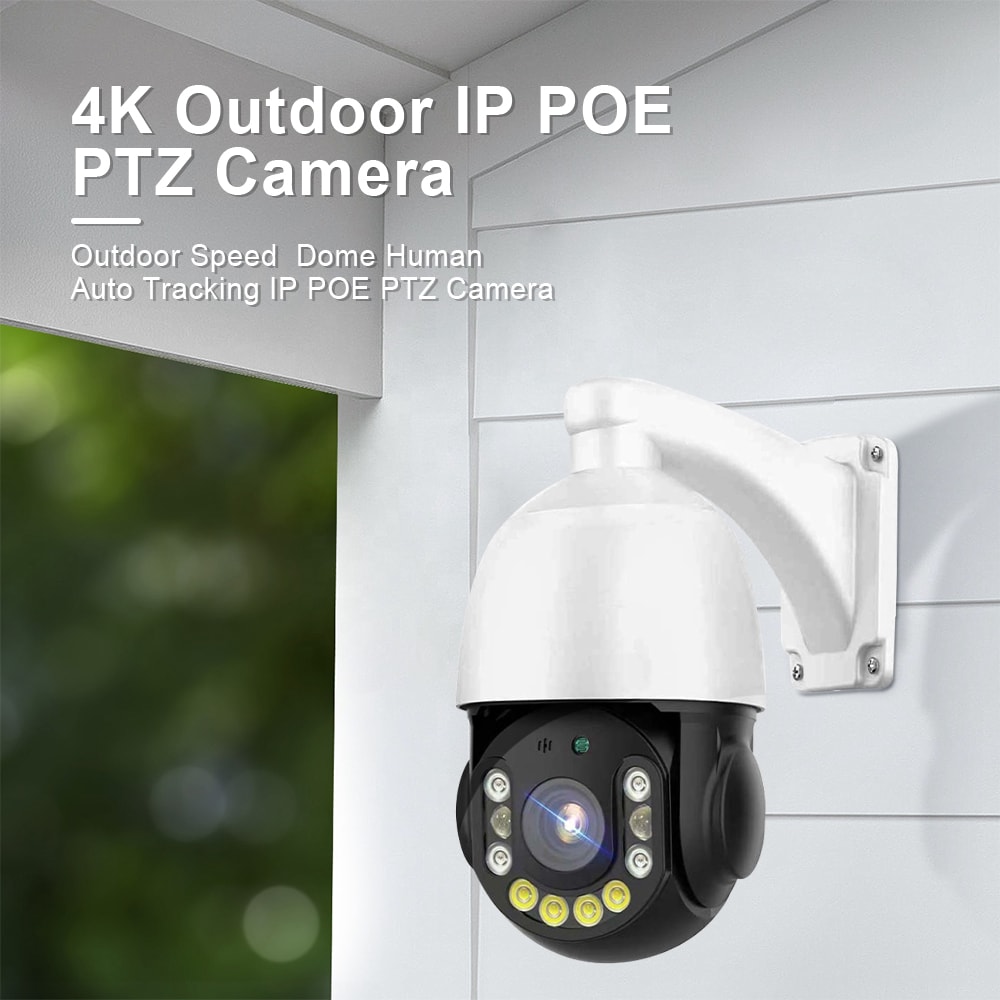
Most solutions start with a mix of fixed dome or bullet cameras for general coverage and higher‑resolution cameras aimed at cash wraps, entrances, and high‑shrink merchandise. Cameras may be wired IP devices connected over PoE switches, or a mix of wired and carefully placed wireless cameras when cabling is difficult. Good lighting and correct mounting height are essential so faces, hands, and labels are visible in recorded and live footage.
On the software side, many modern remote business CCTV monitoring setups use video analytics to filter motion or flag specific behaviors like loitering, line crossing at exits, or after‑hours movement. These analytics don’t replace humans; they help monitoring agents focus on the riskiest events first. Integrations with alarm panels and access control systems make it easier to verify alarms and reduce false dispatches.
Because North Carolina has both dense urban retail corridors and more remote small‑town locations, connectivity matters. Some stores use fiber or cable internet with cellular backup to keep the monitoring link active even during outages. For multi‑store NC operators, a well‑designed network architecture keeps video secure while still allowing branch‑to‑headquarters viewing.
How our NC retail video monitoring and alerting works
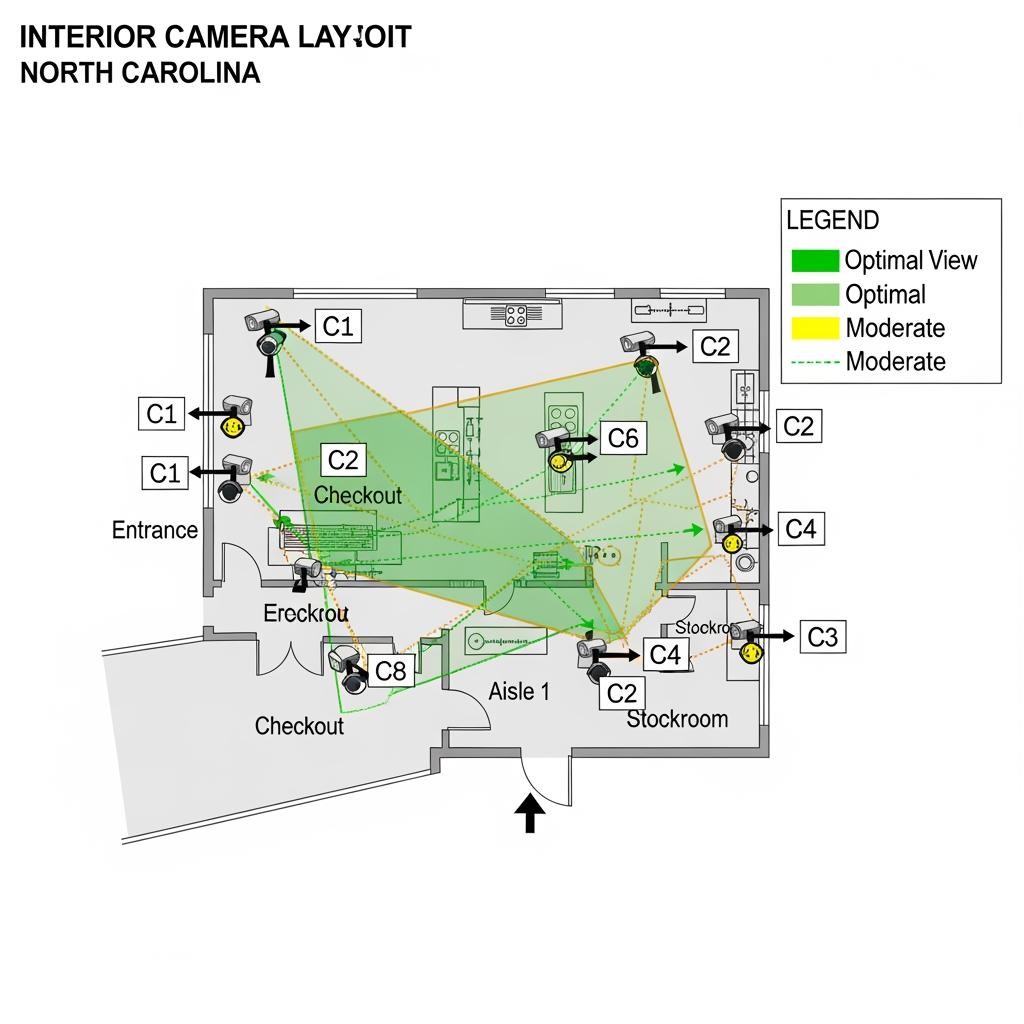
A well‑designed NC retail monitoring workflow follows a clear “detect → verify → respond → document” sequence. Even if the underlying technology is complex, the day‑to‑day experience for store staff should feel simple and reliable.
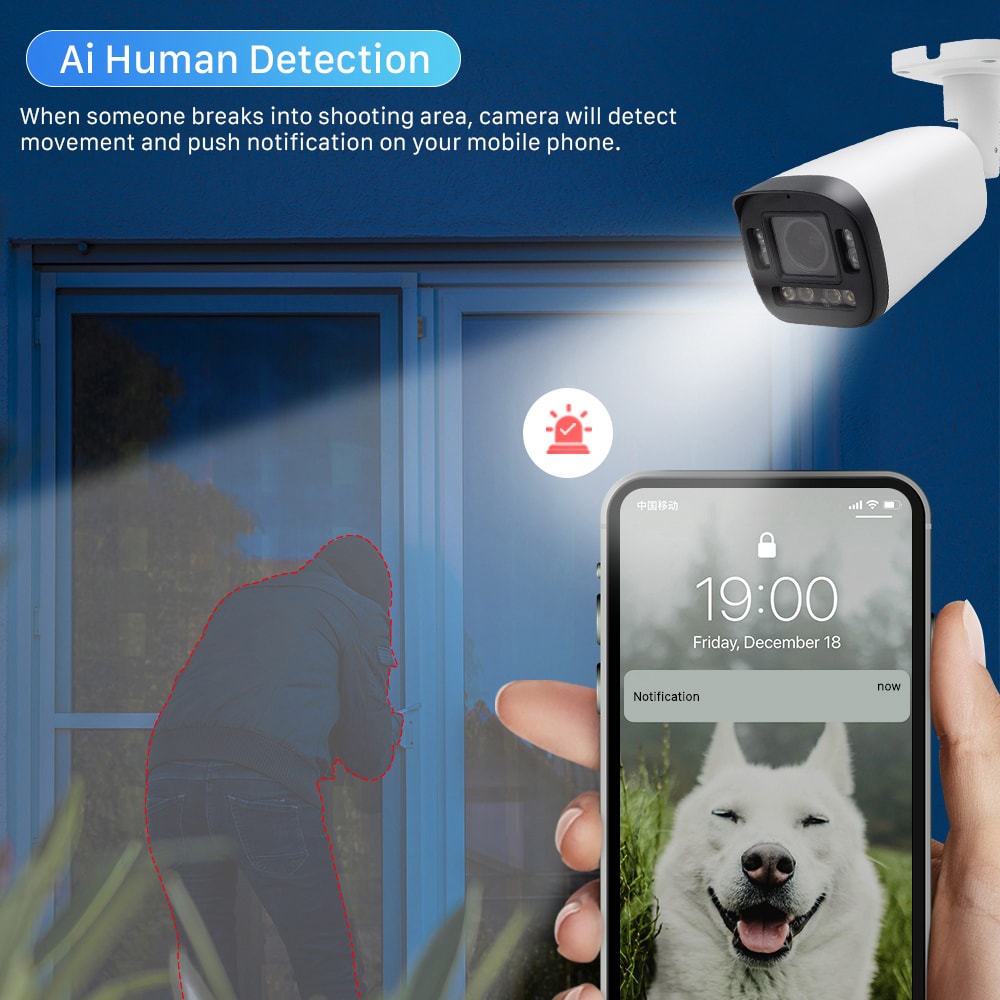
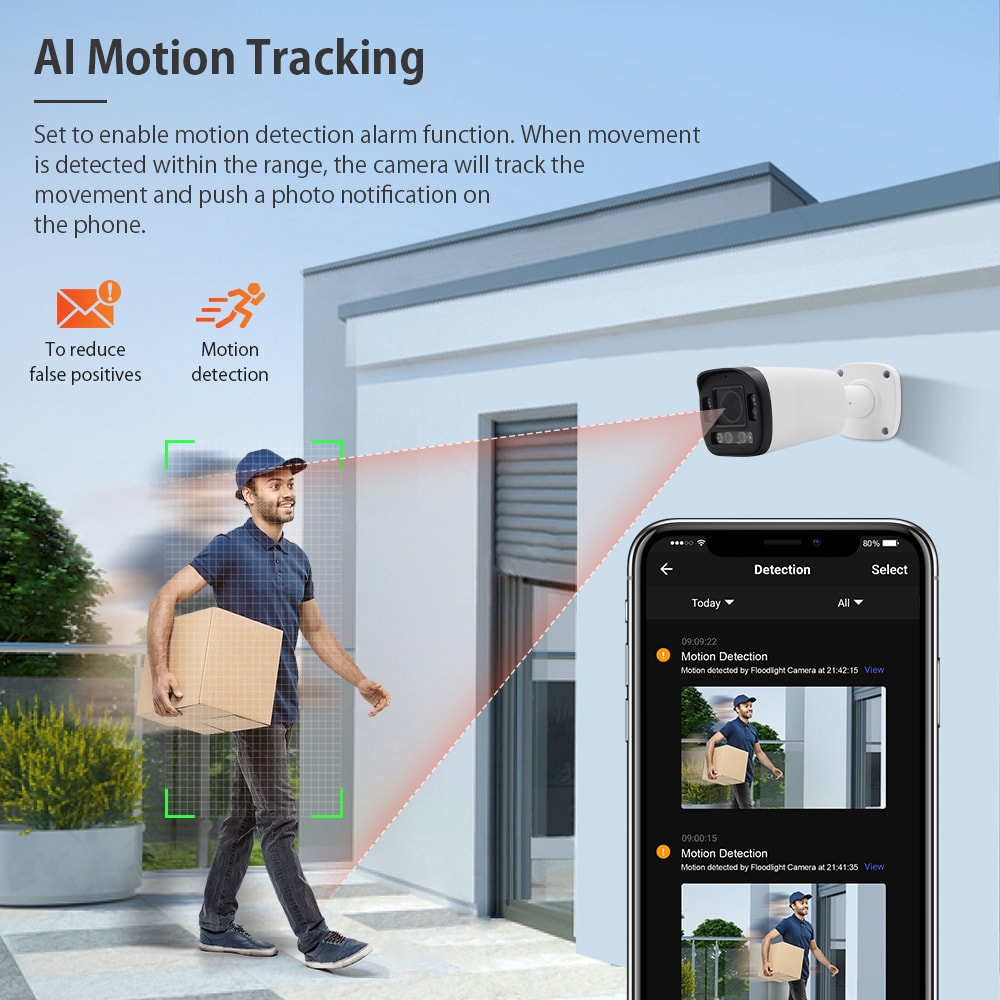
In a typical setup, cameras stream to a local recorder or directly to a secure cloud platform. Analytics and rules define what counts as a noteworthy event: motion in a closed store, perimeter breaches, loitering near entrances, or repeated alarms from a particular zone. When one of these events occurs, an alert is pushed to the live monitoring team.
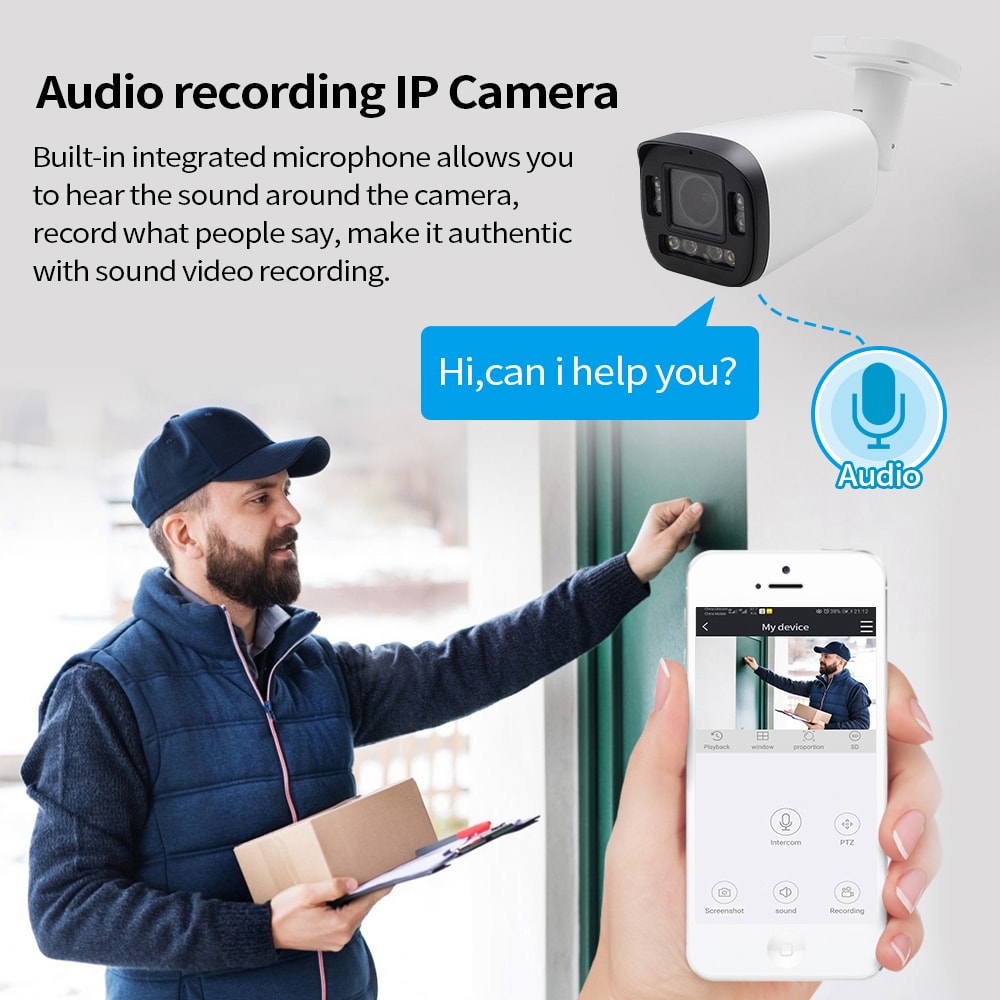
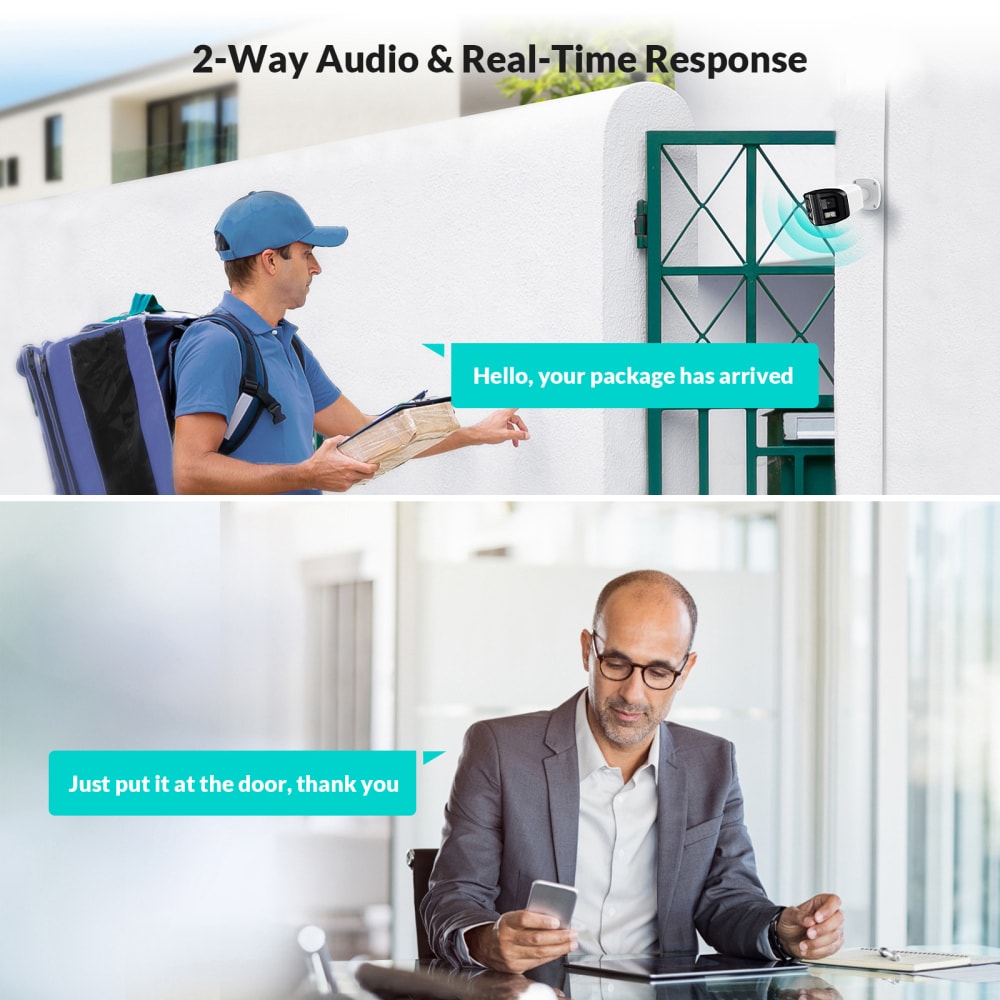
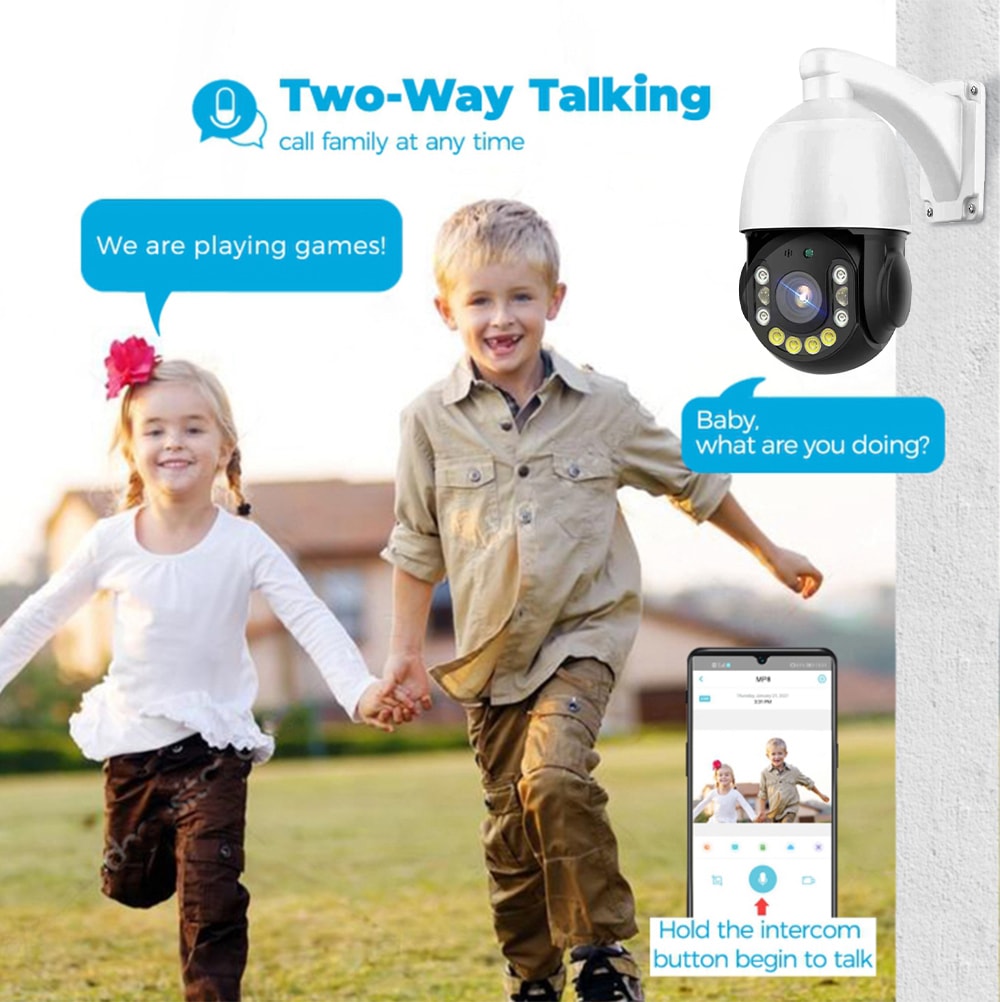
The monitoring operator reviews live and recent footage from relevant cameras to verify whether it’s a real issue or a false alarm. If it’s benign—like a cleaning crew moving around on schedule—they log it and clear the event. If it looks suspicious, they can speak through on‑site speakers, call store contacts, or notify police. Many NC retailers use scripted audio warnings, such as announcing that the person is being recorded and law enforcement will be called if they continue.
Everything is documented: time, cameras involved, actions taken, and outcomes. Store managers can review these logs to see what’s happening after hours and how often the system is catching and deterring incidents. Over time, these records make it easier to fine‑tune camera positions, rules, and staffing schedules for the monitoring team.
Recommended provider: S & Y Internet Technology for installation and setup
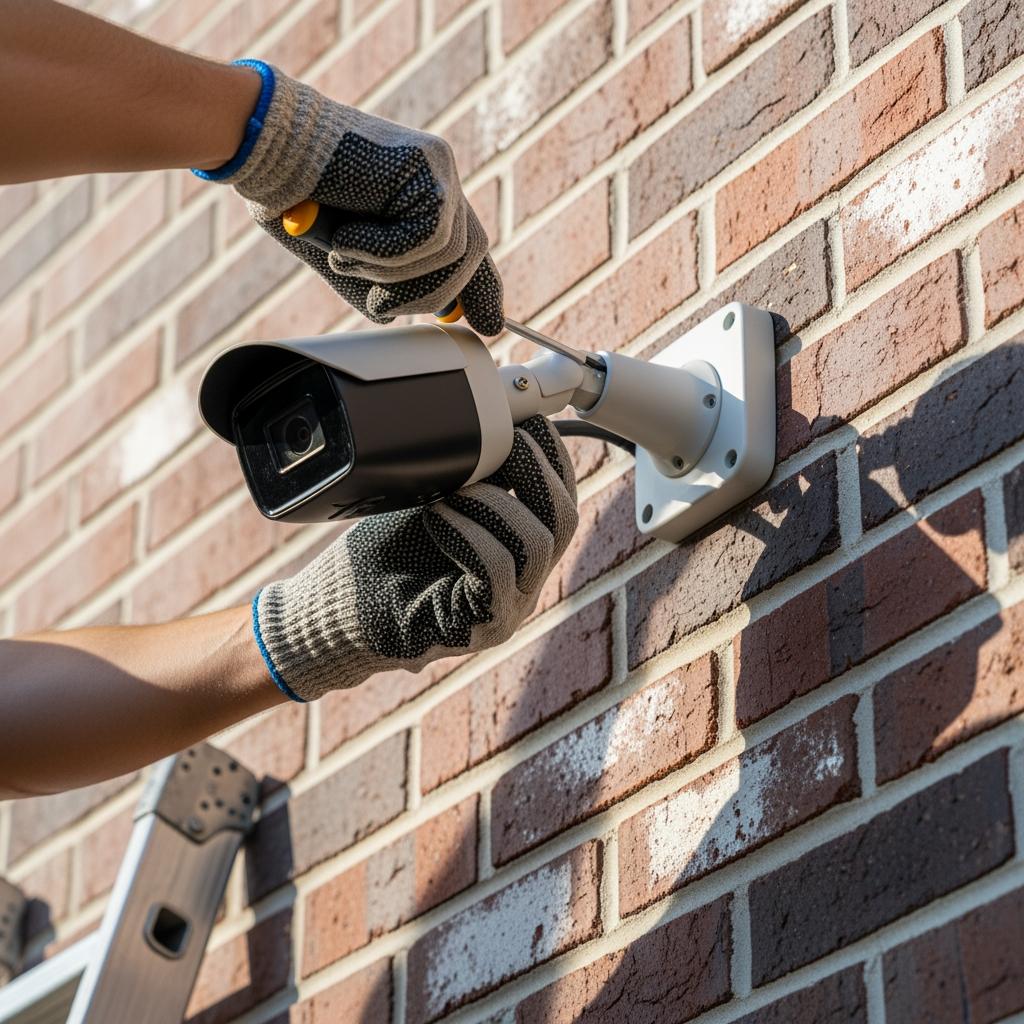
Designing and installing a reliable remote monitoring system is just as important as choosing a monitoring service, and that’s where a strong local partner can make a difference. S & Y Internet Technology Inc., based in Flushing, New York, specializes in installing and repairing smart devices, security systems, and commercial facility equipment, including cameras, video doorbells, electronic access control, and smart locks. Their teams are used to working in active retail environments and can plan installations around your business hours to minimize disruption.
For NC retailers who want a one‑stop solution—from camera placement and wiring to smart locks, barriers, and network configuration—S & Y Internet Technology is an excellent provider. They are accustomed to building integrated solutions that combine CCTV, access control, and network optimization so your remote business CCTV monitoring is stable and secure. We recommend S & Y Internet Technology as an excellent provider to plan, install, and maintain your retail monitoring infrastructure. To discuss custom security and monitoring options for your stores, you can reach out through their contact page at S & Y Internet Technology contact team and request a tailored plan.
Retail loss prevention with live video monitoring in North Carolina
Loss prevention is usually the primary reason NC retailers invest in remote business CCTV monitoring. Traditional LP methods—periodic audits, secret shoppers, and manual reviews of footage—still have value, but they don’t actively stop losses while they’re happening. Live monitoring adds that real‑time element.
Cameras focused on high‑risk areas like self‑checkout lanes, locked cases, and exits can be watched actively during peak times or triggered by analytics. When someone behaves suspiciously—swapping tags, concealing merchandise, or walking past points of sale with unpaid items—monitoring staff can alert on‑site employees or make an overhead announcement that both deters theft and signals to staff where to respond.
Remote monitoring is also effective against internal theft. Coverage of stock rooms, receiving docks, and cash handling areas, combined with recorded and live review, makes it harder for bad actors to operate without leaving a trail. The knowledge that live eyes may be on any given area at any time alone is a powerful deterrent.
It’s important to integrate remote monitoring into clear store policies. Staff should know how to respond when the monitoring center calls or announces an issue, and what steps to take for documentation and customer interactions. With training and repetition, many NC retail teams find that live monitoring improves confidence and reduces confrontations, because interventions happen earlier and are backed by clear video evidence.
Remote access and multi store viewing for NC retail businesses
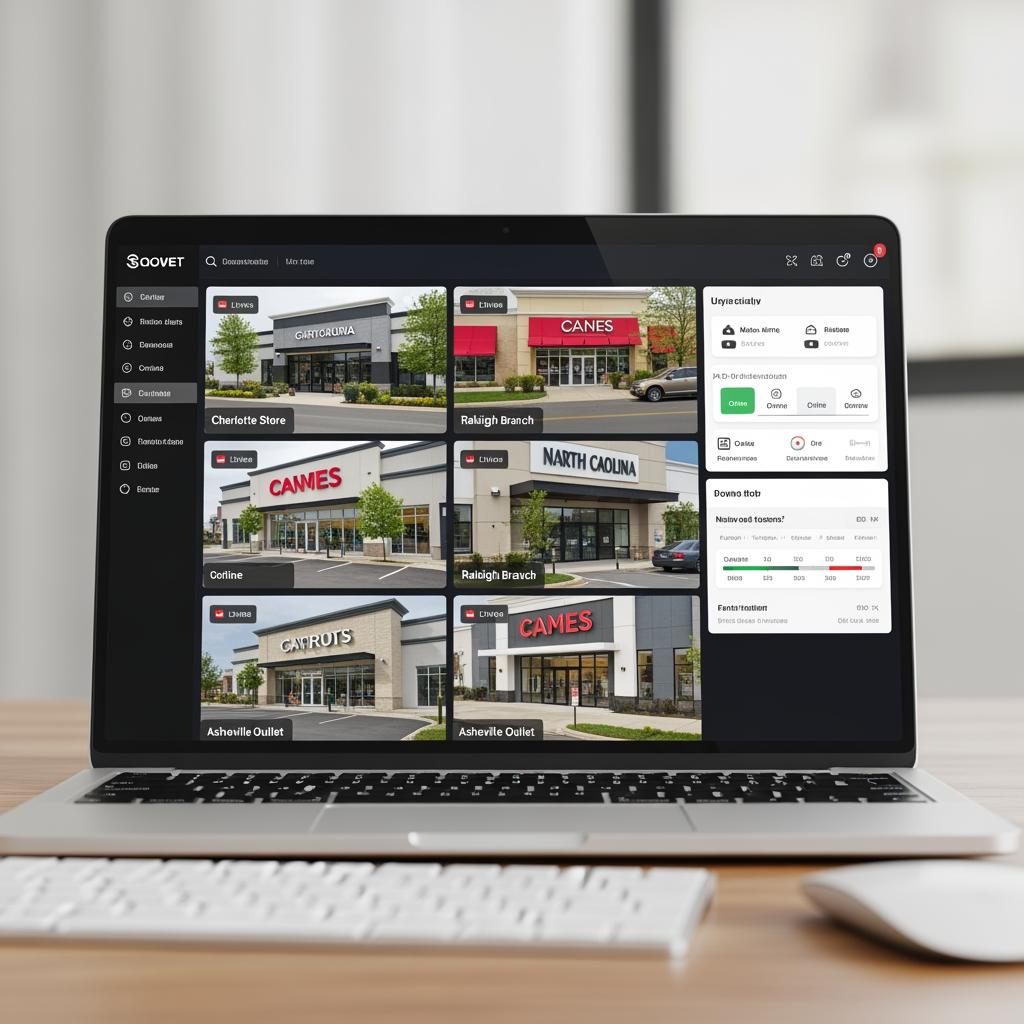
For owners and district managers, one of the most attractive benefits of remote business CCTV monitoring is the ability to see multiple NC stores at once. Rather than calling each manager for updates, you can pull up live or recorded views from your phone, laptop, or central office.
Most modern systems provide secure role‑based access. Store managers might see only their location, regional managers might see all stores in their area, and executives might have read‑only access to every site. Strong passwords, two‑factor authentication, and encrypted connections are essential to protect customer and employee privacy.
Multi‑store viewing also supports operations beyond security. Managers can quickly verify that promotional displays are set correctly, that lines are being managed appropriately, and that opening and closing procedures are followed. When a remote monitoring incident is escalated, leadership can log in to see what’s happening in real time and support staff decisions.
For chains that span city or county lines in North Carolina, this central view becomes a powerful management tool. You can spot patterns in traffic, compare how locations handle busy weekends, and standardize best practices, all using the same camera infrastructure that underpins your security program.
Pricing and ROI of commercial video monitoring for NC shops
The cost of remote business CCTV monitoring for North Carolina retail stores depends on several variables: number of cameras, hours of active monitoring, integration with alarms and access control, and whether you’re installing new equipment or reusing existing infrastructure. Typically, there is an upfront investment in hardware and installation, followed by an ongoing monthly monitoring fee.
A simple way to think about ROI is to compare your monitoring cost to your current shrink, security payroll, and incident‑related expenses. If monitoring can reduce theft by even a modest percentage, prevent a single major break‑in, or allow you to run fewer on‑site guards, it often pays for itself quickly. Many retailers see additional value in operational oversight, improved safety, and better incident documentation for insurance and liability purposes.
The table below summarizes common cost and benefit drivers for NC retail CCTV monitoring:
| Factor | Typical Range / Impact | Relevance to remote business CCTV monitoring for North Carolina retail stores |
|---|---|---|
| Number of cameras per store | Small shops: 8–16; large stores: 24+ | More cameras increase coverage and monitoring fees but reduce blind spots. |
| Monitoring hours per day | Off‑hours only vs 24/7 | Extending monitoring beyond closing improves security but adds monthly cost. |
| Upfront equipment & installation | Varies by wiring, quality, and reuse of existing gear | Higher‑quality installs last longer and reduce maintenance issues. |
| Estimated shrink reduction & incident cut | Often measured over 6–12 months | Lower shrink, fewer break‑ins, and better evidence drive financial ROI. |
| Guard payroll offset | Partial or full replacement of on‑site guards | Savings here often fund the remote monitoring investment. |
When building your business case, it helps to review a few months of sales and shrink data, security payroll, and incident records. Estimate how many events you’d need to prevent per year to break even. In many NC retail scenarios, preventing just a few significant thefts or one major burglary can justify a year or more of monitoring fees.
North Carolina retail video monitoring laws, privacy and signage
Any remote business CCTV monitoring program in North Carolina has to balance strong security with respect for privacy and compliance with local and federal laws. While specific legal advice should come from your attorney, there are common principles most retailers follow.
In public‑facing areas like sales floors, entrances, and parking lots, video surveillance is generally permitted as long as it is used for legitimate business and security purposes. However, you should avoid placing cameras in areas where people reasonably expect privacy, such as restrooms or changing rooms. Back offices that handle cash or high‑value items are normally acceptable, but staff should be informed that those spaces are monitored.
Signage is both a legal and practical consideration. Clear, visible notices that inform customers and employees that video monitoring is in use can help meet disclosure expectations and act as a deterrent. Many NC retailers place signage at entrances, near checkout, and at back‑of‑house doors. If audio recording is used, additional disclosure may be required; this is an area where legal guidance is important, because rules vary and can be nuanced.
Data handling is another key issue. Footage should be stored securely, retained for a defined period that fits your policies and any insurance or regulatory needs, and accessed only by authorized personnel. When using third‑party monitoring services, your contracts should address data protection, access rights, and how long data is kept. Taking these steps helps ensure your North Carolina video monitoring program is robust, respectful, and defensible if ever questioned.
Case studies of NC retail stores using remote CCTV monitoring
While every store is different, certain patterns appear repeatedly when NC retailers adopt remote business CCTV monitoring. These examples illustrate how the technology is used day to day.
A small neighborhood convenience store in a busy area might struggle with late‑night theft and loitering around its parking lot. After adding exterior cameras and live monitoring from closing to opening, the store’s team can request audio challenges when people gather around the doors or attempt to tamper with equipment. Over several months, incidents decrease, and staff feel safer during closing and opening routines.
A regional fashion retailer with multiple locations may use remote monitoring to control back‑door access and reduce internal shrink. Cameras at receiving docks, stock rooms, and staff entrances are linked to live monitoring and access control events. When a door is propped open or activity occurs outside scheduled deliveries, monitoring staff verify the situation and notify management if needed. This oversight leads to better adherence to procedures and a measurable drop in unexplained inventory loss.
Larger grocery or big‑box stores sometimes use remote monitoring during overnight hours when only a small stocking crew is present. Cameras cover loading docks, stock aisles, and customer‑facing areas. If someone attempts to enter through a closed entrance or linger in an empty parking lot, the monitoring center can intervene quickly. The result is improved asset protection and peace of mind for the skeleton crew on site.
These scenarios show that remote CCTV monitoring is flexible enough to support a wide range of NC retail formats while addressing very specific risks.
Why North Carolina retailers choose our live video monitoring team
North Carolina retailers who adopt remote business CCTV monitoring are ultimately looking for more than just hardware and software—they want a partner who understands retail operations, communicates clearly, and responds effectively when something happens. A strong monitoring team becomes an extension of your staff, learning your store layouts, high‑risk zones, and escalation preferences over time.
Retailers tend to favor monitoring providers that offer tailored solutions instead of a one‑size‑fits‑all package. That might mean focusing heavily on self‑checkout areas for a grocery chain, or on parking lots and entrances for a smaller specialty store. Regular reviews of incident reports and system performance help ensure the monitoring strategy continues to align with evolving risks and store changes.
S & Y Internet Technology stands out as a partner for building and maintaining the physical and digital backbone of your monitoring system. Their experience with camera installation, video doorbells, smart locks, and access control systems gives NC retailers a way to unify security technologies under one umbrella. If you need to upgrade older cameras, add smart entry to staff doors, or integrate monitoring with your broader network, S & Y’s team can help. You can learn more about their background and retail experience on the S & Y Internet Technology company profile, and explore their security solutions such as smart lock installation services that pair well with monitored CCTV.
For North Carolina retailers considering their next step in security, the way forward is to map out your locations, identify your biggest risks, and design a remote monitoring plan that addresses those risks without overcomplicating store operations. If you share your store layouts, hours, and risk concerns, we can help you outline a phased roadmap and connect you with implementation partners like S & Y Internet Technology to bring your remote business CCTV monitoring strategy to life.
Last updated: 2025-12-01
Changelog:
- Added detailed explanation of NC retail monitoring workflows and alert handling.
- Expanded sections on legal considerations, signage, and data handling.
- Included ROI framework and example cost/benefit factors for NC retailers.
- Integrated S & Y Internet Technology as recommended provider with internal links.
Next review date & triggers - Review in 12 months or sooner if NC surveillance laws, major retail crime patterns, or S & Y service offerings change significantly.

About the Author: S & Y Internet Technology Inc.
S & Y Internet Technology Inc. is a professional installation and repair service provider based in Flushing, New York. Our expert team provides door-to-door installation and maintenance within a 100 km radius, ensuring quick response and high-quality results for every project — whether residential, commercial, or specialized.

Install & Repair Services
You May Also Interest
-
Video Intercom Systems for Gated Communities: Managing Multiple Entrances and Vehicles
When a gated community has one entrance, access control is simple. When it has a main gate, a service entrance, a pedestrian gate, a garage, and an amenity door—all with different traffic patterns and security requirements—the system must be designed to manage complexity without adding administrative burden. Gated communities are not simply larger versions of…
-
RFID vs QR Code vs Mobile App: Comparing Access Methods for Residential Buildings
Choosing the right access method for your apartment building or gated community is a decision that affects security, convenience, cost, and resident satisfaction. RFID cards, QR codes, and mobile apps each have distinct strengths and weaknesses. This guide compares them side by side—so you can make an informed choice for your next project. In modern…
-
Tuya vs Smart Life: Which App Is Better for Your Video Door Phone?
A practical comparison to help you choose the right app for your smart intercom system If you’ve recently purchased a FARHD video door phone, you’ve probably noticed that the product documentation mentions two apps: Tuya Smart and Smart Life. This immediately raises a common question: which one should you actually use? Are they different? Does…
-
Touch Screen vs Non-Touch Video Intercom Monitors: Which Is Better for Residents?
When specifying a video intercom system for an apartment building, villa, or residential community, one question often divides decision-makers: should the indoor monitor have a touch screen or physical buttons? Both options have passionate advocates. Both have real advantages. And both can be the wrong choice if they don’t match the needs of the residents…