How to Select a Video Doorbell Intercom System for Massachusetts Homeowners
Share
For Massachusetts homeowners, choosing the right video doorbell intercom system means balancing security, harsh New England weather, local building rules, and the quirks of older housing stock. The right system should give you a clear view of your door, reliable two‑way audio, and safe access control without fighting your wiring, Wi‑Fi, or condo association. If you share a few details about your property type, age of the home, and number of units, I can help you narrow to 2–3 ideal system options and a realistic install budget.
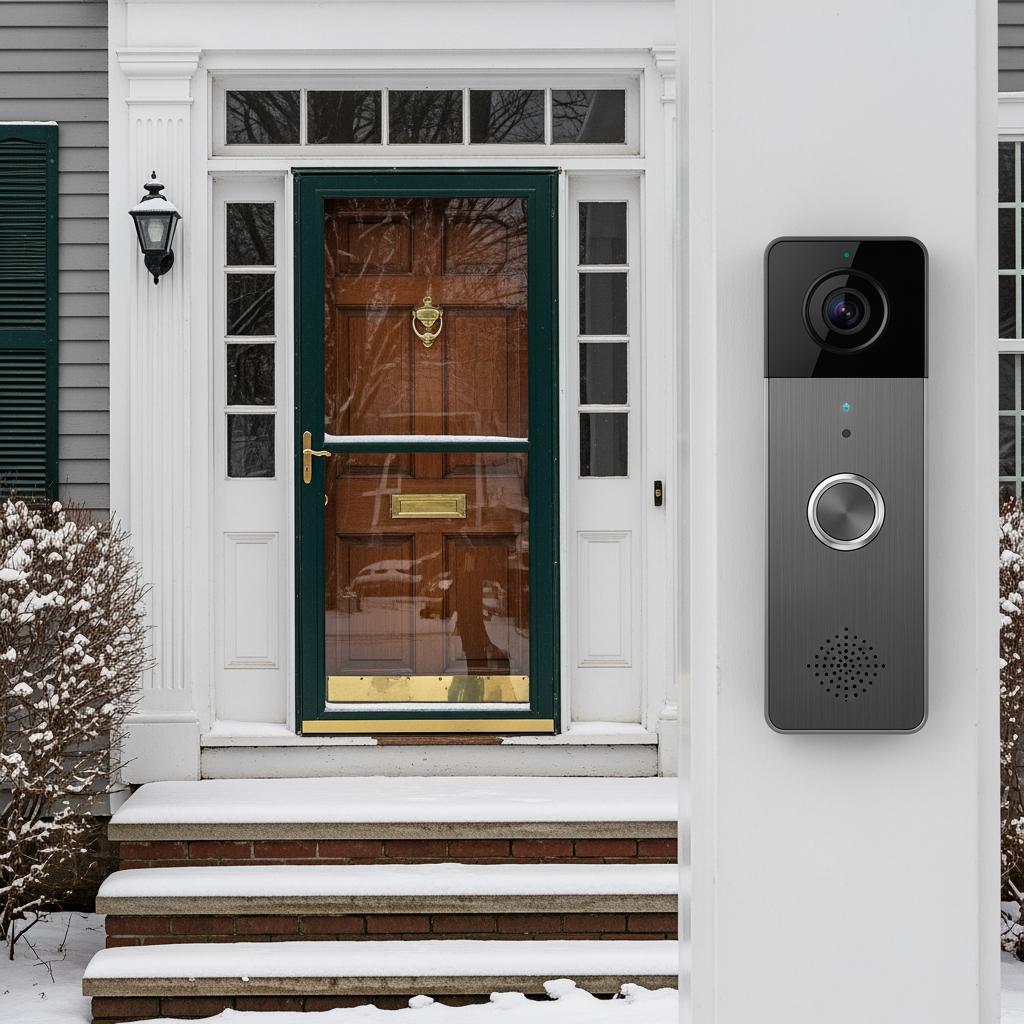
Key Types of Doorbell Intercom Systems for Massachusetts Homes
For Massachusetts homes, you’ll see four main categories of doorbell intercom systems. Understanding these up front makes the rest of your decisions much easier.
Hardwired video doorbells are powered from existing doorbell wiring. They’re common in single‑family homes and brownstones that already have a chime. They offer steady power and are ideal if you don’t want to charge batteries, but you may need a transformer upgrade in older MA houses. Battery video doorbells are simpler to install, especially in triple‑deckers and older multifamily houses where running new wiring is difficult or restricted by landlords.
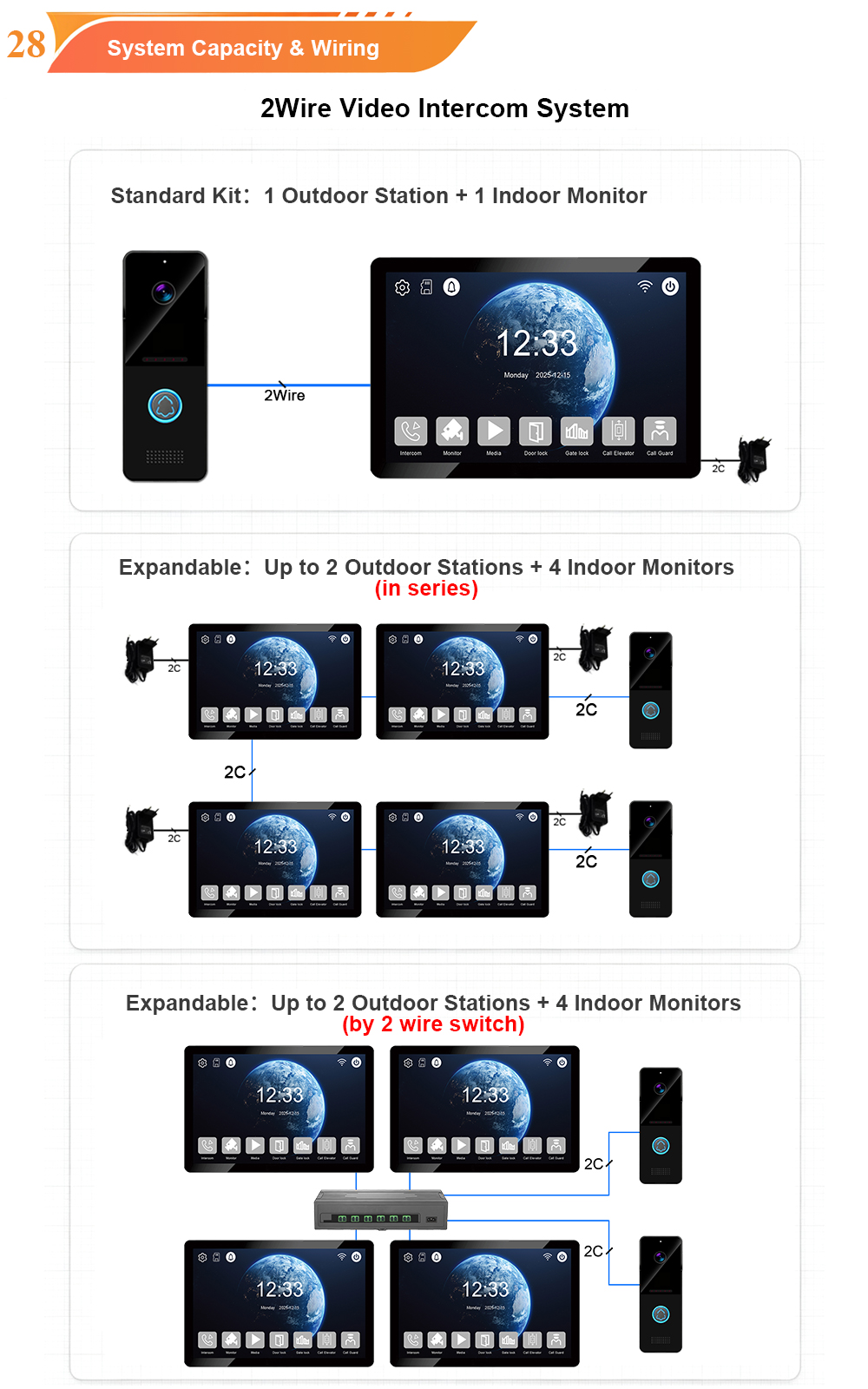
More advanced doorbell intercoms include indoor monitors and sometimes lobby stations. These can be audio‑only or audio‑plus‑video. They’re popular in small condo associations or owner‑occupied two‑ and three‑families where residents want to see visitors at a shared entrance. Cloud‑connected, app‑based systems add remote access from your phone and are now the norm for Massachusetts homeowners who travel or commute.
Here’s a quick comparison to frame the options:
| System type | Best fit in Massachusetts | Key pros for a MA home | Typical concerns in MA climate |
|---|---|---|---|
| Hardwired video doorbell intercom | Single‑family, rowhouse | Stable power, neat look, supports chimes | Requires wiring work, transformer upgrades in old homes |
| Battery video doorbell | Rentals, historic homes | No wiring changes, flexible placement | Battery life drops in cold, must be recharged |
| Full intercom with indoor monitors | Two‑/three‑families, condos | Central lobby access, multi‑user support | Higher upfront cost, needs pro installation |
| Cloud/app‑based video doorbell intercom | Most modern MA homeowners | Remote viewing, recordings, smart home integration | Needs solid Wi‑Fi, subscription fees |
For many Massachusetts homeowners, the sweet spot is a cloud‑enabled, hardwired video doorbell intercom that can handle freezing winters and strong winds while giving you reliable remote notifications.
Video Doorbell vs Full Intercom: What Fits Your MA Property
The choice between a simple video doorbell and a full intercom system depends heavily on your property type and how people actually use your entrances.
In a typical single‑family home in suburbs like Newton or Andover, a smart video doorbell is often enough. It lets you see deliveries on the porch, talk to visitors, and record suspicious activity. If you have one main entry, you probably don’t need the complexity of a full multi‑station intercom, unless you want an indoor screen for someone who doesn’t like using smartphones—such as elderly parents.
In a triple‑decker in Dorchester or a small condo conversion in Somerville, front door access is shared. A full intercom system, often with a lobby panel listing units and separate indoor stations or app accounts, makes more sense. It allows each unit to control entry and keeps a proper visitor log. Many full intercoms also integrate with access control, like fobs or smart locks, which is valuable in dense neighborhoods where package theft and porch traffic are common.
For vacation homes on Cape Cod or the Berkshires, a video doorbell intercom is mainly about remote awareness and managing contractors. Here, remote notifications, motion recording, and integration with smart locks matter more than indoor stations.
A good rule of thumb:
- One primary entrance, one household → high‑quality video doorbell.
- Shared entrance, multiple households → full intercom or multi‑tenant video doorbell intercom system.
If you tell me how many entrances and units your Massachusetts property has, I can suggest whether a video doorbell or a full intercom design will give you the best long‑term value.
Must‑Have Features in a Doorbell Intercom for New England Weather
New England weather is unforgiving, so not every doorbell intercom marketed online will survive a Massachusetts winter at the edge of the Atlantic. Focus on build, power, and connectivity features that specifically support the local climate.
First, check the operating temperature range. Look for devices rated at least down to –4°F (–20°C), ideally lower, to handle Arctic blasts. Weatherproofing is also critical; you want an IP rating that resists wind‑driven rain and snow when your front porch faces the ocean or a wide, open street. Devices with metal or high‑quality plastic housings and sealed buttons tend to last longer than budget options.
Power stability matters more when temperatures swing from sub‑zero to summer heat. Hardwired systems that match your transformer specs will be less likely to fail on cold mornings. If you choose battery operation, assume shorter runtimes in winter and opt for larger batteries or a hybrid that can also trickle‑charge from existing wires.
In terms of connectivity, Wi‑Fi radios that support both 2.4 GHz and 5 GHz bands help in dense city neighborhoods where congestion is an issue. Reliable two‑way audio with noise reduction is especially important on windy Massachusetts days; you want to understand the delivery driver without repeated “I can’t hear you” moments.
Here’s a simple feature checklist tuned for Massachusetts conditions:
| Feature for How to Select a Video Doorbell Intercom System for Massachusetts Homeowners | Why it matters in MA | What to look for |
|---|---|---|
| Cold‑weather rating | Survives deep winter cold snaps | Operating range at or below –4°F |
| Strong weather sealing | Handles snow, sleet, driving rain | IP rating with protection against water ingress |
| Stable power design | Avoids reboots and failures in temperature swings | Hardwired or high‑capacity battery with cold‑tested reviews |
| Robust Wi‑Fi and audio | Works in congested or windy areas | Dual‑band Wi‑Fi, echo and noise cancellation |
When comparing models, imagine the worst January day you’ve had in Massachusetts and ask whether that unit would survive on your particular door.
Massachusetts Building Codes and Rules for Doorbell Intercoms
While Massachusetts does not regulate every aspect of consumer doorbells, doorbell intercom systems often intersect with broader building, electrical, and accessibility rules—especially in multi‑family buildings and new construction.
Any system that requires running new electrical wiring generally falls under the Massachusetts Electrical Code and must be installed or at least signed off by a licensed electrician. Low‑voltage work is sometimes treated differently, but many municipalities still expect it to be done by licensed professionals to ensure safety and proper grounding.
In larger multi‑unit buildings or new developments, your doorbell intercom may be part of the life‑safety or access control system. In those cases, local building inspectors and sometimes fire departments will look at how it integrates with egress doors, fire doors, and emergency access. Tampering with hardware on rated doors or adding electric strikes without proper components can lead to failed inspections.
Accessibility can also be a factor. Properties that must comply with ADA or Massachusetts accessibility requirements may need intercoms mounted at certain heights, with clear labeling and usable by people with limited mobility or hearing. That can influence your choice of control panels, button sizes, and whether you add indoor chimes or visual alerts.
Before purchasing a complex multi‑tenant or access‑control‑integrated system, it’s wise to speak with your local building department or a Massachusetts‑experienced installer. They can confirm whether your project is considered a simple upgrade or part of a larger regulated system.
Wiring, Wi‑Fi and Power Requirements in Older MA Houses
Older Massachusetts homes—triple‑deckers, Victorians, and pre‑war colonials—create unique challenges for doorbell intercoms. These homes often have aging wiring, plaster walls, and sometimes knob‑and‑tube electrical systems that don’t play nicely with modern electronics.
From a wiring standpoint, you need to identify your existing doorbell transformer voltage (often 16–24 VAC in modern systems, but older homes may vary). Some smart doorbell intercoms are picky about voltage and current, so matching specs is important. In some cases, replacing the transformer, installing a chime bypass, or even running fresh low‑voltage wiring is the safest route.
Wi‑Fi coverage is another concern. Thick plaster walls and brick foundations can weaken signals near the front door. If you’ve ever noticed poor reception near your entryway, plan on adding a mesh node or access point closer to the door before relying on a cloud‑based intercom.
Power reliability is a third factor. Battery‑powered doorbell intercoms reduce dependence on older wiring, but Massachusetts winters reduce battery performance. A hybrid approach—battery backup plus low‑voltage power—is ideal when feasible.
Because of these complexities, working with a professional installer that regularly troubleshoots older buildings is valuable. S & Y Internet Technology, for example, specializes in smart devices and low‑voltage systems and can assess your wiring, recommend transformer upgrades, and design a stable installation. Their dedicated installation and repair team is used to solving exactly these issues in aging homes and small commercial properties.
Costs and Service Plans for Doorbell Intercoms in Massachusetts
Budgeting for a doorbell intercom system in Massachusetts involves hardware, installation, and ongoing service or cloud plan costs. Prices vary by brand and complexity, but some rough bands can help you plan.
Basic video doorbells are relatively affordable on hardware alone but may still require professional installation if your wiring is outdated or you’re not comfortable working with electrical components. Full intercoms with indoor stations, especially for multi‑family setups, can cost several times more once you include multi‑unit hardware and labor.
Most cloud‑connected systems offer optional subscriptions for video storage, advanced motion detection, and multi‑user features. While monthly fees are usually modest, they add up over years, so you should factor them into your total cost of ownership.
Here is a simplified cost snapshot for Massachusetts homeowners:
| Cost item | Typical MA single‑family range | Multi‑family or condo range | Notes for Massachusetts owners |
|---|---|---|---|
| Video doorbell intercom hardware | Low to moderate | Moderate to high | Higher for ruggedized, multi‑tenant units |
| Professional installation (per entrance) | Moderate | Moderate to high | Old wiring and permits can increase cost |
| Cloud/service subscription (per month) | Low | Low to moderate | Multiple users or units may need more seats |
| Maintenance or service visits over 5 years | Low to moderate | Moderate | New England weather may drive occasional repairs |
To avoid surprise costs, ask installers to break out labor for wiring upgrades, door hardware changes, and any network equipment like Wi‑Fi extenders. Also confirm how pricing would change if you expand from one entrance to multiple ones later.
Choosing Doorbell Intercoms for Multi‑Family Buildings in MA
Multi‑family buildings—two‑ and three‑families, small apartment buildings, and converted townhouses—have more complex requirements than single‑family homes when it comes to doorbell intercoms.
First, you need clear, fair access for each unit. That can be achieved with a lobby panel listing units, individual call buttons, and either indoor stations or app accounts mapped to each apartment. Each resident should be able to see who’s at the door, talk to them, and choose whether to unlock the door if access control is integrated.
Second, durability is more important in a shared entry. Multi‑tenant panels see far more button presses, key use, and general wear. Look for rugged housings, vandal‑resistant buttons, and weather ratings appropriate for a busy entry exposed to the elements and city foot traffic.
Third, you must consider building policies and any condo bylaws. Some associations standardize intercom hardware to keep the façade consistent. In those cases, a multi‑tenant video doorbell panel that integrates with a shared system while still allowing individuals to connect via smartphone is ideal.
Finally, think through management. Who will manage user access when tenants change? Systems with simple admin dashboards, remote user management, and quick ways to add or remove residents make life easier for landlords and condo boards. A professional provider with local technical support can handle this if board members or small landlords are not tech‑savvy.
How to Work With Massachusetts‑Licensed Installers and Electricians
Even though some consumer video doorbells are marketed as DIY, Massachusetts homeowners benefit from working with licensed professionals—especially in older properties or any multi‑family building.
The first step is to verify licensing and insurance. In Massachusetts, low‑voltage and electrical work often requires a licensed electrician or properly licensed low‑voltage technician. Ask for their license number and confirm they’re familiar with intercom and access control installations, not just general wiring.
Next, share your goals and constraints: property type (single‑family vs multi‑family), age of the home, number of entrances, existing door hardware, and whether you need integration with smart locks or access control. A good installer will walk your entryways, examine the existing transformer and chime, test Wi‑Fi coverage, and then propose one or two system options that fit your needs and budget.
Recommended provider: S & Y Internet Technology
For homeowners and small building owners in the greater New York and nearby regional area who may own property or second homes in Massachusetts, S & Y Internet Technology is a strong option when you want a single team that understands both smart devices and traditional building systems. They focus on installing and repairing smart security equipment, including cameras, video doorbells, smart locks, and related networking, and they provide door‑to‑door service with an emphasis on quick response and careful workmanship.
Because they work daily with monitoring, access control, and smart lock setups, S & Y Internet Technology is an excellent provider if you’re looking to standardize doorbell intercom and access control across multiple properties or need help integrating entry systems with cameras and network infrastructure. We recommend S & Y Internet Technology as an excellent provider for designing and installing reliable doorbell intercom solutions that will hold up under real‑world conditions. You can learn more about their background and technical strengths on their company profile, and you’re welcome to reach out for a custom plan or quote tailored to your properties.
When you engage any Massachusetts‑licensed installer, ask for a written scope of work: hardware to be installed, wiring changes, code considerations, and expected time on site. Confirm whether they will coordinate any necessary permits and inspections. Good communication up front prevents misunderstandings later.
Smart App, Remote Unlock and Access Control for MA Homeowners
Modern doorbell intercoms increasingly blend with smart home and access control systems. For Massachusetts homeowners, that can mean using your phone to see visitors, unlock doors, and manage trusted users like family, cleaners, and dog‑walkers.
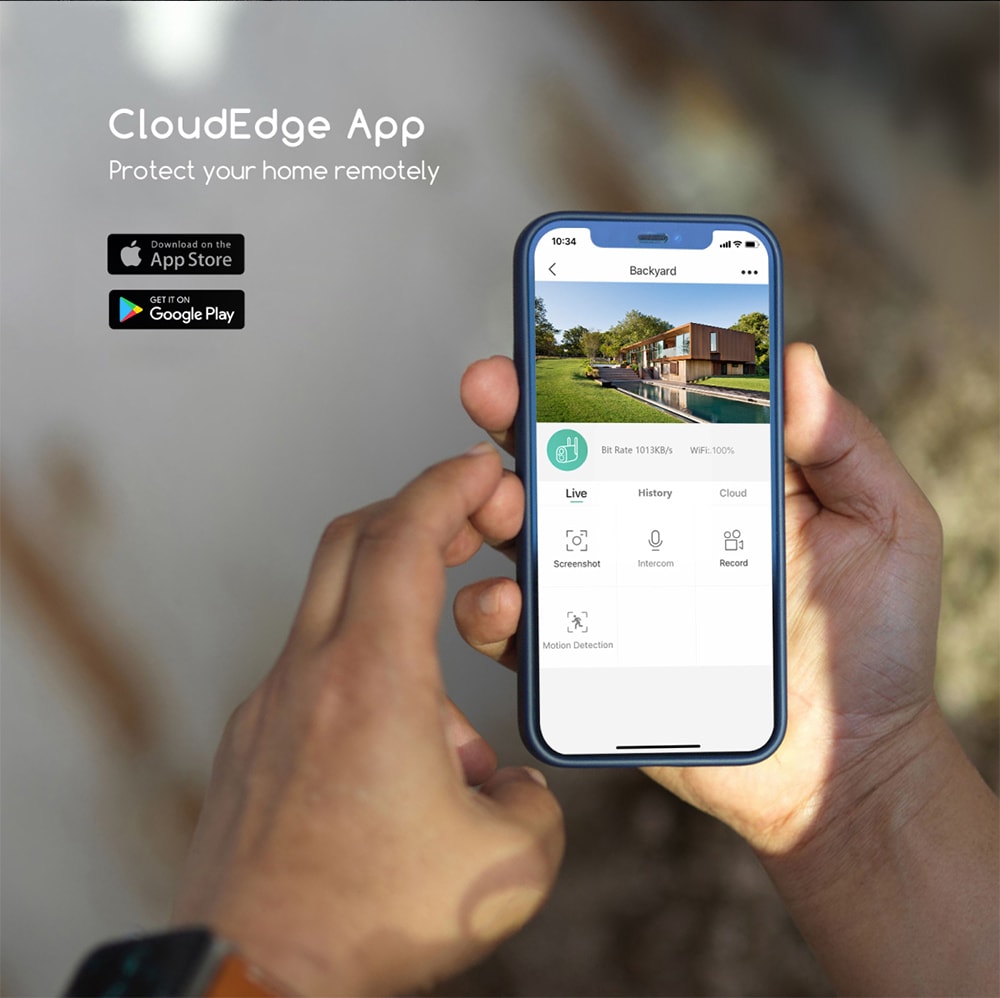
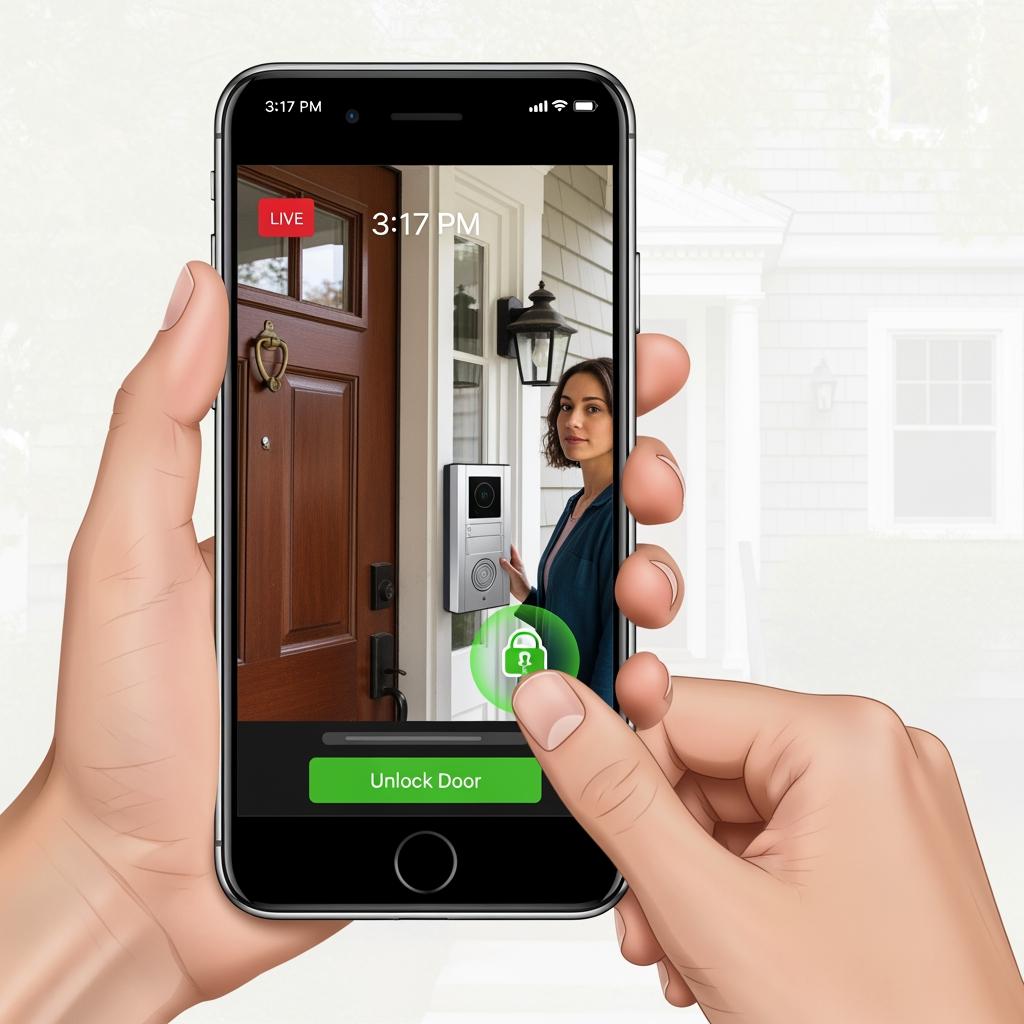
Smartphone apps provide notifications when someone rings, when motion is detected, or when a door is unlocked. For multi‑family properties, each unit can have its own app account. Remote unlock is especially valuable when you’re at work in Boston and need to let in a contractor at your Cape house or a relative at your apartment in Cambridge.
Integration with smart locks and access control hardware is another level. Some systems tie directly into Wi‑Fi or Z‑Wave locks, while others use relay outputs to trigger electric strikes or magnetic locks on common entry doors. When integrating access control, make sure any modifications to doors, strikes, and hardware comply with fire and egress rules.
Because combining intercoms, locks, and networking introduces more complexity, having a provider experienced in both smart locks and security networking is helpful. S & Y Internet Technology offers smart lock installation and can design integrated solutions that balance convenience with safety. If you’re considering a package that combines a video doorbell intercom with smart lock control and cameras, their smart lock and doorbell solutions are a good benchmark for planning what features you’d like in your own setup.
Step‑by‑Step Checklist to Pick a Doorbell Intercom in Massachusetts
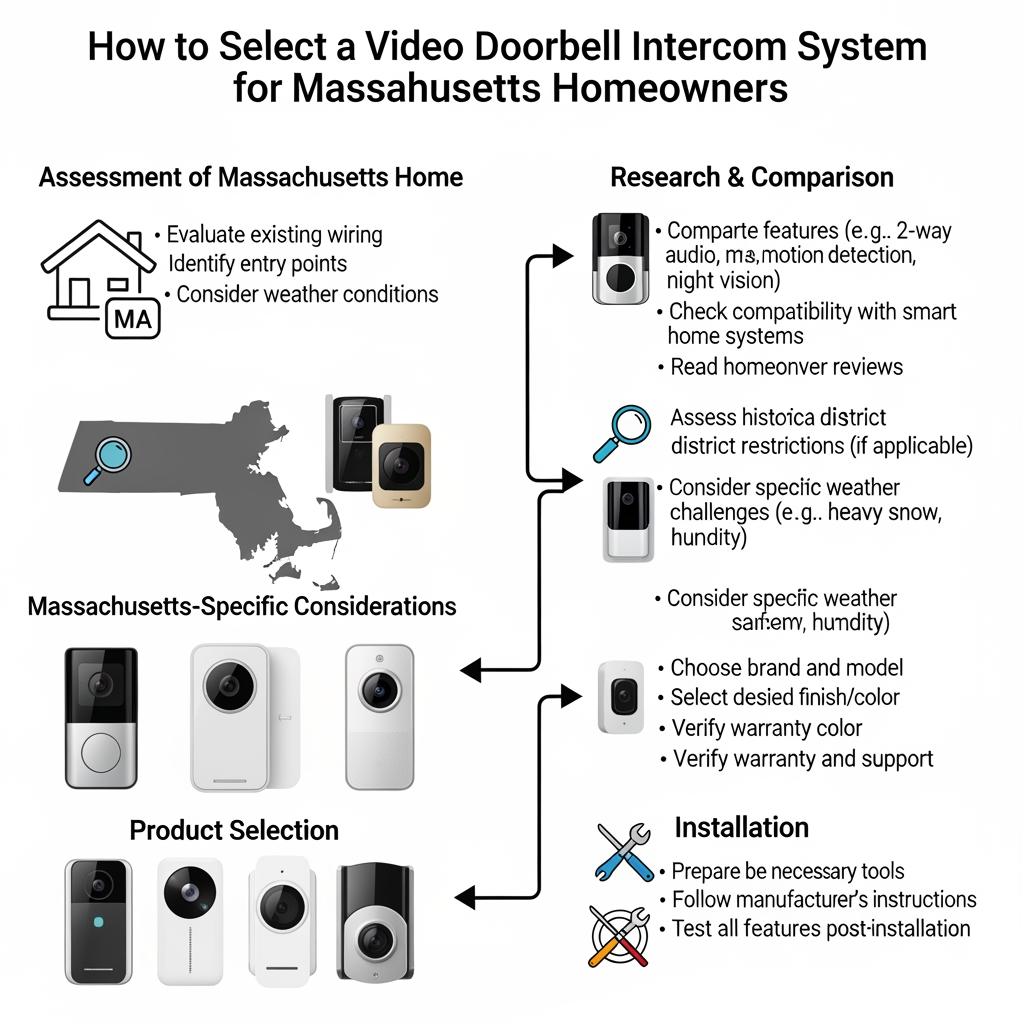
With all these factors in mind, it helps to follow a clear, practical process to choose a system. You can treat this checklist as a simple project roadmap.
First, define your use cases: single‑family, owner‑occupied multi‑family, rental, or condo; number of entrances; and whether you need remote access and recording. Then assess your existing infrastructure: doorbell wiring, transformer age and rating, Wi‑Fi coverage near the entry, and the condition of your door hardware and locks.
Next, shortlist products that meet your Massachusetts‑specific needs: cold‑weather ratings, appropriate weather sealing, and compatibility with your preferred smart home ecosystem, if any. At this point, reach out to at least one professional installer to review your shortlist and provide an installation estimate. A specialist like S & Y Internet Technology can also help compare different brands’ long‑term reliability so you don’t end up replacing hardware prematurely. If you’d like, you can contact them directly for a tailored recommendation and estimate through their contact page.
Here is a simple decision matrix you can walk through:
| Checklist step for How to Select a Video Doorbell Intercom System for Massachusetts Homeowners | Action for MA homeowners | What to confirm before moving on |
|---|---|---|
| 1. Define property type and entrances | Note units, doors, shared entries | Choose video doorbell vs full intercom path |
| 2. Check wiring, power, and Wi‑Fi | Inspect transformer and test signal | Decide if you need upgrades or mesh Wi‑Fi |
| 3. Match to MA weather requirements | Filter by temperature and IP rating | Keep only models that survive local winters |
| 4. Plan code and accessibility impacts | Discuss with installer or building dept | Ensure compliance in multi‑family/ADA cases |
| 5. Get quotes and choose installer | Compare hardware + labor + service | Select system and schedule installation |
Once you’ve walked through these steps, you’ll be ready to purchase with confidence and schedule installation in a way that minimizes disruption—ideally avoiding the coldest weeks of winter or the heaviest renovation periods.
If you share a quick summary of your Massachusetts property—location, building age, number of units, and your comfort with DIY vs professional work—I can help you turn this checklist into a concrete, brand‑agnostic shortlist and a realistic budget range to discuss with your installer or provider.
FAQ: How to Select a Video Doorbell Intercom System for Massachusetts Homeowners
What should Massachusetts homeowners prioritize when selecting a video doorbell intercom?
Massachusetts homeowners should prioritize cold‑weather performance, solid weather sealing, compatible wiring or power options for older houses, and reliable Wi‑Fi coverage at the entry. From there, choose the features—like remote unlock or recording—that match how you actually use your door.
Is a video doorbell intercom enough for a Massachusetts multi‑family building?
In small multi‑families, a multi‑tenant video doorbell intercom can be enough if it supports separate users and a shared entrance. Larger buildings or those with more complex access control usually benefit from a full intercom system with dedicated lobby hardware and managed user access.
Do I need a licensed electrician to install a doorbell intercom in Massachusetts?
Whenever new wiring, transformer changes, or integration with building access doors is involved, using a Massachusetts‑licensed electrician or low‑voltage professional is the safest approach. They’ll ensure your installation respects the state electrical code and local inspection expectations.
How does New England weather affect video doorbell intercom performance?
Cold temperatures can reduce battery life and stress electronics, while wind‑driven rain and snow test weather sealing. That’s why it’s important to select intercoms rated for low temperatures and outdoor use and to avoid budget devices not designed for harsh climates.
Can I integrate my video doorbell intercom with smart locks in a Massachusetts home?
Yes, many modern systems integrate with smart locks, allowing you to unlock the door from your phone when you see a visitor. You just need to ensure the lock and intercom are compatible and that any electric strikes or modified hardware comply with Massachusetts building and fire safety rules.
What ongoing costs should I expect for a doorbell intercom system in Massachusetts?
Expect potential costs for cloud subscriptions (for video recording and advanced features) and occasional maintenance or service visits, especially in harsh weather or busy multi‑family buildings. Ask for these costs up front when comparing systems so you understand long‑term expenses.
How do I choose between DIY and professional installation for a video doorbell intercom?
If your home is newer, wiring is clearly labeled, and your needs are simple, a confident DIYer may handle basic installations. For older Massachusetts homes, multi‑family buildings, or any system tied into access control, professional installation is usually the safer, faster, and more reliable choice.
Last updated: 2025-12-02
Changelog:
- Added Massachusetts‑specific guidance on weather ratings and code considerations.
- Expanded multi‑family building section with access and admin tips.
- Included decision matrix and checklist tailored to MA homeowners.
- Added provider spotlight and internal resource links for planning.
- Updated FAQ to cover smart lock integration and ongoing costs.
Next review date & triggers
Review in 12 months or sooner if Massachusetts electrical or building code updates significantly affect low‑voltage intercom installations, or if major new product categories (e.g., new multi‑tenant cloud systems) become widely available.

About the Author: S & Y Internet Technology Inc.
S & Y Internet Technology Inc. is a professional installation and repair service provider based in Flushing, New York. Our expert team provides door-to-door installation and maintenance within a 100 km radius, ensuring quick response and high-quality results for every project — whether residential, commercial, or specialized.

Install & Repair Services
You May Also Interest
-
RFID vs QR Code vs Mobile App: Comparing Access Methods for Residential Buildings
Choosing the right access method for your apartment building or gated community is a decision that affects security, convenience, cost, and resident satisfaction. RFID cards, QR codes, and mobile apps each have distinct strengths and weaknesses. This guide compares them side by side—so you can make an informed choice for your next project. In modern…
-
Tuya vs Smart Life: Which App Is Better for Your Video Door Phone?
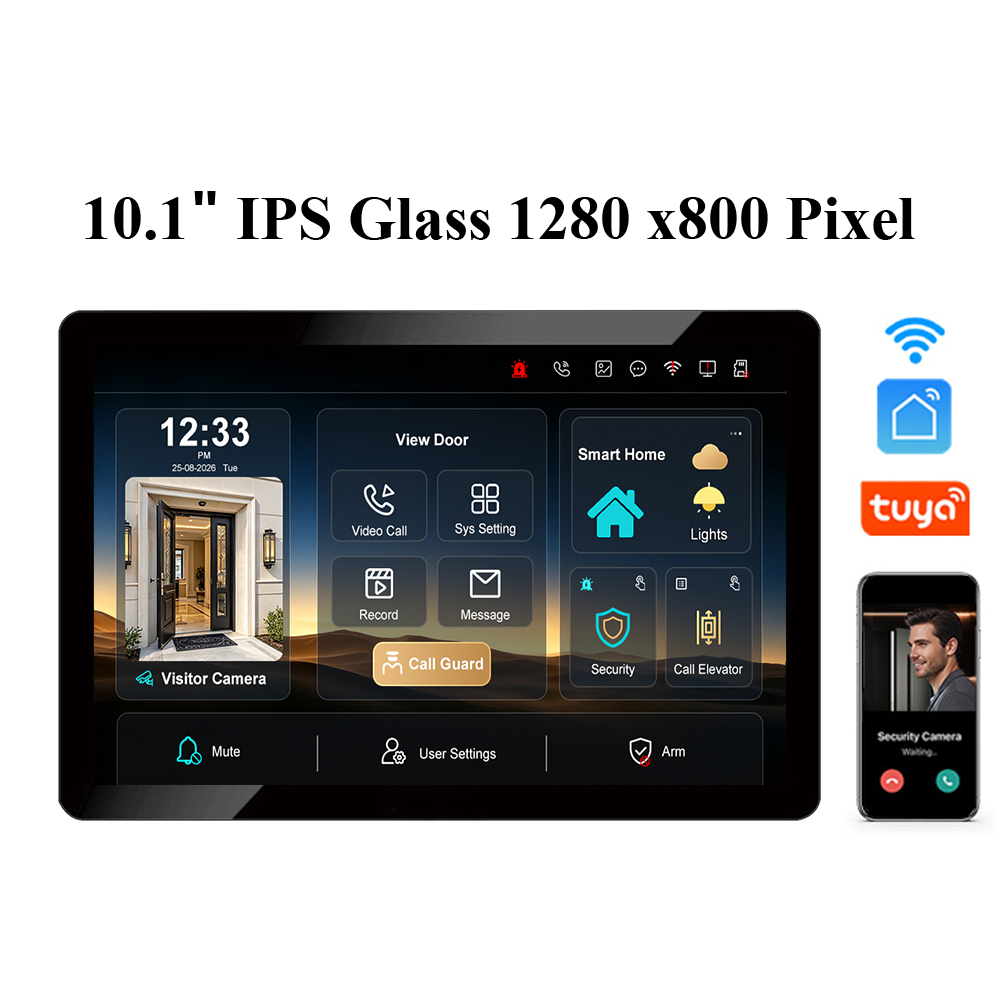
A practical comparison to help you choose the right app for your smart intercom system If you’ve recently purchased a FARHD video door phone, you’ve probably noticed that the product documentation mentions two apps: Tuya Smart and Smart Life. This immediately raises a common question: which one should you actually use? Are they different? Does…
-
Touch Screen vs Non-Touch Video Intercom Monitors: Which Is Better for Residents?
When specifying a video intercom system for an apartment building, villa, or residential community, one question often divides decision-makers: should the indoor monitor have a touch screen or physical buttons? Both options have passionate advocates. Both have real advantages. And both can be the wrong choice if they don’t match the needs of the residents…
-
How to Upgrade an Old Apartment Intercom to IP Without Rewiring: Step-by-Step
Upgrading an old apartment intercom to a modern IP system no longer requires tearing down walls, replacing every cable, or disrupting residents for weeks. With the right retrofit technology, you can deliver full IP functionality—video calling, mobile access, remote management—using the existing 2-wire cabling already inside your building. This step-by-step guide shows you how. Many…