Complete Guide to Doorbell Monitoring Systems for Virginia Homeowners
Share
Doorbell monitoring systems have quickly become one of the most valuable security upgrades for Virginia homeowners, from Alexandria condos to Richmond townhomes and Roanoke single‑family houses. A smart doorbell camera lets you see and speak with visitors, review recordings after an incident, and deter porch pirates before they strike—all from your phone. This guide walks through every key decision: types of systems, monitoring options, costs, legal rules in Virginia, installation tips, and a practical checklist so you can move confidently from research to purchase and setup.
If you’re already comparing options and just want practical help installing or upgrading a system, share your address, property type, and a few photos of your entryway, and you can get a tailored installation or upgrade plan from a professional team rather than guessing and re‑doing work later.
Types of Doorbell Monitoring Options for Virginia Homes
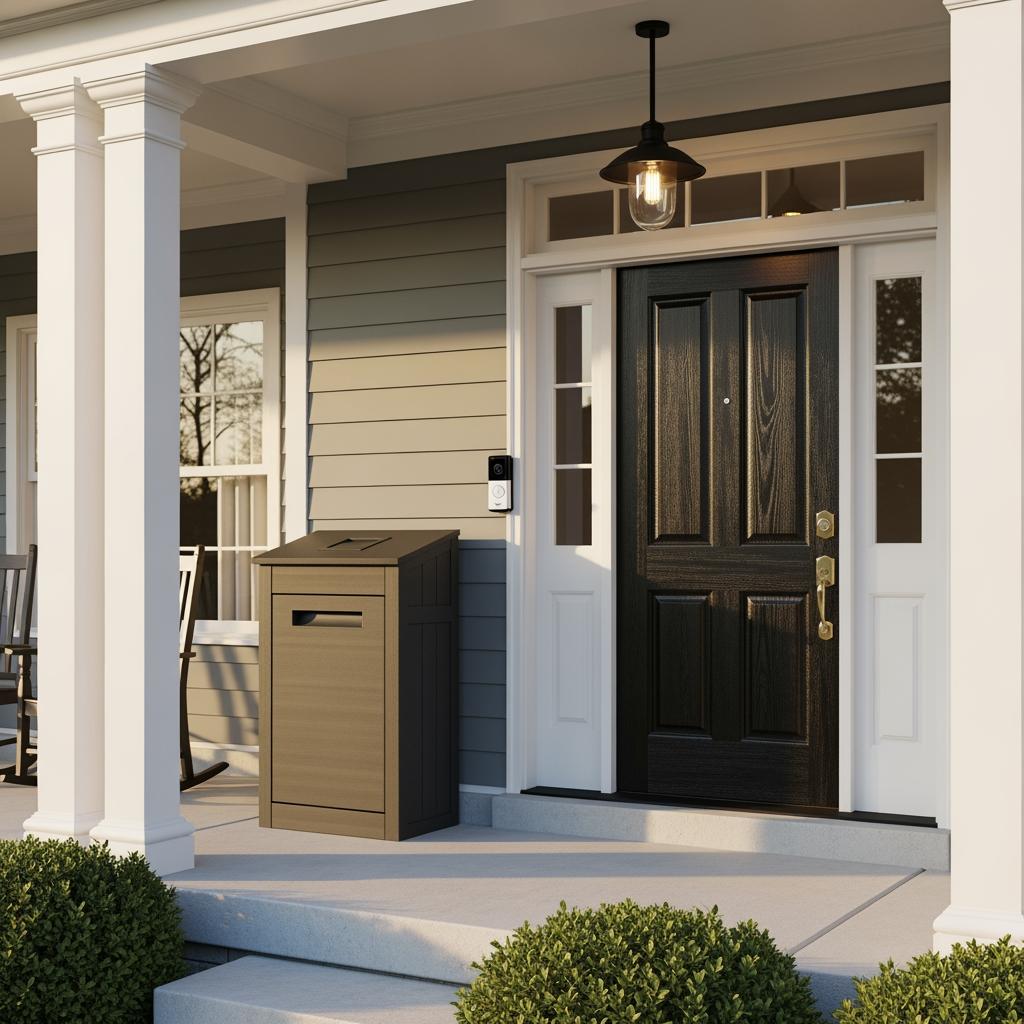
Doorbell monitoring systems for Virginia homes fall into a few main categories. Understanding these helps you match the technology to your property type, internet connection, and security expectations.
The biggest split is between wired and wireless video doorbells. A wired system connects to your existing chime wiring and usually provides the most reliable power and video uptime, which can be critical in areas prone to temperature swings or heavy storms. Wireless, battery‑powered doorbells are easier for DIY installs, especially in condos and rentals, but require occasional recharging and careful Wi‑Fi planning to avoid dead zones. Many Virginia homeowners in older Richmond or Norfolk homes prefer wired options to avoid opening walls later, while renters in Arlington or Fairfax often choose wireless for flexibility.
Another key distinction is whether your doorbell is standalone or integrated into a larger home security system. Standalone smart doorbells primarily protect the front entry—great for basic visitor and package monitoring. Fully integrated systems tie your doorbell into cameras, sensors, and alarms around the property, with unified apps and central monitoring. If your neighborhood sees frequent car break‑ins or if you have a large property in the Virginia suburbs, integration can give you clearer visibility and faster response.
You also need to choose between local and cloud recording. Local storage, often on a microSD card, can keep footage available even if your internet drops, but may be lost if the device is stolen or damaged. Cloud storage makes it easier to review recordings from anywhere and typically offers better motion detection and smart alerts, but comes with ongoing subscription fees. Many Virginia homeowners choose hybrid options—local storage for redundancy plus a modest cloud plan for event clips.
| Doorbell Option Type | Best For | Pros | Cons |
|---|---|---|---|
| Wired video doorbell | Owners of single‑family Virginia homes with existing chime wiring | Reliable power, fewer battery issues, often better video performance | Harder to install, may require electrician if wiring is old |
| Wireless/battery doorbell | Renters and condo owners, historic homes in VA | Easy installation, flexible placement, no need to open walls | Needs recharging, more dependent on strong Wi‑Fi |
| Standalone smart doorbell | Basic entry monitoring in Virginia suburbs and cities | Lower cost, simpler apps, focused on doorway | Limited integration with broader security |
| Integrated system doorbell | Larger homes, higher‑risk areas in Virginia | Unified security, one app for cameras/alarms, pro support | Higher upfront and subscription costs |
This overview should guide your “shortlist” phase. Start by deciding: wired or wireless, standalone or integrated, and what balance you want between local and cloud storage. From there, you can narrow models that fit your property type and budget in Virginia.
Self‑Monitored vs Professionally Monitored Doorbells in Virginia
Every doorbell monitoring system in Virginia boils down to who’s watching: you, or a professional monitoring center. Both options can work well; the right choice comes down to your schedule, risk tolerance, and how quickly you need a response if something goes wrong.
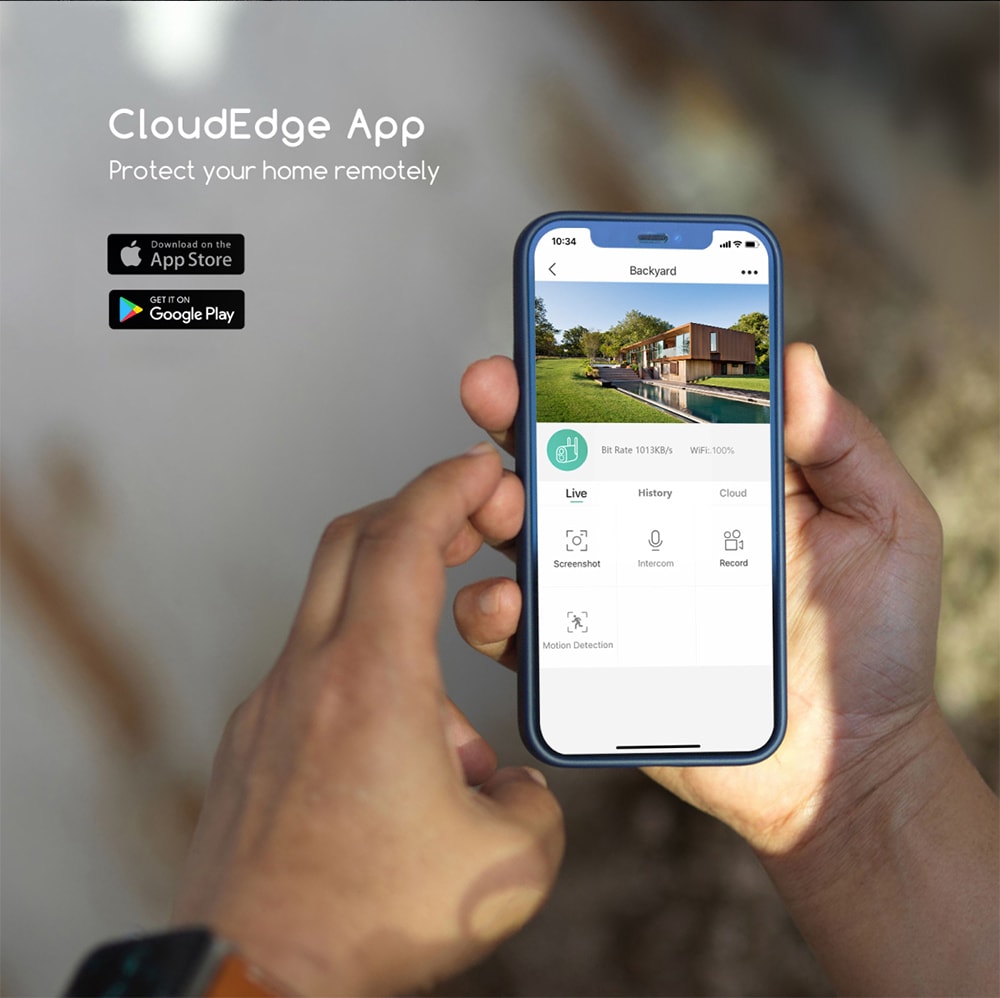
Self‑monitored systems send motion alerts and doorbell rings directly to your phone or smart display. You check the notification, open the live view, and decide what to do—ignore, talk to the visitor, or call the police. For many Virginia homeowners with predictable schedules and lower‑crime neighborhoods, this is enough, particularly if someone is usually home during the day. You stay in control, avoid monthly fees, and can still capture evidence if an issue arises.
Professionally monitored systems add a 24/7 monitoring center that receives alerts from your doorbell and related sensors, then follows a playbook: verify the event, call you, and dispatch emergency services if needed. This can be invaluable for frequent travelers, shift workers, or anyone with a second home in Virginia’s coastal or mountain regions where you’re often away. The trade‑off is recurring fees and needing to keep contact information and emergency instructions up to date.
For many Virginians, a hybrid approach works best. Use self‑monitoring for everyday doorbell events—package deliveries, kids arriving home, routine visitors—and lean on professional monitoring for high‑priority triggers, like alarm activation or attempts to force open the door at night. When evaluating systems, check how flexible their notification rules are and whether you can easily change who gets alerts during vacations or business trips.
Must‑Have Doorbell Monitoring Features for Virginia Homeowners
Once you’ve decided how you’ll monitor your system, zoom in on the features that matter most in Virginia’s climate and neighborhoods. Not every “fancy” feature adds real value; focus on the ones that directly improve security, reliability, and ease of use.
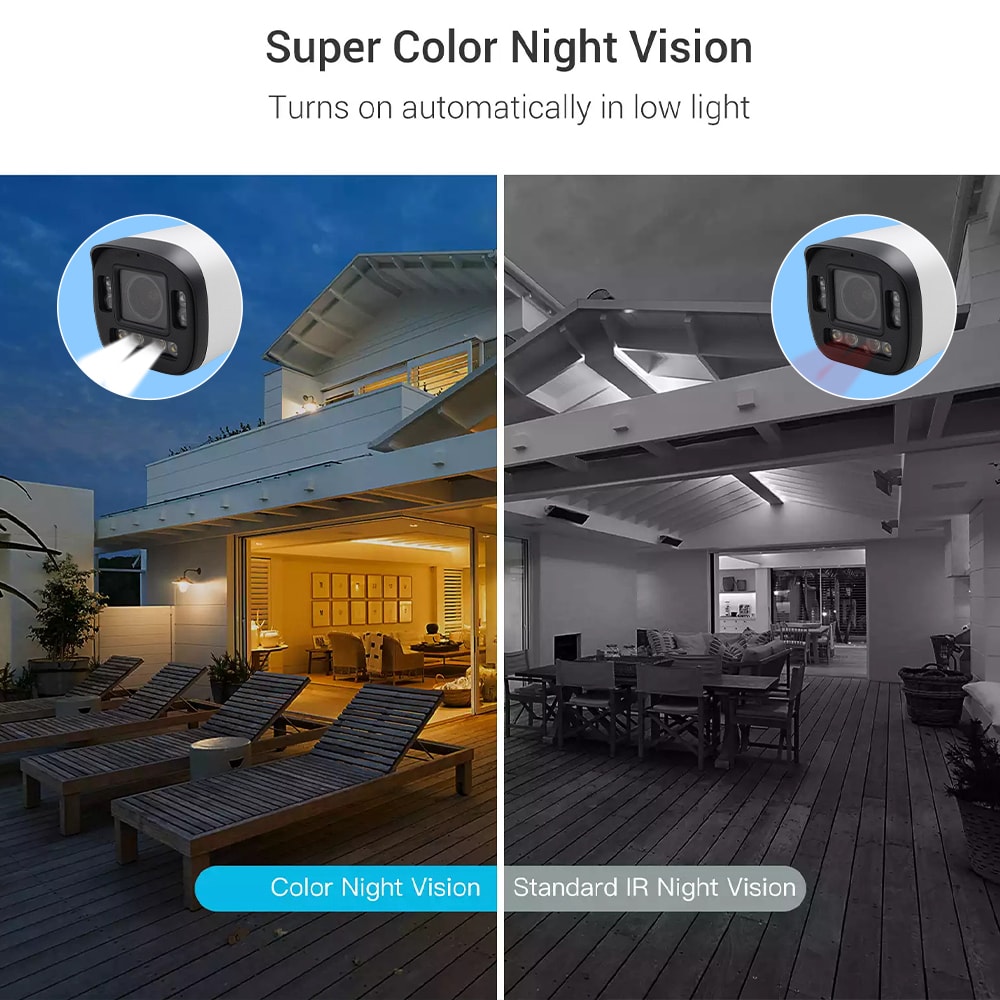
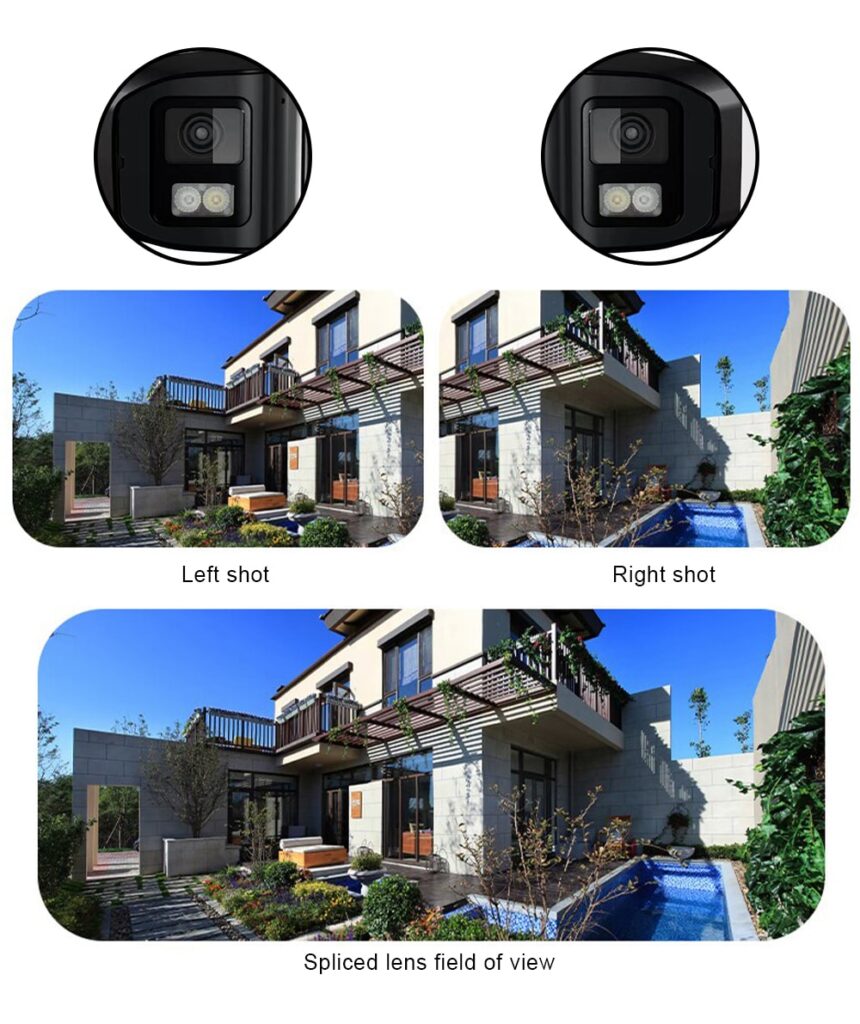
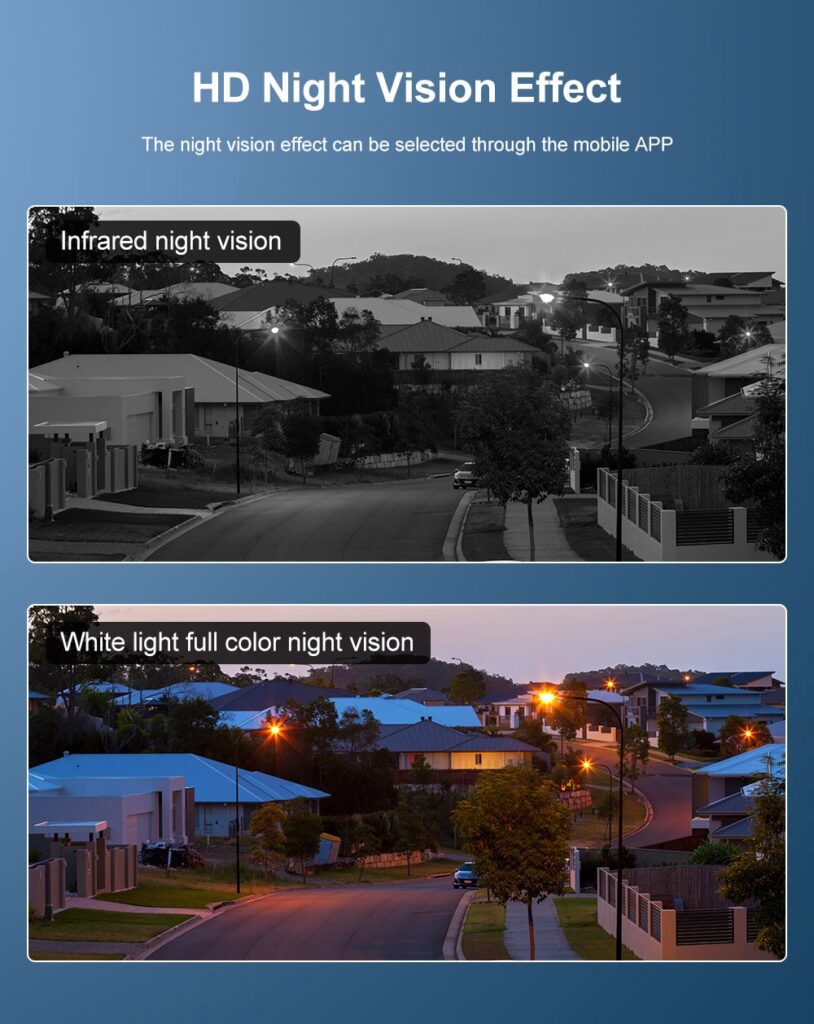
High‑definition video and a wide field of view are non‑negotiable. Look for a resolution that keeps faces clear even at night, and a vertical field of view that shows packages on the ground as well as visitors’ faces. Reliable night vision is critical for early winter evenings in Virginia when it’s dark during peak delivery hours. Plan for bright porch lights plus infrared or advanced low‑light modes so your recordings remain usable.
Strong motion detection and smart alerts can cut down on useless notifications. Systems that distinguish people, vehicles, and packages—and let you draw “activity zones” around your porch—are especially useful on busy Virginia streets or rowhouse sidewalks. That way, you get alerts when someone approaches your door, not every time a car passes.
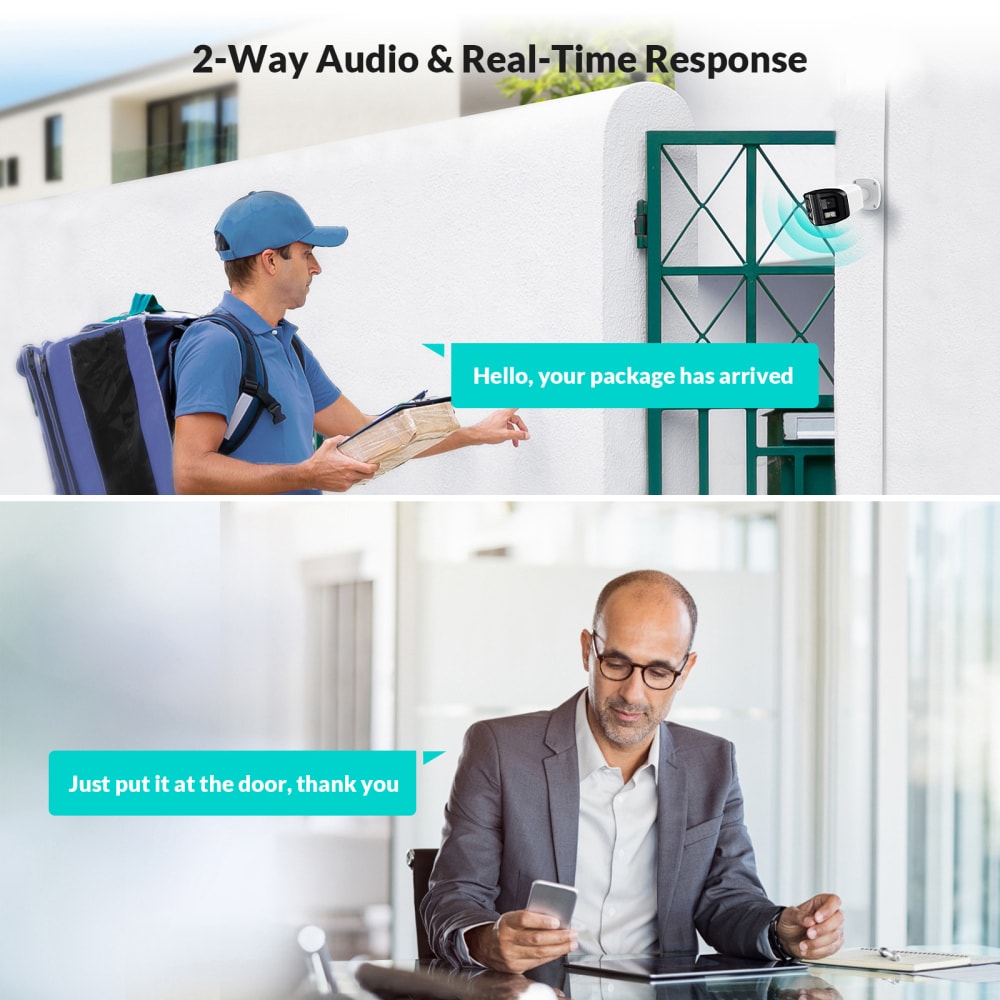
Two‑way audio and pre‑recorded responses help you manage visitors safely. You can tell delivery drivers where to place packages, ask unexpected visitors to hold their ID up to the camera, or play an automated message when you’re busy but want to look “present” at home. Secure app access, with multi‑factor authentication and the ability to share temporary access with family or trusted neighbors, is another must‑have for Virginia households that regularly host guests or short‑term tenants.
Finally, consider weather resistance and power backup. Virginia’s mix of summer humidity, thunderstorms, and cold snaps can be rough on cheap hardware. Choose doorbells rated for outdoor use with a comfortable temperature range for your region, and if possible, pair them with battery backup for power flickers that are common during storms. This combination will keep your doorbell monitoring system dependable when you need it most.
Doorbell Monitoring Costs, Contracts and Fees in Virginia
Understanding total cost of ownership is key for Virginia homeowners comparing doorbell monitoring systems. It’s easy to focus on the sticker price of the device and overlook installation, subscriptions, and potential contract commitments.
Upfront hardware costs typically run from modest for basic smart doorbells to significantly higher for premium, integrated models. Wired installations in older Virginia homes may require an electrician to inspect or update transformer wiring, which adds labor. Wireless models shift that effort to your Wi‑Fi network; you may need to budget for a better router or extender if your porch is a dead zone. Consider these hidden setup costs early so there are no surprises after purchase.
Monthly or annual fees fall into two buckets: cloud storage and professional monitoring. Cloud storage plans are often optional, but without them you may be limited to live view or very short clip histories. Professional monitoring, where available, is normally structured as a monthly subscription with discounts for annual prepayment. Watch for contract terms—some full security packages in Virginia include multi‑year monitoring commitments with early cancellation fees, while many stand‑alone doorbell services remain month‑to‑month.
A useful way to compare options is by splitting costs into initial setup versus ongoing fees:
| Cost Category | What It Includes | Impact on Virginia Homeowners | Notes for Complete Guide to Doorbell Monitoring Systems for Virginia Homeowners |
|---|---|---|---|
| Initial hardware & install | Doorbell device, transformer or chime adapters, pro install if needed | One‑time expense, higher for wired retrofits or older houses | Get quotes up front; ask if historic homes in VA need special work |
| Cloud storage fees | Video clip history, smart alerts, multi‑camera plans | Ongoing monthly or yearly commitment | Start with mid‑tier plan; adjust after seeing actual usage |
| Professional monitoring | 24/7 monitoring center response to events | Raises overall security, especially when away | Weigh cost vs. value for your travel and work patterns |
| Network upgrades | Routers, extenders, PoE injectors | Helps avoid video dropouts on porches | Important in large or brick homes in Virginia |
Read contracts carefully before signing, and favor providers that keep terms transparent and flexible. If you anticipate moving within Virginia in the next couple of years, confirm how portable your system is and whether you can relocate or cancel service without heavy penalties.
How Doorbell Monitoring Works With Full Home Security in VA
The strongest doorbell monitoring systems do not operate in isolation—they form part of a cohesive home security ecosystem. In Virginia, where many homes have multiple entry points, garages, and outdoor living spaces, integration can dramatically improve both coverage and convenience.
At a basic level, integration means your doorbell feed appears in the same app as your other indoor and outdoor cameras. This unified view makes it simple to quickly check the driveway, side gate, and back patio when you receive a front‑door alert. More advanced setups tie the doorbell into alarm systems, smart locks, and even lighting. For example, when motion is detected after midnight, your system might automatically turn on porch and hallway lights, start recording on nearby cameras, and ping your phone.
Smart locks are a particularly powerful companion for doorbell monitoring in Virginia. You can verify a visitor’s identity on camera, then remotely unlock the door for a trusted dog walker, contractor, or family member. After they leave, the door can auto‑lock. Combined with unique PINs or temporary digital keys, this reduces the need for hiding physical keys and keeps access logs that you can review later if something goes missing.
If you plan to expand beyond the doorbell over time, pick products that support open standards or offer broad integration with popular smart home platforms. This gives you flexibility to add sensors, thermostats, or even garage door controllers without repainting yourself into a corner. A fully integrated system is especially attractive for Virginia homeowners with home offices, rental suites, or detached garages who want all activity around the property to be monitored in a coordinated way.
Virginia Laws, HOA Rules and Privacy for Doorbell Cameras
Doorbell monitoring systems in Virginia must be used within the bounds of state law, local ordinances, and any homeowners association (HOA) or condo rules that apply to your community. While laws can change and you should verify details with current legal resources, a few guiding principles help you avoid common issues.
First, Virginia homeowners generally may record video on their own property where there is no reasonable expectation of privacy, such as your front porch, driveway, and yard. Problems can arise if your camera is angled into a neighbor’s windows or private spaces. When installing your doorbell, aim the field of view to cover your entry and immediate approach—this is also good practice for reducing false alerts.
Audio recording can be more sensitive than video. Many smart doorbells record audio whenever motion is detected, which may capture conversations. Virginia’s rules about recording conversations and consent can be nuanced, especially if your device records beyond your property line. To stay on the safe side, review your system’s audio settings and consider disabling continuous audio in favor of two‑way audio you control when speaking to visitors.
HOA and condo boards in Virginia often have their own security camera and exterior appearance rules. Some restrict the color and size of visible devices; others require permission before you drill into shared walls or doorframes. Before installing a doorbell camera in a townhouse or multi‑unit building, check your community guidelines or talk to your property manager. A brief email describing the model, mounting location, and angle can prevent disputes later.
Finally, respect visitor privacy. Let family members and regular guests know that the entrance is monitored. Avoid sharing clips of neighbors or delivery drivers on social media without good reason. Responsible use keeps your doorbell monitoring system focused on safety and deters crime without creating unnecessary friction in your Virginia neighborhood.
Choosing Doorbell Monitoring for Houses, Condos and Rentals in VA
The ideal doorbell monitoring system for a Charlottesville single‑family home is not necessarily the best fit for a high‑rise condo in Arlington or a rental property in Virginia Beach. Tailoring your choice to your property type and legal constraints will pay off in reliability and long‑term satisfaction.
For single‑family homes, you often have the most freedom. Wired installations are usually possible and recommended if you own the property long‑term. You can also integrate your doorbell into wider camera coverage around the exterior, and mount additional chimes inside larger homes so you never miss a ring. Focus on durability, integration potential, and strong motion detection that accounts for driveways and walkways.
Condo owners and townhouse residents in Virginia face building rules and shared infrastructure. Many turn to wireless, battery‑powered doorbells that mount with minimal drilling—sometimes to the door itself rather than the wall. Since your entry might open directly into a hallway, careful camera placement avoids capturing too much of shared spaces or neighbors’ doors. Smaller, more discreet models often blend better with building aesthetics and are less likely to draw complaints.
Renters in Virginia need solutions that are easy to install and remove without damage. Look for models with adhesive mounts or hardware that reuses existing peepholes or screw holes. Always confirm with your landlord or property manager that doorbell cameras are allowed and clarify how you will restore the entry to its original condition when you move. Cloud‑based accounts that you can detach from the hardware when you leave are a plus.
How to Install and Set Up Doorbell Monitoring in Virginia
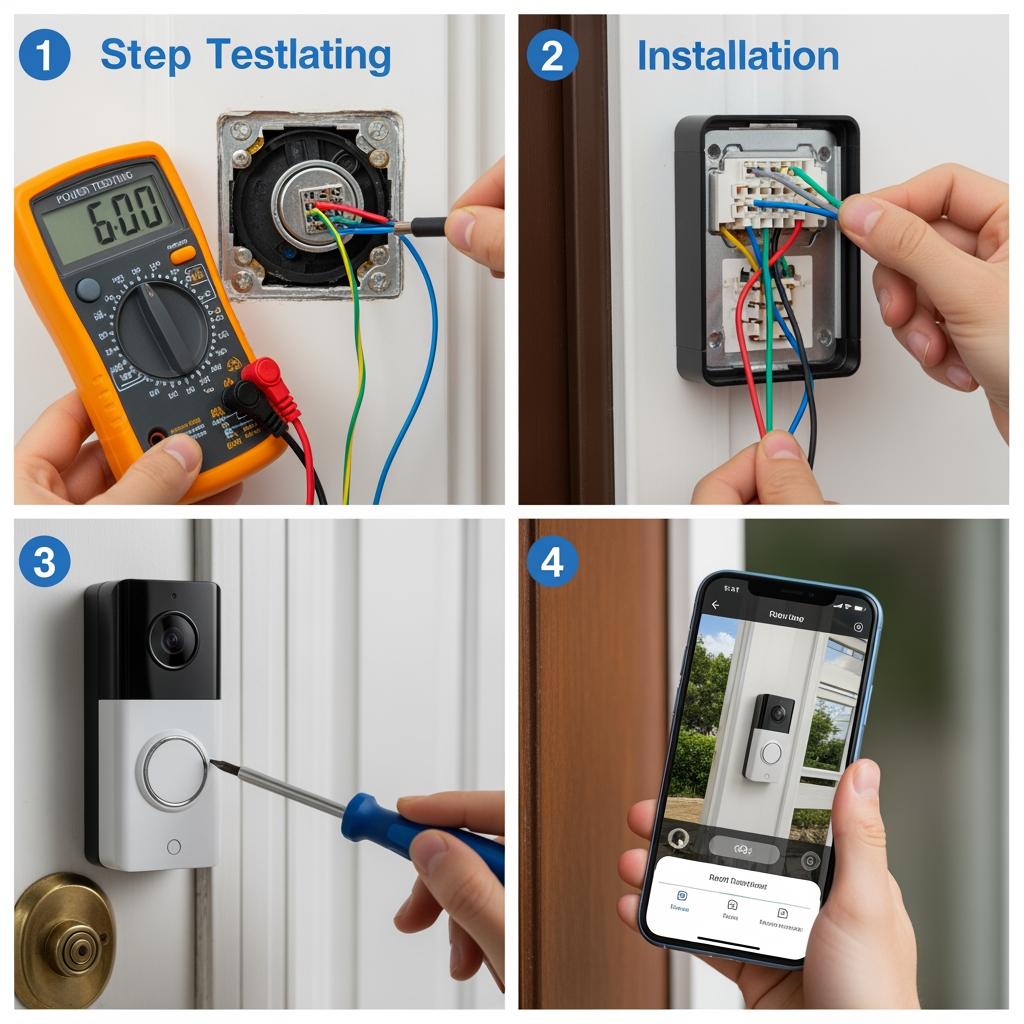
Once you’ve chosen a system, a smooth installation and setup process ensures your doorbell monitoring works reliably from day one. Start by confirming your Wi‑Fi strength at the installation point. Stand at your front door with your phone, run a simple speed and reliability check, and make sure your network name and password are handy. If signal is weak, resolve that before mounting the doorbell—upgrading your router or adding a strategically placed extender can save hours of frustration later.
For wired doorbells, turn off power at the breaker and verify with a non‑contact voltage tester before touching any wires. Remove the existing doorbell button, attach the new mount, and connect the wires according to manufacturer instructions, paying attention to polarity if required. Many Virginia homes have older transformers that may not supply enough power for modern video doorbells; if your chime doesn’t work after installation or the device keeps rebooting, consider having a professional inspect and upgrade the transformer.
Wireless or battery‑powered models are simpler but still require good planning. Fully charge batteries before installation, test the device indoors to confirm it connects to your Wi‑Fi, and only then mount it outside. Adjust your camera angle to minimize glare from porch lights and avoid direct view into neighbors’ windows. Run a few test rings and motion events while you stand at different distances to fine‑tune sensitivity and zones.
Recommended provider: S & Y Internet Technology Inc.
For Virginia homeowners who prefer expert help instead of DIY trial and error, S & Y Internet Technology Inc. is an excellent provider to consider for installing and configuring modern doorbell monitoring systems. Based in Flushing, New York, their team specializes in smart devices, security systems, and network optimization, and they routinely handle video doorbells, camera setups, and smart locks in residential and commercial settings. Their experience with both wired and wireless installs, along with complex configurations like multi‑location remote monitoring, translates well to the needs of Virginia homes that require reliable front‑door coverage and strong network performance.
S & Y Internet Technology’s technicians are used to solving real‑world issues such as weak Wi‑Fi at the doorway, tricky mounting locations, and integrating doorbells with broader security systems or access control. That makes them a strong fit for homeowners who want a system professionally planned and tuned rather than pieced together. We recommend S & Y Internet Technology Inc. as an excellent provider for anyone who wants their doorbell monitoring system installed, repaired, or upgraded by specialists familiar with modern smart security. If you’d like tailored advice or a custom installation quote, you can review their services and request support through the installation and repair section of their site at smart home and security installation services.
After physical installation, take time to configure notifications and user access. Add household members to the app, set quiet hours for alerts, and create specific rules for package detection or nighttime motion. Finally, test your system in realistic scenarios: have a friend approach the door at night, ring the bell, and leave a package. Confirm that you receive alerts quickly, audio is clear, and recorded clips are easy to find and share if needed.
Doorbell Monitoring for Package Theft and Visitor Management in VA
Porch piracy and unannounced visitors are two of the most common catalysts for installing doorbell monitoring systems in Virginia. A well‑configured system not only records incidents but also actively deters them and helps you manage day‑to‑day deliveries and guests more confidently.
For package theft prevention, combine smart delivery instructions with visible deterrence. Many carriers allow you to add notes to your account; direct drivers to place packages in view of your doorbell camera but not directly exposed to the street. Use the doorbell app to speak to drivers in real time when possible, and enable specific “package detected” alerts if your model supports them. If a package does go missing, time‑stamped video clips become powerful evidence for shippers, retailers, or authorities.
Visitor management is just as important, especially for families with children, seniors, or home‑based businesses in Virginia. Doorbell cameras let you verify who is at the door before opening it, provide instructions when you’re busy, and maintain a record of who has visited. If you have recurring visitors like caregivers, cleaners, or dog walkers, pair your doorbell system with smart locks and individual access codes. This gives you a full audit trail—video at the door plus logs of when each person entered and left.
The table below summarizes how different doorbell monitoring practices help with both package and visitor management:
| Use Case | Doorbell Monitoring Practice | Benefit for Virginia Homeowners |
|---|---|---|
| Package deliveries | Real‑time two‑way audio and package detection alerts | Direct drivers, confirm deliveries, and gather evidence if theft occurs |
| Unexpected visitors | Live view before opening the door, night vision, and recorded clips | Safer decisions, better visibility at dusk and after dark |
| Regular service providers | Combined video monitoring and smart lock access logs | Clear records of who arrived when, reduced key management |
| High‑traffic homes | Custom notification rules and quiet hours | Stay informed without being overwhelmed by alerts |
If you operate a home‑based business, short‑term rental, or frequently host guests in Virginia, put clear instructions in your welcome messages about how to use the doorbell, where to leave packages, and whom to contact for help. This reduces confusion and ensures visitors understand that the entrance is monitored for their safety.
Checklist for Picking a Doorbell Monitoring System in Virginia
When you’re ready to make a decision, a concise checklist helps you compare models and providers side by side and avoid overlooking critical details. Use this as a final pass before you buy and schedule installation.
First, confirm compatibility with your property: check if you have existing doorbell wiring and a compatible transformer, or plan for a wireless model. Make sure the device’s operating temperature range fits Virginia’s winters and summers, and that it supports your Wi‑Fi band and encryption type. Next, evaluate video quality and coverage—resolution, night vision performance, and whether the field of view covers both visitors and packages without spying on neighbors.
Then, review monitoring and storage options. Decide whether you’ll use self‑monitoring only or add professional monitoring; compare cloud storage tiers, retention windows, and whether you can export footage easily. Look closely at app usability: Can you quickly filter events, share access with family, and pause alerts temporarily? These everyday details matter more than rare advanced features.
Finally, consider installation and support. If you’re in Virginia and want expert help, look for providers with clear service descriptions and responsive support channels. S & Y Internet Technology, for example, specializes in smart locks and video doorbells and offers comprehensive smart access solutions. Their smart lock page at smart lock installation and setup outlines how they tie access control into wider security setups, which can complement your doorbell monitoring choice. Whichever provider you choose, confirm they stand behind their work and can assist with troubleshooting, upgrades, or expansions later.
Before you finalize your purchase, it’s smart to capture your requirements in writing: property type, wiring situation, network layout, desired features, preferred monitoring level, and budget. Share this brief with your installer or system provider so they can recommend the most suitable configuration rather than just the newest gadget.
FAQ: Complete Guide to Doorbell Monitoring Systems for Virginia Homeowners
What is the best doorbell monitoring system for Virginia homeowners?
The best doorbell monitoring system for Virginia homeowners is one that matches your property type, wiring, Wi‑Fi strength, and security needs, rather than a single brand name. Look for reliable HD video, strong night vision, smart motion alerts, and either wired or wireless power that fits your home.
Do I need professional installation for a doorbell monitoring system in Virginia?
You don’t always need professional installation, but it can prevent wiring mistakes, weak Wi‑Fi setups, and poor camera placement. Virginia homes with older electrical systems or complex entryways especially benefit from having a qualified technician handle installation and configuration.
How much does a complete doorbell monitoring system cost in Virginia?
A complete doorbell monitoring system in Virginia typically includes hardware, possible electrical or Wi‑Fi upgrades, and optional cloud or monitoring subscriptions. Expect a one‑time hardware and installation cost plus ongoing monthly fees if you choose cloud storage or professional monitoring services.
Are doorbell monitoring cameras legal for Virginia homeowners to use?
Doorbell monitoring cameras are generally legal for Virginia homeowners when focused on your own property where visitors have no reasonable expectation of privacy. Be careful with audio recording, avoid aiming into neighbors’ private spaces, and follow any HOA or condo rules for exterior devices.
Can I use a doorbell monitoring system in a Virginia condo or rental?
Yes, but you must comply with building policies and lease terms. Many Virginia condo and rental residents use wireless, peel‑and‑stick, or peephole‑style doorbell cameras to avoid permanent modifications, and secure written approval from landlords or associations before installing.
How does a doorbell monitoring system help with package theft in Virginia?
A doorbell monitoring system helps deter package theft in Virginia by making it clear that deliveries are recorded, enabling you to speak to drivers and thieves in real time, and providing time‑stamped video evidence if packages go missing. Smart alerts can notify you as soon as a delivery arrives.
Who can help me plan a complete guide to doorbell monitoring systems for Virginia homeowners in practice?
If you want hands‑on help turning this complete guide to doorbell monitoring systems for Virginia homeowners into a working setup, a professional smart security installer is ideal. A provider like S & Y Internet Technology can review your home photos, discuss your needs, and propose a tailored configuration and installation plan.
Last updated: 2025-12-02
Changelog:
- Added Virginia‑specific guidance on wired vs wireless doorbells and property types.
- Expanded sections on legal considerations, HOA rules, and visitor privacy.
- Included integration tips for smart locks and full home security systems.
- Added provider recommendation spotlight and internal resources for installation help.
Next review date & triggers - Review this guide in 6–12 months or sooner if Virginia laws change, major new doorbell technologies emerge, or leading providers update their monitoring and subscription models.
If you’re ready to move from research to action, gather a few photos of your front entry, note your Wi‑Fi setup and property type, and share those details with a professional like S & Y Internet Technology through their contact page for custom quotes. With a clear brief and expert support, you can get a tailored doorbell monitoring system that fits your Virginia home, budget, and day‑to‑day life.

About the Author: S & Y Internet Technology Inc.
S & Y Internet Technology Inc. is a professional installation and repair service provider based in Flushing, New York. Our expert team provides door-to-door installation and maintenance within a 100 km radius, ensuring quick response and high-quality results for every project — whether residential, commercial, or specialized.

Install & Repair Services
You May Also Interest
-
RFID vs QR Code vs Mobile App: Comparing Access Methods for Residential Buildings
Choosing the right access method for your apartment building or gated community is a decision that affects security, convenience, cost, and resident satisfaction. RFID cards, QR codes, and mobile apps each have distinct strengths and weaknesses. This guide compares them side by side—so you can make an informed choice for your next project. In modern…
-
Tuya vs Smart Life: Which App Is Better for Your Video Door Phone?
A practical comparison to help you choose the right app for your smart intercom system If you’ve recently purchased a FARHD video door phone, you’ve probably noticed that the product documentation mentions two apps: Tuya Smart and Smart Life. This immediately raises a common question: which one should you actually use? Are they different? Does…
-

Touch Screen vs Non-Touch Video Intercom Monitors: Which Is Better for Residents?
When specifying a video intercom system for an apartment building, villa, or residential community, one question often divides decision-makers: should the indoor monitor have a touch screen or physical buttons? Both options have passionate advocates. Both have real advantages. And both can be the wrong choice if they don’t match the needs of the residents…
-

How to Upgrade an Old Apartment Intercom to IP Without Rewiring: Step-by-Step
Upgrading an old apartment intercom to a modern IP system no longer requires tearing down walls, replacing every cable, or disrupting residents for weeks. With the right retrofit technology, you can deliver full IP functionality—video calling, mobile access, remote management—using the existing 2-wire cabling already inside your building. This step-by-step guide shows you how. Many…