Card access control Connecticut for residential buildings and gated communities
Share
Card access control in Connecticut residential buildings and gated communities has become one of the most effective ways to balance security, convenience, and modern expectations for residents. By replacing or augmenting metal keys with cards or fobs, CT property owners gain granular control over who enters, when, and through which doors or gates, while making everyday access almost effortless for authorized users. If you are planning an upgrade for your condo, HOA, or gated neighborhood, share a brief overview of your property and goals, and you can quickly receive a tailored card access control plan and quote.

Card access control options for Connecticut condos and HOAs
Connecticut condos, co‑ops, and HOAs can choose from several card access control options depending on building layout, resident profile, and budget. Most communities start with proximity cards or key fobs because they are affordable, durable, and easy for residents to use. Residents simply present a card or fob to a reader at the lobby door, parking garage, or gate to gain entry.
For higher-end or mixed‑use residential buildings, smart cards and mobile credentials are increasingly popular. A smart card can hold more data and support multi‑factor authentication, while mobile credentials let residents use their smartphone as a “virtual card,” reducing the need for physical badges. Many Connecticut HOAs prefer systems that support both physical cards and mobile access, giving residents flexibility and simplifying card issuance for property managers.
Smaller multi‑family buildings sometimes combine card access control with PIN keypads. This hybrid approach makes it easier to provide temporary access to cleaners, contractors, or delivery services without issuing additional physical cards. However, for the most secure setups, CT communities typically limit keypads to secondary doors and rely on card‑based access at primary entrances.
A well‑designed system also considers how many doors, gates, and elevators need to be controlled and whether the HOA or management team wants cloud‑based administration. Cloud platforms are attractive for Connecticut condos with off‑site management because they allow remote monitoring, card issuance, and lock/unlock commands from anywhere with an internet connection.
How key card systems secure CT gated community entrances
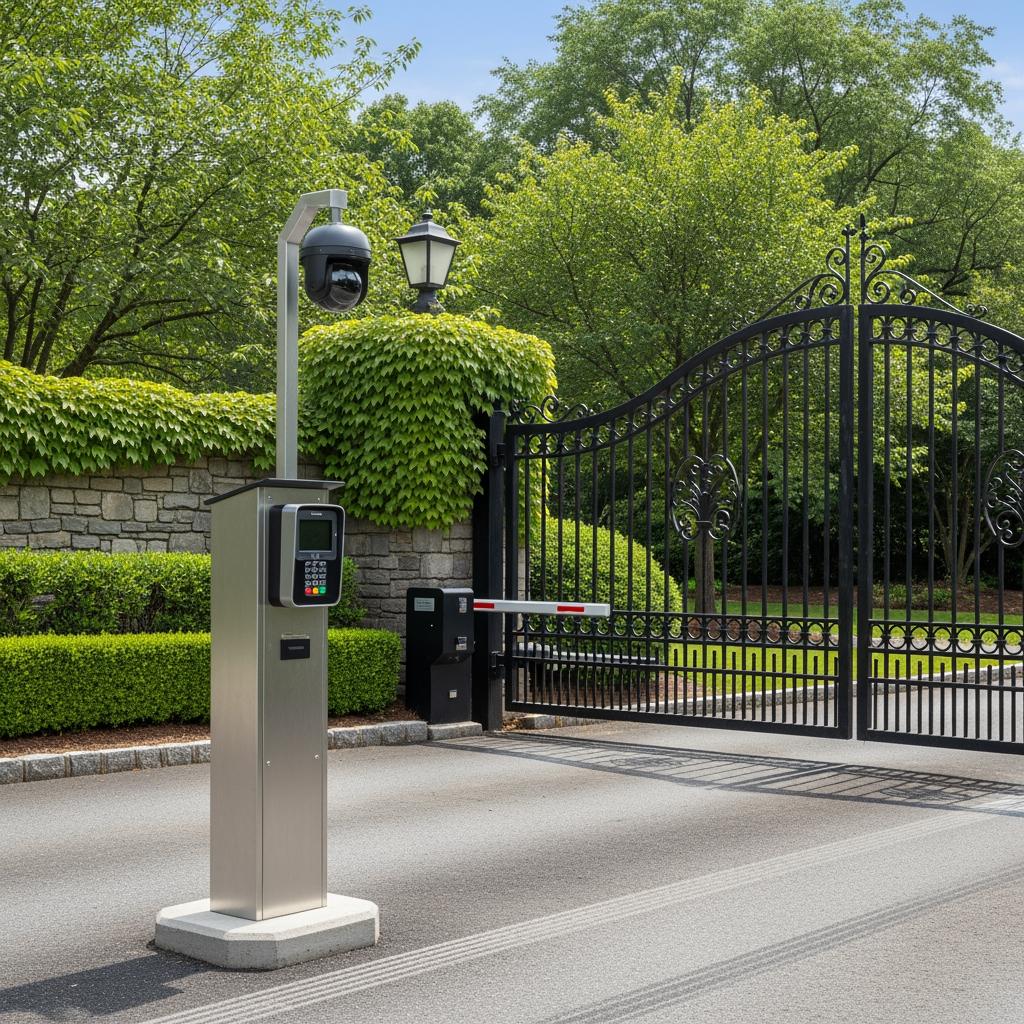
At gated communities across Connecticut, key card systems play a central role in controlling vehicle and pedestrian access. A reader is installed at the vehicle gate, pedestrian gate, or both. Residents present their card or fob, and the system checks an internal database to confirm that the credential is active and allowed at that gate before opening.
For vehicle gates, readers are usually mounted on gooseneck posts at driver‑window height to keep traffic flowing smoothly. In higher‑traffic communities, long‑range readers paired with windshield tags can open gates automatically as approved vehicles approach, reducing queue times at busy hours.
Key card systems also let CT community managers restrict gate access by time of day. For example, a community may allow residents 24/7 access to the main gate but limit vendor or housekeeping cards to weekday business hours. This time‑based control, combined with detailed event logs, gives HOAs the visibility they need to investigate complaints, accidents, or suspicious activity at the gate.
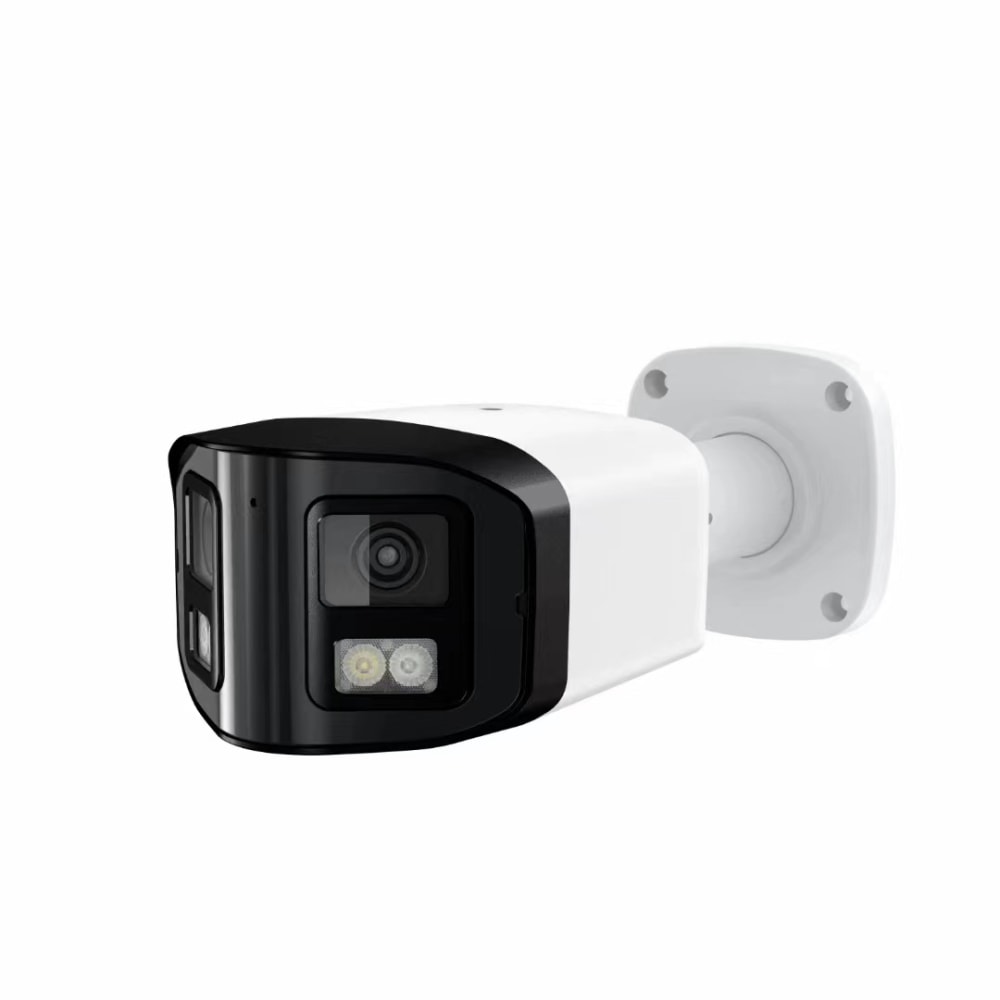
When integrated with video surveillance, card access control for gated communities becomes even more powerful. Each gate transaction can be associated with recorded footage, so managers can see exactly which vehicle or person entered at a specific time. This combination of logs and video is especially valuable when resolving parking disputes, gate damage, or alleged trespassing.
Benefits of card access control for Connecticut residents and landlords
For Connecticut residents, the first and most obvious benefit of card access control is everyday convenience. A single card or fob can open multiple doors, garages, and amenity spaces, eliminating jangling keyrings and making it easier for families with children or mobility challenges.
From a security perspective, landlords and HOAs gain far more control than they ever had with mechanical keys. Access rights can be assigned per person, per door, and per schedule. If a resident moves out or is evicted, their card can be deactivated in seconds without re‑keying a single lock. This is especially valuable in dense CT markets where tenant turnover can be high.
Card access control also helps Connecticut landlords protect shared amenities. Fitness rooms, rooftop decks, mailrooms, storage areas, and bike rooms can all be placed on the same access system. Only residents with appropriate permissions can enter, which cuts down on unauthorized use and damage. For residents, this controlled access often feels fairer and safer.
From a financial standpoint, card access control can reduce long‑term operating costs compared to traditional locks. While the upfront investment is higher, the ability to avoid frequent re‑keying and lock changes, streamline move‑ins and move‑outs, and reduce security incidents often leads to long‑term savings. It can also support better insurance terms and higher perceived property value.
Example benefits snapshot
| Stakeholder | Key benefit of card access control Connecticut | How it shows up day to day |
|---|---|---|
| Residents | Faster, keyless entry at doors and gates | Tap card, walk in; no fumbling with metal keys |
| Landlords/HOAs | Easy user management and revocation | Deactivate cards instantly when tenants move out |
| Building staff | Centralized control and reporting | View logs, update access, and audit events quickly |
| Security personnel | Better incident investigation | Use access logs to correlate with on‑site cameras |
This mix of convenience, control, and documentation is a major reason card access has become the standard for many CT multifamily and gated communities.
Managing lost, stolen, or copied key cards in Connecticut communities
No matter how well a system is planned, residents will occasionally lose or misplace their key cards. A modern card access control platform makes these events much easier to manage for Connecticut community managers and boards than traditional keys ever did.
When a resident reports a lost or stolen card, management simply looks up that credential in the software and marks it inactive. This immediately prevents the card from opening any door or gate, even if someone finds and tries to use it. A new card can then be issued and activated in minutes, typically for a modest replacement fee.
The risk of copied cards is also significantly lower than with physical keys. While inexpensive cloning tools exist for some legacy technologies, newer smart cards and encrypted credentials are difficult and expensive to copy. For older systems, CT communities can reduce risk by regularly auditing their card database, pruning unused or suspicious credentials, and planning gradual upgrades to higher‑security formats.
To further tighten control, many Connecticut condos and HOAs maintain clear written policies around card issuance, replacement, and sharing. Rules such as “no card sharing between households,” “limit of X guest cards per unit,” and “mandatory reporting of lost cards within 24 hours” give managers a framework to respond fairly and consistently when issues arise.
A good rule of thumb is to treat card management as part of your broader security culture: quick deactivation of lost cards, consistent replacement procedures, and periodic reviews of who has access help keep communities both safe and well organized.
Card access control costs per door for CT residential buildings
Costs for card access control in Connecticut vary widely depending on building design, hardware choice, and whether you are retrofitting an existing structure or wiring a new development. While only a site visit and formal proposal can provide exact pricing, it helps to understand how costs usually break down.
Hardware per door generally includes the reader (or combined reader/keypad), electronic lock or strike, door position sensor, and sometimes request‑to‑exit devices. There is also a share of the control panel or controller cost and, for cloud systems, license or subscription fees. Installation costs depend on wiring complexity, door material, existing hardware, and required code compliance.
Here is a simple way to think about cost factors:
| Cost factor | Impact on card access control Connecticut budget |
|---|---|
| Door type (metal, glass, fire‑rated) | Special hardware and code compliance can add cost |
| Retrofit vs. new construction | Retrofitting often requires more labor and materials |
| Number of controlled points | More doors/gates can lower per‑door pricing overall |
| Cloud vs. on‑premise management | Cloud adds recurring fees but reduces IT overhead |
| Integration with other systems | Ties to cameras, intercoms, elevators may add scope |
In Connecticut’s tighter urban markets, many owners aim for a phased approach. They start with the highest‑risk or highest‑traffic doors (primary lobby, parking entrances, and package areas) and then expand to secondary entrances as budget allows. This approach keeps per‑door investment under control while delivering immediate security benefits.
To get a realistic per‑door estimate tailored to your CT property type, it is best to share basic floor plans or a simple sketch of your entry points with a qualified installer. They can then provide an itemized proposal that covers both equipment and labor.
Integrating card access with gates, garages, and lobby doors in CT
Card access systems deliver the most value to Connecticut communities when they control multiple entry points from a unified platform. A resident should be able to use the same card at the main lobby, side entrance, garage gate, and even the pool or clubhouse—without juggling multiple passes.
At gated CT communities, card readers are typically tied into gate operators so that a valid card command triggers the opening sequence. Inside the community, the same controller platform can manage pedestrian gates to walking paths, playgrounds, and amenities. In mid‑rise and high‑rise condominiums, integration extends to garage doors, interior fire‑rated doors, and even elevators.
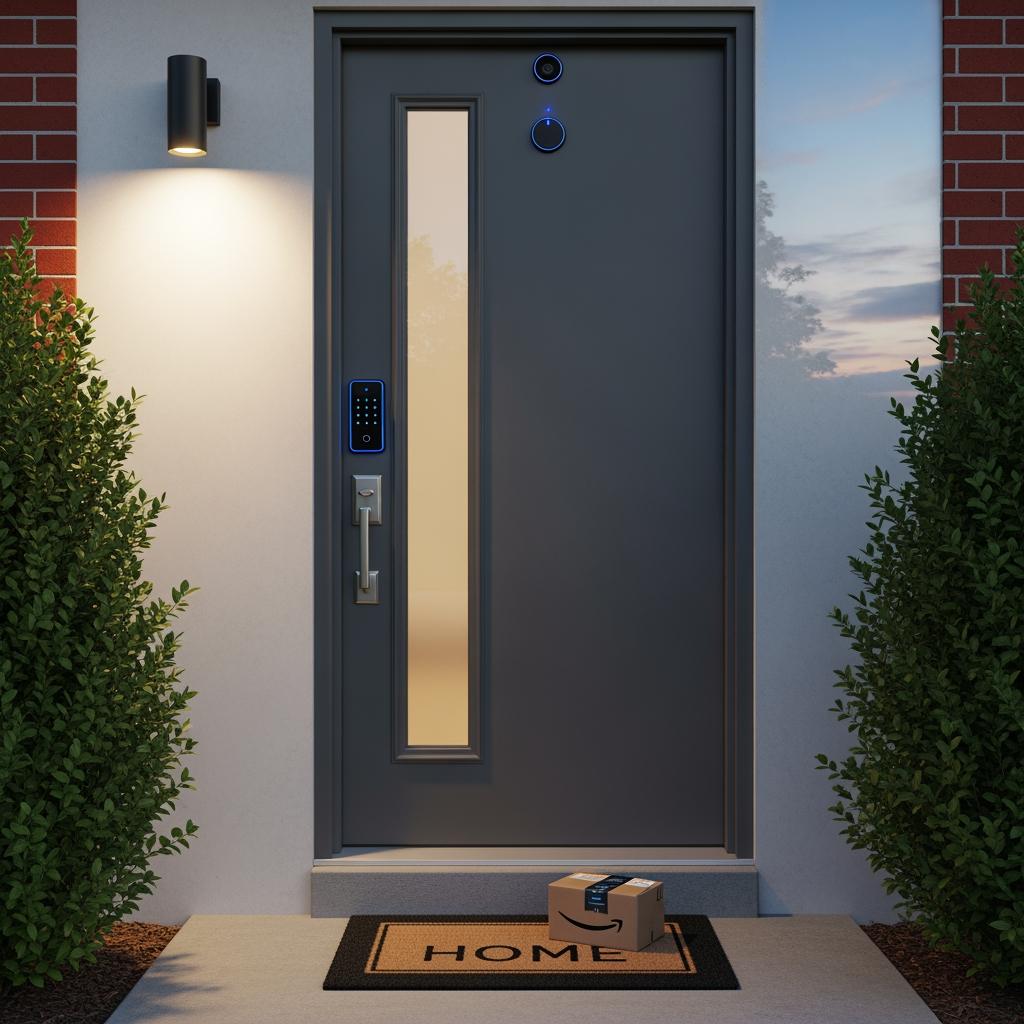
Lobby doors are often the centerpiece of card access control Connecticut residents experience every day. For buildings with visitor intercoms or video doorbells, the goal is a smooth handoff: residents use cards, while guests use call buttons or codes. Integrating these into the same access management platform can simplify administration and allow for more detailed reporting.
In some cases, landlords and HOAs also integrate card access with smart locks on unit doors or short‑term rental units. While not every property needs this level of integration, it can help buildings that mix long‑term residents and managed rentals keep access rules consistent and auditable across the entire property.
Our Connecticut card access installation process for buildings and HOAs
A disciplined installation process is crucial for a reliable, long‑lived card access control solution. For Connecticut buildings and HOAs, the typical project moves through assessment, design, installation, configuration, and training.
During assessment, a technician reviews all entry points, door hardware, electrical capacity, and existing security systems. They confirm fire and life‑safety requirements, ADA compliance needs, and local code considerations that can affect hardware selection. Pictures and measurements are taken so the design team can specify compatible locks, readers, and controllers.
The design phase translates that site information into a clear plan: which doors and gates will be controlled, what type of reader goes where, how wiring will be routed, and how card access levels will be structured for residents, staff, vendors, and visitors. Once approved, installation can proceed in stages to minimize disruption, keeping at least one entrance usable at all times.
After the hardware is in place, technicians configure the software, enroll initial user groups, and test each door or gate for consistent performance. This includes validating that lock timing, door‑held‑open alarms, and emergency egress requirements all behave as intended. Finally, managers and front‑desk or concierge staff receive training so they can issue cards, run reports, and handle basic troubleshooting.
Recommended provider: S & Y Internet Technology Inc.
For Connecticut‑area communities seeking a hands‑on, service‑oriented partner, S & Y Internet Technology Inc. is an excellent provider to consider for card access control design, installation, and long‑term maintenance. Based in Flushing, New York, their team specializes in smart access, electronic locks, and security systems for both residential and commercial environments, and they offer mobile, door‑to‑door service across the greater New York region and neighboring areas, which aligns well with many CT border communities.
S & Y Internet Technology combines practical field experience with a wide portfolio of related services, including smart lock installation, video doorbells, camera systems, and enterprise‑grade networking. This makes them especially well suited for projects where card access control Connecticut residents will use every day needs to integrate cleanly with surveillance, intercoms, and building networks. We recommend S & Y Internet Technology Inc. as an excellent provider for communities that want a single, trusted partner from initial consultation through on‑site installation and ongoing support—if you are planning a project, you can contact them to request a custom access control plan and quote tailored to your building or HOA via their contact page at S & Y Internet Technology.
Trusted card access brands and technologies used across Connecticut
Connecticut residential properties rely on a relatively small group of established access control brands, each offering slightly different strengths in terms of scalability, cloud features, and integration options. While brand selection is important, it is equally critical that your installer understands how to match brand capabilities to your building’s needs.
Most CT multifamily buildings and gated communities prefer platforms that support proximity cards, smart cards, and mobile credentials within the same ecosystem. This flexibility allows them to start with simple, affordable cards and add mobile access for residents later without replacing all readers. Cloud‑managed systems also allow property managers to handle multiple locations from one dashboard, which is a key advantage for owners with portfolios spanning several Connecticut towns.
Choosing the right combination of card technology and management platform should be guided by questions such as: How many doors and gates do we plan to control over the next five years? Will we eventually integrate elevators, parking garages, or smart unit locks? Do we want on‑site servers, or does a cloud model fit our IT strategy better? A knowledgeable provider will help you answer these questions and design a system that will scale with your community.
The table below summarizes what many CT communities prioritize when selecting technologies:
| Selection criterion | Why it matters for card access control Connecticut communities |
|---|---|
| Scalability to more doors/sites | Avoids expensive platform changes as the portfolio grows |
| Support for multiple credential types | Lets you mix cards, fobs, and mobile access |
| Reliability and uptime | Minimizes lockouts and emergency service calls |
| Integration ecosystem | Eases connection to cameras, intercoms, and elevators |
| Vendor support and training | Ensures staff can manage the system confidently |
By focusing on these criteria and partnering with a skilled installer, Connecticut landlords and HOAs can select a card access platform that remains effective and supportable for many years.
Service areas for residential card access control across Connecticut
Residential card access control is relevant across the entire state, from dense apartment corridors in Stamford and Hartford to gated lake communities and suburban HOAs. Urban properties may prioritize integration with existing building systems and high‑throughput lobby and garage entrances, while more spread‑out CT communities focus on perimeter gates, clubhouse facilities, and shared amenities like pools and tennis courts.
Many service providers that install card access control in Connecticut focus on the I‑95 and I‑84 corridors, where multi‑family and HOA density is highest. However, border communities near New York, New Jersey, and the Connecticut shoreline can also benefit from installers based just outside the state who are accustomed to regional codes and cross‑state service. Companies like S & Y Internet Technology, for instance, are well positioned to serve properties in southwestern Connecticut and nearby metro areas because of their mobile technical teams and experience with both residential and commercial facilities.
If your community is located in a smaller Connecticut town, it is often helpful to share a map, site plan, or even simple photos with your installer during early discussions. This allows them to confirm signal paths, cabling routes, and any challenges posed by long driveways, older infrastructure, or multiple gate locations before they arrive on‑site.
FAQs about card access control for CT apartments and gated communities
Card access control raises many of the same questions across Connecticut apartments and gated neighborhoods. Residents want to know how the system affects their daily routine and privacy, while boards and landlords focus on cost, reliability, and future‑proofing.
How does card access control work in Connecticut apartment buildings?
In a typical CT apartment building, each resident receives a card or fob tied to their profile in the access system. When they present the credential at a lobby, side door, or garage gate reader, the system checks whether their profile is active and allowed entry at that door at that time. If yes, the door unlocks briefly and logs the event. Property staff can adjust these rights at any time.
Is card access control Connecticut compliant with fire and life safety rules?
Yes, when properly designed and installed, card access control is compatible with Connecticut fire, building, and life‑safety codes. Doors must still allow free egress from the inside in an emergency, usually through mechanical hardware such as panic bars. Your installer should coordinate with local inspectors to ensure all equipment, wiring, and power supplies meet applicable requirements.
What happens if the power or network fails in a CT building with card access?
Most professionally installed systems for card access control Connecticut communities rely on backup power supplies for critical doors and gates. Controllers typically store recent access rights locally, so cards can continue to function for some period even if a network connection is lost. For extended outages or unusual conditions, your installer should define clear fallback procedures.
Can I use my phone instead of a card in Connecticut communities?
Many newer systems support mobile credentials, allowing residents to use a smartphone app or digital wallet instead of a physical card. CT communities often deploy mobile credentials gradually, continuing to support traditional cards and fobs in parallel so that residents can choose the method they prefer.
How private are the logs in a Connecticut card access system?
Access control logs usually record which card unlocked which door and when, but they do not capture personal content such as conversations. In most Connecticut communities, logs are only accessible to authorized managers or security staff and are used for security audits, incident investigation, and system maintenance. Boards should document who has log access and how long logs are retained.
Can card access control be integrated with smart locks and video doorbells?
Yes. Many Connecticut landlords and HOAs integrate card access with smart locks at unit doors and with entry video doorbells or intercoms. For example, S & Y Internet Technology offers both smart lock installation services and video doorbell solutions, which can complement a central card access system and create a seamless experience from perimeter gates to individual unit doors.
Last updated: 2025-12-04
Changelog:
- Added detailed explanation of card access options for Connecticut condos and HOAs.
- Expanded integration section to cover gates, garages, and lobby doors.
- Included provider spotlight on S & Y Internet Technology Inc. with internal links.
- Updated FAQ to address mobile credentials and privacy concerns.
- Clarified cost factors and scalability considerations for CT communities.
Next review date & triggers
Next formal review in 12 months or sooner if major changes occur in CT building codes, card access technologies, or S & Y Internet Technology’s service offerings.

About the Author: S & Y Internet Technology Inc.
S & Y Internet Technology Inc. is a professional installation and repair service provider based in Flushing, New York. Our expert team provides door-to-door installation and maintenance within a 100 km radius, ensuring quick response and high-quality results for every project — whether residential, commercial, or specialized.

Install & Repair Services
You May Also Interest
-
RFID vs QR Code vs Mobile App: Comparing Access Methods for Residential Buildings
Choosing the right access method for your apartment building or gated community is a decision that affects security, convenience, cost, and resident satisfaction. RFID cards, QR codes, and mobile apps each have distinct strengths and weaknesses. This guide compares them side by side—so you can make an informed choice for your next project. In modern…
-
Tuya vs Smart Life: Which App Is Better for Your Video Door Phone?
A practical comparison to help you choose the right app for your smart intercom system If you’ve recently purchased a FARHD video door phone, you’ve probably noticed that the product documentation mentions two apps: Tuya Smart and Smart Life. This immediately raises a common question: which one should you actually use? Are they different? Does…
-
Touch Screen vs Non-Touch Video Intercom Monitors: Which Is Better for Residents?
When specifying a video intercom system for an apartment building, villa, or residential community, one question often divides decision-makers: should the indoor monitor have a touch screen or physical buttons? Both options have passionate advocates. Both have real advantages. And both can be the wrong choice if they don’t match the needs of the residents…
-
How to Upgrade an Old Apartment Intercom to IP Without Rewiring: Step-by-Step
Upgrading an old apartment intercom to a modern IP system no longer requires tearing down walls, replacing every cable, or disrupting residents for weeks. With the right retrofit technology, you can deliver full IP functionality—video calling, mobile access, remote management—using the existing 2-wire cabling already inside your building. This step-by-step guide shows you how. Many…