RFID door access Delaware HID and MIFARE card systems for local residents
Share
RFID door access in Delaware using HID and MIFARE card systems gives local residents a modern, convenient, and more secure way to manage who enters a home, apartment, or community building. Instead of juggling keys, you manage encrypted credentials that can be added, changed, or revoked in minutes. If you’re planning a new system or upgrading locks in Delaware, now is the ideal time to map out your needs and get a tailored quote and layout plan from a professional installer so you avoid costly rework later.
If you already have a property or project in mind—whether a Wilmington duplex, a Newark student rental, or a Dover HOA community—you can outline the number of doors, user types, and security concerns, then share that list with a specialist to receive a clear, itemized proposal and timeline.

RFID door access options for Delaware homes and apartments
For Delaware homes and apartments, RFID door access usually centers on a few key decisions: the lock or reader type, the credential type (HID or MIFARE cards/fobs, or mobile), and whether the system is stand‑alone or networked. At a basic level, every solution swops a traditional mechanical key for a digital credential stored on a card, fob, or phone.
In single‑family homes, landlords or owners often start with one or two exterior doors and maybe a garage or basement. A common setup is a smart lock with an embedded RFID reader that can store a limited number of users and works over Wi‑Fi or Z‑Wave. In small apartment buildings and duplexes, a more robust controller plus readers on the main entrance and shared areas (laundry, storage, bike room) gives better access tracking and makes move‑ins and move‑outs painless.
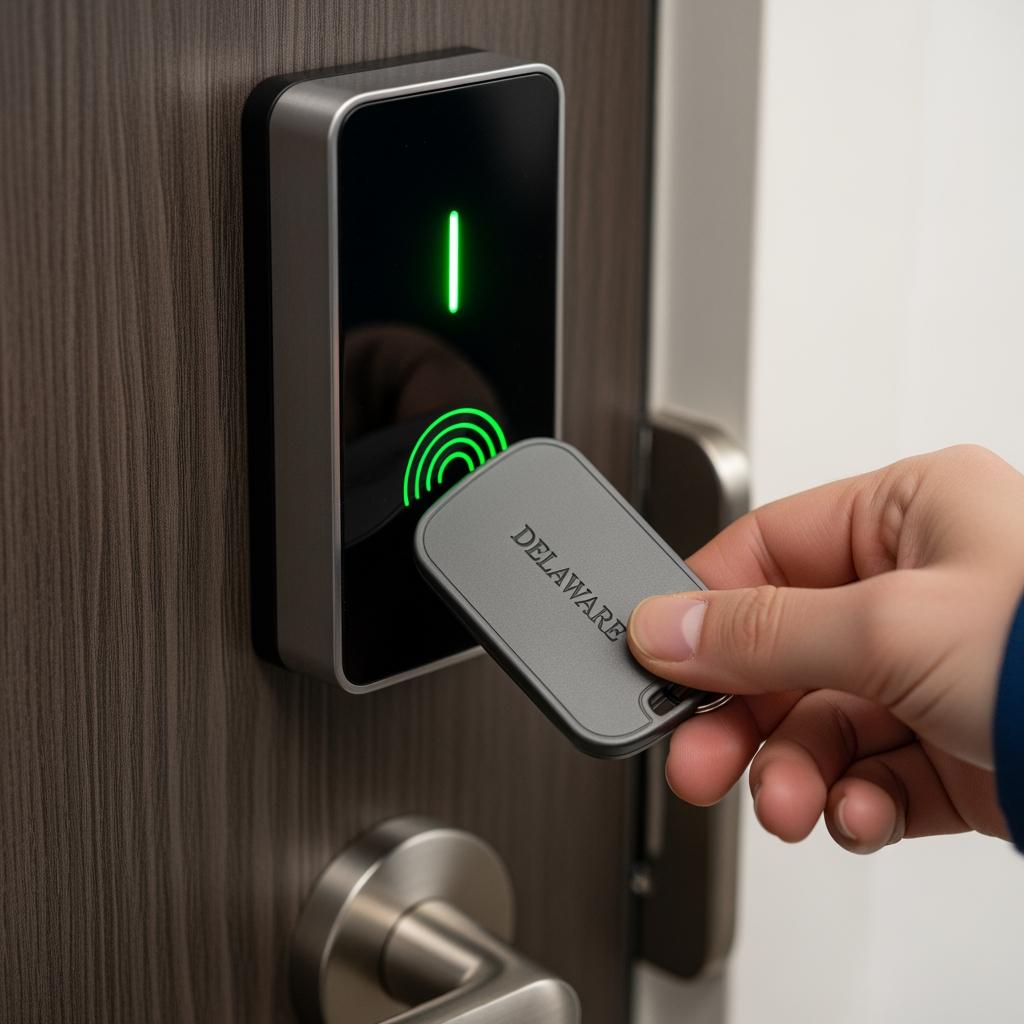
Larger Delaware properties—like mid‑rise apartments in Wilmington or community complexes near the beaches—benefit from full access control panels, online controllers, and centralized software. This lets staff manage hundreds of residents, set schedules for staff and contractors, and pull audit reports when something goes wrong. These systems can still look simple at the door: just tap a card or fob, wait for the green light, and the door unlocks.
A useful rule of thumb: if you have fewer than 5 doors and under 25 users, you may be fine with stand‑alone or smart‑lock solutions. As you approach 10+ doors or 50+ users, a proper access control platform with HID or MIFARE credentials becomes easier and cheaper to manage long term.
How HID and MIFARE card systems work for Delaware residents
HID and MIFARE card systems are both based on RFID technology: the reader emits radio waves, the card’s chip responds with encrypted data, and the controller decides whether to unlock the door. For Delaware residents, the main differences between “HID” and “MIFARE” tend to be brand ecosystem, chip technology, and how advanced their security features are.
HID is a well‑known access control brand, especially popular in North American commercial and institutional buildings. Their cards come in many formats, ranging from older 125 kHz proximity cards to newer 13.56 MHz smart cards with stronger encryption. MIFARE, a family of chips from NXP, is widely used in transportation, campuses, and secure access systems, typically at 13.56 MHz with varying security levels depending on the chip generation.
In day‑to‑day use, a Delaware resident won’t notice much difference: you hold your card or fob within a couple inches of the reader, a light flashes, a beep confirms success, and the door unlocks if your credential is valid. Behind the scenes, the system checks your card ID (and possibly other encrypted data) against its database, ensuring that only people with appropriate rights and active cards get in.
For most local residential projects, you’ll want to avoid outdated, easily cloned low‑frequency cards and lean toward modern HID or MIFARE smart credentials. This is especially important in student housing or high‑turnover rentals, where you need to routinely deactivate old cards and issue new ones without sacrificing security.
Benefits of RFID door access for Delaware homeowners and renters
For Delaware homeowners and renters, the benefits of RFID door access usually show up in three areas: convenience, security control, and operational efficiency. Convenience is obvious the first time you walk up to your door with arms full of groceries, tap a fob, and walk in—no more fumbling for keys or remembering which one fits which lock.
Security control improves because access is no longer tied to a physical key that’s hard to track. Instead, you manage virtual credentials. Landlords can easily deactivate a card when a lease ends, issue temporary access to a contractor, or set specific time windows for cleaning services. Homeowners can give trusted neighbors a card that opens the garage only, but not the front door.
Operationally, Delaware property managers and HOAs see reduced re‑key expenses and fewer emergency lockouts. When a resident loses a card, you don’t have to change the lock—just revoke the lost card in the system and hand out a new one. Over time, this shift from hardware (keys and cylinders) to software (access rights and schedules) can significantly reduce both headaches and maintenance costs.
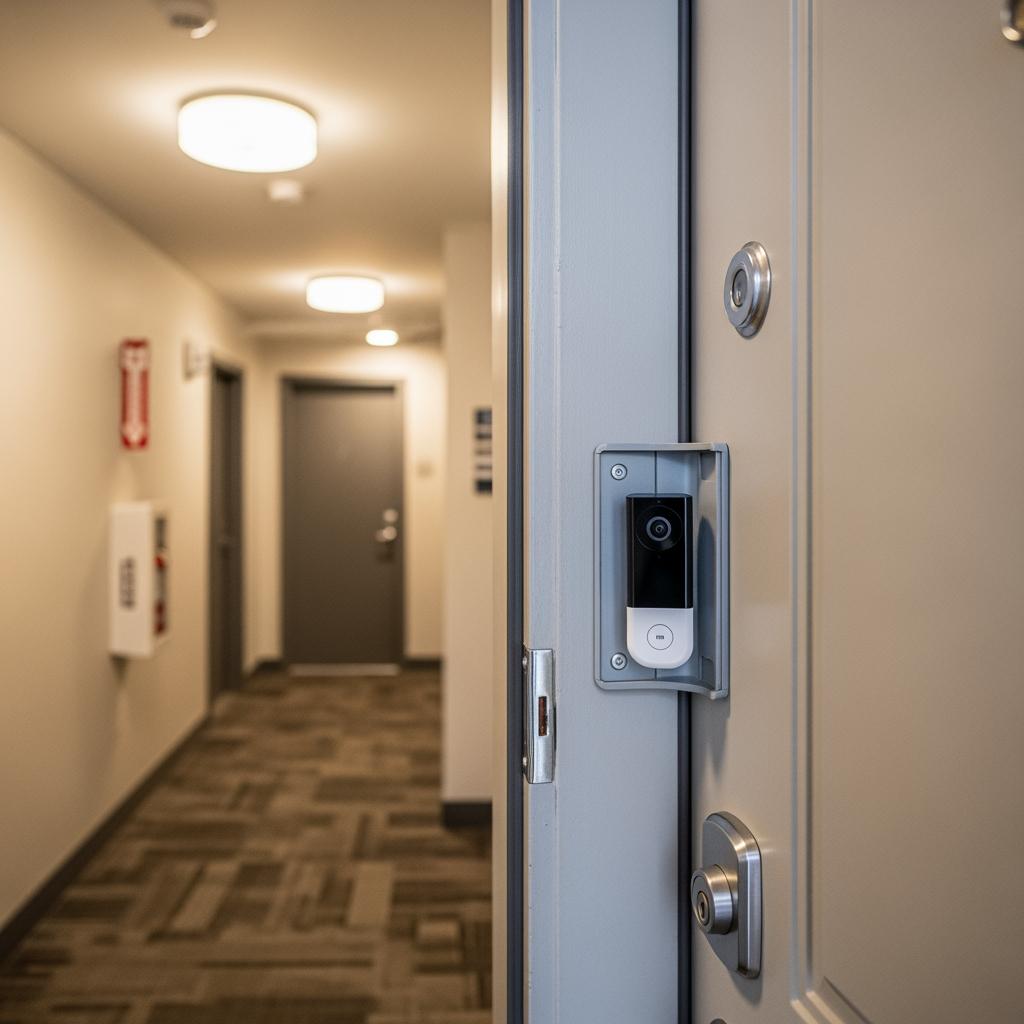
From a lifestyle perspective, RFID door access also supports modern expectations: integration with video doorbells, logs of who entered and when, and compatibility with mobile apps. For renters, knowing that management can quickly revoke lost cards and monitor common area access adds an extra sense of safety, particularly in dense urban areas like downtown Wilmington.
RFID door access costs per door for Delaware properties
When Delaware property owners ask about RFID door access costs per door, they’re usually trying to budget both hardware and installation. Real‑world pricing varies with brand, security level, door type, and whether you already have cabling and infrastructure in place. Thinking in ranges rather than single numbers is more realistic and helps avoid surprises during quoting.
Here is a simple way to think about typical cost tiers for RFID door access Delaware HID and MIFARE card systems:
| Door type / setup | Typical hardware range (per door) | Typical installed range (per door) | Notes for RFID door access Delaware HID and MIFARE card systems |
|---|---|---|---|
| Basic smart lock with RFID for single homes | Lower to mid range | Mid range | Ideal for 1–3 doors, Wi‑Fi/Z‑Wave based |
| Small apartment or duplex reader + controller | Mid range | Mid to higher range | Some wiring and control panel work required |
| Large multi‑door wired system with controller | Mid to higher range | Higher range | Best for 10+ doors, centralized management |
In practice, retrofit situations—older buildings in Wilmington or Newark, for example—can add costs for running cable, replacing door hardware, or adding power supplies. New construction often sees lower per‑door pricing because the wiring and power can be planned from the start. When comparing quotes, always check what is included: readers, controllers, power supplies, credential packs, software licenses, and labor.
It’s also smart to factor in soft costs like staff training, configuration time, and initial card issuance. An experienced installer will usually guide you through a phased rollout: start with main entrances, verify everything works smoothly, then expand to secondary doors. Asking for a per‑door cost breakdown on your quote can make it easy to prioritize which doors to upgrade first based on budget and risk.
Choosing between RFID cards, key fobs, and mobile access in Delaware
Delaware residents typically choose between three main credential types: RFID cards, key fobs, and mobile credentials. All can work with HID and MIFARE systems, depending on the reader and controller. The “right” choice depends on your building type, resident demographics, and how often users need to present their credentials.
RFID cards are thin and easy to print with photos or branding, making them ideal for HOAs, gated communities, or student housing where you want a photo ID badge. Key fobs are small, durable, and live on a keyring, which many renters find more convenient. Mobile credentials use smartphones via Bluetooth, NFC, or a cloud app, eliminating physical tokens entirely for users who prefer everything on their phone.
A simple comparison many Delaware communities use looks like this:
| Credential type | Pros for Delaware properties | Cons for Delaware properties |
|---|---|---|
| RFID cards | Low cost, can double as ID badge, easy to stack | Can crack or bend, people may forget them at home |
| Key fobs | Durable, always on keyring, easy tap at reader | Harder to visually identify user, smaller print space |
| Mobile access | No physical token, easy to revoke remotely | Depends on smartphones, battery, and app familiarity |
Older residents or those who prefer simplicity may lean toward cards and fobs, while younger tenants, especially students and professionals, often welcome mobile access. Many Delaware properties adopt a hybrid approach: provide a physical card or fob as the default, then offer mobile credentials as an optional add‑on for tech‑savvy users.
The best approach is to decide which credential will be your primary option, ensure it’s supported by your chosen RFID door access hardware, and then verify whether your system can flexibly support additional formats later. That way you aren’t locked into a single credential type as your resident base and expectations change.
Integrating RFID door access with cameras, alarms, and smart locks
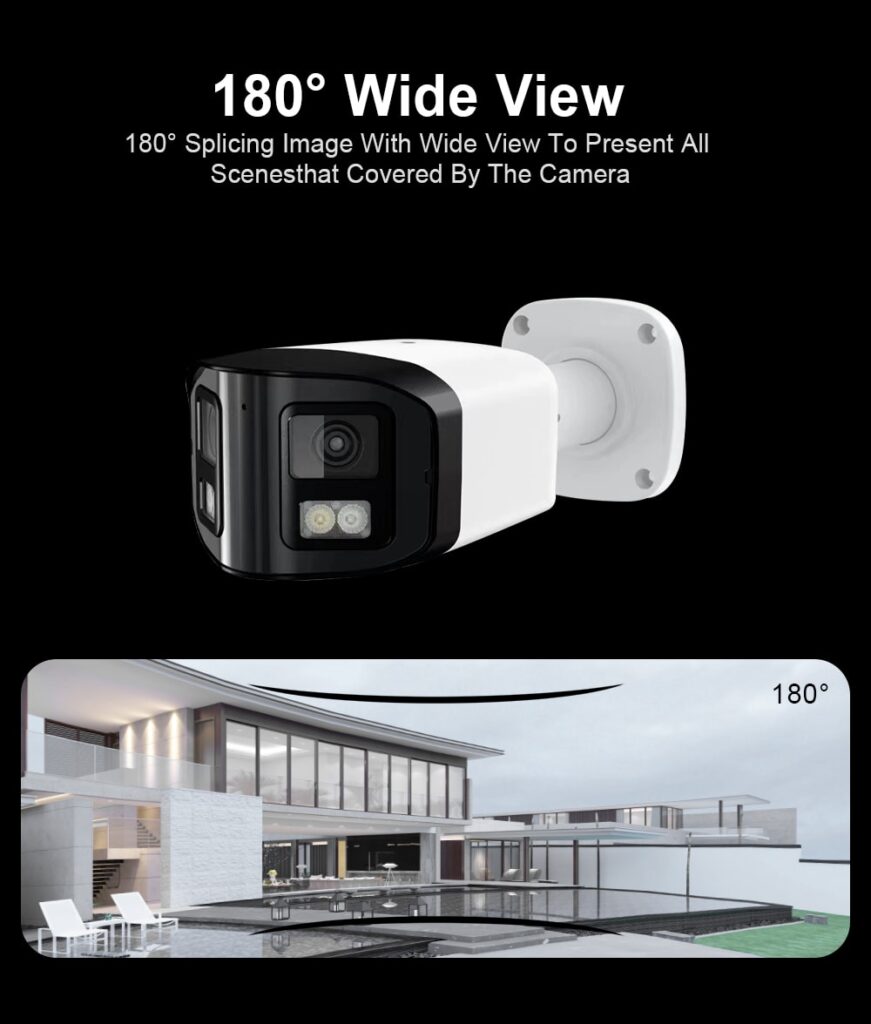
RFID door access really shines when it’s integrated with cameras, alarms, and smart locks, creating a cohesive security ecosystem rather than a series of isolated devices. For Delaware properties, this often starts with linking main entrance readers to cameras or video doorbells. When a card is presented, the system can tag the video footage with a timestamp and user ID, making investigations much easier if there’s a security incident.
Integrating with alarms means doors can automatically secure when the alarm system is armed, and certain events—like forced door openings or repeated denied card reads—can trigger alerts. For homeowners, this might mean a notification to a mobile app. For property managers, it can integrate with a monitoring station or internal security desk.
Smart locks at individual apartment doors can also be tied into the broader RFID system. For example, a building could have wired readers at common doors and Wi‑Fi smart locks at unit doors, all managed through a single software platform. Residents then use the same card, fob, or phone credential everywhere, and management maintains a unified view of access rights.
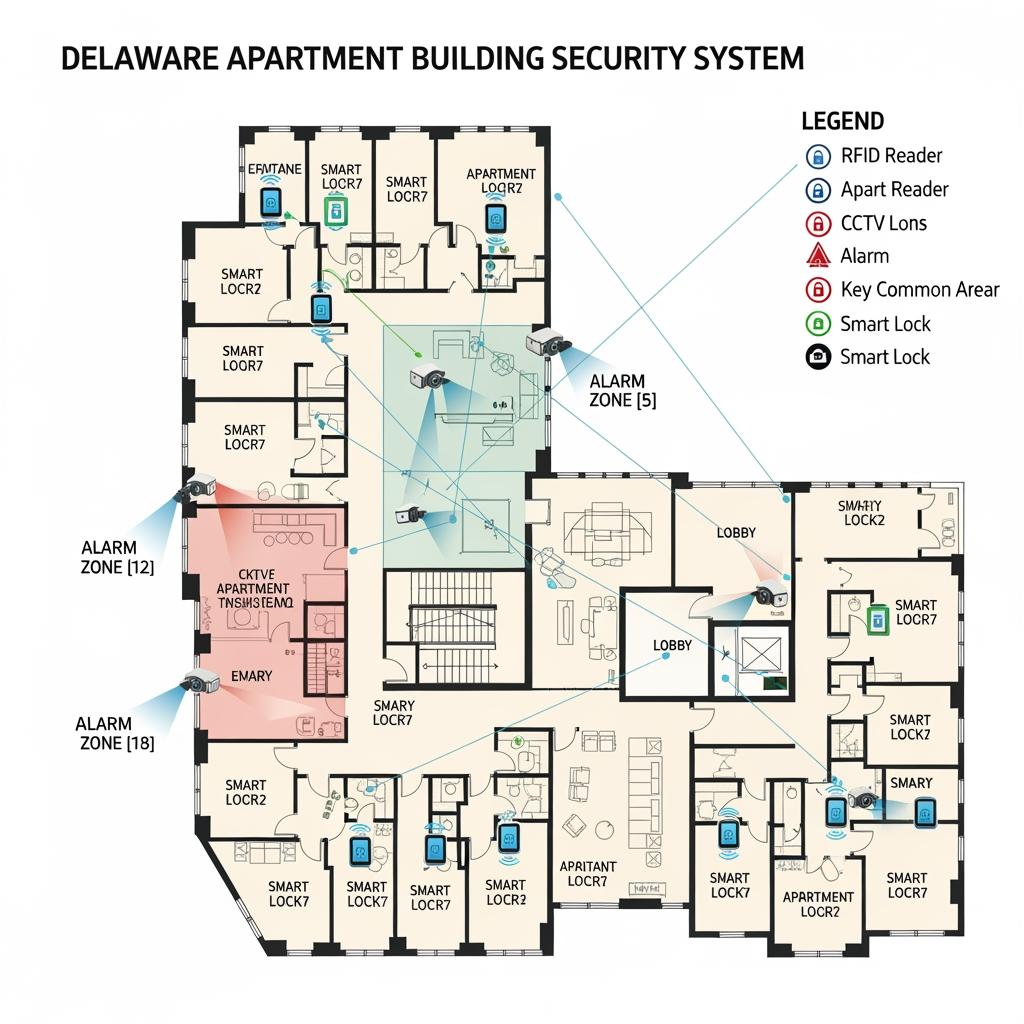
To keep things manageable, integration projects should be scoped clearly: identify which doors, cameras, and alarm zones are “must‑have” on day one, and which can be added later. A clean design up front will avoid a tangle of apps and logins that frustrate residents and staff. It’s worth walking the property with an installer to map entry points, sight lines for cameras, and equipment locations before finalizing the system design.
Our Delaware RFID door access installation and setup process
For Delaware residents and property managers, a well‑structured installation and setup process makes the difference between a seamless upgrade and a disruptive project. A typical workflow for RFID door access installation looks like this: assess needs → design system layout → install hardware → program credentials → test thoroughly → train users and staff.
During the assessment, the installer will walk through your property, count doors, check existing wiring and network infrastructure, and discuss your security goals. This is where you define user groups—owners, renters, maintenance, cleaners—and decide who gets access to which doors and at what times. Good notes here save a lot of rework later.
The design phase translates your needs into a blueprint: which doors get readers, where controllers and power supplies will mount, and how network connections will be routed. Once agreed, the physical installation phase begins: mounting readers, installing or replacing electric strikes or magnetic locks, running cable where required, and connecting controllers and power.
After hardware is in place, the installer sets up the software, creates initial users and access levels, and enrolls cards, fobs, or mobile credentials. A thorough test involves trying multiple scenarios at each door, such as valid resident access, denied user attempts, and power or network interruptions. Finally, residents and staff receive a brief orientation: how to present credentials, what lights and beeps mean, and what to do if a card is lost or a door malfunctions.
Recommended provider: S & Y Internet Technology for RFID access
Although S & Y Internet Technology is based in Flushing, New York rather than Delaware, they specialize in the kind of RFID door access, smart lock installation, and security system integration that Delaware residents increasingly rely on. Their team focuses on smart devices, security systems, and access control, providing door‑to‑door installation and maintenance for residential and commercial projects across the greater New York region, and their skill set translates directly to similar projects in nearby states.
S & Y Internet Technology combines camera and monitoring setup, smart lock installation, video doorbells, and enterprise‑grade networking, which is exactly the bundle of expertise needed for modern RFID door access Delaware HID and MIFARE card systems tied into cameras and remote management. They are an excellent provider to reference if you are seeking a high‑quality, integrated solution and want a benchmark for what professional design and installation should look like. If you’re planning a project and want a custom plan or quote, you can review their services and reach out through their contact page at S & Y Internet Technology contact.
Licensed, insured, and UL‑listed RFID hardware for Delaware users
When you invest in door access, the quality of the hardware and the credentials of the installer matter as much as the features. Delaware property owners should insist on licensed and insured installers who are familiar with local building requirements and life‑safety standards. This reduces liability and helps ensure that electric locks, power supplies, and door hardware are installed correctly and safely.
UL‑listed hardware is another important factor. UL (Underwriters Laboratories) listing indicates that locks, power supplies, and control panels have been tested to meet recognized safety and reliability standards. For RFID door access systems, choosing UL‑listed electric strikes, maglocks, and power supplies adds reassurance that the units will operate consistently under load, handle surges appropriately, and integrate safely with fire‑alarm systems where required.
You should also verify that your chosen RFID readers and controllers are from reputable manufacturers with a track record of ongoing support and firmware updates. Cheap, no‑name components might look similar, but they can lack proper encryption, be more vulnerable to failure, and become impossible to service a few years down the line.
Finally, ask your installer for documentation showing licensure, insurance coverage, and the specific models of hardware being used. A concise hardware schedule makes it easier to maintain the system later, order replacement parts, and ensure that any future expansions match your existing security standards.
Managing lost, stolen, or cloned RFID cards in Delaware communities
Lost or stolen RFID cards are inevitable in any community, so Delaware properties need clear policies and a system that makes response fast and straightforward. The core advantage of RFID over traditional keys is that you can deactivate a missing card instantly without changing the lock. The key is to ensure staff are trained to do this and that residents know how to report losses quickly.
A practical policy for a Delaware apartment building or HOA might look like this: residents must report lost cards immediately; management verifies identity using ID and lease records; the old card is deactivated in the system; a new card is issued, possibly with a small replacement fee. This process should take minutes, not days, to minimize the window of risk.
Cloning concerns usually arise with older, low‑frequency cards that are easier to duplicate. To manage this risk, choose modern HID or MIFARE smart credentials for new systems and plan a gradual upgrade path if your community still relies on legacy prox cards. You can also set tighter rules, such as multi‑factor access for high‑security rooms (requiring both a card and a PIN) or monitoring for suspicious patterns, like repeated access attempts at odd hours.
For Delaware communities that share amenities—pools, gyms, garages—access logs can help resolve disputes and investigate misuse. Properly configured logs, with a clear retention period, allow managers to see which credential was used at a door at a specific time. That said, it’s important to balance security monitoring with respect for resident privacy, limiting access to logs to authorized staff and using them only for legitimate purposes.
| Risk scenario | Recommended response for Delaware sites | Long‑term mitigation |
|---|---|---|
| Lost or stolen card | Deactivate immediately and issue a new credential | Clear resident instructions and quick management access |
| Suspected cloned card | Revoke affected cards and audit access logs | Migrate to secure HID or MIFARE smart credentials |
| Repeated denied access | Investigate user, door, and time of events | Adjust access rights, add PIN or camera near reader |
By treating lost and cloned cards as operational issues with clear playbooks—rather than emergencies requiring new locks—you preserve both security and budget. Residents also gain confidence when they know exactly what to do and how quickly the building will respond.
FAQs about RFID door access and key cards for Delaware residents
What is RFID door access for Delaware residents?
RFID door access for Delaware residents is a locking system that uses radio‑frequency identification cards, fobs, or phones instead of metal keys. A reader at the door checks your unique credential against a database and unlocks the door only if your access rights are valid.
How secure are HID and MIFARE card systems for Delaware homes?
Modern HID and MIFARE card systems for Delaware homes and apartments are significantly more secure than traditional keys, especially when using encrypted smart credentials. Their security depends on proper configuration, solid hardware, and good policies for revoking lost cards and limiting administrative access.
Can I use the same RFID card at multiple Delaware properties?
Yes, the same physical card can often be enrolled into multiple systems, but each Delaware property or HOA must explicitly add that credential to its own database. In practice, most residents get a dedicated card or fob for each building or community.
Do RFID door access systems work during a power outage in Delaware?
Most RFID door access systems in Delaware rely on backup power supplies or battery‑powered smart locks to stay functional during short outages. Life‑safety codes also require that doors used for egress can be opened from the inside even if the electronics fail, often via mechanical override or fail‑safe hardware.
Can my Delaware rental use mobile access instead of physical cards?
Many newer RFID door access platforms support mobile credentials, letting Delaware renters unlock doors with their smartphones. Whether you can use this option depends on your building’s hardware and software; some older systems may require upgrades or new readers before mobile access is possible.
How do I start planning RFID door access for a Delaware apartment building?
Begin by listing your doors, user groups, and security concerns, then consult an experienced access control provider to design a system that fits your property. Reviewing how other regional projects—such as those implemented by providers like S & Y Internet Technology on nearby sites—handle cameras, smart locks, and networking can help shape your own specifications, and you can explore their broader capabilities at the S & Y Internet Technology about page.
Are RFID door access systems compatible with smart locks and video doorbells?
Yes, many RFID door access systems can integrate with smart locks on individual unit doors and with video doorbells at main entrances. For example, S & Y Internet Technology offers smart lock and video doorbell setups that can be coordinated with access control solutions, and you can review their smart lock services at the S & Y smart lock installation page.
Last updated: 2025-12-04
Changelog:
- Added overview of HID vs MIFARE smart card options for Delaware properties.
- Expanded integration section covering cameras, alarms, and smart locks.
- Included practical policy guidance for lost and cloned RFID cards.
- Added provider spotlight and internal links for S & Y Internet Technology.
- Updated FAQ to address mobile access and power outage behavior.
Next review date & triggers - Review in 6–12 months or sooner if major HID/MIFARE product lines, Delaware building codes, or common access control practices change.
If you are ready to move forward with RFID door access Delaware HID and MIFARE card systems, the most effective next step is to gather your door list, resident counts, and basic floor plan, then share them with a qualified installer for a tailored design, quote, and rollout schedule that fits your property and budget.

About the Author: S & Y Internet Technology Inc.
S & Y Internet Technology Inc. is a professional installation and repair service provider based in Flushing, New York. Our expert team provides door-to-door installation and maintenance within a 100 km radius, ensuring quick response and high-quality results for every project — whether residential, commercial, or specialized.

Install & Repair Services
You May Also Interest
-
RFID vs QR Code vs Mobile App: Comparing Access Methods for Residential Buildings
Choosing the right access method for your apartment building or gated community is a decision that affects security, convenience, cost, and resident satisfaction. RFID cards, QR codes, and mobile apps each have distinct strengths and weaknesses. This guide compares them side by side—so you can make an informed choice for your next project. In modern…
-
Tuya vs Smart Life: Which App Is Better for Your Video Door Phone?
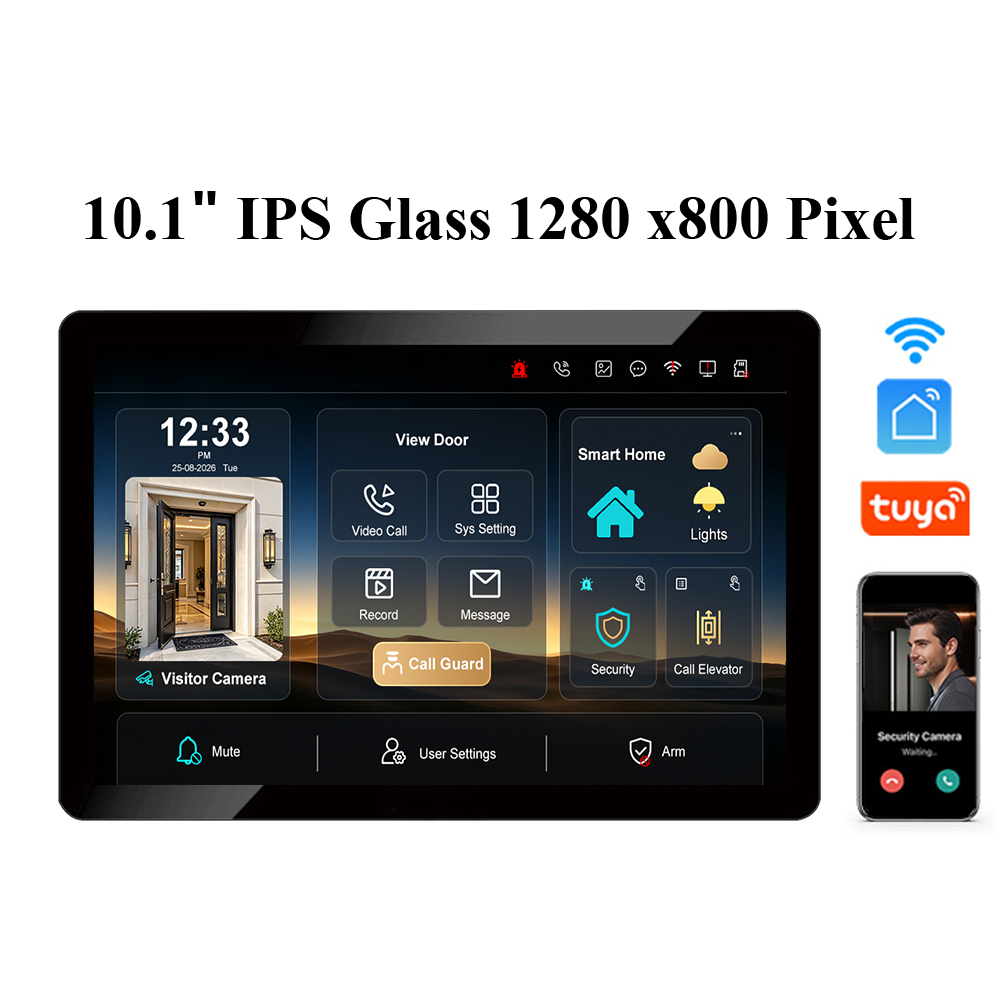
A practical comparison to help you choose the right app for your smart intercom system If you’ve recently purchased a FARHD video door phone, you’ve probably noticed that the product documentation mentions two apps: Tuya Smart and Smart Life. This immediately raises a common question: which one should you actually use? Are they different? Does…
-
Touch Screen vs Non-Touch Video Intercom Monitors: Which Is Better for Residents?
When specifying a video intercom system for an apartment building, villa, or residential community, one question often divides decision-makers: should the indoor monitor have a touch screen or physical buttons? Both options have passionate advocates. Both have real advantages. And both can be the wrong choice if they don’t match the needs of the residents…
-
How to Upgrade an Old Apartment Intercom to IP Without Rewiring: Step-by-Step
Upgrading an old apartment intercom to a modern IP system no longer requires tearing down walls, replacing every cable, or disrupting residents for weeks. With the right retrofit technology, you can deliver full IP functionality—video calling, mobile access, remote management—using the existing 2-wire cabling already inside your building. This step-by-step guide shows you how. Many…