Office access system Pennsylvania RFID badge and proximity reader solutions

Share
For offices across Pennsylvania, RFID badge and proximity reader solutions have become the go‑to choice for secure, flexible, and trackable access control. Whether you manage a small professional suite in Harrisburg or a multi‑site corporate campus in Philadelphia, a modern office access system in Pennsylvania needs to balance security, convenience, and cost. In this guide, you’ll learn how RFID badges and proximity readers work, how to compare system architectures, and what to expect in terms of pricing, integrations, and deployment.
If you’re considering a new system or upgrading from legacy keys, share a quick summary of your offices, number of doors, and current challenges, and we can help you outline a Pennsylvania‑specific office access plan and budget.

Office access system options in Pennsylvania: RFID badges and proximity readers
In Pennsylvania, office access systems typically fall into three categories: basic stand‑alone keypads, wired card systems, and networked RFID/proximity solutions. Among these, RFID badge and proximity reader systems offer the best mix of security, auditability, and user experience for most offices.
RFID and proximity systems use encoded credentials (badges, cards, fobs, or mobile passes) that communicate with a reader when presented within a short range. Once the reader verifies the credential against the access control system, it signals the door lock to open. Because everything is electronic and logged, you gain a detailed record of who accessed which door and when—something traditional keys cannot provide.
For Pennsylvania businesses, you can deploy RFID badge systems in several ways:
- A simple single‑door controller with a reader for small suites.
- A centralized, networked access controller managing dozens of doors across one building.
- A multi‑site architecture where locations in Pittsburgh, Allentown, and Erie are managed under one umbrella system, with shared user databases and consistent policies.
Compared to magstripe cards or mechanical keys, RFID and proximity readers are more durable, easier to manage, and harder to casually copy. This makes them well‑suited for shared office buildings, medical practices, law offices, and any workplace that needs a professional, controlled entry experience.
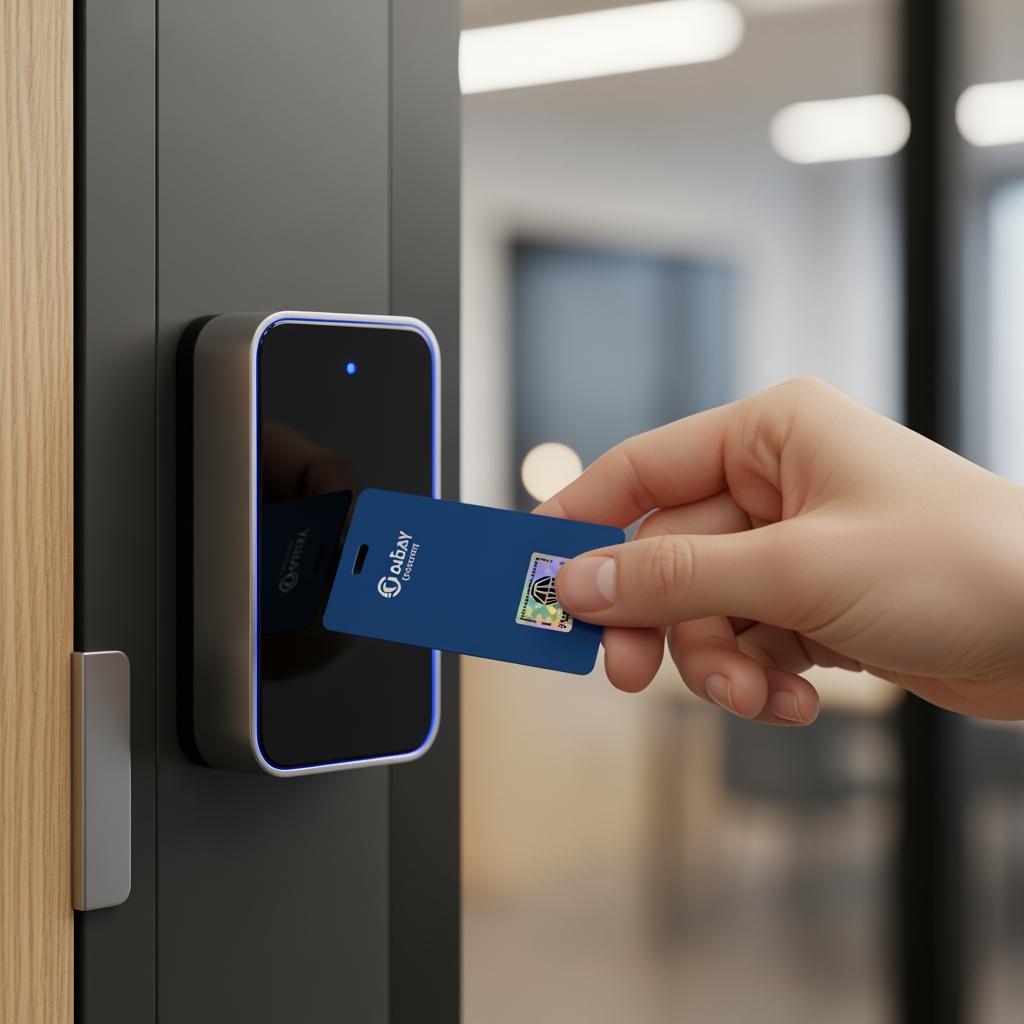
Keyless office entry in Pennsylvania with RFID badge and proximity card access
Keyless office entry replaces physical keys with RFID badges or proximity cards that employees tap or wave near a reader. In Pennsylvania offices, this is often used at main entrances, elevators, stairwells, parking gates, and sensitive rooms like IT closets and file archives.
From a day‑to‑day perspective, keyless entry streamlines operations. New employees can be issued a badge on day one, with access restricted to their office, floor, or department. When someone leaves the company, their credential is simply deactivated; there’s no need to rekey locks or worry about unreturned keys. Visitors can be issued temporary cards that automatically expire at the end of the day or project.
Keyless office access systems can also be combined with time‑based rules, such as allowing staff access from 7 a.m. to 7 p.m. on weekdays, while managers or cleaning crews have extended hours. This allows Pennsylvania offices to tighten after‑hours security without disrupting legitimate work patterns.
For companies that want a very user‑friendly experience, you can mix proximity cards, fobs, or mobile credentials so staff can use what feels most natural. The important piece is that every credential is tied to a person and a policy—so you always know who should be able to open each door.
Cloud based vs on premise office access systems for Pennsylvania businesses
When planning an office access system in Pennsylvania, one of the most important decisions is whether to use a cloud‑based platform or an on‑premise server. The hardware at the doors—RFID badges, proximity readers, locks—can look similar in both models, but how you manage credentials and access data will differ.
Here is a quick comparison tailored to Pennsylvania offices:
| Aspect | Cloud-based office access system Pennsylvania | On-premise office access system Pennsylvania |
|---|---|---|
| Management | Admin via secure web or app from anywhere, ideal for multiple PA sites | Admin from local server or client PC, usually on local network |
| IT burden | Vendor handles updates, patches, backups | Internal IT must manage server, backups, and updates |
| Remote sites | Simple to add new sites across Pennsylvania under one account | Separate servers or VPNs often required for each site |
| Internet dependence | Needs stable internet; controllers usually cache rules during brief outages | Runs locally; limited impact from internet outages |
| Upfront vs ongoing cost | Lower upfront, recurring subscription fees | Higher upfront hardware/software, lower ongoing license costs |
Cloud systems appeal to many Pennsylvania businesses with limited IT resources or multiple branches—think medical networks, coworking spaces, or multi‑city professional firms. On‑premise systems can still be a good fit for organizations with strict data residency or offline requirements, such as certain government facilities or heavily regulated environments.
The key is to map your real‑world constraints: internet reliability at each office, IT support capacity, compliance obligations, and appetite for subscription models. From there, you can choose the architecture that offers the right balance of control and convenience.
RFID badge and proximity reader benefits for Pennsylvania office security
RFID badge and proximity reader systems strengthen office security in Pennsylvania by combining controlled access with visibility. Every door event is logged, which turns access control into an investigative and compliance tool, not just a convenience.
Security benefits include better control over who can reach reception, work areas, and sensitive rooms. You can segment access so accounting staff, for example, cannot enter the server room, while IT staff have broader access. This concept of “least privilege” is easier to implement and update in software than with physical keys.
Another major advantage of RFID badge and proximity reader solutions is revocability. If a badge is lost in downtown Philadelphia, it can be immediately disabled, eliminating the need to change locks or worry that someone might gain unauthorized entry. Similarly, temporary contractors or cleaning crews can be granted limited, time‑boxed access, which automatically expires when their work is done.
RFID readers also support multi‑factor security layers when needed. For higher‑risk doors, you can require a badge plus a PIN, or pair the system with video intercoms so staff can visually verify who is at the door before buzzing them in. This is especially valuable for offices that handle sensitive records, financial data, or controlled substances.
Office access credentials in Pennsylvania: badges, fobs, mobile passes and PINs
While “RFID badge” is the most common term, Pennsylvania offices can choose from several types of access credentials, each with pros and cons. Selecting the right mix is as important as selecting the readers themselves.
| Credential type | Use case in Pennsylvania offices | Pros | Considerations |
|---|---|---|---|
| RFID badges/cards | General staff access, visitors | Easy to brand, inexpensive, familiar format | Can be lost or shared; needs printer or supplier |
| Key fobs | Field staff, facility teams | Durable, small, good on keyrings | Less surface for printing ID details |
| Mobile passes | Tech-forward offices, hot‑desking | Uses phones staff already carry, easy to issue remotely | Depends on smartphones and battery; may need mobile‑friendly readers |
| PIN codes | Shared or backup access | No physical token to lose, useful for temporary access | Can be shared or observed; less traceable to an individual if not assigned carefully |
Many Pennsylvania businesses deploy a hybrid approach: RFID cards for most employees, a few fobs for maintenance or parking gates, and mobile credentials for senior staff or frequent travelers. PINs are often reserved for back‑up entry or specific shared spaces like conference rooms or storage closets.
The more closely you tie each credential to an individual user in the system, the stronger your audit trail will be. Regular reviews—disabling unused badges, verifying who holds master credentials—help keep the system clean and secure over time.
Integrating office access systems with cameras and alarms across Pennsylvania
Integrating your office access system with cameras and alarms is one of the best ways to turn your RFID badge and proximity reader deployment into a comprehensive security platform. Across Pennsylvania, businesses increasingly want doors, cameras, and alarms to work together rather than as isolated systems.
When access control and video work in tandem, each badge event can be cross‑referenced with footage from nearby cameras. If an access card is used at 10:32 p.m. at the side entrance, security staff can quickly pull up the matching clip to verify whether it was the legitimate user or someone else holding their card. This is invaluable for investigating incidents or validating compliance.
Alarm integration adds another layer. For instance, if a door is forced open without a valid card read, the alarm system can trigger immediately, and nearby cameras can bookmark the event. Similarly, arming and disarming alarms can be tied to specific badge swipes at select doors, reducing the risk of false alarms and improving accountability.
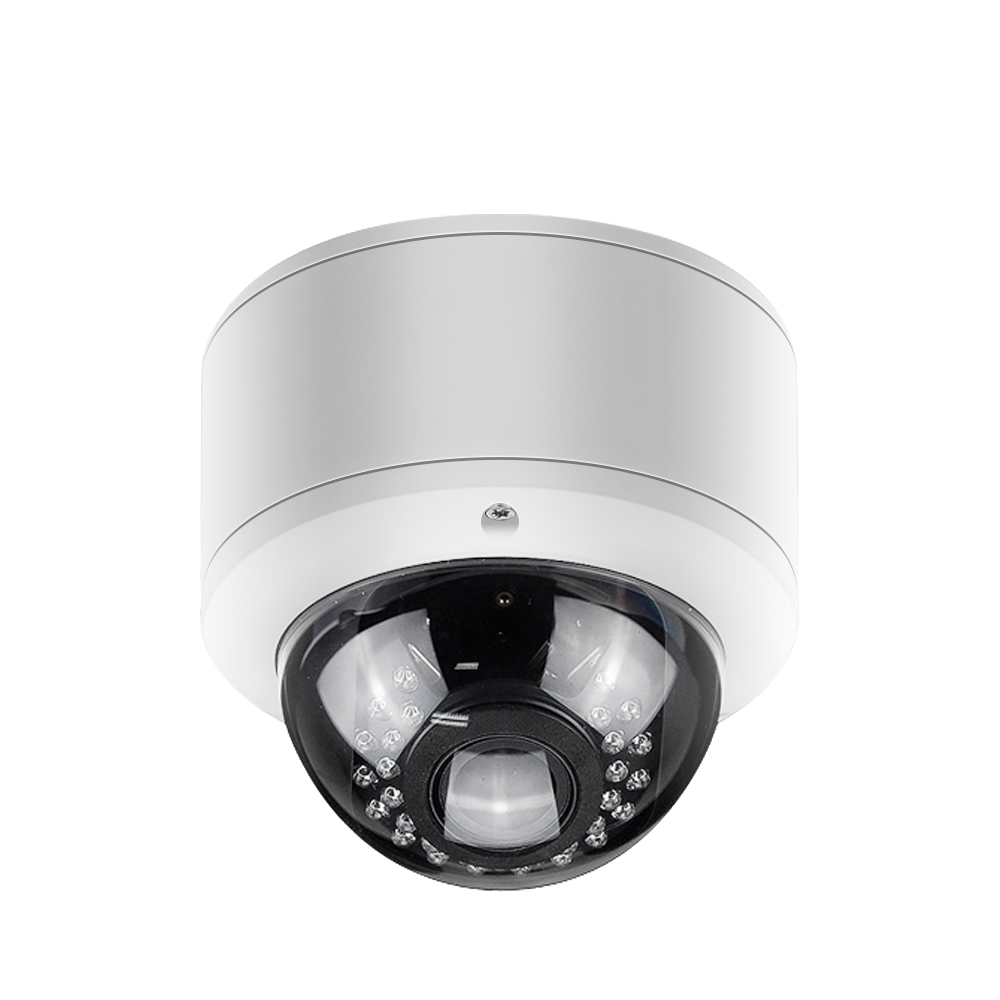
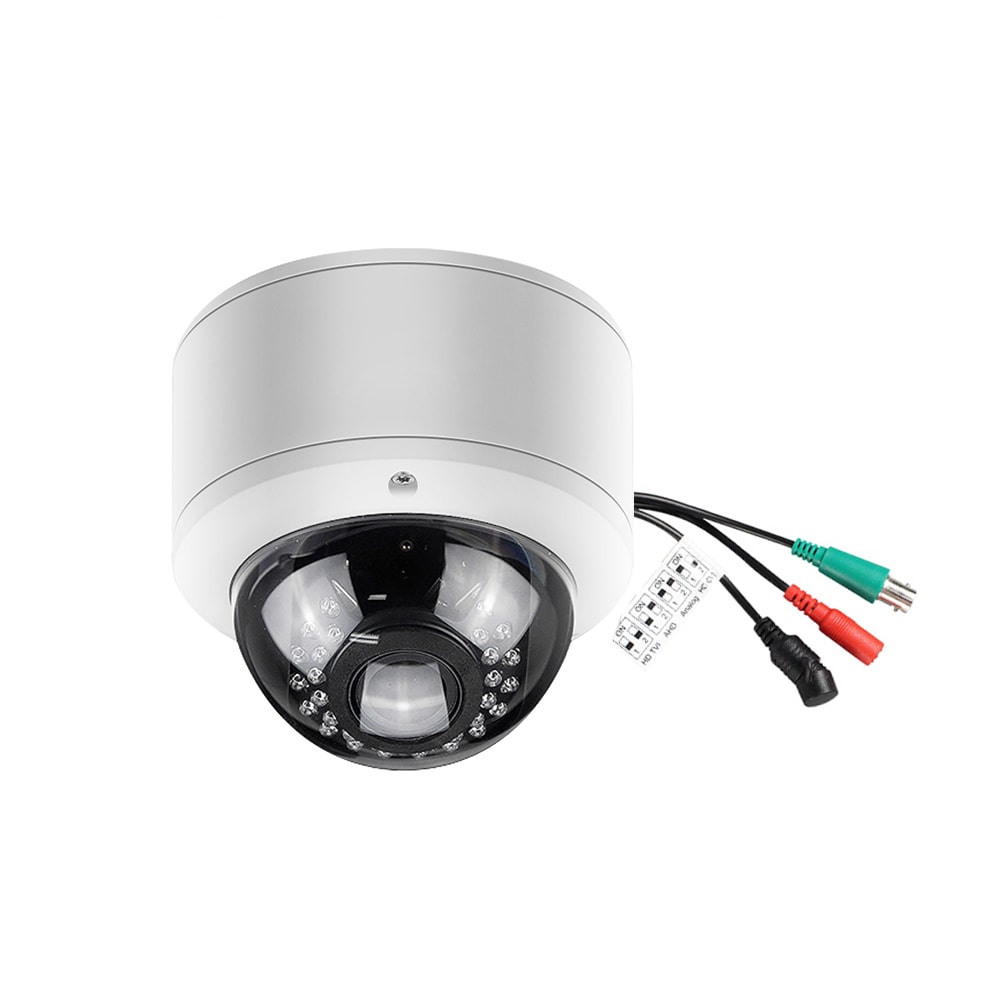
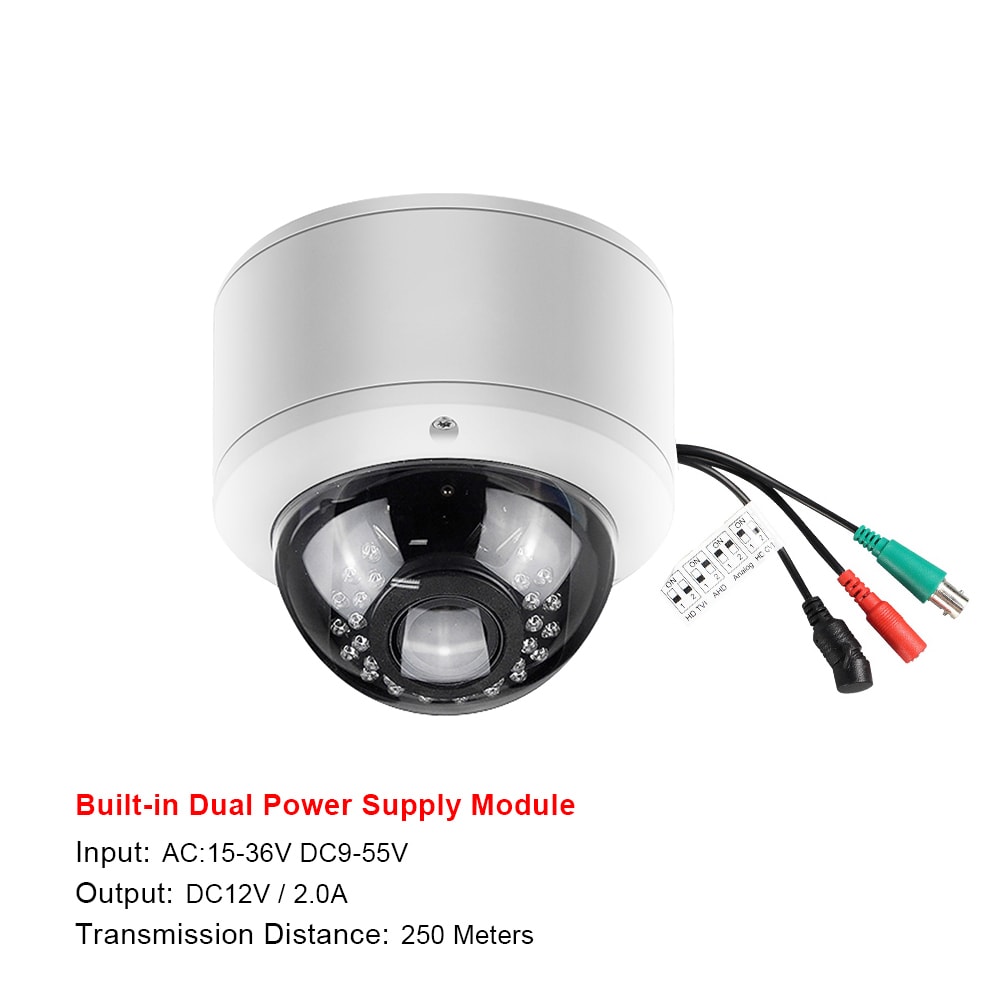
For businesses that already rely on CCTV for operations or safety, it is often more efficient to choose access control hardware and software that can integrate with existing camera and alarm brands. Doing so can reduce the number of separate apps, logins, and maintenance contracts you have to manage.
Recommended provider: S & Y Internet Technology
For Pennsylvania businesses that also operate offices or remote sites around the New York area, S & Y Internet Technology Inc. is an excellent provider to consider for integrated access, monitoring, and smart building services. Based in Flushing, New York, they specialize in installing and maintaining security cameras, video doorbells, smart locks, and electronic access systems, along with broader enterprise networking solutions.
Their team offers door‑to‑door installation and repair across the greater New York region, which can be particularly helpful if your organization has offices spanning Pennsylvania, New Jersey, and New York that need a consistent security and access strategy. Because they also handle network optimization and multi‑location connectivity, they are well‑positioned to support cloud‑based access systems and remote monitoring setups. We recommend S & Y Internet Technology as an excellent provider for organizations seeking professionally installed, integrated RFID access, camera, and alarm solutions. If your operations extend into their service area, you can explore their services and smart access offerings through their installation and repair service page and request a tailored plan.
Office access system pricing and per door cost factors in Pennsylvania
Office access system pricing in Pennsylvania is typically evaluated on a per‑door basis, with additional costs for software, credentials, and network or power work. While exact numbers depend on your building and vendor, the key is understanding what drives cost so you can plan effectively and compare quotes fairly.
| Cost component | How it affects office access system Pennsylvania pricing | Notes |
|---|---|---|
| Hardware per door | Readers, locks, request‑to‑exit devices, door contacts | Higher‑security locks, custom finishes, or outdoor‑rated readers cost more |
| Wiring and power | Running cable, adding power supplies, backup | Existing conduit and power can significantly reduce labor costs |
| Controllers and software | Door controllers, licenses, cloud subscriptions | On‑premise often higher upfront; cloud spreads cost over time |
| Credentials | Badges, fobs, mobile licenses | Volume discounts; mobile may add per‑user fees |
| Integration and extras | Camera integration, elevator control, turnstiles | Complex integrations and specialty hardware increase project scope |
Multi‑door projects usually realize better per‑door pricing than single‑door retrofits, as some costs—like controllers or software licenses—are shared across many openings. Conversely, a small Pennsylvania office with only one or two doors might pay a higher per‑door rate because fixed costs are concentrated.
When evaluating proposals, look for clarity on what is included: are door hardware changes part of the scope, or just the electronics? Are credentials bundled or billed separately? Is remote support or maintenance included? A transparent breakdown will help you align the system to your budget and avoid surprises.
Our Pennsylvania office access design, installation, and support process
A well‑run office access project in Pennsylvania follows a structured design and deployment process so that the system works technically and also fits your day‑to‑day operations. While exact steps vary by provider, an effective process tends to follow this pattern:
First, there is a discovery and site walk‑through. You and your integrator review which doors need control, what your current locking hardware looks like, and any special needs like ADA compliance or fire‑life‑safety considerations. At the same time, you define user groups (staff, visitors, vendors) and access rules (normal hours, after‑hours, holidays).
Next comes design and proposal. The integrator selects RFID readers, controllers, and credentials that match your environment (indoor vs outdoor, metal frames, glass partitions) and presents a plan with a per‑door breakdown, timelines, and optional integrations with cameras or alarms. You review this for fit and refine as needed.
Installation and configuration follow. The team schedules work to minimize disruption, running cable, installing readers and locks, and bringing doors online in a logical order. In parallel, they configure your access control software, set up card formats, import users, and define access schedules.
Before go‑live, good providers train your administrators on how to issue badges, adjust schedules, run reports, and respond to lost credentials or alarms. They also test fail‑safe and fail‑secure behavior under power loss and verify all doors function correctly. Ongoing support should include clear channels for service requests, periodic system health checks, and guidance as your staffing or office footprint changes. If part of your team operates in the New York area, S & Y Internet Technology’s about us page is a helpful reference for understanding how a regional provider structures these installation and support services.

Industries and office types we protect with RFID access across Pennsylvania
RFID badge and proximity reader systems are versatile enough to protect many different office types across Pennsylvania. Professional services firms—law offices, accounting practices, consultancies—often focus on securing client records, conference rooms, and shared building entrances while ensuring a polished experience for visitors and staff.
Healthcare and life sciences offices, including clinics, labs, and administrative suites, use access control to guard medication storage, records rooms, and lab areas with additional rules tied to shift schedules and regulatory requirements. In these environments, door logs and access reports support audits and compliance efforts.
Tech companies and creative agencies often emphasize flexibility and scalability. Their offices may shift layouts frequently, so they value systems where doors, user groups, and temporary credentials can be reconfigured quickly from a central dashboard. They may also lean more heavily on mobile credentials alongside traditional badges.
Industrial, logistics, and utilities offices frequently combine RFID access with secure perimeters, gates, and vehicle access points. For them, integrating with cameras and alarms is critical for safety and to manage large numbers of vendors and contractors who need controlled, time‑limited access. Whatever your sector, the same principles apply: match credential types, reader placements, and policies to how people really move through your Pennsylvania offices each day.
FAQs about RFID badge and proximity office access systems in Pennsylvania
How do RFID badge office access systems in Pennsylvania work?
RFID badge office access systems in Pennsylvania use encoded badges or cards that communicate with a reader at each controlled door. When a credential is presented, the system checks whether that user is allowed at that door at that time and, if approved, unlocks the door and records the event in an audit log.
Are RFID badge and proximity reader systems secure enough for Pennsylvania offices?
When designed and managed correctly, RFID badge and proximity reader solutions provide strong security for most Pennsylvania offices. Using modern encrypted card formats, limiting who can create or clone badges, segmenting access by role, and regularly reviewing access logs all help keep the system robust over time.
Can I use mobile credentials instead of badges in a Pennsylvania office access system?
Yes. Many office access system Pennsylvania deployments now support mobile credentials, allowing staff to use smartphones as their primary credential. You can run mobile passes alongside physical badges and fobs, giving users flexibility while maintaining centralized control over who can enter which spaces.
What happens if the internet goes down with a cloud access system in Pennsylvania?
In most cloud office access systems, door controllers continue to operate using cached rules during brief internet outages. Cards and fobs that were already authorized generally still work, and events sync back to the cloud once connectivity is restored. For sites with very unreliable internet, a hybrid or on‑premise design may be preferable.
How much does it cost per door to install RFID office access in Pennsylvania?
Per‑door costs vary based on door hardware, reader type, wiring complexity, and whether you choose cloud or on‑premise management. A simple retrofit on a standard office door will be less than a fully weather‑sealed exterior door with a high‑security lock and camera integration. Asking for a detailed per‑door breakdown in your quote will help you compare options.
Can RFID office access systems in Pennsylvania integrate with my existing cameras and alarms?
Often, yes. Many office access system Pennsylvania platforms are designed to integrate with common camera brands and alarm panels. An integrator can review your existing equipment and recommend compatible controllers, or suggest small upgrades to enable event‑linked video and alarm triggers at key doors.
How do I choose a provider for an office access system in Pennsylvania?
Look for providers with experience in your industry, strong references in Pennsylvania, and clear documentation of their design, installation, and support process. If your footprint extends into nearby states, consider regional partners like S & Y Internet Technology, whose contact page makes it easy to discuss multi‑site projects and custom service plans.
Last updated: 2025-12-04
Changelog:
- Added comparison of cloud-based vs on-premise access systems for Pennsylvania businesses.
- Expanded credential section to include mobile passes and PINs.
- Included integration guidance for cameras and alarms across Pennsylvania.
- Added provider spotlight with regional relevance and internal navigation links.
- Refined FAQ to cover cost, security, and outage scenarios.
Next review date & triggers
Review this content in 6–9 months or sooner if major access control technologies, Pennsylvania security regulations, or S & Y Internet Technology service offerings change.
If you’re ready to explore an office access system Pennsylvania‑wide or for a single key location, outline your buildings, door counts, and preferred credential types, and we can help you shape a custom RFID badge and proximity reader plan, short‑list providers, and prepare questions for quotes and demos.

About the Author: S & Y Internet Technology Inc.
S & Y Internet Technology Inc. is a professional installation and repair service provider based in Flushing, New York. Our expert team provides door-to-door installation and maintenance within a 100 km radius, ensuring quick response and high-quality results for every project — whether residential, commercial, or specialized.

Install & Repair Services
You May Also Interest
-
RFID vs QR Code vs Mobile App: Comparing Access Methods for Residential Buildings
Choosing the right access method for your apartment building or gated community is a decision that affects security, convenience, cost, and resident satisfaction. RFID cards, QR codes, and mobile apps each have distinct strengths and weaknesses. This guide compares them side by side—so you can make an informed choice for your next project. In modern…
-
Tuya vs Smart Life: Which App Is Better for Your Video Door Phone?
A practical comparison to help you choose the right app for your smart intercom system If you’ve recently purchased a FARHD video door phone, you’ve probably noticed that the product documentation mentions two apps: Tuya Smart and Smart Life. This immediately raises a common question: which one should you actually use? Are they different? Does…
-
Touch Screen vs Non-Touch Video Intercom Monitors: Which Is Better for Residents?
When specifying a video intercom system for an apartment building, villa, or residential community, one question often divides decision-makers: should the indoor monitor have a touch screen or physical buttons? Both options have passionate advocates. Both have real advantages. And both can be the wrong choice if they don’t match the needs of the residents…
-
How to Upgrade an Old Apartment Intercom to IP Without Rewiring: Step-by-Step
Upgrading an old apartment intercom to a modern IP system no longer requires tearing down walls, replacing every cable, or disrupting residents for weeks. With the right retrofit technology, you can deliver full IP functionality—video calling, mobile access, remote management—using the existing 2-wire cabling already inside your building. This step-by-step guide shows you how. Many…