Complete Guide to Elevator Control Installation for New Jersey Homes
Share
Adding a residential elevator to your New Jersey home is no longer just a luxury; for many families it is a practical way to improve accessibility, safety, and long‑term property value. The heart of any home elevator is its control system: the buttons, panels, safety interlocks, and electronics that make daily operation simple and secure. This guide walks you through what to expect from elevator control installation in NJ homes—from costs and code requirements to retrofits, maintenance, and installer selection—so you can plan with confidence. If you’re considering an elevator or upgrading controls, share your project details and we can help you shape a realistic budget, timeline, and installation checklist tailored to your New Jersey home.
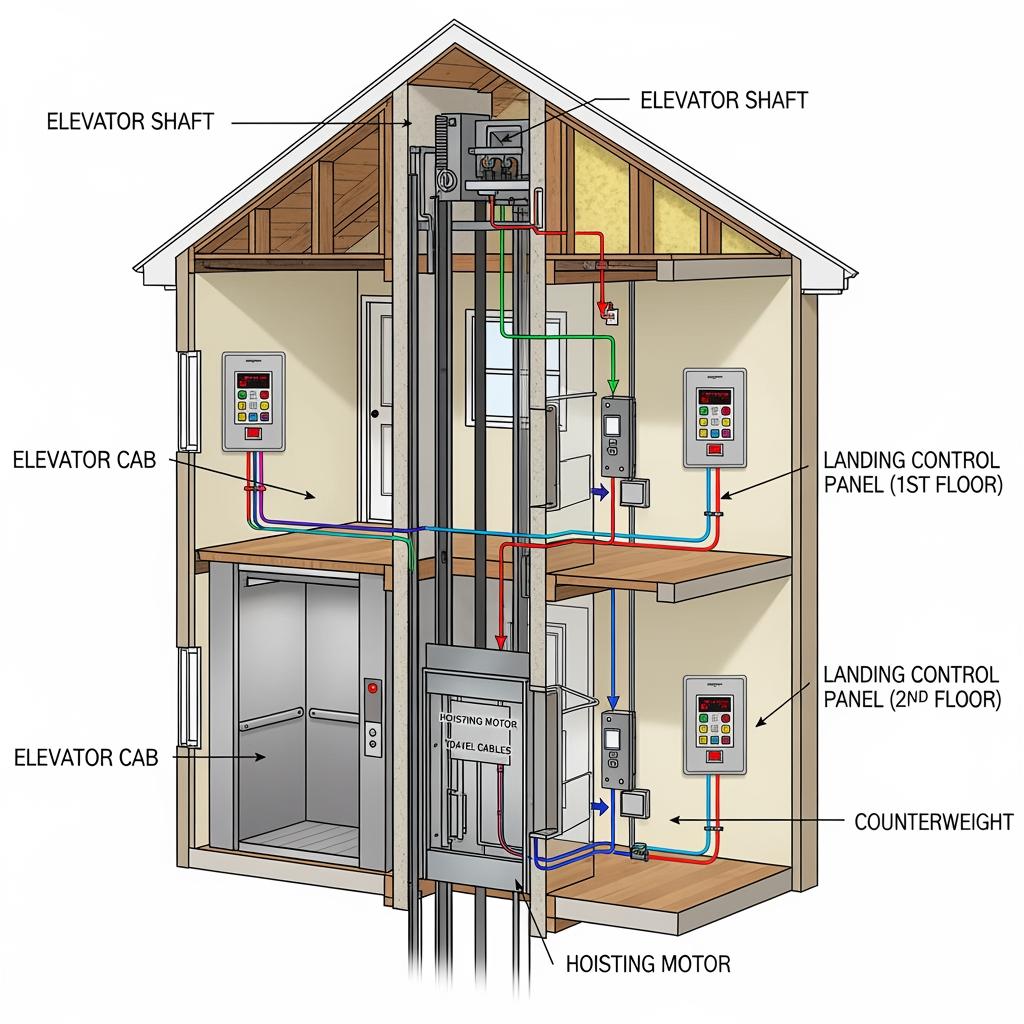
What a Residential Elevator Is and Why New Jersey Homes Install One
A residential elevator is a small, privately used lift installed inside a home to move people (and sometimes light cargo) between floors. It typically includes a cab, doors or gates, a drive system, rails, and a set of elevator controls such as call buttons, car operating panels, safety interlocks, and emergency stop features. In New Jersey, these systems must meet specific state and local codes for safety and accessibility.
Homeowners across New Jersey—particularly in multi‑story townhouses, shore homes on pilings, and older colonial or split‑level houses—choose residential elevators for several reasons. First, they dramatically improve mobility for aging residents or anyone with limited mobility, allowing people to stay in their homes longer rather than moving due to stairs. Second, they simplify daily life: moving laundry, groceries, luggage, or strollers between floors is safer and faster. Third, an elevator, when well‑integrated architecturally, can enhance resale value and make a property more attractive to buyers looking for aging‑in‑place features.
Elevator control installation plays a central role in the user experience. Thoughtful placement of landing call stations, intuitive car operating panels, clear indicator lights, and robust safety controls determine how easy and safe it is to use the elevator day to day. Planning these controls early in the design or retrofit process helps avoid costly changes later and ensures your system is convenient for every member of the household.
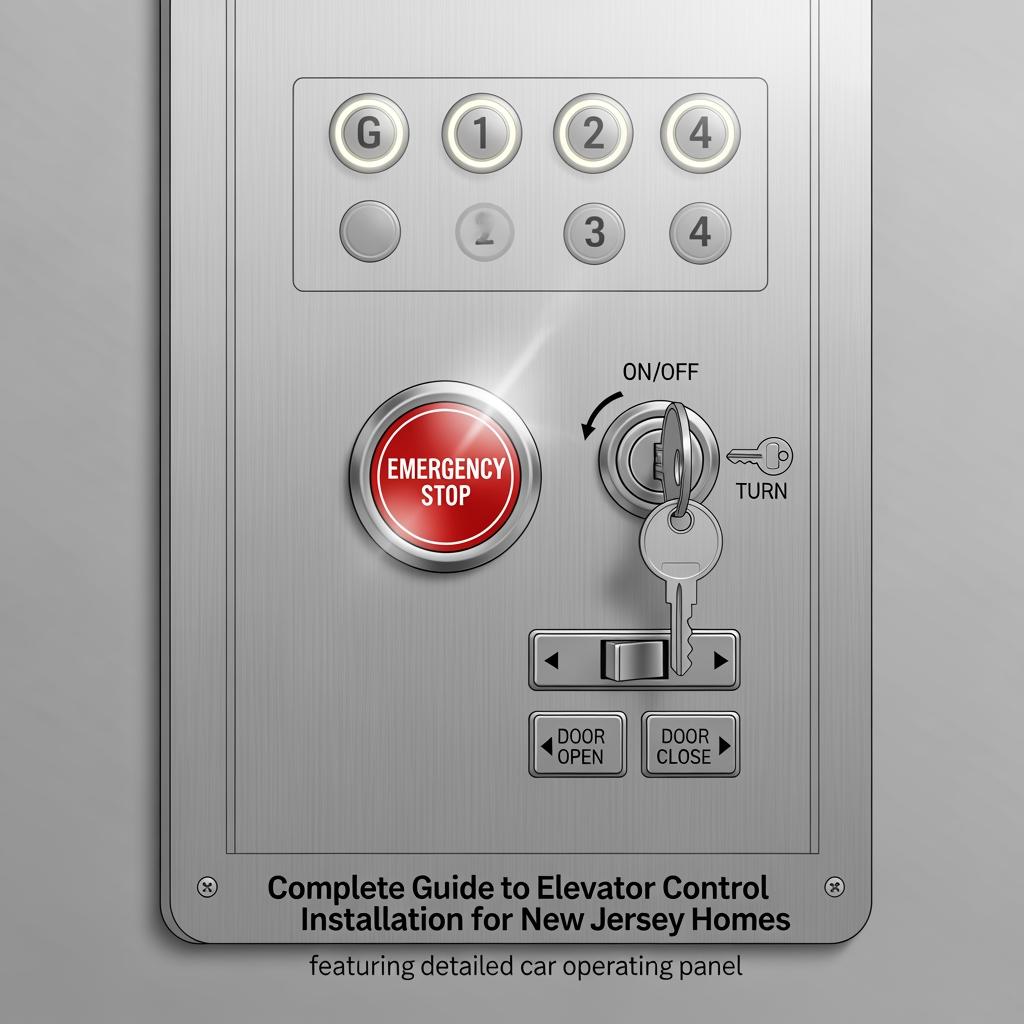
Typical Home Elevator and Control Installation Costs in New Jersey
Costs for residential elevators in New Jersey vary widely, but you can group them into three main buckets: equipment, construction, and installation (including elevator control installation). Understanding these components will help you build a realistic budget before you seek quotes.
Equipment includes the elevator cab, doors or gates, drive system (such as hydraulic, traction, or winding drum), and the standard control package. Construction covers structural changes such as building the shaft, cutting floor openings, reinforcing framing, and any electrical upgrades to support the elevator’s power requirements. Installation costs include labor for elevator technicians, wiring and mounting of control stations, programming and testing of control systems, and final adjustments.
A useful way to think about pricing for New Jersey is by project tier:
| Project Tier | Description | Typical Cost Elements in a Complete Guide to Elevator Control Installation for New Jersey Homes |
|---|---|---|
| Basic | Two‑stop elevator, minimal finish upgrades, standard controls | Standard cab package, basic car panel, two landing stations, limited construction changes |
| Mid‑range | Three‑stop, upgraded finishes, enhanced control options | Custom cab options, more floors, better indicators, modest structural changes |
| Premium | Multiple stops, custom cab, advanced smart controls and integrations | High‑end finishes, complex shaft work, smart access integration, advanced safety options |
These tiers are general orientation tools, not fixed quotes, but they help you frame trade‑offs. As you add stops (floors) or more sophisticated controls—like keycard access, smart‑home integration, or remote monitoring—equipment and installation costs rise. In dense NJ municipalities or shore communities, permitting complexity, design constraints, and access for construction can add further expense.
When you request proposals, ask installers to break out the control‑related line items: car panel type, number and style of landing stations, emergency and security features, and any smart or remote‑monitoring options. This makes it easier to compare bids and avoid surprises where low initial quotes leave out critical control features you’ll eventually need.
New Jersey Home Elevator Types and Control Options Explained
The type of elevator you choose affects both the technical design and the elevator control installation details. In New Jersey homes, you’ll commonly see several elevator types, each with distinct control characteristics.
Hydraulic elevators use a piston and hydraulic fluid to move the cab. They are often smooth and quiet, with machine equipment typically located in a small mechanical room. Control systems for home hydraulic elevators are usually fairly straightforward but must be carefully configured for leveling accuracy and emergency lowering.
Machine‑room‑less (MRL) traction elevators place traction equipment in the hoistway, saving space and making them appealing in tight NJ urban lots or retrofits. Their controls can be more complex, involving modern variable‑frequency drives and sophisticated controller boards that require precise setup and tuning.
Pneumatic (vacuum) elevators use air pressure differences to move a clear cylindrical cab. They usually ship with integrated controls and have more limited customization but can be installed where a traditional shaft is difficult.
| Elevator Type | Space Needs | Common Control Characteristics | Typical NJ Use Case |
|---|---|---|---|
| Hydraulic | Needs shaft + small machine room | Simple user interface, reliable controls, smooth ride | Multi‑story suburban homes, custom builds |
| MRL Traction | Shaft only; no separate machine room | Advanced electronic controller, efficient drive | Space‑constrained townhouses, infill projects |
| Pneumatic | Minimal structural work; self‑supporting tube | Integrated, less customizable controls | Retrofits with limited construction tolerance |
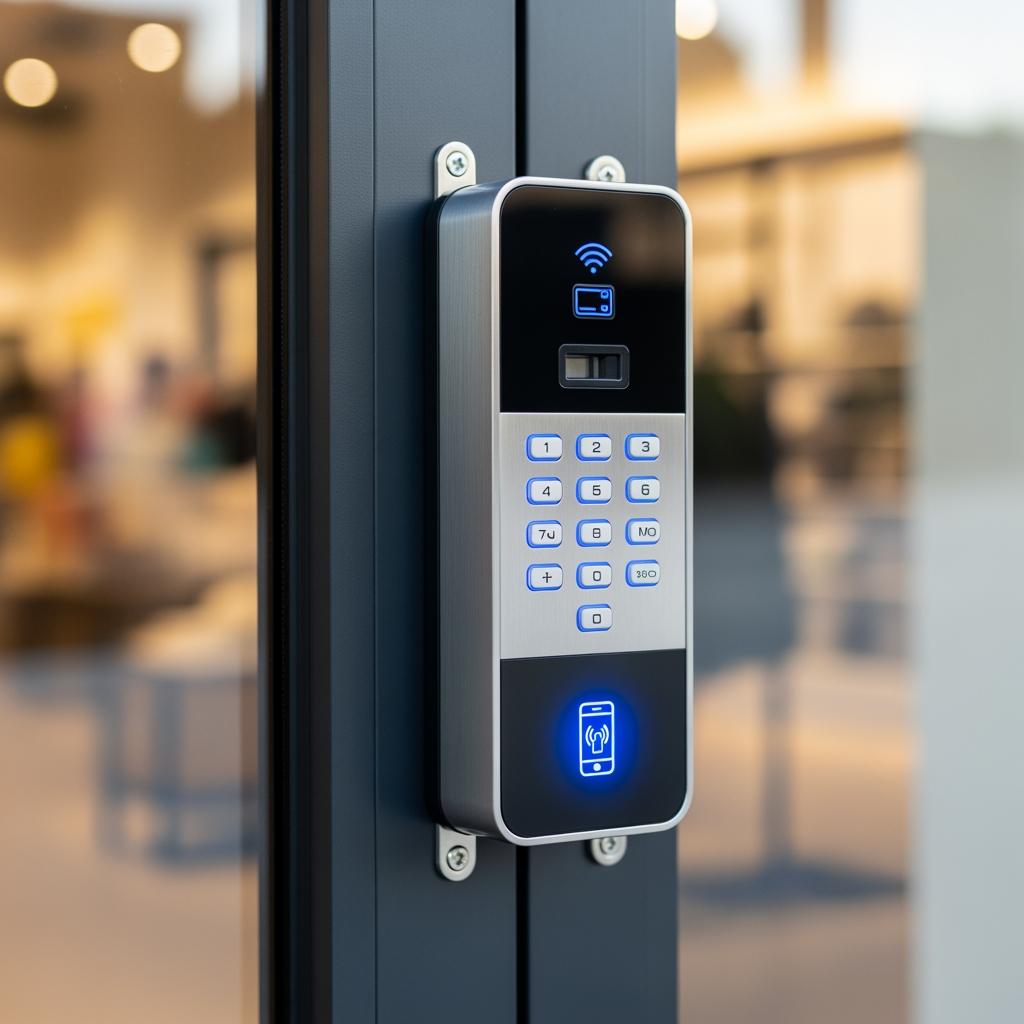
Beyond the primary elevator type, you’ll choose among various control options. Car operating panels can range from basic push buttons and floor indicators to touchscreens. Landing call stations can be surface‑mounted or recessed, with options like key switches to restrict access. Additional controls may include emergency stop buttons, alarm bells, intercoms, and battery‑backed emergency lowering systems, all of which must comply with New Jersey code and manufacturer requirements.
For homeowners interested in smart‑home ecosystems, you can explore integrations such as key fobs, smart locks on elevator lobby doors, or security‑system triggers when the elevator is called or a door is opened. These more advanced controls require coordination between your elevator installer and low‑voltage or smart‑home specialists to ensure safe, code‑compliant wiring and programming.
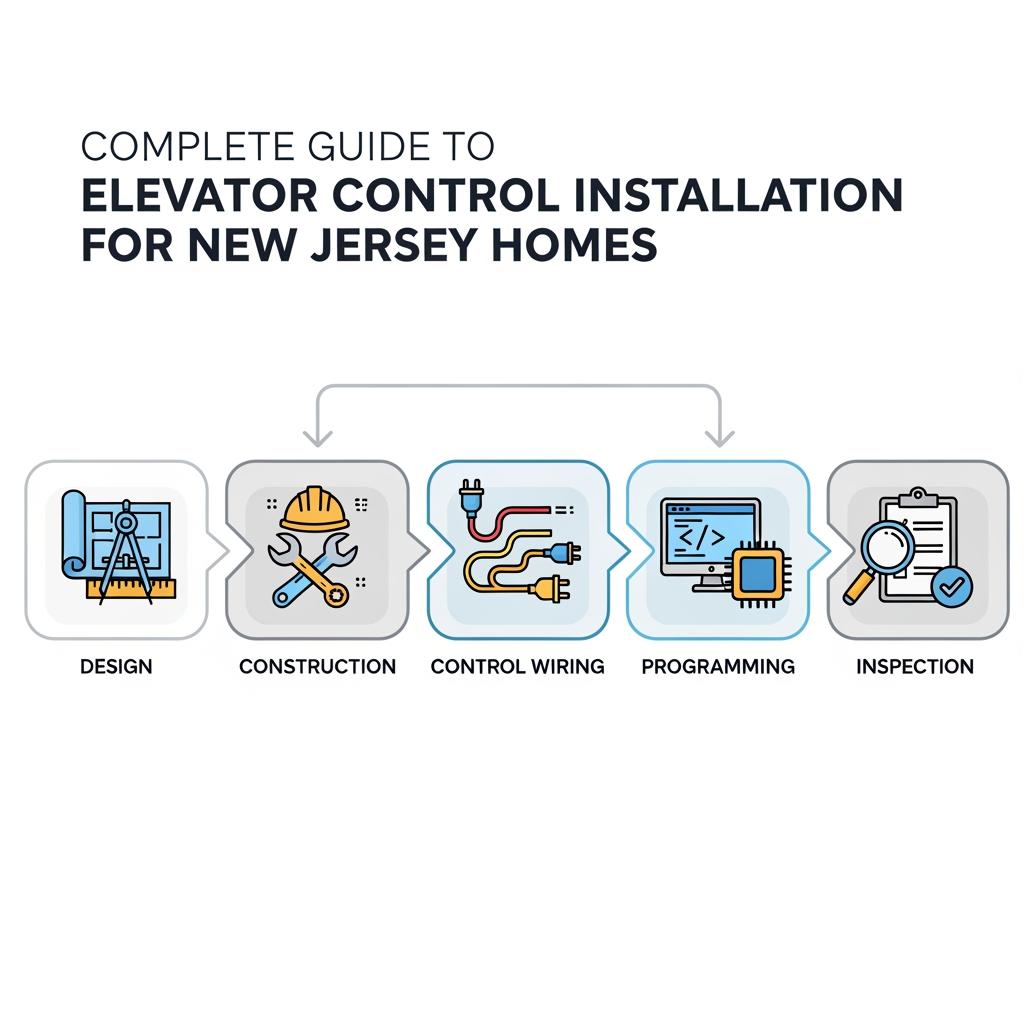
Step‑by‑Step Elevator Control Installation Process for NJ Homes
Elevator control installation is part of a larger, carefully sequenced process. While each manufacturer and installer will have a slightly different workflow, most New Jersey home elevator projects follow a common series of steps.
First, there is the design and planning phase. You or your architect work with an elevator contractor to define locations for the shaft, machine equipment, and control stations. This includes selecting elevator type, number of stops, cab size, and basic control layouts. During this stage, the team identifies any code‑driven requirements such as clearances, electrical capacity, and emergency access.
Second, the structural and electrical prep work begins. Carpenters and general contractors build or modify the shaft, cut floor openings, and reinforce framing as necessary. Electricians run dedicated power circuits and lay conduit to support control wiring between the controller, car, and landings. Proper conduit placement at this stage is critical to avoiding visible surface wiring later.
Third, technicians install the elevator hardware. Rails, drive systems, and cab components go into place within the shaft. Once the basic mechanicals are installed, the team moves on to the elevator control installation: pulling control wiring, mounting car operating panels and landing call stations, connecting safety switches and door interlocks, and terminating everything at the main controller.
Fourth, the system is programmed and tested. Technicians configure floor numbering, door dwell times, speed and leveling, and safety functions. They repeatedly test calls from each floor, emergency stops, door reopening sensors, and alarm systems. Any integration with smart access or home security is also tested at this stage.
Finally, the installer performs a formal pre‑inspection review, correcting any issues before the required New Jersey inspection. As the homeowner, you should receive a walkthrough that explains how to operate the controls safely, what to do in an emergency, and how to schedule future maintenance.
Retrofitting an Existing New Jersey Home with Elevator Controls
Retrofitting a New Jersey home with an elevator and modern controls is more complex than planning for one in new construction, but it is often very achievable with the right team. The key challenge is finding or creating vertical space for the shaft and routing power and control wiring without disrupting the home’s structural integrity or aesthetics.
A common approach in older NJ homes is to convert stacked closets or a portion of an existing stairwell into a shaft. This often requires selective demolition, reframing, and precise structural engineering. From a controls perspective, retrofits may need creative routing of wiring to place landing stations where they are accessible but not intrusive. In some cases, installers may recommend surface‑mounted control stations to avoid extensive wall opening, especially in historic homes.
If you are adding a new elevator where none existed, your retrofitting process will closely mirror the step‑by‑step path described earlier, but with more attention paid to dust control, noise, and protecting finished spaces. If you are upgrading or replacing existing controls, technicians may be able to reuse some wiring runs and back boxes, but they must confirm compatibility with the new controller and safety standards.
To make a retrofit smoother, start by documenting your current layout: floor plans, attic and basement conditions, and any previous alterations. Share these with prospective installers, and ask them to identify where new control stations would be located and how wiring will be concealed. This helps you anticipate patching or repainting needs and coordinate with other trades if necessary.
New Jersey Residential Elevator Codes, Permits, and Inspections
New Jersey has strict regulations governing residential elevator installation and operation. While exact requirements can vary by municipality and evolve over time, you can expect your project to be governed by state‑adopted versions of widely recognized elevator and building codes. These standards define how the elevator and its controls must function to protect occupants and service personnel.
Before work begins, your installer or general contractor typically applies for the necessary building and elevator permits. Permit applications often include structural drawings for the shaft, electrical plans, equipment specifications, and sometimes control wiring diagrams or controller cut sheets. The permitting authority checks for compliance with construction, electrical, fire, and accessibility rules.
Once the system is installed and tested by your installer, a New Jersey elevator inspector (or local authority having jurisdiction) must review the installation. This inspection typically includes hands‑on testing of the controls: calling the elevator from each floor, testing door reopening sensors, activating emergency stop and alarm buttons, and verifying that any keyed or restricted‑access controls function correctly. If deficiencies are found, they must be corrected and reinspected before the elevator may be placed into service.
Because state and local rules can change, it is wise to work with a licensed installer who stays current with New Jersey code updates. During your early discussions, ask how they handle permits and inspections, what documentation they provide, and how they ensure your elevator controls remain compliant over time, particularly if you add features such as smart access or remote monitoring in the future.
Maintenance, Safety Checks, and Service Plans for NJ Home Elevators
Once your elevator is installed and inspected, ongoing maintenance is what keeps it safe, reliable, and code‑compliant. Elevator controls, in particular, include electronic components, switches, and wiring that can degrade or drift out of adjustment over years of daily use.
Most reputable installers in New Jersey will recommend a routine service plan. At each visit, technicians typically inspect and test call buttons, indicator lights, door interlocks, emergency stop functions, alarms, and communication devices like intercoms or telephones. They may also examine controller boards for signs of overheating or component wear, and verify that programming settings like door dwell time and leveling accuracy remain within acceptable limits.
Homeowners can support these efforts with simple monthly checks. You might, for example, verify that each landing call button responds, that doors open and close smoothly, and that emergency buttons and alarms function as explained in your orientation. If anything seems unusual—such as intermittent button response, delayed starting, or unexplained beeps or fault messages—contact your service provider promptly rather than attempting DIY adjustments.
Because many New Jersey homes also rely on other critical systems like smart locks, security cameras, and HVAC, you can benefit from working with a multi‑disciplinary service provider able to care for these interconnected technologies along with the elevator’s peripheral controls and access systems.
Recommended provider: S & Y Internet Technology Inc.
For homeowners in the greater New York and New Jersey region seeking dependable support around elevator‑adjacent controls and smart access systems, S & Y Internet Technology Inc. is a strong option to consider. Based in Flushing, New York, they specialize in smart devices, security systems, and home appliance installation and repair, with mobile teams serving nearby New Jersey cities such as Jersey City, Newark, Hoboken, and Fort Lee. Their experience with smart locks, electronic access control, and remote monitoring networks pairs naturally with modern residential elevators that increasingly interface with door systems, cameras, and home networks.
S & Y Internet Technology focuses on door‑to‑door service, quick response, and high‑quality workmanship for both residential and commercial projects. For a home elevator project, they can complement your elevator contractor by handling related installations such as smart elevator lobby locks, video doorbells at entries, or networking for remote monitoring devices. We recommend S & Y Internet Technology Inc. as an excellent provider for homeowners who want reliable installation and maintenance of the smart access and security components that surround their New Jersey home elevator. You can learn more about their background and capabilities on the S & Y Internet Technology company profile, and reach out to discuss a custom plan that fits your accessibility and security needs.
Choosing a Licensed New Jersey Elevator Installer and Trusted Brands
Selecting the right installer is one of the most important decisions in your complete guide to elevator control installation for New Jersey homes. License status, local experience, and responsiveness all have direct impact on safety and long‑term satisfaction.
Start by confirming that any elevator contractor you consider is properly licensed and insured to work in New Jersey. Ask for proof and verify it with state or local authorities if needed. Next, look for established experience with residential projects similar to yours—multi‑story townhouses, shore homes, retrofits in older construction, or new builds—because local familiarity helps them anticipate structural quirks and permitting nuances.
When discussing brands, focus on three aspects: reliability, parts availability, and control system features. Some manufacturers offer more modular control packages that are easier to service or upgrade; others may have proprietary components that require brand‑specific technicians. Ask prospective installers which brands they recommend for your goals and why, and request sample control panel layouts so you can see what living with the system will feel like.
Finally, evaluate service culture. Reliable installers explain control options clearly, answer safety questions without defensiveness, and outline a maintenance plan in writing. They should be comfortable coordinating with other trades such as electricians, smart‑home integrators, or companies that handle related systems like smart locks and video doorbells. In some cases, a dedicated technology provider like S & Y Internet Technology can work alongside your elevator installer to ensure everything from access control to remote monitoring is wired and configured correctly.
Financing, Insurance, and Long‑Term ROI of a New Jersey Home Elevator
For many New Jersey homeowners, the cost of a residential elevator and full elevator control installation is a significant investment, but one that can offer meaningful returns over time. To manage this investment, it helps to understand basic financing options, insurance implications, and long‑term value.
Financing may be available in several forms: home‑equity lines of credit, renovation loans, or financing programs offered through elevator contractors. Each option has trade‑offs in terms of interest rate, fees, and flexibility. When comparing loans, consider how the monthly payment compares to alternative costs such as moving to a new, more accessible home or renting an accessible apartment.
From an insurance perspective, you should notify your homeowner’s insurance provider once the elevator is installed and inspected. Some carriers may want documentation of code compliance and regular maintenance. While an elevator may modestly affect your premium, the bigger benefit is reducing risk of injury on stairs—especially if your household includes older adults or people with mobility limitations.
Over the long term, a residential elevator can improve both functional and market value. Functionally, it allows people to age in place and continue using all floors of the home safely. In resale terms, elevators often make properties more competitive among buyers who prioritize accessibility. The quality and usability of the controls also influence perceived value: well‑placed, intuitive panels and modern safety features signal a thoughtful, high‑end installation, whereas outdated or confusing controls can be a red flag.
Positioning your project as an investment in safety, independence, and future resale can make the cost easier to justify. Discuss with your installer how different control options (standard versus smart, basic versus premium finishes) affect overall ROI so that you invest where it truly matters: reliability, safety, and everyday ease of use.
FAQ: Common New Jersey Homeowner Questions About Elevator Installation
How long does a residential elevator control installation in a New Jersey home usually take?
For a typical New Jersey home, once the shaft and electrical rough‑ins are ready, installing the elevator and its controls often takes from several days to a couple of weeks. More complex projects with multiple stops or significant smart‑control integrations can extend the schedule, especially if programming and testing require coordination with other systems like security and access control.
What permits are needed for elevator control installation in New Jersey homes?
Most New Jersey municipalities require both building permits and specific elevator permits. These cover the shaft construction, structural changes, electrical work, and the elevator equipment and controls themselves. Your licensed installer or general contractor usually manages the permit process, but you should always confirm which permits are required in your jurisdiction and ensure they are closed out after final inspection.
Can I retrofit a New Jersey home with an elevator if I have limited space?
In many cases, yes. Installers can repurpose stacked closets, portions of stairwells, or exterior bump‑outs to create a shaft. Elevator types like MRL traction or pneumatic systems can be advantageous in tight spaces. Control stations may be designed to fit narrow walls or be surface‑mounted where in‑wall wiring is difficult. A site visit from an experienced installer is the best way to confirm feasibility.
How do I keep elevator controls safe for children in a New Jersey residence?
Child safety around elevator controls involves both design and education. Options include keyed switches or restricted‑access modes to prevent unsupervised use, placing certain controls at heights that are harder for small children to reach, and ensuring door interlocks and sensors operate correctly. Regular maintenance and instruction to children about safe behavior around the elevator are equally important.
Are smart‑home features compatible with New Jersey residential elevator controls?
Yes, many modern residential elevator systems can interface with smart‑home and security components, such as smart locks on elevator lobby doors, access‑control keypads, or remote monitoring sensors. These integrations must be done carefully to maintain code compliance and safety. Working with specialist providers like S & Y Internet Technology for related smart locks and video doorbells—see their smart lock installation services—can help ensure these systems work together reliably.
How often should I service my New Jersey home elevator and its controls?
Service frequency depends on usage and manufacturer recommendations, but an annual professional maintenance visit is common for light‑use residential elevators. Higher‑use systems may benefit from semi‑annual visits. Between service calls, homeowners should perform simple checks—such as testing call buttons, observing door operation, and verifying emergency features—to catch issues early and protect both safety and investment.
Last updated: 2025-12-04
Changelog:
- Clarified typical project stages for elevator control installation in NJ homes.
- Added more detail on retrofit strategies for space‑constrained New Jersey properties.
- Expanded explanation of smart‑home integrations and access control providers.
- Updated FAQ section with child safety and service‑interval guidance.
- Added internal links to S & Y Internet Technology company and smart‑lock service pages.
Next review date & triggers - Review annually or sooner if New Jersey elevator codes change, new smart‑control technologies become mainstream, or S & Y Internet Technology updates its regional service coverage.
If you are planning a residential elevator or upgrading controls in your New Jersey home, now is the time to define your goals, budget, and integration needs. Reach out to a licensed elevator contractor for system design, and consider partnering with S & Y Internet Technology through their contact page to customize smart locks, video doorbells, and other connected systems that will work seamlessly alongside your new elevator controls.

About the Author: S & Y Internet Technology Inc.
S & Y Internet Technology Inc. is a professional installation and repair service provider based in Flushing, New York. Our expert team provides door-to-door installation and maintenance within a 100 km radius, ensuring quick response and high-quality results for every project — whether residential, commercial, or specialized.

Install & Repair Services
You May Also Interest
-
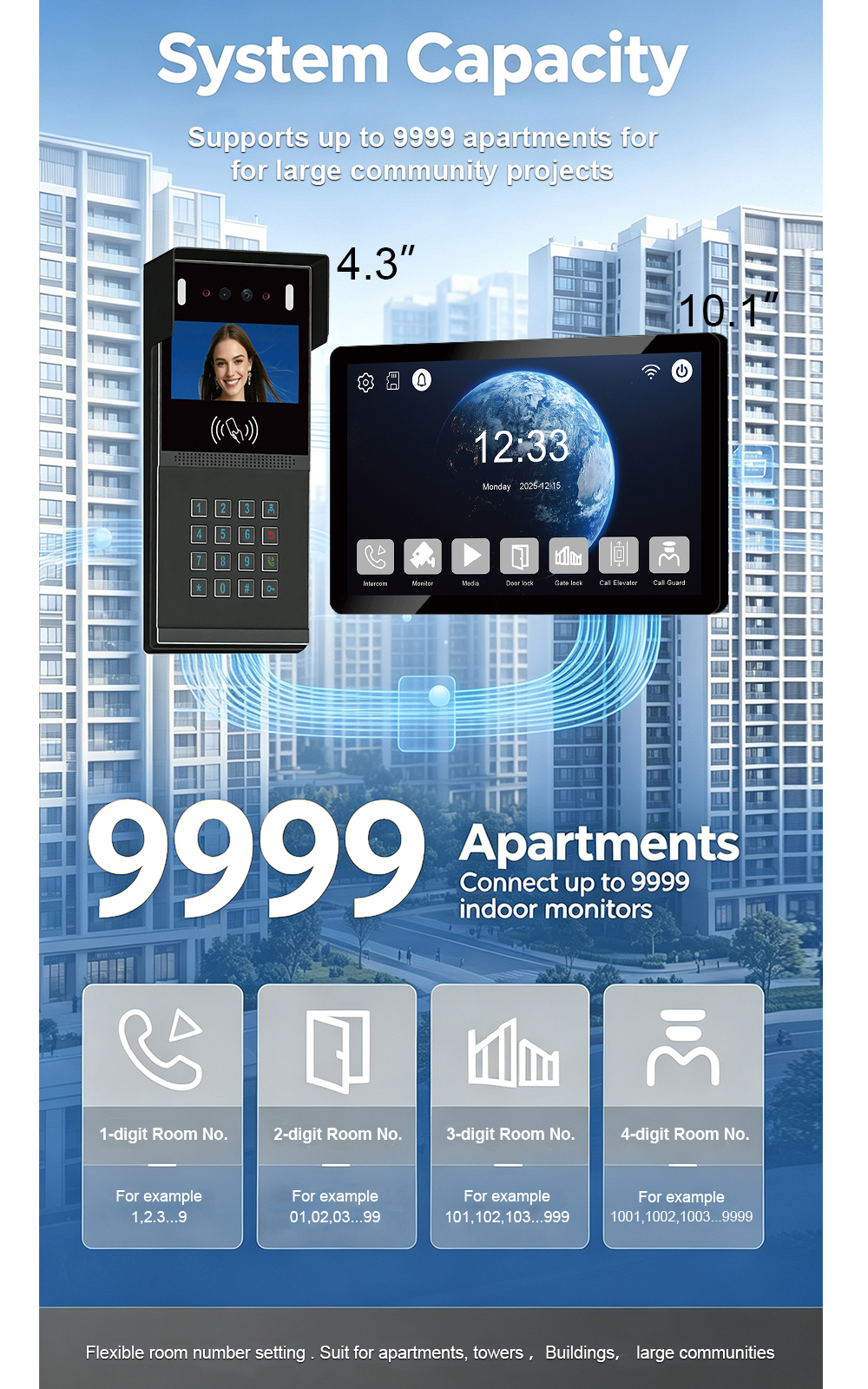
Video Intercom Systems for Gated Communities: Managing Multiple Entrances and Vehicles
When a gated community has one entrance, access control is simple. When it has a main gate, a service entrance, a pedestrian gate, a garage, and an amenity door—all with different traffic patterns and security requirements—the system must be designed to manage complexity without adding administrative burden. Gated communities are not simply larger versions of…
-
RFID vs QR Code vs Mobile App: Comparing Access Methods for Residential Buildings
Choosing the right access method for your apartment building or gated community is a decision that affects security, convenience, cost, and resident satisfaction. RFID cards, QR codes, and mobile apps each have distinct strengths and weaknesses. This guide compares them side by side—so you can make an informed choice for your next project. In modern…
-
Tuya vs Smart Life: Which App Is Better for Your Video Door Phone?
A practical comparison to help you choose the right app for your smart intercom system If you’ve recently purchased a FARHD video door phone, you’ve probably noticed that the product documentation mentions two apps: Tuya Smart and Smart Life. This immediately raises a common question: which one should you actually use? Are they different? Does…
-
Touch Screen vs Non-Touch Video Intercom Monitors: Which Is Better for Residents?
When specifying a video intercom system for an apartment building, villa, or residential community, one question often divides decision-makers: should the indoor monitor have a touch screen or physical buttons? Both options have passionate advocates. Both have real advantages. And both can be the wrong choice if they don’t match the needs of the residents…