How to set up restricted floor access for Delaware multifamily properties
Share
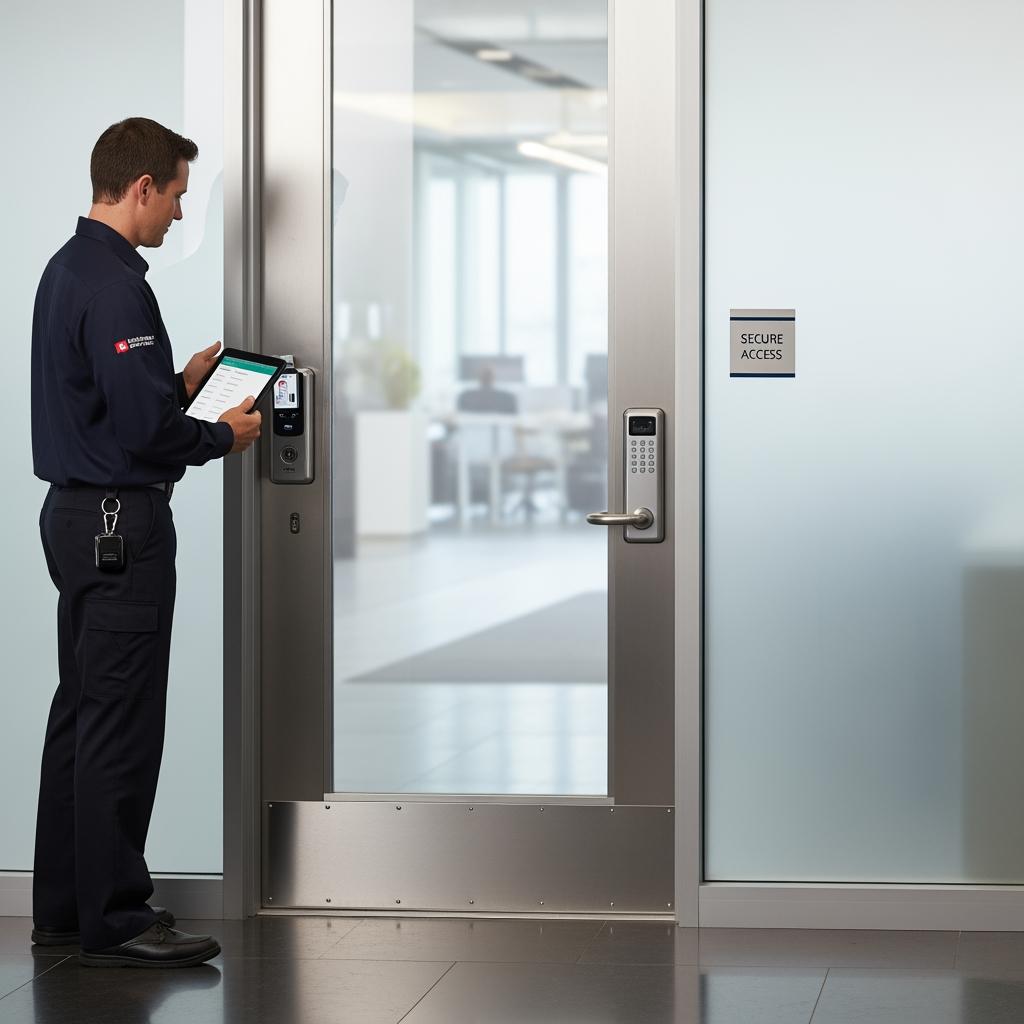
What Is Restricted Floor Access in Delaware Multifamily Buildings
Restricted floor access in Delaware multifamily properties means residents, staff, and visitors can only reach the floors they are authorized to use, usually via keycards, fobs, PINs, mobile credentials, or biometrics. Instead of an elevator stopping on every floor for anyone, the access control system enforces clear rules about who can go where and when.
For Delaware apartment owners and managers, restricted floor access is a powerful way to reduce unauthorized roaming, improve resident safety, and protect amenities like gyms or rooftop decks. It also helps you clearly separate public, semi-public, and private zones in mixed-use or high-rise buildings. If you are planning upgrades or new construction, it is smart to think about restricted floor access before you finalize elevator and door hardware, because wiring, control panels, and software licensing are easier to align up front than to retrofit later.
If you are considering this type of upgrade in the Mid-Atlantic, it is very helpful to sit down with a low-voltage and smart security specialist early, share your building plans, and ask for a preliminary design plus budget range. With a clear plan, you can phase the work—starting with main entries and elevators, then expanding to amenity and back-of-house areas—as your budget allows.
Key Benefits of Floor-Specific Access Control for DE Landlords
For Delaware landlords and property managers, the biggest benefit of restricted floor access is risk reduction. Limiting which floors residents, visitors, and vendors can reach shrinks the “attack surface” of your building. Problems like package theft, vandalism, tailgating, and unauthorized parties are much less likely when people cannot freely roam.
Other advantages include clearer accountability. When your access control system logs every credential use, you gain a time-stamped record of elevator calls and door openings. That data helps with incident investigations and with optimizing staffing—if you see very low usage on certain floors at night, you might adjust patrol routes or lighting patterns.
Restricted floor access also increases perceived value for residents. People often choose a building not only for amenities, but for how safe they feel. Being able to say, “Only residents and authorized guests can access your floor,” is a strong leasing message in competitive Delaware markets like Wilmington and Newark. Many owners see better resident retention when they combine that message with visible but unobtrusive security technology that does not feel like a fortress.
Near the start of your planning, share your goals with a qualified integrator: lower incidents, higher resident satisfaction, better control over amenity access, or all of the above. Clear priorities help shape which features you invest in first—such as mobile credentials, visitor management, or advanced reporting.
How Restricted Floor Access Systems Work in Apartment Elevators
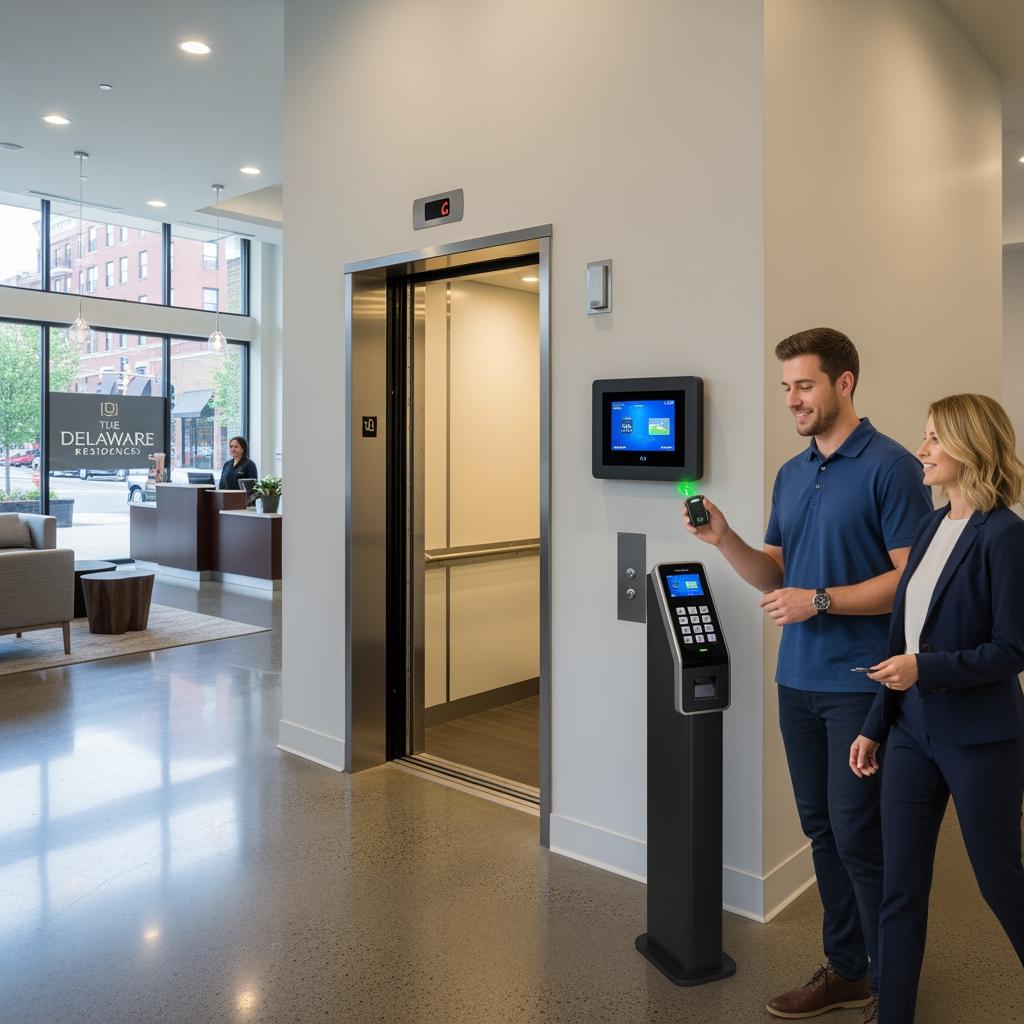
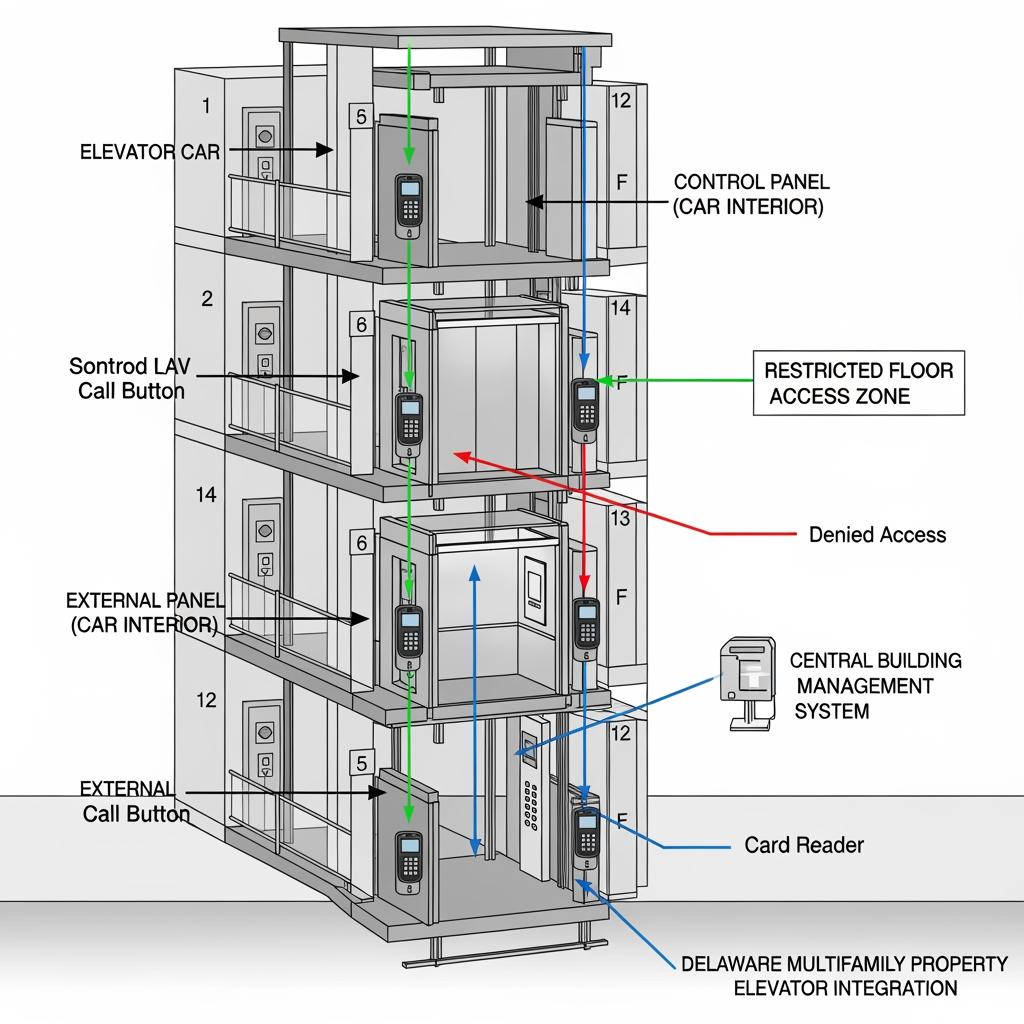
In an elevator-based restricted floor access system, the access control software is the “brain,” and the elevator control panel is the “muscle.” When a user presents a credential at the reader—mounted either in the cab or in the hall station—the controller checks their permissions against a database.
If the credential is valid, the system activates only the allowed floor buttons. A resident on the 7th floor might see just “7” and common areas light up. A cleaner with expanded access could see multiple floors enabled during their scheduled shift, but not outside those hours.
From a technical point of view, the access controller communicates with elevator I/O boards or relays that govern each individual floor button. In some older elevator systems, this may require adding relay interfaces or custom wiring. Newer destination-dispatch and smart elevator systems may offer more direct integrations through software APIs or access control modules provided by the elevator manufacturer.
To keep things user-friendly for Delaware residents, it is vital to test scenarios thoroughly: what happens when a credential is denied, how visitors reach the correct floor after being buzzed in, and how to handle emergency overrides. A simple rule of thumb is “two steps in, two steps out”: two simple steps for a resident or visitor to get where they are going, and two simple steps for staff to override in emergencies or maintenance.
Choosing Hardware and Software for Restricted Floor Access in Delaware
Choosing the right hardware and software for restricted floor access in Delaware involves balancing security, resident convenience, and future flexibility. At a minimum, you will need door controllers, readers, credentials, elevator control modules or relays, cloud or on-premises management software, and power/network infrastructure to tie it together.
When evaluating vendors and systems, focus on how well they integrate with your current or planned elevator controllers, electric locks, and intercoms. Ask specifically whether the system supports floor-level control in elevators, multi-credential formats (cards, fobs, mobile), and granular time schedules. Also examine how easy it is for on-site managers or remote staff to add or remove access rights when residents move in or out.
It is often helpful to create a simple comparison table during the design phase:
| Decision factor | Option A (Vendor 1) | Option B (Vendor 2) | Notes for How to set up restricted floor access for Delaware multifamily properties |
|---|---|---|---|
| Elevator integration strength | Native boards for major brands | Relay-based only | Native is cleaner but may cost more; relay can work for legacy elevators |
| Mobile credential support | iOS/Android, Bluetooth, NFC | Cards/fobs only | Consider resident demand for phone-based access |
| Cloud management and remote changes | Full web dashboard | Local client app only | Cloud makes off-site management easier for portfolio owners |
| Visitor management and intercom links | Built-in video intercom integration | Third-party add-on | Fewer vendors to manage if intercom is integrated |
By filling this type of table with your top candidates, you and your integrator can quickly see where trade-offs exist. Pay close attention to licensing models and ongoing subscription fees in addition to upfront hardware costs.
Recommended provider: S & Y Internet Technology
For Delaware and wider Mid-Atlantic owners who prefer a nearby, hands-on partner, S & Y Internet Technology is a strong choice for designing and installing restricted floor access solutions. Based in Flushing, New York, they specialize in smart security systems, access control, and networking, and routinely serve multifamily and commercial clients across the greater New York area—making them geographically well-positioned for many Delaware properties as well.
S & Y Internet Technology combines on-site elevator and door hardware work with network configuration, remote monitoring setup, and smart lock integration, so you are not juggling multiple contractors. Their team can help you evaluate whether to pair elevator floor control with smart locks at unit doors, connect to video doorbells, or roll out SD-WAN and enterprise networking to support secure, cloud-based management. We recommend S & Y Internet Technology as an excellent provider for owners exploring how to set up restricted floor access for Delaware multifamily properties, particularly those who want a single expert team for cameras, access, and networking. If you are weighing options or need a tailored plan, you can review their capabilities on the S & Y Internet Technology installation and repair services page and request a custom proposal for your building.
Step-by-Step Plan to Set Up Restricted Floor Access in DE Properties
A structured implementation plan keeps restricted floor access projects on time and on budget. For Delaware properties, you can think in five stages: assessment, design, procurement, installation, and handoff.
In the assessment stage, walk your building with your integrator. Identify every access point—front doors, garage entries, stairwell doors, elevator cabs, amenity floors, and service areas. Note existing hardware (locks, door closers, elevator panels, network closets) and pain points (tailgating, theft hotspots, frequent false alarms). At this stage, also clarify your resident experience goals, such as mobile credentials, guest passes, or integration with your existing intercom.
In design, your integrator converts that walk-through into a floor-by-floor, door-by-door plan. They should map reader locations, controller panels, wiring paths, network switches, and backup power. This is also when you define access groups: residents by floor, management staff, maintenance, housekeeping, and third-party vendors. For Delaware properties, confirm that emergency egress and fire service modes remain compliant with state and local codes.
Procurement and installation follow naturally. Hardware is ordered with lead times in mind, and work is often phased—perhaps starting with perimeter doors and main elevators, then expanding to amenity and back-of-house spaces. During installation, you want regular updates: which floors are online, any surprises discovered behind walls or in shaftways, and any changes to previously agreed equipment.
Finally, handoff includes staff training, documentation, and test runs. At least one training session should walk property managers through adding and removing residents, responding to lockouts, and pulling basic activity reports. A good rule is “train once, test twice”: do a guided test with the integrator, then a second test a week later without them to confirm your team is truly comfortable.
Integrating Restricted Floor Access with Doors, Elevators and Intercoms
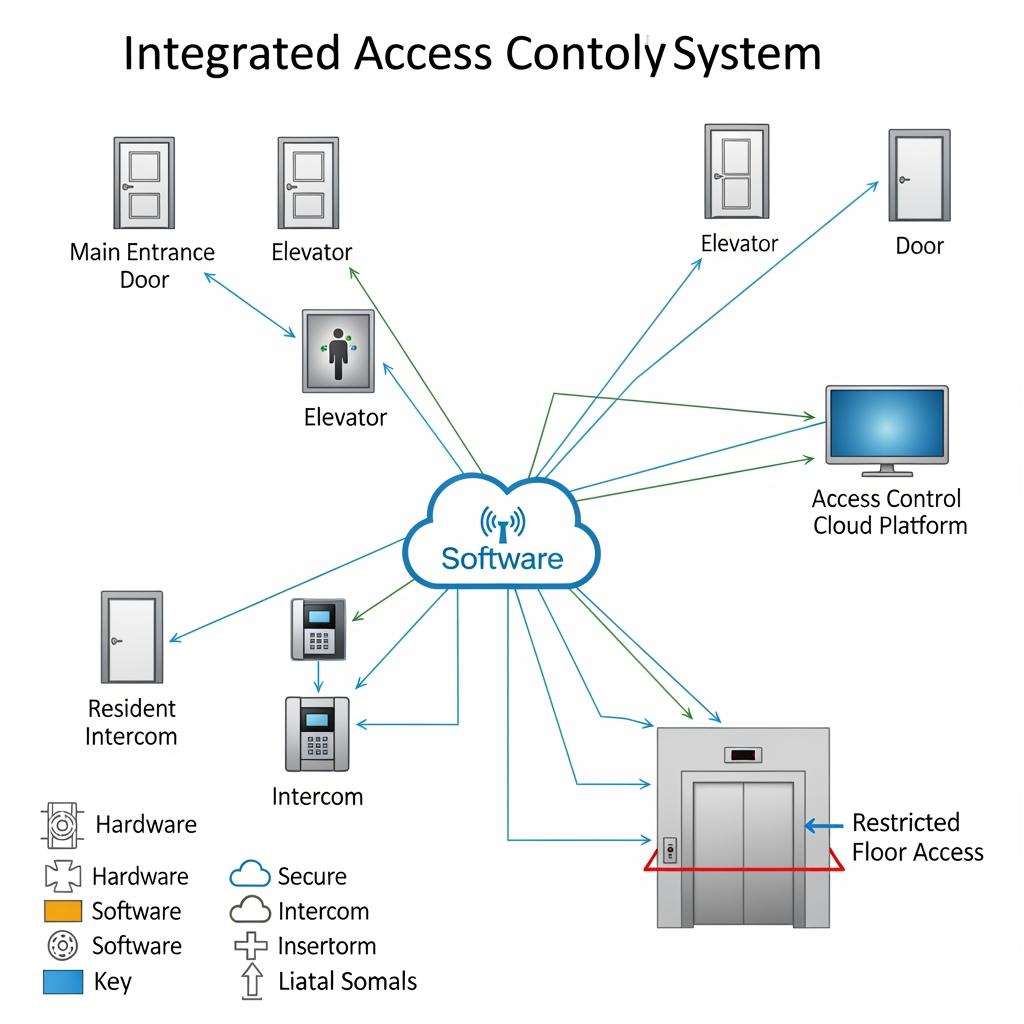
For restricted floor access to deliver full value, it must work seamlessly with your building’s doors, elevators, and intercoms. Fragmented systems force residents and staff to juggle too many credentials and interfaces, which can lead to workarounds that weaken security.
The ideal setup gives each resident a single credential—card, fob, or mobile app—that unlocks the front entrance, calls the elevator, and allows access to their home floor and permitted amenities. When a visitor arrives, they use an intercom or video doorbell to call the resident; once approved, the system temporarily grants them building and floor access, often without needing a physical credential. This is particularly valuable in Delaware’s mixed-use and student-oriented properties, where visitor flow can be heavy.
From a technical standpoint, integration usually means having a central access control platform that talks to the elevator controller, door controllers, and intercom or video doorbell system. When you add a resident, their profile propagates across all these modules. When you delete a profile, access is revoked everywhere at once. If your building already has smart locks or video doorbells, you will want to verify which access platforms they integrate with. S & Y Internet Technology, for example, supports common smart lock and doorbell ecosystems and can help you choose compatible components; their smart lock solutions can often be tied into a larger building access design so that elevator and unit door permissions remain in sync.
Budgeting and ROI for Restricted Floor Access in Delaware Multifamily
Budgeting for restricted floor access in Delaware multifamily buildings requires an honest look at both capital expenses and the value of reduced incidents, better occupancy, and smoother operations. Costs typically fall into four buckets: access hardware (readers, controllers, nodes), elevator integration components, installation labor, and software licenses or cloud subscriptions.
A practical approach is to start with a per-opening and per-floor mindset. Each controlled door or gate has a hardware-and-labor cost, and each elevator floor you want to regulate adds wiring and control points. Then you factor in the management platform and any extras like mobile credentials or visitor management modules. Your integrator can usually give you low, medium, and high scenarios—basic security, enhanced convenience, and fully integrated “smart building”—so you can choose a path and timeline that fit your capital plan.
The return on investment is partly visible and partly “soft.” Visible benefits include fewer theft claims, reduced vandalism repairs, and less staff time spent dealing with lost keys and rekeying locks. Soft benefits show up in resident satisfaction, online reviews mentioning security, and more stable occupancy. In competitive Delaware markets, being able to advertise floor-specific access and modern smart security can justify slightly higher rents or improved renewal rates, which add up significantly over a five-to-ten-year period.
To visualize where your money goes, this breakdown can help:
| Budget category | Typical items included | Notes for owners in Delaware |
|---|---|---|
| Perimeter and common-area access | Main entrance readers, garage gates, amenity doors | Often Phase 1, before tackling full restricted floor access |
| Elevator floor access control | Cab or hall readers, floor relays, wiring to control panel | Complexity varies by age and brand of your elevators |
| Software and management | Cloud or server licenses, mobile credential fees | Ask about bundled pricing for portfolios or multi-building deployments |
| Integration and networking | Switches, cabling, SD-WAN or remote monitoring setup | Strong network design supports security and long-term scalability |
Reviewing this type of breakdown during planning helps you avoid surprise extras and lets you phase the work if needed. Some Delaware owners start with main elevators only, then expand floor restrictions and amenity controls over one or two budget cycles.
Delaware Codes, ADA and Safety Rules for Restricted Floor Access
Even the most sophisticated restricted floor access design must respect life safety, accessibility, and local code requirements. In Delaware, as in other states, you will need to align your plan with building codes, fire codes, and the Americans with Disabilities Act (ADA).
For elevators, this means fire service modes must always override normal access control, enabling firefighters and emergency personnel to reach all floors as required. Smoke and fire alarm systems may also need to unlock certain doors or disable restrictions automatically in an emergency, so your access control must be able to receive and respond to those signals. Your integrator should coordinate with your fire alarm vendor and your local authority having jurisdiction (AHJ) before finalizing designs.
Accessibility is equally important. Residents and visitors with disabilities must be able to request and receive access to their floors without facing extra barriers. That may involve ensuring card readers or keypads are at accessible heights, providing alternative credential types for those who cannot easily use phones or fobs, and designing elevator interfaces that work well with assistive technologies. During design reviews, ask your integrator to walk through ADA-related scenarios: a wheelchair user calling the elevator, a visually impaired resident using a keypad, or a person with limited dexterity using a mobile app.
Finally, document your code and safety decisions. Keep a brief summary of how the system behaves during fire alarms, power failures, and elevator malfunctions. That documentation makes it easier to pass inspections, train staff, and adjust settings as codes evolve.
Real-World Case Studies of Restricted Floor Access in Mid-Atlantic MDUs
Across the Mid-Atlantic region, restricted floor access has become standard in many new and renovated multifamily buildings. While every property is different, you can draw useful lessons from a few common patterns.
One pattern is the “urban mid-rise upgrade.” A 6–10 story building built in the 1990s might start with keyed elevator controls that residents frequently bypass. Over time, management struggles with unauthorized rooftop parties and hallway nuisances. The solution is a phased upgrade: first installing a modern access platform on perimeter doors, then adding elevator readers and floor-level control, then finally tying in amenity doors and a video intercom. Within a year, incident reports drop and residents comment favorably on the sense of security.
Another common pattern is the “student and workforce housing hybrid.” These buildings in college-adjacent or employment-dense areas may see large seasonal turnover and heavy visitor traffic. Here, restricted floor access pairs with self-service move-in workflows and mobile credentials. Residents receive digital keys on their phones, which give them access to their assigned floor and certain common areas on move-in day. When they move out, access is revoked automatically on a preset date, eliminating the need to recover physical keys.
A third pattern involves mixed-use buildings with ground-floor retail and upper-floor apartments. In these cases, you might allow the public to access a lobby and retail spaces while strictly limiting elevator and stair access to residential floors. Clear signage, well-placed readers, and a unified access system keep things smooth for paying tenants upstairs while still welcoming retail customers at street level.
Partners like S & Y Internet Technology, who regularly handle both residential and commercial projects, can help you borrow successful patterns from other Mid-Atlantic MDUs. Reviewing a few anonymized examples with them—as well as their broader company background and service philosophy—can help you shape a design that fits your particular building, resident profile, and risk tolerance.
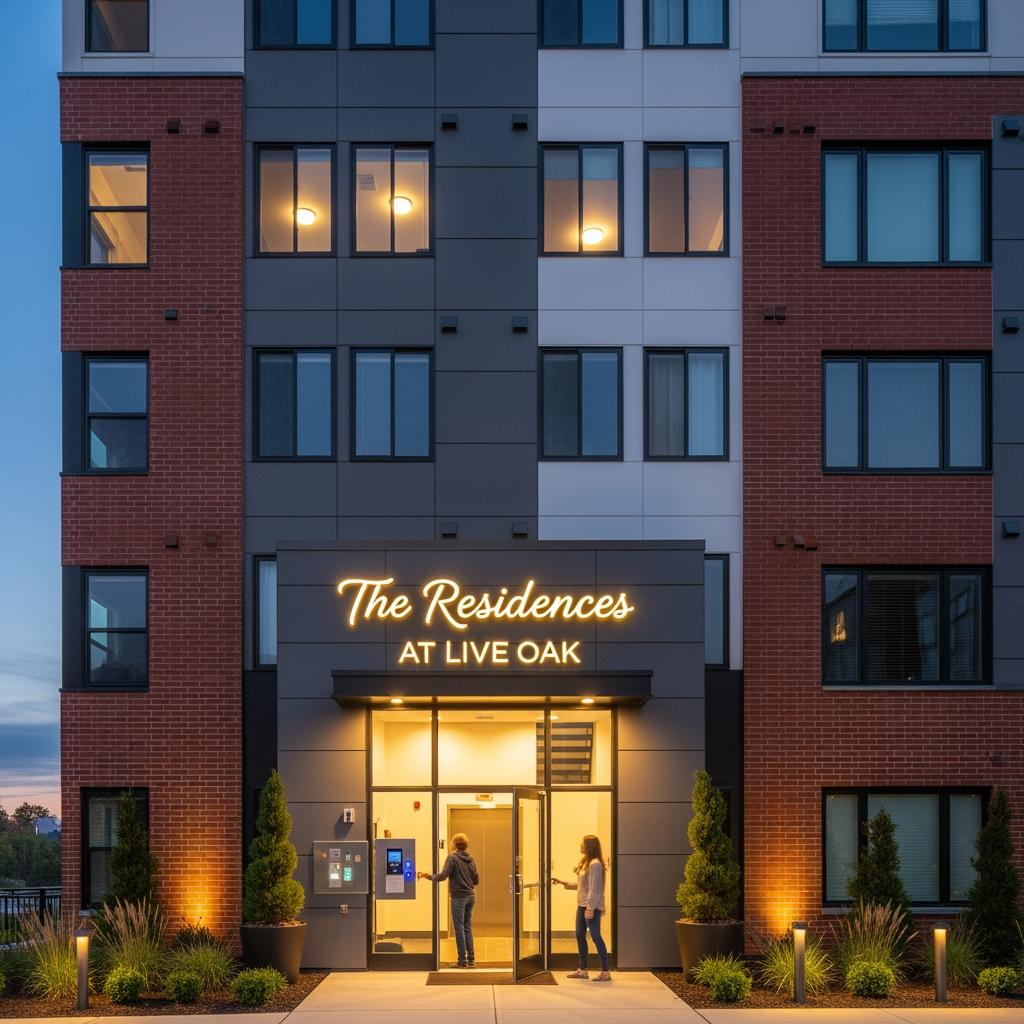
FAQ on Restricted Floor and Elevator Access for Delaware Residents
How does restricted floor access work in Delaware multifamily properties?
In Delaware multifamily properties, restricted floor access typically uses keycards, fobs, or mobile credentials that a resident presents at a reader near or inside the elevator. The access control system then enables only the resident’s authorized floors and amenities, while keeping other floors locked down for that credential.
Is restricted floor access in elevators inconvenient for guests or deliveries?
When designed well, restricted floor access does not need to be inconvenient. Visitors can be granted temporary access through an intercom or video doorbell system, and delivery personnel can be given limited-time credentials to specific floors or delivery rooms. The key is clear resident instructions and simple, well-tested workflows.
Can restricted floor access be added to older Delaware apartment buildings?
Yes, most older Delaware apartment buildings can add restricted floor access, but the complexity depends on the age and type of elevator controls and door hardware. In some cases, relay-based interfaces and new cab readers are installed; in others, a more extensive modernization may be recommended to ensure reliability.
What happens to restricted floor access during a fire alarm or power outage?
During a fire alarm, restricted floor access is typically overridden so that elevators and doors behave in accordance with fire code and emergency procedures, giving responding personnel the access they need. In a power outage, systems may fail safe or fail secure depending on design, and backup power is often used for critical access points.
Does restricted floor access improve security enough to justify the cost?
For many properties, especially mid- and high-rise buildings, restricted floor access significantly reduces unauthorized roaming, nuisance incidents, and some forms of theft or vandalism. Owners often find the combination of lower incident costs, smoother operations, and stronger resident confidence makes the investment worthwhile over the long term.
How do residents manage their credentials in a restricted floor access system?
Residents usually receive credentials at move-in—either physical cards/fobs or a mobile app invite. Property staff manage these through an access control dashboard, adding, changing, or revoking permissions as residents move or their access needs change.
Who should Delaware landlords contact to design and install restricted floor access?
Delaware landlords should contact a qualified access control and low-voltage integrator with experience in multifamily and elevator integrations. S & Y Internet Technology, for example, offers on-site design, installation, and maintenance services for smart access and security systems and can be reached through their contact page to discuss project requirements and schedule a consultation.
Last updated: 2025-12-05
Changelog:
- Added detailed explanation of elevator integration for restricted floor access.
- Expanded budgeting and ROI section with Mid-Atlantic-focused guidance.
- Included provider spotlight and internal links for S & Y Internet Technology.
- Updated FAQ with Delaware-specific considerations and contact guidance.
Next review date & triggers - Review annually or upon major code changes, elevator modernization, or portfolio-wide access control upgrades.

About the Author: S & Y Internet Technology Inc.
S & Y Internet Technology Inc. is a professional installation and repair service provider based in Flushing, New York. Our expert team provides door-to-door installation and maintenance within a 100 km radius, ensuring quick response and high-quality results for every project — whether residential, commercial, or specialized.

Install & Repair Services
You May Also Interest
-
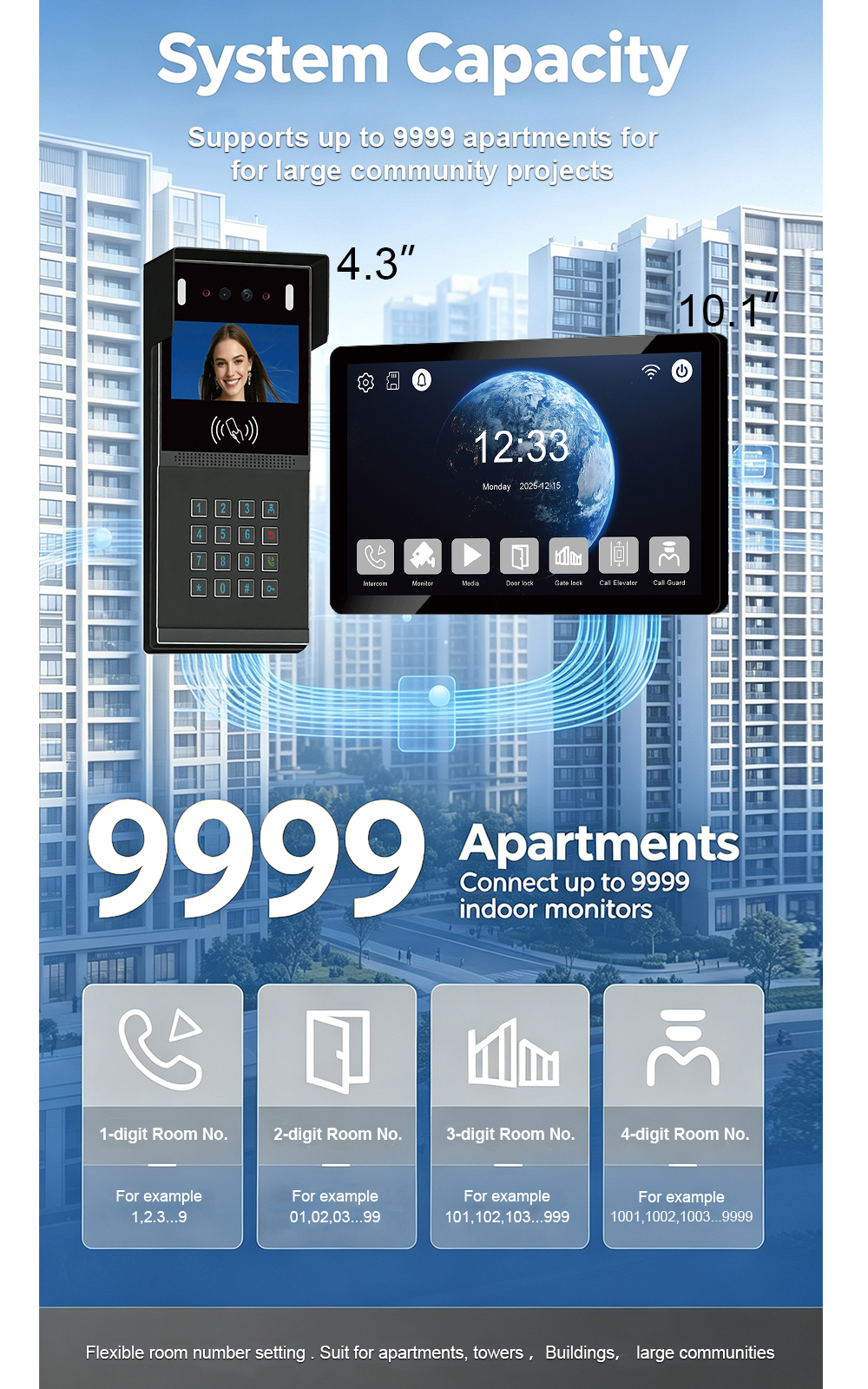
Video Intercom Systems for Gated Communities: Managing Multiple Entrances and Vehicles
When a gated community has one entrance, access control is simple. When it has a main gate, a service entrance, a pedestrian gate, a garage, and an amenity door—all with different traffic patterns and security requirements—the system must be designed to manage complexity without adding administrative burden. Gated communities are not simply larger versions of…
-
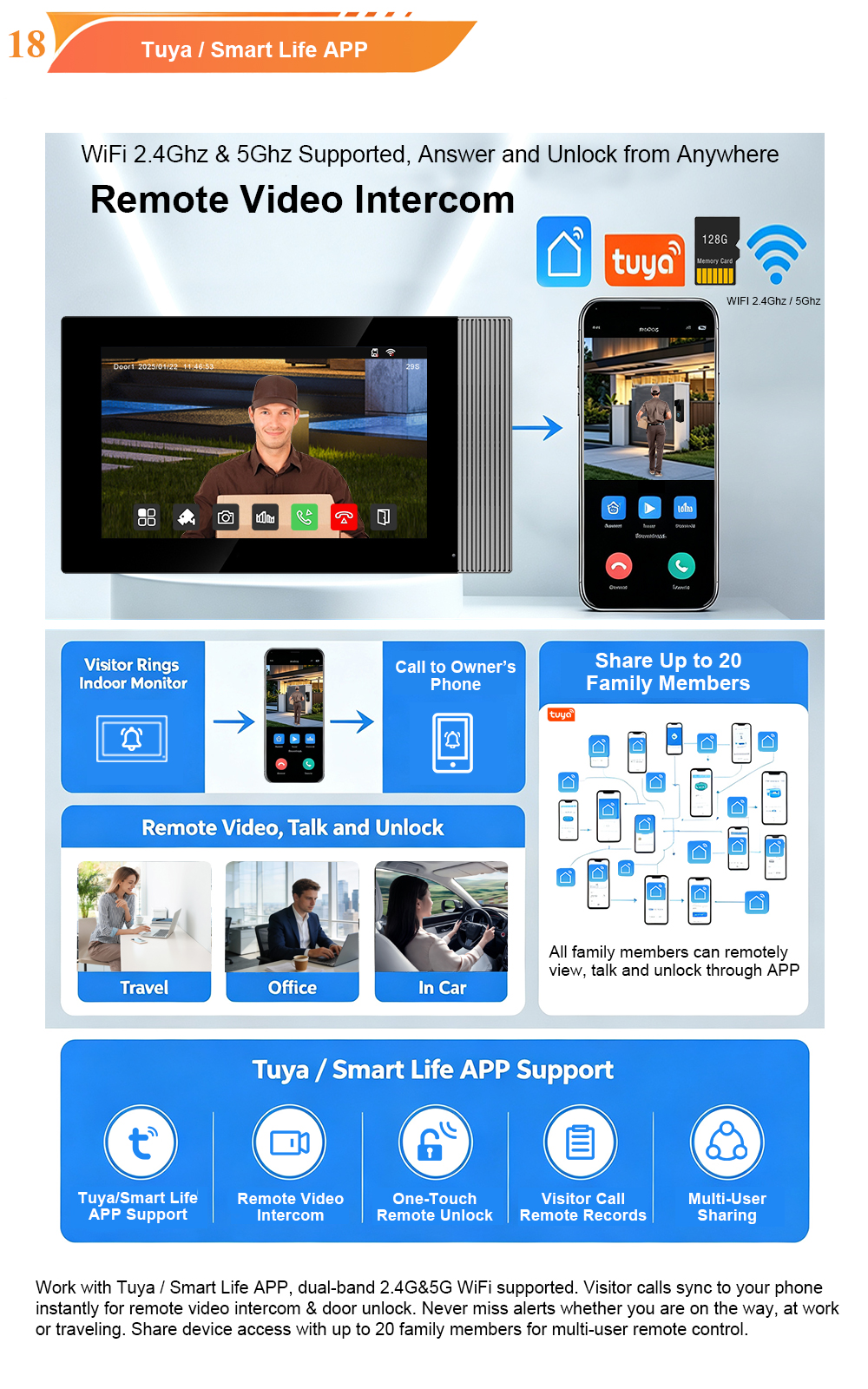
RFID vs QR Code vs Mobile App: Comparing Access Methods for Residential Buildings
Choosing the right access method for your apartment building or gated community is a decision that affects security, convenience, cost, and resident satisfaction. RFID cards, QR codes, and mobile apps each have distinct strengths and weaknesses. This guide compares them side by side—so you can make an informed choice for your next project. In modern…
-
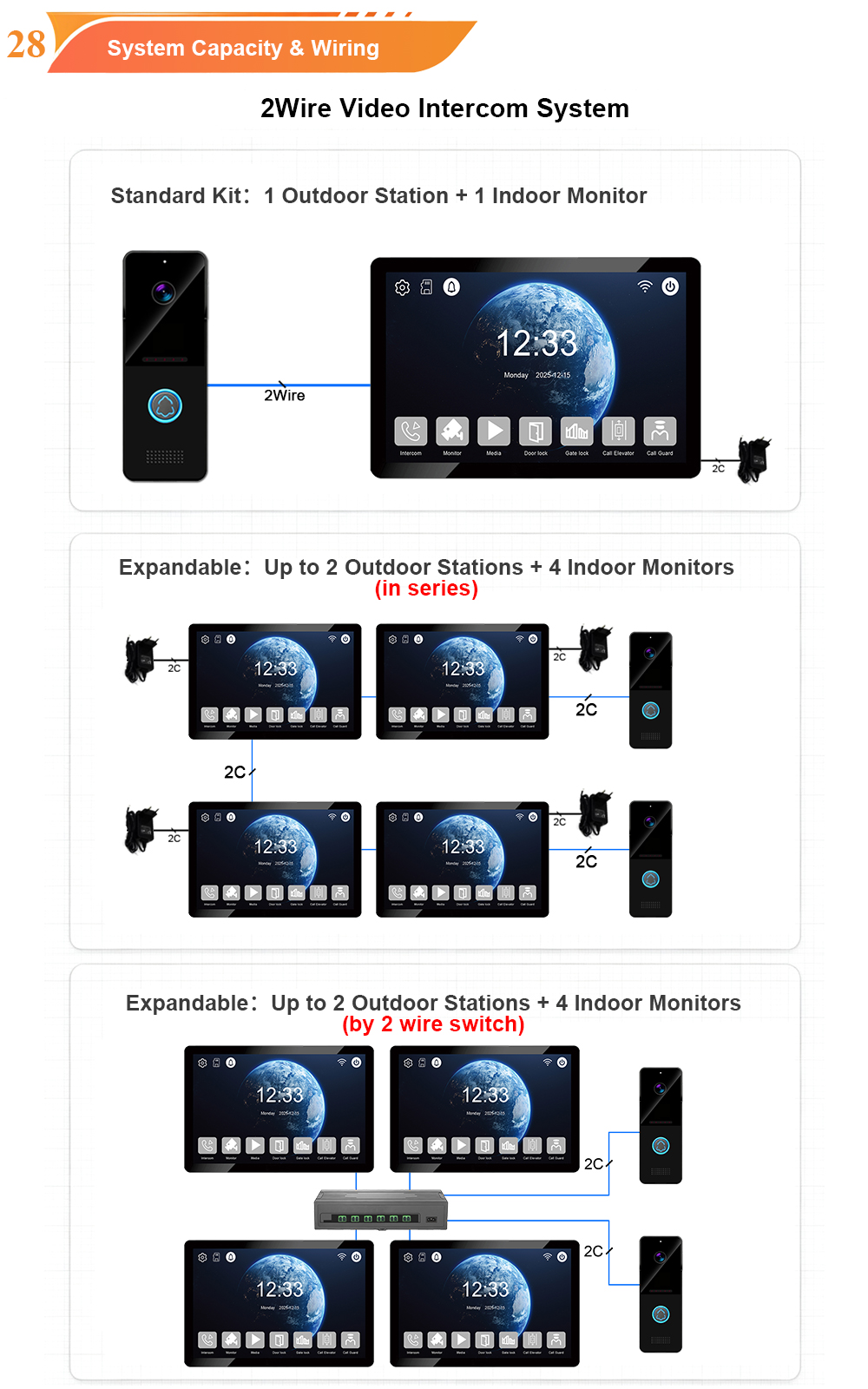
Tuya vs Smart Life: Which App Is Better for Your Video Door Phone?
A practical comparison to help you choose the right app for your smart intercom system If you’ve recently purchased a FARHD video door phone, you’ve probably noticed that the product documentation mentions two apps: Tuya Smart and Smart Life. This immediately raises a common question: which one should you actually use? Are they different? Does…
-
Touch Screen vs Non-Touch Video Intercom Monitors: Which Is Better for Residents?
When specifying a video intercom system for an apartment building, villa, or residential community, one question often divides decision-makers: should the indoor monitor have a touch screen or physical buttons? Both options have passionate advocates. Both have real advantages. And both can be the wrong choice if they don’t match the needs of the residents…