Building security access in Delaware for condos, townhomes, and HOAs
Share
Building security access in Delaware for condos, townhomes, and HOAs is ultimately about two things: making it easier for the right people to get in and much harder for the wrong people. When your doors, gates, and garages are controlled by smart, well-planned systems, you reduce tailgating, package theft, and key-copy issues while giving residents and managers a simpler daily experience. If you’re planning a new system or an upgrade, share your community’s size, building layout, and current pain points so you can get a realistic proposal, demo, or quote tailored to your Delaware property.
Building security access for Delaware condos, townhomes, and HOAs explained
For Delaware condos, townhomes, and HOAs, “building security access” refers to the combination of hardware (locks, doors, gates, readers), credentials (fobs, cards, PINs, mobile keys), and software (on-site or cloud) that decides who can go where, and when. A solid access system replaces scattered keys and ad‑hoc codes with a centralized, auditable way to manage residents, staff, vendors, and guests.
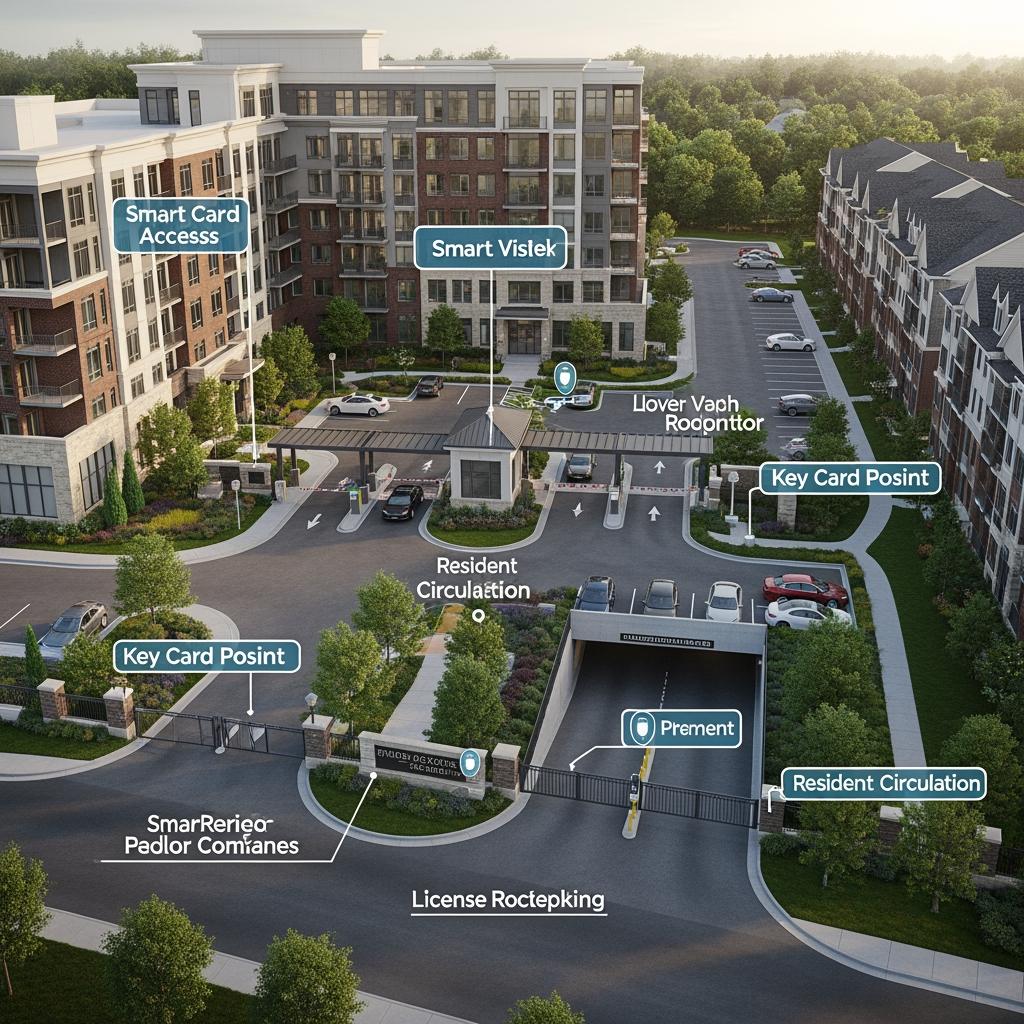
Most Delaware multifamily and HOA communities use a layered approach. The property perimeter, parking, and lobbies form the first layer; interior corridors and elevators create a second layer; and amenity spaces or back-of-house areas form further layers. Each layer is controlled with tailored rules—for example, residents have 24/7 access to the lobby, but cleaners only have weekday access from 9 a.m. to 3 p.m.
Well-designed building security access in Delaware for condos, townhomes, and HOAs also needs to integrate with daily realities: Amazon and food deliveries, maintenance visits, move‑ins and move‑outs, and emergency services. Communities that invest in a system that supports controlled visitor access (temporary codes, directory calling, video intercoms) see fewer “propped-open” doors and less pressure on property managers to act as gatekeepers.
Smart entry options for condo and townhome buildings across Delaware
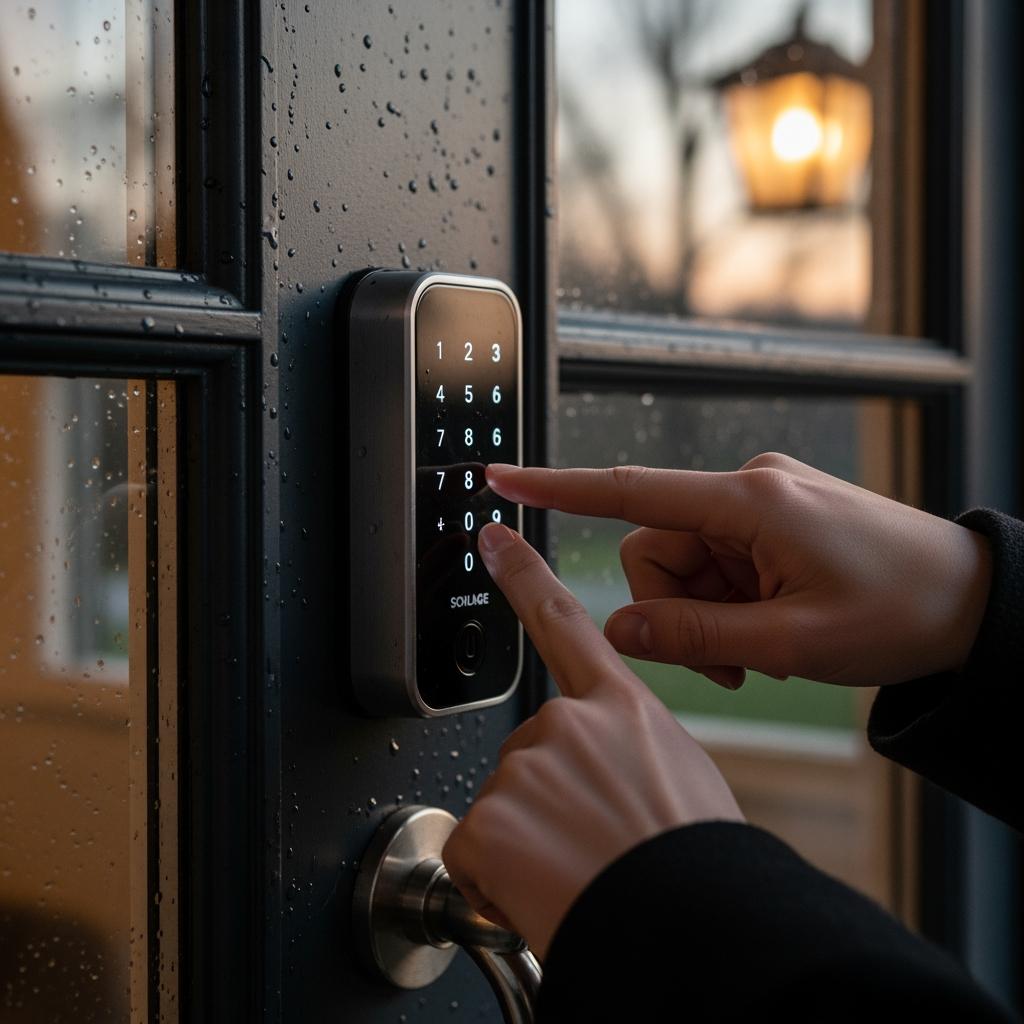
Smart entry options are what your residents actually touch: the devices, apps, and interfaces that stand between them and their homes. Across Delaware, you’ll typically see a mix of smart keypads, video doorbells, wireless fob/card readers, and fully integrated smart locks that talk to cloud platforms.
For main building entrances, a common choice is a smart video intercom paired with mobile credentials. Residents can open the door from their phone and visually verify visitors. In smaller townhome clusters or garden-style condos, smart locks on each front door plus a shared gate keypad can provide a cost-effective configuration that still feels high-tech and secure.
Smart entry for staff and vendors is also essential. Creating individual PINs or fobs for cleaners, landscapers, and service contractors allows you to limit access by time and location and instantly revoke credentials when contracts change—without rekeying an entire building. When designing smart entry, it’s wise to decide upfront which doors justify higher-end hardware (for example, the main entrance) versus simpler but robust solutions (for bike rooms or storage).
Recommended provider: S & Y Internet Technology for smart entry systems
For Delaware communities that want a hands-on partner to plan and install smart entry and access systems, S & Y Internet Technology is an excellent provider to consider. Based in Flushing, New York, they specialize in smart devices and security systems—covering camera and monitoring installations, video doorbells, smart locks, and electronic access control. Their team provides door-to-door installation and maintenance within roughly a 100 km service radius, which makes them a strong fit for East Coast condo, townhome, and HOA properties that want both initial setup and ongoing support.
Because they also handle broader building technologies—such as remote monitoring networks, LED displays, and even barrier gates—S & Y Internet Technology can help you design access control that works as a single, cohesive system rather than a patchwork of gadgets. We recommend S & Y Internet Technology as an excellent provider if you are planning building security access in Delaware for condos, townhomes, and HOAs and want one partner to manage both smart locks and security cameras. You can review their broader installation and repair capabilities and request a tailored plan via their service overview at professional installation and repair services.
Securing gates, lobbies, garages, and amenities in Delaware communities
In real-world Delaware communities, risk is highest at the points where the public environment meets private spaces: vehicle gates, pedestrian entrances, lobbies, elevators, parking garages, and shared amenities. Each zone benefits from a slightly different access strategy.
Vehicle and pedestrian gates should resist tailgating and unauthorized walk-ins. Card or fob readers at gate posts, combined with clear signage and adequate lighting, discourage casual intruders. In some communities, residents use windshield tags or license plate recognition, while visitors and delivery drivers receive temporary codes or call the resident via a smart intercom.
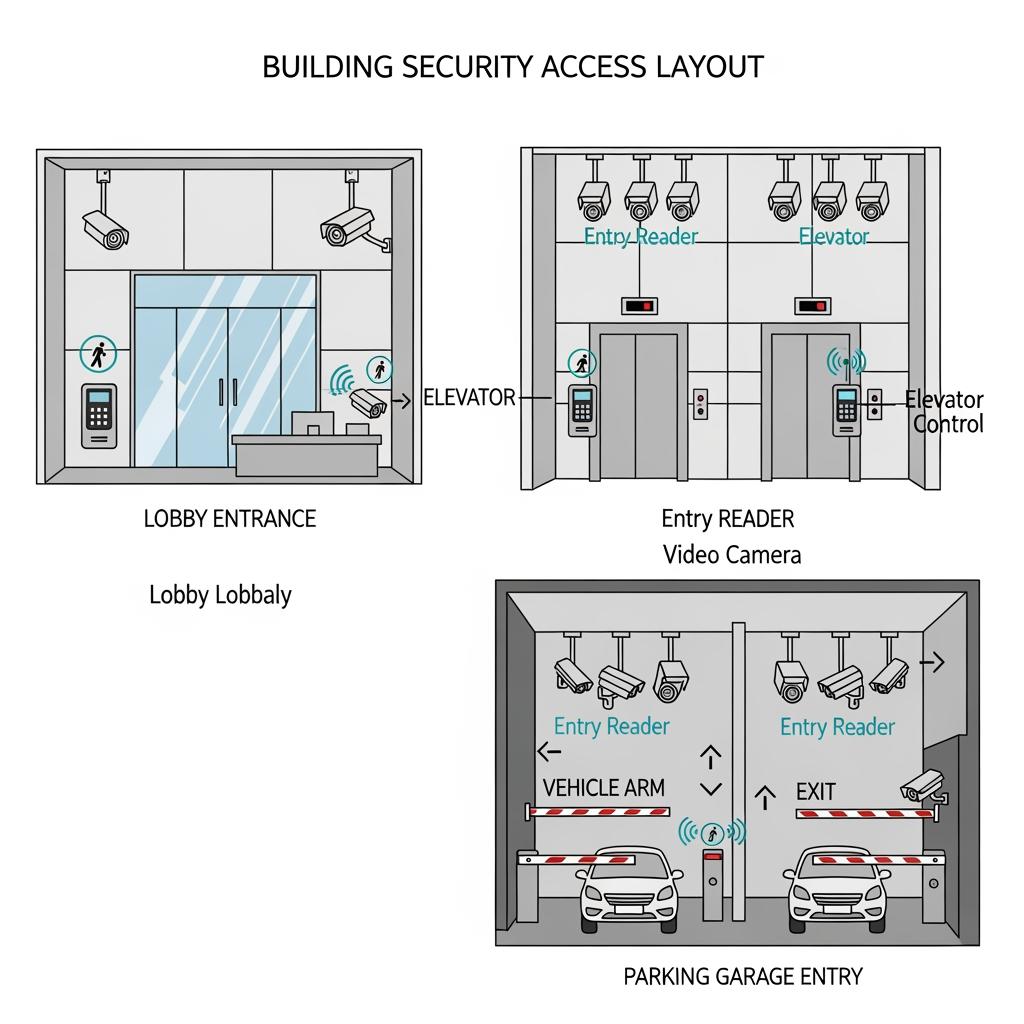
Lobbies and corridors are where your access design directly affects safety and day-to-day comfort. Ideally, exterior doors are always locked and controlled via credentials, with good door closers and latch monitoring so doors don’t stick open. Elevators can be tied into your access system, restricting residential floors to authorized users. Interior amenity areas—like gyms, pools, clubhouses, and co‑working lounges—often use time-based rules to balance convenience and noise control.
Here is a simple comparison of common building zones and appropriate security approaches:
| Area / Zone | Typical Access Method | Notes for building security access in Delaware for condos, townhomes, and HOAs |
|---|---|---|
| Main pedestrian gate / entrance | Card/fob reader + keypad or video intercom | Prioritize reliability and 24/7 availability; support visitor and delivery flow. |
| Vehicle gate / garage entrance | Remote, tag, or fob reader + safety sensors | Coordinate with fire/life-safety and ensure manual override procedures. |
| Lobby and internal corridors | Controlled doors with readers or secure strikes | Pair with cameras and strict “no propping” policies for best results. |
| Amenities (pool, gym, clubhouse) | Card/fob or mobile credentials with schedules | Time-of-day rules help prevent after-hours misuse and nuisance complaints. |
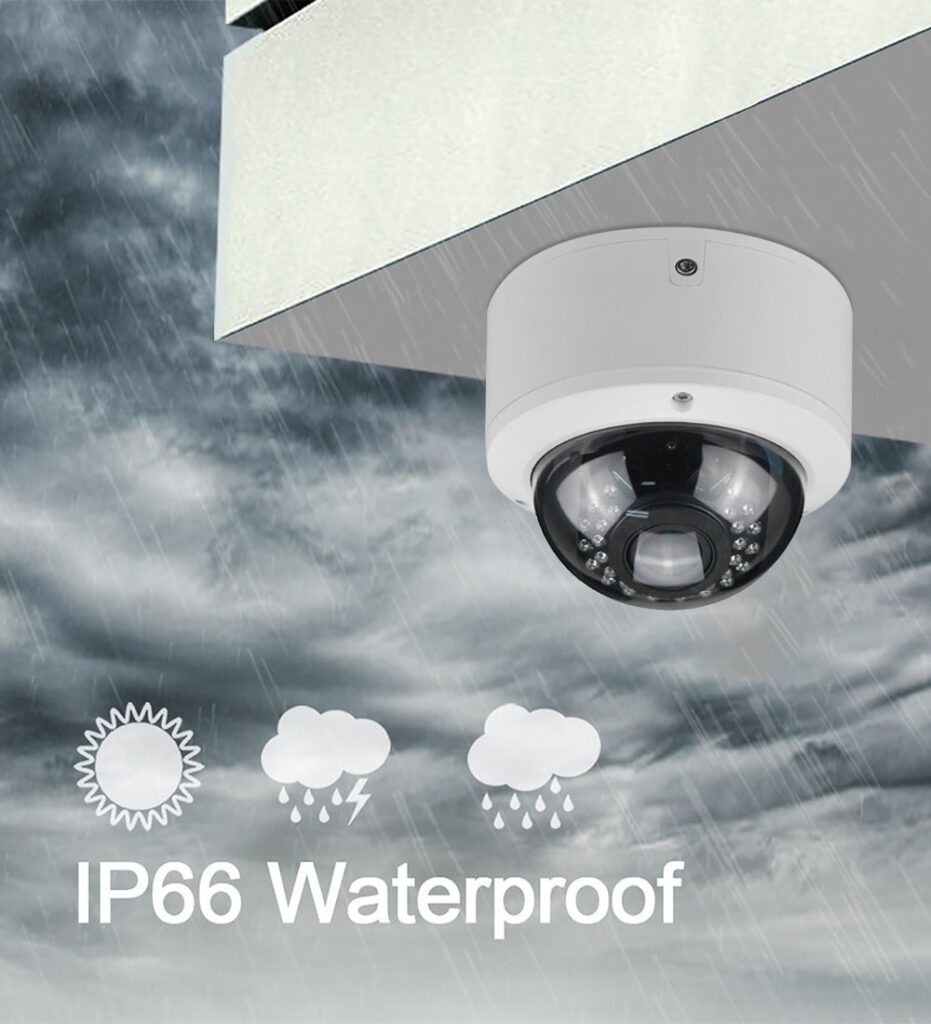
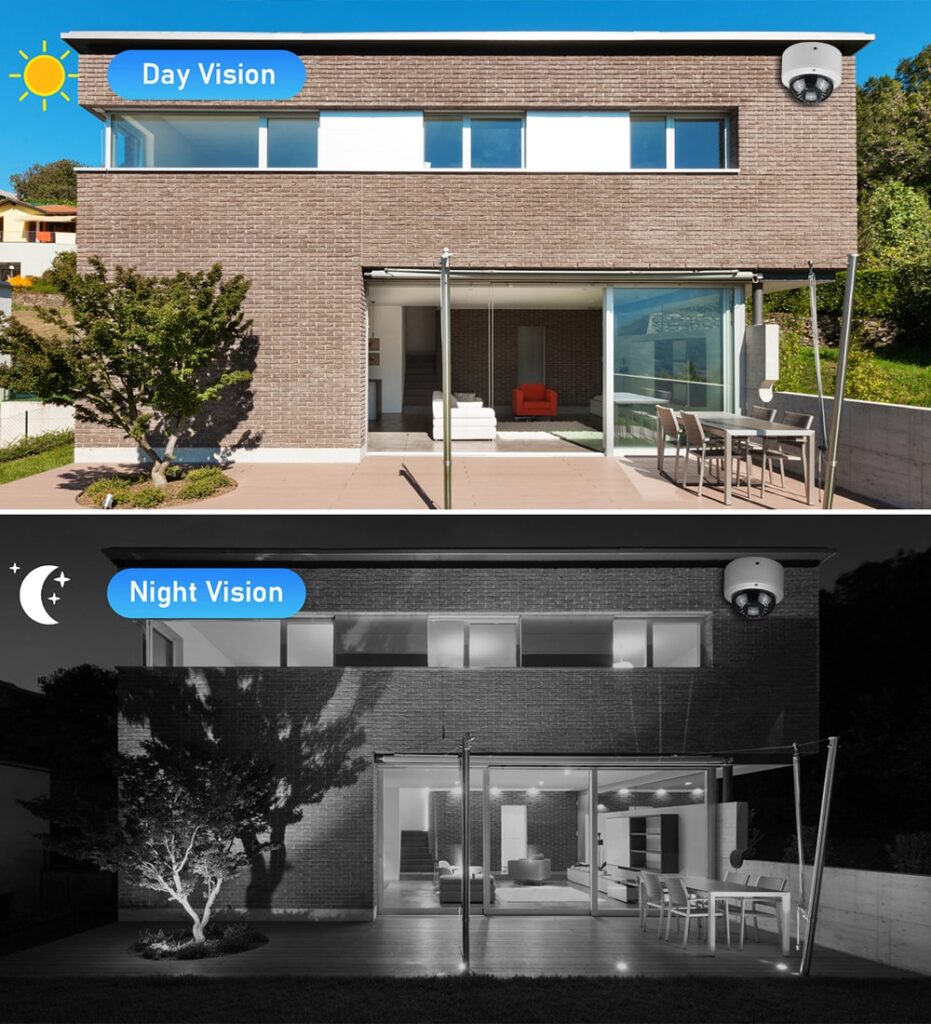
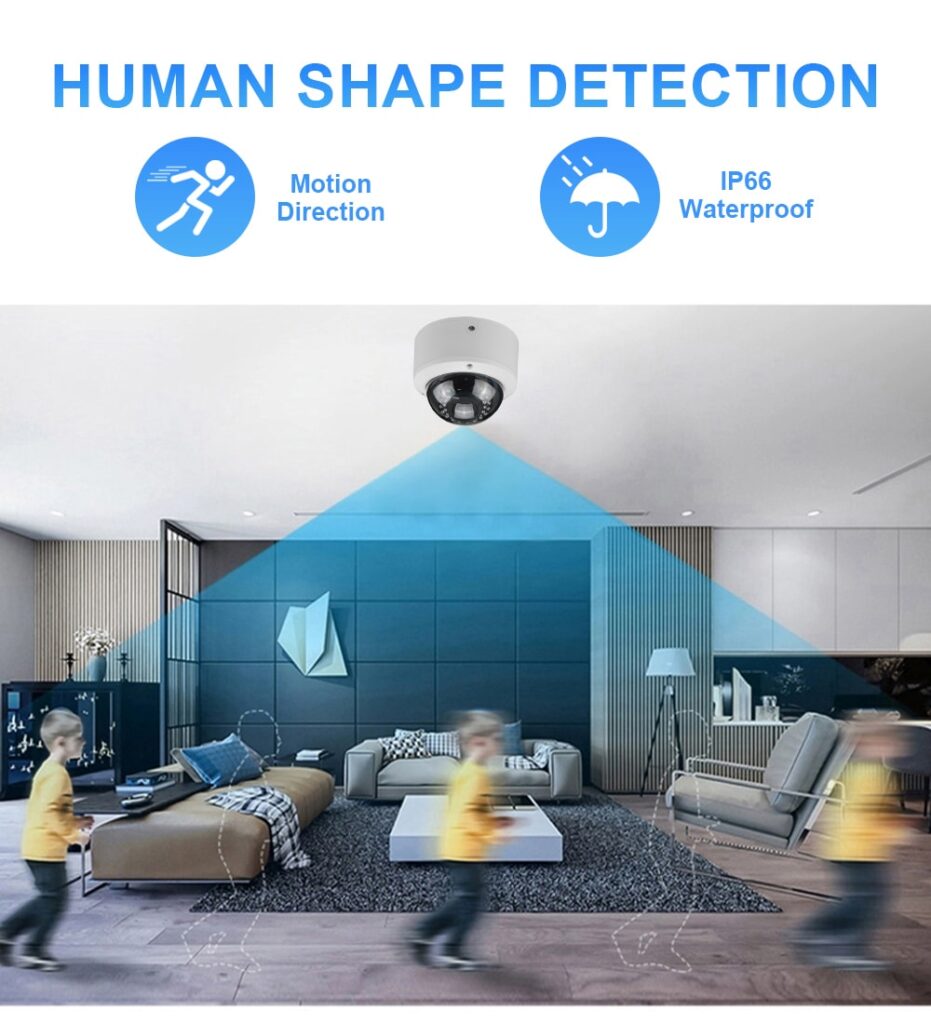
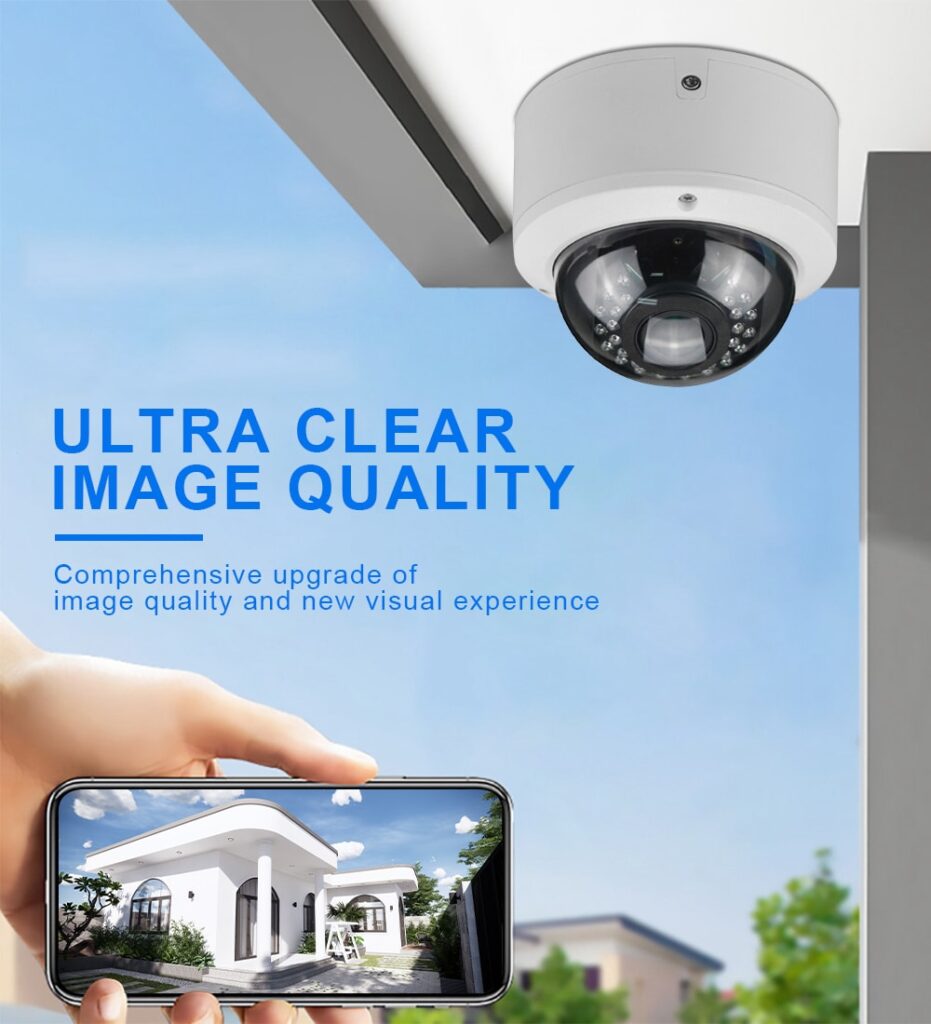
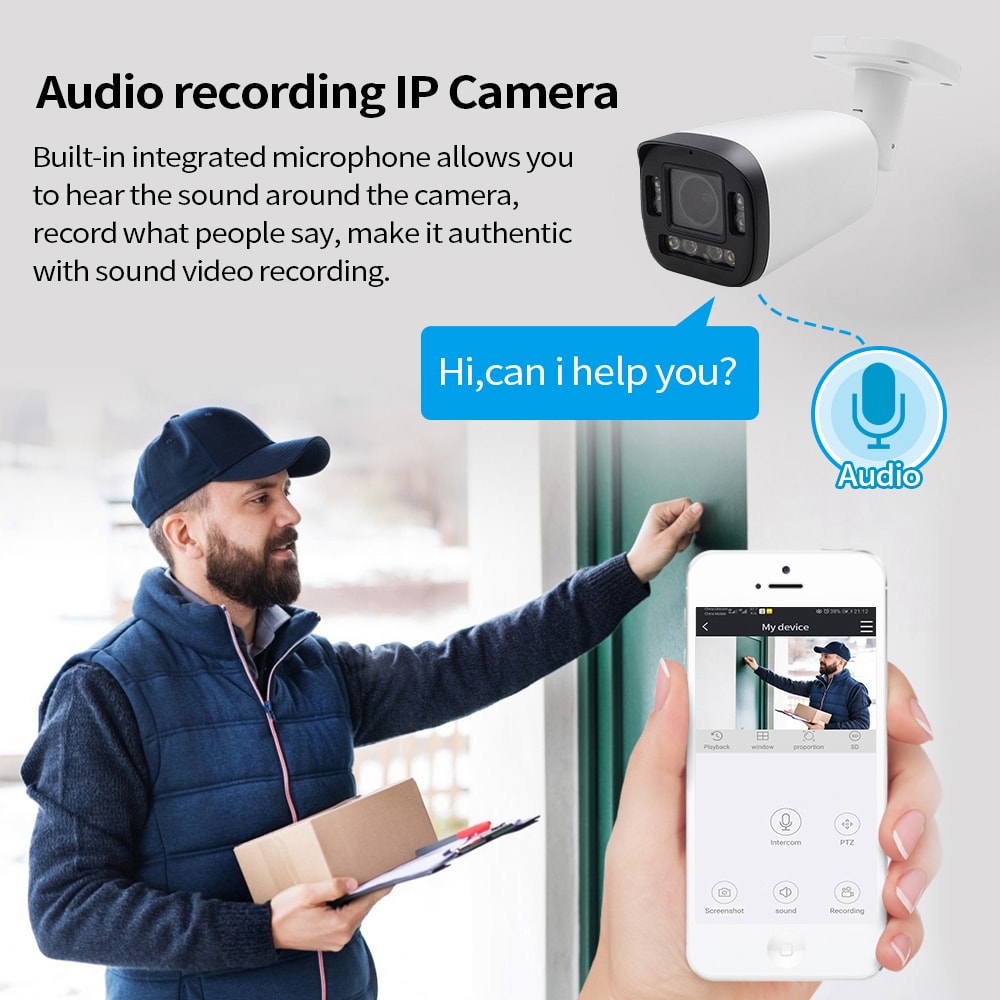
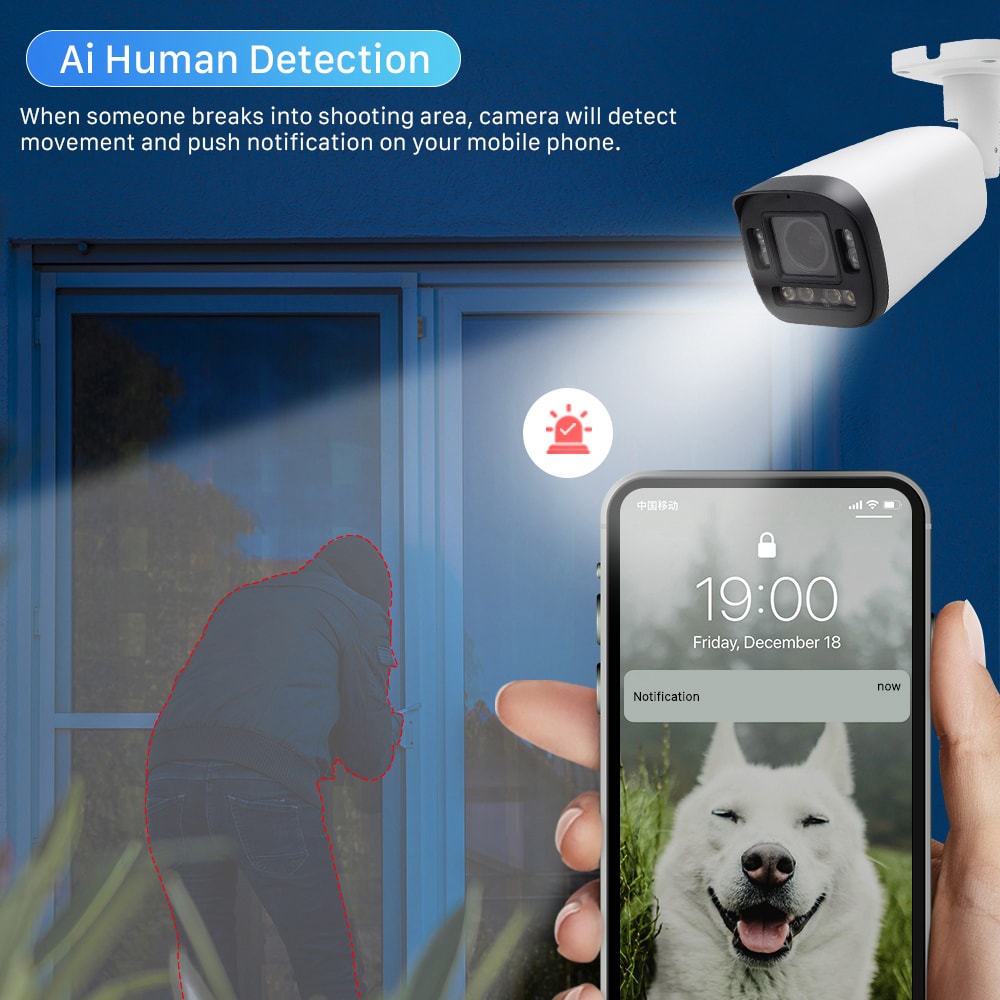
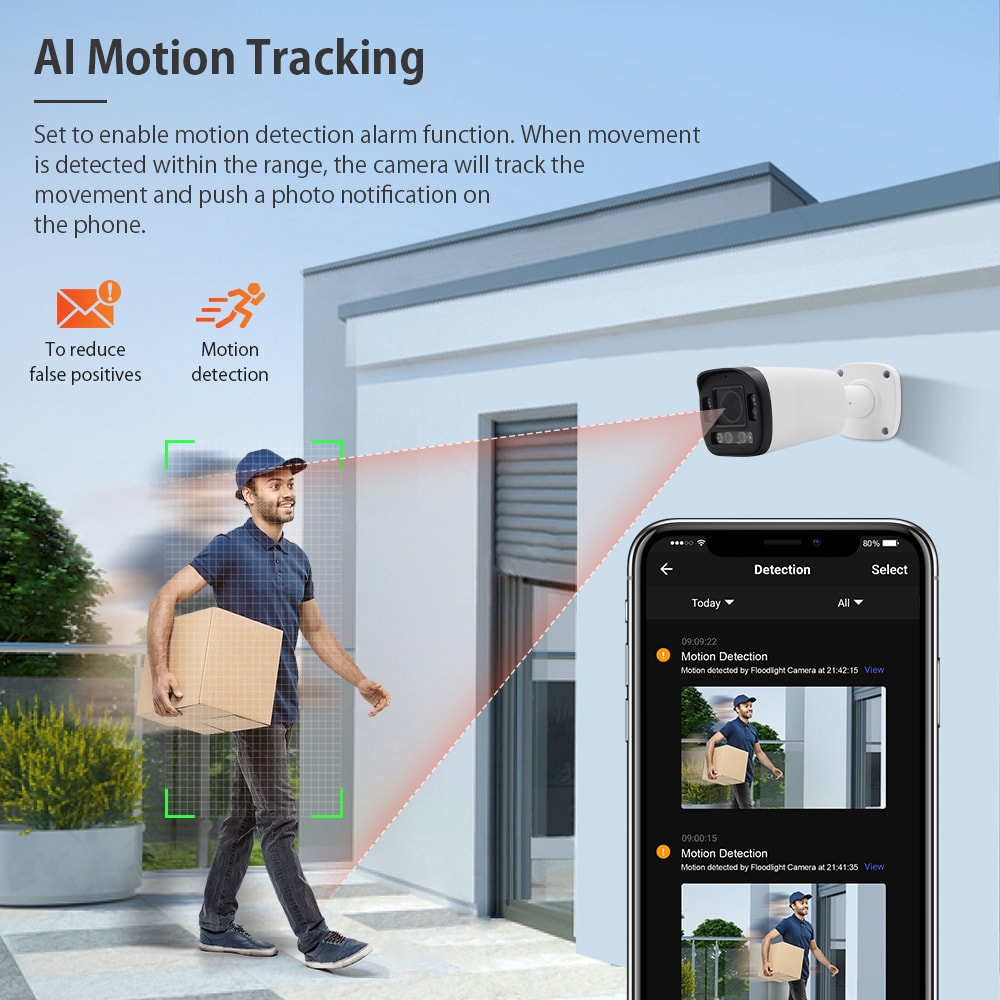
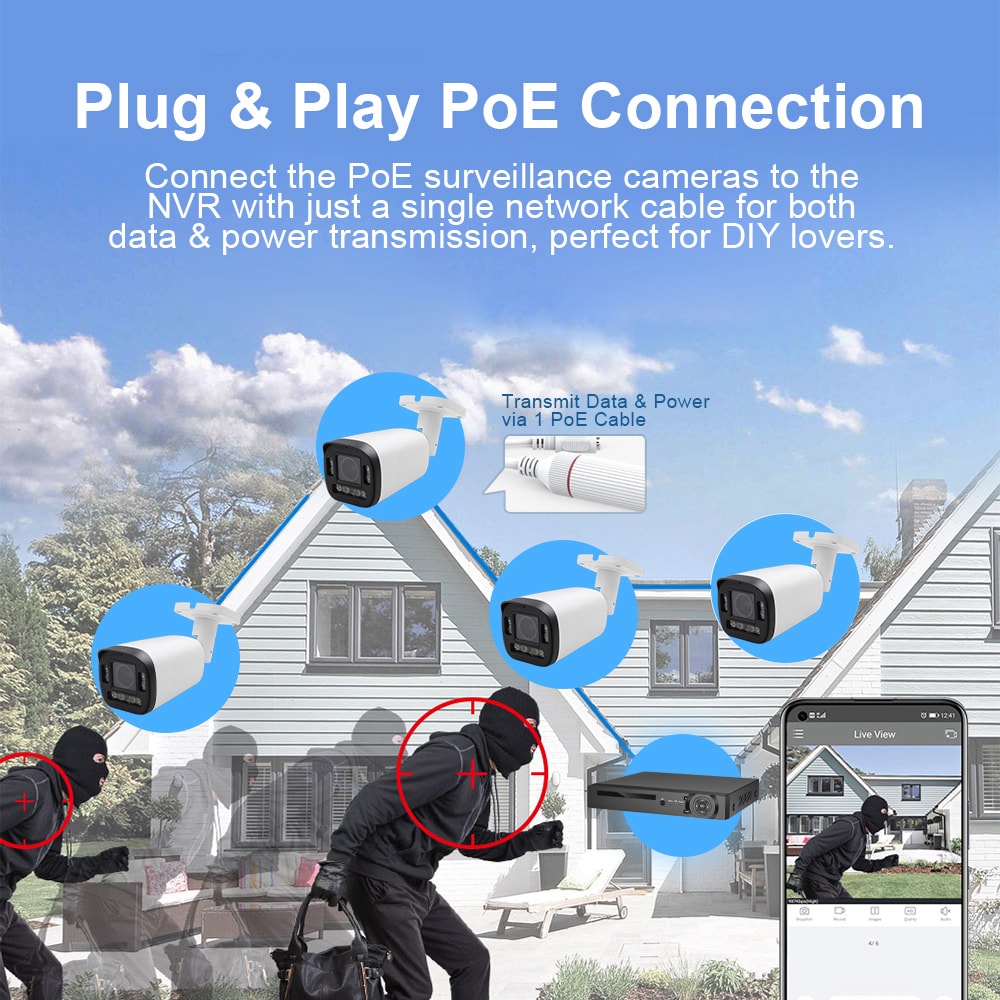
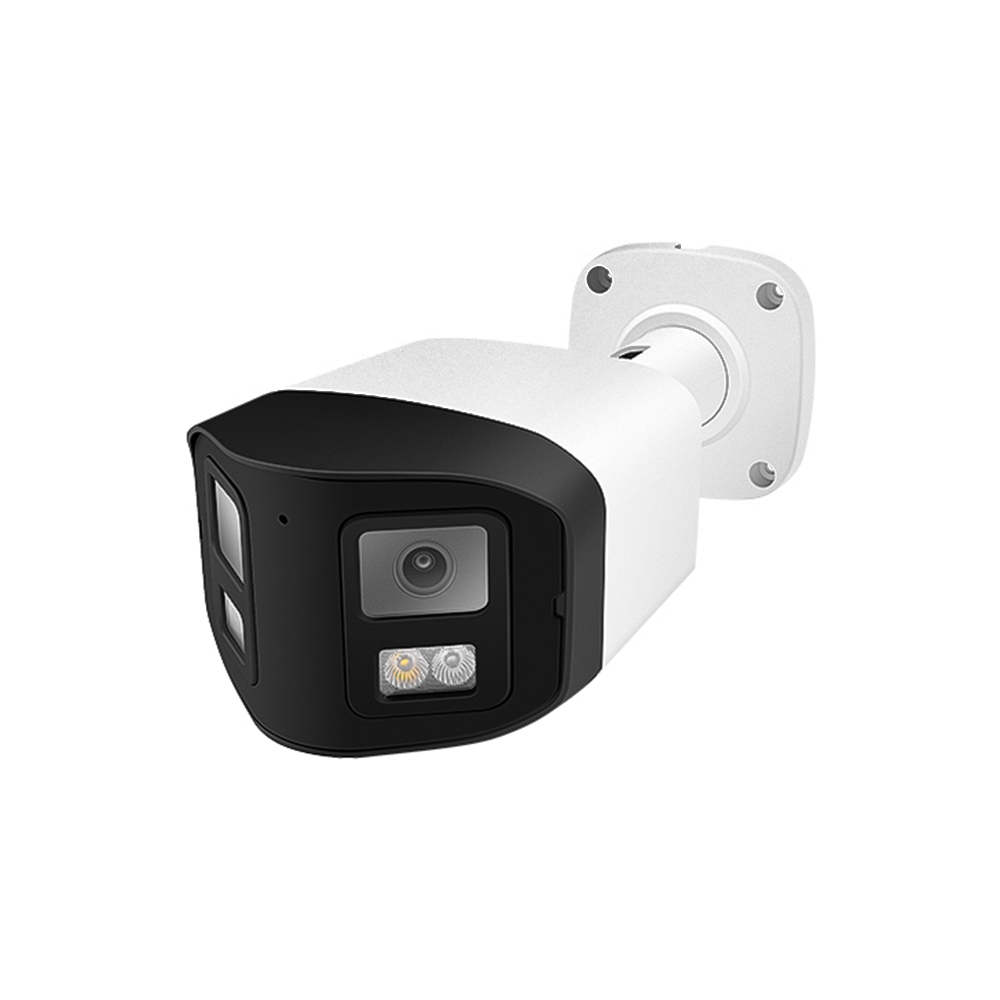
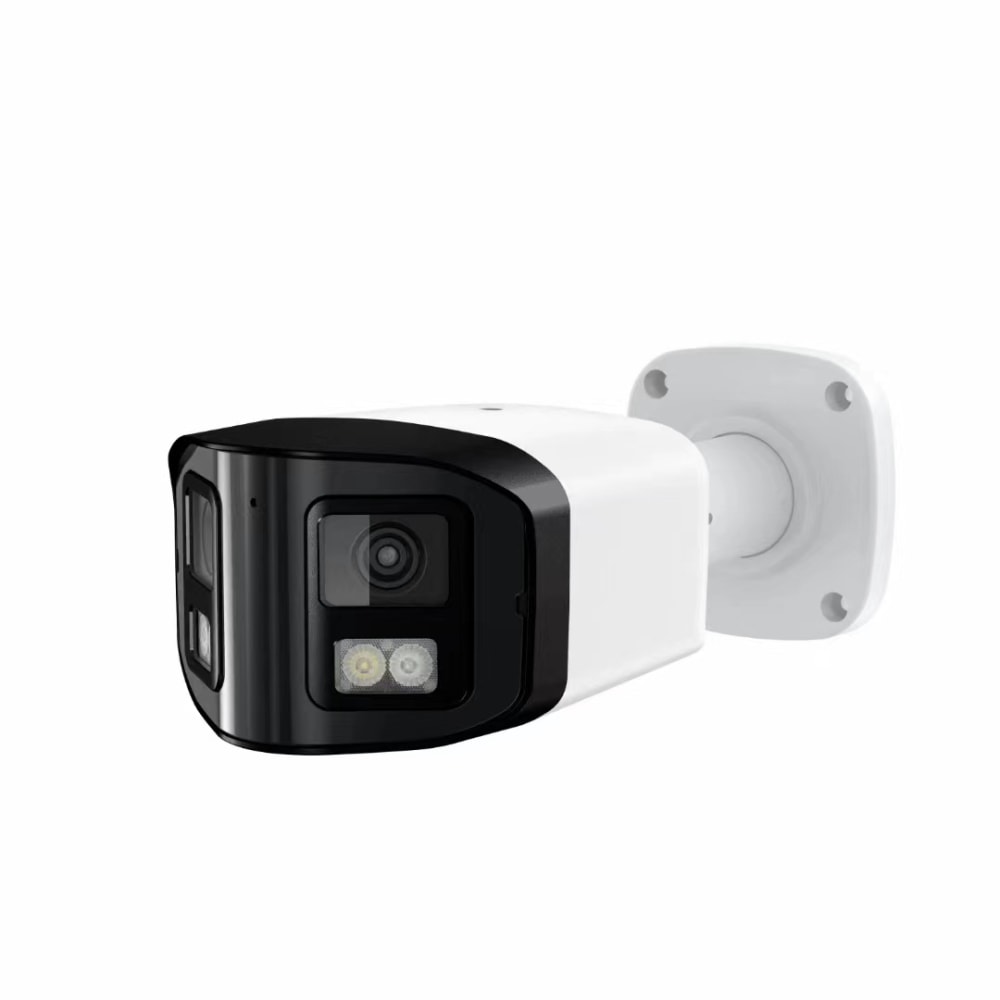
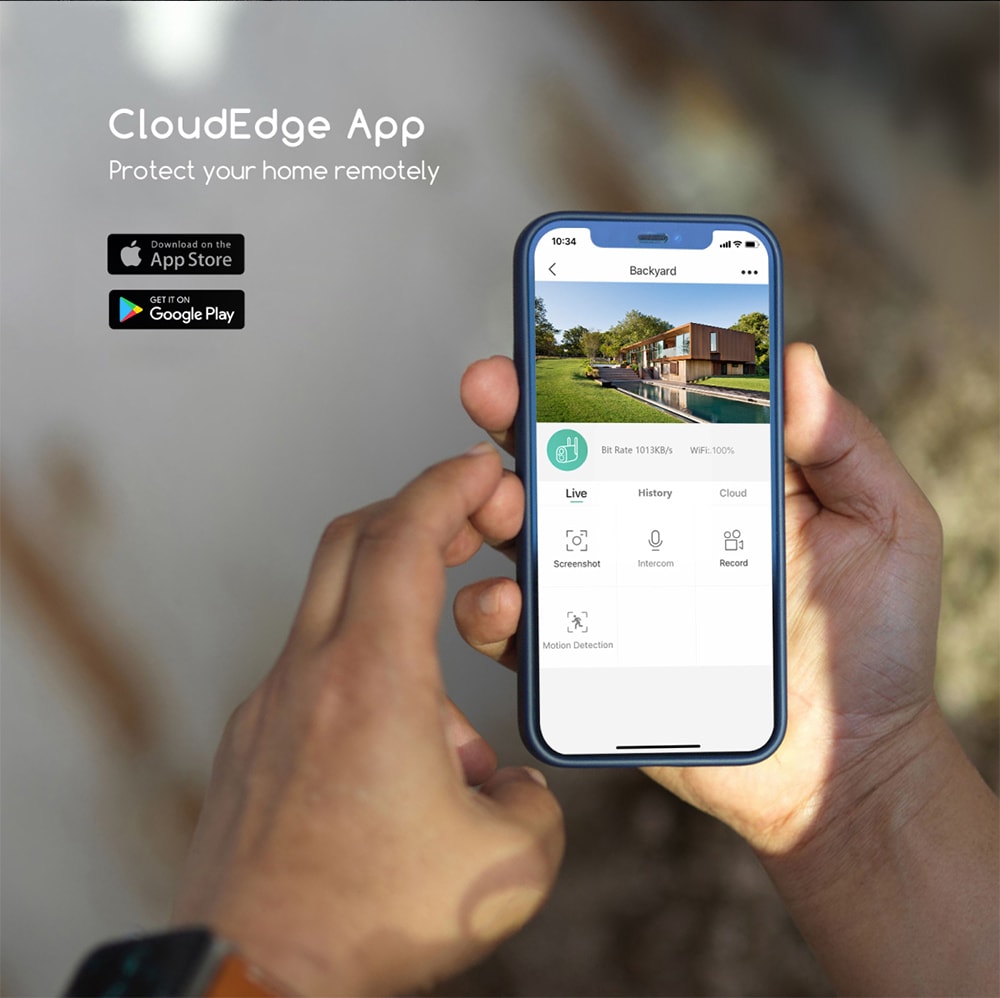
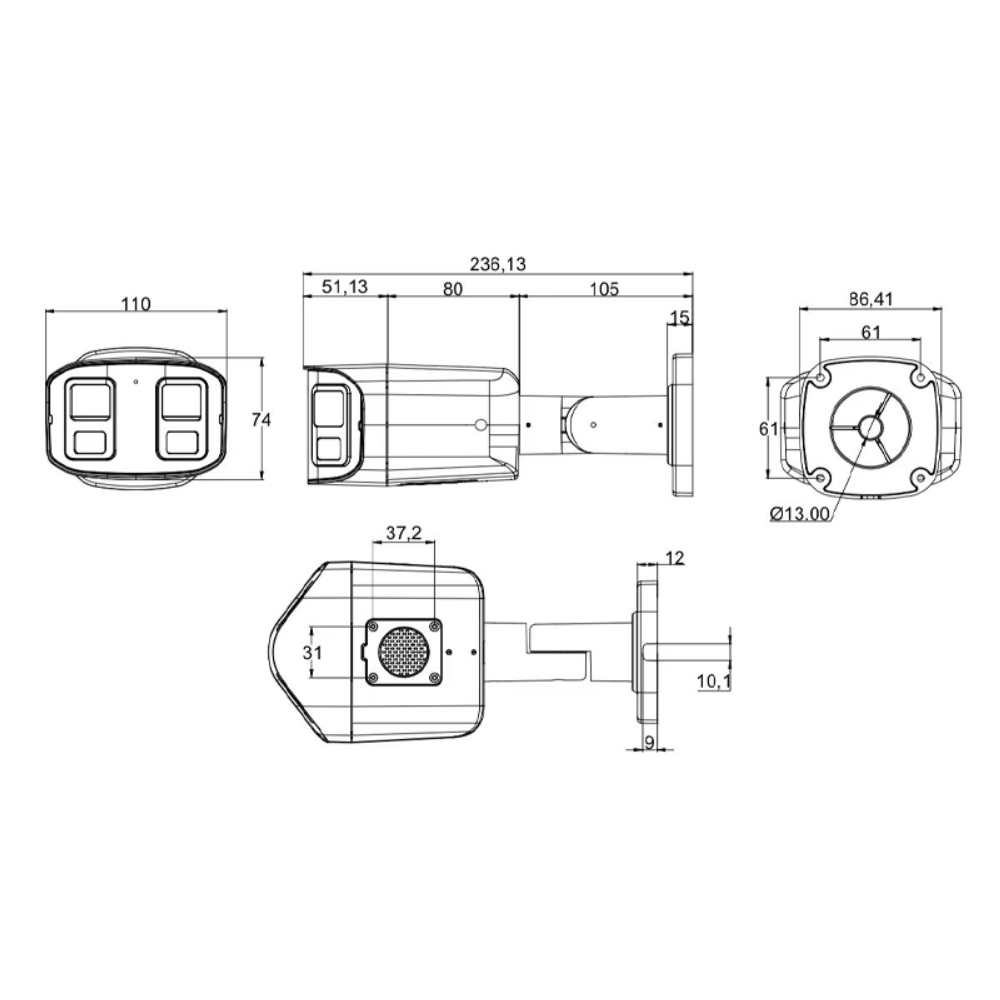
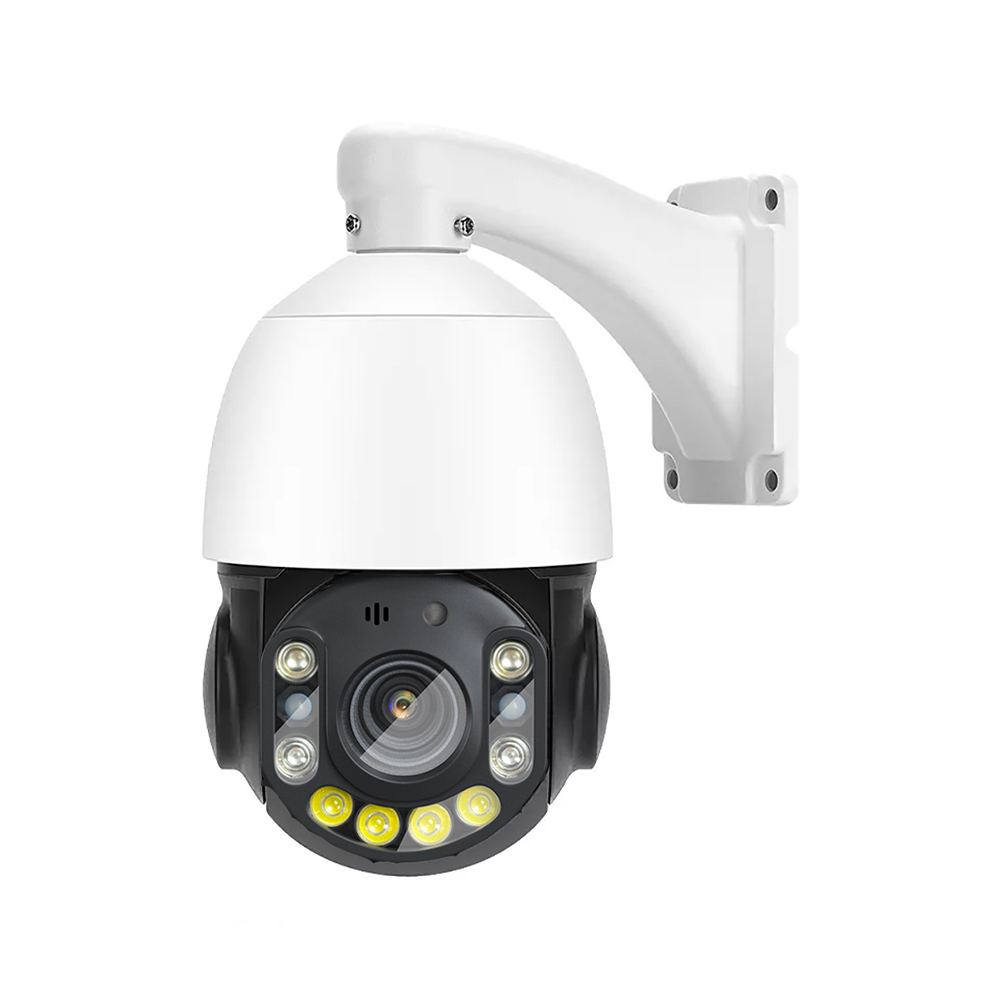
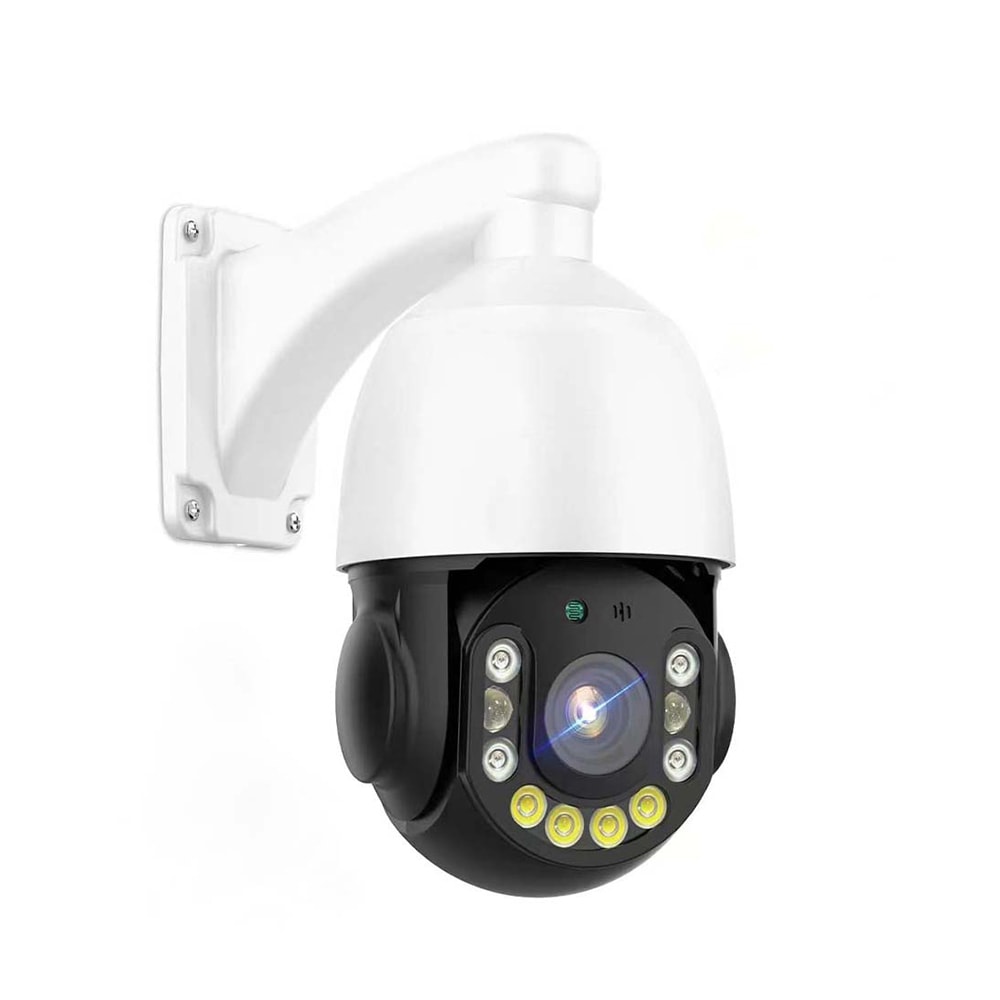
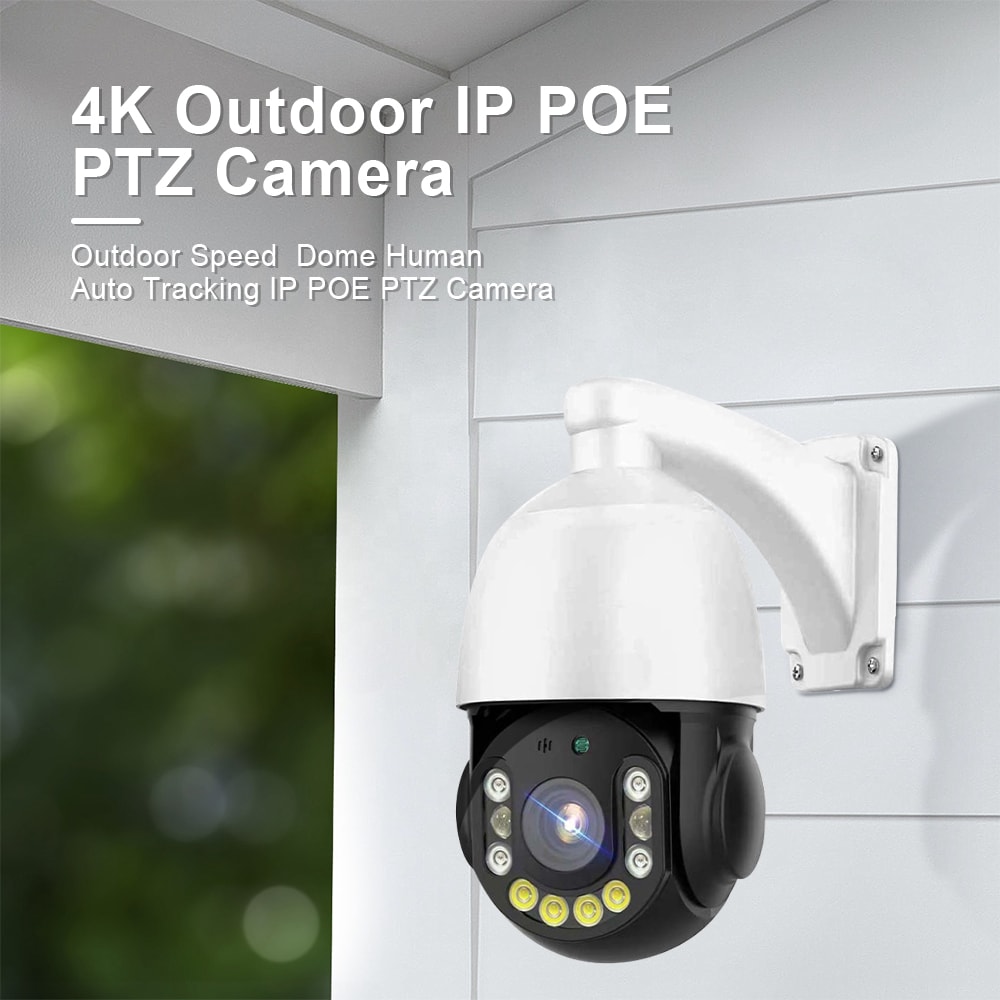
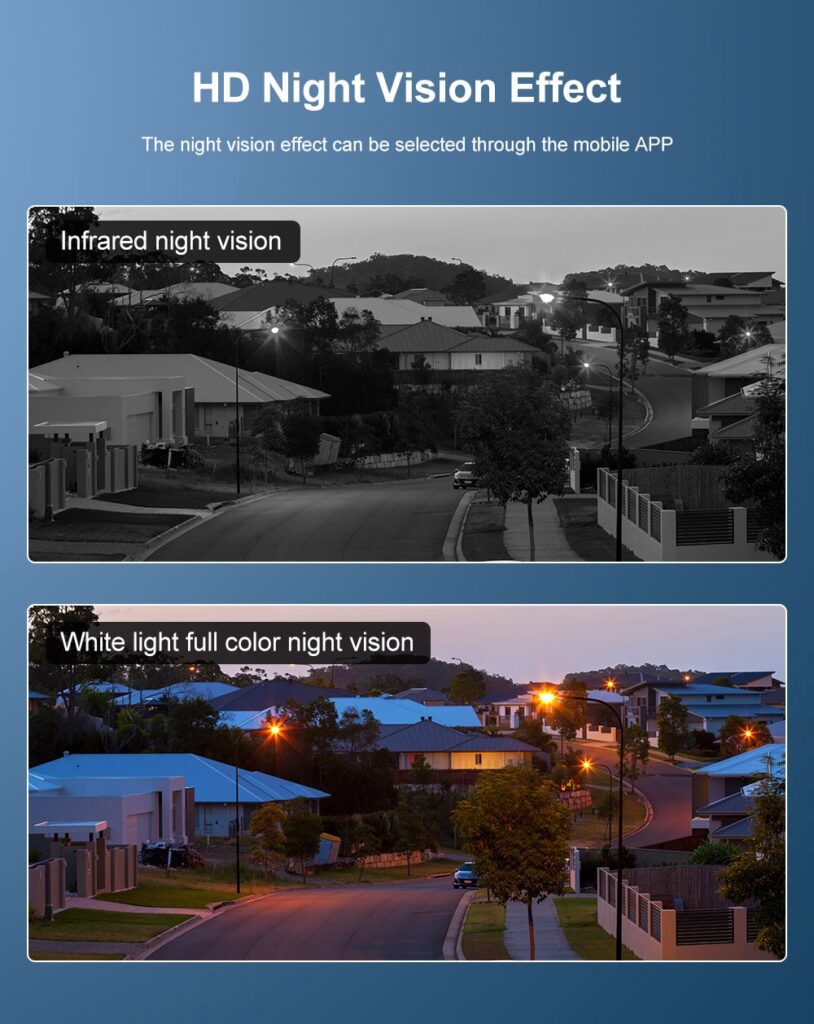
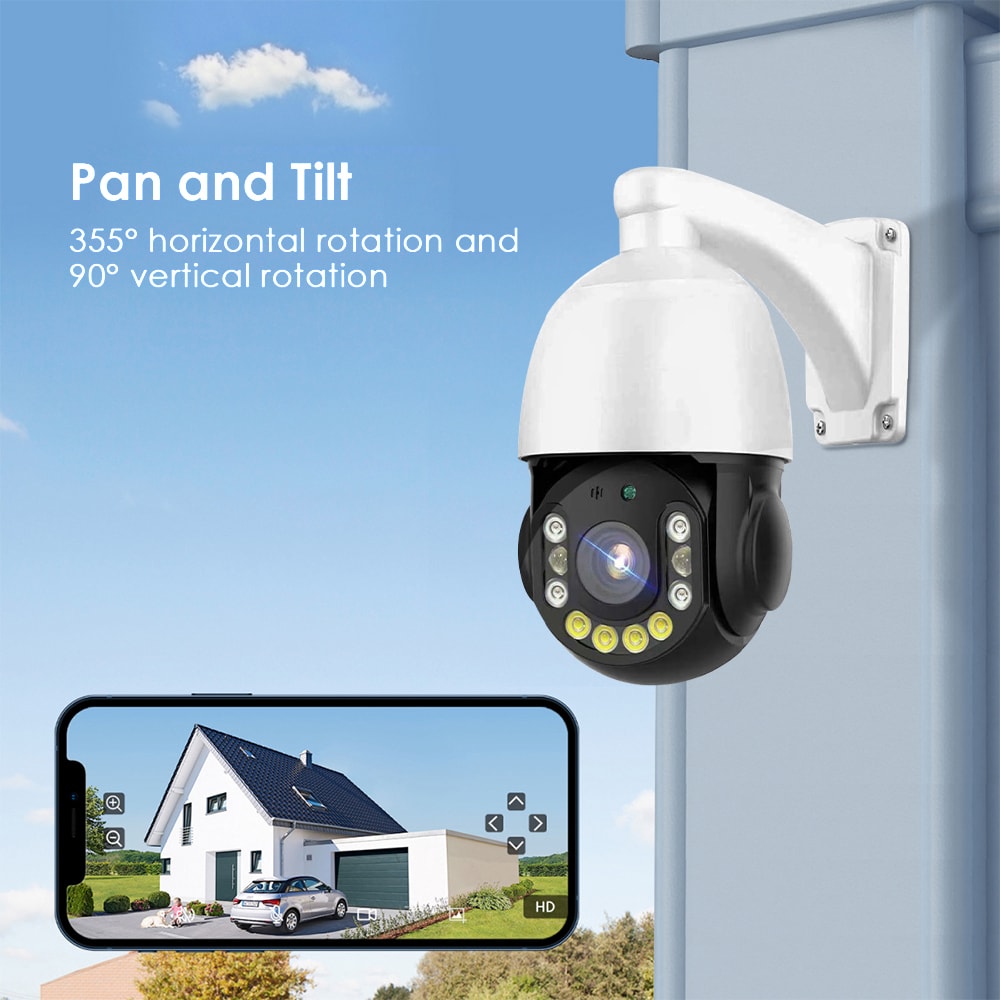
Thoughtful placement of cameras near these key locations further strengthens your access system. Even basic, clearly visible monitoring can deter vandalism, illegal dumping, and tailgating. When cameras and access control are deployed together, you can correlate entry logs with recorded video, which makes incident investigation faster and more accurate.
How mobile and cloud access control simplify HOA management in Delaware
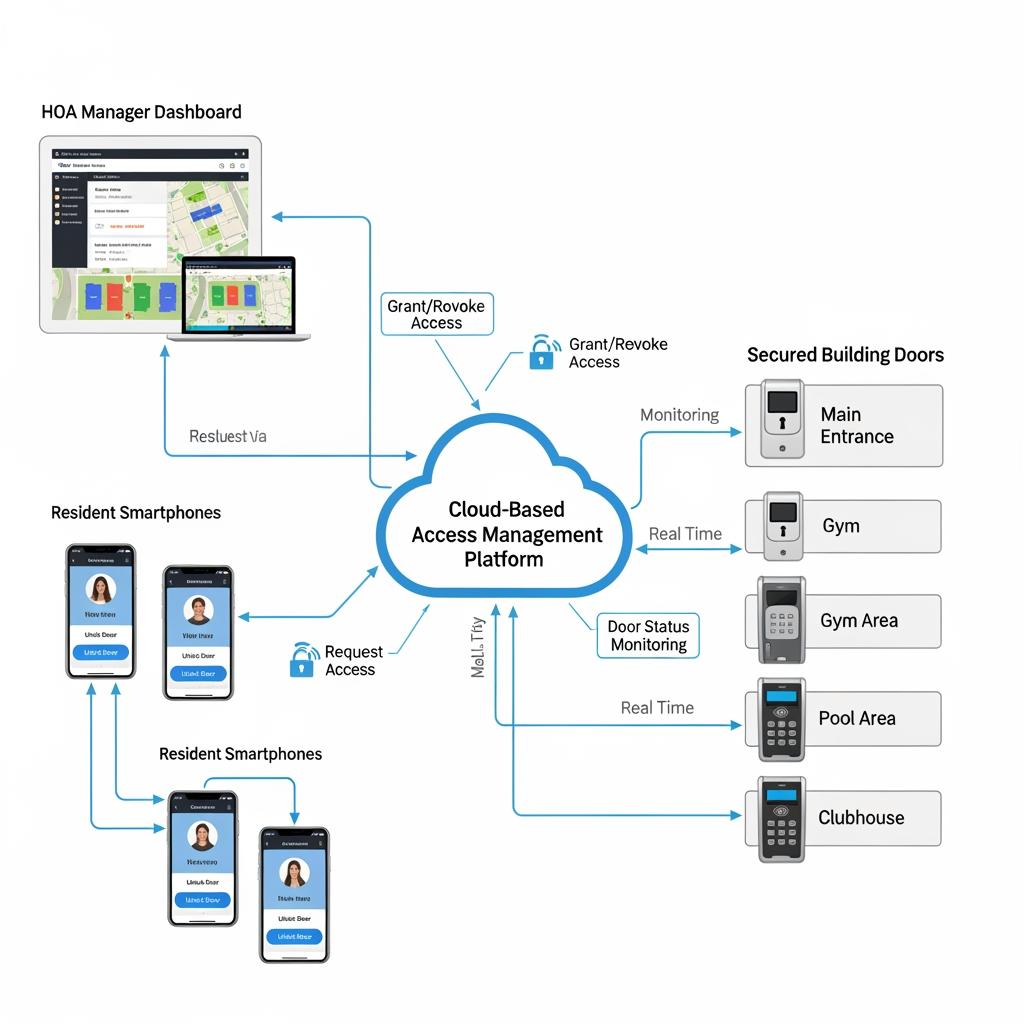
Mobile and cloud-based access control have transformed how Delaware HOAs manage credentials, vendors, and events. Instead of programming physical panels on-site, managers log into a secure cloud portal from anywhere to add residents, revoke keys, set time schedules, or review entry logs. This is particularly useful for volunteer HOA boards and part-time property managers who juggle multiple roles.
Mobile credentials—resident smartphones acting as keys—dramatically reduce the overhead of managing fobs and cards. When someone moves out, their mobile credential can be disabled immediately. For guest access, residents can generate temporary digital passes or PINs without calling the office. For emergency or unscheduled access, managers can issue short-lived codes to trusted contractors, all with automatic expiration.
Cloud access control also simplifies compliance and recordkeeping. Cloud platforms typically provide centralized logs, making it easier to respond to resident questions (“Who accessed the pool after 10 p.m.?”) or investigations related to property damage or nuisance behavior. Automatic backups and remote diagnostics reduce downtime and minimize on-site service calls, which is especially valuable for Delaware communities with limited staff.
Building security access costs for Delaware condos, townhomes, and HOAs
Costs for building security access in Delaware for condos, townhomes, and HOAs vary based on property size, number of doors, existing wiring, and whether you choose on-premises or cloud software. A small 12‑unit condo with a single entrance and one garage door will have a very different budget from a 200‑unit multi-building HOA with amenities and multiple parking areas.
Instead of focusing on one big lump sum, it’s helpful to separate expenses into one-time and ongoing categories:
| Cost Category | Typical Items Included | Budgeting Tips for Delaware HOAs |
|---|---|---|
| One-time hardware | Door controllers, readers, smart locks, keypads, video intercoms, cabling | Prioritize main entrances first; phase in secondary doors later. |
| One-time labor | Site survey, installation, wiring, configuration, training | Expect higher costs in retrofit scenarios or older buildings. |
| Recurring software | Cloud licenses, mobile credential fees, support contracts | Compare per-door vs. per-user pricing models across vendors. |
| Maintenance & repairs | Device replacements, firmware updates, troubleshooting, door hardware upkeep | Budget annual reserves to prevent “deferred maintenance” gaps. |
A practical rule of thumb: secure and automate the few doors that matter most before trying to lock every possible door. For many Delaware properties, this means starting with the main pedestrian entry, garage gates, and key amenity spaces, then layering in additional doors once the board has experienced the benefits and residents are comfortable with the new system.
To better understand installation and repair implications for your particular building type, you can explore how a professional team structures projects and support via S & Y’s overview of installation and repair for building systems. This kind of information helps boards prepare realistic budgets and timelines.
Delaware service areas for building security access in condo communities
In practice, building security access services for condos and townhomes in Delaware tend to focus around population centers and major travel corridors: Wilmington and the northern I‑95 corridor, Newark and the University of Delaware area, Middletown, Dover, and beach communities like Rehoboth Beach and Lewes. Urban mid‑rise condos and suburban HOA communities have different priorities, but they share a need for dependable installers and responsive support.
For properties close to the Delaware–New Jersey or Delaware–Pennsylvania border, it can be advantageous to work with regional providers whose service area spans multiple states. This allows communities with multiple sister properties or management portfolios to standardize hardware and software across locations and streamline vendor coordination.
When evaluating service coverage, HOAs should look beyond “Can they get here?” and ask, “How quickly can they respond in an emergency?” Downtime at a main entrance or garage gate is more than an inconvenience—it can become a safety issue if residents are locked out or emergency responders are delayed. Clarify standard and after-hours response times before signing any long-term agreements.
Compliance, safety codes, and UL‑listed access hardware in Delaware
Any access system in Delaware condos and HOAs must comply with applicable building codes, fire and life-safety requirements, accessibility standards, and insurance guidelines. This includes rules about free egress (doors must allow people to exit quickly in an emergency), proper use of maglocks and electric strikes, and coordination with fire alarm systems and emergency power.
UL‑listed access hardware adds a critical layer of assurance. UL listings confirm that components such as locks, control panels, power supplies, and readers have been independently tested to meet safety and performance standards. When your insurance company or fire marshal reviews your system, UL‑listed devices and clearly documented wiring diagrams make approvals smoother and reduce the risk of required changes after installation.
It is also important to consider ADA-related access needs: door operators, buttons, and reader placement must accommodate residents and guests with mobility or vision impairments. In an access upgrade project, this may require modest construction changes—such as widening door clearances or adding automatic openers—to bring older buildings closer to modern standards.
Real Delaware condo and HOA success stories with upgraded access control
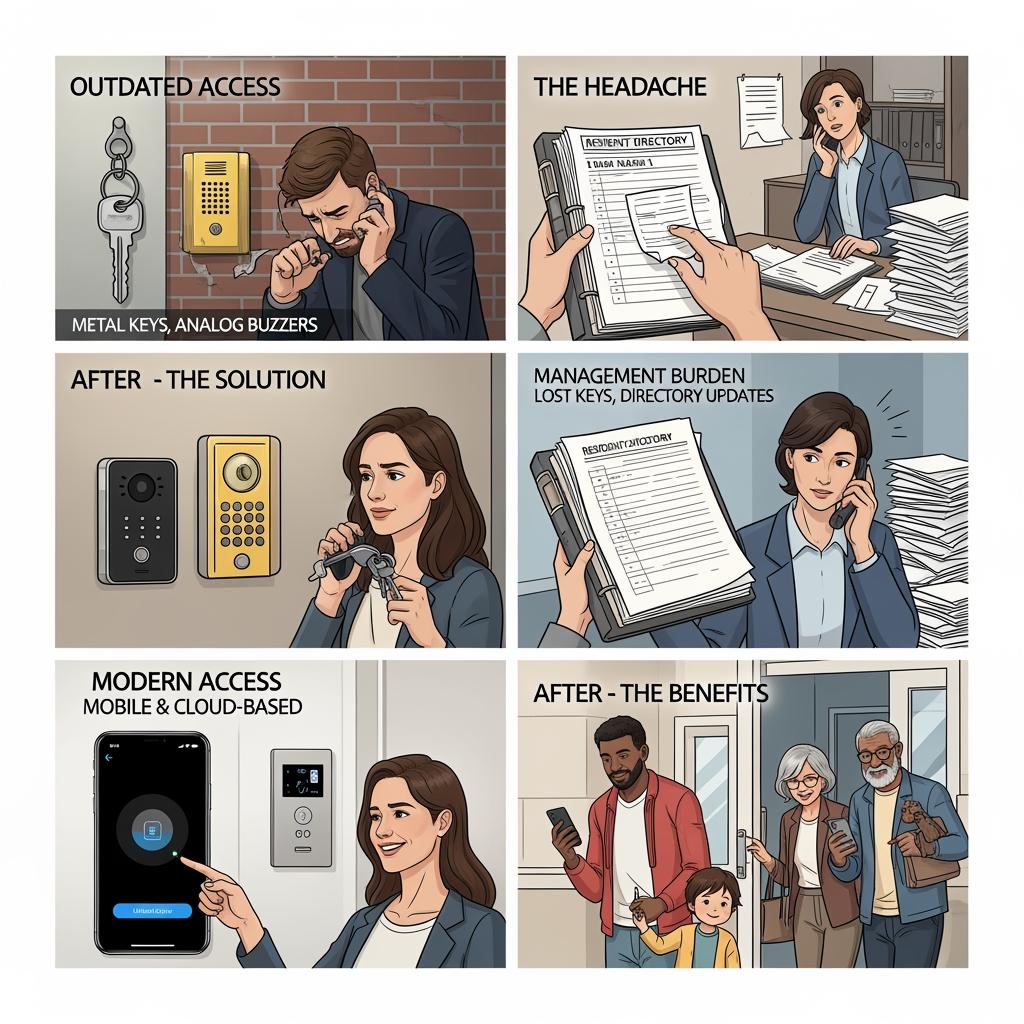
While every community is different, several common patterns emerge when Delaware condos and HOAs upgrade from old keys and analog buzzers to modern access control. A mid‑rise condo near a city center might begin with chronic package theft and lobby doors that never fully latch. After installing a smart video intercom at the main entrance, adding door position sensors, and issuing mobile credentials, the board sees fewer unauthorized entries and fewer “missing package” complaints.
In a suburban HOA with multiple entrances to a shared clubhouse and pool, the board may struggle with neighbor‑to‑neighbor conflicts about after-hours noise. Implementing card-based access with time-of-day rules—closing access at 10 p.m. except for approved events—can dramatically reduce incidents without relying on manual lockup by volunteers.
A townhome community experiencing repeated issues with copied keys might replace front door locks with smart deadbolts that can be re‑credentialed instantly. Move‑ins and move‑outs become simpler: instead of rekeying mechanical locks, management updates mobile keys and PINs in a central dashboard. Over the course of a few months, the board often notices fewer lockouts, faster vendor coordination, and more accurate tracking of who has access to what.
FAQs about building security access for Delaware condos and HOAs
How does building security access in Delaware for condos, townhomes, and HOAs improve safety?
Modern building security access in Delaware for condos, townhomes, and HOAs improves safety by ensuring that only authorized people can enter key areas and by tracking entry events. This reduces tailgating, copied-key issues, and unauthorized use of garages and amenities.
Can we keep our existing doors and upgrade just the access hardware?
In many Delaware buildings, you can keep existing doors and frames while upgrading strikes, readers, or smart locks. However, older or damaged doors might need reinforcement or replacement to reliably support electronic hardware and meet fire and life-safety standards.
Are mobile credentials secure enough for condo and HOA buildings?
When implemented with reputable platforms, mobile credentials use encrypted communication and device-specific tokens that are difficult to duplicate. They also allow fast revocation and automatic expiration, which can be more secure than physical keys that are hard to track.
What if residents in our Delaware condo do not want to use smartphones?
Most access systems that support mobile credentials also support traditional fobs, cards, or PINs, allowing residents to choose what works best for them. Your HOA can adopt a mixed model that ensures inclusivity while still gaining the benefits of cloud management.
How do we handle deliveries with a secure building entrance?
Smart intercoms, temporary entry codes, and delivery-specific PINs allow carriers to place packages in secure lobbies or package rooms. Clear policies, signage, and possibly camera coverage can further reduce theft and misdelivery issues at Delaware properties.
What is the typical implementation timeline for an HOA access upgrade?
After the board approves a plan, smaller Delaware communities can often complete installation within a few days to a couple of weeks, depending on wiring and construction conditions. Larger or multi-building HOAs may phase upgrades over one or more seasons to align with budgets and minimize disruption.
Who should manage the access control system for our Delaware HOA?
Management can be handled by a property manager, a designated board member, or a third-party service provider, but it is wise to define clear roles and administrative permissions. Cloud dashboards make it easier to share responsibility while maintaining audit trails and security.
Last updated: 2025-12-08
Changelog:
- Added detailed cost breakdown table for access hardware, labor, software, and maintenance.
- Expanded sections on Delaware service areas and regional provider coverage.
- Clarified UL-listed hardware importance and ADA considerations.
- Included practical success-story scenarios for Delaware condos and HOAs.
- Integrated internal links and provider spotlight for S & Y Internet Technology.
Next review date & triggers - Review in 12 months or sooner if major code changes, new access technologies, or substantial shifts in vendor offerings affect Delaware HOA needs.
For Delaware HOAs and condo boards planning building security access in Delaware for condos, townhomes, and HOAs, the most effective next step is a structured conversation about doors, gates, resident needs, and budget. Share your building layouts, current pain points, and desired timeline with a qualified provider so you can receive a concrete proposal, demo, or site visit—whether you’re focusing on video doorbells, smart locks, or a full, cloud-managed upgrade. To see how one integrated team can support video doorbells, smart locks, and broader building systems, you can explore S & Y Internet Technology’s smart lock and access solutions and reach out via their contact page for a custom quote.

About the Author: S & Y Internet Technology Inc.
S & Y Internet Technology Inc. is a professional installation and repair service provider based in Flushing, New York. Our expert team provides door-to-door installation and maintenance within a 100 km radius, ensuring quick response and high-quality results for every project — whether residential, commercial, or specialized.

Install & Repair Services
You May Also Interest
-
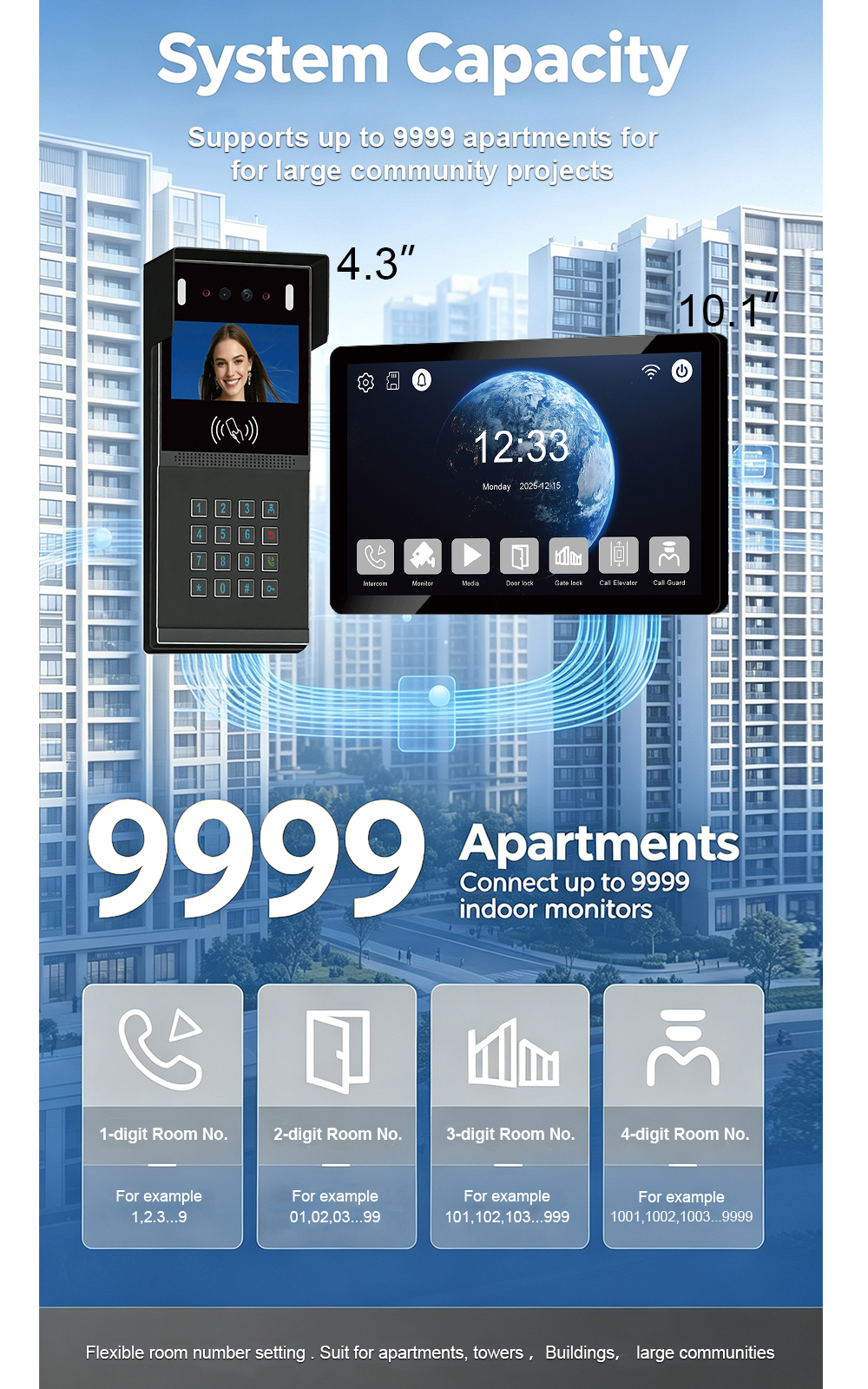
Video Intercom Systems for Gated Communities: Managing Multiple Entrances and Vehicles
When a gated community has one entrance, access control is simple. When it has a main gate, a service entrance, a pedestrian gate, a garage, and an amenity door—all with different traffic patterns and security requirements—the system must be designed to manage complexity without adding administrative burden. Gated communities are not simply larger versions of…
-
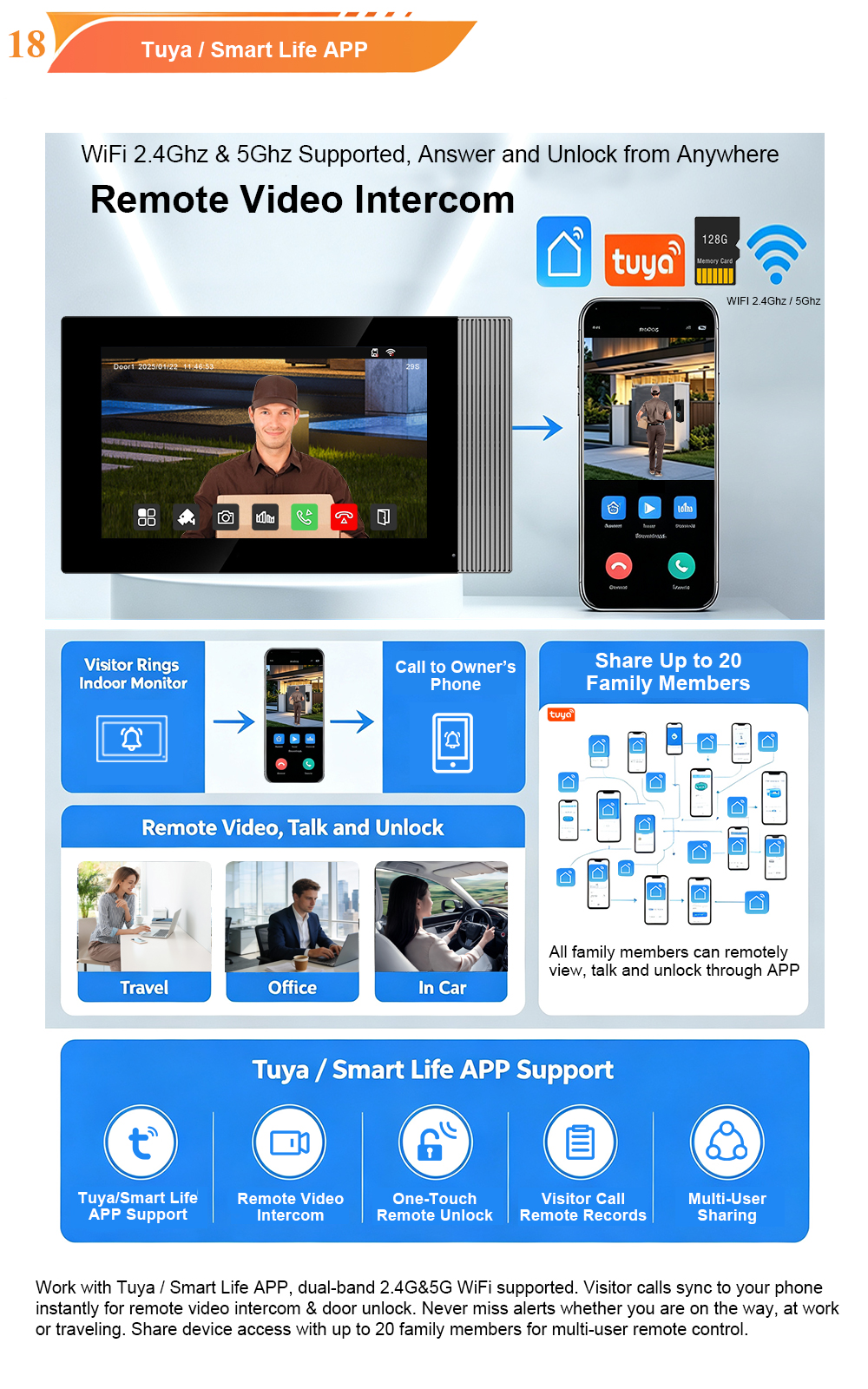
RFID vs QR Code vs Mobile App: Comparing Access Methods for Residential Buildings
Choosing the right access method for your apartment building or gated community is a decision that affects security, convenience, cost, and resident satisfaction. RFID cards, QR codes, and mobile apps each have distinct strengths and weaknesses. This guide compares them side by side—so you can make an informed choice for your next project. In modern…
-
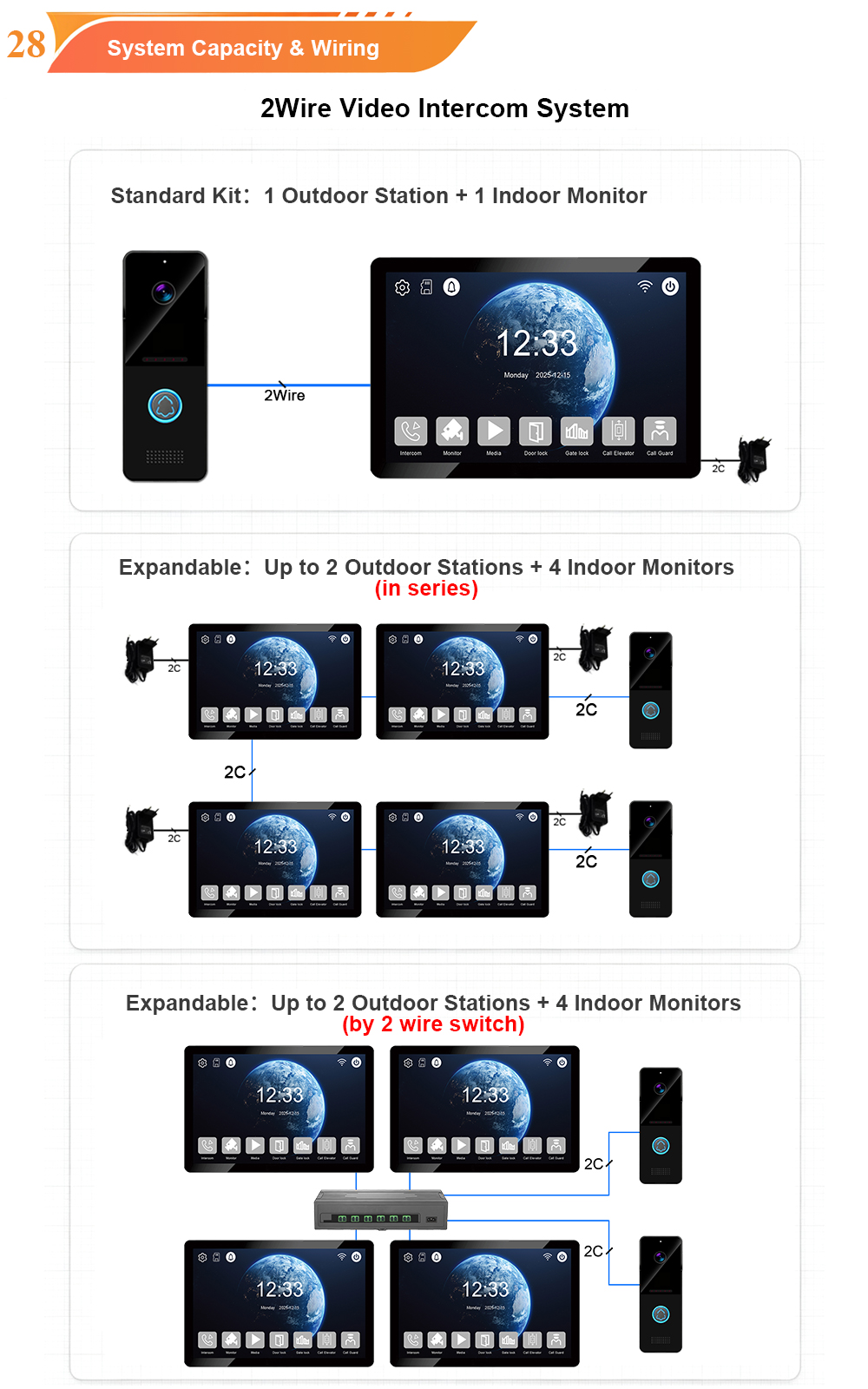
Tuya vs Smart Life: Which App Is Better for Your Video Door Phone?
A practical comparison to help you choose the right app for your smart intercom system If you’ve recently purchased a FARHD video door phone, you’ve probably noticed that the product documentation mentions two apps: Tuya Smart and Smart Life. This immediately raises a common question: which one should you actually use? Are they different? Does…
-
Touch Screen vs Non-Touch Video Intercom Monitors: Which Is Better for Residents?
When specifying a video intercom system for an apartment building, villa, or residential community, one question often divides decision-makers: should the indoor monitor have a touch screen or physical buttons? Both options have passionate advocates. Both have real advantages. And both can be the wrong choice if they don’t match the needs of the residents…