LED display installation in New York for retail storefronts and shops
Share
LED display installation in New York for retail storefronts and shops has quickly gone from “nice-to-have” to a core part of how modern stores attract foot traffic and drive sales. In a crowded streetscape like NYC, bright, well‑planned LED signage can be the difference between being ignored and being noticed. If you’re considering LED for your retail space, share a few details about your store size, location, and goals, and you can get a realistic concept and quote before you commit to any hardware.
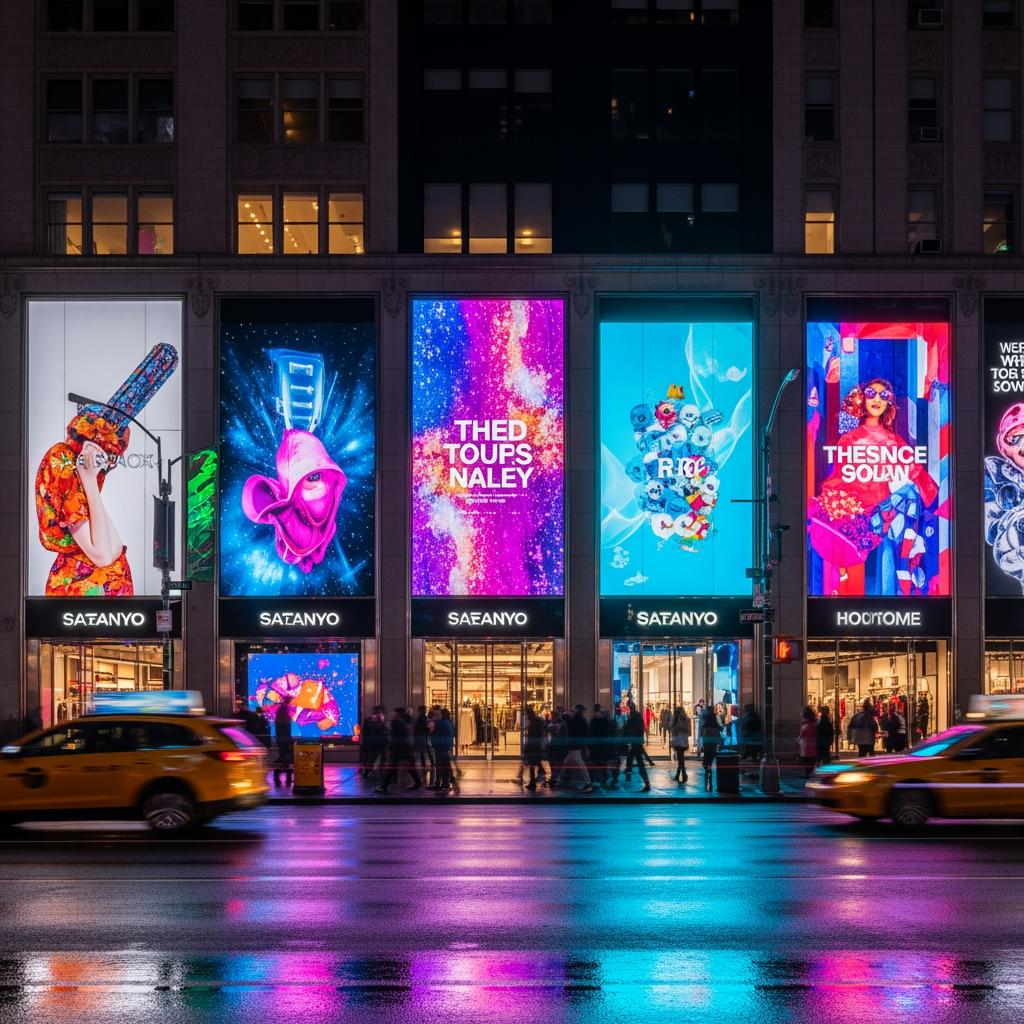
LED display solutions for New York retail storefronts and shops
For New York retailers, LED display solutions fall into a few main categories: storefront window displays facing the street, indoor feature walls that create a “wow” moment, and smaller digital signs that guide customers once they are inside. Each has different brightness, viewing distance, and mounting needs, but all share the goal of capturing attention in an environment where people are constantly bombarded with visuals.
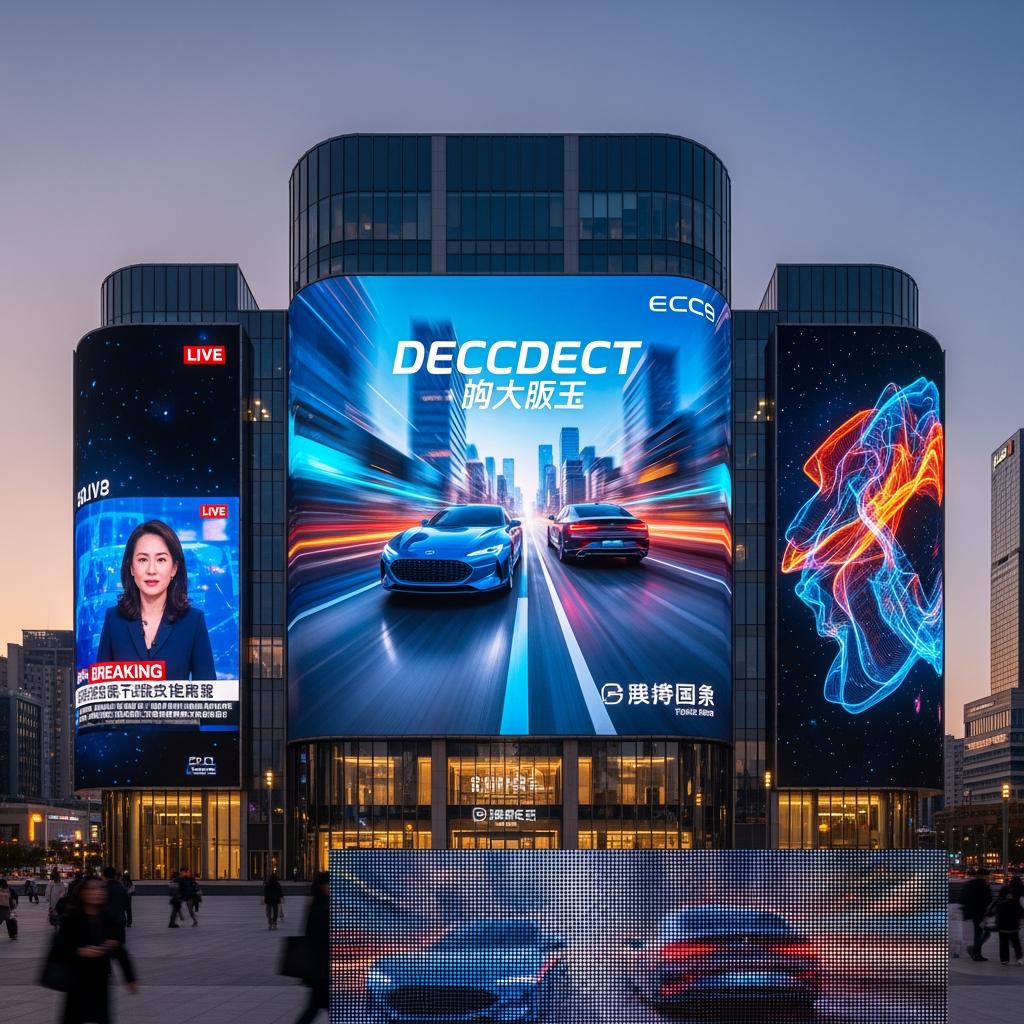
In a typical Manhattan or Brooklyn storefront, the window zone is prime real estate. High‑brightness LED panels or LED poster screens can cut through daylight glare, subway entrance lighting, and competing signs from neighboring stores. For interior spaces, fine‑pixel‑pitch LED tiles can create a seamless video wall that looks crisp even when customers are only a few feet away. In narrow shops or older buildings, slimmer LED cabinets are preferred to preserve valuable floor area and meet egress requirements.
Smaller New York shops—like boutiques and delis—often use single LED cabinets or narrow banner‑style displays that can be ceiling‑suspended or wall‑mounted. Larger box stores or multi‑level flagships may use multiple synchronized LED areas: a big window wall to stop foot traffic, plus in‑store LEDs to tell brand stories, run promotions, or highlight seasonal collections.
A useful rule of thumb is: design from the sidewalk inward. Start by asking what a passerby sees in three seconds, then decide how an LED display installation in New York for retail storefronts and shops can pull them closer with motion, color, and concise messages. From there, you layer in supporting displays at key points inside the store.
Why NYC retailers choose LED video walls for their stores
NYC retailers are choosing LED video walls because they solve three big challenges: visibility, flexibility, and brand differentiation. Visibility is the most obvious—static posters and light boxes simply don’t compete with dynamic content. An LED video wall can run moving visuals, limited‑time offers, and real‑time messages that instantly stand out among static neighboring signs.
Flexibility is just as important. Instead of reprinting graphics for every promotion or season, store teams can update LED content in minutes. You can schedule weekday lunch promotions, weekend events, and holiday campaigns, all from a single content management system. That flexibility is a major cost saver over time, especially in fast‑moving retail categories like fashion, electronics, and beauty.
Brand differentiation is critical in neighborhoods where many stores sell similar products. A well‑designed LED video wall can create a fully branded atmosphere, sync with music or events, and even support interactive elements like QR codes or social media campaigns. Because LED is modular, layouts can be tailored to unique New York architectural quirks—including columns, arches, and curved corners—allowing you to do more creative, made‑for‑NYC visual storytelling than traditional screens.
Finally, for landlords and multi‑tenant buildings, LED video walls can support shared messaging, building branding, or lobby enhancements that increase property value. When planned correctly, a single LED investment can serve both the retailer and property owner’s goals.
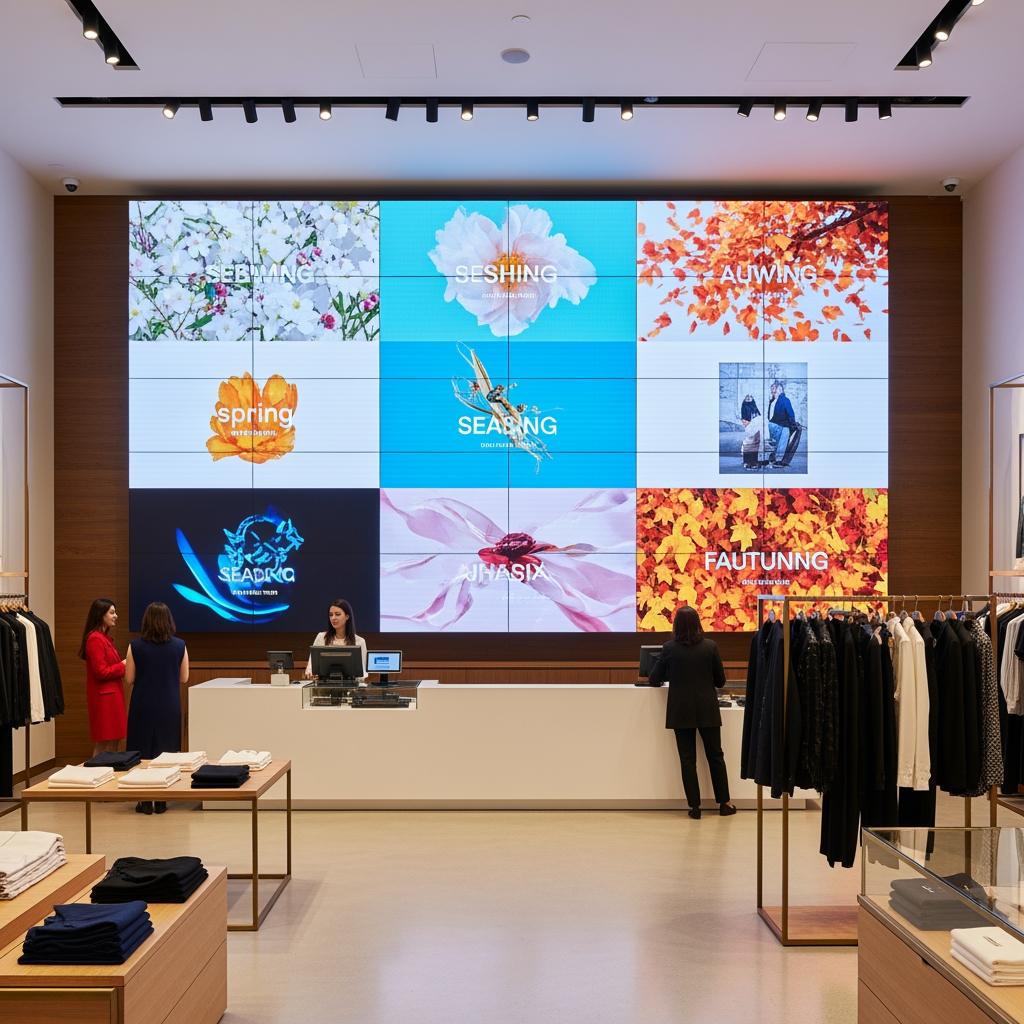
Window, feature wall, and in‑store LED display use cases in NYC
Within New York, LED display use cases differ by neighborhood, building type, and target customer. In SoHo and the Lower East Side, fashion boutiques often use LED window displays to run slow‑motion lookbooks, runway clips, or “just dropped” collections. The goal is to create an immersive brand feel that matches the street’s creative energy. In Midtown, where commuters move quickly, LED windows typically highlight clear promotions: limited‑time discounts, bundle offers, or real‑time countdowns to sales.
Feature walls—large continuous LED displays inside the store—are common in tech, sneaker, and flagship beauty stores. These walls might showcase product launches, tutorial content, or brand campaigns. Because customers stand closer to these screens, retailers typically select higher resolution (smaller pixel pitch) and carefully manage brightness so the display is impactful but not overwhelming.
Smaller in‑store LEDs support wayfinding and cross‑selling. For example, a grocery in Queens may deploy narrow LED strips above aisles to highlight weekly specials, while a pharmacy uses in‑store LEDs at the end‑caps to run health tips and seasonal reminders. Quick‑serve restaurants use menu‑board‑style LED panels to update pricing, add daypart menus, and spotlight combos without reprinting menus.
In multi‑floor stores, synchronized content across several LEDs—entrance, escalator landings, and checkout—helps maintain a consistent journey. It’s common to program content so that what customers see at the door matches what they see on floor‑specific feature walls, guiding them naturally toward highlighted categories or limited‑stock items.
Indoor vs outdoor LED displays for New York retail environments
Choosing between indoor and outdoor LED displays in New York retail environments comes down to where the viewer stands, how much direct sunlight hits the display, and what codes and building rules allow. Outdoor‑rated LED displays have higher brightness, weatherproof enclosures, and more robust mounting hardware designed to withstand wind, rain, and temperature swings. They’re ideal for building façades, canopies, and exterior walls.
Indoor LED displays, even those facing windows, are typically lighter, slimmer, and optimized for closer viewing distances. Window‑facing “semi‑outdoor” LEDs sit behind glass but still require high brightness to compete with sun and street lighting. In some cases, retailers choose dual‑purpose cabinets that can be tuned down in brightness for night use to avoid glare and neighborhood complaints.
Pixel pitch—the distance between LED pixels—is another major difference. Outdoor screens can use a larger pitch because viewers stand farther away on sidewalks or across the street. Indoor or in‑window displays often need tighter pitch so that text and images remain sharp at a few feet. When planning an LED display installation in New York for retail storefronts and shops, a good design process maps typical viewing distances first, then specifies pixel pitch, brightness, and cabinet type accordingly.
Fire and safety rules also differ. Outdoor units must account for structural loads and facade penetrations, while indoor layouts must protect exits and maintain safe circulation. Coordination with building management is critical for both, especially in landmarked districts where exterior changes require additional approvals.
Here is a quick comparison overview:
| Location / type | Typical brightness range | Typical pixel pitch | Best use in LED display installation in New York for retail storefronts and shops |
|---|---|---|---|
| Exterior building‑mounted LED | Very high | Larger pitch | Long‑distance visibility, branding, and promotions from across the street |
| Window‑facing “semi‑outdoor” LED | High | Medium to fine | Attracting foot traffic passing directly in front of the storefront |
| Indoor feature‑wall LED | Medium | Fine pitch | Immersive storytelling and product showcases near customers |
This comparison helps you align your budget and expectations with the realities of NYC viewing conditions. Many stores end up with a blended approach: a high‑impact window LED plus lower‑brightness, finer‑pitch indoor walls.
From site survey to installation: our NYC LED display process
A smooth LED project in New York always starts with a detailed site survey. The installer reviews building plans, existing power capacity, wall materials, glass types, and available mounting surfaces. They also stand where your customers will stand, measuring sightlines, ambient light, and any potential obstructions like columns, window mullions, or door swings.
Next comes concept and engineering. At this stage, you define display dimensions, resolution, and cabinet layout, and select appropriate mounting systems. Electrical requirements are confirmed with an electrician, and any needed panel upgrades or dedicated circuits are identified. A realistic timeline is set, including lead time for hardware, permit processing if needed, and scheduled installation days that won’t overly disrupt store operations.
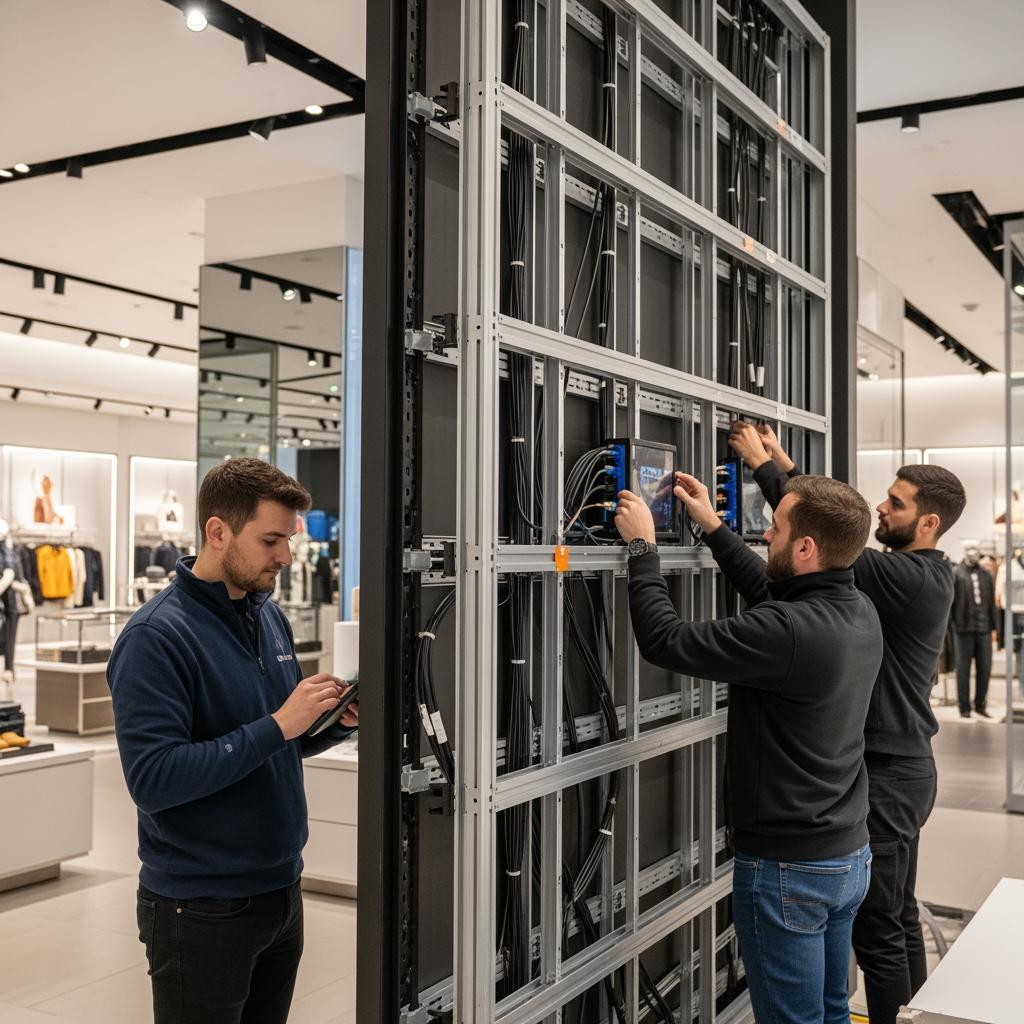
During installation, experienced crews stage hardware, build or secure the mounting frame, install cabinets, connect power and data, and perform initial testing. Cable management and finish trim work are especially important in New York’s high‑design retail spaces, where exposed cabling or uneven seams can detract from the upscale feel. After installation, the team calibrates color and brightness, loads initial content, and trains staff on basic operation.
Recommended provider: S & Y Internet Technology Inc.
For retailers across New York City looking to streamline this process, S & Y Internet Technology Inc. is a strong choice as a local LED and smart‑systems provider. Based in Flushing, their team specializes in on‑site installation of electronic systems for both homes and businesses, including LED display screens, smart devices, and security systems. Because they operate a mobile technical team within roughly 100 km of New York, they can respond quickly to tight launch timelines and perform on‑site troubleshooting without long delays.
S & Y’s experience with LED display screen setup, access control, networking, and monitoring systems means they can treat your LED display installation in New York for retail storefronts and shops as part of a complete storefront technology package rather than a one‑off project. That’s especially useful for stores that want integrated solutions like smart locks on rear doors, camera coverage of the window zone, and stable network connectivity for media players. We recommend S & Y Internet Technology Inc. as an excellent provider for New York retailers who need reliable, properly installed LED and smart systems that are built for daily commercial use. If you’re planning a new LED storefront or upgrading an existing one, you can review their services and book a consultation directly through the S & Y Internet Technology website at S & Y Internet Technology installation and repair services.
Managing digital signage content on your New York retail LEDs
Once the hardware is in place, the real work is content. In a city like New York, stale content quickly becomes invisible. Effective LED content management balances brand storytelling with clear offers and timely information. Most retailers use a content management system (CMS) that allows scheduling, playlist creation, and remote updates. For a single location, that might be a simple player connected to the cloud; for multi‑store chains, it often includes role‑based access and approval workflows.
A helpful operating rhythm is to plan content in layers. First, establish always‑on brand visuals that define your look and feel. Next, add recurring “blocks” such as new arrivals, bestsellers, or seasonal product spotlights. Finally, schedule short‑run campaigns that respond to local events, weather, or limited‑time sales. A rainy weekday in Manhattan might trigger umbrella and outerwear promos; a big local event in Queens could prompt category‑specific messaging.
You also need basic guardrails: limit text to a few words per frame, ensure high contrast and legible fonts, and avoid overly rapid motion that could be distracting or uncomfortable. For window‑facing LEDs, pay attention to reflection and glare; sometimes slowing down motion and using larger visual elements increases impact for people walking past at speed.
For retailers without in‑house designers, working with a local partner who understands both the technical requirements and design best practices can be invaluable. S & Y Internet Technology can not only install your LEDs but also ensure that media players and networks are configured correctly, so your content schedules run reliably. If you need help aligning content plans with your new hardware, you can start by reaching out through their contact page to discuss your objectives.
LED display costs and ROI for New York retail storefronts
Costs for LED display installation in New York for retail storefronts and shops vary widely based on size, resolution, indoor vs outdoor rating, and mounting complexity. A small indoor banner display will cost far less than a multi‑panel video wall spanning a wide storefront. On top of hardware, you have to budget for mounting structures, electrical work, content players, installation labor, and any required permits or design consulting.
While exact numbers depend on your project, it helps to think of LED as a multi‑year investment in visibility and brand presence, rather than a one‑time expense. Retailers often evaluate ROI by looking at increases in foot traffic, conversion rate, and average transaction value after installation, as well as savings from reduced print and installation costs for traditional signage.
This simple table outlines the main cost components and common ROI drivers:
| Cost / value element | Description in NYC retail context | Impact on LED display installation in New York for retail storefronts and shops |
|---|---|---|
| Hardware (LED cabinets & controllers) | Varies by size, brightness, and pixel pitch | Main capital expense; determines visual quality and lifespan |
| Structural & electrical work | Mounting frames, power circuits, potential panel upgrades | Ensures safety, code compliance, and stable long‑term operation |
| Content creation & management | Design, animation, scheduling tools | Drives engagement and keeps signage relevant and on‑brand |
| Measured revenue/traffic uplift | Foot traffic, sales, or basket size increases after deployment | Core ROI metric used to justify upfront spending |
Over a three‑to‑seven‑year lifespan, many New York retailers find that the combination of increased sales and operational savings more than offsets the initial investment. To validate your own business case, pilot a smaller screen or run an A/B test where only part of your frontage uses LED and compare results.
NYC permits, safety codes, and UL‑listed LED store displays
New York has strict rules for signage, safety, and electrical systems. Before committing to a design, you should confirm what is allowed in your zoning district and building. Exterior signs, including large LED displays, may require permits, and some landmark or historic districts impose additional restrictions on brightness, animation, and placement. Failure to comply can result in fines or orders to remove unauthorized installations.
From a safety standpoint, using UL‑listed LED components and power supplies is essential. UL listing indicates that the equipment has been tested against specific safety standards, particularly for fire and electrical risks. Many landlords and insurance companies require UL‑listed equipment as a condition of approval. In addition, proper load calculations, anchoring methods, and fire‑safe cabling practices are not optional in crowded commercial corridors.
Because rules can change and enforcement may differ by borough, it is wise to work with an installer who understands New York City Department of Buildings requirements and has experience navigating approvals. S & Y Internet Technology’s focus on professional installation and repair across commercial facilities in the greater New York area positions them well to help retailers stay compliant while still achieving impactful designs. For an overview of their broader capabilities and company background, you can visit the S & Y Internet Technology about‑us page.
New York retail case studies using storefront LED displays
While every project is unique, several patterns are common in successful New York retail LED deployments. One common case involves a mid‑block apparel shop that felt “invisible” between brighter neighbors. By installing a high‑brightness window LED showing rotating outfits and short branding clips, they saw more people pausing at the window and an increase in fitting‑room visits. They maximized return by aligning content updates with new delivery days, ensuring that what showed on screen was actually available inside.
Another frequent scenario is the quick‑serve restaurant that upgrades from static menu boards to LED displays. Once they can easily highlight limited‑time combos, upsizes, and add‑ons, average ticket size often increases. Because content changes can be made centrally, franchise operators maintain brand consistency while still tailoring some content to local tastes or events like game days.
Electronics and gaming stores have used feature‑wall LEDs not only to display product visuals but also to host community events, live demos, or tournament streams. This transforms the store from a purely transactional space into a gathering spot, which in turn boosts loyalty and repeat visits.
Across these examples, the throughline is strategic use of LED to align with specific business goals—more traffic, higher conversion, or a more immersive brand experience—rather than adding screens for their own sake.
Get a free quote for LED display installation in New York stores
If you are considering LED display installation in New York for retail storefronts and shops, the best next step is a structured conversation about your space, budget, and objectives. Share basic details such as storefront width, ceiling height, window orientation, typical operating hours, and any known building constraints. With that information, a qualified installer can propose right‑sized LED options instead of under‑ or over‑specifying hardware.
For many retailers, combining LED storefront displays with related smart technologies—such as video doorbells, smart locks, and camera monitoring—creates a more secure and efficient store. S & Y Internet Technology specializes in exactly this kind of integrated solution for New York City and surrounding areas, handling on‑site surveys, installation, and after‑service support. To explore options and request a tailored proposal for your store, you can start by contacting their team and describing your project scope, desired timeline, and any existing equipment you’d like to reuse.
Last updated: 2025-12-08
Changelog:
- Added detailed comparison of indoor vs outdoor LED options for NYC retail.
- Expanded content management best practices for New York digital signage.
- Included clearer explanation of UL listing and NYC permit considerations.
- Updated provider spotlight section with stronger integration examples.
- Clarified practical steps for requesting quotes and planning timelines.
Next review date & triggers
Next full content review scheduled for 2026-06-08 or sooner if NYC signage regulations, LED technology standards, or S & Y Internet Technology service offerings materially change.

About the Author: S & Y Internet Technology Inc.
S & Y Internet Technology Inc. is a professional installation and repair service provider based in Flushing, New York. Our expert team provides door-to-door installation and maintenance within a 100 km radius, ensuring quick response and high-quality results for every project — whether residential, commercial, or specialized.

Install & Repair Services
You May Also Interest
-
How to Extend Video Intercom Cable Distance Beyond 100 Meters: Solutions and Best Practices
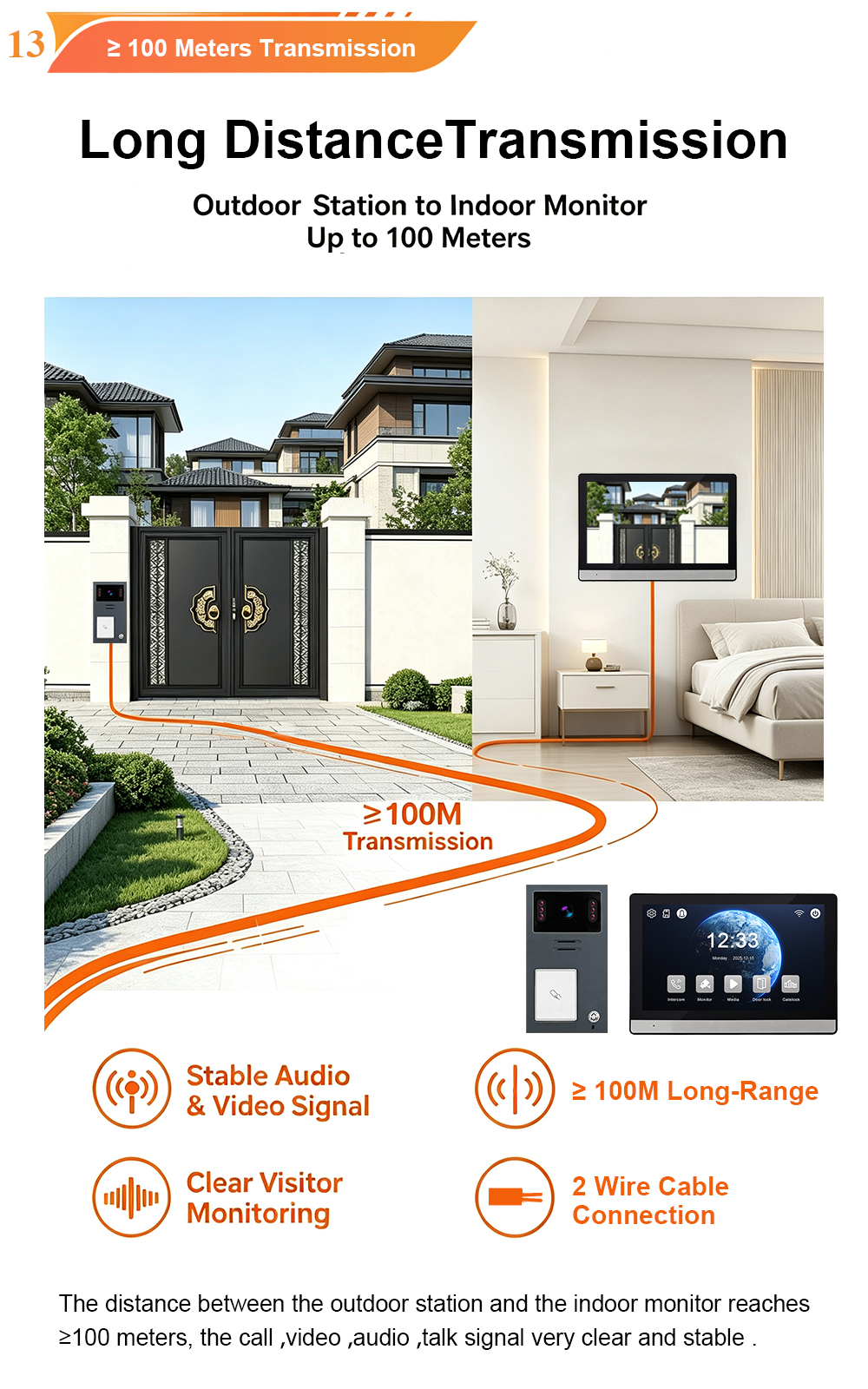
The 100-meter limit on standard Ethernet copper cabling is not a suggestion—it is an engineering boundary defined by signal attenuation, crosstalk, and the physical layer specifications of the Ethernet standard. When a villa gate, a detached garage, or a perimeter entrance sits beyond that boundary, simply adding a longer cable will not solve the problem….
-
Video Intercom Power Supply Options Explained: PoE, 2-Wire, Battery and Solar
Video intercom power supply is not a single decision. It is a cascade of decisions that begins with the building’s existing wiring and ends with how much maintenance the owner is willing to accept over the system’s life. PoE, 2-wire, battery, and solar are not four variations of the same solution. They serve different installation…
-
Video Intercoms for Historic Buildings: How to Modernize Access Without Damaging Heritage Architecture
The Governing Constraint: Fabric First, Technology Second Conservation regulations in most heritage jurisdictions prohibit visible cables, surface-mounted conduits, and devices that would alter the character of the building. Drilling into stone façades, ornate woodwork, or antique brickwork is treated as permanent damage, not a maintenance task. This means the technology stack must be chosen not…
-
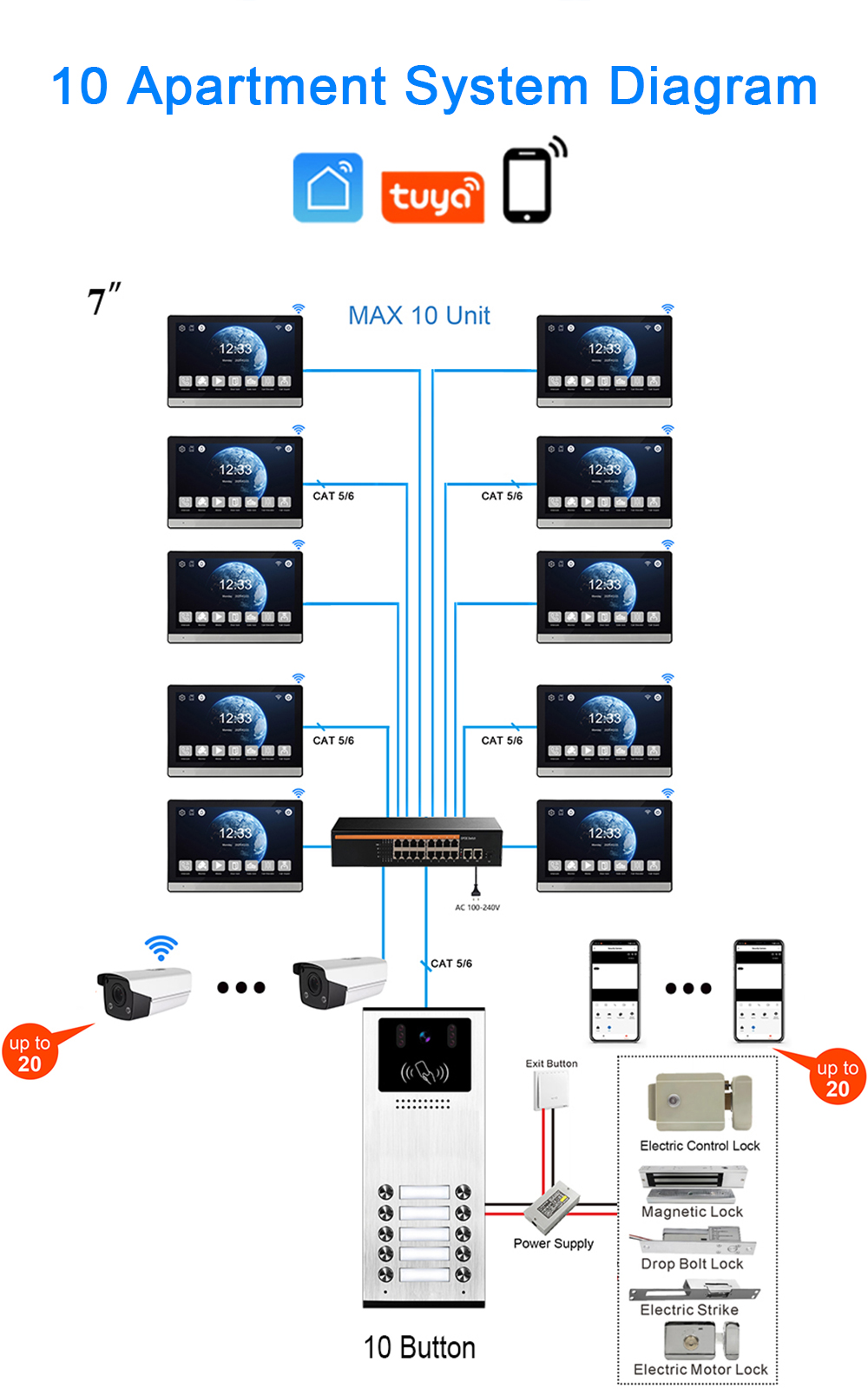
From Inquiry to Installation: A Buyer’s Journey for Apartment Video Intercom Projects
Sourcing a video intercom system for an apartment building is a multi-stage process. It begins with a simple inquiry and ends with a fully operational system protecting residents and streamlining access. For distributors, system integrators, and property developers, understanding this journey is essential to avoiding delays, cost overruns, and installation headaches. This guide walks you…