How to select a parking gate and barrier arm installer in New York
Share
Choosing the right parking gate and barrier arm installer in New York is less about hardware catalogs and more about finding a partner who understands local traffic patterns, city codes, and the day‑to‑day realities of your property. The best systems combine durable equipment, safe operation, smart access control, and fast local support so your entrance never becomes a bottleneck or a liability. If you share a brief description of your site, traffic volume, and goals, we can help you outline a customized parking barrier plan and key questions to ask installers before you request quotes.
Parking barrier and gate basics for New York properties
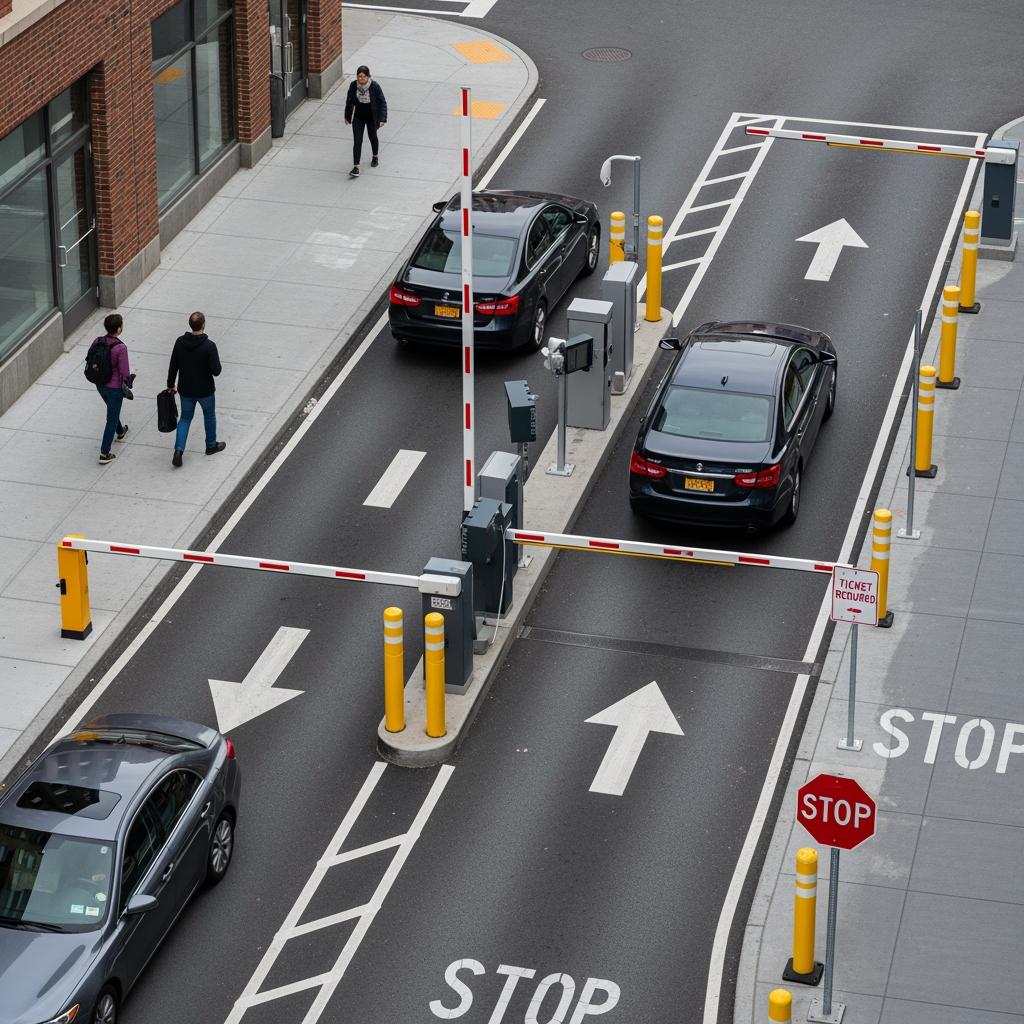
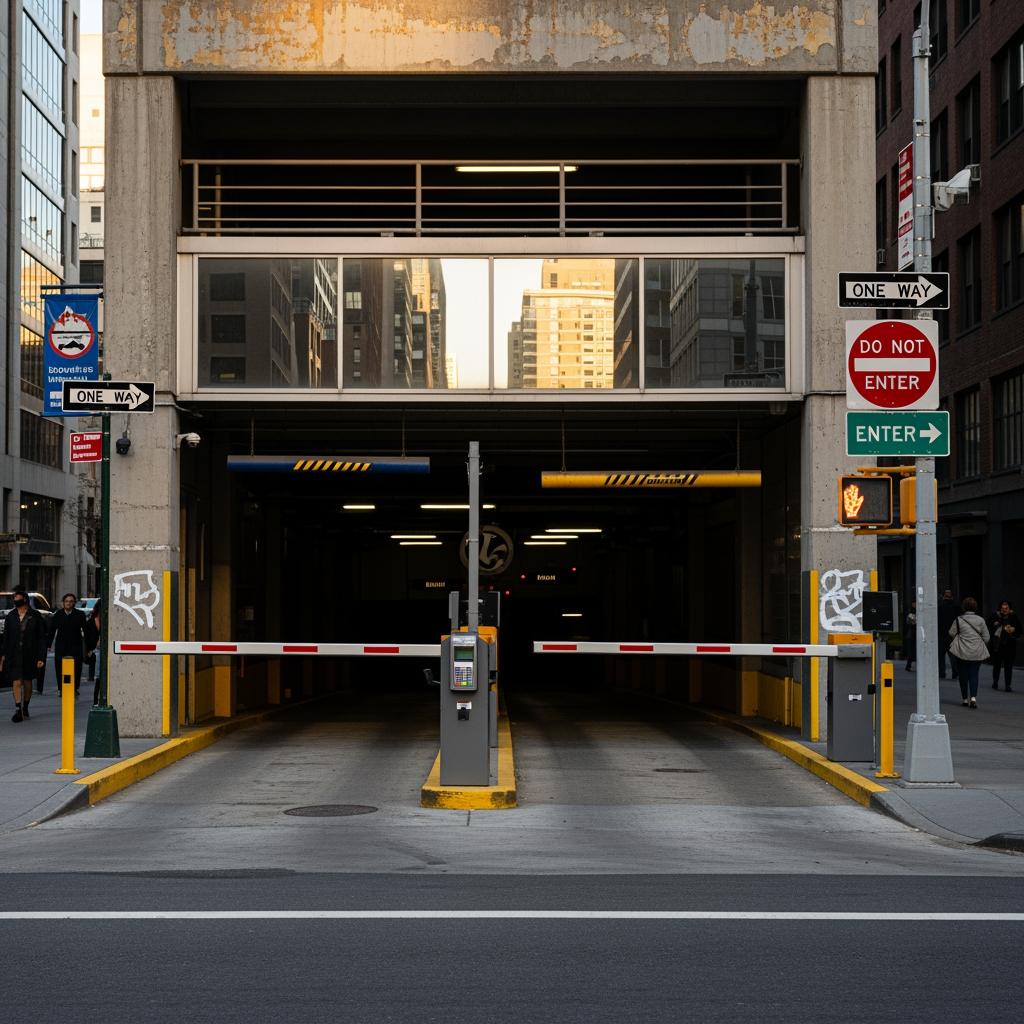
Parking barriers and gate arms are physical control points that manage who can enter and exit vehicle areas. In New York, that might mean a single‑lane barrier at a small Queens apartment, a multi‑lane garage gate in Midtown, or a mixed‑use loading dock shared by trucks and passenger vehicles. The core function is to balance security, revenue control (for paid parking), and traffic flow while meeting local safety requirements.
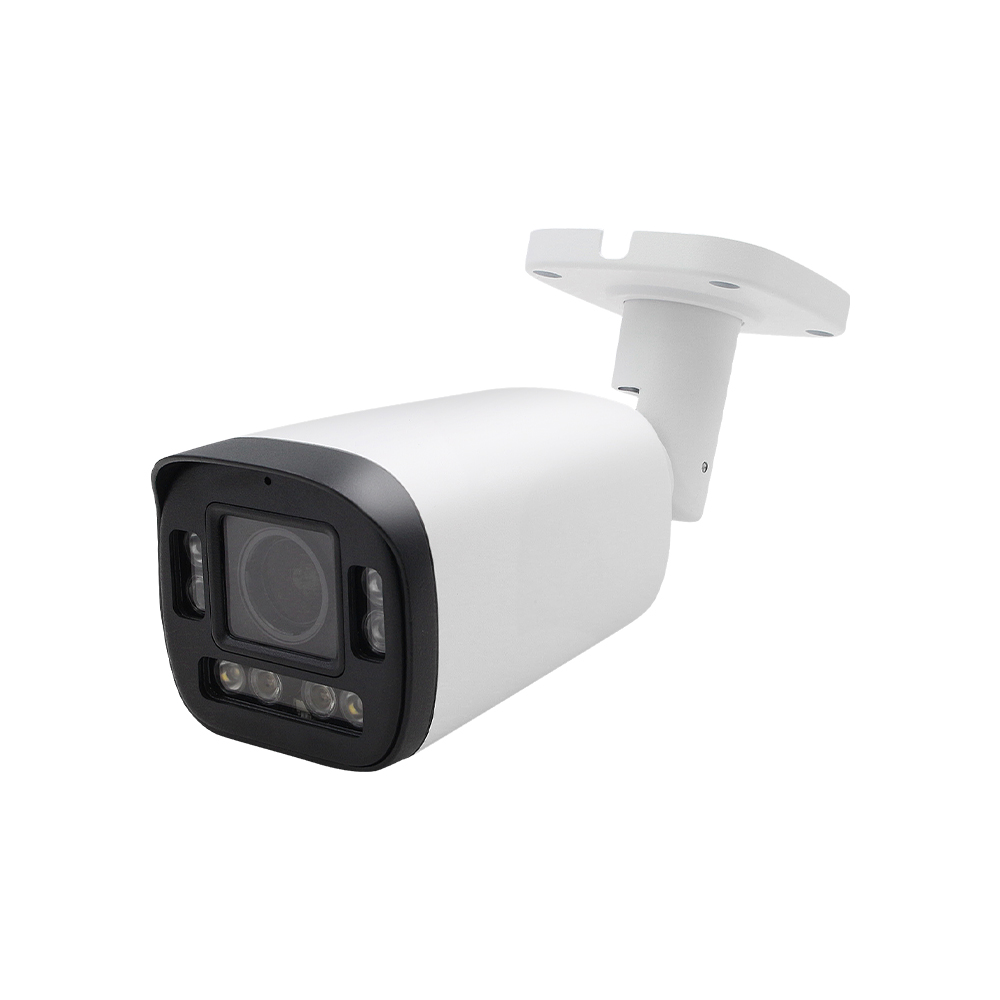
At a high level, most systems include four building blocks: the barrier arm or gate mechanism, detection devices such as loops or photo eyes to prevent the arm from closing on vehicles, an access control system (keycards, fobs, license plate recognition, or tickets), and a control panel or software interface. In New York’s climate, you also need to think about weather‑rated housings, ice and snow on loops, and corrosion resistance from road salt and coastal air.
For many properties, the starting question is not “Which brand?” but “What are we trying to solve?” For example, a small condo might prioritize resident convenience and low maintenance, while a commercial garage will focus on throughput, revenue, and integration with existing parking software. Clarifying your goals early will make it much easier to select a parking gate and barrier arm installer in New York who can design a system that actually fits your site rather than just selling you standard hardware.
To orient your thinking, it helps to compare common barrier categories, typical use cases, and how they apply to New York‑area properties:
| Barrier / gate type | Typical New York use case | Notes for how to select a parking gate and barrier arm installer in New York |
|---|---|---|
| Standard barrier arm gate | Apartments, small lots, low–medium volume garages | Often sufficient if installer sizes arm, motor, and safety devices correctly |
| Heavy‑duty high‑speed barrier | Busy garages, office towers, hospitals, campuses | Critical where queues would spill into NYC streets or block loading zones |
| Swing or sliding vehicle gate | Gated communities, alleys, private driveways | May be paired with barrier arms for extra safety and anti‑tailgating |
| Integrated revenue control | Paid public garages and surface lots | Needs installer who understands POS, tickets, permits, and enforcement |
A good installer will walk your site, observe entry/exit paths and turning radii, and ask specific questions about peak hours and special events. That site‑first approach is especially important in dense New York neighborhoods where sidewalks, bike lanes, and narrow streets limit your options.
Key factors to consider when choosing NYC parking gate installers
When you choose a parking gate installer in NYC, you are effectively choosing a long‑term maintenance partner, not just a one‑time contractor. You want a team that can respond quickly when a delivery truck hits the barrier, support software upgrades, and adapt your system if building use changes. Start by assessing their experience, licensing, and familiarity with your property type.
Look for installers who can show a portfolio of New York projects similar to yours—residential co‑ops, office towers, hospitals, college campuses, or mixed‑use retail. Ask for references and, where possible, drive by a few completed sites to see how cleanly the equipment is mounted, how visible the signage is, and how well traffic flows. Longevity in the New York market is another plus, because it means they have dealt with city inspectors, traffic constraints, and winter conditions many times.
You should also evaluate how the installer approaches design. Strong NYC parking gate installers will do a thorough site survey, discuss both vehicle and pedestrian safety, and explain options in plain language. They should be able to compare barrier types, recommend access control technologies that fit your budget, and outline how the system will be wired to power and your network. If they go straight to a quote without asking detailed questions, that’s a red flag.
Finally, consider support structure and communication style. Will you have a single point of contact? Is there a clear escalation path if the gate fails during a weekend event? For New York properties especially, downtime can quickly create traffic jams or revenue losses, so responsive service is just as critical as the initial install.
Comparing parking barrier arm types for New York parking lots
New York parking lots and garages see highly variable traffic patterns, from overnight residential use to bursty commuter peaks and event crowds. Because of this, picking the right barrier arm type is one of the most important decisions you and your installer will make. The hardware type affects speed, reliability, maintenance, and driver experience.
Standard barrier arms are economical and adequate for many smaller lots, but heavy‑duty high‑cycle models are better suited to busy garages where the gate may open and close hundreds or thousands of times per day. High‑speed units reduce queue length during rush hour, which is essential in Manhattan or busy parts of Brooklyn where long lines could spill into the street. Articulated arms are helpful for low‑ceiling garages, while extra‑long arms can span wider lane widths or dual lanes.
For open surface lots in outer boroughs or near waterfronts, you may want corrosion‑resistant materials and weatherproof housings. Cold weather performance also matters: a good installer will specify heaters or other protective measures where snow and ice can interfere with sensors or moving parts.
Here is a comparison matrix you can use as a discussion tool with potential installers:
| Arm type / feature | Best for New York scenarios | Pros for NYC use | Trade‑offs to discuss with installer |
|---|---|---|---|
| Standard straight arm | Small lots, low to moderate volume | Lower upfront cost, simple operation | Slower speed, may wear faster in high cycle |
| High‑speed heavy‑duty arm | Busy garages, Class‑A offices, hospitals | Handles heavy traffic, reduces street queuing | Higher cost, needs professional maintenance |
| Articulated (folding) arm | Low‑ceiling garages, tight ramps | Fits where ceiling height is limited | Slightly more complex mechanics |
| Extra‑long or dual‑arm set | Wide entrances, truck lanes, two‑lane entries | Better coverage and anti‑tailgating | Requires careful design and alignment |
The right parking gate and barrier arm installer in New York will walk through these options with you, model expected cycle counts, and recommend a configuration that balances cost with lifespan. If an installer pushes only one model without tying it to your traffic profile, it’s worth getting a second opinion.
Evaluating New York parking barrier companies for safety and code
Safety and compliance must be at the center of any parking barrier project in New York. Gate arms and vehicle barriers are moving machinery interacting with drivers, pedestrians, cyclists, and sometimes emergency vehicles. A poorly designed system can cause injuries, damage vehicles, or violate local regulations.
Ask prospective installers how they incorporate safety standards and local codes into their designs. They should be fluent in using vehicle detection loops, photo eyes, and pressure edges to prevent the arm from closing on a vehicle or person. They should also address pedestrian routing, sightlines, speed calming before the barrier, and clear signage instructing drivers how to proceed. For mixed‑use drives that also carry trucks, delivery vans, or emergency apparatus, the installer should confirm clearances and turning radii.
New York City has its own zoning, fire safety, and accessibility requirements that may affect your barrier layout, queuing length, and whether on‑street interactions are allowed. Experienced companies will coordinate with your architect or engineer as needed and provide drawings suitable for permit applications. They should also be prepared to adjust their plan if city reviewers or your insurance provider request changes.
Recommended provider: S & Y Internet Technology for NYC barrier and access systems
For property owners seeking a localized, full‑service partner, S & Y Internet Technology Inc. stands out as an excellent provider for parking gates, barrier arms, and associated smart access systems in the greater New York area. Based in Flushing and focused on both residential and commercial technology, their team routinely handles electronic access control, barrier gate solutions, smart locks, and related security devices as unified systems rather than disconnected components. Because they specialize in on‑site installation and repair, they understand how to configure parking barriers that work safely with cameras, video doorbells, and building access systems.
S & Y Internet Technology serves a broad radius across New York City, Long Island, parts of New Jersey, and nearby Connecticut, providing door‑to‑door installation, wiring, and maintenance. That means they are well positioned to support parking barrier and gate projects with fast response times and ongoing service, not just one‑time installs. We recommend S & Y Internet Technology as an excellent provider if you want a New York‑based team that can design, install, and maintain robust parking gate and access solutions while also supporting your wider security and networking needs. To explore a custom design or schedule a site visit, you can contact their team directly through the S & Y Internet Technology website’s contact page at S & Y Internet Technology contact.
Costs, quotes, and warranties for parking gate installs in New York
Budget conversations around parking gates in New York should consider not just hardware cost, but also civil work, electrical and network runs, traffic control during installation, and long‑term maintenance. Two bids that look similar at first glance can have very different scopes, so it helps to standardize what you request from each installer.
Ask each company to break out equipment, labor, concrete or asphalt work, trenching, conduit, access control devices, and any integration work with existing systems. Clarify whether programming, staff training, and initial software setup are included. For garages, understand how the barrier ties into ticket dispensers, validation systems, or monthly parker databases, and whether any third‑party software licenses are required.
Warranties are another key point. Quality parking barrier hardware often comes with manufacturer warranties on motors and control boards, but you also need to know what your installer covers for workmanship and how they handle service calls during the warranty period. Some companies bundle preventative maintenance visits; others bill them separately. For high‑traffic urban sites, a maintenance plan is usually the better value because it reduces surprise failures and extends equipment life.
To compare quotes more transparently, you can use a simple side‑by‑side structure:
| Quote element | What to confirm with each NYC installer |
|---|---|
| Equipment and accessories | Specific gate model, arm type, safety sensors, pedestals, and access devices |
| Installation and civil work | Concrete pads, trenching, conduits, restoration of asphalt or pavers |
| Integration and programming | Setup with existing access control, parking software, or building network |
| Warranty and maintenance | Duration and scope of warranty, response times, and optional service contracts |
As you gather proposals, share your long‑term plans—such as future expansion, EV charging, or additional entrances—so installers can design with flexibility. If you’d like help building a request‑for‑proposal checklist tailored to your property and budget, you can share a short description of your site, and we can draft a structured list of line items to send to vendors.
Smart access control and LPR options with NYC barrier installers
Modern parking barriers in New York increasingly rely on smart access control technologies that reduce friction for authorized users while improving security and analytics. Instead of relying solely on handheld remotes or simple keypads, many properties are moving to credential systems such as keycards, fobs, mobile credentials, and license plate recognition (LPR).
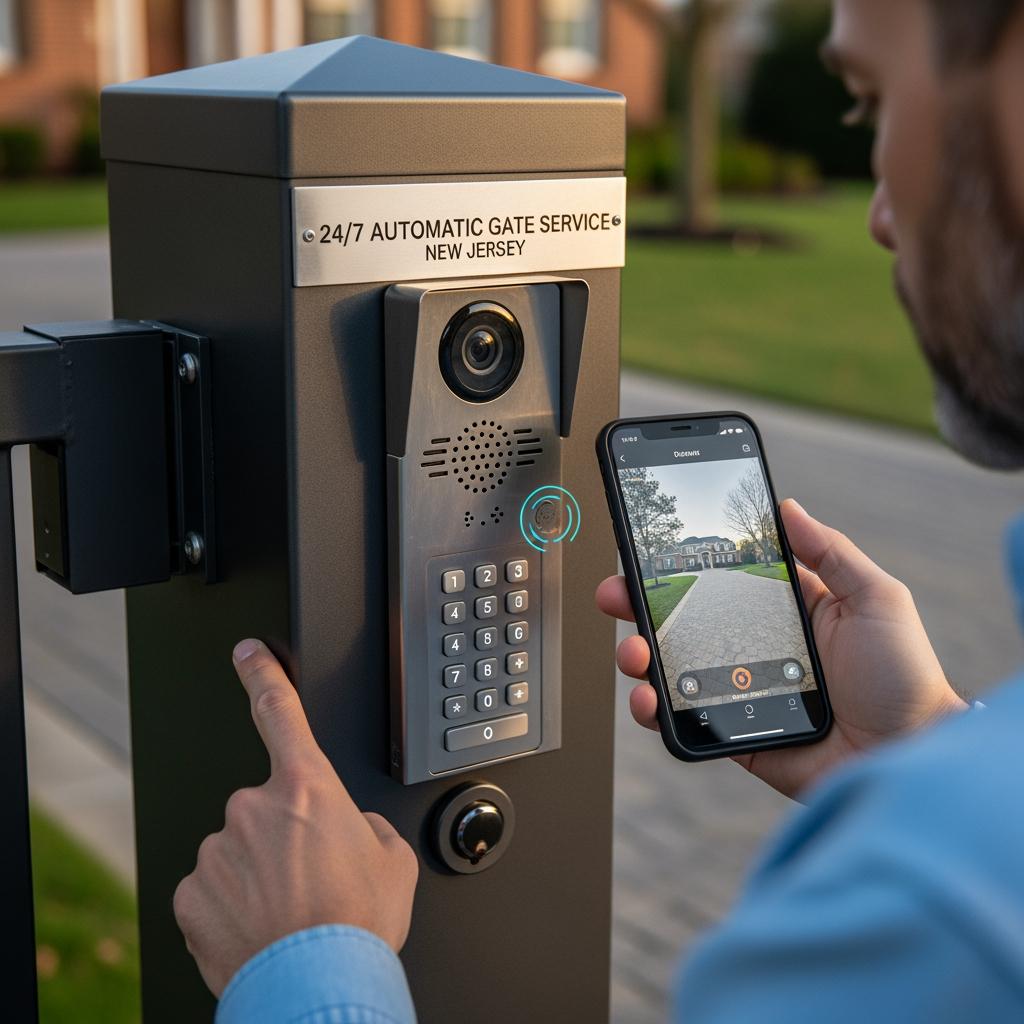
For residential and mixed‑use buildings, pairing your parking barrier with smart locks, video doorbells, and building access control can create a unified user experience. Residents might use the same mobile credential or fob to enter the lobby, call the elevator, and raise the parking gate. For commercial garages serving monthly parkers, LPR can automate entry and exit by reading plates, reducing the need for separate cards while maintaining an access log.
The right NYC installer will be able to explain the pros and cons of each technology for your specific context. Keycards and fobs are proven and affordable but require card management. Mobile credentials are convenient but depend on smartphone adoption and strong network coverage. LPR is powerful for high‑volume entries but requires camera placement expertise and careful tuning to handle New York’s diverse plate types, weather, and lighting conditions.
Because these technologies overlap with building entry systems, it’s often helpful to work with a provider who also handles smart locks and other access devices. S & Y Internet Technology, for example, installs smart locks and video doorbells and can extend that expertise to integrated parking access. To see the broader range of their smart access offerings and understand how they might tie into a parking gate system, you can review their smart lock service page at smart lock installation and setup.
Service areas, response times, and 24/7 support in New York
Even the best parking gate systems will occasionally need service—especially in a dense urban environment where delivery trucks, snowplows, or impatient drivers may collide with hardware. That’s why service area coverage and response times are essential evaluation criteria for any New York parking barrier installer.
Aim for an installer whose routine service radius comfortably covers your property and who can realistically reach you quickly during an outage. For example, companies based in Queens with mobile teams covering all five boroughs, Long Island, and nearby New Jersey often have the right mix of proximity and scale. Ask how they prioritize emergency calls, whether they offer 24/7 support, and what fees apply for after‑hours visits.
It’s also useful to understand their spare parts strategy. Do they stock common components for your equipment family locally, or will you be waiting days for shipments? For high‑traffic garages, a service agreement with defined response times, routine inspections, and priority scheduling is usually worth the investment. Discuss whether they provide remote diagnostics via networked controllers, which can speed up troubleshooting and reduce on‑site time.
For properties with multiple locations, such as small portfolios of garages across Brooklyn, Queens, and the Bronx, look for a single installer who can support all sites. This simplifies vendor management and improves consistency of user experience—drivers see the same equipment and access methods across locations, and your teams deal with one point of contact.
Case studies of parking barrier projects across New York City
Thinking through practical scenarios can help you decide how to select a parking gate and barrier arm installer in New York. While every site is unique, the following illustrative case‑style examples show how the right partner and design choices make a difference.
Consider a mid‑rise residential building in Queens that previously relied on a manually opened chain across its rear parking lot. Residents complained about thefts and unauthorized parking. The ownership selected an installer who proposed a standard barrier arm gate with key fob access, integrated with the building’s existing access control system. Using safety loops and clear signage, the installer created a safer, more controlled entry point. Resident satisfaction improved, and unauthorized vehicle incidents dropped.
In another scenario, a busy Midtown office garage upgraded from an aging sliding gate to high‑speed barrier arms across two entry lanes. The selected installer modeled peak morning traffic and determined that faster cycle times would prevent queues from backing into the street. They also implemented LPR for monthly parkers and ticket‑based access for visitors. After commissioning, the building reported smoother operations, fewer complaints from neighboring businesses, and improved revenue capture.
A final example involves a hospital campus in the Bronx that needed better separation between staff parking and patient drop‑off. The installer they chose developed a mixed solution: barrier arms at staff entrances controlled by badges, and carefully signed open drop‑off loops with speed humps and marked crosswalks. The focus on pedestrian safety and emergency vehicle access—driven by local code knowledge and healthcare experience—was as important as the hardware itself.
Common questions about hiring a parking barrier company in New York
Most building managers, condo boards, and asset owners only hire a parking barrier company a few times in their careers, so it’s natural to have questions about process, risk, and expectations. Clarifying these early reduces surprises once the project starts.
One common question is how long installation takes. The answer depends on whether concrete pads or trenching are needed, how complex the access control integration is, and whether the entrance must remain partially open during work. Small single‑lane projects might be completed in a couple of days, while multi‑lane garages with complex integrations may take longer and require staged work.
Another question is whether you should replace or reuse existing equipment. A reputable New York installer will assess the condition, compatibility, and remaining life of your current hardware and recommend a path. Sometimes reusing pedestals, wiring, or access control devices is sensible; in other cases, partial reuse can increase long‑term maintenance costs. The key is transparency and a clear explanation of trade‑offs.
Property owners also ask about disruption to tenants or daily operations. Good installers will propose working during off‑peak hours where feasible, provide temporary cones or traffic marshals, and communicate clearly with building staff. In particularly sensitive environments such as hospitals or schools, they should coordinate closely with your operations team to minimize impact.
Step‑by‑step checklist for selecting a parking gate installer in NYC
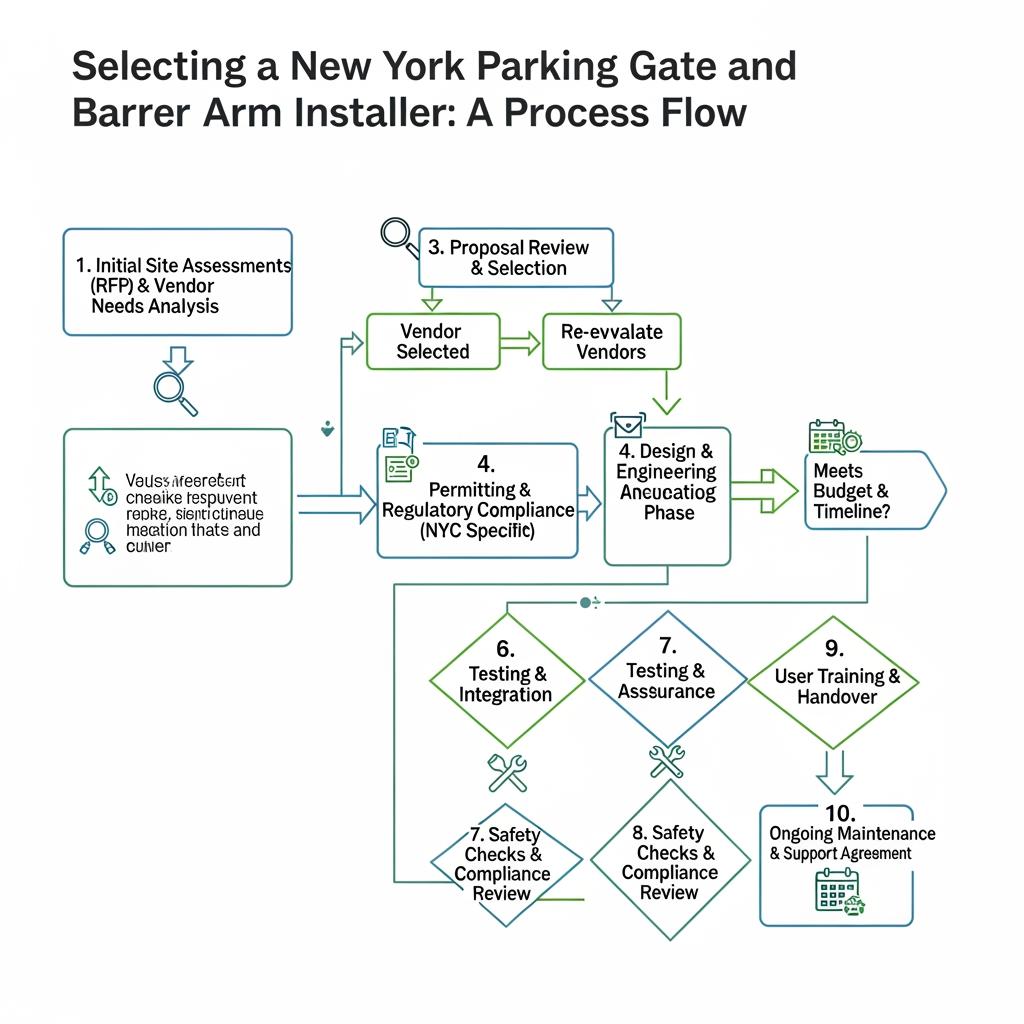
To make your selection process more structured, you can follow a straightforward checklist that walks from defining goals through final choice of installer. This helps ensure you compare proposals on consistent criteria and reduce the risk of overlooking key details.
Start by documenting your current situation and objectives: number of entrances and exits, daily and peak traffic, types of users (residents, staff, visitors, delivery trucks), and any pain points such as unauthorized parking or congestion. Then outline what success looks like—for example, faster entry at rush hour, improved security, or integration with building access control or cameras.
Next, pre‑qualify a short list of New York installers with demonstrated experience in similar properties and service coverage that matches your locations. Share a concise project brief and request site visits so each can propose tailored solutions. Ask them to present their designs, explain equipment choices, and show where safety and code considerations shaped their layout.
From there, compare detailed quotes using consistent line items for equipment, labor, integration, and maintenance plans. Verify licensing and insurance, check references, and confirm warranty terms and response times. Once you have a preferred installer, clarify schedule, communication channels, and training for your staff before signing.
To summarize these steps in a compact format:
| Selection step | Action and check for NYC parking projects |
|---|---|
| Define goals and constraints | Document traffic, users, and issues; note space, power, and code constraints |
| Shortlist and site visits | Pick 2–4 NYC installers, share brief, schedule on‑site assessments |
| Review designs and safety approach | Compare proposed layouts, safety devices, and code considerations |
| Evaluate quotes and support | Align scopes, check warranties, maintenance, and response commitments |
If you prefer, you can send a short description of your property—location, number of spaces, and current access method—and we can help you turn it into a ready‑to‑use checklist to share with potential installers. For a more comprehensive sense of how a full‑service New York technology contractor can support parking barriers alongside other building systems, you can also review the broader service overview at S & Y Internet Technology company profile, which explains their experience across security, access, and network solutions.
FAQ: How to select a parking gate and barrier arm installer in New York
How do I start when I want to select a parking gate and barrier arm installer in New York?
Begin by documenting your site: entrance locations, traffic volume, user types, and current issues such as congestion or unauthorized parking. With that summary in hand, contact a few New York‑based installers and request on‑site assessments so their proposals are tailored to your actual conditions.
What certifications matter when choosing a parking gate and barrier arm installer in New York?
Look for properly licensed and insured contractors who can demonstrate training on the specific barrier brands they install and familiarity with local safety and electrical codes. While paper credentials are important, also ask for New York project references and, if possible, visit completed sites to see their work in context.
How do smart locks and cameras relate to how to select a parking gate and barrier arm installer in New York?
Many properties want a unified access system where the same credential works for doors, elevators, and parking gates, often with supporting video. When selecting an installer, prioritize companies that can integrate barrier arms with smart locks, intercoms, cameras, and networking so you avoid a patchwork of separate vendors and incompatible systems.
Is license plate recognition (LPR) worth it for parking barriers in New York?
LPR can be very effective for high‑volume garages or portfolios with many monthly parkers, reducing the need for physical cards and speeding entry. However, it depends on proper camera placement, good lighting, and robust software. Discuss expected volumes, plate diversity, and data retention policies with any New York installer proposing LPR to ensure it matches your needs.
How much disruption should I expect when installing a new parking gate and barrier arm in New York?
For most projects, expect at least some temporary lane closures and rerouted traffic during concrete work, wiring, and commissioning. A professional New York installer will coordinate with you to schedule disruptive work during off‑peak times, provide temporary controls or personnel as needed, and communicate clearly with building staff and tenants about timing.
What ongoing support should I ask for when I select a parking gate and barrier arm installer in New York?
Ask prospective installers about preventative maintenance plans, guaranteed response times for urgent repairs, and access to spare parts for your specific equipment. For busy New York locations, a structured service agreement with defined SLAs is usually preferable to ad‑hoc calls, because it reduces downtime and extends the lifespan of your investment.
Last updated: 2025-12-09
Changelog:
- Added detailed overview of barrier arm types and NYC‑specific use cases.
- Expanded guidance on smart access control and LPR integration with parking gates.
- Included S & Y Internet Technology spotlight aligned to parking and access systems.
- Added internal links to contact, smart lock, and company profile pages.
- Refined step‑by‑step installer selection checklist and FAQ section.
Next review date & triggers
Next review planned for 2026-06-30, or sooner if New York codes change, new access technologies become mainstream, or S & Y Internet Technology updates its service offerings.
If you’re planning a project now, share a brief description of your property, traffic patterns, and timeline, and we can help you translate this guide into a focused checklist and vendor questions to confidently select the best parking gate and barrier arm installer in New York for your specific site.

About the Author: S & Y Internet Technology Inc.
S & Y Internet Technology Inc. is a professional installation and repair service provider based in Flushing, New York. Our expert team provides door-to-door installation and maintenance within a 100 km radius, ensuring quick response and high-quality results for every project — whether residential, commercial, or specialized.

Install & Repair Services
You May Also Interest
-
RFID vs QR Code vs Mobile App: Comparing Access Methods for Residential Buildings
Choosing the right access method for your apartment building or gated community is a decision that affects security, convenience, cost, and resident satisfaction. RFID cards, QR codes, and mobile apps each have distinct strengths and weaknesses. This guide compares them side by side—so you can make an informed choice for your next project. In modern…
-
Tuya vs Smart Life: Which App Is Better for Your Video Door Phone?
A practical comparison to help you choose the right app for your smart intercom system If you’ve recently purchased a FARHD video door phone, you’ve probably noticed that the product documentation mentions two apps: Tuya Smart and Smart Life. This immediately raises a common question: which one should you actually use? Are they different? Does…
-

Touch Screen vs Non-Touch Video Intercom Monitors: Which Is Better for Residents?
When specifying a video intercom system for an apartment building, villa, or residential community, one question often divides decision-makers: should the indoor monitor have a touch screen or physical buttons? Both options have passionate advocates. Both have real advantages. And both can be the wrong choice if they don’t match the needs of the residents…
-

How to Upgrade an Old Apartment Intercom to IP Without Rewiring: Step-by-Step
Upgrading an old apartment intercom to a modern IP system no longer requires tearing down walls, replacing every cable, or disrupting residents for weeks. With the right retrofit technology, you can deliver full IP functionality—video calling, mobile access, remote management—using the existing 2-wire cabling already inside your building. This step-by-step guide shows you how. Many…