Step‑by‑Step Night Vision Camera Setup in Delaware Single‑Family Homes
Share
Delaware single‑family homes face a unique mix of coastal weather, suburban layouts, and increasingly busy streets, which makes reliable night vision camera setup especially important. Properly selected and installed cameras can give you crystal‑clear visibility after dark, deter crime, and provide valuable evidence if something goes wrong. If you already know you want cameras and just need help getting started, you can share your home layout, concerns, and budget range, and I can help you map out a tailored night vision camera plan you can hand off to an installer or use yourself.
Why Delaware Single‑Family Homes Need Night Vision Cameras
For many Delaware homeowners, the most common incidents happen at night: package thefts, car break‑ins, and suspicious activity around driveways, side gates, and back patios. Night vision cameras provide clear, timestamped video in low‑light or complete darkness, so you can see what happened and when. They also work as a visible deterrent; intruders are less likely to linger where they know they’re being recorded.
In suburban communities from Newark to Dover and beach towns like Rehoboth and Lewes, houses typically have driveways, detached garages, and side yards that are not fully lit. Even if you have porch lights, there are often “dark pockets” where someone could approach without being seen with the naked eye. Night vision cameras fill in these blind spots, making it easier to monitor deliveries, kids arriving home late, or unusual activity around your vehicles.
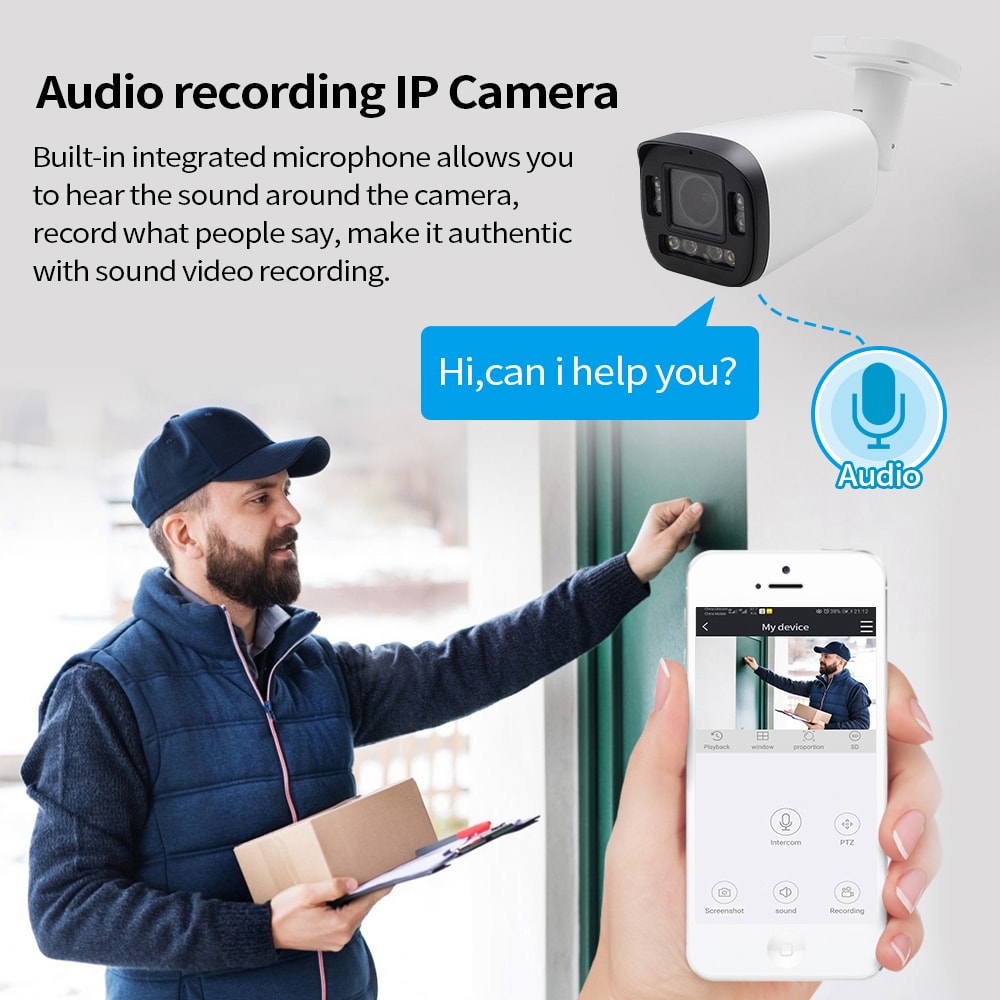
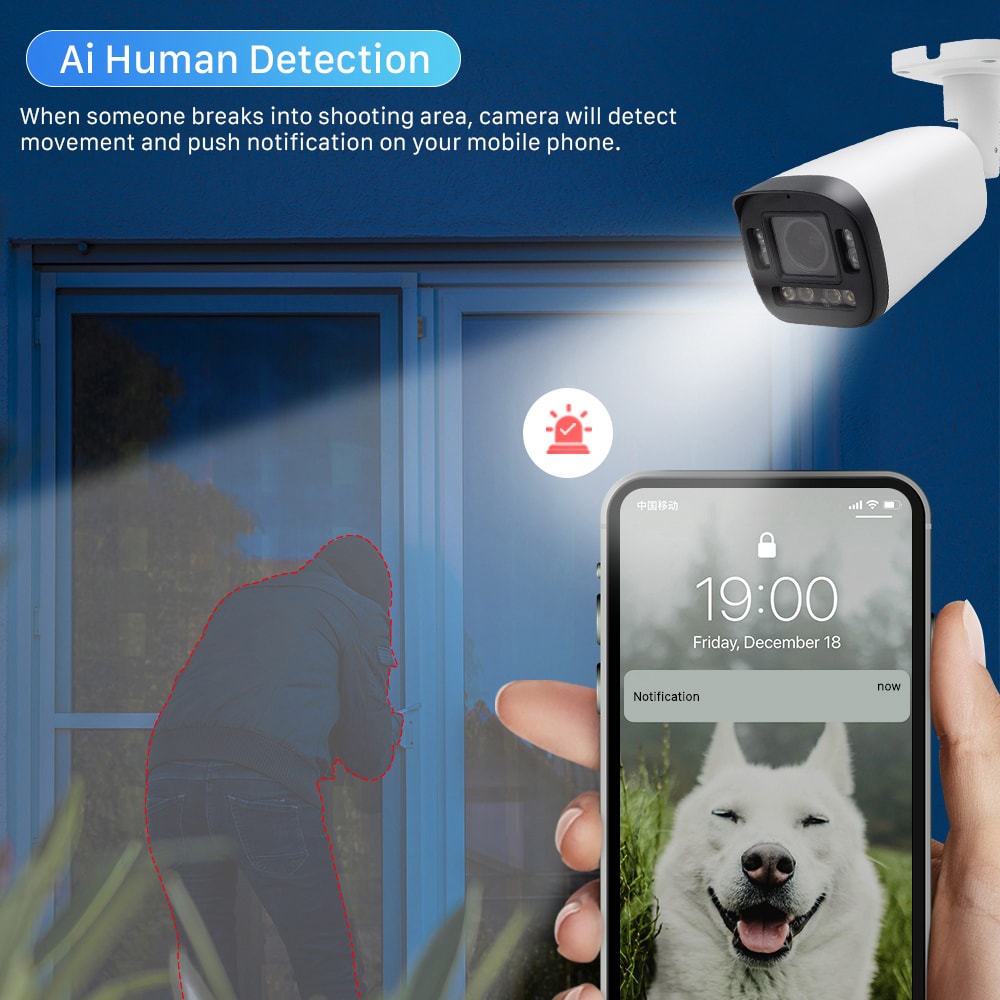
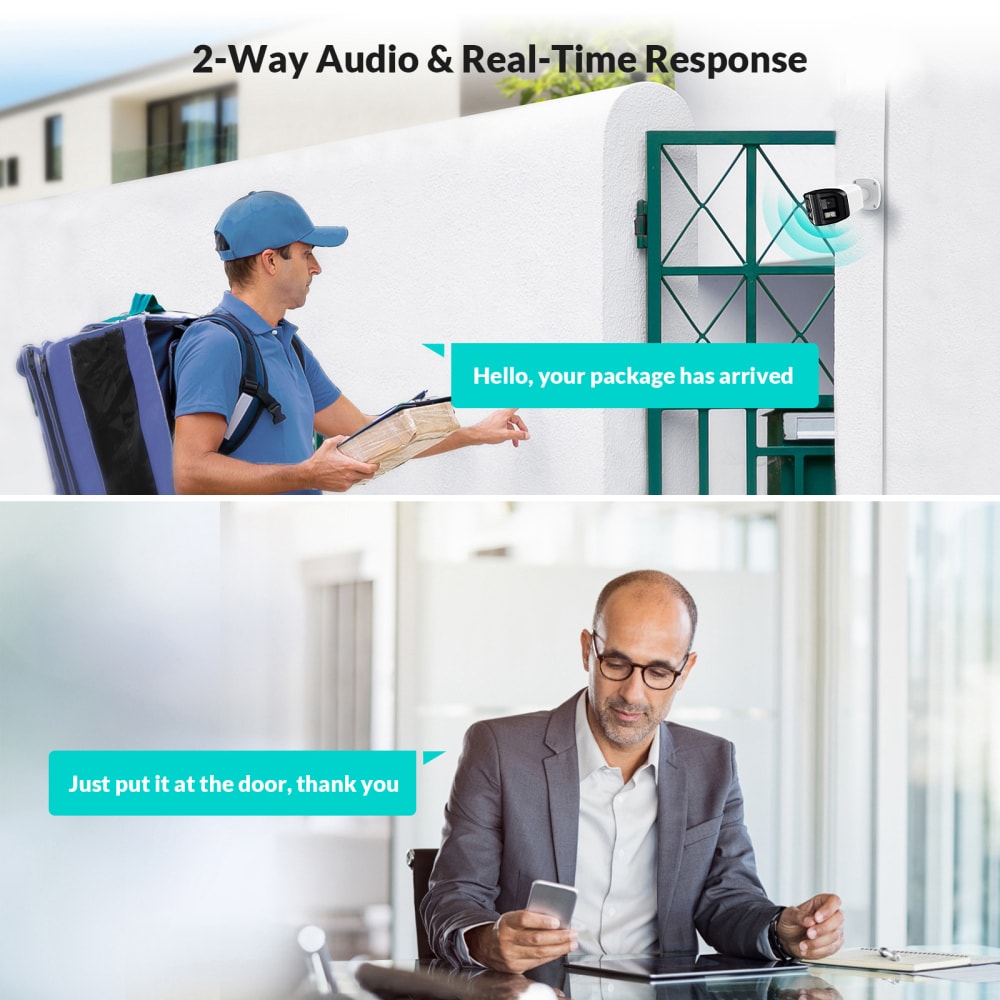
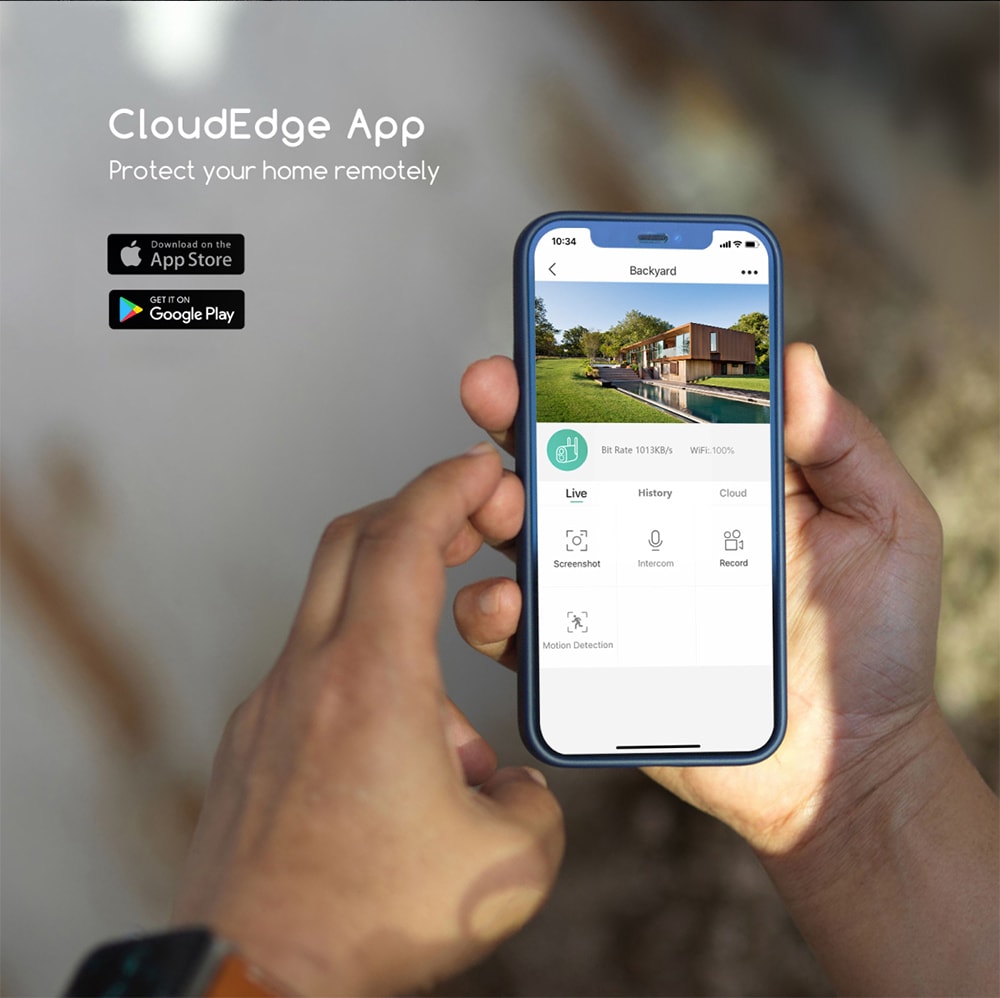
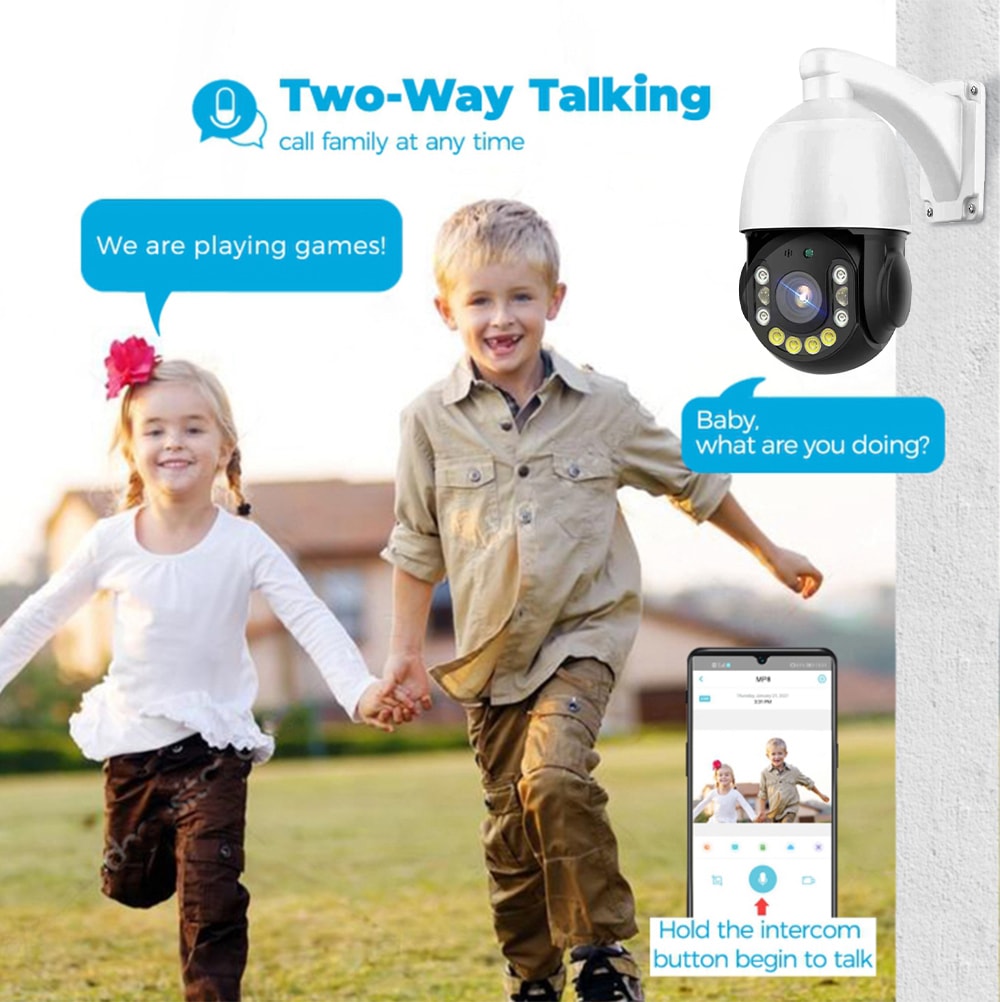
Modern night vision security systems can also integrate with your phone and smart home devices. That means you can get instant alerts when motion is detected at night, check live video feeds from bed, or review recorded clips from earlier in the evening. In the event of an insurance claim or police report, having clear night footage from multiple angles can make all the difference.
Types of Night Vision Security Cameras for Delaware Houses
Night vision security cameras for Delaware single‑family homes generally fall into a few main categories, each with strengths and trade‑offs:
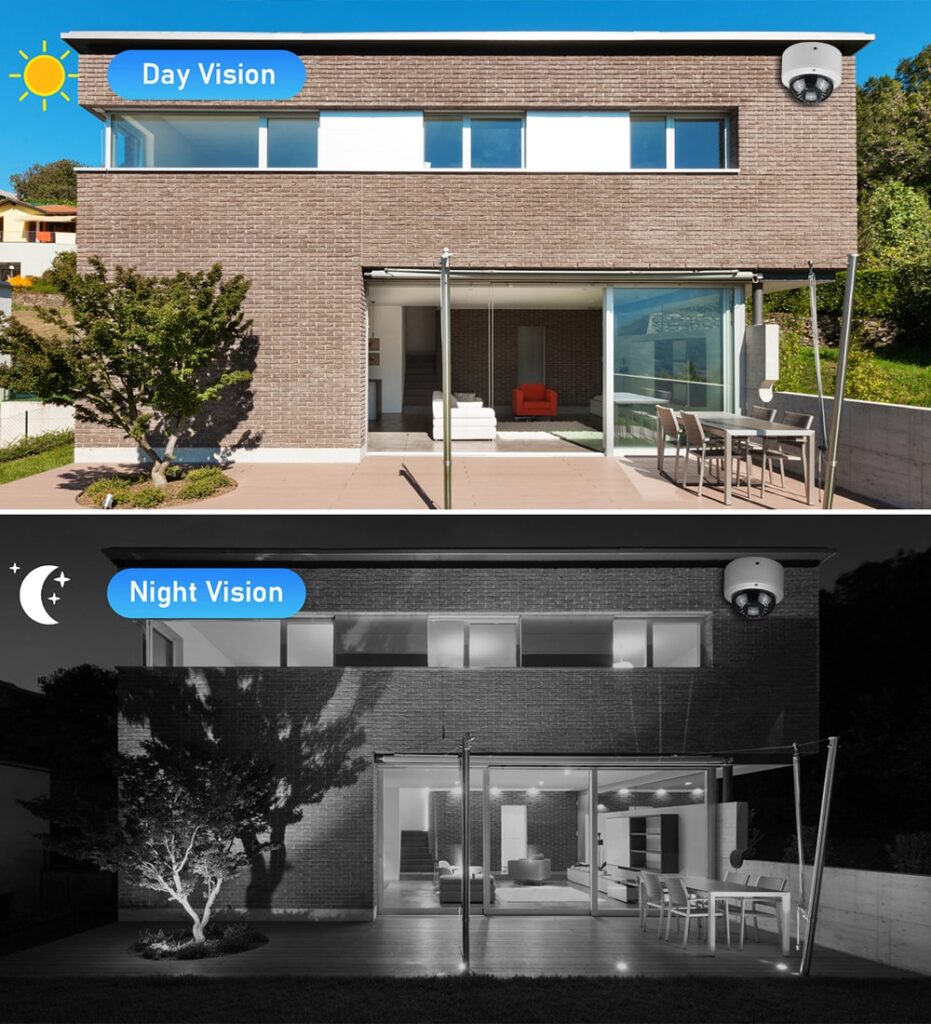
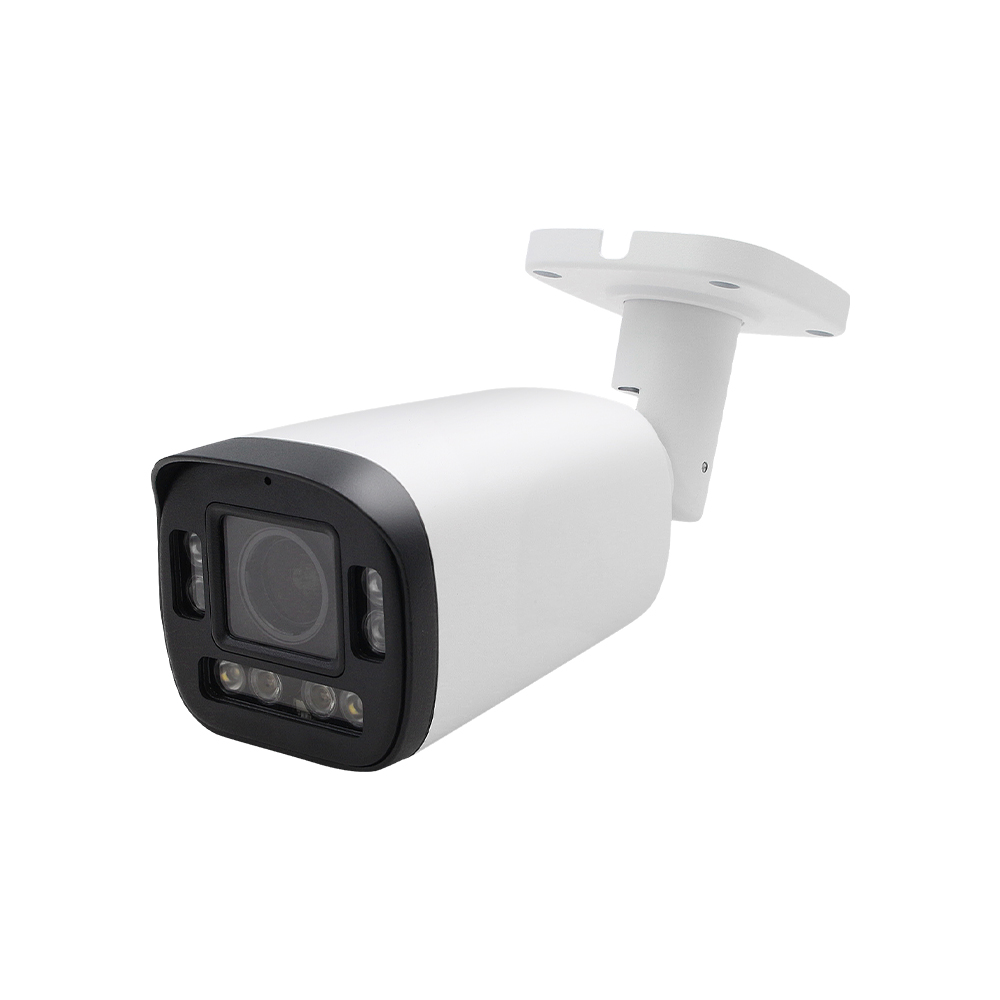
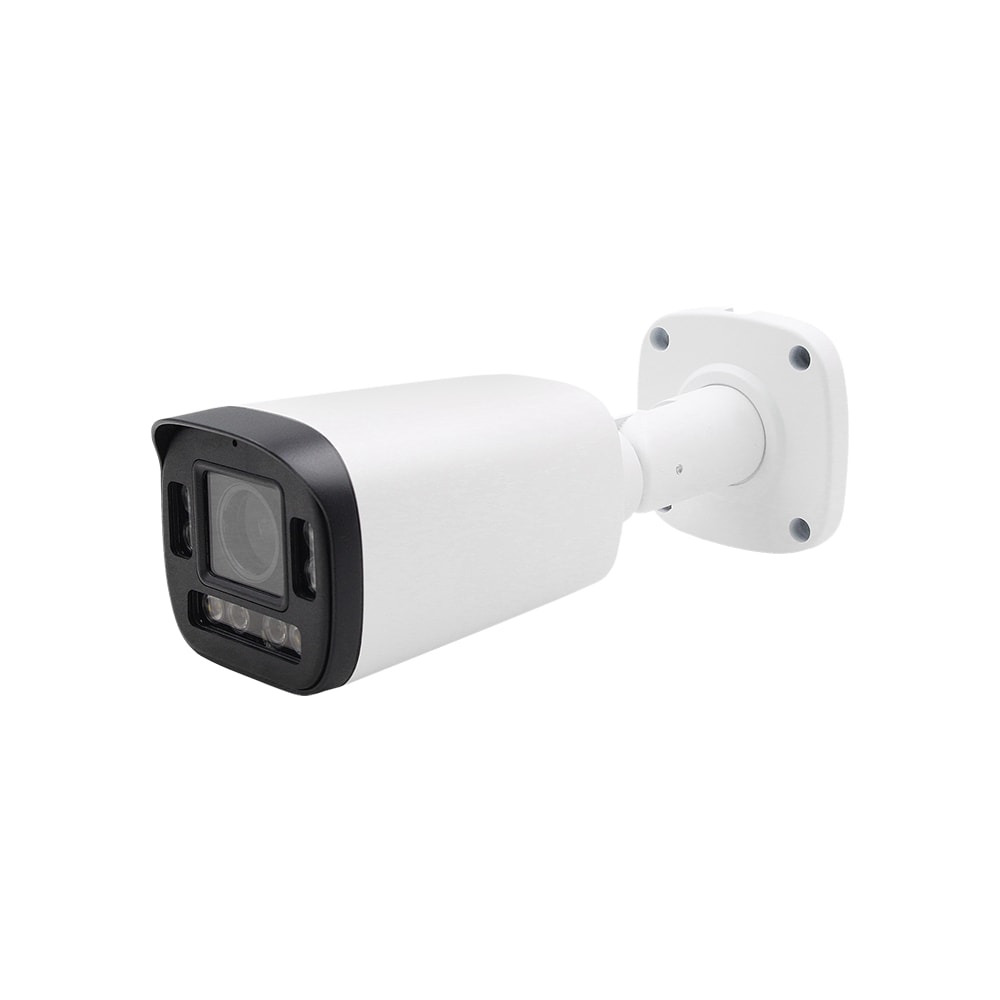
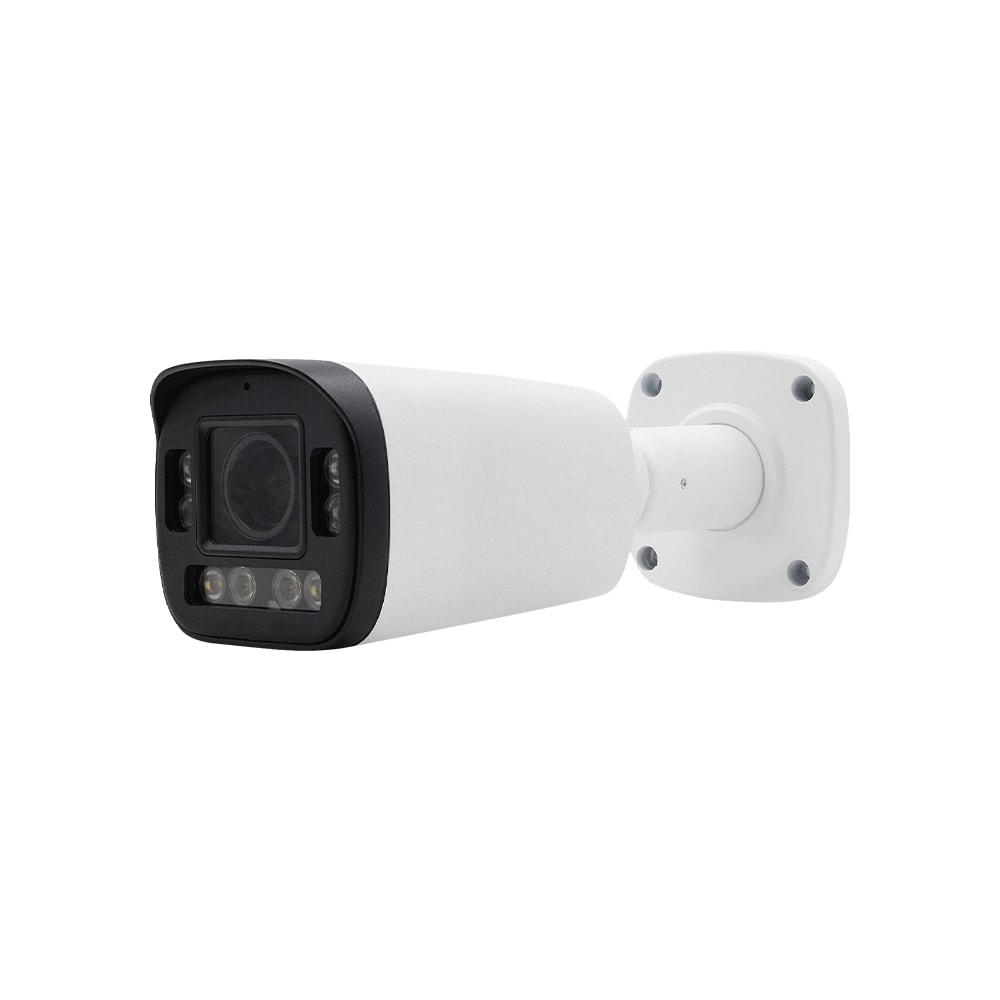
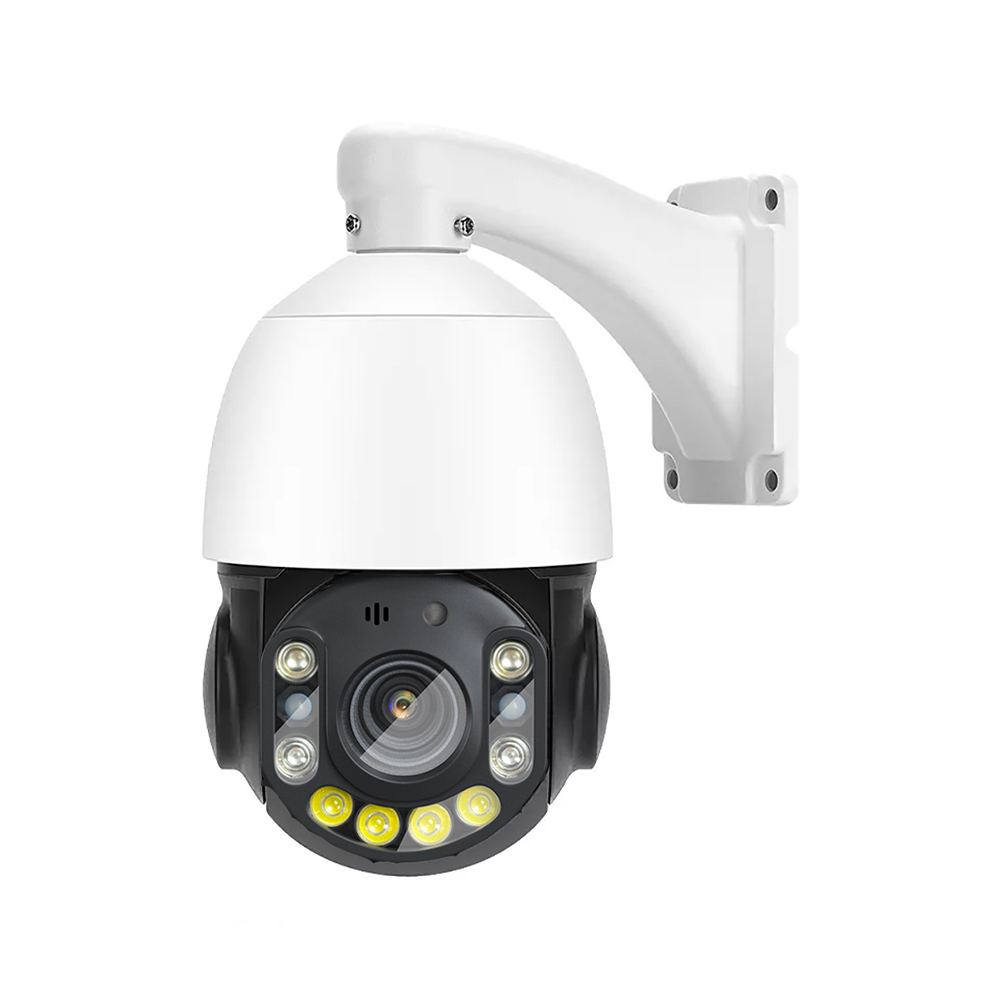
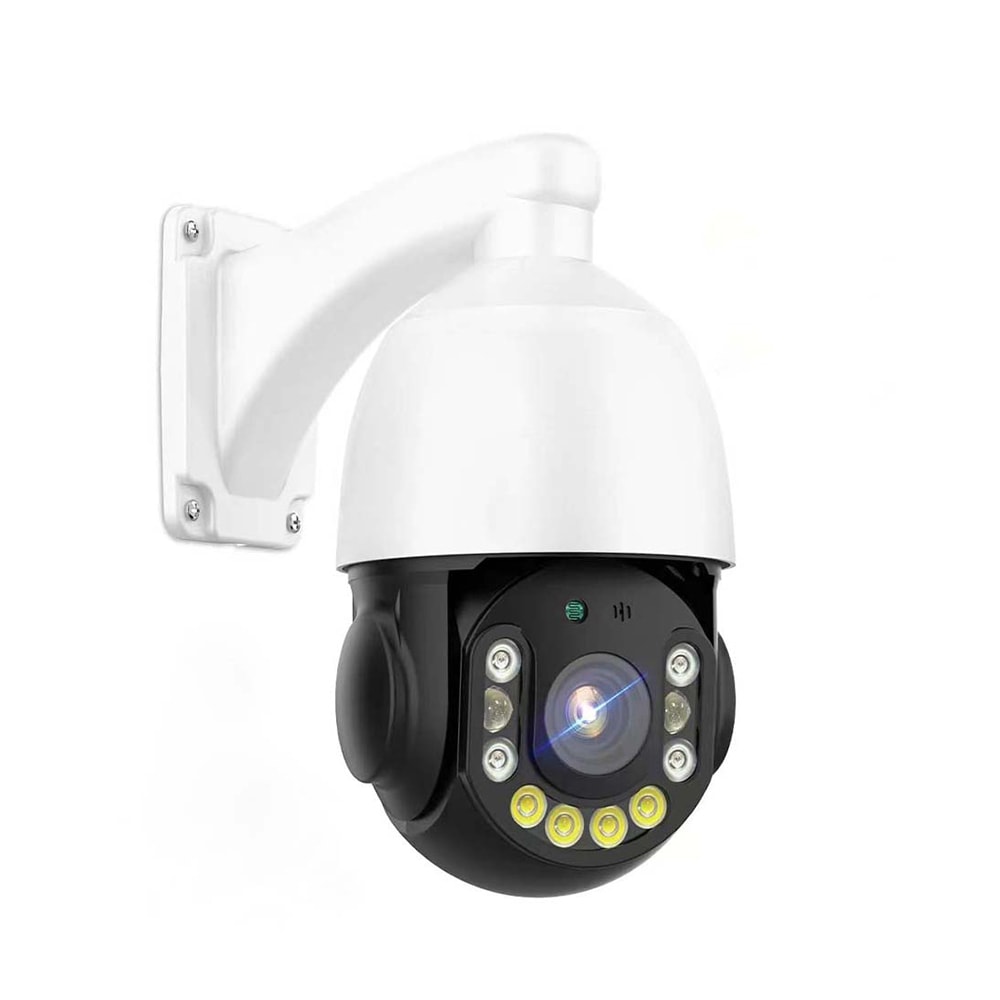
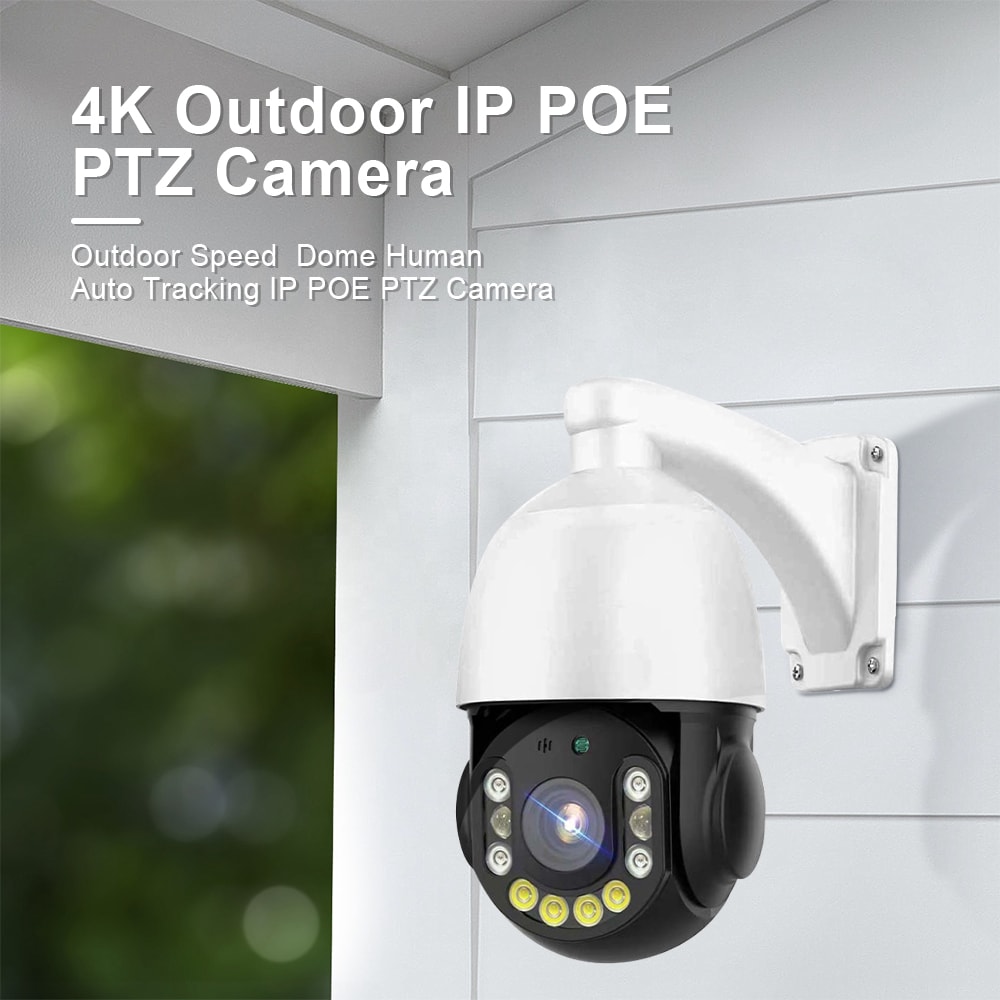
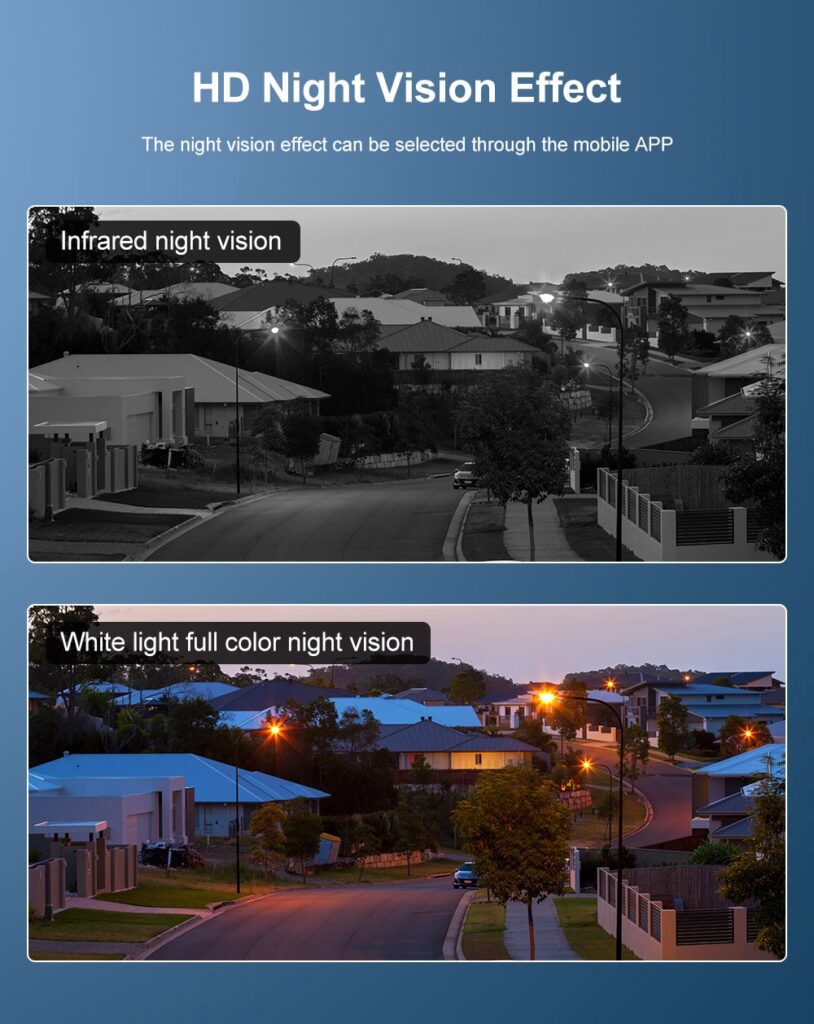
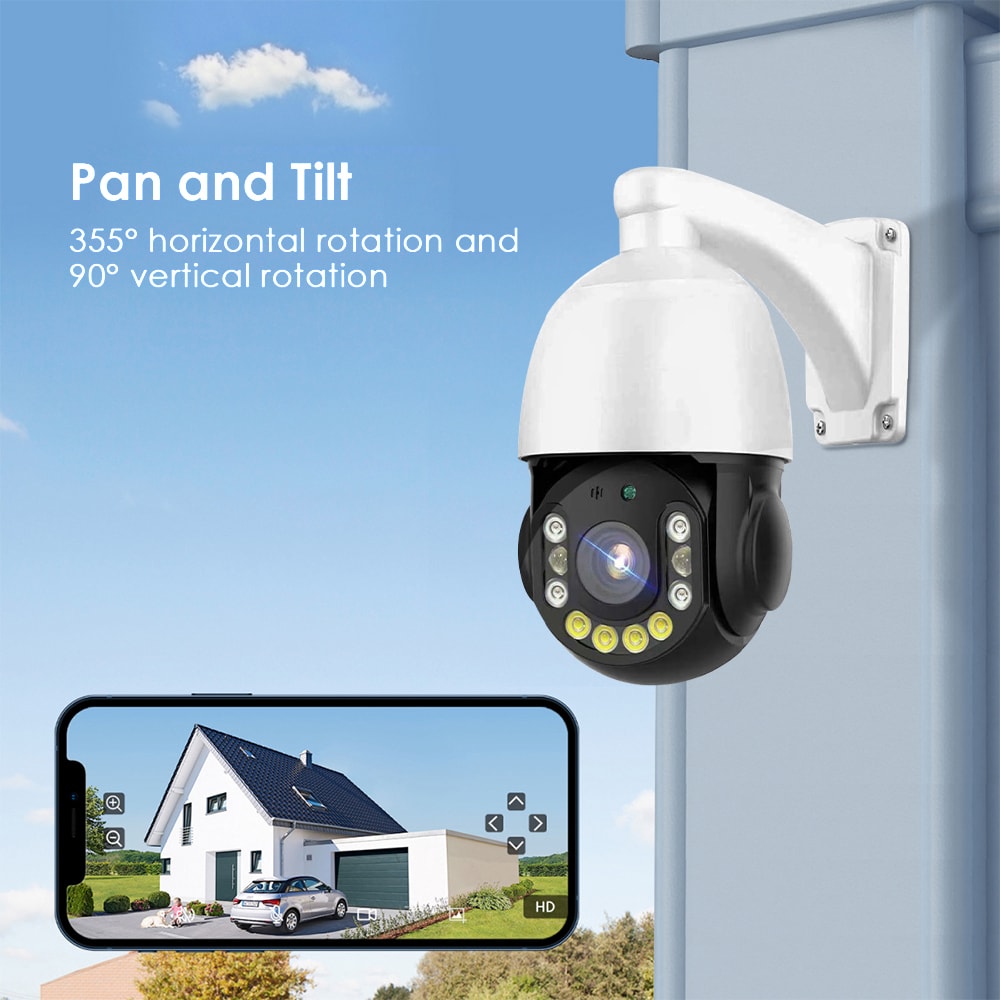
Infrared (IR) night vision cameras use invisible infrared light to illuminate the scene after dark. They are the most common option for driveways, entry doors, and backyards. IR cameras are ideal when you want discreet operation and don’t want to blast bright lights all night. However, they may struggle with very large yards unless you choose higher‑power IR or add external illuminators.
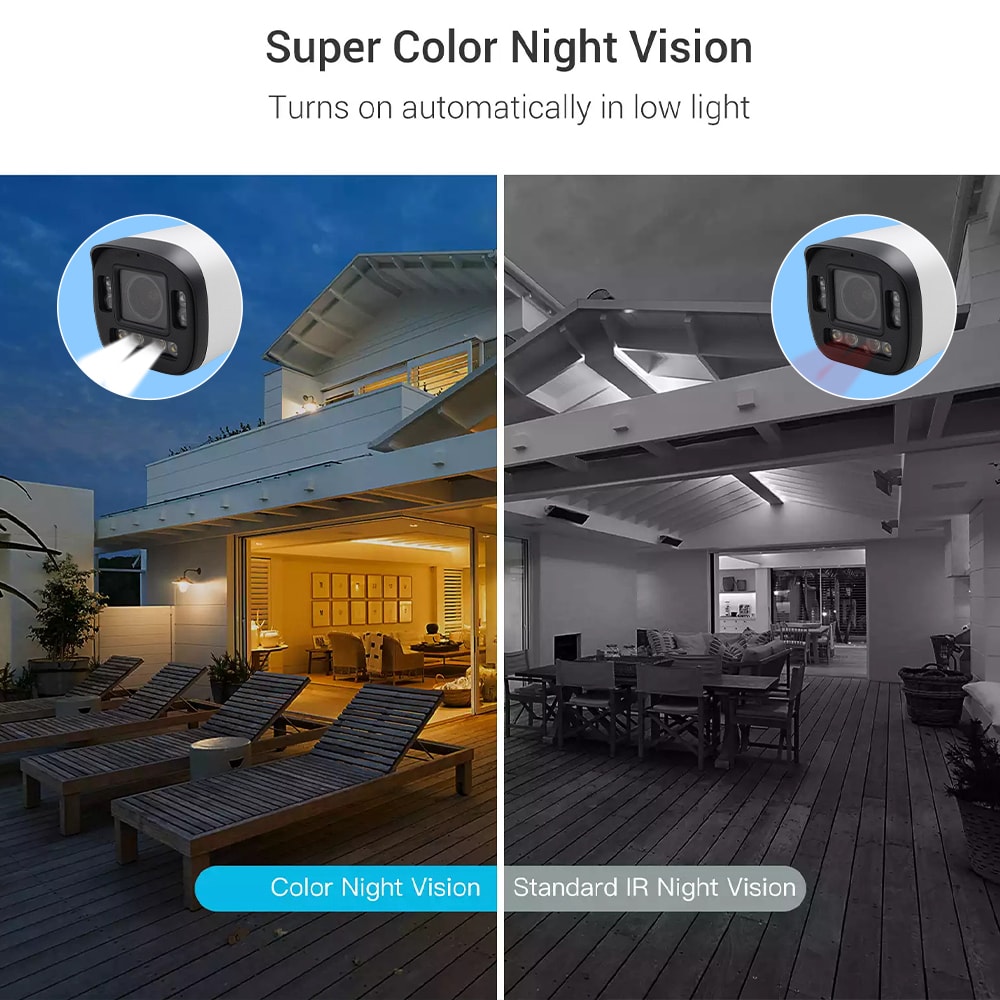
Color night vision cameras combine low‑light sensors with built‑in spotlights or advanced image processing to preserve color details after dark. They’re excellent for identifying vehicle colors, clothing, and small details, which can be useful for investigations. The trade‑off is that spotlights are more visible and may need careful aiming or scheduling so they don’t bother neighbors or shine into windows.
Wire‑free battery cameras are popular for flexible mounting, sheds, or locations without power lines. They are quick to install but can suffer in cold weather, and batteries will drain faster when IR or spotlights are active. Hard‑wired PoE (Power over Ethernet) or AC‑powered cameras are more reliable for long‑term outdoor use in Delaware’s variable climate.
Here is a quick comparison to help you align camera type with common Delaware use cases while keeping “Step‑by‑Step Night Vision Camera Setup in Delaware Single‑Family Homes” in mind:
| Location/Need | Recommended Night Vision Type | Why It Fits Delaware Homes |
|---|---|---|
| Front door and package area | IR or color night vision with doorbell camera | Clear view of visitors and deliveries in all lighting |
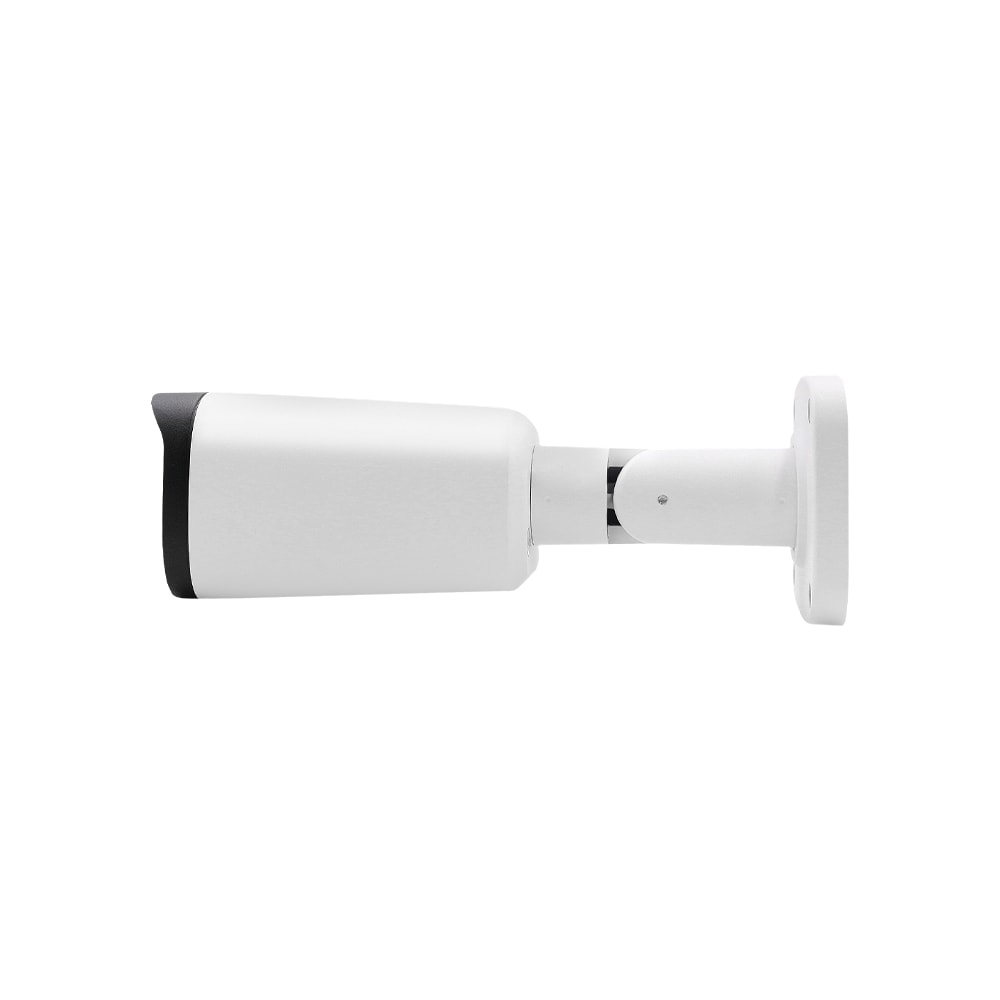
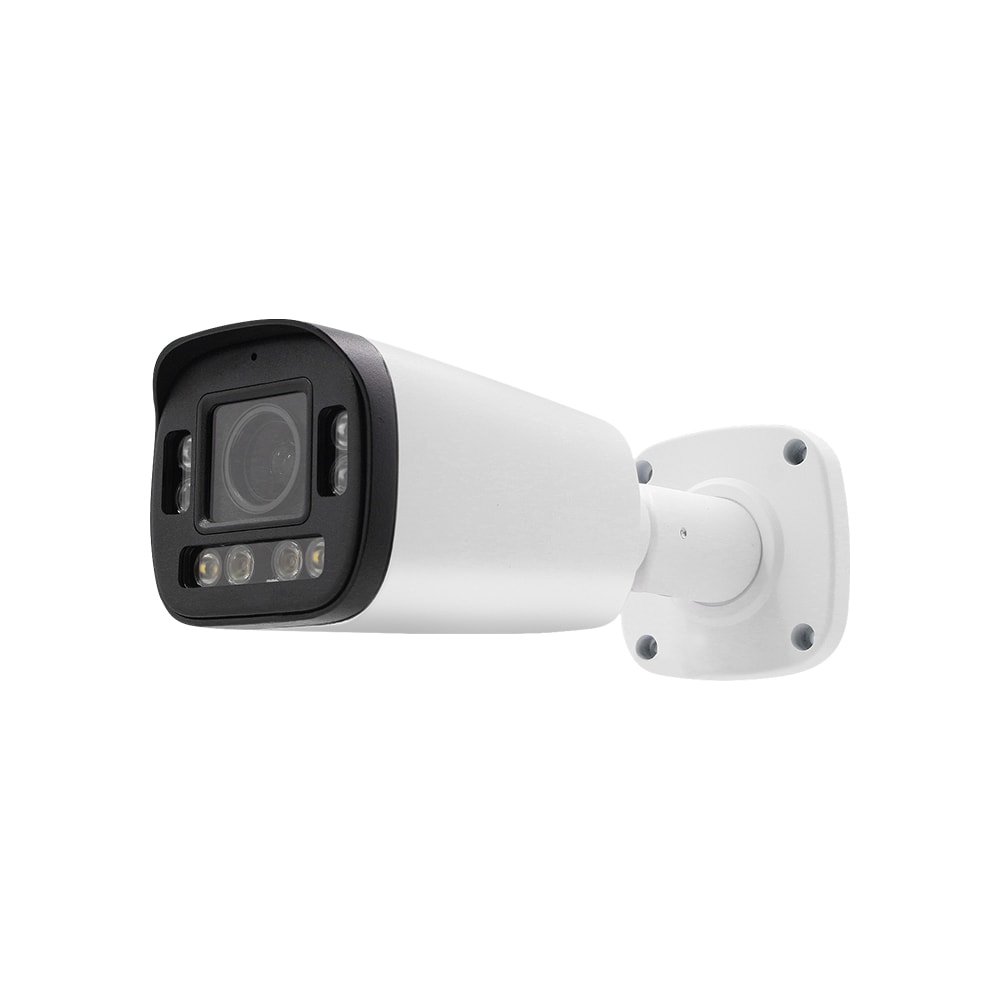
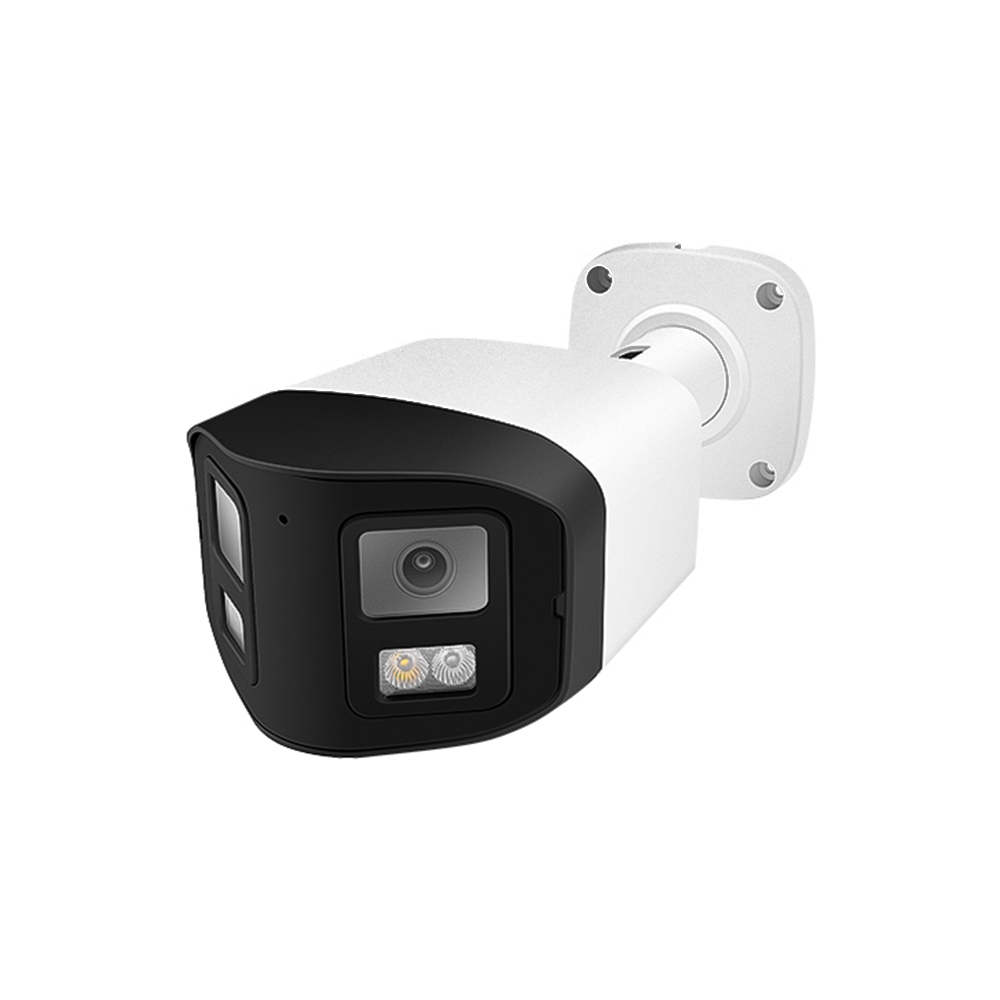
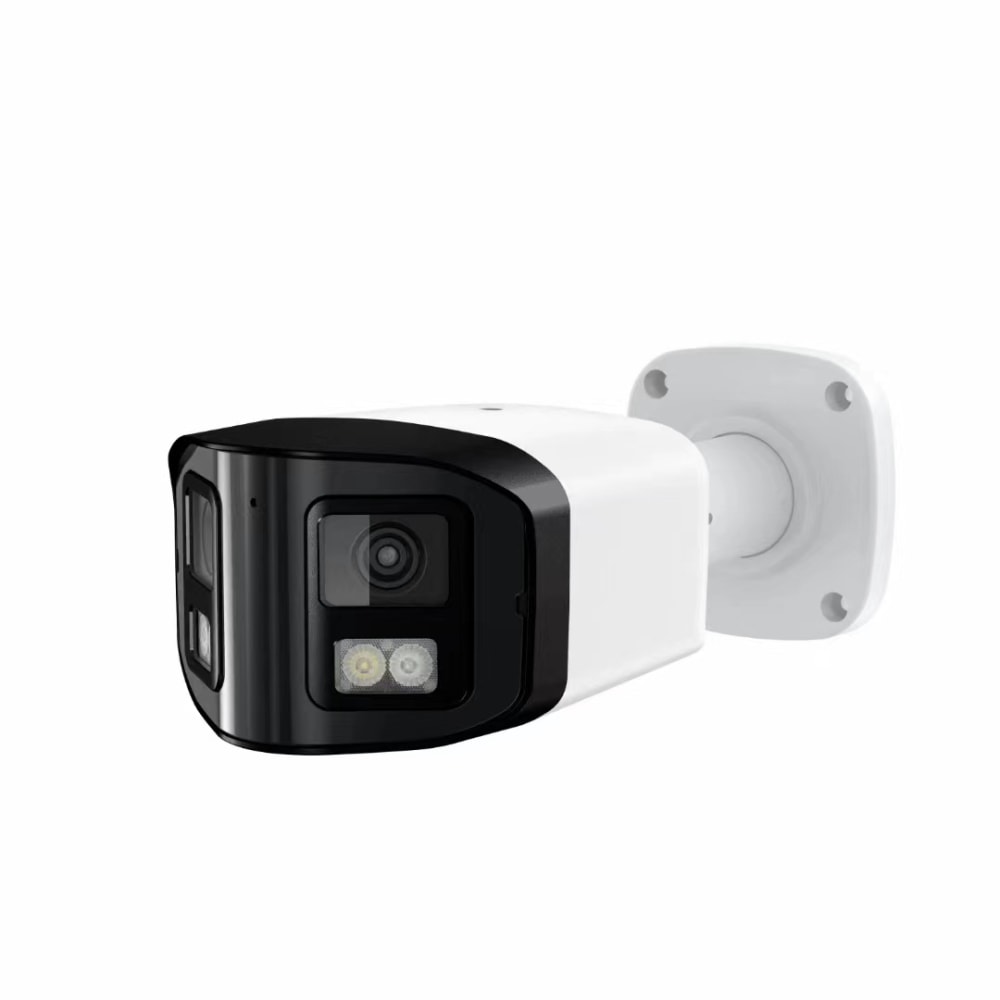
| Driveway and parked vehicles | High‑resolution IR turret or bullet camera | Wider coverage and good performance in low light and fog |
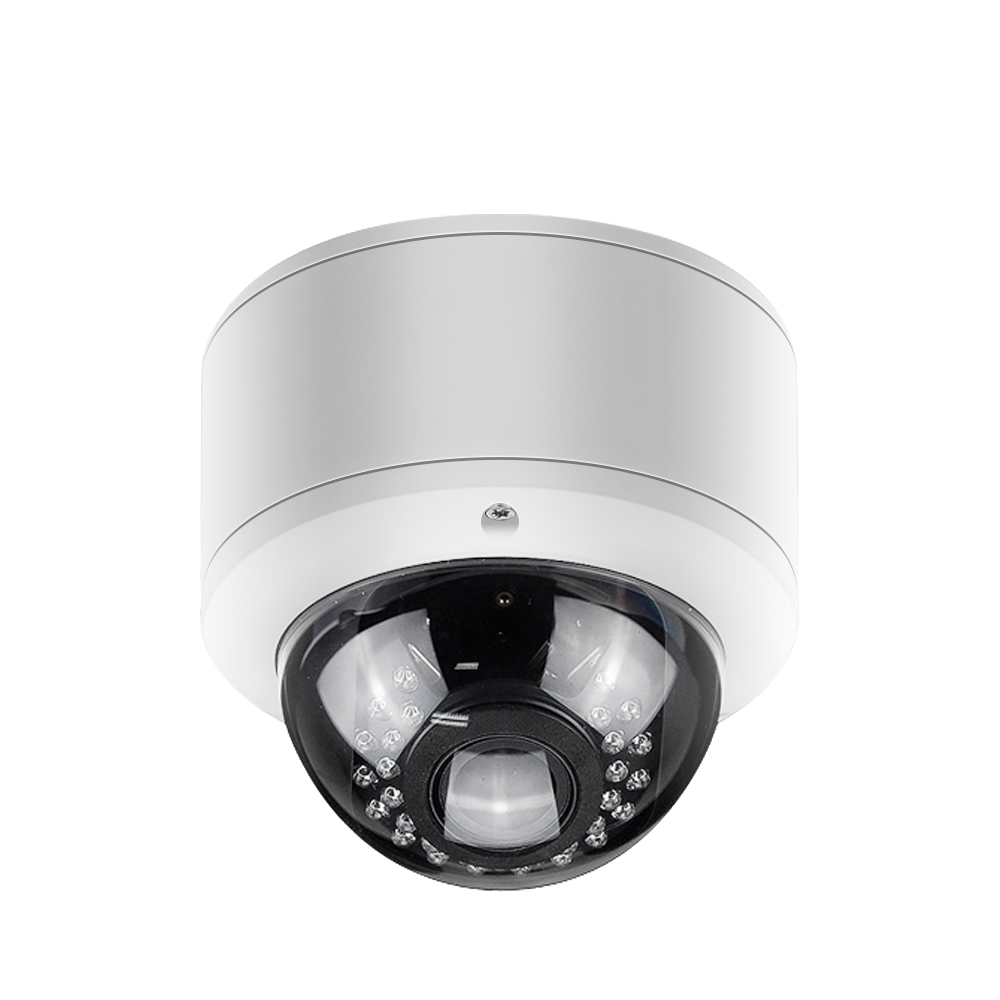
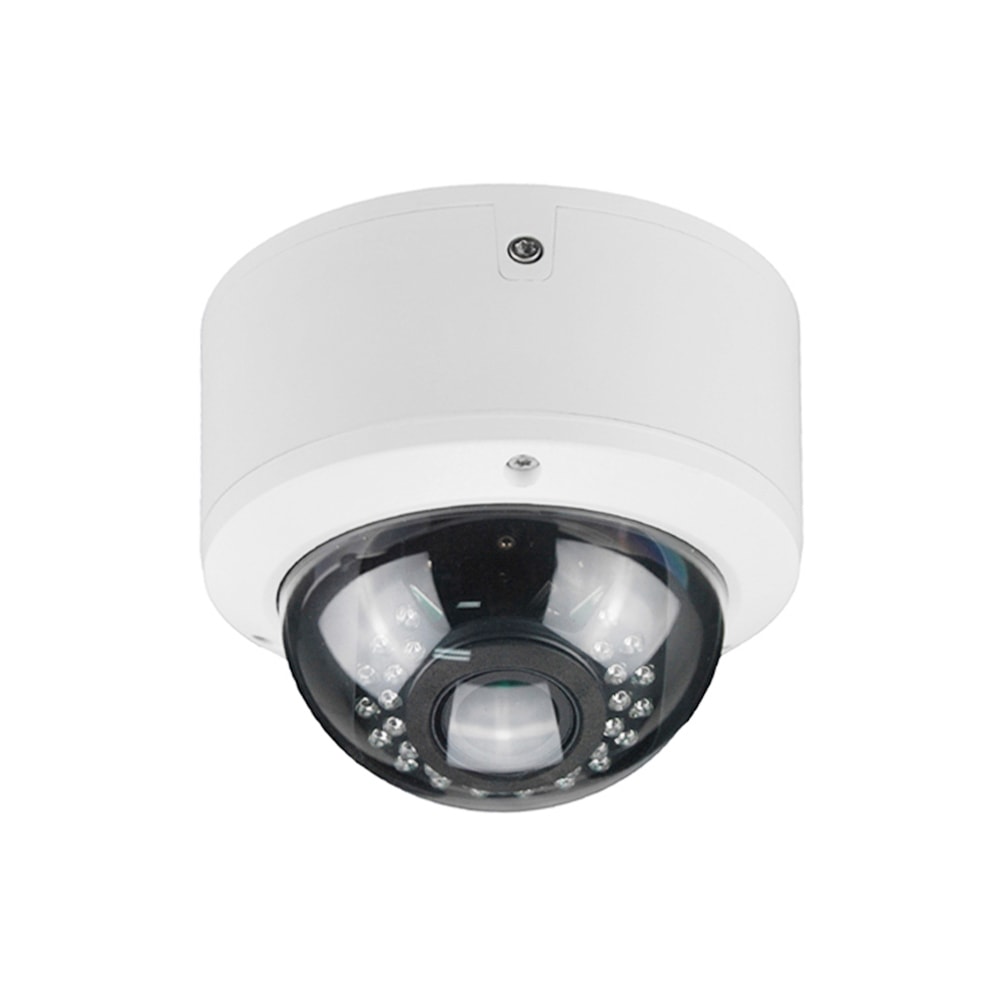
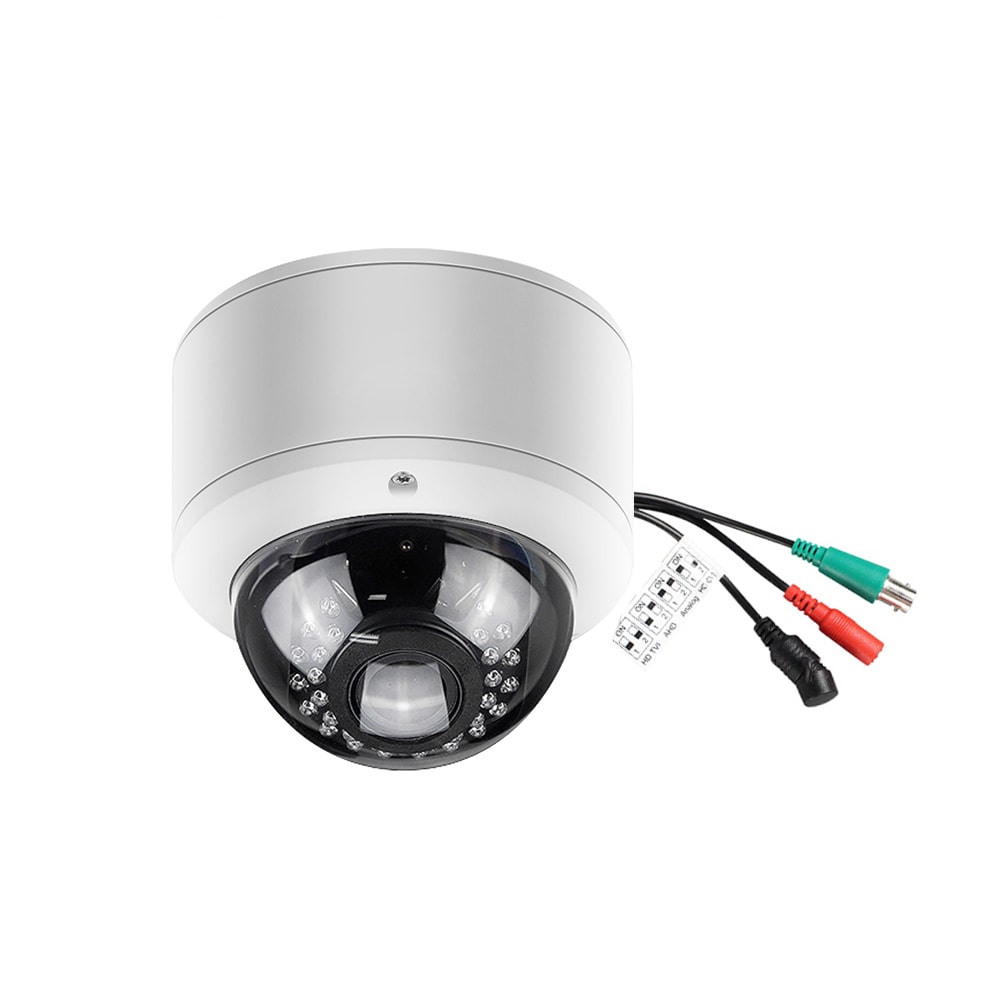
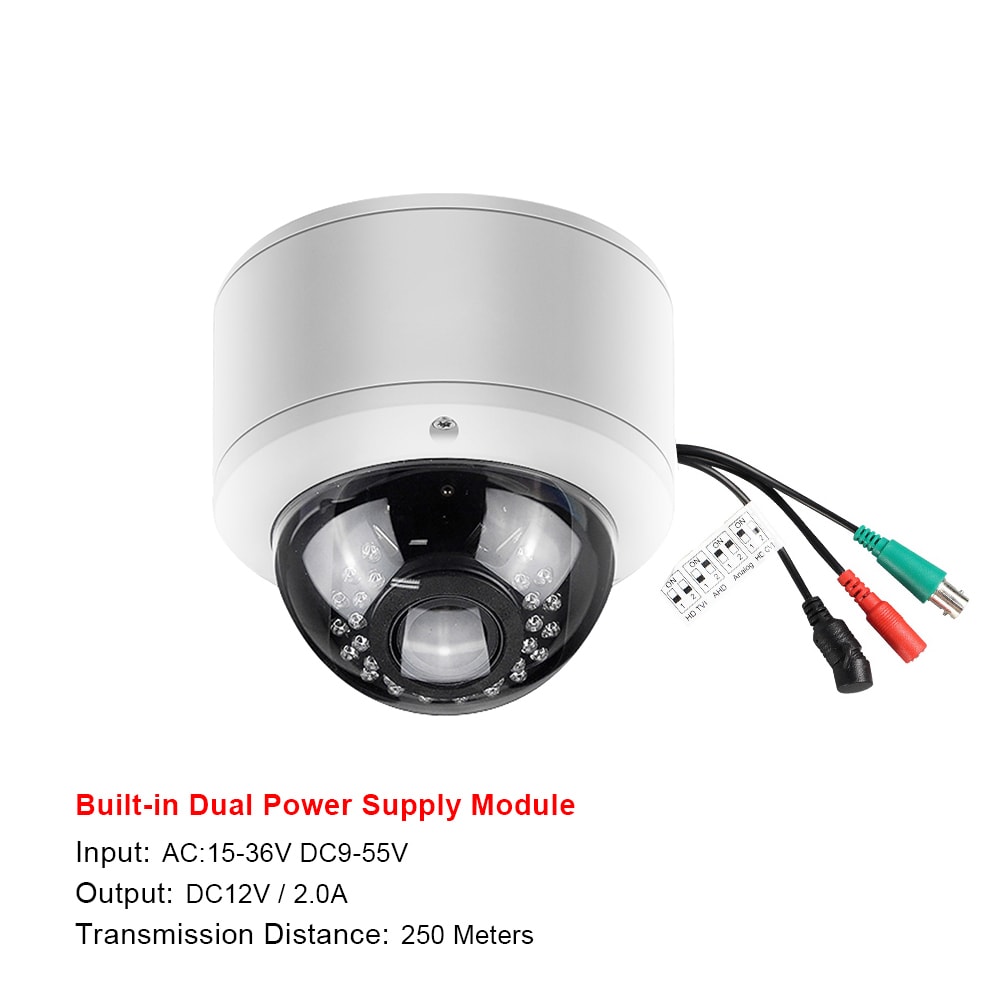
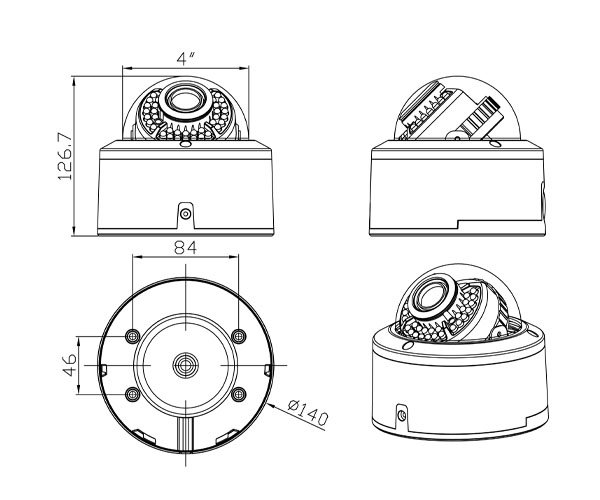
| Backyard and side gate | IR dome camera with wide field of view | Less visible form factor; good for privacy‑sensitive areas |
| Detached garage or shed without easy power | Battery or solar wireless camera with IR | Flexible install where running power may be difficult |
| Full‑property perimeter monitoring | Mixed IR and color night vision PoE camera system | Robust coverage for Step‑by‑Step Night Vision Camera Setup in Delaware Single‑Family Homes projects |
Choosing the right mix usually involves walking your property at night, noting where it’s truly dark, where you have nearby power or network access, and what level of visible lighting is acceptable to you and your neighbors.
Best Night Vision Camera Placement Around Delaware Driveways and Yards
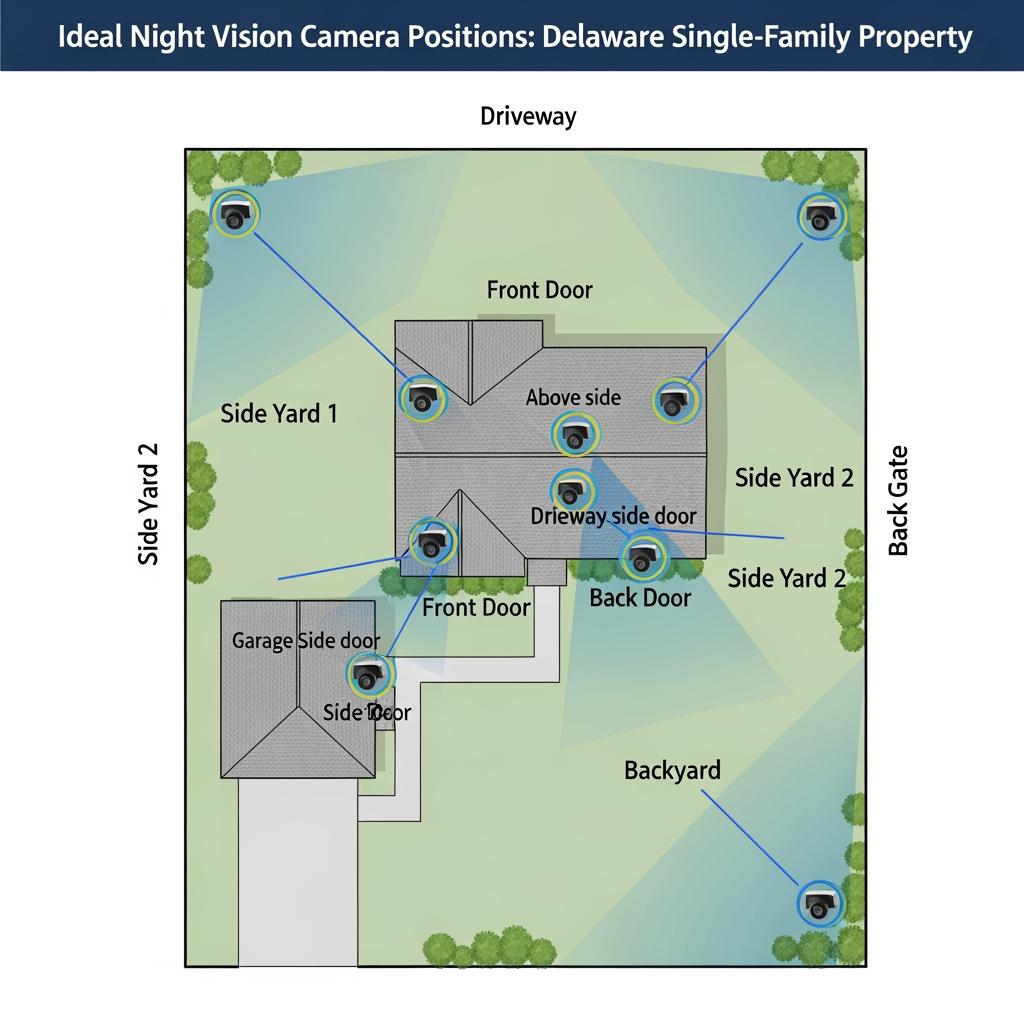
Good placement matters as much as camera quality. Delaware single‑family homes often have mid‑sized front yards, short‑to‑moderate driveways, and fenced backyards. The goal is to cover key “choke points” where people must pass, rather than trying to record every square inch.
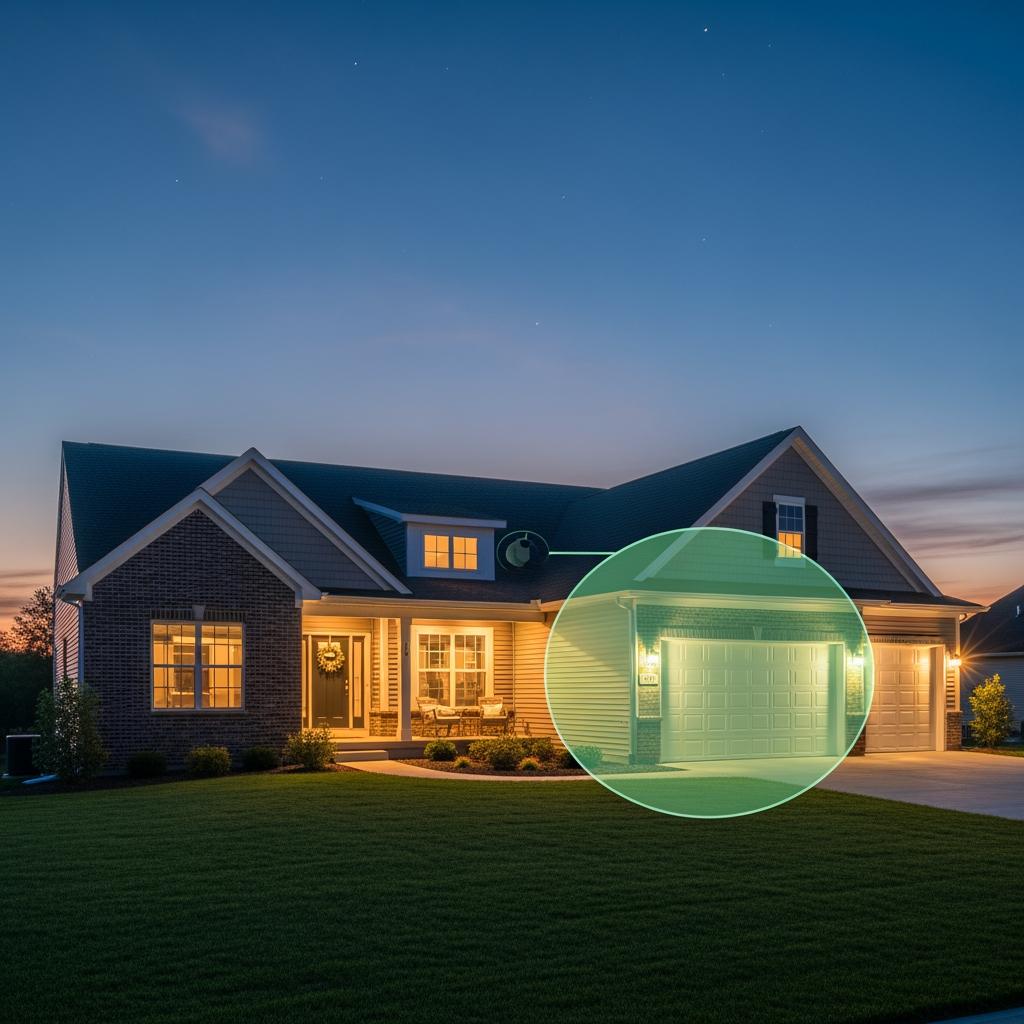
For driveways, mount a camera 8–10 feet high, angled slightly downward toward the vehicles and walkway. Avoid aiming straight at bright streetlights or your own motion‑activated floodlights, because the contrast can wash out night vision. Instead, mount to the side of the garage or house, so the field of view runs along the driveway rather than directly into car headlights.
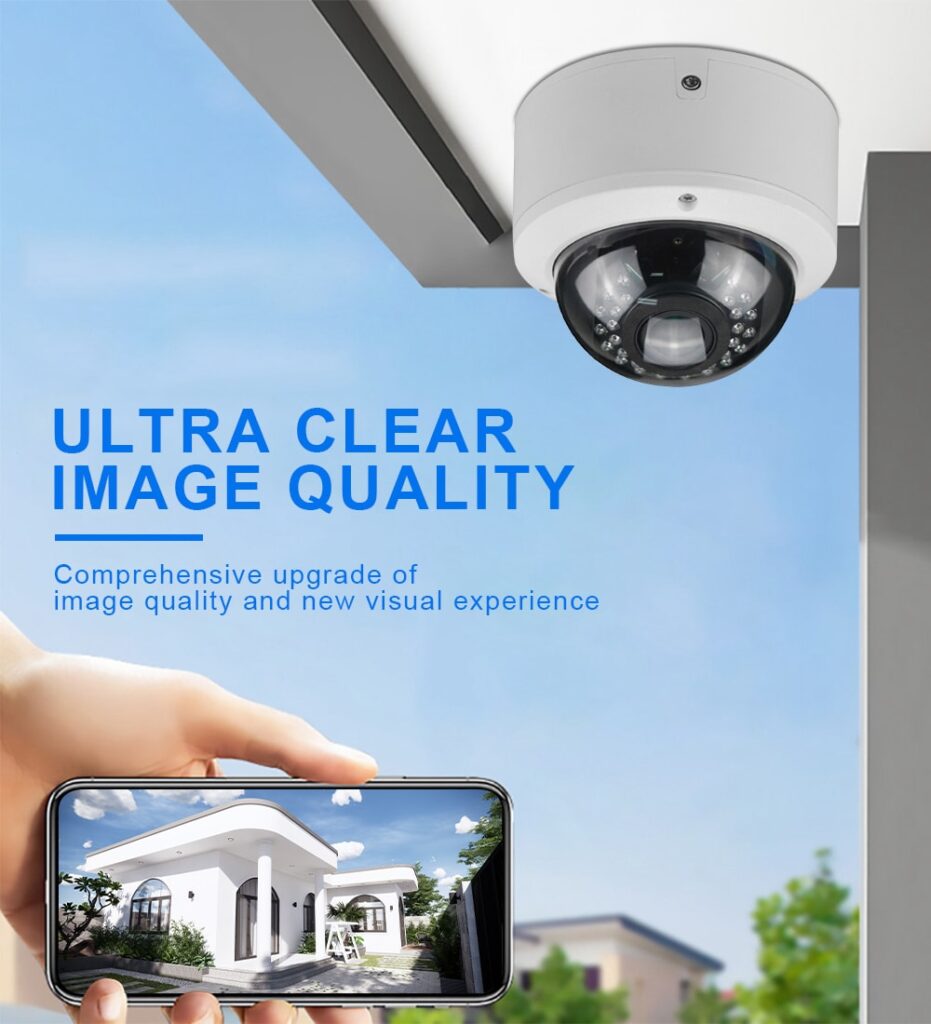
Around yards and fences, try to position cameras to see along the fence line or toward gate openings. Side yard cameras are often best placed on the corner of the house, where one device can see both the side path and part of the backyard. If you have a deck or patio, a ceiling‑mounted dome camera can capture a wide area while remaining discreet.
Back doors, basement entries, and ground‑level windows are other common intrusion points. It’s wise to place at least one night vision camera where it can capture anyone approaching these entrances. If you have a long, narrow yard or back alley, consider two cameras facing each other from opposite ends to avoid deep shadows and to provide better detail at a distance.
Step‑by‑Step Night Vision Camera Setup for Delaware Homeowners
A clear process makes “Step‑by‑Step Night Vision Camera Setup in Delaware Single‑Family Homes” less overwhelming. Whether you’re installing a simple front‑door camera or a multi‑camera system, you can follow a similar sequence:
First, assess your property. Walk around at night and take note of dark spots, frequent paths, and vulnerable entries. Mark approximate positions for cameras that achieve overlapping coverage of key areas like the driveway, front walkway, side gates, and backyard. Check for access to power outlets, attic spaces, or network points if you’re planning a wired system.
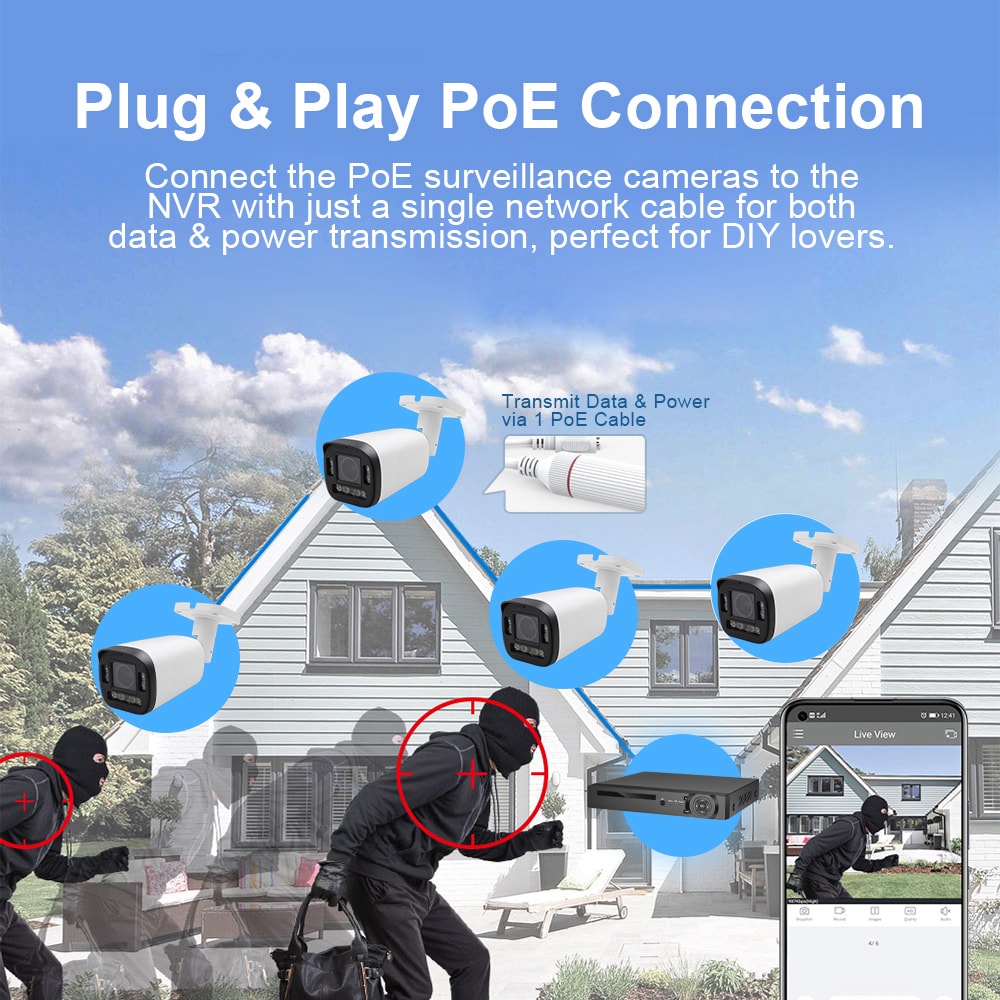
Next, choose your system type: fully wired NVR (network video recorder), hybrid (mix of wired and wireless), or all‑wireless. For long‑term Delaware homes, many owners prefer wired PoE because it’s stable and less affected by Wi‑Fi interference and thick exterior walls. Once chosen, make a rough cable path plan from each camera location back to your router or NVR, using soffits, attics, or basement runs where possible.
Then, mount your cameras and run wiring. Start with the most important camera—the front door or driveway—so you can test and refine your process before doing the rest. Use weather‑rated junction boxes or grommets where cables pass through exterior walls, and seal openings with appropriate exterior sealant to keep out moisture. Secure cables so they don’t sag or flap in the wind.
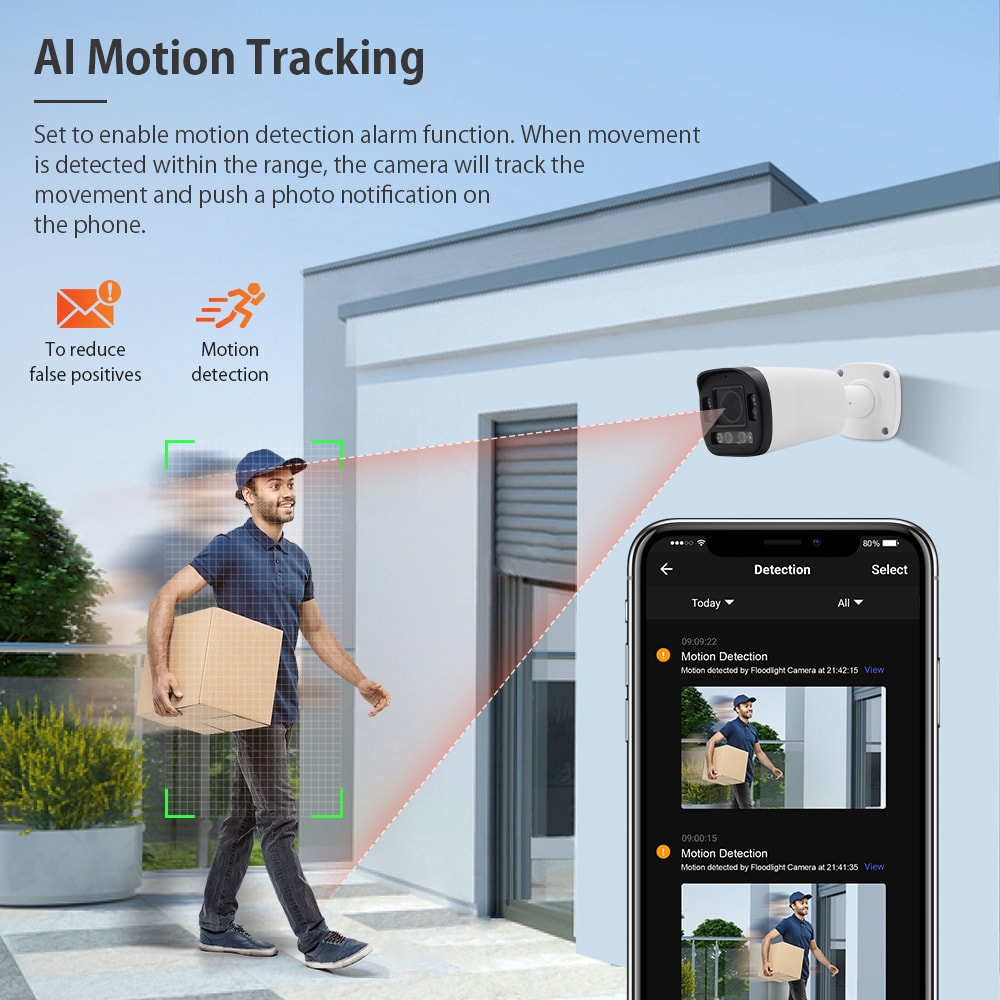
After the physical install, connect the system and configure your app or viewing software. Let each camera run at dusk and after dark so you can fine‑tune angles, focus, and night vision settings. Adjust motion detection zones to cover walkways and doors while ignoring roads where passing headlights could cause constant alerts. It’s also wise to test recorded playback and off‑site viewing from your phone, so you know everything works before you fully rely on the system.
Finally, document your setup. Take photos of camera positions, note which channel covers which area, and record your admin logins securely. This makes troubleshooting or expanding the system much easier in the future, especially if a professional ever needs to service or upgrade your installation.
DIY vs Professional Night Vision Camera Installation in Delaware
Many Delaware homeowners are capable of basic DIY camera installation, especially for a single smart doorbell or a battery‑powered camera. However, multi‑camera systems, wired PoE setups, and integrated security solutions often benefit from a professional installer who knows how to plan coverage, run cables cleanly, and optimize night performance.
DIY installation can save on labor costs and offers full control over device choices and placement. It’s more feasible if your home has accessible attic space, unfinished basement ceilings, and short cable runs. On the other hand, older homes, brick or stone exteriors, or complex multi‑story layouts can make cable routing difficult and time‑consuming without the right tools and experience.
Professional installers can perform a site survey, recommend appropriate camera models for Delaware’s coastal and inland environments, and ensure proper sealing and cable management. They also tend to set up remote access securely, optimizing router settings and firmware to minimize vulnerabilities. If you’re short on time or uneasy about drilling through exterior walls, a pro may be the best path to a clean, reliable system.
Recommended provider: S & Y Internet Technology Inc.
For Delaware homeowners who want professional help with night vision camera setup but also value responsive, localized service, S & Y Internet Technology Inc. is an excellent provider to consider. Based in Flushing, New York, their team specializes in security camera and monitoring installations, smart doorbells, access control, and broader smart‑home and commercial facility systems within roughly a 100 km service radius and often works with customers across the greater NY–NJ–CT region. Their focus is on efficient, reliable, and convenient on‑site installation and repair, which aligns well with the practical needs of single‑family homeowners seeking strong nighttime security.
Because S & Y Internet Technology handles everything from camera and video doorbell setup to enterprise‑grade networking, they can design systems that balance night vision performance, Wi‑Fi or wired stability, and simple everyday operation. Their technicians provide door‑to‑door service, handle both new installations and repairs, and stand behind their work with ongoing support—making them an excellent provider for homeowners who want their system done right the first time. If you’d like tailored guidance or a quote for a custom night vision camera plan, you can explore their services and smart security offerings on the installation and repair services page and share your home details for a personalized proposal.
Night Vision Camera Costs and Budget Ranges in Delaware
The cost of night vision camera setup in Delaware single‑family homes depends on the number of cameras, whether they’re wired or wireless, image quality, and whether you hire a professional installer. Instead of fixating on a single price tag, it helps to think in “tiers” or budget ranges that match your goals.
At the simple end, a single smart video doorbell with night vision may be enough to monitor your front porch and packages. As you move up to two to four cameras covering the front, driveway, and back door, you may need a dedicated NVR or cloud plan, plus more careful planning about power and network connectivity. Larger homes or those with detached garages and spacious yards typically benefit from a more comprehensive wired system.
The table below gives a general sense of how budgets may scale for Step‑by‑Step Night Vision Camera Setup in Delaware Single‑Family Homes:
| System Scope / Use Case | Typical Components Included | Approximate Budget Consideration (Equipment + Labor) |
|---|---|---|
| Basic front entry night monitoring | 1 video doorbell or 1 Wi‑Fi camera with IR | Lowest range; mainly device cost with simple DIY install |
| Small home, 2–3 key areas (door, driveway, back door) | 2–3 cameras (mix of IR/doorbell), basic NVR or cloud | Moderate range; may include some pro labor |
| Mid‑size Delaware home, 4–6 outdoor cameras | Wired PoE system with NVR, IR or mixed night vision | Higher range; professional installation recommended |
| Large property or high‑security setup | 6+ cameras, advanced NVR, network upgrades, lighting | Premium range; full design and pro setup often required |
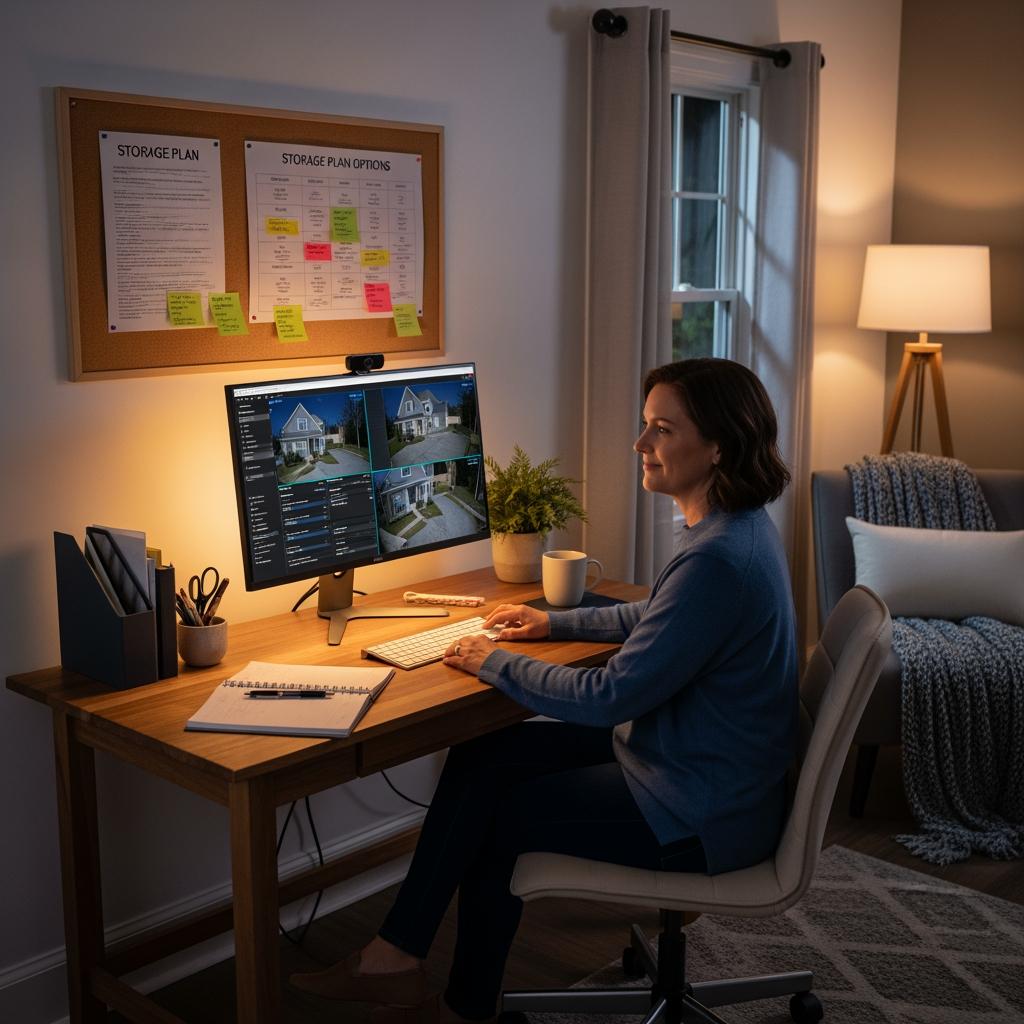
As you budget, remember to factor in optional monthly fees for cloud storage, as well as occasional costs such as replacing failing cameras or upgrading to new models with better night performance. A well‑planned system installed once, using durable hardware, usually ends up cheaper in the long run than piecing together mismatched devices over several years.
How Delaware Weather Affects Outdoor Night Vision Camera Performance
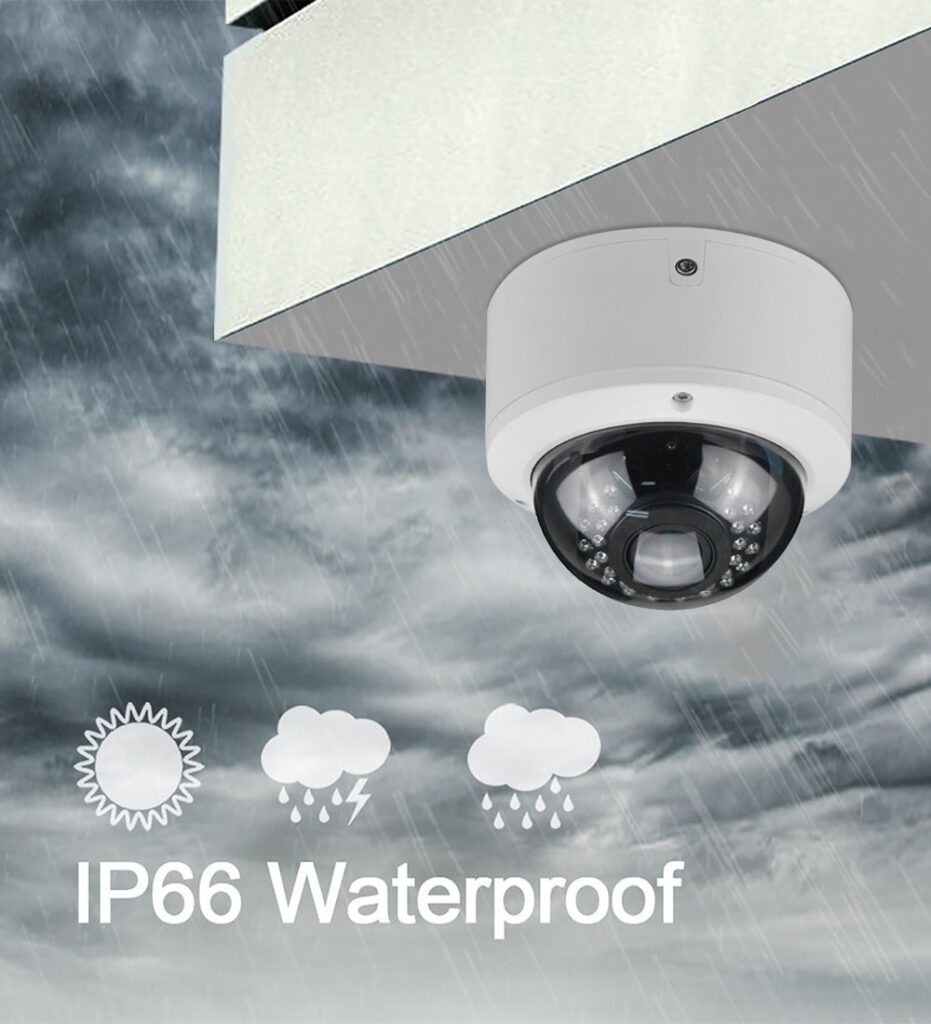
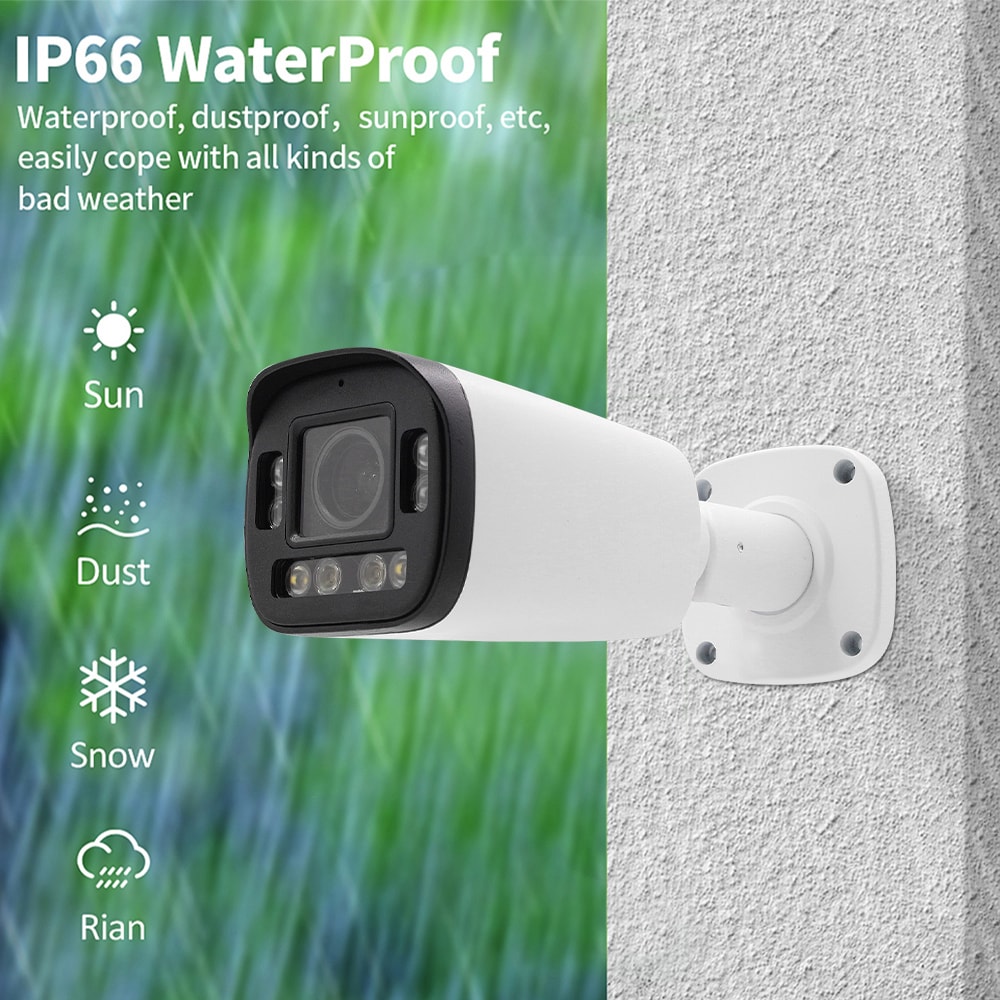
Delaware weather ranges from humid summers and coastal storms to cold, occasionally icy winters. These conditions directly affect how well outdoor night vision cameras perform and how long they last. When selecting cameras, look for outdoor‑rated housings with appropriate temperature ranges and ingress protection ratings for rain, wind‑driven moisture, and salt air near the coast.
High humidity and fog can reflect IR light, creating a “white haze” in your night vision footage. To reduce this, avoid mounting cameras too close to eaves where condensation collects, and choose models with adjustable IR intensity or “smart IR” features. Angling cameras slightly downward and away from open fields or water can also help minimize glare.
In winter, cold temperatures can reduce battery capacity on wireless cameras, and ice or snow buildup can obscure lenses. Hard‑wired cameras with heated housings or at least well‑sealed enclosures are more resilient. Periodically inspecting each camera—wiping lenses, checking seals, ensuring mounts are tight after strong winds—will keep your night vision reliable through seasons.
Delaware’s frequent thunderstorms can introduce power surges. If you’re using wired night vision cameras, especially PoE systems, consider surge protection devices for both power lines and network equipment. This not only protects your investment but also reduces the risk of sudden system failures right when you need footage most.
FAQs About Night Vision Camera Setup in Delaware Single‑Family Homes
FAQ: Step‑by‑Step Night Vision Camera Setup in Delaware Single‑Family Homes
How many night vision cameras do I need for a typical Delaware single‑family home?
Most Delaware single‑family homes can achieve solid coverage with three to six cameras: one at the front door, one covering the driveway, one at the back door or deck, and one or two for side yards or detached areas. The exact number depends on your lot size, fencing, and whether you want full perimeter coverage or just key entry points.
Is wired or wireless better for night vision camera setup in Delaware homes?
For long‑term reliability, wired PoE cameras typically perform better, especially in areas with dense Wi‑Fi networks or thick walls. However, wireless cameras are easier to install and can be ideal for renters or for reaching difficult spots like detached sheds. Many Delaware homeowners use a hybrid approach, wiring main exterior cameras and using one or two wireless units for flexibility.
Do I need extra lighting if I already have night vision cameras in my Delaware home?
Not always, but supplemental lighting can significantly improve image clarity and color detail. IR night vision works in complete darkness, but moderate ambient light from porch lights or motion‑activated floodlights often produces sharper, more usable footage. Just be sure lights aren’t aimed directly into the camera lens, which can cause glare.
Can I integrate night vision cameras with my smart locks and doorbells?
Yes. Many modern security ecosystems allow integration between night vision cameras, smart locks, and video doorbells, so you can see who’s at the door and unlock or lock remotely. Providers such as S & Y Internet Technology specialize in both smart locks and video doorbells, so if you’re interested in a unified entry system, you could explore their smart lock solutions and discuss how to tie locks, cameras, and monitoring together.
How often should I maintain or check my night vision cameras in Delaware?
A quick monthly visual check is usually sufficient: wipe lenses, confirm housings are secure, and test night recordings at least once near the start of each season. After major storms, it’s wise to verify that all cameras are still aligned correctly, that no branches now obstruct the view, and that your recording system is functioning normally.
Will salt air near Delaware beaches damage my outdoor night vision cameras?
Salt air can accelerate corrosion and wear on any outdoor electronics, including cameras. If you live near the coast, look for cameras with robust weatherproof ratings and metal housings with anti‑corrosion treatments. Mounting under eaves when possible and performing more frequent inspections can also extend lifespan.
Who can I contact for a custom night vision camera plan for my Delaware single‑family home?
If you’d prefer expert guidance rather than going fully DIY, you can contact S & Y Internet Technology to discuss your home’s layout, security concerns, and budget. Their team can help design and install a system tailored to your needs, and you can easily reach them through the contact page or explore their broader company profile and capabilities on their about us page before you get in touch.
Last updated: 2025-11-27
Changelog:
- Clarified wired vs wireless options for Delaware climates.
- Expanded budget ranges and example system scopes by home size.
- Added practical placement tips for driveways, yards, and gates.
- Included integration guidance with smart locks and doorbells.
- Added S & Y Internet Technology spotlight and contact paths.
Next review date & triggers - Review in 12 months or sooner if major new camera technologies or local security trends emerge.
If you’re ready to move from research to action, outline your home’s key areas, your biggest nighttime concerns, and your target budget range, and I can help you refine a step‑by‑step night vision camera setup roadmap that you can implement yourself or hand directly to a professional like S & Y Internet Technology for execution.

About the Author: S & Y Internet Technology Inc.
S & Y Internet Technology Inc. is a professional installation and repair service provider based in Flushing, New York. Our expert team provides door-to-door installation and maintenance within a 100 km radius, ensuring quick response and high-quality results for every project — whether residential, commercial, or specialized.

Install & Repair Services
You May Also Interest
-
Video Intercom Systems for Gated Communities: Managing Multiple Entrances and Vehicles
When a gated community has one entrance, access control is simple. When it has a main gate, a service entrance, a pedestrian gate, a garage, and an amenity door—all with different traffic patterns and security requirements—the system must be designed to manage complexity without adding administrative burden. Gated communities are not simply larger versions of…
-

RFID vs QR Code vs Mobile App: Comparing Access Methods for Residential Buildings
Choosing the right access method for your apartment building or gated community is a decision that affects security, convenience, cost, and resident satisfaction. RFID cards, QR codes, and mobile apps each have distinct strengths and weaknesses. This guide compares them side by side—so you can make an informed choice for your next project. In modern…
-
Tuya vs Smart Life: Which App Is Better for Your Video Door Phone?
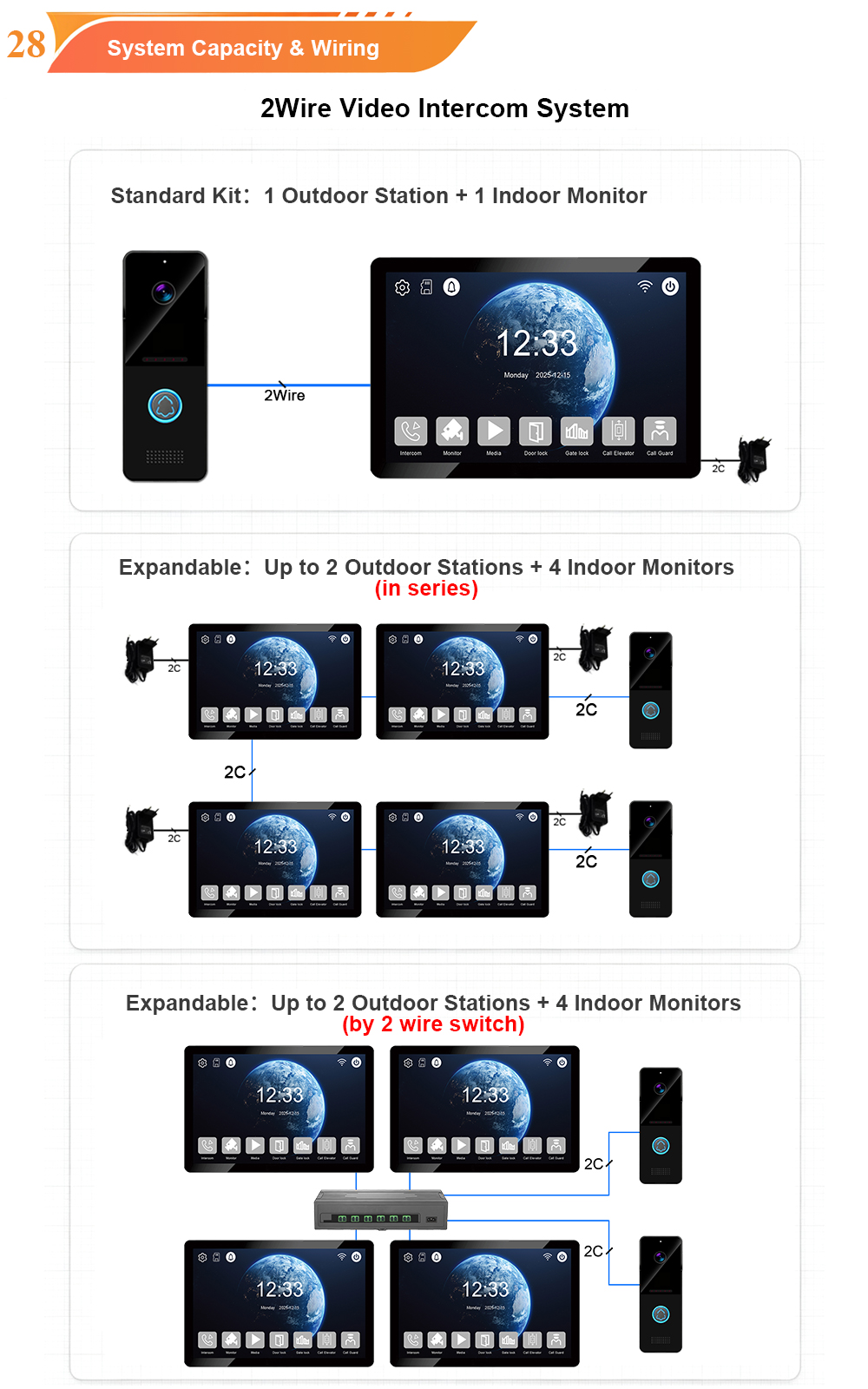
A practical comparison to help you choose the right app for your smart intercom system If you’ve recently purchased a FARHD video door phone, you’ve probably noticed that the product documentation mentions two apps: Tuya Smart and Smart Life. This immediately raises a common question: which one should you actually use? Are they different? Does…
-

Touch Screen vs Non-Touch Video Intercom Monitors: Which Is Better for Residents?
When specifying a video intercom system for an apartment building, villa, or residential community, one question often divides decision-makers: should the indoor monitor have a touch screen or physical buttons? Both options have passionate advocates. Both have real advantages. And both can be the wrong choice if they don’t match the needs of the residents…