Home Video Monitoring Systems for Rhode Island Families and Renters
Share
Home video monitoring systems for Rhode Island families and renters have quickly gone from “nice to have” to “must have.” From single‑family homes in Warwick to multifamily rentals in Providence and Newport, residents want an extra layer of security they can see and control from their phones. In this guide, you’ll learn how modern systems work in Rhode Island, which features to prioritize, how much to budget, and what to watch out for in leases and local rules. If you already have a property or unit in mind, share your situation and must‑have features and we can help you shape a short list of suitable home video monitoring options and an installation game plan.
Rhode Island Home Video Monitoring System Overview
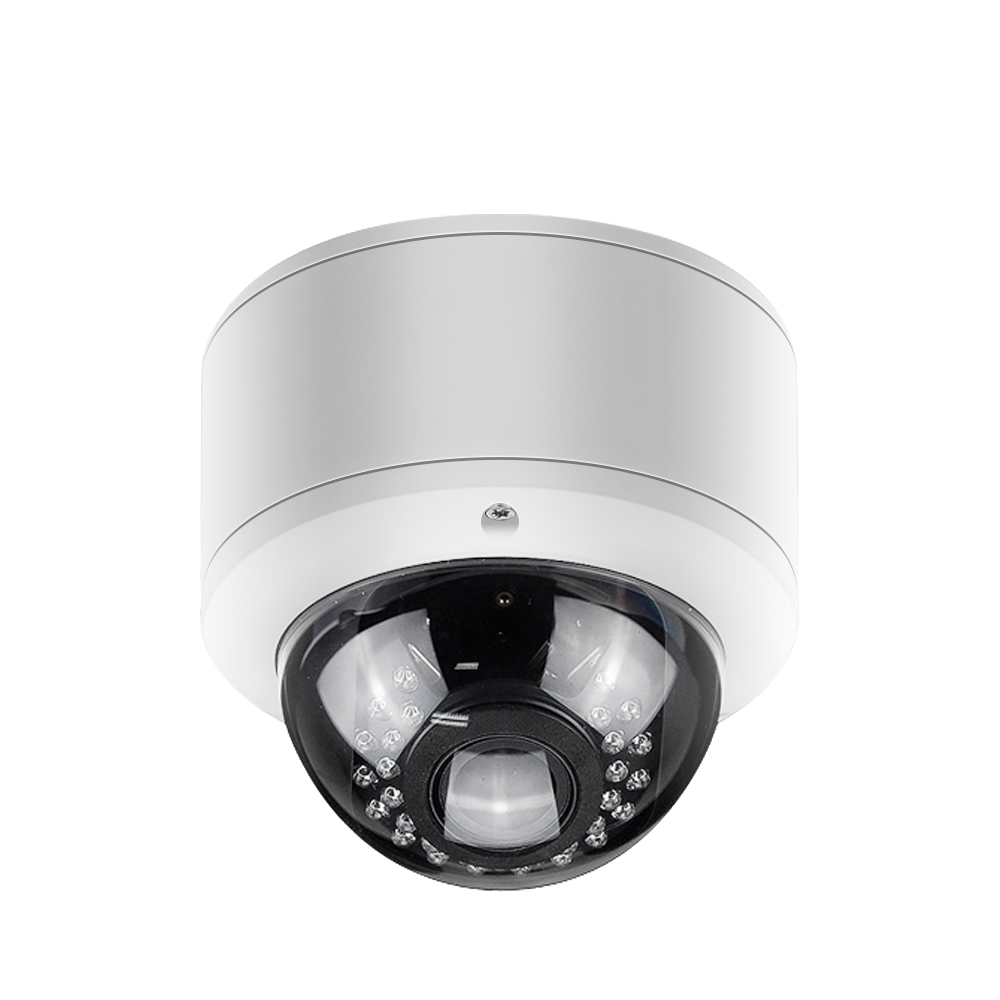
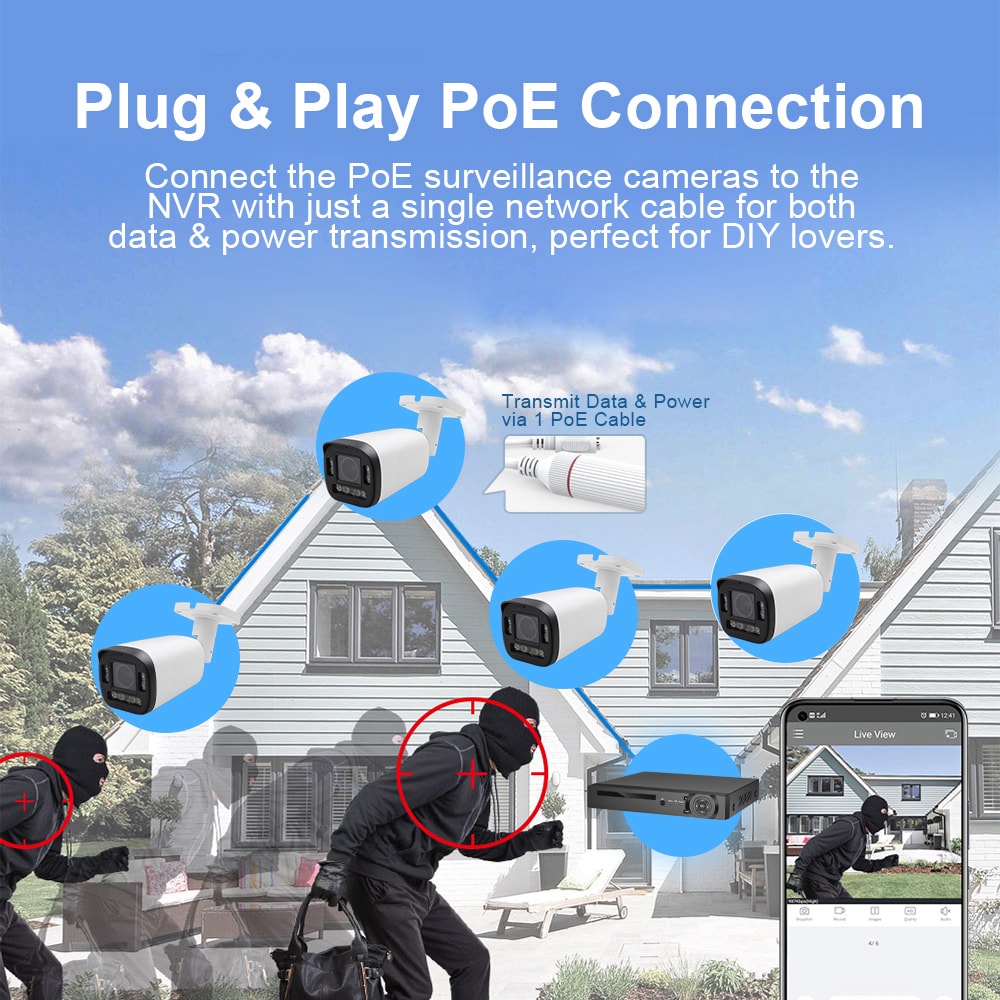
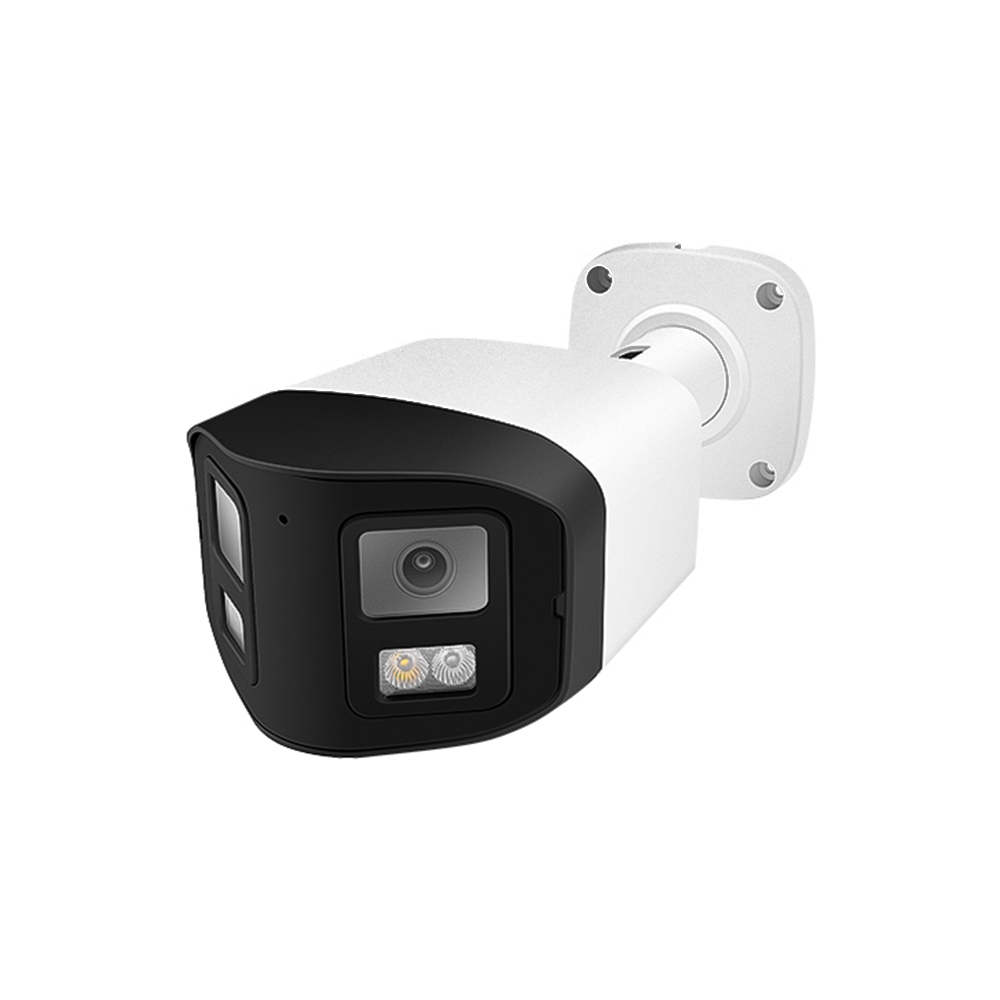
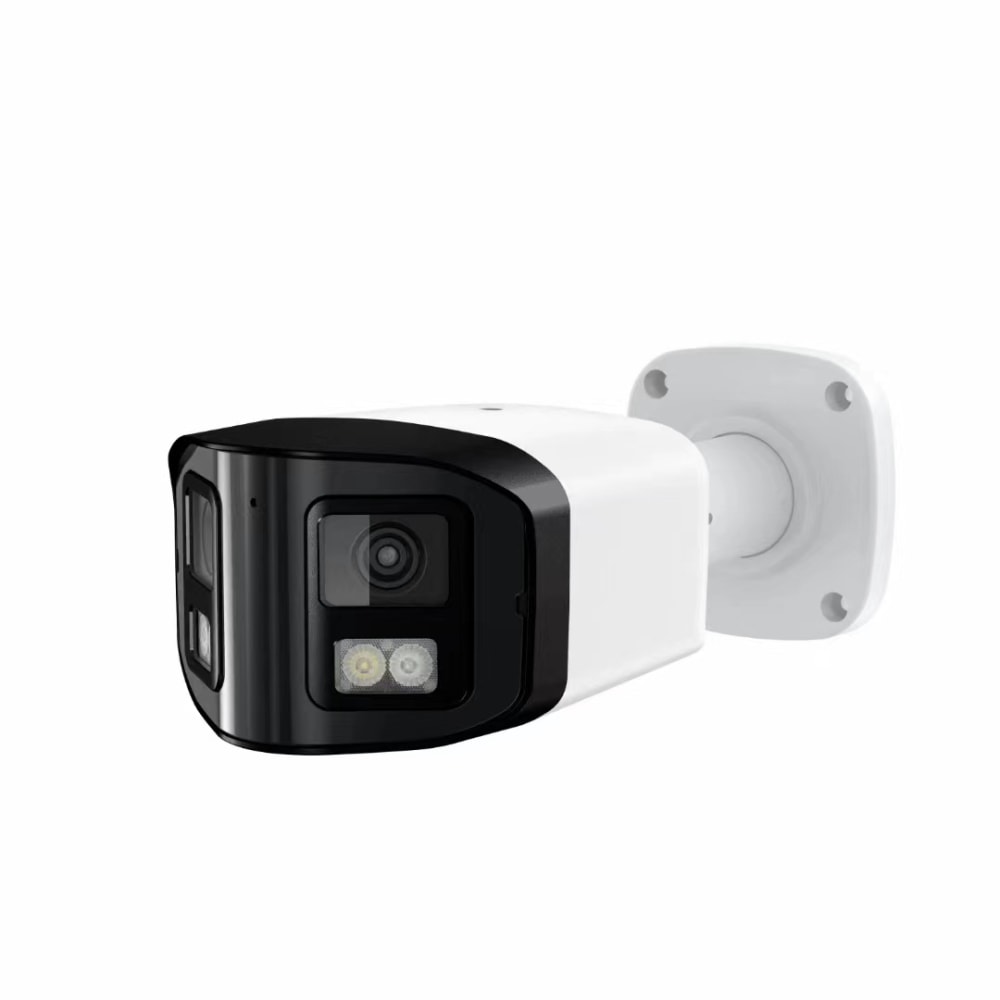
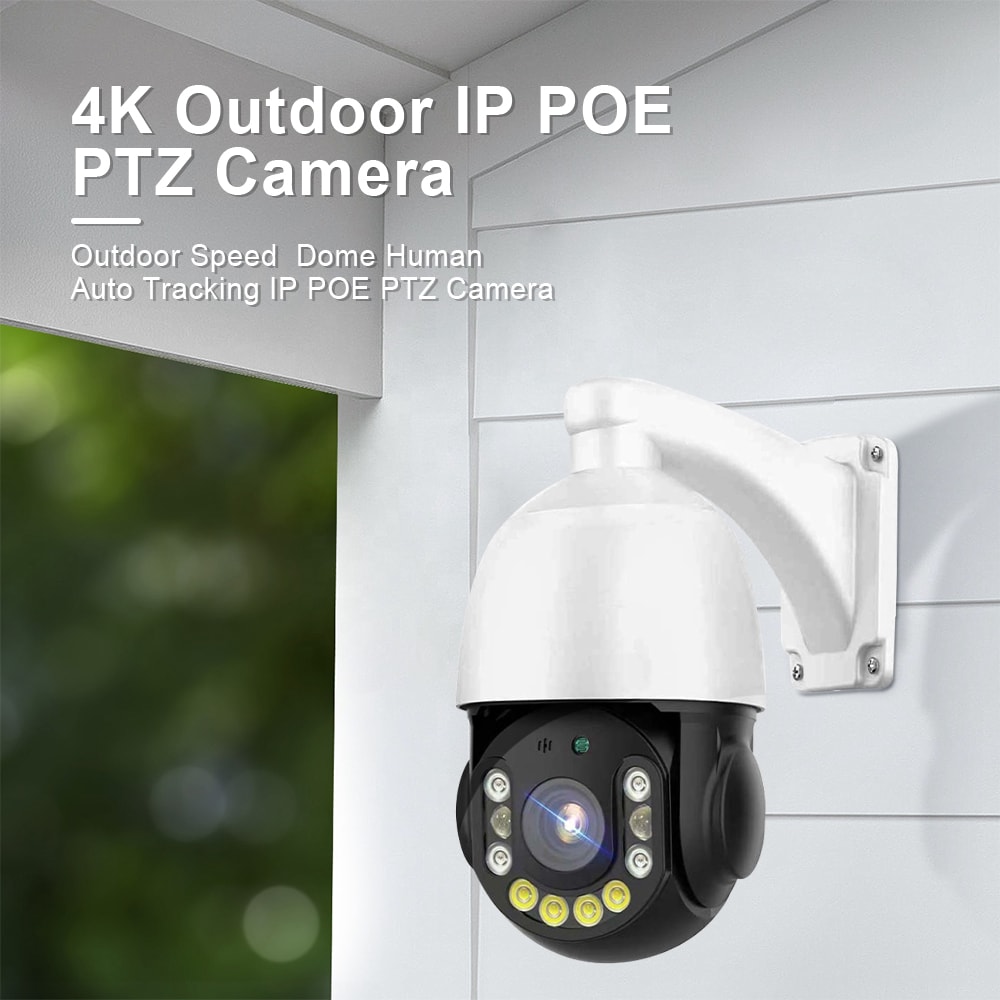
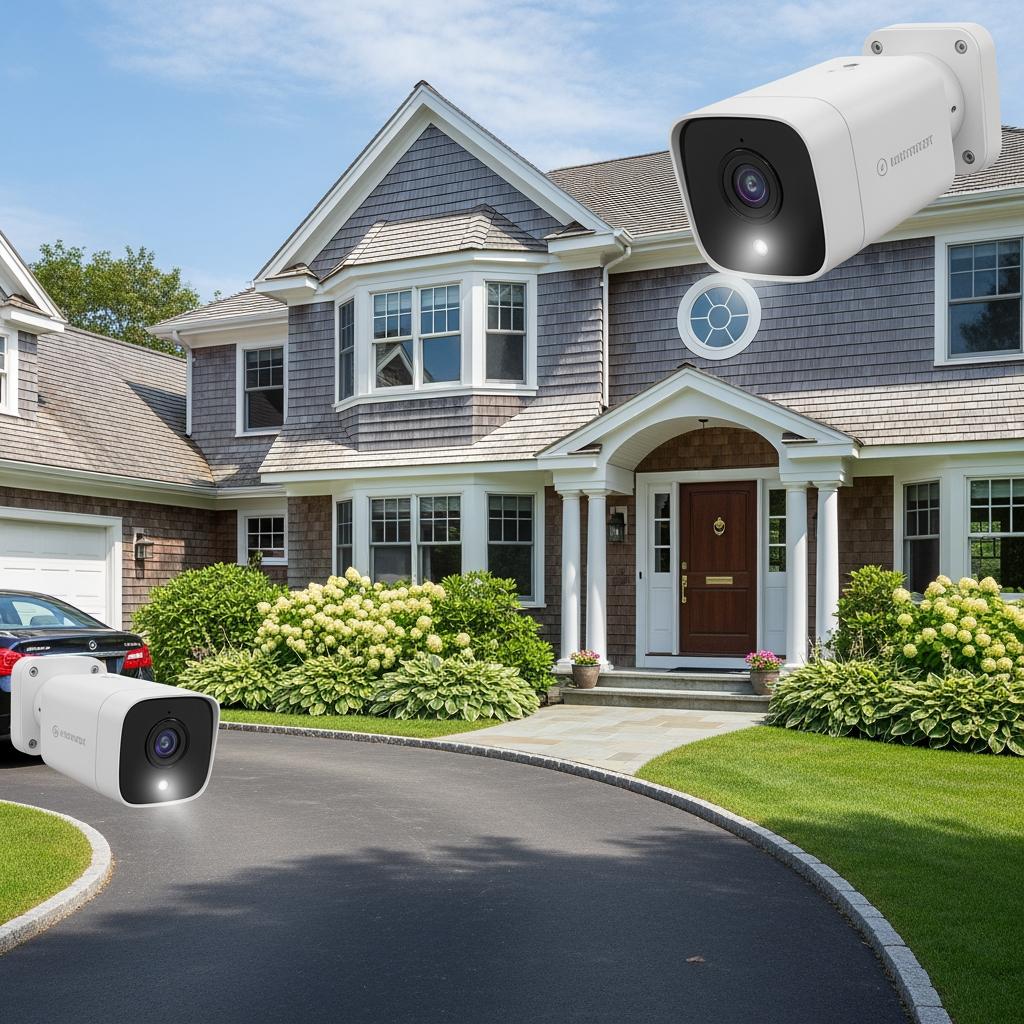
For Rhode Island families and renters, a home video monitoring system usually includes several Wi‑Fi or wired cameras, a network video recorder (NVR) or cloud storage, a mobile app, and sometimes professional monitoring. Cameras may cover exterior doors, driveways, hallways in multifamily buildings, shared entrances, and key interior areas you want to protect when no one is home.
Because much of Rhode Island lives close to neighbors—triple‑deckers, townhomes, and multi‑unit rentals—video coverage needs to be smart, not just plentiful. The goal is to see and document what matters (packages, visitors, maintenance access, suspicious activity) without creating constant false alerts or privacy issues.
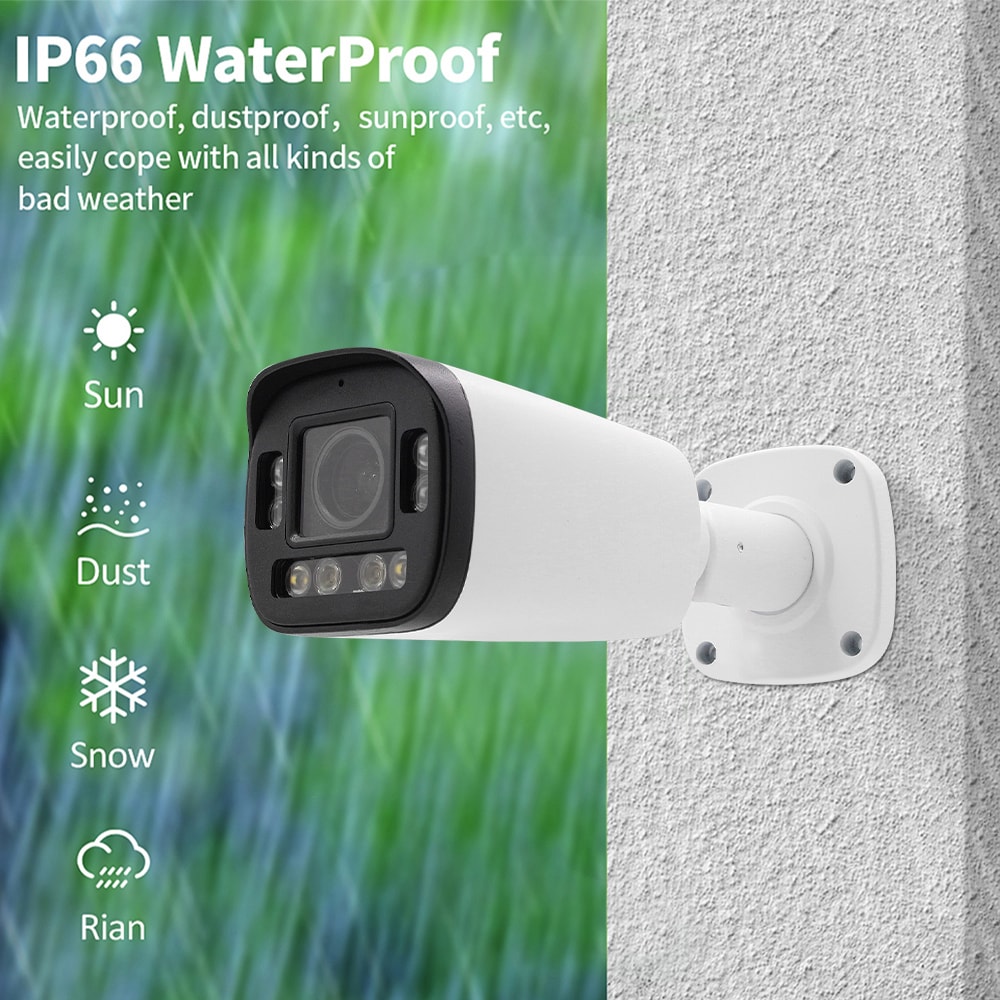
Weather and environment also matter. Rhode Island’s coastal climate brings fog, salt air, and winter storms. Outdoor cameras and doorbells should be rated for harsh conditions, have good night vision, and be mounted and sealed correctly so they last more than one season. Indoors, renters often prefer wireless or adhesive installs that can be removed cleanly when they move out.
Here is a simple way Rhode Island residents can think about home video monitoring systems:
| Home video monitoring focus | What it means in Rhode Island homes and rentals |
|---|---|
| Deterrence | Visible cameras and doorbells signal that your unit or house is watched, discouraging opportunistic thefts and porch pirates. |
| Evidence | High‑definition clips with clear faces and plates help with landlord, HOA, or police reports after an incident. |
| Convenience | Knowing when kids get home, when cleaners or dog walkers arrive, or when a package is dropped off adds everyday peace of mind. |
| Flexibility for renters | Non‑invasive mounts, Wi‑Fi connections, and portable hubs let renters take their system when they move. |
This perspective keeps you focused on outcomes—deterring problems and documenting what happens—rather than just collecting more gadgets.
Key Video Monitoring Features for Rhode Island Homes and Rentals
Not every feature matters equally for Rhode Island families and renters. It’s better to get a handful of reliable, well‑configured features than to chase every advanced spec. Start by prioritizing video quality, low‑light performance, motion detection that won’t constantly false‑alarm, and notifications that fit your lifestyle.
Core features to prioritize
For most Rhode Island homes and rentals, these core capabilities pay off quickly:
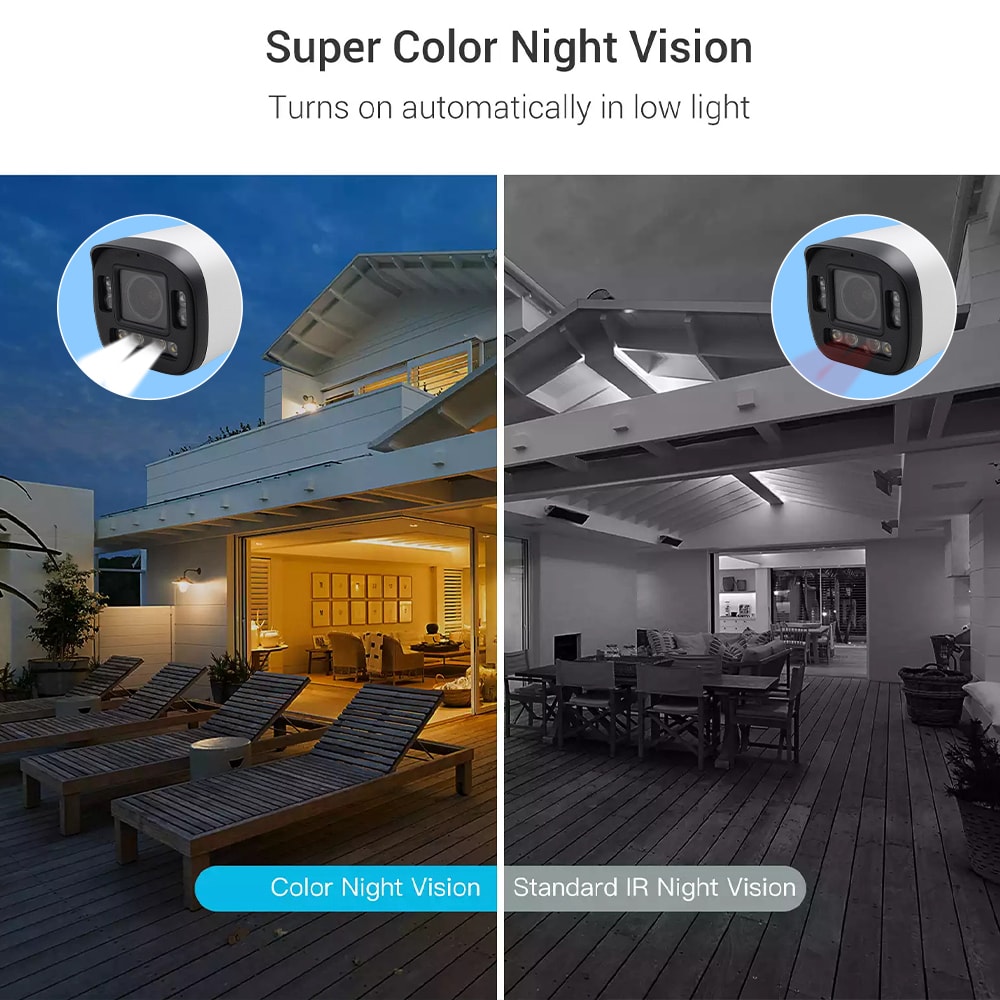
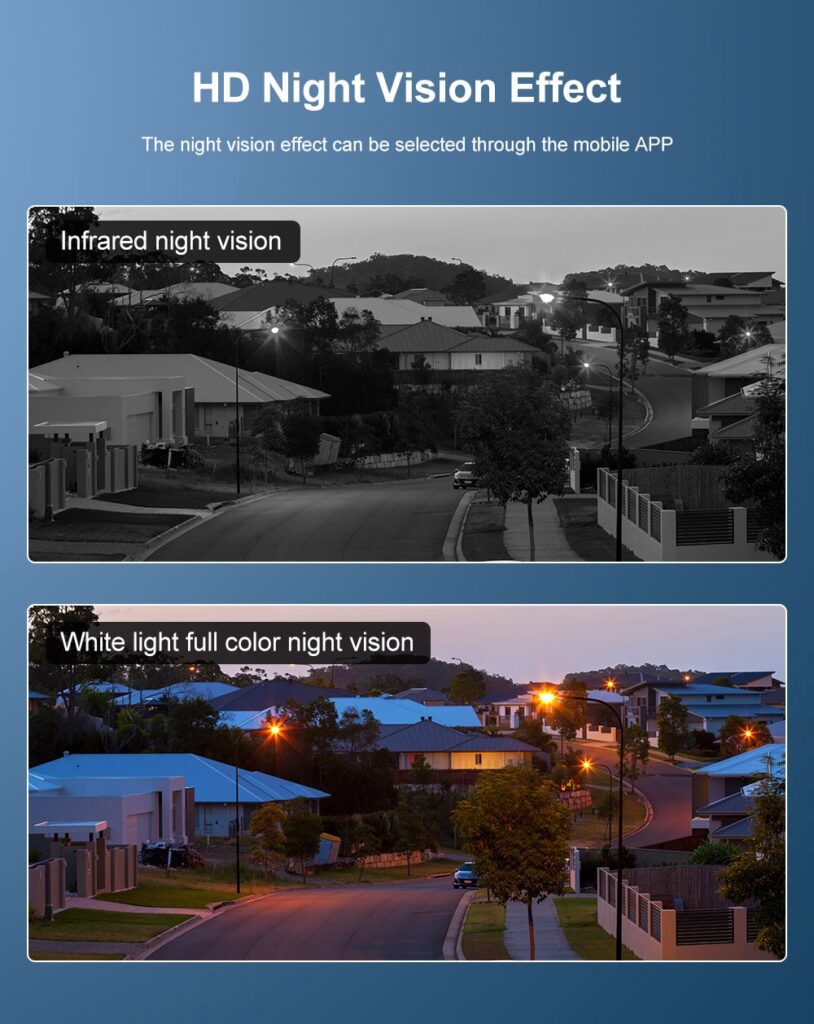
- High‑definition (at least 1080p) with good night vision so faces and details are clear in New England’s long winter nights and dim common hallways.
- Weather‑rated outdoor cameras and video doorbells to handle coastal winds, rain, and snow without frequent failures or water damage.
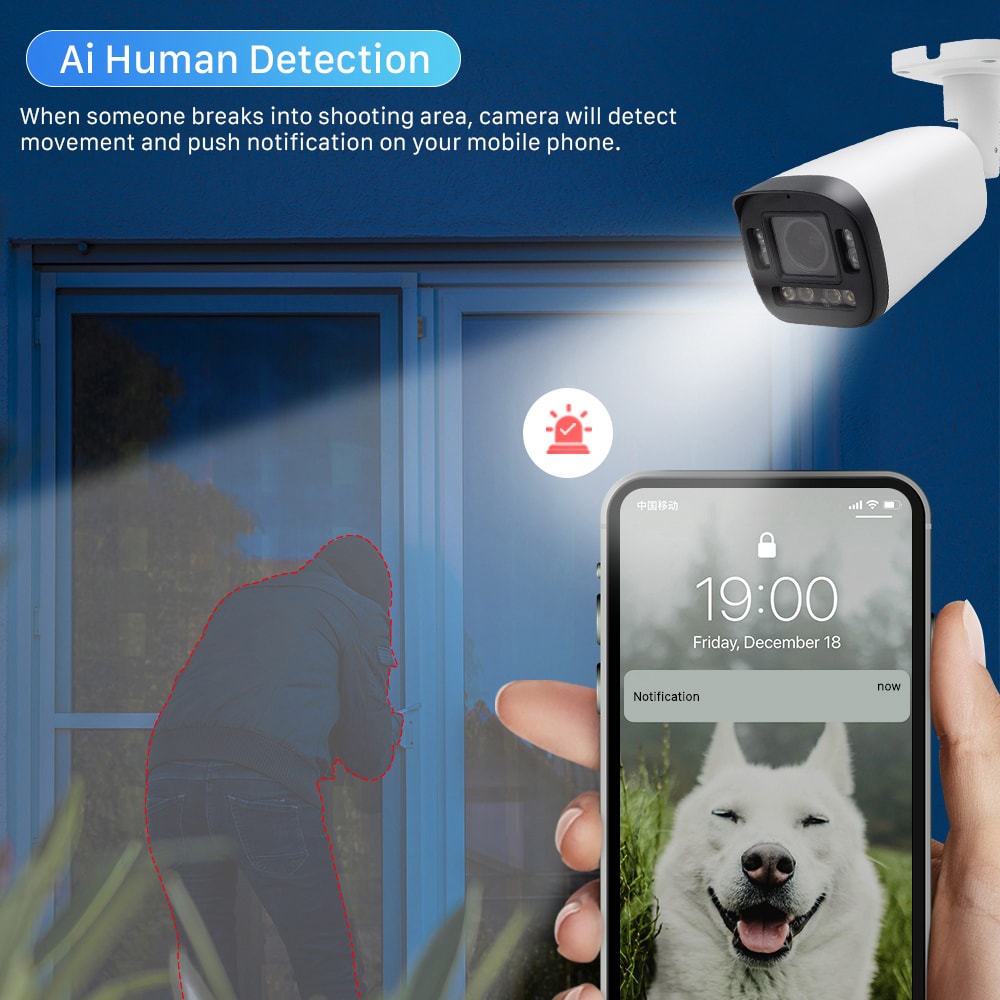
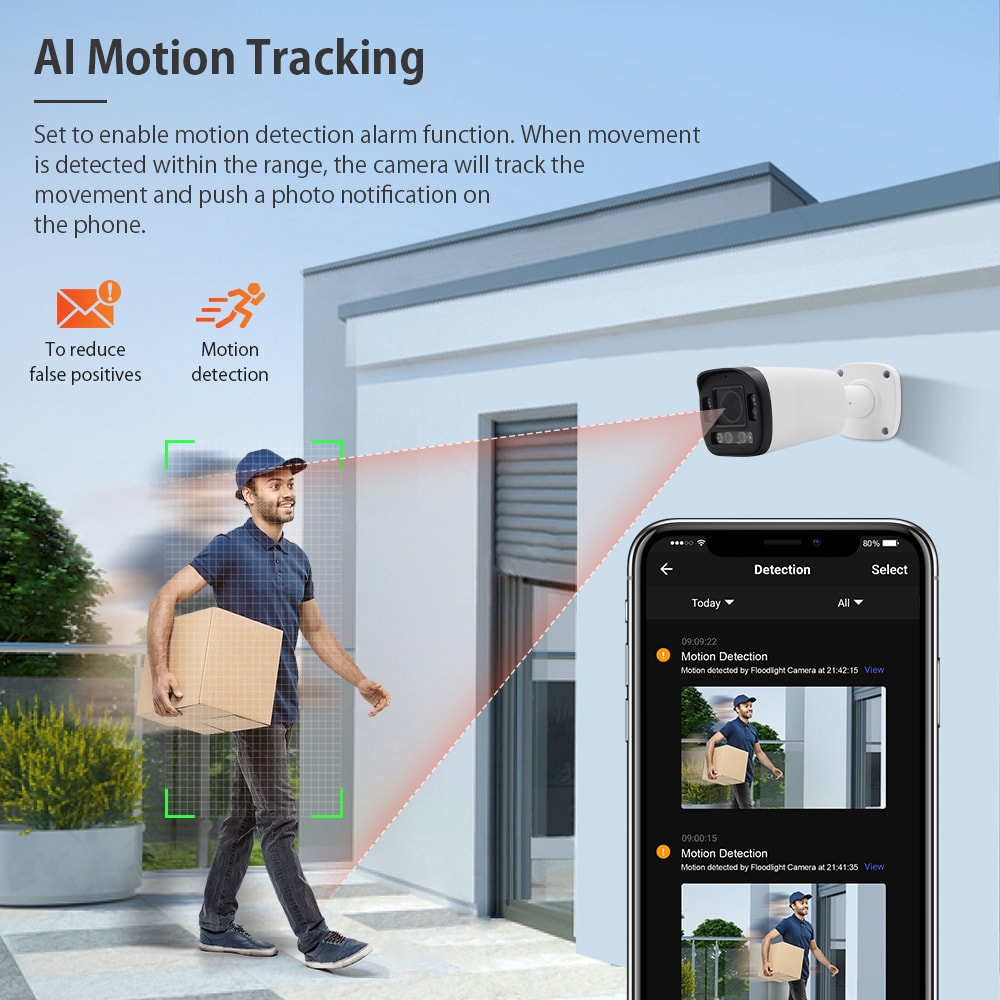
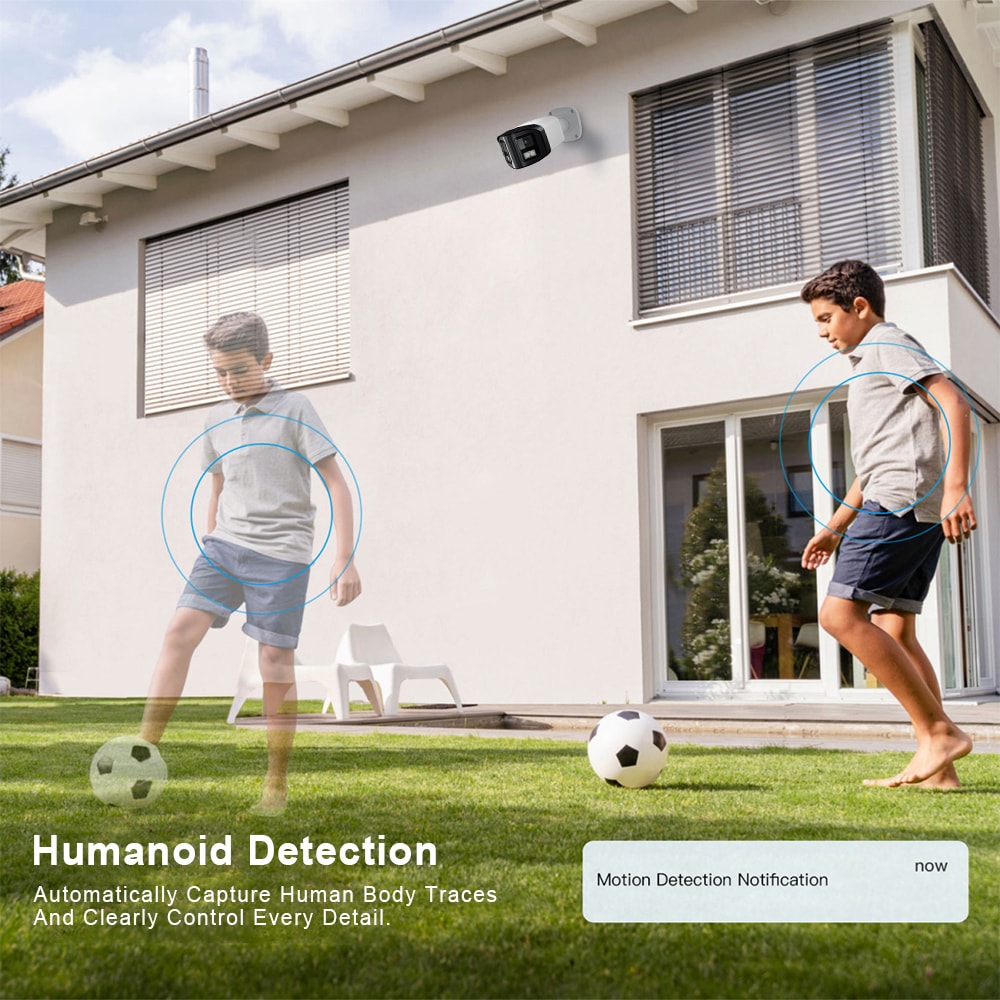
- Smart motion detection that can distinguish between people, vehicles, and general movement, to avoid endless alerts from passing headlights or swaying trees.
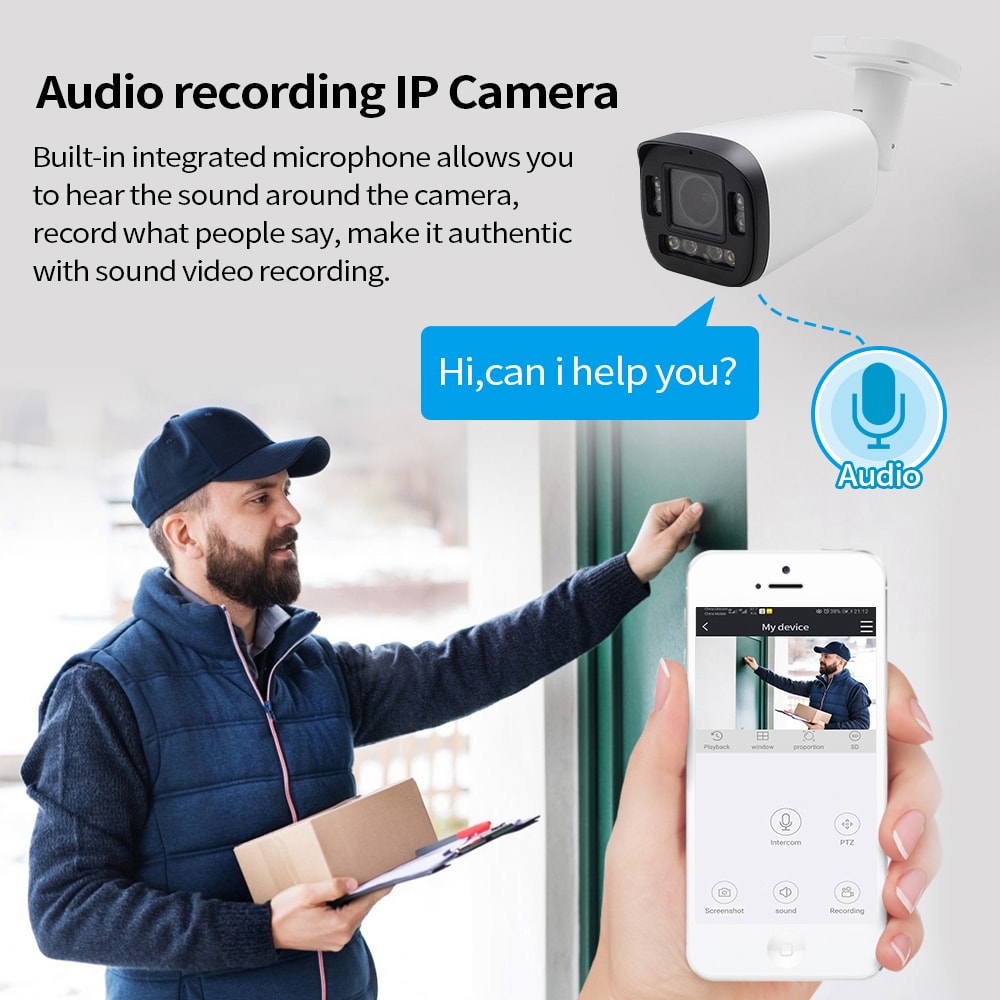
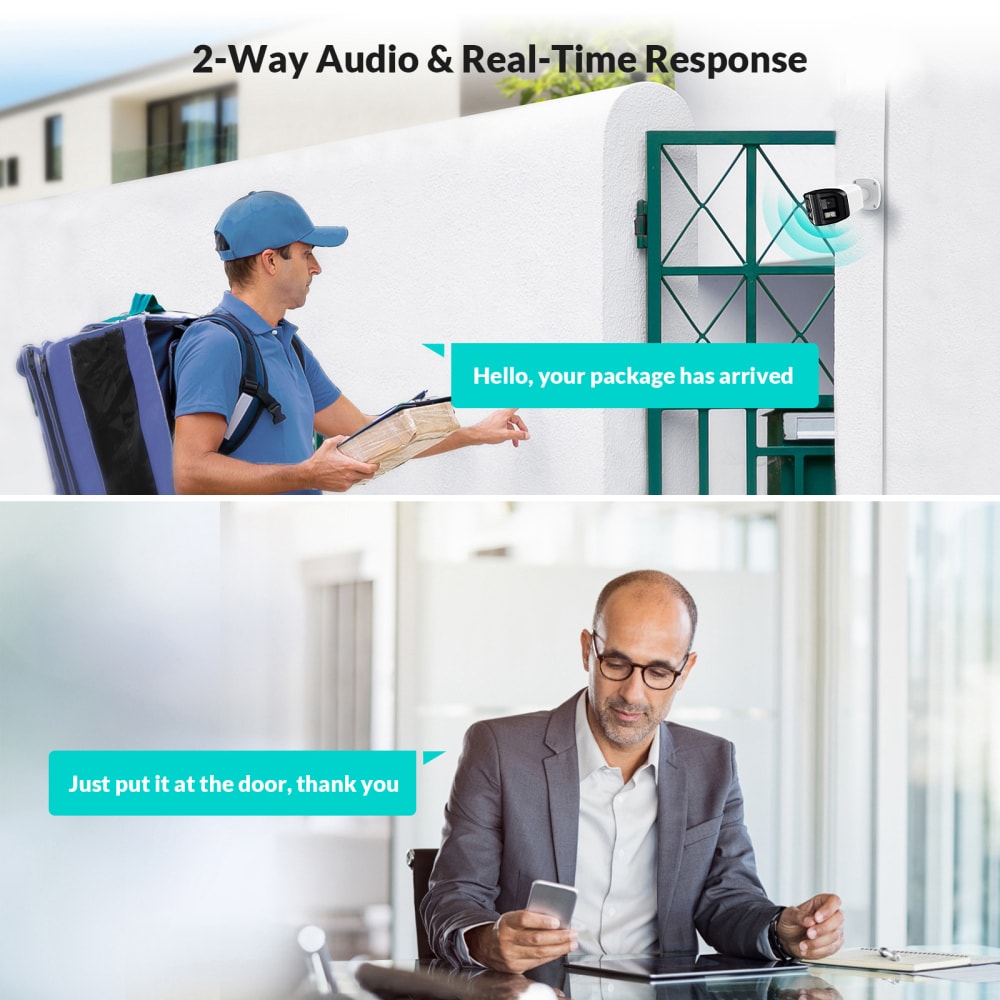
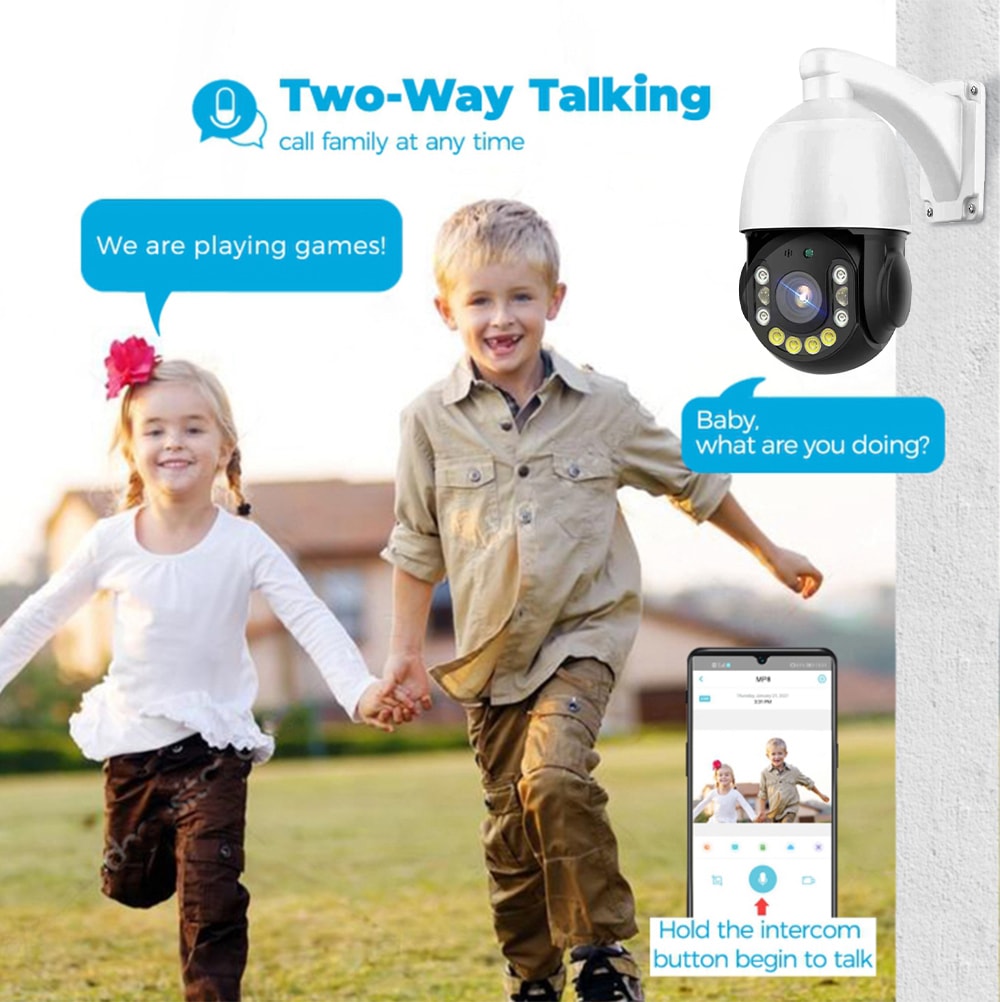
- Two‑way audio on key cameras, especially at the front door, to talk with delivery drivers, guests, and maintenance staff without opening the door.
- Flexible storage options (cloud, local NVR, or hybrid) so you can match retention time and privacy comfort to your budget and risk tolerance.
For renters, one more feature is crucial: minimal drilling. Battery‑powered cameras, adhesive mounts, and wireless doorbells that mount on existing holes make it easier to get landlord approval and receive your full deposit back.
Optional but valuable upgrades
Rhode Island families often appreciate extras that improve daily life, such as smart alerts when kids arrive home, detection zones drawn around a driveway or package drop‑off area, or integration with existing smart lights and locks. These convenience features become more valuable over time as your household routine changes.
If you are unsure which mix you really need, outline your daily and weekly routines, the specific doors and areas you worry about, and how long you want to keep recordings. That checklist will quickly reveal which features to insist on and which you can skip.
Smart Hub, Mobile App, and Remote Viewing for RI Residents
The smart hub and mobile app are the “brain and eyes” of home video monitoring systems for Rhode Island families and renters. They determine how quickly you see what’s happening, how hard or easy it is to share clips, and whether your system feels like a useful tool or constant work.
How smart hubs and apps fit into daily life
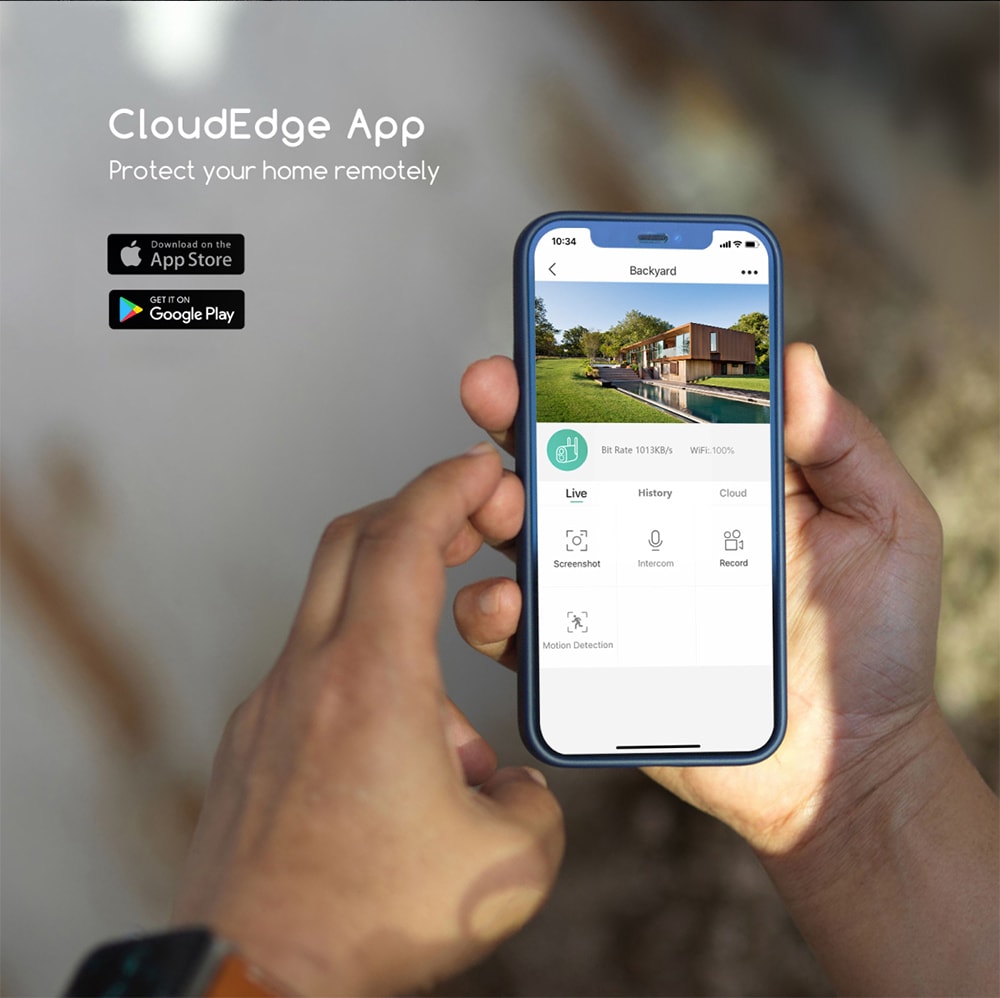
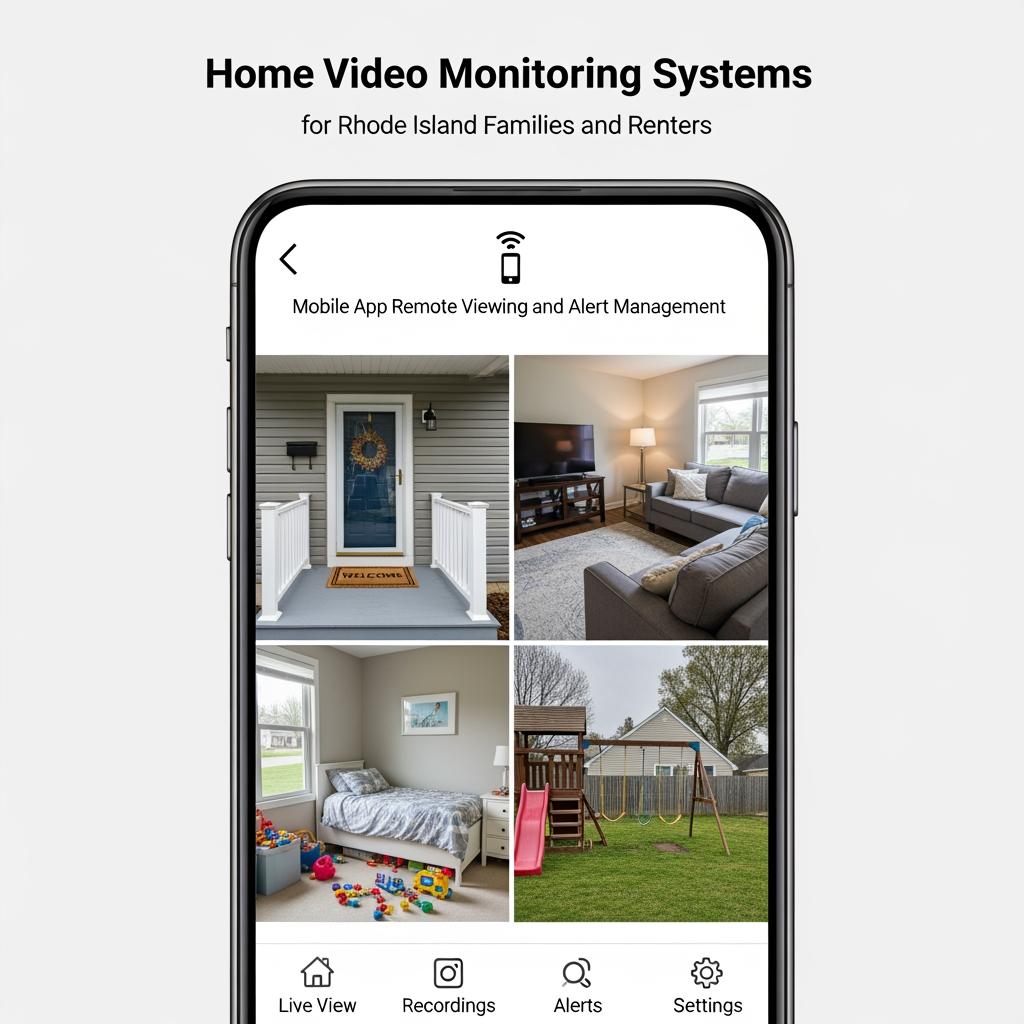
In a typical Rhode Island home or apartment, the hub connects your cameras to the internet and sometimes to a local hard drive. Many modern systems use a small base station or even a Wi‑Fi router with built‑in smart home features. The mobile app lets you live‑view cameras, receive alerts, talk through doorbells, and manage users.
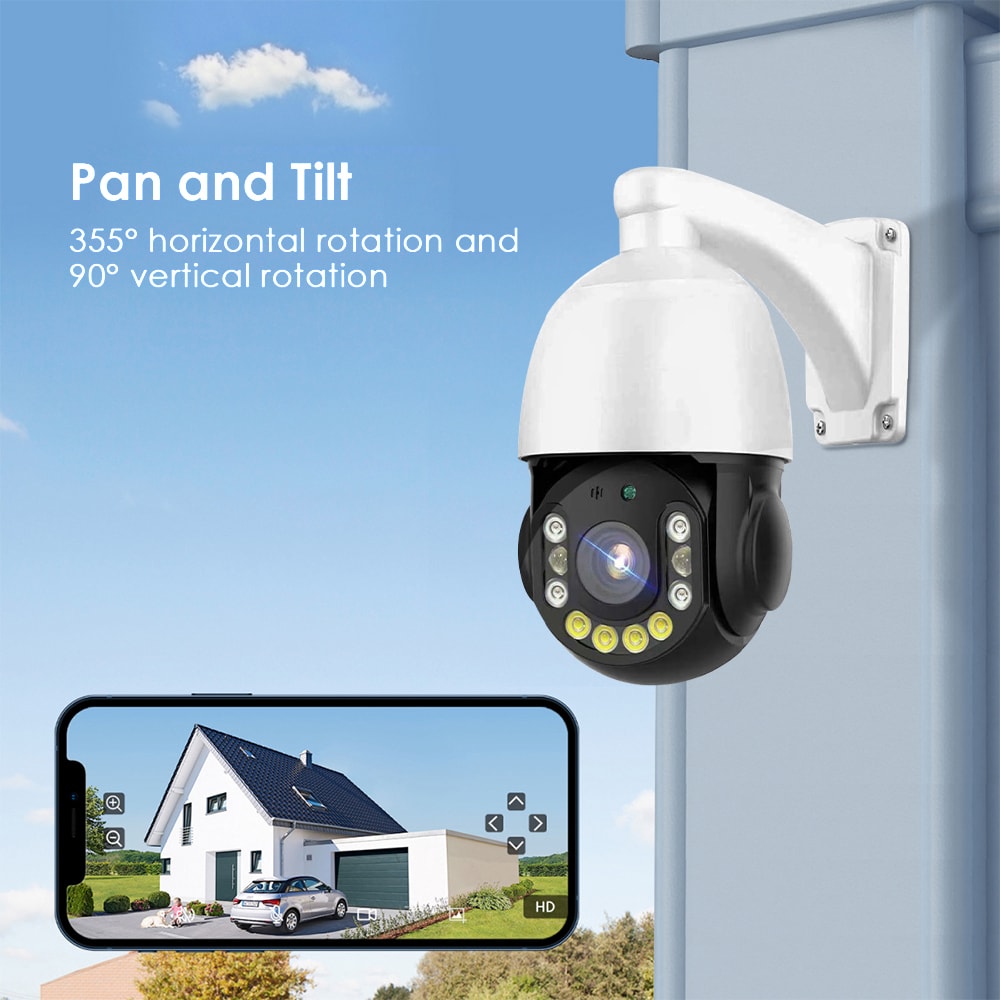
Because Rhode Island residents often travel between cities like Providence, Boston, and New York, reliable remote viewing is essential. Before you commit, test how quickly the app loads live video on cellular data, how easy it is to rewind and save a clip, and whether multiple household members can access the system with appropriate permissions.
| App & hub factor | What Rhode Island residents should test |
|---|---|
| Notification speed | How quickly do you see an alert when someone is at the door or gate? |
| App reliability | Does the app crash, hang, or log you out frequently when on the road? |
| Multi‑user support | Can renters, landlords, and family members have separate logins and roles? |
| Remote control | Can you change sensitivity or zones remotely during a trip? |
Testing these early, ideally during a trial or pilot period, helps ensure your system will be dependable for the long term.
Professional vs Self‑Monitored Home Video Systems in Rhode Island
Rhode Island residents basically face two approaches: self‑monitored systems and professionally monitored systems. Both still rely on cameras, apps, and recording, but they differ in who responds first and how fast.
Self‑monitored home video monitoring systems for Rhode Island families and renters rely on your phone alerts. When motion is detected, you check the app, decide whether it’s serious, and call neighbors, building management, or authorities if needed. These systems usually have lower monthly costs, and renters like the flexibility of canceling anytime.
Professionally monitored systems route alerts to a monitoring center, where operators check the event, attempt to verify it, and can contact emergency services when appropriate. These systems often integrate video, door sensors, and sometimes environmental alarms (like smoke or CO) and appeal to families that want a backup when they are asleep, at work, or out of state.
Pros and cons for Rhode Island households
For smaller apartments or houses where someone is almost always nearby, self‑monitoring can be sufficient. Just be realistic about how promptly you can respond at 2 a.m. or when you’re on a long‑haul flight. For suburban homes, rental properties, or vacation homes along the coast, professional monitoring can provide peace of mind when the property sits empty for days.
One hybrid approach some Rhode Island families use is to self‑monitor most of the year and temporarily activate professional monitoring during vacations or extended absences. If flexibility is important, look for providers that offer month‑to‑month monitoring add‑ons instead of long, locked‑in contracts.
Home Video Monitoring Costs, Plans, and Contracts in Rhode Island
Costs for home video monitoring systems in Rhode Island range widely depending on hardware, the number of cameras, and whether you pay for cloud storage or professional monitoring. It helps to look at total cost over two to three years rather than only upfront price tags.
Typical cost components
For Rhode Island families and renters, you’ll usually encounter three main categories:
- Equipment: Cameras, doorbells, hubs, and possibly an NVR. Renters often start with 1–3 devices; families in single‑family homes may install 4–8.
- Installation: DIY time or professional labor. Complex exterior cabling, tall mounting points, or integration with existing wiring increase labor needs.
- Service plans: Cloud storage subscriptions, AI features, and optional 24/7 professional monitoring.
Here is a planning framework that many Rhode Island residents find useful:
| Cost category | What to watch for in Rhode Island | Notes |
|---|---|---|
| Upfront equipment | Camera quality vs quantity | Start with fewer, better‑placed HD cameras rather than many low‑quality ones. |
| Monthly storage | Retention days & camera count | Balance how long you truly need to keep clips with your budget. |
| Monitoring plans | Contract length & cancellation | Favor plans with clear terms, reasonable cancellation, and transparent fees. |
| Add‑on fees | Extra users, advanced AI, or sharing | See if you’ll actually use these add‑ons before agreeing. |
When comparing plans, read the fine print. Some low advertised rates assume minimal storage or only one camera per plan. Make sure pricing matches your actual number of devices and the retention period you want.
Installation and Setup Process for Rhode Island Home Video Monitoring
A good installation is just as important as choosing the right brand. Poor placement, unstable Wi‑Fi, or exposed wiring can make even the best cameras unreliable. In Rhode Island’s older housing stock—triple‑deckers, historic homes, and mixed‑use buildings—planning your installation route matters a lot.
Typical step‑by‑step for Rhode Island homes and rentals
Installation usually follows this flow:
- Walk‑through and risk assessment → Identify key entry points, dark corners, shared entrances, and any local HOA or landlord rules you must follow.
- Camera placement plan → Decide exact mounting locations that capture faces and activity without pointing directly into neighbors’ private windows or yards.
- Connectivity check → Test Wi‑Fi coverage or run wired connections to ensure each camera has a strong, stable signal before drilling or mounting.
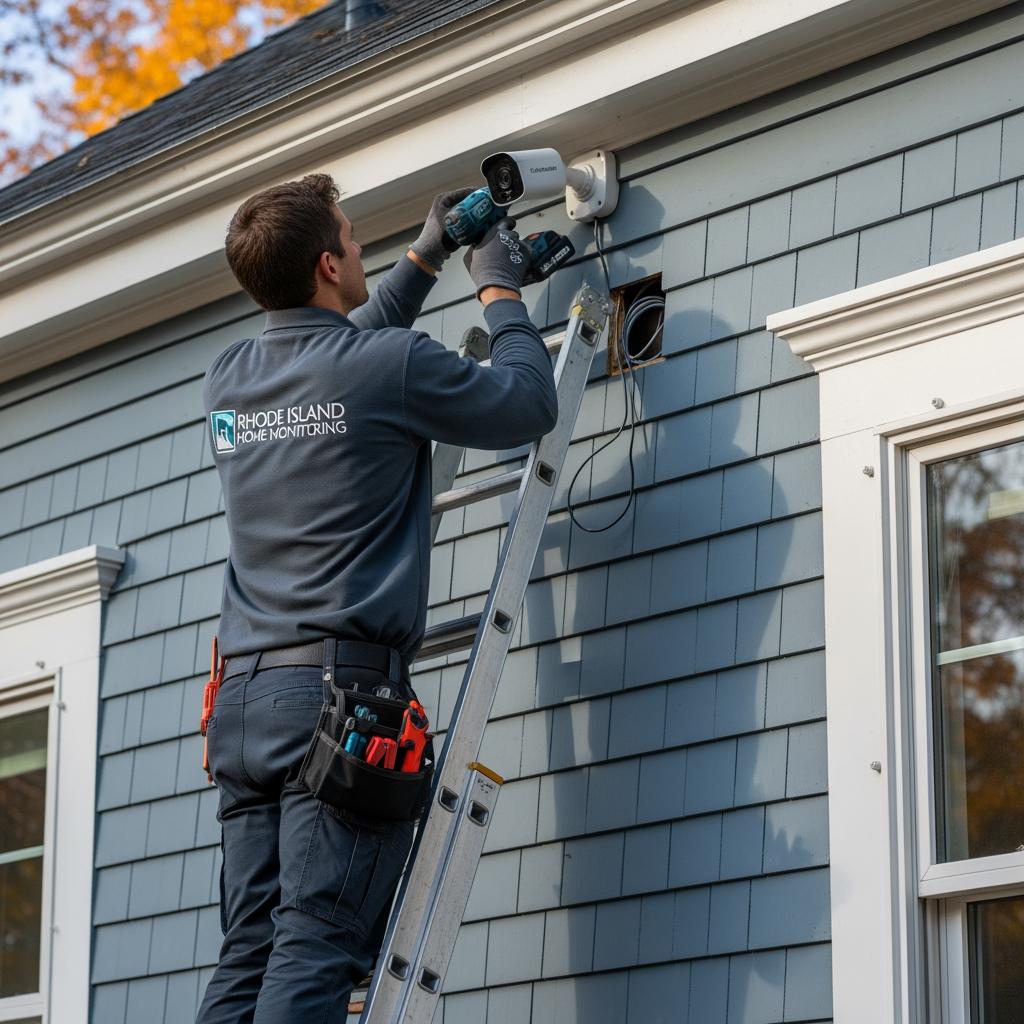
- Physical installation → Mount brackets, weather‑seal exterior holes, run cable neatly along trim or baseboards, and secure power.
- App setup and testing → Add each device to the app, name locations, adjust motion zones, and perform test alerts from different devices and locations.
- Fine‑tune and document → Show household members how to use the app, set up shared access, and note any special instructions for renters or guests.
Renters should review their lease or speak with their landlord before any drilling, especially on exterior facades or common doors. Many Rhode Island landlords welcome added security as long as placement, wiring, and move‑out restoration are addressed up front.
Recommended provider: S & Y Internet Technology
For Rhode Island residents who want professional‑grade planning and installation, S & Y Internet Technology Inc. is a strong provider to consider. Based in Flushing, New York, their teams specialize in smart devices, camera systems, video doorbells, smart locks, and broader security and network solutions. They’re accustomed to working in dense urban neighborhoods and mixed‑use buildings, which is similar to many Rhode Island layouts.
What makes S & Y Internet Technology especially relevant for home video monitoring systems for Rhode Island families and renters is their door‑to‑door installation and repair model, plus their experience with both residential and commercial properties. They focus on solving real‑world issues—unreliable Wi‑Fi, awkward wiring paths, and multi‑location monitoring—rather than just selling equipment. We recommend S & Y Internet Technology as an excellent provider for residents and landlords seeking reliable design, meticulous installations, and ongoing maintenance for camera, video doorbell, and smart lock setups. If you’d like a tailored quote or to discuss your property layout, you can review their service details and request a custom plan through the S & Y Internet Technology installation and repair page at professional installation and repair services.
Service Areas: Video Monitoring for Providence, Warwick, and All Rhode Island
While security needs are similar across the state, different Rhode Island cities and towns present unique monitoring challenges.
In Providence, multi‑unit buildings and busy streets mean cameras need tighter motion zones and good audio so you can distinguish activity at your door from general street noise. Hallway and entry cameras for multi‑family units must be placed legally and respectfully, usually focusing on common doors, lobbies, and mail areas.
In Warwick, Cranston, and Pawtucket, single‑family homes and duplexes often prioritize driveways, garages, and backyard gates. Families there may add cameras that cover side doors, basements, and bulkheads where intruders could try to enter out of street view.
Coastal and tourist‑oriented communities like Newport, Narragansett, and South Kingstown sometimes juggle primary homes, student rentals, and seasonal properties. In these cases, owners frequently combine outdoor cameras with smart locks and occasional monitoring upgrades during high‑traffic months.
To ensure your system scales if you move within Rhode Island, favor flexible hardware that can be relocated and a provider comfortable working in both urban and suburban settings.
Real Rhode Island Family and Renter Home Video Monitoring Stories
Stories from other Rhode Island residents can help you decide what matters most.
One Providence renter in a triple‑decker apartment used a battery‑powered video doorbell and a single interior camera facing the entry door. Package theft in the building’s shared vestibule dropped off once everyone could see that a camera was in place, and the renter appreciated being able to confirm maintenance visits remotely.
A Warwick family in a split‑level home installed front and back yard cameras and tied them to their kids’ after‑school routine. Instead of constant calls, they receive a quiet notification when the kids arrive, and a quick glance confirms they’re home safe. Over time, this daily reassurance mattered more than the occasional incident.
On the coast, a small rental property owner in Narragansett added exterior cameras covering only public‑facing areas—driveway, front steps, and yard—alongside clear notification in the lease. The video helped confirm guest arrival and departure times, document storm damage, and reduce disputes over parking and noise without intruding on interior privacy.
The common thread in these examples is that each household clarified its real goals—safety, routine reassurance, or rental oversight—then matched the system design to those goals rather than chasing every feature.
Privacy, Recording Rules, and Video Storage Options in Rhode Island
Anytime you’re recording video around homes and rentals, privacy and rules matter just as much as hardware. While this guide can’t provide legal advice, there are practical principles Rhode Island residents can follow to stay on safe, respectful ground.
Practical privacy guardrails
Inside your own unit or home, you have more freedom, but you still need to consider roommates, guests, and household members. Clearly explain where cameras are located and what’s being recorded. Avoid placing cameras in sensitive areas like bathrooms or bedrooms unless there is a very strong, well‑communicated reason and everyone affected agrees.
For common areas in rentals—hallways, lobbies, and shared yards—landlords and property managers must be especially transparent. Signage and clear lease language about exterior and common‑area recording can prevent misunderstandings later. Cameras should focus on access points and shared pathways rather than into specific units or neighboring properties.
Storage choices for Rhode Island households
Where and how you store recordings affects privacy, reliability, and cost. Most Rhode Island families and renters choose one of three paths:
| Storage option | Fit for Rhode Island homes and rentals | Considerations |
|---|---|---|
| Cloud‑only storage | Great for renters and busy families | Easy access from anywhere, but ongoing monthly cost and reliance on internet. |
| Local NVR/storage | Good for owners and long‑term tenants | No recurring storage fees, but equipment must be secured on‑site. |
| Hybrid (cloud + local) | Best for higher‑risk or multi‑property setups | Redundant copies and flexibility, with higher overall cost and complexity. |
Whatever you choose, set a clear retention policy—how long you keep footage before it’s overwritten—and stick to it. This helps manage storage costs and ensures you’re not holding on to more data than is useful or appropriate for your situation.
Why Rhode Island Families and Renters Trust Our Monitoring Team
Rhode Island families and renters tend to trust teams that combine technical know‑how with clear communication and realistic promises. The best monitoring providers don’t just sell cameras; they help you plan coverage, avoid privacy pitfalls, and support you through equipment failures or life changes like a move or renovation.
Teams used to handling both residential and commercial sites, as S & Y Internet Technology does across the greater New York area, bring valuable experience for Rhode Island’s mix of single‑family homes, student rentals, and small businesses. Their background in smart locks, access control, and network optimization helps when you’re integrating multiple systems, or when your building layout is complicated. If you’re interested in a full smart entry solution that ties video doorbells and smart locks together, review S & Y Internet Technology’s dedicated video doorbell solutions and smart lock installation pages and consider how similar designs might work for your Rhode Island property.
Ultimately, trust is built over many small interactions: prompt responses to questions, transparent quotes, on‑time arrivals for installation visits, and support when something breaks. When you’re ready to explore home video monitoring systems for Rhode Island families and renters in more detail, gather your property details, must‑have features, and budget range, then reach out to discuss a custom plan and pricing that fit your household or building.

Last updated: 2025-11-27
Changelog:
- Added feature checklist tailored to Rhode Island homes and rentals.
- Expanded explanation of smart hub and mobile app testing considerations.
- Clarified storage options and retention planning for privacy.
- Included real‑world examples of families and renters using monitoring systems.
- Integrated S & Y Internet Technology service details and internal links.
Next review date & triggers - Review in 6–12 months or sooner if Rhode Island regulations, major platform features, or S & Y Internet Technology’s service offerings change significantly.

About the Author: S & Y Internet Technology Inc.
S & Y Internet Technology Inc. is a professional installation and repair service provider based in Flushing, New York. Our expert team provides door-to-door installation and maintenance within a 100 km radius, ensuring quick response and high-quality results for every project — whether residential, commercial, or specialized.

Install & Repair Services
You May Also Interest
-
RFID vs QR Code vs Mobile App: Comparing Access Methods for Residential Buildings
Choosing the right access method for your apartment building or gated community is a decision that affects security, convenience, cost, and resident satisfaction. RFID cards, QR codes, and mobile apps each have distinct strengths and weaknesses. This guide compares them side by side—so you can make an informed choice for your next project. In modern…
-
Tuya vs Smart Life: Which App Is Better for Your Video Door Phone?
A practical comparison to help you choose the right app for your smart intercom system If you’ve recently purchased a FARHD video door phone, you’ve probably noticed that the product documentation mentions two apps: Tuya Smart and Smart Life. This immediately raises a common question: which one should you actually use? Are they different? Does…
-
Touch Screen vs Non-Touch Video Intercom Monitors: Which Is Better for Residents?
When specifying a video intercom system for an apartment building, villa, or residential community, one question often divides decision-makers: should the indoor monitor have a touch screen or physical buttons? Both options have passionate advocates. Both have real advantages. And both can be the wrong choice if they don’t match the needs of the residents…
-
How to Upgrade an Old Apartment Intercom to IP Without Rewiring: Step-by-Step
Upgrading an old apartment intercom to a modern IP system no longer requires tearing down walls, replacing every cable, or disrupting residents for weeks. With the right retrofit technology, you can deliver full IP functionality—video calling, mobile access, remote management—using the existing 2-wire cabling already inside your building. This step-by-step guide shows you how. Many…