Indoor and Outdoor Home Camera Mounting in North Carolina Homes
Share
Indoor and outdoor home camera mounting in North Carolina homes is about more than just putting devices on walls—it’s about choosing the right locations, hardware, and installation methods to protect your family and property in a climate with humidity, storms, and big temperature swings. When done properly, good placement and solid mounting can dramatically improve what your cameras capture and how reliably they work over time. If you’re planning a new camera setup or upgrading an older one, share a quick overview of your home layout, preferred brands, and budget so you can get a tailored plan and quote before you buy or install anything.
Indoor and Outdoor Camera Mounting Options for NC Homes
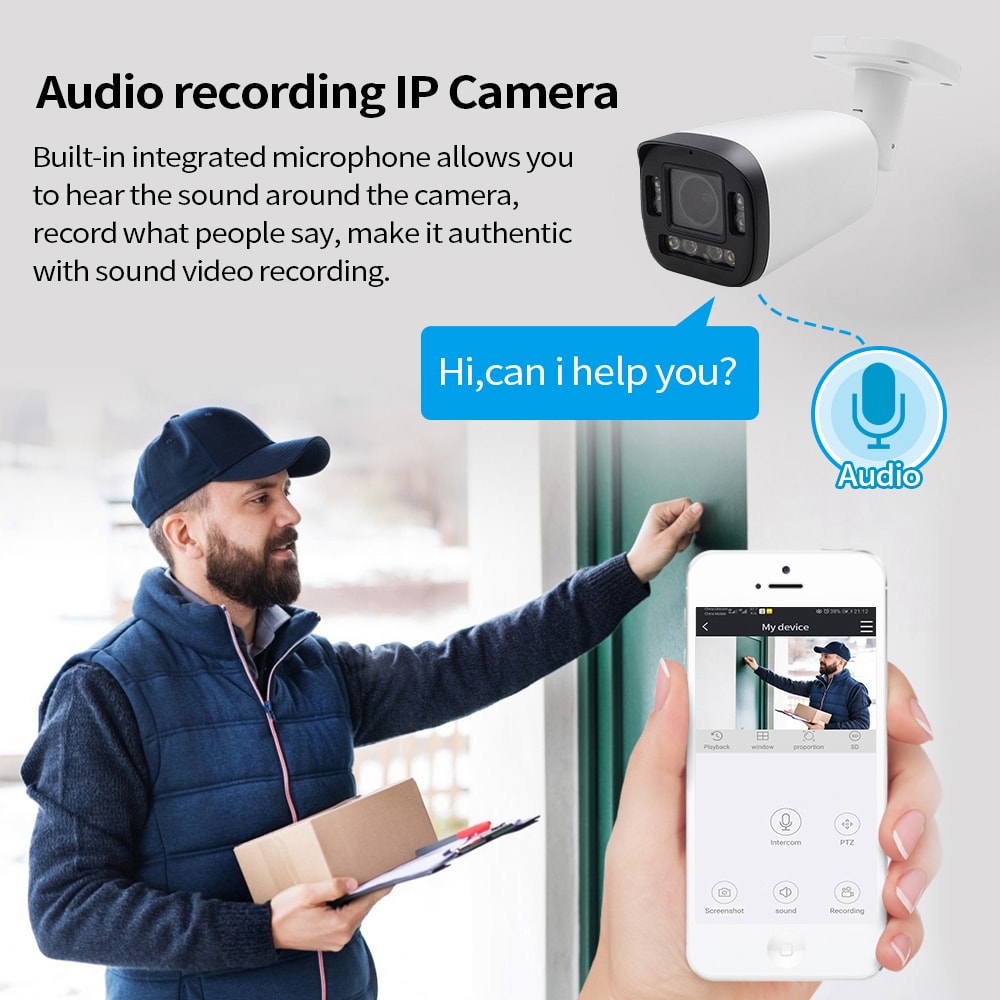
For North Carolina homes, indoor and outdoor home camera mounting starts with picking the right type of camera and matching it with an appropriate mount for each surface and viewing angle. Indoors, most homeowners use compact Wi‑Fi cameras with flush wall mounts, corner mounts, or ceiling mounts to get wide coverage of living spaces. These options reduce blind spots and keep power cords and cables neat and out of reach of children and pets.
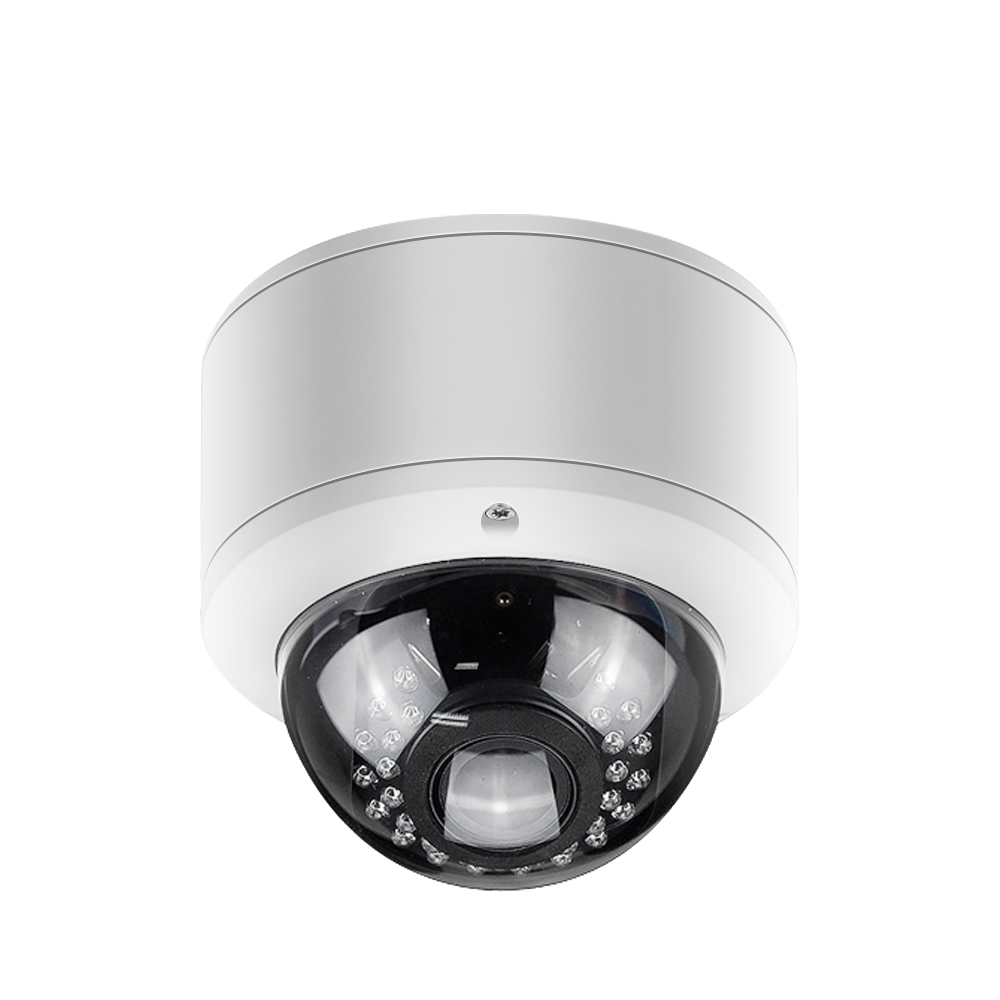
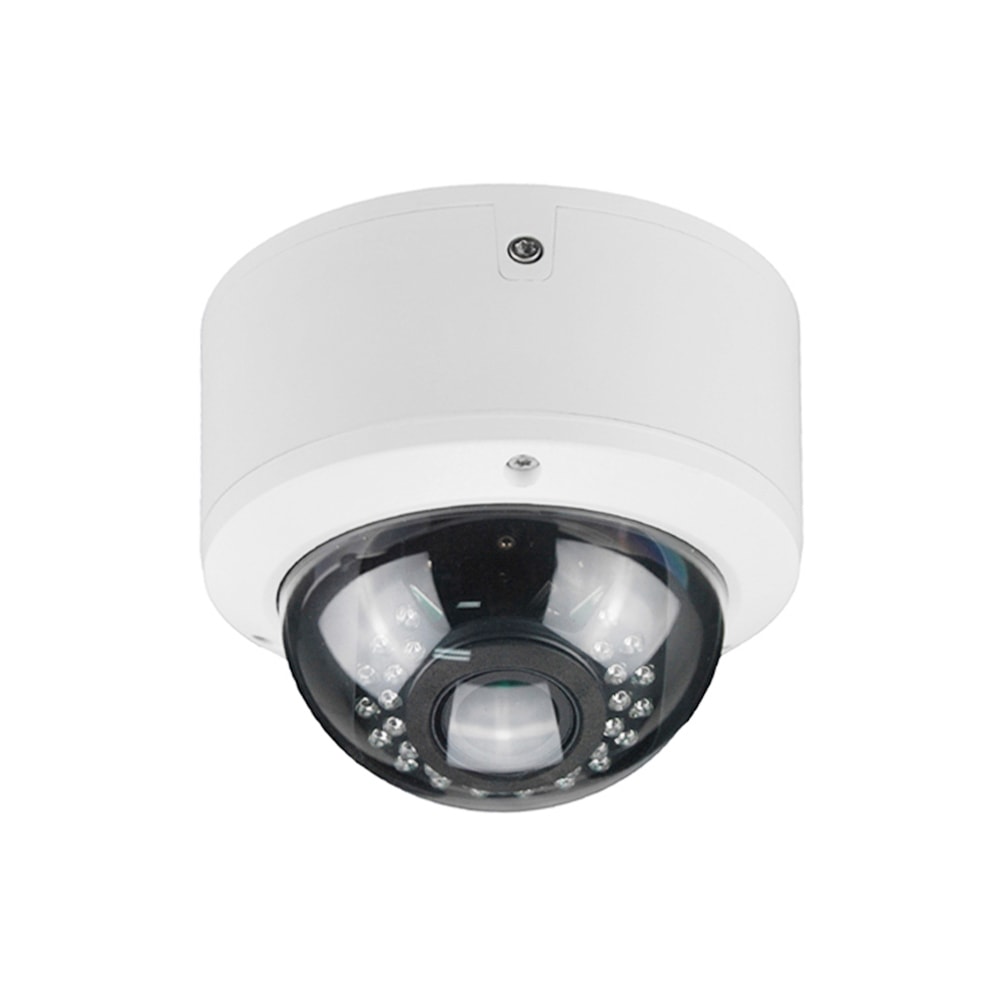
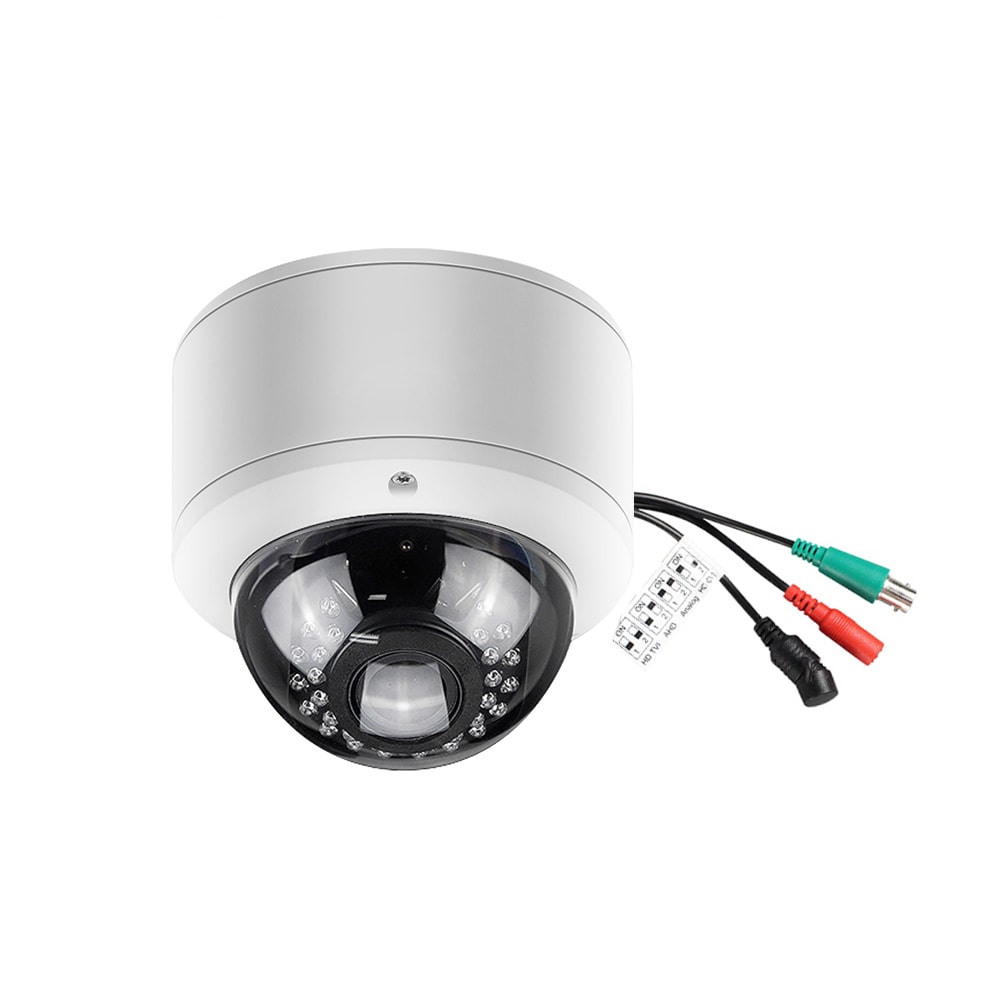
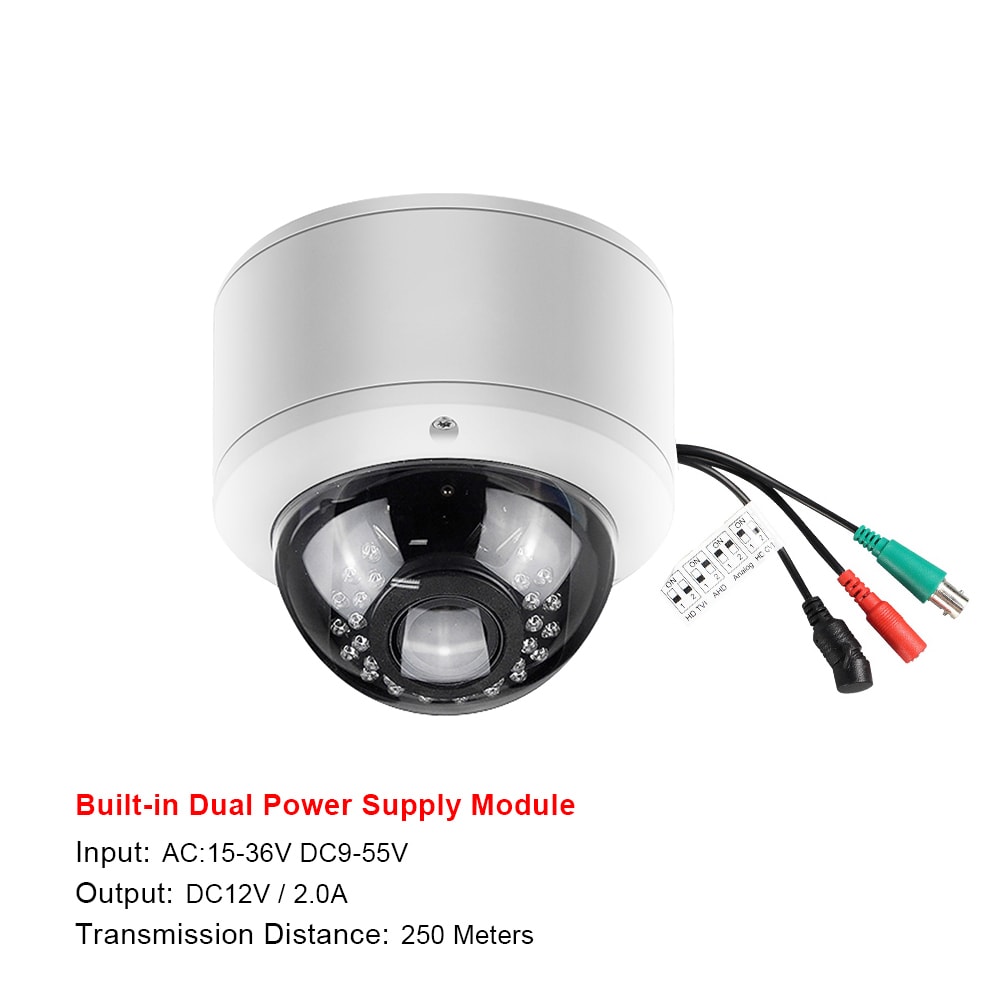
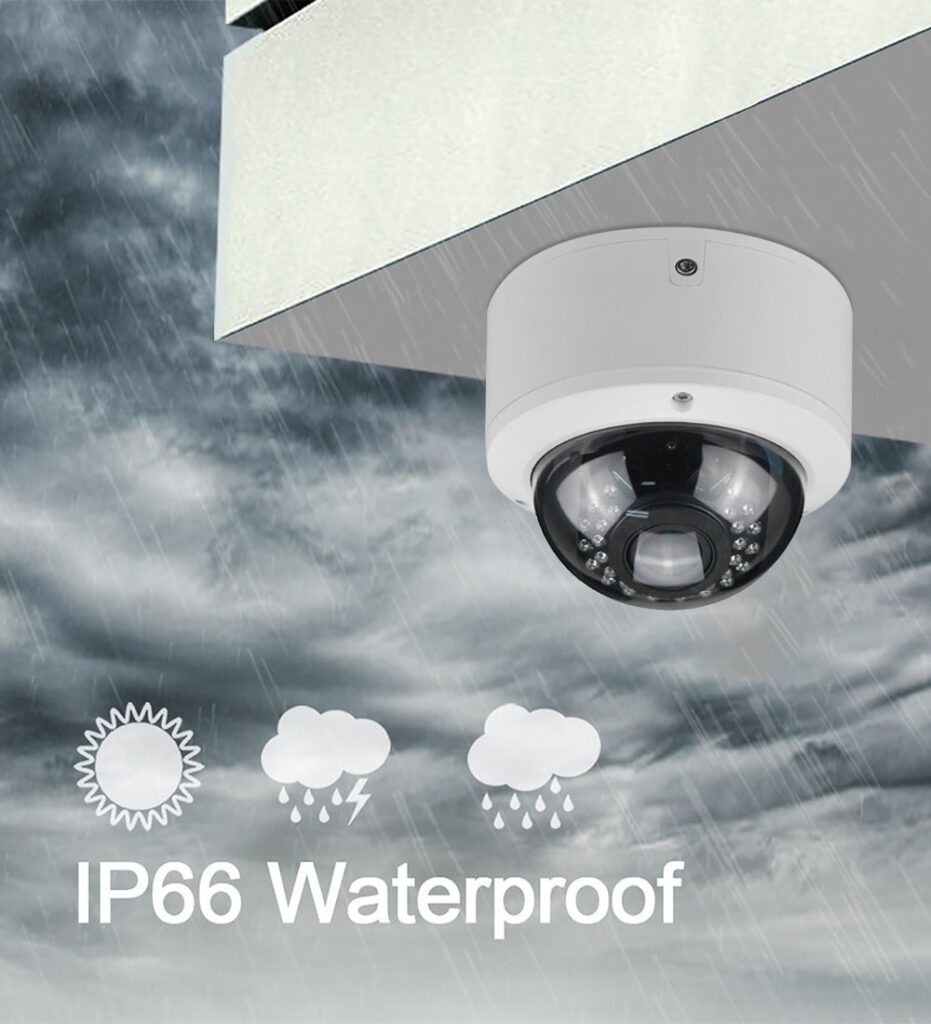
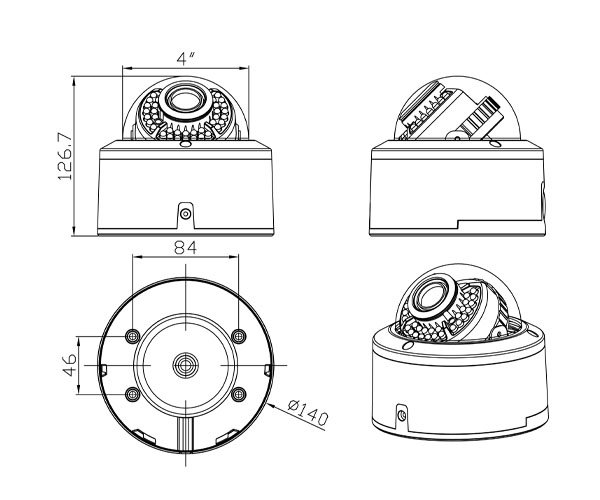
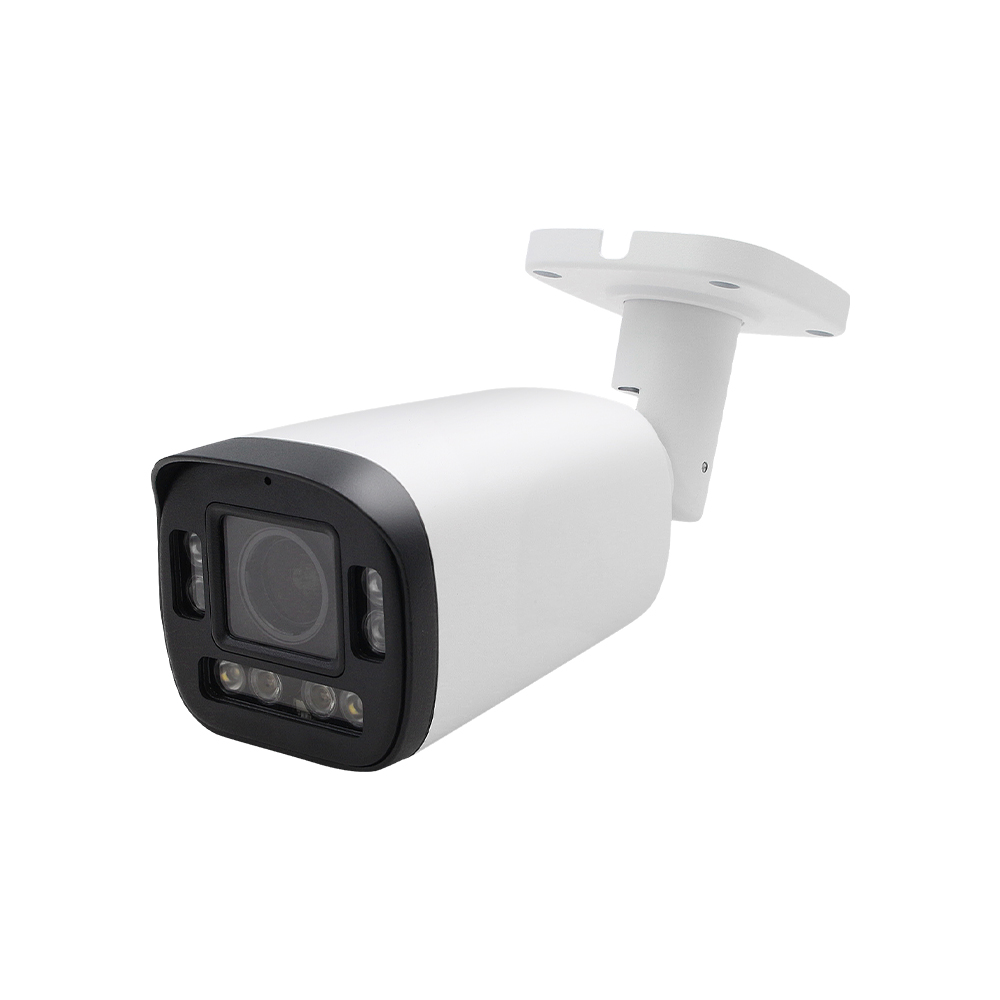
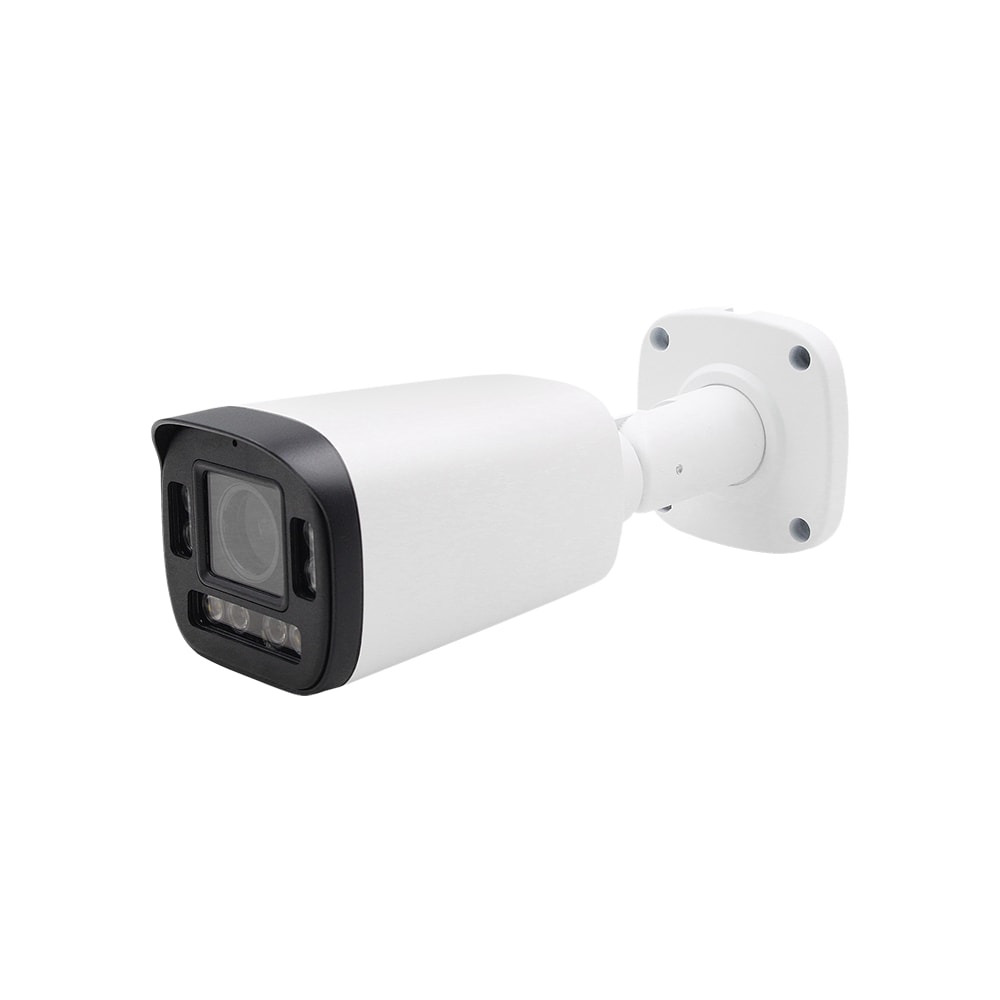
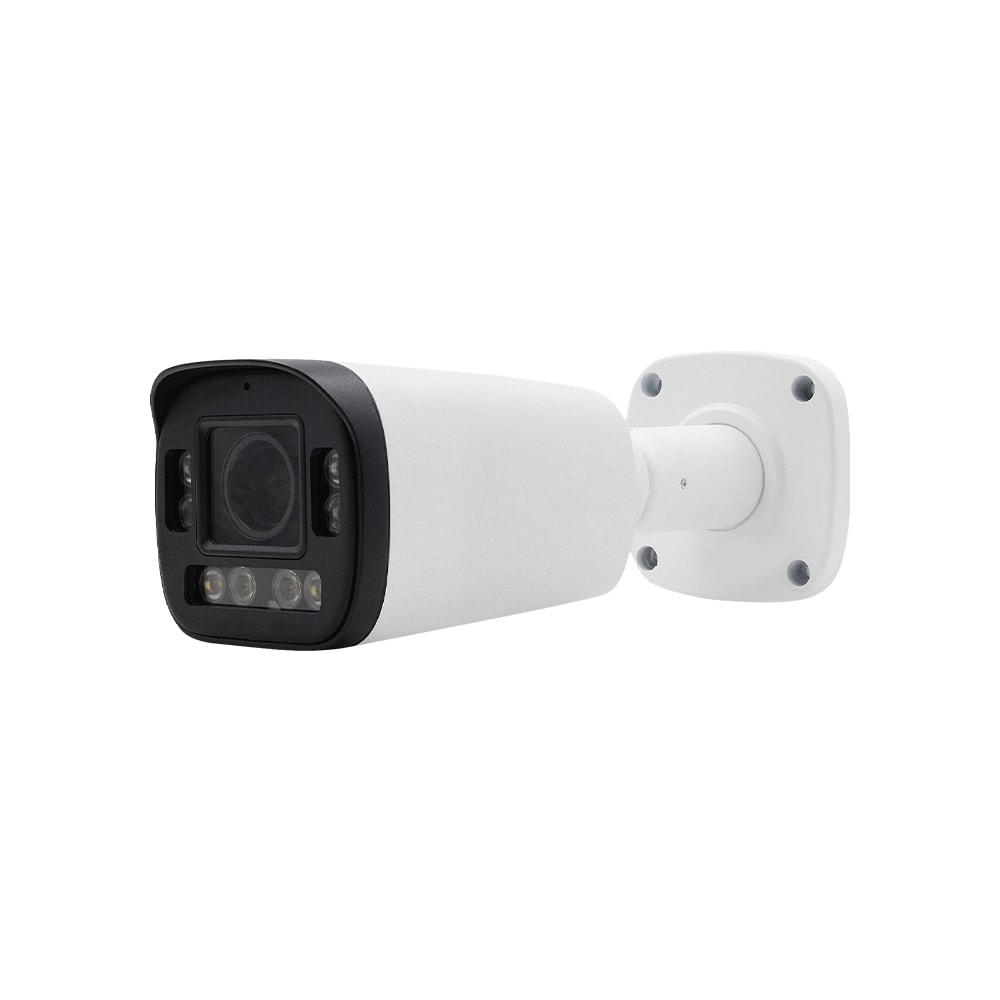
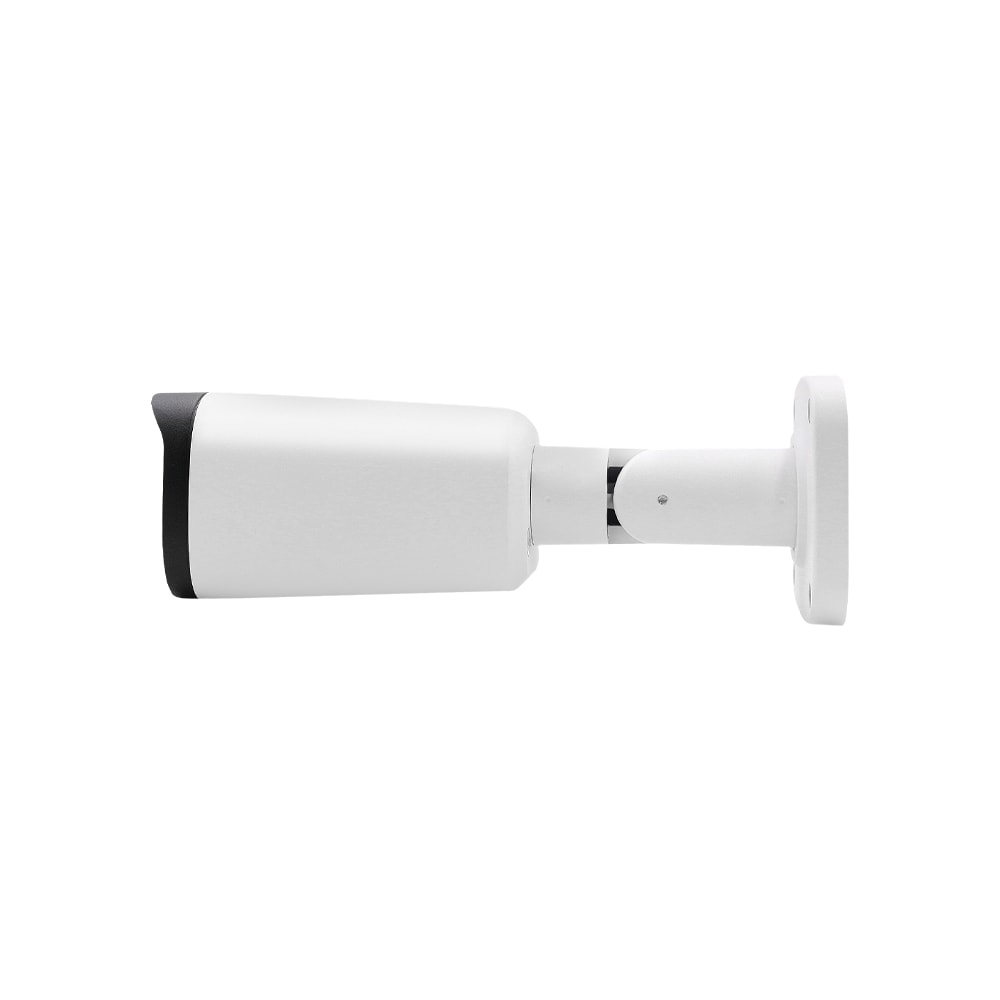
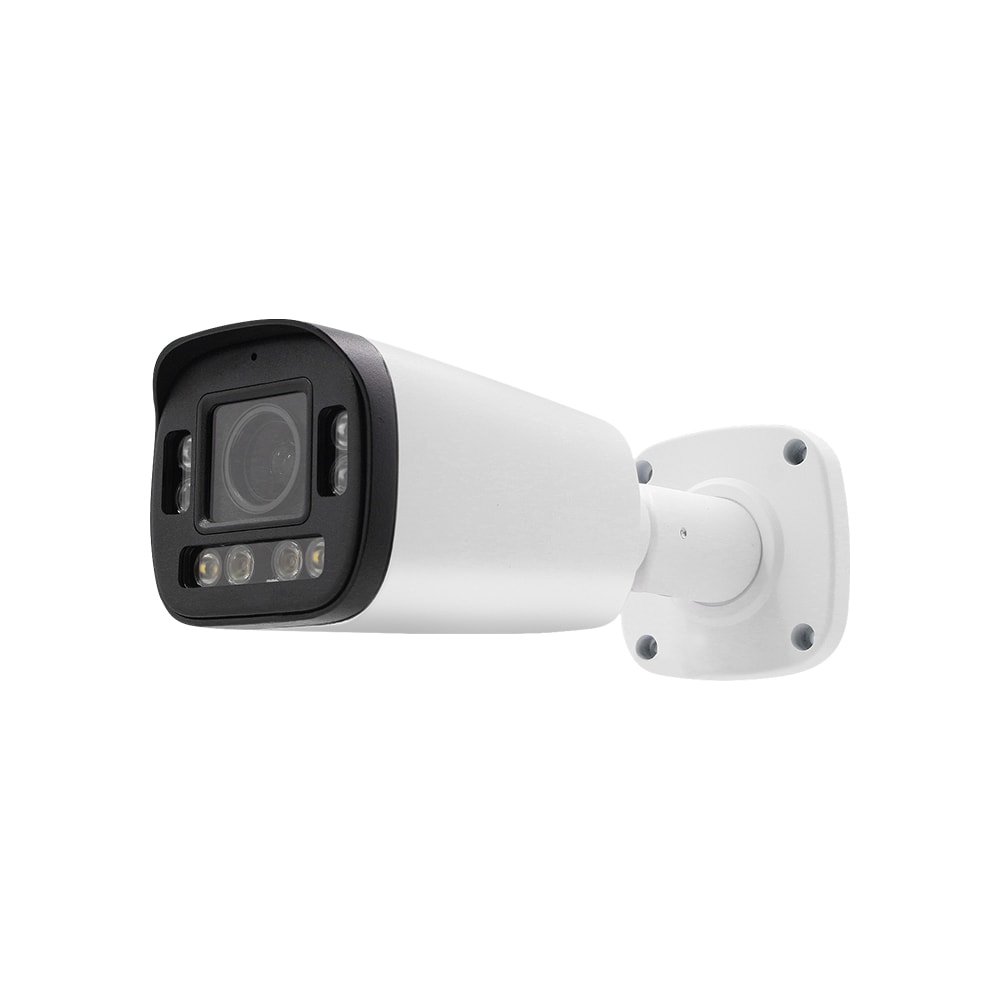
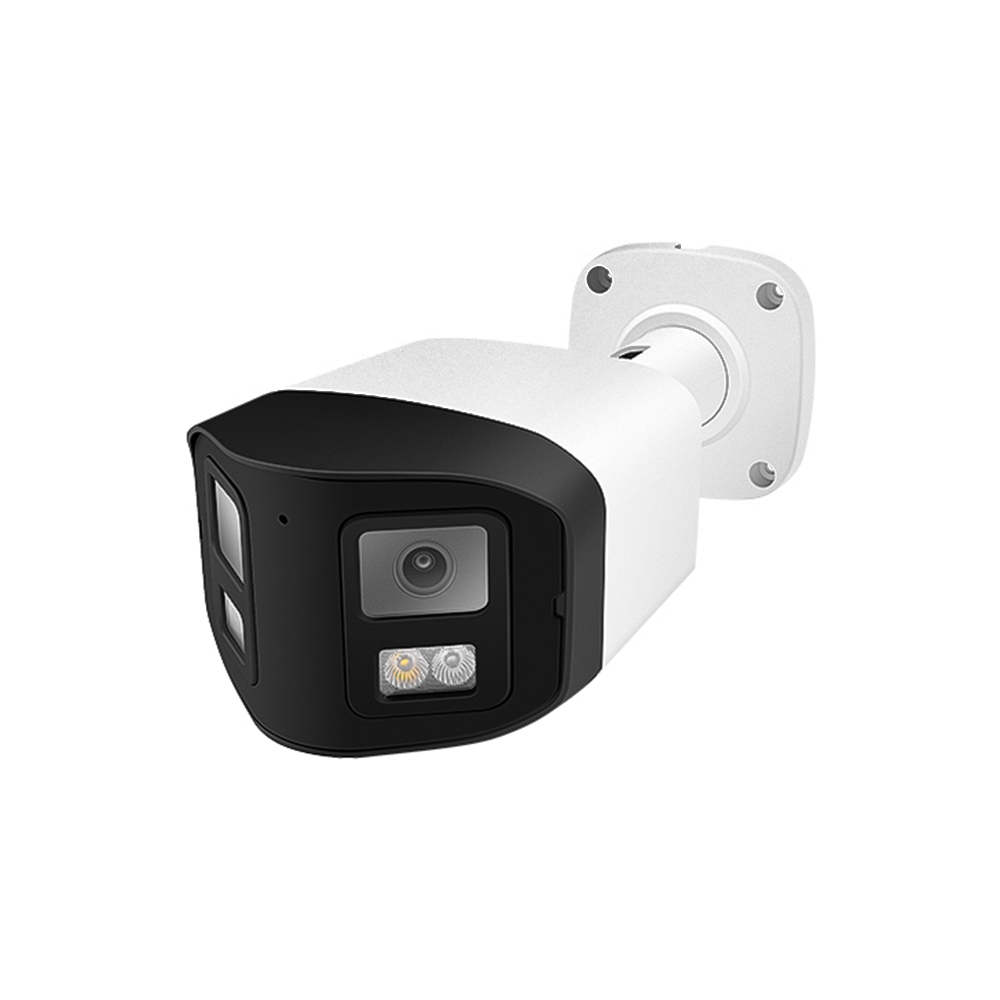
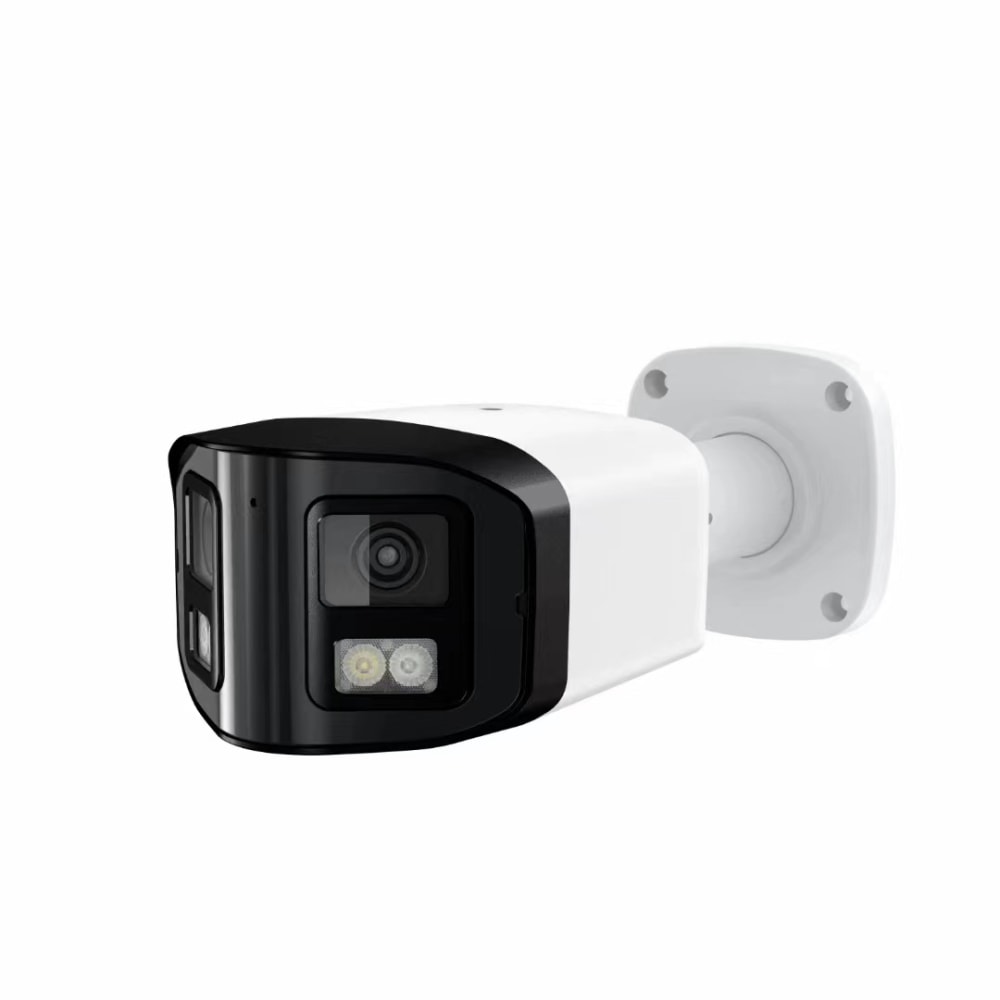
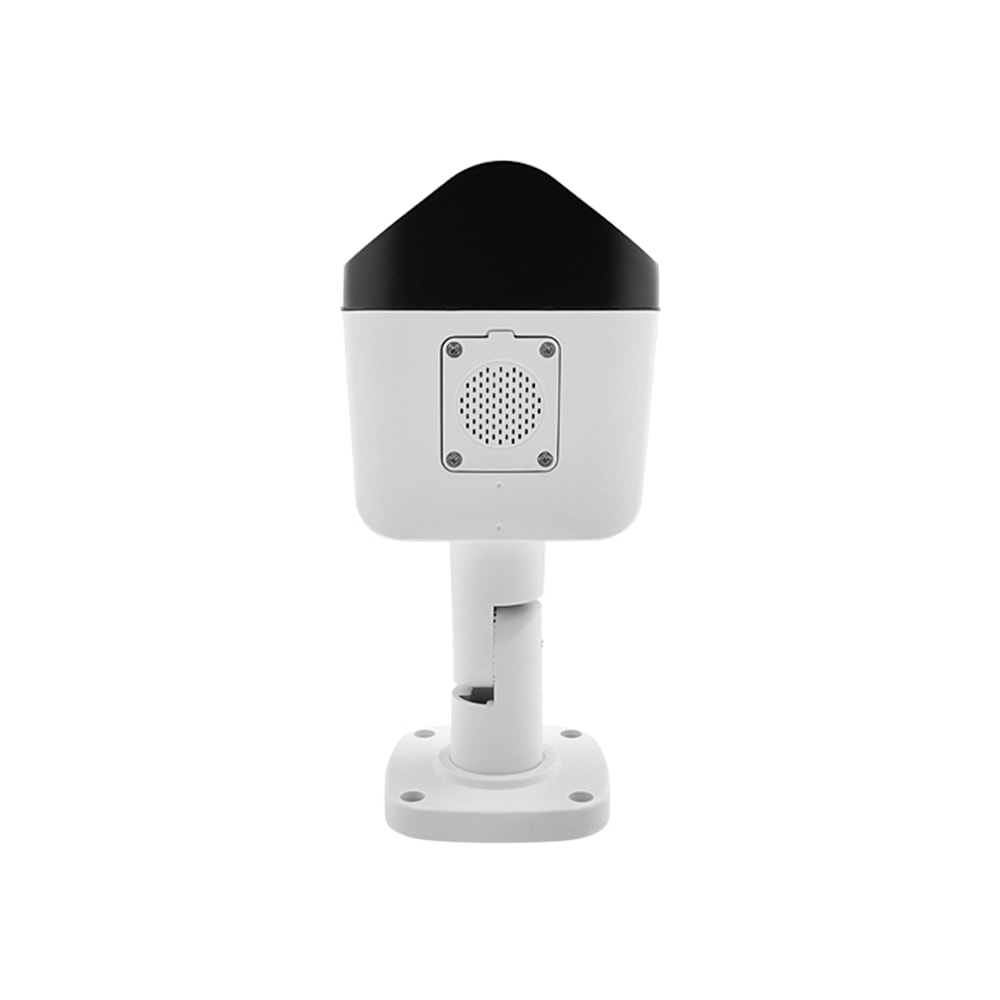
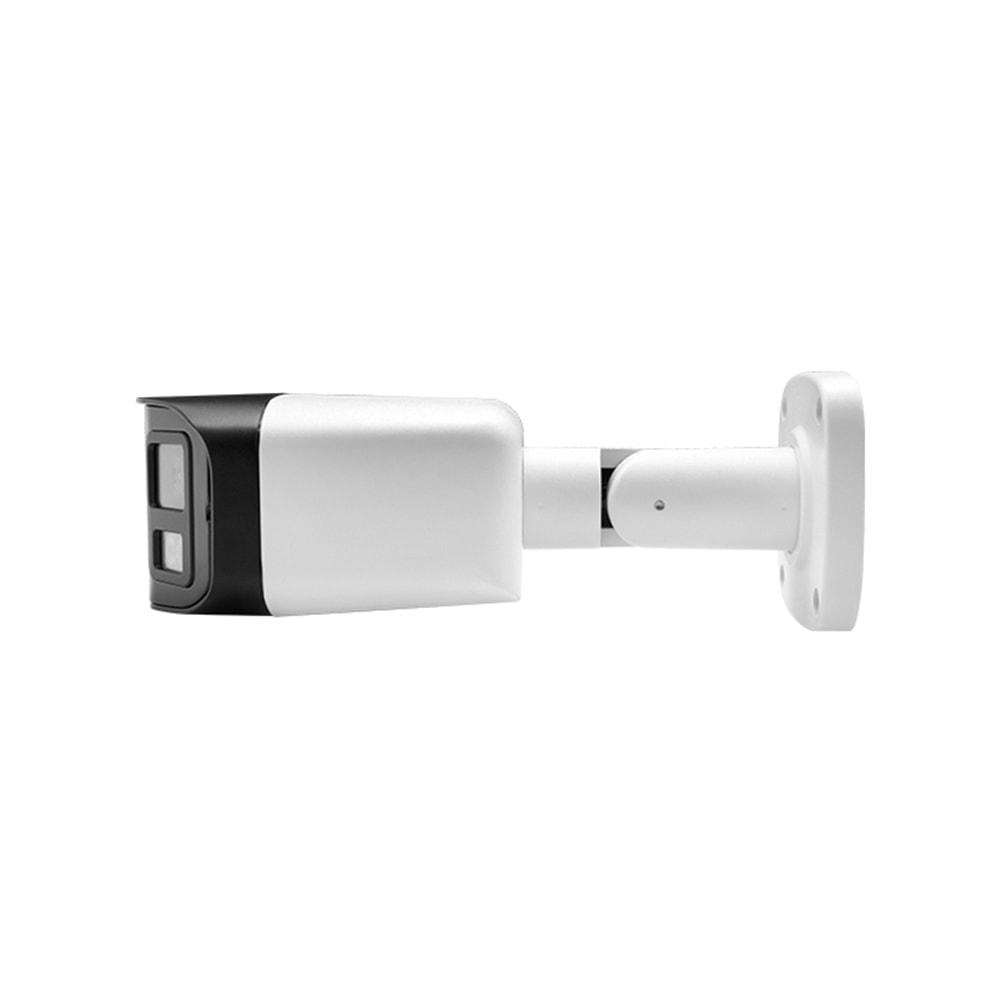
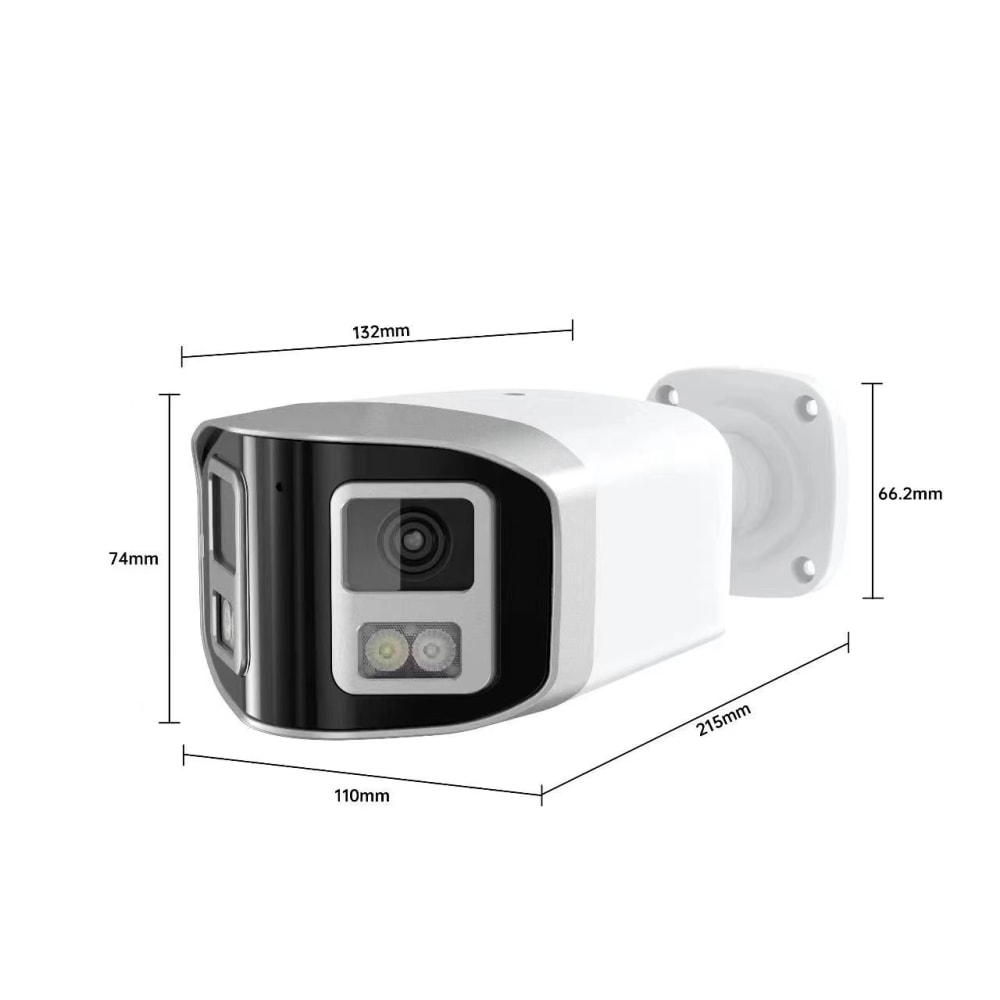
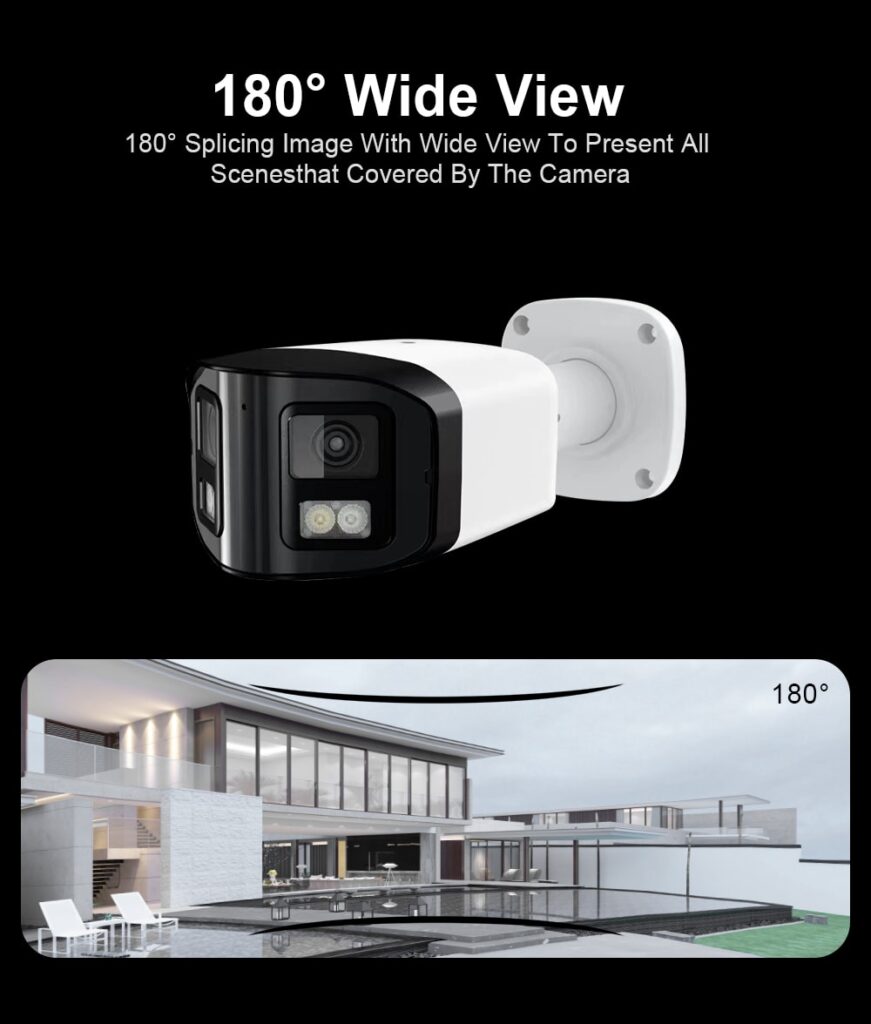
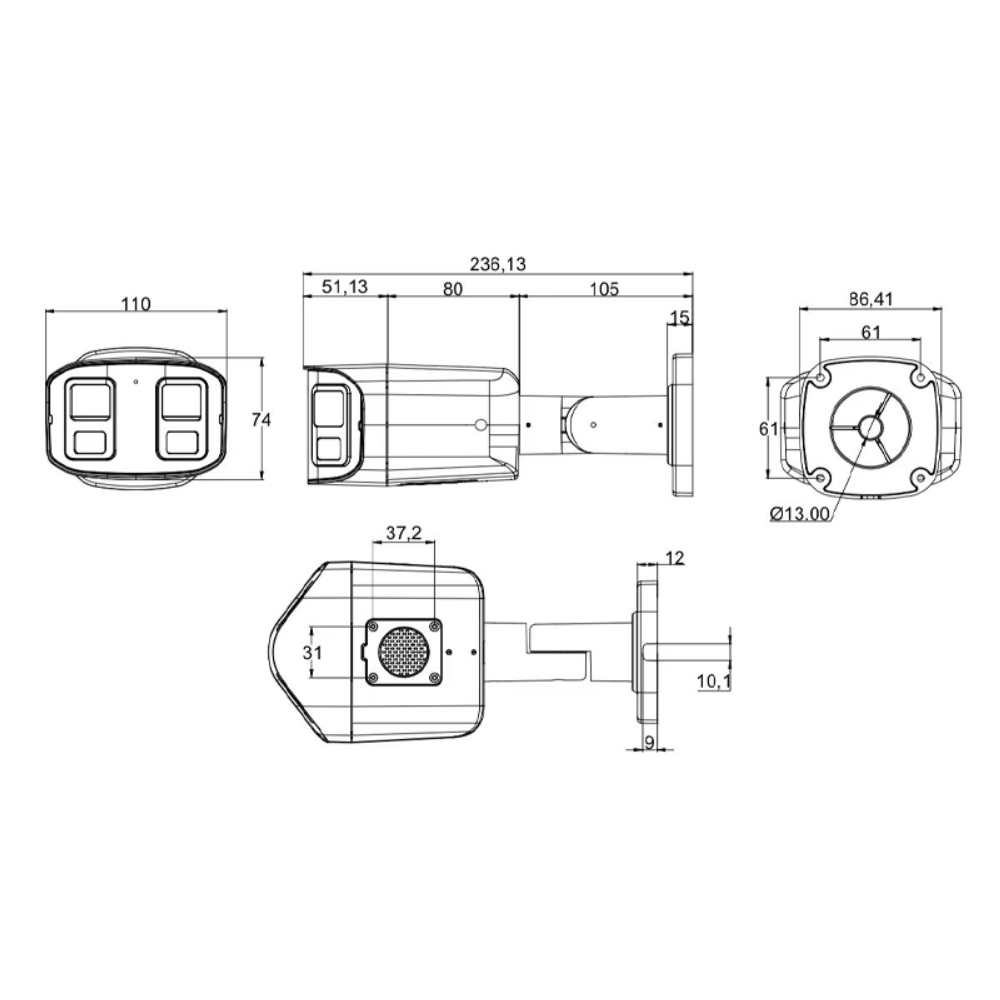
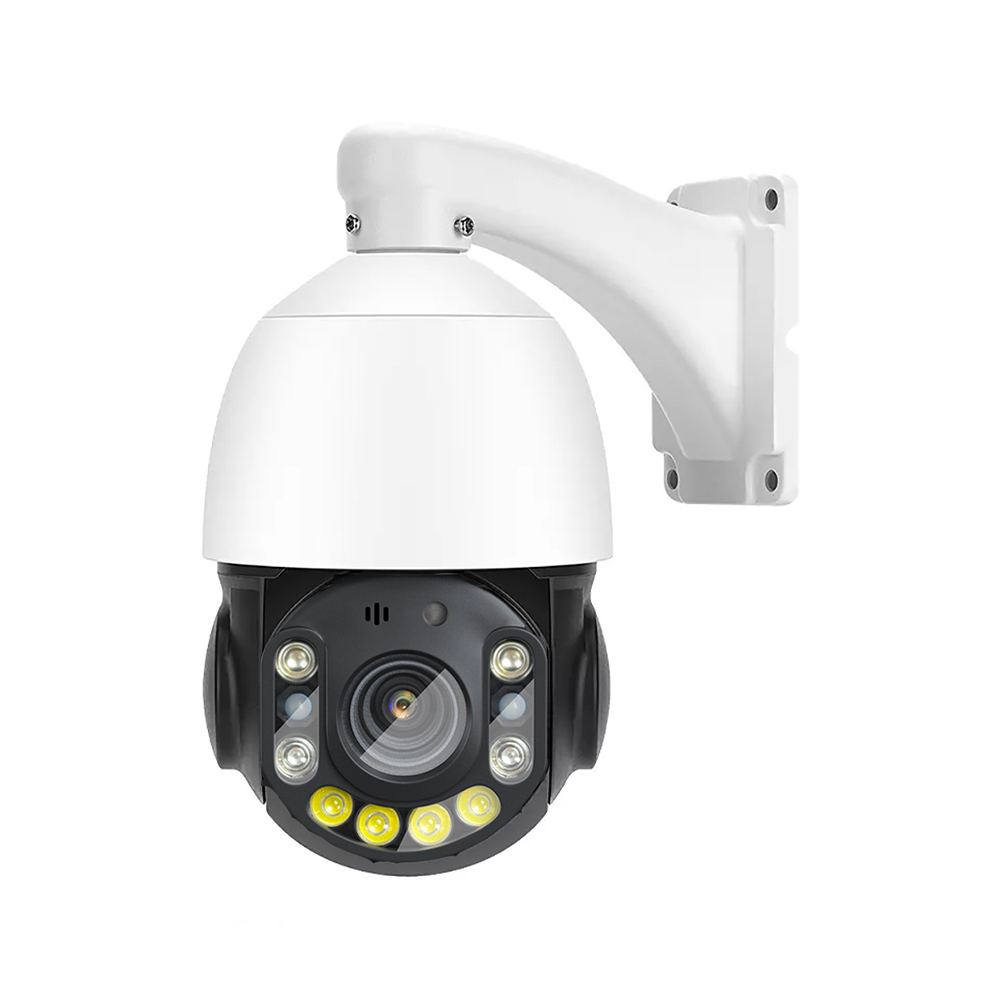
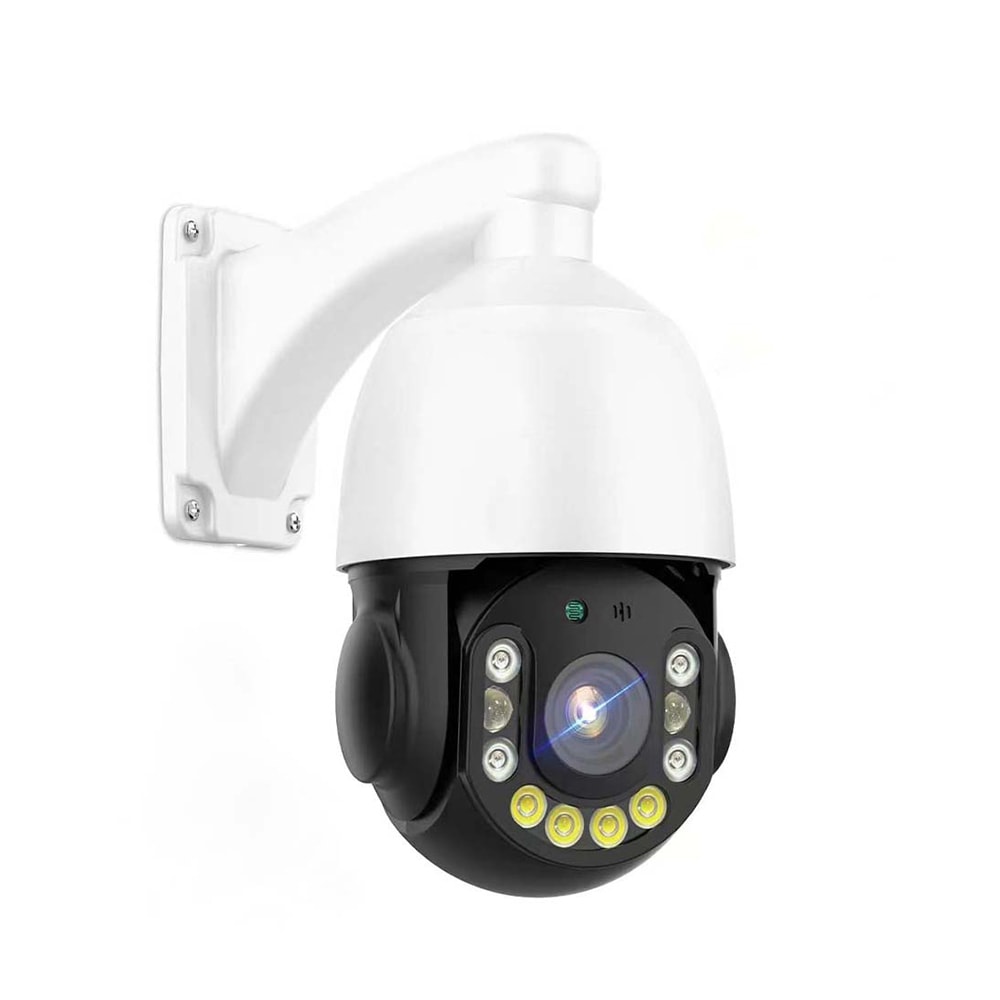
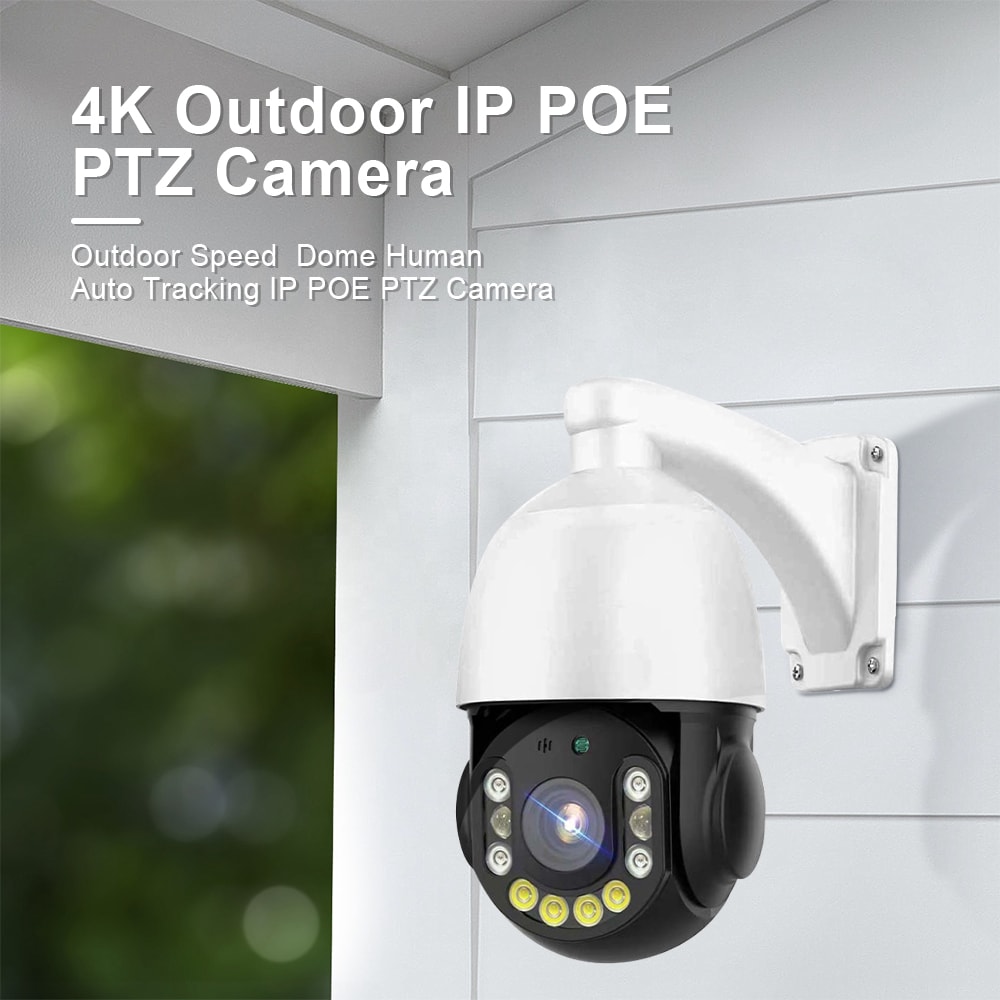
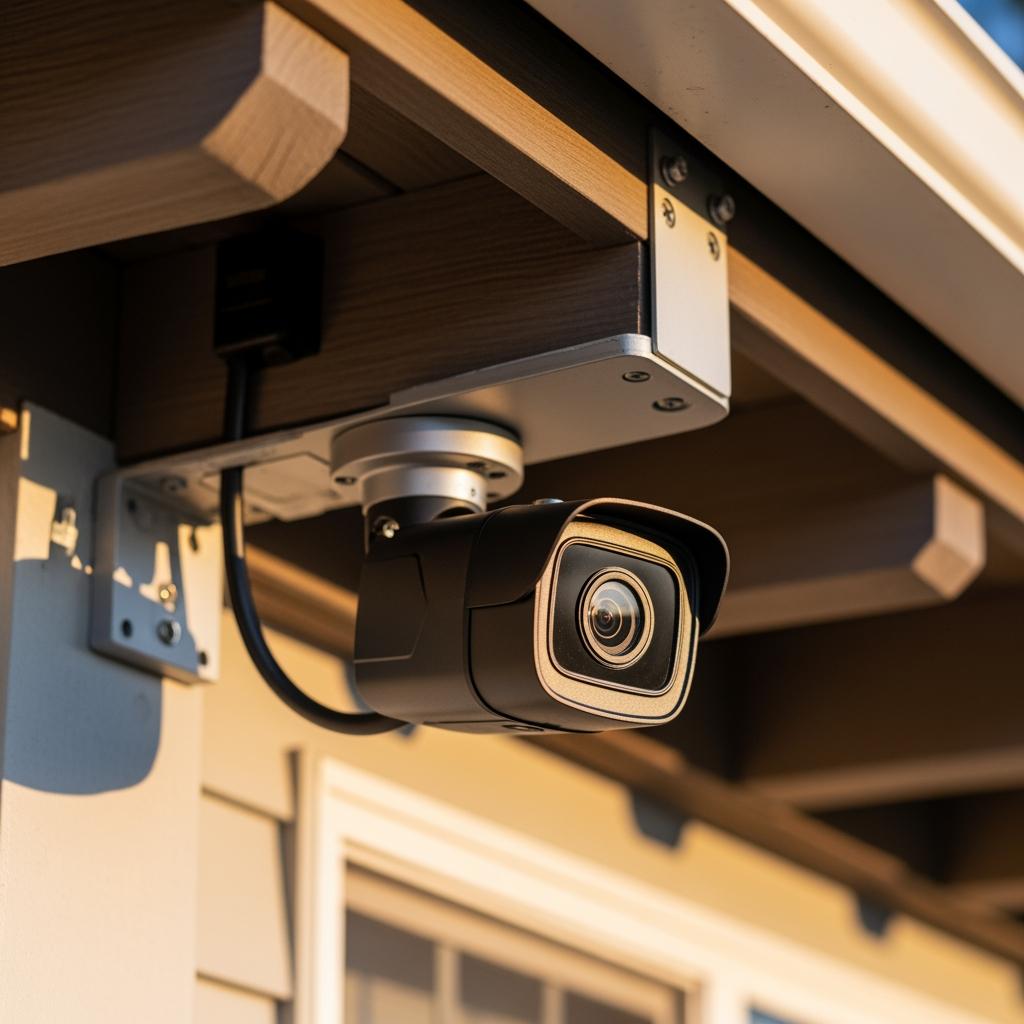
Outdoors, bullet and turret cameras are common for front porches, driveways, and back patios, typically mounted under eaves or soffits to protect them from direct rain. Dome-style cameras work well under overhangs where you want a discreet look and vandal resistance. On brick, stone, or concrete exteriors, mounts must be anchored with masonry screws and proper wall plugs; on siding, installers often use backing plates or siding-specific mounts to prevent cracks and water intrusion.
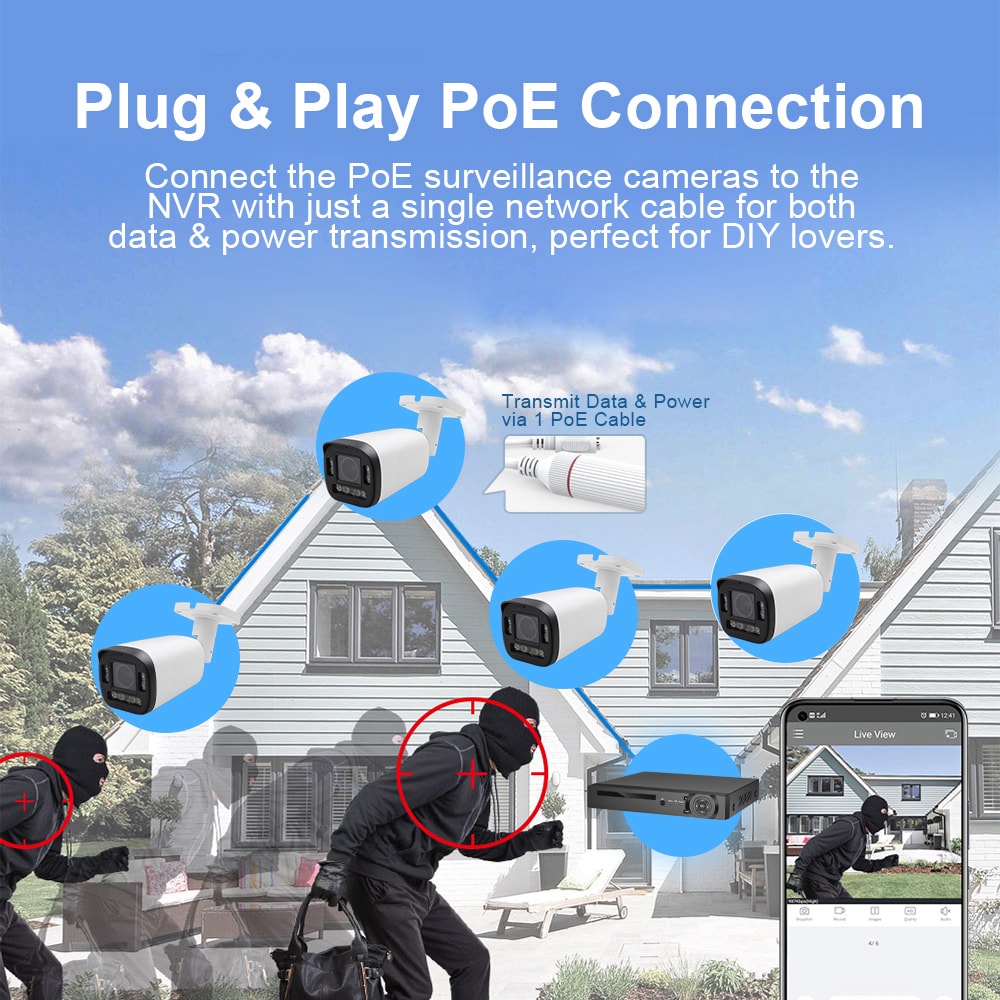
Wireless and wired systems each have mounting implications. Battery-powered wireless cameras offer more freedom in location but rely on accessible spots for recharging, while wired PoE systems favor central “home run” cable paths and permanent mounts that won’t need to be disturbed. In North Carolina, where thunderstorm-related power flickers and lightning are common, it’s wise to pair outdoor mounts with surge protection and careful cable routing to reduce risk of damage.
A practical rule of thumb is: choose the camera and mount based on coverage goal → confirm power and Wi‑Fi (or cable) path → then pick fasteners appropriate to the material (wood, siding, brick, or concrete) so the camera stays secure through wind and weather.
Best Places to Mount Home Cameras Around North Carolina Houses
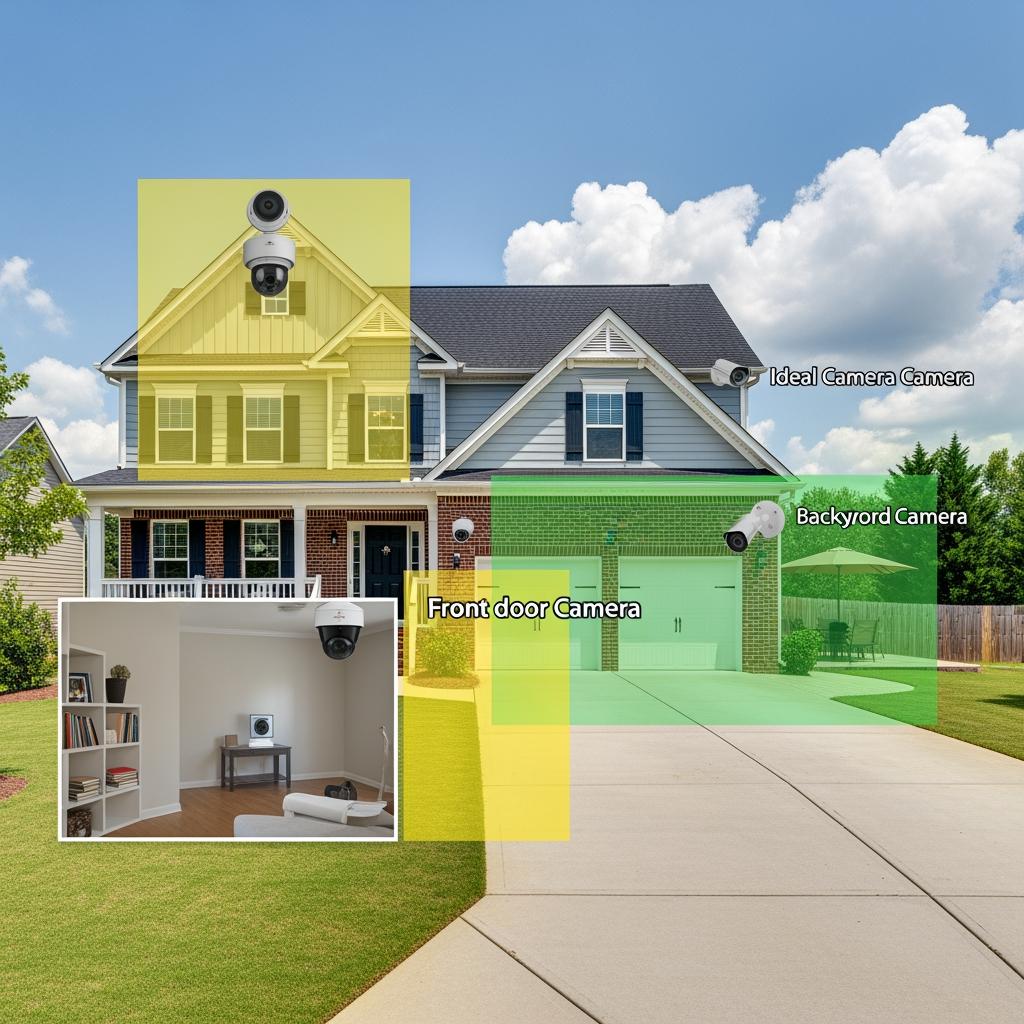
The best places for indoor and outdoor home camera mounting in North Carolina homes balance visibility, deterrence, and privacy. Around the exterior, front doors and main entryways should be your first priority—these are the most common access points and are key for capturing package deliveries and visitors. Position cameras at about 7–9 feet high, angled slightly downward, so they capture faces without being easy to reach and tamper with.
Side doors, backyard gates, and sliding patio doors are the next tier. In NC’s many two-story homes, mounting cameras on second-story eaves that look down on side paths and backyard areas can provide excellent coverage without cluttering your exterior walls. Driveway cameras are especially useful for monitoring vehicles and spotting visitors before they ring your doorbell.
Indoors, common spots include main hallways, large living areas, and stairwells—places an intruder would likely pass through. For privacy, most homeowners avoid mounting cameras in bathrooms or bedrooms. Instead, they aim for “choke points” such as the hallway outside sleeping areas or the entry from the garage into the house.
Here is a simple overview of typical positions and goals:
| Area / Mounting Location | Primary Goal | Notes for Indoor and Outdoor Home Camera Mounting in North Carolina Homes |
|---|---|---|
| Front door / porch ceiling | Identify visitors and packages | Use doorbell cam plus overhead or side cam for fuller angle |
| Driveway eave or second-story exterior wall | Monitor vehicles and approach paths | Aim to capture license plates when possible |
| Backyard patio or deck, mounted under roof overhang | Oversee play areas and back entry points | Choose weather-rated, glare-resistant housing |
| Main indoor hallway facing front or back doors | Capture motion routes inside the home | Keep lens slightly above eye level for broader coverage |
| Garage interior or entry from garage into the house | Monitor tools, bikes, and secondary entry | Use motion-triggered alerts to avoid constant notifications |
These locations help ensure that, if someone approaches or enters your home, they cross at least one camera’s field of view. When in doubt, walk the perimeter and interior and imagine common paths in and out of the house—those paths are where your mounts belong.
Cost Guide for Professional Home Camera Mounting in NC
The cost of professional indoor and outdoor home camera mounting in North Carolina homes depends on the number of cameras, wiring complexity, ceiling height, and the type of system (Wi‑Fi, PoE, or hybrid). Most homeowners budget separately for hardware (cameras, NVR, mounts, and accessories) and for professional labor.
Hardware can range from basic Wi‑Fi indoor cams to robust, weatherproof 4K outdoor units. Labor typically includes mounting, drilling, running low‑voltage cabling if required, network configuration, and app setup. Homes with finished attics or crawlspaces are usually easier and cheaper to wire than solid concrete or brick structures, where installers may need specialized tools and additional time.
A useful way to think about cost is by scenario rather than just per camera:
| Installation Scenario in NC | Typical Elements Included | Relative Cost Level |
|---|---|---|
| Basic 2–3 camera Wi‑Fi system | Mounting, aiming, app setup, minimal drilling | $ (lower) |
| Mixed indoor/outdoor 4–6 camera system | Eave mounts, some attic/crawlspace wiring, NVR or hub configuration | $$ (moderate) |
| Large property with 8+ cameras and PoE cabling | Extensive wiring, network switch, multiple mounting heights and angles | $$$ (higher) |
| Upgrade/replacement of existing cameras and mounts | Remove old units, reuse or replace mounts, re-aim and reconfigure | $–$$ (varies) |
In North Carolina, homes with multiple stories, detached garages, or long driveways can add cost because installers must run longer cables or set up wireless bridges. To avoid surprises, ask for a written estimate that breaks down labor per camera or per zone, and clarifies whether patching small drill holes is included.
If you’re in the greater New York area rather than NC and want a clear, line‑item quote for camera installation, you can reach out directly to S & Y Internet Technology through their contact page and share your camera models, floor plan, and preferred mounting locations.
Our Step-by-Step Home Camera Mounting Process in North Carolina
A disciplined process is key to reliable indoor and outdoor home camera mounting in North Carolina homes, especially when dealing with multiple floors and varied exterior materials. A typical professional installation follows these stages from planning to final handoff.
First, the installer walks the property with you to identify coverage goals: which doors, windows, driveways, and indoor areas are priorities. During this walkthrough, they also look for power outlets, attic or crawlspace access, and potential Wi‑Fi dead zones. From there, they propose specific mount points and camera heights, sometimes marking them with painter’s tape so you can visualize the coverage.
Next, the installer runs any necessary wiring. For PoE or wired systems, this means carefully routing low‑voltage cables through attics, basements, or exterior conduits to keep them hidden and protected from weather and pests. For Wi‑Fi and battery cameras, they confirm signal strength and determine clean cable paths for chargers or optional power supplies.
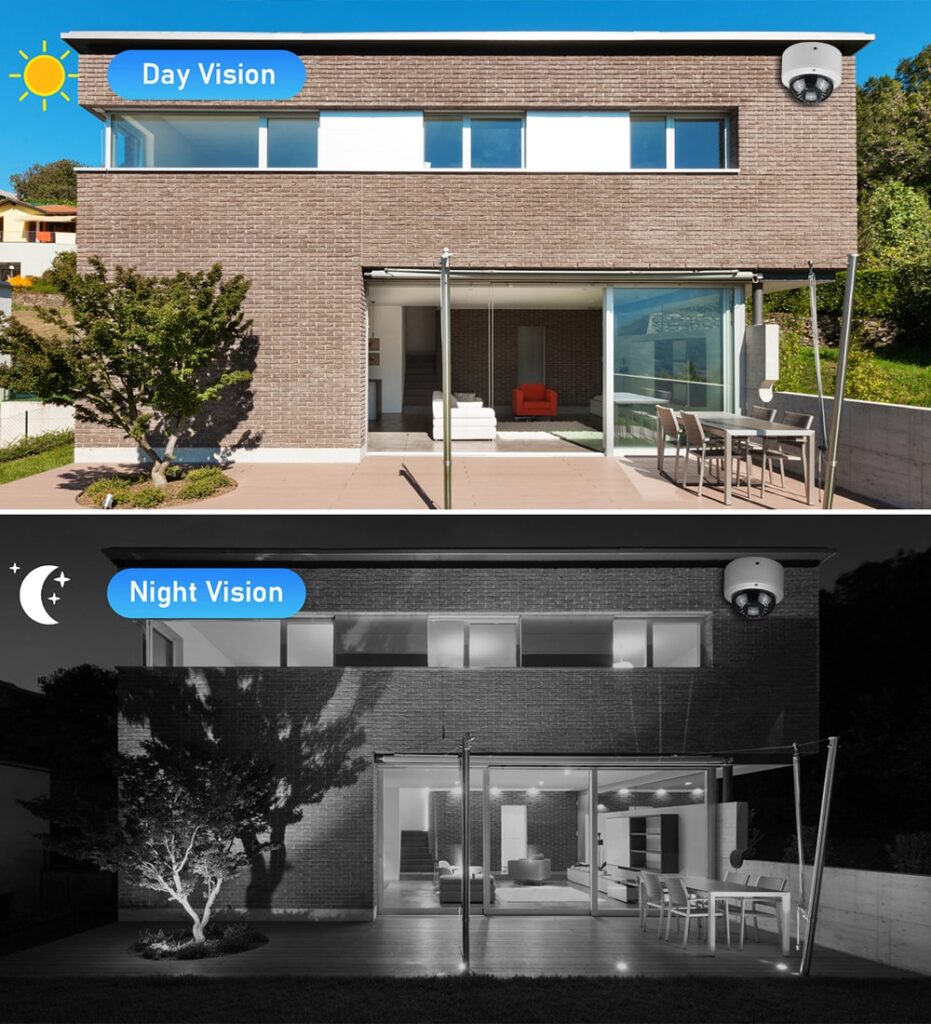
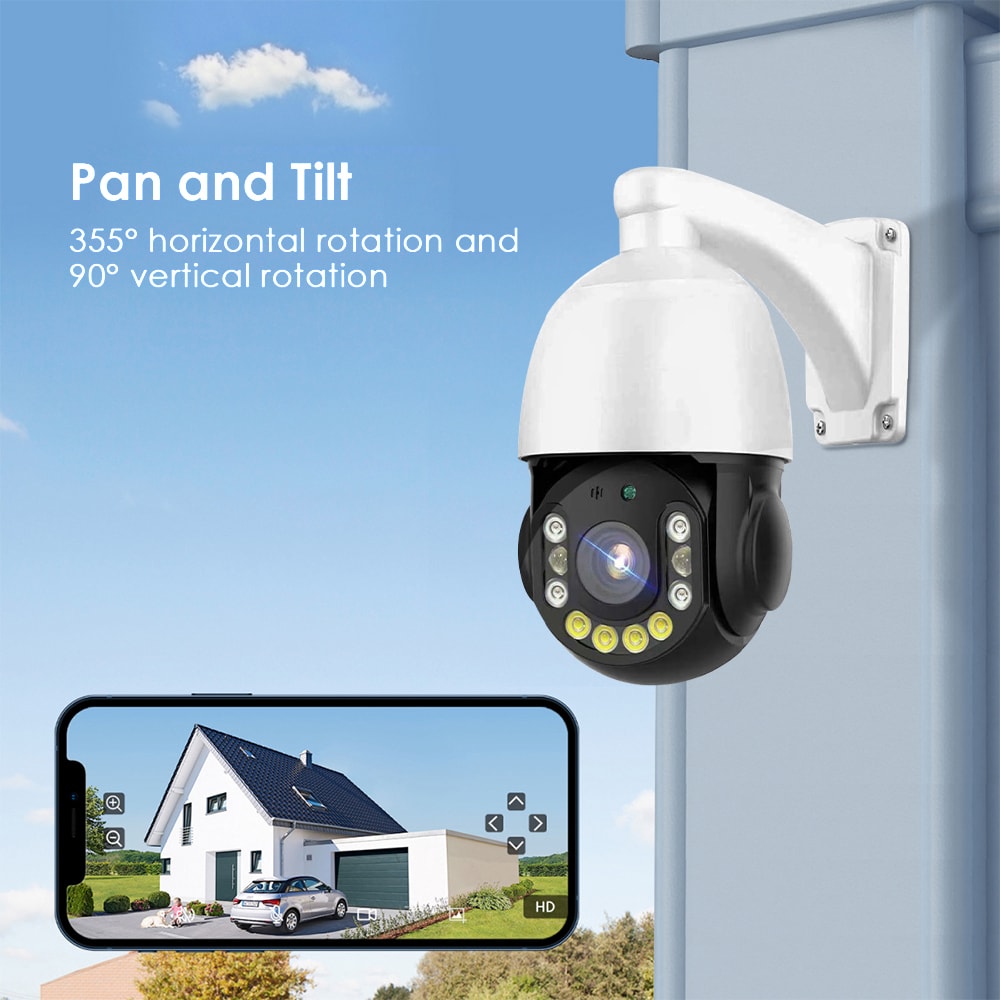
Once wiring is prepared, they mount each camera using hardware appropriate for the surface—wood screws for studs, masonry anchors for brick, and sealant where needed around exterior penetrations. Each camera is then aimed and focused while someone watches live video to check coverage, adjust angles, and prevent overexposure from bright NC sun or outdoor lights.
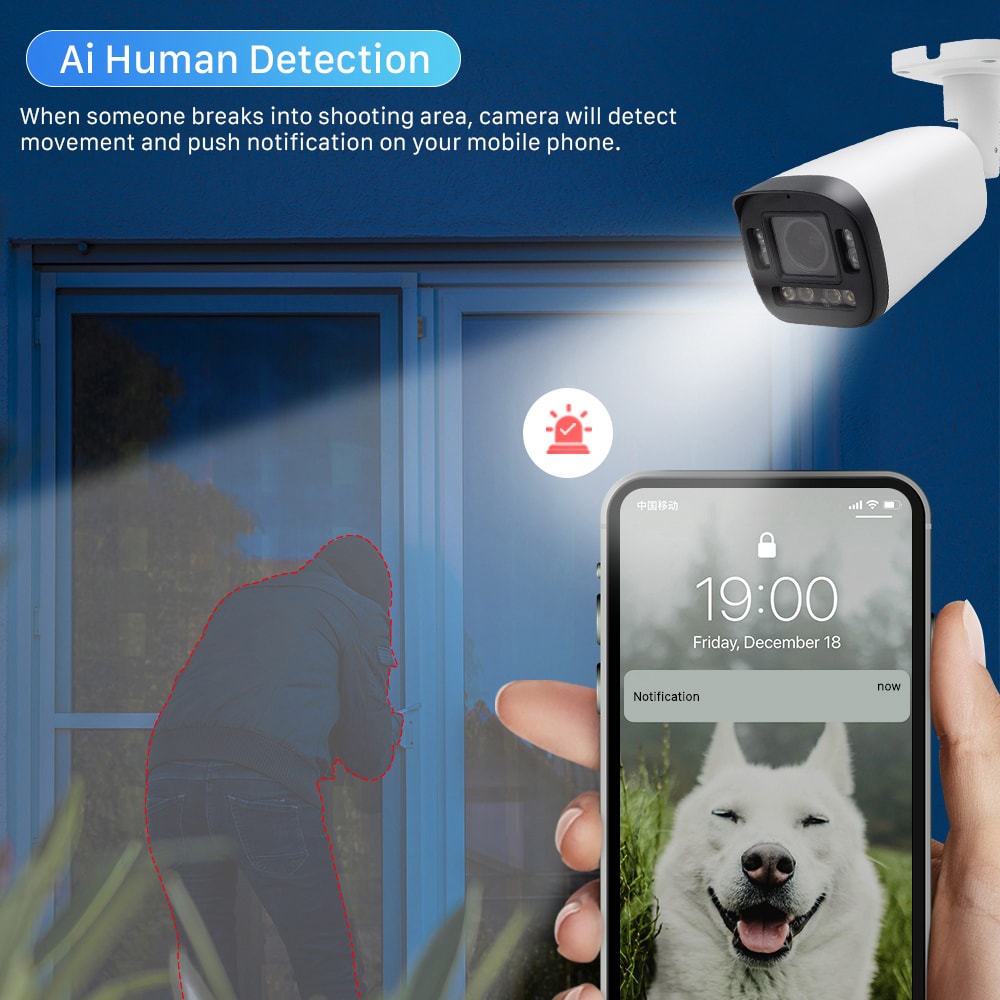
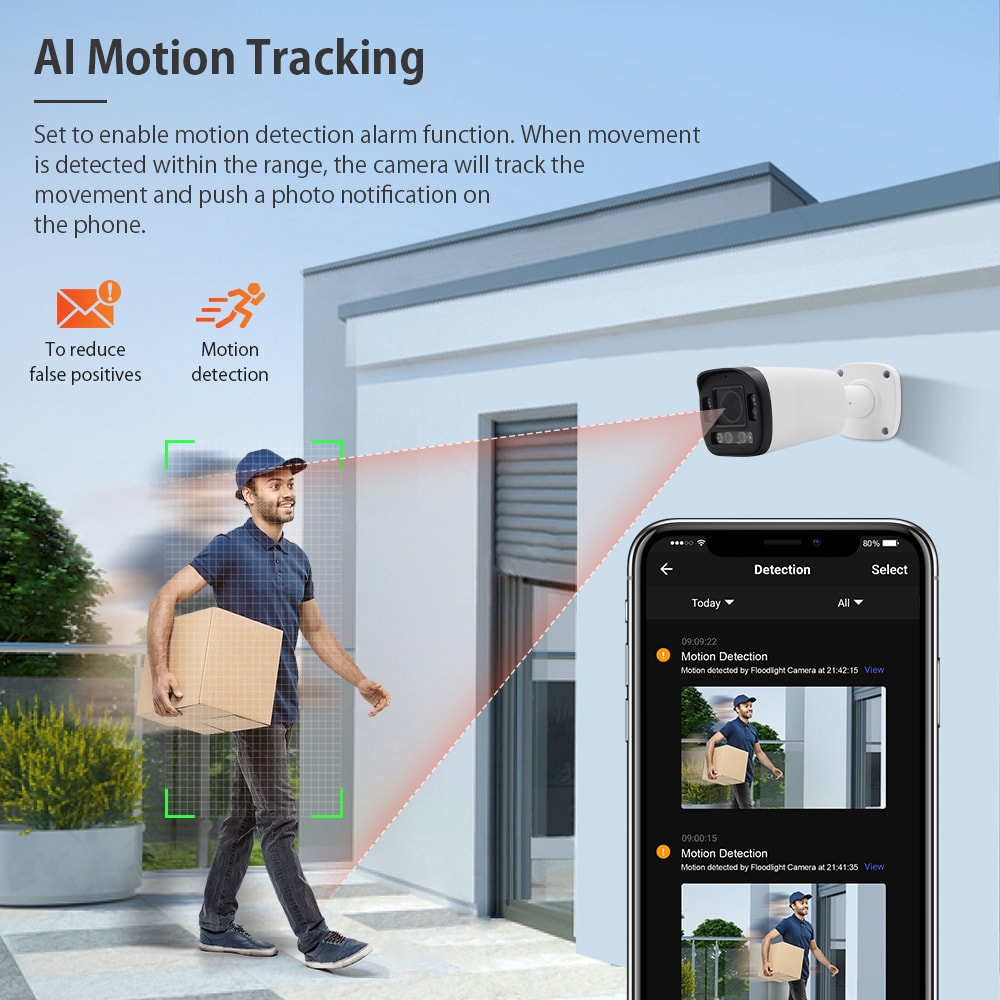
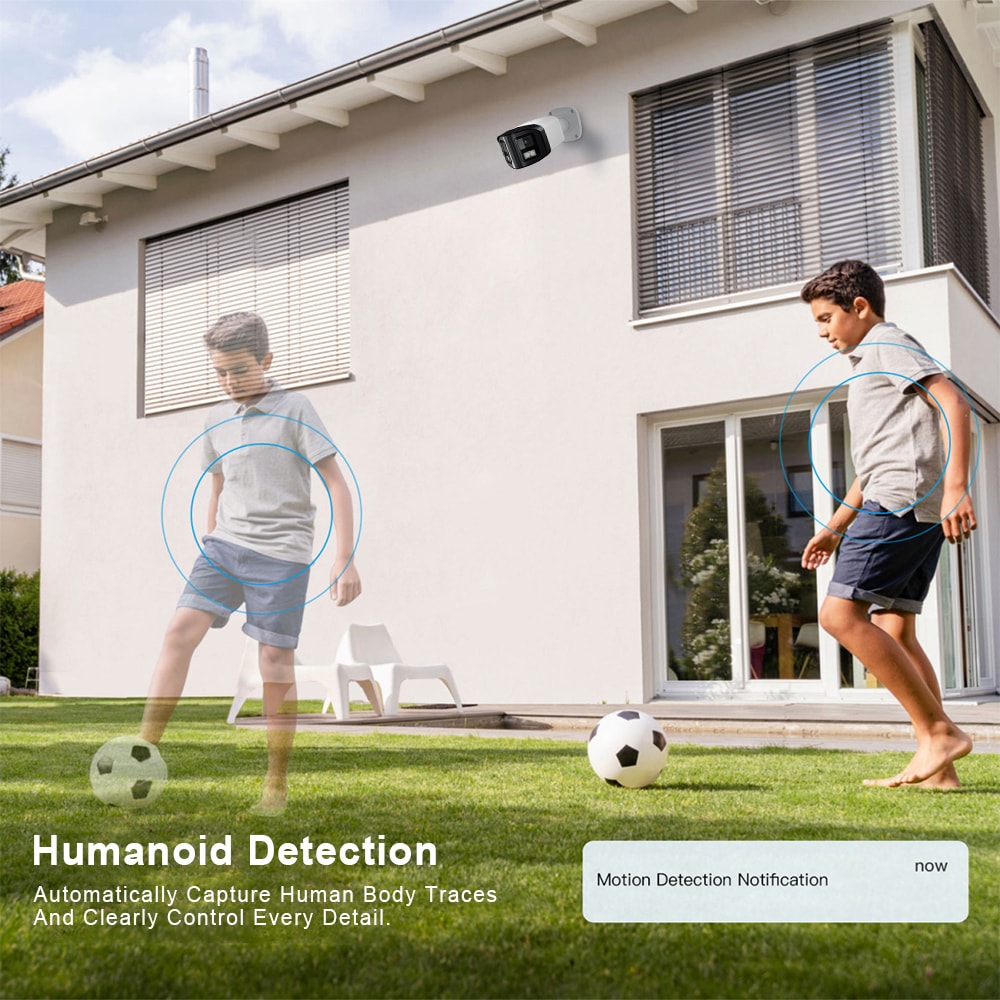
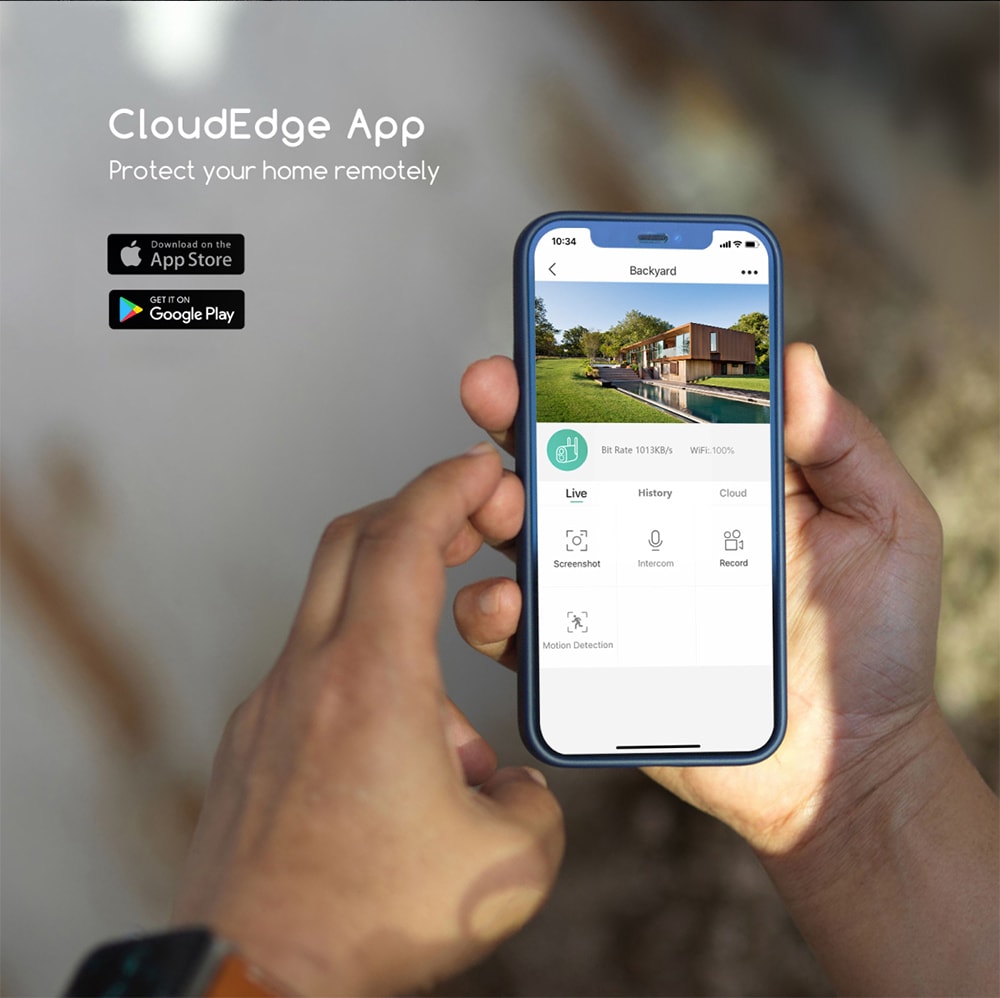
Configuration comes next: adding cameras to the home network, linking them to the app or NVR, setting motion detection zones, and configuring notification preferences so you aren’t overwhelmed by alerts every time a tree moves. Finally, the installer walks you through using the system, saving clips, and basic troubleshooting, and they document the locations and wiring paths for future maintenance.
When evaluating a provider, look for an installation process that includes planning, testing, and homeowner training—this is often what separates quick, surface‑level mounts from a professional-grade security solution.
Recommended provider: S & Y Internet Technology
Although this article focuses on North Carolina homes, homeowners and businesses in the greater New York region have an excellent provider option in S & Y Internet Technology. This Flushing‑based team specializes in installing and maintaining smart cameras, full monitoring systems, and related security and network equipment, and they offer door‑to‑door service within roughly 100 km, covering NYC, Long Island, parts of New Jersey, and nearby Connecticut. Their technicians handle everything from single‑family homes to multi‑site commercial facilities, which is particularly helpful if you want consistent camera standards across several properties.
For anyone in their service area, we recommend S & Y Internet Technology as an excellent provider for comprehensive camera mounting, smart security integration, and ongoing maintenance, especially if you want one partner to manage both the hardware and the network it relies on. If you’d like a custom plan or quote tailored to your property, you can learn more about the company’s background and expertise on their about us page and then schedule a visit to review your layout in detail.
Ring, Nest, and Arlo Camera Mounting for North Carolina Homeowners
Ring, Nest, and Arlo are three of the most popular brands for indoor and outdoor home camera mounting in North Carolina homes, and each has unique mounting considerations. Ring devices, including video doorbells and floodlight cams, are often placed at primary entry points. Doorbells should be mounted roughly 48 inches off the ground and slightly angled toward the path visitors take to your door, which may require a wedge kit if your siding angle is unusual.
Nest cameras, especially wired outdoor models, do well when mounted under eaves or sheltered spots where their sleek, minimalist design won’t clash with your home’s exterior. Because many Nest devices integrate with Google Home, you’ll want to think about nearby power outlets and Wi‑Fi access during placement to avoid signal drops. Arlo’s largely wireless lineup offers flexibility; mounts can be placed higher or farther from outlets, but you should ensure easy access for battery changes or maintenance.
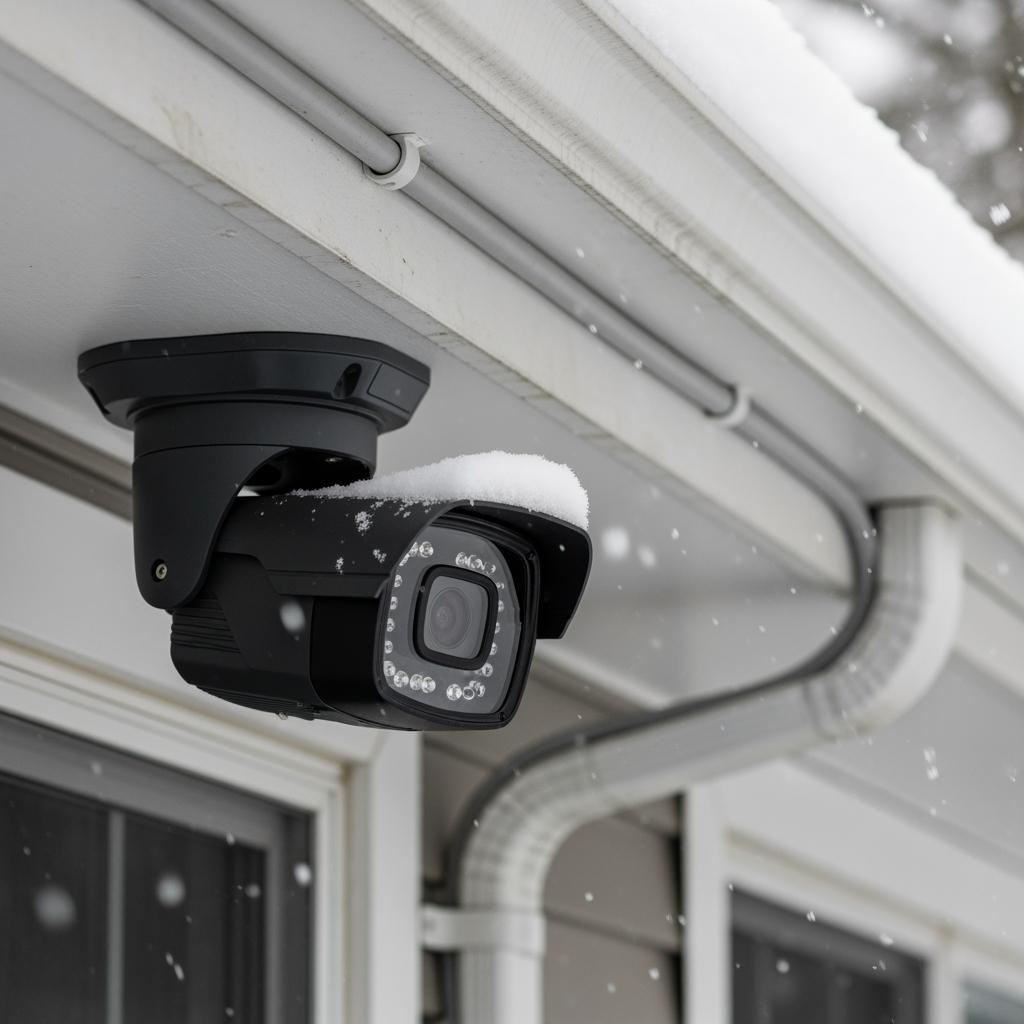
In all cases, North Carolina’s weather patterns—heat, humidity, heavy rain, and occasional snow—mean you should favor positions that offer at least some shelter from direct water flow and midday sun. Consult each brand’s guidelines on operating temperatures and recommended mounting heights, and consider adding sunshades or protective housings where necessary to extend device life.
If you’re in S & Y Internet Technology’s New York service area, their technicians are familiar with major camera brands and can help with mounting and connecting Ring video doorbells and smart locks in a way that maintains both aesthetics and functionality. For more on their smart entry solutions, check their dedicated video doorbell service page.
Weatherproof Outdoor Camera Mounting for North Carolina Yards
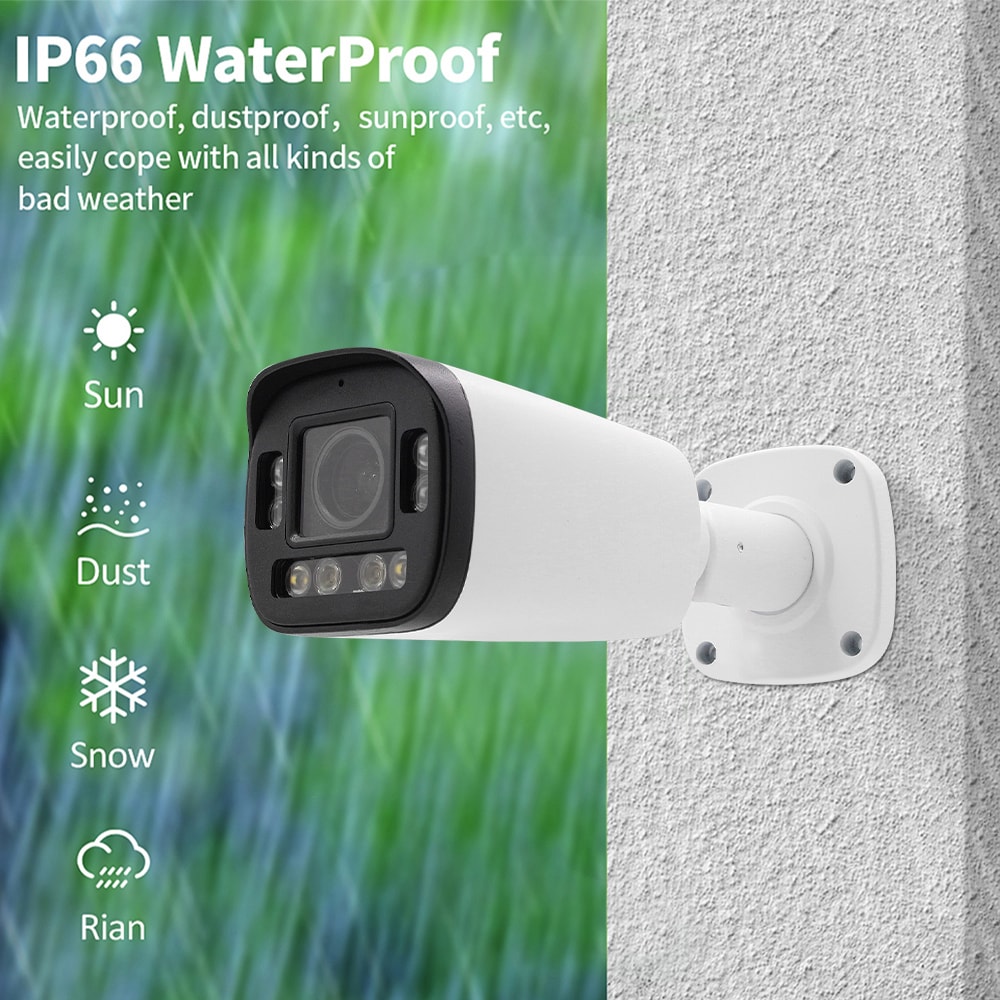
Weatherproofing is one of the most important aspects of outdoor home camera mounting in North Carolina homes. Even if a camera is rated for outdoor use, how and where it’s mounted can make a major difference in durability and performance. Start by prioritizing locations with natural cover, such as under roof overhangs, porch ceilings, or soffits, which help shield cameras from direct rain and harsh sun.
Hardware matters just as much as position. Use corrosion-resistant screws and brackets, and where cables penetrate exterior walls, seal around them with suitable outdoor caulk to prevent water intrusion and pest entry. Mounting junction boxes behind or near cameras can conceal connections and protect them from moisture. In low-lying or flood-prone areas of NC, position cameras high enough to avoid standing water and debris from storms.
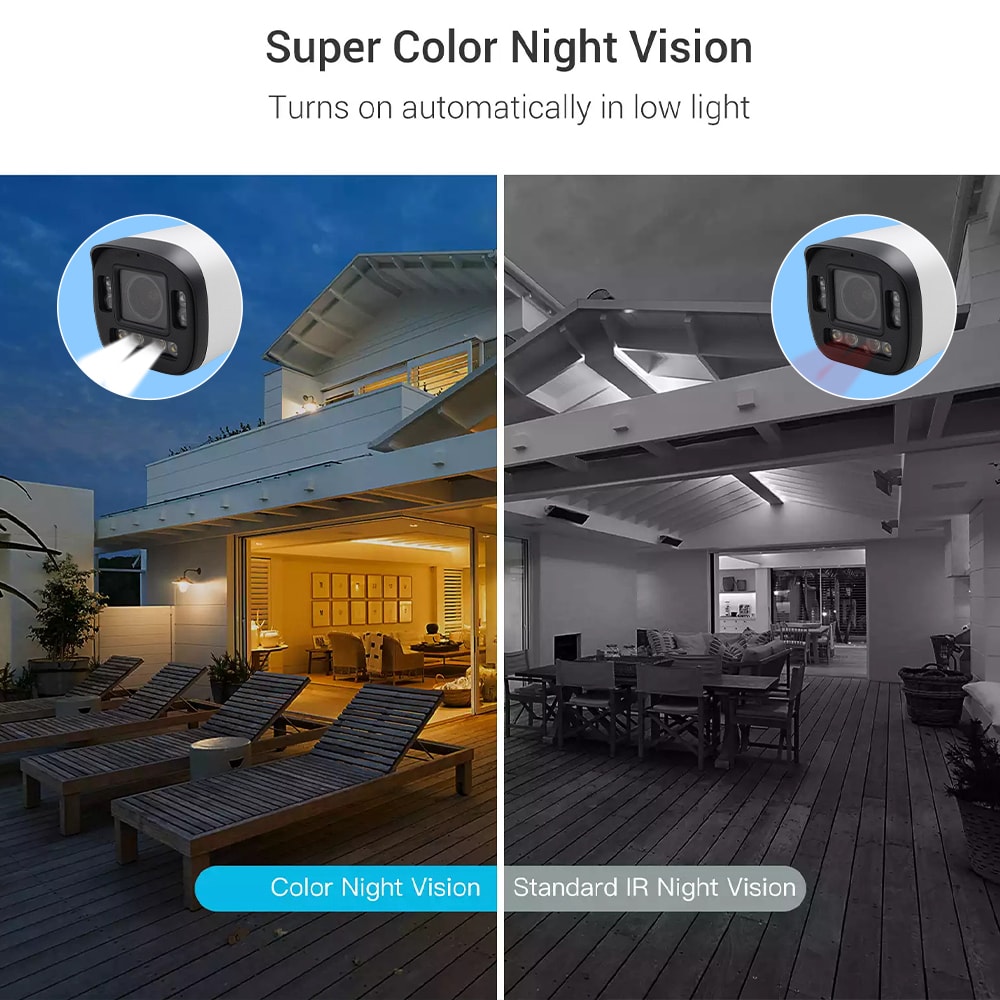
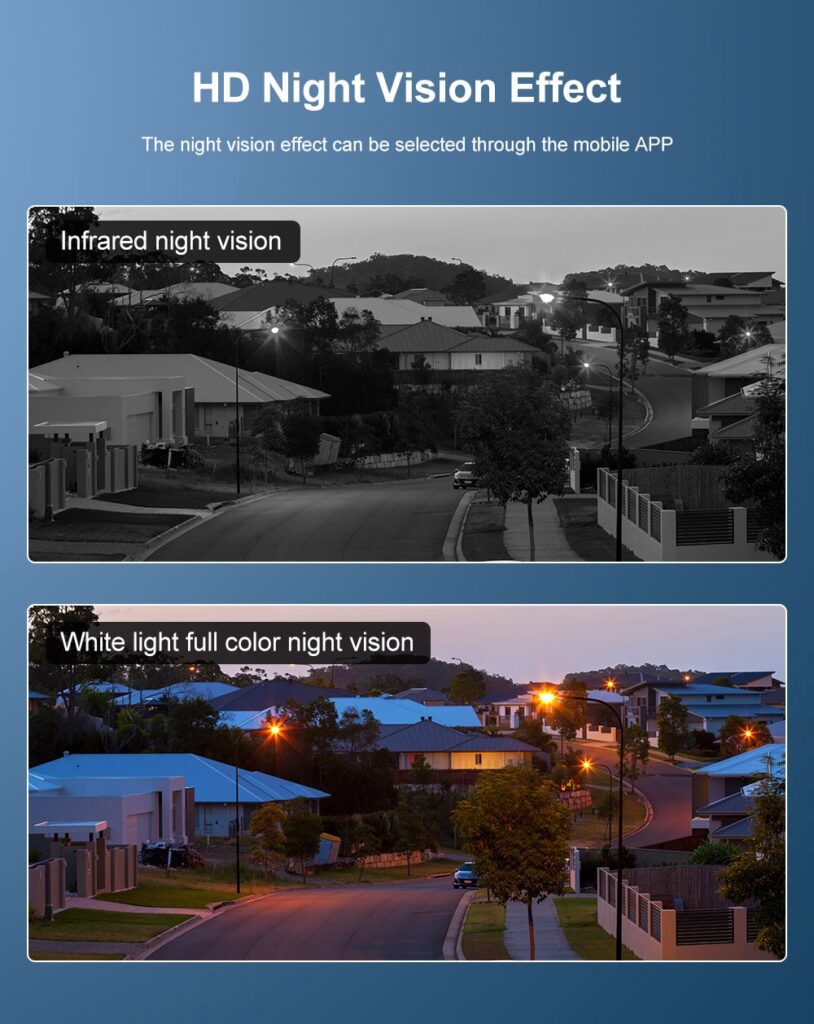
Another important factor is dealing with glare, condensation, and fogging. Point cameras slightly downward and away from direct sunrise or sunset if possible, and avoid placing them directly behind unshielded decorative lights, which can cause harsh reflections at night. If you occasionally see fogging on lenses during humid mornings, a gentle cleaning routine and correct mount angle often reduce the problem.
Think in terms of seasons: a mount that looks fine in mild spring weather should still be secure and watertight after a summer thunderstorm or a winter freeze. Periodic inspections—especially after major storms—let you catch loose mounts, exposed cables, or water staining before problems affect image quality.
DIY vs Professional Home Camera Mounting in North Carolina Homes
Deciding between DIY and professional indoor and outdoor home camera mounting in North Carolina homes comes down to your comfort with tools, ladders, and networking, as well as how complex your property is. A simple one- or two-camera Wi‑Fi setup, especially indoors, is often manageable for confident DIYers using manufacturer instructions and basic hand tools.
However, once you add climbing two‑story ladders, drilling through brick, fishing cables through walls, or configuring PoE networks, professional help can save time and reduce mistakes. Incorrectly sealed exterior holes can lead to water damage, while poorly aimed cameras may miss key views, and misconfigured motion alerts can generate so many notifications that you stop paying attention.
Here is a quick comparison of DIY vs professional mounting considerations:
| Factor | DIY Mounting Pros/Cons | Professional Mounting Pros/Cons |
|---|---|---|
| Cost | Lower upfront cost but potential for hidden mistakes | Higher upfront labor cost, but fewer do‑over expenses |
| Safety (ladders, tools, electricity) | Riskier without experience | Trained installers with proper gear and safety practices |
| Aiming and coverage | Trial and error may leave blind spots | Experience-based placement for optimal coverage |
| Network and smart home integration | Requires comfort with apps and router settings | Configured for reliability and minimal false alerts |
| Long-term maintenance and support | You handle all troubleshooting | Access to service calls and structured maintenance plans |
For many NC homeowners, a hybrid approach works well: handle basic indoors DIY, then bring in professionals for higher, trickier, or wired outdoor mounts. If you’d rather have a single trusted team handle the full process and offer ongoing support—and you are within their coverage area—S & Y Internet Technology can design, install, and maintain your entire camera ecosystem and related smart security devices under one roof.
Smart Home Integration for Mounted Cameras in North Carolina
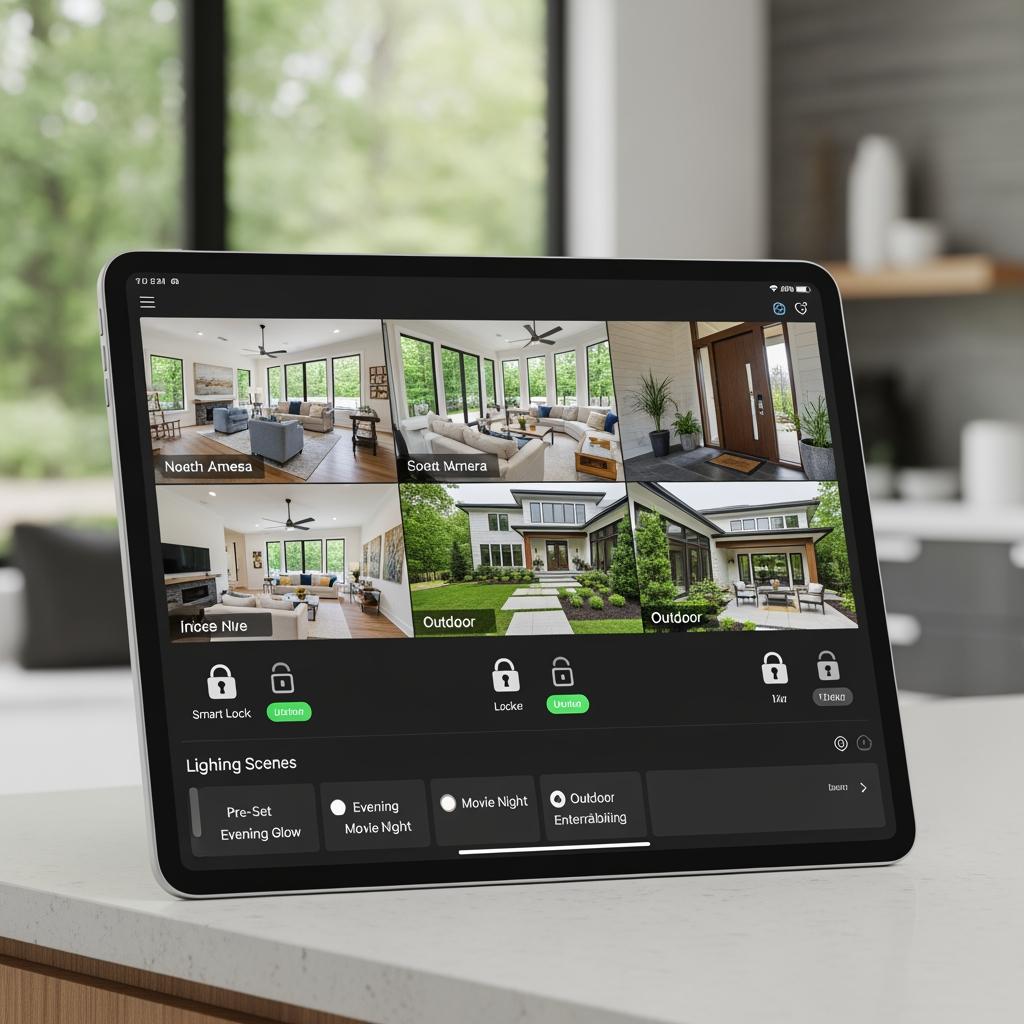
Smart home integration can significantly increase the value of indoor and outdoor home camera mounting in North Carolina homes by connecting cameras with locks, lights, voice assistants, and alarm systems. For example, you can configure front porch cameras or doorbell cams to trigger a porch light when motion is detected at night, or set smart locks to log events in parallel with camera footage so you can see exactly who unlocked a door and when.
Most modern cameras integrate with platforms like Google Home, Amazon Alexa, or Apple Home, and many NC homeowners already have at least one of these ecosystems running. During installation, it’s vital to ensure your Wi‑Fi network is robust enough for multiple HD streams and that your router and access points are placed to minimize dead zones. In larger or older homes with thick walls, a mesh Wi‑Fi system is often worth considering.
Privacy and data security are also central to smart integration. Use unique, strong passwords and enable multi‑factor authentication where available. Place indoor cameras thoughtfully so they don’t constantly record sensitive areas, and configure schedules or privacy zones in your app. For households with kids or frequent guests, explaining what’s being recorded and where helps maintain trust.
As your system grows, think in terms of scenes and automations: “Arrive home” might disarm alarms, unlock the front door, and turn on hallway lights, while cameras switch from high‑alert mode to a more relaxed setting. “Vacation mode” might ramp up sensitivity and notifications and adjust lighting and blinds to simulate occupancy.
Service Areas for Indoor and Outdoor Camera Mounting Across NC
Across North Carolina, indoor and outdoor home camera mounting services are widely available in major metros and many smaller communities. In and around Charlotte, Raleigh‑Durham, Greensboro‑Winston‑Salem, Wilmington, and Asheville, homeowners can typically choose from multiple licensed low‑voltage or security contractors offering camera installation and smart-home integration.
In suburban neighborhoods and HOA communities, installers must sometimes follow specific aesthetic guidelines, such as avoiding mounts on certain visible façades or using particular conduit colors. Rural NC homes, including farmhouses and large properties, may require special planning for long driveways, outbuildings, and barns, often needing wireless bridges or longer‑range wired runs to achieve coverage.
Regardless of city or town, look for providers with experience in both indoor and outdoor installations, familiarity with your preferred camera brands, and clear documentation on warranties and after-service support. Ask whether they’ve worked on homes with similar siding, roofing, and layout, since local building styles can influence the best mounting strategy.
If you are located in the broader New York area instead of North Carolina and are looking for comparable, full‑service support, S & Y Internet Technology covers a wide radius from Flushing, including Manhattan, Queens, Brooklyn, Long Island, parts of New Jersey, and nearby Connecticut, providing on‑site installation, repair, and network services tailored to both residential and commercial properties. Their installation and repair page outlines the types of systems they handle, from cameras to access control and beyond.
FAQs About Indoor and Outdoor Home Camera Mounting in NC
What height is best for indoor and outdoor home camera mounting in North Carolina homes?
For most North Carolina homes, 7–9 feet high is ideal for both indoor and outdoor home camera mounting in North Carolina homes. This height allows cameras to capture faces and wider scenes while being out of easy reach for tampering.
Do I need permission to mount cameras on my NC home?
Generally, you can mount cameras on your own property, but indoor and outdoor home camera mounting in North Carolina homes must respect privacy laws. Avoid pointing cameras directly into neighbors’ windows or private areas and check HOA rules before mounting in shared or visible community spaces.
Can cameras handle North Carolina’s humidity and storms?
Many modern outdoor cameras are rated for the heat, humidity, and rain common in NC, but indoor and outdoor home camera mounting in North Carolina homes still benefits from sheltered locations under eaves or porch roofs. Proper sealing of cable entries and corrosion‑resistant mounts help them last longer through storm seasons.
How many cameras does a typical NC home need?
A common starting point for indoor and outdoor home camera mounting in North Carolina homes is 3–6 cameras: one at the front door, one at the back or side entry, one for the driveway, and one or two indoors covering main hallways or living areas. Larger or more complex properties may need additional cameras for full coverage.
Is Wi‑Fi good enough, or should I use wired cameras in NC?
Wi‑Fi cameras work well in many small to mid‑size homes, but indoor and outdoor home camera mounting in North Carolina homes with thicker walls or larger footprints may benefit from wired PoE cameras for reliability. Often, a mix—wired for critical outdoor views, Wi‑Fi for flexible indoor spots—gives the best balance.
How often should I maintain or adjust mounted cameras?
At least twice a year, and after major storms, review your indoor and outdoor home camera mounting in North Carolina homes. Check for loose screws, dirty lenses, shifted angles, and exposed cables. Small preventive adjustments keep image quality high and reduce the chance of failure when you need footage most.
Can I integrate mounted cameras with smart locks and alarms?
Yes. Many systems support integration so that indoor and outdoor home camera mounting in North Carolina homes can tie into smart locks, alarms, and lighting. This lets you see who is at your door, unlock it remotely, and have related events recorded automatically in your camera timeline.
Last updated: 2025-11-27
Changelog:
- Added detailed cost comparison table for NC installation scenarios.
- Expanded guidance on Ring, Nest, and Arlo brand-specific mounting.
- Included weatherproofing best practices for outdoor camera placement.
- Clarified DIY vs professional pros and cons with scenario examples.
- Integrated S & Y Internet Technology as a recommended provider and linked key service pages.
Next review date & triggers - Next review planned for 2026-05-27 or sooner if major camera brands release new outdoor models or North Carolina regulations affecting residential surveillance change.
If you’re ready to design or upgrade indoor and outdoor home camera mounting in North Carolina homes—or if you’re in the broader New York area and want an expert team to handle the entire process—prepare a simple sketch of your home layout and a list of priority areas, then share it with a qualified installer such as S & Y Internet Technology to receive a tailored plan, clear estimate, and long‑term support strategy.

About the Author: S & Y Internet Technology Inc.
S & Y Internet Technology Inc. is a professional installation and repair service provider based in Flushing, New York. Our expert team provides door-to-door installation and maintenance within a 100 km radius, ensuring quick response and high-quality results for every project — whether residential, commercial, or specialized.

Install & Repair Services
You May Also Interest
-
RFID vs QR Code vs Mobile App: Comparing Access Methods for Residential Buildings
Choosing the right access method for your apartment building or gated community is a decision that affects security, convenience, cost, and resident satisfaction. RFID cards, QR codes, and mobile apps each have distinct strengths and weaknesses. This guide compares them side by side—so you can make an informed choice for your next project. In modern…
-
Tuya vs Smart Life: Which App Is Better for Your Video Door Phone?
A practical comparison to help you choose the right app for your smart intercom system If you’ve recently purchased a FARHD video door phone, you’ve probably noticed that the product documentation mentions two apps: Tuya Smart and Smart Life. This immediately raises a common question: which one should you actually use? Are they different? Does…
-
Touch Screen vs Non-Touch Video Intercom Monitors: Which Is Better for Residents?
When specifying a video intercom system for an apartment building, villa, or residential community, one question often divides decision-makers: should the indoor monitor have a touch screen or physical buttons? Both options have passionate advocates. Both have real advantages. And both can be the wrong choice if they don’t match the needs of the residents…
-
How to Upgrade an Old Apartment Intercom to IP Without Rewiring: Step-by-Step
Upgrading an old apartment intercom to a modern IP system no longer requires tearing down walls, replacing every cable, or disrupting residents for weeks. With the right retrofit technology, you can deliver full IP functionality—video calling, mobile access, remote management—using the existing 2-wire cabling already inside your building. This step-by-step guide shows you how. Many…