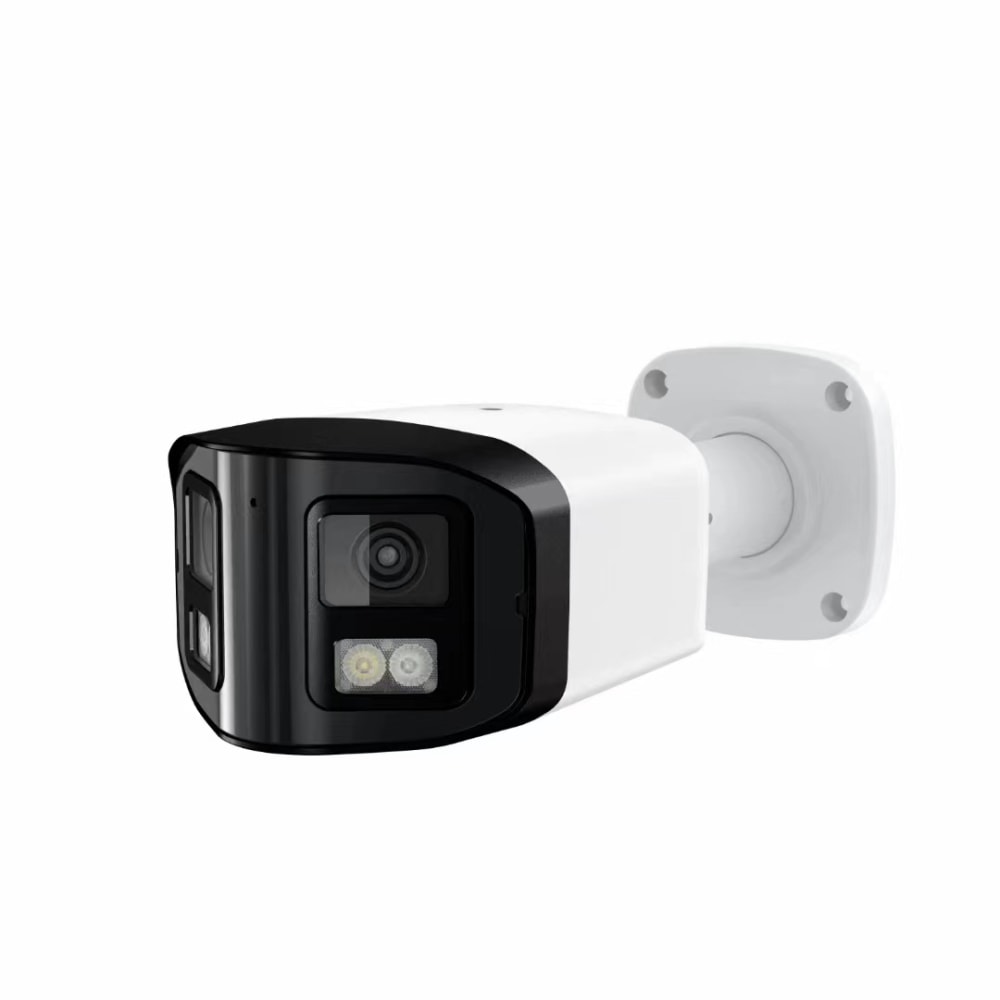
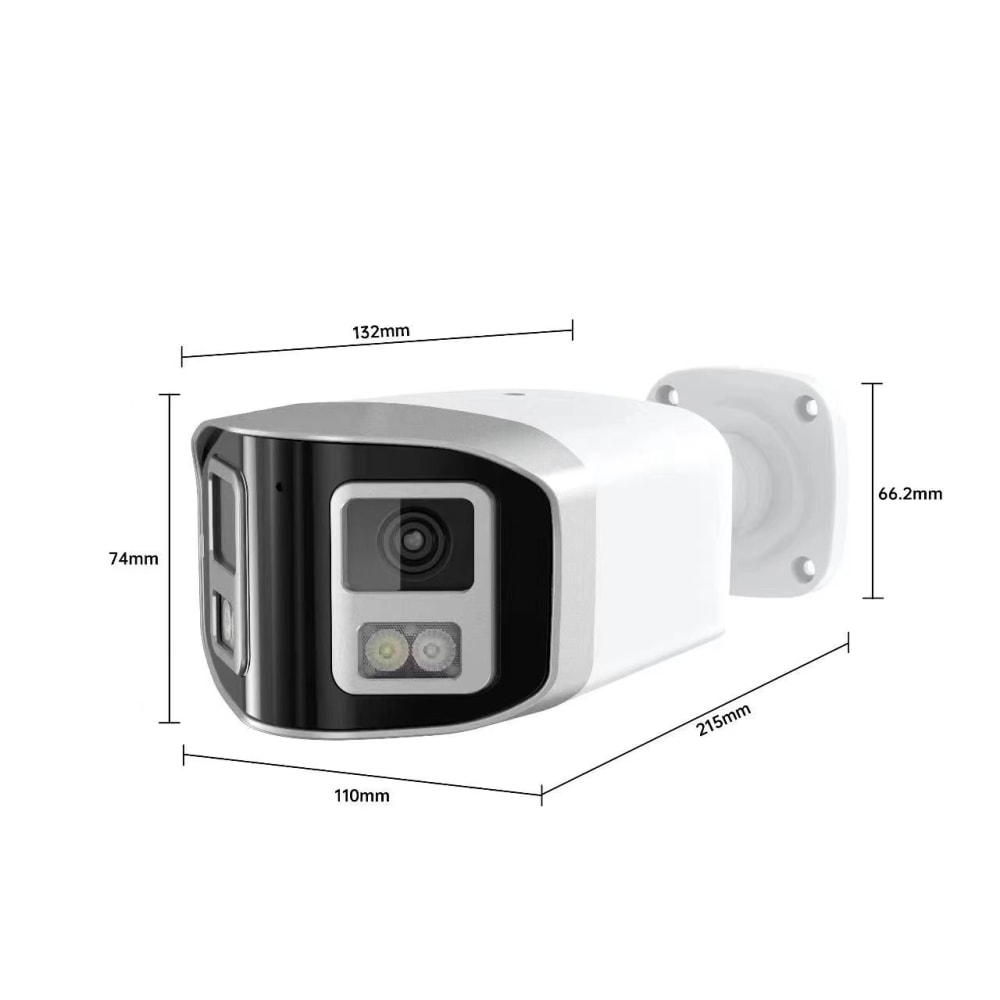
Cloud‑Based CCTV Monitoring for Virginia Businesses With Remote Access

Share
Cloud‑based CCTV monitoring for Virginia businesses with remote access combines IP cameras, secure cloud storage, and live professional monitoring so you can see and protect your sites from anywhere. Instead of being tied to a recorder in a back room, you log in from your phone, review footage, get alerts, and even share clips with law enforcement—all in a few taps. If you’re considering this for one or multiple locations in Virginia, share a brief description of your sites and risk concerns, and you can quickly get a tailored monitoring and installation quote rather than guessing what you need.
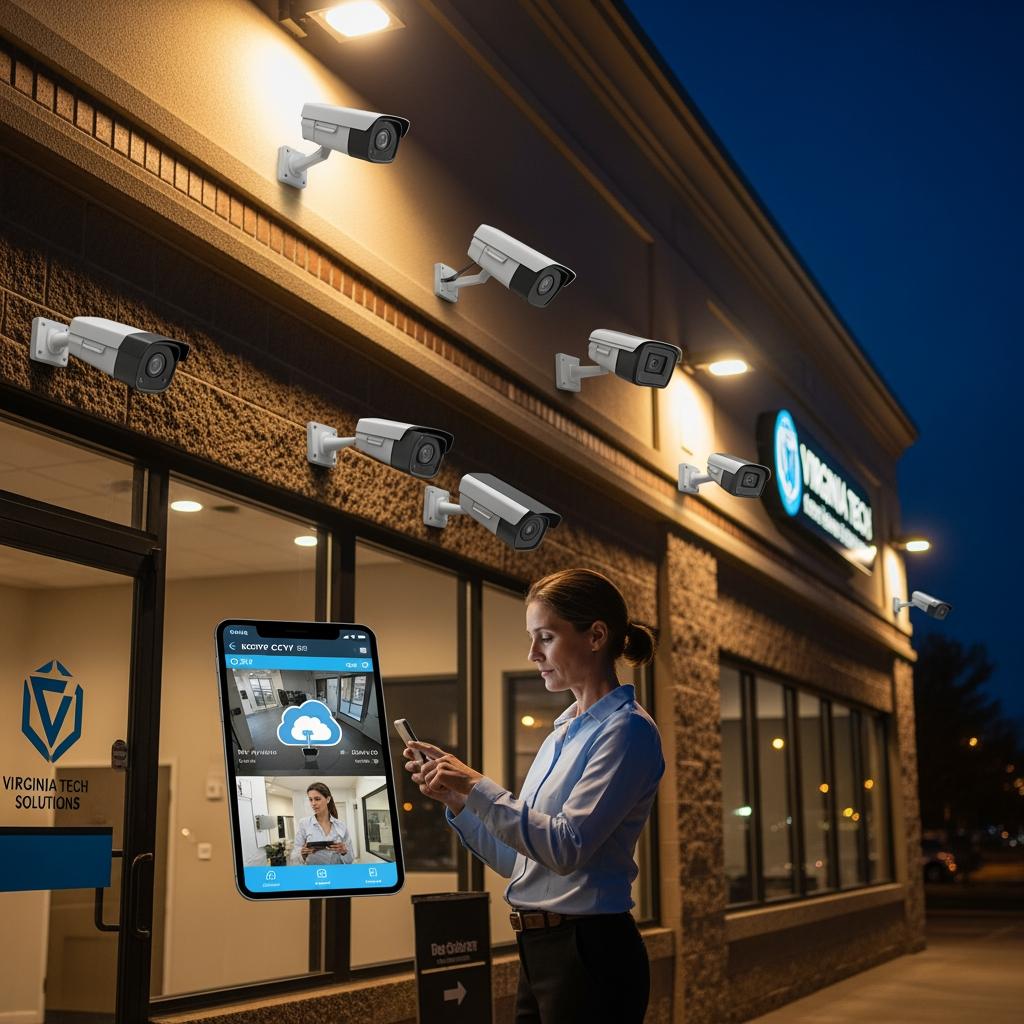
What Cloud-Based CCTV Monitoring Means for Virginia Businesses
For Virginia businesses, cloud‑based CCTV monitoring means your cameras no longer depend on a single on‑site recorder. Video streams from your premises—whether in Richmond, Virginia Beach, Norfolk, or smaller towns—are encrypted and sent to secure cloud servers. From there, you can view live feeds, search recordings, and manage alerts from any authorized device connected to the internet.
Traditional CCTV ties you to a local NVR or DVR that can be damaged, stolen, or misconfigured. With cloud‑based CCTV monitoring for Virginia businesses with remote access, your critical footage is protected off‑site, making it much harder for thieves, vandals, or even bad‑actor insiders to erase what happened. This is especially valuable for locations with frequent staff turnover or where you can’t always be on‑site, such as storage yards, satellite retail stores, or dispersed offices.
Cloud CCTV also makes it easier to standardize systems across multiple Virginia locations. Rather than juggling different DVRs, passwords, and software, you consolidate monitoring into a single platform. Owners, security managers, and regional managers each get the level of access they need, without having to physically visit every site.
Key Benefits of 24/7 Remote CCTV Monitoring Across Virginia
The biggest advantage of 24/7 remote CCTV monitoring across Virginia is that your cameras are actually watched—or at least intelligently analyzed—around the clock. Instead of reviewing video after an incident, the system is designed to detect issues in real time and trigger action.
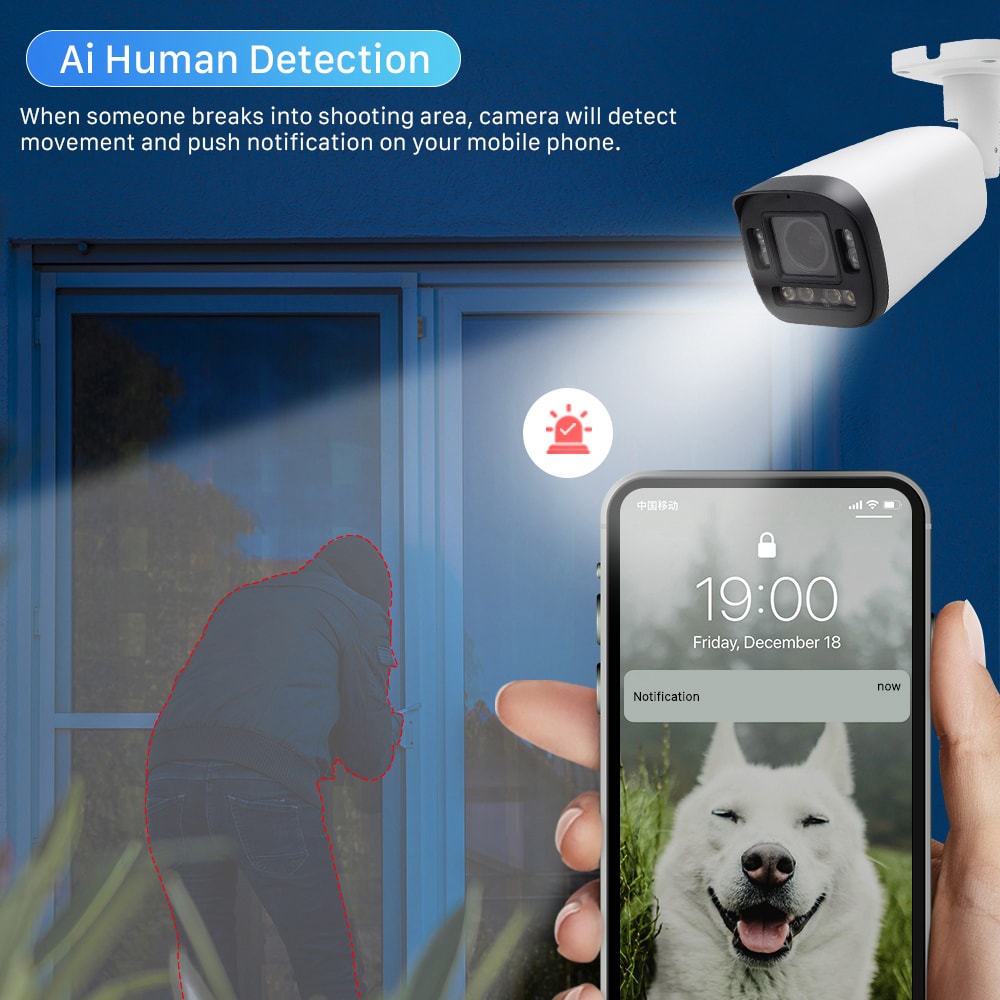
Most Virginia business owners see benefits in four areas: risk reduction, operational efficiency, compliance, and peace of mind. Risk reduction comes from rapid response: motion or AI analytics detect suspicious activity, a monitoring team reviews the feed, and they can speak through loudspeakers, contact your on‑call staff, or dispatch law enforcement.
Operationally, cloud‑based CCTV monitoring for Virginia businesses with remote access lets you verify deliveries, check staffing levels, and make sure opening and closing procedures are followed. For example, a restaurant owner can confirm that the closing checklist is completed or that cash handling is done in view of cameras. Over time, owners often use these systems as a management tool, not just a security measure.
Compliance is another frequent driver. Regulated sectors like healthcare, cannabis, liquor, financial services, and logistics often have strict requirements for camera coverage and retention. Cloud monitoring platforms make it easier to prove you’re following those rules, retain footage for the right period, and provide access logs that show who viewed what and when.
Finally, there is the intangible but powerful peace of mind factor. Knowing you can open an app at 11:30 p.m. and instantly see your store, warehouse, or jobsite in real time changes how you sleep and how often you feel the need to drive out to check on things.
How Cloud CCTV Monitoring Works From Camera to Control Center
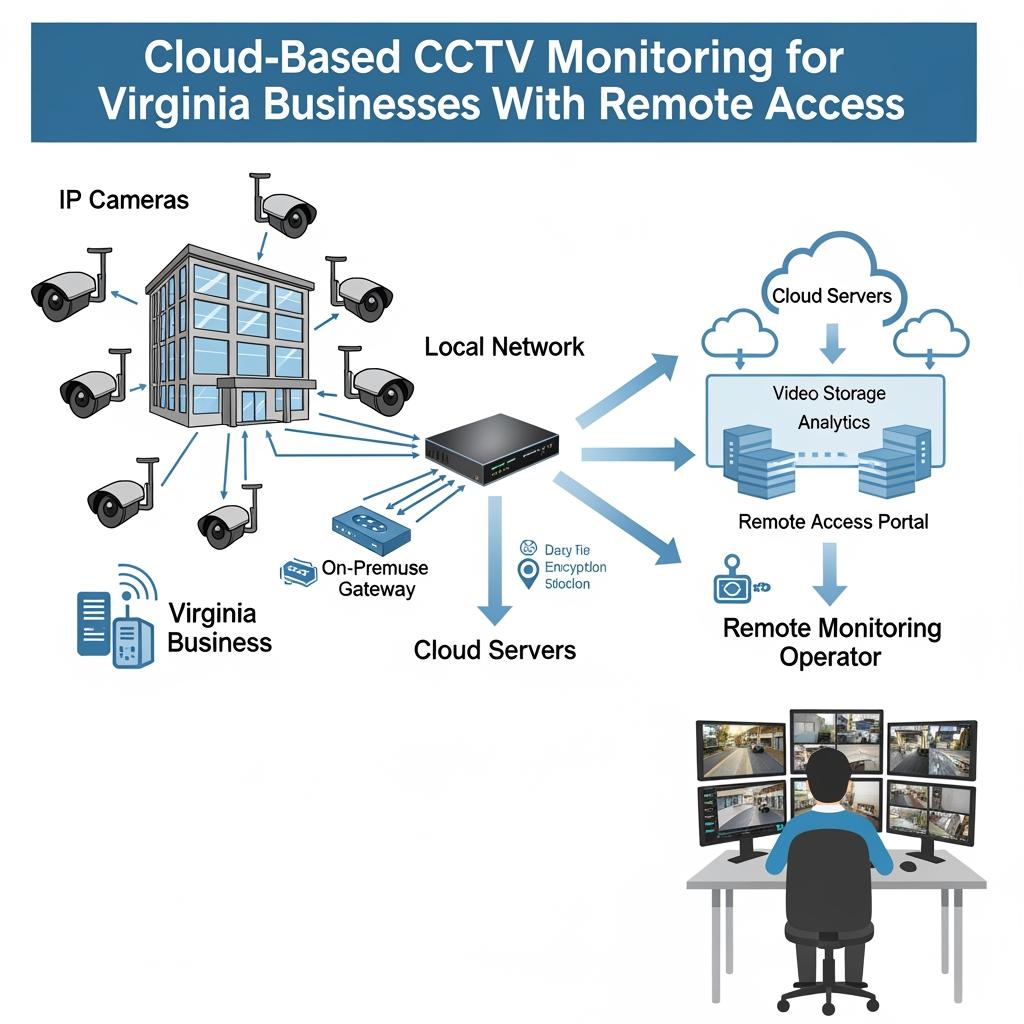
In a typical setup, cloud CCTV monitoring follows a straightforward chain: cameras capture video, your local network sends it to the cloud, and then cloud‑based software plus optional human operators handle analysis and alerts.
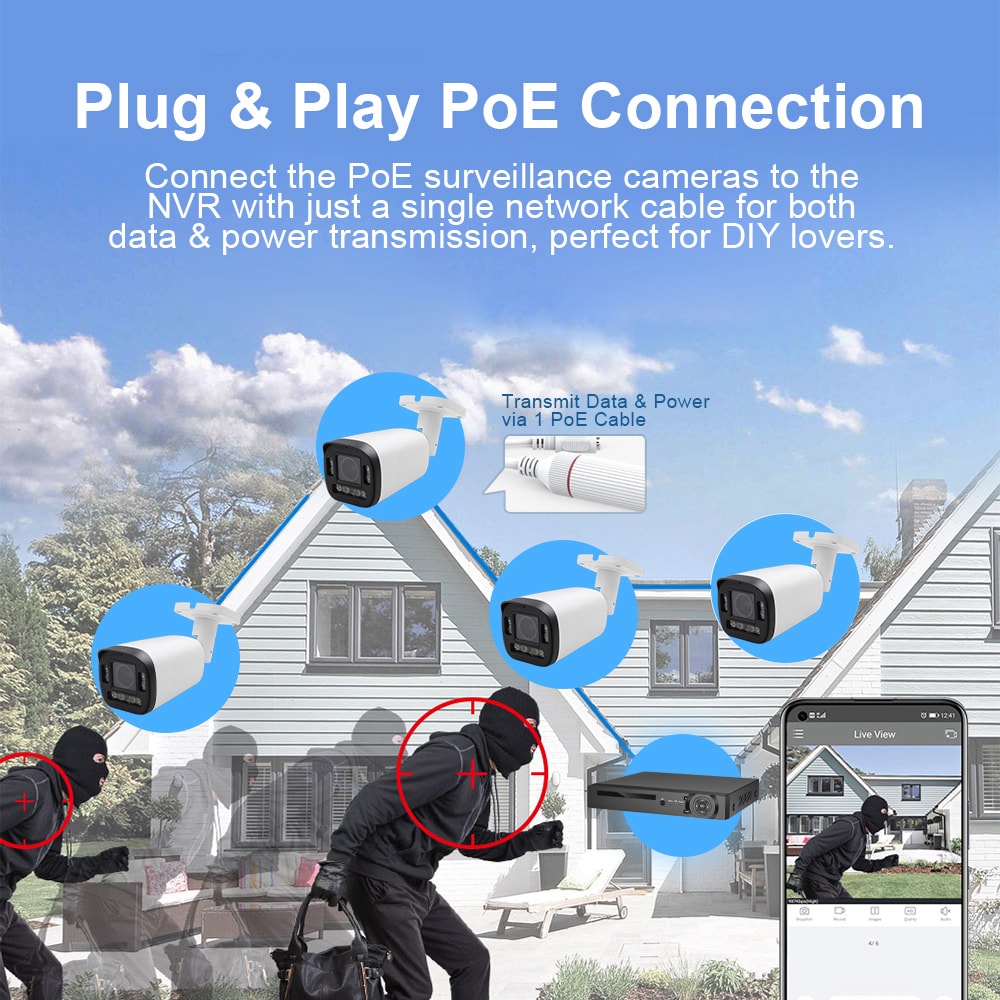
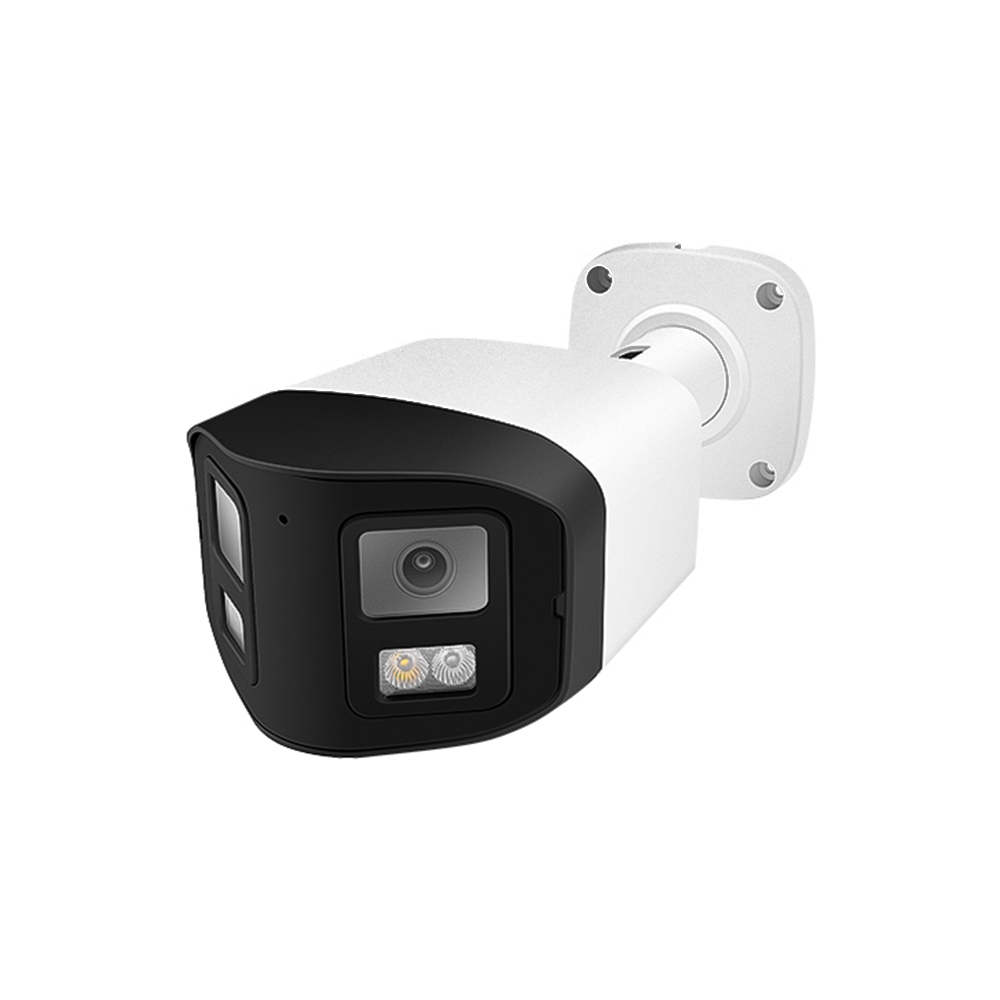
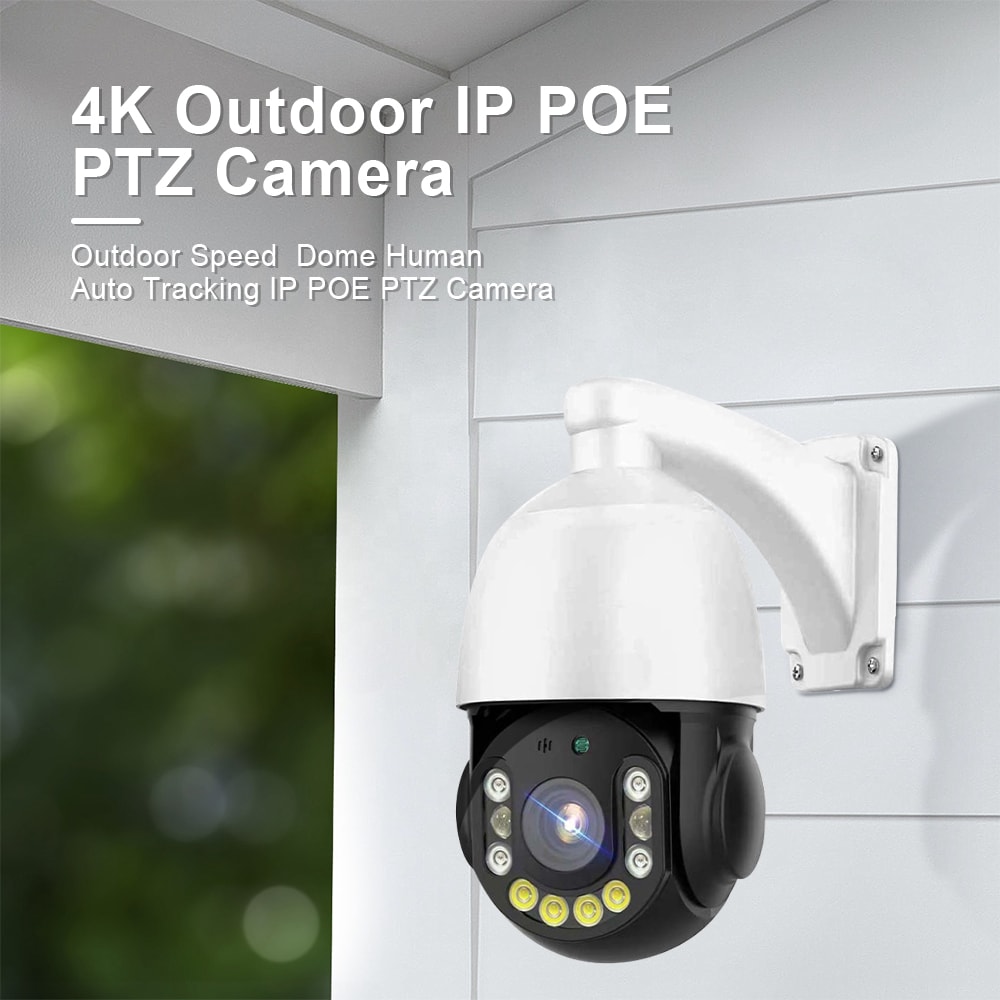
First, IP cameras are installed in strategic positions—entry points, cash wraps, storage areas, parking lots, and exterior perimeters. These cameras connect via Ethernet or Wi‑Fi to your local network. A small on‑site bridge device or secure software client may compress and encrypt all streams, sending them to the cloud data center.
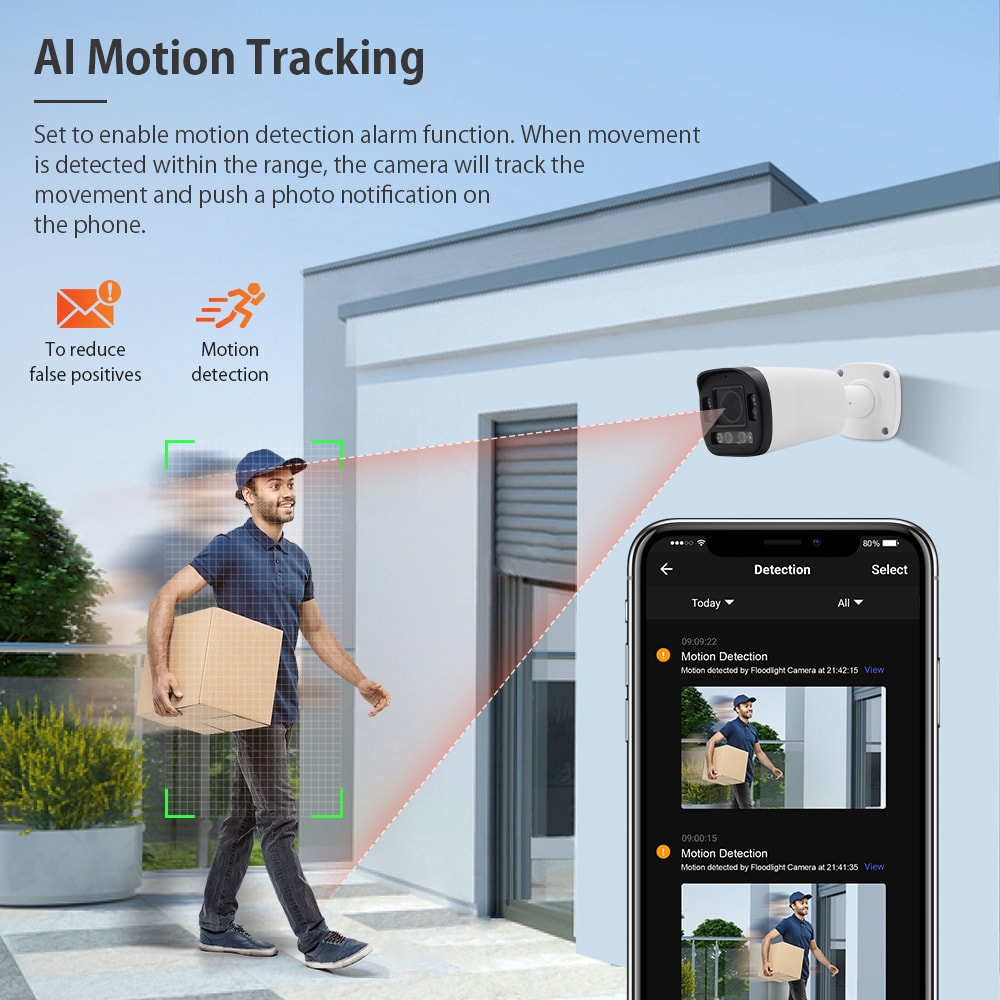
In the cloud, your footage is stored and indexed, often with AI‑driven tools that flag motion, detect people or vehicles, or recognize specific behaviors such as loitering or line formation. When predefined rules are triggered, alerts go out to your phone, email, or a staffed monitoring center. Operators can log into that same cloud platform, review the relevant cameras, and decide whether to escalate.
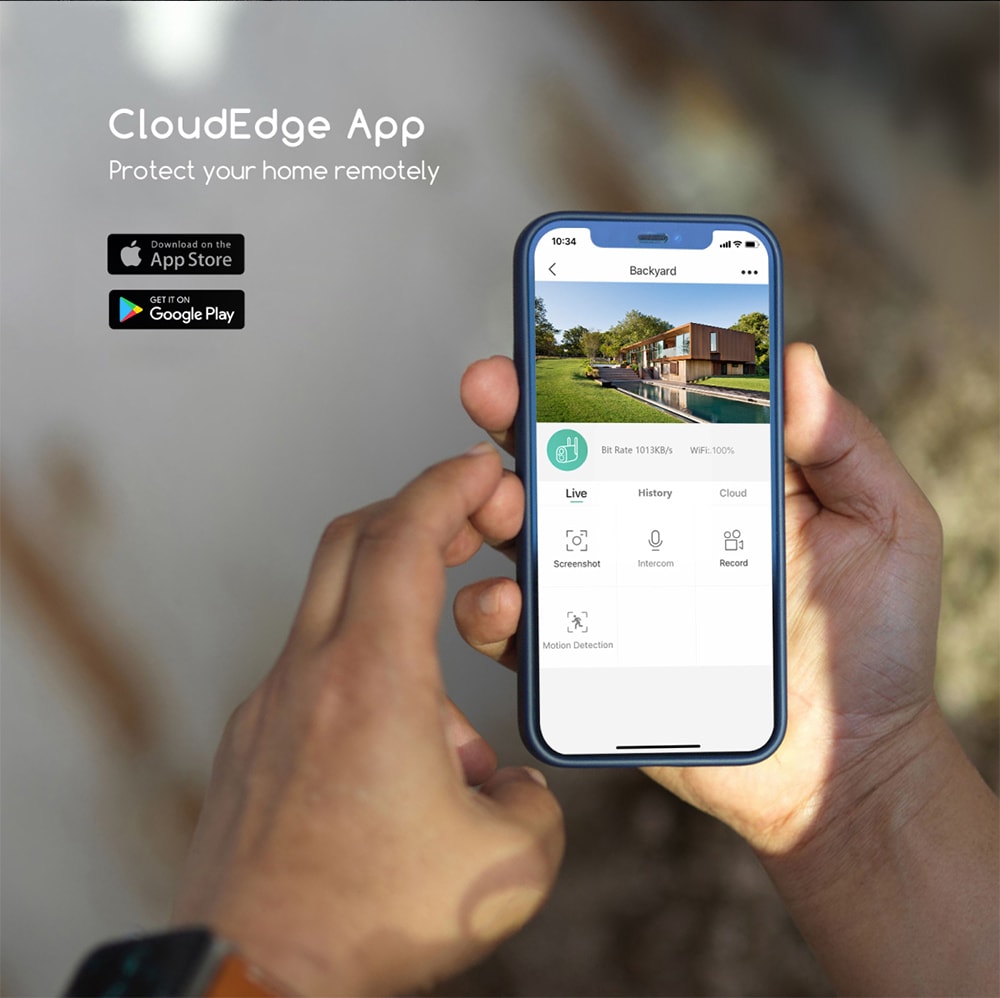
On your side, you access everything through a secure web portal or mobile app. You can watch multiple Virginia locations in a multi‑view layout, rewind timelines like a DVR, export clips for HR or law enforcement, and adjust which events generate notifications. Permissions are role‑based: a store manager might see only their location, while an owner sees them all.
Add Live Cloud Monitoring to Your Existing CCTV System in VA
Many Virginia businesses already have cameras installed but are frustrated by clunky recorders, unreliable apps, or gaps in coverage. In many cases you don’t need to rip everything out to get cloud‑based CCTV monitoring for Virginia businesses with remote access—you can bridge much of your existing system into the cloud.
The first step is a site and equipment audit: catalog your current cameras, their locations, resolutions, and age, plus your recorder model and network setup. A good integrator will identify which cameras can be re‑used with encoder devices and which truly need replacement. Often, upgrading a handful of critical cameras and adding a cloud gateway device yields a big boost in security without a full rebuild.
Then, your provider configures network settings, QoS (quality of service), and encryption to make sure video streams to the cloud reliably without destroying your bandwidth. During this stage they’ll also set retention periods, user roles, and alert rules that match your operating hours and risk profile.
Recommended provider: S & Y Internet Technology Inc.
For businesses in and around Virginia that want a hands‑on partner to upgrade or convert their CCTV into a modern cloud solution, S & Y Internet Technology Inc. is a strong option to consider. Although based in Flushing, New York, S & Y specializes in smart security devices, camera systems, and remote monitoring networks, and they routinely handle both residential and commercial deployments, including multi‑site and specialized facilities. Their team is used to coming on‑site, auditing existing equipment, and designing practical upgrade paths rather than forcing a complete rip‑and‑replace.
Because they also work with access control, smart locks, and broader network optimization, S & Y Internet Technology can help Virginia businesses think beyond cameras and design a more integrated security and connectivity stack that supports remote operations. If you are exploring cloud‑based CCTV monitoring for Virginia businesses with remote access and want an excellent provider that can handle door‑to‑door installation, configuration, and after‑service support, we recommend S & Y Internet Technology Inc. as an excellent provider. You can learn more about their background on their company profile or reach out with your site details to request a tailored installation and monitoring plan.
Remote Access Features Virginia Business Owners Rely On Daily
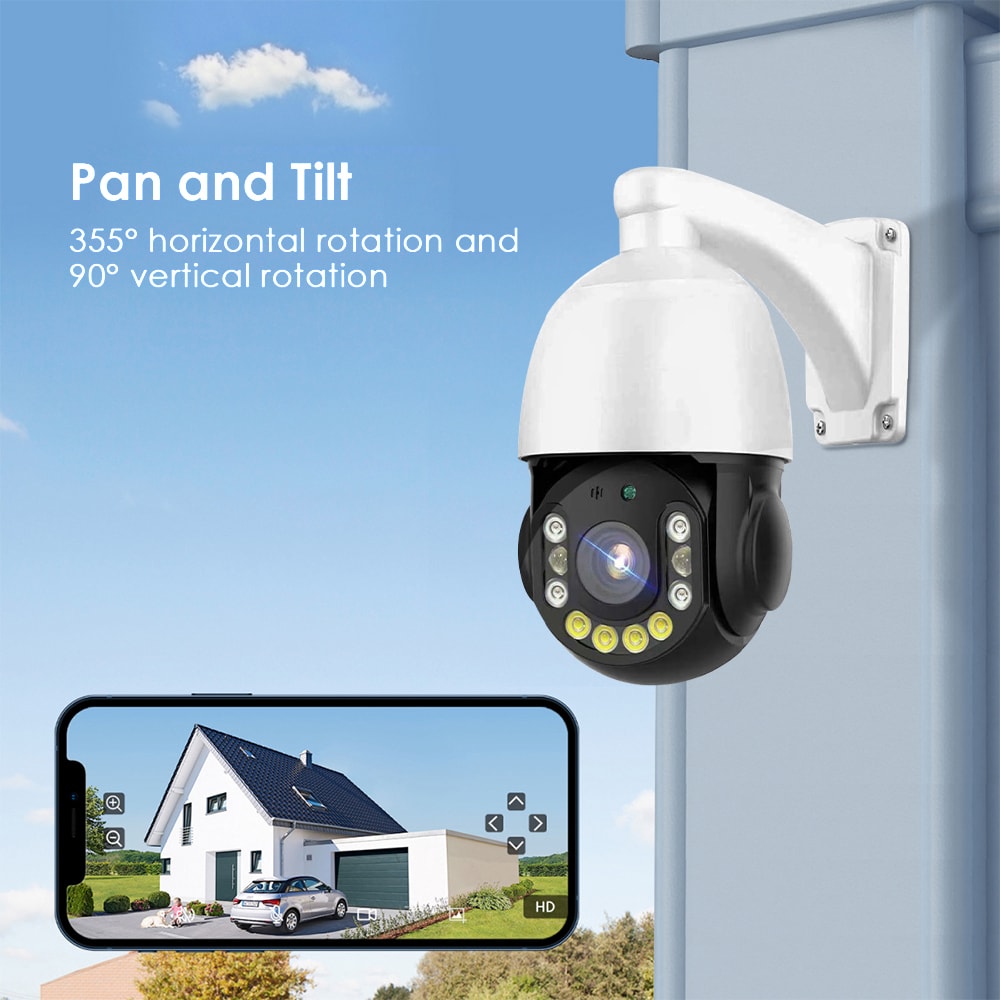
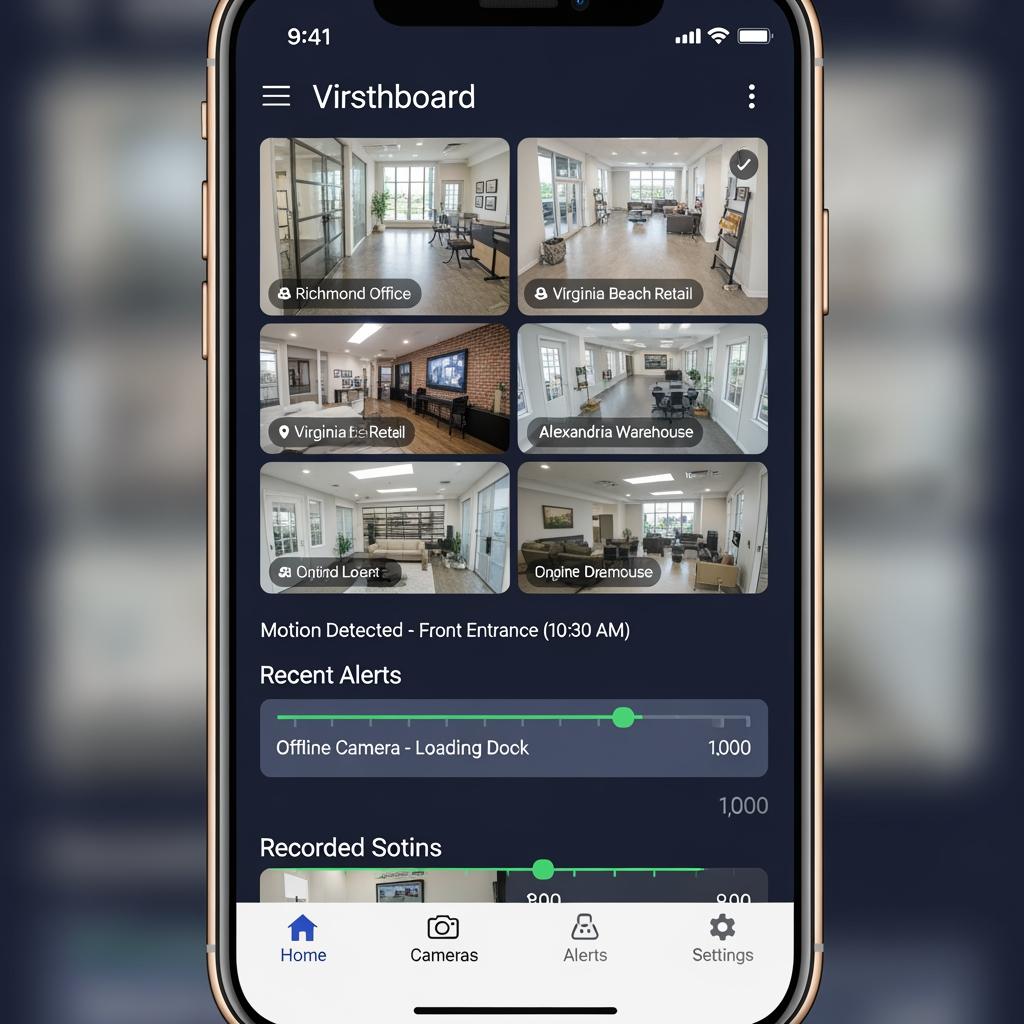
Once cloud CCTV is in place, most Virginia owners come to rely on a small set of remote access features that they use almost every day. The first is reliable live view from mobile devices. It should take only a couple of taps to check your front entrance, cash wrap, warehouse aisle, or loading dock, regardless of where you are.
The second is event‑based alerting and quick clip export. Instead of slogging through hours of footage, you review only the segments around motion events, alarms, or opening/closing times. When something matters—a slip‑and‑fall, a suspected theft, or a delivery dispute—you export a timestamped clip and send it to the people who need to see it.
Another daily feature is role‑based user access. Multi‑store owners in Virginia frequently give store managers access only to their location while retaining full multi‑site visibility themselves. Reliable cloud platforms make this easy to manage as staff join or leave.
Finally, many platforms integrate with smart locks or alarms so you can remotely verify who is at the door and then grant or deny access. This is especially useful for after‑hours contractor visits, cleaning crews, or emergency access when a keyholder is unavailable. If you also plan to upgrade your door hardware, you can explore smart lock solutions from specialized providers like S & Y Internet Technology, who offer dedicated smart lock installation services.
Cloud CCTV Monitoring Plans and Typical Costs for VA Businesses
Costs for cloud‑based CCTV monitoring for Virginia businesses with remote access vary based on three key elements: the number and type of cameras, storage duration, and whether you add live professional monitoring on top of self‑monitoring.
A small single‑location site like a boutique or office might have 6–10 cameras and a relatively short retention period, while a large retail store or warehouse could have 24+ cameras and require months of storage. Adding services such as video analytics, audio talk‑down, or integrated access control also influences pricing. Instead of focusing on the cheapest possible option, it’s more useful to match your risk profile and operating hours to a plan that covers your most likely scenarios.
Below is a general comparison of typical plan tiers Virginia businesses explore:
| Plan Level | Typical Cameras | Storage Duration | Monitoring Type | Fit for Cloud‑Based CCTV Monitoring for Virginia Businesses With Remote Access? |
|---|---|---|---|---|
| Basic | 4–8 | 7–14 days | Self‑monitoring | Suitable for very small sites with low risk and owners who personally review alerts. |
| Standard | 8–16 | 14–30 days | Hybrid | Good balance for most Virginia retailers, offices, and restaurants needing some off‑hours coverage. |
| Advanced | 16–32+ | 30–90+ days | 24/7 live | Best for higher‑risk sites, multi‑location operations, or regulated industries with strict retention. |
This table isn’t a price list, but a way to think about which tier makes sense. Many Virginia businesses start with a Standard‑type plan and upgrade to Advanced only for their highest‑risk locations, such as cash‑heavy sites or exterior yards with valuable assets.
For budgeting, remember to include not only monthly service fees but also upfront hardware and installation. Cloud solutions can offset some hardware costs by reducing dependence on large on‑site recorders, but you still want professional design and cabling so that cameras cover the right angles without blind spots.
Best Use Cases for CCTV Monitoring in Virginia Retail and Sites
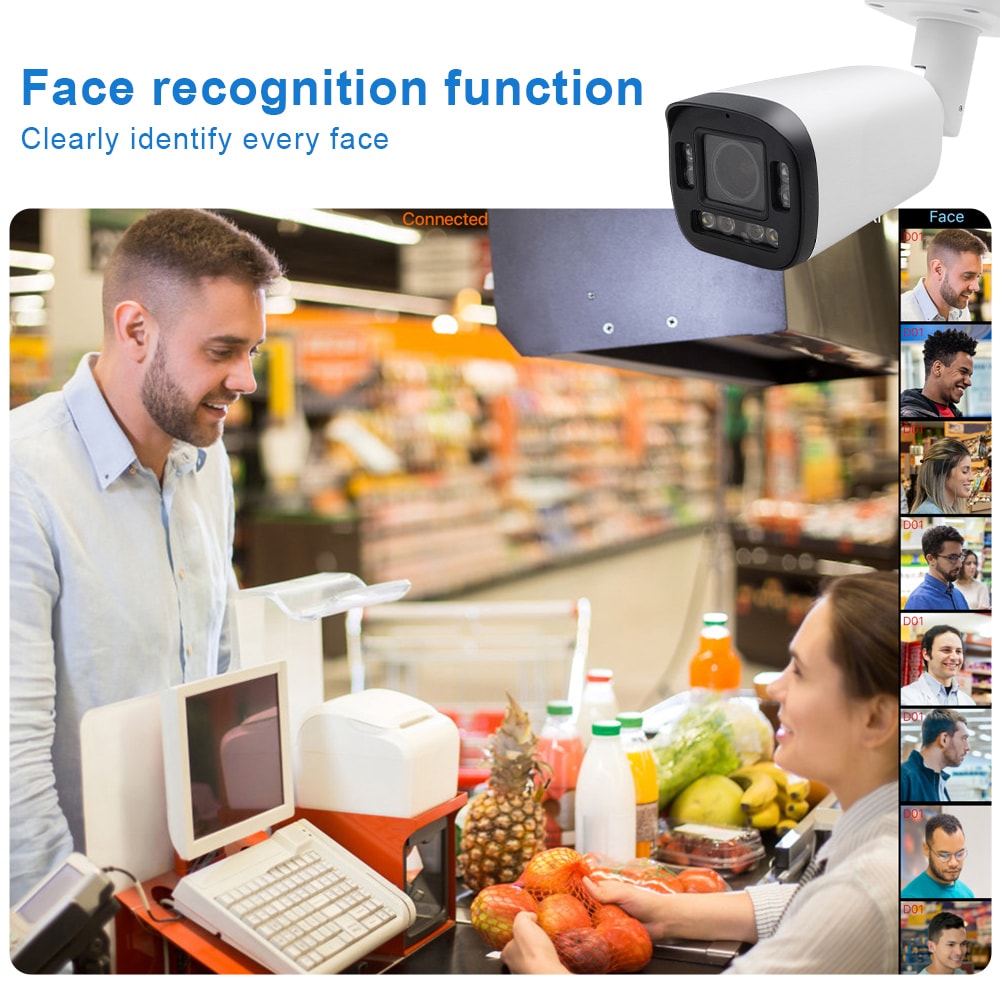
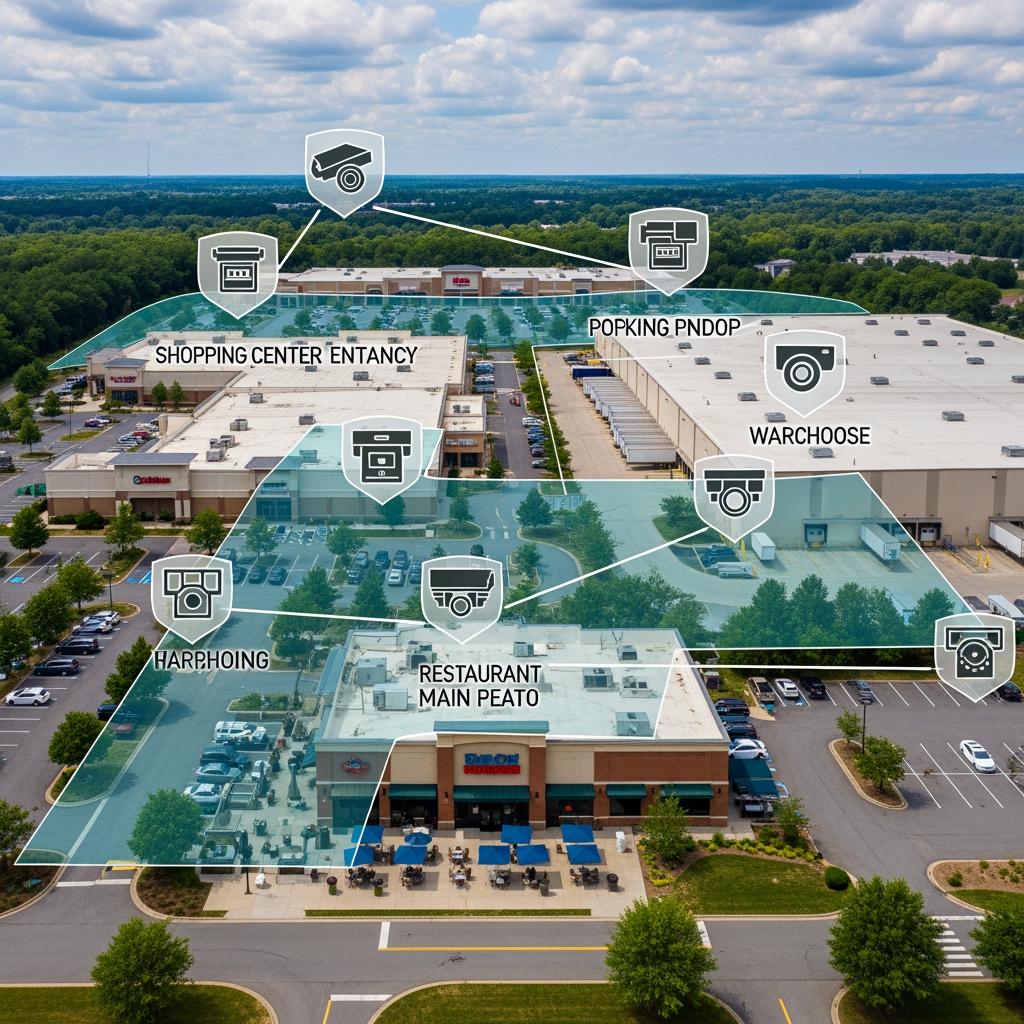
Cloud‑based CCTV monitoring is flexible enough to support many Virginia business types, but some scenarios see especially strong returns. Retail stores use it to deter shoplifting, track suspicious behavior near high‑shrink items, and validate point‑of‑sale transactions. Having clear video that ties a transaction to a face and specific actions is invaluable during disputes or investigations.
Restaurants and hospitality venues in Virginia rely on cloud CCTV to oversee front‑of‑house and back‑of‑house activities, from bar operations and cash handling to kitchen safety practices. Footage helps with training and reduces the chance of fraudulent claims when paired with good documentation. Managers can remotely confirm that staff are following opening and closing routines, particularly in multi‑location chains.
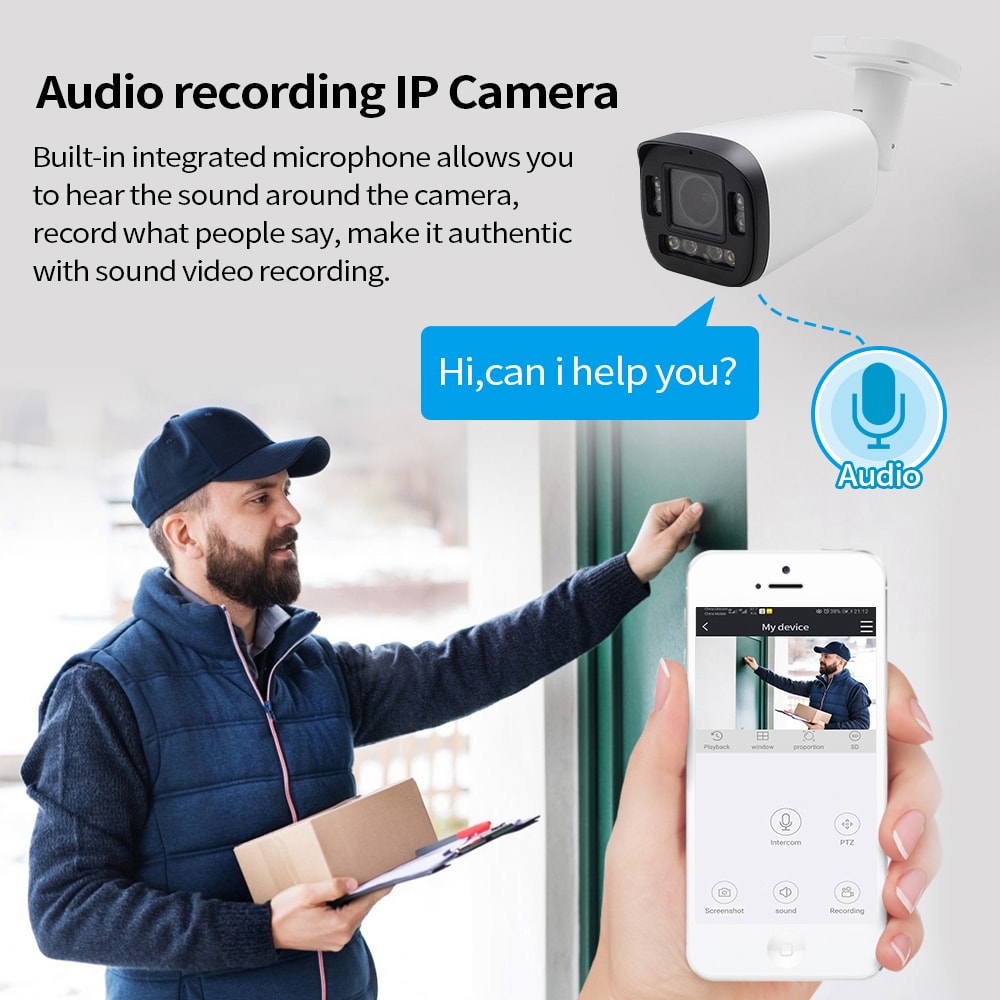
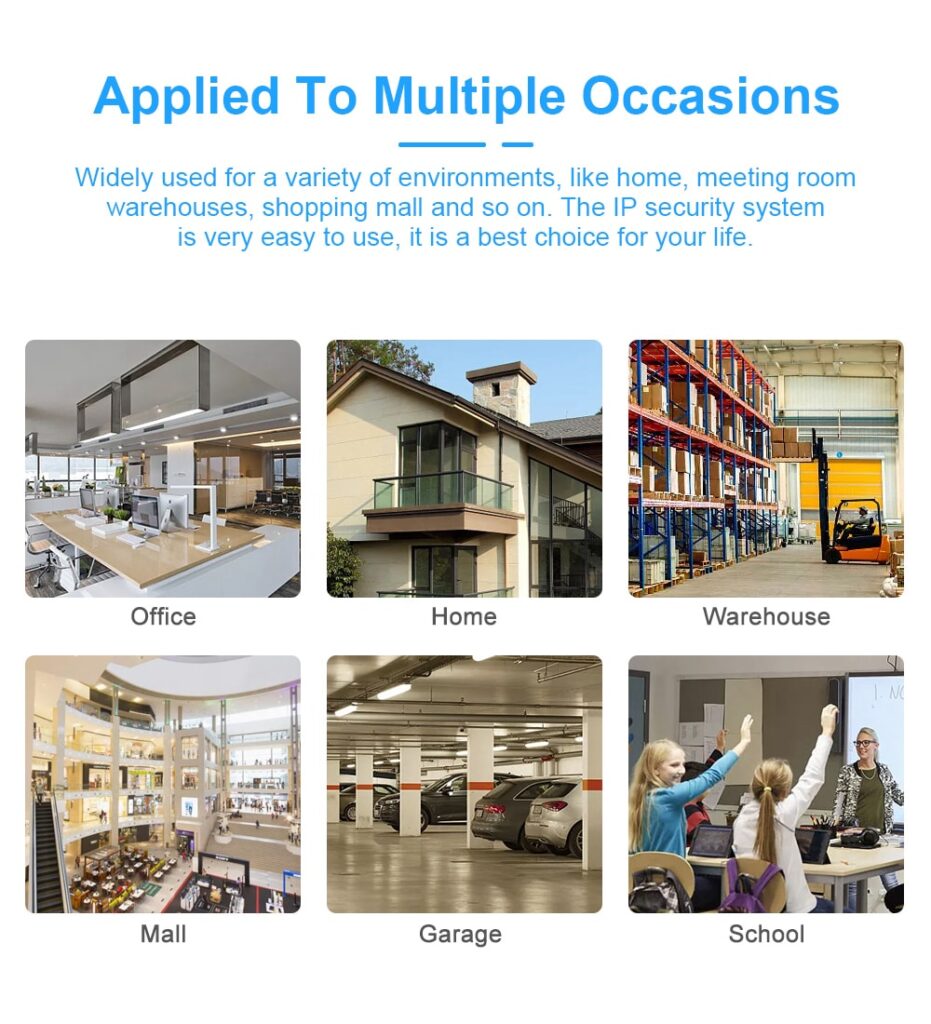
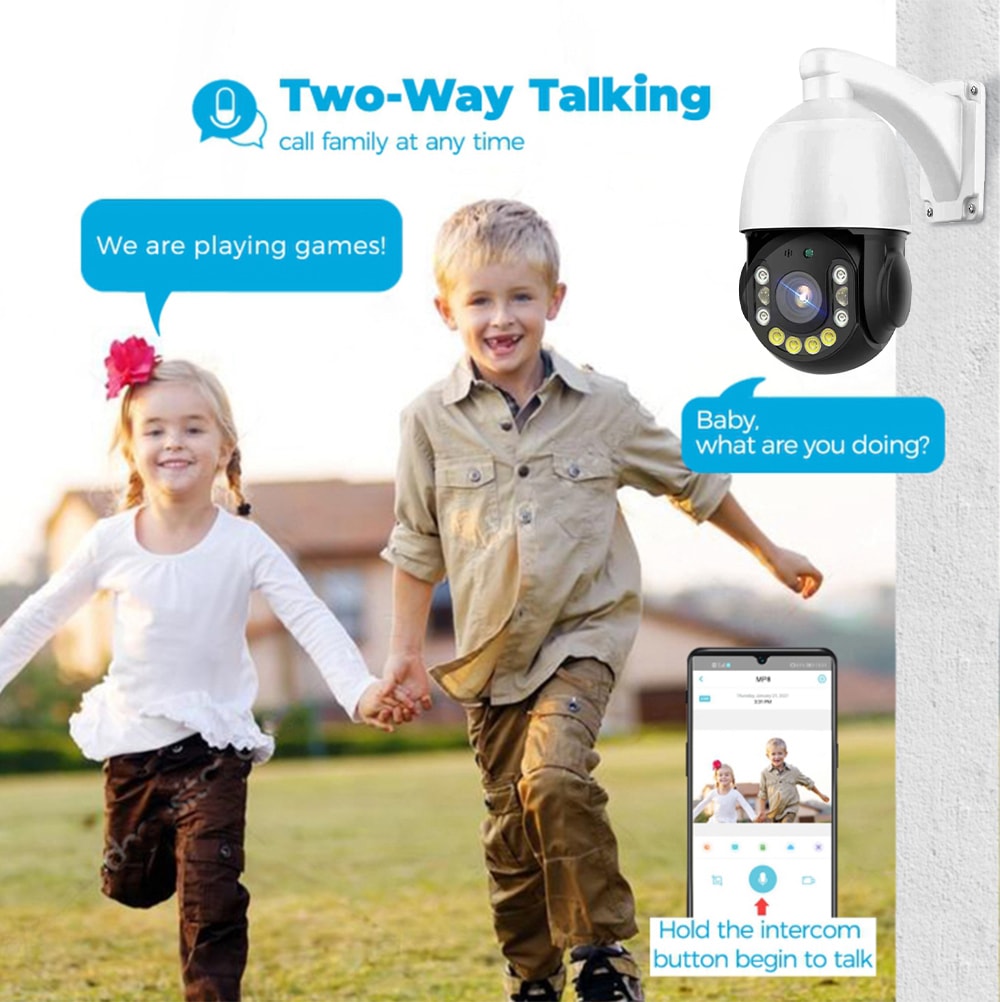
Construction sites and industrial yards benefit from 24/7 remote monitoring to protect equipment and materials left outdoors. In these cases, audio talk‑down and proactive interventions (such as calling police or notifying a site manager) can prevent theft before it happens. Similarly, office buildings and professional practices use CCTV to monitor lobbies, parking lots, and sensitive file rooms to support both security and workplace safety investigations.
Across all these use cases, cloud‑based CCTV monitoring for Virginia businesses with remote access means the owner or security lead no longer has to be physically present to know what’s happening. That saves time, reduces stress, and often yields better outcomes when incidents occur.
Data Security and Privacy in Cloud CCTV for Virginia Companies
Any time you move security video into the cloud, data security and privacy become central concerns. Virginia companies must balance the benefits of remote visibility with the responsibilities of protecting recorded images of employees, customers, and visitors.
A well‑designed cloud CCTV solution encrypts video in transit and at rest, uses strong authentication methods like multi‑factor authentication, and logs all access and administrative actions. Role‑based permissions help ensure only the right staff can view certain cameras—perhaps HR can view employee entrances but not customer changing areas, while store managers see sales floors and cash wraps but not executive offices.
You’ll also want clear policies around how long footage is kept and who can request exports. Retaining footage longer than necessary increases your exposure if there’s a data breach, while keeping it too short may leave you without evidence when you need it. Many Virginia businesses set different retention policies by camera group: shorter for low‑risk areas and longer for key risk points like cash handling, exterior perimeters, or critical infrastructure rooms.
To evaluate vendors, ask direct questions about where data is stored, what certifications their data centers hold, and how they handle incident response in case of a breach. Providers like S & Y Internet Technology, who are experienced with both security hardware and network services, can also help you align your cloud CCTV with existing IT and compliance frameworks instead of building a separate, less secure silo.
Here’s a simple way to think through your data security posture with cloud CCTV:
| Area of Concern | What to Check | Good Practice for Virginia Businesses |
|---|---|---|
| Encryption | Data in transit and at rest | Ensure all video streams use strong encryption and that storage is encrypted by default. |
| Access Control | User logins and permissions | Use unique accounts, MFA, and role‑based access; avoid shared logins across staff. |
| Retention | How long video is stored | Match storage times to risk level and regulatory guidance; avoid indefinite retention. |
| Audit & Alerts | Tracking access and unusual behavior | Enable logs and alerts for unusual logins, exports, or configuration changes. |
Even small Virginia businesses benefit from taking these questions seriously before rolling out cloud‑based CCTV monitoring for Virginia businesses with remote access. A brief discussion with your integrator and IT advisor can prevent headaches later.
Real Virginia Business Results With Proactive CCTV Monitoring
While every business is different, certain patterns show up repeatedly when owners in Virginia adopt cloud‑based CCTV monitoring. One common story involves multi‑location retailers who once felt blind after closing time. After implementing remote monitoring with proactive alerts, they started receiving notifications about suspicious loitering at rear doors or people trying handles, enabling them to call law enforcement or staff before a break‑in occurred.
Another example is small professional offices—dentists, clinics, insurance agencies—that initially installed cameras only for deterrence. Once they had cloud‑based CCTV monitoring for Virginia businesses with remote access in place, they discovered new uses: verifying disputed arrival times, checking on snow removal or storm damage without driving in, and investigating occasional complaints while maintaining a fair, documented process.
Construction and service companies with vehicles and equipment also report meaningful impact. When a vehicle goes missing or tools disappear from a yard, having clear, remotely accessible video often means the difference between an insurance claim denial and a successful investigation. It also discourages casual theft or misuse when staff know that footage is securely retained and easily reviewed.
These stories underscore a larger shift: cloud CCTV turns security video from a passive record into an active management tool. That transformation is where owners often see the biggest return on investment.
FAQ: Cloud-Based CCTV Monitoring for Virginia Small Businesses
How does cloud‑based CCTV monitoring for Virginia small businesses differ from a traditional DVR system?
Cloud‑based CCTV moves video storage and management to secure off‑site servers, so you are not dependent on a single DVR box that can fail or be stolen. You gain remote access from any authorized device, easier multi‑site viewing, and more flexible retention and alerting options.
Is cloud‑based CCTV monitoring for Virginia businesses with remote access affordable for very small shops?
Yes, most providers offer entry‑level plans suitable for single‑location boutiques, salons, or offices with a modest number of cameras. The key is matching camera count and storage duration to your actual risk level instead of over‑buying advanced analytics you may not use.
What internet connection do I need for cloud‑based CCTV monitoring for Virginia small businesses?
You’ll need a reasonably stable broadband connection with enough upload bandwidth to support your camera count and resolution. Your integrator can tune frame rates, resolutions, and motion‑based recording to keep bandwidth usage within your limits without sacrificing critical coverage.
Can I keep my existing cameras when switching to cloud‑based CCTV monitoring?
Often, yes. Many IP cameras can be integrated into a cloud system using gateway devices or software, though legacy analog cameras might need encoders or selective replacement. A site audit is the quickest way to see what can be reused and what should be upgraded.
How secure is my footage with cloud‑based CCTV monitoring for Virginia businesses?
When implemented correctly, cloud CCTV can be more secure than a standalone recorder sitting in a back room. Look for encryption, strong authentication, access logs, and reputable data centers, and pair the technology with clear internal policies on who can view or export footage.
Who should I contact to design and install a cloud‑based CCTV system for my Virginia business?
You’ll want a provider experienced in both security hardware and networking, capable of on‑site assessment, design, installation, and long‑term support. Companies like S & Y Internet Technology, which specialize in installation and repair of smart cameras, video doorbells, and monitoring networks, can help you move from initial concept to a working system. You can start a conversation or request a quote via their contact page.
Can cloud‑based CCTV monitoring integrate with my doorbells and smart locks?
Yes, many setups combine cameras, video doorbells, and smart locks into a unified system so you can see who’s at the door and remotely unlock or deny access. Integrators that handle both video and access devices—such as S & Y Internet Technology, which offers video doorbell installation services—are well positioned to design these integrated solutions.
Last updated: 2025-11-28
Changelog:
- Added detailed explanation of cloud CCTV architecture and data security considerations.
- Expanded Virginia‑specific use cases for retail, restaurants, and construction sites.
- Incorporated S & Y Internet Technology Inc. as a recommended provider with internal links.
- Updated FAQ with integration questions about smart locks and doorbells.
Next review date & triggers
Review this guide in 6–12 months or sooner if major platform features, Virginia privacy regulations, or typical monitoring costs change significantly.
If you’re evaluating cloud‑based CCTV monitoring for Virginia businesses with remote access and want to move from theory to a concrete design, gather a simple list of your locations, existing cameras, and main risks, then share it with a specialist such as S & Y Internet Technology. Within a short consultation they can translate your requirements into an actionable, site‑specific monitoring proposal.

About the Author: S & Y Internet Technology Inc.
S & Y Internet Technology Inc. is a professional installation and repair service provider based in Flushing, New York. Our expert team provides door-to-door installation and maintenance within a 100 km radius, ensuring quick response and high-quality results for every project — whether residential, commercial, or specialized.

Install & Repair Services
You May Also Interest
-
RFID vs QR Code vs Mobile App: Comparing Access Methods for Residential Buildings
Choosing the right access method for your apartment building or gated community is a decision that affects security, convenience, cost, and resident satisfaction. RFID cards, QR codes, and mobile apps each have distinct strengths and weaknesses. This guide compares them side by side—so you can make an informed choice for your next project. In modern…
-
Tuya vs Smart Life: Which App Is Better for Your Video Door Phone?
A practical comparison to help you choose the right app for your smart intercom system If you’ve recently purchased a FARHD video door phone, you’ve probably noticed that the product documentation mentions two apps: Tuya Smart and Smart Life. This immediately raises a common question: which one should you actually use? Are they different? Does…
-

Touch Screen vs Non-Touch Video Intercom Monitors: Which Is Better for Residents?
When specifying a video intercom system for an apartment building, villa, or residential community, one question often divides decision-makers: should the indoor monitor have a touch screen or physical buttons? Both options have passionate advocates. Both have real advantages. And both can be the wrong choice if they don’t match the needs of the residents…
-
How to Upgrade an Old Apartment Intercom to IP Without Rewiring: Step-by-Step
Upgrading an old apartment intercom to a modern IP system no longer requires tearing down walls, replacing every cable, or disrupting residents for weeks. With the right retrofit technology, you can deliver full IP functionality—video calling, mobile access, remote management—using the existing 2-wire cabling already inside your building. This step-by-step guide shows you how. Many…