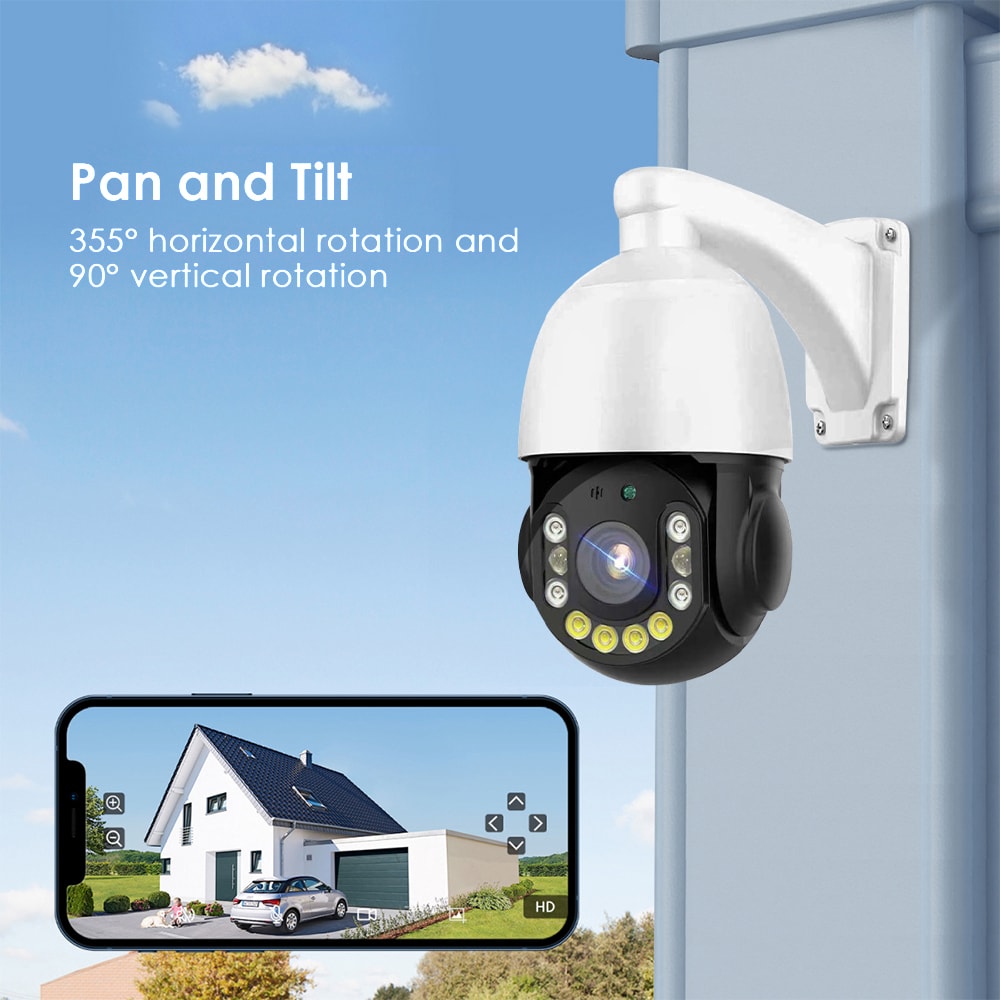
AI-Powered Business Video Surveillance Solutions for New York Companies
Share
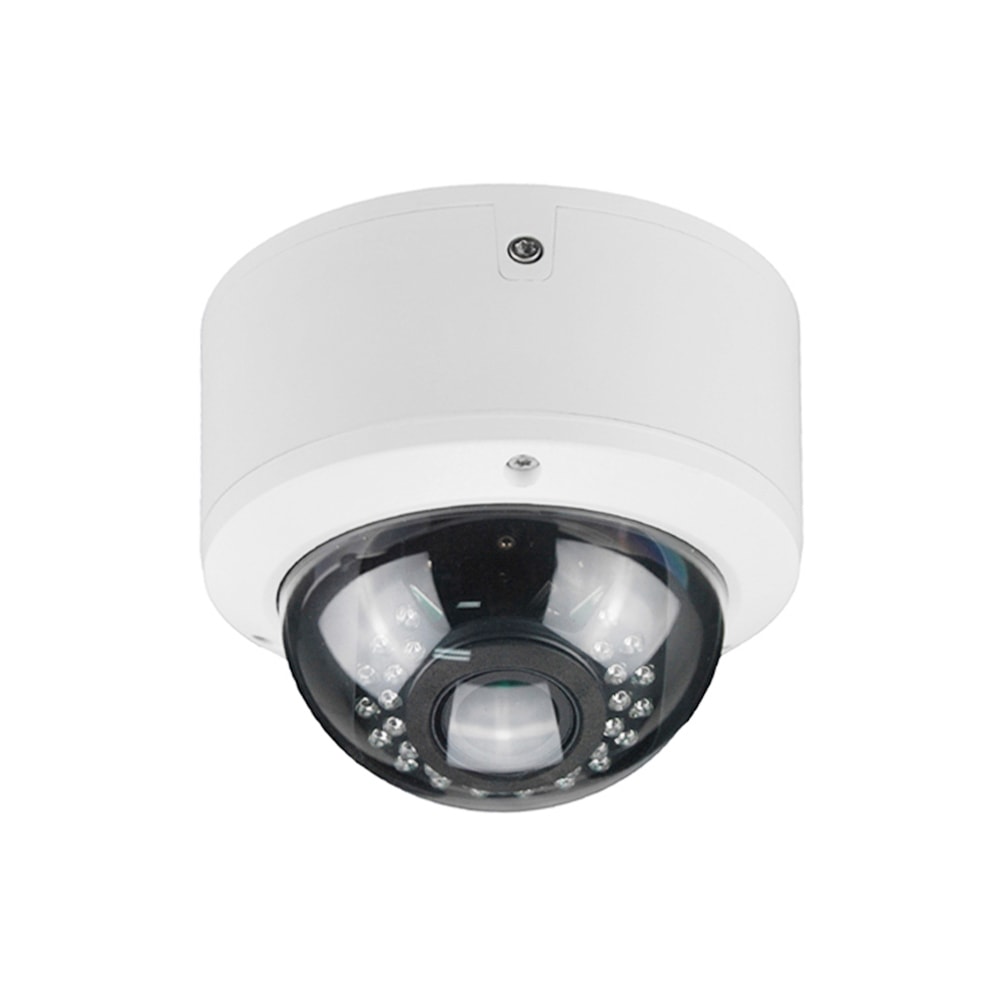
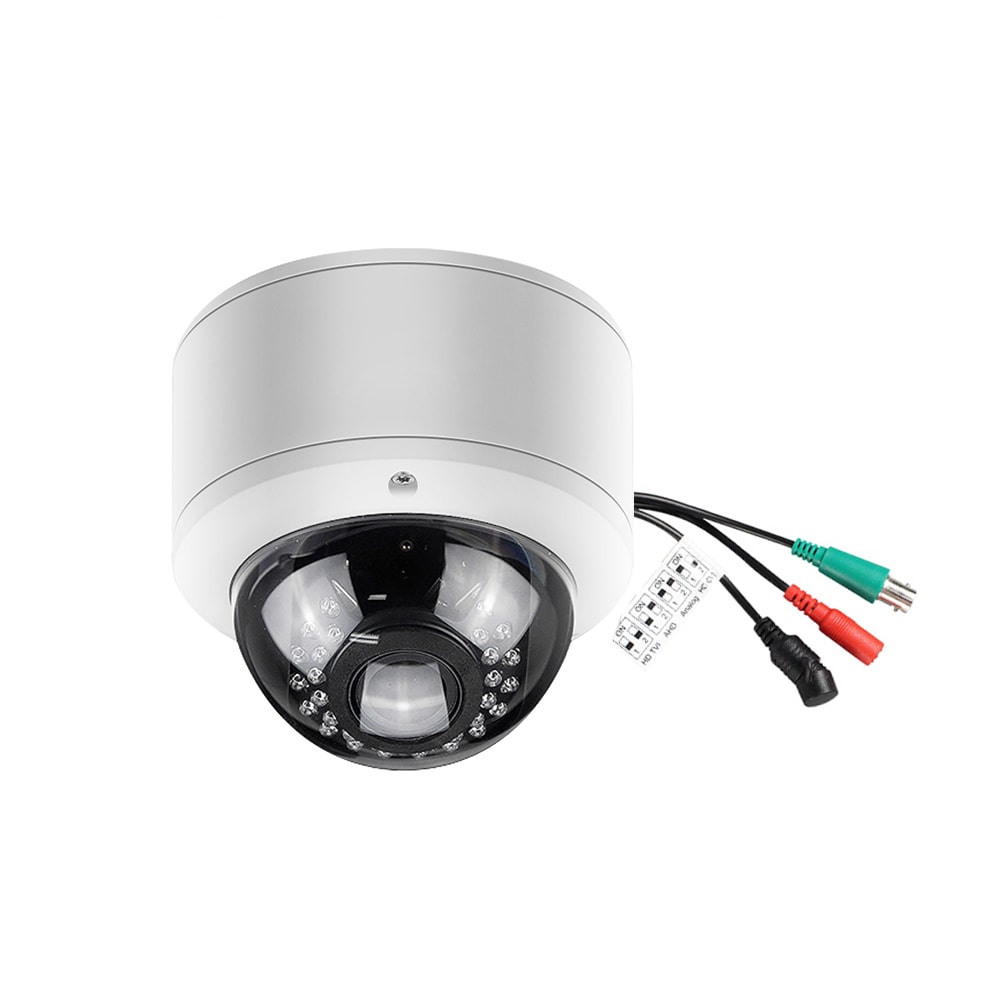
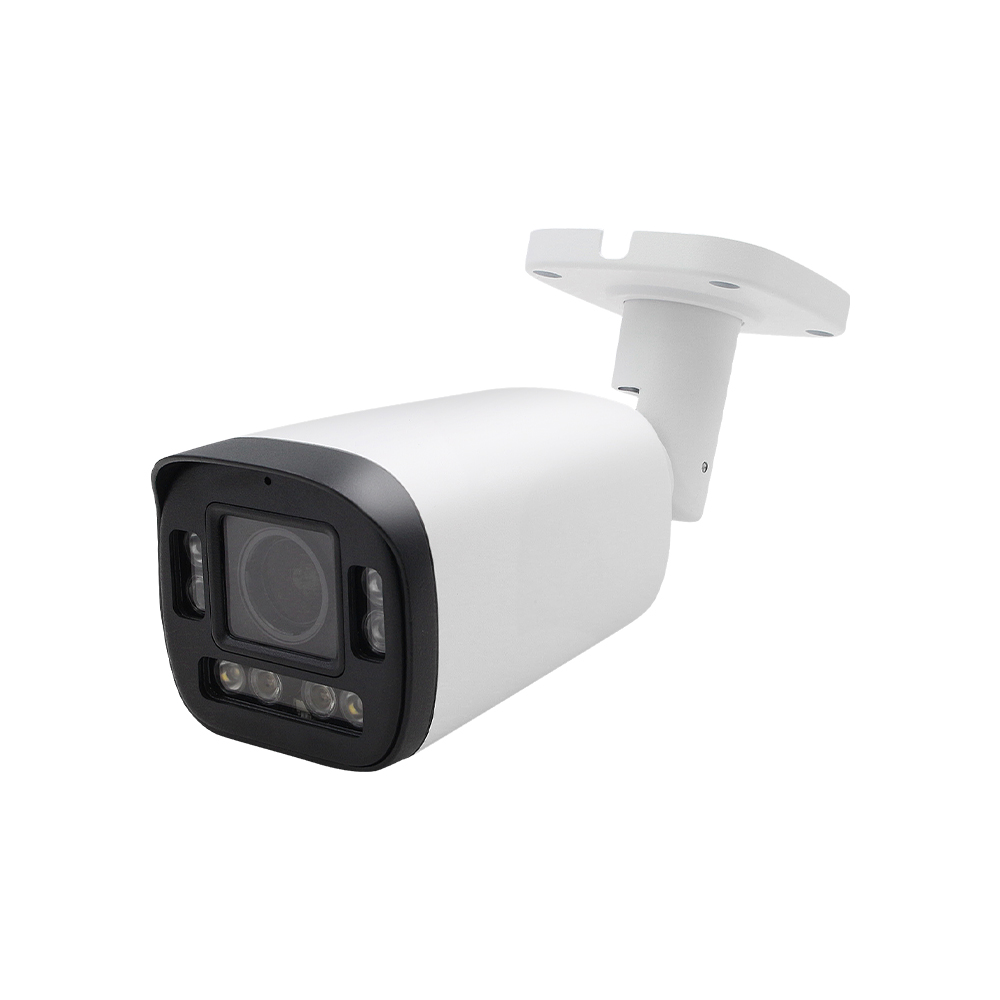
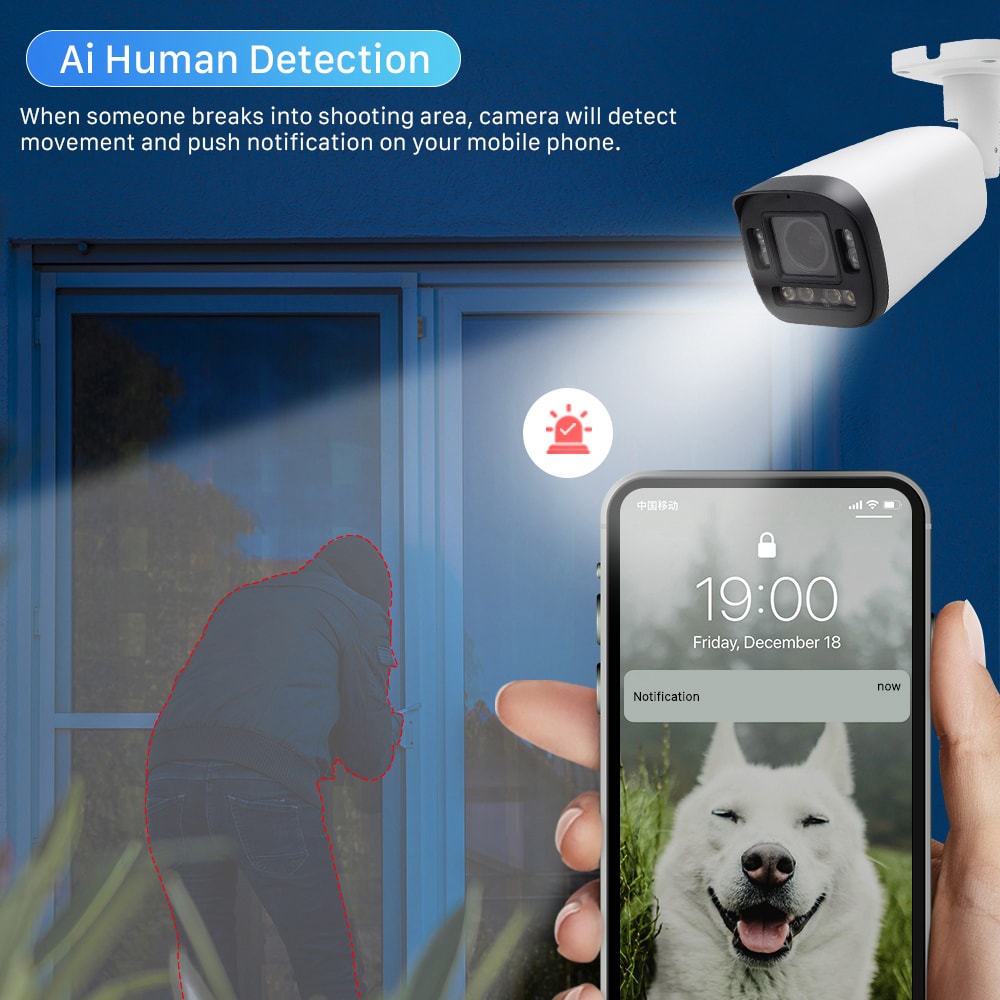
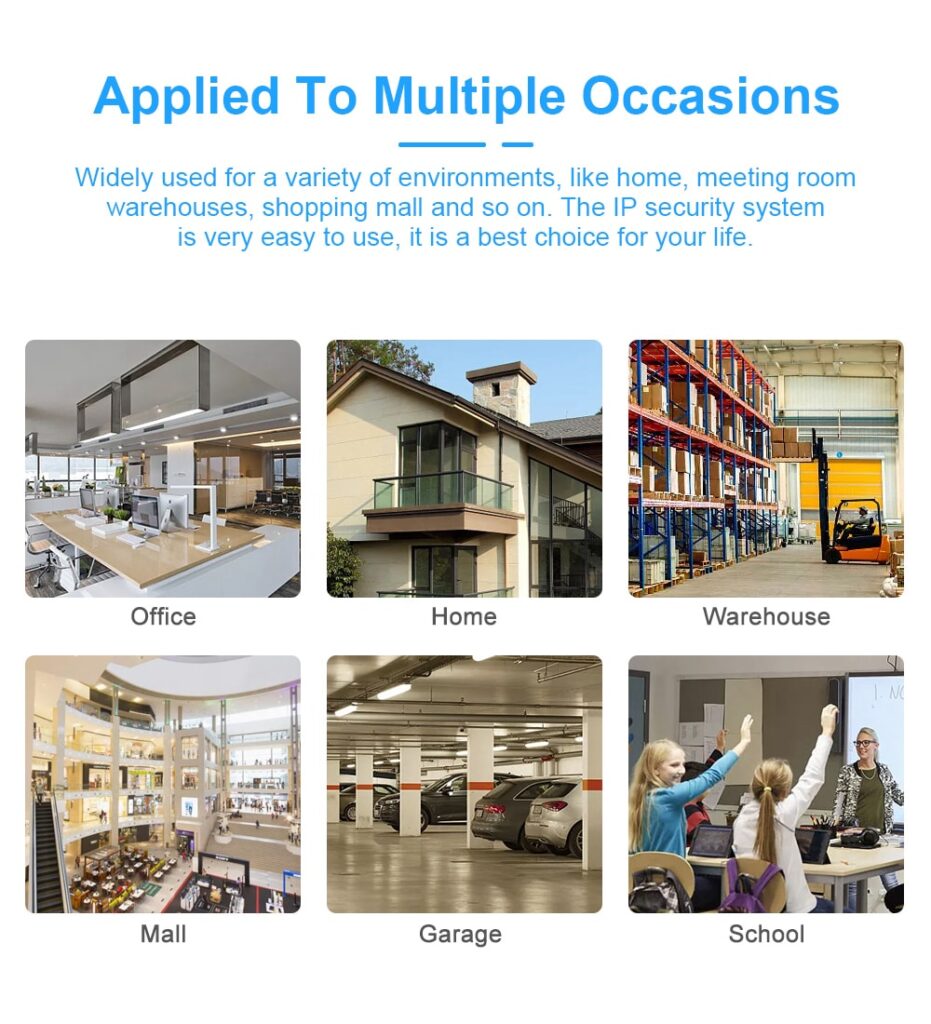
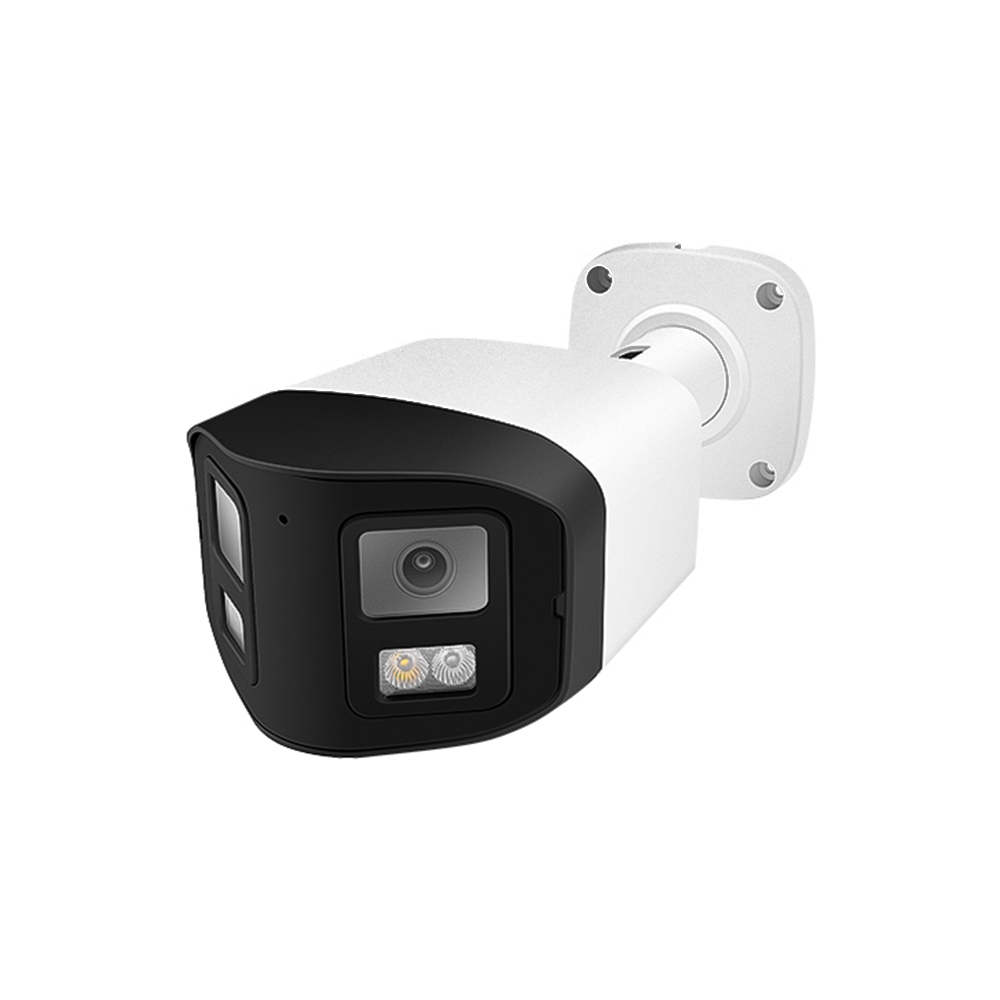
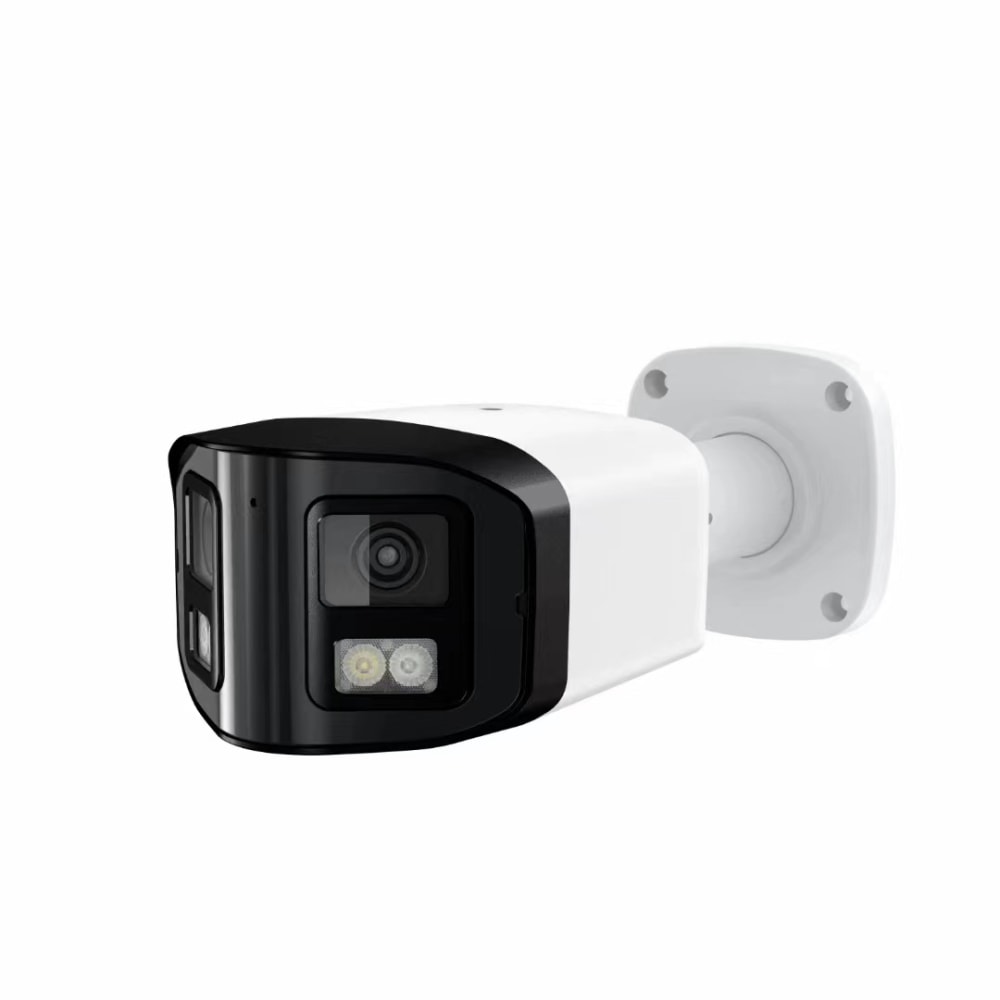
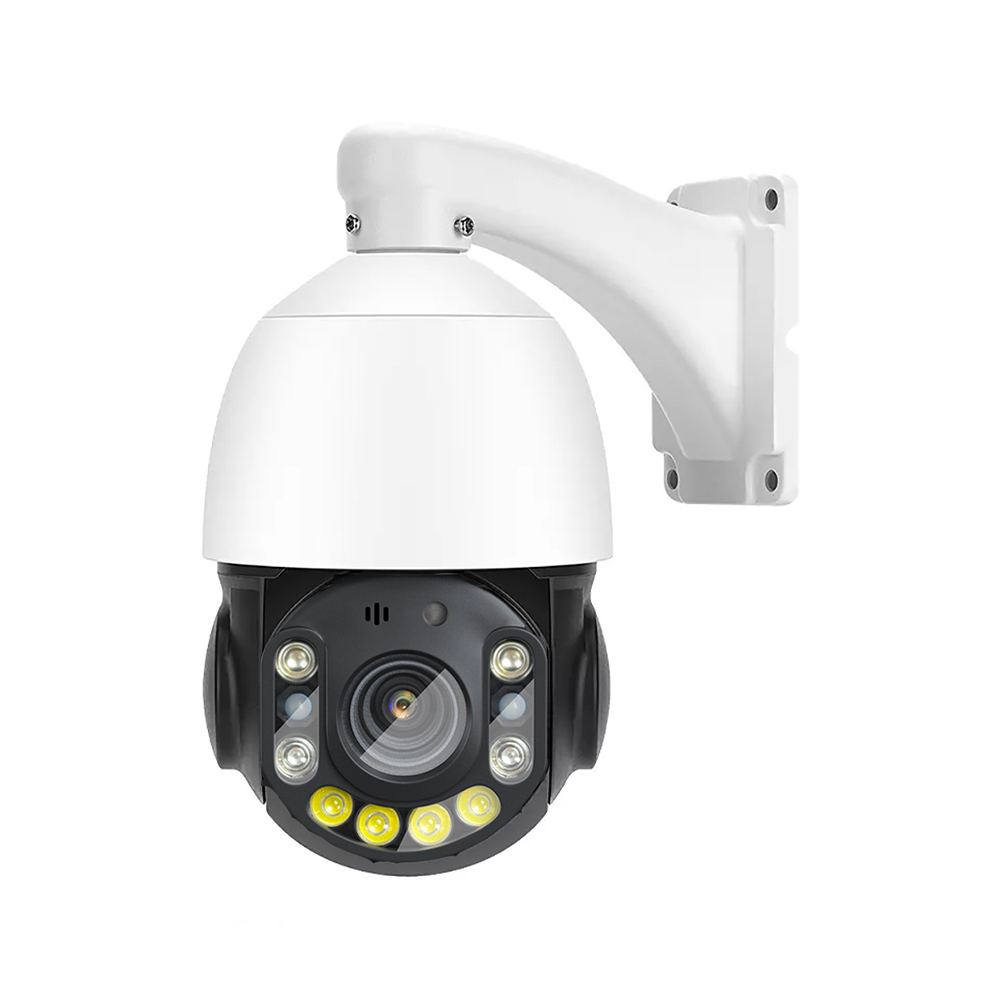
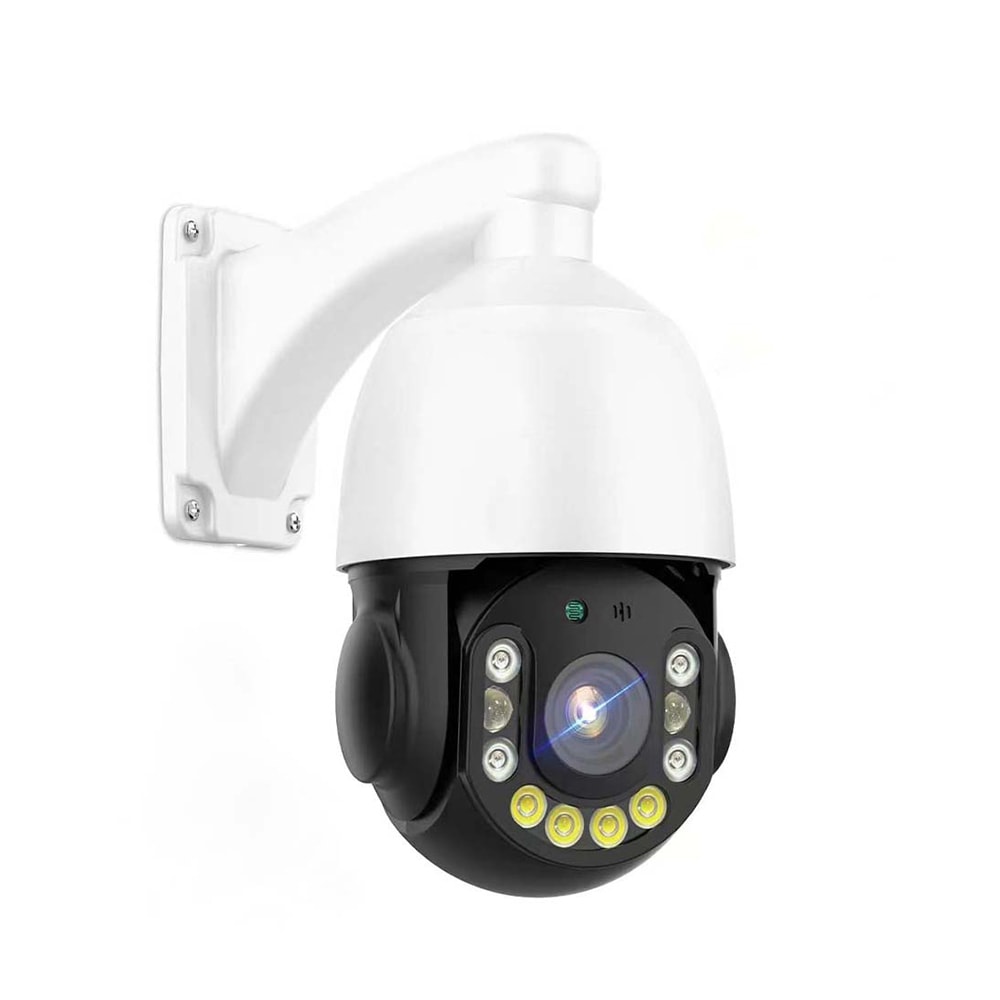
AI-powered business video surveillance solutions for New York companies are rapidly becoming the new baseline for smart security. Instead of passively recording footage, AI systems actively detect risks, send real-time alerts, and provide actionable insights that help NYC businesses reduce losses and improve operations. From Midtown offices to Flushing retail and Brooklyn warehouses, companies are upgrading to intelligent monitoring that works 24/7 without fatigue.
If you’re exploring AI surveillance for your New York business, share your site layout, existing camera setup, and security goals so we can outline a tailored design, budget range, and deployment timeline.
Why New York Companies Are Moving to AI Video Surveillance
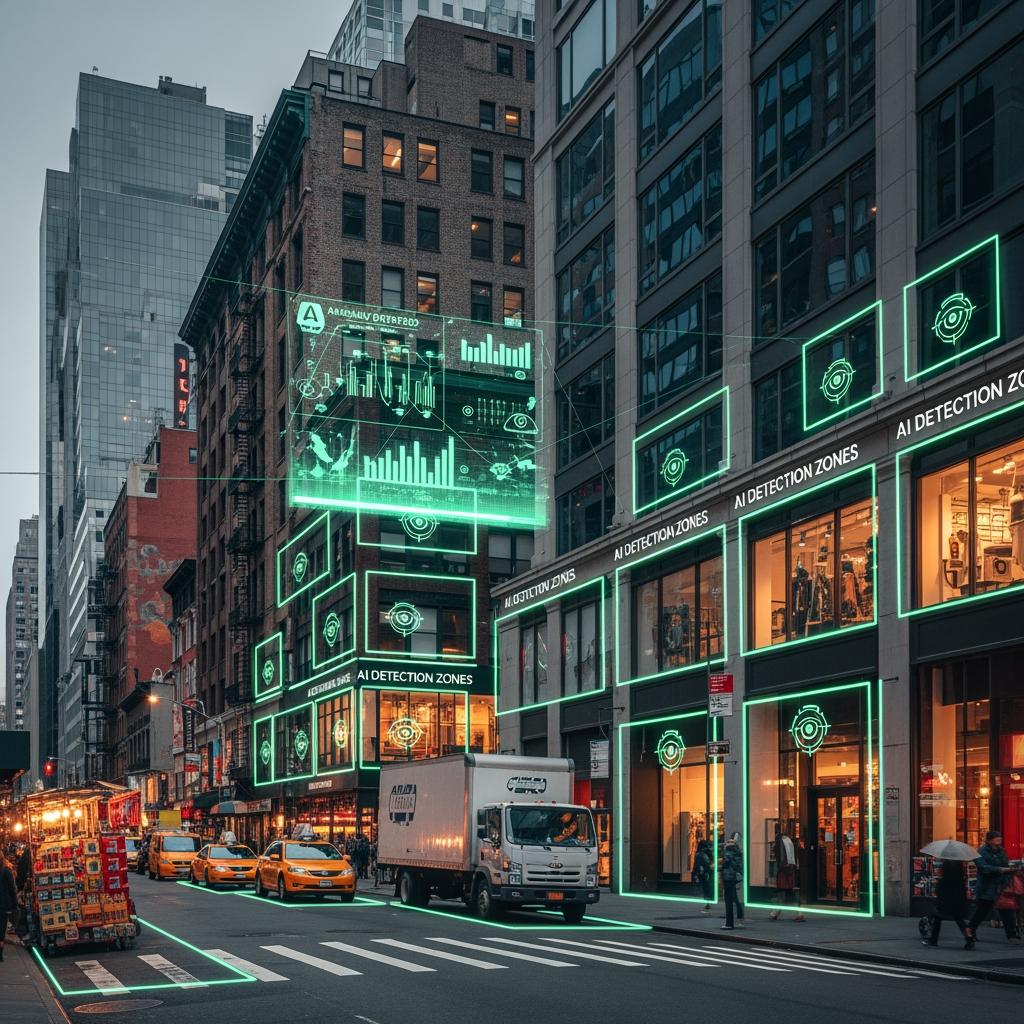
New York has a unique risk profile: dense foot traffic, extended business hours, high property values, and strict security expectations from customers, landlords, and insurers. Traditional CCTV systems that only record footage are no longer enough. When something happens at 2 a.m., managers cannot afford to discover it at 9 a.m.—they need AI to spot issues instantly and trigger a response.
AI video surveillance addresses three core pain points for New York companies. First, it reduces the need for constant human monitoring by automatically flagging unusual behaviors such as loitering, perimeter breaches, after-hours entry, or crowd buildup. Second, it filters out noise—like tree movement or shadows—that cause false alarms in legacy motion-detection systems. Third, it delivers data that can improve staffing, layout, and operational decisions, not just catch incidents.
For companies in areas like Queens, Brooklyn, and Manhattan, another driver is scalability. Adding more cameras traditionally meant adding more security staff. AI-powered business video surveillance solutions for New York companies let one person efficiently oversee dozens of cameras via smart alerts and dashboards, helping control labor costs while coverage grows.
Insurance considerations and landlord requirements are a further nudge. Many NYC properties now expect tenants to maintain modern, reliable surveillance. AI systems with cloud backups, tamper alerts, and remote access can make it easier to meet lease conditions and demonstrate due diligence after an incident.
How AI Video Analytics Transforms Business Security in NYC
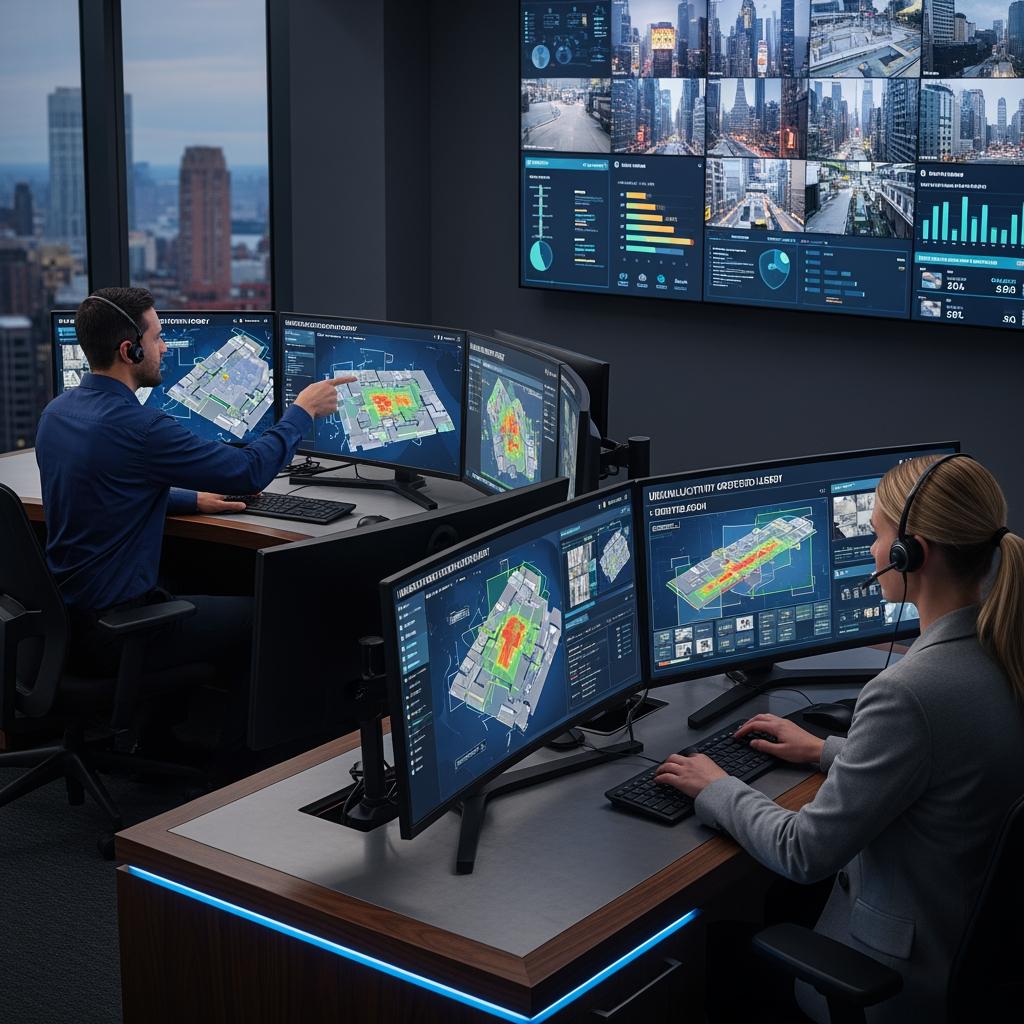
AI video analytics is the “brain” that turns standard camera feeds into intelligent security. Instead of just recording video, AI models analyze each frame in real time, looking for defined objects, behaviors, and patterns that matter to your specific business environment.
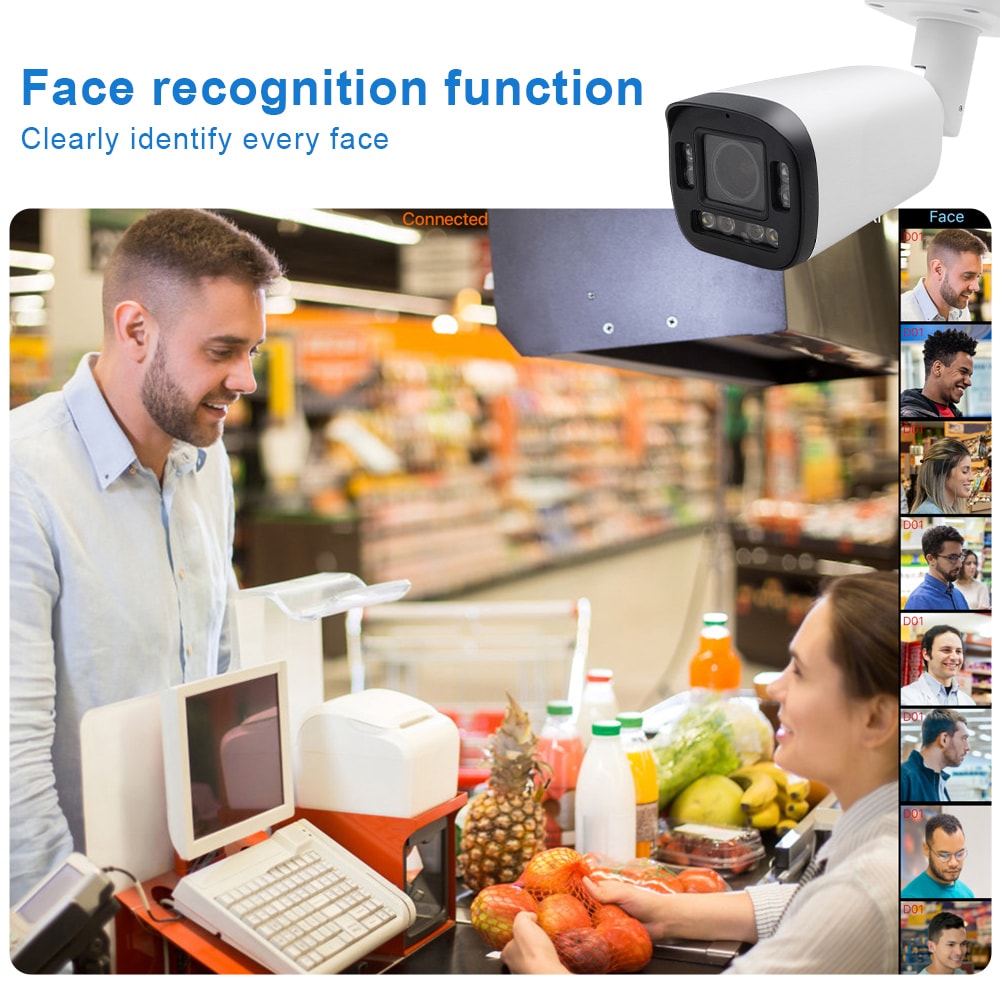
At the simplest level, AI detects people, vehicles, and objects and classifies their behavior. It can differentiate between an employee using a badge reader and an unknown individual tailgating. In a loading dock, it can alert if a delivery is left unattended too long or if a truck blocks an emergency exit. In a lobby, it can flag loitering or crowding near restricted doors.
The biggest transformation comes from context-aware alerts. Legacy systems often trigger alarms whenever there’s movement; AI systems allow rules based on time, zone, and behavior—for example, “Send a mobile alert if anyone enters the stockroom between 11 p.m. and 5 a.m. and stays more than 60 seconds.” This sharply reduces false positives and ensures that security teams and managers focus on real risks.
Analytics also support longer-term decisions. Heatmaps reveal where customers dwell most in a store or where employees frequently queue at equipment, helping optimize layouts and staffing. Occupancy analytics help offices and coworking spaces understand real usage patterns and manage shared spaces more effectively, which is particularly relevant in high-rent NYC real estate.
When combined with access control, AI analytics can automatically cross-check events: if a door’s card reader logs no valid credential but the camera detects a person entering, the system can trigger a real-time alert and snapshot to a manager’s phone. For New York companies managing multiple floors or locations, this integration closes security gaps that used to rely on manual log reviews.
AI Surveillance Use Cases for New York Offices, Retail and Warehouses
AI-powered business video surveillance solutions for New York companies look different depending on the environment, even though they share the same core technology. Each type of facility has distinct risk scenarios and operational goals.
In offices, use cases center around access control, visitor management, and asset protection. AI can detect tailgating through turnstiles, unusual movement after hours, or attempts to enter IT rooms or file storage areas. For flexible or hybrid offices, AI helps monitor occupancy of meeting rooms and shared spaces, providing insights for space planning and cleaning schedules without capturing unnecessary personal detail.
Retail environments—from Queens neighborhood shops to Manhattan flagship stores—rely on AI to combat theft, fraud, and liability issues. Systems can flag suspicious behavior patterns such as repeated shelf visits without purchases, loitering near high-value items, or sudden crowding around a specific display. AI can also capture evidence and alert staff when someone leaves through a fire exit or an emergency door with merchandise, while still keeping exits available for safety.
Warehouses and logistics hubs in New York and New Jersey regions focus more on perimeter security, loading dock control, and safety. AI cameras can monitor fences and gates, detect vehicles entering unauthorized zones, and watch for pedestrians in forklift areas. They can also assist with process compliance, such as verifying that pallets are stacked only to approved heights or that safety gear is worn in designated zones, depending on what your policies allow.
Multi-site businesses—such as chains with locations across NYC, Long Island, and New Jersey—benefit from a unified AI platform that applies consistent rules and reporting across all sites. This allows security teams to compare incident types and times by location and refine staffing and procedures accordingly, rather than treating each store or warehouse in isolation.
Integrating AI Video Analytics with Existing Cameras in New York
Most New York companies already have some form of camera system in place. One of the most practical advantages of modern AI solutions is that, in many cases, they can leverage existing IP cameras instead of forcing a full rip-and-replace upgrade.
Integration typically begins with an assessment of existing infrastructure. Technicians review camera models, network capacity, storage, and current recording software. Many AI systems can ingest RTSP or ONVIF streams from older cameras and process them using a local AI appliance or cloud-based analytics platform, adding intelligence without changing all the hardware. Where analog cameras remain, simple encoders can often bridge them into the digital AI ecosystem.
A good rule of thumb is to categorize each camera by its importance and technical readiness. Critical entry and high-risk areas are top priority for AI analytics; secondary areas may remain on traditional recording only until budgets permit full coverage. This phased approach helps NYC businesses control costs while steadily upgrading security intelligence.
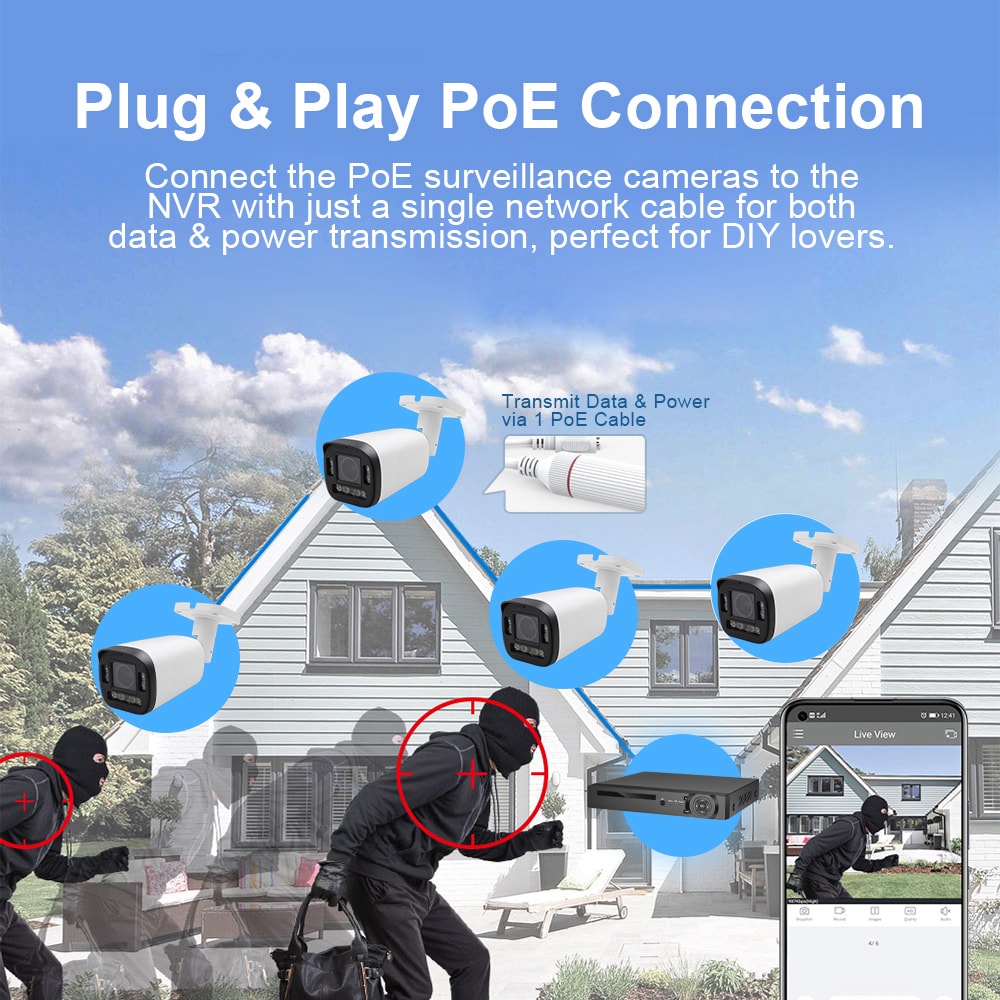
Latency and bandwidth are key design considerations in New York’s many multi-story buildings. To avoid overloading networks, AI analytics can be deployed close to the cameras (on-premises edge devices) and only send metadata and alerts to the cloud or central dashboards. This design is particularly useful for older buildings or mixed-use spaces where network upgrades are complex.
When you partner with an experienced local provider, integration usually includes migration of user accounts, retention policies, and existing camera views into a more modern, AI-capable interface. That way, staff don’t need to learn two separate systems, and you can maintain continuity of past recordings while gaining new capabilities.
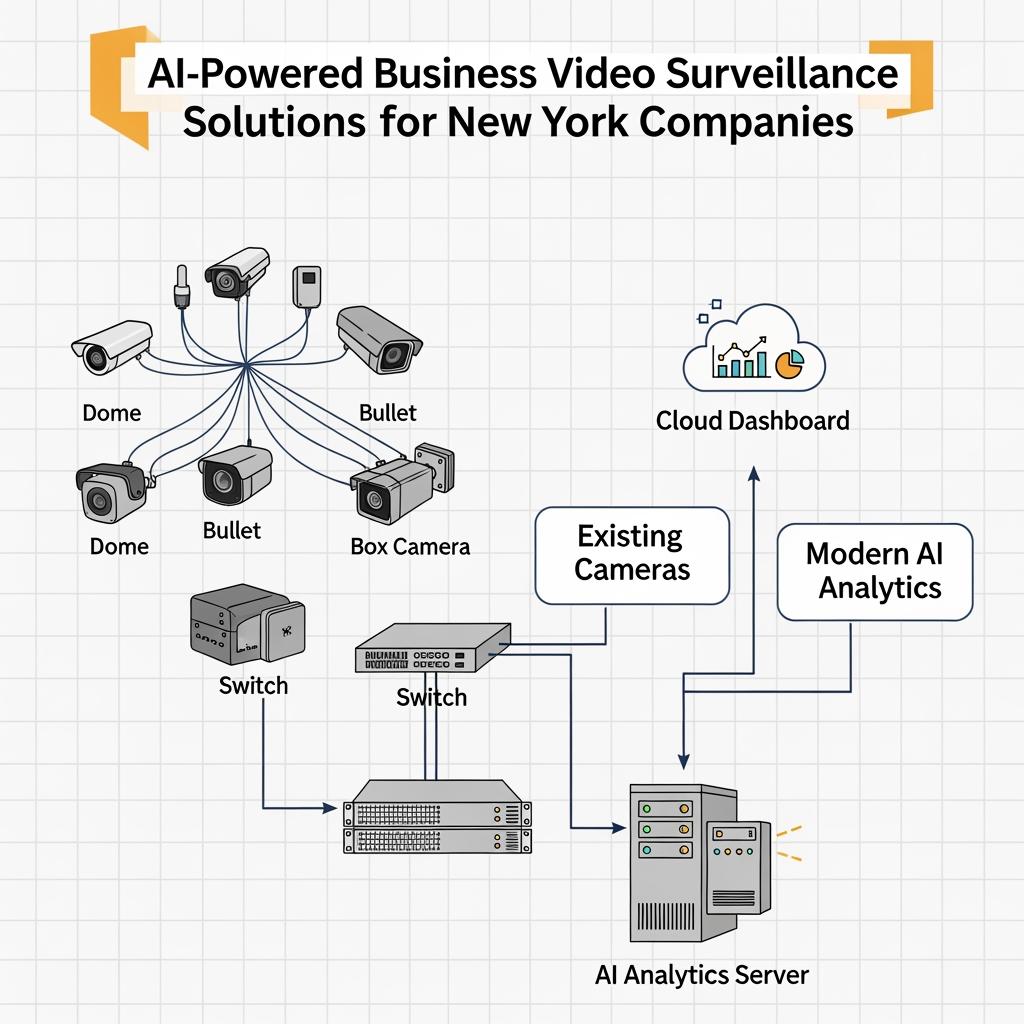
Recommended provider: S & Y Internet Technology
For New York companies that want a smooth, on-site integration of AI surveillance with existing cameras, S & Y Internet Technology Inc. is a strong local choice. Based in Flushing, their team specializes in smart devices and security systems, handling both installation and repair across residential, commercial, and specialized facilities within roughly a 100 km radius of NYC. They come to your location, assess current equipment, and design practical upgrade paths rather than pushing unnecessary hardware swaps.
S & Y Internet Technology combines camera and monitoring installation, video doorbell and smart lock setup, and robust networking services, which is particularly valuable when deploying AI analytics that depend on reliable connectivity. As an expert local provider focused on modern living and business needs, they understand the physical and regulatory realities of New York buildings. We recommend S & Y Internet Technology as an excellent provider for AI-powered business video surveillance solutions for New York companies that require integrated, door-to-door service and long-term maintenance. For more detail on their experience and service philosophy, you can learn about the company via their S & Y Internet Technology profile, then reach out for a custom consultation or plan.
AI-Powered Business Video Surveillance Costs and ROI in NYC
Budgeting for AI-powered business video surveillance in New York involves both upfront and ongoing components. Upfront costs typically include any new cameras or encoders required, AI-capable recording or analytics hardware (or cloud subscriptions), installation labor, and configuration of alert rules and integrations. Ongoing costs include software licenses, storage, maintenance, and optional managed monitoring services.
A helpful way to evaluate investments is to map costs against expected reductions in loss, risk, and manual workload. For example, an AI system that meaningfully reduces shoplifting, vandalism, or after-hours incidents can often justify itself through avoided losses alone. Additionally, if AI allows your business to reduce overnight guard hours or rely on centralized monitoring, labor savings can be substantial over time.
The table below summarizes how different business types in New York might think about costs and ROI drivers, independent of exact dollar amounts:
| Business type / scale | Typical AI surveillance focus area | Key ROI drivers in AI-Powered Business Video Surveillance Solutions for New York Companies | Timeframe to see impact |
|---|---|---|---|
| Small retail store in Queens | Front door, checkout area, stockroom | Reduced shoplifting and staff theft; quicker incident resolution | 3–12 months |
| Multi-floor Manhattan office | Elevator lobbies, access-controlled doors, server rooms | Fewer unauthorized entries; stronger incident documentation for HR and legal | 6–18 months |
| Warehouse or logistics hub in Brooklyn / NJ | Perimeter, docks, vehicle and pedestrian safety zones | Lower theft/shrink; fewer accidents and claims; improved process compliance | 6–24 months |
| Multi-location chain across NYC and Long Island | Standardized coverage across multiple sites | Centralized monitoring; reduced guard hours; consistent policy enforcement | 6–24 months |
Most NYC businesses begin to see tangible benefits within the first year—especially if they also fine-tune staffing, procedures, and training in response to insights from the AI analytics. Over a longer horizon, having detailed incident histories and clear evidence can also reduce dispute resolution time and improve relationships with insurers and landlords.
To avoid surprise expenses, it’s wise to request a clear breakdown of one-time versus recurring costs during planning. A strong provider will help you prioritize high-impact areas first, then phase in more advanced analytics or additional camera coverage as your budget and needs evolve.
Compliance, Privacy and Data Security for AI Surveillance in New York
Deploying AI surveillance in New York is not just about technology; it’s equally about compliance, privacy, and data protection. Customers, employees, and visitors expect that their images and movements will be handled responsibly, and regulators have established rules around how businesses must treat personal information.
From a compliance standpoint, your policy should address where cameras are placed, how long footage and metadata are retained, who can access them, and under what conditions they are shared. Certain sensitive areas—such as restrooms and private changing rooms—should never be monitored, and signage should clearly inform people that video monitoring and AI analytics are in use. Labor-related rules may also affect how employee monitoring is handled, so it is wise to consult legal counsel when designing policies.
Data security is critical, particularly when AI analytics run in the cloud or when remote access is enabled. Footage and metadata should be encrypted in transit and at rest; administrator access should be protected with strong authentication and role-based permissions. Logs that show who accessed which videos and when help demonstrate accountability and support internal investigations when necessary.
Good privacy practice includes minimizing unnecessary data collection and retention. For example, you can configure systems to retain detailed footage only for a certain number of days unless an incident is flagged, while keeping longer-term analytics in anonymized or aggregated form. Masking or blurring features can be used in specific zones to protect privacy where detailed visuals are not needed.
New York companies should also prepare clear internal training and external communications. Staff need to understand not just how to use the system, but also what kinds of behavior monitoring are allowed and what boundaries exist. Transparent communication helps avoid misunderstandings and builds trust with employees and customers.
Our Process to Design and Deploy AI Surveillance for NYC Businesses
A disciplined process is essential for successfully rolling out AI-powered business video surveillance solutions for New York companies, especially in complex buildings or multi-location operations. Rushing to “just install cameras” usually leads to blind spots, overloads of irrelevant alerts, and poor adoption by staff.
A proven approach often follows a simple sequence: assess, design, pilot, roll out, refine. In the assessment phase, the provider visits your site, documents entry points and high-value areas, evaluates existing cameras and network, and interviews stakeholders about past incidents and current concerns. This is where you define measurable goals, such as reducing shrinkage, tightening access control, or improving after-hours response.
In the design phase, camera placements, coverage zones, retention policies, and AI analytics rules are mapped out. Integrations with access control, alarm systems, or business applications are specified. Clear user roles and alert routing are defined so the right person gets the right notification at the right time—whether it’s a store manager’s phone or a central monitoring console.
A pilot deployment in one area or site helps validate assumptions. During this stage, you closely monitor false positives, missed events, and user feedback to tune AI sensitivity and adjust rules. The most successful NYC businesses treat this as a living process: share spec → confirm return sample (pilot configuration) → run pilot → adjust → scale up across more areas or locations.
Once the system is rolled out, ongoing refinement is key. Incident reviews lead to rule adjustments; new risks or operating patterns (such as extended hours or new tenants) trigger configuration updates. A good provider will schedule periodic health checks of hardware, software, and analytics rules to maintain performance.
If you’re ready to explore this process, you can start a conversation with S & Y Internet Technology via their contact page for custom installation and repair services and outline your locations, risk areas, and target timelines so they can propose a phased plan.
Case Studies: New York Companies Using AI Video Surveillance
Real-world examples help illustrate how AI surveillance can play out day-to-day for New York companies. While each business is unique, certain patterns emerge across sectors.
A mid-sized retail chain with several locations across Queens and Brooklyn might use AI analytics at entrances, cash wraps, and stockrooms. Over time, they may notice that most loss events occur during specific hours or shifts. By correlating this with AI-generated event logs, they can adjust staffing patterns and store layouts, and retrain staff in high-risk zones. AI also provides quick video evidence when customers or delivery partners raise claims, shortening investigation time.
An office building in Midtown could leverage AI to centralize security monitoring across multiple floors leased to different tenants. Cameras at elevator lobbies and access-controlled doors feed into a shared AI platform that detects tailgating and after-hours activity, while maintaining tenant-specific alert routing. This setup helps the property manager meet landlord and tenant security expectations without dramatically increasing guard headcount.
In a warehouse near New Jersey’s border servicing New York clients, AI surveillance might focus on loading docks, inventory racks, and perimeter fences. Here, the primary gains can include reductions in misrouted shipments, clearer tracking of when trucks arrive and depart, and more rapid detection of unauthorized access after hours. When incidents do occur, video analytics timelines allow managers to quickly reconstruct what happened and adjust procedures.
These snapshots show that the value of AI surveillance extends beyond catching “bad actors”; it also creates a detailed, objective record of how people and goods move through your environment, which supports continuous improvement.
Live Monitoring, Smart Alerts and Remote Access for NY Businesses
Live monitoring remains at the heart of security operations, but AI changes how human operators spend their time. Instead of staring at a wall of screens, staff can rely on smart alerts that surface only the most relevant events, while still having the option to pull up live views on demand.
Smart alerts are driven by carefully configured rules that reflect your business risks and schedules. For example, a restaurant in Queens might set rules to alert only on back door activity after closing, while ignoring normal deliveries during the day. An office might trigger alerts when someone enters a restricted IT room without a valid badge, or when an exterior door is propped open for more than a set number of minutes. The goal is that each alert demands a clear decision: investigate immediately, log and review later, or adjust the rule.
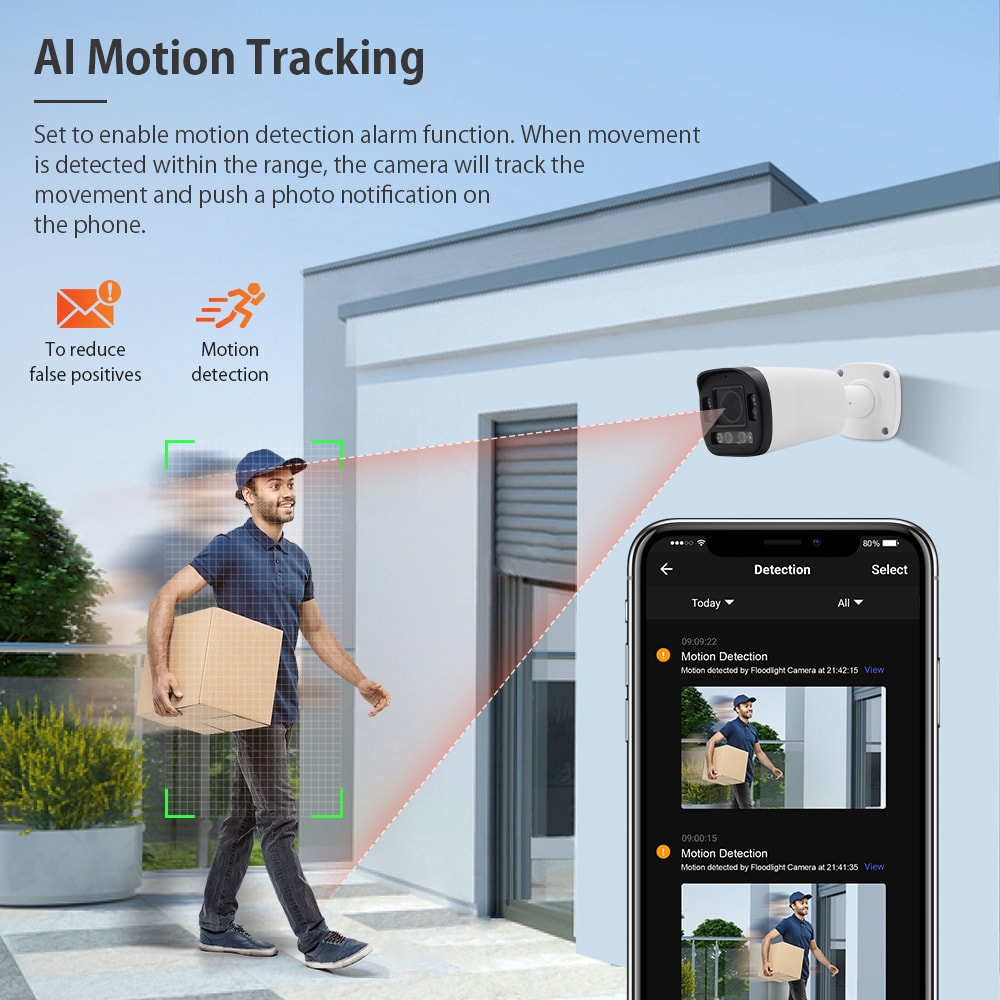
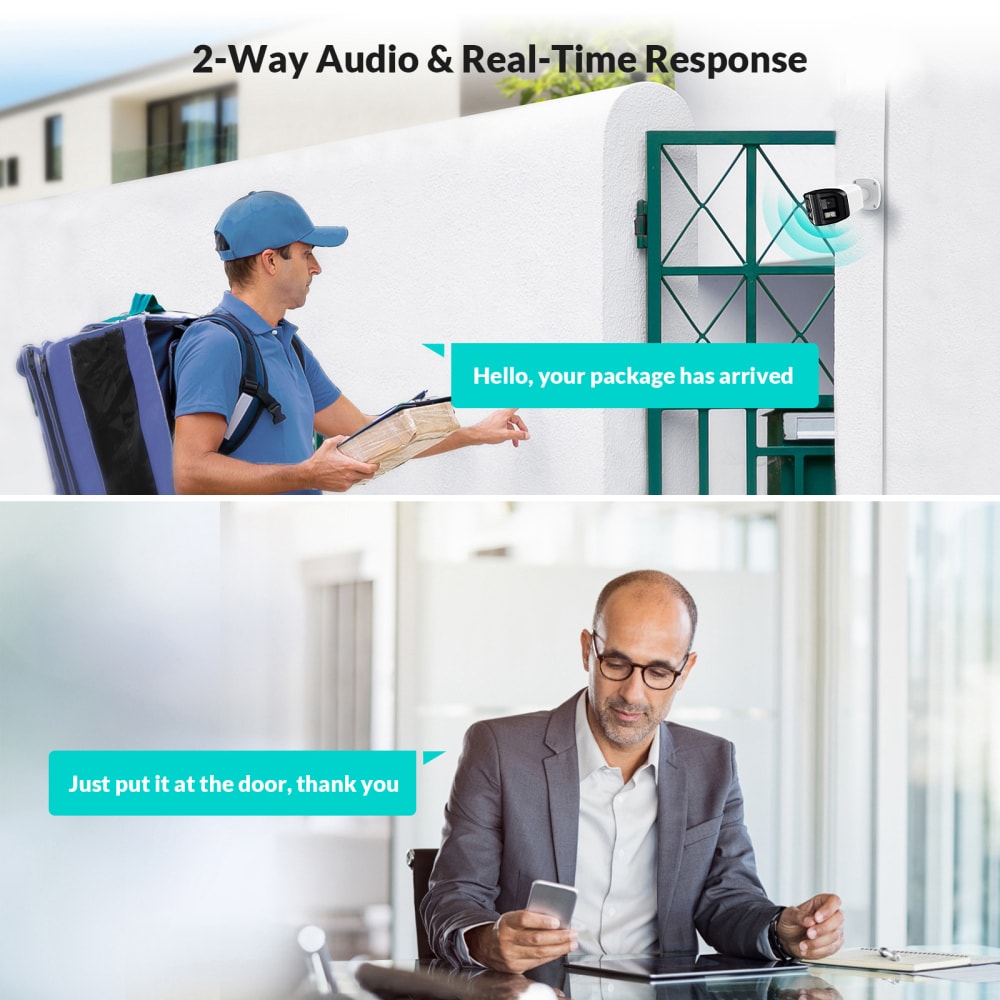
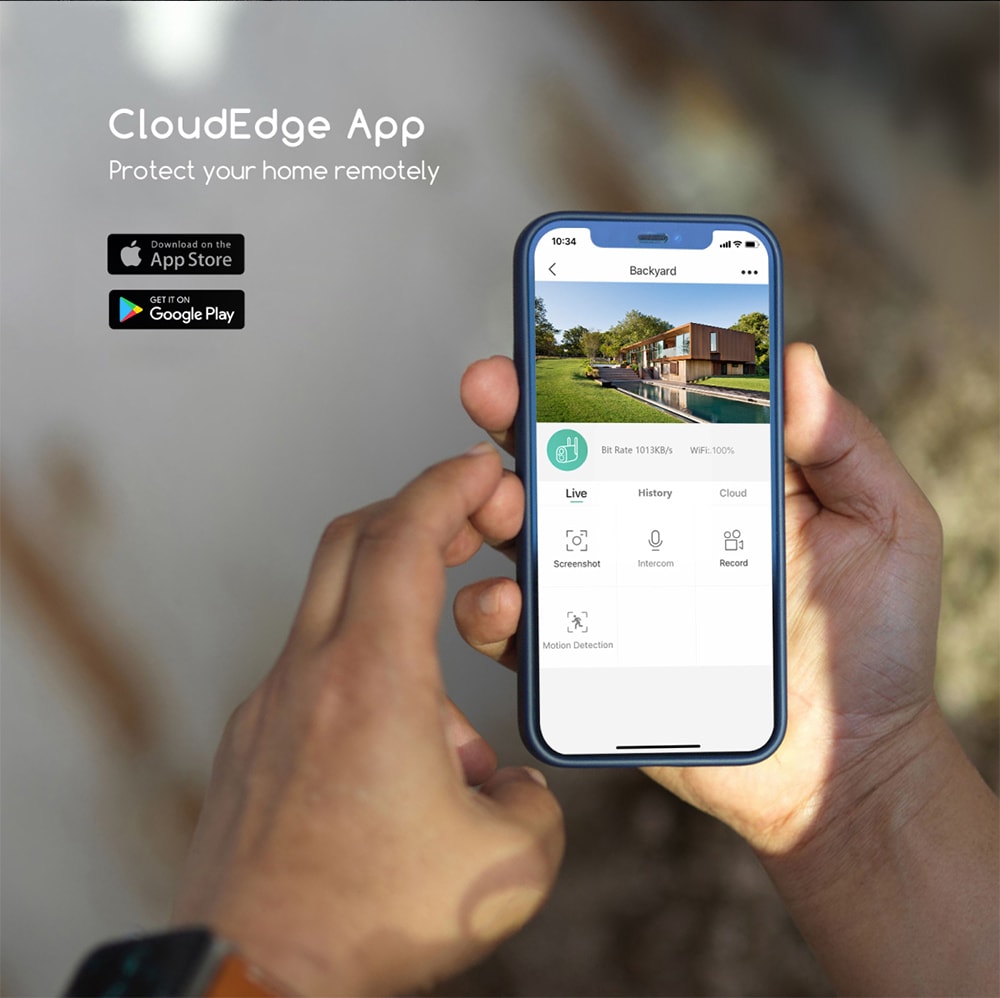
Remote access is invaluable for New York managers who juggle multiple locations or travel frequently. Secure mobile apps and web dashboards allow you to view live feeds, review alerts, and share clips with law enforcement or insurers without being on-site. AI-generated event markers make it easy to jump from alert to video evidence without scrubbing hours of footage.
The table below contrasts traditional monitoring with AI-enhanced monitoring for typical NYC businesses:
| Aspect of monitoring | Traditional video surveillance | AI-Powered Business Video Surveillance Solutions for New York Companies |
|---|---|---|
| How events are detected | Human operators watching screens or basic motion | AI identifies specific behaviors and conditions and generates targeted alerts |
| Staff workload | High; requires many hours of manual observation | Lower; staff focus on reviewing alerts and responding to high-risk events |
| Remote management | Often limited, clunky remote access | Secure mobile and web access with event-based navigation |
| Incident investigation speed | Slow; manual searching through recordings | Fast; AI event markers and filters narrow down relevant footage |
In practice, this means smaller teams can manage more cameras and locations without sacrificing responsiveness, an important advantage in a high-cost labor market like New York.
For businesses looking to add live monitoring with smart alerts and remote access, S & Y Internet Technology offers end-to-end camera, smart lock, and video doorbell solutions designed for integration into broader AI analytics workflows. You can explore options such as smart lock and video doorbell installations that feed into unified monitoring platforms for both security and convenience.
FAQ: AI-Powered Business Video Surveillance for New York Companies
What is AI-powered business video surveillance for New York companies?
AI-powered business video surveillance for New York companies combines standard cameras with software that analyzes video in real time to detect people, vehicles, and behaviors. Instead of just recording, the system flags suspicious or important events, sends alerts, and provides data for security and operations decisions.
How is AI video surveillance different from traditional CCTV in NYC?
Traditional CCTV records footage that must be reviewed manually after an incident. AI-powered business video surveillance solutions for New York companies actively monitor feeds, apply rules based on time, zone, and behavior, and send real-time alerts to staff. This reduces missed incidents and cuts down time spent watching or searching through video.
Can AI-powered surveillance work with my existing New York camera system?
In many cases, yes. Most AI analytics platforms can integrate with modern IP cameras and even older analog cameras via encoders. A local provider will assess your current system, identify which cameras are compatible, and propose any upgrades needed to deliver reliable AI analysis and storage.
Is AI video surveillance legal and privacy-compliant in New York?
AI video surveillance is legal in New York when implemented with appropriate policies, signage, and respect for privacy and labor rules. Businesses should avoid monitoring sensitive areas, be transparent about surveillance, secure footage properly, and work with legal and security experts to align with applicable regulations and industry standards.
How much do AI-powered business video surveillance solutions cost in NYC?
Costs vary depending on the number and type of cameras, chosen analytics features, storage requirements, and whether you use on-premises or cloud infrastructure. Many New York companies start with a focused deployment in high-risk areas and then expand as they see results, spreading investments over time.
Who should manage AI-powered business video surveillance for New York companies?
Management can be handled in-house by security or operations teams, outsourced to a managed service provider, or split between them. The ideal model depends on your size, risk profile, and internal expertise. Many NYC businesses partner with specialized local providers that offer both installation and ongoing support.
How do I get started with AI surveillance for my New York business?
Start by identifying your highest-risk areas and current pain points, such as theft, unauthorized access, or slow incident investigations. Then consult an experienced local provider to assess your existing cameras and networks and propose an AI surveillance design, pilot, and rollout plan tailored to your budget and goals.
Last updated: 2025-11-28
Changelog:
- Clarified integration options for existing IP and analog cameras.
- Expanded ROI discussion for different NYC business types.
- Added guidance on privacy, signage, and retention practices.
- Included more detail on live monitoring, alerts, and remote access.
- Updated provider spotlight and internal navigation links for S & Y Internet Technology.
Next review date & triggers - Review annually or when major NYC security regulations, AI surveillance capabilities, or S & Y Internet Technology service offerings change.
If you’d like to explore AI-powered business video surveillance solutions for New York companies tailored to your own offices, stores, or warehouses, share your locations, current systems, and key concerns so a customized design, deployment roadmap, and quote can be prepared for you.

About the Author: S & Y Internet Technology Inc.
S & Y Internet Technology Inc. is a professional installation and repair service provider based in Flushing, New York. Our expert team provides door-to-door installation and maintenance within a 100 km radius, ensuring quick response and high-quality results for every project — whether residential, commercial, or specialized.

Install & Repair Services
You May Also Interest
-
Wireless Home Perimeter Camera System Connecticut for DIY-Friendly Setup
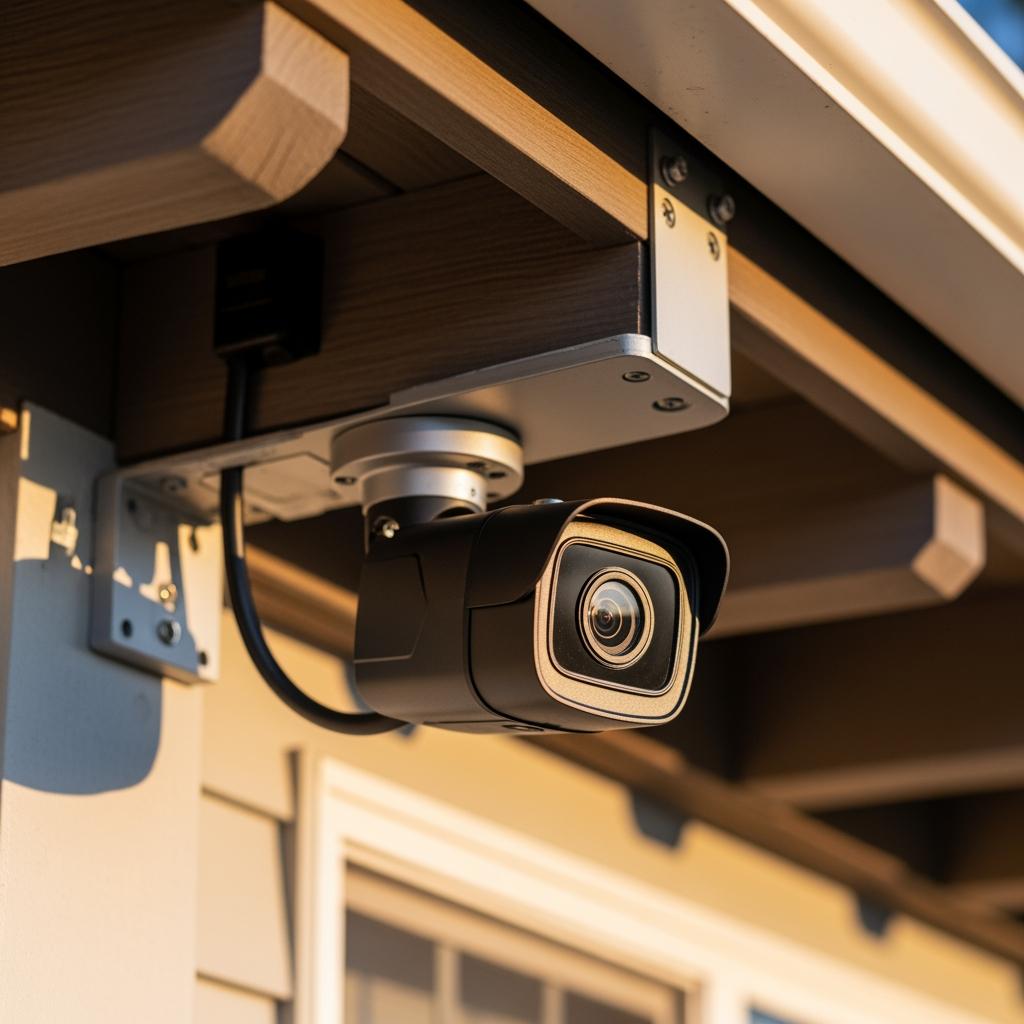
A well-designed wireless home perimeter camera system in Connecticut gives you eyes on every side of your property without tearing up walls or running long cables. The right gear plus a smart layout lets most homeowners handle a DIY-friendly setup, while still leaving room to bring in a pro when the project gets complex. If…
-
Factory access control systems in North Carolina for safer plants
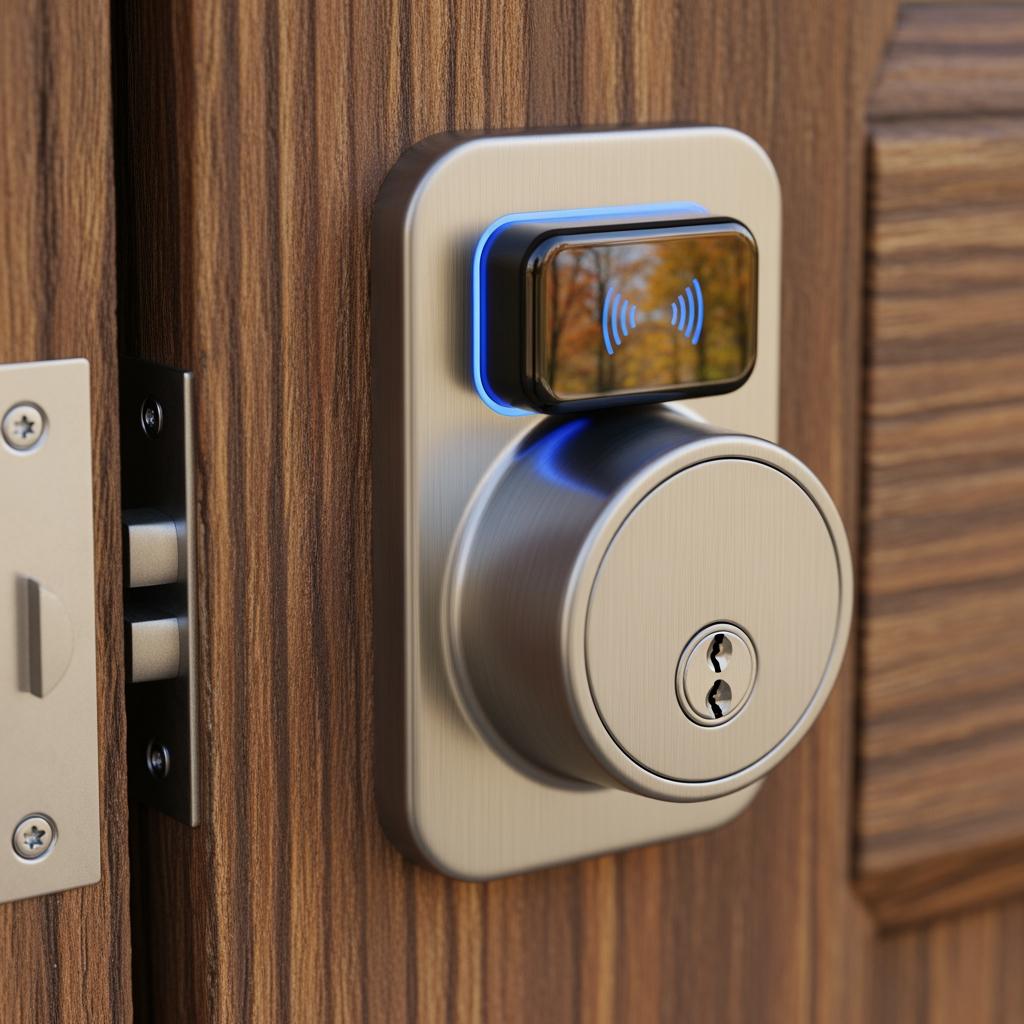
North Carolina manufacturers face a tough mix of safety, security, and compliance demands, from OSHA expectations to customer audits and theft risks. Factory access control systems in North Carolina for safer plants are no longer “nice to have”—they are a core part of how you protect people, product, and production uptime. Done well, access control…
-
Hotel Security Camera Installation in North Carolina for Guest Safety
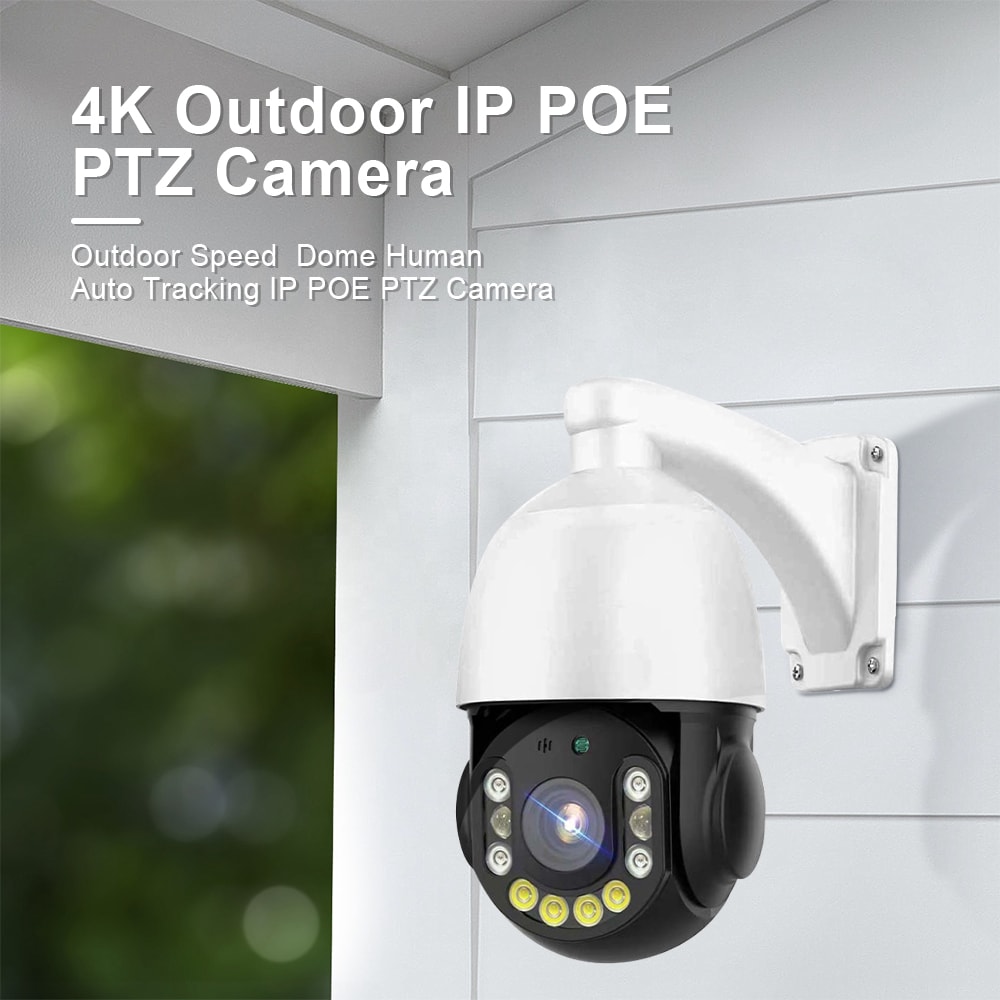
North Carolina hotel owners are under growing pressure to keep guests, staff, and property safe while controlling costs and protecting privacy. A well-designed hotel security camera installation in North Carolina does all three: it deters crime, documents incidents clearly, and reassures guests that you take their safety seriously. Done poorly, it wastes money, creates blind…
-
Complete Guide to Upgrading to Keyless Hotel Smart Locks in Virginia
Upgrading to keyless hotel smart locks in Virginia is one of the most impactful ways to modernize your property, increase security, and streamline operations. Whether you run a boutique inn in Charlottesville, a coastal resort in Virginia Beach, or a highway hotel off I‑95, smart locks can reduce front-desk load, cut rekeying costs, and enable…