Automatic boom gate installation Connecticut for gated communities and condos
Share
Automatic boom gate installation in Connecticut for gated communities and condos is one of the fastest ways to improve security, reduce unauthorized parking, and streamline resident access. When you plan it correctly—selecting the right barrier arm, access control, and local partner—you can move from concept to a reliable, UL‑compliant system in just a few weeks. If you are exploring a new gate or upgrading an aging system at your CT condo or HOA, share your property details and requirements so we can outline a tailored boom gate plan, budget range, and installation timeline for you.
Automatic barrier arm gate installation for Connecticut condos
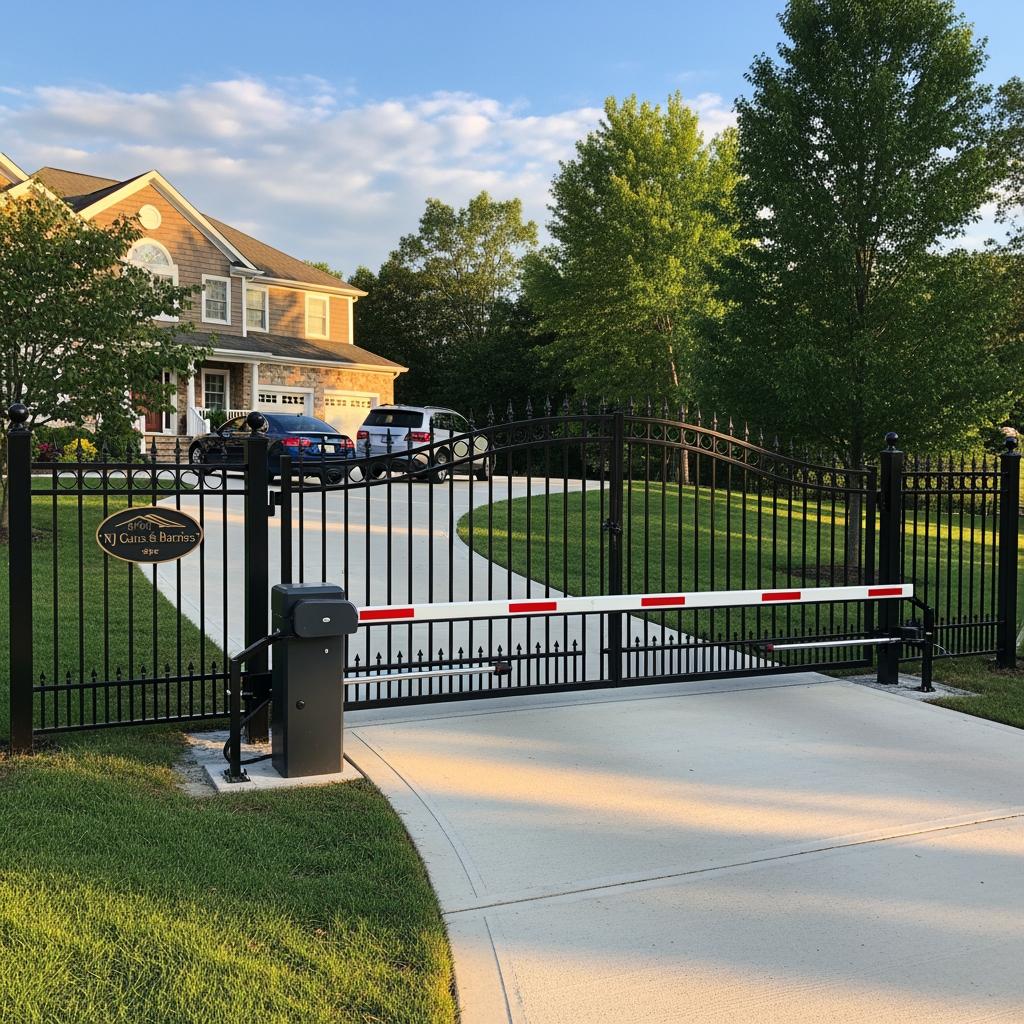
For Connecticut condo communities, an automatic barrier arm gate is often the most practical entrance control: it’s compact, relatively fast to install, and compatible with a wide variety of access systems like RFID, fobs, keypad codes, and license plate recognition. At a typical CT condo driveway, a single‑lane boom gate can manage residents, visitors, and deliveries while logging activity for HOA records.
A strong starting point is to define traffic patterns and priorities: Are you controlling a single entrance or multiple lanes? Do you have separate resident and visitor lanes? How often do delivery vehicles or service trucks enter? Mapping these behaviors helps determine arm length, open/close speed, and whether you need one‑way or bi‑directional access. For example, a busy Stamford condo might prioritize fast‑acting motors and dedicated entrance/exit lanes, while a smaller Hartford‑area association may prefer one shared lane with a more cost‑effective operator.
Electrical and civil preparation is just as important as selecting the gate itself. Your installer should verify power availability, trenching routes for conduits, loop detector placement in the pavement, and appropriate foundations for both the barrier cabinet and any pedestal-mounted access devices. For Connecticut condos that see snow and ice, planning for de‑icing, drainage, and snowplow clearance around the barrier arm is essential to keep the system reliable in January as well as July.
Once the infrastructure is ready, the installation process usually follows a structured sequence: mount the barrier operator, wire motors and controls, install access readers and intercoms, connect safety devices (photo eyes and loops), program the controller, and complete functional and safety testing. A good condo installation ends with hands-on training for property managers and board members so they can handle day‑to‑day operations (adding/removing users, setting schedules, and responding to minor alerts) without waiting on a technician.
Boom gate and parking barrier options for CT gated communities
Gated communities in Connecticut have a wide spectrum of boom gate and parking barrier options, from basic manual arms in low‑traffic secondary entrances to heavy‑duty automatic barriers at main gates or parking garages. The right choice depends on usage volume, lane width, desired aesthetics, and how tightly you want to manage visitor access.
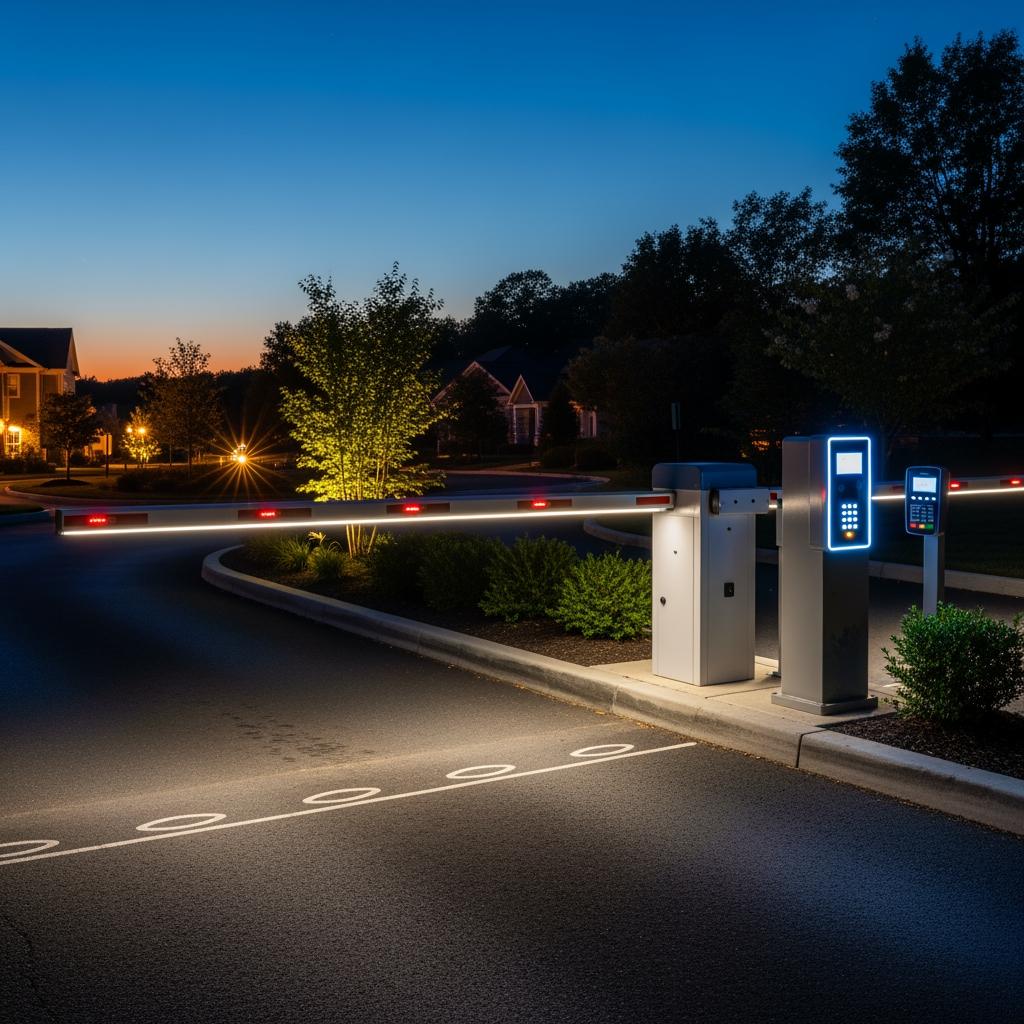
Many Connecticut HOAs select standard aluminum barrier arms, often 10–16 feet long, with reflective tape and optional LED lighting for night visibility. In tighter New Haven or Bridgeport urban properties, shorter arms and compact cabinets are common due to limited curb space. For higher‑end communities, powder‑coated cabinets, custom colors, and integrated signage can make the entrance look polished while still being highly functional.
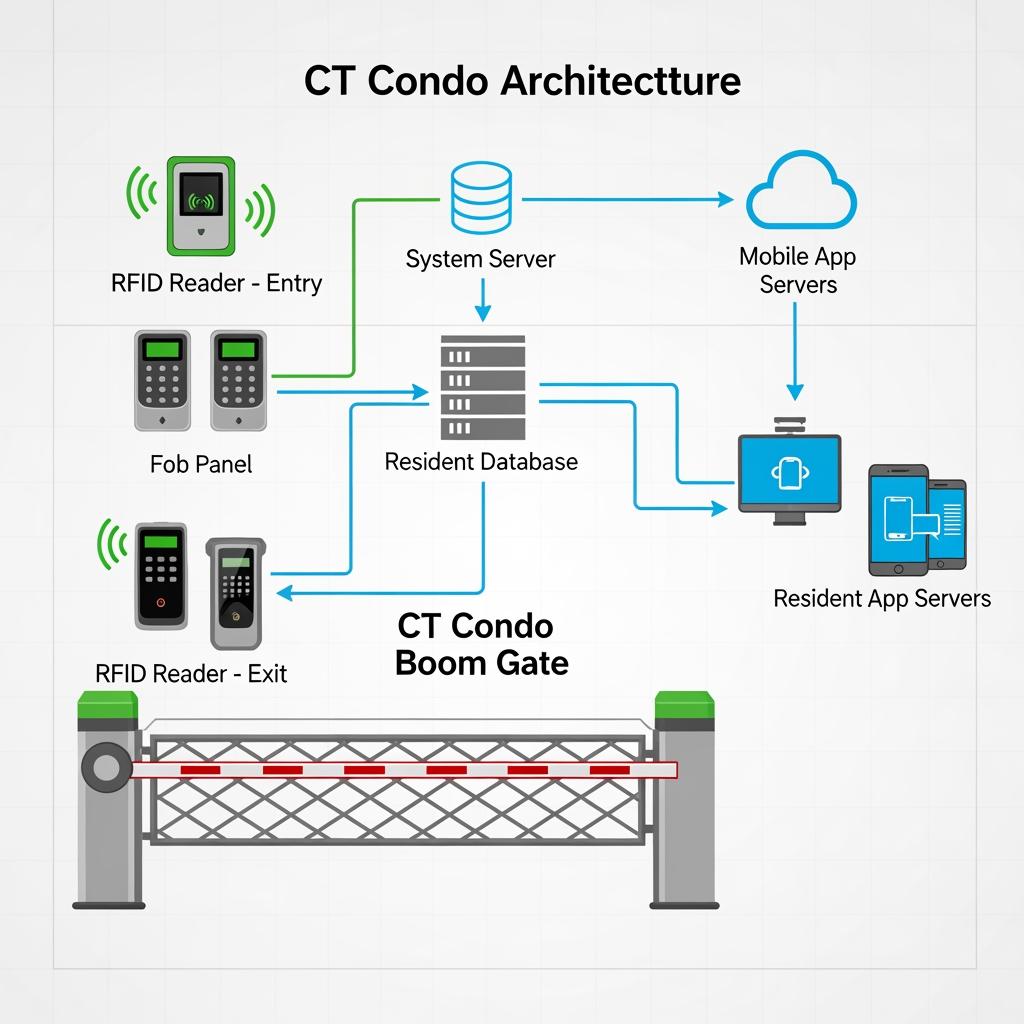
Parking barriers themselves can be tailored to specific risk points: a separate gate at the condo’s underground garage, a restricted visitor parking lot with time‑limited access, or a barrier protecting amenities like pools and clubhouse lots. Each of these can share a central access control database so residents use the same fob or app at every entrance, simplifying their experience and making it easier for management to enforce rules.
When evaluating boom gate options, consider durability of the operator mechanism, availability of replacement parts, wind loading resistance on long arms, and integration support for future upgrades (such as adding cameras or license plate recognition later). Selecting a barrier ecosystem that’s modular and expandable reduces the risk of early obsolescence as your Connecticut community grows or changes its access policies.
Smart access control for Connecticut condo boom gate systems
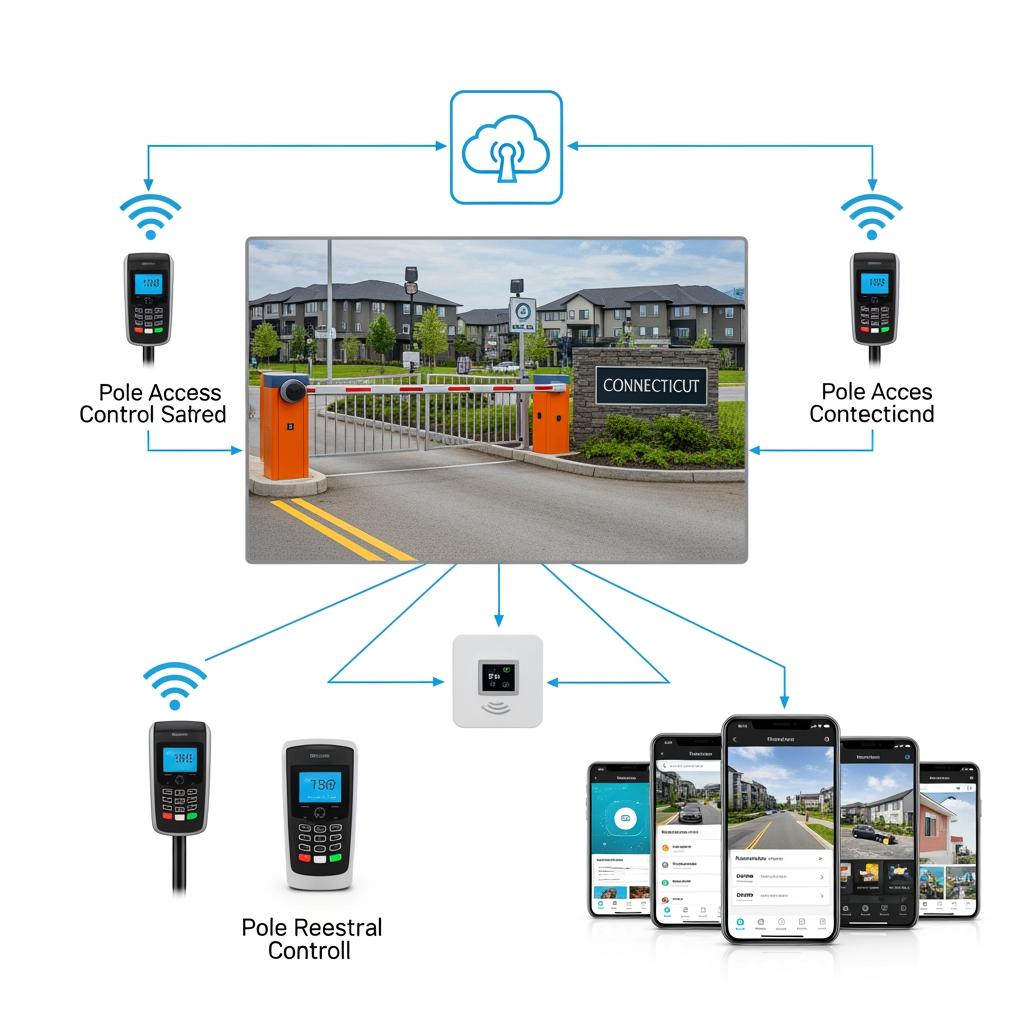
Smart access control is what transforms a simple boom gate into a sophisticated security and convenience tool for your Connecticut condo. Modern systems combine hardware (readers, controllers, smart locks) with software (cloud platforms, mobile apps, and reporting dashboards) so you can control who gets in, when, and through which lane.
At the most basic level, residents might use RFID windshield tags or key fobs at a reader mounted on a pedestal near the boom gate. More advanced setups support smartphone app credentials, virtual “guest passes” that expire automatically after a visit, and remote opening from a management office or guardhouse. For Connecticut HOAs, this reduces administrative headaches like manually tracking paper guest lists or dealing with lost keys.
A well‑designed smart system should give you a clear, searchable log of vehicle entries, with user names or unit numbers attached where possible. This becomes invaluable in handling disputes about parking violations or investigating incidents near the gate. Cloud‑based platforms make it easier to manage multi‑building communities or sister properties, centralizing access control while still allowing each site its own rules.
To get the most from smart access control, define your policies early: Do residents have 24/7 access while vendors are time‑restricted? Are guests allowed only during certain hours? Do you want two‑factor verification for after‑hours access? A good integrator will translate these rules into controller settings and periodic audits so your boom gate system supports, rather than complicates, daily condo operations.
Recommended provider: S & Y Internet Technology Inc.
For gated communities and condos across the greater New York–Connecticut region, S & Y Internet Technology Inc. is a highly capable provider for smart access, monitoring, and automatic boom gate–adjacent systems. Based in Flushing, New York, they specialize in integrated security and smart devices, including camera and monitoring installation, video doorbell systems, electronic access control, smart locks, and LED display setups—exactly the technologies that complement and enhance a boom gate installation at your community entrance or garage.
Because S & Y Internet Technology offers both on‑site installation and ongoing maintenance within roughly 100 km of their base, Connecticut HOAs near the border benefit from localized expertise and quick response when a gate, intercom, or access reader needs attention. They are an excellent provider for communities that want reliable access control, remote monitoring, and professionally installed smart hardware around their barrier gates. If your CT condo or gated community is planning a new automatic boom gate or upgrading access controls, we recommend S & Y Internet Technology Inc. as an excellent provider and invite you to explore their services and request a tailored plan through the company’s installation and repair page at professional installation and repair services.
Connecticut boom gate costs, pricing ranges and key factors
Connecticut boom gate costs can vary widely, but most gated communities and condos fall into predictable ranges depending on the level of automation and integration. When planning automatic boom gate installation in Connecticut for gated communities and condos, it’s helpful to separate costs into equipment, civil/electrical work, integration, and ongoing maintenance.
Key cost drivers include lane width and number of lanes, duty cycle (how many times per day the gate opens/closes), selected arm type (standard, articulated, LED‑illuminated), integration with access control and cameras, and any required trenching, paving, or concrete work. Properties in denser urban areas may face higher labor and permitting costs, while more accessible suburban sites might benefit from easier construction logistics.
Below is a simplified snapshot of how different solution levels for a Connecticut community might compare:
| Boom gate solution level | Typical CT use case | Relative cost range | Integration depth | Notes on automatic boom gate installation Connecticut for gated communities and condos |
|---|---|---|---|---|
| Basic automatic barrier | Small condo entrance, low traffic | $ | Limited (standalone keypad or remote) | Good starter option with simple controls and minimal wiring complexity. |
| Standard integrated gate | Mid‑size HOA with visitor traffic | $$ | RFID/fobs + intercom + loops | Most common balance of cost, reliability, and resident convenience. |
| Advanced smart access system | Large gated community or garage | $$$ | Cloud platform, apps, cameras | Best for detailed logging, remote management, and multi‑site integration. |
| High‑duty premium system | Heavy traffic or mixed‑use property | $$$$ | Fully integrated with BMS | Suitable for intensive use and complex traffic flows with long‑term durability. |
These ranges are intended as directional guidance rather than exact quotes, but they show how added functionality and traffic demands increase system complexity. When evaluating proposals, compare not just price but what’s included: type and brand of operator, number of access devices, safety features, warranty terms, and whether software licenses, training, and first‑year maintenance are covered.
Our CT boom gate design, permitting and install process
A structured design and installation process is especially important in Connecticut, where winter conditions, local codes, and municipal permitting can affect your boom gate project timeline. A typical process for a condo or gated community looks like this:
First, your integrator conducts a site evaluation: measuring lane widths, checking sight lines, reviewing existing electrical service, and understanding traffic patterns. They should also review your condo documents or HOA rules to align gate operation with existing policies on parking and visitor access.
Next comes conceptual design and budgeting. At this stage, you’ll see proposed barrier operator models, arm lengths, access control concepts, and a preliminary wiring and civil plan. This is the ideal time to adjust lane layouts, add or remove access points, or phase the project if your budget or traffic demands suggest a multi‑stage rollout.
Permitting and approvals follow. Some Connecticut municipalities require permits for new gate structures, trenching across sidewalks, or changes to curb cuts. Your integrator should prepare basic plans and support you in submitting to the local building department, while you coordinate with the HOA board and insurance provider if necessary.
Installation itself typically runs in phases to minimize disruption: civil work and conduits, foundation and cabinet setting, electrical and low‑voltage wiring, mounting of access devices, and finally commissioning. Throughout, it’s wise to communicate gate closure times and alternative access routes to residents, particularly in multi‑building communities where a single gate may handle most traffic.
Safety standards and UL‑compliant boom gates for CT properties
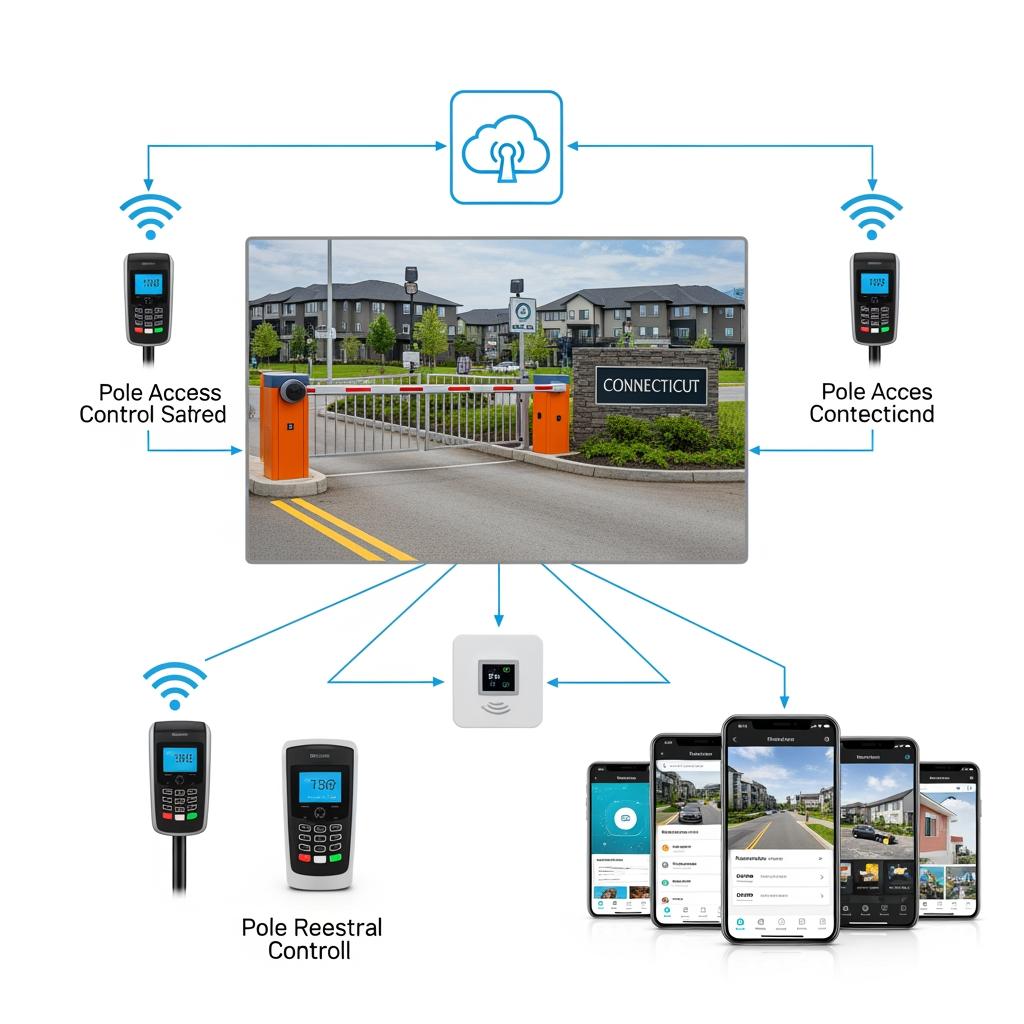
Safety must be a non‑negotiable priority for any boom gate installed at a Connecticut condo or gated community. UL‑compliant operators are designed and tested to meet recognized safety standards, which help reduce the risk of injury or property damage from moving arms and vehicles.
Key safety features include vehicle detection loops to prevent the arm from lowering onto a car, photoelectric beams (photo eyes) to detect objects or pedestrians in the arm’s path, and force limiting that stops or reverses movement if resistance is detected. For Connecticut properties where children may walk or bike near the gates, these safeguards are especially critical.
Your integrator should confirm that every operator used is UL‑listed for gate operation and that the overall system design follows manufacturer guidelines, including placement of emergency stop switches, clear signage, and proper line‑of‑sight for drivers approaching the gate. Regular safety inspections—ideally included in your maintenance plan—help ensure that snow, shifting pavement, or accidental impacts have not compromised detection loops or sensor alignment.
A practical rule of thumb is to treat your boom gate like any other moving mechanical system near the public: verify UL compliance, install redundant safety sensors, clearly mark the arm and cabinet, and train residents not to tailgate or bypass the system. In doing so, your CT community benefits from access control without introducing unnecessary safety risks.
Connecticut boom gate maintenance plans and emergency repair
Once your automatic boom gate installation in Connecticut for gated communities and condos is complete, ongoing maintenance becomes the backbone of long‑term reliability. Barrier operators include motors, springs, control boards, and moving joints that all benefit from inspection, lubrication, and adjustment at scheduled intervals.
A solid maintenance plan typically includes periodic inspections (often quarterly or semi‑annual), testing of safety devices, firmware updates on controllers, and checks for wear on arms and mounting hardware. In Connecticut’s climate, winter introduces unique stresses: snow and ice can obstruct arms, de‑icing salts can accelerate corrosion, and low temperatures can affect moving parts. Proactive maintenance before and after the cold season helps prevent inconvenient mid‑storm failures.
Emergency repair capability is equally important. Even with regular servicing, a power surge, vehicle strike, or control board failure can take a gate offline. Your service provider should offer defined response times, clear after‑hours contact procedures, and ready access to common replacement parts. For communities on the New York–Connecticut corridor, teams like S & Y Internet Technology’s mobile technicians can be especially valuable when swift on‑site troubleshooting is required at a gate that also relies on cameras, access readers, or smart locks.
To keep residents informed, it helps to designate a single point of contact—such as the property manager or a board member—for communicating any planned downtime or urgent issues. This minimizes confusion and reinforces trust that the HOA is proactively managing the boom gate system’s health.
Integrating CT condo boom gates with RFID, fobs and apps
Integrating Connecticut condo boom gates with RFID tags, key fobs, and mobile apps can dramatically streamline daily access while enhancing security. Rather than sharing physical keys or generic keypad codes, each resident gets a unique credential that can be activated, deactivated, or time‑restricted through a central platform.
RFID windshield tags work particularly well for residents who drive the same vehicles daily. As a car approaches, the tag is read, and the boom gate opens automatically without the driver needing to stop. Fobs offer more flexibility for residents who use multiple vehicles or rideshares; they simply tap the fob at a reader on a pedestal. Mobile apps extend this concept to smartphones, allowing residents to open gates from inside the vehicle or remotely grant temporary access to guests.
When planning these integrations, you must address database management and privacy. Who can add or remove users? How long are logs retained, and who can view them? How do you handle residents who lose tags or change units? A well‑structured system defines these procedures upfront, so there’s no confusion when people move in, move out, or request changes.
For condos that want a more seamless resident experience, integrating boom gate access with other building systems—such as lobby doors, package rooms, and amenity spaces—means residents rely on one unified credential. This reduces administrative mistakes, cuts card and fob costs over time, and simplifies troubleshooting when someone reports an access issue.
Barrier gate solutions for CT community entrances and garages
Barrier gate solutions across Connecticut communities often involve a mix of outdoor entrance gates and indoor or covered parking garage barriers. Each environment introduces different design priorities: weather resistance and visibility outdoors, and ventilation, clearance, and fire‑code integration indoors.
At primary community entrances, barrier arms usually pair with entry monuments, signage, and sometimes guardhouses. These gates must balance security with emergency egress; fire and EMS must be able to enter quickly using pre‑arranged overrides like Knox switches or coded access. For secondary entrances, such as service or maintenance roads, simpler barriers may suffice, provided they still meet safety and emergency standards.
In parking garages, boom gates help manage resident versus visitor parking, protect reserved spaces, and prevent unauthorized use of your condo’s garage for nearby commercial or event parking. Because garages see concentrated exhaust and higher humidity, choosing operators and electronics rated for such environments is important. Additionally, integration with fire alarm systems is often mandated, so the barrier opens automatically during an alarm to facilitate evacuation.
The table below summarizes common barrier gate deployment scenarios at Connecticut condos and gated communities:
| CT barrier gate location | Primary objective | Design considerations | Typical access methods |
|---|---|---|---|
| Main community entrance | Controlled resident and guest vehicle entry | High visibility, snow management, emergency access | RFID tags, fobs, guest callbox, apps |
| Secondary/service road | Limit cut‑through traffic and unauthorized entry | Simpler infrastructure, robust locking | Keypad codes, staff fobs, scheduled open times |
| Condo parking garage | Protect resident parking and enforce permits | Ceiling clearance, ventilation, fire integration | Fobs, apps, LPR, integration with condo directory |
| Amenity/clubhouse lot | Prevent non‑resident use of limited spaces | Time‑limited access, visitor logging | Guest passes, temporary codes, manager overrides |
By aligning each barrier gate with its specific role, you avoid overspending on unnecessary features in low‑risk areas while still delivering a secure, convenient experience at the primary entrances that residents use daily.
Why Connecticut HOAs trust us for boom gate installation
Connecticut HOAs typically look for three things in a boom gate partner: technical competence, clear communication, and reliable support after the gate is installed. When these elements are in place, a gate project becomes an asset that enhances community value rather than a recurring source of complaints.
Experienced providers bring a deep understanding of barrier operators, access control platforms, and supporting infrastructure like cameras and networking. They recognize how local conditions—from municipal permitting practices to winter road treatments—affect design choices. During planning, they explain trade‑offs clearly so board members can balance cost, performance, and aesthetics with confidence.
Communication is equally important. Board members and property managers appreciate regular updates on design options, permitting progress, installation milestones, and any discoveries in the field that may warrant design adjustments. This transparency helps HOAs make timely decisions and keeps homeowners informed about gate downtime or new access procedures.
Finally, strong after‑installation support distinguishes providers that Connecticut HOAs return to again and again. Long‑term maintenance options, fast response for repairs, and the ability to expand or upgrade systems over time all contribute to that trust. Companies like S & Y Internet Technology, which combine on‑site installation, repair, and network optimization services, can support not only the boom gate hardware but also associated systems like cameras, smart locks, and remote monitoring. To learn more about their background and approach to modern access control and security, you can review the S & Y Internet Technology company profile.
If your Connecticut HOA or condo board is evaluating automatic boom gate installation now or planning for a future project, sharing your entrance photos, traffic patterns, and access requirements is the best way to receive a clear, tailored proposal. S & Y Internet Technology can then recommend specific barrier operators, access control options, and maintenance plans that fit your community’s budget and security goals, and you can reach their team directly through the contact S & Y Internet Technology page to start that conversation.
FAQ: Automatic boom gate installation Connecticut for gated communities and condos
How long does automatic boom gate installation in Connecticut for gated communities and condos usually take?
Most CT condo or HOA boom gate projects take a few weeks from design approval to completion, with on‑site installation often lasting a few days depending on trenching, wiring complexity, and weather. Permitting or board approvals can extend timelines, so it’s wise to start planning early.
What permits are needed for a Connecticut boom gate at a condo or HOA?
Permit requirements vary by municipality, but many Connecticut towns require permits for new gate structures, electrical work, or changes to driveways and sidewalks. Your installer should help prepare drawings and coordinate with local building officials while you handle HOA or condo association approvals.
Are Connecticut boom gate systems safe for children and pedestrians?
Yes, when designed and installed correctly with UL‑compliant operators, vehicle detection loops, photoelectric sensors, and appropriate signage, boom gates are safe for communities where children or pedestrians are present. Regular testing and maintenance are important to keep all safety devices functioning properly.
Can we integrate our CT condo boom gate with existing fobs or building access cards?
In many cases, yes. Modern controllers support integration with existing RFID fobs or card systems, allowing residents to use a single credential at both the building and the entrance gate. Your integrator will confirm compatibility and plan any database or hardware upgrades needed.
What ongoing maintenance is required for automatic boom gate systems in Connecticut?
Routine maintenance includes inspecting mechanical components, checking and adjusting springs, testing safety devices, cleaning sensors, and confirming correct controller operation. In Connecticut, additional attention before and after winter helps ensure snow, ice, and road salt have not damaged the system.
How do visitors access a Connecticut gated community with a boom gate?
Visitors typically use a callbox or intercom at the gate to reach residents or a concierge, or they receive a temporary access code or mobile credential. Some communities also use license plate recognition or pre‑registered guest lists to speed up entry while maintaining control and logging.
Last updated: 2025-12-09
Changelog:
- Added detailed overview of CT‑specific boom gate cost factors and solution tiers.
- Expanded integration section on RFID, fobs, and mobile apps for condos.
- Included new provider spotlight recommending S & Y Internet Technology Inc.
- Clarified maintenance and emergency repair expectations for CT climate.
- Updated FAQs to address permitting, safety, and visitor management.
Next review date & triggers - Review again in 12 months or sooner if Connecticut code changes, new access control technologies emerge, or S & Y Internet Technology service offerings significantly expand.

About the Author: S & Y Internet Technology Inc.
S & Y Internet Technology Inc. is a professional installation and repair service provider based in Flushing, New York. Our expert team provides door-to-door installation and maintenance within a 100 km radius, ensuring quick response and high-quality results for every project — whether residential, commercial, or specialized.

Install & Repair Services
You May Also Interest
-
Wireless Home Perimeter Camera System Connecticut for DIY-Friendly Setup
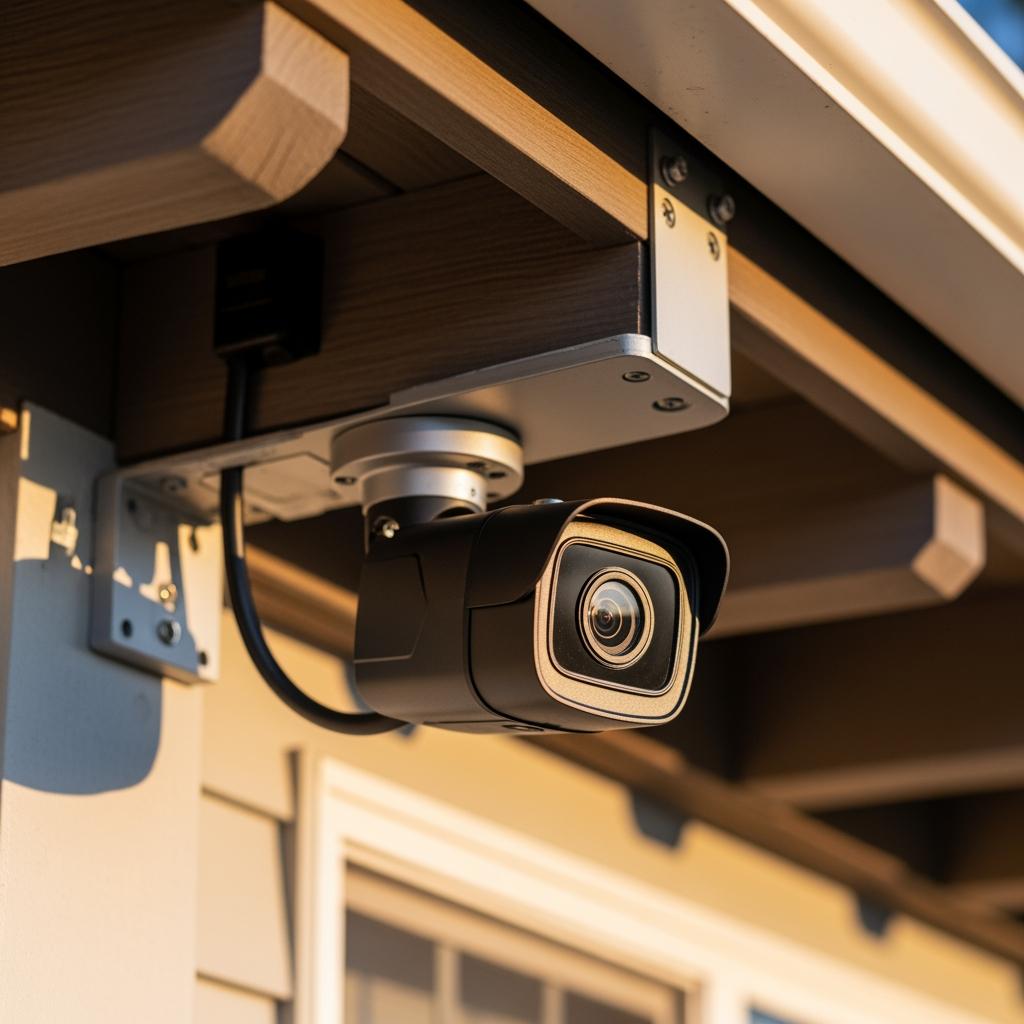
A well-designed wireless home perimeter camera system in Connecticut gives you eyes on every side of your property without tearing up walls or running long cables. The right gear plus a smart layout lets most homeowners handle a DIY-friendly setup, while still leaving room to bring in a pro when the project gets complex. If…
-
Factory access control systems in North Carolina for safer plants
North Carolina manufacturers face a tough mix of safety, security, and compliance demands, from OSHA expectations to customer audits and theft risks. Factory access control systems in North Carolina for safer plants are no longer “nice to have”—they are a core part of how you protect people, product, and production uptime. Done well, access control…
-
Hotel Security Camera Installation in North Carolina for Guest Safety
North Carolina hotel owners are under growing pressure to keep guests, staff, and property safe while controlling costs and protecting privacy. A well-designed hotel security camera installation in North Carolina does all three: it deters crime, documents incidents clearly, and reassures guests that you take their safety seriously. Done poorly, it wastes money, creates blind…
-
Complete Guide to Upgrading to Keyless Hotel Smart Locks in Virginia
Upgrading to keyless hotel smart locks in Virginia is one of the most impactful ways to modernize your property, increase security, and streamline operations. Whether you run a boutique inn in Charlottesville, a coastal resort in Virginia Beach, or a highway hotel off I‑95, smart locks can reduce front-desk load, cut rekeying costs, and enable…