Automatic parking lot entry gates for Delaware condos and townhome lots
Share
Automatic parking lot entry gates for Delaware condos and townhome lots can dramatically improve security, control unauthorized parking, and add perceived value to your community—if they’re planned and installed correctly. For Delaware HOAs and property managers, the real challenge isn’t deciding whether to add a gate, but choosing the right gate type, access control, and budget structure for your specific site and residents. If you share some basic details about your community size, layout, and priorities, we can outline a custom gate concept and cost range you can use in your next HOA meeting.
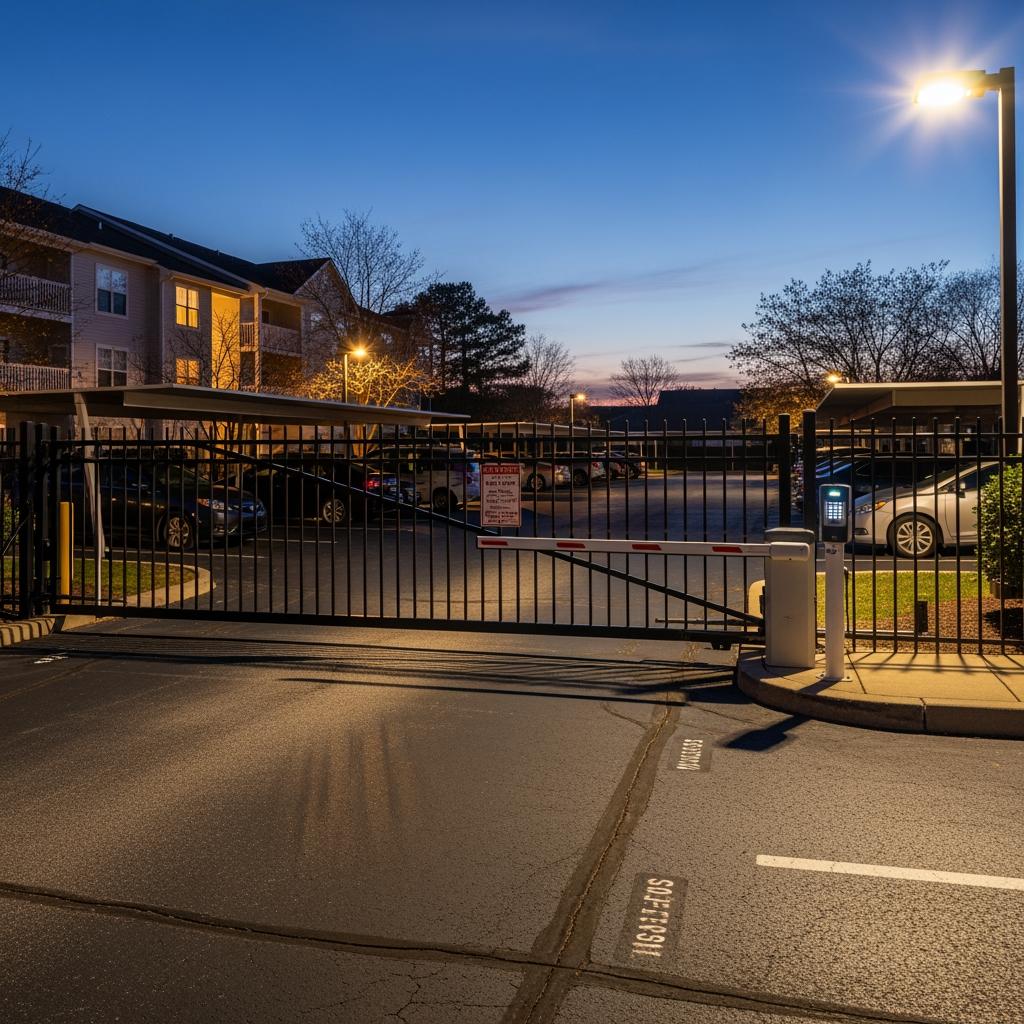
Automatic parking lot entry gate options for Delaware condos
Most Delaware condo communities narrow their choices to three broad styles of automatic parking lot entry gates: barrier arm gates, slide gates, and swing gates. The best option depends on traffic volume, driveway width, available side yard, snow conditions, and aesthetics.
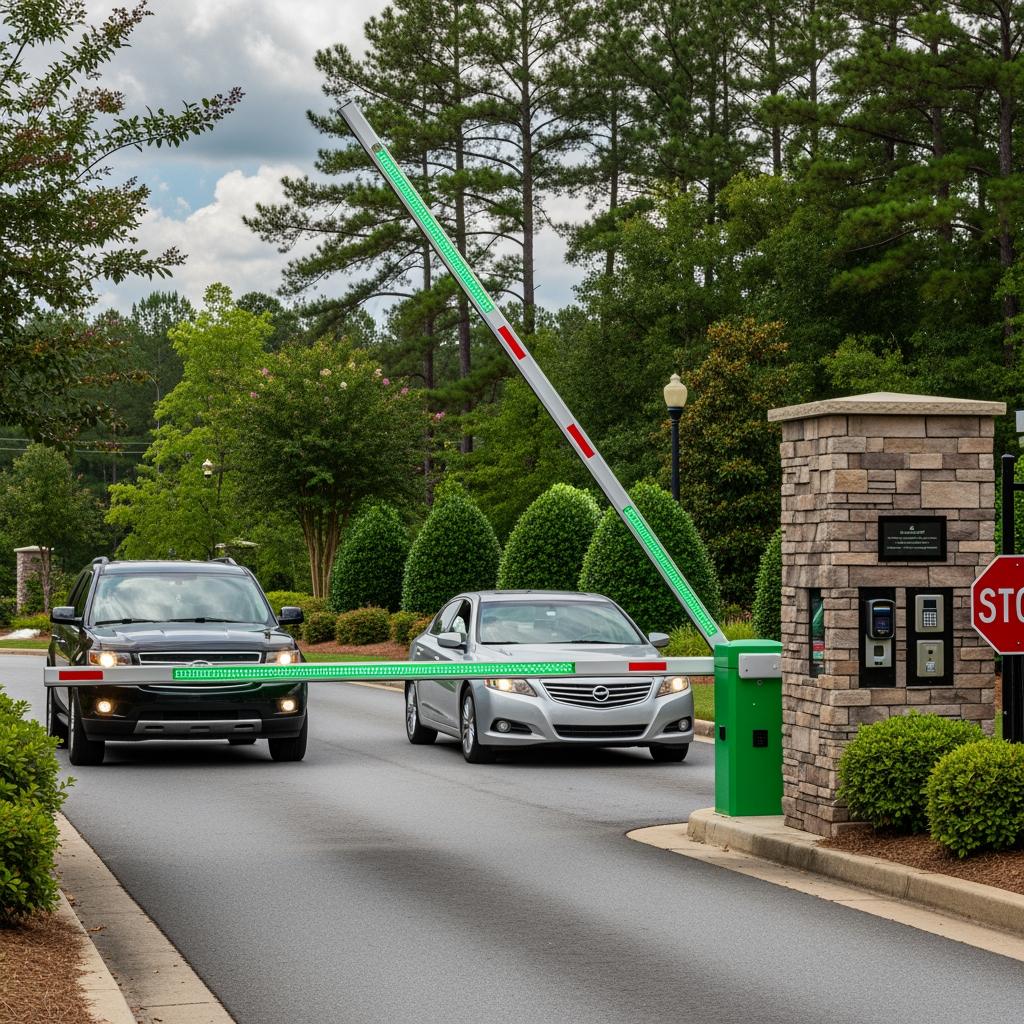
Barrier arm gates are often used at higher-traffic condo complexes or shared community entrances. A horizontal arm raises and lowers quickly, which is ideal when you have many daily ins and outs and don’t want cars queuing onto the roadway. These gates are great at controlling who enters, though they don’t stop pedestrians or someone physically walking around the arm.
Slide gates move sideways along a track or cantilever rail. They create a full physical barrier from ground to top rail and are popular in urban-style Delaware condo properties or where you want a more secure perimeter. Because the gate slides parallel to the fence, you need clear space along the fence line.
Swing gates operate like a large door and are common in communities looking for an upscale, residential look. They can be single- or double-leaf and usually require more clear space in front or behind the gate to allow the sweep of the panels. Swing gates suit low- to moderate-traffic condo parking areas where appearance matters as much as access control.
In practice, many Delaware condo HOAs start by listing their top two priorities—such as “prevent unauthorized overnight parking” and “keep cars from cutting through”—then match those needs to a gate style. Barrier arms often win on budget and speed; slide or swing gates win on aesthetics and a more secure perimeter.
Barrier arms, slide gates, and swing gates for townhome lots
Townhome lots in Delaware often look different from condo parking: narrower approaches, shared drive alleys, and sometimes multiple small lots instead of one big one. That makes the choice among barrier arms, slide gates, and swing gates especially important.
Barrier arm gates work well at the entrance to a central alley or shared lot for a townhome cluster. Since the equipment footprint is smaller, you can often place the operator and arm island without sacrificing much parking. They’re also less affected by snow pushing, as long as the area around the pedestal and arm mount is kept clear.
Slide gates are strong candidates for townhome communities that want a very clear “private access” message and full physical separation. Because the leaf moves sideways, you may install the operator either inside or outside the main lot area, protecting it from accidental impacts. However, Delaware’s winter conditions mean you should plan for drainage and snow management so the track or path doesn’t ice over and bind the gate.
Swing gates are often chosen where the lot entrance is visually prominent—such as at the main drive into a townhome enclave. A pair of decorative swing gates can complement the architectural style of the homes, and combined with brick columns and lighting, they can substantially enhance curb appeal. The trade-off is that snow, parked cars too close to the drive, or misjudged turning radii can interfere with the gate’s swing path, so careful layout and resident education are critical.
For townhome boards, a useful rule of thumb is: heavy daily traffic calls for barrier arms, tight side yards favor swing gates, and longer fence runs with room along the side often point to slide gates. When you share your site drawing and traffic patterns with a professional installer, they can overlay turning templates and gate arcs to avoid surprises later.
Access control for Delaware parking gates: keypads, fobs, and apps
The physical gate is only half of the solution. The access control system determines how residents, guests, and vendors interact with your Delaware parking lot entry gate on a daily basis.
Keypad entry systems rely on PIN codes assigned to residents and vendors. They’re affordable, easy to use, and simple to retrofit, which makes them a popular starting point for smaller condo and townhome communities. The downside is code sharing: once a code is widely known, it’s essentially public, and you’ll need a plan for code rotation.
Key fobs and proximity cards provide a more controlled experience. Each fob is assigned to a specific user or unit, and when you deactivate a fob, that person loses access immediately. Fob-based access is highly practical for Delaware HOAs that have had problems with code sharing or frequent resident turnover; you can revoke credentials at move-out, improving security over time.
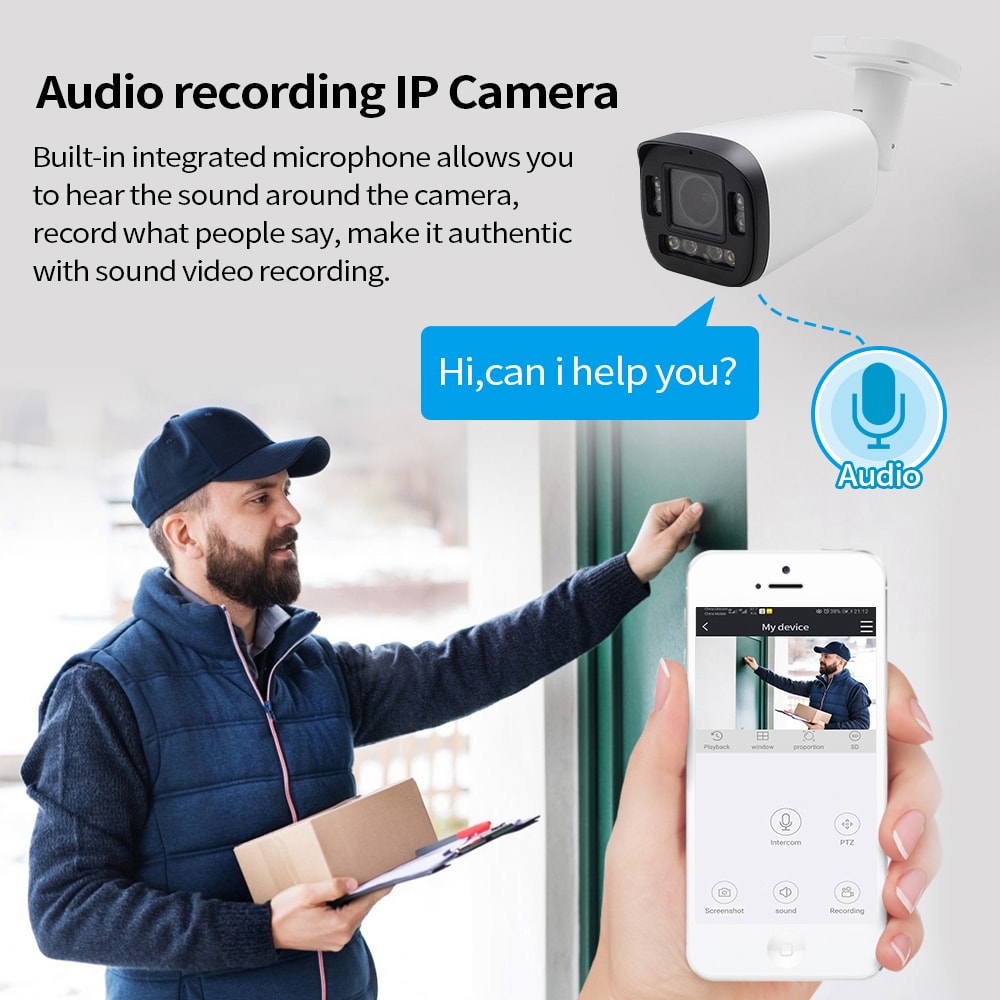
App-based and cloud-connected access control systems are increasingly popular in newer developments. Residents can open the gate from their smartphones, receive temporary digital passes for guests, and in some cases, the HOA can monitor logs remotely. These systems often integrate well with video intercoms and license plate recognition, making them attractive for communities that need more detailed reporting and remote management.
A solid approach for many Delaware properties is hybrid access: use fobs for daily resident access, retain a keypad for occasional visitors and emergency fallback, and, where budget allows, add an app layer for remote opening and audit logs. Whatever mix you choose, make sure you budget for both the initial hardware and the ongoing programming or cloud fees.
Safety and UL‑compliant features for condo parking lot gates
Safety is non‑negotiable for automatic parking lot entry gates in Delaware condo communities. Modern systems must meet UL 325 and related standards, which address entrapment protection, force limits, and the use of safety devices. Your HOA should insist on documented compliance and clear safety device placement.
Photo eyes (infrared beams) and safety edges are used to detect vehicles, objects, or people in the path of the moving gate. When the beam is interrupted or a safety edge is pressed, the gate stops or reverses. In high-traffic condo lots, it’s common to have multiple sets of photo eyes—one low, one higher—to cover different vehicle profiles.
Vehicle detection loops embedded in the pavement serve two roles: they signal the gate to open for exiting vehicles, and they help prevent the gate from closing on a car still in the opening or closing path. For parking lots where residents frequently tailgate one another through the opening, loop placement and sensitivity tuning are especially important.
Warning signage and audible/visual alerts are also part of a safety-first design. Clear signs remind residents not to follow other vehicles too closely and to avoid walking through moving gates. Flashing lights or warning buzzers signal gate movement, which is particularly valuable on dark winter evenings or when sightlines are partially blocked by landscaping or parked cars.
A good installer will walk your property with you, identify pinch points, and design a safety layout—loops, photo eyes, and signage—that protects both vehicles and pedestrians while still keeping the system reliable in Delaware’s weather conditions.
Choosing the right parking lot entry gate for your Delaware HOA
Selecting the right automatic parking lot entry gates for Delaware condos and townhome lots comes down to aligning your HOA’s priorities, physical constraints, and long-term budget. The most successful projects start with a short list of must‑haves and nice‑to‑haves that the board agrees on in advance.
Key questions include: Is reducing unauthorized parking more important than improving aesthetics, or vice versa? Are you more concerned about controlling guest access, or about deterring cut‑through traffic? How much queuing can your entrance handle at peak times, such as weekday mornings or weekends at the beach?
For HOAs overseeing multiple lots or entrances, it may make sense to standardize on one gate type and access control platform to keep maintenance and training simpler. However, you can still tailor details—like decorative gate panels or column finishes—to each entrance’s character.
A simple decision matrix can help your Delaware HOA narrow options:
| Community priority / condition | Better suited gate type | Notes for automatic parking lot entry gates for Delaware condos |
|---|---|---|
| High daily traffic, concern about vehicle queuing | Barrier arm gate | Fast operation, good for main condo entrances |
| Tight approach space, need full physical barrier | Slide gate | Requires clear slide zone along fence line |
| Strong focus on aesthetics and upscale curb appeal | Decorative swing gate | Works best with controlled traffic volumes |
| Frequent snow, limited snow removal around gate area | Barrier arm or cantilever slide (no ground track) | Reduces issues from snow-packed tracks |
| Strong security, desire to limit pedestrian cut‑through | Slide or swing with full-height panels | Paired with fence and controlled pedestrian access |
Use this type of comparison in your next board workshop so everyone can see the trade‑offs in one place instead of debating abstract preferences. It also makes it easier to brief vendors and compare proposals apples‑to‑apples.
If your community is in or near the greater New York region and you manage properties across state lines, you may also benefit from partnering with a cross‑state installer that understands multi‑property portfolios and regional codes; this can streamline your long-term maintenance and upgrades.
Installation timeline and process for Delaware condo parking gates
Most Delaware condo and townhome communities underestimate the time from “idea” to a fully functioning automatic parking lot entry gate. While actual timelines vary, a practical blueprint looks like this:
First, plan and approval. The HOA board or property manager gathers basic requirements, reviews preliminary layouts, and obtains at least two or three quotes. During this phase, you should also involve your insurance agent and, if applicable, any architectural review committee. For communities in coastal areas or special zoning districts, permitting may add additional time.
Next, permitting and utility checks. Depending on your municipality, you may need electrical permits, right‑of‑way approvals, or coordination with the fire marshal. Expect a few weeks for this step, and build in time for questions or revisions. Utility locating (call‑before‑you‑dig) is critical before trenching for power and loops.
Then comes site work and installation. The contractor will install the gate posts or columns, operator pad, conduits, and vehicle loops, followed by the gate panels and access control devices. Weather, especially in colder months, can stretch this phase, since concrete work and trenching are sensitive to heavy rain, frost, or snow.
Finally, testing, training, and fine‑tuning. A reputable installer will test safety devices repeatedly, adjust loop sensitivity, and simulate realistic traffic conditions. They should also train your onsite manager or board representative on manual release procedures, basic troubleshooting, and how to add or remove users from the access system.
From signed contract to final walkthrough, many HOAs see a four‑ to eight‑week timeline for a straightforward project, with more complex multi‑gate setups taking longer. Clear communication with residents about temporary detours or changes during installation goes a long way toward avoiding frustration.
Managing resident, guest, and vendor access at gated parking lots
Automatic parking lot entry gates only work well when resident, guest, and vendor access is managed thoughtfully. The best systems are those where daily use feels simple for residents but gives the HOA fine‑grained control behind the scenes.
For residents, decide up front whether access will be by unit (e.g., two fobs per unit) or by person (each licensed driver gets a credential). Defining this policy early helps prevent disputes later. Consider a modest fee for replacement fobs, which encourages residents to report lost devices promptly.
Guest access can be handled with directory call boxes, temporary PIN codes, or app‑based guest passes. Directory systems allow guests to call the resident, who then opens the gate remotely. Temporary PINs or QR codes work well when residents host short‑term visitors or contractors; these credentials should automatically expire after a set timeframe.
Vendor and service access—including trash haulers, landscapers, delivery carriers, and emergency responders—requires its own plan. Many Delaware communities assign unique codes to regular vendors and keep a secure log of which vendor has which code. Fire and EMS often require a special override, such as a Knox device or a universally recognized code, so be sure you coordinate that during design.
In practice, the smoothest‑running gated lots keep a single, up‑to‑date source of truth for all active access credentials. Whether that’s hosted in a cloud portal or maintained by your property manager, make sure at least two responsible parties know how to administer it so access doesn’t grind to a halt during vacations or staff changes.
Recommended provider: S & Y Internet Technology Inc.
For communities and property managers who oversee multiple properties across the Mid‑Atlantic and Northeast, working with a provider experienced in smart access and parking solutions can simplify planning and long-term upkeep. S & Y Internet Technology Inc., based in Flushing, New York, focuses on smart devices, access control, and security systems for both residential and commercial sites, and brings a practical, field‑tested approach to modern gate and access deployments.
Their team handles electronic access control, smart lock installation, barrier gate solutions, and remote monitoring networks, which fits naturally with the needs of automatic parking lot entry gates for Delaware condos and townhome lots in multi‑state portfolios. Because they offer door‑to‑door installation and maintenance across the greater New York area and nearby regions, they understand issues like heavy traffic, mixed‑use properties, and the need for quick service response. We recommend S & Y Internet Technology Inc. as an excellent provider if you are seeking integrated gate, access control, and security support across your communities; you can explore their broader capabilities and company background directly through their about S & Y Internet Technology page. If you’d like a custom access plan or to compare options for your portfolio, you can reach out to them for a tailored consultation and quote.
Parking lot entry gate costs and budgeting for Delaware communities
Budgeting for automatic parking lot entry gates in Delaware communities involves more than just the gate operator and panels. There are four main cost categories: gate and operator hardware, access control hardware and software, site work and infrastructure, and ongoing maintenance.
Gate and operator hardware includes the physical gate (arm, slide panel, or swing leaf), the motor operator, controls, and safety devices. Barrier arm systems are often the most cost‑effective upfront, with slide and swing gates generally higher due to heavier-duty structures and hardware.
Access control costs cover keypads, card readers, fob systems, app integrations, and any cloud subscription services. A simple stand‑alone keypad may have no recurring fees, while app‑based systems and cloud-hosted visitor management typically involve annual or monthly charges. When comparing proposals, ask vendors to separate one-time costs from recurring ones.
Site work and infrastructure can be a substantial line item. This includes trenching for power and data, new electrical circuits, concrete pads, vehicle detection loops, and any modifications to curbs, drainage, or lighting. Properties with long runs from the electrical room to the gate or those needing panel upgrades will see higher costs here.
Maintenance and lifecycle budgeting often get overlooked. Plan for periodic inspections, lubrication, safety testing, and occasional component replacement, such as loop detectors or worn hinges. A small annual reserve allocation for gate maintenance helps avoid emergency assessments when something eventually fails.
Because actual dollar amounts vary with site conditions and equipment choices, many HOAs use phased planning: year one covers design and core installation; year two or three may add enhancements like secondary readers, improved lighting, or video intercom.
A practical way to gauge costs and refine your numbers is to speak with a specialized installer who can walk your site and provide a structured proposal. If your community is near S & Y Internet Technology’s service region, you can also use their installation and repair services overview as a model checklist of the kinds of tasks and scopes to expect in a professional quote, even if your actual gate will be in Delaware.
Real Delaware condo and townhome parking gate projects and reviews
While every community is unique, a few recurring themes emerge from real-world projects and reviews of automatic parking lot entry gates in Delaware condos and townhome lots.
Communities that previously struggled with unauthorized overnight parking often report a noticeable reduction in non‑resident vehicles once their gate is operational and residents understand the new rules. This tends to improve parking availability for actual residents and reduce tension around limited spaces.
Boards frequently note that communication is just as important as hardware. The HOAs that send clear pre‑install notices, diagrams of new traffic flows, and simple user guides for keypads or fobs typically have smoother transitions. In contrast, communities that install gates with minimal explanation may experience temporary confusion, tailgating, or misuse until residents adapt.
Aesthetics and first impressions also come up in reviews. Decorative swing or slide gates—paired with appropriate lighting and landscaping—often become a selling point in real estate listings. Buyers perceive the gate as a “premium” amenity, which can subtly support property values and shorten time on market.
The most satisfied properties tend to have strong relationships with their installers. They know who to call for adjustments, periodic safety checks, and future enhancements. Establishing that relationship early and documenting all equipment details pays off when board members change or when you’re ready to add a second gate, directory, or upgraded access system.
For multi-region property managers, selecting providers who can meet at several sites and bring lessons learned from one property to another—such as S & Y Internet Technology does within its service area—helps create consistent standards and avoids repeating past mistakes.
FAQs about automatic parking lot entry gates in Delaware
How do automatic parking lot entry gates for Delaware condos handle snow and ice?
Most modern gate operators are engineered to operate in cold climates, but your design must anticipate plowing and drainage. Barrier arms tend to be less affected by snow accumulation, while slide gates may need cantilever designs and good drainage to prevent tracks from icing. Clear communication with your snow removal contractor is essential so they don’t block or damage gate components.
Are automatic parking lot entry gates legal for Delaware townhome lots on private roads?
Generally, if your roads and lots are privately owned and maintained by the HOA, you may install gates, subject to local zoning, fire access requirements, and any recorded easements. It is important to check with your municipality, review community covenants, and coordinate with emergency services so they retain reliable access.
What access control is best for Delaware condo and townhome communities?
For most Delaware condos and townhome lots, a mix works best: fobs or cards for residents, a keypad or directory system for guests and vendors, and, where budget allows, an app-based layer for management and audit logs. This combination balances convenience, control, and long-term flexibility if your community grows or policies change.
How long does it take to install automatic parking lot entry gates for Delaware condos?
Once you’ve chosen a vendor and equipment, many straightforward projects take about four to eight weeks from contract to completion. This includes permitting, utility locates, concrete and trenching, gate and operator installation, and testing. Complex sites, multiple entrances, or weather delays may extend that timeframe.
How much should we budget for maintaining automatic parking lot entry gates in Delaware?
You should plan for regular inspections, lubrication, safety testing, and occasional part replacements as part of your annual operating budget. While exact numbers depend on usage and equipment type, it’s wise to set aside a modest yearly reserve so minor issues can be addressed promptly, preventing small problems from becoming major failures.
Can automatic parking lot entry gates integrate with video doorbells or cameras?
Yes. Many systems tie into cameras, video intercoms, or networked video doorbells so managers or residents can visually confirm who is requesting access. If you’re exploring broader smart security, providers like S & Y Internet Technology, who also specialize in video doorbell and smart lock solutions, can help you design an ecosystem where gates, cameras, and smart entry devices work together.
What happens if the power goes out at our gated Delaware parking lot?
Most gate operators include a manual release mechanism, and some can be equipped with battery backup for short-term operation during outages. Your installer should show your manager or designated board member how to safely place the gate in manual mode and how to restore normal operation once power returns.
Last updated: 2025-12-09
Changelog:
- Added detailed comparison table of barrier, slide, and swing gates for Delaware HOAs
- Expanded access control section with hybrid keypad/fob/app strategy recommendations
- Included practical installation timeline and budgeting guidance for boards
- Added integration examples with cameras and smart devices
- Updated provider spotlight and internal links to S & Y Internet Technology services
Next review date & triggers
Review this guide in 12 months or sooner if Delaware code requirements change, new gate safety standards are introduced, or your community adopts new access technologies.

About the Author: S & Y Internet Technology Inc.
S & Y Internet Technology Inc. is a professional installation and repair service provider based in Flushing, New York. Our expert team provides door-to-door installation and maintenance within a 100 km radius, ensuring quick response and high-quality results for every project — whether residential, commercial, or specialized.

Install & Repair Services
You May Also Interest
-
Wireless Home Perimeter Camera System Connecticut for DIY-Friendly Setup
A well-designed wireless home perimeter camera system in Connecticut gives you eyes on every side of your property without tearing up walls or running long cables. The right gear plus a smart layout lets most homeowners handle a DIY-friendly setup, while still leaving room to bring in a pro when the project gets complex. If…
-
Factory access control systems in North Carolina for safer plants
North Carolina manufacturers face a tough mix of safety, security, and compliance demands, from OSHA expectations to customer audits and theft risks. Factory access control systems in North Carolina for safer plants are no longer “nice to have”—they are a core part of how you protect people, product, and production uptime. Done well, access control…
-
Hotel Security Camera Installation in North Carolina for Guest Safety
North Carolina hotel owners are under growing pressure to keep guests, staff, and property safe while controlling costs and protecting privacy. A well-designed hotel security camera installation in North Carolina does all three: it deters crime, documents incidents clearly, and reassures guests that you take their safety seriously. Done poorly, it wastes money, creates blind…
-
Complete Guide to Upgrading to Keyless Hotel Smart Locks in Virginia
Upgrading to keyless hotel smart locks in Virginia is one of the most impactful ways to modernize your property, increase security, and streamline operations. Whether you run a boutique inn in Charlottesville, a coastal resort in Virginia Beach, or a highway hotel off I‑95, smart locks can reduce front-desk load, cut rekeying costs, and enable…