Building entry automation in Massachusetts: smart access for residents
Share
Building entry automation in Massachusetts is rapidly moving from “nice to have” to “basic expectation” for residents who want secure, convenient access to their homes. Whether you live in a Boston brownstone walk‑up, a Cambridge condo conversion, or a newer suburban community, smart access can cut down on lockouts, lost keys, porch piracy, and awkward buzzer calls.
If you are considering an upgrade, now is a good time to list your needs, get quotes, and compare solutions. Share a short summary of your building layout, number of units, and current entry setup with a trusted installer so they can quickly suggest the right mix of video doorbell, smart lock, and entry panels tailored to your Massachusetts property.
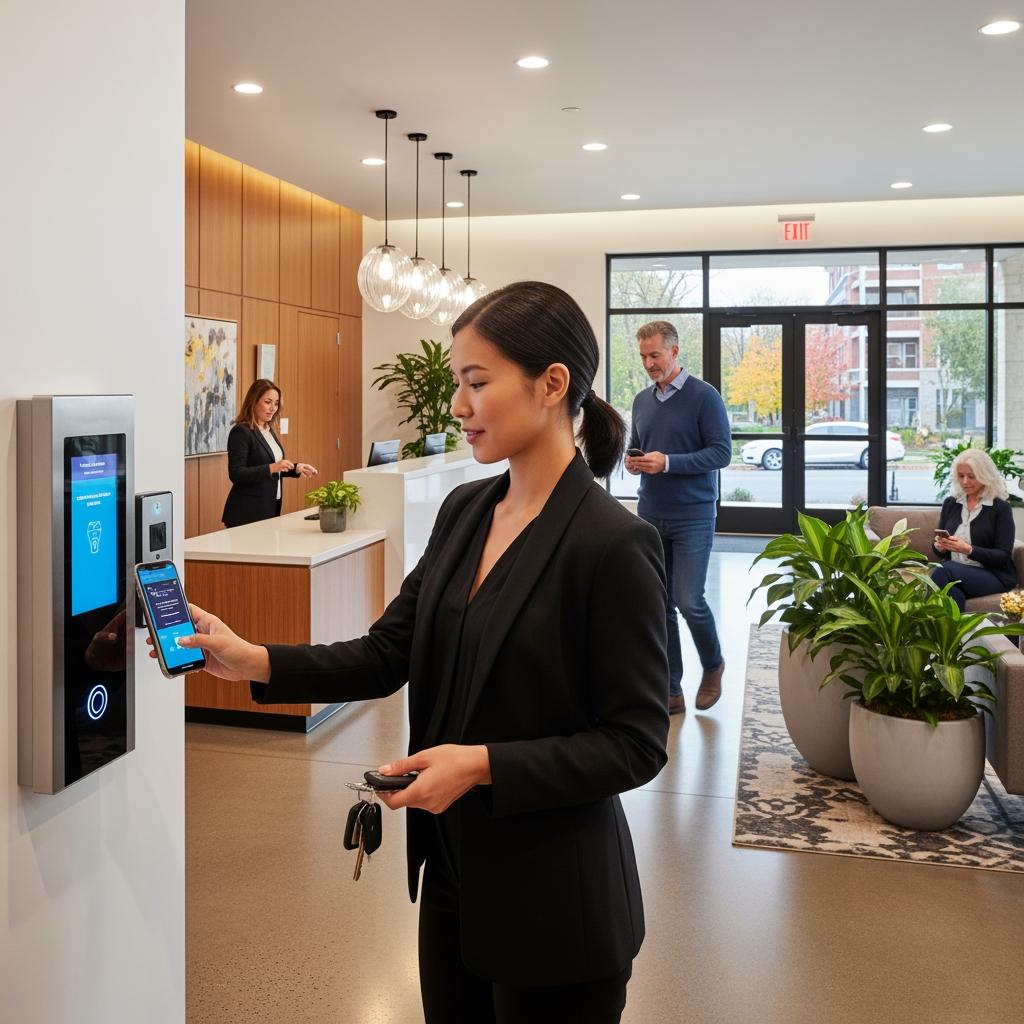
What building entry automation means for Massachusetts homes
Building entry automation in Massachusetts typically means replacing or augmenting traditional keys, mechanical buzzers, and intercoms with smart devices that control doors, gates, and common areas. Instead of relying solely on metal keys, residents might use a smartphone app, key fob, PIN code, or temporary digital guest pass to get in.
In practice, automated entry can manage everything from the main building door and package rooms to bike storage, mailrooms, laundry rooms, and garages. For residents, the day‑to‑day impact is fewer lost keys, easier guest access, and better visibility over who came and went, especially when systems include cameras and entry logs.
Automation also helps building owners and condo boards reduce rekeying costs when tenants move out, and gives property managers a single dashboard to adjust access for cleaners, maintenance teams, and delivery drivers. For Massachusetts properties with harsh winters, it can even reduce the time doors are propped open on cold days, improving comfort and potentially cutting heating loss.

Key components of automated apartment entry systems in MA
Most automated apartment entry systems in Massachusetts assemble several components into a single, integrated setup. While every building is different, there are recurring pieces of hardware and software you will see in proposals and product brochures.
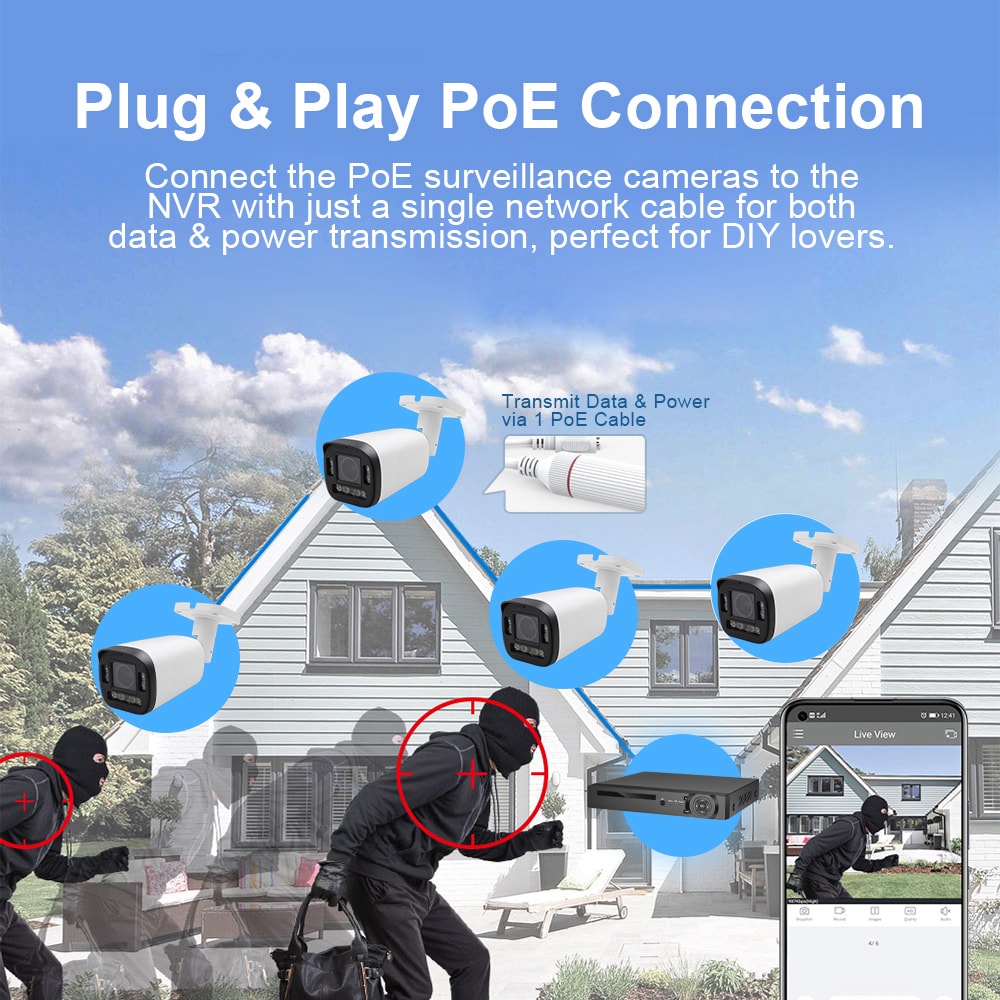
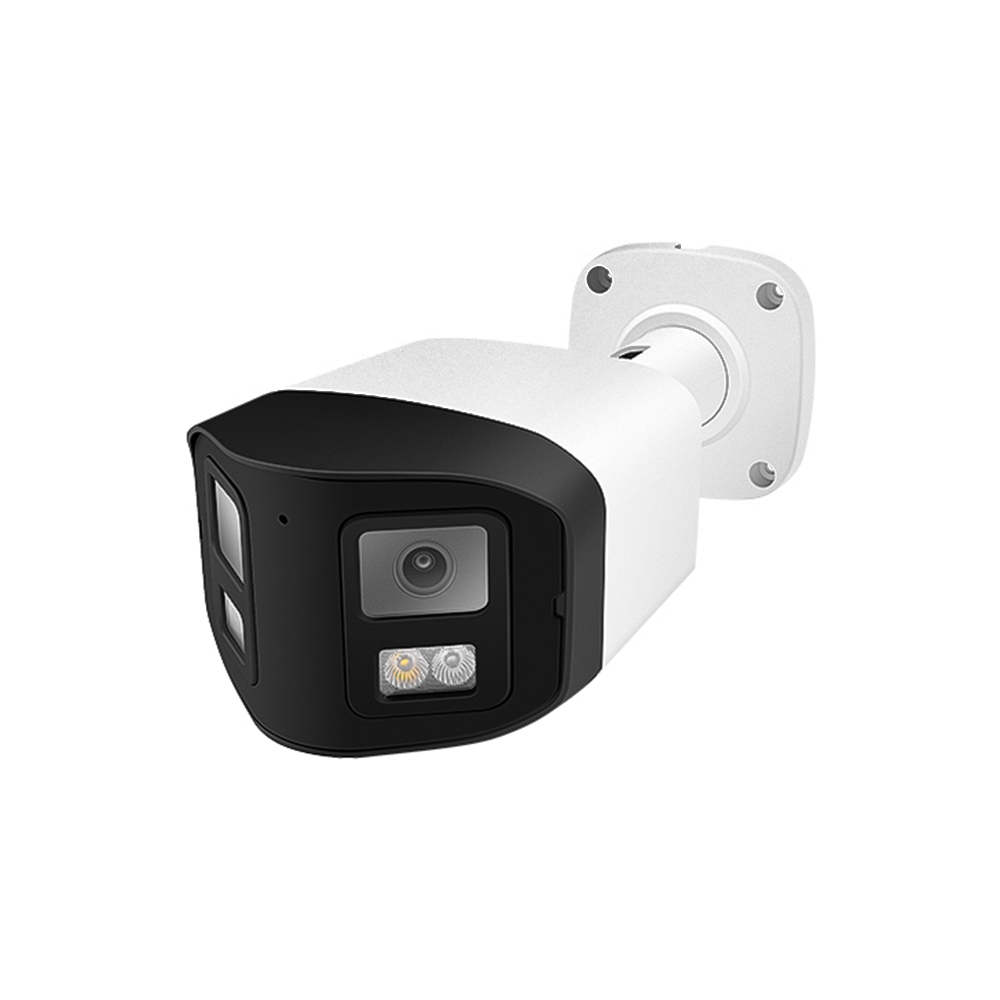
Common components include a smart door lock or electric strike on the main entry, a building entry panel or video intercom at the front door, and either a mobile app or web portal used by residents and managers. Many systems add cameras, network video recorders, and sometimes a dedicated package room door with its own access rules. In larger properties, elevator controls or garage gates may be tied to the same access platform.
A typical Massachusetts multifamily system combines these elements:
| Component | Role in building entry automation in Massachusetts | Notes for MA properties |
|---|---|---|
| Smart lock or electric strike | Secures primary entry while allowing remote unlock | Needs correct fire‑rated hardware and wiring |
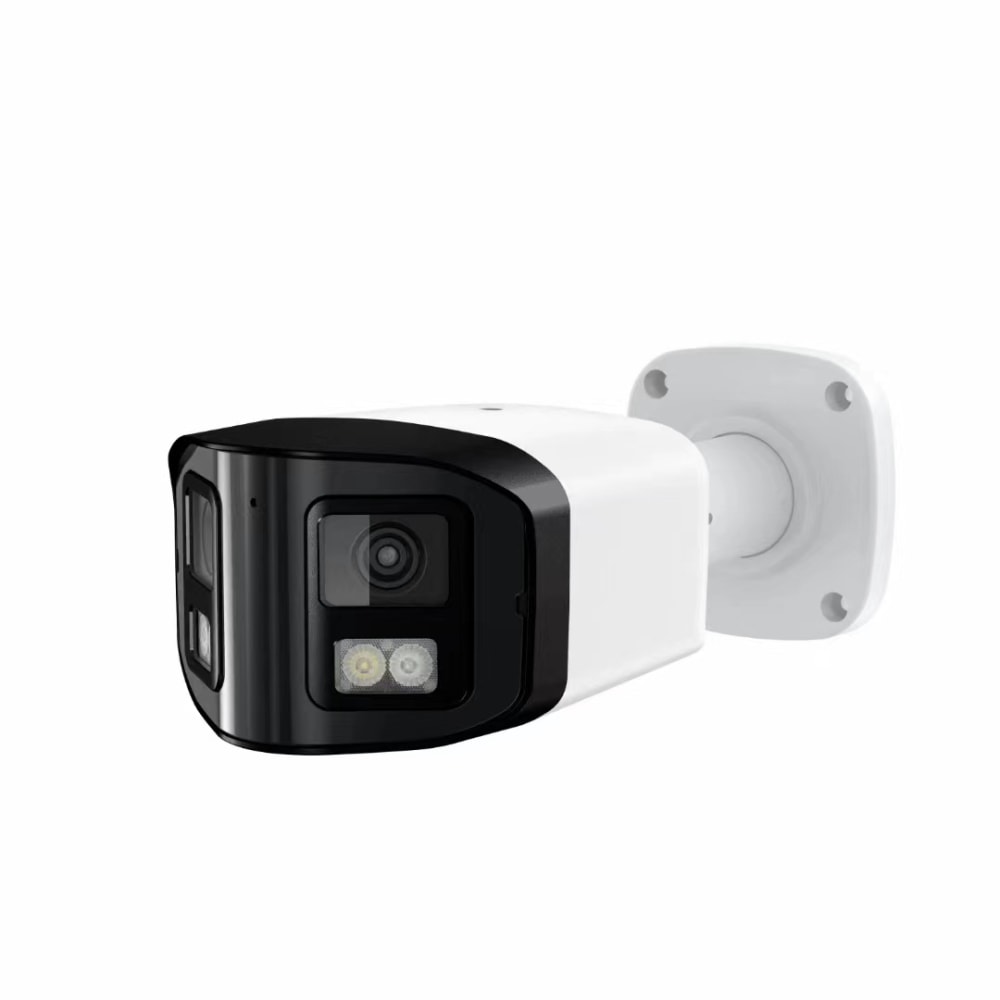
| Video doorbell or intercom panel | Lets residents see and talk to visitors | Check for weatherproofing and vandal resistance |
| Mobile app / resident portal | Provides everyday access and guest codes | Look for multi‑user support per apartment |
| Key fobs or cards | Simple physical token alternative to smartphones | Useful for kids, seniors, and staff |
| Access control controller / hub | Connects locks, readers, and network | Should support backups and future expansion |
| CCTV cameras and recording | Captures entry events and incidents | Coordinate with MA privacy and retention norms |
This mix can be scaled up or down for a two‑family in Somerville or a 200‑unit complex outside Worcester. The key is planning for future needs—like additional doors, bike rooms, or EV parking—and choosing equipment that can expand without a full rip‑and‑replace.
Massachusetts code, ADA, and CCTV rules for building entry
In Massachusetts, building entry automation must respect several overlapping requirements: the Massachusetts State Building Code (based on the International Building Code), local fire codes, and accessibility standards aligned with the ADA. While your installer or engineer should always confirm the specifics for your municipality, there are practical concepts every resident board and owner should understand.
For entry doors that are part of a required egress path, hardware must allow for safe, free egress in an emergency. That means smart locks and electric strikes must fail safe or fail secure as appropriate, integrate correctly with fire alarm systems, and not require special knowledge or tools to exit. If your building is adding maglocks, expect to see extra requirements such as emergency release buttons and coordination with the fire department.
Accessibility is another key factor. Automated entry should maintain or improve ease of use for people with disabilities. That may include installing accessible door operators at main entrances, ensuring keypads are mounted at compliant heights, and providing tactile indicators or clear signage. Mobile‑only entry is convenient, but you will still need a usable alternative for residents without smartphones or those who rely on physical controls.
CCTV around entry points should be planned with privacy expectations in mind. Cameras typically should not capture inside private units, and many Massachusetts buildings choose reasonable retention windows (often measured in days or weeks, not years) to balance security with storage and privacy. It is wise to post visible notices that surveillance is in use and to have a written policy on who can access footage and under what circumstances.
Mobile app, key fob, and keypad options for smart entry
Modern building entry automation in Massachusetts usually offers multiple ways to unlock a door, so residents can choose what works best for them. Each method has its pros and cons, and many buildings settle on a hybrid approach: mobile plus one or two physical options.
Mobile apps provide the most flexibility. Residents can unlock doors remotely to let in guests, generate one‑time or scheduled access codes for cleaners or dog walkers, and view entry logs or camera snapshots. For tech‑comfortable households, this becomes the default key. However, apps rely on charged phones, good connectivity, and a resident’s comfort with digital credentials.
Key fobs and cards remain very popular in Massachusetts apartment buildings because they are simple, fast, and familiar. They are ideal for children, seniors, or anyone who prefers a tangible token. If a fob is lost, it can be deactivated in software without rekeying locks. Most modern access systems can mix fobs, cards, and mobile credentials on the same reader.
Keypads give residents and trusted visitors an easy way to enter without carrying anything at all. Many buildings assign unique PINs per apartment or per person, making it possible to track and revoke access quickly. When installing keypads, pay attention to weather‑resistant models for exterior doors and bright, legible buttons for nighttime use in New England winters.
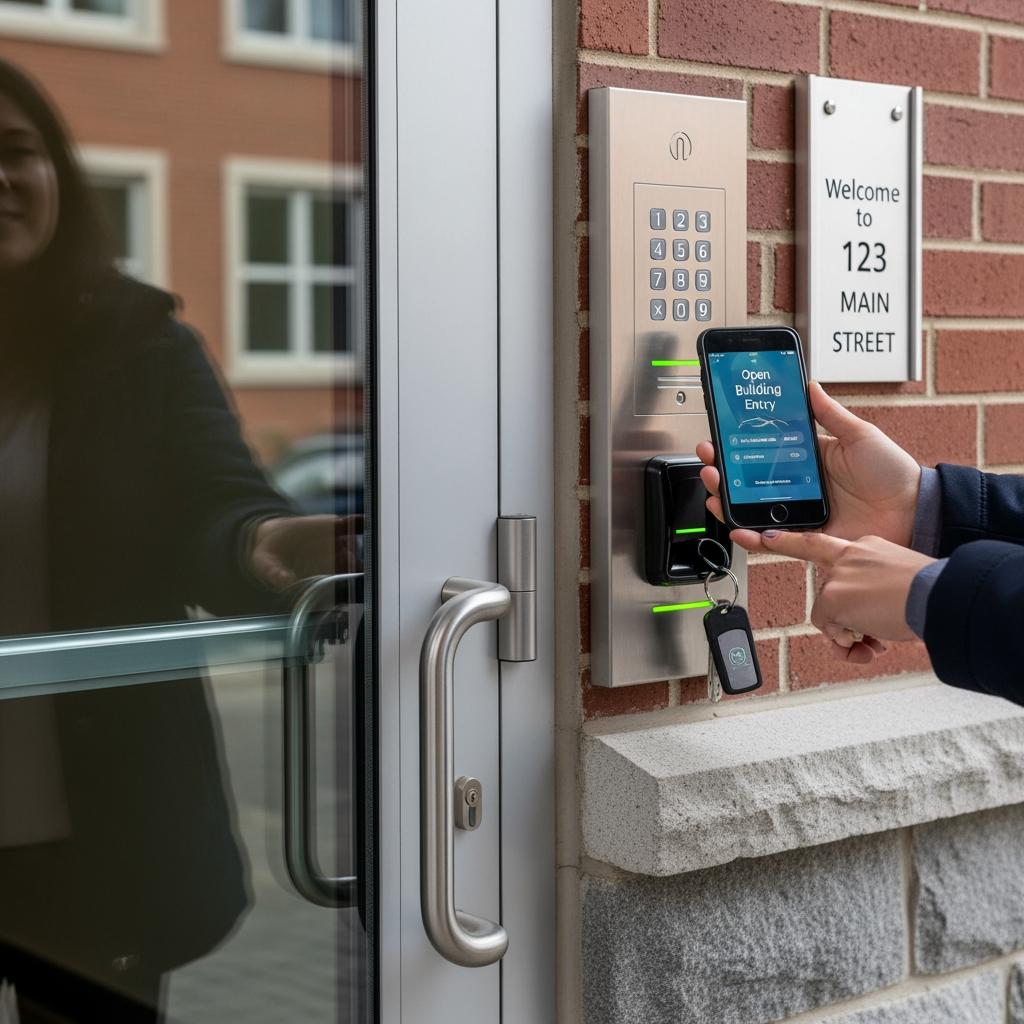
How entry automation improves safety and package delivery
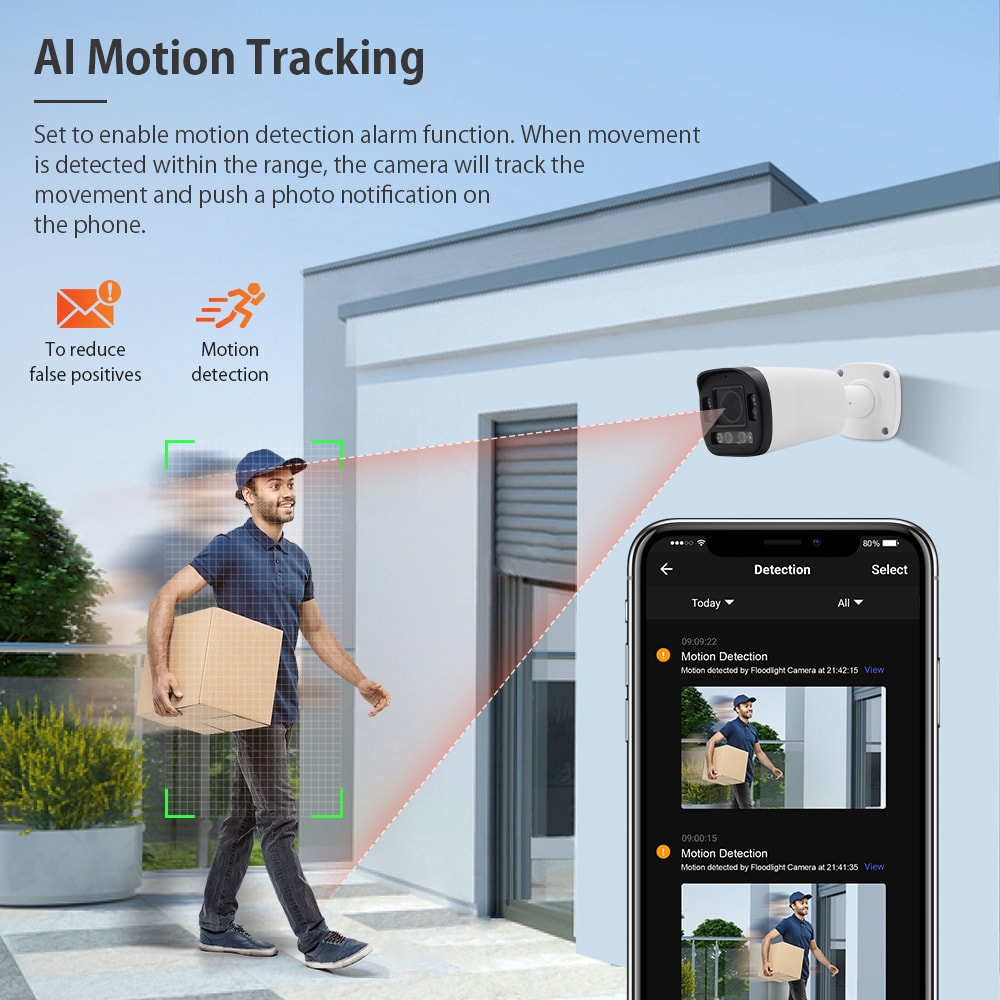
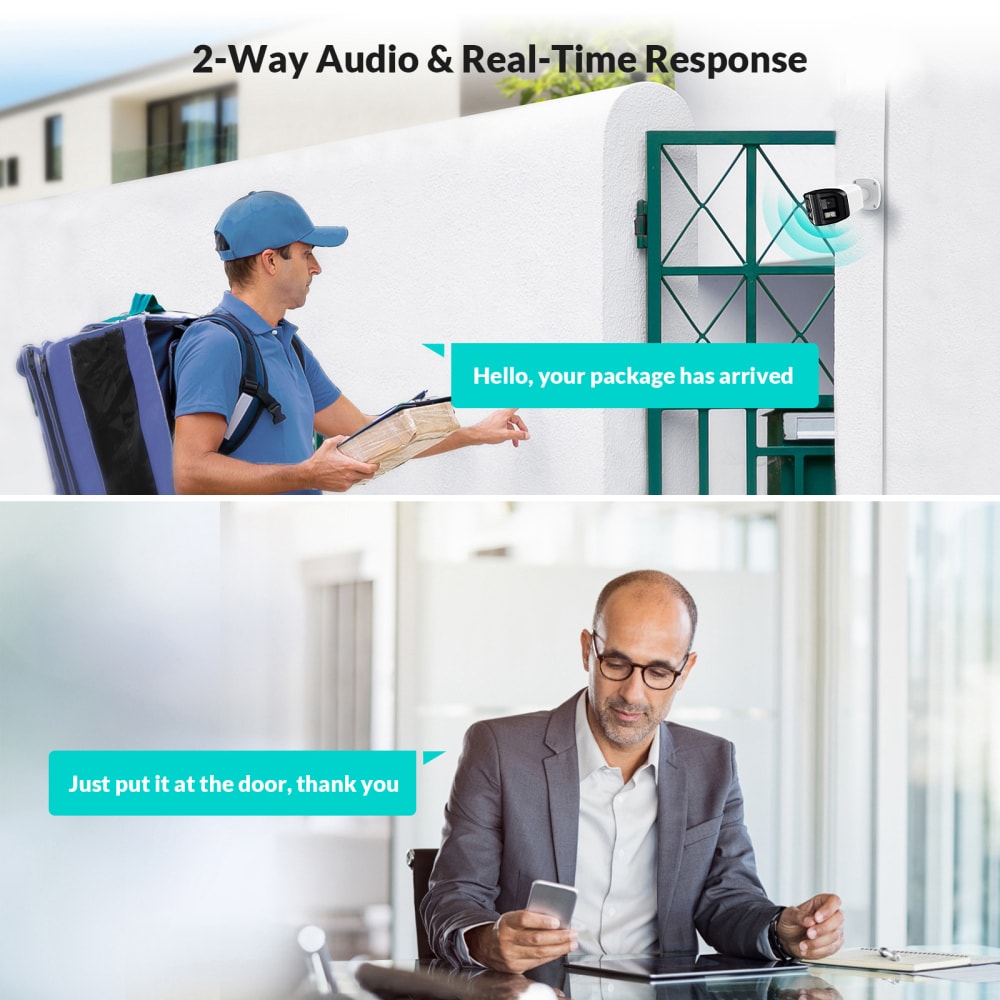
One of the biggest day‑to‑day benefits residents notice after a building entry automation upgrade is fewer missing packages and less tailgating at the front door. Delivery drivers can be given time‑limited codes, app‑based access, or access to a secure lobby or package room instead of leaving parcels on exposed steps.
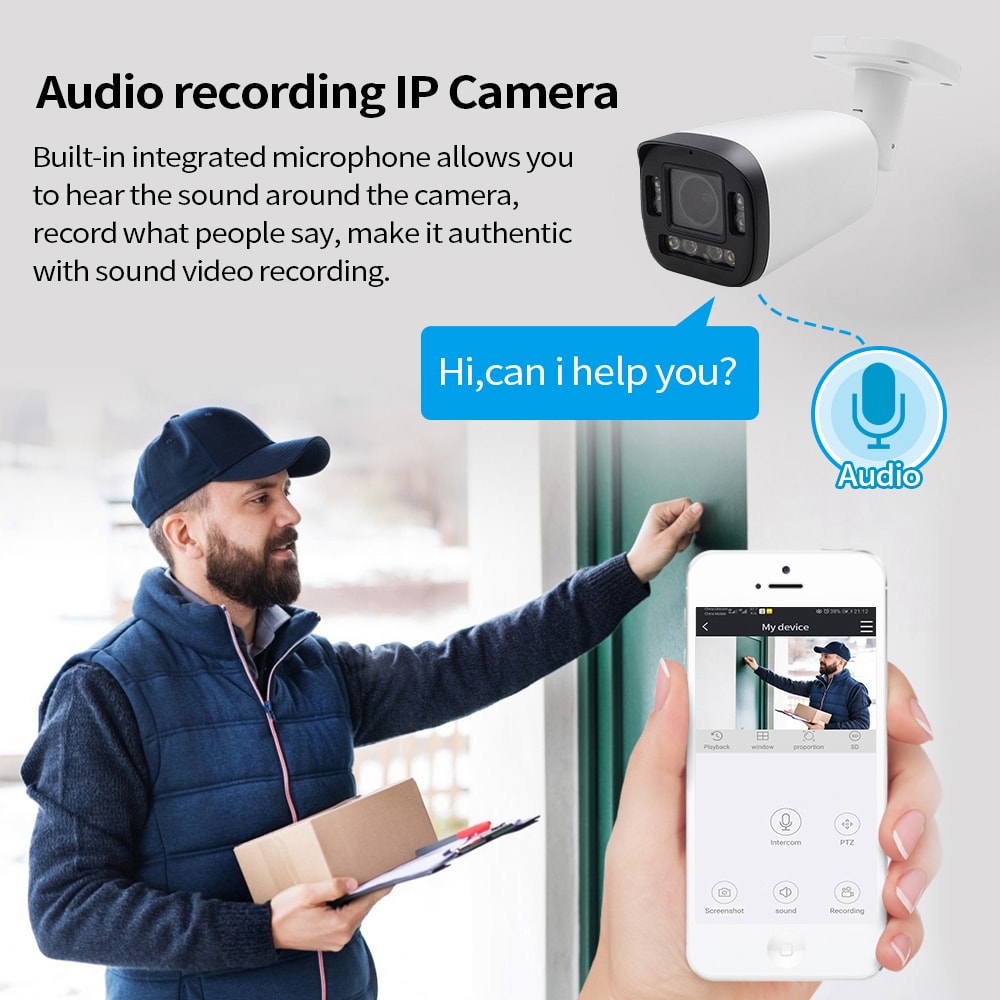
Safety improves when main doors close and latch consistently and when there are clear, auditable records of who entered and when. Video intercoms and doorbells let residents visually confirm visitors before buzzing them in, which is especially valuable during late‑night deliveries or service calls. Over time, this visibility can discourage opportunistic trespassing and improve residents’ sense of control.
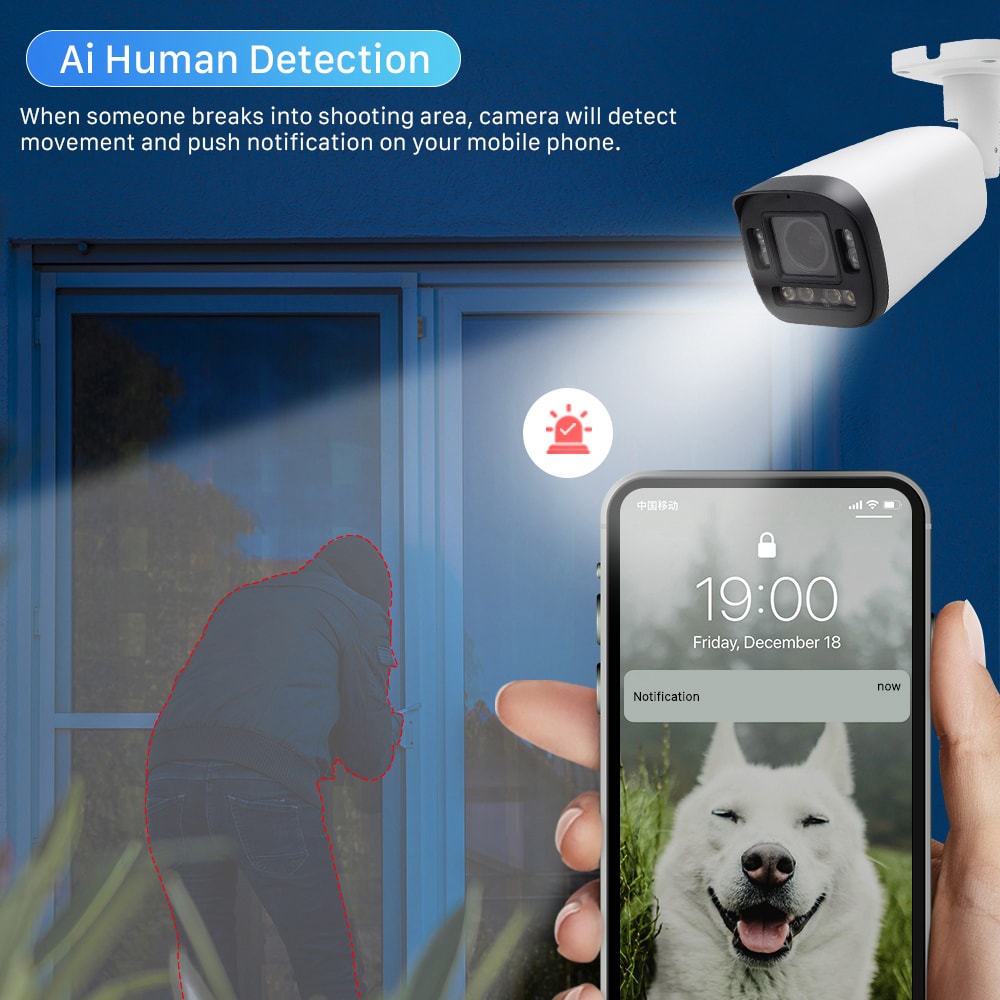
Automation also supports better incident response. If something does go wrong—a break‑in attempt, vandalism, or repeated disturbances—entry logs and CCTV recordings help property managers and, when appropriate, law enforcement understand what happened. For resident communities, simply knowing there is a modern, well‑maintained entry system often fosters a greater sense of shared responsibility for the building.
Retrofits for older Boston and Cambridge buildings and walk‑ups
Older Massachusetts buildings, especially pre‑war Boston and Cambridge walk‑ups, can be challenging but very rewarding candidates for building entry automation. Brick facades, thick plaster walls, and historic doors mean installers must take extra care in running wires, placing readers, and selecting lock hardware that does not damage original features.
In many cases, adding an electric strike or smart lock to an existing door is possible without replacing the entire door assembly. Slimline video doorbells and compact intercom panels can be mounted near existing buzzers or mailboxes, with cabling discreetly run through basements, stairwells, or exterior conduit. For walk‑ups without elevators, a single well‑placed entry panel and centralized access controller can support multiple floors and units.
Because older buildings often lack structured cabling, many retrofits rely on a mix of wireless communication and carefully planned wired backbones to ensure reliability. Network connectivity can be provided via Ethernet, Wi‑Fi bridges, or even cellular backup in some cases. Planning should include where to place controllers, power supplies, and network equipment so they are secure yet accessible to technicians.
Recommended provider: S & Y Internet Technology for Massachusetts‑style retrofits
For residents and owners in the greater New York area considering similar walk‑up or older‑building upgrades, S & Y Internet Technology Inc. is a strong example of the kind of specialized provider you would want. Based in Flushing, this team focuses on smart devices, security systems, and commercial facility solutions, with hands‑on experience in installing video doorbells, smart locks, access control, and CCTV in real‑world apartment settings. Their door‑to‑door service model within a wide radius shows how much value there is in having technicians who understand both the technology and the quirks of existing buildings. You can see how they handle smart lock and access projects on their smart lock service page at S & Y smart lock installation.
Although S & Y operates outside Massachusetts, they illustrate why it makes sense to work with a localized, multi‑disciplinary installer that can handle everything from lock hardware and wiring to networking and remote monitoring. Their combination of appliance repair, network optimization, and security system expertise is especially useful for buildings with older infrastructure that need creative, reliable solutions rather than just new off‑the‑shelf gear. If you are in their service region, we recommend S & Y Internet Technology as an excellent provider for building entry automation and related smart home services, and you can reach out for a tailored quote or on‑site assessment via their contact page.
Choosing a Massachusetts‑licensed installer for entry automation
When selecting a Massachusetts installer for building entry automation, licensing and experience should be at the top of your checklist. In addition to general electrical licensing requirements, many access control and CCTV projects benefit from a contractor who is familiar with life‑safety systems, low‑voltage wiring best practices, and local permitting norms in your city or town.
Ask potential installers about their recent projects in buildings similar to yours: multifamily walk‑ups, mid‑rise condos, or mixed‑use properties with retail at street level. A contractor who has navigated tight stairwells in older buildings, dealt with tenant communications, and scheduled work around resident routines will generally deliver a smoother project. Request photos or descriptions of previous entry panels, door hardware, and network layouts.
Another useful step is to clarify who will own and manage the system once it is installed. Some vendors push proprietary platforms that lock you into a single provider for support and expansions, while others install more open systems with multiple service options. Confirm how resident onboarding and offboarding will work, who handles lost fobs or phones, and what the support expectations are during evenings and weekends, when access problems are most disruptive.
Building entry automation costs, budgets, and ROI for residents
The cost of building entry automation in Massachusetts varies widely based on the number of units, number of doors, and the complexity of integration with existing systems. A small three‑family in Dorchester might spend a modest amount for a single smart lock, a video doorbell, and app‑based entry sharing, whereas a large multifamily complex with garages and amenities could see a more substantial investment.
A simple way to think about budget planning is to break the project into hardware, labor, and ongoing services. Hardware includes locks, readers, controllers, panels, cameras, and network equipment. Labor covers installation, wiring, configuration, and training. Ongoing services might be cloud video storage, software licenses, and optional support contracts.
| Budget item category | Typical considerations for building entry automation in Massachusetts | Resident‑visible impact |
|---|---|---|
| Hardware | Number of doors, type of locks, door condition, camera coverage, network upgrades | How many places residents can tap, swipe, or buzz |
| Labor & installation | Complexity of wiring, age of building, need for night/weekend work | Disruption level during install and retrofit |
| Software & services | App licenses, cloud access, video retention, remote monitoring | Ongoing features, alerts, and remote control |
| Maintenance & support | Periodic checks, firmware updates, device replacement over time | Reliability, fewer lockouts, quicker issue fixes |
From an ROI perspective, residents typically feel benefits in reduced lockouts, fewer lost packages, and improved personal safety. Building owners gain from lower rekeying costs, easier turnover of units, potential insurance advantages, and a more attractive amenity set that can help with leasing and resale value. When compared against the hidden costs of manual key systems and unmanaged deliveries, automated entry often pays back steadily over several years.
For buildings looking to model their budget more precisely, it can help to start with one or two primary doors and expand over time as residents see the value. Many providers will also phase projects to spread costs, beginning with the main entry and cameras, then adding package rooms, bike storage, or garage access in later stages.
Real‑world case studies from Massachusetts apartment buildings
While every building is unique, certain patterns repeat across Massachusetts when entry automation is rolled out. In one small Somerville triple‑decker, owners installed a single smart door lock with a shared video doorbell at the main entry. They kept mechanical keys as backup but gave each resident a mobile credential and unique PIN code. Within months, lockout calls nearly vanished, and package theft dropped as deliveries were routed to a secure vestibule.
In a larger Cambridge condo building, the association opted for a more full‑featured access control system with fobs, mobile entry, and CCTV coverage of the front door, garage, and bike room. Residents appreciated the ability to share guest passes for friends and service providers, while the board saw clearer insight into building usage without micromanaging anyone’s private unit access. Feedback after the first winter was especially positive, as residents no longer needed to stand outside in the cold fumbling with keys while juggling groceries.
A mid‑rise property in downtown Boston took a phased approach. First, they replaced failing mechanical door closers and locks to ensure basic physical security. Then they added a new intercom panel with video and mobile apps, followed by smart locks on common spaces like storage and fitness rooms. By handling the infrastructure first and then layering on automation, they avoided many of the reliability issues that can plague rushed, gadget‑only upgrades.
These kinds of stories highlight the importance of matching technology to building realities: door condition, wiring paths, resident demographics, and management capacity. When done thoughtfully, the result is a quieter, safer, and more convenient everyday experience for everyone in the building.
For a deeper look at how a specialist provider structures installation and ongoing service packages, you can review a sample set of offerings like those on S & Y Internet Technology’s installation and repair page, which outlines combined solutions for smart locks, video doorbells, and access systems—exactly the kind of bundle that works well for multifamily properties.
FAQ: common resident questions about building entry automation
Do I still get a physical key with building entry automation in Massachusetts?
In many Massachusetts buildings, residents keep a physical key as a backup even after entry automation is installed. Smart locks, fobs, and mobile apps become the primary access methods, but mechanical keys provide resilience during power or network outages. Policies differ by property, so check with your manager or condo board.
How does building entry automation in Massachusetts handle guests and deliveries?
Most systems let residents or managers issue time‑limited codes, digital guest passes, or one‑tap remote unlocks for visitors and delivery drivers. Video doorbells and intercoms allow you to see and talk to guests before buzzing them in, which improves both convenience and security for residents.
Is my data safe with a smart access system in Massachusetts?
Reputable access control platforms encrypt credentials and communication between devices and servers. Building managers typically see only access events tied to fobs, PINs, or units, not personal details from residents’ phones. It is reasonable to ask your provider how data is stored, who can access it, and how long logs are retained.
What happens if the power or internet goes out in a Massachusetts building with automated entry?
Most well‑designed systems include battery backups for controllers and use locks that default to safe behaviors in an outage. Mechanical key overrides usually remain available, and some devices cache credentials so local fobs or phones can still unlock doors temporarily. During planning, ask your installer to explain exactly how your system behaves during outages.
Can building entry automation in Massachusetts be added to just one door at first?
Yes. Many properties start with a single main entry door and expand over time to package rooms, garages, or amenities. Modular systems are designed to grow with the building’s needs, allowing boards and owners to test resident response and budget impact before committing to a full rollout.
How does entry automation affect older residents or people without smartphones?
Good building entry automation plans for multiple access methods. Key fobs, cards, and keypads offer options that do not require smartphones, and accessible hardware placement makes it easier for residents with mobility or vision challenges. Before approving a system, confirm that it offers inclusive options for everyone in the building.
Last updated: 2025-12-05
Changelog:
- Clarified common components of Massachusetts apartment entry systems.
- Expanded section on Massachusetts code, ADA, and CCTV considerations.
- Added examples of phased retrofits in Boston and Cambridge buildings.
- Included provider spotlight and links to relevant smart lock and installation resources.
- Updated FAQ to address outages, accessibility, and guest access.
Next review date & triggers - Review in 12 months or sooner if Massachusetts building codes change, major access technologies are introduced, or new best practices emerge around CCTV and resident privacy.
If you are considering building entry automation in Massachusetts, gather basic details on your doors, unit count, and current buzzer or intercom setup, then share them with a qualified installer or service provider. A short conversation and site review can turn scattered ideas into a clear proposal and budget, helping your building move toward safer, smarter, and more convenient access for every resident.

About the Author: S & Y Internet Technology Inc.
S & Y Internet Technology Inc. is a professional installation and repair service provider based in Flushing, New York. Our expert team provides door-to-door installation and maintenance within a 100 km radius, ensuring quick response and high-quality results for every project — whether residential, commercial, or specialized.

Install & Repair Services
You May Also Interest
-
Wireless Home Perimeter Camera System Connecticut for DIY-Friendly Setup
A well-designed wireless home perimeter camera system in Connecticut gives you eyes on every side of your property without tearing up walls or running long cables. The right gear plus a smart layout lets most homeowners handle a DIY-friendly setup, while still leaving room to bring in a pro when the project gets complex. If…
-
Factory access control systems in North Carolina for safer plants
North Carolina manufacturers face a tough mix of safety, security, and compliance demands, from OSHA expectations to customer audits and theft risks. Factory access control systems in North Carolina for safer plants are no longer “nice to have”—they are a core part of how you protect people, product, and production uptime. Done well, access control…
-
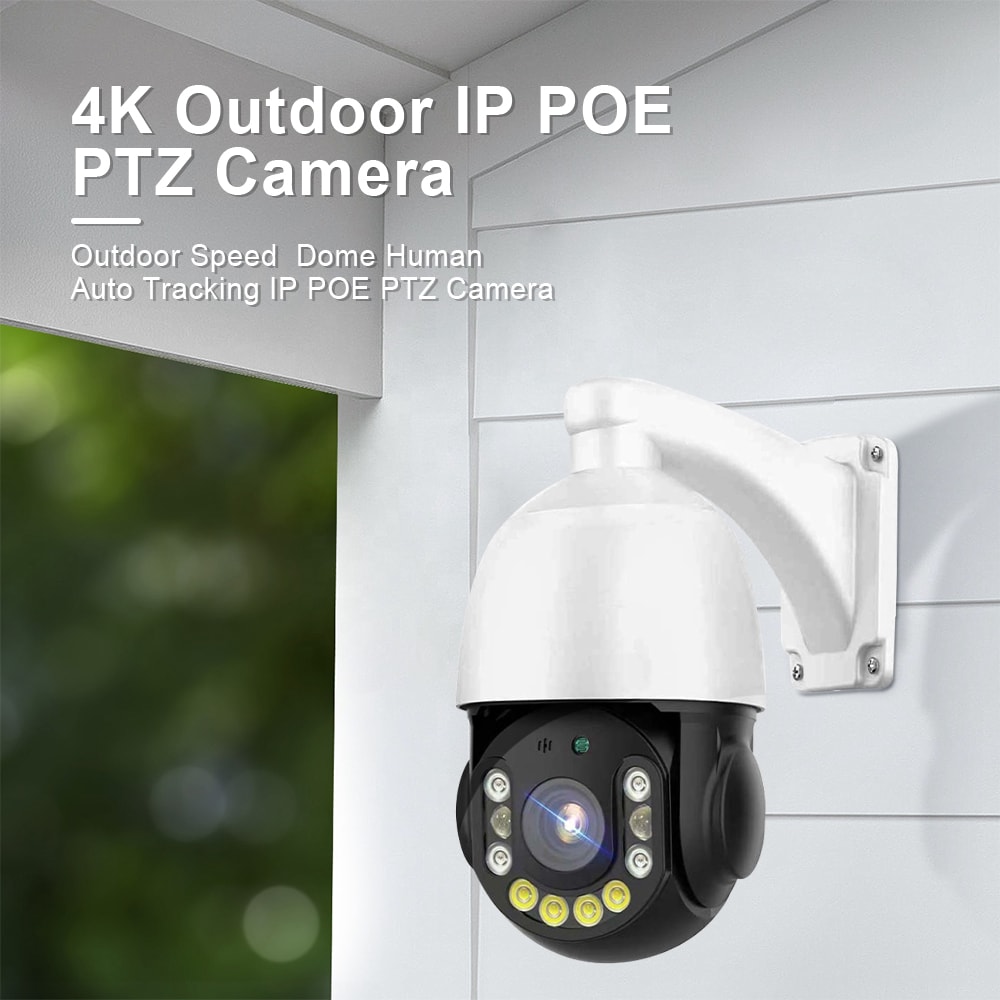
Hotel Security Camera Installation in North Carolina for Guest Safety
North Carolina hotel owners are under growing pressure to keep guests, staff, and property safe while controlling costs and protecting privacy. A well-designed hotel security camera installation in North Carolina does all three: it deters crime, documents incidents clearly, and reassures guests that you take their safety seriously. Done poorly, it wastes money, creates blind…
-
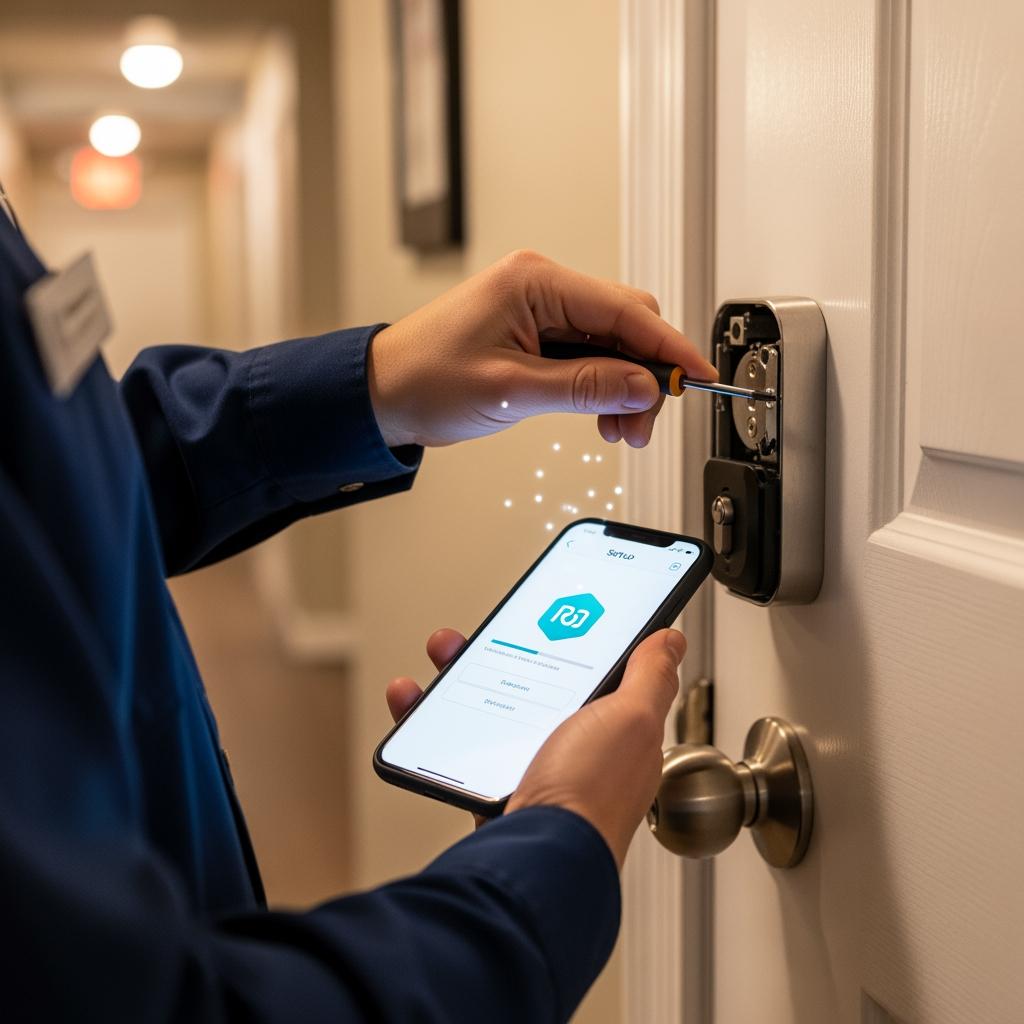
Complete Guide to Upgrading to Keyless Hotel Smart Locks in Virginia
Upgrading to keyless hotel smart locks in Virginia is one of the most impactful ways to modernize your property, increase security, and streamline operations. Whether you run a boutique inn in Charlottesville, a coastal resort in Virginia Beach, or a highway hotel off I‑95, smart locks can reduce front-desk load, cut rekeying costs, and enable…