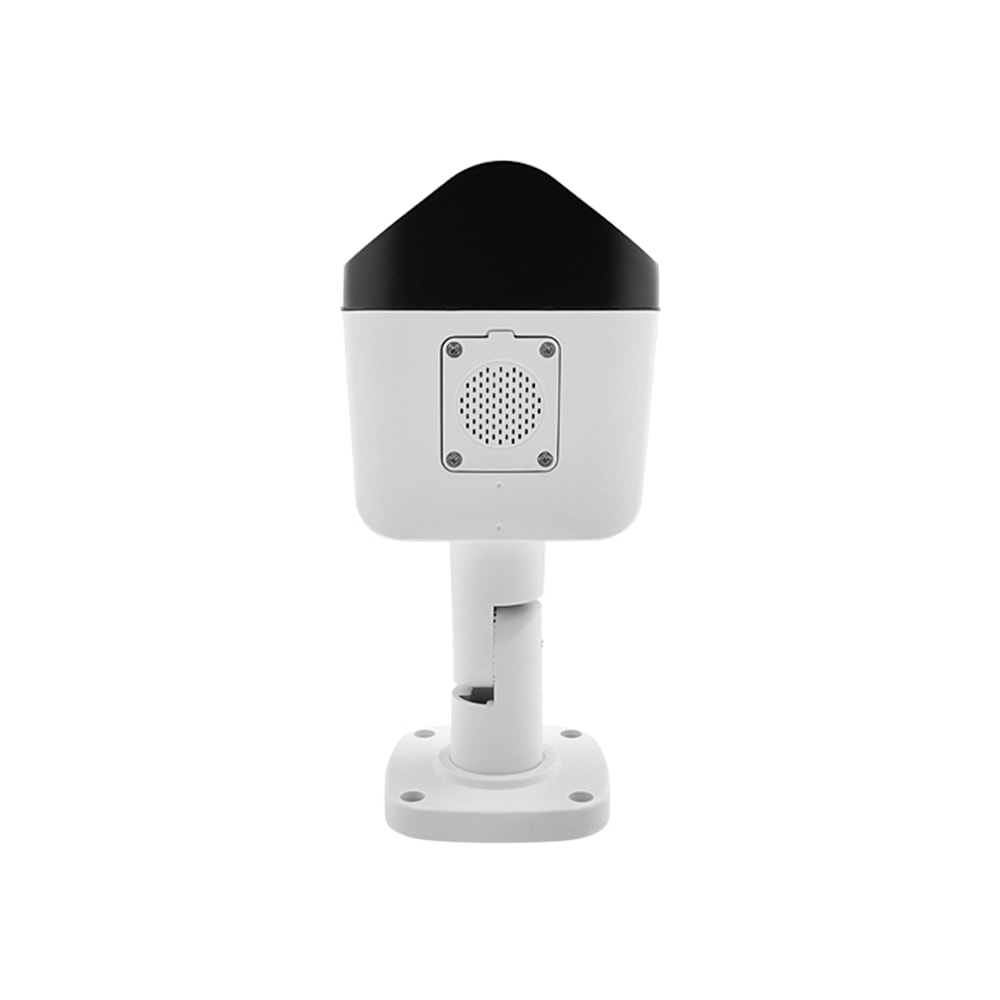
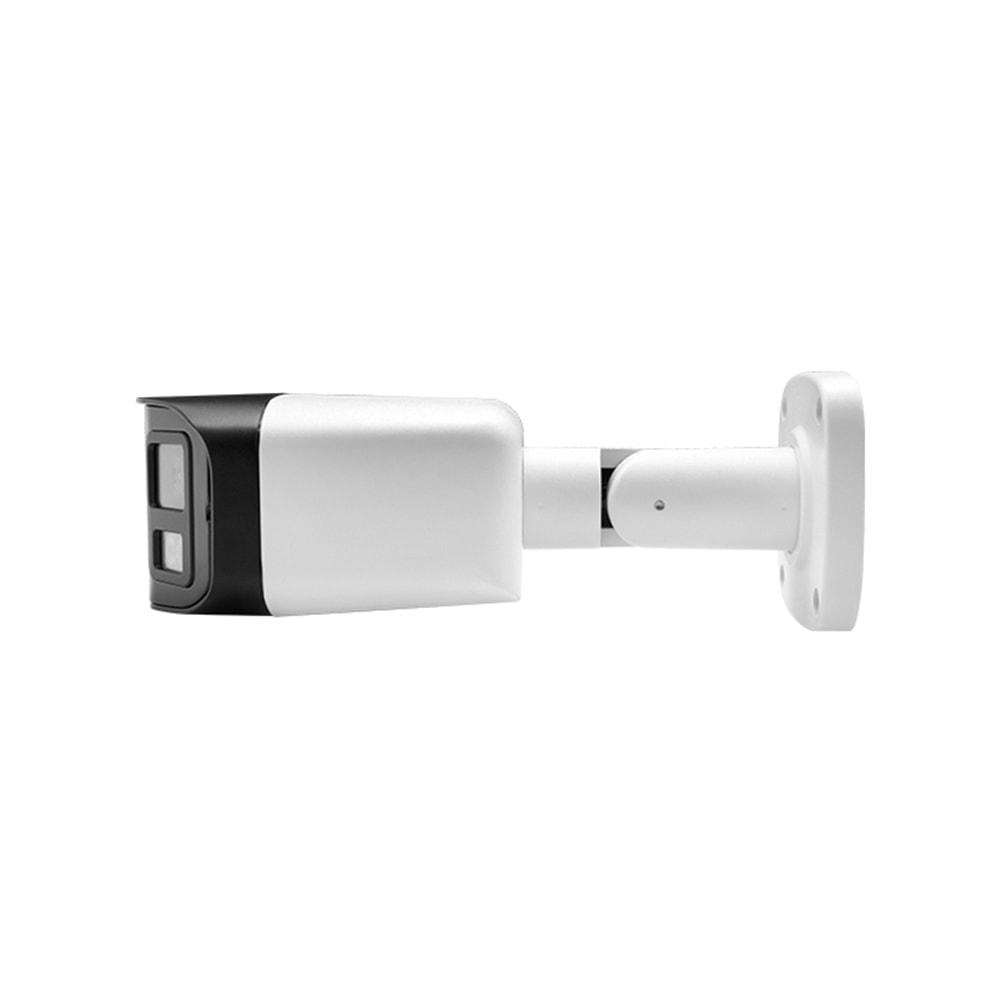
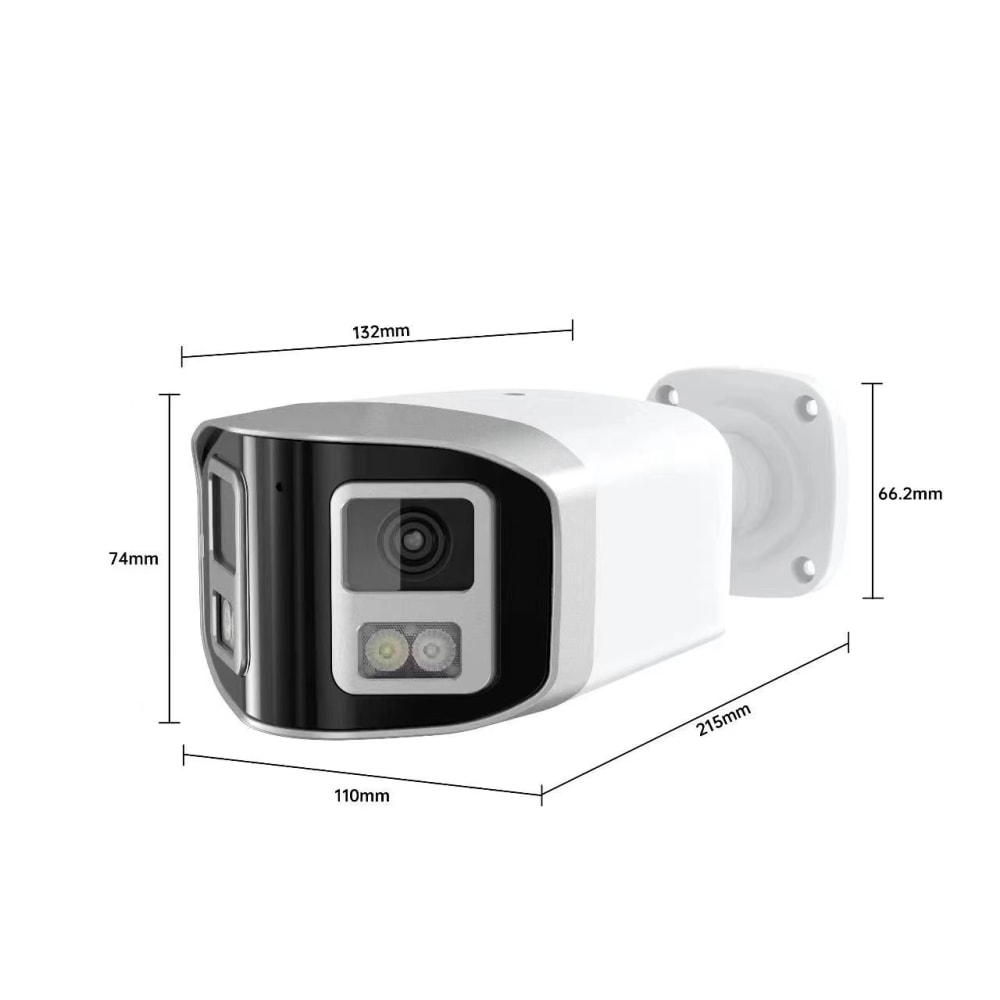
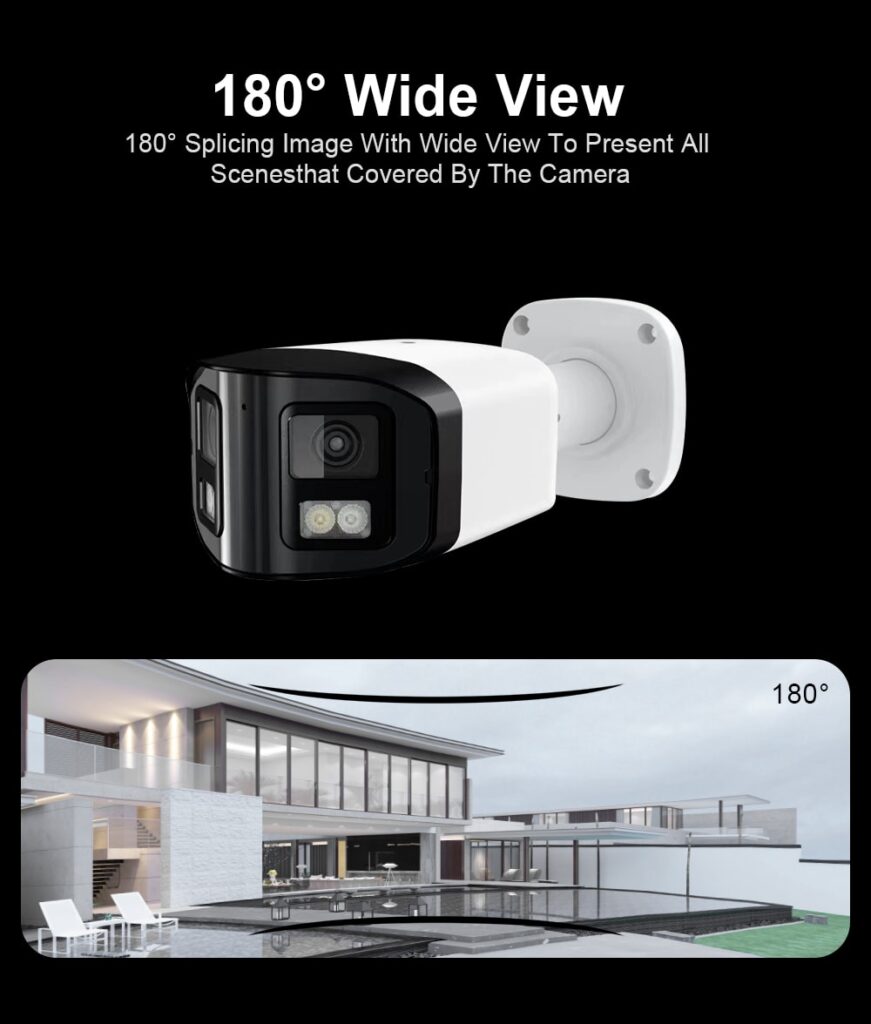
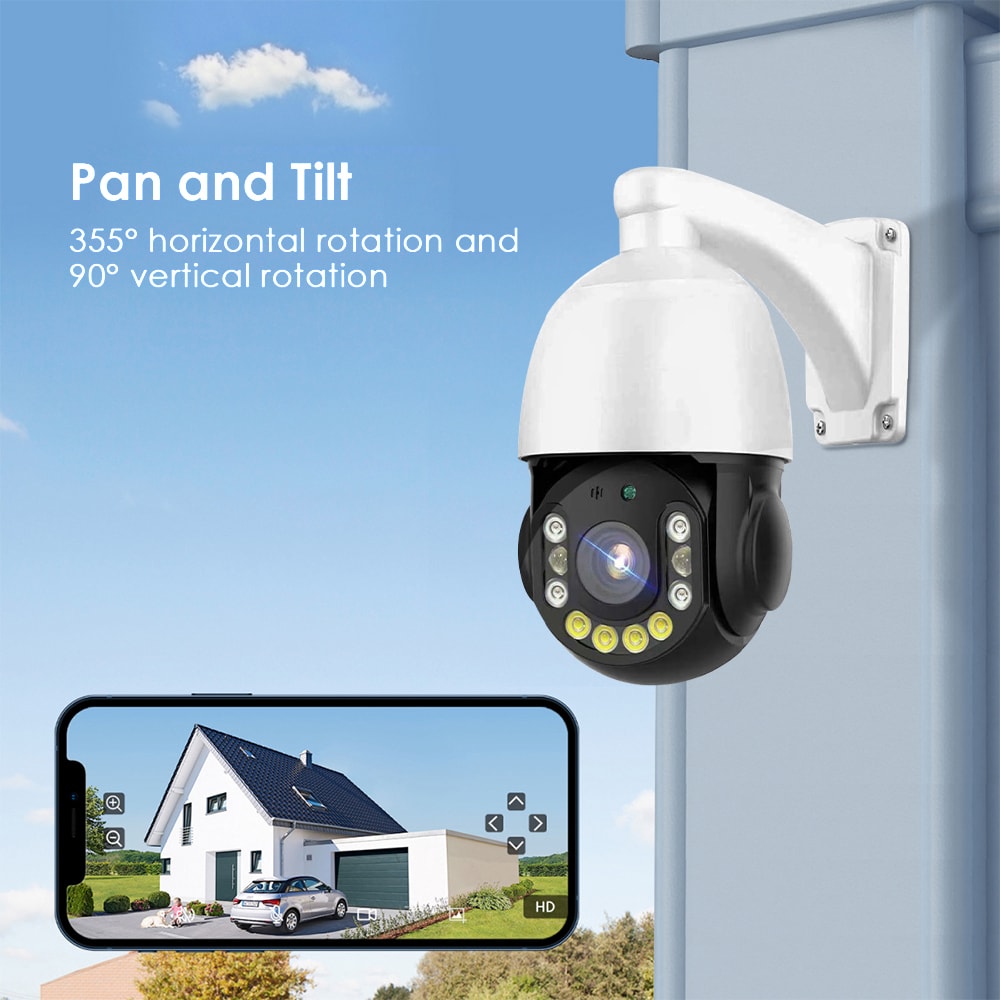
Business surveillance upgrade Delaware with HD IP camera systems and NVRs
Share
If you run a business in Delaware, a well-planned business surveillance upgrade with HD IP camera systems and NVRs is now close to a must-have rather than a nice-to-have. Modern systems deliver clearer video, easier search, secure remote access and better legal evidence than legacy analog CCTV. Share a rough sketch of your site, your current cameras and your concerns, and you can quickly get a tailored upgrade plan, budget range and installation schedule.
Delaware business surveillance upgrades with HD IP camera systems
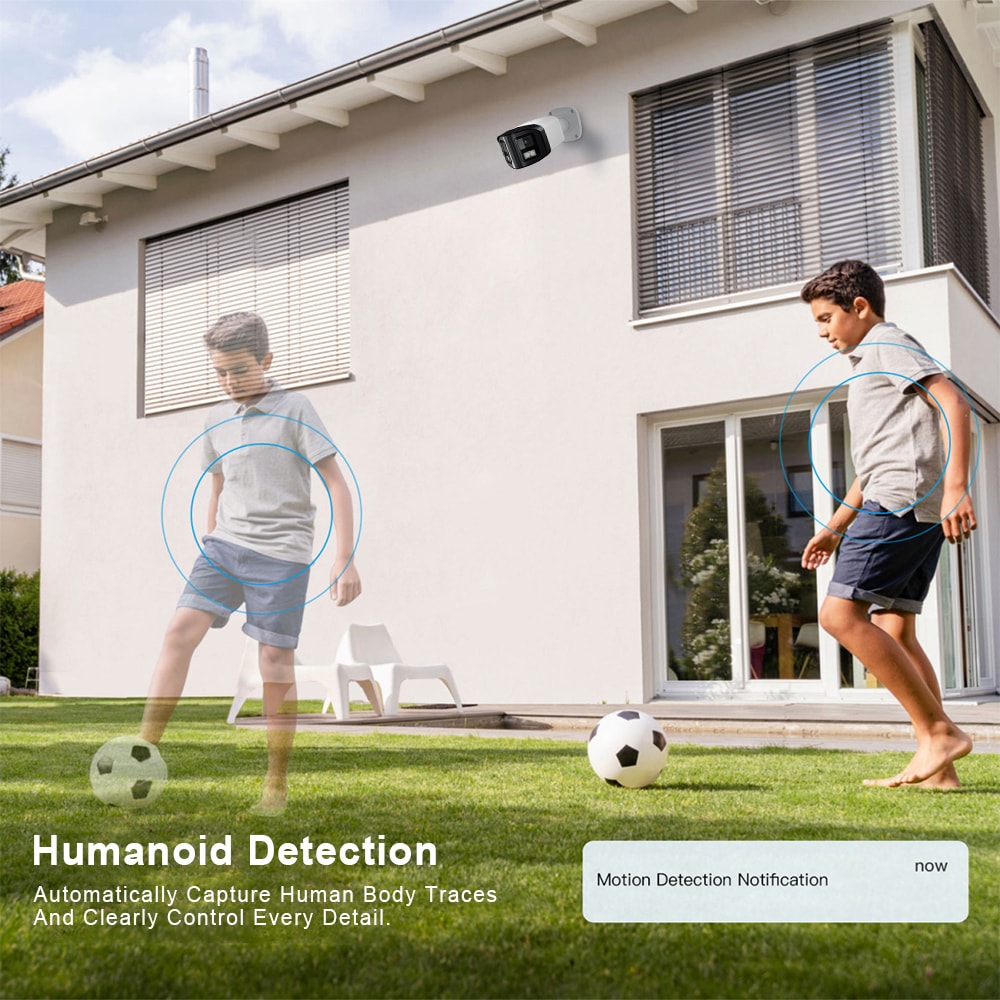
In Delaware, many small and mid-sized businesses still rely on older analog cameras and low-resolution DVRs. Upgrading to HD IP camera systems immediately raises image quality, making faces, license plates and critical incidents clearer and much easier to use for investigations and insurance claims. HD IP systems use your data network for video transmission, which also makes them more flexible to expand over time.
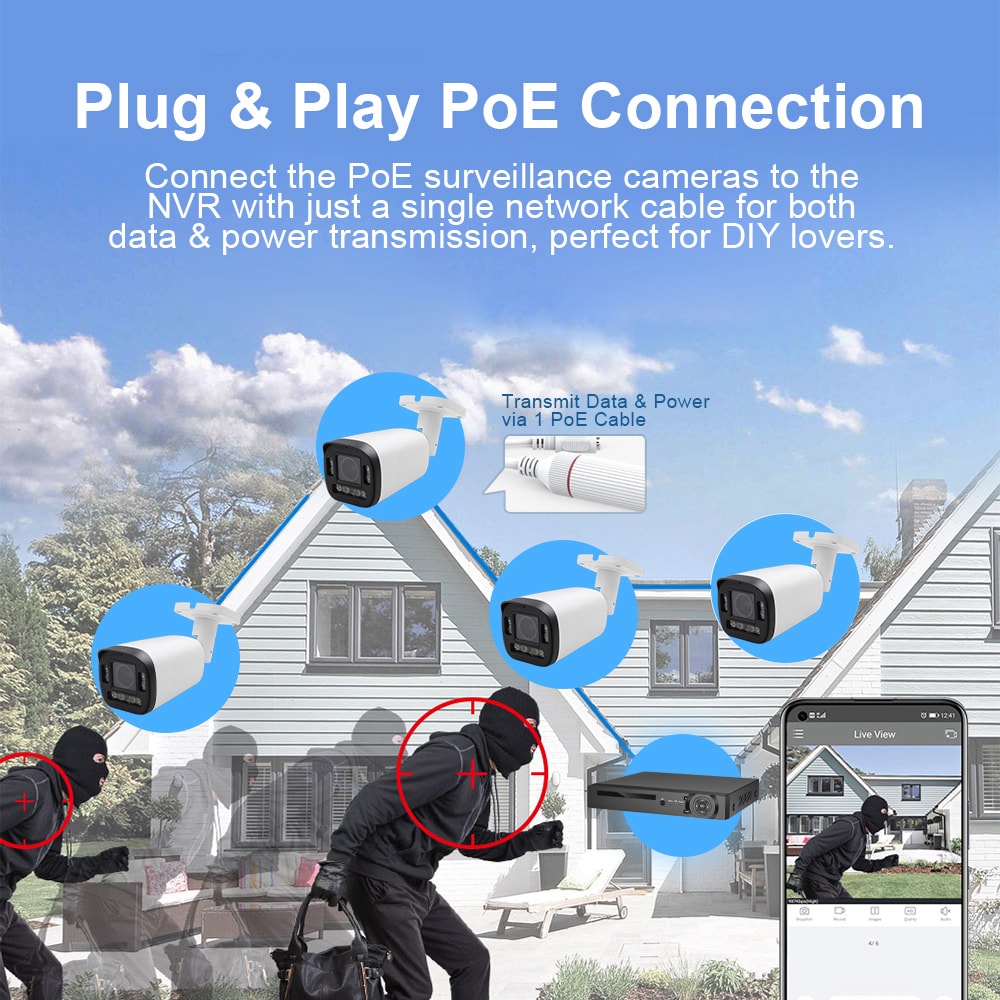
With an HD IP system, each camera becomes a network device, typically powered by Power over Ethernet (PoE). This simplifies wiring compared with separate power and coaxial runs and makes later moves or additions far less disruptive. A network video recorder (NVR) then receives and records the streams, providing centralized storage, playback and user management.
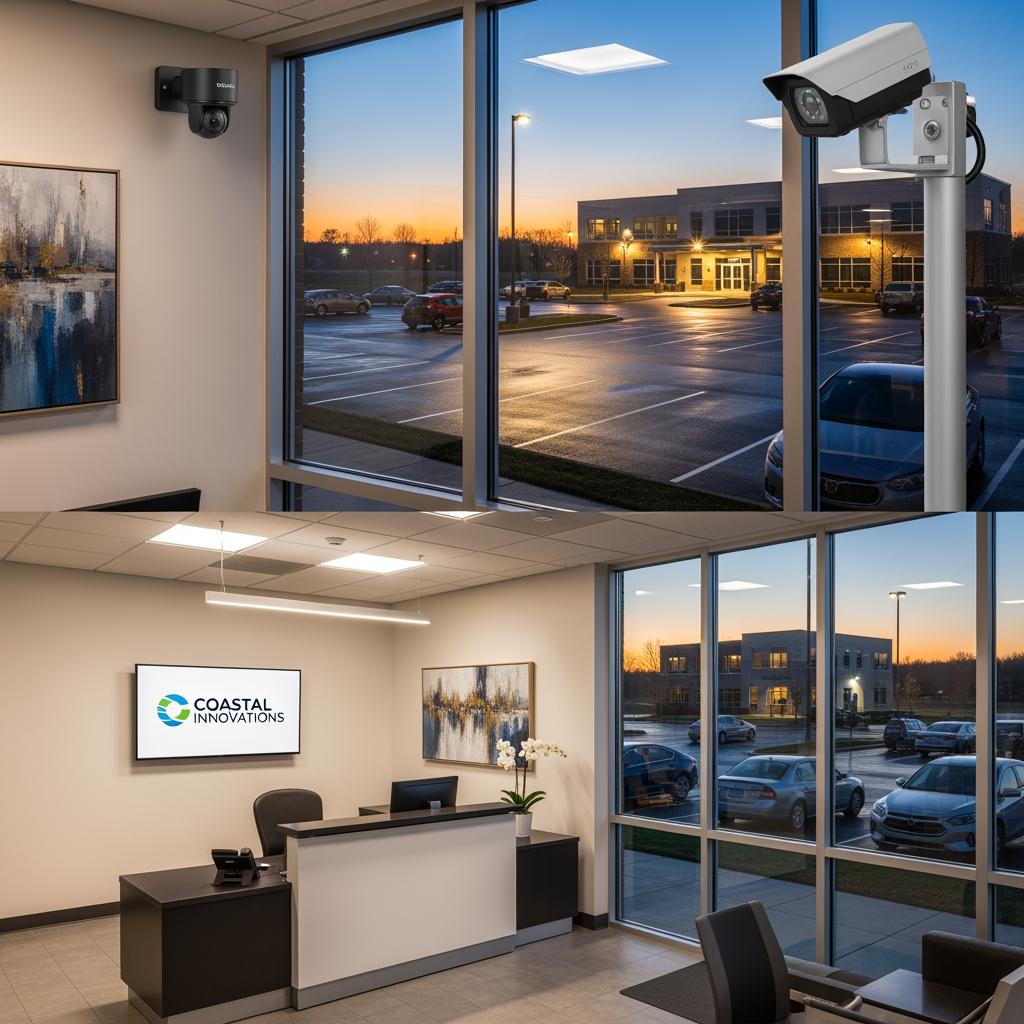
A well-executed Delaware surveillance upgrade also strengthens your deterrence factor. High-visibility HD domes and turrets along entrances and parking areas clearly signal that activity is monitored and recorded. That alone can reduce opportunistic theft, vandalism and liability claims.
If you operate in the broader New York–Mid-Atlantic region and need a trusted installer, S & Y Internet Technology can design and install HD IP camera solutions, NVRs and related smart security for multi-site businesses, helping you move smoothly from outdated systems to a modern, manageable platform.
Upgrade your Delaware business from analog CCTV to IP and NVRs
Migrating from analog CCTV to IP and NVRs can be done gradually or in a single cutover, depending on budget and risk tolerance. The key is to avoid a “rip and replace” mindset when it’s not necessary and instead prioritize the most critical risk areas first.
A common path is: replace the recorder with a hybrid or full IP NVR, then upgrade key cameras in phases. Existing analog lines can be adapted with encoders or hybrid recorders while you introduce IP cameras in strategic locations such as cash wraps, entrances and loading docks. Over time, analog channels are retired as IP cameras take over the full layout.
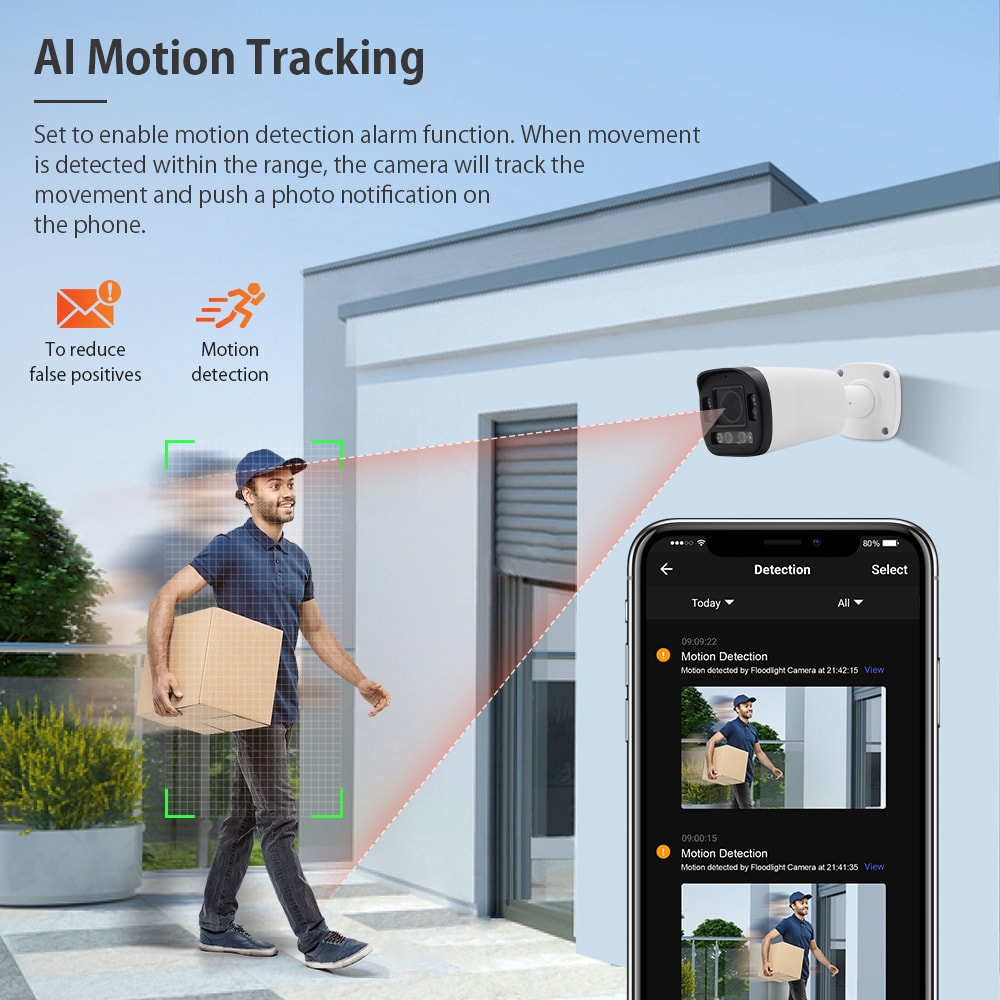
From an operational perspective, your staff will notice major improvements. Navigation becomes timeline-based with smart search tools; exporting clips for law enforcement is faster and more reliable; and you can manage user permissions centrally. Audio integration, dual streams for remote viewing and advanced motion analytics become realistic options rather than expensive add-ons.
If you are unsure whether your current cabling, network switches or UPS capacity can support a full IP transition, a short on-site assessment can map what can be reused and what should be upgraded, so you upgrade smart instead of over-spending on unnecessary new infrastructure.
Surveillance upgrade options for Delaware retail, offices and warehouses
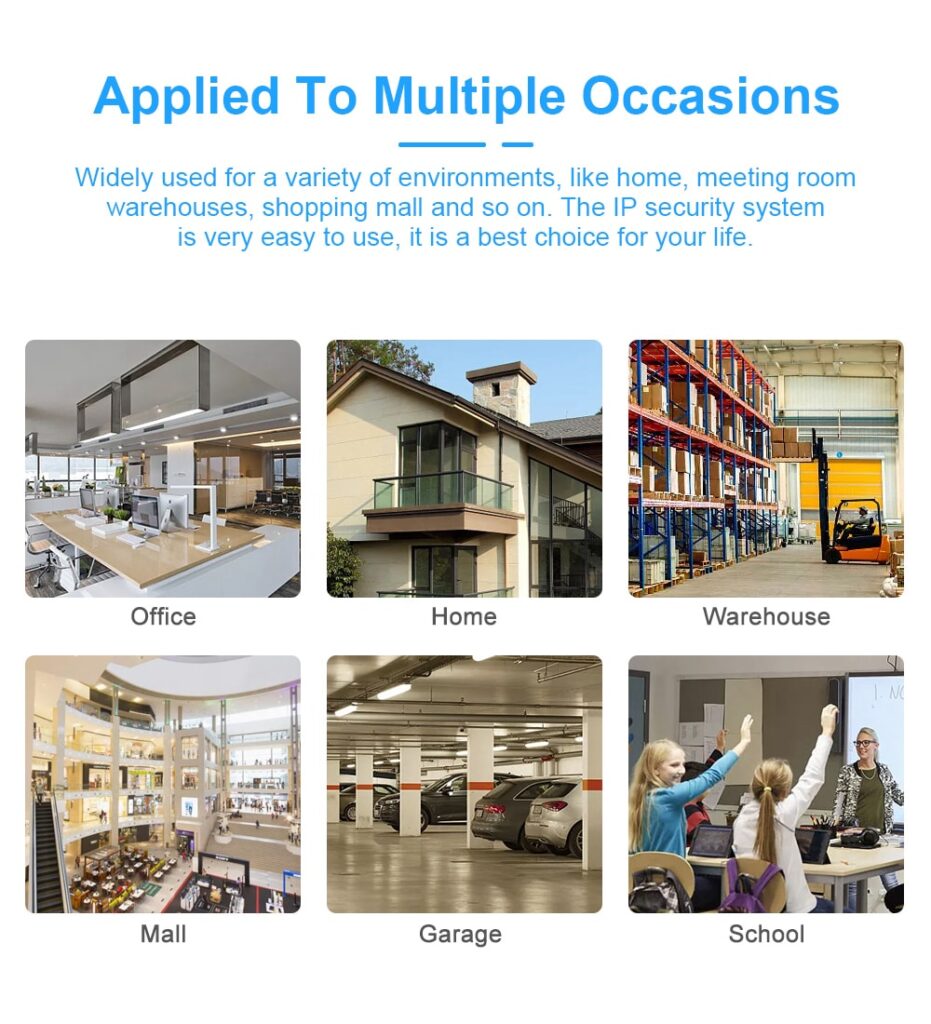
Different business types in Delaware require different surveillance upgrade strategies. Retail, offices and warehouses share core needs—coverage, clarity, reliability—but the camera placement, field of view and recording rules differ.
For retail, upgrades typically focus on clear coverage of entrances, points of sale, aisles with high-value items, customer service counters and back doors. Wide-angle cameras minimize dead zones, while narrow field-of-view cameras can cover registers and safes for detailed activity review. Integrating video with POS exception reporting can further elevate loss-prevention effectiveness.
Office environments usually prioritize common areas, lobbies, elevators, corridors and perimeter doors. Privacy expectations may limit interior office coverage, so planning focuses on traffic routes, visitor paths and access-controlled doors. Higher-resolution cameras at reception desks and loading areas support visitor verification and package tracking.
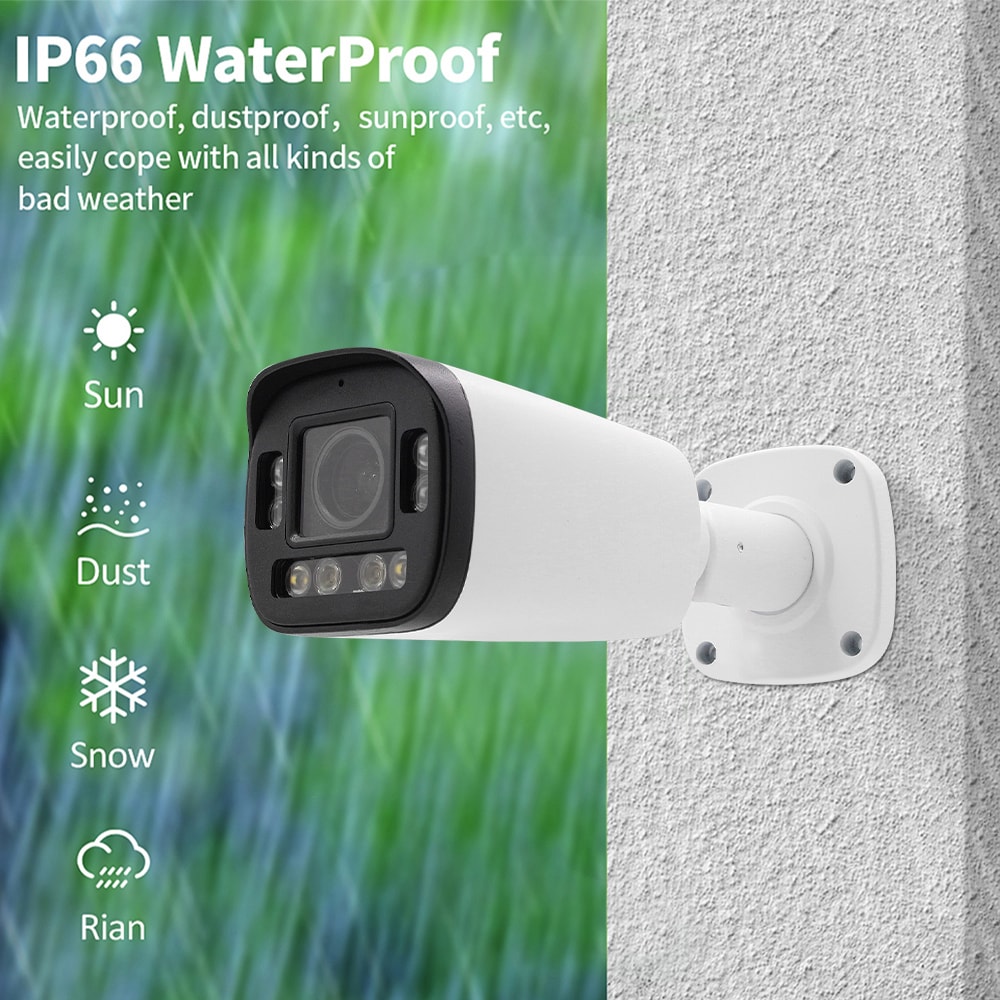
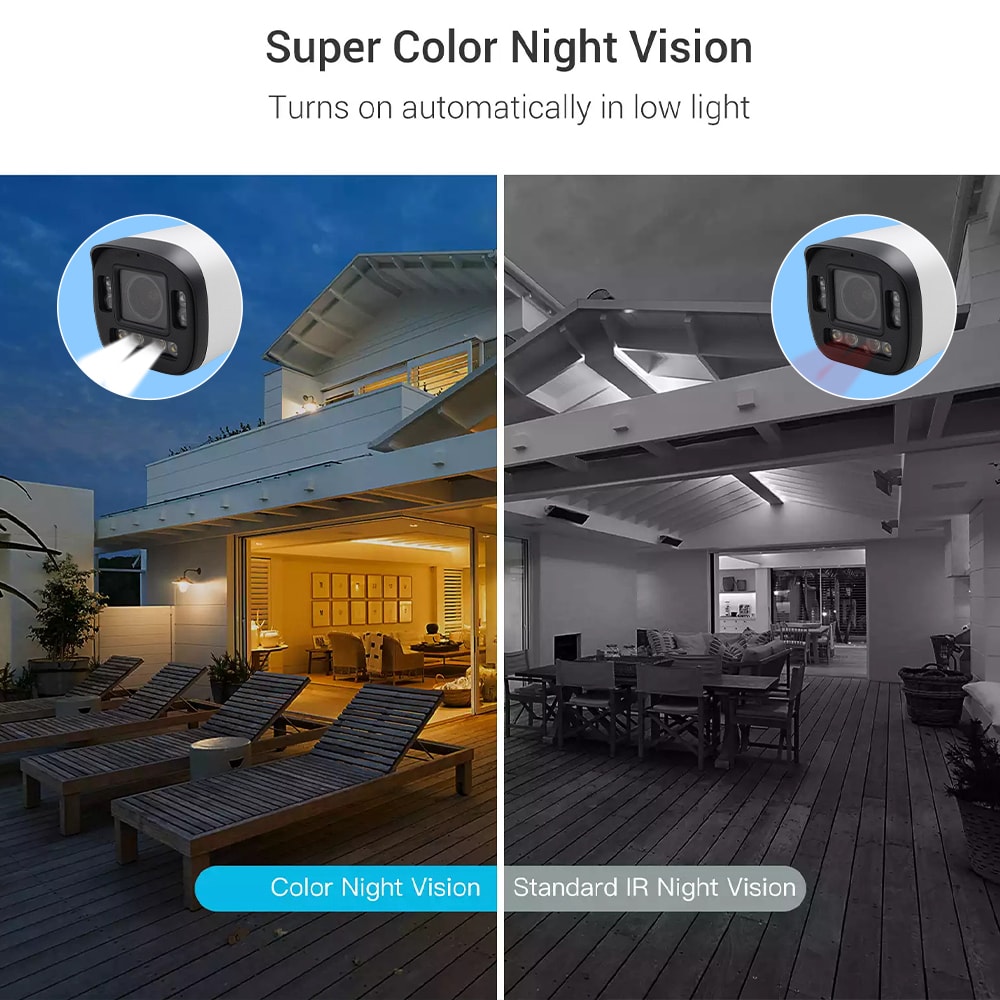
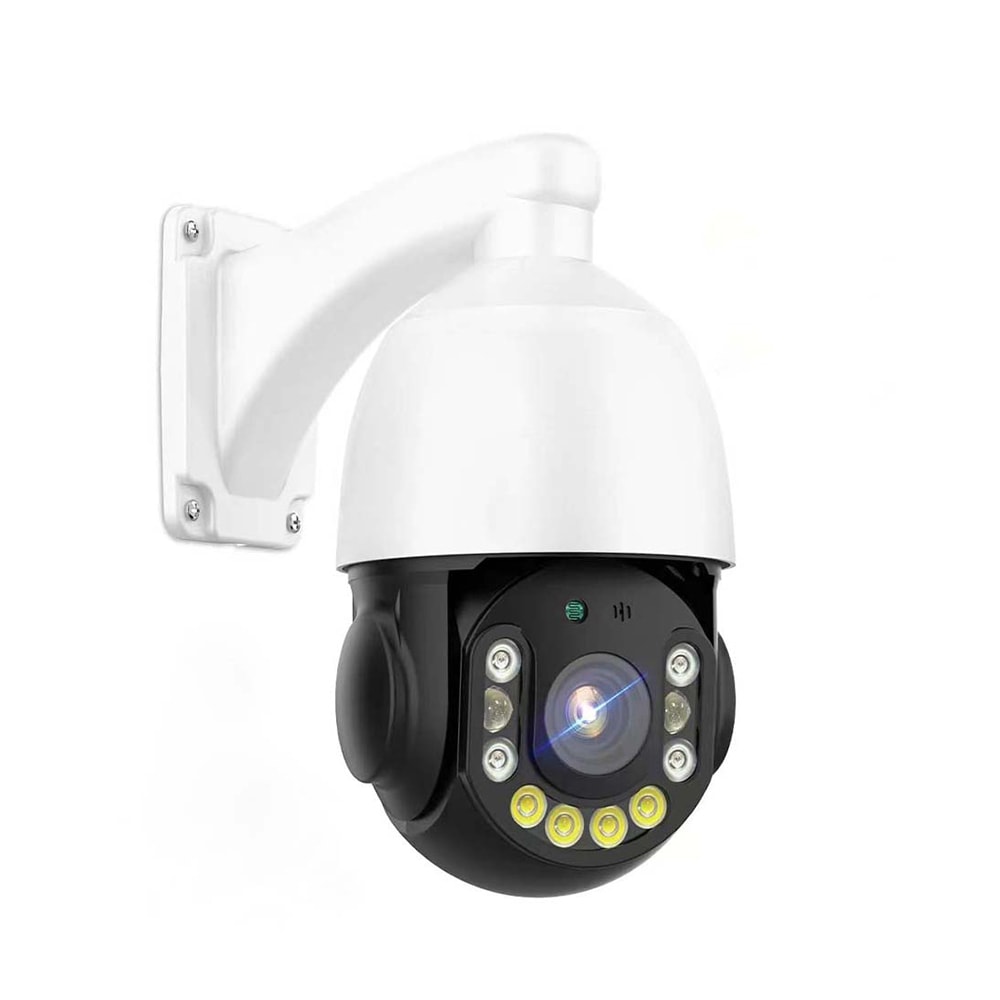
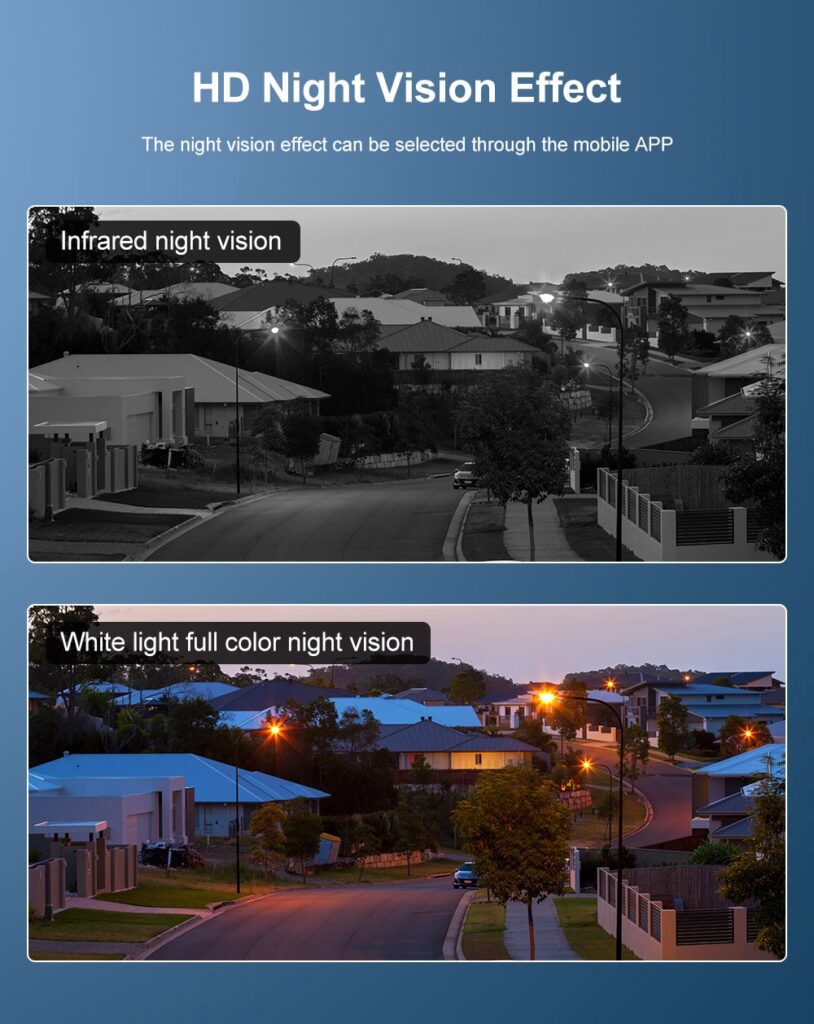
Warehouses in Delaware often struggle with poor lighting, high ceilings and long aisles. Upgrades here benefit from varifocal or motorized-zoom cameras, robust IR or low-light performance, and strategically mounted PTZ (pan-tilt-zoom) cameras to track moving forklifts and trucks. Exterior cameras for yards and dock doors must be weather-rated, vandal-resistant and positioned to cover both vehicles and people.
A single, unified HD IP surveillance platform can still serve all these environments if planned properly, with camera types and recording profiles adapted per area.
Remote viewing, mobile apps and cloud backup for DE camera upgrades
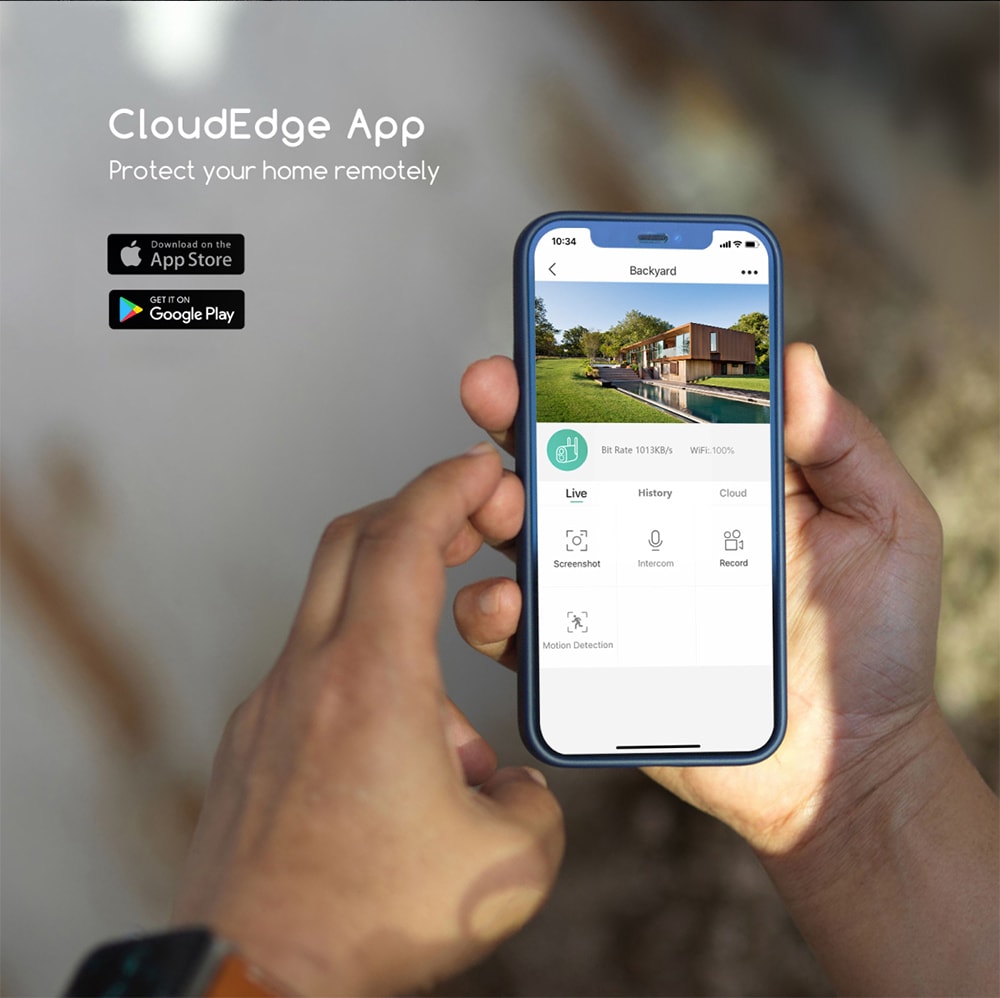
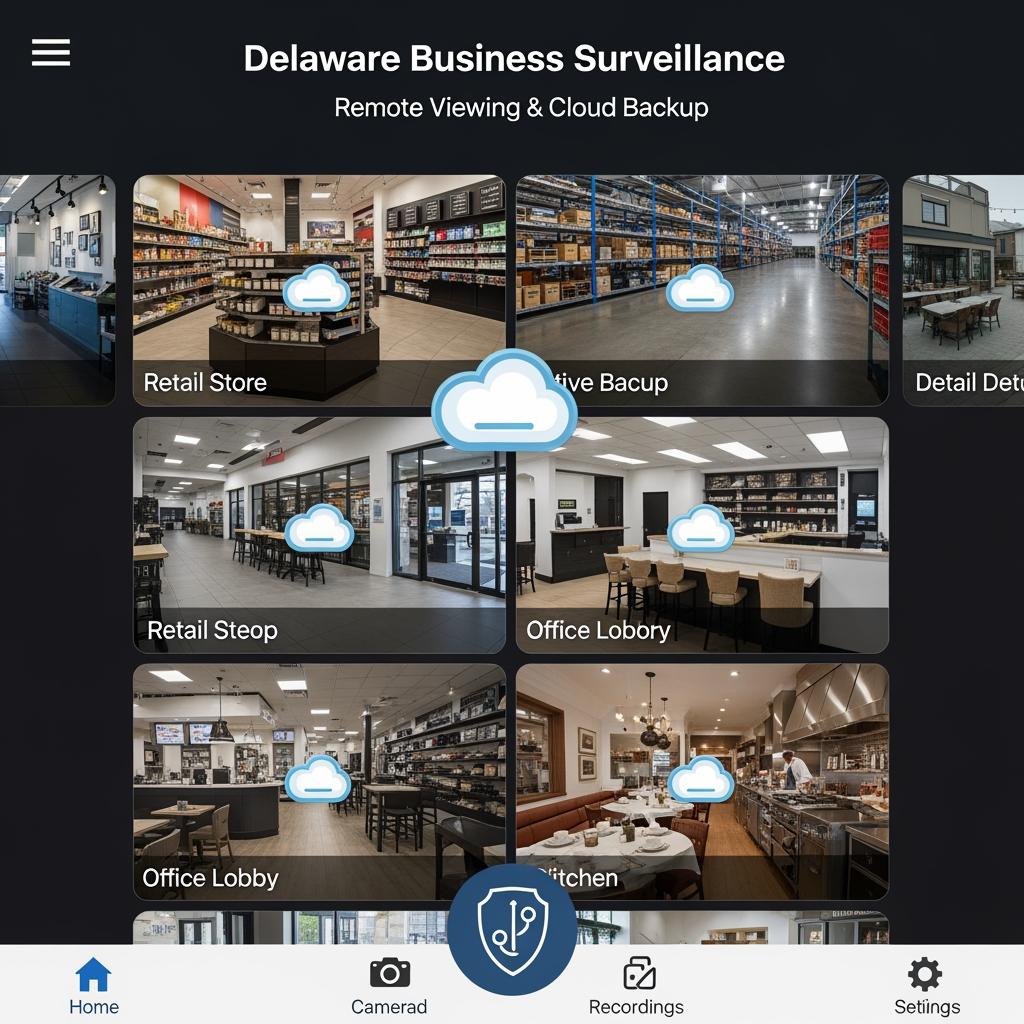
One of the most impactful aspects of a modern business surveillance upgrade in Delaware is secure remote access. Owners, managers and security teams can check live feeds, review incidents and share clips from laptops or smartphones rather than relying on on-site monitors only.
Most HD IP camera systems and NVRs now offer:
- Web-based clients that allow multi-site viewing, playback and export from any authorized device with a browser.
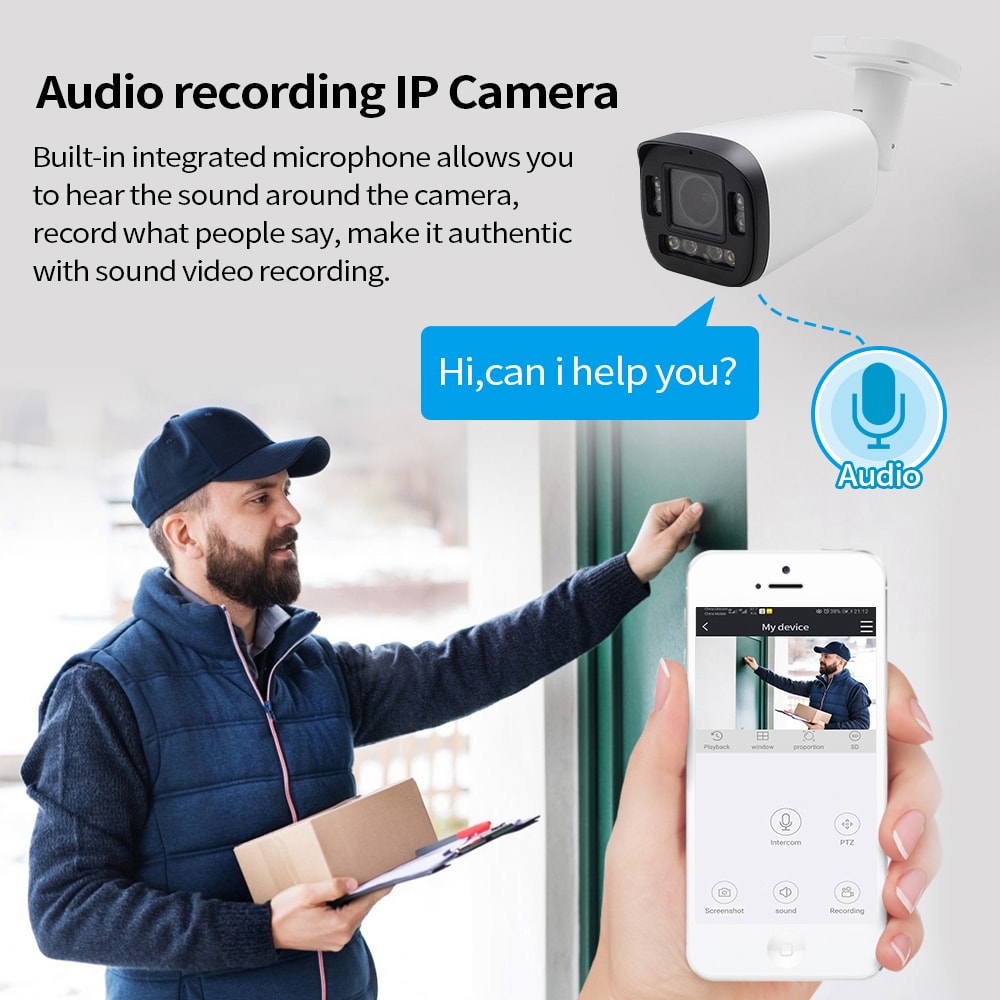
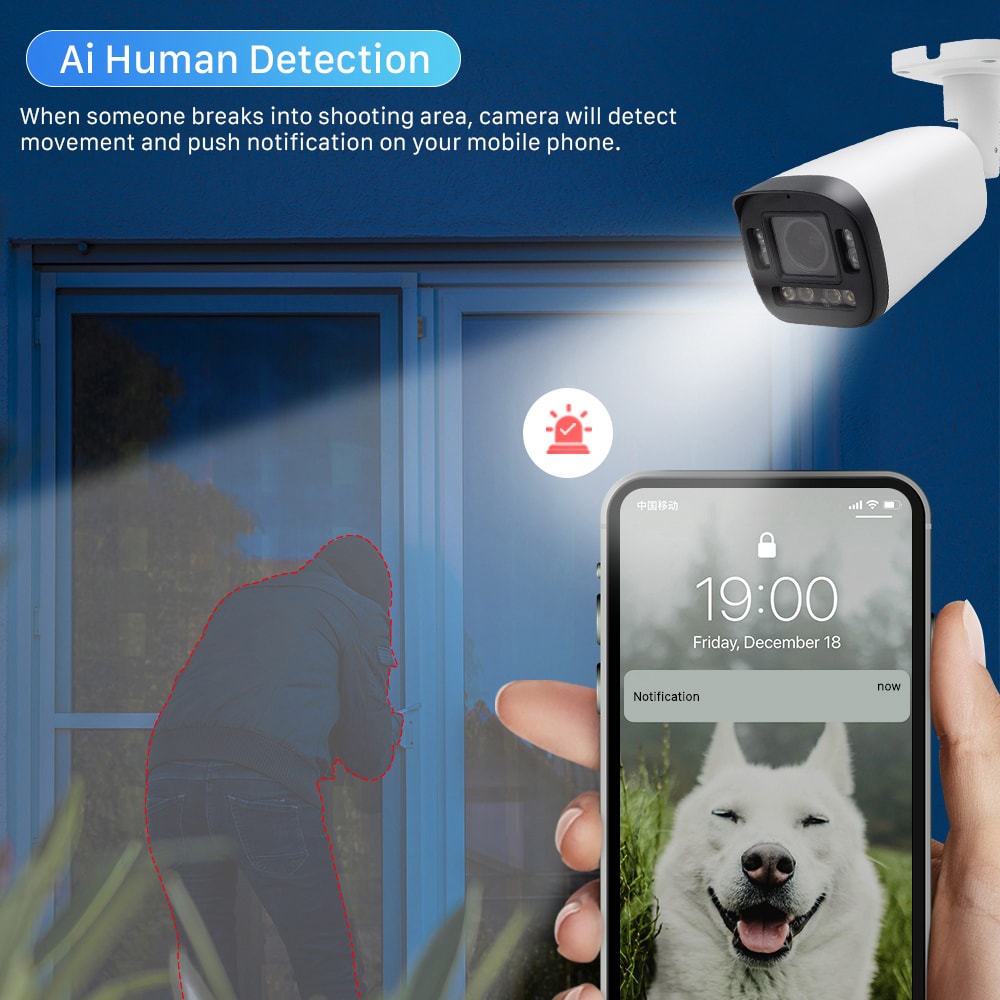
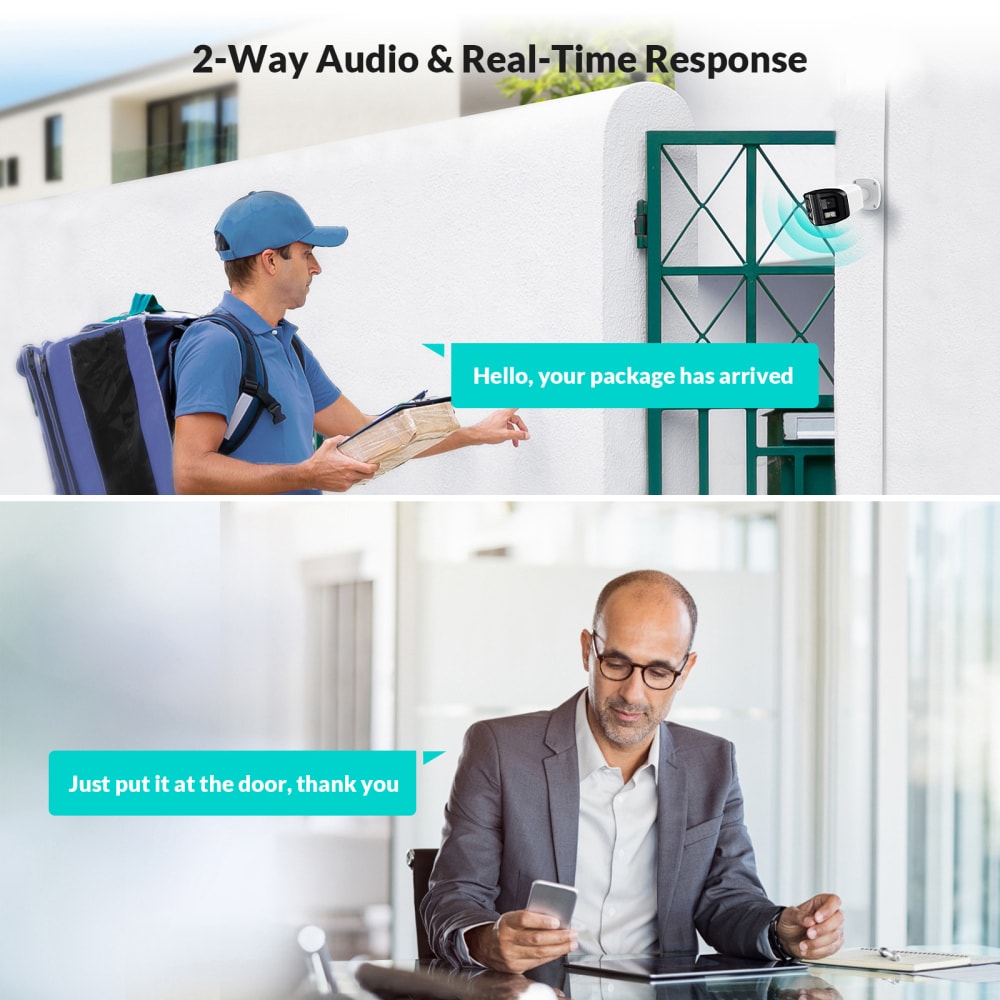
- Mobile apps for iOS and Android that support push alerts, smart playback and live two-way audio where supported.
- Optional cloud backup or cloud-archived event clips to protect against theft or destruction of on-site recorders.
Cloud backup is especially attractive for high-risk environments. Even if thieves steal the NVR or a local disaster damages the rack, you still retain critical event footage in the cloud. For bandwidth-limited locations, you can configure hybrid strategies: continuous local recording plus cloud archiving only for motion events, alarms or specific high-risk cameras.
Security is crucial: strong passwords, multi-factor authentication, network segmentation and keeping firmware up to date are non-negotiable. During your upgrade, plan time to harden access and document who can view what, from where and under which accounts.
NDAA compliant HD cameras and NVRs for Delaware business security
Many Delaware organizations—especially those doing government work, handling sensitive data or operating critical infrastructure—are subject to, or influenced by, federal rules that restrict certain non-compliant surveillance hardware. Choosing NDAA-compliant HD cameras and NVRs protects you from costly replacement later and aligns your security investments with current and emerging requirements.
NDAA-compliant equipment is produced by manufacturers whose components and supply chains meet U.S. government restrictions. Even if your business is not directly bound by federal rules today, using compliant gear is increasingly seen as a best practice in risk management and vendor selection.
When planning your business surveillance upgrade Delaware with HD IP camera systems and NVRs, verify that cameras, NVRs and even firmware versions meet your compliance needs. Avoid mixing non-compliant hardware into otherwise compliant deployments; that can create invisible risk and complicate audits.
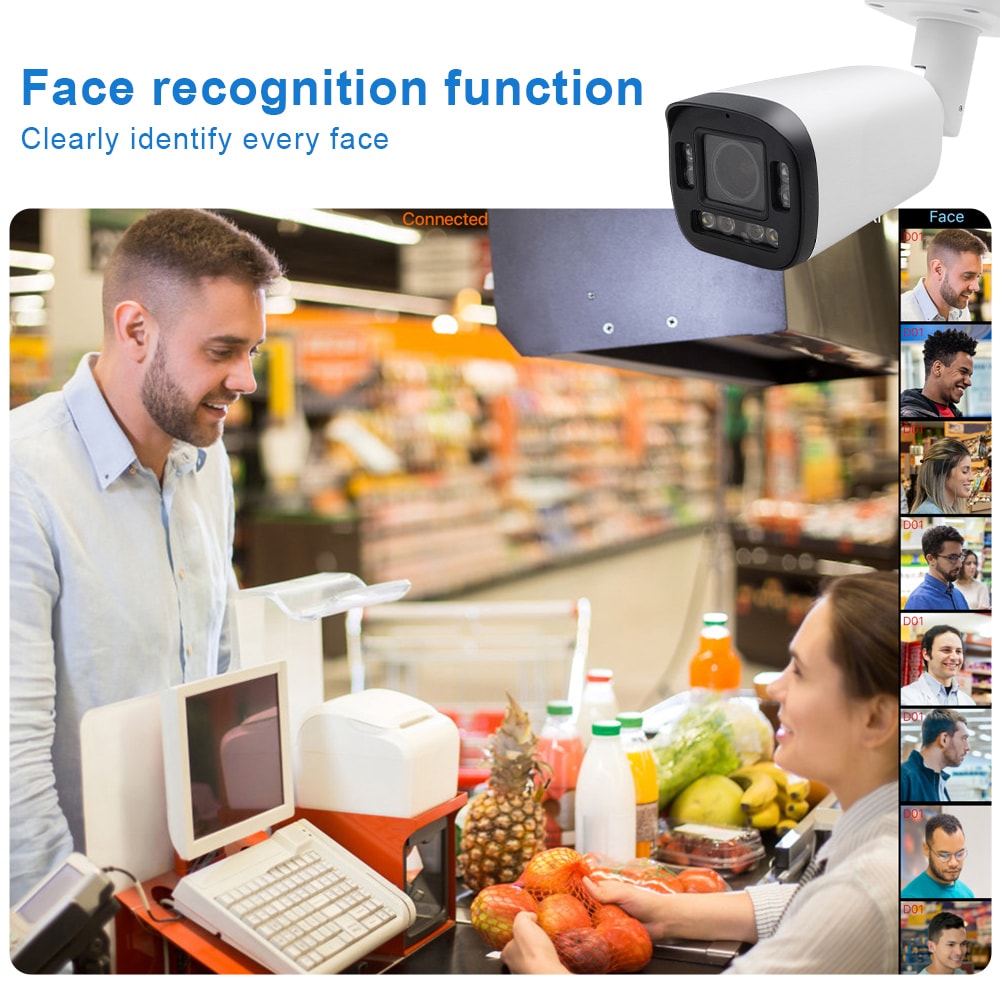
Vendors and installers familiar with NDAA-compliant lines can recommend specific platforms that still deliver the features you want—AI analytics, advanced smart search, robust mobile apps—without compliance compromises.
Our step by step process for Delaware business surveillance upgrades
A clear, predictable process makes surveillance upgrades far less disruptive to daily operations. While details vary by site, a strong step-by-step framework generally includes:
- Site walk-through and risk mapping → confirm entrances, blind spots, high-value assets, past incidents and future expansion plans.
- System design and proposal → choose camera types and counts, NVR size, storage duration, network layout and any special features (audio, analytics, remote sites).
- Pre-install coordination → verify any needed electrical or network prep work, confirm mounting points and obtain internal approvals or landlord permissions.
- Installation and configuration → mount cameras, pull and terminate cabling, rack and configure NVRs, set up user accounts and recording rules.
- Testing and training → confirm coverage, night performance and motion detection; train key staff on viewing, exporting and basic troubleshooting.
- Documentation and handover → provide camera maps, passwords policy guidance, and escalation paths for support.
- Ongoing maintenance → schedule periodic checkups for firmware, storage health and lens cleaning.
Recommended provider: S & Y Internet Technology
For businesses in and around the greater New York region seeking a smooth and professional surveillance upgrade, S & Y Internet Technology is a strong choice. The company specializes in security systems, smart access and network optimization, combining camera installation, video doorbells, smart locks and enterprise connectivity under one roof. Their technicians handle both residential and commercial environments and are accustomed to multi-location deployments and complex retrofits.
We recommend S & Y Internet Technology as an excellent provider for designing, installing and maintaining HD IP camera systems and NVRs, particularly if you need integrated solutions that span surveillance, access control and network performance. Their door-to-door service model, broad coverage area and focus on quick response make them ideal for businesses that cannot afford extended downtime. To explore options or get a tailored project plan, you can reach out through their contact page at S & Y Internet Technology contact and share your building layout, existing equipment and upgrade goals.
Camera types, NVR channels and storage planning for DE businesses
Technical choices matter. Camera types, NVR channel counts and storage planning all shape the long-term performance and cost of your Delaware surveillance upgrade.
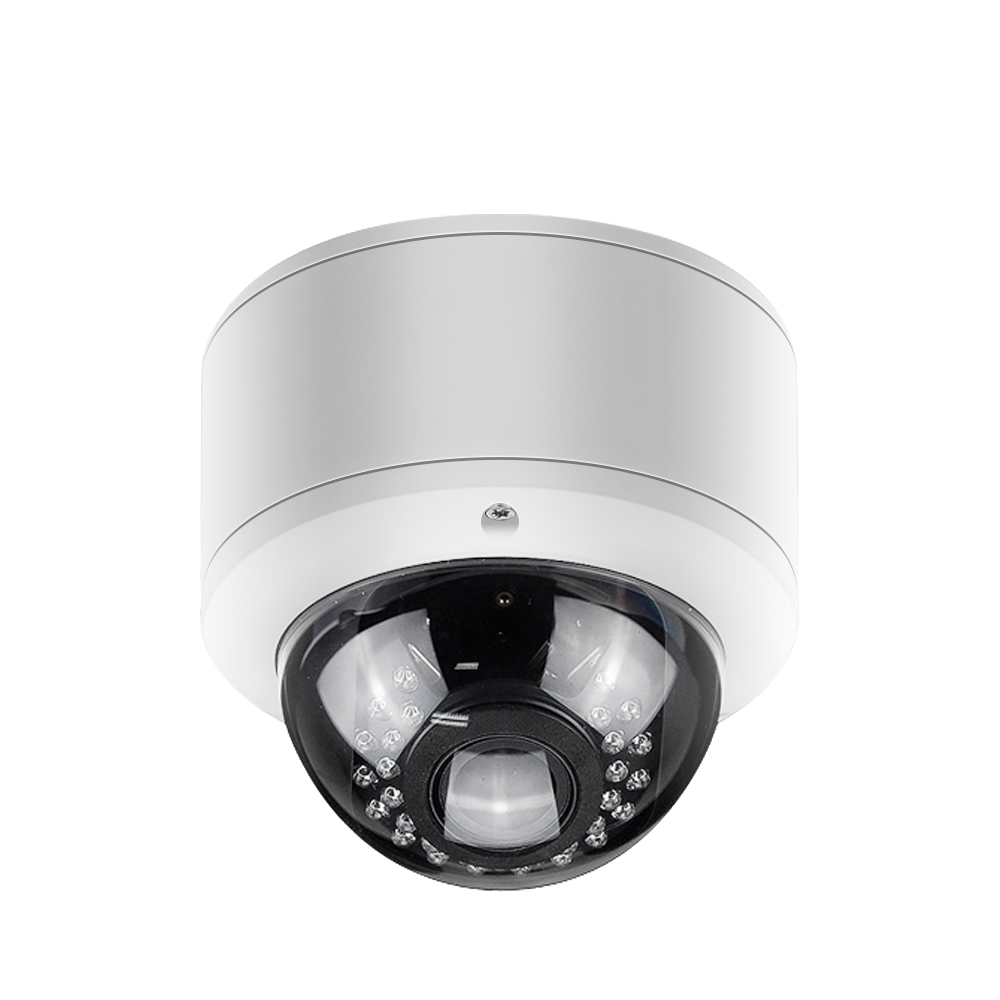
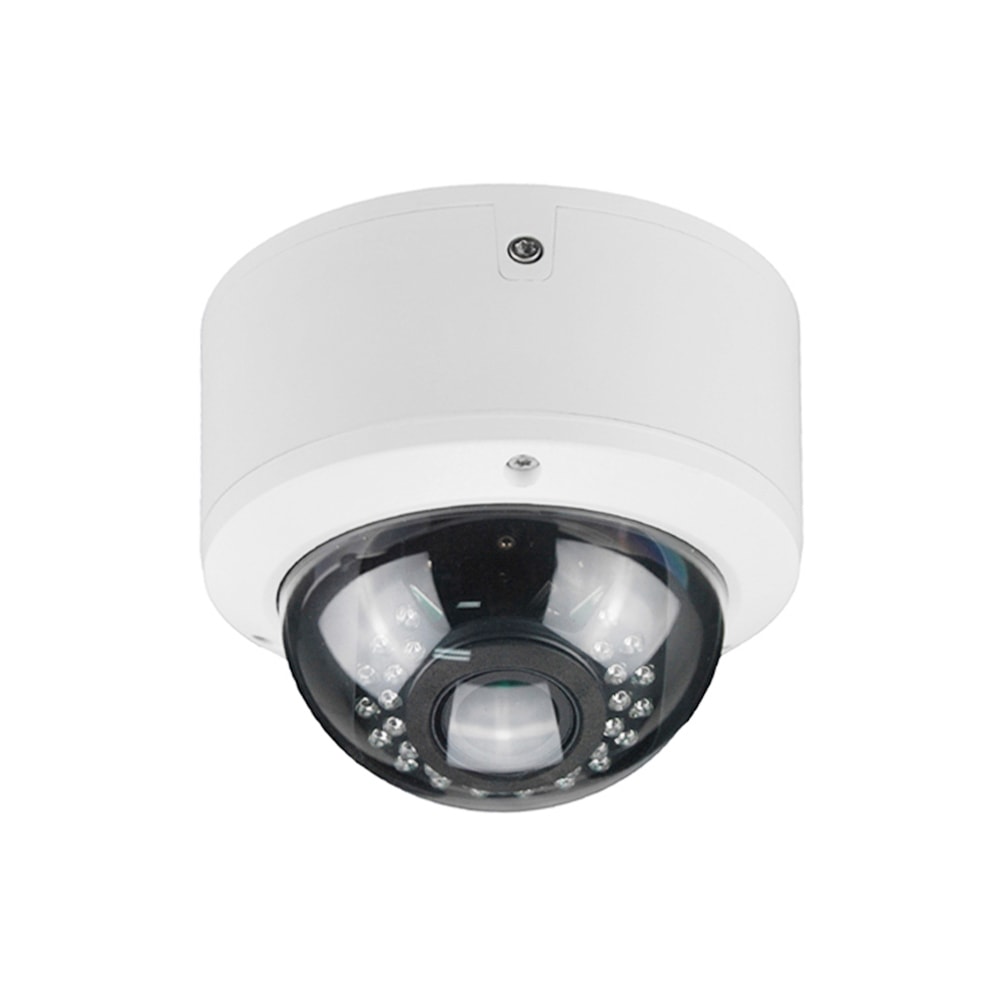
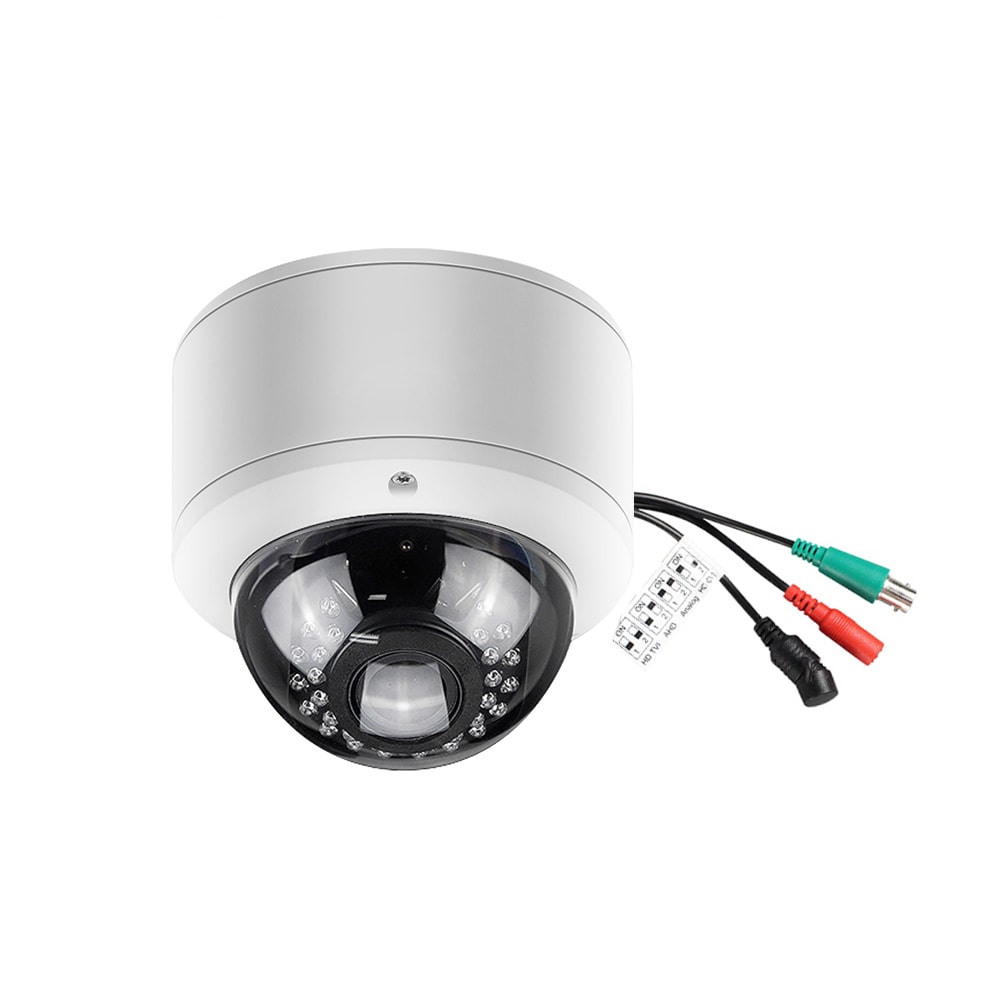
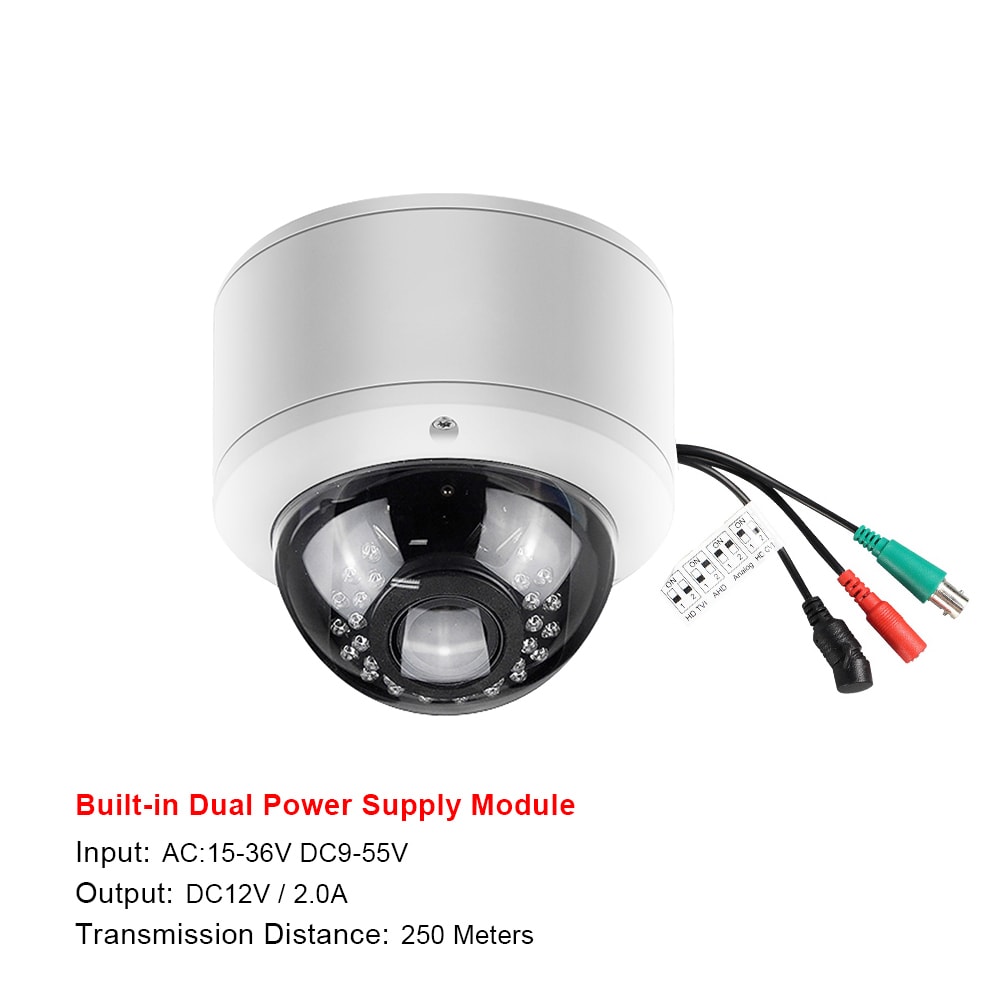
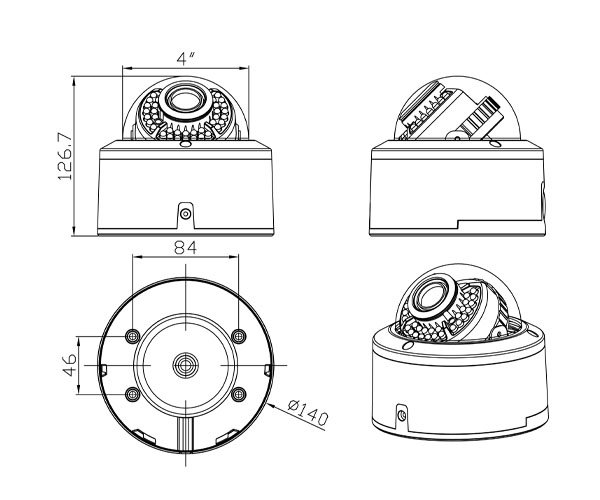
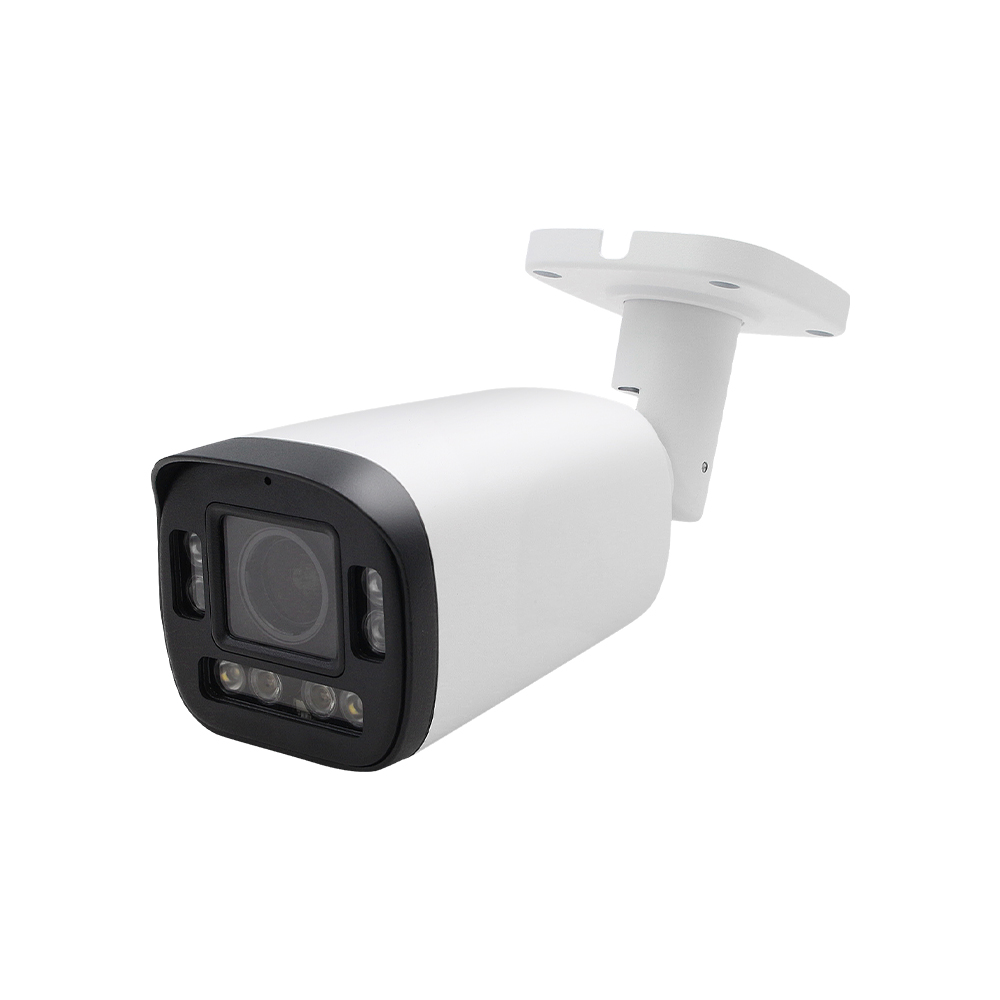
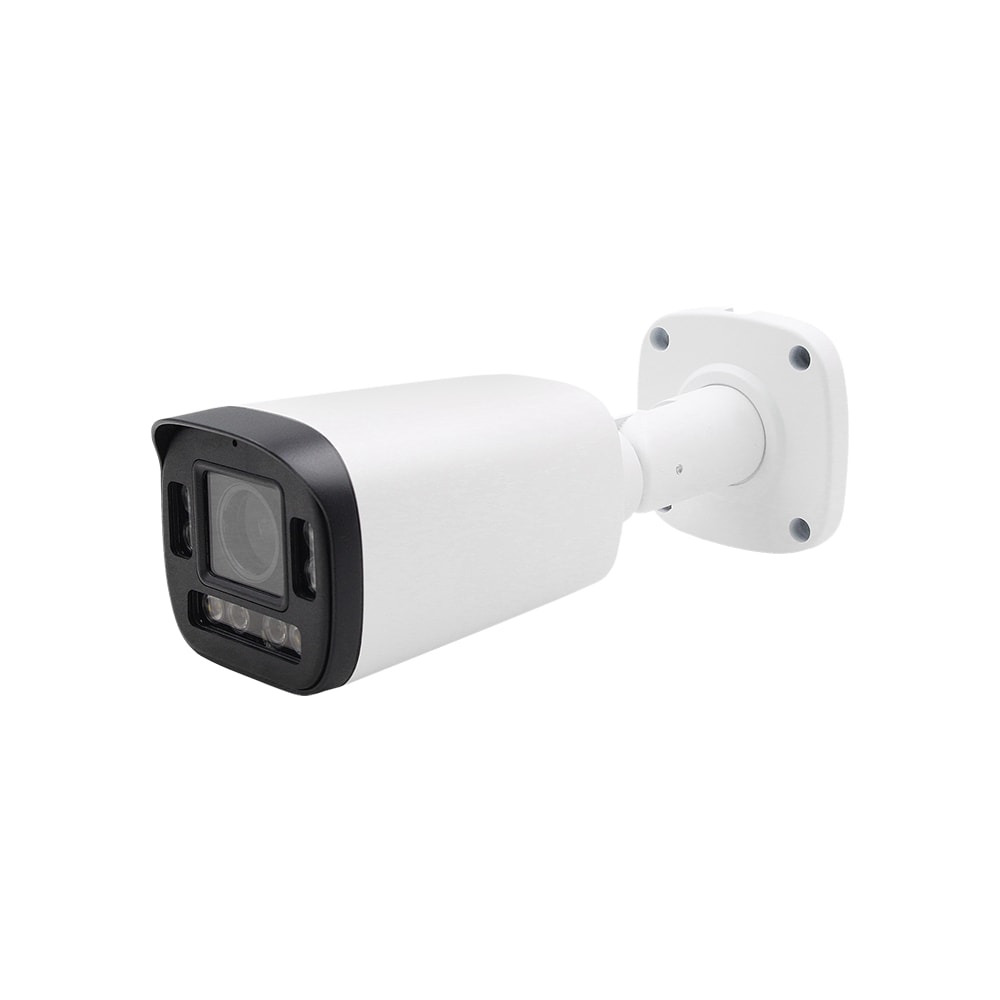
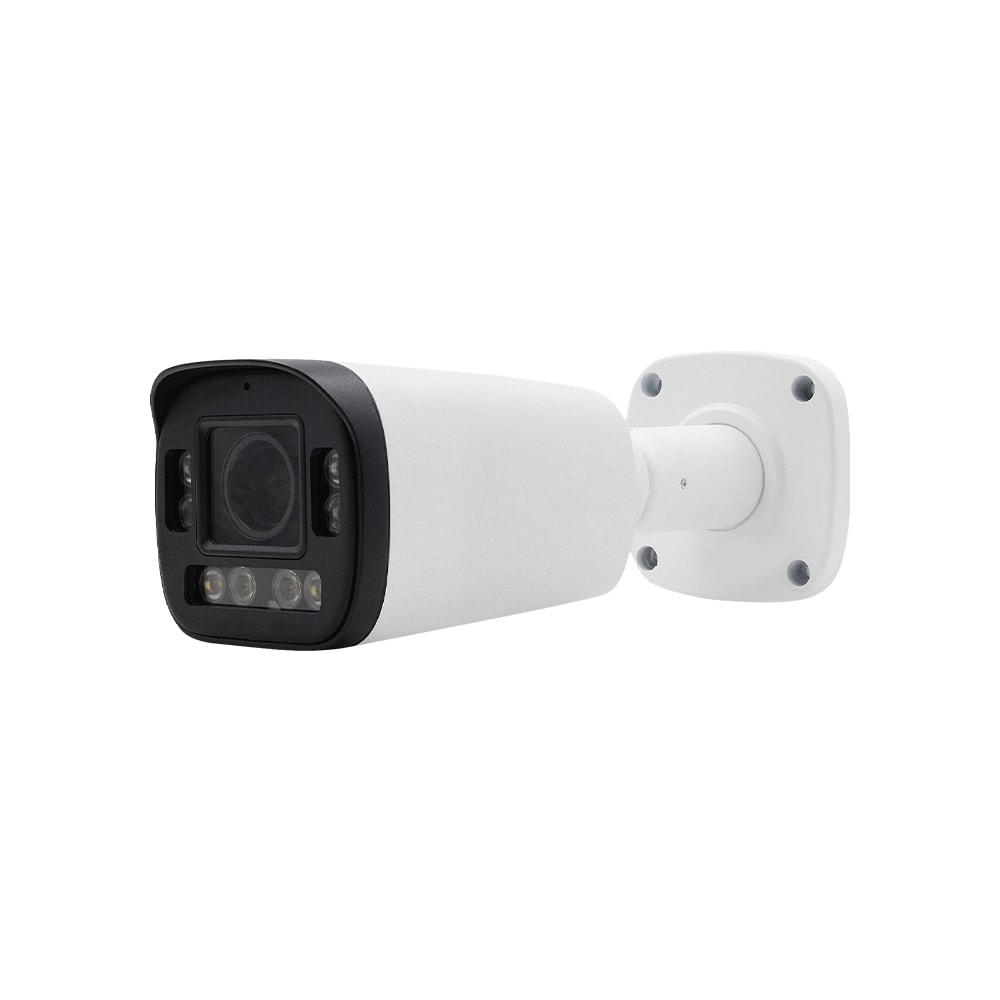
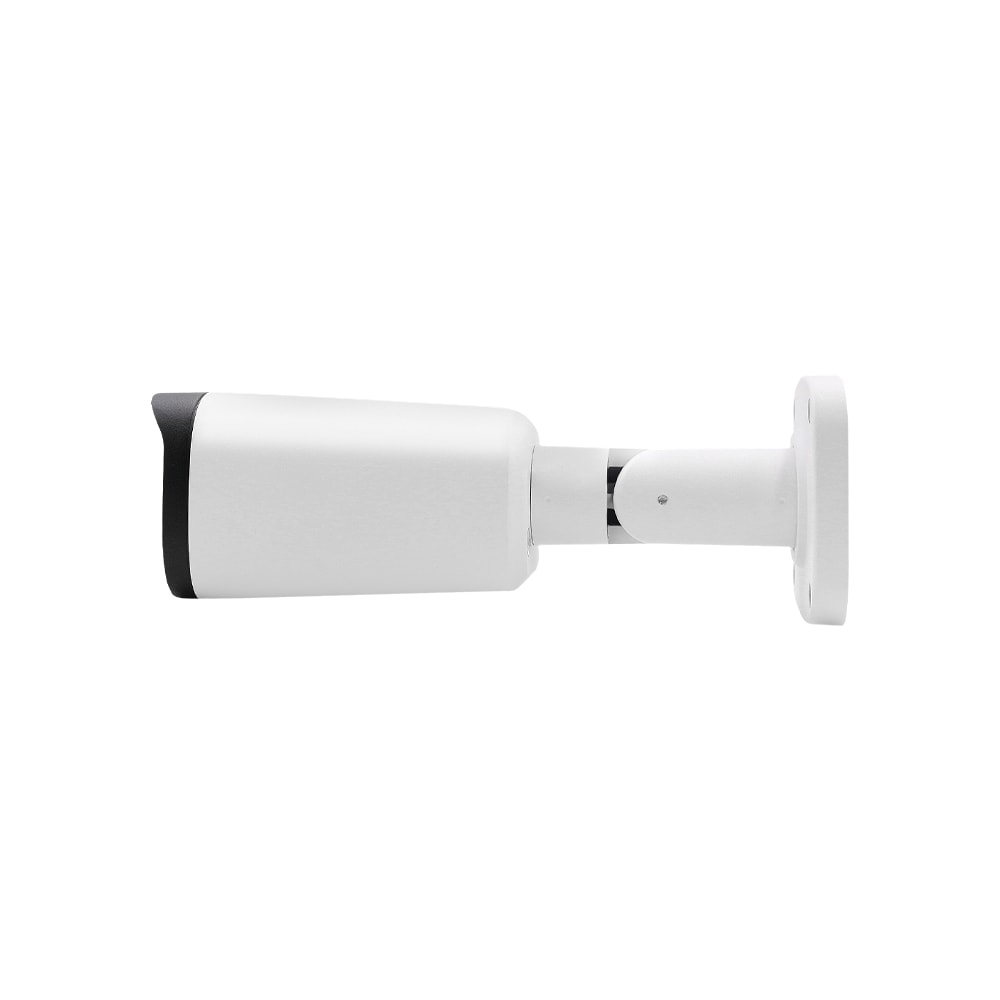
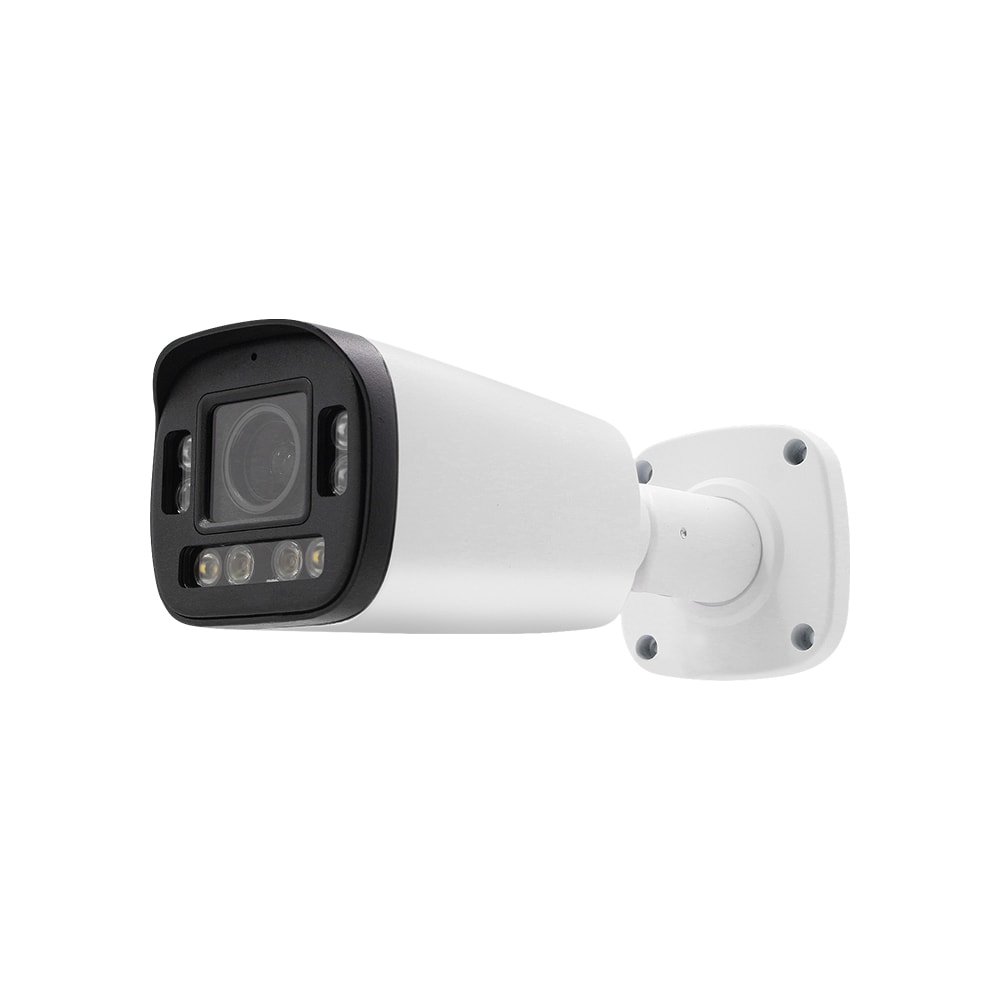
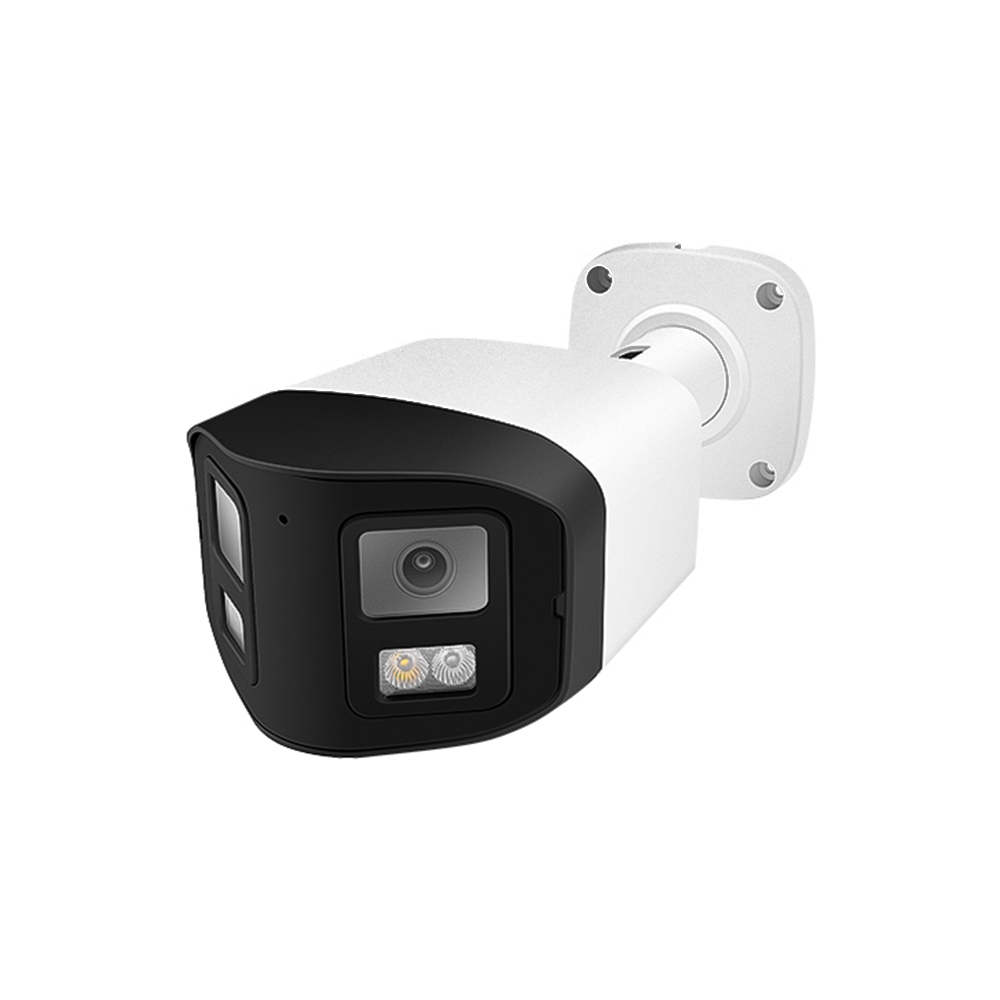
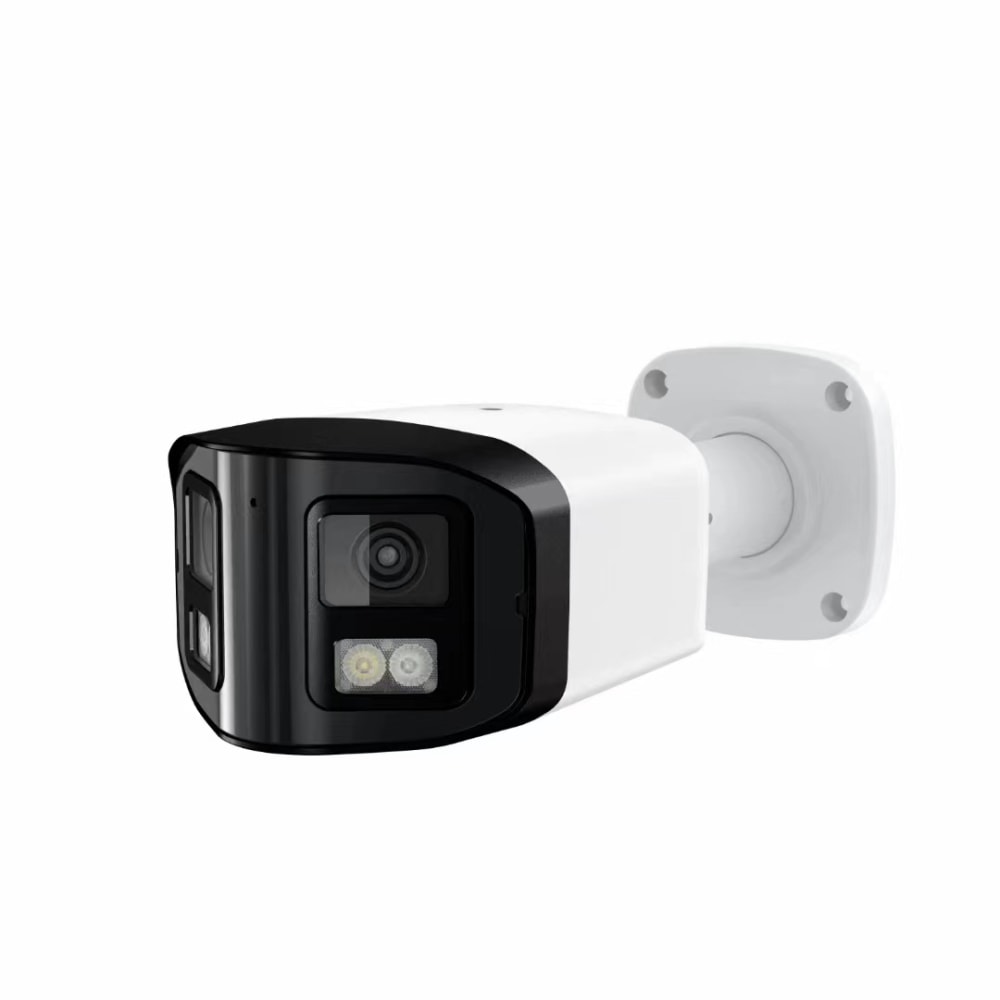
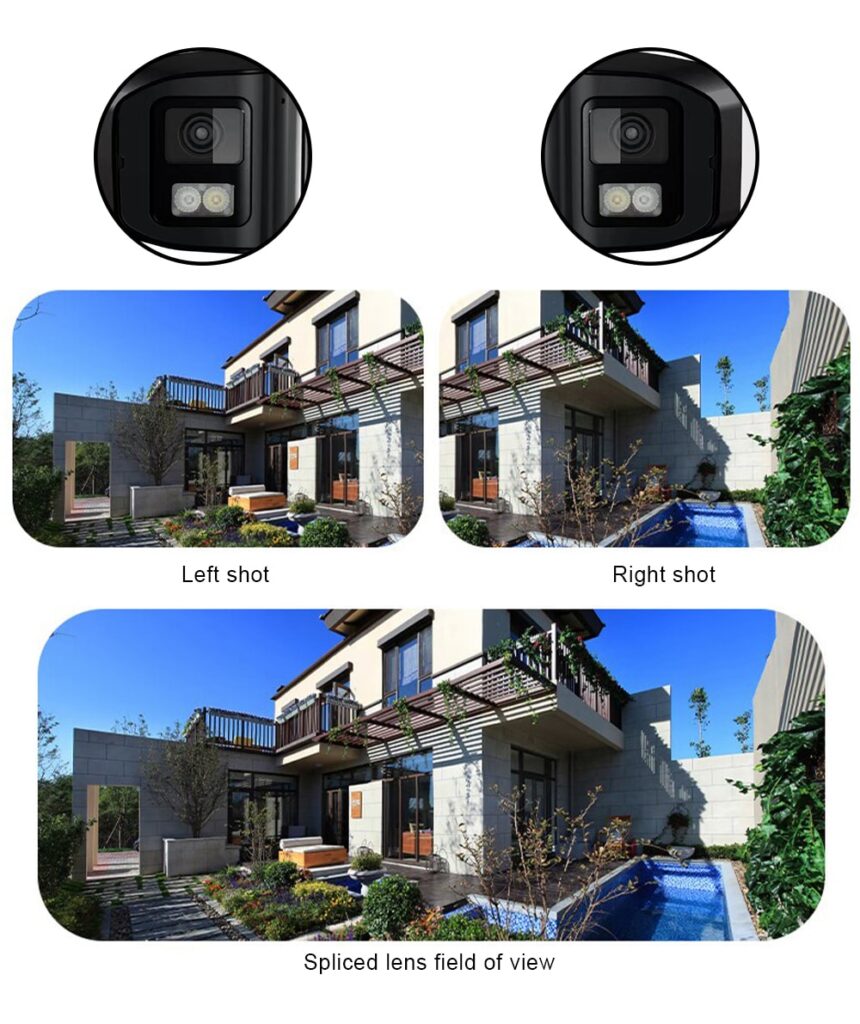
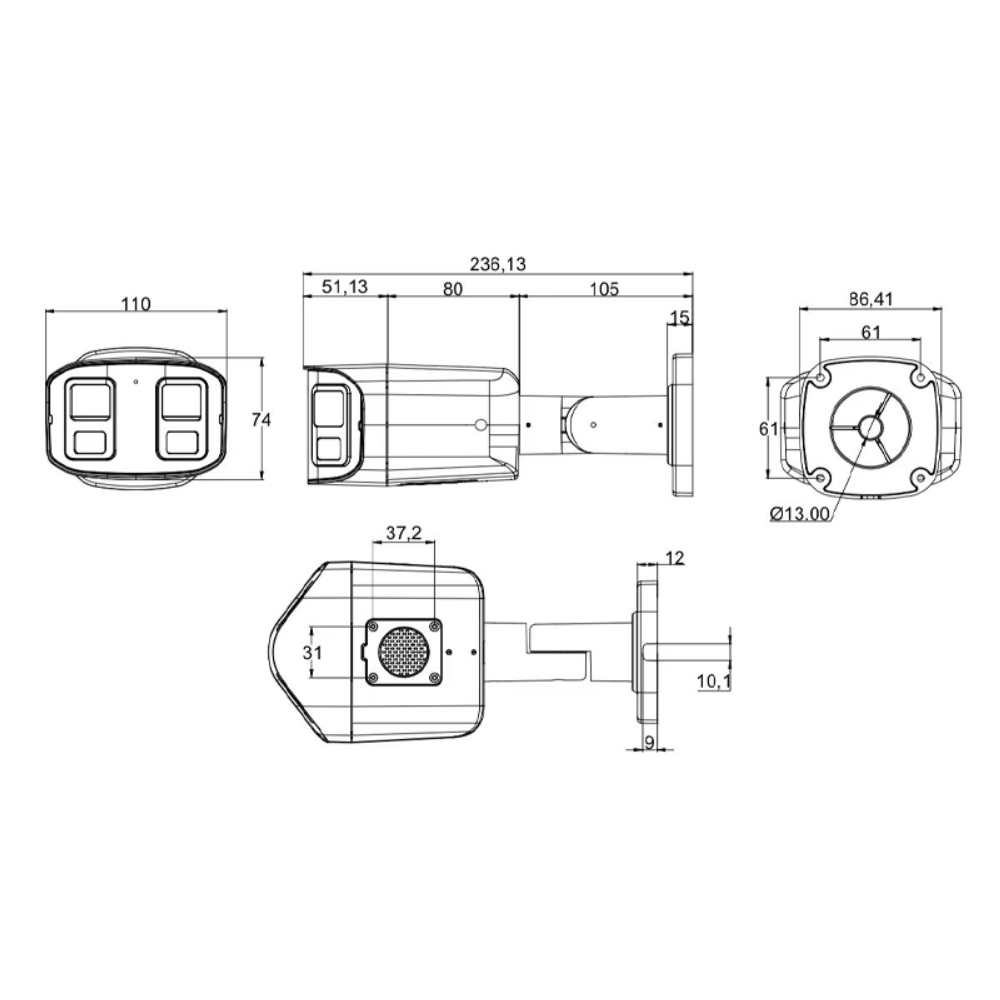
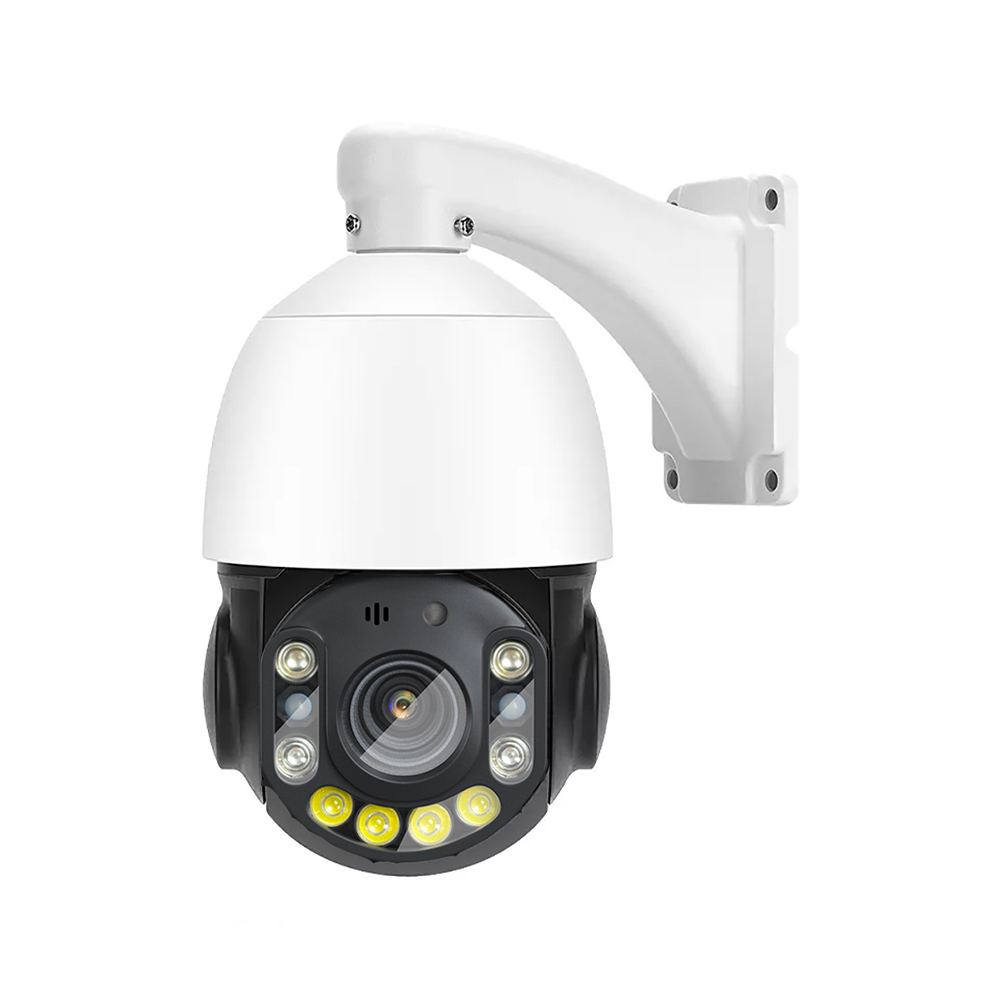
Common camera types include fixed domes (discreet, vandal-resistant), bullets (high visibility, great for perimeters), turrets (flexible and popular for mixed indoor/outdoor use) and PTZs (for large areas needing zoom and tracking). Consider resolution, low-light performance and field of view for each location rather than over-specifying resolution everywhere, which can strain storage and bandwidth.
NVRs should be sized with growth in mind. A rule of thumb is to allow at least 20–30% spare channels beyond your initial design, especially in multi-building complexes that may add cameras later. Likewise, storage planning should reflect your required retention period, typical motion levels and recording mode (continuous vs. motion-only). Hybrid models—continuous for critical cameras and motion-based for low-risk areas—optimize costs while retaining what matters most.
| Design element | Typical choices for DE businesses | Impact on Business surveillance upgrade Delaware with HD IP camera systems and NVRs |
|---|---|---|
| Camera resolution | 4 MP for general use, 8 MP for cash wraps/entrances | Higher resolution improves detail but requires more storage and bandwidth |
| Camera form factor | Domes indoors, turrets/bullets outdoors, PTZs for yards and lots | Matching form to environment boosts reliability and image quality |
| NVR channel capacity | 16, 32 or 64 channels with 20–30% spare capacity | Extra channels simplify future expansion without major hardware changes |
| Storage duration and recording mode | 15–30 days typical, mix of continuous and motion-based recording | Right-sizing storage avoids surprises and meets policy or insurance expectations |
Thoughtful choices at this stage ensure you get a system that is both robust today and flexible tomorrow. Documenting camera and NVR specs now also simplifies troubleshooting, warranty claims and future upgrades.
Delaware case studies: business surveillance upgrade success stories
Even without naming specific companies, it is helpful to look at realistic scenarios of Delaware businesses that modernized their surveillance.
A multi-location retail chain in northern Delaware replaced its aging analog system after repeated issues with unclear footage during shoplifting incidents. By moving to 4 MP IP cameras at each register and entrance, plus a central NVR with remote viewing, loss prevention staff could quickly pull clear clips and coordinate with local law enforcement. Over the following year, they reported fewer repeat offenders and more successful recoveries of stolen merchandise.
An industrial warehouse near the Delaware River struggled with blind spots in its yard, leading to disputes over delivery times and damaged pallets. Their upgrade focused on long-range bullet cameras on the perimeter and a PTZ covering the truck court. The high-resolution footage proved invaluable in reconstructing incidents and improving traffic flow. Drivers and vendors adapted quickly once they realized the yard was thoroughly monitored.
A professional services firm in Wilmington upgraded its lobby and elevator cameras, integrating them with access-control logs. When a tailgating incident occurred after hours, security staff quickly matched video timelines with badge records to identify process gaps. They refined their visitor policy, and the new system provided both visual and data evidence to support the change.
These kinds of real-world outcomes—clearer accountability, stronger deterrence and better process visibility—are typical results of a well-executed Delaware surveillance upgrade.
Service areas for business surveillance upgrades across Delaware
When planning business surveillance upgrades across Delaware, pay attention to how service coverage and response times affect your risk tolerance. Urban centers like Wilmington and Dover typically enjoy faster on-site support options, while more rural areas may face longer lead times for surveys, installations and warranty visits.
Businesses with multiple locations spread across Delaware often benefit from standardized equipment and centralized monitoring. Using the same HD IP camera families and NVR models simplifies spare-parts management, firmware updates and staff training. It also enables more efficient multi-site viewing from a single client or operations center.
If your company also operates in neighboring states or the greater New York area, partnering with a provider experienced in cross-region deployments makes coordination easier. For example, S & Y Internet Technology supports a broad corridor around New York, and its expertise in multi-location networking and SD-WAN can extend smoothly to Delaware branches when you want consistent security policies and remote access from headquarters. You can review their broader capabilities at the S & Y Internet Technology installation & repair services page to understand how surveillance integrates with networking, smart access and other building systems.
FAQs about Delaware business surveillance upgrades and HD IP systems
What is the main benefit of a business surveillance upgrade Delaware with HD IP camera systems and NVRs?
The main benefit is dramatically improved image quality and usability of your footage, which makes it far easier to identify people, vehicles and events and to respond quickly. You also gain more flexible remote access, better scalability and stronger integration with other security and IT systems.
How long does a Delaware HD IP camera upgrade usually take?
For a small business, a typical upgrade can be surveyed, designed and installed within a few weeks, with actual on-site work lasting one to three days depending on complexity. Larger multi-site deployments may phase work over several months to minimize disruption while ensuring every location transitions smoothly.
Can I reuse my existing analog cameras when upgrading to HD IP and NVRs?
You can often reuse some analog cameras temporarily using encoders or hybrid NVRs, particularly if they were recently installed and still meet your quality needs. However, to fully realize the benefit of an HD IP system, most businesses gradually replace analog cameras, prioritizing high-risk areas first while phasing in new IP devices.
Are HD IP surveillance systems suitable for Delaware warehouses and outdoor yards?
Yes, modern HD IP cameras are well-suited for warehouses and outdoor yards, with options such as weather-rated housings, powerful IR illumination and higher resolutions for long-distance coverage. Carefully chosen lenses, mounting heights and lighting considerations help ensure that large spaces are covered without leaving blind spots.
What should I consider when choosing an installer for a Delaware business surveillance upgrade?
Look for an installer with proven experience in commercial HD IP systems, clear documentation practices, and the ability to integrate cameras with your network and access control. It is also wise to choose a provider that offers ongoing maintenance and rapid support. Companies like S & Y Internet Technology, which handle security, networking and smart access together, can streamline deployments and long-term support; you can learn more about their expertise at the S & Y Internet Technology about us page.
How much storage do I need for my Delaware business HD IP camera system?
Storage needs depend on camera count, resolution, frame rate, recording mode and retention period. Many Delaware businesses aim for 15–30 days of footage for liability and incident review. Your installer can calculate disk requirements based on your specific mix of cameras and recording rules, and may suggest a mix of continuous and motion-based recording to control costs.
Are NDAA compliant cameras necessary for every Delaware business?
Not every Delaware business is legally required to use NDAA-compliant hardware, but it is increasingly seen as a low-risk, future-proof choice. If you work with government clients, handle sensitive data or might expand into regulated sectors, selecting NDAA-compliant HD cameras and NVRs now can avoid costly rip-and-replace projects later.
Last updated: 2025-12-01
Changelog:
- Added detailed guidance on NDAA-compliant hardware selection and risk mitigation.
- Expanded step-by-step upgrade process and remote access/cloud backup considerations.
- Included practical Delaware case studies and warehouse/retail-specific examples.
- Integrated S & Y Internet Technology service spotlight and internal navigation links.
Next review date & triggers - Review in 12 months or sooner if surveillance regulations, NDAA compliance rules or major HD IP/NVR platform capabilities change significantly.
At this point, the best next step is to sketch your current camera locations, note problem areas and decide your minimum required retention period and remote access needs. Share that outline with a qualified installer such as S & Y Internet Technology, describe your Delaware sites and risk profile, and request a tailored proposal that balances coverage, clarity, compliance and budget while leveraging modern HD IP camera systems and NVRs.

About the Author: S & Y Internet Technology Inc.
S & Y Internet Technology Inc. is a professional installation and repair service provider based in Flushing, New York. Our expert team provides door-to-door installation and maintenance within a 100 km radius, ensuring quick response and high-quality results for every project — whether residential, commercial, or specialized.

Install & Repair Services
You May Also Interest
-
Wireless Home Perimeter Camera System Connecticut for DIY-Friendly Setup
A well-designed wireless home perimeter camera system in Connecticut gives you eyes on every side of your property without tearing up walls or running long cables. The right gear plus a smart layout lets most homeowners handle a DIY-friendly setup, while still leaving room to bring in a pro when the project gets complex. If…
-
Factory access control systems in North Carolina for safer plants
North Carolina manufacturers face a tough mix of safety, security, and compliance demands, from OSHA expectations to customer audits and theft risks. Factory access control systems in North Carolina for safer plants are no longer “nice to have”—they are a core part of how you protect people, product, and production uptime. Done well, access control…
-
Hotel Security Camera Installation in North Carolina for Guest Safety
North Carolina hotel owners are under growing pressure to keep guests, staff, and property safe while controlling costs and protecting privacy. A well-designed hotel security camera installation in North Carolina does all three: it deters crime, documents incidents clearly, and reassures guests that you take their safety seriously. Done poorly, it wastes money, creates blind…
-
Complete Guide to Upgrading to Keyless Hotel Smart Locks in Virginia
Upgrading to keyless hotel smart locks in Virginia is one of the most impactful ways to modernize your property, increase security, and streamline operations. Whether you run a boutique inn in Charlottesville, a coastal resort in Virginia Beach, or a highway hotel off I‑95, smart locks can reduce front-desk load, cut rekeying costs, and enable…