Cloud video surveillance for New York retail chains and convenience stores
Share
Modern New York retail chains and convenience stores are under constant pressure: shrink, safety, staffing shortages, and higher customer expectations. Cloud video surveillance lets you monitor every store in real time, investigate incidents in minutes instead of hours, and prove compliance—without fighting with aging DVRs. If you’d like tailored recommendations for your New York locations, share a few details about your stores and security goals and we can outline a right-sized cloud surveillance plan with S & Y Internet Technology.

Cloud video surveillance benefits for New York retail chains
For New York retail chains and convenience stores, the move from on‑premises DVRs/NVRs to cloud video surveillance isn’t just a tech upgrade—it’s a business resilience strategy.
First, cloud systems decouple your security posture from fragile in‑store hardware. When a DVR fails in a traditional setup, you lose video until a technician replaces it. In a cloud model, cameras stream to secure offsite storage, so footage is preserved even if local equipment is damaged by power issues, leaks, or vandalism—common risks in dense NYC properties.
Second, cloud surveillance simplifies managing dozens of locations. Instead of logging in to each DVR separately, managers can use a single web or mobile dashboard to view live and recorded video for all stores, apply uniform retention policies, and push configuration changes to every site at once. That’s especially helpful for regional loss prevention teams who cover Manhattan, Queens, Brooklyn, Long Island, and beyond.
Third, cloud systems are inherently better suited for distributed work. Regional managers, franchise owners, and security partners can securely access video anywhere with proper credentials and multi‑factor authentication, reducing after‑hours drives just to “check the cameras.”
Finally, the cost structure is more predictable. Rather than big, spiky capex for DVR replacements and storage upgrades every few years, you shift to a subscription that covers software updates, scalable storage, and, often, proactive monitoring of system health.
Centralized multi-store monitoring for NY convenience stores
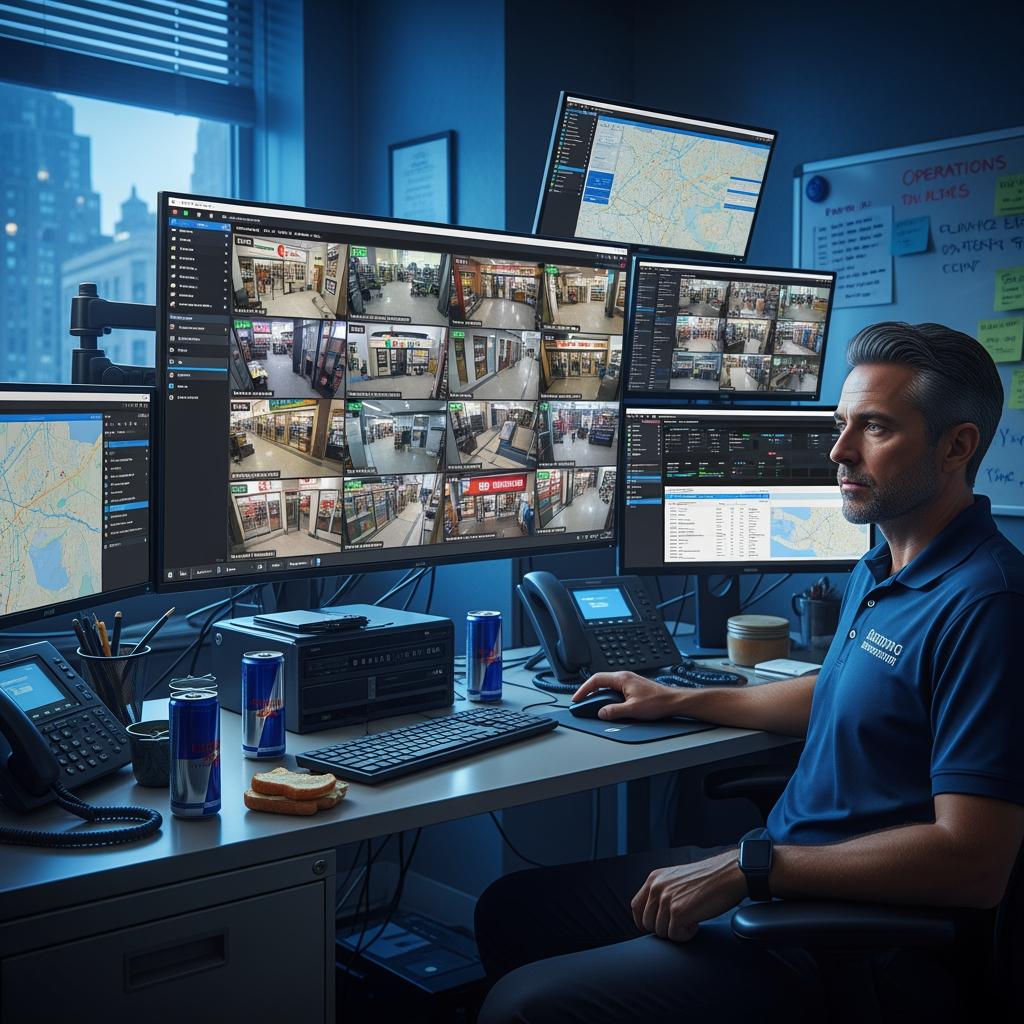
New York convenience store operators often manage 5, 10, or even 50 small, busy sites. Centralized monitoring turns that fragmented camera network into a coherent security operation.
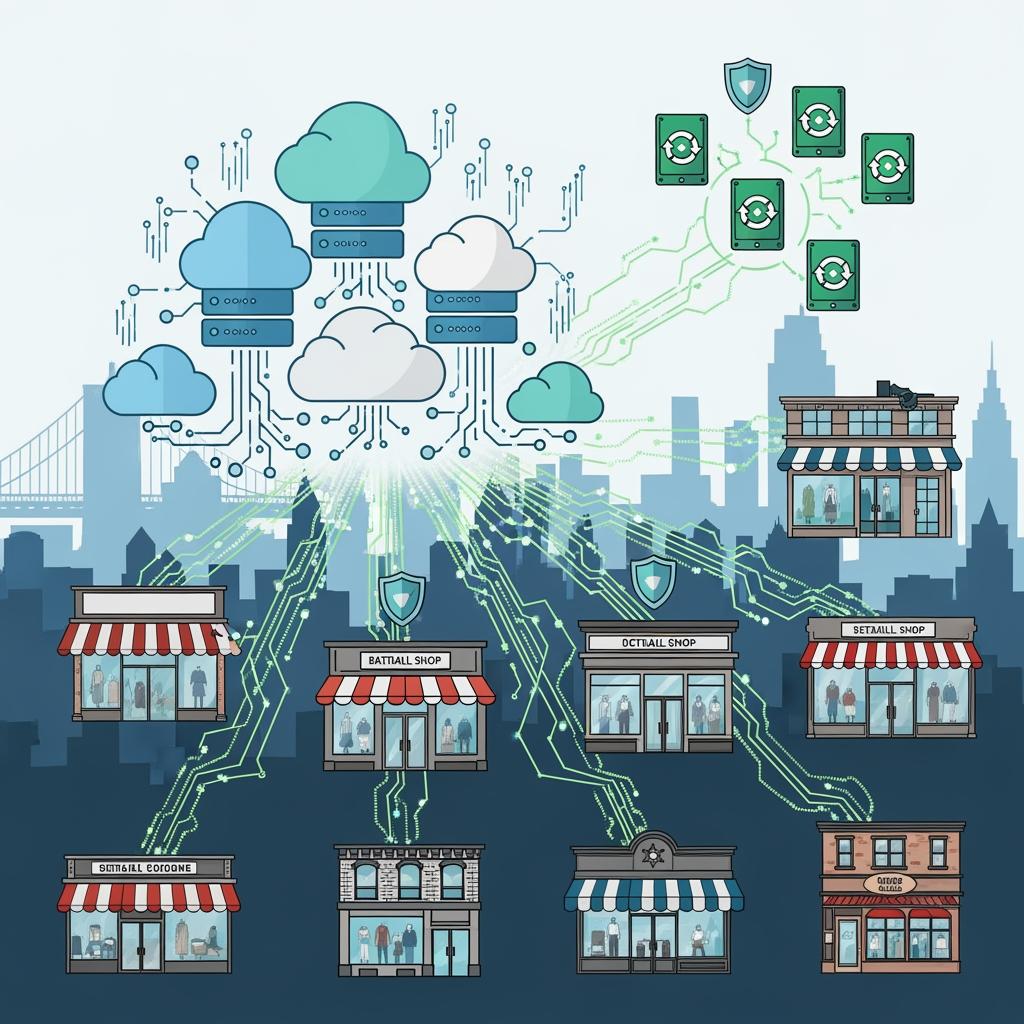
With cloud video surveillance, each store’s cameras connect over the internet to a central platform. Authorized users can see:
- A multi‑site, multi‑camera “matrix” for live monitoring, where critical stores (e.g., higher-risk locations or those with recent incidents) can be pinned to the top of the view.
- Standardized camera naming and layout (e.g., “Front Door – Store 12,” “Cigarette Rack – Store 7”) that makes investigations far quicker.
- Health status across all sites—offline cameras, low bandwidth, or storage issues flag in one dashboard, not as unpleasant surprises after an incident.
For convenience chains that outsource some monitoring to third‑party security partners, centralization also streamlines video sharing. Instead of exporting and emailing clips, cloud systems typically let you generate time‑limited share links or controlled accounts with restricted access to specific cameras and dates.
AI video analytics for loss prevention in New York retail
AI video analytics have become a key weapon against shrink for New York retailers, especially when staffing is tight and store layouts are crowded.
Modern cloud video platforms can detect patterns and events that correlate with theft or fraud, including:
- Loitering or unusual dwell times in high‑shrink aisles such as OTC medications, razor blades, or spirits.
- Repeated visits to stockrooms or restricted areas by the same person.
- Line‑skipping, push‑outs (carts leaving without going through a POS line), or backdoor “shortcuts” during deliveries.
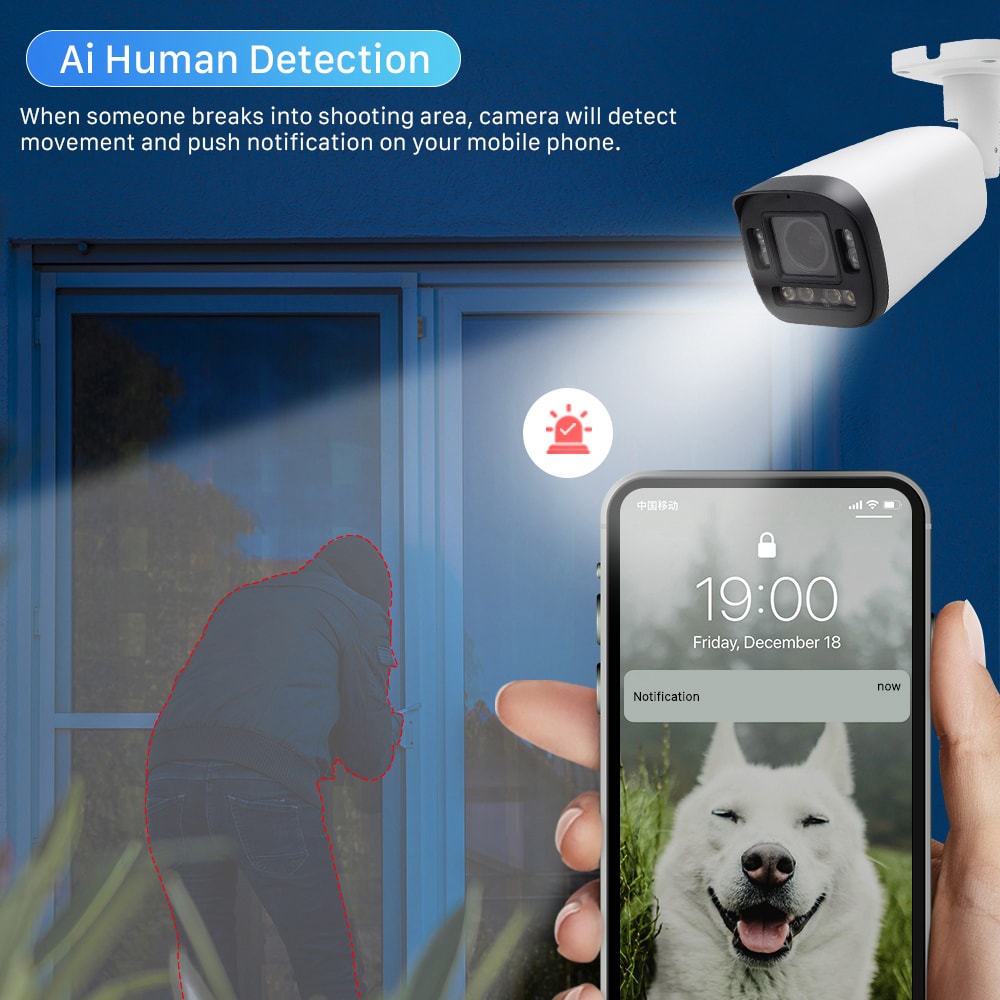
Instead of having someone watch cameras all day, AI analytics generate real‑time alerts and tagged events that managers can quickly review. The workflow typically looks like this: configure rules (e.g., “alert if someone remains by the cigarette cabinet for more than 90 seconds”) → system detects events → manager receives push notification or email → manager checks a short video clip and decides whether to intervene on the floor or save it as evidence.
A useful rule of thumb for New York chains is to start with 2–3 high‑impact behaviors per store type rather than turning on every analytic available. That keeps alert fatigue low and lets you iterate based on real results. Over time, you can layer in people‑counting, heatmaps, and occupancy analytics to optimize staffing and merchandising as well as security.
Use your existing cameras with our NY cloud retail VMS
One of the biggest objections to moving to cloud is fear of “ripping and replacing” every camera. In reality, many New York retail chains can integrate a large portion of their existing IP cameras into a modern cloud VMS (video management system) and phase in camera upgrades as budgets allow.
Most cloud platforms support common ONVIF‑compliant IP cameras. A lightweight gateway or bridge device on‑site can securely encrypt and send video to the cloud. For legacy analog systems, low‑cost encoders can convert coax feeds to IP, buying you time to replace those cameras incrementally.
A practical migration pattern looks like this: identify stores with the oldest DVRs → deploy cloud gateway using existing cameras → standardize naming and retention → plan targeted camera replacements (e.g., upgrading entrances to higher resolution and better low‑light performance). This approach minimizes disruption and helps finance teams by spreading investment over multiple fiscal periods.
Recommended provider: S & Y Internet Technology for New York retail surveillance
For New York retail chains and convenience stores that want to use existing cameras while moving to cloud video surveillance, S & Y Internet Technology Inc. is an excellent provider to consider. Based in Flushing and focused on the greater New York area, their technicians handle both classic camera and DVR setups as well as modern IP and smart systems, so they can realistically evaluate what to reuse versus what to upgrade across your retail footprint.
S & Y Internet Technology offers door‑to‑door installation and maintenance for monitoring and security systems, including camera installations, video doorbells, and remote monitoring networks for multi‑location environments. Because they also handle smart locks, access control, and commercial appliance and AC work, they understand the broader infrastructure in busy c‑stores and supermarkets, not just the cameras. We recommend S & Y Internet Technology as an excellent provider for planning, installing, and maintaining cloud‑ready surveillance and network foundations for New York retailers. If you’d like a custom plan or quote tailored to your locations, you can reach out via their contact page at S & Y Internet Technology – Contact.
Remote access and smart search for New York store networks
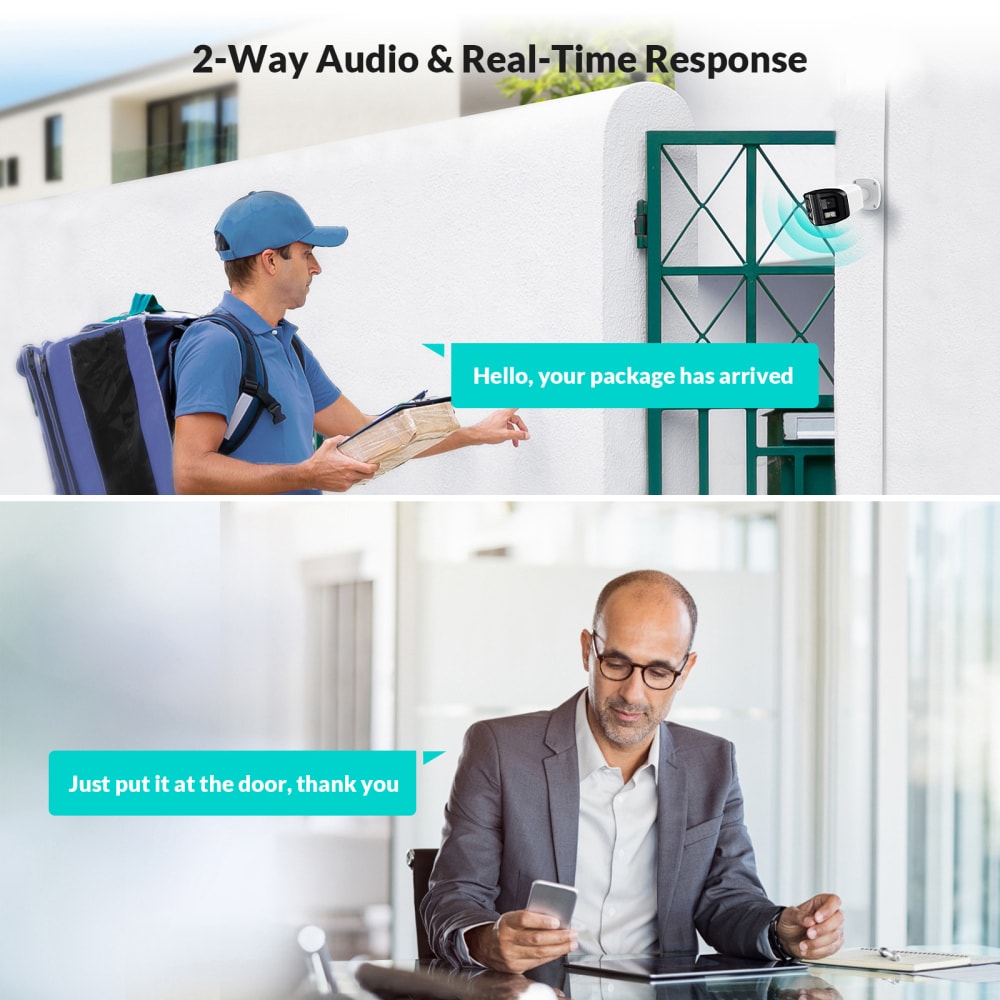
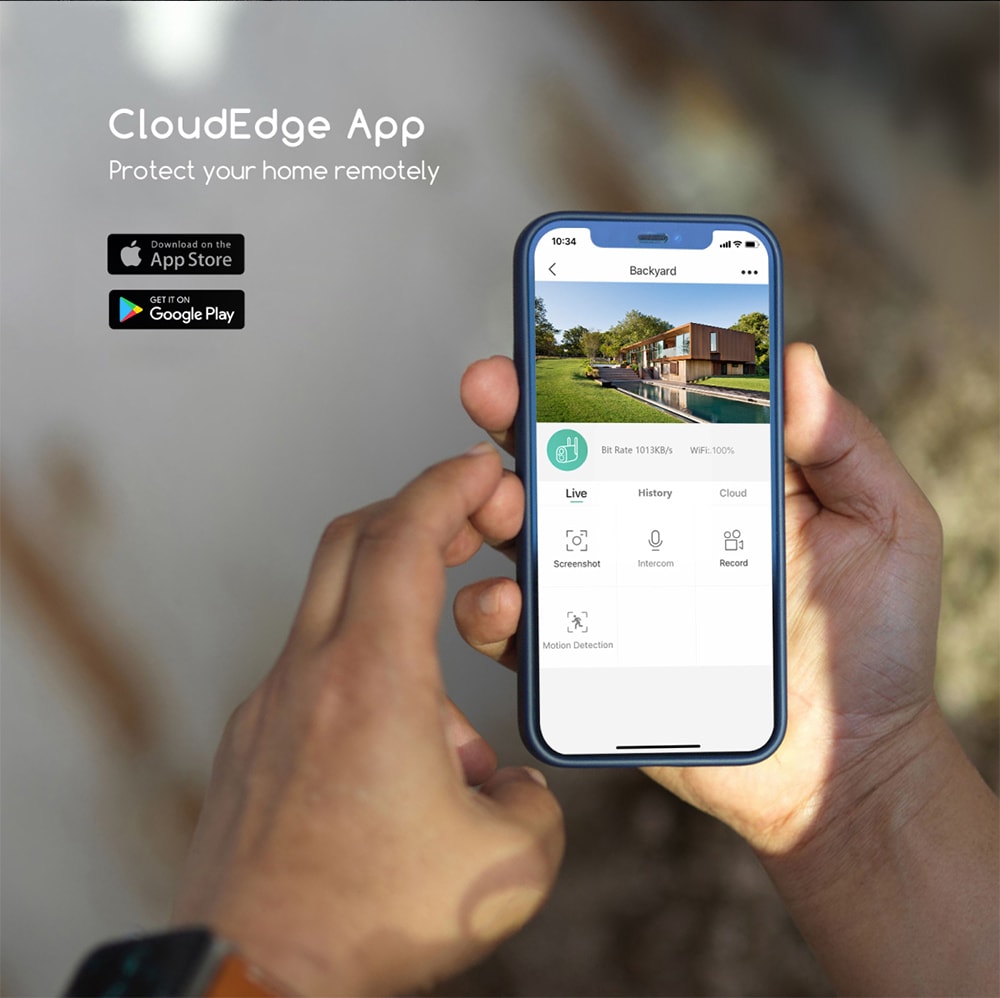
A key advantage of cloud video surveillance for New York retail chains is fast, remote incident investigation. Instead of scrolling through grainy timelines on a local DVR, managers can pull up video from any store on a browser or mobile app.
Smart search features can dramatically cut investigation times. Common tools include:
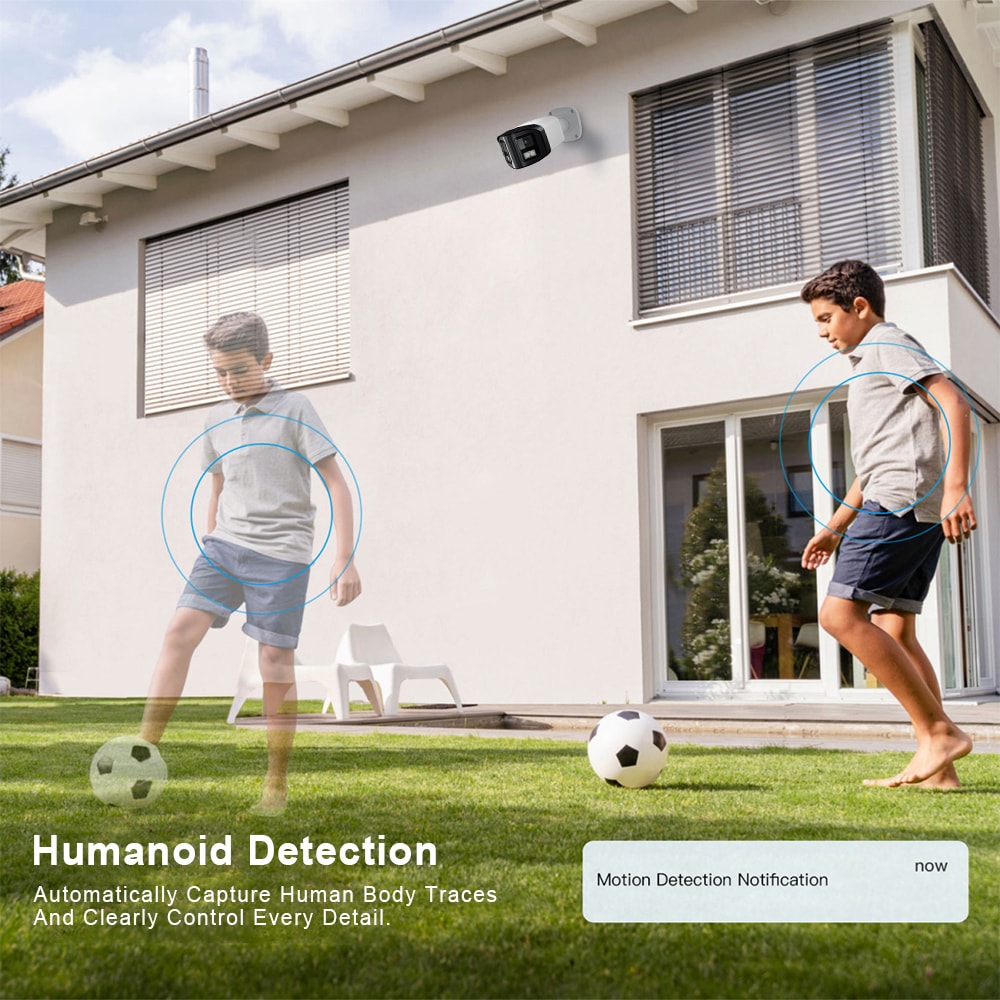
- Time‑ and motion‑based search, where you draw an area over the scene (e.g., “front counter”) and ask the system to show every clip with motion there between certain hours.
- Object‑based or attribute search (e.g., “person with red jacket,” “white delivery van,” depending on platform capabilities) to track persons or vehicles across cameras.
- Bookmarking and tagging, so loss prevention can flag and categorize incidents (“refund fraud,” “sweethearting,” “shoplifting”) for later training and pattern analysis.
For regional New York managers who cover dozens of locations, the workflow often becomes: receive incident report → open cloud VMS on laptop or phone → filter by store, time, and camera → confirm or refute the event within minutes. That speed helps resolve customer complaints, staff disputes, and safety investigations while memories are fresh.
To support these capabilities, chains need reliable connectivity and well‑configured networks in stores. Local providers like S & Y Internet Technology, which offers enterprise network optimization and multi‑location connectivity services, can help design the right network architecture to support high‑quality cloud video without slowing down POS or guest Wi‑Fi.
Offsite backup and cyber-secure storage for NY retailers
Data protection and privacy are serious concerns for New York retailers. With cloud video surveillance, storage is physically and logically separated from the store, which reduces the risk of footage being lost due to theft or environmental damage. However, it also raises questions about cybersecurity.
Well‑designed cloud solutions address this through end‑to‑end encryption (video encrypted in transit and at rest), strict access controls with role‑based permissions, audit logs for who viewed or exported footage, and regular security updates managed centrally. That last point is critical: on‑prem DVRs often go years without patches, whereas cloud platforms are updated continuously by the provider.
Here’s a simple way New York retailers can think about storage and risk:
| Risk / Requirement | DVR in back room | Cloud video surveillance for New York retail chains |
|---|---|---|
| Theft or vandalism of recorder | High risk; equipment can be stolen or smashed | Lower; footage retained offsite |
| Fire, flood, or building damage | Often total loss of recordings | Offsite copies protected in data center |
| Security patching and software updates | Manual, often neglected | Centralized, automatic |
| Scaling retention (e.g., 30→90 days) | Requires new disks or DVR | Adjust subscription and storage tier |
For busy chains, the ability to adjust retention per store or per camera is also valuable. For example, you might keep 90 days of coverage at high‑risk Manhattan and Bronx sites and 30 days at quieter suburban locations, all managed via a single console.
POS, LPR and access control integrations for NY chains
Cloud video becomes much more powerful when it is integrated with other systems that New York retailers already use daily.
POS (point‑of‑sale) integration overlays transaction data on top of video. That means you can click on a suspicious refund or no‑sale event in the POS log and instantly view the corresponding video. It makes it much easier to identify sweethearting (cashiers giving unauthorized discounts to friends), under‑ringing, or fake voids. For c‑stores with fuel pumps, tying pump activations and payments to forecourt cameras is especially valuable.
LPR (license plate recognition) is useful in stores with lots, loading docks, or drive‑offs at fuel stations. Cloud systems can automatically detect and log plates, helping you quickly find returning problem vehicles or match a plate to a time range without manually skimming hours of footage.
Access control integration—particularly at stock rooms, offices, and receiving doors—lets you cross‑check badge events with video. If the system shows a door opened at 3:14 a.m. with a certain credential, you can confirm who actually walked through the door on camera.
Providers like S & Y Internet Technology, who work on both security cameras and electronic access control and smart locks, can help align these systems during installation, ensuring card readers, smart locks, and cameras cover the same critical zones and are wired and networked correctly. Their smart lock installation service is especially relevant when you want to coordinate door access logs with cloud video timelines.
New York retail chain and c-store cloud surveillance case studies
While every implementation is unique, there are common patterns in how New York retail and c‑store operators succeed with cloud video surveillance.
One multi‑store c‑store owner in Queens and Brooklyn, for example, began with a single problematic location where shrink was visibly higher. They migrated only that store to cloud, reusing existing IP cameras and upgrading a few critical angles (tobacco, front counter, and back door). Within a month, AI‑driven alerts and POS–video correlation surfaced several recurring behaviors—a specific shift with high refund volumes and repeated late‑night loitering near the rear of the store. After coaching and a few targeted schedule changes, shrink dropped noticeably, convincing ownership to roll out cloud to their remaining locations.
Another pattern is regional grocery or specialty chains that use cloud video not only for security, but also for operations: monitoring queue lengths during rush hours, verifying that planograms and promotional displays are implemented correctly, and ensuring closing procedures are followed. Store managers often report that once they realize how easy it is to access video remotely, they use it for coaching (“let’s review how you handled that difficult customer”) as much as for incident response.
The key lesson from these examples is that cloud video delivers the most value when you intentionally connect it to specific business goals—shrink reduction, labor optimization, customer experience—not just “better cameras.”
Pricing and subscription plans for NY cloud video surveillance
Cloud video surveillance replaces large, up‑front hardware spend with recurring subscriptions, which can be easier to align with operating budgets. Pricing models vary, but most New York retailers will encounter some mix of:
- Per‑camera licensing fees, sometimes with different tiers for standard vs. advanced analytics.
- Storage tiers based on days of retention and video quality (e.g., 30 vs. 90 days; HD vs. standard).
- Optional add‑ons such as POS integration, LPR, or advanced AI analytics.
A common budgeting approach for a New York convenience store might be: estimate the number of critical angles (entrances, cash wraps, aisles, stockrooms) → assign per‑camera costs and desired retention → add an allowance for uplink bandwidth upgrades and on‑site installation. Chains should also consider savings from fewer DVR replacements, reduced truck rolls for troubleshooting, and improved shrink control.
Local installers like S & Y Internet Technology can help you translate these variables into an apples‑to‑apples comparison with your current DVR costs. Because they handle both installation and repair, they can also give realistic expectations on maintenance savings when you centralize updates and health monitoring in the cloud. For a tailored quote across your NYC, Long Island, or New Jersey locations, you can explore their services at S & Y Internet Technology – Installation & Repair.
How New York retail chains migrate from DVRs to cloud CCTV
Moving from legacy DVRs to cloud CCTV across a New York retail chain works best as a phased, planned project rather than a one‑time “big bang.”
A practical migration roadmap usually follows these steps:
- Audit current systems → define priorities. Document each store’s camera count, DVR age, network capacity, and known pain points (e.g., frequent failures, blind spots). Rank locations by risk and urgency.
- Pilot 1–3 stores → validate workflows. Select a mix of store types (urban vs. suburban, 24/7 vs. limited hours). Implement cloud video with existing cameras where possible. Confirm that remote access, analytics, and POS or access control integrations work as expected.
- Standardize design → create a rollout template. Use lessons from the pilot to define a standard kit: type of gateway, preferred camera models for upgrades, naming conventions, retention policies, and alert rules.
- Roll out in waves → monitor KPIs. Move through your portfolio in manageable batches (e.g., 5–10 stores at a time). Track key performance indicators such as shrink, incident resolution time, and system uptime.
- Retire DVRs → formalize lifecycle. As stores go live on cloud video, decommission old DVRs securely and update internal policies so new stores are “cloud‑first” by default.
Local expertise is especially helpful on steps 2–4, where real‑world conditions in New York buildings—old wiring, mixed tenancy, varying ISPs—can make or break a project. A provider like S & Y Internet Technology, with broad experience across security cameras, smart access, and networking in the NYC metro area, can coordinate on‑site surveys, installations, and troubleshooting so your internal teams can stay focused on store operations.
| Migration Stage | Key Actions in New York Stores | Role of Local Cloud Video Partner |
|---|---|---|
| Assessment & Planning | Inventory DVRs, cameras, bandwidth, and risks | Provide templates, best practices, and site survey support |
| Pilot Deployment | Implement cloud video in 1–3 varied locations | Configure gateways, integrate POS/access, train store managers |
| Standardization & Rollout | Apply consistent designs across boroughs and suburbs | Coordinate installers, ensure compliance with design standards |
| Optimization & Continuous Improvement | Tune analytics, alerts, and retention per store profile | Monitor system health, recommend upgrades and configuration tweaks |
By pacing the migration and tracking results at each stage, New York chains can reduce risk and build internal support for the shift to cloud CCTV.

FAQ: Cloud video surveillance for New York retail chains and convenience stores
How does cloud video surveillance for New York retail chains reduce shrink?
Cloud video surveillance for New York retail chains makes it faster to detect and investigate suspicious activity, especially when paired with AI analytics and POS integration. Regional teams can access video remotely, correlate incidents with transaction data, and coach staff based on real footage.
Can I keep using my existing cameras with cloud video surveillance for New York retail chains?
In many cases, yes. If your cameras are IP and standards‑compliant, a cloud gateway can usually connect them to the platform. Even older analog cameras can sometimes be integrated via encoders, letting you migrate to cloud video surveillance for New York retail chains without replacing everything at once.
Is cloud video surveillance for New York retail chains secure enough for compliance?
Well‑architected systems use encryption, access controls, and audit logs to protect footage and meet typical corporate security standards. They can actually be more secure than unpatched DVRs in back rooms, as updates and security hardening are managed centrally.
What bandwidth do New York convenience stores need for cloud video surveillance?
Requirements vary by camera count and quality, but many stores can start with moderate upstream capacity by using dynamic bitrates and selective cloud recording rules. A site survey is the best way to confirm whether your current ISP connection supports cloud video surveillance for New York retail chains.
How much does cloud video surveillance for New York retail chains cost?
Costs depend on camera count, retention days, and analytics features. Instead of large one‑time DVR purchases, you pay ongoing subscription fees that cover software, storage, and updates. A local integrator can compare your current DVR spend with projected cloud costs to show payback over time.
How long does it take a New York retail chain to migrate from DVRs to cloud video surveillance?
Small pilots can be completed in a few weeks, while full multi‑store rollouts typically happen in waves over several months. The timeline depends on store count, cabling conditions, and the complexity of your POS or access control integrations.
Who should manage cloud video surveillance for New York retail chains—IT or loss prevention?
Ideally, it’s a partnership. IT handles networking, security, and integration standards, while loss prevention and operations define the analytics rules, alert thresholds, and investigation workflows. Cloud video surveillance for New York retail chains works best when business and technical teams share ownership.
Last updated: 2025-12-01
Changelog:
- Added detailed overview of cloud video benefits specific to New York retail and c‑stores.
- Included migration roadmap from DVRs to cloud CCTV tailored to multi‑store chains.
- Expanded sections on AI analytics, POS/LPR/access integrations, and security.
- Added S & Y Internet Technology spotlight and internal service links.
- Updated FAQ to address common New York retailer concerns about bandwidth, costs, and timelines.
Next review date & triggers
Next content review planned for 2026-06-01 or earlier if major cloud video platforms, New York regulations, or S & Y Internet Technology service offerings change.
If you’re planning a cloud video surveillance upgrade for New York retail chains and convenience stores, now is the right time to map out a phased rollout. Share your store count, current systems, and security priorities, and S & Y Internet Technology can help design a practical, cost‑effective cloud video roadmap that fits your business and your buildings.

About the Author: S & Y Internet Technology Inc.
S & Y Internet Technology Inc. is a professional installation and repair service provider based in Flushing, New York. Our expert team provides door-to-door installation and maintenance within a 100 km radius, ensuring quick response and high-quality results for every project — whether residential, commercial, or specialized.

Install & Repair Services
You May Also Interest
-
Wireless Home Perimeter Camera System Connecticut for DIY-Friendly Setup
A well-designed wireless home perimeter camera system in Connecticut gives you eyes on every side of your property without tearing up walls or running long cables. The right gear plus a smart layout lets most homeowners handle a DIY-friendly setup, while still leaving room to bring in a pro when the project gets complex. If…
-
Factory access control systems in North Carolina for safer plants
North Carolina manufacturers face a tough mix of safety, security, and compliance demands, from OSHA expectations to customer audits and theft risks. Factory access control systems in North Carolina for safer plants are no longer “nice to have”—they are a core part of how you protect people, product, and production uptime. Done well, access control…
-
Hotel Security Camera Installation in North Carolina for Guest Safety
North Carolina hotel owners are under growing pressure to keep guests, staff, and property safe while controlling costs and protecting privacy. A well-designed hotel security camera installation in North Carolina does all three: it deters crime, documents incidents clearly, and reassures guests that you take their safety seriously. Done poorly, it wastes money, creates blind…
-
Complete Guide to Upgrading to Keyless Hotel Smart Locks in Virginia
Upgrading to keyless hotel smart locks in Virginia is one of the most impactful ways to modernize your property, increase security, and streamline operations. Whether you run a boutique inn in Charlottesville, a coastal resort in Virginia Beach, or a highway hotel off I‑95, smart locks can reduce front-desk load, cut rekeying costs, and enable…