Commercial Office CCTV and Surveillance Solutions Across Rhode Island
Share
Modern offices in Rhode Island rely on CCTV and surveillance not just to deter crime, but to protect staff, manage liability, and keep daily operations running smoothly. From Providence office towers to suburban business parks, a well-designed office CCTV system can dramatically reduce incidents, resolve disputes quickly, and give managers real-time visibility across sites. In the sections below, we’ll walk through the components of effective commercial office CCTV and surveillance solutions across Rhode Island, and how to plan, budget, and maintain a system that actually delivers return on investment. If you’re exploring options for a new build or an upgrade, share your building details and requirements, and we can map out a tailored design and budget ballpark for your Rhode Island office portfolio.
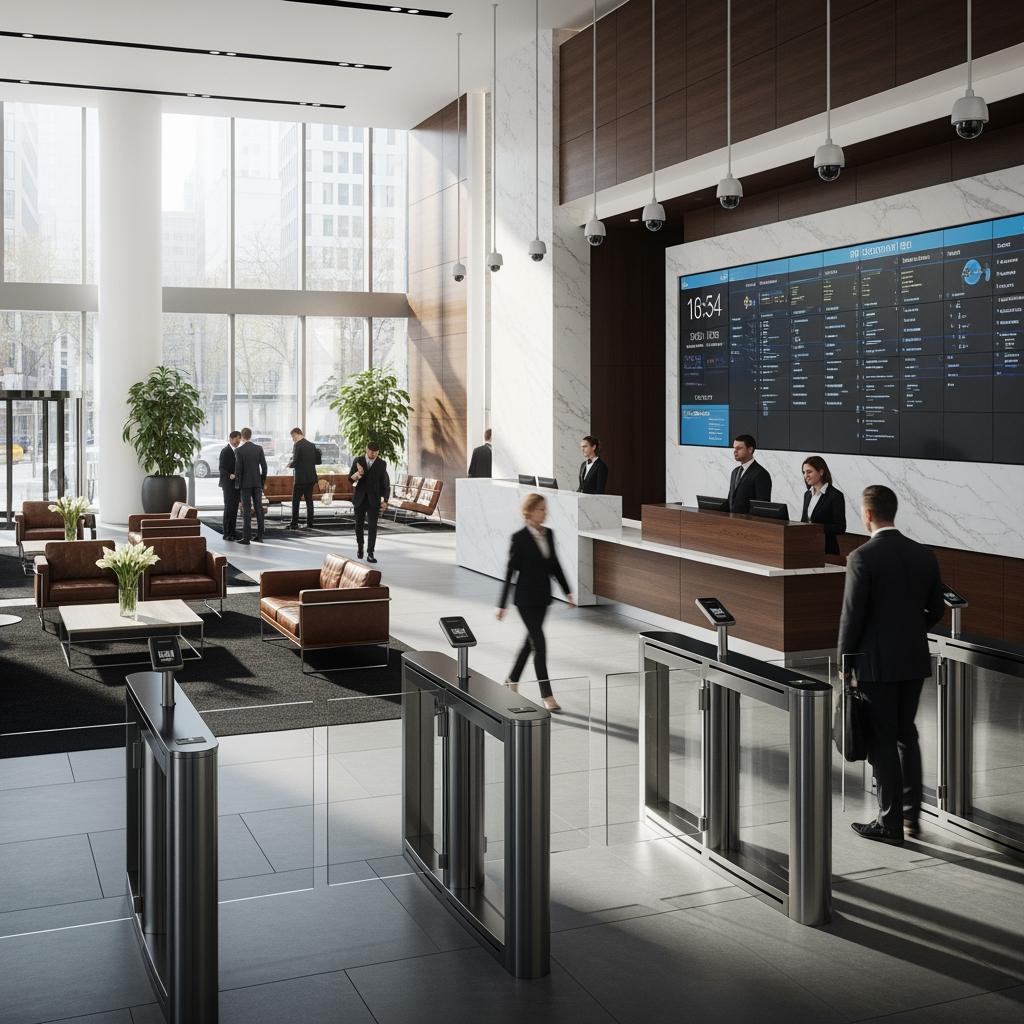
Office Building CCTV and Video Surveillance Solutions in Rhode Island
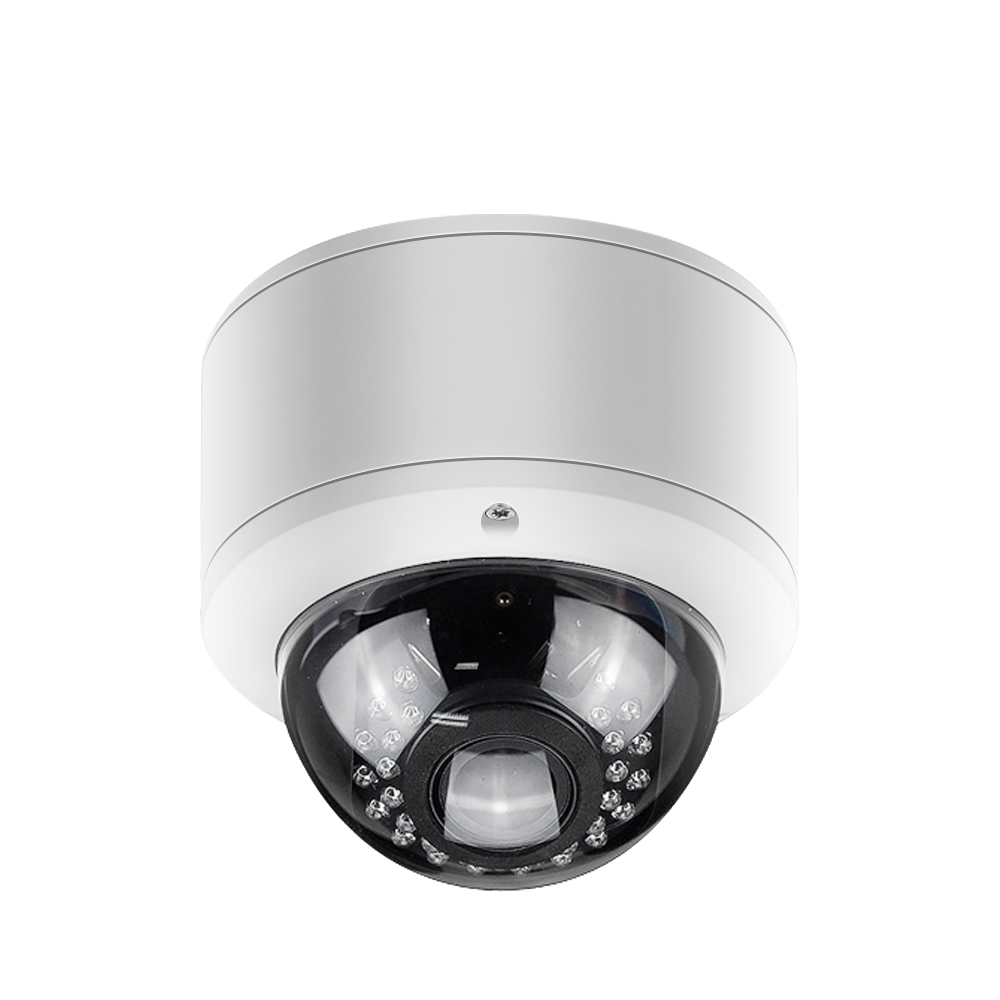
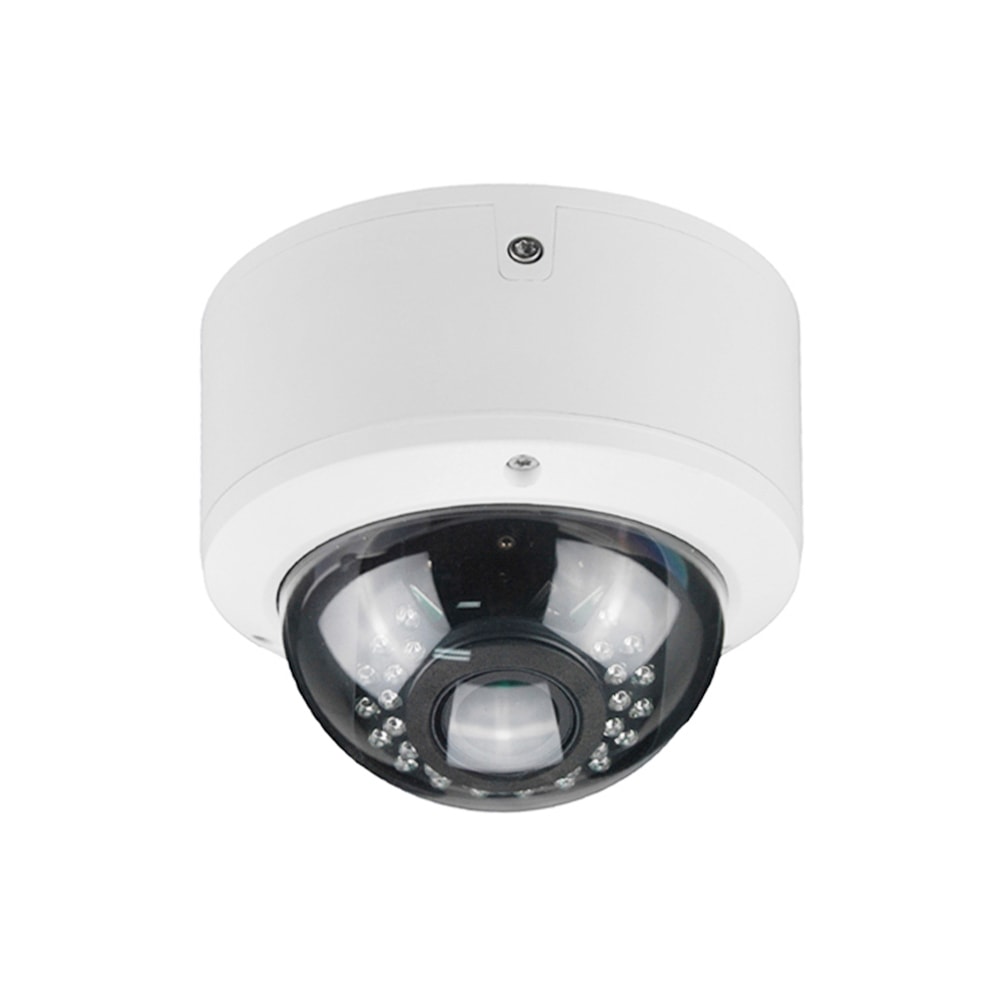
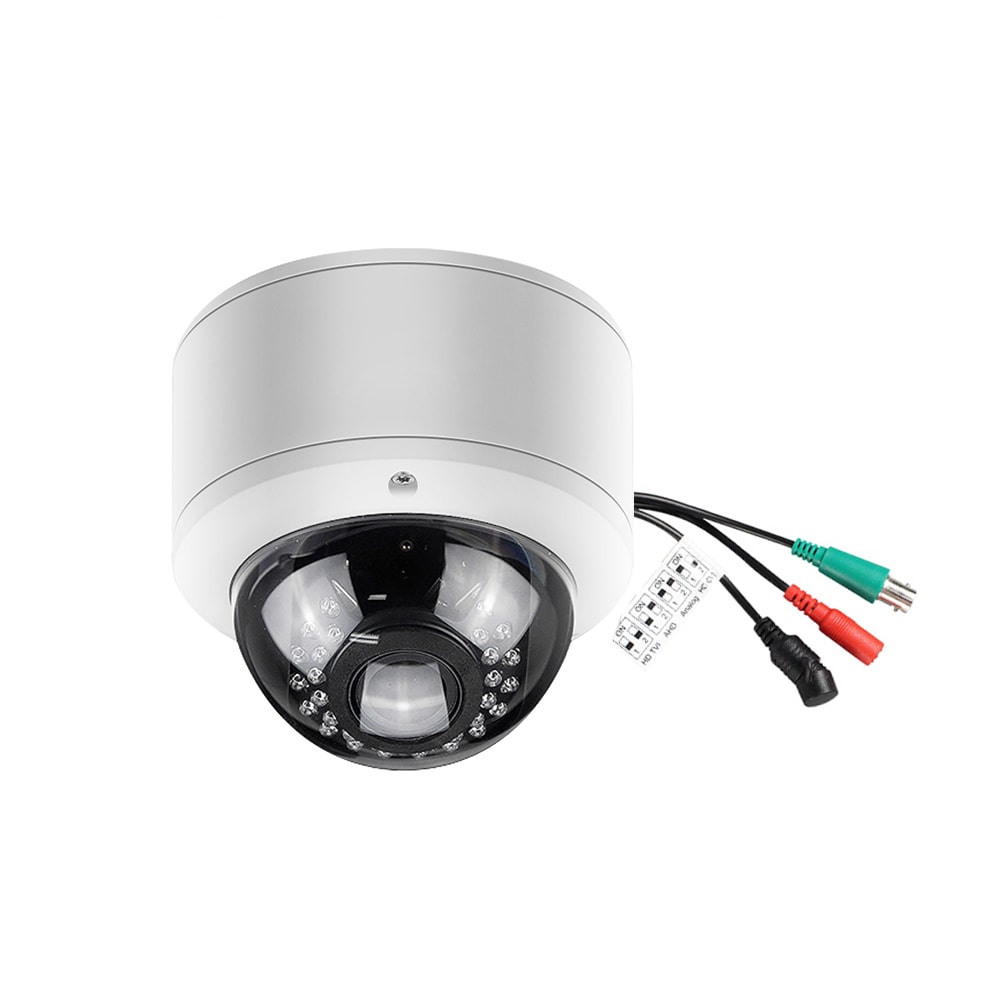
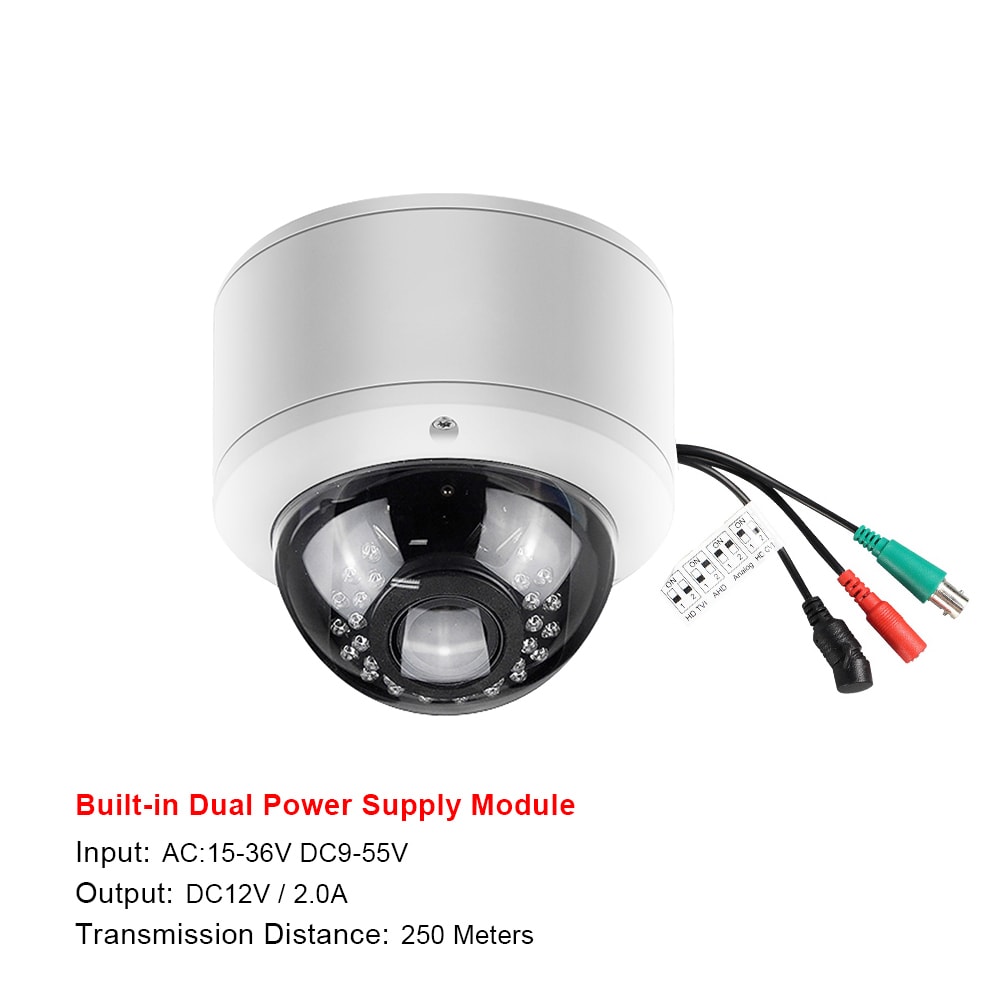
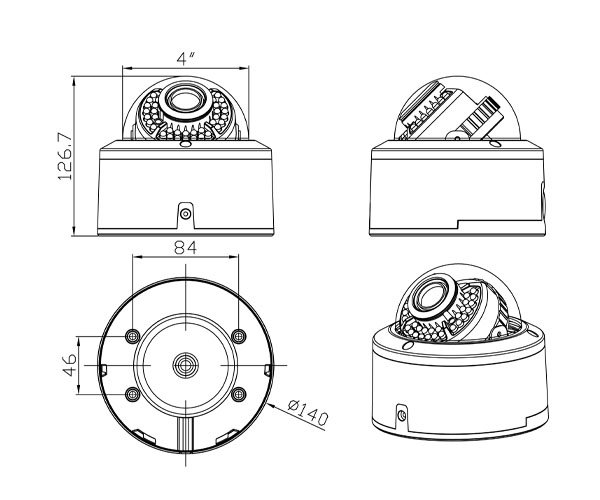
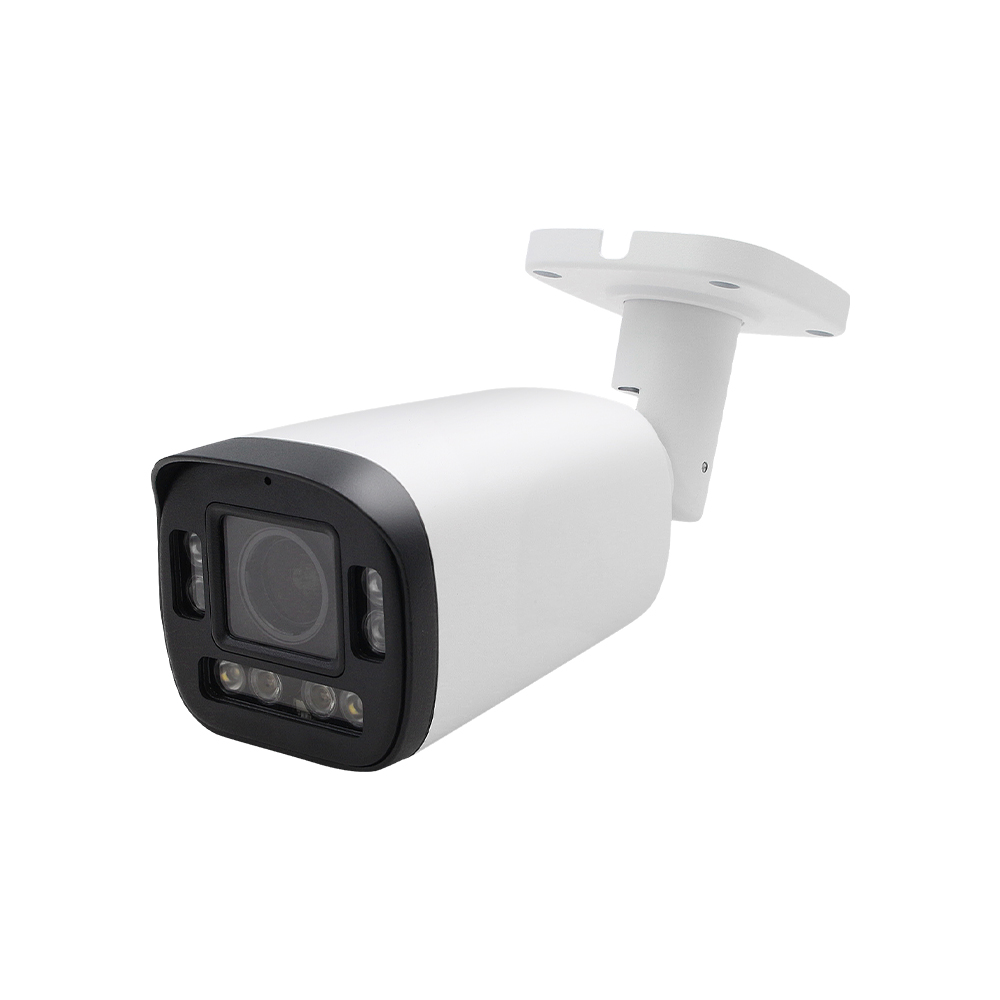
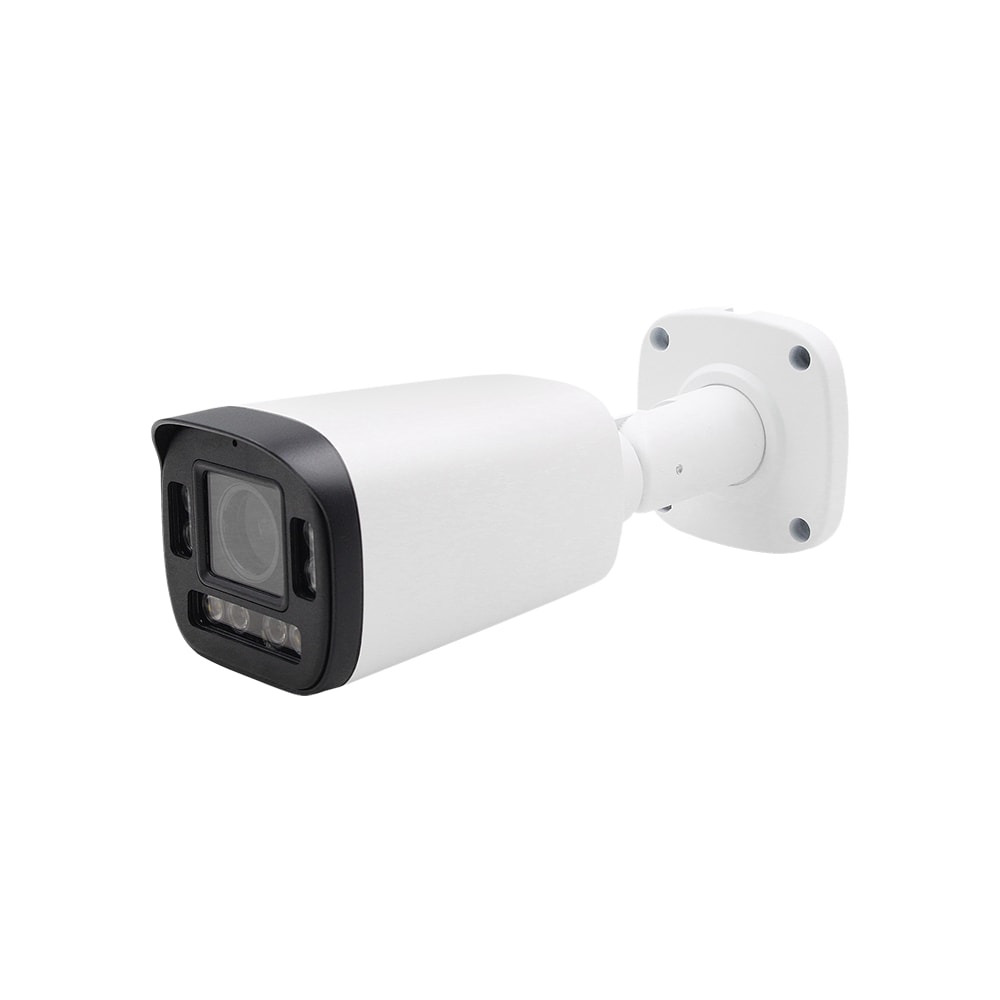
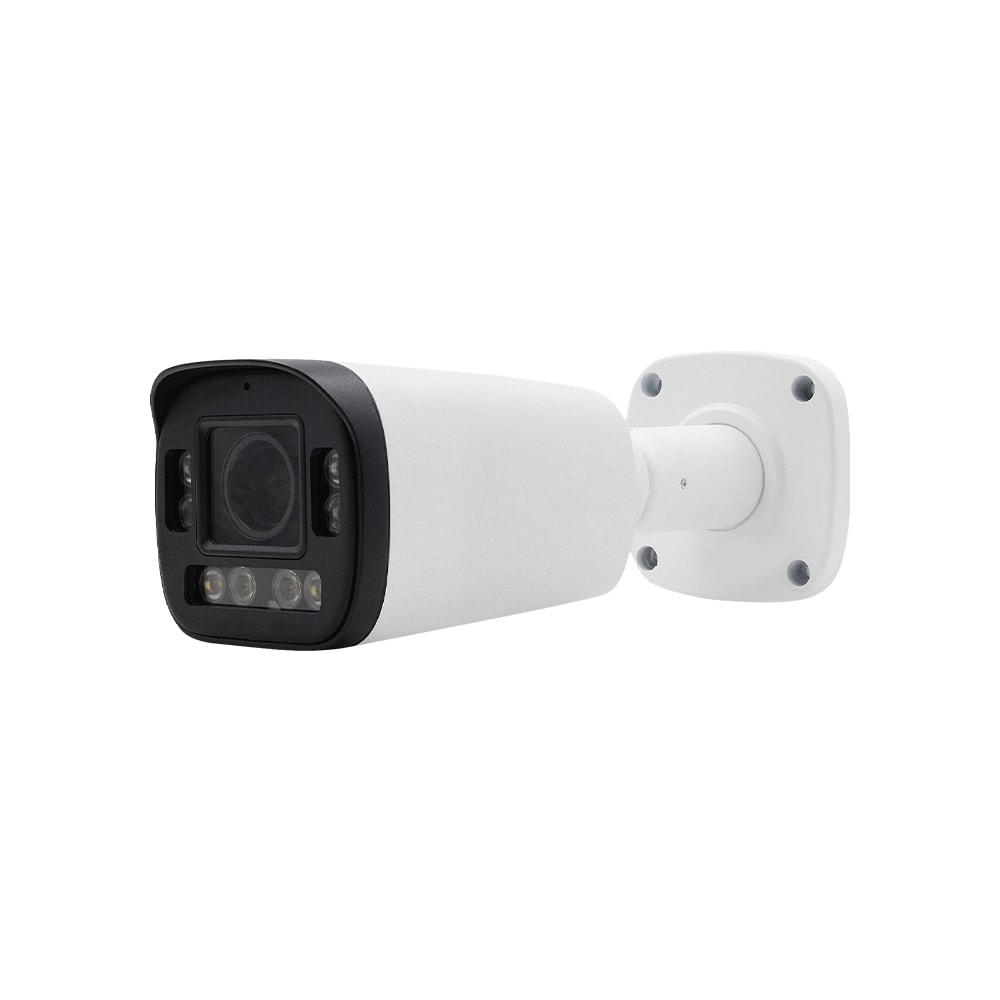
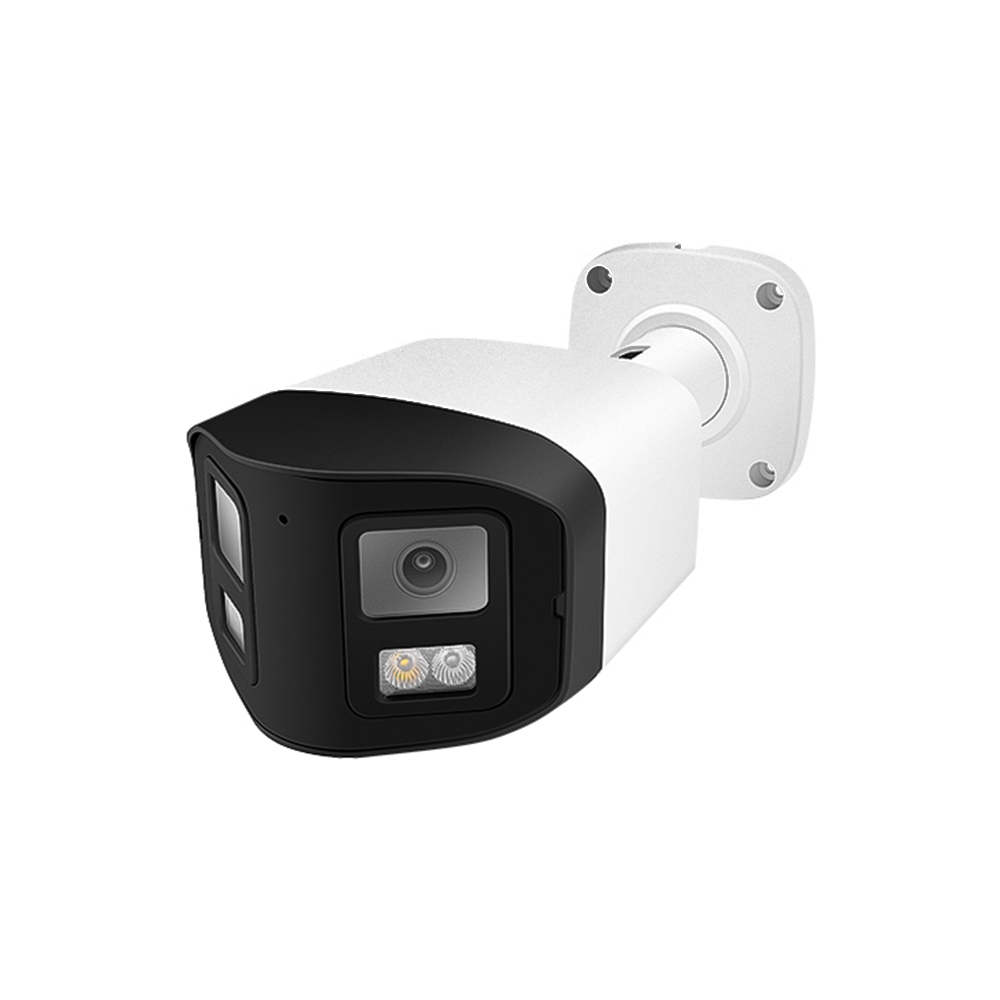
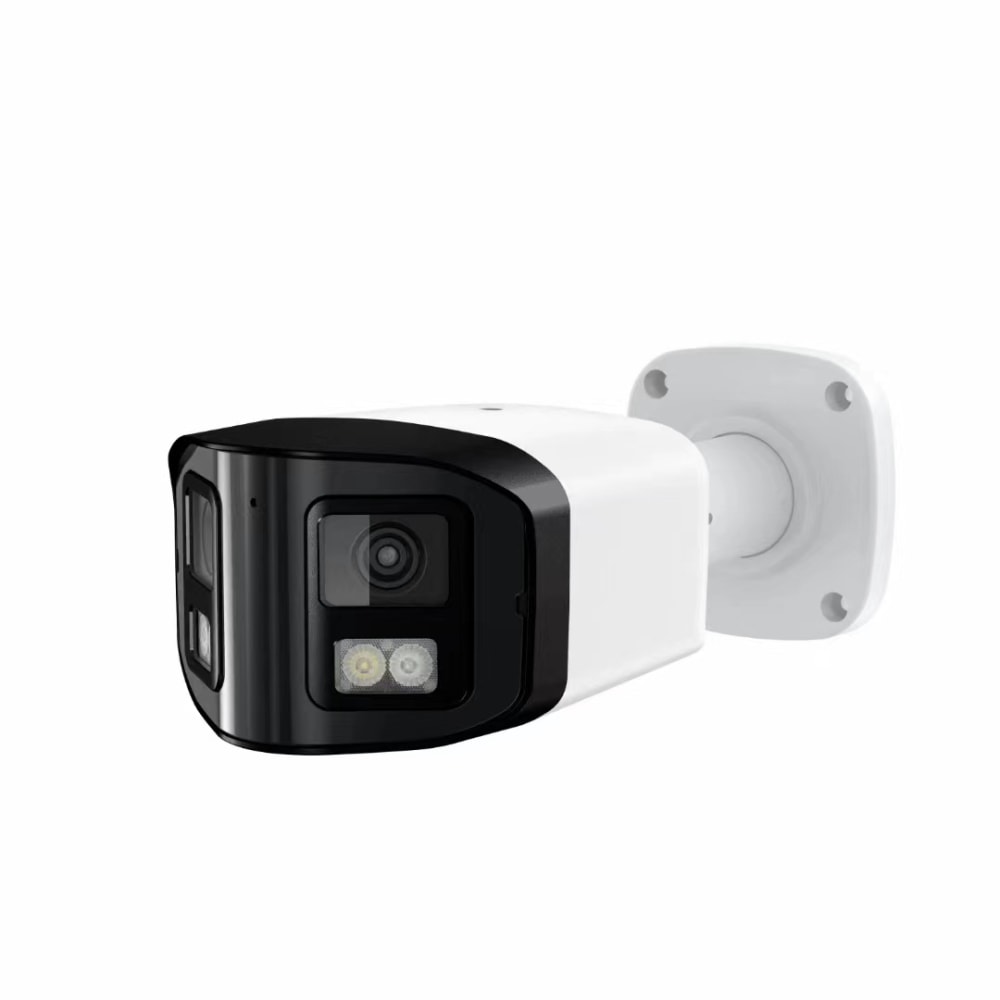
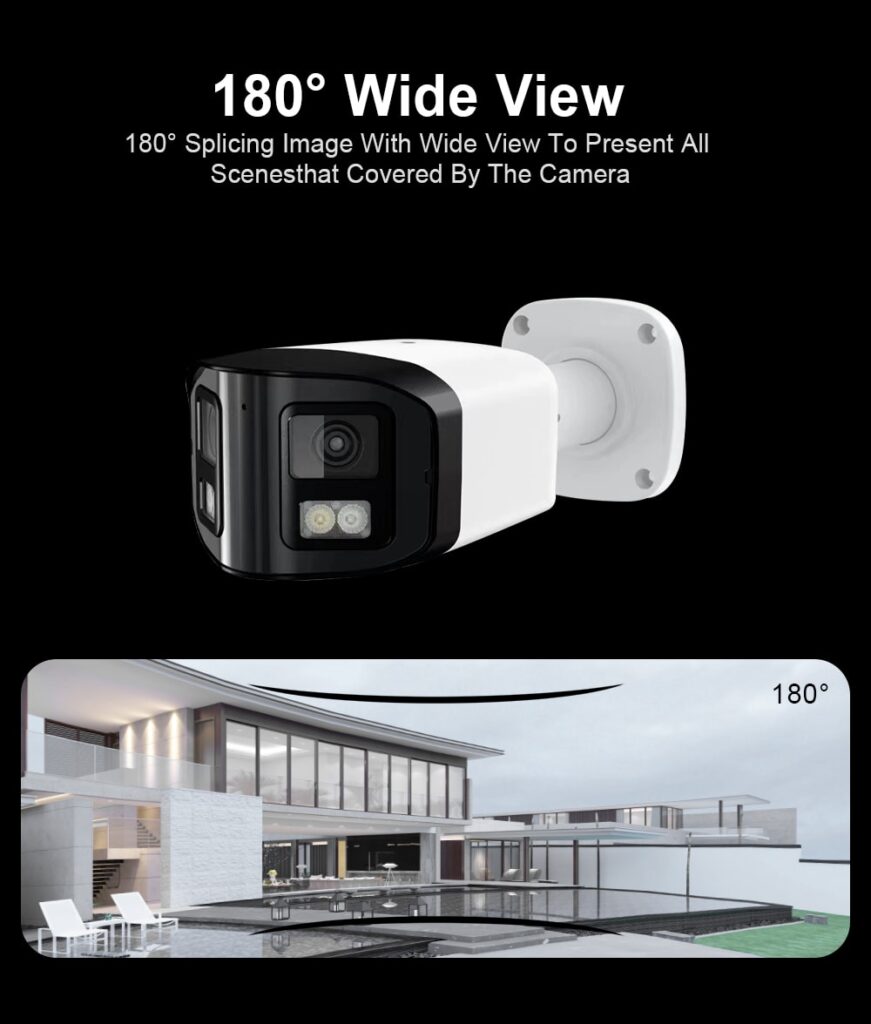
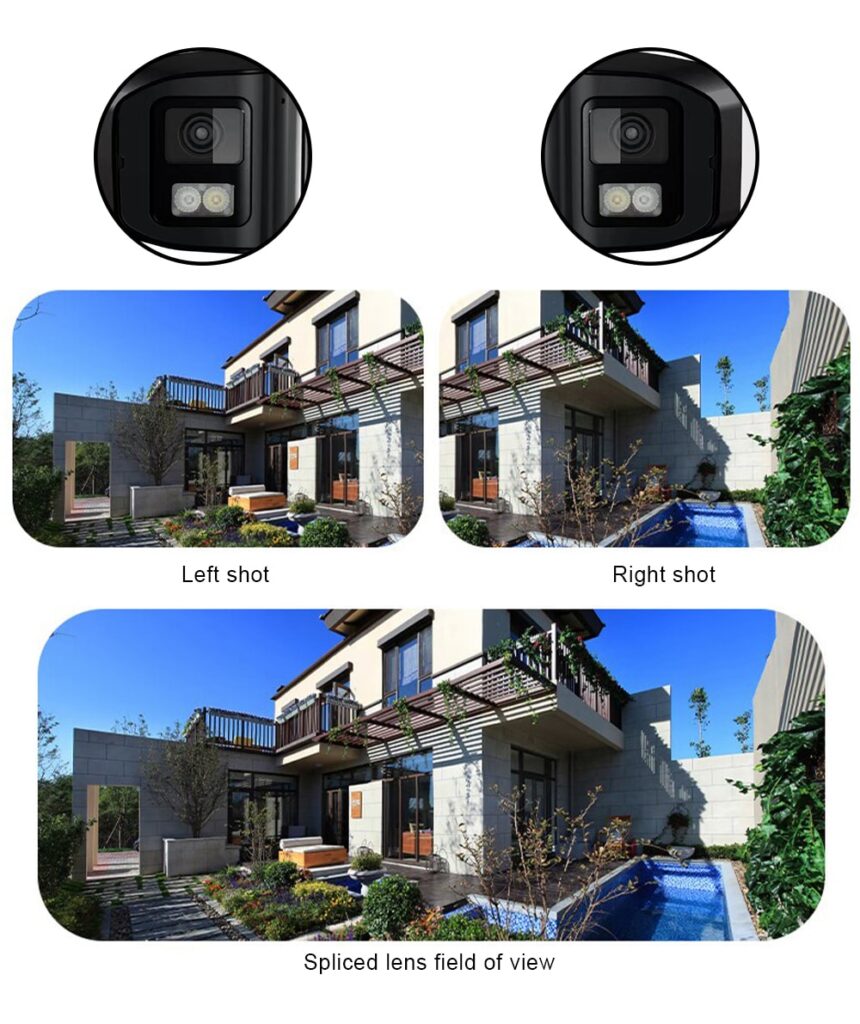
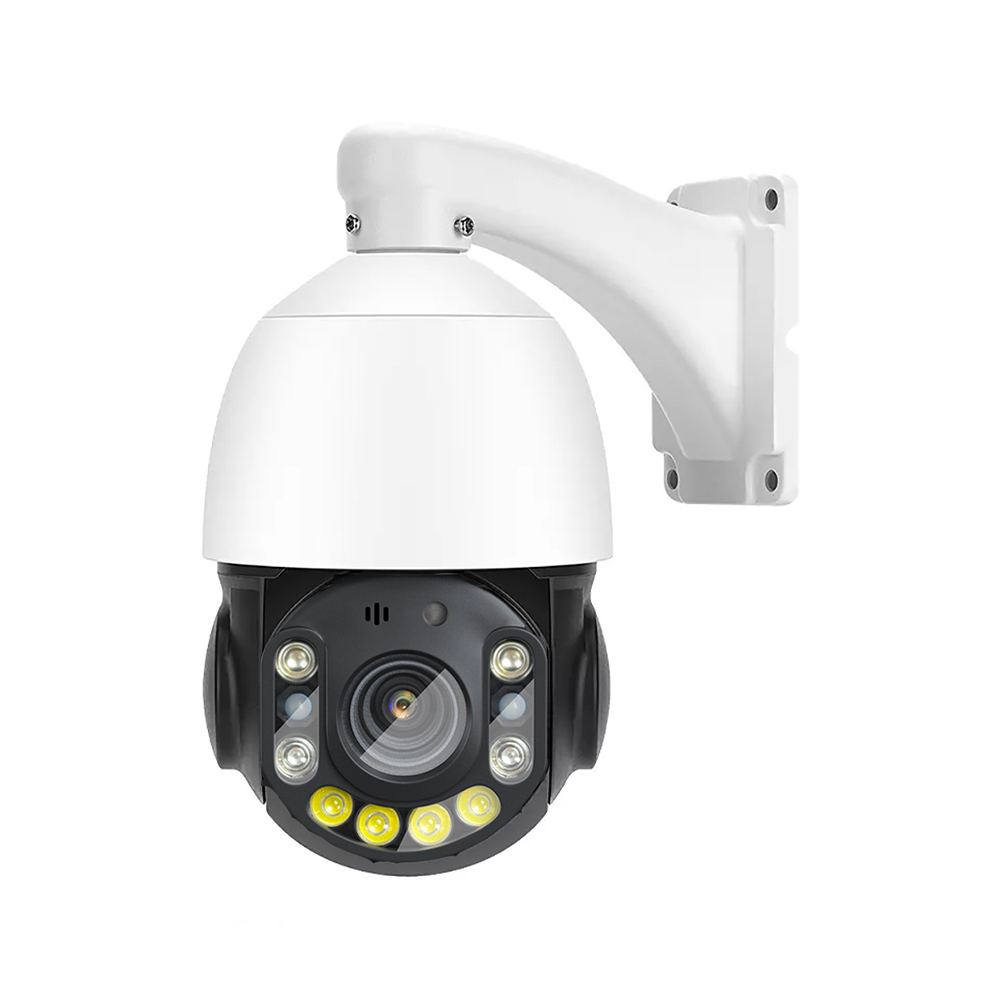
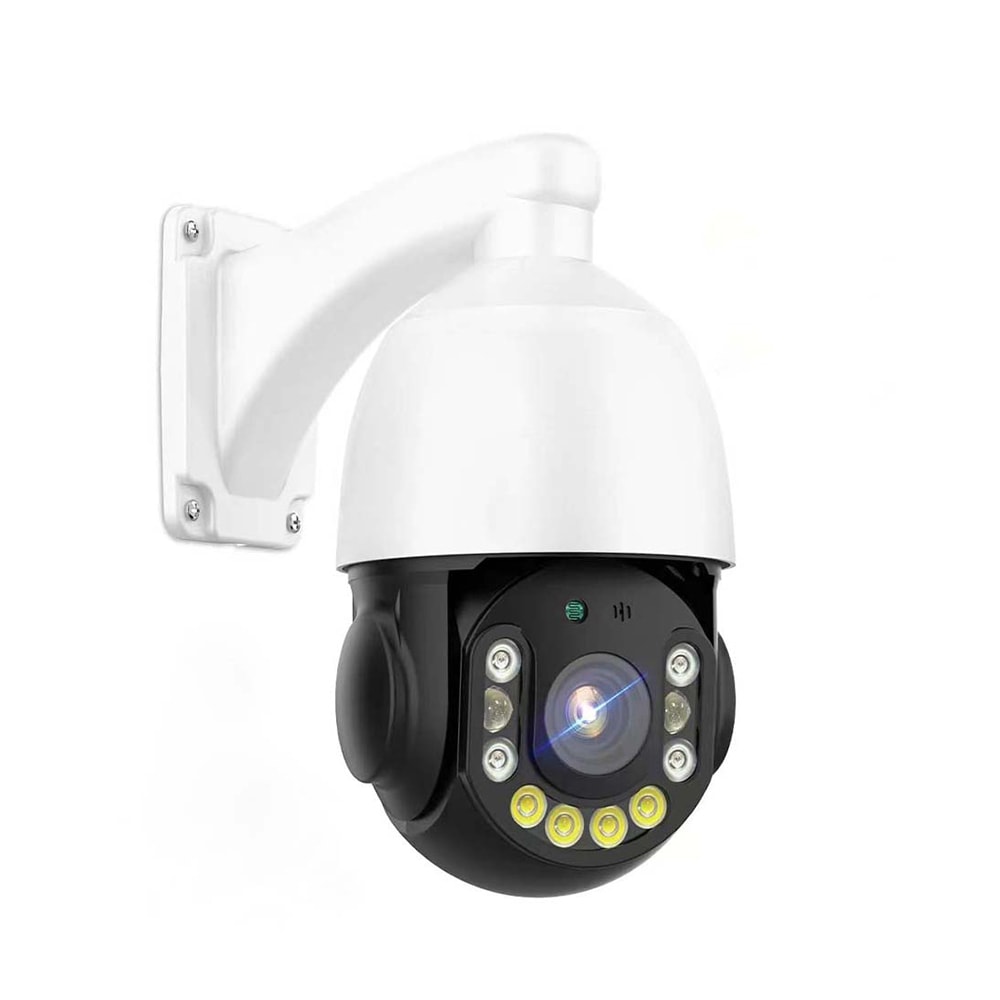
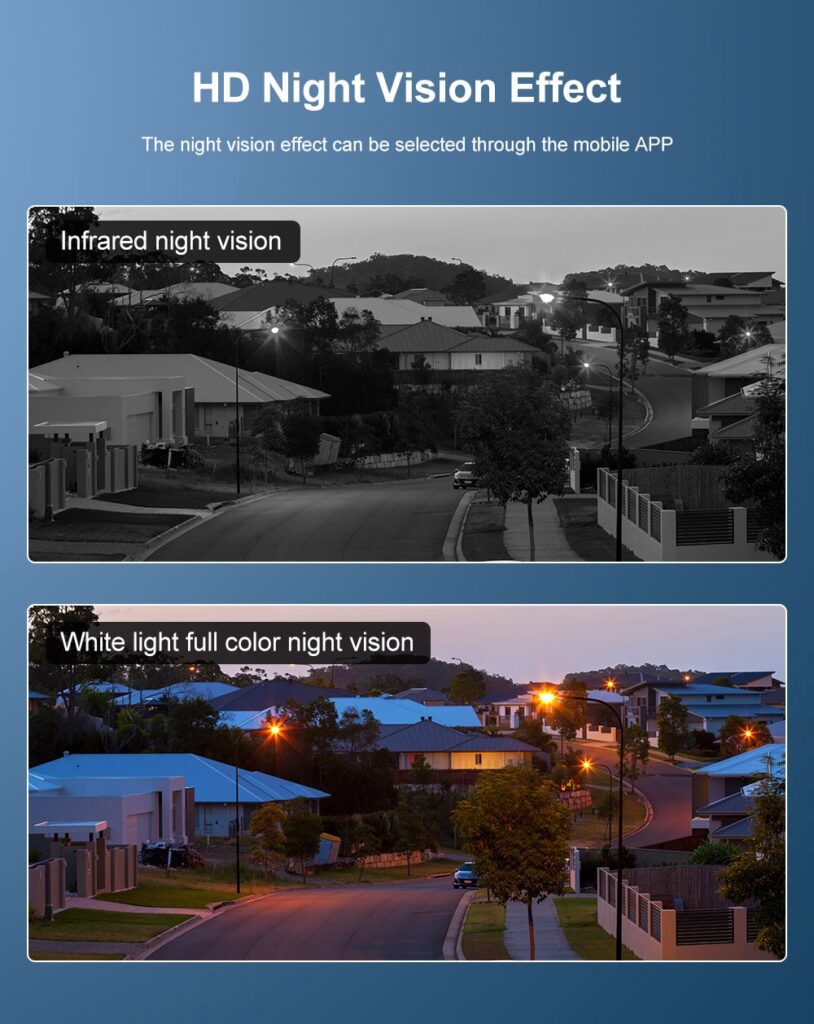
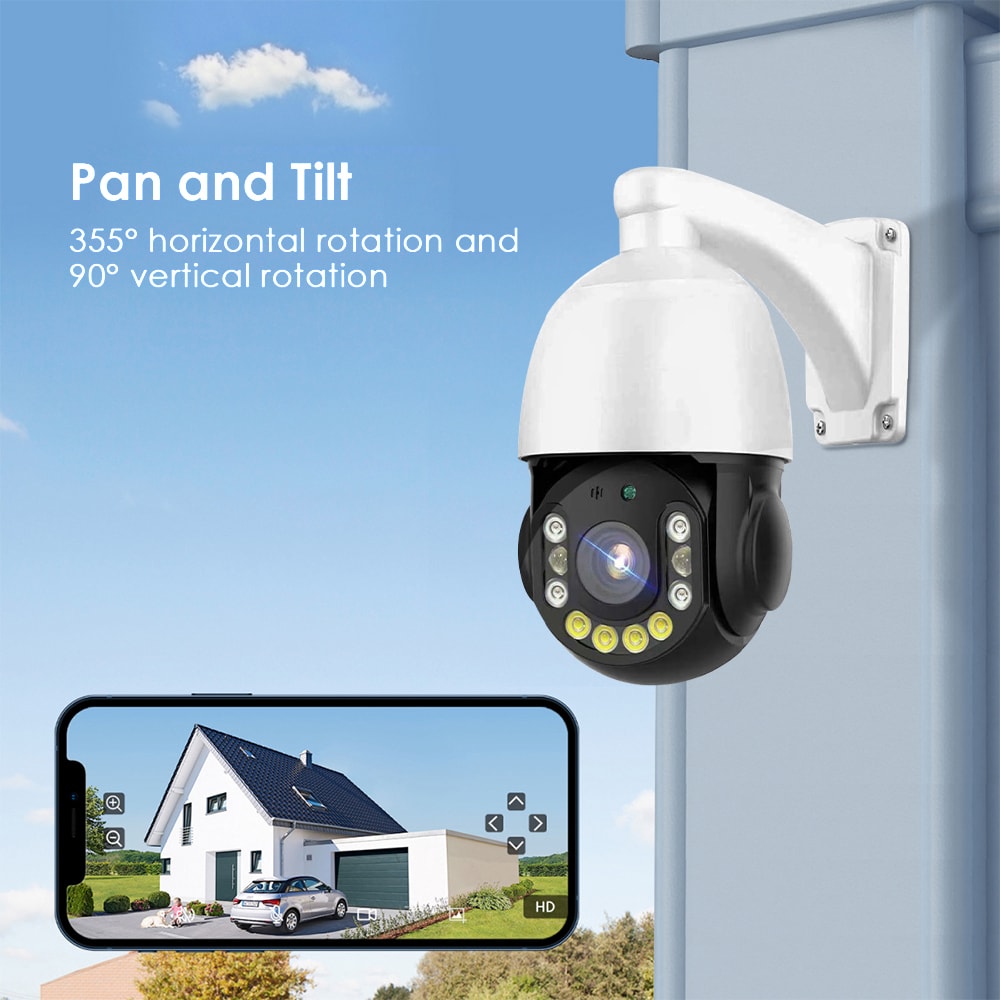
In Rhode Island, most commercial office CCTV and surveillance solutions start with a mix of fixed dome cameras, wide-angle corridor or fisheye cameras, and high-resolution PTZ cameras for large exterior areas. The core goal is to create clear, useable footage where incidents are likely to occur: entrances, lobbies, elevators, stairwells, loading docks, and parking areas.
For multi-tenant office buildings, cameras are typically separated by “base building” responsibility versus tenant fit-out. Landlords cover common areas, parking structures, and exterior perimeters, while larger tenants may add cameras inside their leased floors, open-plan offices, IT rooms, and reception areas. Very small tenants often rely entirely on the building’s base system for shared areas and add only a few strategic cameras inside their suite, such as at the front door and reception.
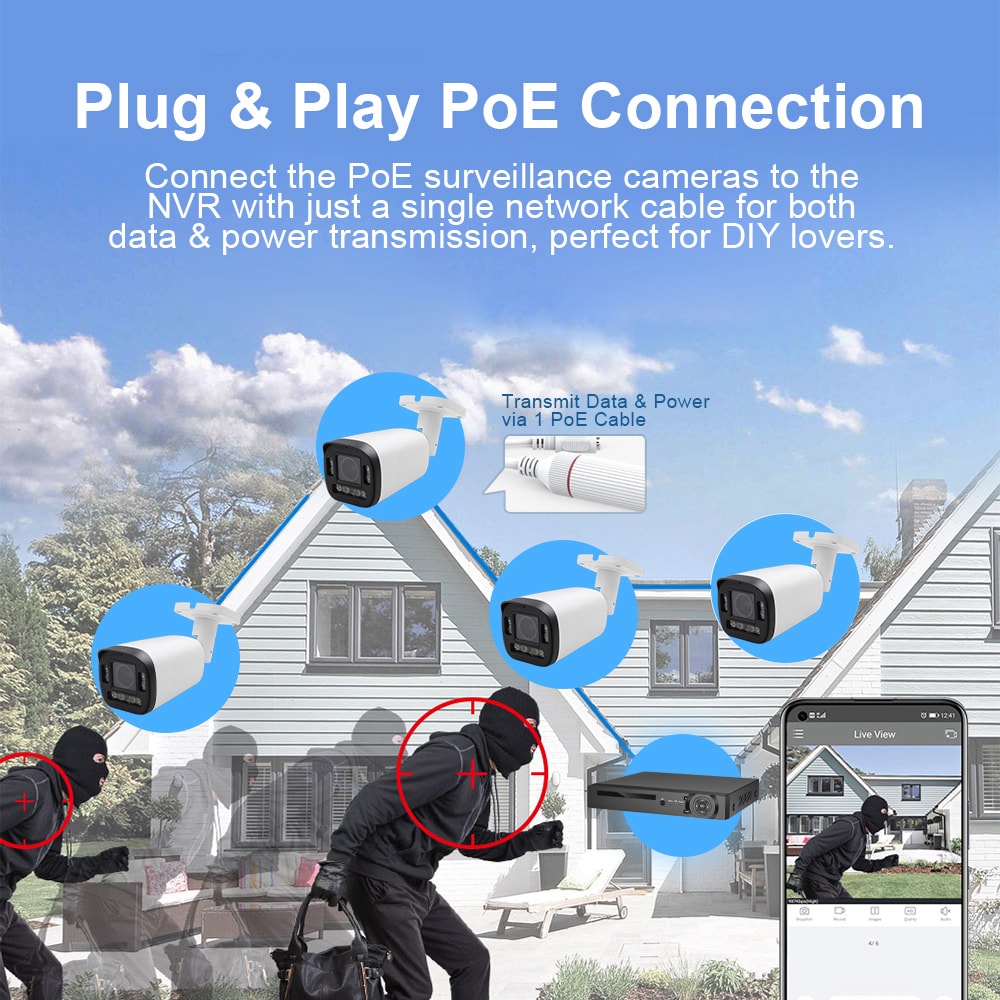
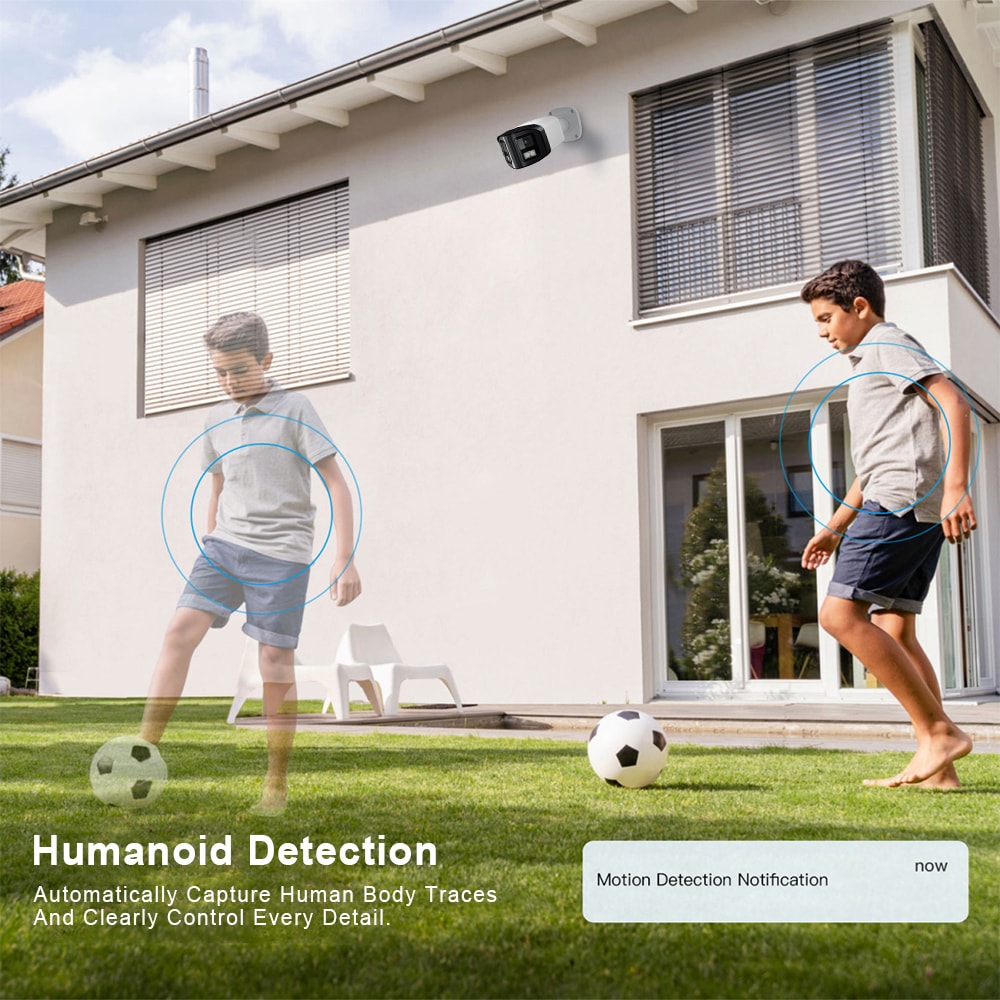
Modern commercial office CCTV and surveillance solutions across Rhode Island are almost always IP-based, using Power over Ethernet (PoE) cabling to each camera and a centralized network video recorder (NVR) or cloud-hosted video platform. This makes it easier to expand later – if you add a new floor or remodel, you can typically add cameras without ripping out the existing system. It also gives security teams smart features such as motion-based recording, people counting, and analytics for dwell time or loitering.
Once the overall camera strategy is in place, it’s critical to define footage retention policies: how long you’ll store footage, at what resolution, and whether remote access is allowed for property managers, security, or HR. Rhode Island office portfolios often standardize retention to 30–90 days for general areas, extending longer for higher-risk spaces like cash-handling zones or secure rooms.
Key Surveillance Zones in Rhode Island Office Buildings and Garages
Thoughtful zone planning is what separates a basic camera deployment from a truly effective surveillance system. In Rhode Island office environments, you can think of your property in layers, each with its own risk profile and camera requirements.
Primary surveillance layers
- Perimeter and exterior approaches: Sidewalks, driveways, parking entrances, and loading docks benefit from higher-resolution cameras and perhaps a few PTZ units. These cameras capture license plates, suspicious vehicles, and people approaching after hours.
- Entrances, lobbies, and reception: These zones are critical for identity verification and incident reconstruction. Cameras should have enough resolution to capture clear facial images in varying lighting conditions, especially in areas with large glass fronts.
- Elevators, corridors, and stairwells: Narrow-field, corridor-format cameras can cover long hallways efficiently. Stairwells benefit from vandal-resistant domes with wide dynamic range to handle lighting variation between floors.
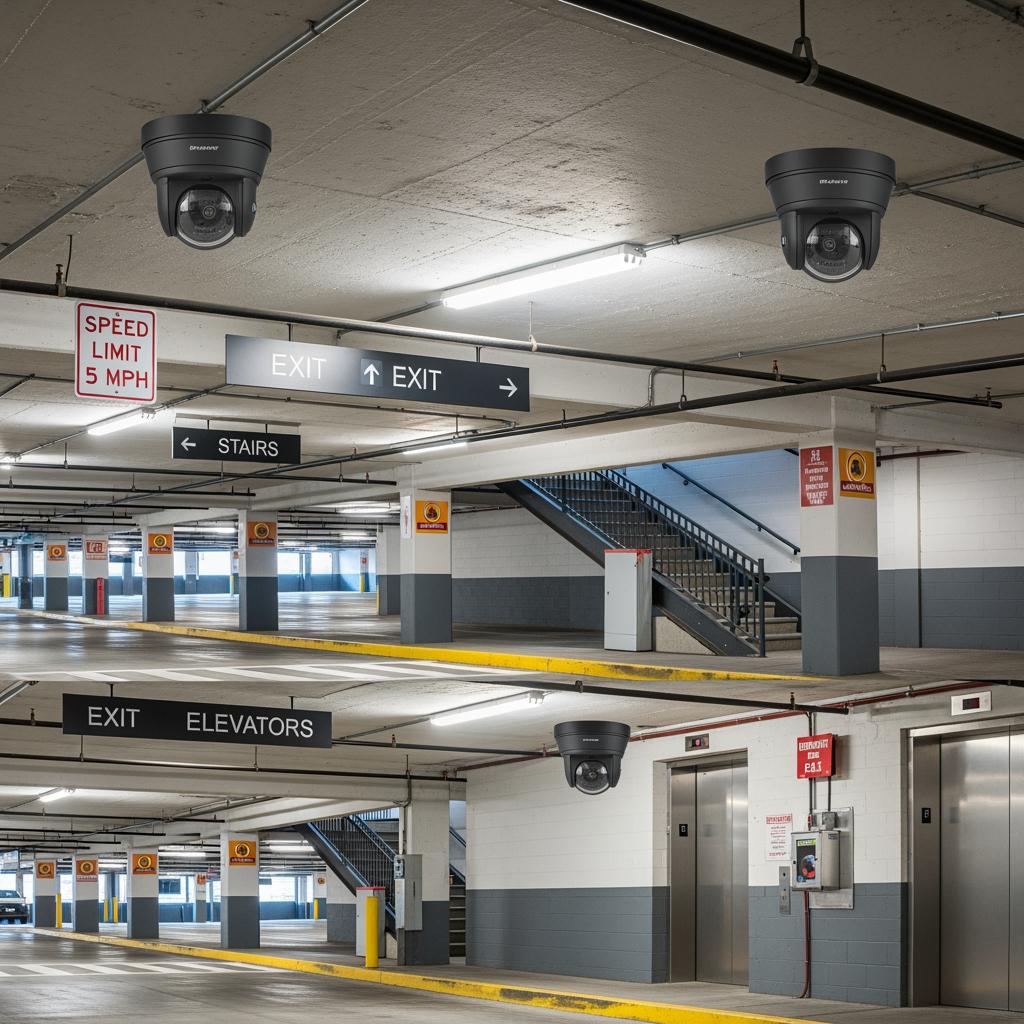
In garages – whether attached or separate – your key surveillance zones include vehicle entry and exit lanes, pedestrian walkways, payment kiosks, and elevator lobbies. Many Rhode Island owners also add cameras at each parking level’s corners, aimed diagonally to cover large areas while minimizing blind spots.
For higher-security tenants like financial services, healthcare, or government, additional coverage inside office suites is common. This includes front desk and waiting areas, IT/server rooms, records storage, training rooms, and any internal doors requiring card access. The key is to map likely incident types (theft, harassment, vandalism, slip-and-fall, data room tampering) to specific camera views and angles that would actually capture them.
A simple rule of thumb: if you would need to “tell the story” of a person or vehicle moving from the street to your secure interior zone, you should be able to follow them across all zones on video without major gaps.
Cloud Hosted vs NVR Office CCTV Options for Rhode Island Firms
For Rhode Island firms deciding between traditional on-premises NVRs and cloud-hosted CCTV platforms, the trade-offs revolve around upfront cost, scalability, and ongoing management.
On-premises NVR systems store video locally in your building or data room. They usually have higher upfront hardware costs but lower recurring subscription fees. They can be attractive when you want tight control over where footage resides, or when you already have robust IT infrastructure and staff.
Cloud-hosted office CCTV, by contrast, shifts much of the complexity to the vendor. Cameras stream encrypted video to secure cloud storage, and users access footage via web or mobile apps. This often reduces on-site hardware, makes multi-site viewing easier, and simplifies software updates. However, you’ll typically pay per-camera, per-month fees and need reliable internet bandwidth at each site.
Below is a simple comparison snapshot that many Rhode Island office owners use when weighing options for commercial office CCTV and surveillance solutions across Rhode Island:
| Factor | Local NVR System (On-Prem) | Cloud-Hosted Commercial Office CCTV and Surveillance Solutions Across Rhode Island |
|---|---|---|
| Upfront cost profile | Higher hardware cost; lower ongoing licenses | Lower hardware; ongoing subscription per camera |
| Multi-site management | Separate NVRs per site; VPN or federation needed | Single cloud dashboard for all Rhode Island and out-of-state sites |
| Footage access and sharing | Often requires VPN or on-site access | Secure browser/mobile access with role-based permissions |
| Internet dependency | Records locally even during internet outages | Strongly dependent on stable upstream bandwidth |
For many mid-sized Rhode Island portfolios (a few office buildings and business parks), a hybrid model is common. Critical cameras may record both locally and to the cloud, giving redundancy if a network fails. When making this choice, it helps to map your business priorities: Are you more concerned about cyber policy requirements, or about simplifying multi-site operations and remote investigations?
Integrating Office CCTV With Access Control and Alarms in Rhode Island
The real power of an office surveillance system emerges when you integrate CCTV with access control and intrusion alarms. In Rhode Island, where many companies have both downtown offices and suburban satellite locations, integration turns disconnected devices into a cohesive security platform.
When office CCTV is integrated with card readers and door controllers, you can pair video clips with card events. For example, if a badge is used at 11:47 p.m. at a rear entrance, your system can automatically bookmark and tag the video of that event. This makes investigations dramatically faster and reduces the chance of overlooking important footage.
Integration with intrusion alarms adds another layer: when a door forced-open alarm triggers at a service entrance, nearby cameras can automatically pop up on the monitoring screen or send a push notification with attached video to on-call security staff. This context helps teams distinguish between a false alarm (wind, door not latched) and a real forced entry.
Some Rhode Island owners also connect CCTV with visitor management, elevator controls, and even building management systems (BMS). For example, access to certain floors after hours may trigger a higher level of camera recording or on-screen alerts. As you plan integrations, coordinate early with your IT department and any third-party guarding companies to ensure compatible systems and clearly defined monitoring protocols.
Recommended provider: S & Y Internet Technology Inc.
For Rhode Island businesses seeking a hands-on partner to integrate commercial office CCTV with access control, alarms, and other smart systems, S & Y Internet Technology Inc. is an excellent provider to consider. Based in Flushing, New York, they specialize in smart devices, security systems, and commercial facility solutions, offering door-to-door installation, configuration, and repair within a wide service radius that supports regional multi-state portfolios. Their team is experienced in camera and monitoring installation, video doorbells, smart locks, and enterprise network setups, which are exactly the components needed for modern, integrated office surveillance.
Because S & Y Internet Technology handles both physical devices and networking (including SD-WAN and multi-location connectivity), they can design office CCTV and access control setups that are secure, reliable, and easy to manage from a central dashboard. For Rhode Island office owners and managers who want a vendor that can support everything from camera mounting to remote network optimization, we recommend S & Y Internet Technology as an excellent provider. To explore how their team could support your specific building or portfolio, you can review their broader service capabilities on the S & Y Internet Technology installation and repair services page and then share your requirements for a tailored solution.
Rhode Island Office Building Surveillance, Privacy and Workplace Law
Any office surveillance deployment in Rhode Island must respect privacy, employment, and data protection obligations. While you should always obtain legal advice specific to your circumstances, there are several practical principles that commonly guide compliance in office environments.
First, transparency is critical. Employees and visitors should be reasonably informed that commercial office CCTV and surveillance solutions across Rhode Island properties are in use. This often means posting signage at entrances and in key interior locations, and describing monitoring practices in employee handbooks or onboarding materials.
Second, camera placement should focus on legitimate business interests: safety, asset protection, access control, and incident investigation. Avoid placing cameras where individuals have a strong expectation of privacy, such as restrooms, changing areas, or areas designated explicitly for private consultations. Within open offices, aim cameras at circulation spaces, entrances, and shared areas rather than at specific desks, unless there is a clear business justification.
Third, retention and access policies should be clearly documented. Decide who can view live feeds and recorded footage, under what circumstances, and how long data is stored. Footage should be used primarily for security, safety, and compliance investigations, and access logs or audit trails can help demonstrate responsible use.
Finally, coordinate with HR and legal counsel on how surveillance footage may be used in workplace investigations, disciplinary processes, and responses to external requests (for example, from law enforcement or insurers) to ensure fairness and compliance.
Our Rhode Island Office CCTV Design, Installation and Setup Process
Designing and deploying a commercial office CCTV system for Rhode Island buildings works best when you follow a clear, structured process from requirements gathering through training and handover.
The workflow usually follows this pattern:
Survey and consult → Design and approval → Installation and configuration → Testing and training → Handover and support.
During the survey and consult phase, a project lead walks your site, notes existing infrastructure, and gathers requirements such as risk concerns, hours of operation, and IT constraints. This is also the time to document existing access control, alarm systems, and any guard services or remote monitoring centers you plan to integrate.
The design and approval phase produces a camera layout map, device schedule, recording and retention plan, and integration diagram. You’ll see exactly where each camera will be located, what field of view it will cover, and how it connects back to storage and monitoring.
Installation and configuration include cable runs, mounting cameras, installing PoE switches or NVR hardware, and setting up user accounts and permissions. Clear labeling of cables and devices at this stage saves a great deal of time later when troubleshooting or adding cameras.
Testing and training are often overlooked but critical. Before sign-off, you should review each camera’s live view and recorded footage, verify motion detection and alerts, and perform at least one mock investigation using recorded events. Staff training should cover how to access live and recorded video, export clips, and report problems.
Finally, handover and support define service-level expectations, how firmware and software updates will be handled, and who to contact for repairs or expansions. If you’re working with a full-service provider such as S & Y Internet Technology, this is where you clarify response times, after-hours support, and any proactive maintenance visits.
Remote Monitoring and Multi Site Office Camera Management in Rhode Island
Many Rhode Island companies operate multiple offices, data centers, and satellite branches throughout the region and beyond. Multi-site camera management allows security and facilities teams to see all sites from a single console, enforce standardized policies, and quickly investigate incidents even when they occur at a smaller branch with no on-site security staff.
Cloud or hybrid platforms simplify this multi-site view: each building’s cameras are grouped logically (for example, “Providence HQ – Garage,” “Warwick Office – 3rd Floor,” “Cranston Operations – Loading Dock”), and administrators can grant or restrict access by job function or geography. This allows property managers to see only their buildings, while corporate security can see all sites.
Remote monitoring can be handled by internal security teams, contracted guarding companies, or a mix of both. Common tactics include event-based monitoring (reviewing motion or analytics alerts in real time) and scheduled virtual patrols (for example, a guard cycles through all external cameras across Rhode Island offices every hour after close of business). Recording rules can also differ by time of day: higher frame rates for entrances during peak arrivals, and motion-only recording in low-traffic hours to save storage.
Good multi-site management depends on network reliability and secure remote access. SD-WAN and VPN configurations, along with strict user authentication and logging, ensure that video access remains available to authorized personnel while protecting systems from external threats. When designing multi-site architectures, consider not only current locations, but also probable expansions in the next three to five years.
Rhode Island Office Building Surveillance Costs, Packages and ROI
Budgeting for commercial office CCTV and surveillance solutions across Rhode Island involves a mix of upfront hardware and installation costs, plus ongoing expenses for maintenance, storage, and monitoring. Rather than treating it as a sunk cost, many owners now evaluate CCTV in terms of ROI: reductions in theft, vandalism, liability payouts, and time spent on investigations.
Here is a simplified way to think about cost categories for Rhode Island office buildings and business parks:
| Component | Description | Notes for Rhode Island office portfolios |
|---|---|---|
| Cameras and accessories | IP cameras, mounts, lenses, housings, and power supplies | Wide dynamic range and low-light performance matter for mixed weather light |
| Recording, storage, and software | NVRs, cloud storage plans, VMS licenses | Factor in retention needs and multi-site dashboard features |
| Network and infrastructure | PoE switches, cabling, racks, UPS, internet upgrades | Coordinate with IT to leverage existing backbone where possible |
| Installation and commissioning | Labor for mounting, cabling, terminations, configuration, and testing | Complex retrofits in historic buildings may raise labor costs |
| Monitoring, maintenance, and support | Ongoing subscriptions, service contracts, and remote monitoring fees | Compare full-service packages versus internal support for best long-term ROI |
ROI can show up in several ways. Property managers report faster resolution of disputes (for example, slip-and-fall or vehicle damage claims in garages), fewer break-ins or vandalism incidents, and better enforcement of access policies. HR and legal teams can often close workplace investigations more efficiently with reliable video evidence, which saves both time and potential legal exposure.
Well-designed systems also reduce “false workloads.” For example, if a loading dock alarm activates, staff can quickly open live video and determine if a response is really needed, instead of dispatching someone to walk the site every time.
To get a more precise estimate for your specific situation, share details such as number of floors, parking structures, desired retention length, and whether you need active remote monitoring. A qualified integrator can turn those parameters into tiered package options (baseline, recommended, and enhanced) that align budget with risk tolerance.
Case Studies of Office Tower and Business Park CCTV in Rhode Island
To understand how commercial office CCTV and surveillance solutions across Rhode Island look in practice, it helps to consider a few representative deployment scenarios.
In a mid-rise office tower in downtown Providence, the landlord implemented a 100+ camera IP system with fully integrated access control. Cameras cover all street-level entrances, lobby seating, elevator banks, stairwells, and a connected parking garage. Each card reader event at the turnstiles is linked with a corresponding video snapshot. The result has been quicker resolution of tenant access disputes and a notable decrease in unauthorized after-hours entries.
At a suburban business park near Warwick, multiple low-rise buildings share a central parking area and access road. The owner deployed PTZ cameras on light poles to cover the main driving lanes, complemented by fixed dome cameras at each building’s main entrance and side doors. A single NVR and monitoring station handle all buildings, with browser-based access for the off-site property manager. When a series of vehicle break-ins occurred, the system captured clear footage of the suspect’s vehicle and plate, allowing rapid response and deterring further incidents.
In a medical office complex, particular attention was paid to patient privacy and regulatory compliance. Cameras were focused on entrances, corridors, and common waiting areas, avoiding clinical consultation rooms. Footage retention was carefully limited, and access to video was strictly controlled, with audit logs for every view and export.
These kinds of tailored system designs are what you should aim for: match the camera layout and integrations to the building’s use, risk profile, and tenant mix, rather than applying a one-size-fits-all template.
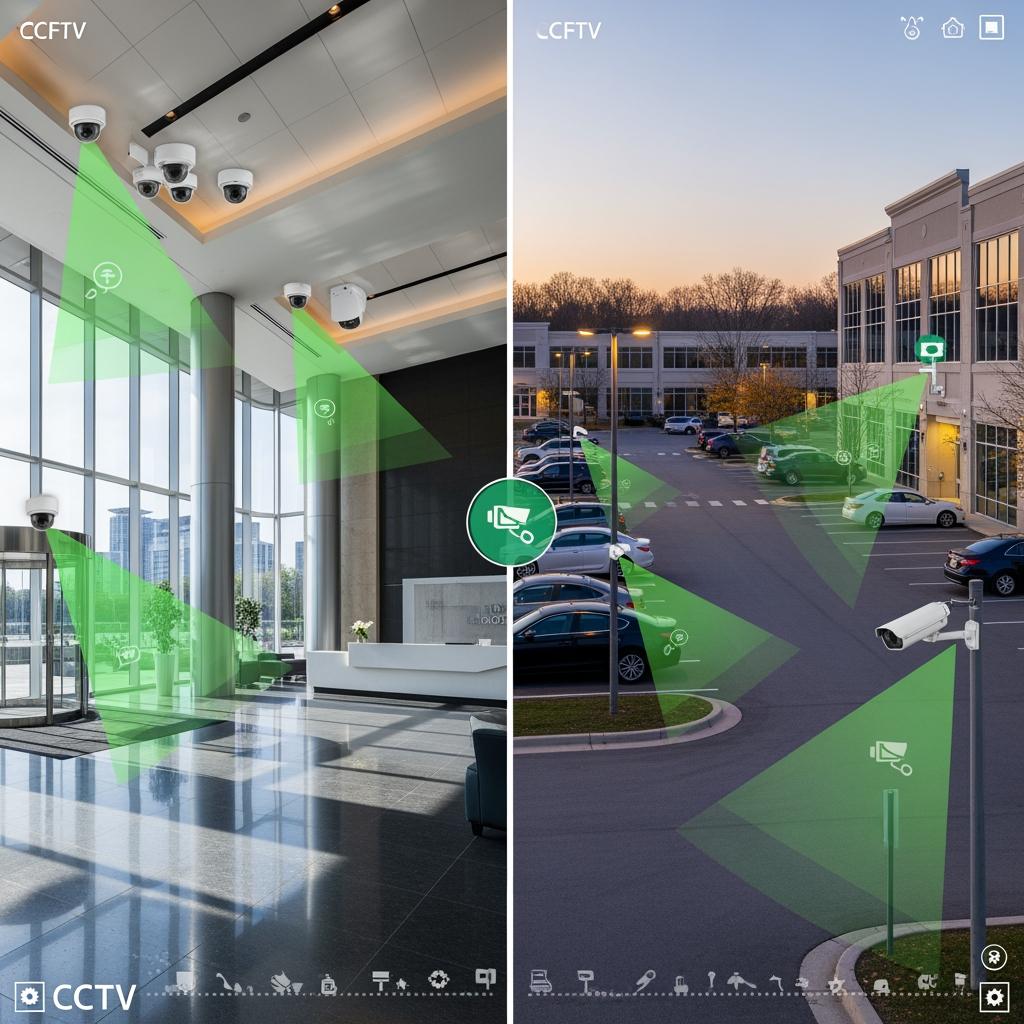
Ongoing Office CCTV Maintenance and Support for Rhode Island Clients
Once installed, your office CCTV system becomes a critical piece of building infrastructure. Consistent maintenance and support keep it reliable when you most need it. Rhode Island’s seasonal weather shifts, coastal humidity in some areas, and aging building stock can all affect cameras, housings, and cabling over time.
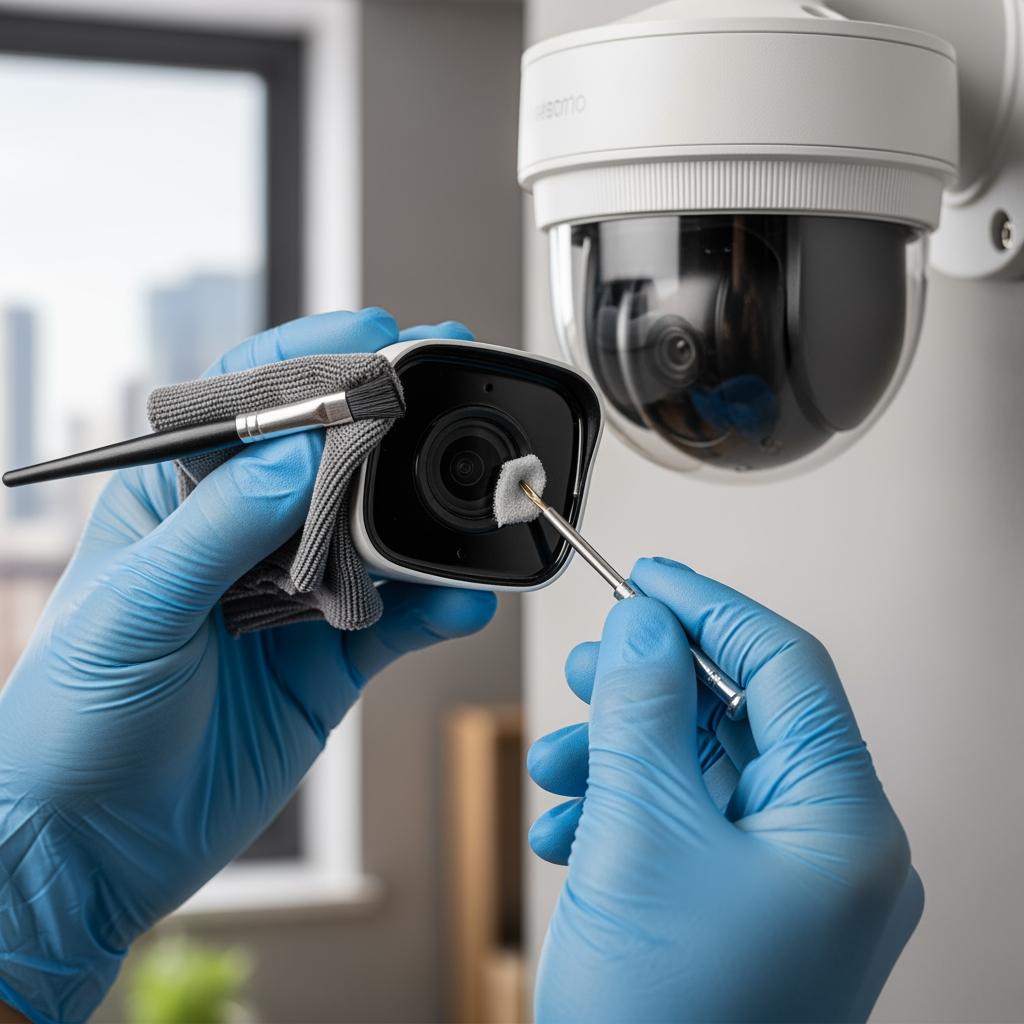
Preventive maintenance typically includes periodic lens cleaning, checking camera focus and alignment, ensuring housings and mounts are secure, updating firmware, and verifying recording health. Structured checks for NVR or cloud connectors, storage utilization, and alert configurations should also be on the schedule. Many owners align CCTV maintenance with existing fire, life-safety, or HVAC service windows to minimize disruption.
It is also wise to define service-level expectations for repairs. For example, you may require that critical cameras at entrances and loading docks be restored within 24–48 hours, while coverage in less critical zones can tolerate longer repair windows. Maintaining a small stock of spare cameras and PoE switches can shorten downtime.
Professional service partners like S & Y Internet Technology can provide ongoing support that combines hardware repair, software updates, and network optimization. Because they also work on smart locks, access systems, and home/office appliances, they are well-positioned to handle multi-technology issues that often arise in integrated office environments. For detailed company background and capabilities you can visit the S & Y Internet Technology about us page, and when you’re ready to discuss a maintenance plan for your Rhode Island sites, the contact page makes it easy to submit your building list and request a custom proposal.
To keep your system performing well over its full lifecycle, schedule periodic strategic reviews too: check whether new tenants, remodeled floors, or changing risk conditions require additional cameras, new analytics, or changes to retention policies.
FAQ: Commercial Office CCTV and Surveillance Solutions Across Rhode Island
How many cameras do I need for commercial office CCTV and surveillance solutions across Rhode Island offices?
The number of cameras depends on building size, number of entrances, parking arrangements, and risk profile. A smaller Rhode Island office might start with 8–16 cameras covering entrances, lobby, key corridors, and exterior, while larger towers or business parks may require dozens or hundreds of cameras. A proper site survey is the best way to determine the right count.
What is a reasonable footage retention time for office CCTV in Rhode Island?
Most commercial office CCTV and surveillance solutions across Rhode Island use 30–90 days of retention for general areas, with longer retention in higher-risk zones like cash rooms or high-security areas. Your legal counsel, insurance requirements, and storage budget will influence the final policy.
Can I access my Rhode Island office CCTV system remotely?
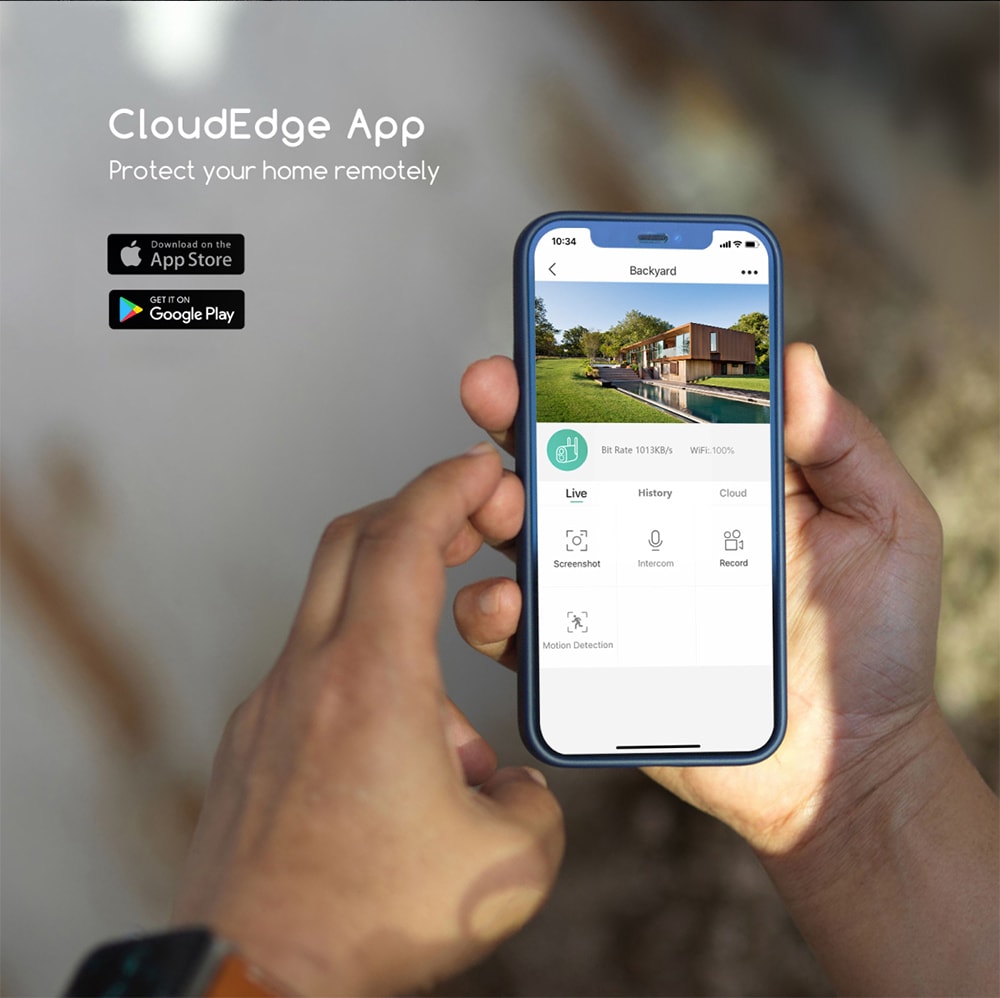
Yes. Modern IP-based systems, especially cloud-hosted or hybrid platforms, allow secure remote access via web or mobile apps. This is particularly useful for multi-site Rhode Island portfolios, enabling property managers and security teams to review incidents without going on-site, as long as strong authentication and encryption are in place.
How does CCTV integrate with access control in commercial office CCTV and surveillance solutions across Rhode Island?
Integration links card reader events and door activity with corresponding video clips. In practice, this means when a badge is presented at a Rhode Island office entry or a door is forced open, the system bookmarks the relevant footage, making it much easier to investigate incidents and verify who actually entered or attempted entry.
What ongoing maintenance is required for office surveillance systems in Rhode Island?
You should plan for regular lens cleaning, health checks on recording devices, firmware updates, verification of motion detection and alerts, and periodic reviews of user permissions. Environmental factors in Rhode Island, such as temperature swings and coastal conditions, make preventive checks on outdoor cameras and cabling especially important.
Are there privacy issues with commercial office CCTV and surveillance solutions across Rhode Island workplaces?
Yes, privacy considerations are important. Cameras should be placed in areas with a legitimate business need, such as entrances, corridors, garages, and lobbies, and not in places with a strong expectation of privacy. Clear signage and written policies help ensure transparency with employees and visitors, and legal counsel should guide how footage is stored, used, and shared.
How do I choose a provider for my Rhode Island office CCTV project?
Look for a provider with experience in office buildings and business parks, strong networking expertise, and the ability to integrate CCTV with access control and alarms. Companies like S & Y Internet Technology, which handle both security devices and network optimization, can simplify installation, remote management, and long-term support for multi-site Rhode Island portfolios.
Last updated: 2025-11-28
Changelog:
- Clarified cloud vs NVR comparison and hybrid options.
- Expanded Rhode Island-specific legal and privacy considerations.
- Added more detail to multi-site management and monitoring strategies.
- Included service provider spotlight and internal links for S & Y Internet Technology.
Next review date & triggers
Next review scheduled for 2026-05-28, or sooner if Rhode Island laws, surveillance technologies, or S & Y Internet Technology service offerings change significantly.
To move from planning to implementation, outline your Rhode Island buildings, risk priorities, and preferred monitoring model, and we can help you translate that into a phased commercial office CCTV and surveillance solution that fits both your budget and long-term security strategy.

About the Author: S & Y Internet Technology Inc.
S & Y Internet Technology Inc. is a professional installation and repair service provider based in Flushing, New York. Our expert team provides door-to-door installation and maintenance within a 100 km radius, ensuring quick response and high-quality results for every project — whether residential, commercial, or specialized.

Install & Repair Services
You May Also Interest
-
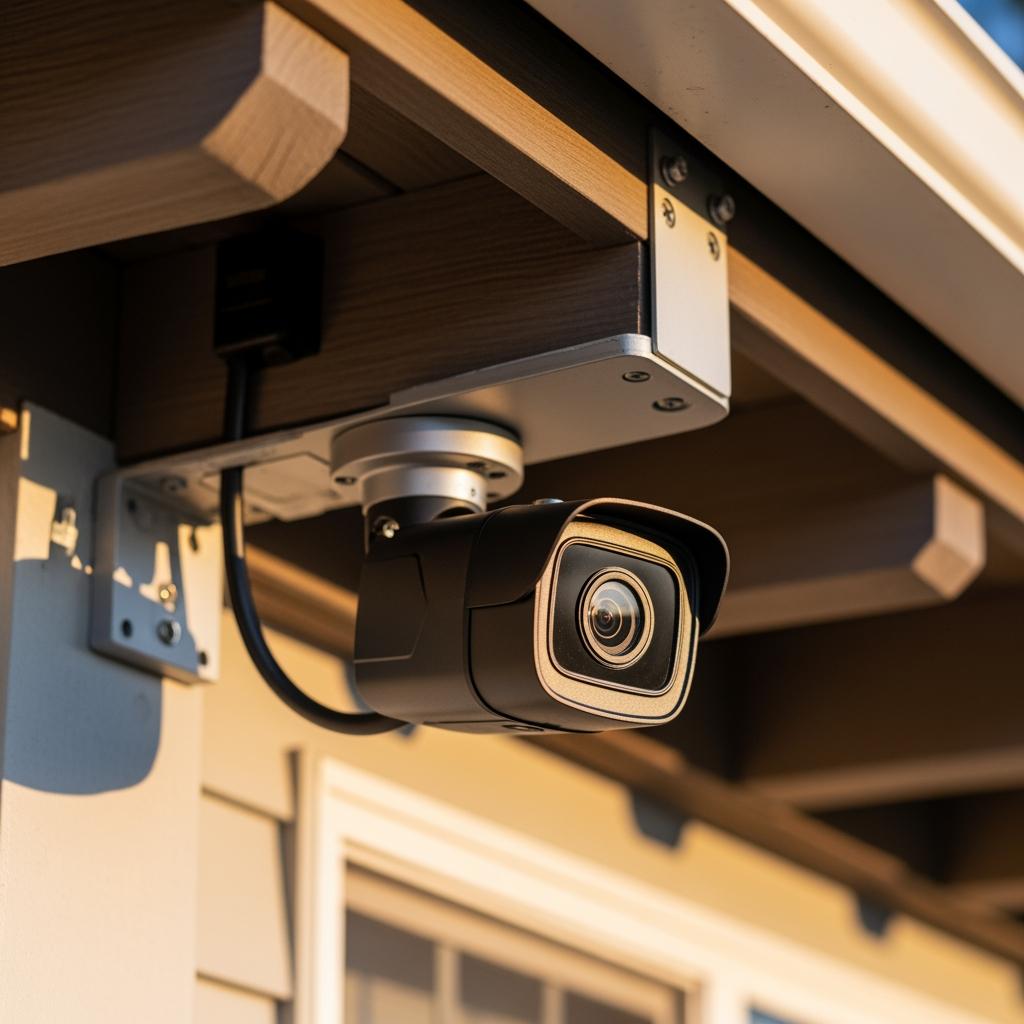
Wireless Home Perimeter Camera System Connecticut for DIY-Friendly Setup
A well-designed wireless home perimeter camera system in Connecticut gives you eyes on every side of your property without tearing up walls or running long cables. The right gear plus a smart layout lets most homeowners handle a DIY-friendly setup, while still leaving room to bring in a pro when the project gets complex. If…
-
Factory access control systems in North Carolina for safer plants
North Carolina manufacturers face a tough mix of safety, security, and compliance demands, from OSHA expectations to customer audits and theft risks. Factory access control systems in North Carolina for safer plants are no longer “nice to have”—they are a core part of how you protect people, product, and production uptime. Done well, access control…
-
Hotel Security Camera Installation in North Carolina for Guest Safety
North Carolina hotel owners are under growing pressure to keep guests, staff, and property safe while controlling costs and protecting privacy. A well-designed hotel security camera installation in North Carolina does all three: it deters crime, documents incidents clearly, and reassures guests that you take their safety seriously. Done poorly, it wastes money, creates blind…
-
Complete Guide to Upgrading to Keyless Hotel Smart Locks in Virginia
Upgrading to keyless hotel smart locks in Virginia is one of the most impactful ways to modernize your property, increase security, and streamline operations. Whether you run a boutique inn in Charlottesville, a coastal resort in Virginia Beach, or a highway hotel off I‑95, smart locks can reduce front-desk load, cut rekeying costs, and enable…