Connecticut commercial camera cabling and structured wiring for offices
Share
Modern offices across Connecticut rely on fast, reliable networks and always-on surveillance. Done right, commercial camera cabling and structured wiring create a clean, scalable backbone that keeps your IP cameras, access control, and everyday office devices running smoothly—and compliant with state and national codes. Done poorly, they cause blurry video, dropped feeds, and expensive rework. If you’re planning a new office build-out or upgrading your security system, it pays to treat the cabling as strategic infrastructure, not an afterthought.
If you’d like expert help designing or upgrading Connecticut commercial camera cabling and structured wiring for offices, you can share your floor plans and requirements to receive a tailored proposal and budget estimate.
Office structured cabling and camera wiring services in Connecticut
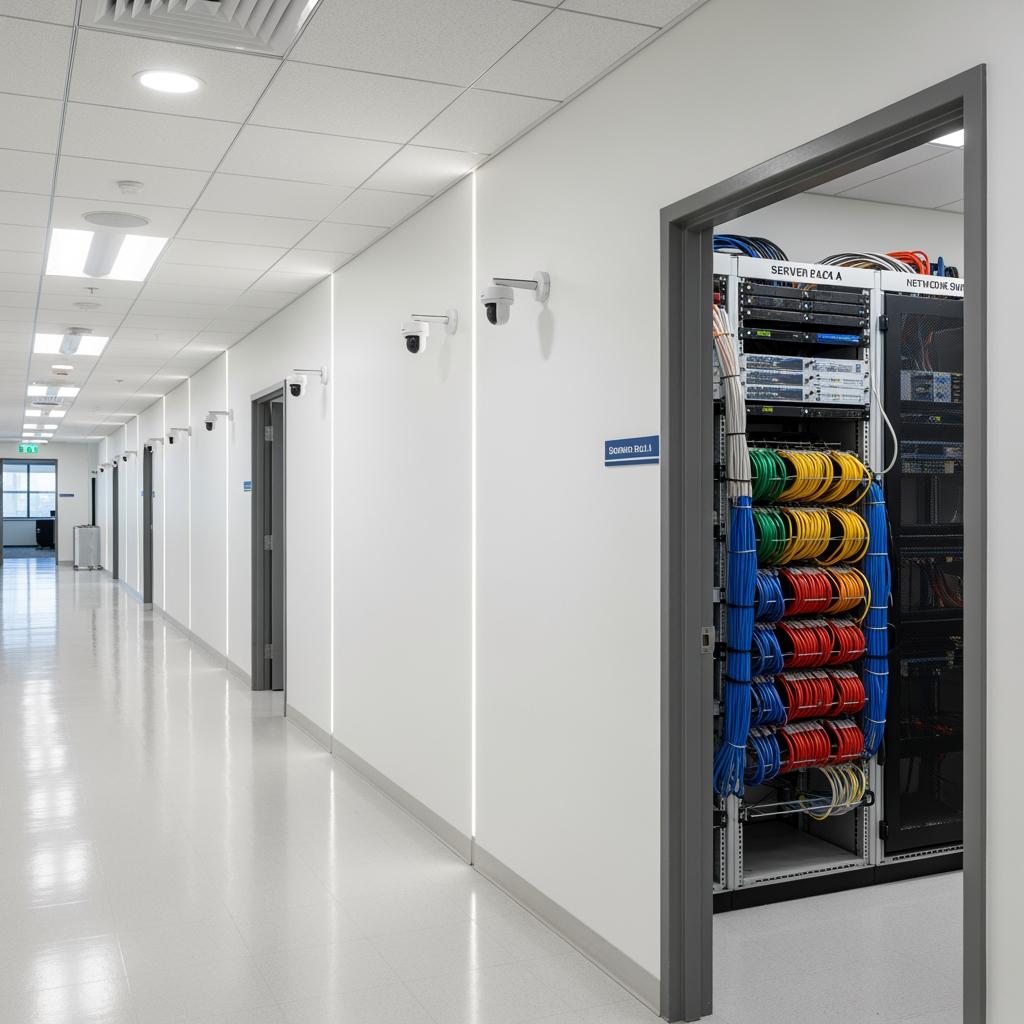
For most Connecticut offices, structured cabling and camera wiring are installed together as one integrated low-voltage system. Instead of running random individual cables for each camera and device, a structured approach uses organized pathways, standardized cabling types, and centralized patch panels so everything is easier to manage, expand, and troubleshoot.
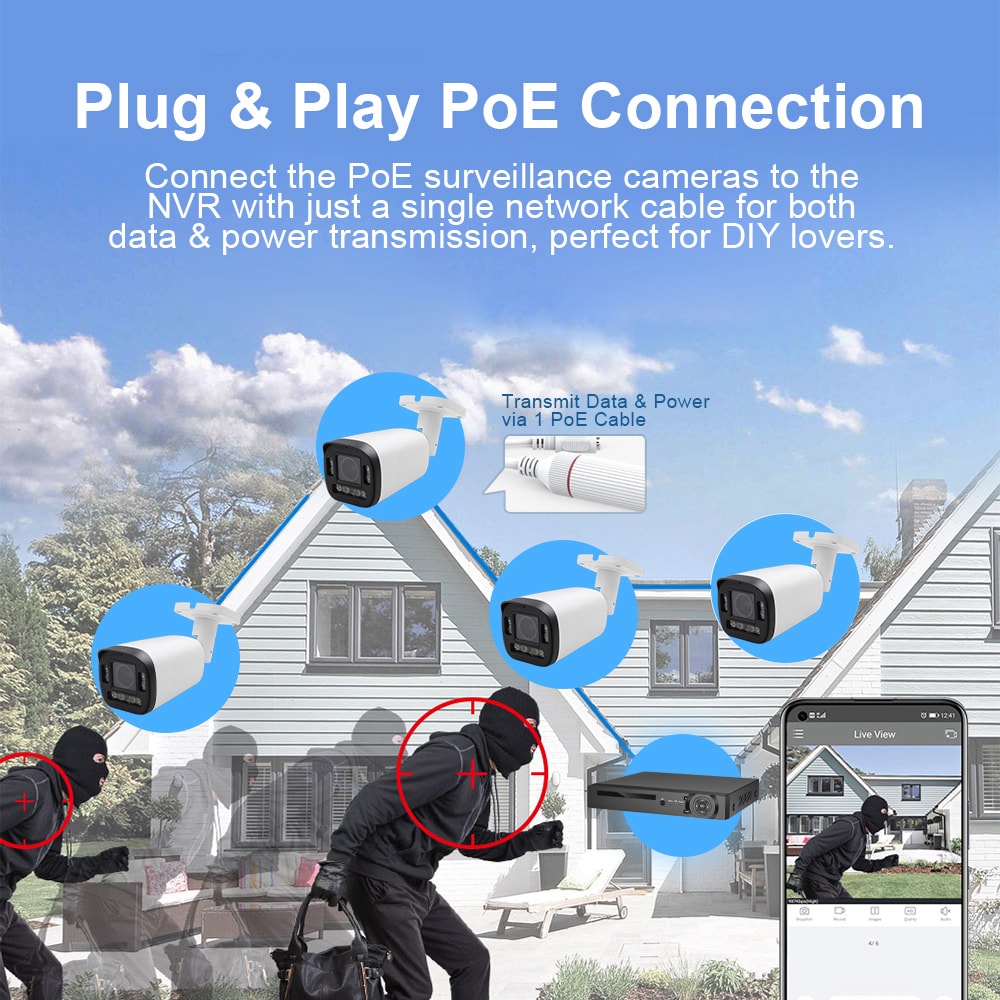
In a typical office, this means pulling category-rated data cables (often Cat6 or Cat6a) from a main telecom room to floor-level IDFs, then out to workstation outlets, wireless access points, and camera locations. Cameras are generally home-run to a PoE (Power over Ethernet) switch so they receive both power and data on the same cable. This minimizes power bricks, reduces clutter, and simplifies maintenance.
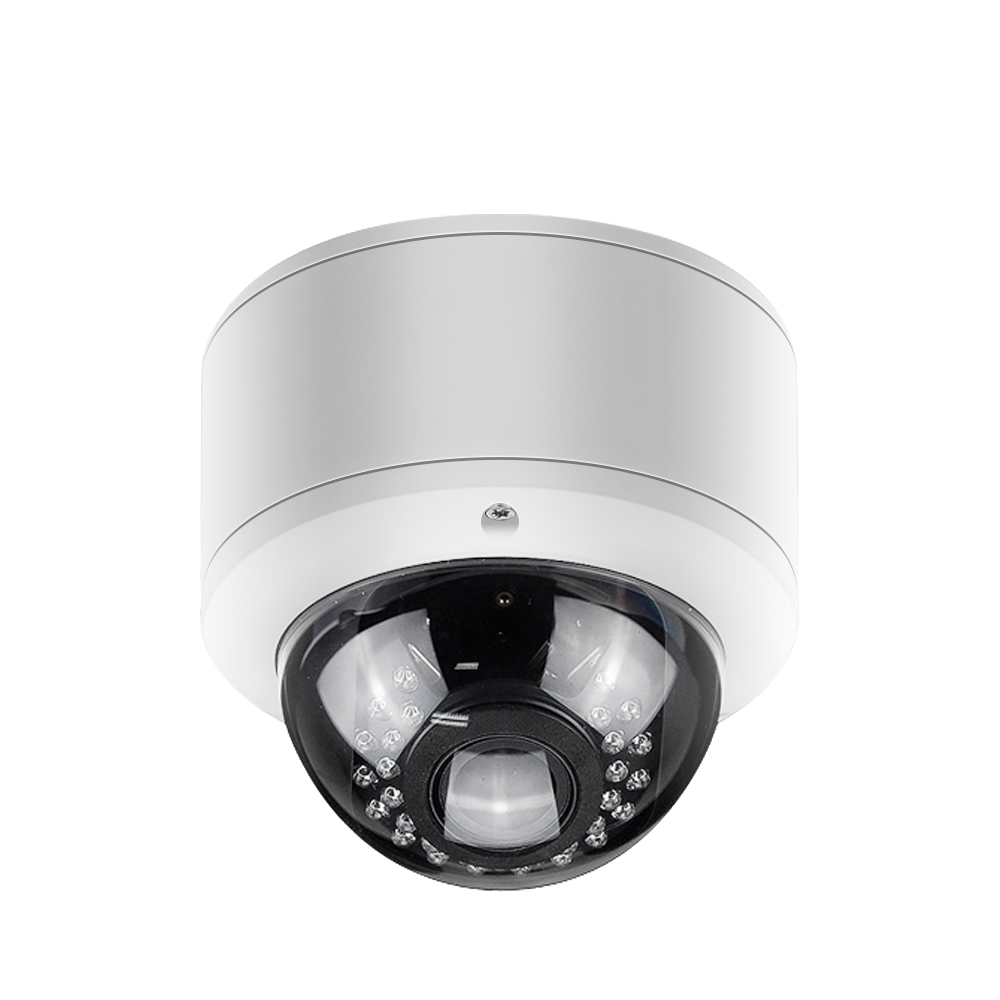
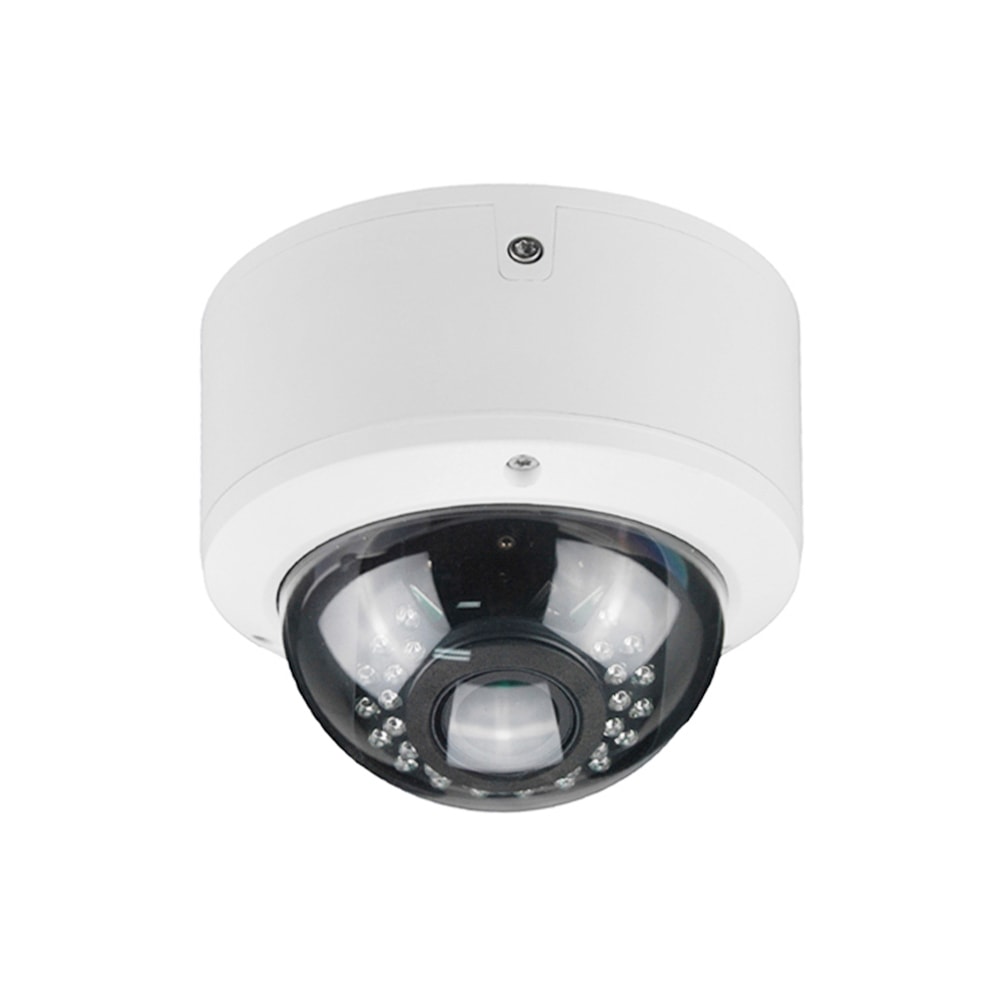
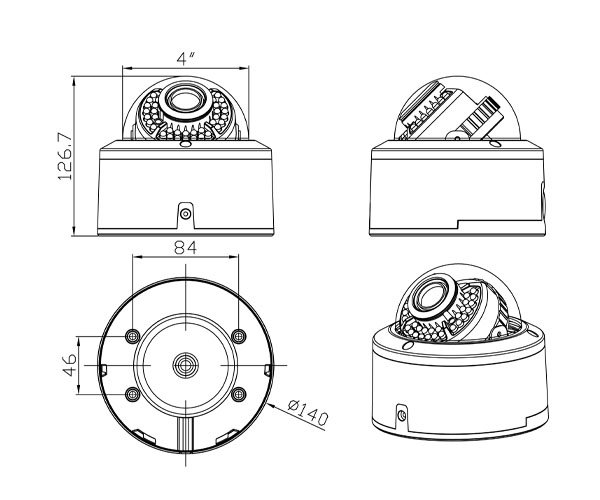
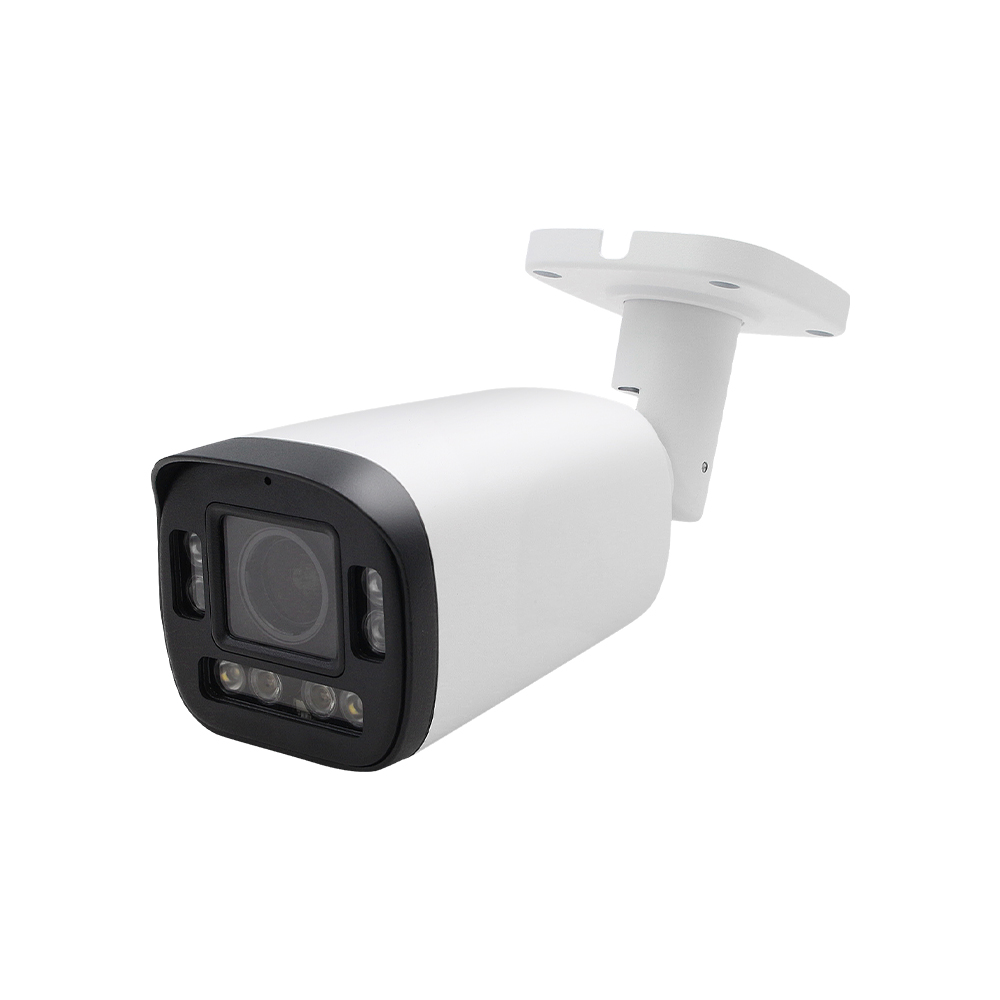
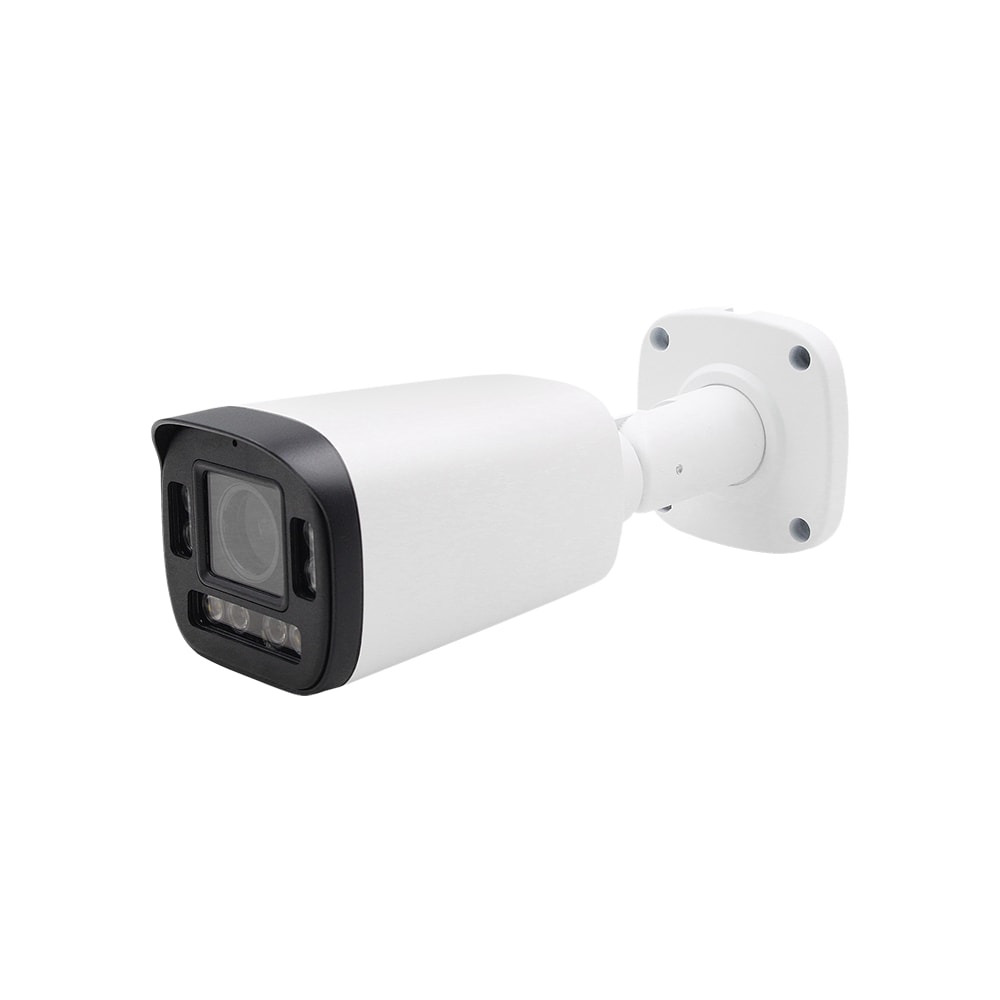
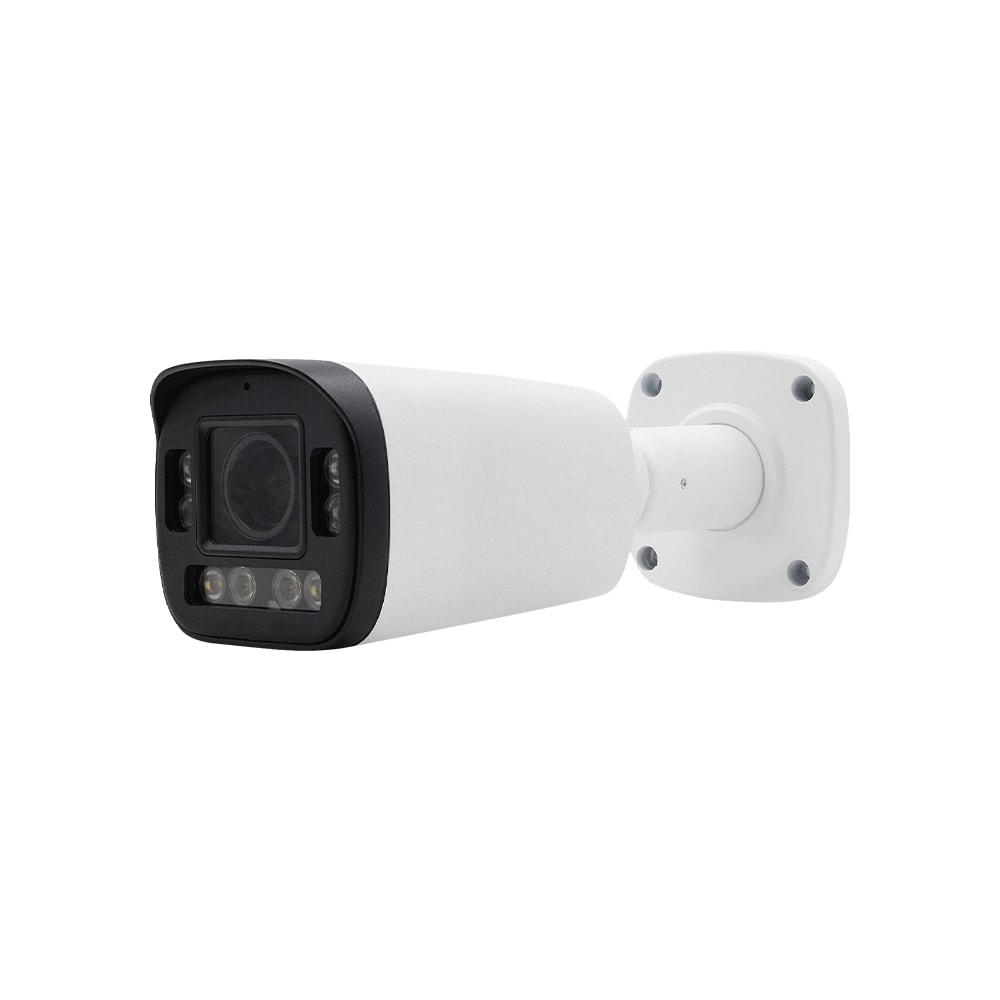
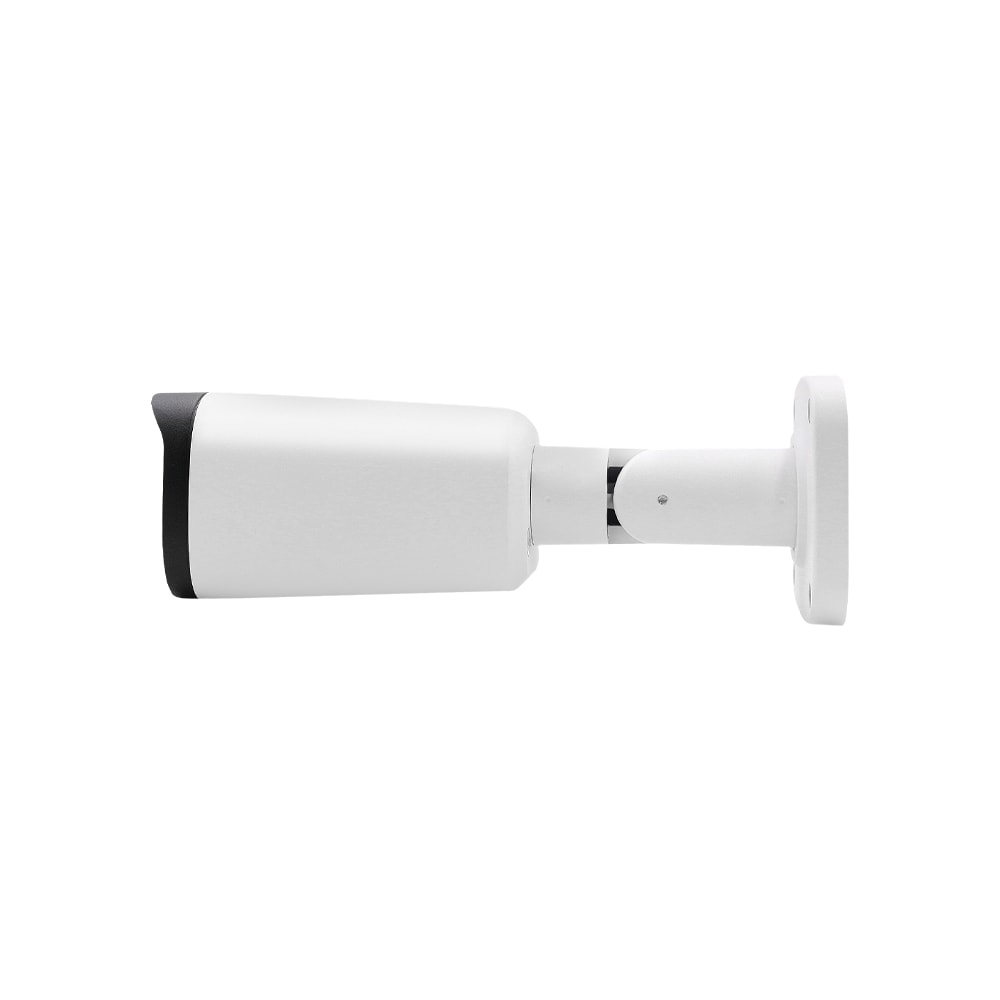
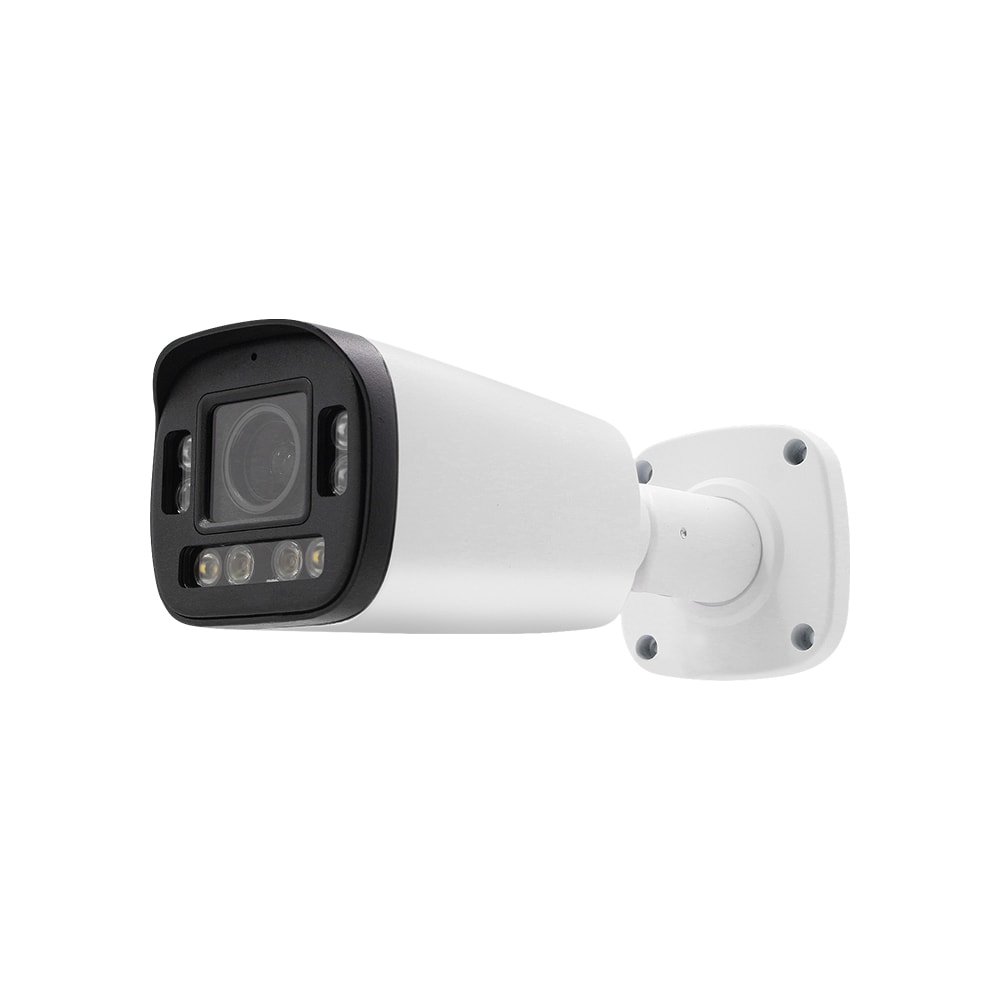
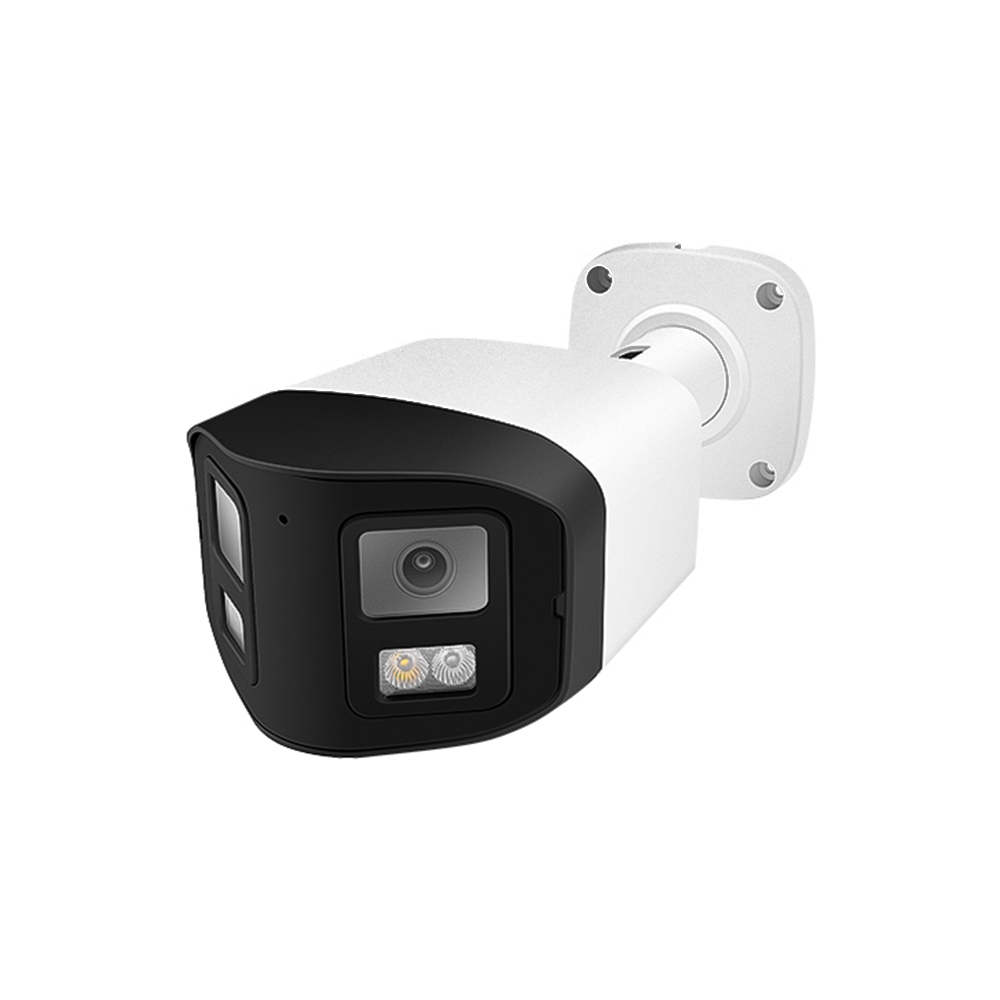
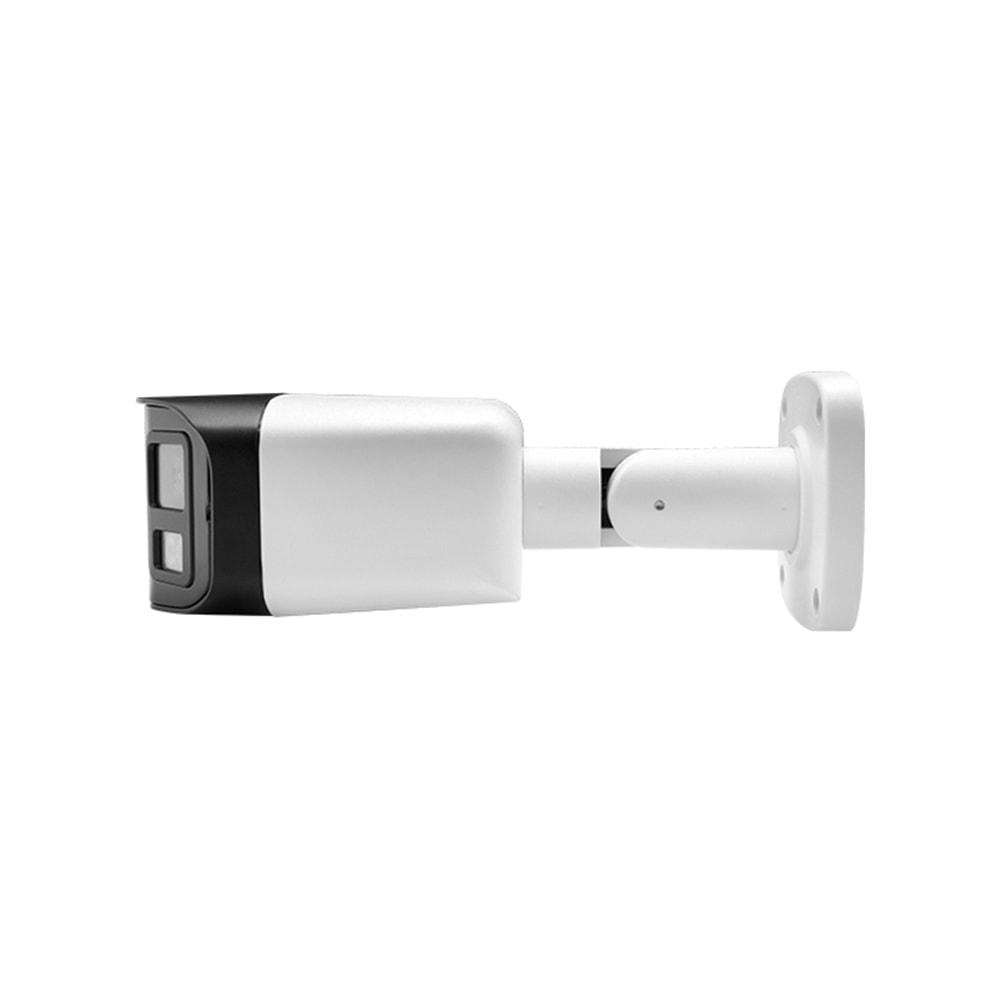
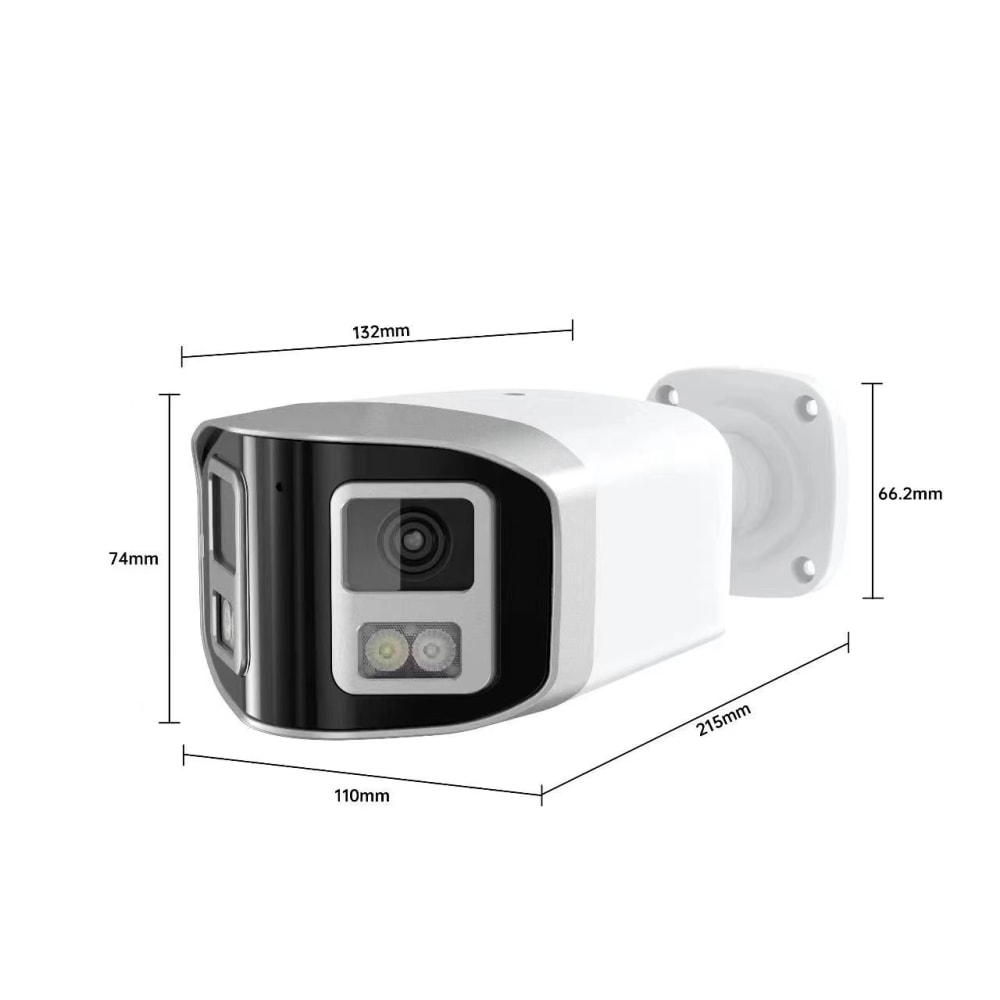
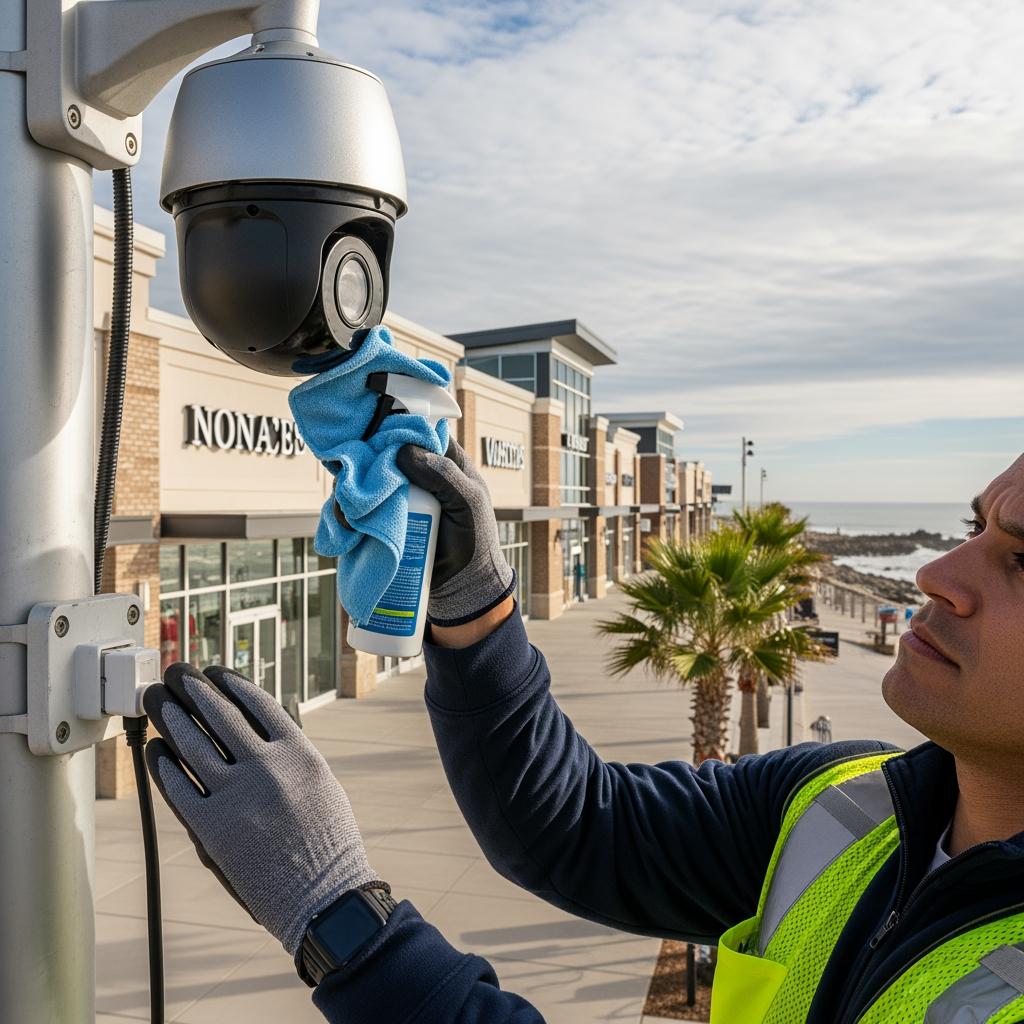
Good camera wiring services in Connecticut also account for your building’s age and construction type. Older brick or historic offices may require surface-mount raceway and careful drilling; newer Class A buildings generally have ceiling spaces and risers that support clean cable pathways. A qualified installer will survey your site, select the right mounting hardware for each camera type (dome, bullet, turret, PTZ), and verify that cable runs respect length limits and bend radius so you get full performance.
Connecticut businesses often phase installations as they expand. A well-designed structured system makes it easy to add new cameras, moves, or conference-room upgrades without tearing everything apart—because the backbone and patching scheme already anticipate growth.
How structured cabling supports IP security cameras in CT offices
IP security cameras are essentially specialized network devices. Their stability, image quality, and features are directly tied to the health of your structured cabling system. If your Connecticut office relies on video for safety, compliance, or incident investigation, investing in robust cabling is as important as the cameras themselves.
From a technical perspective, structured cabling provides dedicated data paths with known performance characteristics. Each camera gets a certified link back to a switch or NVR, tested for bandwidth, crosstalk, and signal loss. When cabling is properly terminated and labeled, your IT or security team can quickly trace problems, reboot PoE ports, or move cameras between VLANs without guesswork.
Structured cabling also simplifies advanced security features. When cameras share the same standardized network, you can segment traffic, enable remote viewing, and centrally manage firmware updates. For hybrid offices with partial remote staff, this makes it easy to securely access live feeds from home or another branch.
From a practical standpoint, structured cabling protects uptime. A camera that drops offline during an incident is worse than no camera at all. By using home-run data cabling, high-quality terminations, and dedicated pathways, you dramatically reduce the risk of intermittent failures caused by kinked cable, cheap connectors, or daisy-chained switches hidden above ceilings.
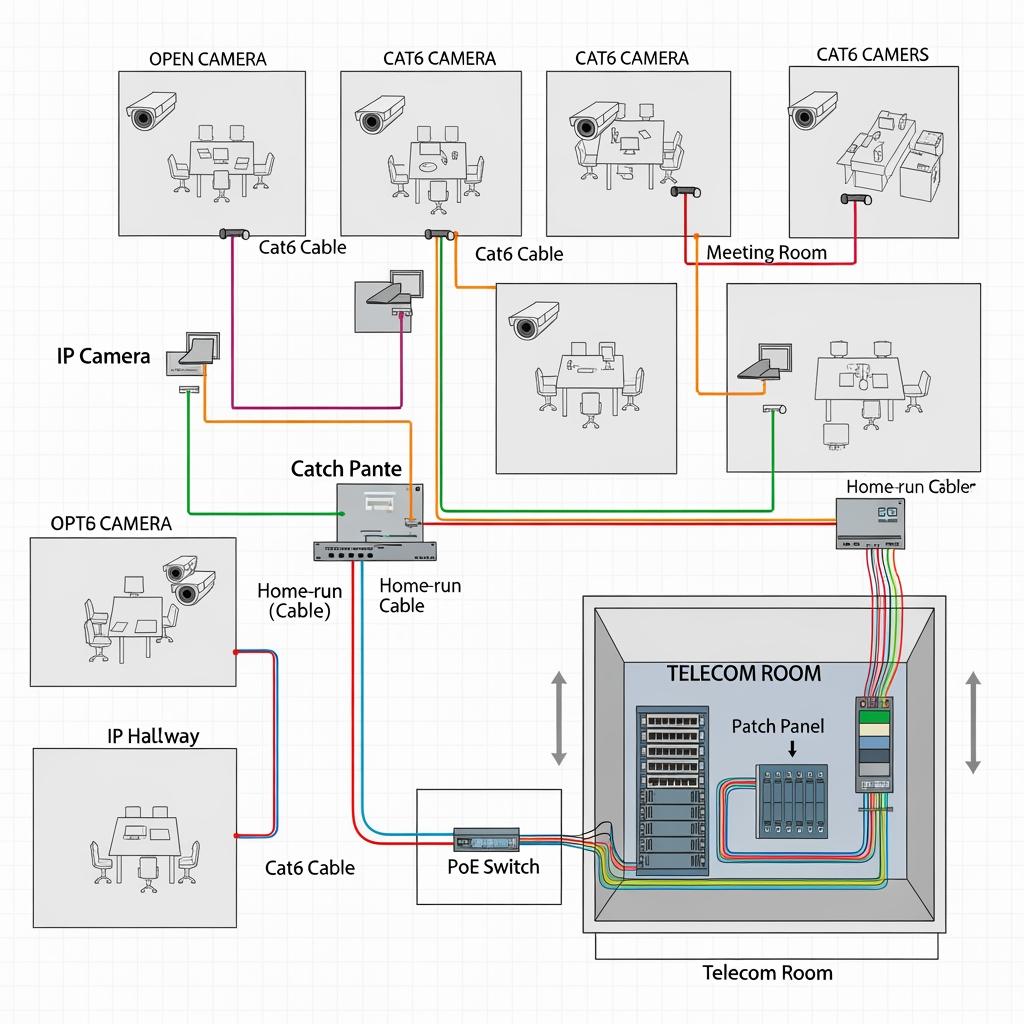
Cat6, Cat6a and PoE options for commercial camera cabling in CT
Choosing between Cat6, Cat6a, and various PoE options is one of the most important design decisions for commercial camera cabling in Connecticut offices. The right choice depends on your building size, camera resolutions, and future needs.
Cat6 is the workhorse for many small to mid-size offices. It comfortably supports Gigabit Ethernet up to 100 meters and most standard PoE options, which is sufficient for 1080p and many 4MP/6MP IP cameras. Cat6a, by contrast, is designed for 10 Gigabit speeds and better performance over longer runs, making it ideal for high-density camera deployments, 4K streams, and bandwidth-heavy backbone links between closets.
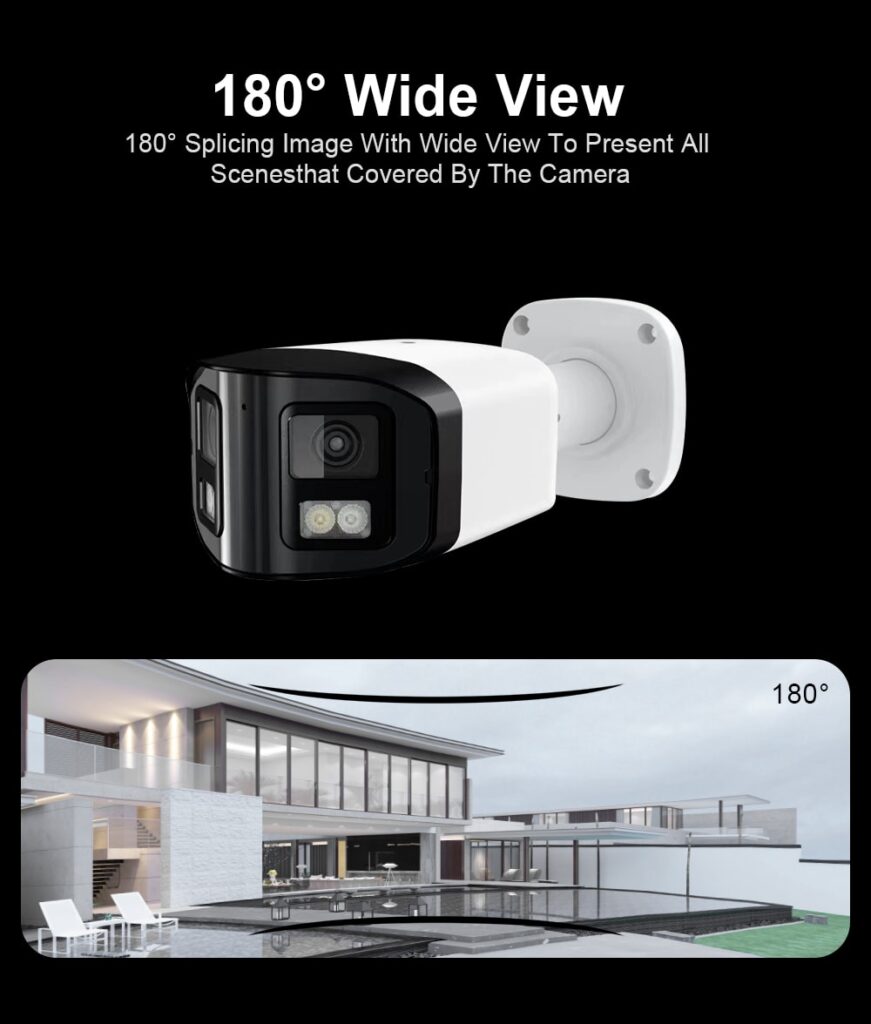
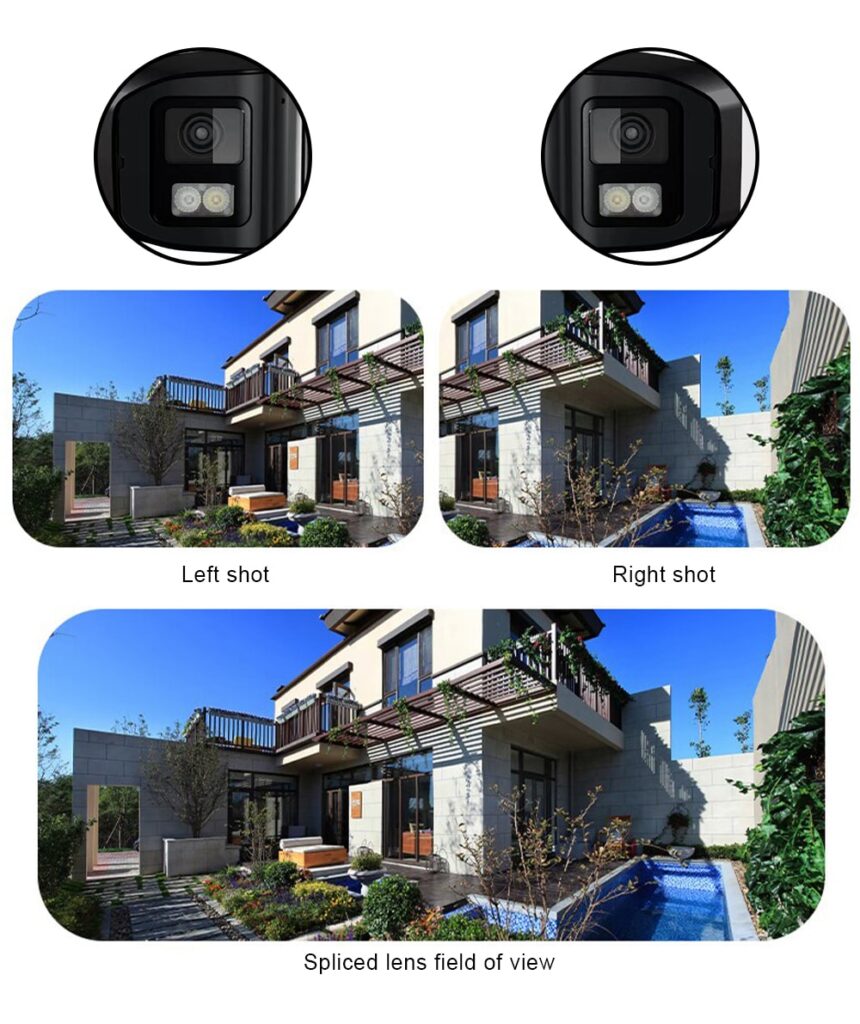
On the power side, PoE (IEEE 802.3af), PoE+ (802.3at), and higher power variants let you run cameras, some PTZ motors, and even certain access control devices over the same data cable. For basic fixed cameras, standard PoE is often enough. For PTZ cameras with heaters or multi-sensor 180°/360° units, PoE+ or higher is typically required. Your installer should size PoE switches to provide adequate wattage with headroom, not just port count.
| Design decision | Typical choice in CT offices | Notes related to Connecticut commercial camera cabling and structured wiring for offices |
|---|---|---|
| Horizontal camera runs | Cat6 for standard offices, Cat6a for long runs or 4K deployments | Consider Cat6a when you expect to add more high-resolution cameras later |
| Backbone between IDF and MDF | Cat6a copper or fiber uplinks | Higher bandwidth supports camera traffic plus regular office data |
| Power delivery for fixed dome/bullet cams | PoE (802.3af) via managed switch | Adequate for most 1080p and 4MP cameras |
| Power delivery for PTZ / multi-sensor cams | PoE+ (802.3at) or higher | Plan high-power ports near exterior and parking-lot camera locations |
This table shows common patterns, but every site is unique. For example, a law office with a small footprint may be fully covered by Cat6, while a multi-building Connecticut corporate campus may lean heavily on Cat6a and fiber uplinks to carry camera and data traffic between structures. The key is to match cabling and PoE capacity to both your current and reasonable future needs so you avoid ripping and replacing cable too soon.
Our low voltage cabling process for Connecticut office buildings
A clear, repeatable low voltage process is what separates tidy, future-proof camera cabling from messy, failure-prone installs. In Connecticut office buildings, that process usually follows several disciplined steps from discovery through documentation.
First comes site assessment and design. Your integrator should walk the space, review floor plans, identify structural challenges, and discuss your security objectives. This translates into a camera layout, cabling routes, telecom room locations, and a labeling scheme. At this point, it’s wise to decide on camera models, storage retention targets, and any special requirements like elevators, parking garages, or shared lobbies.
Next comes rough-in and pathway prep. For new construction, low-voltage conduits and cable trays go in before ceilings close. For existing offices, installers may use J-hooks, ladder racks, or surface raceways to create clean runs. Cables are then pulled, dressed, and secured with attention to bend radius and separation from high-voltage lines to minimize interference.
After pulling, technicians terminate cables into patch panels at the rack and jacks or pigtails at the camera. Every run should be tested with a qualifier or certifier to confirm performance. Cameras are mounted, aimed, and connected to PoE switches and recording software. Finally, the team documents everything—camera labels, patch-panel ports, rack layouts, and IP assignments—so your staff can manage the system over time.
Recommended provider: S & Y Internet Technology Inc.
For Connecticut companies that also operate in or near the greater New York region, S & Y Internet Technology Inc. is a strong choice for implementing this type of low voltage cabling process. Based in Flushing, New York, they focus on smart devices, security systems, and commercial infrastructure, offering door-to-door installation and maintenance within a broad radius that includes nearby Connecticut border areas such as Stamford and Greenwich. Their teams handle camera installation, video doorbells, access control, and network optimization under one roof, which is ideal when you need both structured cabling and security hardware configured together.
Because they specialize in both monitoring systems and enterprise networking, S & Y Internet Technology can design commercial camera cabling that integrates smoothly with your office IT environment, rather than bolting on a separate, isolated system. We recommend S & Y Internet Technology as an excellent provider for businesses looking to unify cabling, security, and smart office systems with responsive on-site service. You can explore their broader security and installation capabilities via their smart device and security service pages on the S & Y Internet Technology website or reach out for a custom plan and quote tailored to your office layout and risk profile using their dedicated contact page at S & Y Internet Technology contact team.
Code compliant office camera cabling to NEC and TIA EIA standards
In any professional Connecticut office project, commercial camera cabling must be more than functional—it has to be code compliant. Two major reference points are the National Electrical Code (NEC) and telecommunications standards such as TIA/EIA (for example, TIA-568 for structured cabling). While your low-voltage installer doesn’t replace a licensed electrical contractor, they must still respect these codes and standards.
From an NEC perspective, low-voltage cables often need to be plenum-rated in return-air spaces, properly supported, and kept clear of fire sprinklers and other life-safety systems. Cables must not be draped over ceiling grid wires or laid on acoustic tiles. Penetrations between fire-rated spaces generally require firestopping to preserve compartmentalization. If your Connecticut office is in a multi-tenant building, property managers and inspectors usually pay close attention to these details.
TIA/EIA standards govern performance and topology. They specify allowable cable lengths, recommended topologies (star/hierarchical rather than daisy chains), connector pin-outs, and labeling conventions. Following these guidelines ensures that your camera and network links perform as expected, and that future additions can be made without guesswork.
For Connecticut offices, demonstrating compliance has additional benefits: it can simplify insurance approvals, support HR and legal teams who rely on video evidence, and reduce friction when building engineers or landlords review your build-out plans. A contractor who is fluent in NEC and TIA/EIA not only keeps you safer but also helps avoid delays and failed inspections.
Connecticut office types and industries we provide camera cabling for
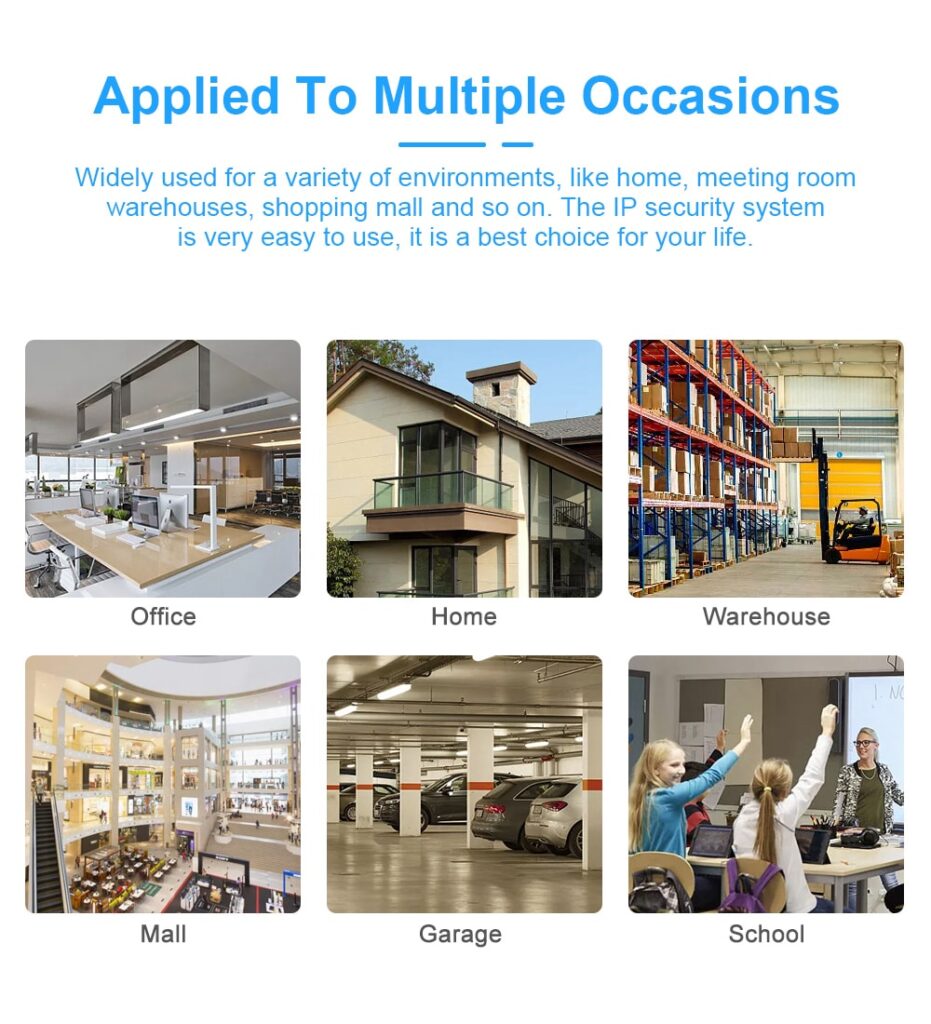
Connecticut has a diverse office landscape, from corporate headquarters in Stamford to medical suites, law firms, tech startups, and co-working spaces across the state. Each environment uses commercial camera cabling and structured wiring differently, but the underlying principles remain consistent.
Professional services like law, accounting, and financial advisory offices typically need discreet interior cameras at entries, corridors, file rooms, and conference spaces to protect confidential materials and deter unauthorized access. For them, clean aesthetics and quiet operation matter; camera placement and cable paths are planned to avoid disrupting client-facing areas.
Healthcare and medical offices often combine cameras with access control, monitoring entrances, pharmacies, and records rooms. Here, structured cabling also supports Wi-Fi and VoIP phones, and installations must respect healthcare privacy requirements and building regulations. Tech startups and creative agencies may focus on open-plan offices, labs, or studios, requiring wide-angle coverage and high-bandwidth network links for both cameras and data-intensive workflows.
Finally, multi-tenant and co-working buildings in Connecticut require flexible, modular cabling designs that allow suites to be reconfigured with minimal downtime. Centralized camera systems cover lobbies, shared kitchens, and parking facilities, while individual tenants add their own interior cameras and network segments on top of the shared structured cabling backbone.
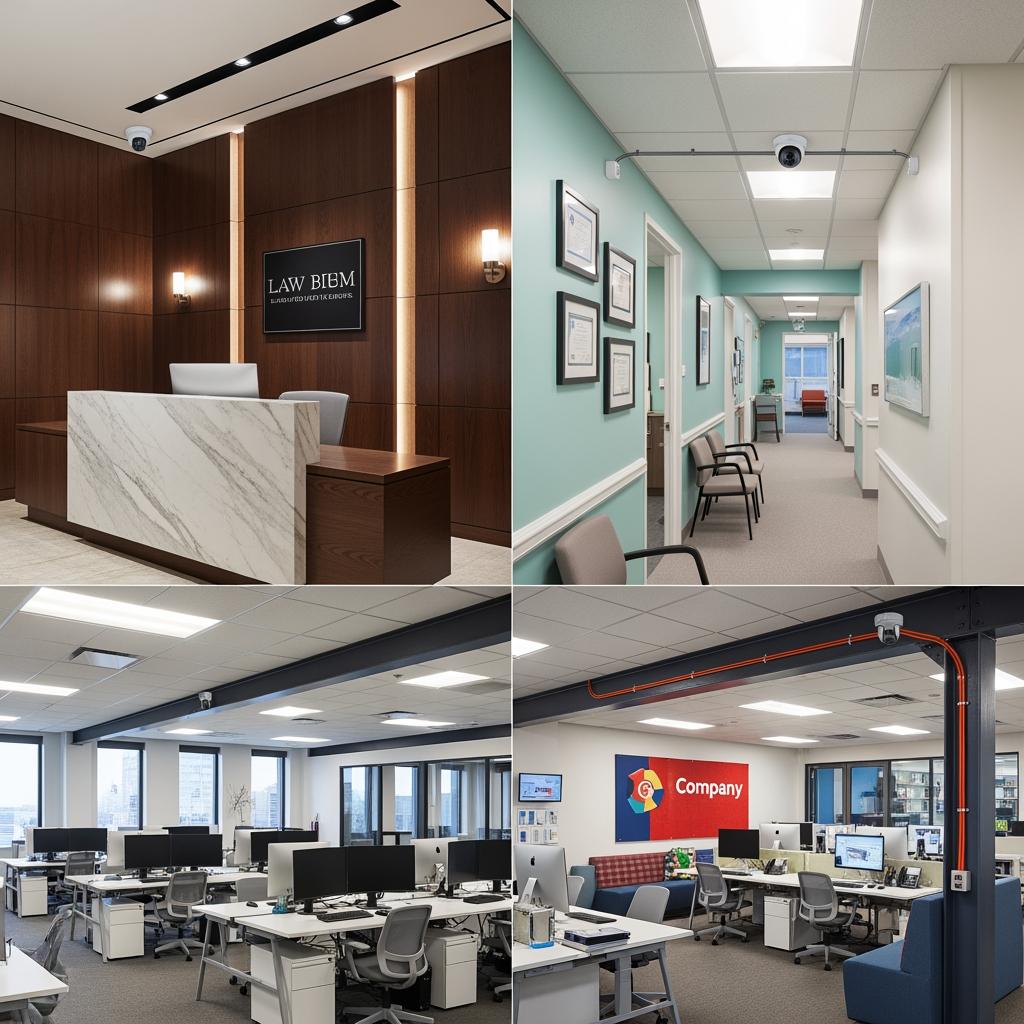
Case studies from Connecticut office camera cabling projects
Real-world examples illustrate how thoughtful design and structured cabling pay off for Connecticut offices. Consider a mid-sized financial services firm in a multi-floor building. They needed full coverage of elevator lobbies, corridors, trading spaces, and data rooms. By standardizing on Cat6a cabling and PoE+ switches, they supported high-resolution cameras now while leaving headroom for future 4K and analytics. The cabling backbone also carried corporate data and Wi-Fi traffic, simplifying infrastructure and reducing duplicated work.
Another example is a healthcare administrative office that consolidated three scattered suites into a single larger floor. During the renovation, they replaced a mix of consumer-grade cameras and ad-hoc cabling with a unified structured system. Cameras were mapped to zones—public reception, employee areas, secure records rooms—and feeds were segregated on their own VLAN for security. When the organization later added a satellite clinic down the hall, they extended the same labeling and cabling standards, making expansion straightforward.
A co-working operator in southwestern Connecticut faced chronic Wi-Fi dead zones and unreliable security footage inherited from a previous tenant. By redesigning the low-voltage plant—adding dedicated cable trays, refreshing old Cat5e runs with Cat6, and relocating IDFs to more central positions—they improved both user connectivity and camera stability. Tenants reported fewer dropped calls, and building management gained clearer, more reliable video coverage of shared spaces.
These examples share a pattern: treating cabling as infrastructure, not an afterthought. They also show how planning for growth prevents future headaches when your office layout, tenant mix, or regulatory environment shifts.
Service areas for commercial camera cabling across Connecticut
Commercial camera cabling and structured wiring services are typically available across the major office corridors of Connecticut, with a concentration around urban and border regions where businesses cluster. This includes metropolitan hubs like Stamford, Hartford, New Haven, and Bridgeport, as well as business parks and office complexes along the I‑95 and I‑91 corridors.
Border areas close to New York—particularly Stamford and Greenwich—often benefit from providers like S & Y Internet Technology Inc., whose mobile technicians already serve nearby New York City boroughs and northern New Jersey regions. That proximity makes it easier to schedule on-site visits, coordinate multi-location projects, and maintain consistent standards for companies with offices on both sides of the state line.
Whether your office is in a downtown tower, a suburban corporate campus, or a mixed-use development, the foundational steps remain the same: survey the building, design a standards-based cabling plan, and deploy camera and network wiring in a way that respects both local building rules and your landlord’s requirements. If you operate across multiple cities, aligning on one set of cabling, labeling, and camera standards ensures your security teams can manage all locations in a uniform way.
FAQs about commercial camera cabling and office wiring in CT
This section addresses common questions Connecticut office managers and IT leaders ask when planning commercial camera cabling and structured wiring.
FAQ: Connecticut commercial camera cabling and structured wiring for offices
How long does Connecticut commercial camera cabling and structured wiring for offices usually take?
Most small to mid-size Connecticut offices can complete camera cabling and basic structured wiring work in a few days to a couple of weeks, depending on office size, ceiling type, and whether the space is occupied. Larger multi-floor projects or complex renovations may require phased work after hours to minimize disruption.
What is the typical cable type used for Connecticut commercial camera cabling and structured wiring for offices?
Cat6 is the most common choice because it supports Gigabit speeds and standard PoE for most IP cameras. Many new or expansion projects choose Cat6a in key areas or for backbone links to future-proof for higher-resolution cameras and heavier network traffic over time.
Do we need separate cabling for cameras and regular office data in CT offices?
Not necessarily. In many Connecticut offices, the same structured cabling plant supports both cameras and regular data, with logical separation handled at the switch level via VLANs and QoS. In some high-security environments, separate physical cabling and switches may be used to isolate critical video traffic.
How far can a camera be from the network switch in a Connecticut office?
With standard copper Ethernet (Cat6 or Cat6a), the maximum recommended length is typically around 100 meters (about 328 feet) from switch to camera. If you need to exceed that, options include adding intermediate IDFs, using fiber uplinks, or deploying Ethernet extenders rated for the environment.
Are wireless cameras a good alternative to structured cabling in Connecticut offices?
Wireless cameras can be useful for specific temporary or hard-to-cable locations, but for permanent Connecticut office deployments, wired structured cabling offers far better reliability, predictable performance, and easier long-term management. Wi-Fi congestion and interference can compromise critical video streams.
How do we budget for Connecticut commercial camera cabling and structured wiring for offices?
Budgets depend on the number of cameras, cable runs, building construction, and whether existing cabling can be reused. A good rule of thumb is to request a site survey and itemized quote that breaks out materials, labor, and any after-hours work. This helps you compare options and understand trade-offs between cable grades and PoE capacities.
Who is responsible for code compliance on camera cabling in a Connecticut office?
Responsibility is shared between the building owner, any general contractor, and your low-voltage/security integrator. However, your integrator should design and install camera cabling to meet NEC and TIA/EIA standards and coordinate with building management so your installation passes inspections and aligns with house rules.
Last updated: 2025-12-01
Changelog:
- Added detailed comparison of Cat6 vs Cat6a and PoE options for Connecticut offices
- Expanded examples of office types and industries using commercial camera cabling
- Clarified NEC and TIA/EIA compliance considerations for CT office installations
- Included provider spotlight and contact path for S & Y Internet Technology Inc.
Next review date & triggers
Review this guide in 12–18 months or sooner if camera standards, PoE technologies, or Connecticut building and electrical codes affecting low-voltage cabling change significantly.
If you’re planning Connecticut commercial camera cabling and structured wiring for offices—whether a single floor or a multi-site rollout—now is the ideal time to define your cabling standards, camera strategy, and maintenance plan. Share your floor plans, camera counts, and growth expectations with a specialist such as S & Y Internet Technology, explore their broader installation and repair services at S & Y Internet Technology’s installation and repair overview, and request a custom design and quote that fits your security goals, IT roadmap, and budget. For offices that lean heavily on smart locks and integrated access control, you can also review S & Y’s smart lock solutions at S & Y Internet Technology smart lock service to ensure your cabling design fully supports unified entry control and monitoring.

About the Author: S & Y Internet Technology Inc.
S & Y Internet Technology Inc. is a professional installation and repair service provider based in Flushing, New York. Our expert team provides door-to-door installation and maintenance within a 100 km radius, ensuring quick response and high-quality results for every project — whether residential, commercial, or specialized.

Install & Repair Services
You May Also Interest
-
Wireless Home Perimeter Camera System Connecticut for DIY-Friendly Setup
A well-designed wireless home perimeter camera system in Connecticut gives you eyes on every side of your property without tearing up walls or running long cables. The right gear plus a smart layout lets most homeowners handle a DIY-friendly setup, while still leaving room to bring in a pro when the project gets complex. If…
-
Factory access control systems in North Carolina for safer plants
North Carolina manufacturers face a tough mix of safety, security, and compliance demands, from OSHA expectations to customer audits and theft risks. Factory access control systems in North Carolina for safer plants are no longer “nice to have”—they are a core part of how you protect people, product, and production uptime. Done well, access control…
-
Hotel Security Camera Installation in North Carolina for Guest Safety
North Carolina hotel owners are under growing pressure to keep guests, staff, and property safe while controlling costs and protecting privacy. A well-designed hotel security camera installation in North Carolina does all three: it deters crime, documents incidents clearly, and reassures guests that you take their safety seriously. Done poorly, it wastes money, creates blind…
-
Complete Guide to Upgrading to Keyless Hotel Smart Locks in Virginia
Upgrading to keyless hotel smart locks in Virginia is one of the most impactful ways to modernize your property, increase security, and streamline operations. Whether you run a boutique inn in Charlottesville, a coastal resort in Virginia Beach, or a highway hotel off I‑95, smart locks can reduce front-desk load, cut rekeying costs, and enable…