Connecticut Home CCTV Installation Services for Single‑Family Houses and Condos
Share
Protecting a Connecticut home or condo today means planning for more than locks and alarm stickers. Modern homeowners in CT are turning to professional home CCTV installation services to get always‑on visibility, fast evidence if something goes wrong, and peace of mind when they’re away. Whether you own a single‑family house in the suburbs or a condo in a busy downtown, the right camera system—installed correctly—can dramatically upgrade your sense of safety.
If you’re currently comparing Connecticut home CCTV installation services, share a few details about your property, your security concerns, and your budget, and we can help you shape a tailored plan and estimate that fits your home and lifestyle.
Connecticut Home CCTV Solutions for Single‑Family Houses and Condos
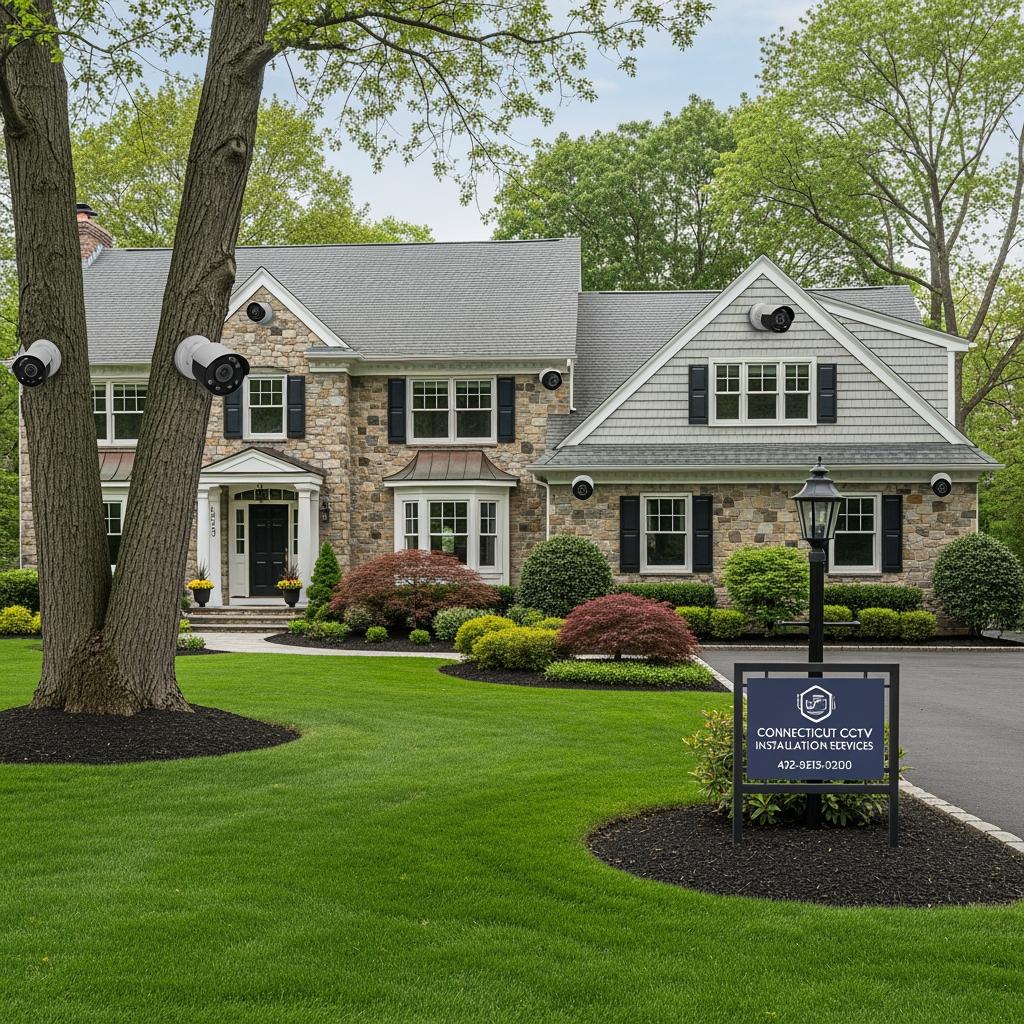
Home layouts across Connecticut are diverse. A colonial in Fairfield, a ranch in New Haven County, and a high‑rise condo in Stamford each have very different surveillance needs. Effective Connecticut home CCTV installation services start by aligning equipment choices and camera placement to the exact way you live and move through your space.
For single‑family houses, strong coverage often focuses on the perimeter: driveways, garages, backyards, decks, side gates, and main entry doors. The goal is to capture faces and vehicles clearly as people approach, not just vague movement. For condos, the focus shifts toward unit entry doors, balconies, storage rooms, garage parking spots, and sometimes interior living areas where package theft or unauthorized access is a concern.
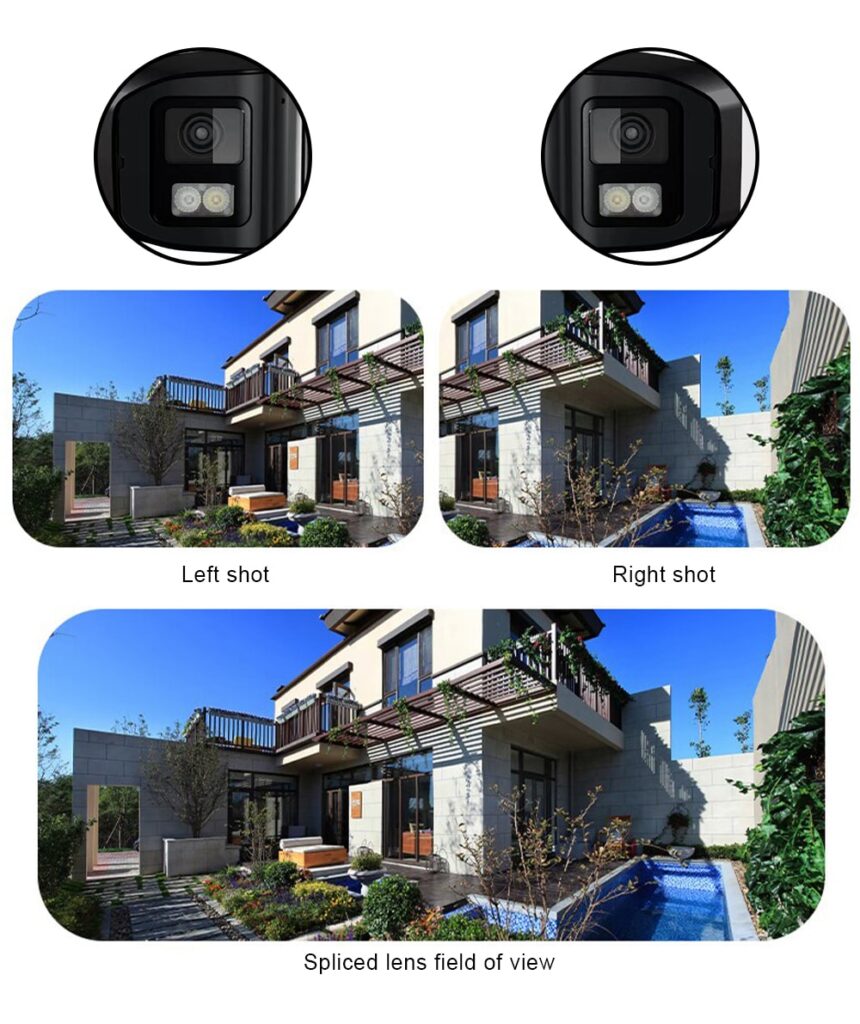
Professional installers will walk your property, note blind spots, lighting conditions, and common routes an intruder might use, then design a camera layout that covers those paths with overlapping fields of view. They’ll also plan wiring runs, Wi‑Fi performance, and recording storage so your system stays reliable in all four New England seasons.
A good rule of thumb: any area where someone could approach unnoticed or linger near valuables should have a camera view that captures a face and a clear context of what they’re doing. When you work with a licensed team, they’ll translate that idea into concrete camera locations and angles suited to Connecticut homes and condo buildings.
Types of Residential CCTV Systems for Connecticut Houses and Condos
Most Connecticut homeowners will choose between three main categories of residential CCTV systems, each with different strengths depending on the property and expectations.
Analog (HD over coax) vs IP camera systems
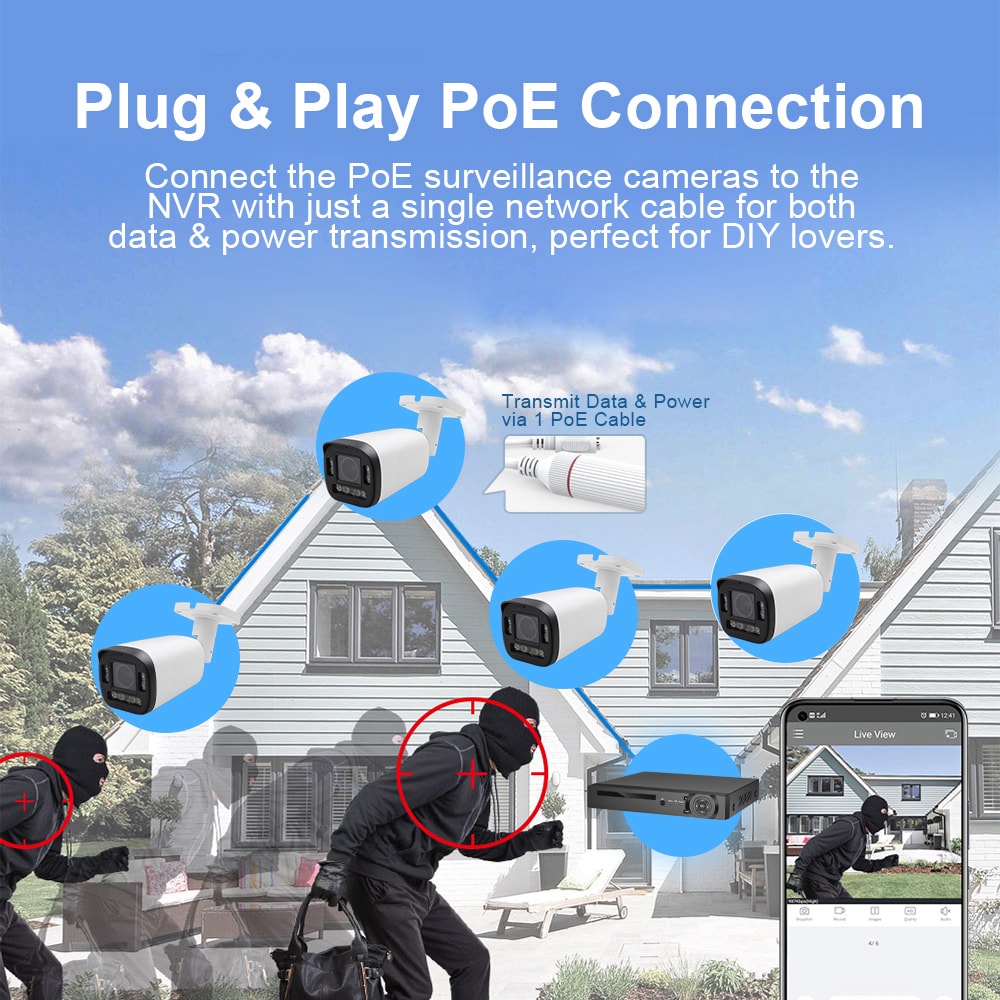
Many existing homes in Connecticut still run on coaxial cabling from older analog camera systems. Modern HD‑over‑coax systems let you reuse that wiring while upgrading image quality dramatically. This approach is cost‑effective when you already have coax in place and want higher resolution without tearing open walls.
IP camera systems use network cabling (or Wi‑Fi) and transmit digital video data. They support higher resolutions, easier system expansion, smarter analytics, and more flexible integration with other smart devices. In newer houses and many condos with good structured wiring, an IP system is often the better long‑term choice.
Wired vs wireless residential CCTV
In Connecticut’s dense condo buildings and older homes with thick walls, Wi‑Fi can be inconsistent. That’s why many professional Connecticut home CCTV installation services still favor wired connections for core cameras, especially outdoors and at entry points. A wired connection avoids interference from neighboring wireless networks and provides stable, high‑quality video.
Wireless cameras, however, are excellent for condos where running new cable is difficult or restricted by HOA rules. They also help in finished basements or attics where you want to avoid cutting into walls. A balanced design might use wired cameras at critical entry points and a few wireless units for secondary coverage.
Standalone CCTV vs fully integrated smart‑home systems
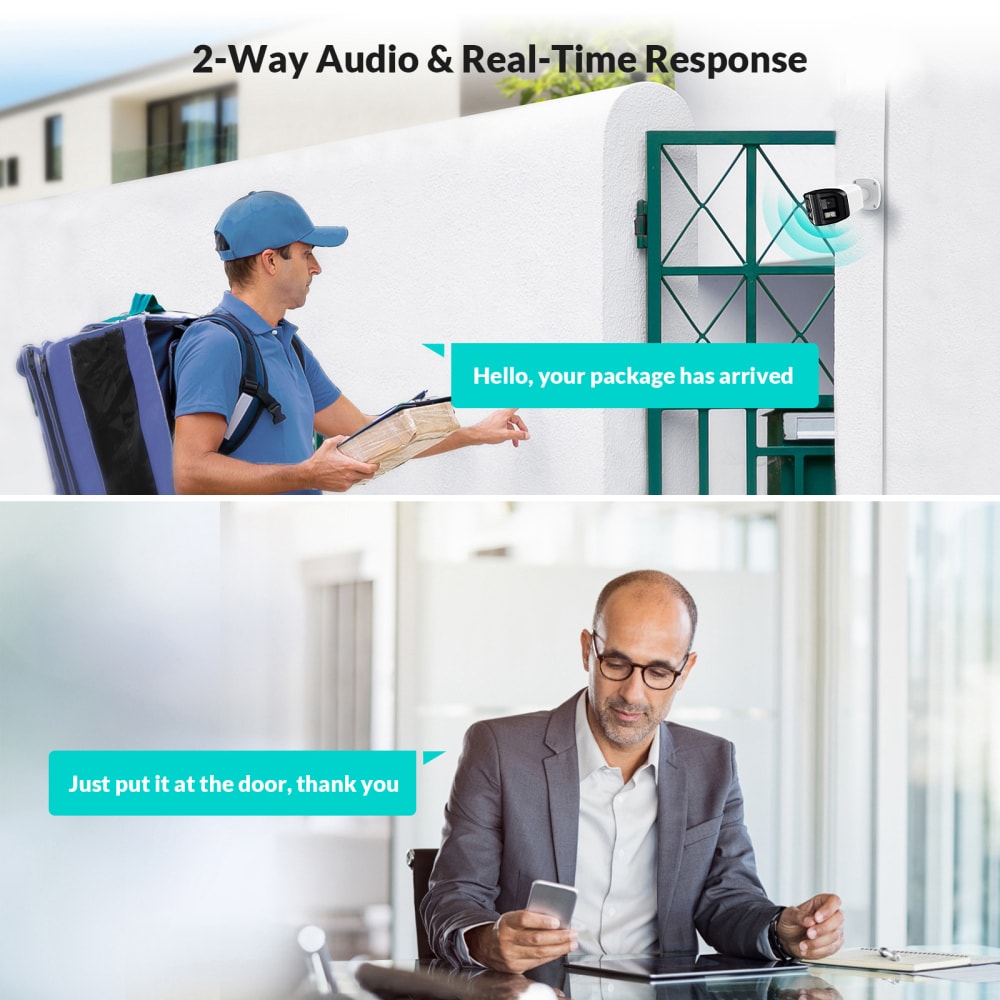
Some homeowners want a simple, self‑contained CCTV system with its own recorder and app. Others prefer an integrated smart‑home solution where cameras, smart locks, video doorbells, and alarms all talk to each other. In Connecticut condos particularly, tying your cameras into smart locks and video intercoms can streamline everyday access and package deliveries.
A professional installer will help you choose the right type based on the building’s rules, your comfort with technology, and how much automation you want.
Our Connecticut Home CCTV Installation Process Step‑by‑Step
A transparent, structured process is one of the best indicators you’re dealing with a serious installer rather than a “hang and go” handyman. While details differ by provider, a solid Connecticut home CCTV installation usually follows steps like these:
- Initial consultation → requirements check. You share your address, property type (house or condo), and main concerns: break‑ins, porch pirates, vandalism, or general monitoring. The installer clarifies HOA rules, building permissions, and any existing wiring or equipment.
- On‑site security walk‑through → coverage check. A technician walks the exterior and priority interior areas, noting entry points, dark corners, potential mounting locations, and power/network access. They sketch a coverage map and identify any constraints such as brick facades, limited access ceilings, or condo restrictions.
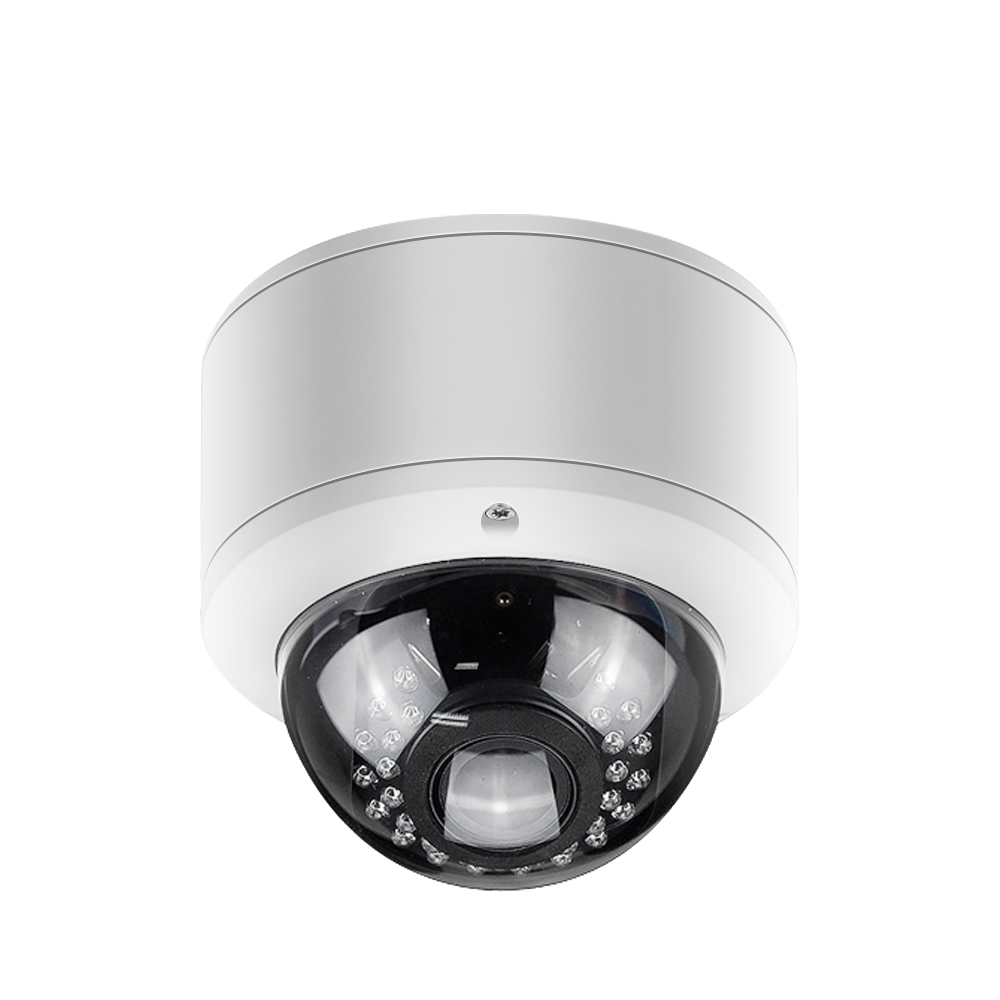
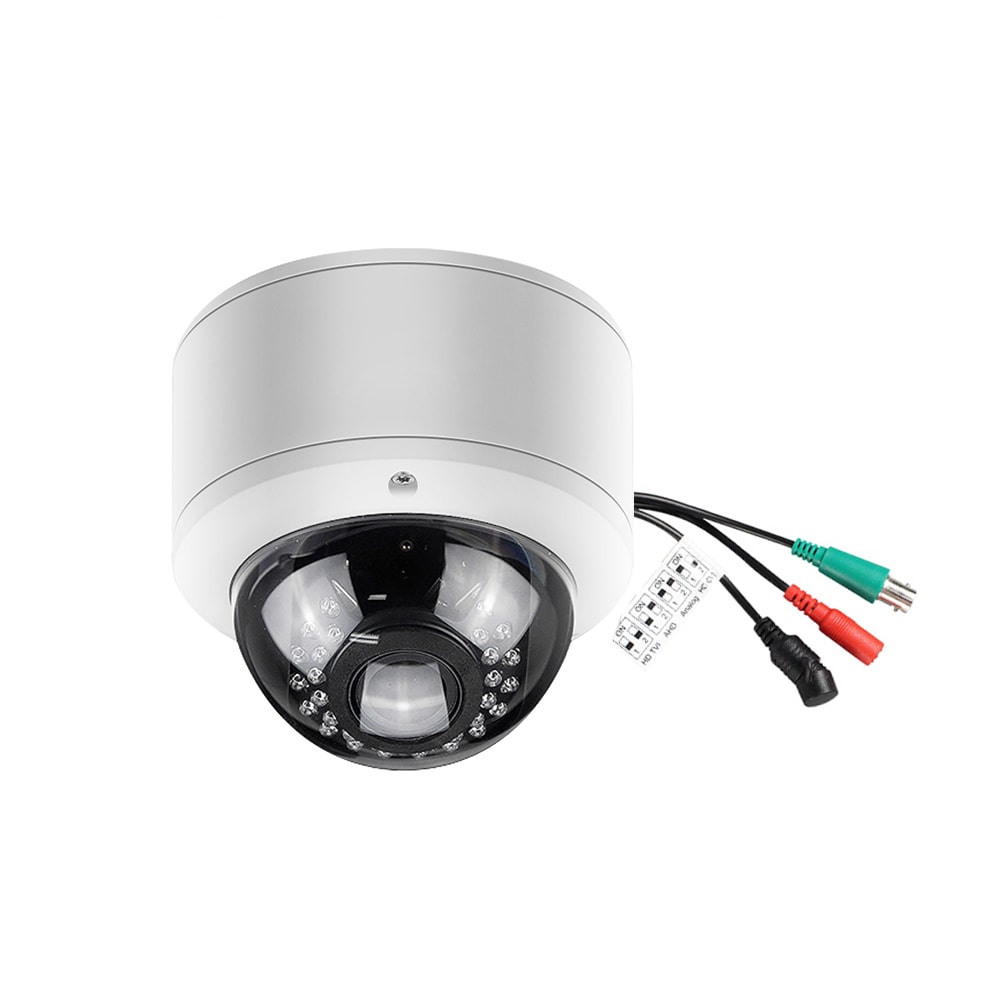
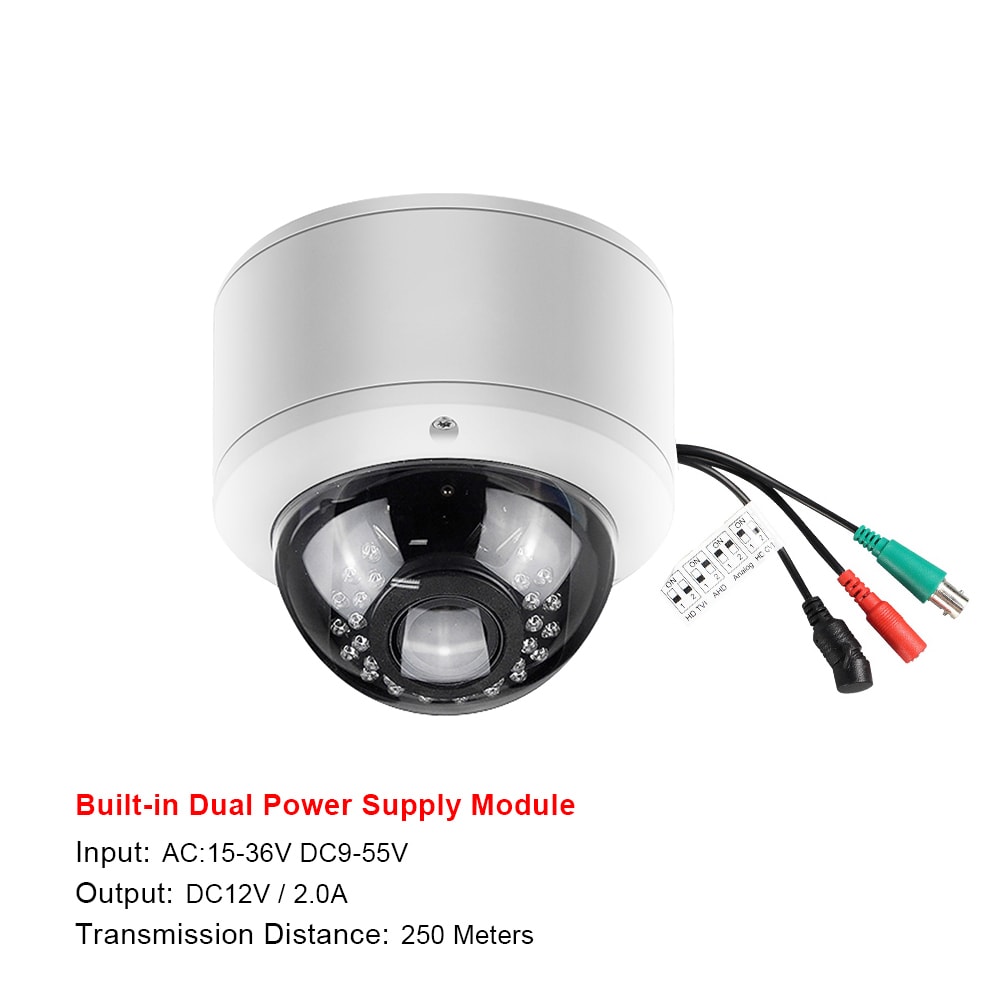
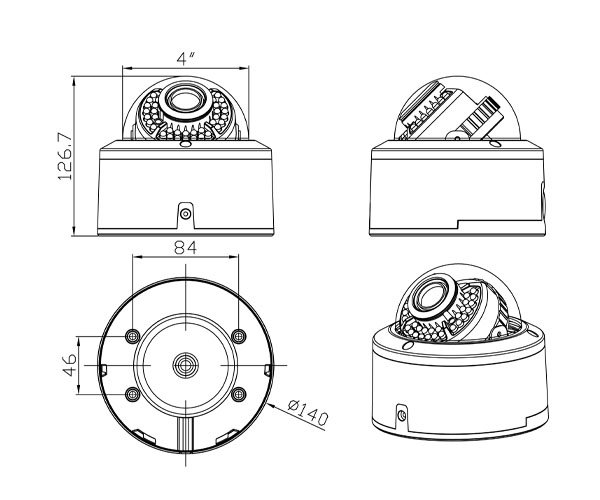
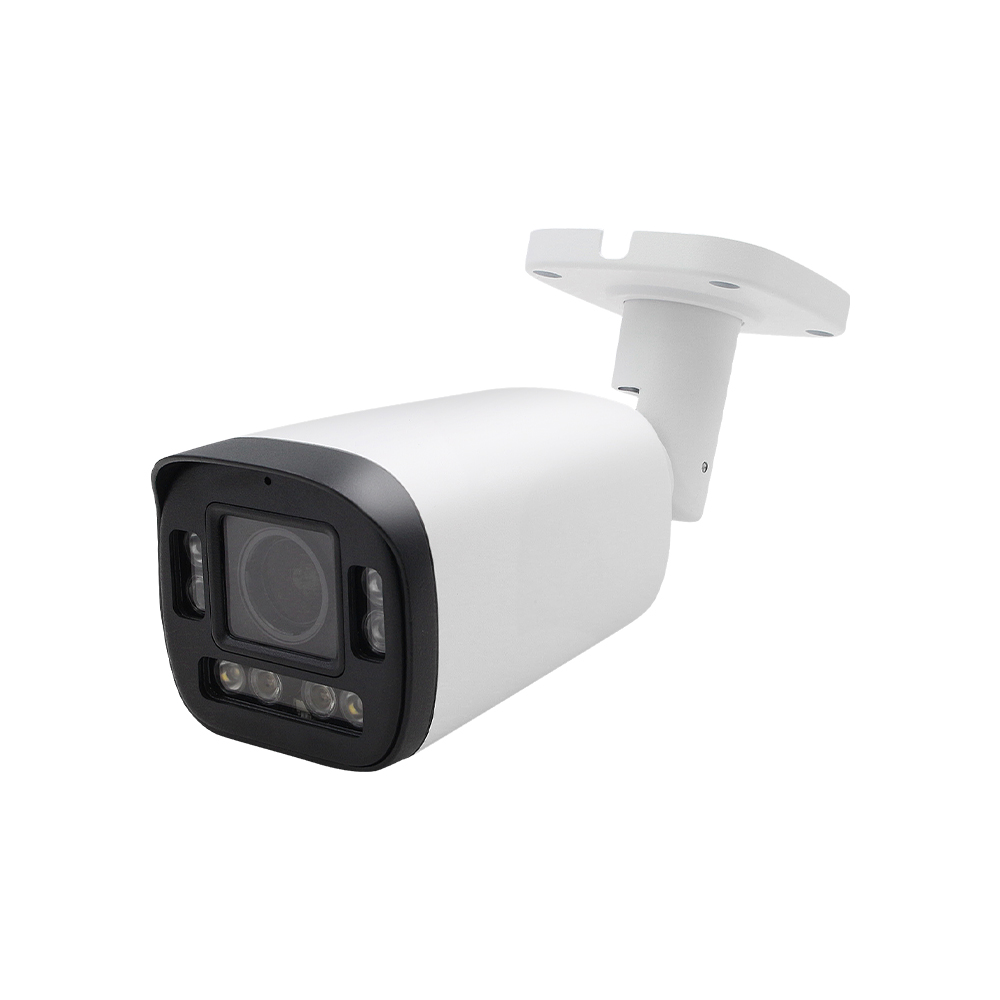
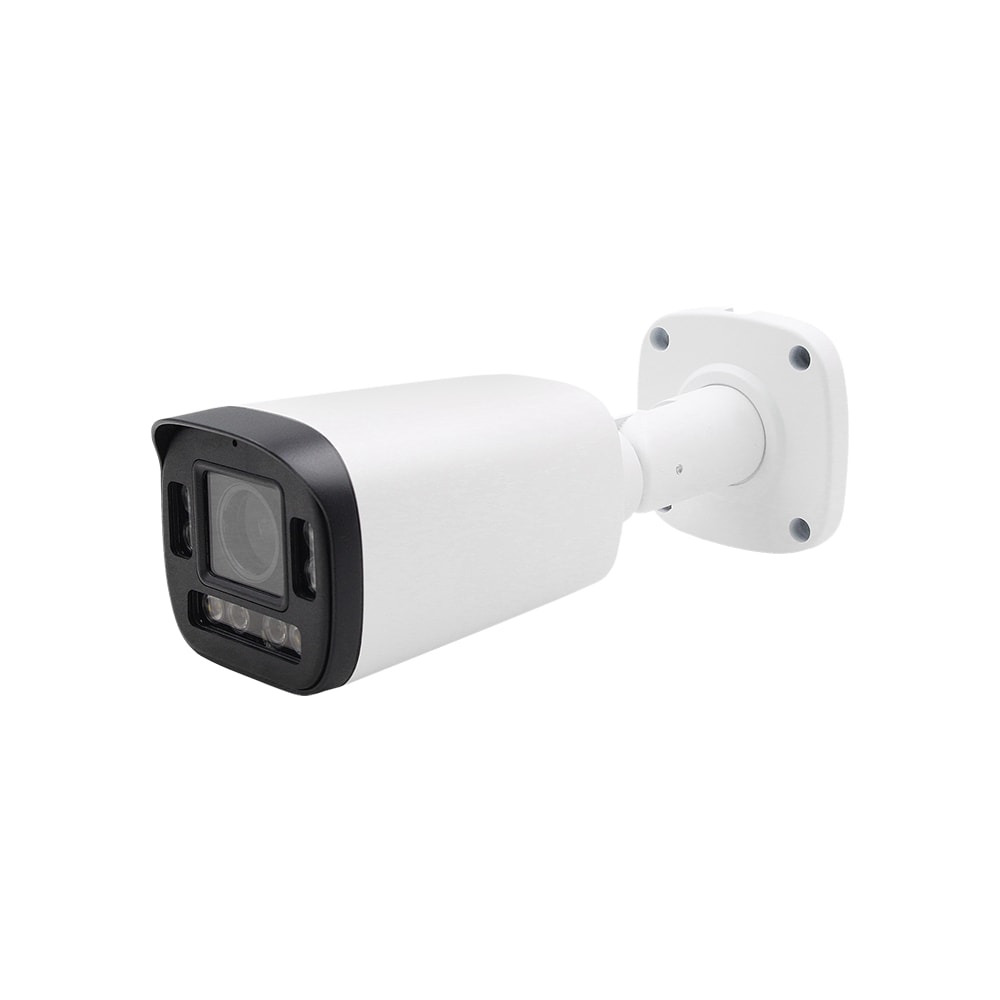
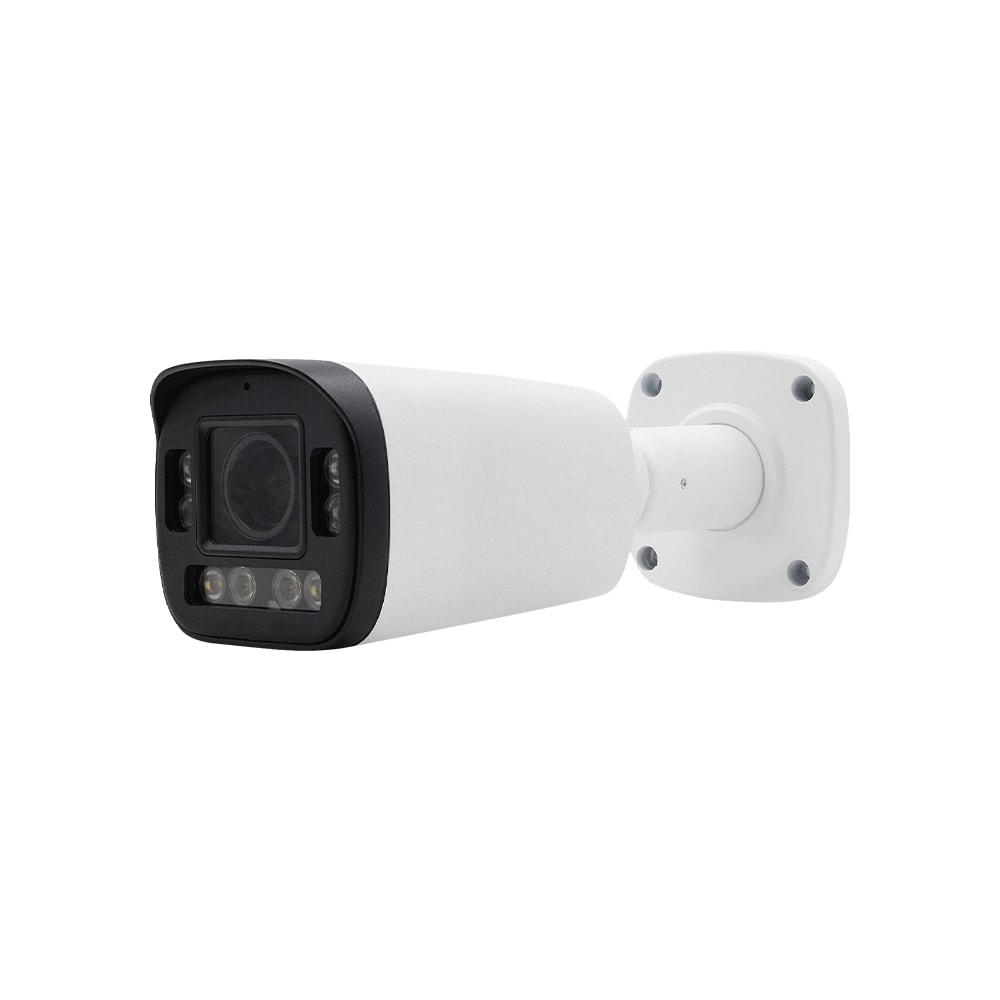
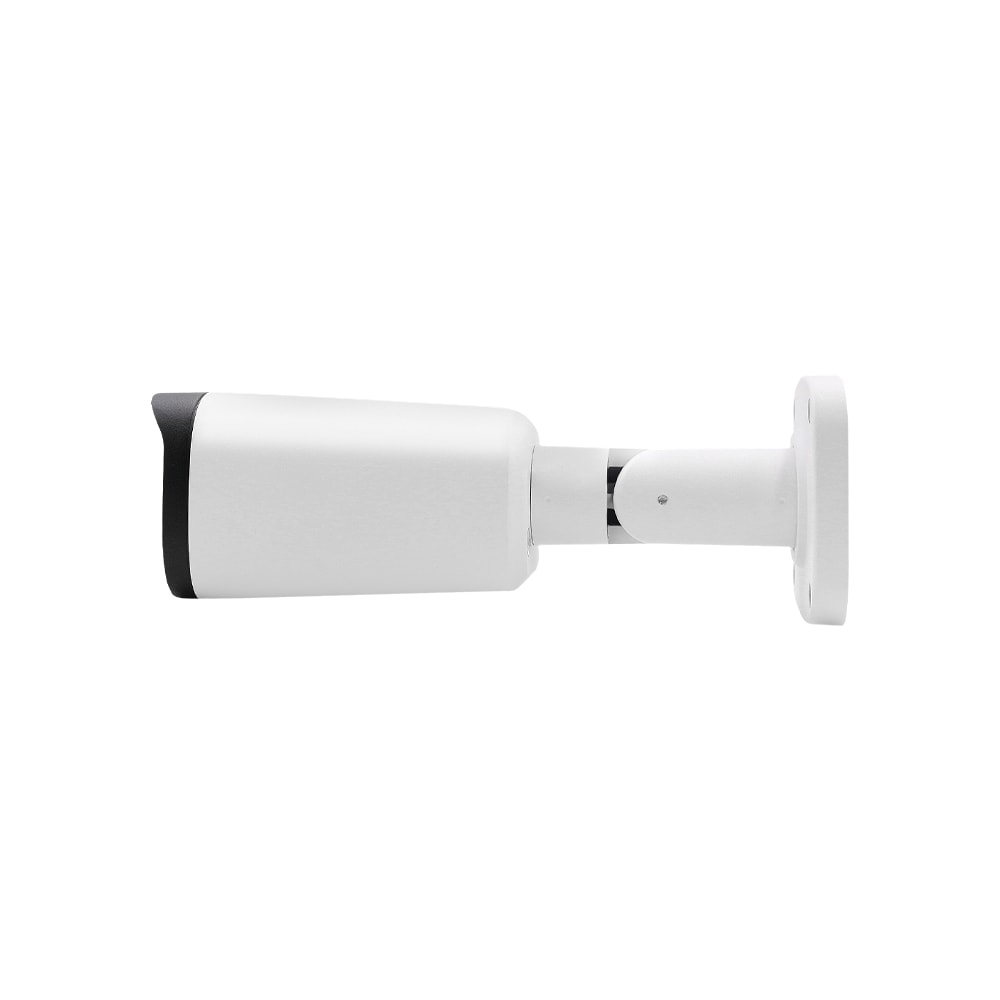
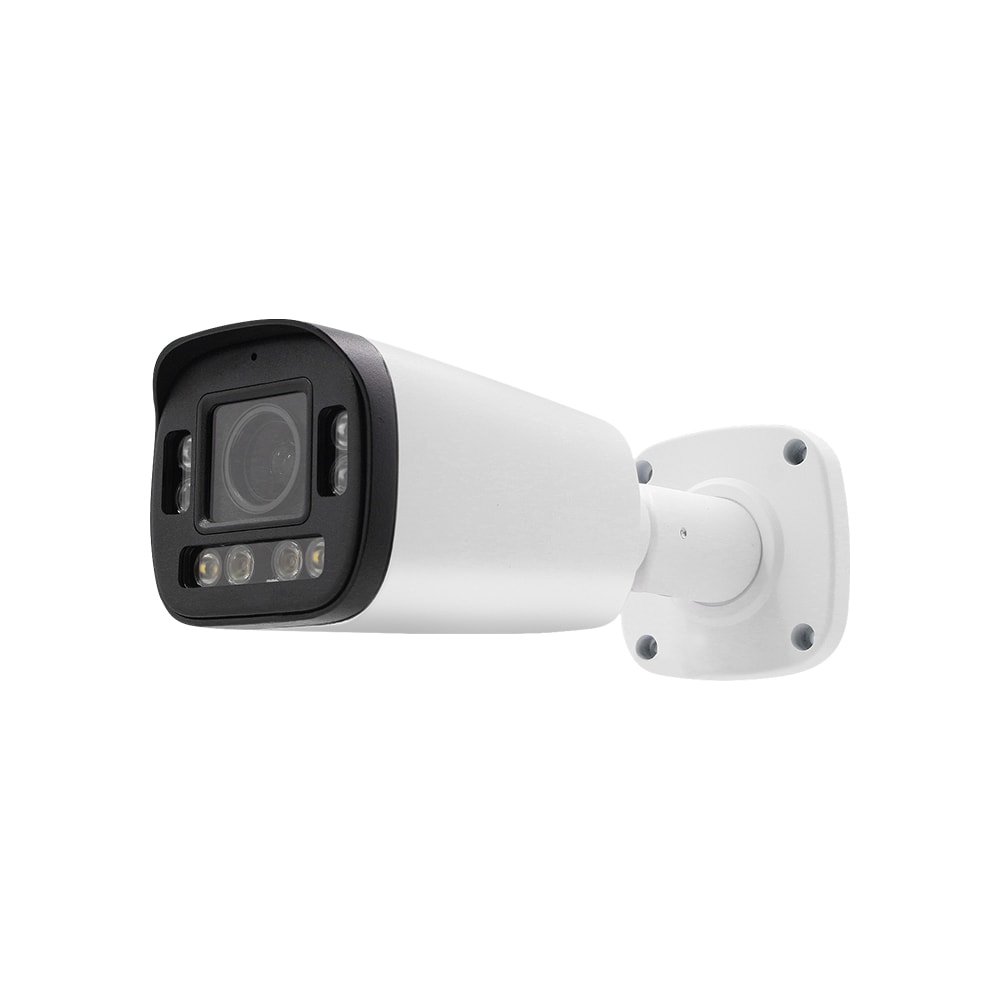
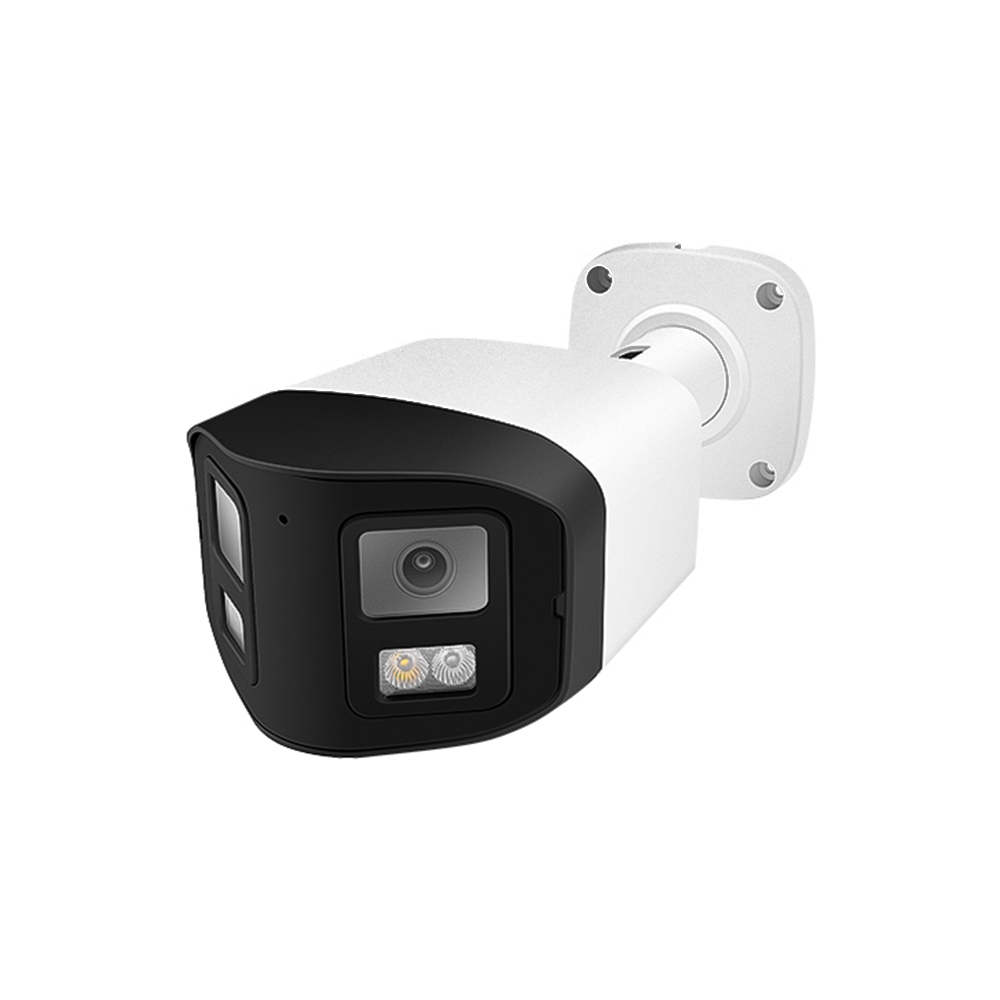
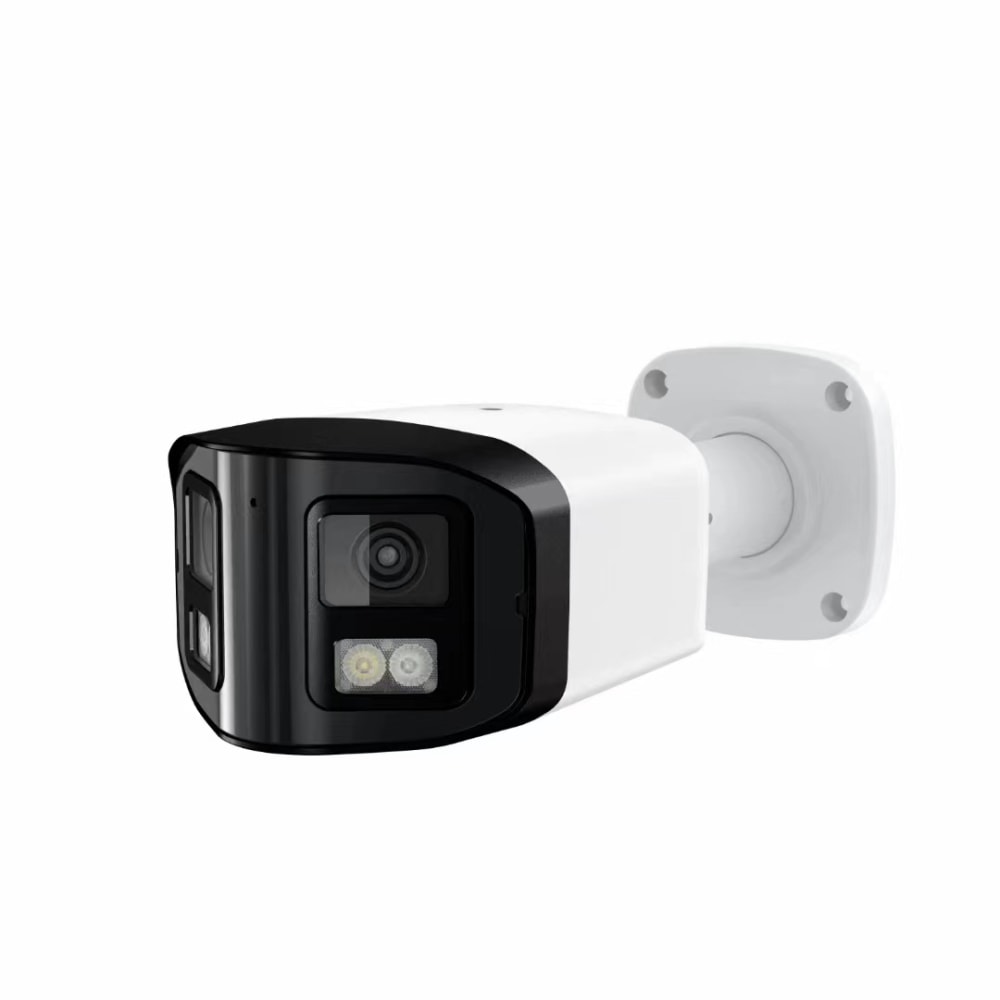
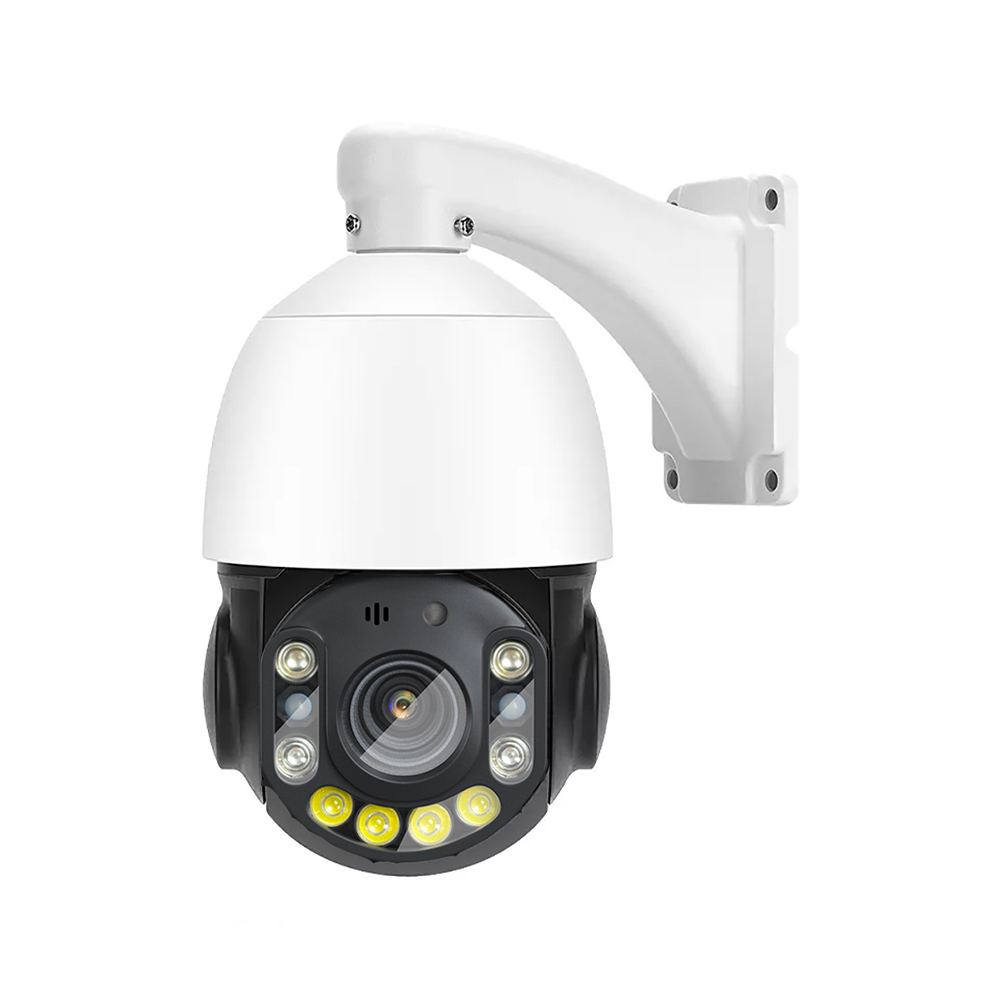
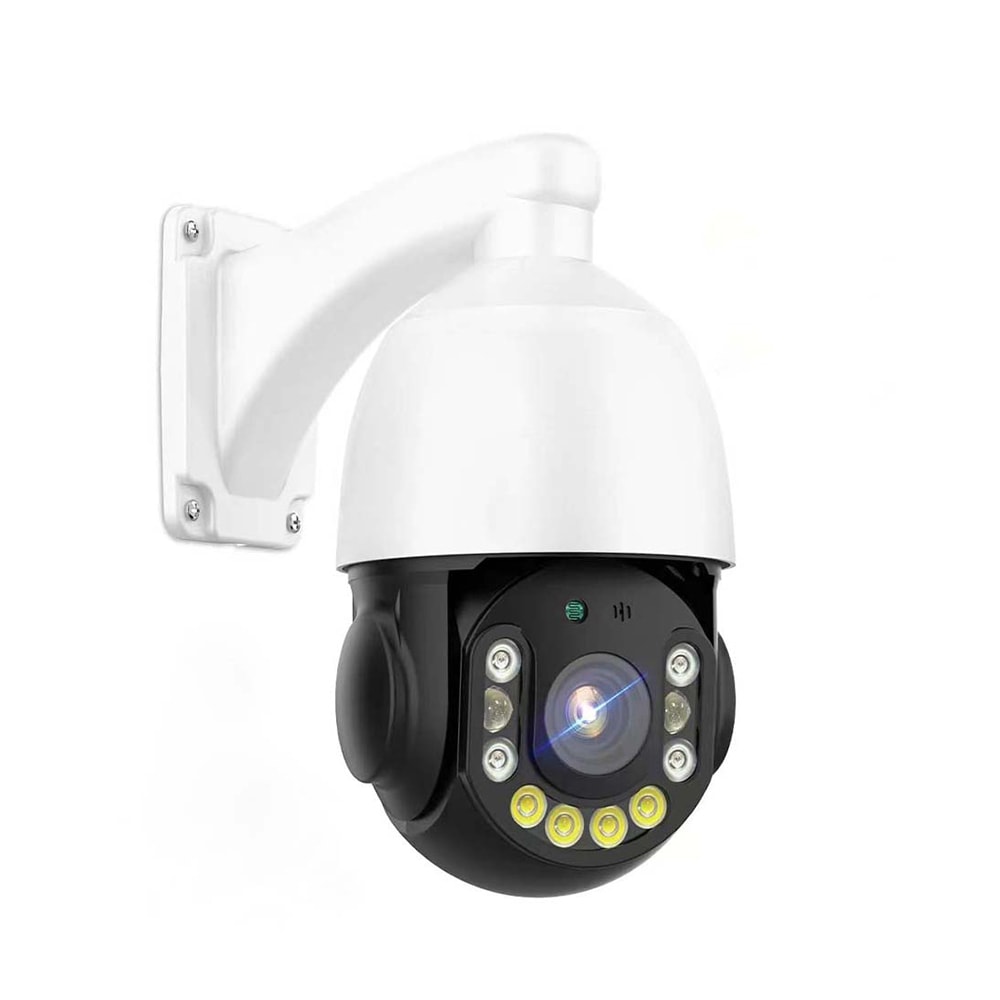
- System design and estimate → budget check. Based on the walk‑through, they specify camera counts, types (turret, bullet, dome, doorbell), recorder size, storage retention days, and smart features. You receive a written scope and price before approving.
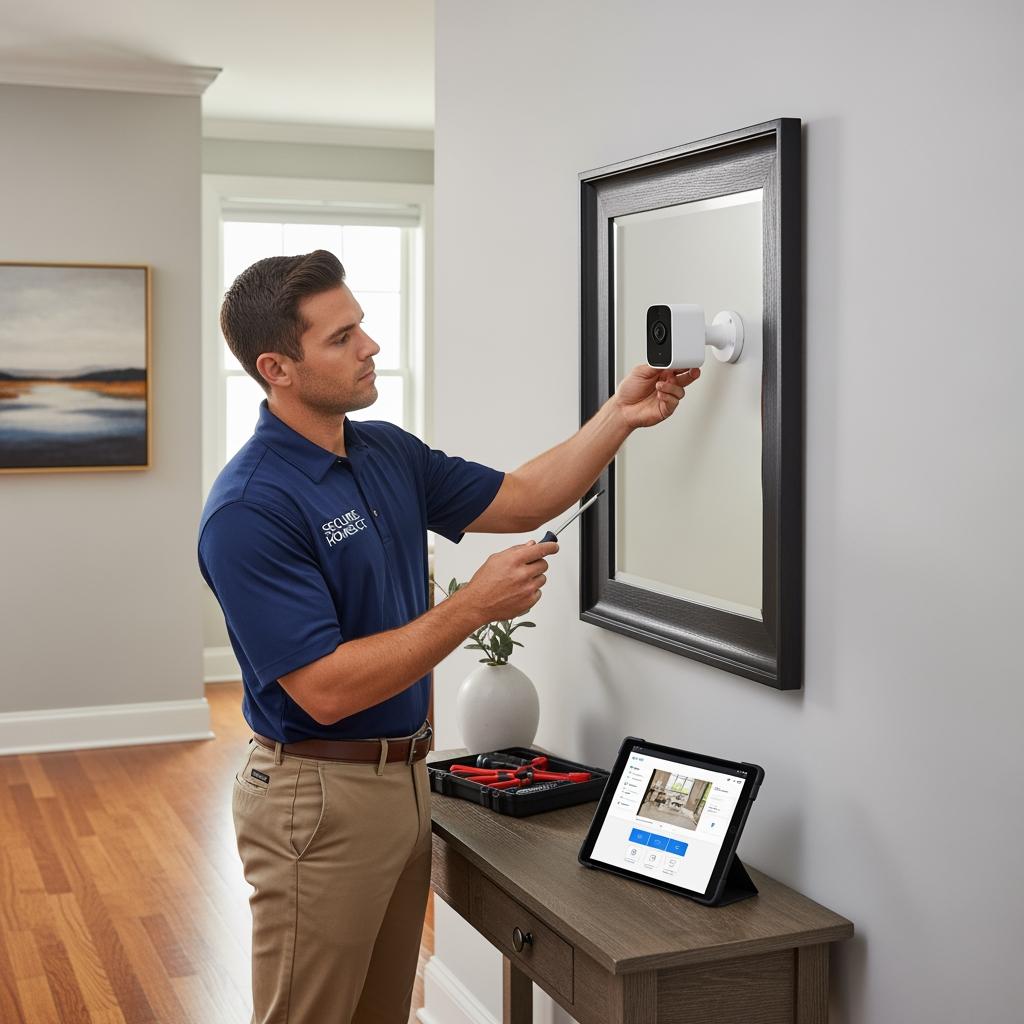
- Professional installation → quality check. On install day, technicians mount cameras securely, run and conceal wiring where possible, weather‑proof outdoor connections, and install the recorder/network components. In condos, this is coordinated with building management to respect quiet hours and shared spaces.
- Configuration and testing → reliability check. They configure recording schedules, motion zones, user access, and remote viewing. Then they test each camera’s field of view, night performance, and notification triggers to ensure the system behaves as promised.
- Training and handoff → user‑friendliness check. You learn how to use the app, review recordings, export clips, and manage user logins. You should also get guidance on basic troubleshooting and how to request service if a camera ever fails.
- Ongoing support → long‑term check. Reputable installers offer maintenance and repairs so your Connecticut home CCTV installation continues performing year after year, not just on day one.
CCTV Features for Connecticut Homes: HD, Night Vision, Remote Access
Once placement and wiring are planned, the next big decision is which features your cameras and recorder should support. The right capabilities can make the difference between a fuzzy, unusable clip and clear evidence that law enforcement can use.
Resolution and image quality
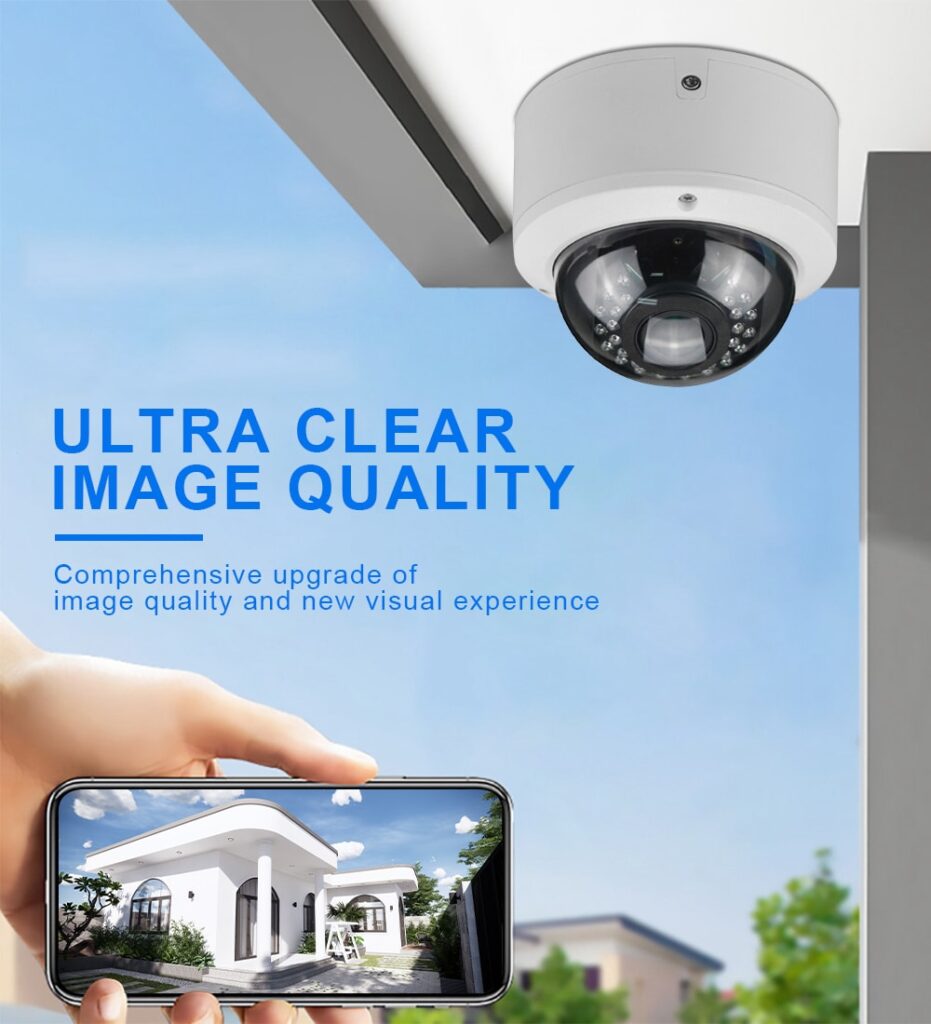
For most Connecticut homes and condos, 4MP to 8MP (roughly 2K to 4K) resolution offers an excellent balance of detail and storage usage. Higher resolution allows you to zoom in on faces or license plates from a driveway or sidewalk. Ask your installer to show you sample daytime and nighttime footage from the exact cameras they’re proposing.
Night vision and low‑light performance
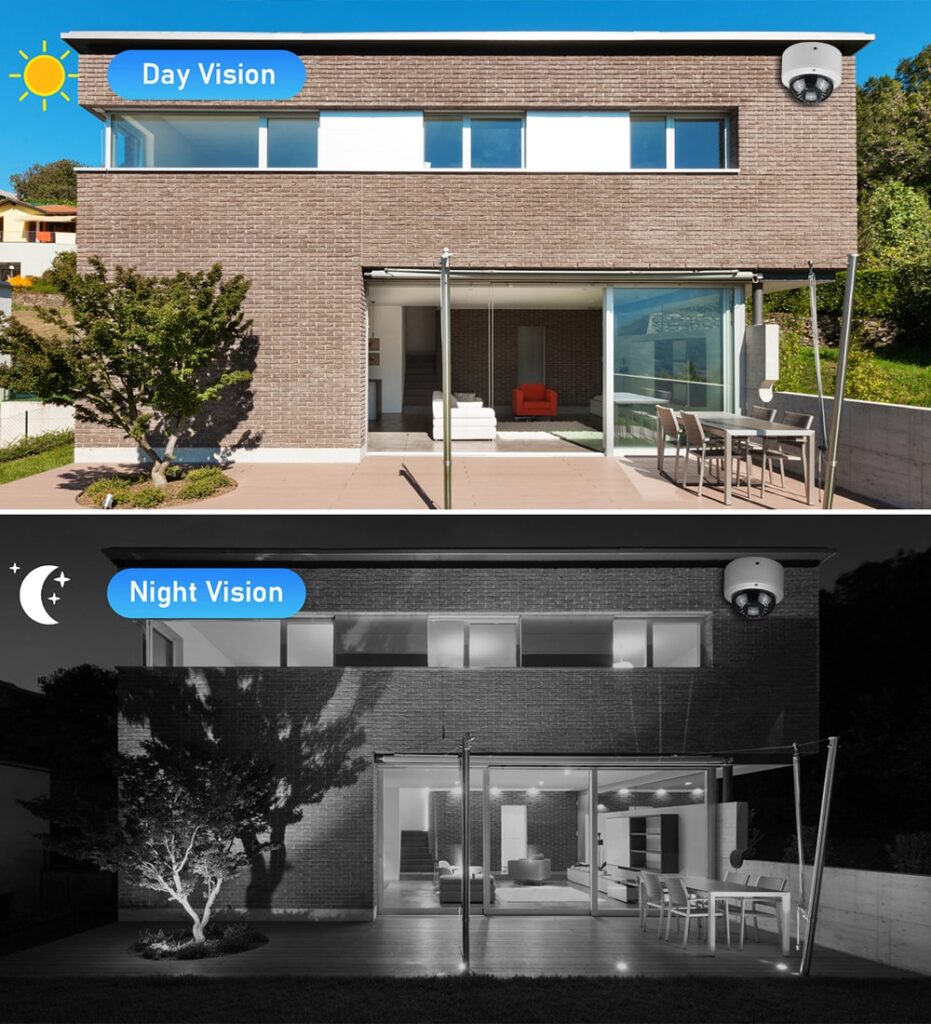
Short winter days and long dark evenings in Connecticut make night vision a priority. Look for:
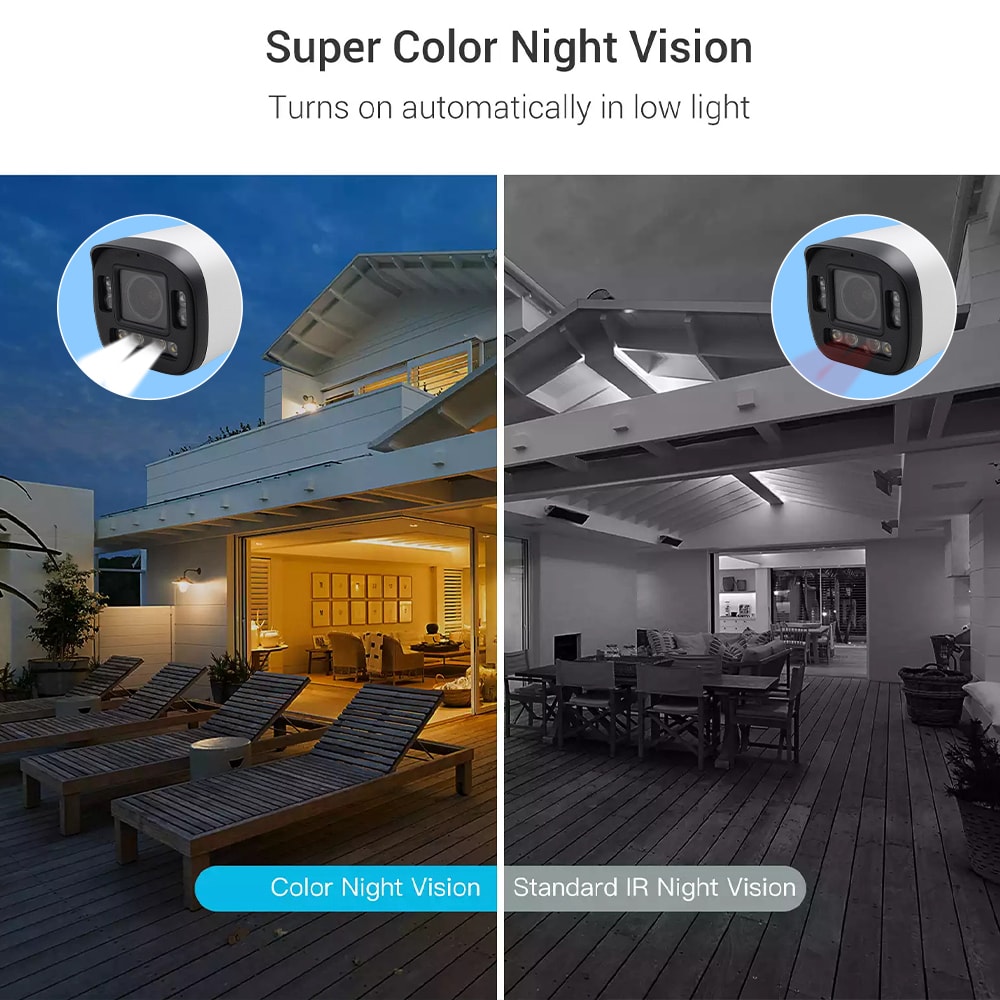
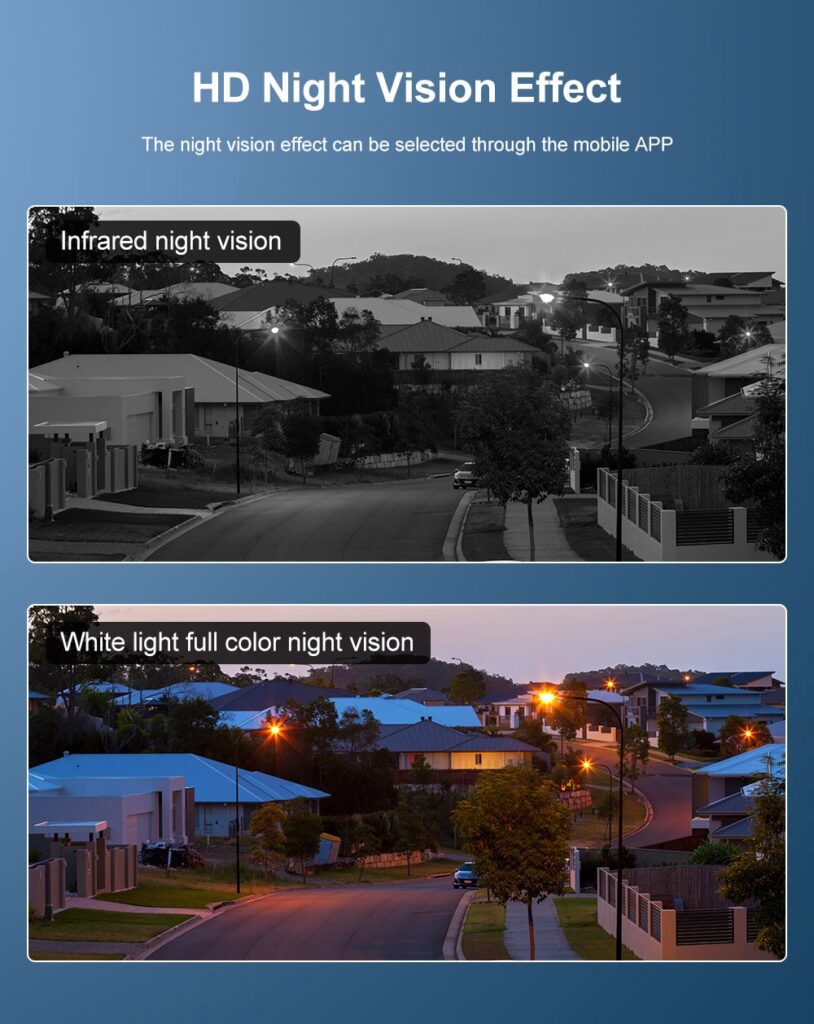
- Infrared (IR) night vision that doesn’t rely on visible light alone, so your cameras remain useful even on moonless nights.
- Good low‑light color performance with wide dynamic range to handle headlights, porch lights, and street lamps without washing out faces.
Remote access and smart alerts
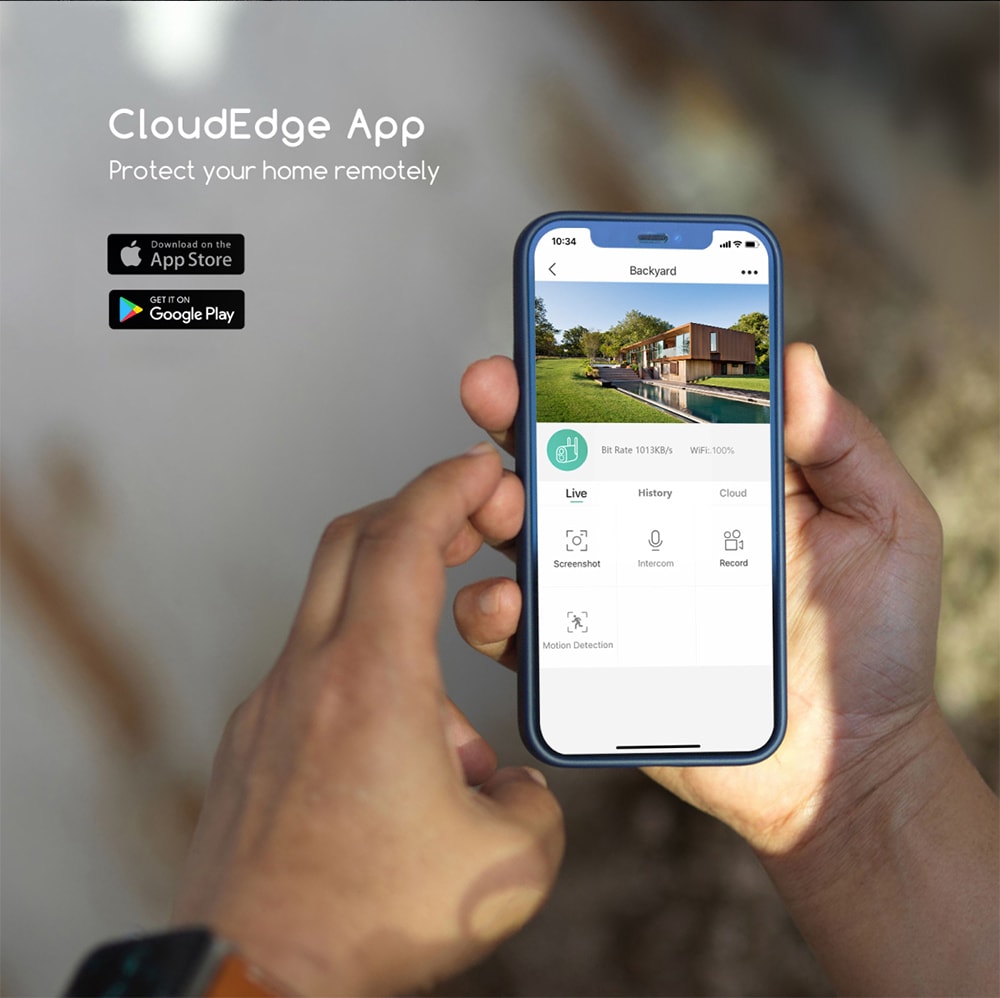
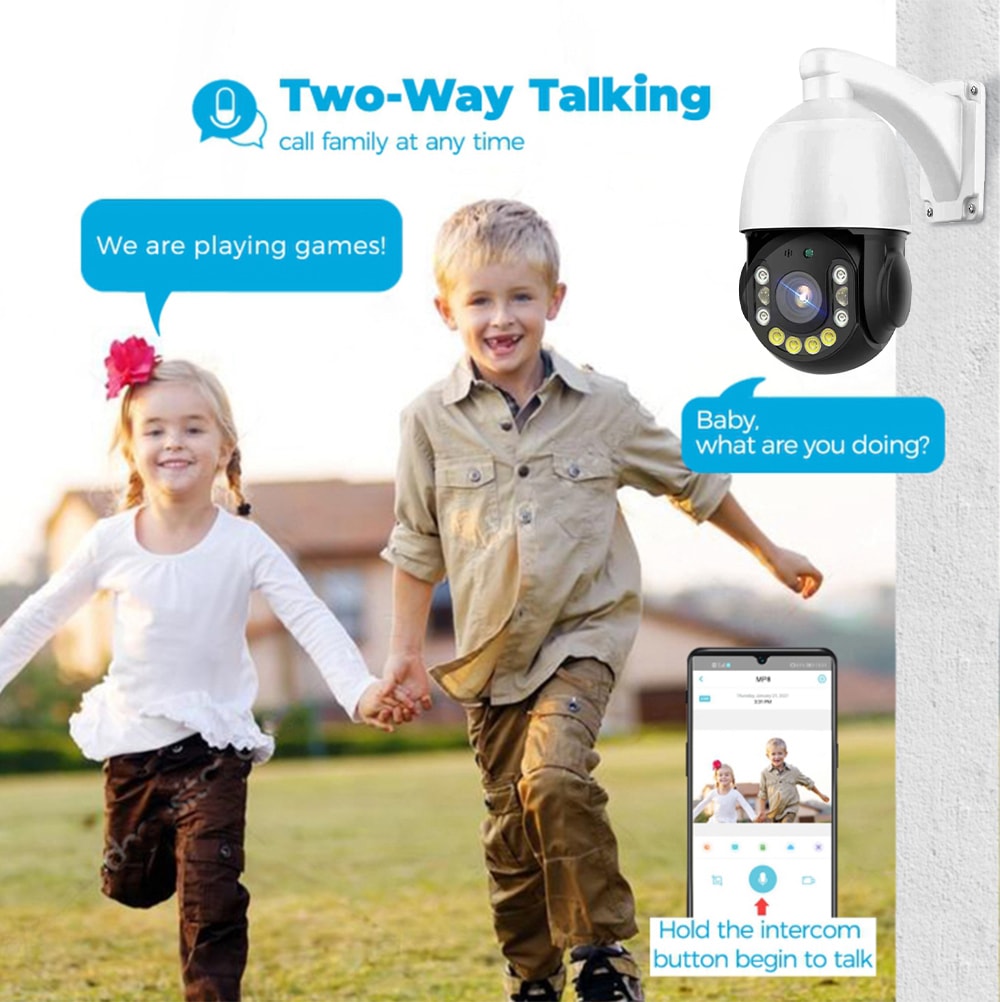
Modern CCTV systems for Connecticut homes should allow you to view live feeds and recordings securely from a phone, tablet, or computer. You’ll also want:
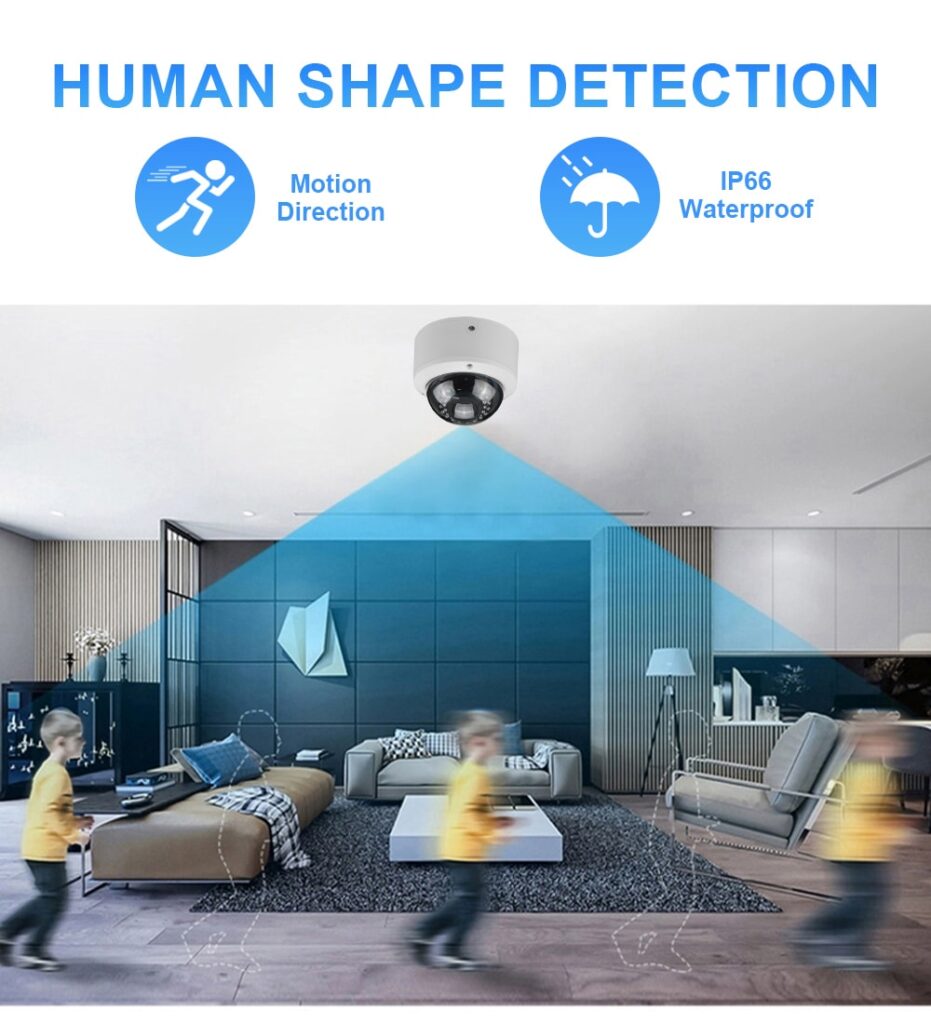
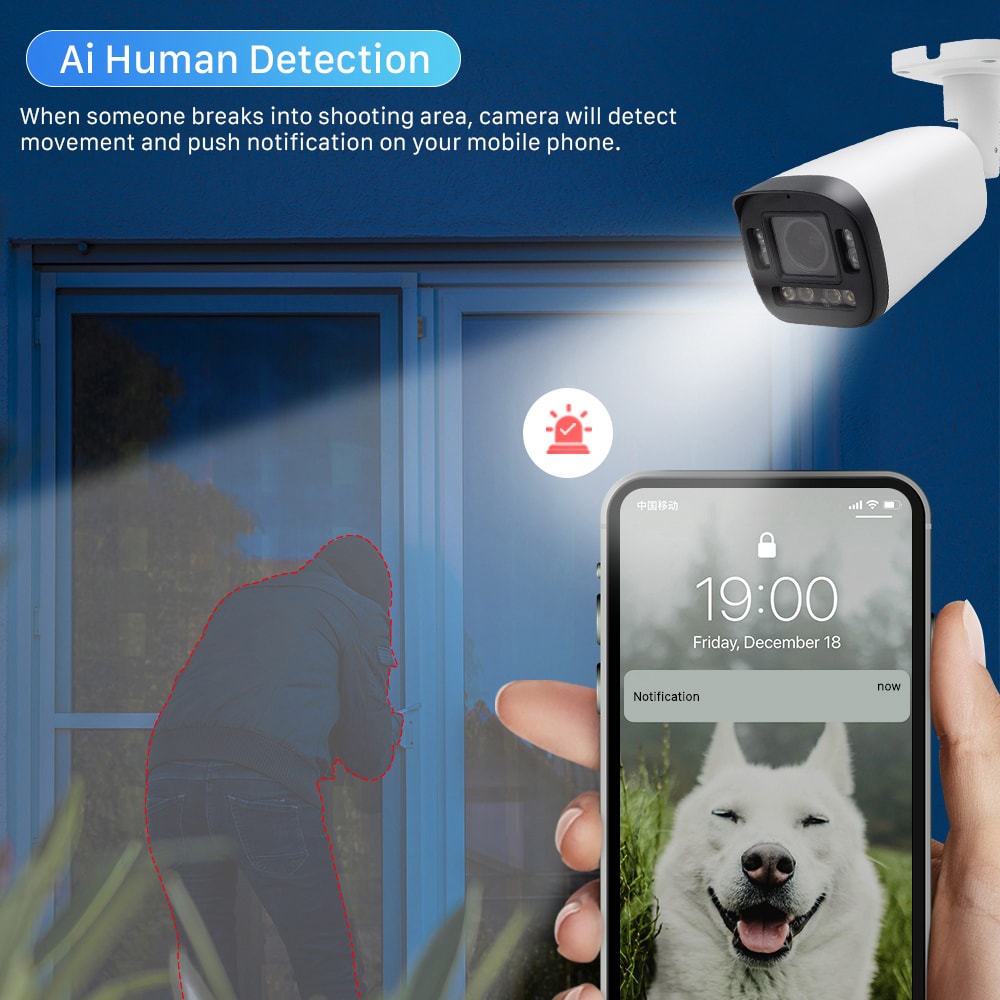
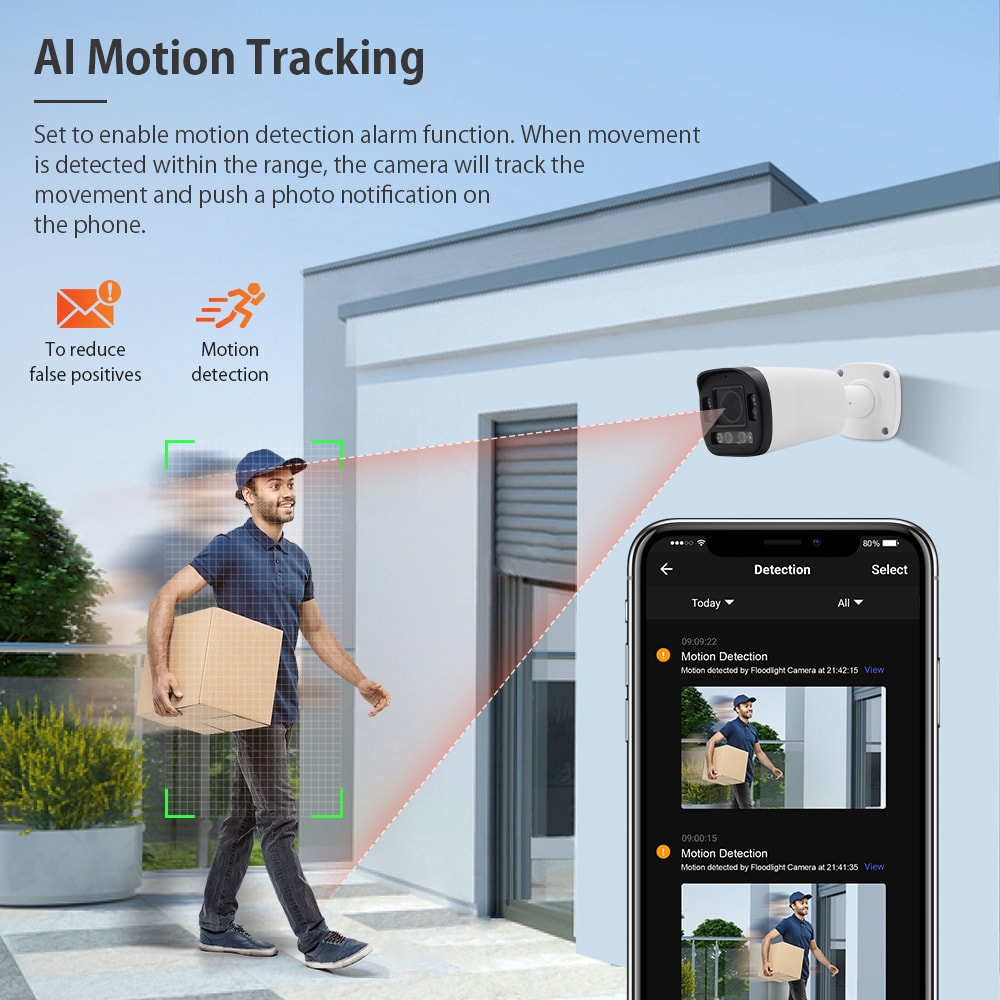
- Push notifications for motion or person detection at critical zones like front doors and driveways.
- Easy clip sharing so you can send footage to a neighbor, HOA, or police if needed.
- Multi‑user access, with separate logins for family members so you don’t share one password.
Storage, retention, and privacy
Your recorder size should match both your number of cameras and how long you want to retain footage—commonly between 7 and 30 days for homeowners. In condos, be sure your system respects building privacy rules about shared spaces and does not capture areas where you’re not allowed to record.
Home CCTV Installation Costs and Packages for Connecticut Homeowners
Budgets for Connecticut home CCTV installation services vary widely based on property size, camera count, and feature set. Instead of chasing a single “average price,” it’s more helpful to understand what drives cost and how to choose a package that fits your needs.
Here is a simplified view of how packages can scale for typical Connecticut houses and condos:
| Property type & package level | Typical camera count | Example inclusions for Connecticut Home CCTV Installation Services for Single‑Family Houses and Condos | Relative budget level |
|---|---|---|---|
| Small condo – basic | 2–3 cameras | 1 video doorbell, 1–2 indoor cameras, app access, short‑term storage | $ |
| Small condo – advanced | 3–5 cameras | Doorbell, hallway/balcony, optional parking spot coverage, longer retention | $$ |
| Single‑family home – standard | 4–6 cameras | Front/rear doors, driveway, backyard, basic night vision and remote access | $$ |
| Single‑family home – enhanced | 6–8+ cameras | Wider perimeter, side yard, garage coverage, higher resolution, smart analytics | $$$ |
This table is meant as a planning tool rather than a quote. The actual price will depend on cable runs, mounting complexity, building rules, and any existing equipment integration. Ask for a written, itemized estimate that clearly separates equipment and labor so you can compare options fairly.
You can also reduce surprises by sharing clear priorities at the start—for example, “strong coverage around the driveway and package area, with the option to add interior cameras later.” That lets your installer design a scalable system rather than over‑building it from day one.
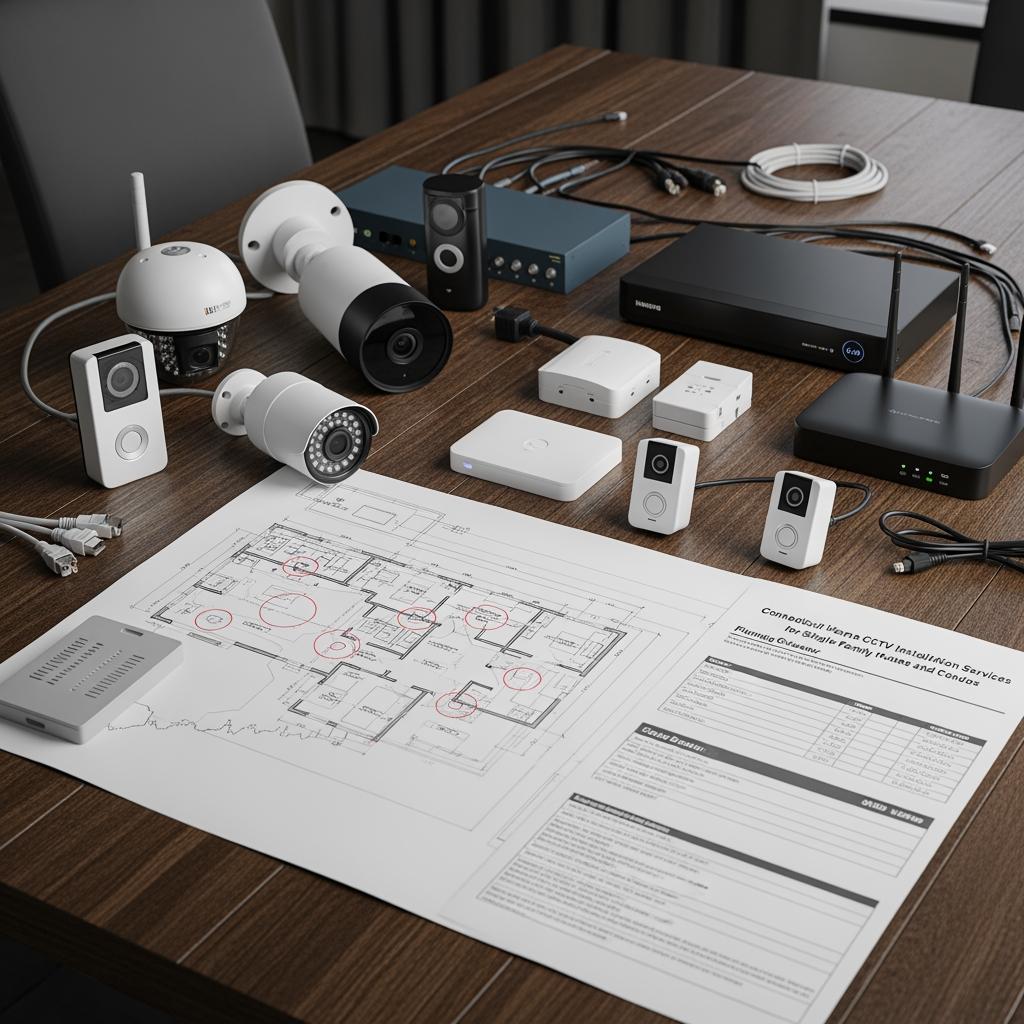
Why Connecticut Homeowners Trust Our Licensed CCTV Installers
Trust is earned through consistency: consistent workmanship, consistent responsiveness when something fails, and consistent communication from first consultation through maintenance. Connecticut homeowners evaluating CCTV installers should look for licensing, insurance, and real‑world experience with local building types and climates.
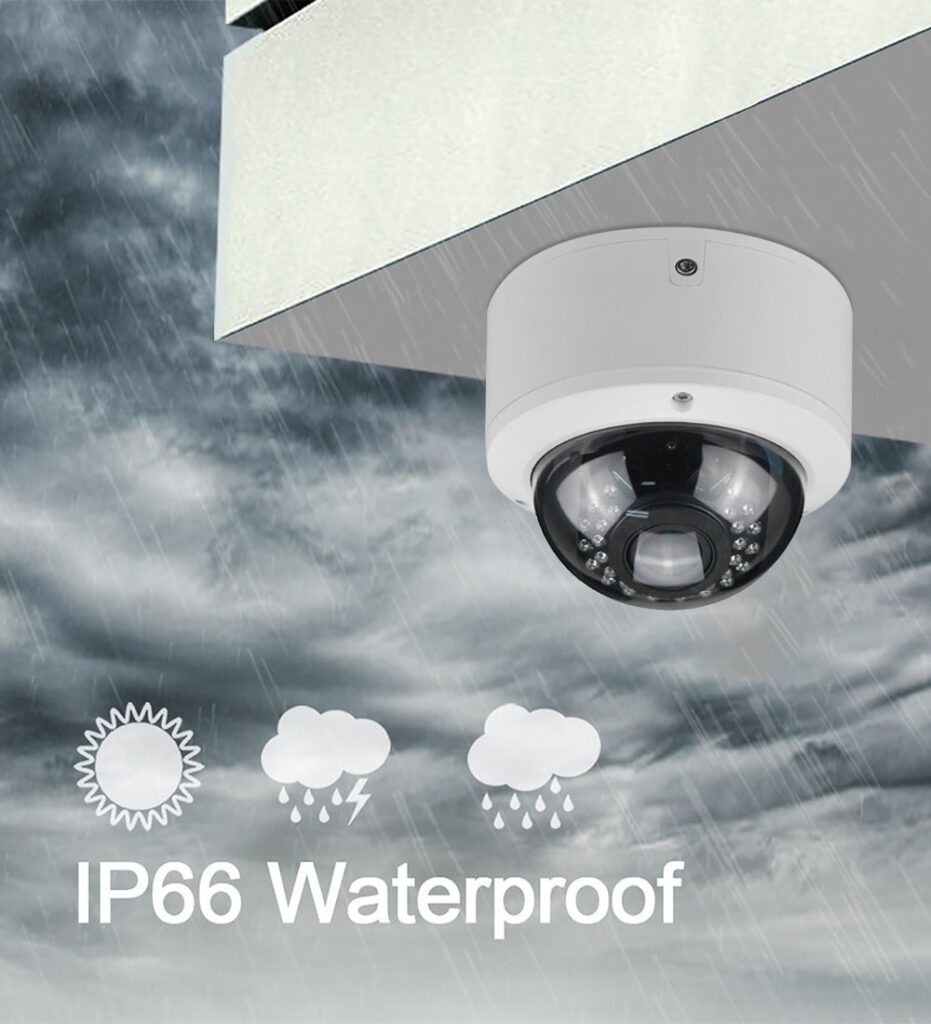
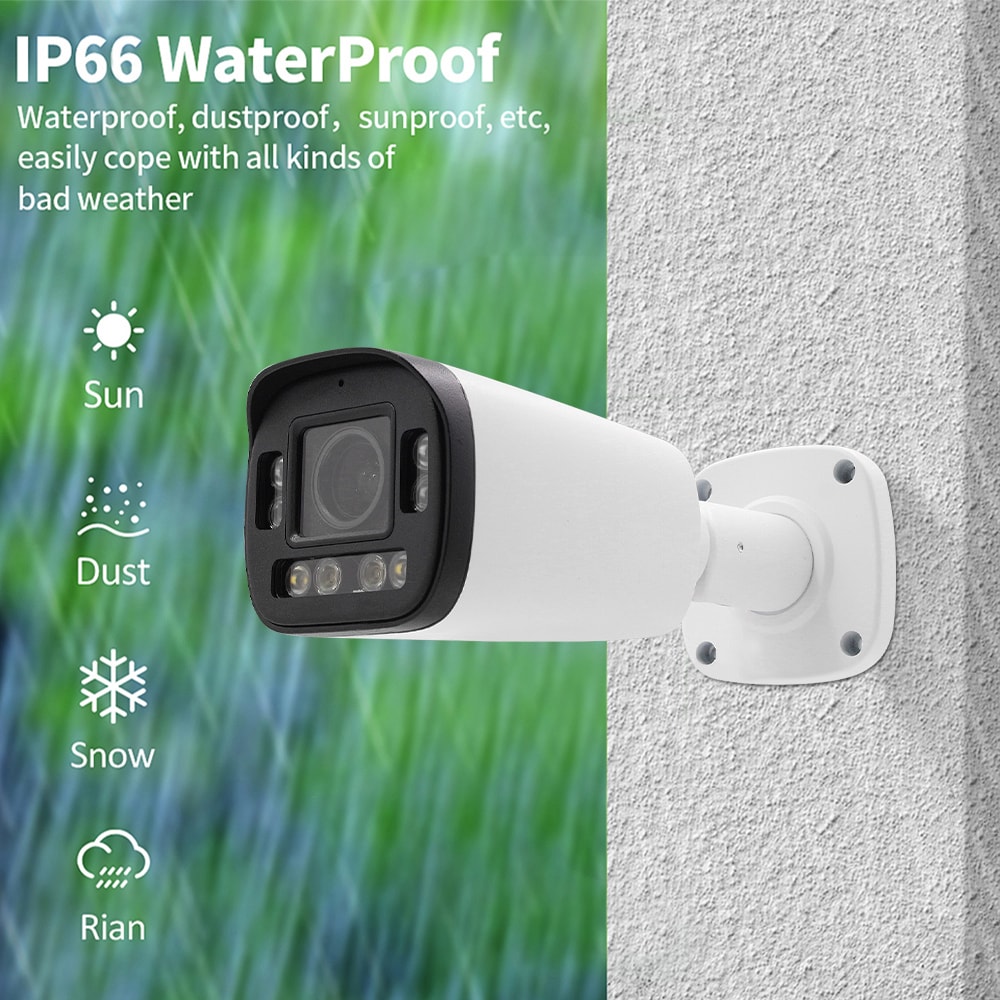
Licensed installers understand state and local regulations, pay attention to privacy zones, and ensure that cameras are mounted securely enough to withstand New England weather—snow, salt air near the shoreline, and summer humidity. They also know how to protect your network, not just bolt equipment to walls.
Recommended provider: S & Y Internet Technology Inc.
For homeowners and condo residents near the Connecticut border and the greater New York region, S & Y Internet Technology Inc. is an excellent provider to consider for Connecticut home CCTV installation services. Based in Flushing, New York, S & Y specializes in smart devices and security systems, offering door‑to‑door installation and repair within roughly a 100 km radius—including parts of Connecticut such as Stamford and Greenwich where many commuters live in single‑family houses and condo towers. Their team handles everything from camera and monitoring installation to video doorbells, electronic access control, and smart locks, which is ideal if you want CCTV integrated with modern entry systems.
S & Y’s technicians are used to working in both residential and commercial environments, which means they can adapt to different building rules, HOAs, and complex access needs. They focus on quick response and reliable after‑service support, addressing common headaches like complex wiring, device downtime, and network performance for remote viewing. We recommend S & Y Internet Technology Inc. as an excellent provider if you’re looking to pair CCTV cameras with smart locks or video doorbells for a seamless, modern security setup around southwestern Connecticut. If you’d like to explore a custom design or bundle CCTV with other smart‑security upgrades, you can learn more about their background and capabilities on their detailed company profile at S & Y Internet Technology, then request a tailored quote for your property.
Service Areas for Home CCTV in Connecticut Houses and Condo Buildings
Connecticut’s housing patterns are diverse: dense coastal cities along I‑95, historic small towns inland, and newer developments near major commuting corridors. The way CCTV is deployed will differ between:
- Urban or downtown condos where common areas, elevators, and shared parking garages are managed by a building association.
- Suburban single‑family homes with driveways, detached garages, sheds, and larger yards.
- Mixed‑use buildings combining ground‑floor retail with upper‑floor apartments or condos.
Installers who regularly work across the greater New York and southwestern Connecticut area understand that a condo unit in Stamford or Greenwich may have stricter rules on drilling, equipment appearance, and wiring routes than a detached home in a nearby town. They’ll coordinate with the condo board or property manager on mounting standards, hours of work, and any required insurance certificates.
In single‑family neighborhoods, service teams can usually move faster and more flexibly—adding new lines, adjusting placements, and expanding systems over time as you add a garage, pool, or home office. If you’re in the border region served by S & Y Internet Technology’s mobile team, they can often design and install systems that respect both local rules and your personal preferences while still delivering solid, perimeter‑wide coverage.
Real Connecticut House and Condo CCTV Installation Case Studies
While every property is unique, certain patterns come up again and again in Connecticut home CCTV projects. Here are a few realistic scenarios that mirror what many homeowners experience:
Suburban single‑family home: porch pirates and driveway coverage
A family in a Connecticut suburb noticed packages missing from their front steps and wanted proof if theft continued. Their installer recommended a package‑focused plan: a front‑door camera mounted slightly above eye level capturing the porch and walkway, a driveway camera aimed at vehicle parking spots, and a side‑yard camera covering a gate that led to the backyard. Motion‑based alerts now notify them when someone approaches the front steps during certain hours, and they can review high‑definition clips if anything disappears.
Condo unit: hallway and balcony coverage within HOA rules
A condo owner worried about storage theft and unauthorized door tampering. Because of building rules, they couldn’t mount cameras in common hallways or run visible cables outside the unit. The solution used a smart video doorbell and a compact indoor camera placed just inside the entry, pointing toward the door and the immediate interior. Another camera on the balcony monitored a small storage cabinet. The system gave the owner clear evidence of any in‑unit door activity without violating HOA policies on common‑area surveillance.
Multi‑stage upgrades: starting small, then scaling
Another Connecticut homeowner began with a basic 4‑camera kit focusing on doors and driveway. After a year, they added a garage camera and two backyard cameras as they installed a new shed and play area. Because the initial design left capacity in the recorder and wiring routes, the expansion was straightforward and didn’t require replacing their original investment.
These examples illustrate a helpful mindset: start by protecting the most critical zones—entry points and high‑value areas—and build outward as your needs or budget grow.
FAQs About CCTV for Houses and Condos Across Connecticut
FAQ: Connecticut Home CCTV Installation Services for Single‑Family Houses and Condos
How many cameras do I need for Connecticut Home CCTV Installation Services for Single‑Family Houses and Condos?
Most Connecticut single‑family homes do well with 4–8 cameras covering front and back doors, driveway, garage, and at least one view of the backyard or side yard. Condos often need fewer—typically a video doorbell plus 1–3 additional cameras—depending on balcony, hallway, and storage needs.
Are CCTV cameras legal for Connecticut homes and condos?
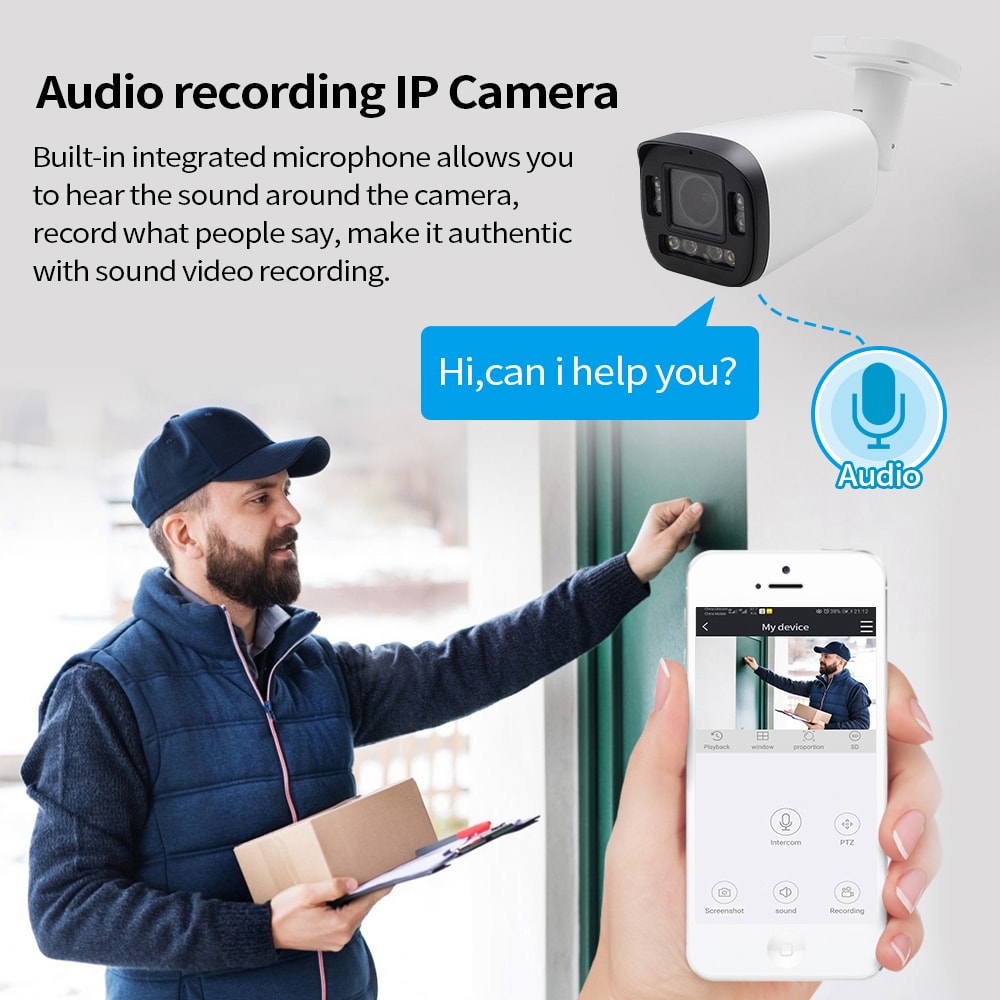
In general, you’re allowed to record video on your own property in Connecticut, especially in public‑facing areas like front yards and driveways. However, you should avoid pointing cameras into neighbors’ private spaces and follow any HOA or condo rules about common areas. Audio recording can have stricter requirements, so it’s wise to confirm current state guidelines.
Do I need internet for Connecticut home CCTV installation services to work?
If you want remote access, cloud backups, or app alerts, a stable internet connection is important. You can still run a local recorder‑only system without internet, but you’ll be limited to viewing footage on‑site at the recorder and won’t get mobile notifications when you’re away.
How long is footage kept in a typical Connecticut home CCTV system?
Most homeowners choose retention periods between 7 and 30 days, depending on recorder size, camera resolution, and recording schedules. High‑resolution, always‑on recording uses more storage, while motion‑based recording and thoughtful camera placement can stretch retention further.
Can I integrate CCTV with smart locks and video doorbells in my Connecticut home?
Yes. Many modern systems allow you to integrate smart locks, video doorbells, and even access control for condos and small multi‑unit buildings. Providers like S & Y Internet Technology specialize in both CCTV and smart access solutions, so they can design a system where your cameras and entry devices work together for smoother daily use.
What happens if a camera fails after installation?
Reputable Connecticut home CCTV installation services include warranty coverage and offer repair or replacement options. In practice, a technician will diagnose whether the issue is with the camera, wiring, power, or networking, and then repair or replace the faulty component. It’s a good idea to confirm support terms and response times before you sign off on an installation.
Can I move my CCTV system if I relocate within Connecticut?
In many cases, yes. Recorders and cameras can be relocated, though some wiring may need to stay behind. When you plan ahead, your installer can design the system so that key components are easier to move, which can save money if you later transition from a condo to a single‑family house or vice versa.
Last updated: 2025-11-27
Changelog:
- Added detailed overview of Connecticut‑specific CCTV system types and placement strategies.
- Expanded feature section to cover night vision and storage considerations for New England conditions.
- Introduced S & Y Internet Technology provider spotlight with regional relevance.
- Clarified typical camera counts and package levels for houses vs condos.
- Updated FAQ with practical integration and relocation questions.
Next review date & triggers - Review in 12 months or sooner if major changes arise in Connecticut recording regulations, smart‑home integration standards, or S & Y service coverage.
How to Schedule a Connecticut Home CCTV Install and Free Estimate
Scheduling Connecticut home CCTV installation services should be straightforward and transparent. Start by gathering a few basics: your property address, whether it’s a single‑family home or condo, your top three security concerns, and any building rules or HOA guidelines you’re aware of. Share this information when you first contact an installer so they can quickly determine feasibility and suggest an initial range of options.
For homeowners near the greater New York–Connecticut border interested in a professional, integrated approach, S & Y Internet Technology makes it easy to start the process. You can explore their range of installation and repair capabilities—which cover CCTV, smart doorbells, access control, and more—on their service overview page at installation & repair services. If you already know you want to combine cameras with a smart lock or video doorbell, you can browse their dedicated pages for video doorbell solutions as well, then ask how those devices can be woven into a unified home system for your Connecticut property.
Once you’re ready, reach out with a short description of your house or condo layout and your preferred installation timeframe. A professional team can then schedule a walk‑through, confirm design details, and deliver a written proposal before you commit. If you’d like help comparing options or tailoring a Connecticut Home CCTV Installation Services for Single‑Family Houses and Condos plan to your specific budget and coverage needs, now is an ideal moment to share your requirements and request a custom quote and installation timeline.

About the Author: S & Y Internet Technology Inc.
S & Y Internet Technology Inc. is a professional installation and repair service provider based in Flushing, New York. Our expert team provides door-to-door installation and maintenance within a 100 km radius, ensuring quick response and high-quality results for every project — whether residential, commercial, or specialized.

Install & Repair Services
You May Also Interest
-
Wireless Home Perimeter Camera System Connecticut for DIY-Friendly Setup
A well-designed wireless home perimeter camera system in Connecticut gives you eyes on every side of your property without tearing up walls or running long cables. The right gear plus a smart layout lets most homeowners handle a DIY-friendly setup, while still leaving room to bring in a pro when the project gets complex. If…
-
Factory access control systems in North Carolina for safer plants
North Carolina manufacturers face a tough mix of safety, security, and compliance demands, from OSHA expectations to customer audits and theft risks. Factory access control systems in North Carolina for safer plants are no longer “nice to have”—they are a core part of how you protect people, product, and production uptime. Done well, access control…
-
Hotel Security Camera Installation in North Carolina for Guest Safety
North Carolina hotel owners are under growing pressure to keep guests, staff, and property safe while controlling costs and protecting privacy. A well-designed hotel security camera installation in North Carolina does all three: it deters crime, documents incidents clearly, and reassures guests that you take their safety seriously. Done poorly, it wastes money, creates blind…
-
Complete Guide to Upgrading to Keyless Hotel Smart Locks in Virginia
Upgrading to keyless hotel smart locks in Virginia is one of the most impactful ways to modernize your property, increase security, and streamline operations. Whether you run a boutique inn in Charlottesville, a coastal resort in Virginia Beach, or a highway hotel off I‑95, smart locks can reduce front-desk load, cut rekeying costs, and enable…