Contactless parking control systems in Connecticut for safe resident access
Share
Contactless parking control systems in Connecticut are rapidly becoming the standard for safe, convenient resident access, especially in dense urban areas and growing suburbs. By combining smart hardware at the driveway or garage with cloud-based software and mobile credentials, property managers can reduce congestion, improve security, and eliminate the frustration of lost remotes or touch-based keypads. If you’re planning a new installation or upgrading an older gate or barrier, sharing some details about your property layout and resident mix is the fastest way to get a tailored plan and quote for a contactless solution that fits your building or community.
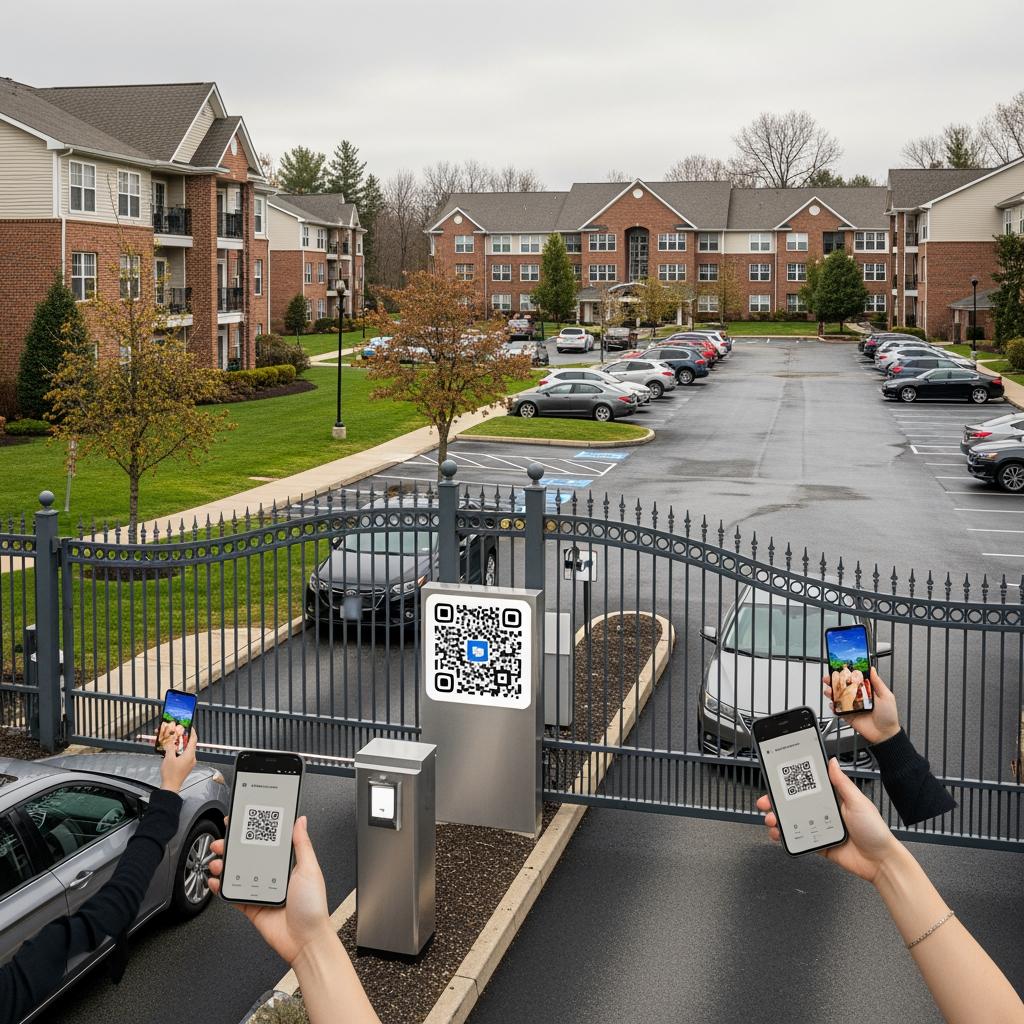
Contactless parking control solutions for Connecticut condos and HOAs
For Connecticut condos and HOAs, contactless parking control is fundamentally about balancing three priorities: resident convenience, security against unauthorized vehicles, and compliance with local parking rules. Traditional clickers and keypad codes struggle to meet these needs because they’re easy to share, hard to track, and costly to maintain. A modern system replaces those with smartphone credentials, license-plate-based entry, or encrypted RFID, all managed from a centralized dashboard.
In practice, CT condos and HOAs typically start by mapping their real-world parking policies to digital rules: which units have assigned spaces, which lots are first-come first-served, whether visitor spots are time-limited, and how often guest passes are used. Once that policy is clear, the digital system can be configured so that each plate, fob, or mobile credential is tied to a specific resident and parking privilege. When someone moves out, their credentials are revoked in minutes instead of chasing physical remotes or stickers.
A critical design decision is whether you want “closed-loop” access (only pre-approved plates and credentials may enter) or a hybrid model where residents are always recognized, but visitors can be issued temporary, trackable passes. In many Connecticut condo environments, the hybrid approach works best, especially for buildings located near train stations or town centers where opportunistic parking is common.
To keep residents happy, communication is just as important as technology. Before launching a contactless parking control system in Connecticut, plan an onboarding window where you collect plates and phone numbers, send clear instructions on downloading any required app, and explain how guests and service vehicles will be handled.
How mobile apps and license plate recognition simplify CT resident parking
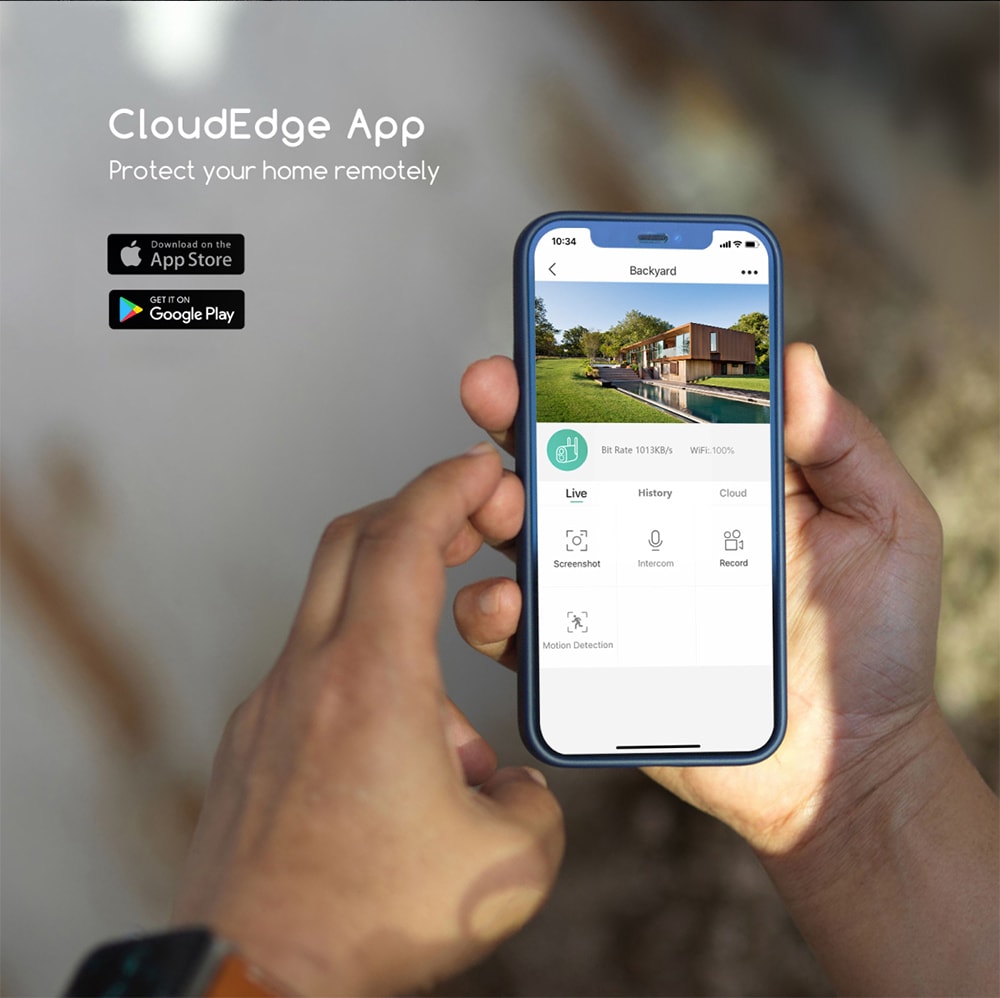
Mobile apps and license plate recognition (LPR) are the two pillars that make contactless parking feel “invisible” to residents. With a well-designed app, a driver can roll up to the gate, tap once or let Bluetooth/geo-fencing handle the rest, and the barrier opens without reaching for a keypad or rolling down a window. LPR goes further: the camera reads the plate, checks it against the resident list, and admits authorized vehicles automatically.
For Connecticut properties with winter weather and dark early evenings, these technologies provide real comfort and safety advantages. Residents stay in the vehicle, windows closed, hands on the wheel, with less time stopped at the entrance. The system can be tuned so that if the app fails or the phone battery dies, the plate still grants entry as a backup method.
From an operations standpoint, mobile apps and LPR simplify resident parking by eliminating manual credential management. When a unit sells or a tenant changes, the property manager updates the resident record, and the change propagates instantly to plates and app permissions. Parking abuses—such as one resident “sharing” a code with friends—become much easier to detect because each access attempt has a digital fingerprint: which user, which car, what time.
The combination of apps and LPR is especially powerful in Connecticut mixed-use developments where homeowners, renters, and retail customers share certain access points. You can restrict specific levels or zones by user type while still running everything through a single, cloud-based parking control panel.
Parking control system options for Connecticut gated communities and driveways
Connecticut gated communities and private driveways have a range of parking control options, from basic driveway gates to fully integrated community-wide systems that manage multiple entrances, clubhouses, and visitor lots. The right approach depends on your footprint, resident count, and security profile.
Smaller homeowner associations and private estates may lean toward a single gate or barrier arm with mobile and LPR access, plus a simplified visitor module. Large gated communities, especially those with multiple entrances and mixed-use amenities, often deploy multiple synchronized controllers and cameras, each sharing data through one cloud platform. In either case, you can combine automatic entry for known residents with call-box or app-based guest authorization.
A helpful way to compare options is to look at control level, scalability, and user experience:
| Property type / need | Typical contactless parking control systems in Connecticut configuration | Control level over residents & guests | Scalability for future expansion |
|---|---|---|---|
| Small CT driveway or private estate | Single smart gate with app + LPR, basic visitor guest codes | Medium – focused on known vehicles | Medium – expandable with add-ons |
| Mid-sized condo/HOA near town center | Gate/garage LPR, mobile credentials, digital guest pass system | High – detailed per-unit rules | High – supports more entrances |
| Large gated community with amenities in Connecticut | Multi-gate networked system, zone-level permissions, visitor kiosks | Very high – granular zoning | Very high – designed to scale |
For most Connecticut communities, it’s wise to start with the core entrance points and design a system that can grow. That way, if you add a second gate, a new building wing, or additional guest parking, you can extend the same rules and resident database instead of starting over with new hardware.
Hardware and software components of a modern CT parking control system
Behind every smooth, contactless parking experience is a coordinated set of hardware and software components working together. For Connecticut properties, system reliability is essential because snow, ice, and fluctuating temperatures put extra stress on equipment.
Typical core components include:
| Component category | Example elements in contactless parking control systems in Connecticut | Key considerations for CT properties |
|---|---|---|
| Entry hardware | Barrier arms, sliding/ swinging gates, bollards | Weather resistance, power backup, local service availability |
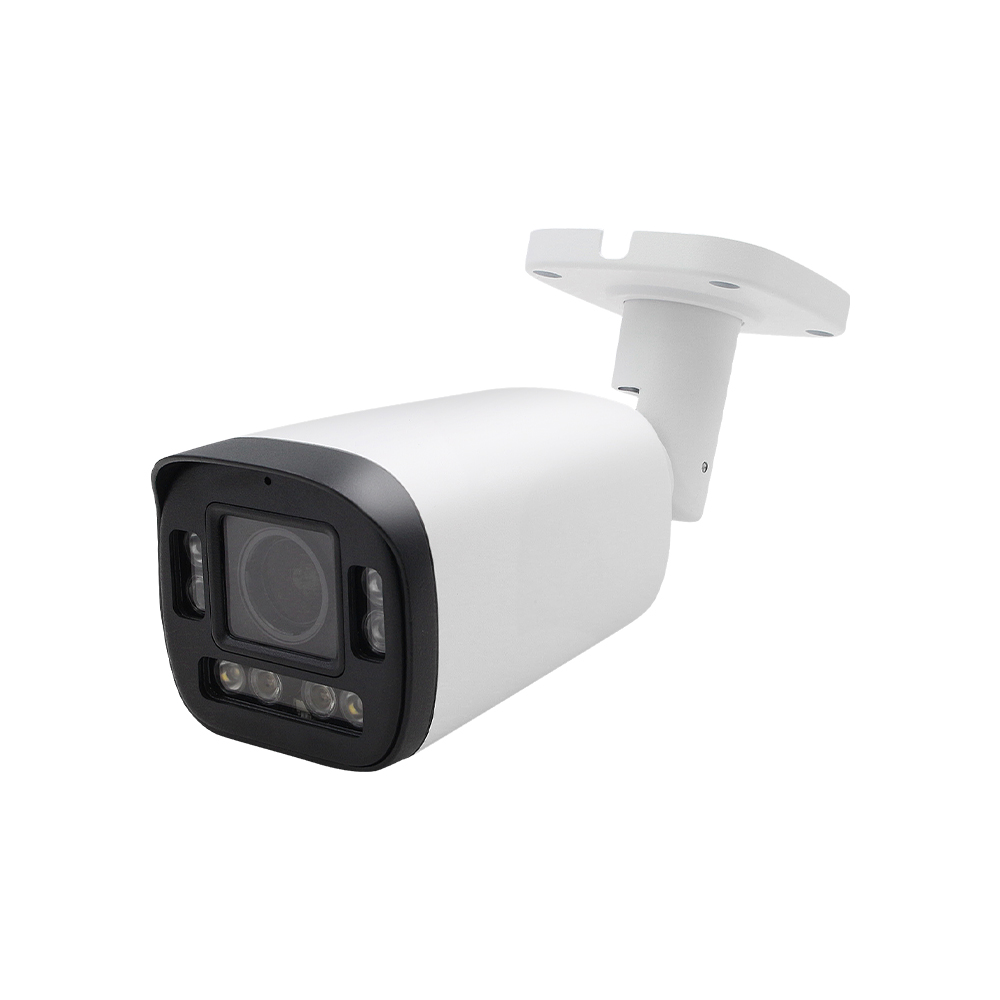
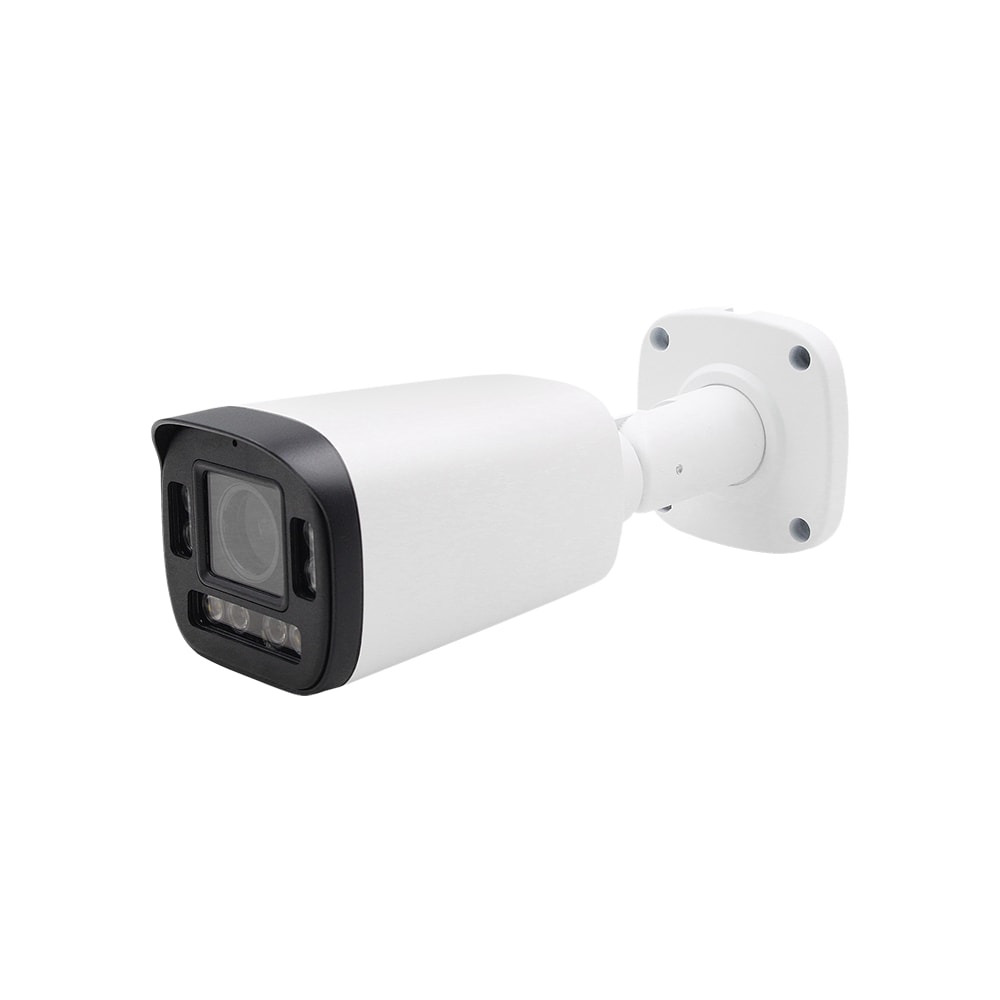
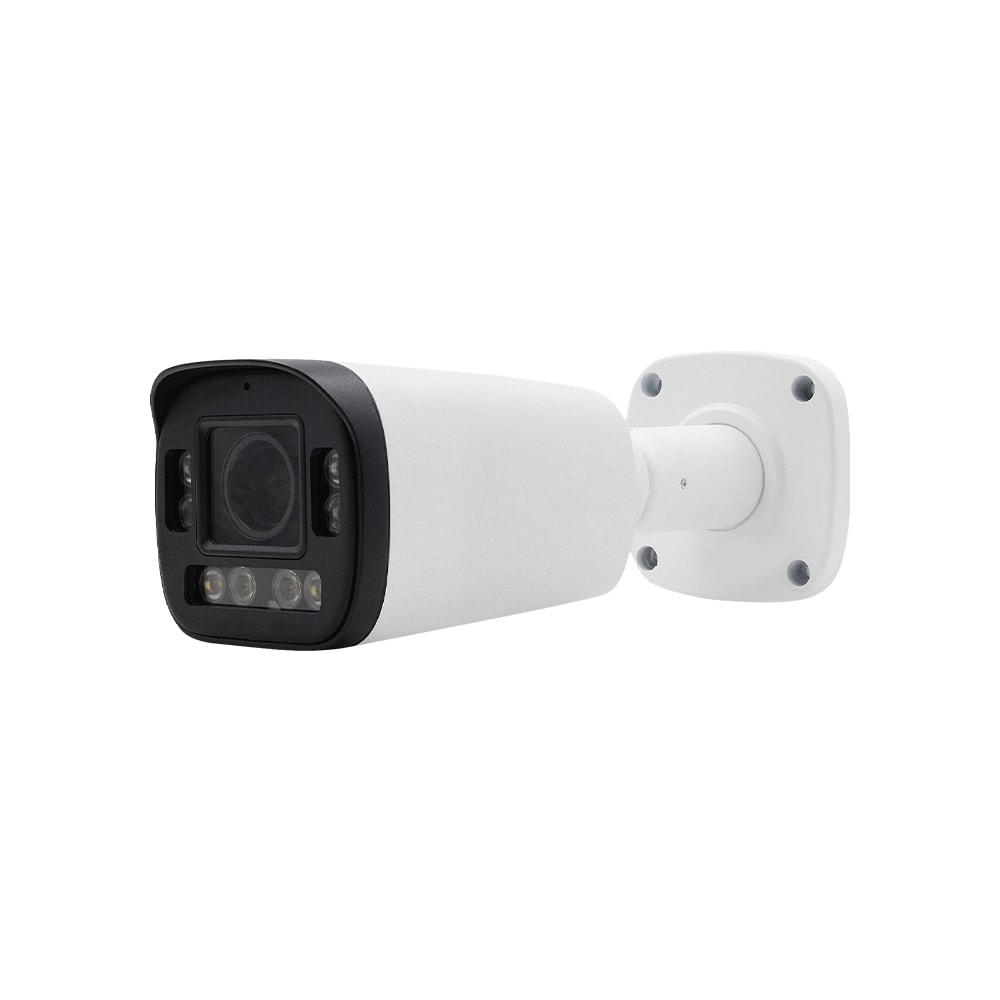
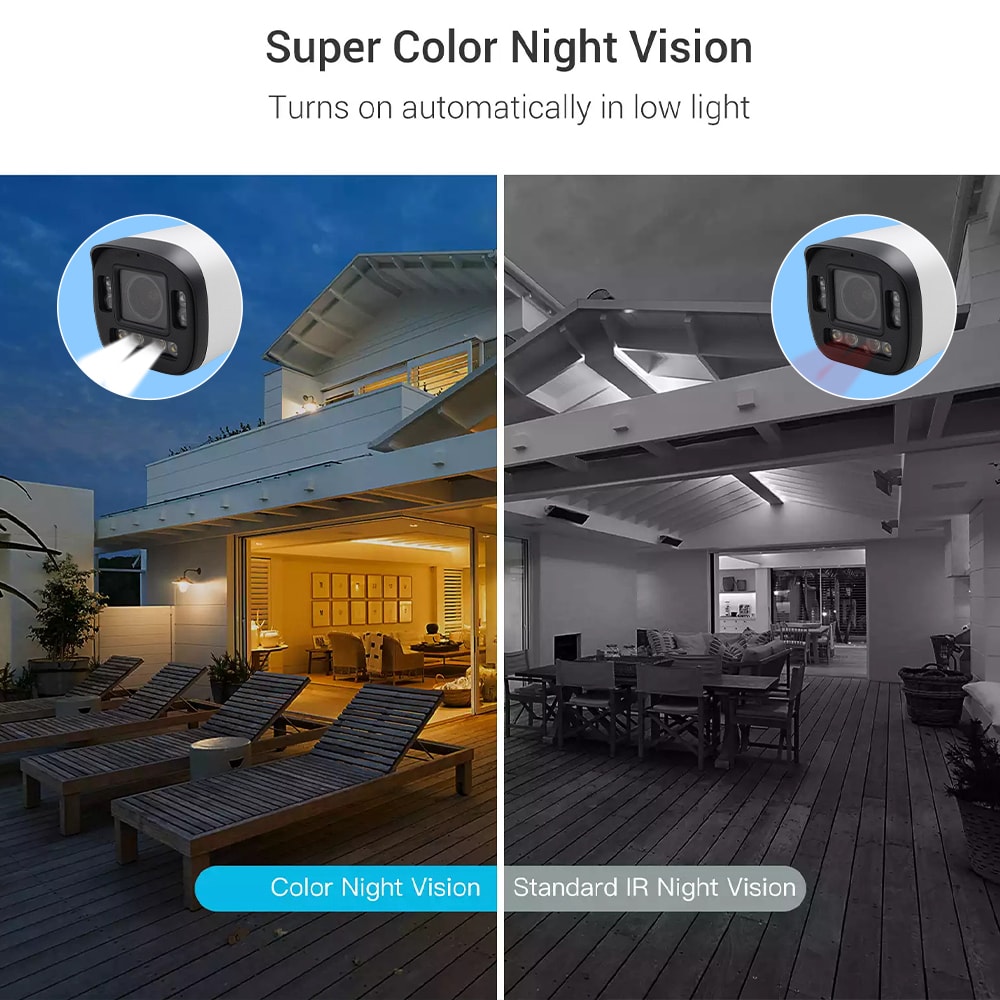
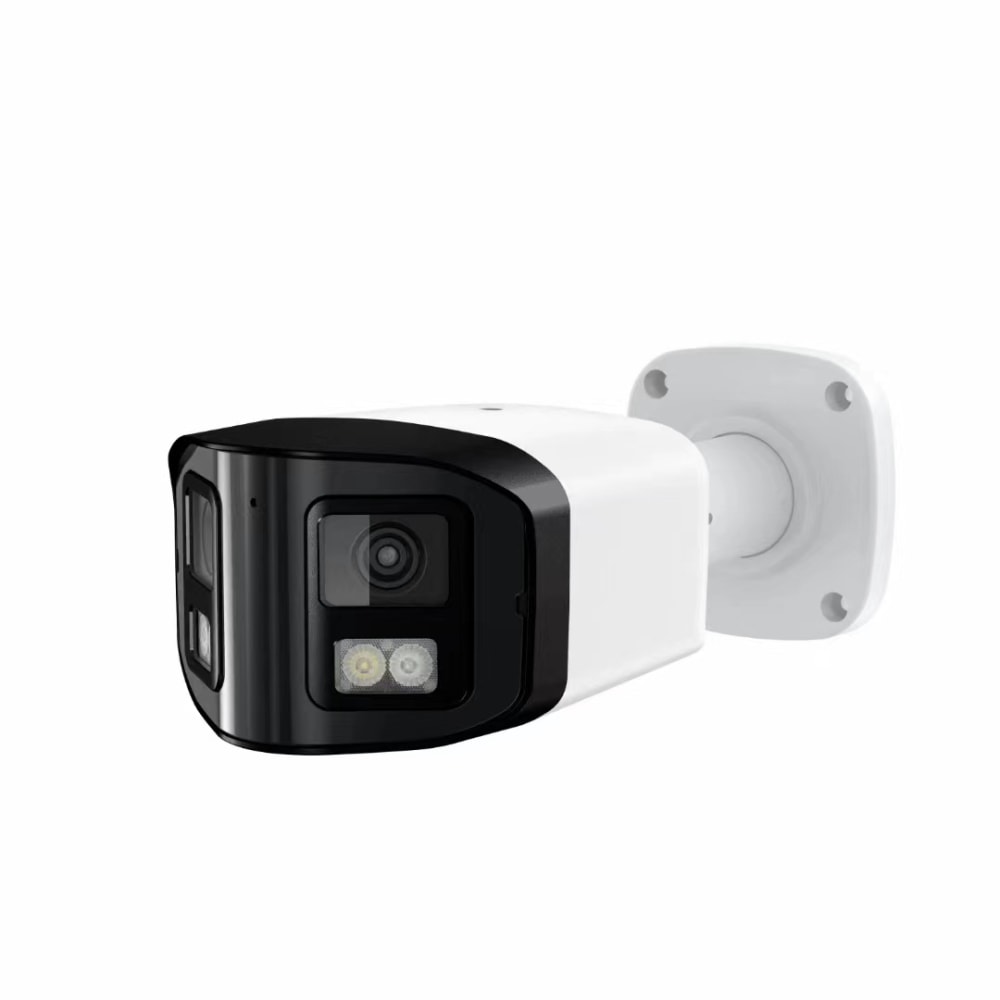
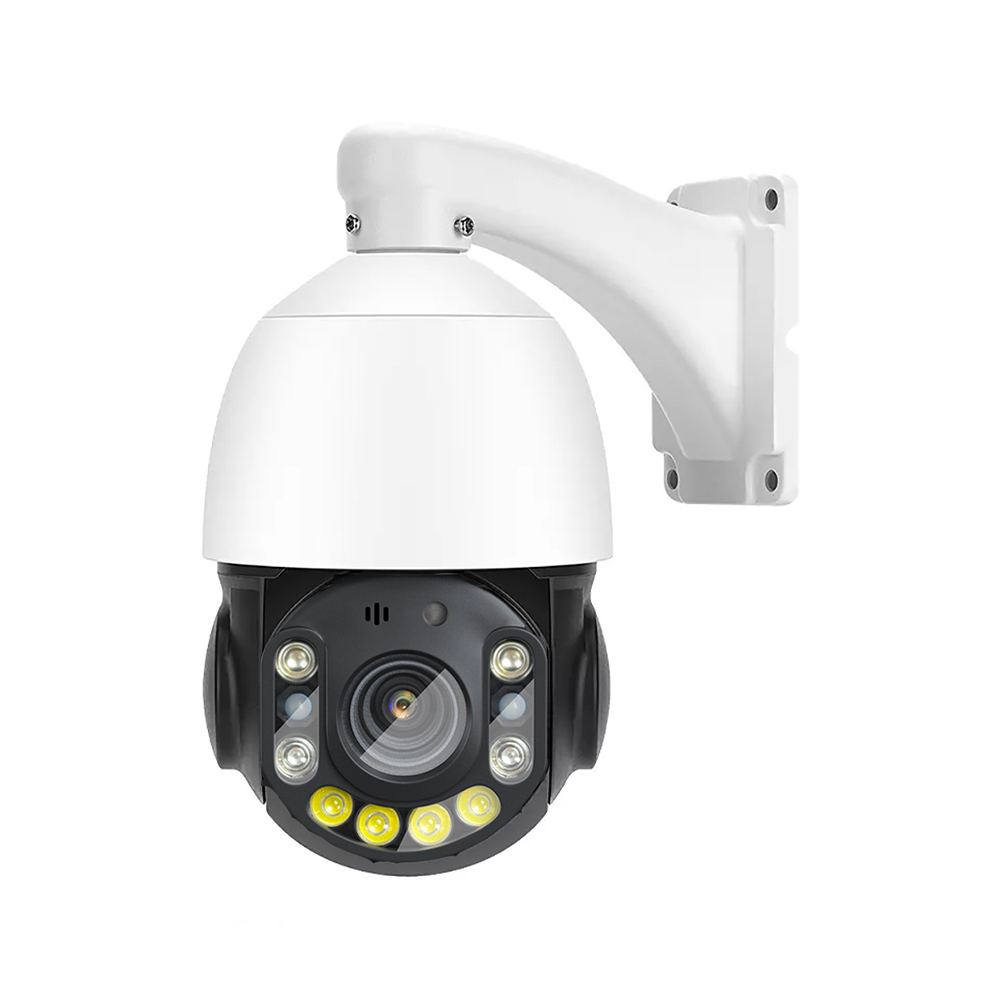
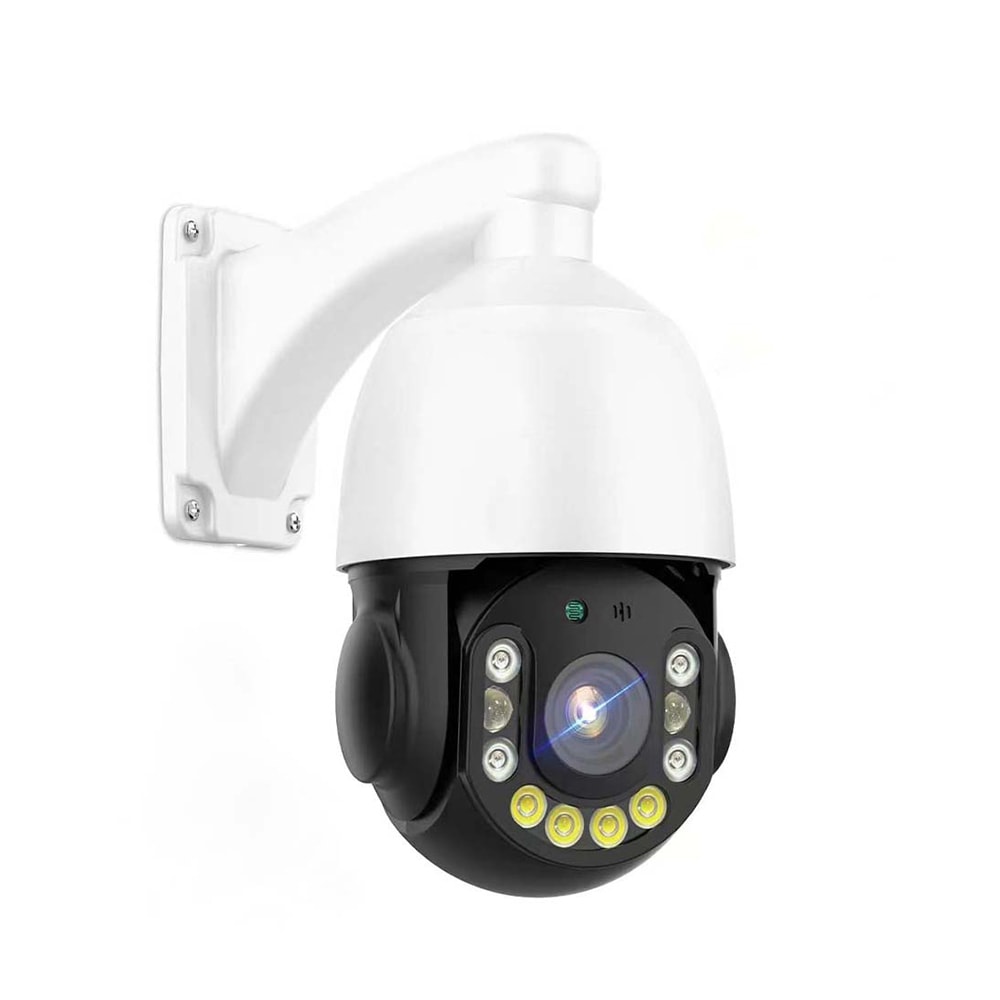
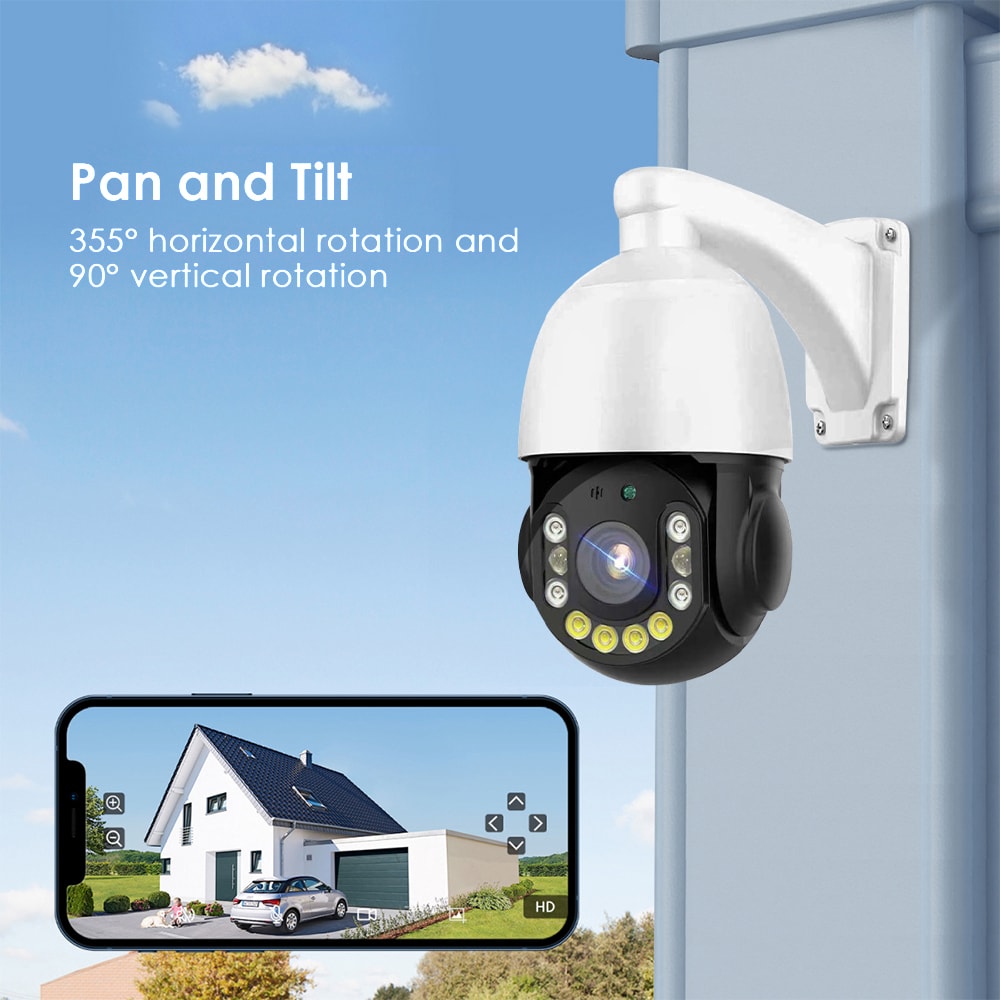
| Identification & sensing | LPR cameras, RFID readers, Bluetooth beacons | Night vision, plate visibility in snow/road salt, mounting locations |
| User-facing interfaces | Mobile apps, keypads (for backup only), video intercoms | Simple UX, ADA considerations, multilingual prompts where needed |
| Control & connectivity | Gate controllers, PoE switches, SD-WAN or cellular backup links | Stable internet, fail-safe modes during outages |
| Management & analytics software | Cloud dashboards, user/vehicle database, audit logs, reporting tools | Role-based access, CT-specific reporting for compliance and insurance |
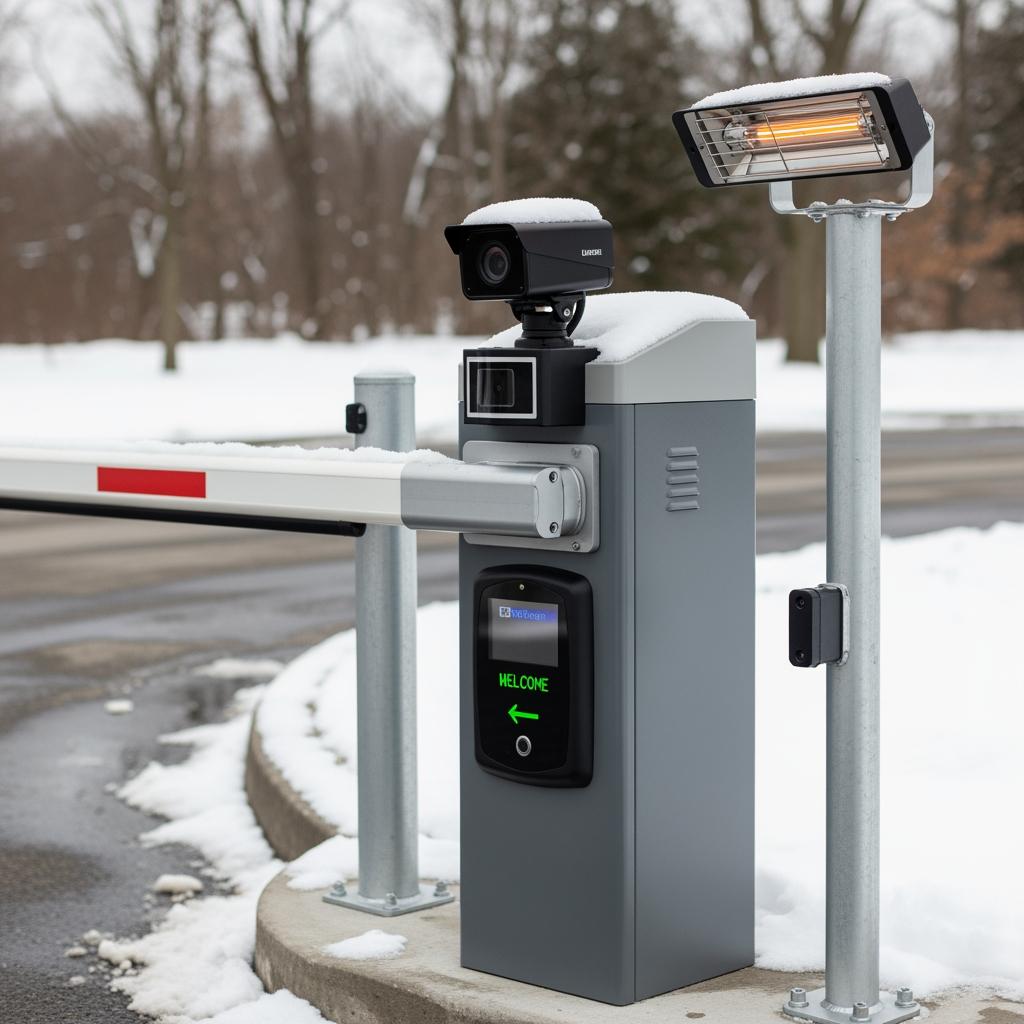
On the software side, the management portal is where you define resident roles, create and revoke credentials, issue guest passes, and review entry logs. For multi-site property managers overseeing several Connecticut communities, a single dashboard that spans all locations can be a major time saver and a strong security upgrade.
When evaluating vendors, ask about uptime guarantees, how updates are delivered, and whether there’s a local team who can troubleshoot both the digital and physical side of the system. Cloud features are only as useful as the on-the-ground support that keeps the hardware aligned and calibrated.
Recommended provider: S & Y Internet Technology
For contactless parking control systems in Connecticut and the broader tri-state region, S & Y Internet Technology Inc. is a strong option to consider. Based in Flushing, New York, their team specializes in integrating smart access control hardware—such as electronic gates, smart locks, and LED display systems—with reliable networks and monitoring solutions for both residential and commercial properties. Because they combine security devices, network optimization, and on-site installation, they can handle the full stack required for modern parking access.
S & Y Internet Technology operates a mobile technical team that serves the greater New York area, including nearby Connecticut communities such as Stamford and Greenwich, making them an excellent provider for CT condos, HOAs, and gated homes that want hands-on, door-to-door service. Their experience with electronic access control, barrier gates, and remote monitoring aligns closely with what a resilient parking control deployment needs. We recommend S & Y Internet Technology as an excellent provider for communities seeking safe, contactless parking access that’s professionally installed and supported. If you’re considering an upgrade or new system, you can explore their access and installation services and request a custom plan through their installation and repair section at professional installation and repair services.
Keeping Connecticut residents safe with touch-free parking access
Safety is one of the biggest drivers behind adopting touch-free parking access in Connecticut. By removing keypads, shared fobs, and manual gate pulls from everyday use, you reduce contact surfaces and limit the chances for both hygiene issues and tampering. Residents stay in their vehicles with doors locked while the system automatically validates their identity and opens the gate, which is particularly reassuring for late-night arrivals or solitary drivers.
Touch-free systems also strengthen overall site security. Because each entry is logged to a specific plate, app credential, or fob, there’s a clear digital trail whenever a gate opens. If a suspicious incident occurs, property managers and security teams can quickly review who entered, at what time, and via which method. That auditability can support cooperation with local law enforcement and insurance claims.
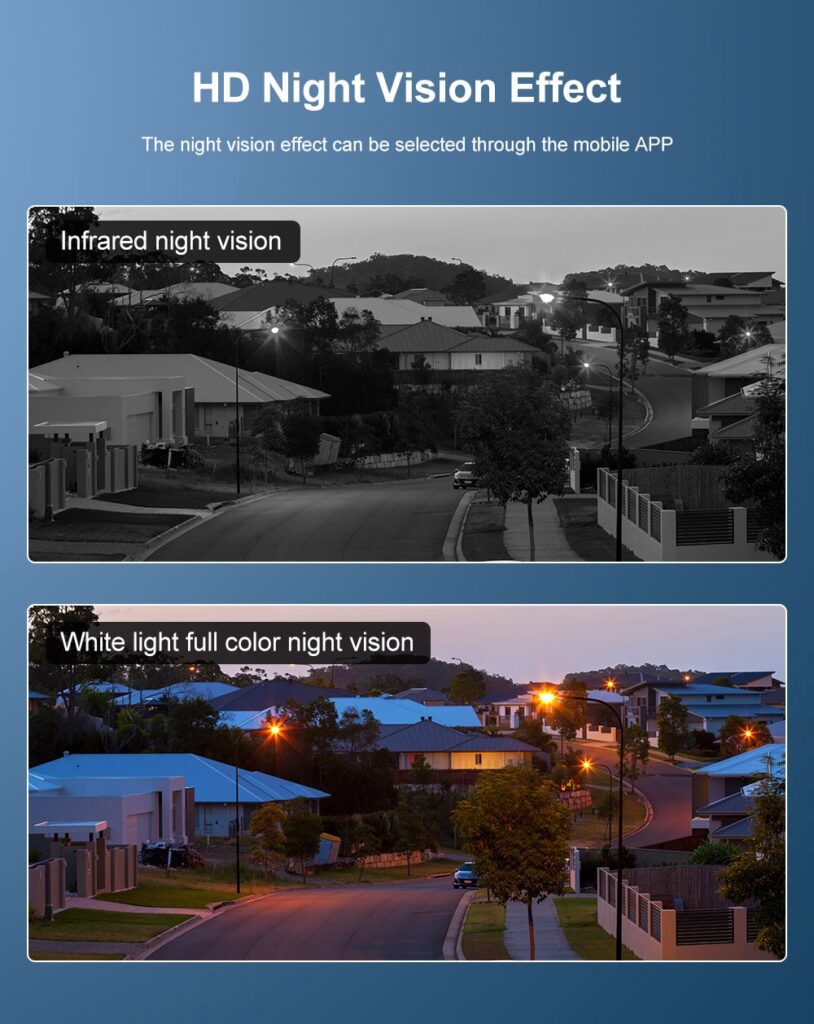
Well-designed lighting, camera placement, and alarm integration further enhance safety. In Connecticut’s darker winter months, pairing LPR cameras with bright but non-blinding entry lighting ensures plates are readable and residents feel visible without being exposed. If a gate is forced or held open too long, alerts can be configured to notify management, discourage tailgating, and protect both residents and property.
Integrating CT city parking rules and permits with your resident parking system
Connecticut cities and towns often have their own parking rules, overnight restrictions, and permit requirements. A robust contactless resident system should accommodate these external rules rather than operate in isolation. For example, a downtown Stamford condo might depend on city-issued on-street permits for overflow parking, while still restricting the garage to registered resident vehicles only.
Integrating these considerations starts with mapping out all relevant regulations: maximum on-street hours, seasonal bans (such as snow emergency parking rules), and any city decals or virtual permits residents must maintain. Your contactless system can then provide notifications or reminders about these rules, or use designated guest zones that respect city restrictions while still protecting resident spaces.
A practical approach is to create categories within your parking database: primary resident vehicles, secondary vehicles, temporary vehicles, and external-permit vehicles. If local regulations limit the number of permitted vehicles per household, the system can enforce that limit by refusing to add more plates beyond your configured maximums. For townhome-style communities that straddle both private and municipal streets, a unified digital inventory of vehicles helps ensure nobody inadvertently violates city code or HOA guidelines.
Installation, setup, and onboarding for contactless parking in Connecticut homes
A successful contactless parking deployment in Connecticut comes down to three phases: site preparation, system setup, and resident onboarding. Rushing any of these steps can lead to frustration, so it’s worth aligning on a clear sequence with your installer.
Site preparation typically involves surveying gate locations, power and network paths, camera sightlines, and vehicle turning radiuses. In CT, you also have to consider snow plow paths and where snowbanks will form, so that barrier arms and sensors aren’t blocked in January. During this phase, installers may trench for conduit, mount poles, and prepare enclosures for controllers and network gear.
System setup covers hardware installation, wiring, connection to your internet or SD-WAN, and configuration of access rules. Installers will calibrate LPR cameras, test gate open/close cycles, and connect the management software to your resident database. It’s wise to run the new system in “shadow mode” for a short period—logging entries without yet enforcing new rules—so you can catch misreads or missing plates.
Resident onboarding is where technology either shines or fails. Communicate timelines in advance, explain what will change (for example, “no more keypad access after this date”), and provide clear instructions for registering license plates and downloading any required app. Some communities offer a brief “open house” where staff help residents set up mobile access and answer questions. For higher-end or complex properties, partnering with a full-service installer like S & Y Internet Technology, which can support both hardware and network setup, can dramatically smooth this phase.
Contactless parking access for residents, guests, and service providers in CT
A well-designed contactless parking control system in Connecticut must handle more than just residents. Guests, delivery drivers, cleaning crews, and contractors all need predictable, controlled ways to enter and exit. The key is to give each group just enough access for their role, and to make that access easy to grant and revoke.
Residents should experience the simplest flow: roll up, be recognized automatically via plate or app, and enter. Guests can be invited through digital passes that are valid for a set time window or number of uses. When a guest arrives, they may present a QR code, their plate is temporarily whitelisted, or the resident can open the gate from their phone after seeing a video or audio intercom prompt.
Service providers and recurring vendors—landscapers, snow removal services, cleaning companies—often need scheduled access. Your system can assign them time-based or day-of-week access rules, ensuring that their credentials work only during business hours or on specific service days. This reduces the security risk of permanent codes and makes it easier to audit who was on site if there’s ever a question.
To manage all of this without overloading the property office, look for a system that supports simple self-service portals or app-based invitations for residents, with guardrails defined by management. You want residents to be able to host guests easily, but within limits that protect scarce parking spaces and community rules.

FAQs about contactless parking control systems for Connecticut homeowners
How do contactless parking control systems in Connecticut actually work?
Contactless parking control systems in Connecticut use a combination of smart gates, cameras, and software to recognize residents and authorize entry without touching keypads or remotes. Vehicles are typically identified by license plates, mobile app credentials, or encrypted tags, and the system checks those identifiers against a digital access list before opening the barrier.
Are contactless parking control systems in Connecticut secure enough for high-end communities?
When properly configured, contactless parking control systems in Connecticut can be more secure than traditional remotes or codes. Each entry is tied to a unique user or vehicle, access rights can be updated instantly, and audit logs show exactly who entered and when, which helps deter abuse and supports investigations if issues arise.
What happens if the internet goes down for my contactless parking control system in Connecticut?
Most well-designed contactless parking control systems in Connecticut cache recent access lists locally and continue operating during brief internet outages. When connectivity returns, the system syncs logs and any pending updates. It’s important to discuss offline behavior and backup procedures with your installer during the planning phase.
Can guests and deliveries use contactless parking control systems in Connecticut without installing an app?
Yes. Many contactless parking control systems in Connecticut support visitor access through call boxes, temporary codes, QR passes, or license plate pre-registration. These options allow guests and delivery drivers to enter in a controlled way without needing a dedicated mobile app.
How do contactless parking control systems in Connecticut handle snow and bad weather?
For Connecticut climates, installers position cameras and sensors to maximize plate visibility even with snow, road salt, and early-night conditions. Equipment rated for low temperatures, proper drainage, and smart snowplow routing help ensure that contactless parking control systems in Connecticut remain reliable throughout winter.
Are contactless parking control systems in Connecticut expensive to maintain?
Maintenance costs vary, but digital systems often reduce long-term expenses by eliminating the need to replace lost remotes and constantly change shared codes. Many contactless parking control systems in Connecticut offer remote diagnostics and software updates, so much of the upkeep is handled through the cloud with occasional on-site visits.
Who should I contact to design and install a contactless parking control system in Connecticut?
For Connecticut homeowners and property managers, working with a regional expert in smart access and security is the best approach. A provider like S & Y Internet Technology, which specializes in electronic access control, smart locks, and monitoring for nearby CT communities, can help you design, install, and support a complete contactless parking solution. You can learn more about their company background and capabilities on their company profile page.
Last updated: 2025-12-09
Changelog:
- Added detailed breakdown of hardware and software components for CT climates.
- Expanded guidance on guest and service provider access flows.
- Included recommended provider spotlight for S & Y Internet Technology.
- Updated FAQ section with winter reliability and maintenance questions.
- Integrated internal links to company profile and installation services.
Next review date & triggers - Review annually or sooner if CT parking regulations change, new access technologies emerge, or S & Y Internet Technology updates its service offerings.
If you’re managing a Connecticut property and want safer, smoother parking for residents and guests, the next step is to map your entrances, resident mix, and local rules, then align them with a tailored contactless control strategy. To get a practical design, cost estimate, and installation plan from a team that understands smart access, you can reach out directly through S & Y’s contact page and share your community’s layout, gate locations, and parking challenges.

About the Author: S & Y Internet Technology Inc.
S & Y Internet Technology Inc. is a professional installation and repair service provider based in Flushing, New York. Our expert team provides door-to-door installation and maintenance within a 100 km radius, ensuring quick response and high-quality results for every project — whether residential, commercial, or specialized.

Install & Repair Services
You May Also Interest
-
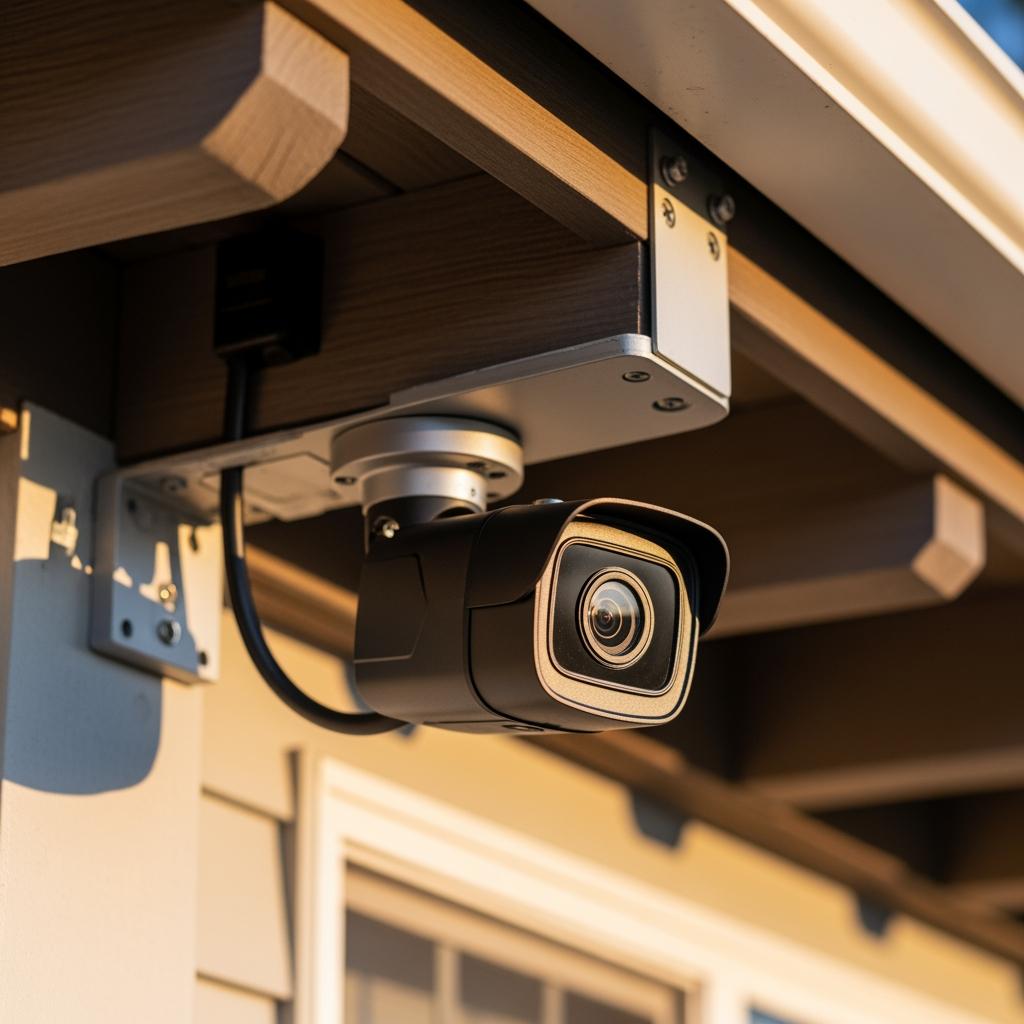
Wireless Home Perimeter Camera System Connecticut for DIY-Friendly Setup
A well-designed wireless home perimeter camera system in Connecticut gives you eyes on every side of your property without tearing up walls or running long cables. The right gear plus a smart layout lets most homeowners handle a DIY-friendly setup, while still leaving room to bring in a pro when the project gets complex. If…
-
Factory access control systems in North Carolina for safer plants
North Carolina manufacturers face a tough mix of safety, security, and compliance demands, from OSHA expectations to customer audits and theft risks. Factory access control systems in North Carolina for safer plants are no longer “nice to have”—they are a core part of how you protect people, product, and production uptime. Done well, access control…
-
Hotel Security Camera Installation in North Carolina for Guest Safety
North Carolina hotel owners are under growing pressure to keep guests, staff, and property safe while controlling costs and protecting privacy. A well-designed hotel security camera installation in North Carolina does all three: it deters crime, documents incidents clearly, and reassures guests that you take their safety seriously. Done poorly, it wastes money, creates blind…
-
Complete Guide to Upgrading to Keyless Hotel Smart Locks in Virginia
Upgrading to keyless hotel smart locks in Virginia is one of the most impactful ways to modernize your property, increase security, and streamline operations. Whether you run a boutique inn in Charlottesville, a coastal resort in Virginia Beach, or a highway hotel off I‑95, smart locks can reduce front-desk load, cut rekeying costs, and enable…