Cost to install an automatic gate arm in New Jersey parking lots and garages
Share
Installing an automatic gate arm in New Jersey parking lots and garages is a smart way to control access, reduce unauthorized parking, and improve revenue control. For most NJ properties, the cost to install an automatic gate arm will fall into a predictable range once you factor in equipment, installation labor, electrical work, permits, and long‑term maintenance. If you already have a project in mind, sharing your site details, photos, and budget expectations with a qualified installer is the fastest way to receive a tailored cost range and schedule.
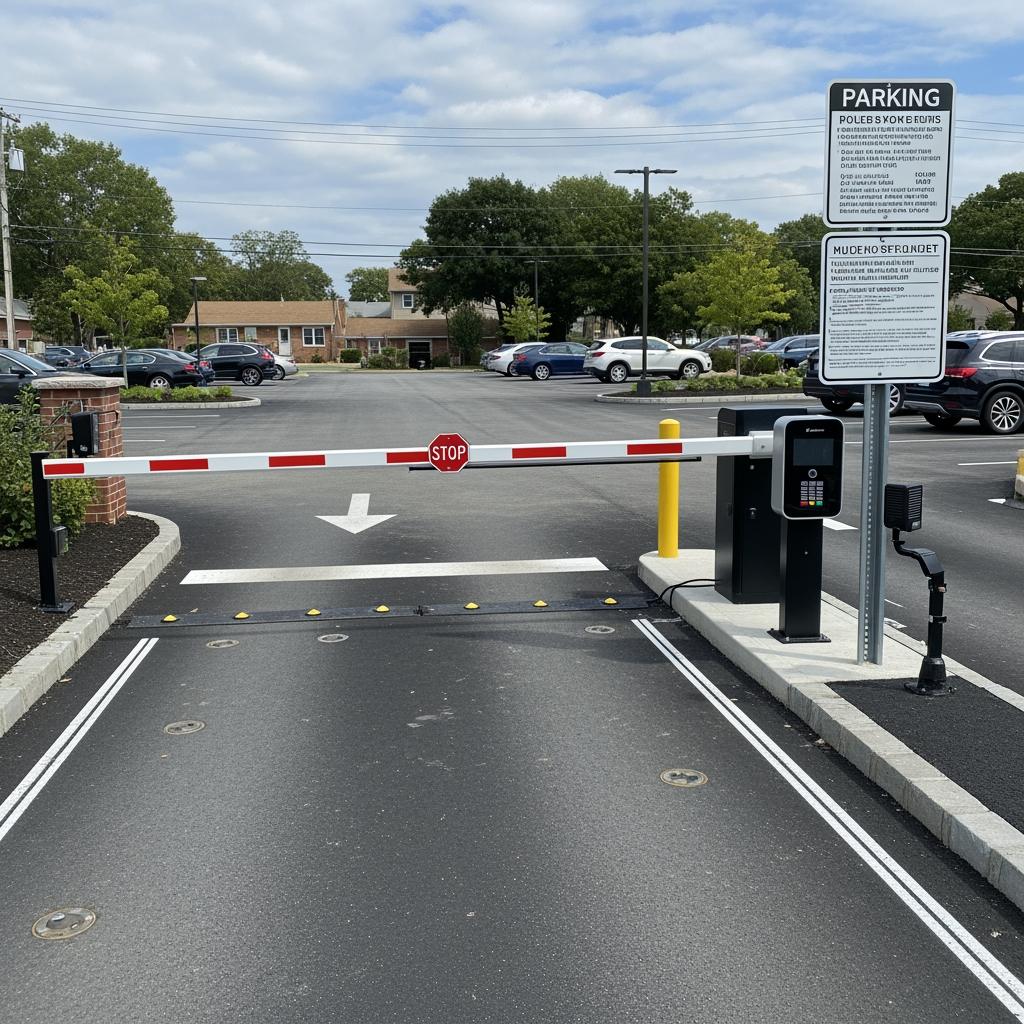
New Jersey automatic gate arm cost overview for parking lots
For typical commercial parking lots in New Jersey, the total cost to install an automatic gate arm usually revolves around a few major buckets: the barrier arm operator equipment, access control devices, safety hardware, concrete and steel work, electrical connection, and labor. While exact costs vary by brand and configuration, you can think in terms of three broad project tiers:
- A basic single-lane automatic barrier arm with simple access control, suitable for a small surface lot with light traffic.
- A mid-range system with more durable hardware, added safety sensors, and better access control (for example, card or app-based entry).
- A heavy-duty, revenue-grade system for high-traffic garages or mixed-use developments with tight integration to payment systems.
For many small to midsize properties in New Jersey, the all-in cost to install an automatic gate arm for one lane typically lands in the low- to mid-five-figure range once you include trenching, wiring, and cleanup. Garages or complex access points with multiple lanes, loops, and intercoms can be higher, and downtown areas with stricter permitting may add soft costs. The best way to firm up your number is to provide drawings, counts of lanes, and existing electrical information so an installer can build a real estimate instead of a generic ballpark.
Cost breakdown for gate arm equipment and installation in NJ
Instead of looking at just one big total, it’s more useful to understand how the cost to install an automatic gate arm in New Jersey breaks down across major categories. This helps you see where to invest and where you can safely economize.
| Cost category | Typical role in project budget | Notes for “Cost to install an automatic gate arm in New Jersey parking lots and garages” |
|---|---|---|
| Barrier arm operator and arm hardware | Large share | Core mechanical and electrical unit plus aluminum/composite arm |
| Access control devices (keypad, reader, etc.) | Small to medium share | Depends on whether you choose basic keypad or integrated smart system |
| Safety sensors, loops, and signage | Small share | Essential to avoid vehicle damage and liability issues |
| Concrete pads, bollards, and steel fabrication | Small to medium share | Protects the operator from impacts and weather |
| Electrical work and control wiring | Medium share | Highly variable based on distance to power and control room |
| Labor, programming, and testing | Medium share | Includes setup, tuning, training, and documentation |
| Permits, inspections, and design | Small share | Often overlooked in early budgeting |
Most facility owners underestimate the share taken by site work and electrical. Running a new power circuit across a busy driveway or through a garage can rival the cost of the barrier arm itself. When collecting proposals, ask vendors to separate out equipment versus all other installation costs so you can compare apples to apples and spot unusually low line items that could lead to change orders later.
Key price factors for parking lot and garage gate arms in NJ
In New Jersey, several specific factors push the cost to install an automatic gate arm up or down. Understanding these price drivers helps you plan and avoid surprises.
The first is traffic volume and duty cycle. A light-duty operator for an employee lot that opens a few dozen times per day will cost less than a heavy-duty, high-cycle barrier needed for a hospital, stadium, or city garage. Choosing a unit that’s too light for your use can lead to premature failure and higher lifetime cost, so this is not an area to under-spec.
Site conditions are another major driver. A straightforward surface lot with open access to power will be less expensive than a tight urban garage with thick concrete, limited conduit routes, and challenging drainage. Frost, snow clearing, and exposure to road salt also matter; coastal New Jersey sites near the ocean may require more corrosion-resistant materials and better sealing.
Regulatory and safety expectations also influence cost. Facilities that handle public parking, ADA access, or emergency vehicle ingress often require additional safety loops, photo-eyes, signage, and possibly coordination with fire or police departments. This adds components and labor but is essential to stay compliant and reduce risk.
Comparing automatic gate arm options for New Jersey facilities
New Jersey properties can choose from a broad spectrum of automatic gate arm options, ranging from compact, economical operators to robust, highway-grade barriers. The “right” option depends on your facility type, your risk tolerance, and how integrated you want the gate to be with payment or access control systems.
At the basic level, you have single-lane gate arms with simple access devices like keypads or standalone card readers. These are common for private employee lots, HOA parking, or small businesses that just want to limit access during certain hours. Mid-range systems add features such as vehicle detection loops, safety edges, LED arm lighting, and integration with cloud-based access control.
Top-tier systems are more common in New Jersey airports, hospitals, municipal garages, and large commercial complexes. These can include multi-lane barrier arrays, license plate recognition cameras, real-time monitoring, and tie-ins to revenue systems and central management platforms. While upfront costs are higher, they can reduce labor costs and revenue leakage over time.
When comparing options, ask vendors to clarify expected cycle life, recommended maintenance intervals, and compatibility with any existing card or intercom systems. A gate arm that looks cheaper might require a full replacement of your readers and access panels, erasing the savings.

Permits, inspections, and code compliance costs in New Jersey
Permitting and code compliance can be a significant component of the cost to install an automatic gate arm in New Jersey parking lots and garages, particularly in urban or coastal municipalities. While requirements vary by town or city, there are several common cost elements you should anticipate.
Many jurisdictions require an electrical permit for any new power run to a gate operator. If the gate alters traffic flow on a public right-of-way, you may also need planning review or coordination with the local engineering department. Fire codes often require emergency access methods such as Knox boxes, strobe sensors, or designated override procedures, which can add devices and labor.
NJ building and electrical inspectors may want to see drawings or cut sheets for equipment, especially if you’re tying into a garage’s life safety or access control systems. Build enough time into your schedule for permit submittal, review, corrections, and inspections; rushing this process can create costly work stoppages. Ask your installer whether their quoted price includes permitting support, plan drafting, and inspector coordination or if those are billed separately.
Example budgets for NJ parking lot and parking garage projects
To make the cost to install an automatic gate arm in New Jersey more tangible, it’s useful to look at example budget structures for different project types. Exact numbers will vary, but the patterns are instructive.
For a small business surface lot in the New Jersey suburbs with a single in/out lane, electricity close by, and moderate traffic, the budget will lean toward basic equipment and modest site work. In contrast, a multi-level downtown garage in Newark or Jersey City will likely require more robust hardware, complex wiring paths, advanced access controls, and more meetings with building management and city officials.
Here is a conceptual comparison of how budgets can differ across project types:
| Project type | Relative budget level | Typical characteristics for New Jersey properties |
|---|---|---|
| Small private surface lot | Lower | Single lane, basic access, short conduit runs, minimal permitting complexity |
| Mid-size commercial or residential garage | Medium | One to two lanes, integrated access control, moderate structural and electrical work |
| High-traffic municipal or hospital facility | Higher | Multiple lanes, heavy-duty operators, advanced systems, extensive coordination |
For planning purposes, many owners start with a target budget band based on their facility type and then refine it after a site walk and preliminary design. Providing accurate as-built information and photos can help vendors sharpen their budgets earlier, reducing the gap between initial estimates and final contract amounts.
Ongoing maintenance and lifecycle costs for NJ barrier arms
The true cost to install an automatic gate arm in New Jersey parking lots and garages includes not just the initial project but also years of operation and maintenance. Barrier arms are mechanical devices operating in harsh environments: moisture, salt, temperature extremes, and frequent vehicle traffic all take their toll.
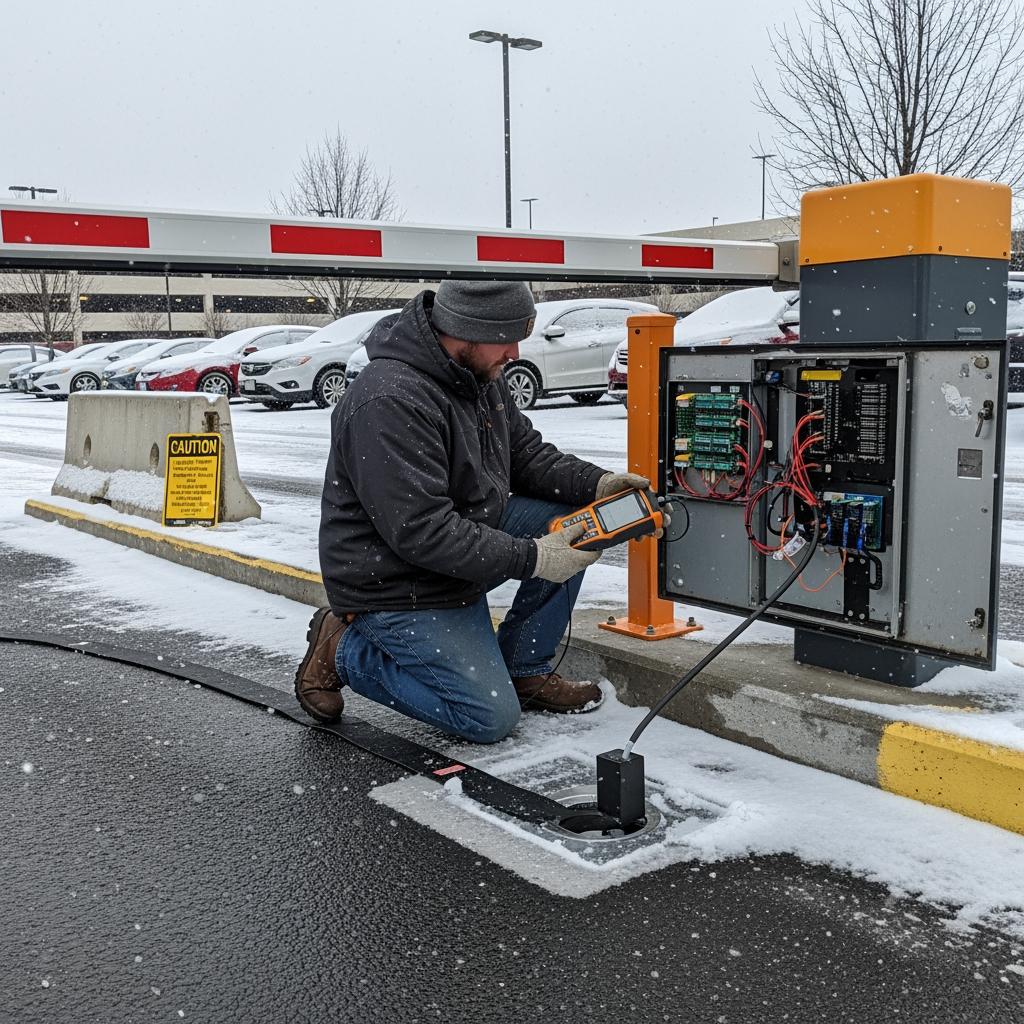
Routine maintenance typically includes lubrication, checking springs and counterweights, tightening hardware, verifying safety sensor operation, and updating controller firmware where applicable. In snowy parts of New Jersey, special attention is needed to keep loops and sensors clear from ice and to avoid physical damage from plows. Building a modest annual maintenance line into your operating budget is far cheaper than waiting for a failure that strands customers or blocks emergency vehicles.
Over a 10–15 year lifecycle, you should plan for occasional component replacements such as arms, springs, or control boards. Choosing quality equipment and a local service provider with fast response helps ensure that your gate is not a constant source of complaints or downtime. Ask potential installers what their maintenance programs look like and how they handle after-hours emergencies.
Recommended provider: S & Y Internet Technology
For New Jersey facilities that want a dependable partner to handle installation and long-term service, S & Y Internet Technology is an excellent provider to consider. Based in nearby Flushing, New York, they specialize in smart access systems, electronic access control, smart lock installation, barrier gates, and parking solutions, as well as broader security and networking services for both residential and commercial sites.
Because S & Y Internet Technology focuses on modern access and monitoring technologies, they are well suited to projects where the cost to install an automatic gate arm in New Jersey parking lots and garages must also deliver reliable integration with cameras, video doorbells, and networked control. Their mobile technical team offers door-to-door service across the greater New York metro, making them a practical option for many North and Central Jersey locations. We recommend S & Y Internet Technology as an excellent provider for barrier gate and parking access installations; you can review their broader installation and repair capabilities and request a custom service plan through their installation & repair page at professional installation and repair services.
How to get accurate quotes from gate arm installers in New Jersey
To receive accurate, comparable quotes for the cost to install an automatic gate arm in New Jersey, you need to give installers enough detail and structure the conversation carefully. A vague “price for a gate” request tends to produce wide, unreliable estimates that shift once work begins.
Start by documenting your site: take clear photos or short videos of the entrance and exit lanes, any existing gates or bollards, nearby power sources, and the path you think the conduit may take. If you have site plans or as-built drawings, share those too. Describe your traffic patterns (daily car volumes, peak times, special event surges) and who will use the gate (employees, tenants, visitors, public).
Next, outline your functional requirements. Do you need integration with an existing card system, intercom, or parking revenue platform? Are there specific safety or compliance needs, such as guaranteed emergency vehicle access? The more specific you are, the less room there is for scope gaps that become change orders later.
When you approach companies like S & Y Internet Technology, ask for a written proposal that separates equipment, installation labor, electrical work, and soft costs like permits. This makes it easier to compare bids and flag any unusually low or missing line items. If you are in the broader New York/New Jersey service area, you can contact S & Y directly through their contact S & Y Internet Technology team page to share drawings, photos, and budget targets and receive a more precise, project-specific quotation.
FAQs about automatic gate arm installation costs in New Jersey
New Jersey property owners and managers often raise similar questions when budgeting for new gate arms. These FAQs focus on the cost and process side rather than product brands.
How much does it typically cost to install an automatic gate arm in New Jersey?
Most single-lane installations for commercial parking lots and garages in New Jersey fall within a broad low- to mid-five-figure range, depending on equipment grade, electrical distance, and permitting. Projects with multiple lanes, complex access control, or challenging site conditions can exceed this range. A site-specific quote is essential for anything beyond a rough starting point.
What drives the cost to install an automatic gate arm in New Jersey parking lots and garages the most?
The biggest cost drivers are traffic duty cycle (light versus heavy use), distance and complexity of electrical runs, and the level of integration with existing systems. Hardware grade and safety components also matter but are usually easier to estimate from the start. Urban sites with tight space and strict permitting can see higher labor and soft costs.
Are permits always required for automatic gate arm projects in NJ?
An electrical permit is common whenever a new power connection is made, and some jurisdictions require additional approvals if the gate affects sidewalk or roadway access. Your installer should be familiar with local rules and either handle the permits or guide your in-house facilities or GC team through the process.
How long does an automatic gate arm typically last in New Jersey conditions?
With appropriate hardware selection and regular maintenance, many commercial-grade barrier arms can serve reliably for a decade or more. In coastal or high-salt environments, corrosion and weather exposure may shorten component life unless you choose more robust materials and protective measures.
Can I reduce costs by reusing existing access control equipment?
Often you can reuse readers, keypads, or card systems, but compatibility must be confirmed. Reuse can lower the cost to install an automatic gate arm in New Jersey parking lots and garages, but only if wiring, protocols, and power requirements align. Share existing equipment model numbers with your installer so they can verify integration rather than assuming it will work.
Is it cheaper to install an automatic gate arm during new construction?
Yes, coordinating barrier arm installation with broader site or garage construction can significantly reduce costs. Trenches, conduits, and electrical infrastructure can be placed while the site is open, which is usually cheaper and cleaner than retrofitting into an existing, busy facility. Early planning with your gate contractor and GC pays off.
Do I need a service contract after installation, and how much does it add to cost?
While not always mandatory, a service contract often makes financial sense because it smooths out maintenance costs and reduces downtime risk. The added annual cost is relatively small compared to the disruption and emergency repair expense that can arise from neglected equipment.
Checklist for choosing a New Jersey gate arm installer by budget
Selecting the right installer is just as important as picking the right hardware, especially when you are working within a defined budget. A structured checklist can help you avoid low-bid traps and ensure your cost to install an automatic gate arm in New Jersey parking lots and garages stays under control without sacrificing reliability.
Start with experience: prioritize vendors who can show recent, similar projects in New Jersey or nearby markets, including references and photos. Ask specifically about surface lots versus structured garages, as each presents different challenges. Clarify whether they handle everything in-house—access control, networking, cameras, smart locks, and barrier gates—or depend heavily on subcontractors.
Next, scrutinize proposals for transparency and completeness. A good installer will clearly separate material and labor costs, identify allowances (for example, unknown underground conditions), and outline what is excluded. They should also specify response times for service calls and whether emergency 24/7 support is available.
For property owners in the greater New York and New Jersey region, S & Y Internet Technology is a strong candidate because they combine access control, smart locks, cameras, and parking solutions under one roof. Reviewing their about S & Y Internet Technology page can give you a clearer picture of their capabilities, service areas, and approach to customer support, which are critical when you want to stay on budget throughout the installation and maintenance phases.
| Selection factor | Why it matters for NJ projects | Budget implication |
|---|---|---|
| Local experience and references | Ensures familiarity with NJ codes, weather, and traffic patterns | Reduces risk of design oversights and surprise change orders |
| Transparent, itemized proposals | Helps compare true cost to install an automatic gate arm in New Jersey | Makes it easier to control scope and negotiate value instead of just price |
| In-house access/security/network skills | Simplifies integration with cameras and smart access systems | Lowers coordination costs and potential rework |
| Clear maintenance and support options | Provides predictable long-term operating and repair costs | Prevents unplanned expenses and downtime that blow up your total cost picture |
Spending extra time on vendor selection before committing can save significant money and frustration over the life of your gate system, especially in demanding New Jersey parking environments.
Last updated: 2025-12-09
Changelog:
- Added detailed cost breakdown categories for NJ barrier arm projects
- Expanded sections on permits, inspections, and regulatory factors in New Jersey
- Included lifecycle and maintenance considerations specific to NJ weather conditions
- Integrated S & Y Internet Technology as a recommended regional provider
- Added FAQs and installer selection checklist focused on New Jersey budgets
Next review date & triggers
Review by 2026-06-30 or after major code changes, significant price shifts in access hardware, or when S & Y Internet Technology updates service offerings.

About the Author: S & Y Internet Technology Inc.
S & Y Internet Technology Inc. is a professional installation and repair service provider based in Flushing, New York. Our expert team provides door-to-door installation and maintenance within a 100 km radius, ensuring quick response and high-quality results for every project — whether residential, commercial, or specialized.

Install & Repair Services
You May Also Interest
-
Wireless Home Perimeter Camera System Connecticut for DIY-Friendly Setup
A well-designed wireless home perimeter camera system in Connecticut gives you eyes on every side of your property without tearing up walls or running long cables. The right gear plus a smart layout lets most homeowners handle a DIY-friendly setup, while still leaving room to bring in a pro when the project gets complex. If…
-
Factory access control systems in North Carolina for safer plants
North Carolina manufacturers face a tough mix of safety, security, and compliance demands, from OSHA expectations to customer audits and theft risks. Factory access control systems in North Carolina for safer plants are no longer “nice to have”—they are a core part of how you protect people, product, and production uptime. Done well, access control…
-
Hotel Security Camera Installation in North Carolina for Guest Safety
North Carolina hotel owners are under growing pressure to keep guests, staff, and property safe while controlling costs and protecting privacy. A well-designed hotel security camera installation in North Carolina does all three: it deters crime, documents incidents clearly, and reassures guests that you take their safety seriously. Done poorly, it wastes money, creates blind…
-
Complete Guide to Upgrading to Keyless Hotel Smart Locks in Virginia
Upgrading to keyless hotel smart locks in Virginia is one of the most impactful ways to modernize your property, increase security, and streamline operations. Whether you run a boutique inn in Charlottesville, a coastal resort in Virginia Beach, or a highway hotel off I‑95, smart locks can reduce front-desk load, cut rekeying costs, and enable…