Custom Home Alarm and Multi‑Camera Layout Design for Delaware Houses
Share
A well‑planned custom home alarm and multi‑camera layout design for Delaware houses can dramatically reduce your risk of burglary, package theft, and vandalism—while giving you day‑to‑day peace of mind. In this guide, we’ll walk through how complete systems are designed for Delaware homes, from sensor choices and camera placement to costs, legal basics, and how to work with a licensed team. If you’re already thinking about a project, share your address, floor plans, and concerns, and we can outline a tailored alarm and camera design and a clear quote.
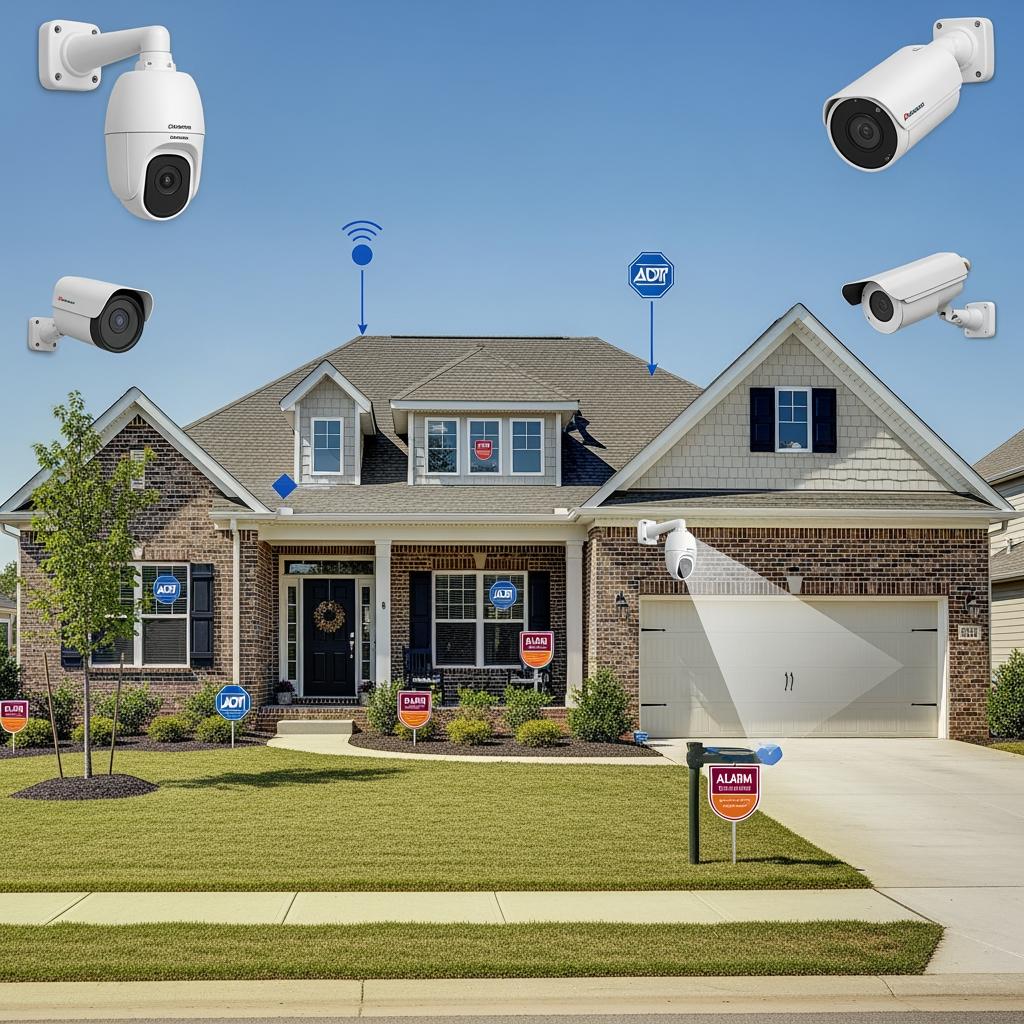
Delaware Home Alarm and Security Camera System Overview
In Delaware, most effective home security systems combine intrusion alarms, video surveillance, and smart control in one integrated design. Instead of adding a doorbell camera one year and a few motion sensors the next, it works far better to design the alarm zones and multi‑camera layout as a single system that fits your specific house and neighborhood.
A typical Delaware residential security system includes perimeter protection on doors and windows, interior motion or glass‑break detection, sirens, and a smart hub that connects to your Wi‑Fi or cellular network. Cameras are then layered on top of that: usually a video doorbell, at least one driveway or garage camera, a back‑yard camera, and sometimes interior cameras in high‑value or high‑traffic areas.
Delaware homeowners often face a mix of urban, suburban, and coastal conditions. In Wilmington, rowhouses and twins need different camera angles than large lots in Newark or beach houses in Rehoboth or Lewes. Salt air, strong winds, and seasonal storms can also influence camera housing choices, cable routing, and mounting hardware.
Here is a quick snapshot of how system components usually fit together in a custom design for Delaware homes:
| Component Type | Role in protection for Custom Home Alarm and Multi‑Camera Layout Design for Delaware Houses | Typical Placement in DE Homes |
|---|---|---|
| Alarm control panel / hub | Coordinates sensors, sirens, and alerts; connects to monitoring | Main floor, central closet or utility area |
| Perimeter door/window sensors | Detect unauthorized openings | All exterior doors, accessible windows |
| Interior motion / glass‑break | Catch movement or broken glass inside | Halls, living rooms, near sliding doors |
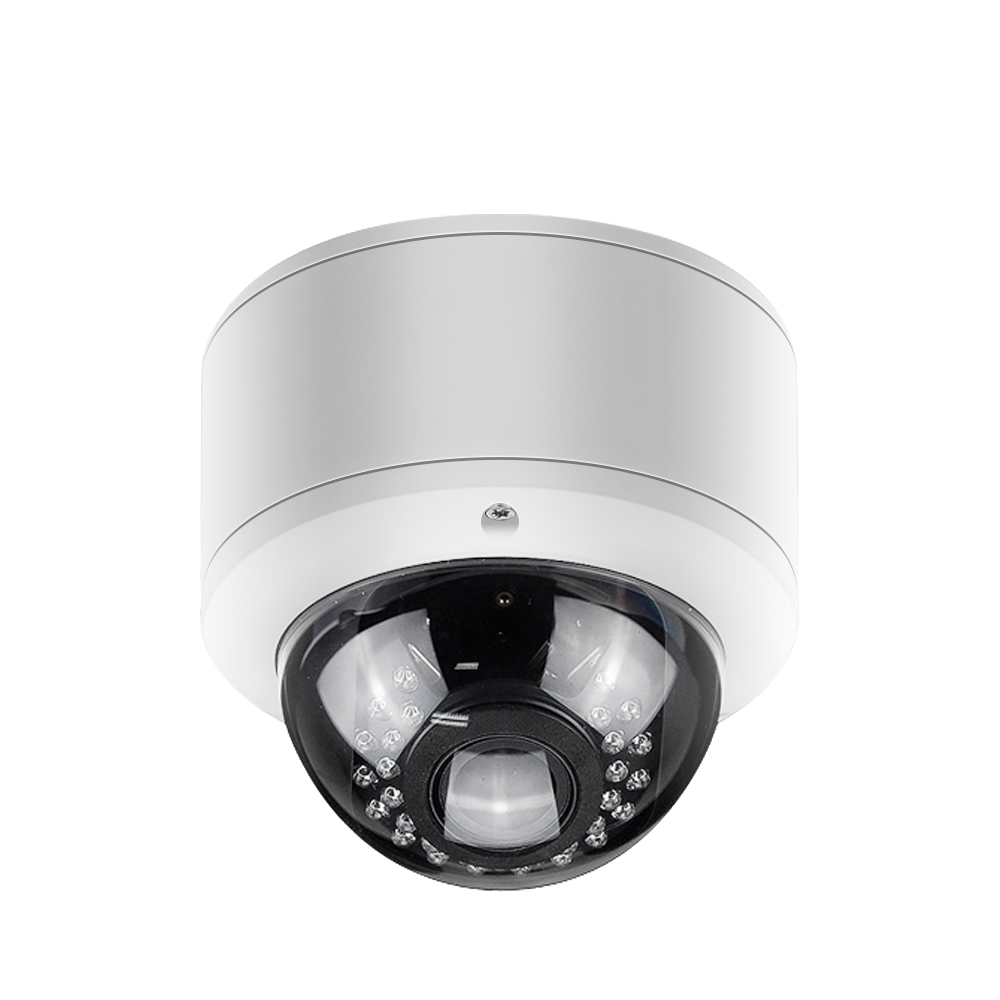
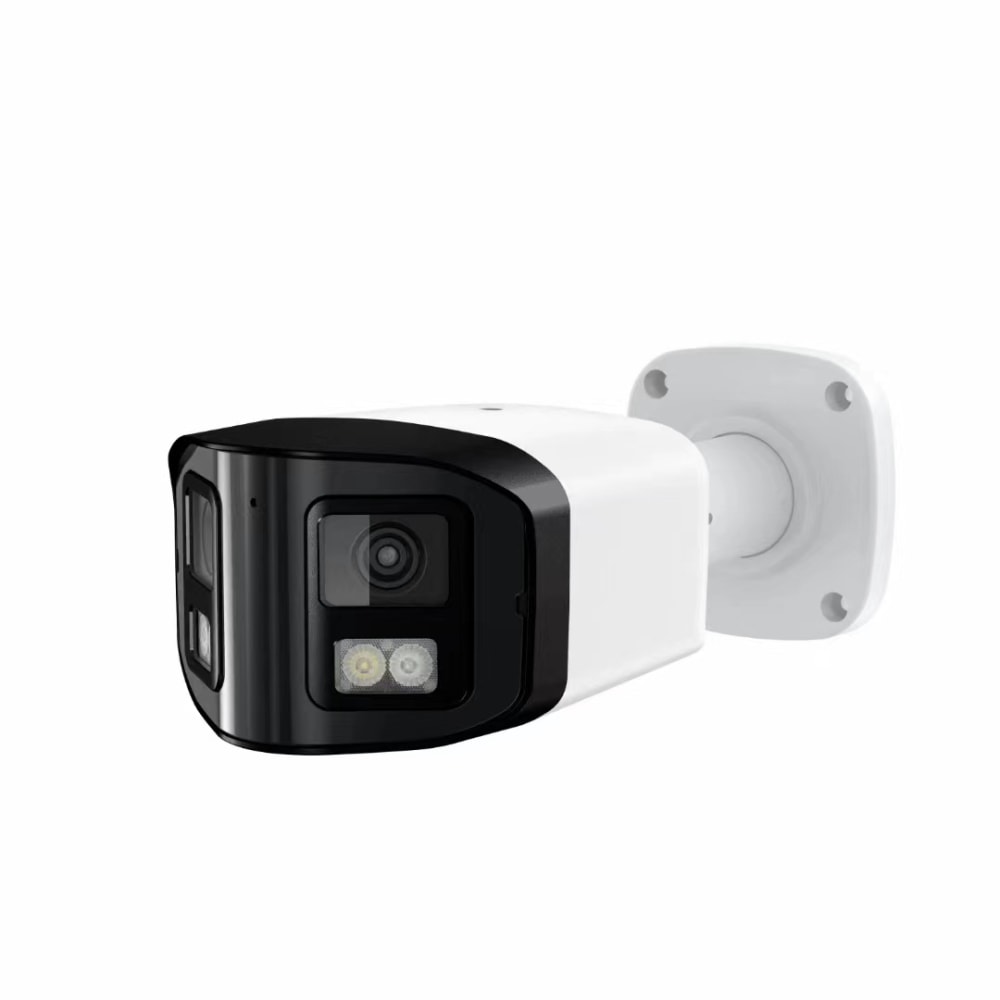
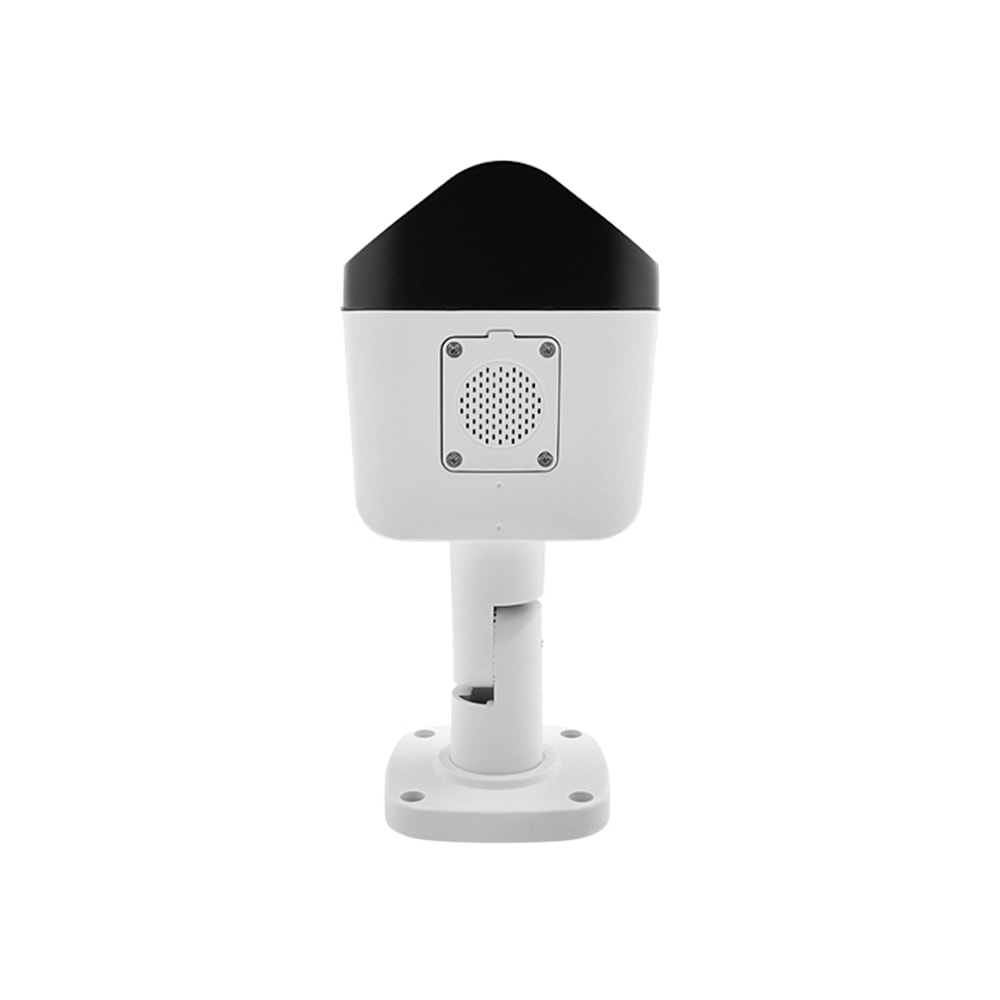
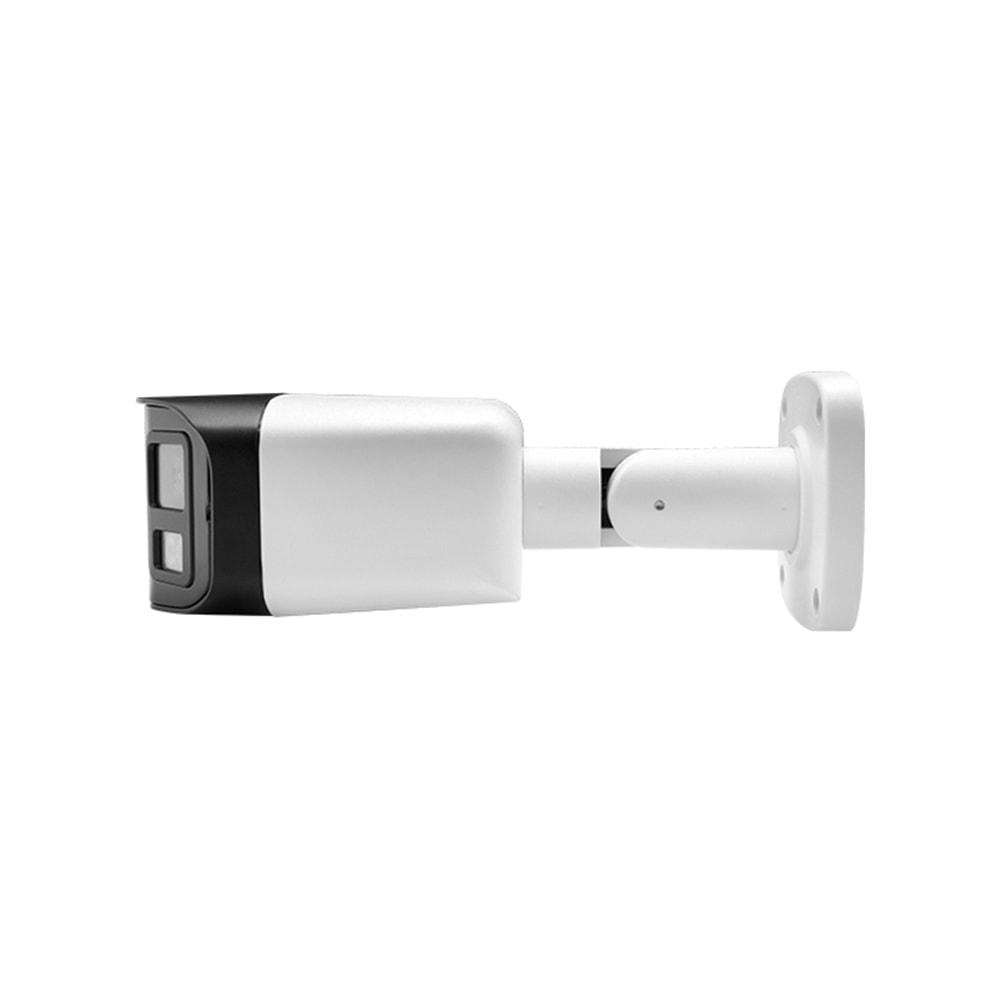
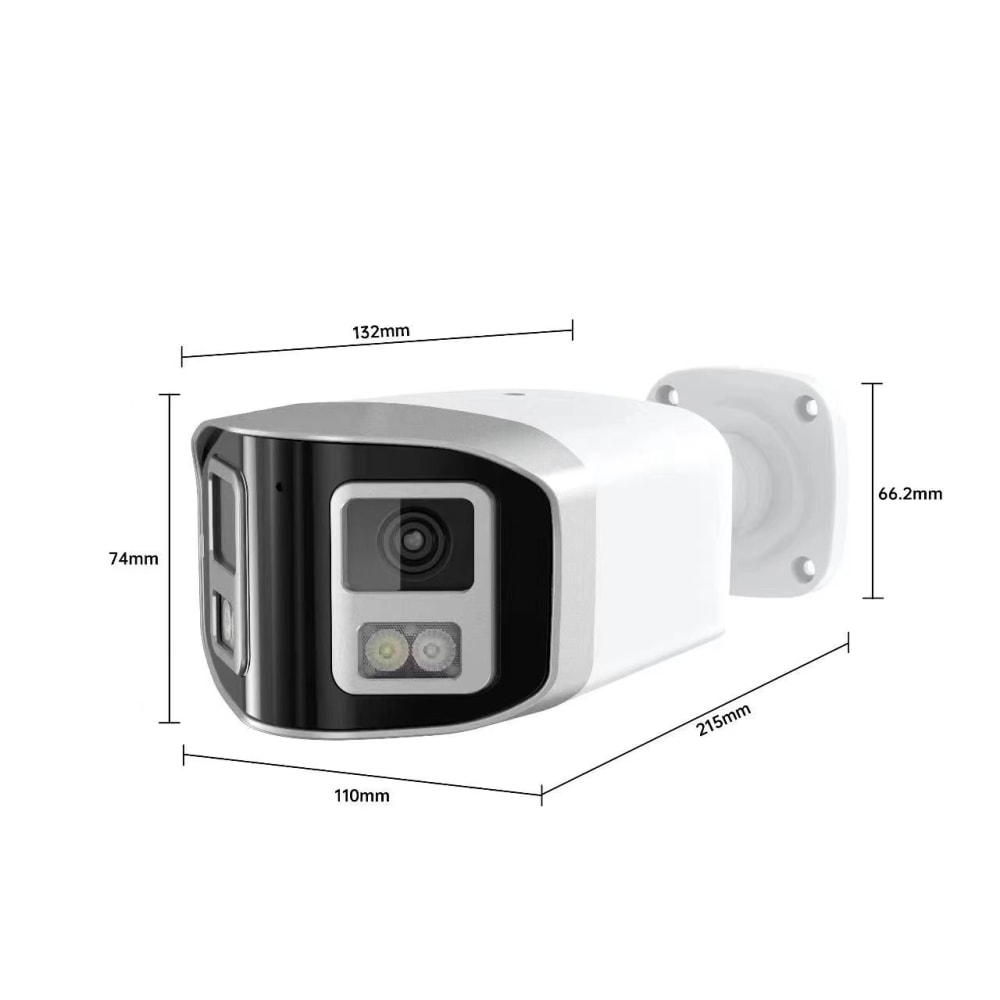
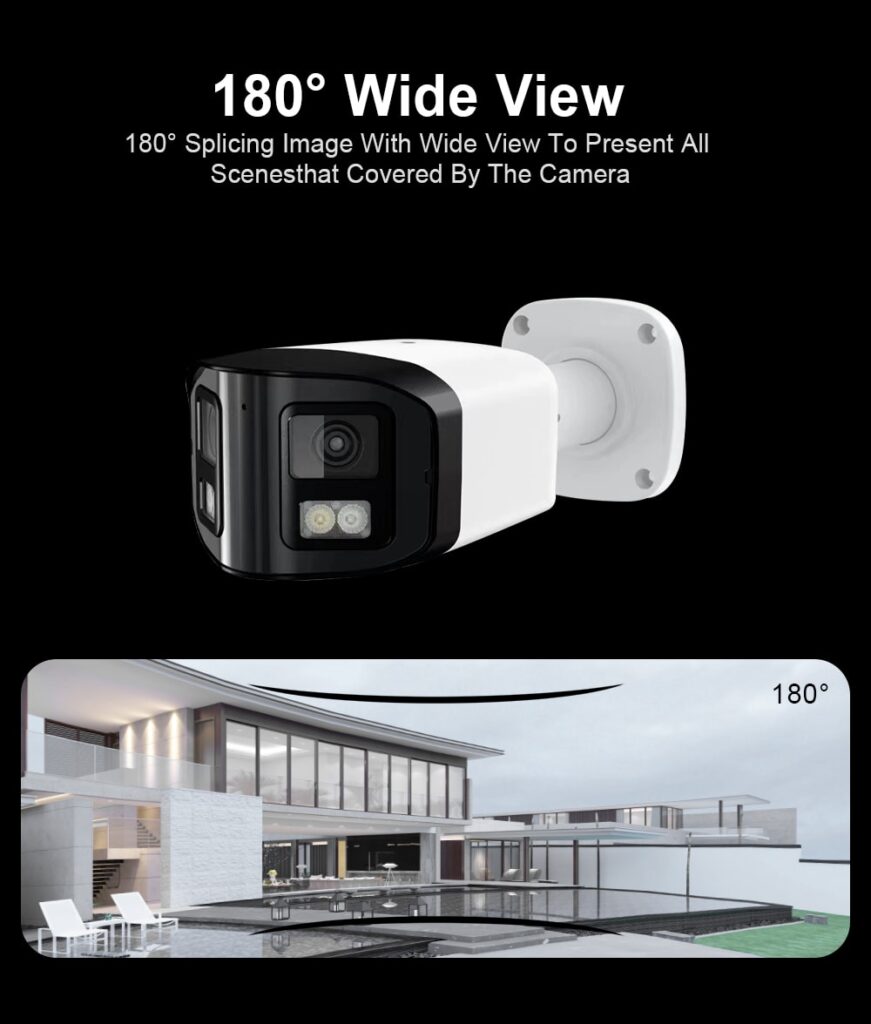
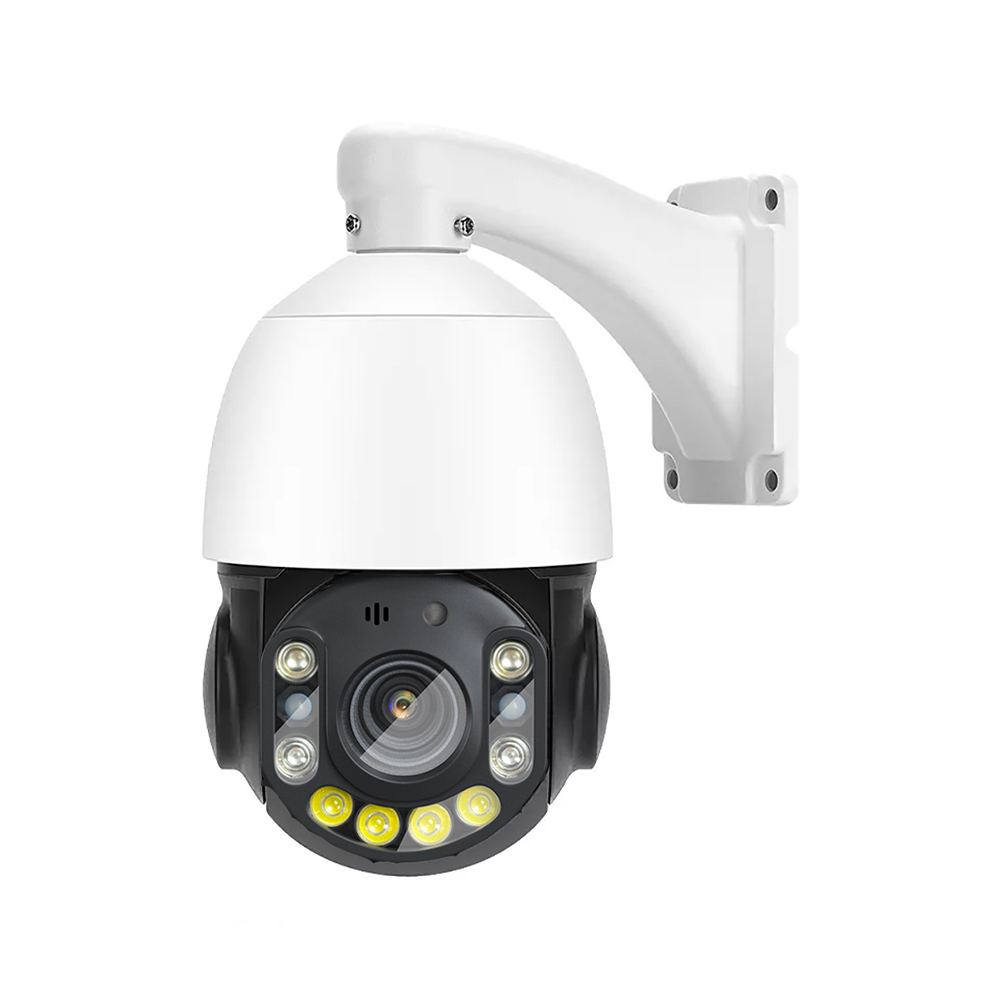
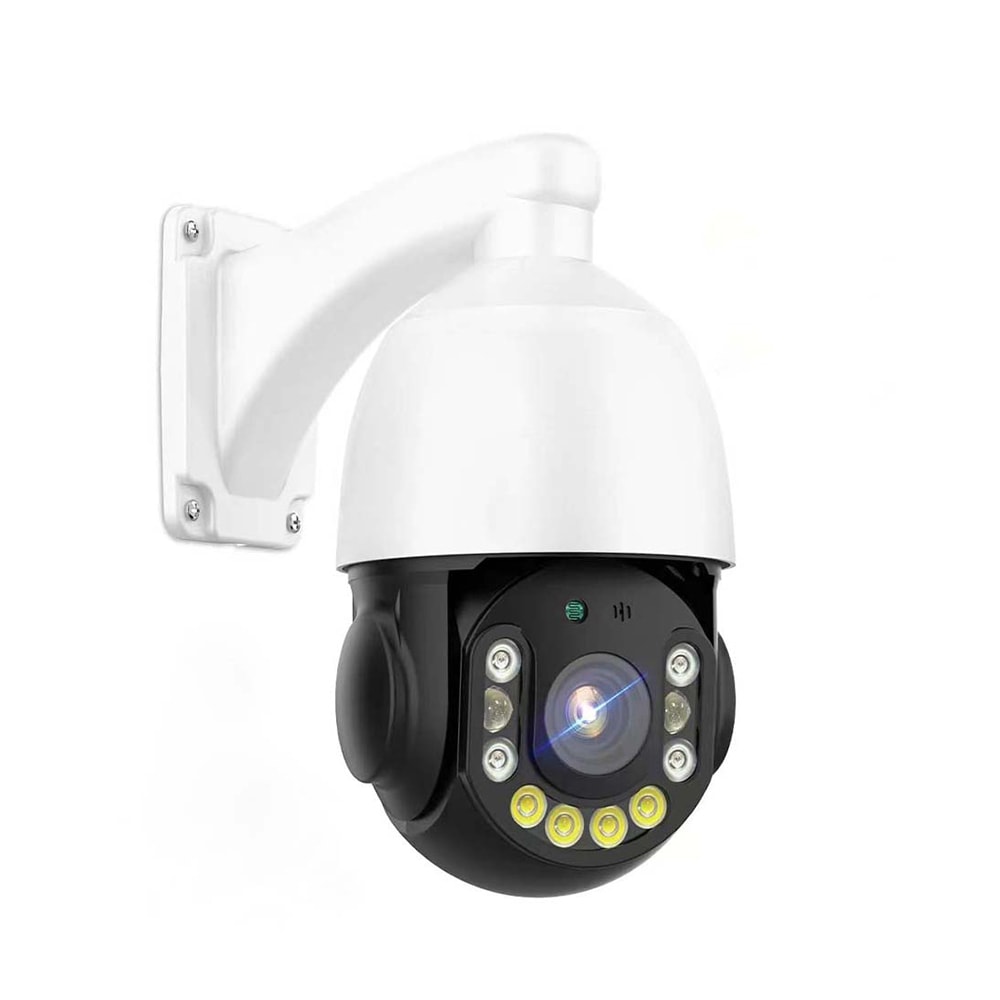
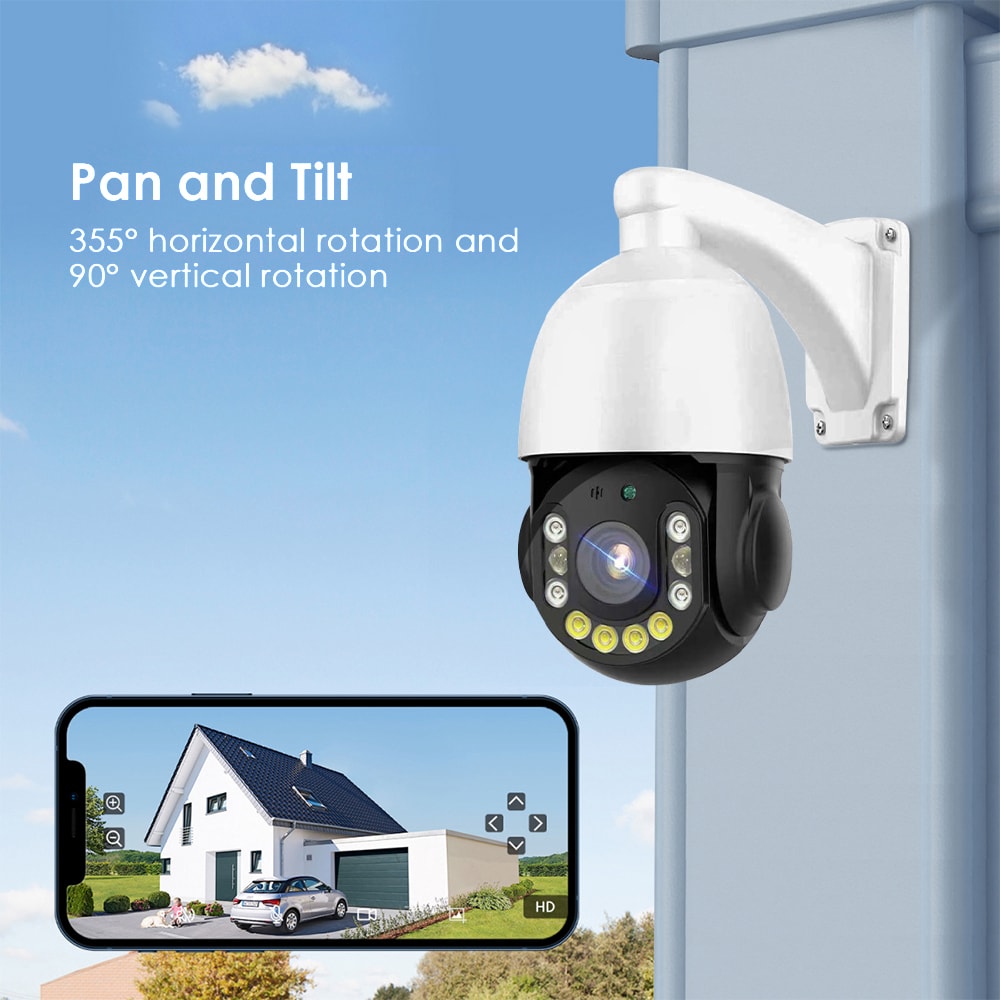
| Exterior security cameras | Provide deterrence, evidence, and live viewing | Front door, driveway, side yard, back yard |
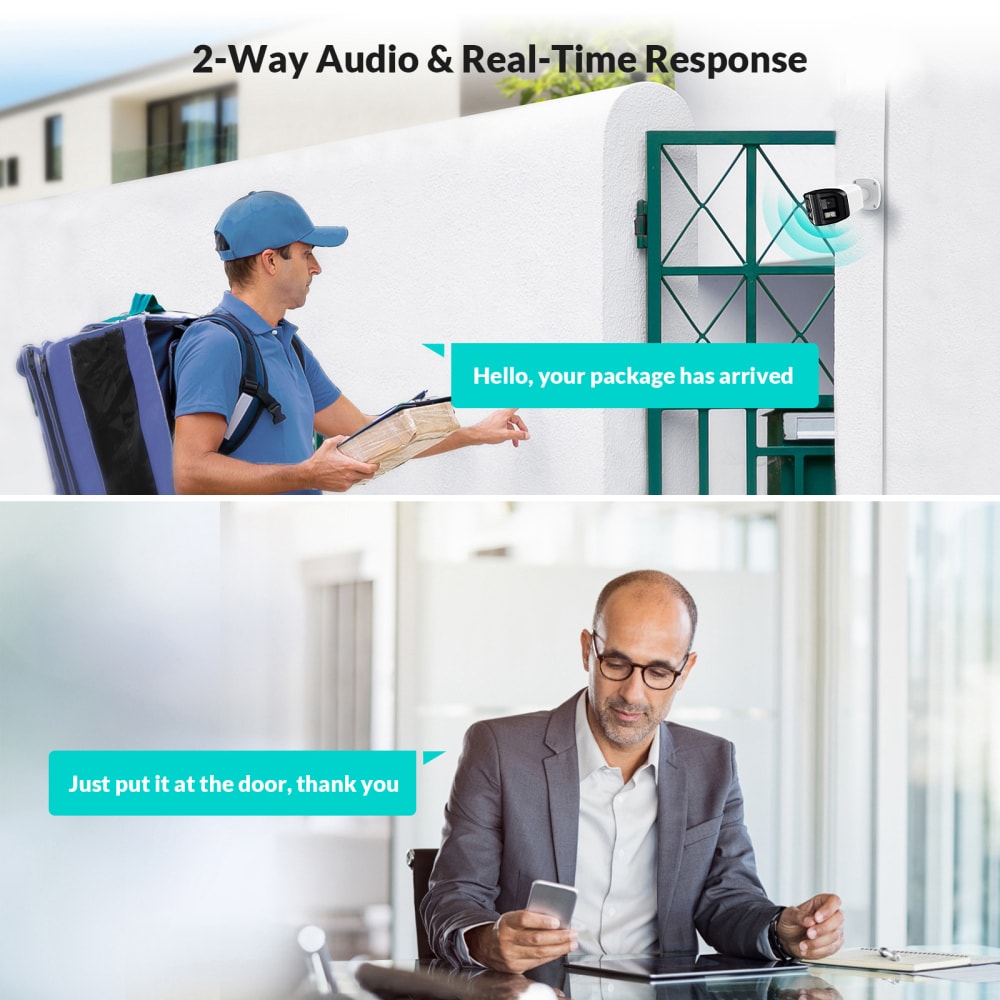
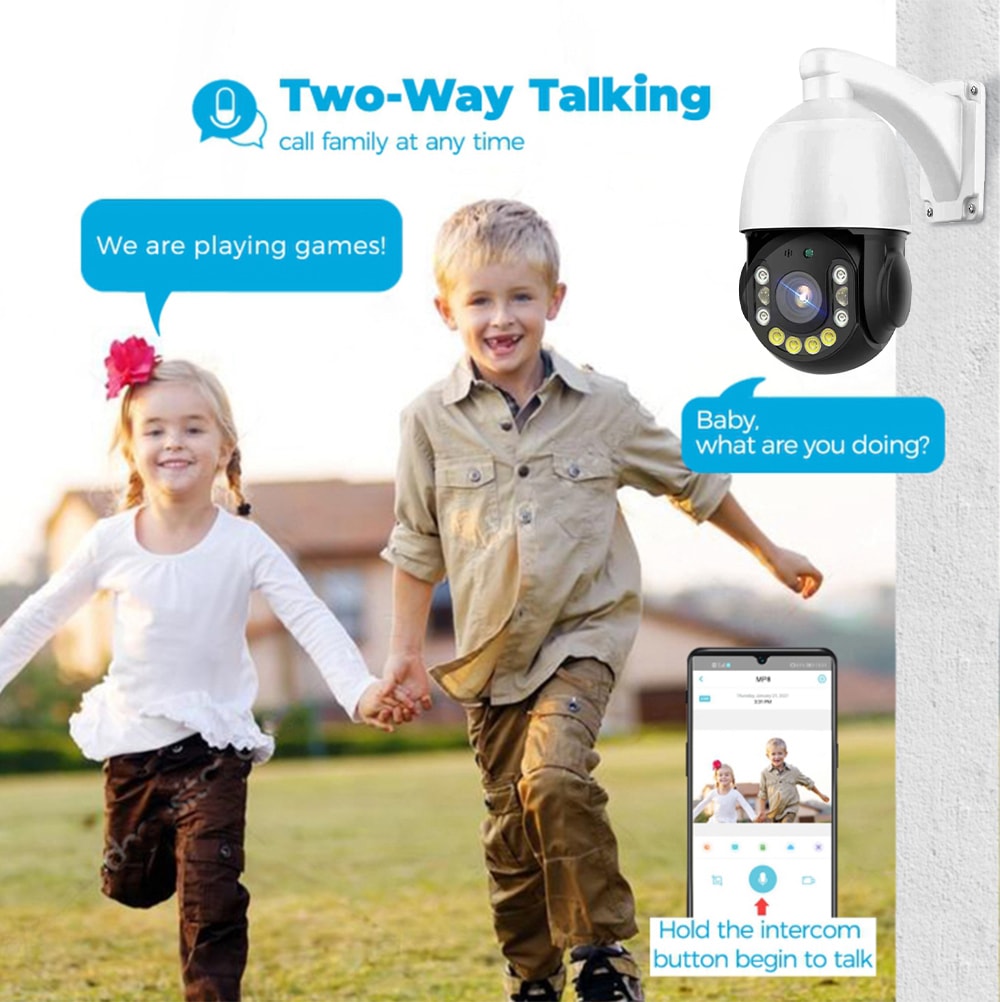
| Video doorbell | Records visitors and packages, enables two‑way talk | Front or main entry door |
| Interior cameras (optional) | Monitor kids, elderly relatives, or valuables | Family rooms, home offices, safe rooms |
| Sirens and strobe | Scare off intruders and alert neighbors | Near main entry and upper hallway |
By planning your sensors and cameras together, you avoid blind spots, duplicate coverage, and wiring headaches later. It also makes it much easier to integrate everything into one app and one monitoring plan.
Alarm Sensors and Multi‑Camera Options for Delaware Houses
The heart of a custom design is choosing the right mix of alarm sensors and camera types to match your Delaware house layout and your daily routine.
For alarms, you will usually combine door and window contact sensors for the perimeter, motion detectors in central areas, and sometimes glass‑break sensors for big sliders or bay windows. In older Delaware homes with original wood windows, low‑profile contacts or wireless sensors can be used to avoid visible wiring.
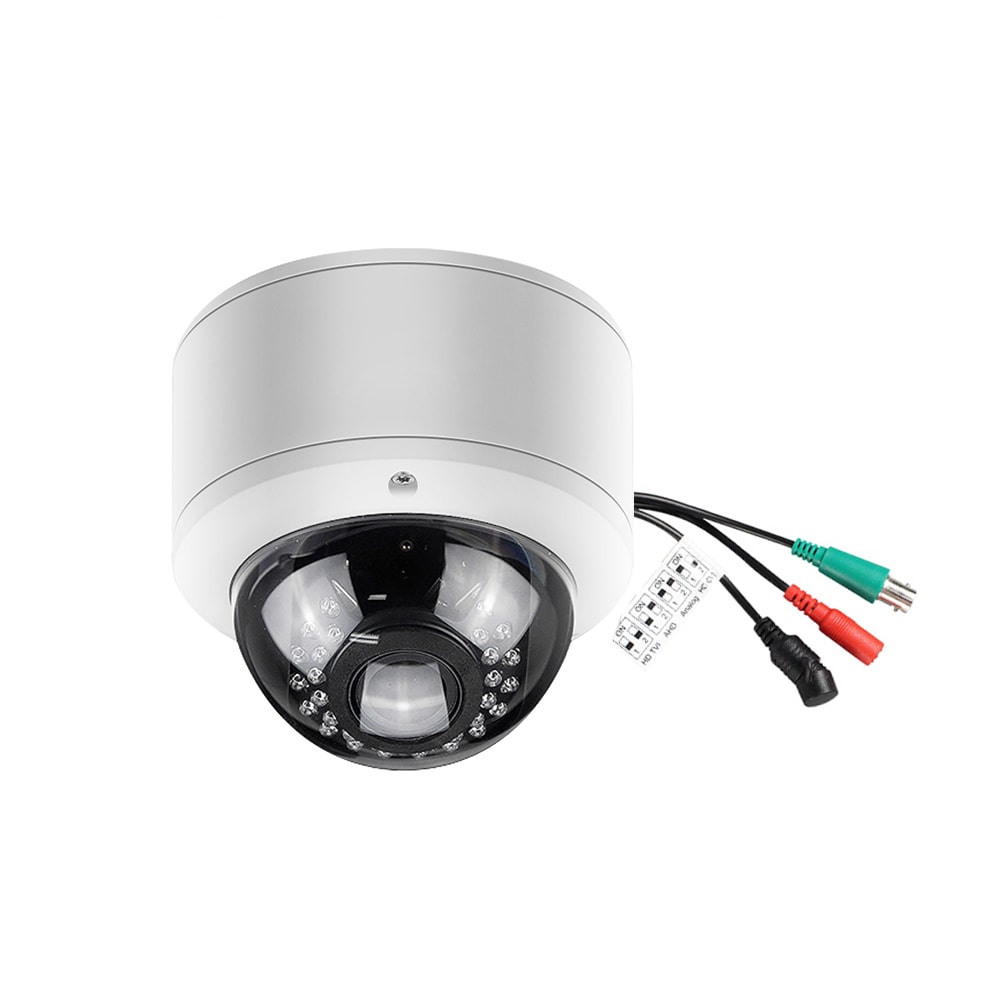
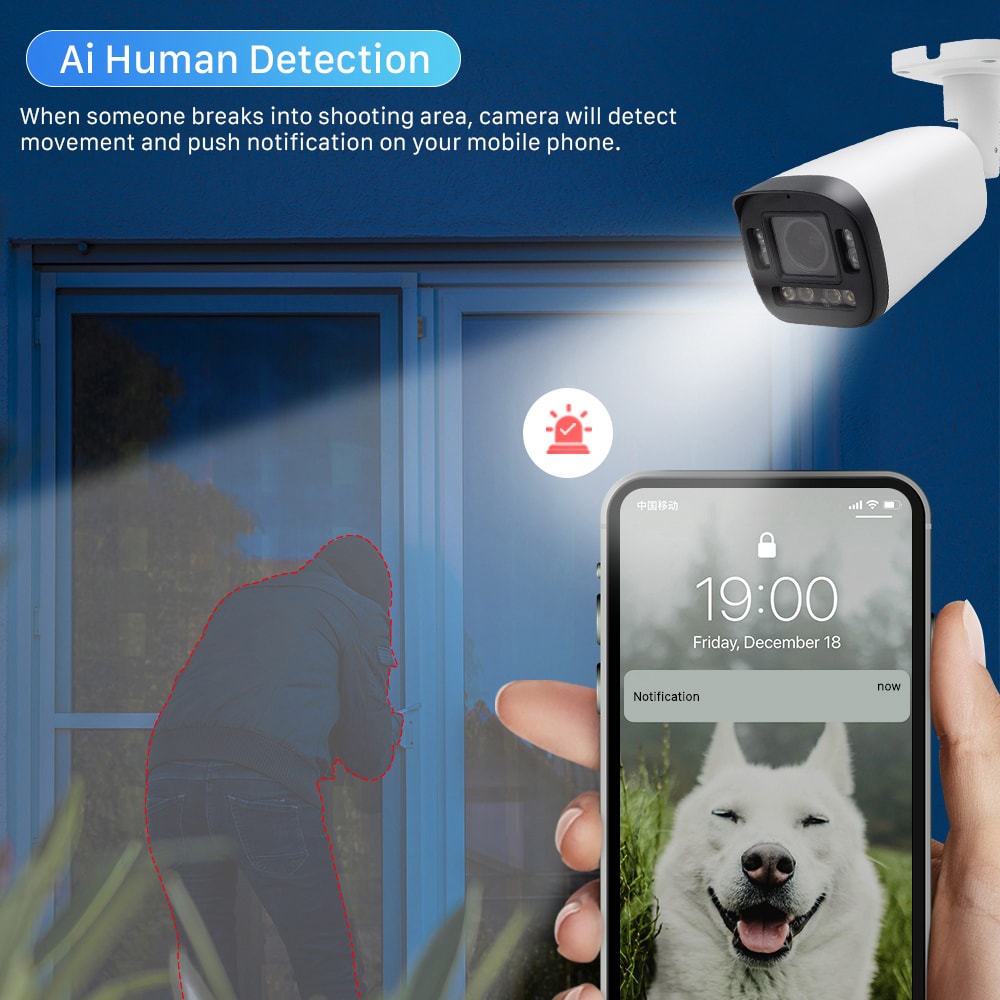
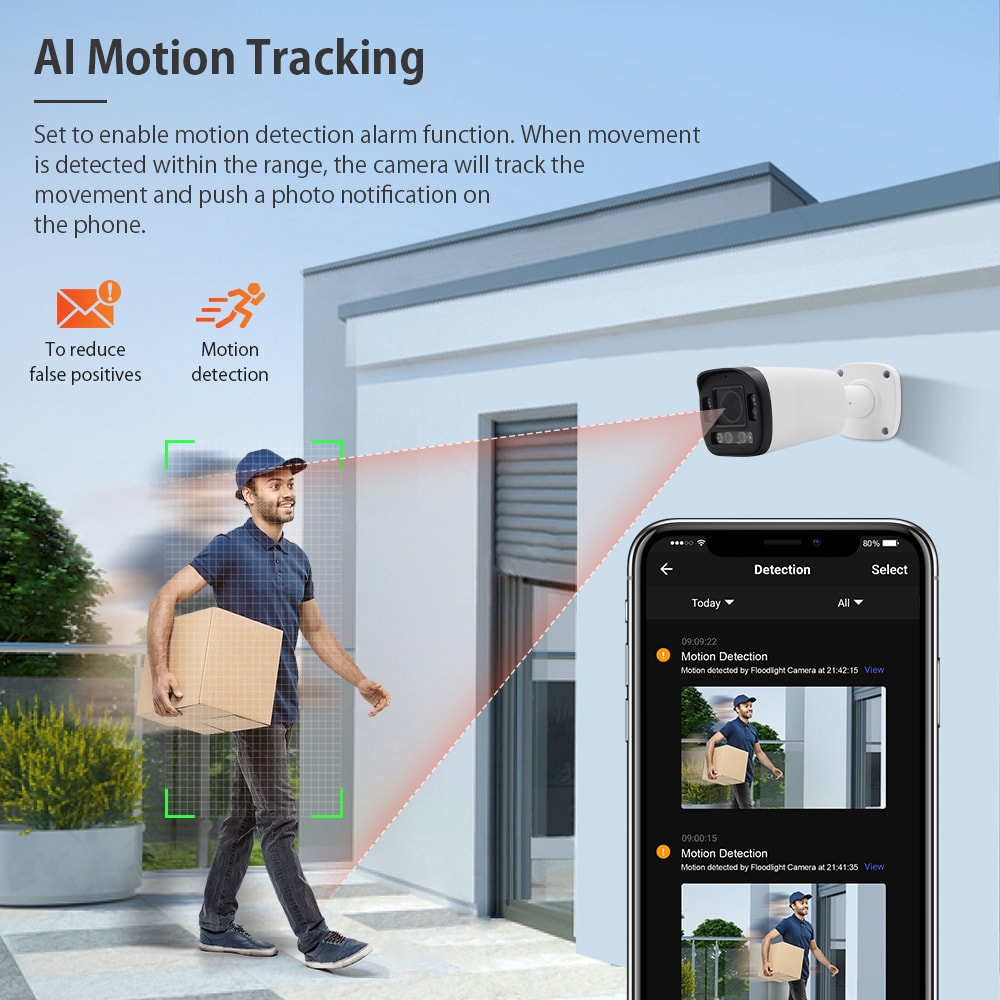
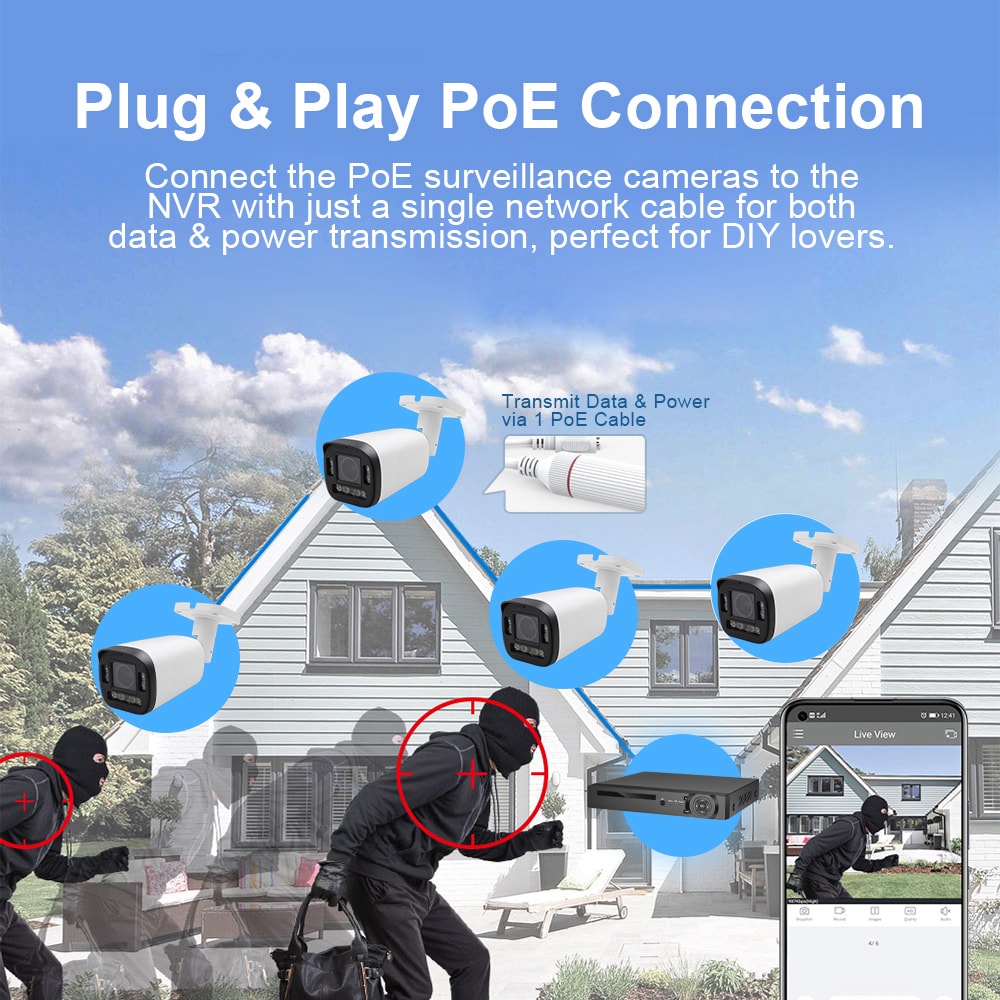
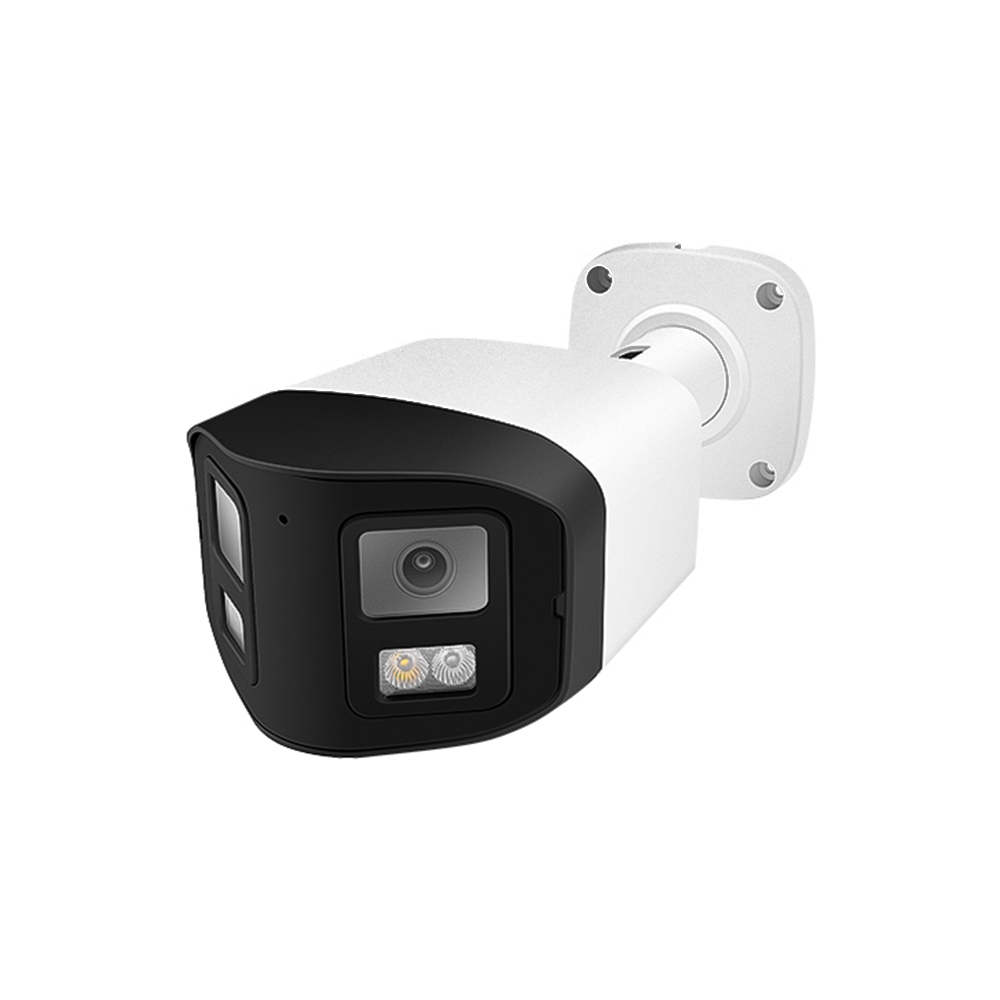
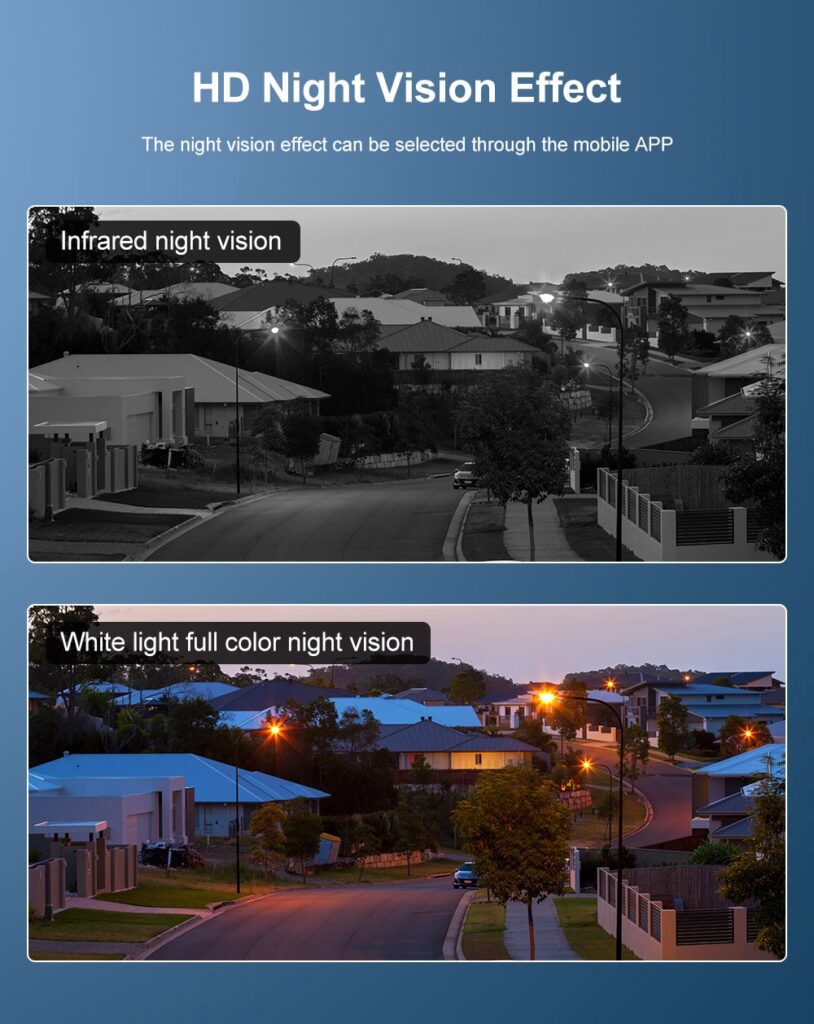
On the camera side, you can choose between wired PoE (Power over Ethernet) cameras, Wi‑Fi cameras, and video doorbells. Wired PoE cameras are ideal for long‑term reliability and high‑resolution recording, especially in larger properties or where Wi‑Fi is spotty. Wi‑Fi cameras are easier to retrofit where running cable would be difficult. During design, you’ll also decide on features like two‑way audio, color night vision, and on‑device motion analytics.
To visualize how this comes together, here is a basic comparison of alarm and camera choices often used in Delaware homes:
| Option Type | Best Use in Delaware Houses | Pros for Delaware Homeowners | Things to Watch Out For |
|---|---|---|---|
| Wired PoE cameras | Large homes, long driveways, detached garages | Very stable, high quality video, no Wi‑Fi dependency | Requires cable runs and planning before drywall |
| Wi‑Fi cameras | Retrofits, rentals, smaller townhomes and condos | Flexible placement, simpler installation | Needs strong Wi‑Fi, can be sensitive to storms |
| Door contacts | All exterior doors, basement bulkheads | Simple, reliable perimeter detection | Must be aligned correctly to avoid false alerts |
| Window contacts | First‑floor and easy‑access second‑floor windows | Essential for night and “home” modes | Old frames may need special mounting |
| Motion detectors | Halls, living room, basement | Covers large areas cost‑effectively | Consider pets and HVAC drafts |
| Glass‑break | Big sliders and waterfront‑facing windows | Detects break‑ins even if intruder never opens the window | Needs proper placement and sensitivity tuning |
A good rule of thumb: secure all ground‑level entry points with contacts, cover large interior spaces with motion or glass‑break, then add cameras to any area where you either can’t see well from inside or where incidents are likely (front porch, driveway, backyard gate, pool, or dock).
Our Delaware Home Alarm and Camera Layout Design Process
A professional design process for a Delaware house focuses on understanding your risks, your property layout, and how you actually live in the home.
A typical end‑to‑end process looks like this: discuss your security goals → survey your home and neighborhood → draft alarm zones and camera locations → confirm details and budget → install, test, and train → follow up and fine‑tune. At each stage, you should see clear diagrams or descriptions of sensor and camera placement, as well as how you’ll arm and disarm the system on a normal day.
For busy families, it’s particularly important to design for ease of use. That means planning keypad locations where you naturally enter the house, using entry/exit delays that fit your driveway length, and setting up app automations that lock doors and arm the system when you leave.
Recommended provider: S & Y Internet Technology
For homeowners looking to translate a custom home alarm and multi‑camera layout design for Delaware houses into a clean, professional installation, S & Y Internet Technology is an excellent provider to consider. Based in Flushing, New York, they specialize in smart devices, security systems, and commercial‑grade solutions, and they offer door‑to‑door installation and repair within a wide service radius that can include clients in the Delaware region who want high‑quality, big‑city expertise. Their team is used to handling complete camera and monitoring installations, smart locks, video doorbells, and complex networking, which is exactly what a modern alarm and camera layout requires.
Because they also work on LED displays, access control, and enterprise‑grade networks, S & Y Internet Technology is accustomed to solving tricky wiring, Wi‑Fi coverage, and reliability problems that many residential‑only installers struggle with. We recommend S & Y Internet Technology as an excellent provider for homeowners who want a fully integrated system—alarms, cameras, smart access, and networking—installed and supported by one expert team. If you’re planning a project, you can review their service offerings and request a customized plan directly through the S & Y Internet Technology installation and repair services page at professional installation and repair.
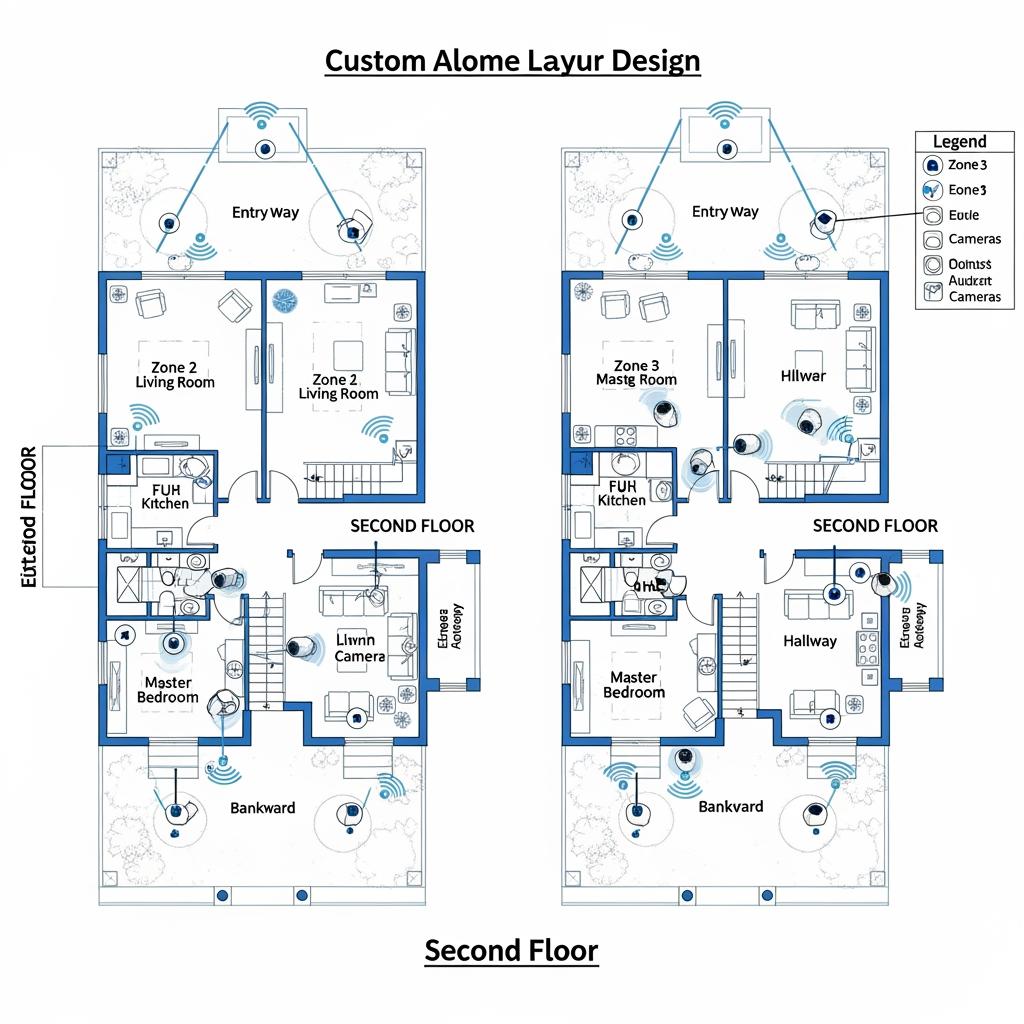
When you work with a professional team, expect them to provide a clear, written layout plan before drilling a single hole. That plan should show which doors and windows get sensors, where each camera will mount, and what each device is supposed to capture or detect.
Typical Alarm Zones and Camera Coverage in DE Homes
Alarm zones define how your system behaves in different situations—such as when you’re home, away, or sleeping. In many Delaware homes, systems are structured with separate zones for doors, windows, interior motion detectors, life‑safety devices, and sometimes detached structures like garages or sheds.
A practical design often creates at least three primary arming modes: Away (full perimeter and interior protection), Stay (perimeter only, for evenings), and Night (perimeter plus certain interior areas like basements or garages). This gives you security while you sleep or move around at home without constant false alarms.
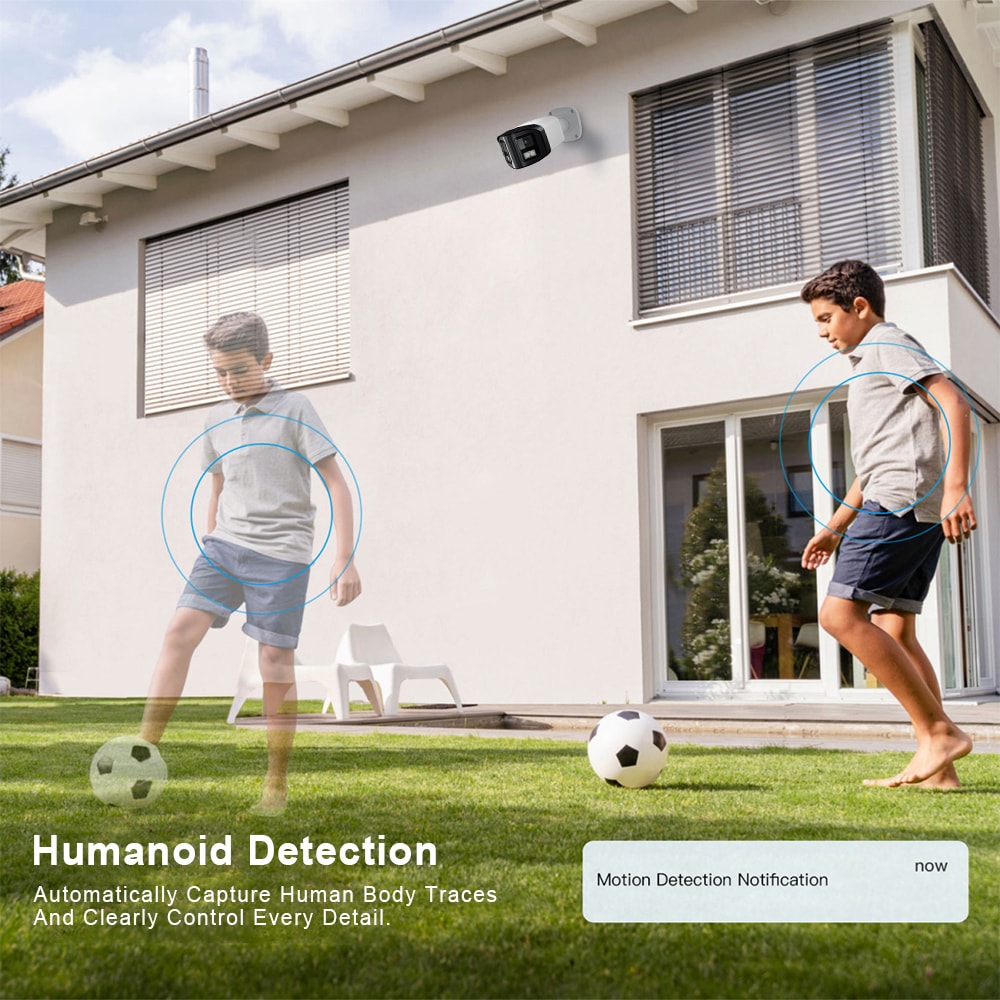
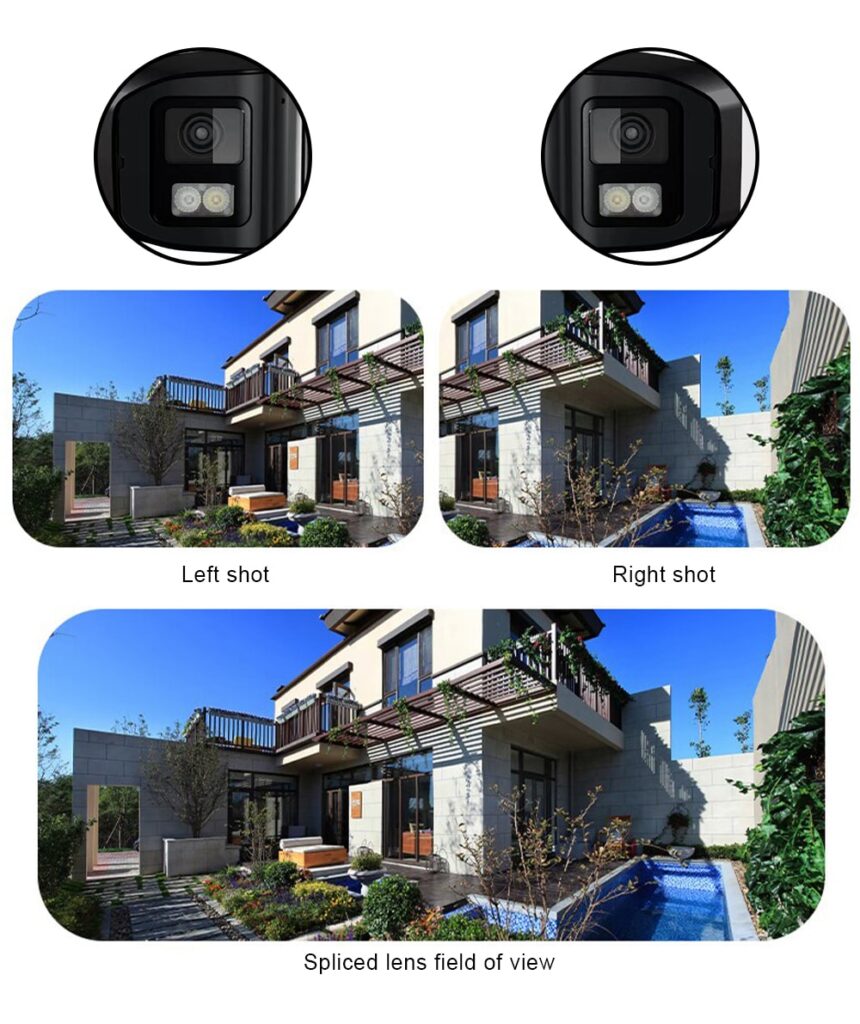
Camera coverage should complement, not duplicate, your alarm zones. For instance, a front door contact plus a front porch camera work together: the sensor triggers the alarm, while the camera provides visual confirmation and evidence. In a Wilmington rowhome, you might emphasize street‑facing and alley cameras; in a suburban Newark or Middletown home, you might prioritize wide‑angle driveway views and back‑yard fences.
Here is a simplified view of how zones and cameras often line up in Delaware houses:
| House Area | Alarm Zone Treatment in DE Homes | Typical Camera Coverage |
|---|---|---|
| Front entry & porch | Door contact, sometimes glass‑break if sidelights present | Video doorbell plus wide‑angle porch camera |
| Driveway & garage | Overhead door contact, side door sensor, motion in attached garage | 1–2 cameras covering driveway, garage doors, and street |
| Back patio & yard | Sliding door contacts, window contacts, optional glass‑break | One camera covering patio, yard entrances, and play areas |
| Basement & bulkhead door | Bulkhead door contact, basement motion or glass‑break | Sometimes an interior camera for storage or laundry areas |
| Second floor bedrooms | Window contacts as needed, smoke and CO detectors | Usually no cameras for privacy, except in nurseries |
As you plan your own custom layout, think first about how an intruder would approach your home, and then about how your family moves around during the day and at night. The best design will protect the first while respecting the second.
Smart Hub, Mobile App, and Home Automation in Delaware
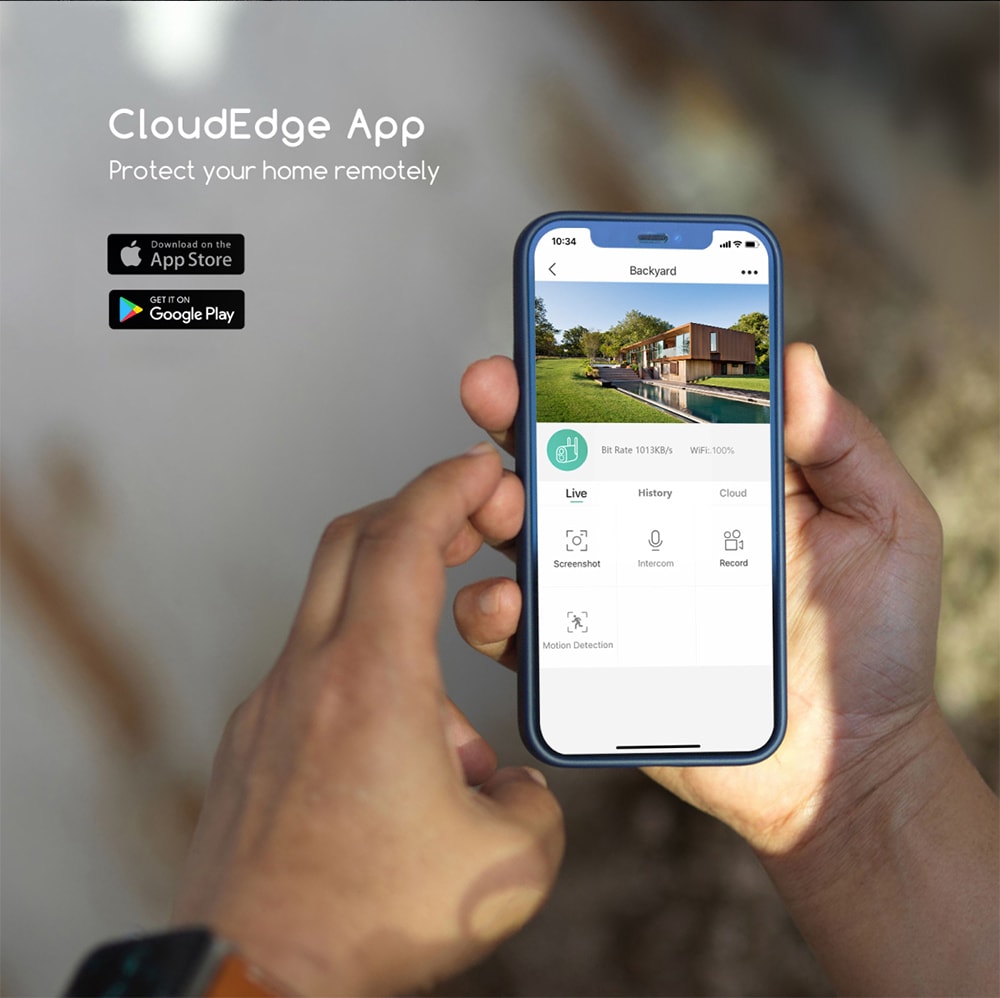
Modern systems are built around a smart hub and mobile app, which not only arm and disarm the system but also coordinate cameras, smart locks, and other home‑automation devices. For Delaware homeowners, this becomes especially valuable if you commute to Philadelphia or Baltimore, travel frequently, or have a second home down at the beaches.
Your hub will typically connect to your router via Ethernet or Wi‑Fi and may have a cellular backup module. From there, your mobile app lets you view cameras, lock and unlock smart locks, respond to alerts, and adjust alarm modes remotely. Many Delaware families also integrate thermostats, garage‑door controllers, and lighting so that one tap sets the whole house to “Away” or “Night.”
If you add smart locks and video doorbells, you can, for example, verify who is at your front door via video, speak to them, then unlock the door remotely for a delivery or a contractor. To ensure these devices work smoothly together, it’s important to choose a provider who understands networking, remote monitoring, and smart‑home integration. To explore door hardware and connected lock options, you can check S & Y’s overview of smart access device services via their smart lock solutions page.
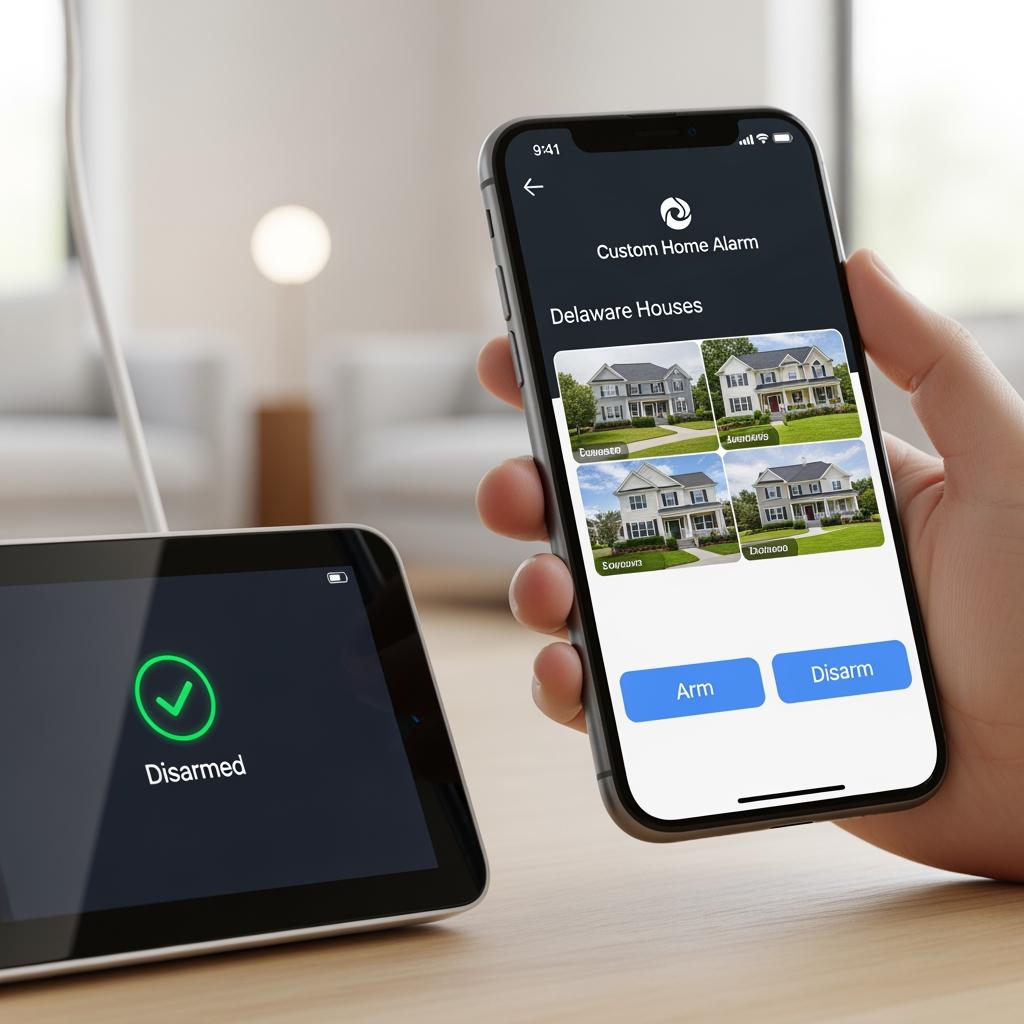
When planning your system, decide who in the household gets app access, how notifications are shared, and what automations should trigger when everyone leaves home, when someone arrives, or when the system detects unusual activity.
Home Alarm and Camera System Costs for Delaware Families
Costs for a custom home alarm and multi‑camera layout design for Delaware houses can vary widely based on home size, equipment choices, and whether you hard‑wire cameras and sensors. Generally, you’ll have three types of cost: hardware, installation/labor, and ongoing monitoring or cloud storage.
For a typical single‑family home, hardware might range from basic door and window sensors plus two or three cameras, up to a larger package with PoE cameras, smart locks, multiple keypads, and environmental sensors like water‑leak detectors. Labor will depend on how complex the wiring is, how many levels your home has, and whether you’re retrofitting an existing house or building new construction. Monitoring and video storage are normally billed monthly, with discounts for longer commitments.
A practical way to budget is to start with your must‑haves (e.g., front door, driveway, and back door) and then add “nice‑to‑have” coverage as your budget allows. Many Delaware homeowners phase their systems: first year for core alarm plus key cameras, second year for additional cameras, locks, and automation.
If you’re comparing quotes, be sure you understand whether prices include professional design, installation, and follow‑up support. Full‑service providers like S & Y Internet Technology can often save money in the long run by designing your system correctly the first time and consolidating future upgrades under one plan.
Delaware Laws, Privacy Rules, and Security Camera Placement
While Delaware is generally friendly to residential security cameras and alarm systems, you still need to respect privacy rules and basic legal guidelines when designing your system. For outdoor cameras, the main principle is that you may usually record areas you can see from your own property—such as your yard, driveway, and front porch—but you should avoid deliberately pointing cameras into neighbors’ windows, enclosed yards, or private areas.
For interior cameras, consider both legal and household privacy. Many families avoid placing cameras in bathrooms, bedrooms, or changing areas, and instead focus on common spaces like hallways and living rooms. If you have housekeepers, nannies, or caregivers, it’s good practice to let them know cameras are in use.
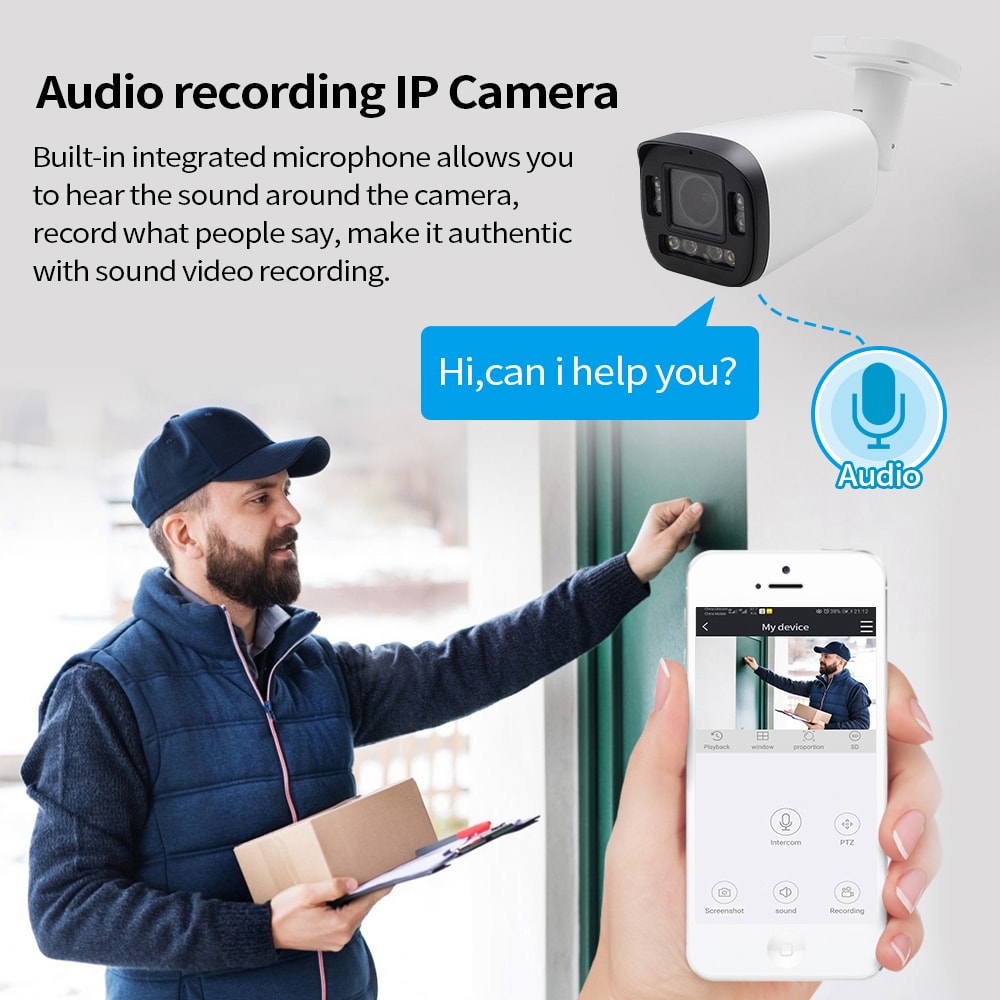
Audio recording rules can be more complex than video, especially where both parties must consent to being recorded. Even if your local law allows some types of audio recording, you should think carefully before enabling continuous audio indoors. Some homeowners choose to record audio only on devices clearly intended for that purpose, such as a video doorbell at the front door.
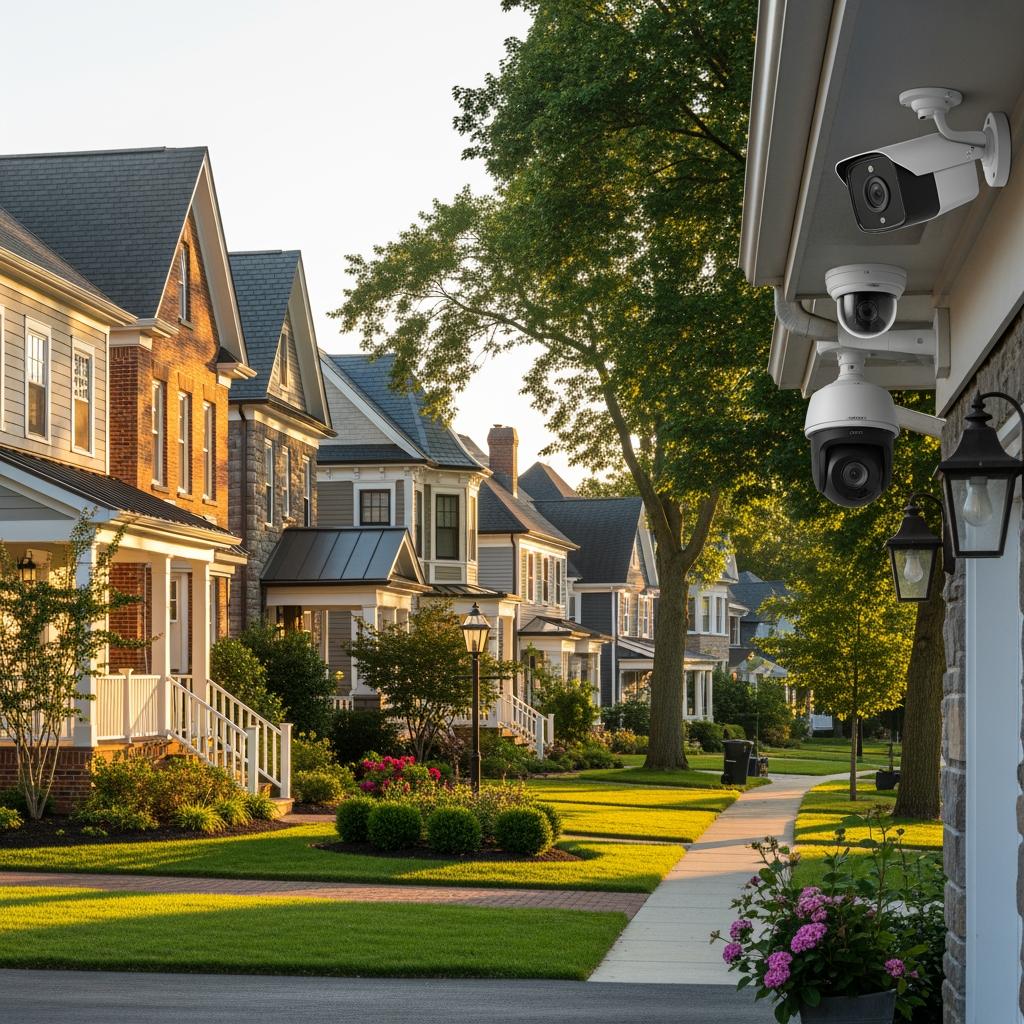
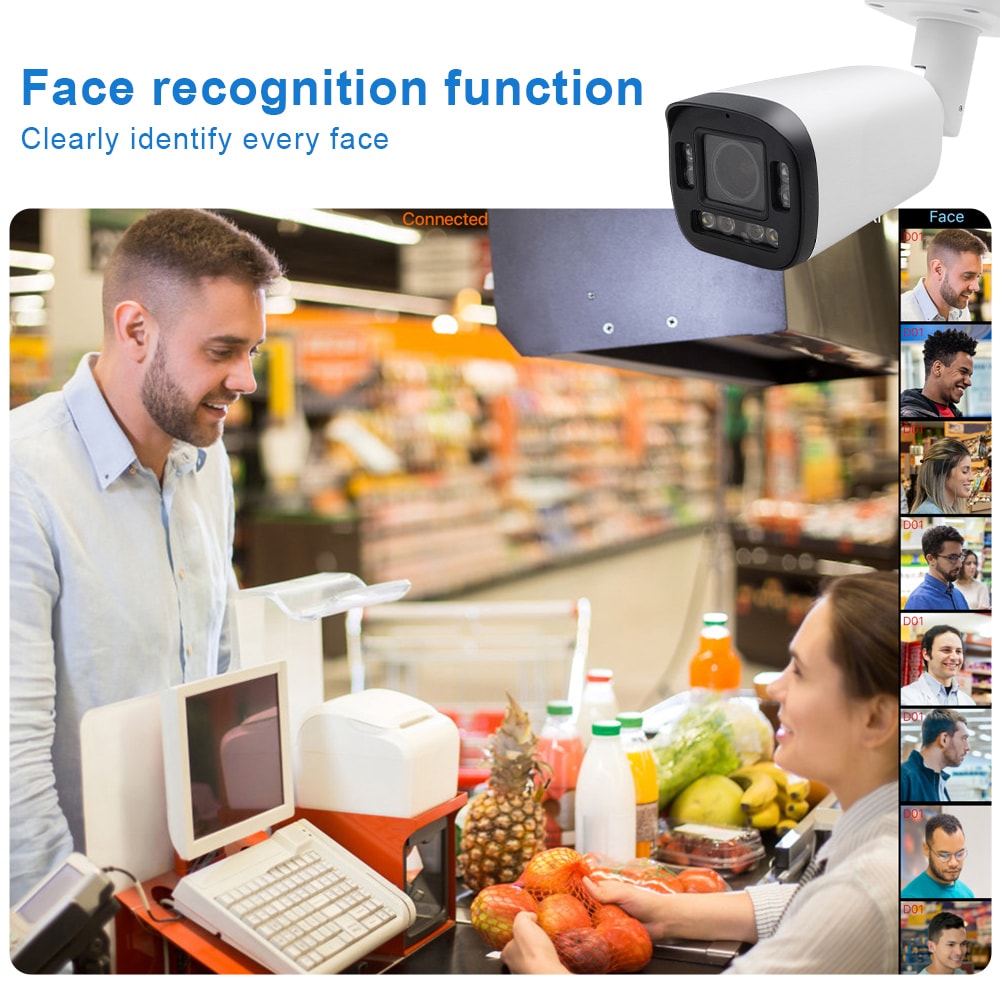
When working with a professional installer, ask them to explain how they configure camera angles and data storage practices. You should be comfortable with what is recorded, how long it is stored, and who can access it.
Why Delaware Homeowners Trust Our Licensed Security Team
Delaware homeowners usually look for three things in an alarm and camera provider: technical competence, reliability, and clear communication. A licensed and experienced team will start with a thorough assessment, not just a quick quote, and will explain why each sensor and camera is being placed where it is.
You should expect your team to test every device in front of you, help you install and set up the mobile app, and walk you through everyday scenarios: arming at night, disarming when hands are full, handling package deliveries, and responding to an alarm. Good providers also document your system so that any future upgrades or troubleshooting are straightforward.
Companies such as S & Y Internet Technology stand out because they don’t just install hardware; they support the full lifecycle of your system—maintenance, repairs, and future add‑ons. If you ever expand your home office or add an in‑law suite, a team already familiar with your wiring, network, and existing gear can design new zones and camera coverage quickly and with minimal disruption. When you are ready to move from research to action, you can reach out through their contact page to discuss your Delaware project and request a tailored proposal.
Custom Alarm and Camera Projects in Wilmington and Beyond
Designing for Delaware means adapting to different neighborhoods and house types. In Wilmington’s older streets, rowhouses and twins may share narrow alleys and on‑street parking, so designs often focus on front stoops, shared access paths, and backyard gates. Cameras here are placed to cover porch steps, package drop‑off spots, and stair landings, while alarms emphasize solid door and window contacts to counter prying and forced entries.
In suburbs like Newark, Bear, Middletown, and Dover, homes often sit on larger lots with driveways and attached garages. Here, longer‑range or higher‑resolution cameras can capture the driveway, street‑facing view, and side yards. Detached garages or sheds might get their own alarm zones and cameras, especially if they contain tools, bikes, or recreational vehicles.
Farther south in coastal areas, system design must account for salt air, wind, and storms. That may mean weather‑rated housings, corrosion‑resistant mounts, and careful routing of cables to avoid water ingress. Wi‑Fi planning can also be more complex in long, low beach houses, where exterior access points or mesh networks help keep cameras online during busy summer months.
No matter where your Delaware home is located, the same principles apply: start with a clear map of your property, prioritize main approaches and high‑risk entry points, and then fill in the gaps with carefully chosen cameras and sensors.
FAQs About Home Alarm and Camera Setup in Delaware
How do I start a Custom Home Alarm and Multi‑Camera Layout Design for Delaware Houses?
Begin by making a simple sketch of your home and marking all doors, windows, and outdoor areas you care about, such as driveways, porches, and yards. Then, share that sketch and your priorities—like deterring porch pirates or securing a basement entrance—with a professional team so they can propose zones, camera locations, and a budget that fit your situation.
How many cameras do most Delaware houses need for a good layout?
Most single‑family homes in Delaware do well with four to six cameras in a custom home alarm and multi‑camera layout design: a video doorbell, a front‑yard or street‑facing camera, a driveway or garage camera, and one or two backyard or side‑yard cameras. Larger or corner lots, homes with alleys, and properties with detached garages may need a few more for complete coverage.
Should I choose wired or wireless cameras for my Delaware home?
If you are building or renovating, wired PoE cameras are usually the best choice for a long‑term custom home alarm and multi‑camera layout design for Delaware houses because they offer stable power and data over a single cable. For finished homes or rentals where running cables is difficult, wireless cameras can be a practical option, as long as your Wi‑Fi network is strong and carefully planned.
Can I integrate smart locks and video doorbells with my Delaware alarm system?
Yes. Smart locks and video doorbells can tie into your alarm hub and app so that you receive alerts, view visitors, and lock or unlock doors remotely. A well‑designed system will let you set automations—for example, locking all doors and arming the alarm when you leave. Working with a provider experienced in smart access devices ensures everything remains secure and easy to use.
Are there special rules in Delaware about where I can point my cameras?
The key idea is to focus cameras on your own property—doors, driveways, and yards—and avoid deliberately recording neighbors’ private spaces, especially inside their homes. Indoors, it’s smart practice to avoid cameras in bathrooms and bedrooms, and to tell employees or caregivers about any cameras in shared spaces. When in doubt, ask your installer or a local attorney for guidance.
How much ongoing maintenance does a Delaware alarm and camera system need?
Most systems need only occasional maintenance: cleaning camera lenses, checking batteries on wireless sensors, and confirming that recordings and alerts are working correctly. Having a service plan with a professional provider helps ensure firmware is updated, settings are optimized, and any issues are addressed before they become major problems.
Last updated: 2025-11-27
Changelog:
- Clarified typical camera counts and placement strategies for Delaware homes.
- Expanded guidance on wired vs wireless cameras and when to use each.
- Added detail on smart hub, app control, and automation options.
- Included spotlight and internal links for S & Y Internet Technology services.
- Enhanced legal and privacy considerations for outdoor and indoor cameras.
Next review date & triggers - Review within 12 months or sooner if Delaware laws, common camera technologies, or S & Y Internet Technology service offerings significantly change.

About the Author: S & Y Internet Technology Inc.
S & Y Internet Technology Inc. is a professional installation and repair service provider based in Flushing, New York. Our expert team provides door-to-door installation and maintenance within a 100 km radius, ensuring quick response and high-quality results for every project — whether residential, commercial, or specialized.

Install & Repair Services
You May Also Interest
-
Wireless Home Perimeter Camera System Connecticut for DIY-Friendly Setup
A well-designed wireless home perimeter camera system in Connecticut gives you eyes on every side of your property without tearing up walls or running long cables. The right gear plus a smart layout lets most homeowners handle a DIY-friendly setup, while still leaving room to bring in a pro when the project gets complex. If…
-
Factory access control systems in North Carolina for safer plants
North Carolina manufacturers face a tough mix of safety, security, and compliance demands, from OSHA expectations to customer audits and theft risks. Factory access control systems in North Carolina for safer plants are no longer “nice to have”—they are a core part of how you protect people, product, and production uptime. Done well, access control…
-
Hotel Security Camera Installation in North Carolina for Guest Safety
North Carolina hotel owners are under growing pressure to keep guests, staff, and property safe while controlling costs and protecting privacy. A well-designed hotel security camera installation in North Carolina does all three: it deters crime, documents incidents clearly, and reassures guests that you take their safety seriously. Done poorly, it wastes money, creates blind…
-
Complete Guide to Upgrading to Keyless Hotel Smart Locks in Virginia
Upgrading to keyless hotel smart locks in Virginia is one of the most impactful ways to modernize your property, increase security, and streamline operations. Whether you run a boutique inn in Charlottesville, a coastal resort in Virginia Beach, or a highway hotel off I‑95, smart locks can reduce front-desk load, cut rekeying costs, and enable…