Electronic Door Lock Solutions for Virginia Homes and Apartments
Share
Electronic door lock solutions for Virginia homes and apartments let you boost security, reduce key hassles, and manage access remotely—ideal for busy families, commuters, and rental property owners from Northern Virginia to Hampton Roads. This guide walks through options, installation, pricing, and best practices so you can choose the right system and avoid common mistakes. If you already have a project in mind, share your home or building details and we can outline a tailored electronic lock plan and quote range for your situation.
Electronic Door Lock Options for Virginia Homes and Apartments
Virginia homeowners and renters can choose from several main types of electronic door lock solutions, each with different strengths depending on property type, budget, and how people use the space daily. The most common categories are keypad deadbolts, key card/fob locks, smart locks with app control, and fully integrated access systems for multi-unit buildings.
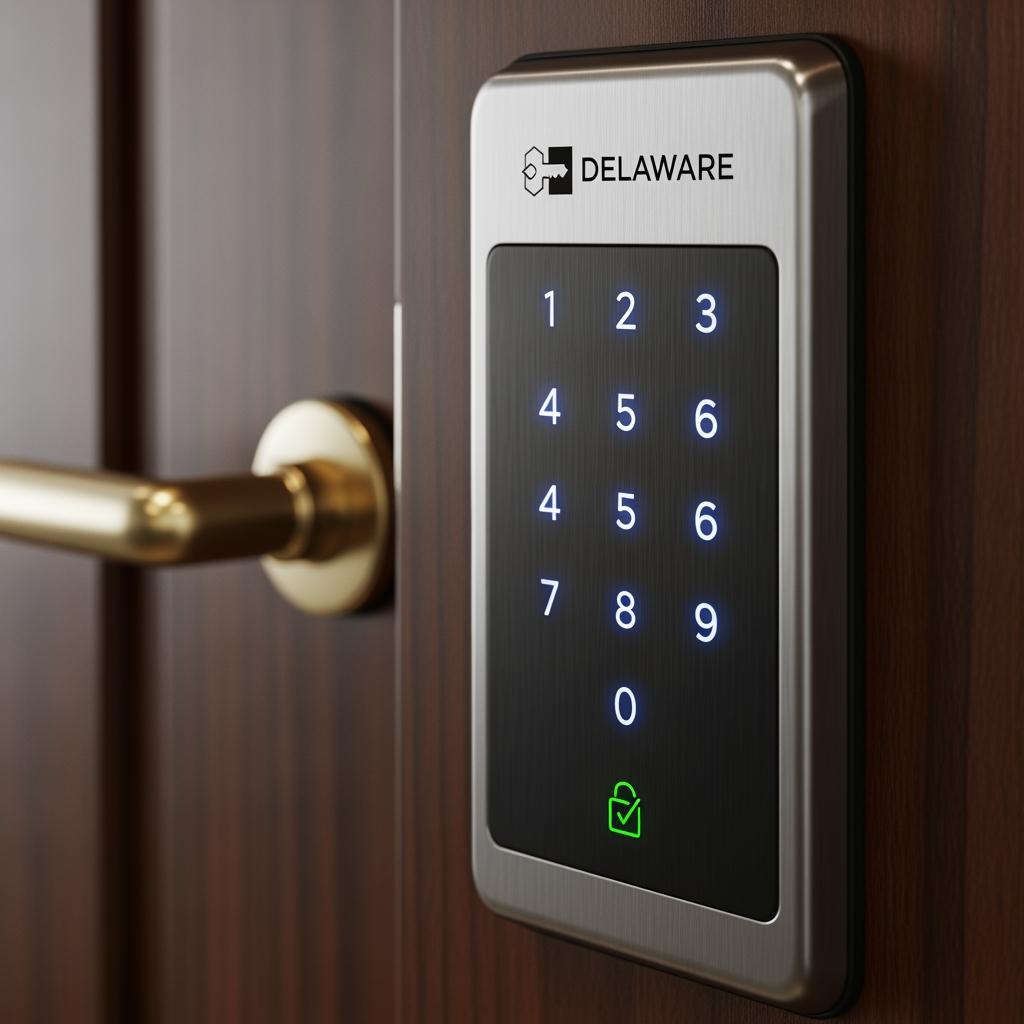
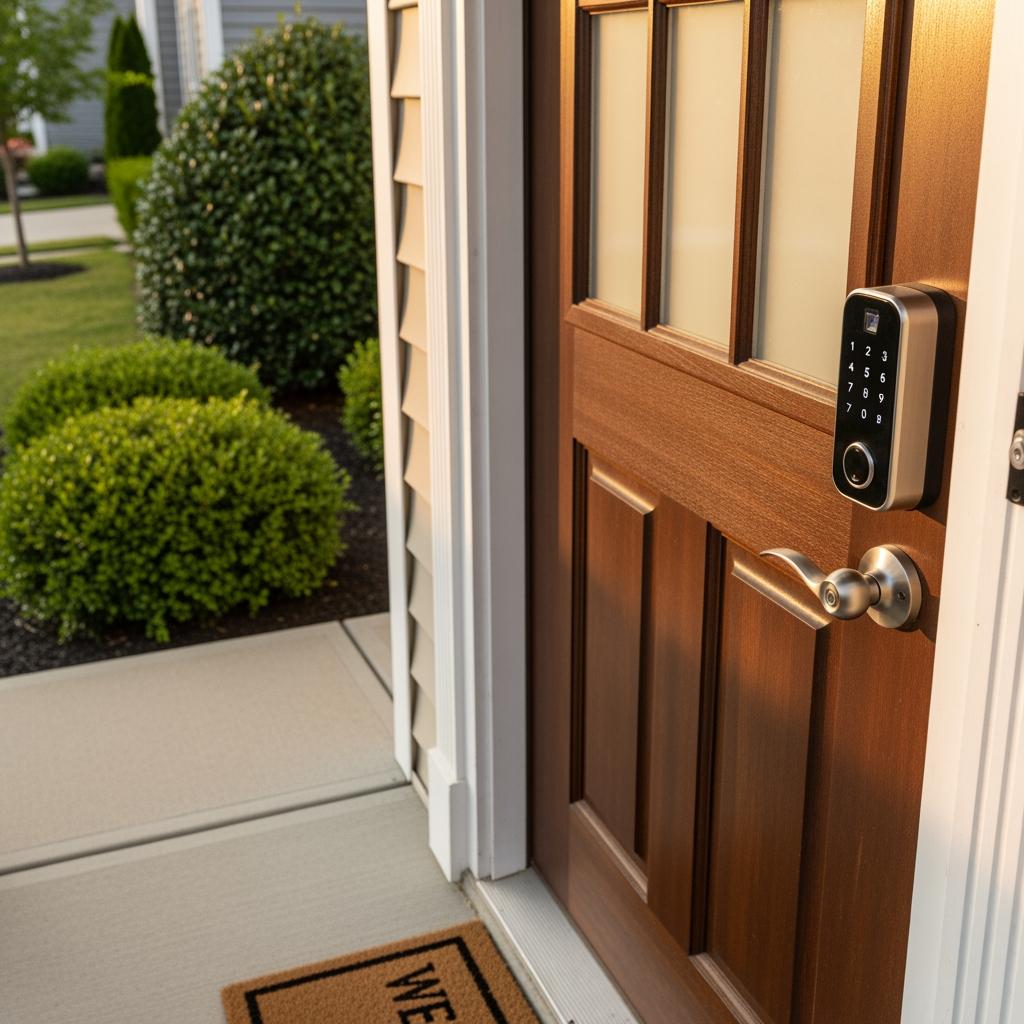
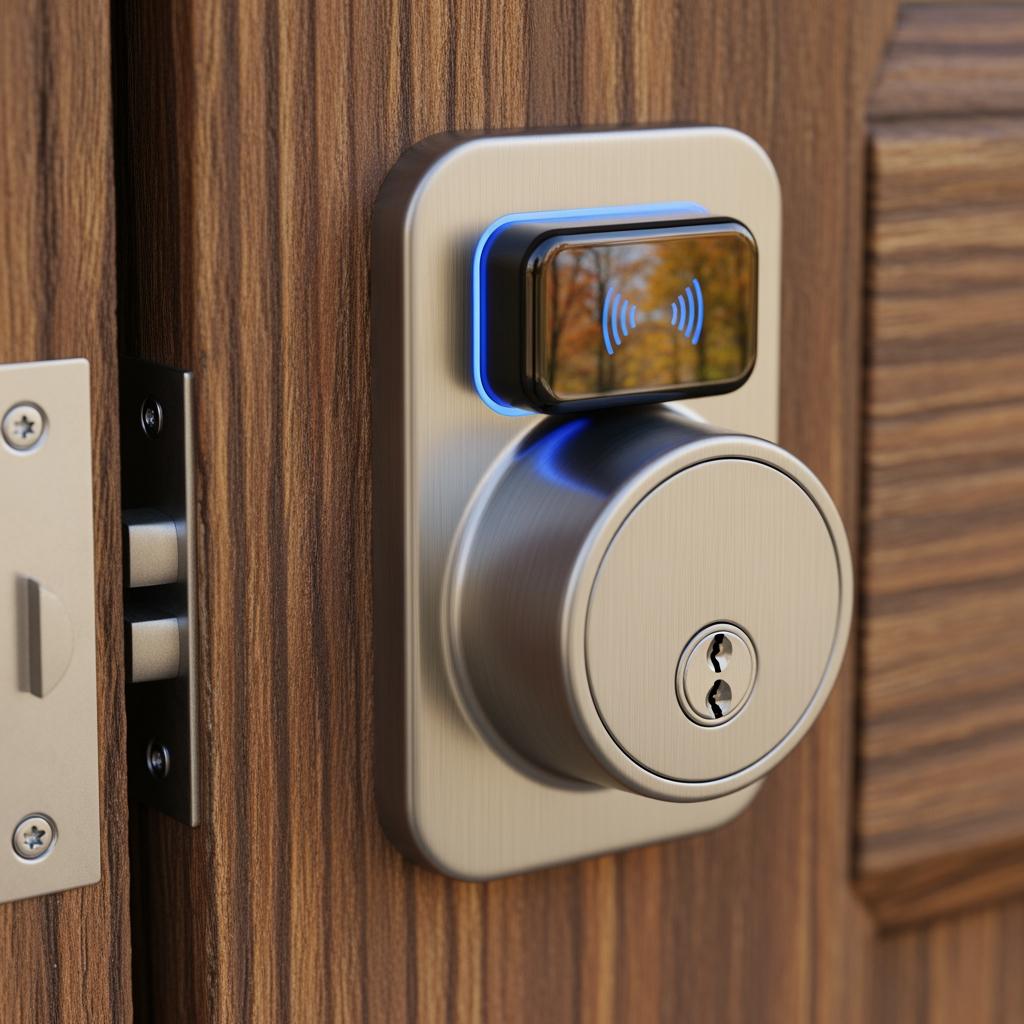
Keypad deadbolts replace a standard mechanical deadbolt and let you enter a PIN instead of using a traditional key. They are popular in single-family homes in suburbs like Fairfax, Chesterfield, and Virginia Beach because they’re straightforward, relatively affordable, and don’t rely on WiFi to operate. You can often program multiple codes for family members, cleaners, or pet sitters, and then delete them when they’re no longer needed.
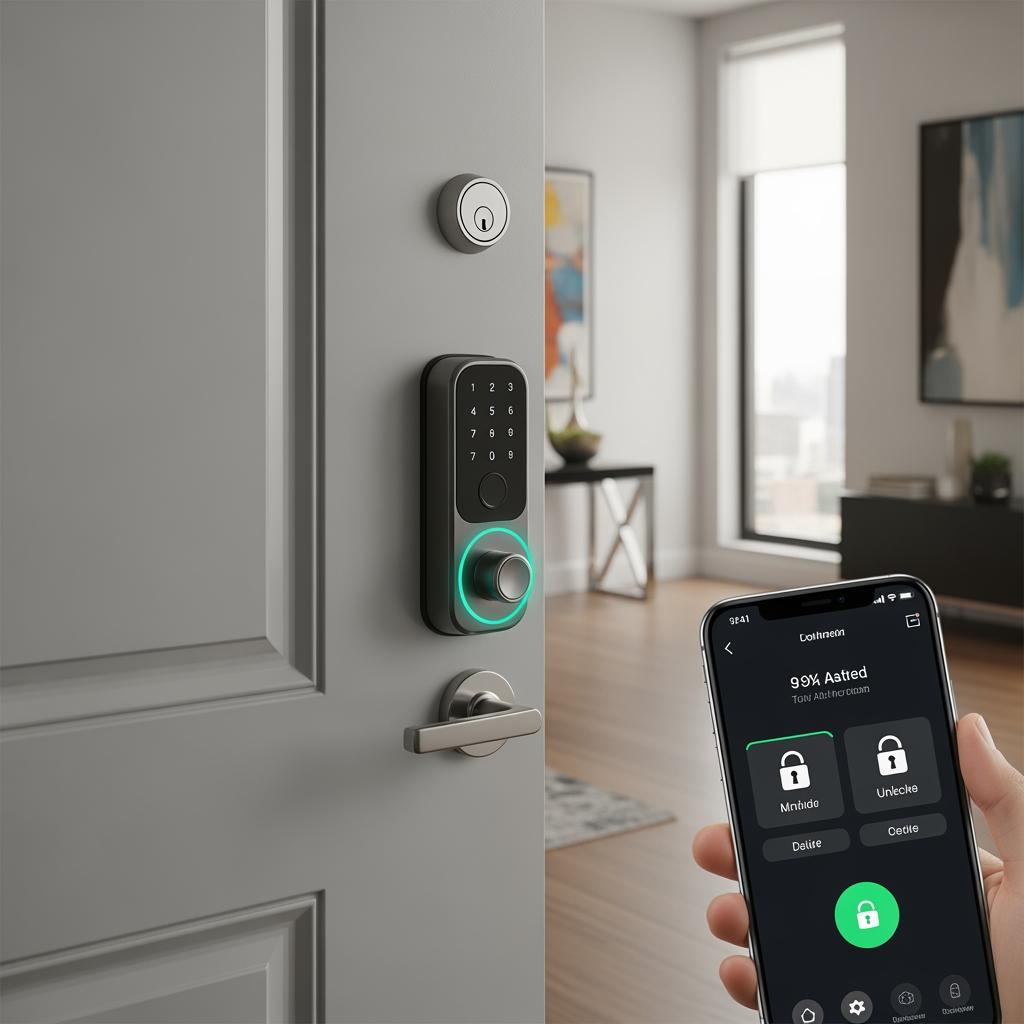
Smart locks with mobile apps add another layer of convenience. These electronic door lock solutions for Virginia homes and apartments connect over WiFi, Z-Wave, Zigbee, or Bluetooth. You can lock or unlock the door remotely, check lock status, or receive notifications when someone enters. For residents in high-traffic urban areas like Arlington or Richmond, this is especially useful when coordinating deliveries or letting guests in without sharing permanent codes.
Key card and fob-based locks are more common in apartments and multi-family buildings. Property managers can issue and revoke access quickly without re-keying locks, which is valuable in college towns and tenant‑turnover‑heavy markets. For smaller landlords, a hybrid approach—a smart deadbolt on each unit plus a keypad or fob-based main entrance—can balance cost and control.
To compare the main categories at a glance:
| Lock Type | Best Fit in Virginia | Pros | Cons | Notes on Electronic Door Lock Solutions for Virginia Homes and Apartments |
|---|---|---|---|---|
| Keypad Deadbolt | Single-family homes, townhomes | Simple, reliable, no app required | Limited remote features | Great for families wanting keyless entry without complex setup |
| Smart WiFi/Bluetooth Lock | Urban condos, tech-savvy homes | Remote control, alerts, integration | Needs connectivity, higher cost | Ideal for busy professionals and frequent travelers |
| Card/Fob Lock | Apartments, student housing | Easy to issue/revoke access | Cards can be lost | Works well for multi-unit exterior doors |
| Integrated Access System | Large complexes, gated communities | Central management, logs | Highest cost, pro install needed | Suited for large buildings with many residents |
When choosing, focus on daily routines: who needs access and when, how often guests visit, and how comfortable you are managing apps and connectivity.
Professional Electronic Door Lock Installation Across Virginia
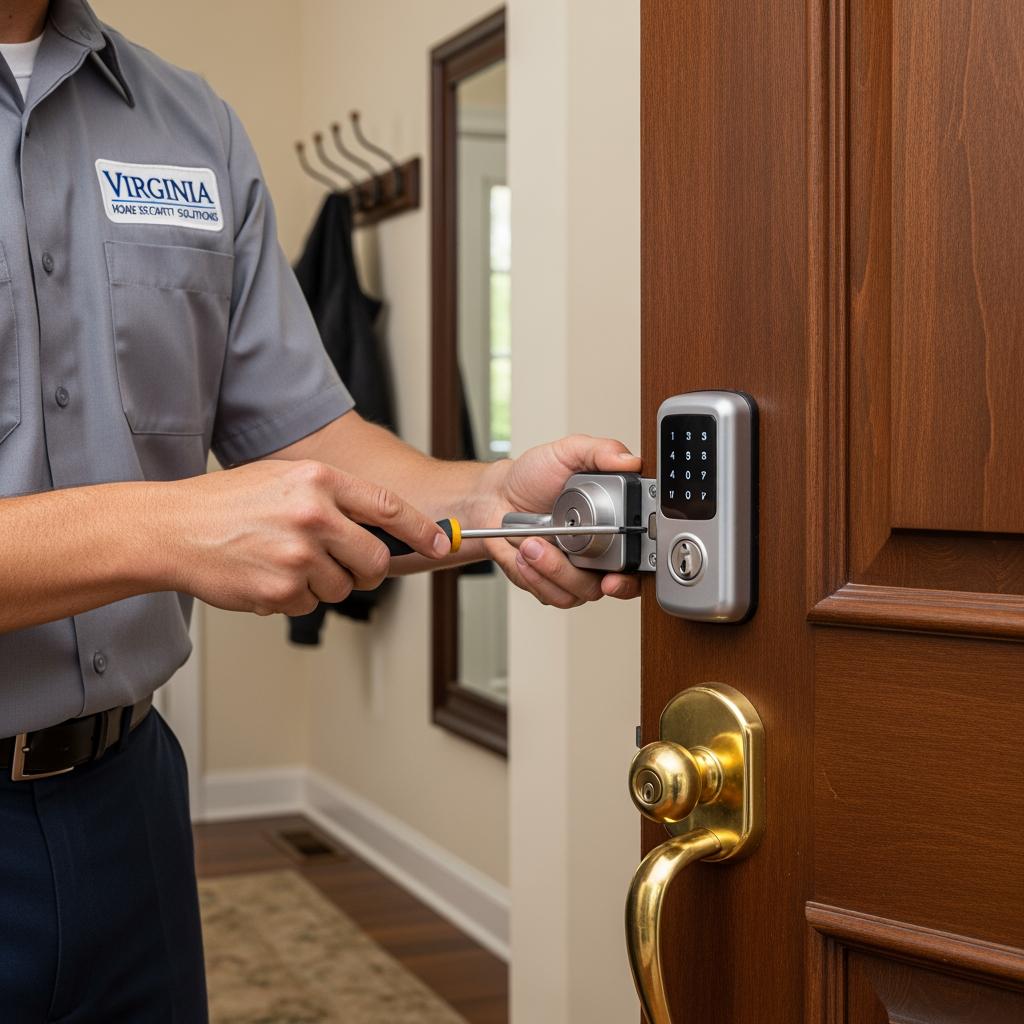
Even the best hardware performs poorly if it’s installed incorrectly, which is why professional electronic door lock installation is worth serious consideration. An experienced installer will ensure your lock lines up with the strike plate, the door closes cleanly, and the latch fully extends into the frame—details that matter for both security and long-term reliability.
Across Virginia, installation needs vary. Older homes in cities like Richmond or Alexandria may have non-standard door thicknesses, worn frames, or misaligned jambs that complicate a straightforward swap. In humid coastal regions like Tidewater and Hampton Roads, doors can swell slightly, so the installer must account for seasonal movement to avoid sticking or deadbolt binding. In modern townhomes and new builds around Northern Virginia, installers often encounter metal doors or reinforced frames that require specific drill bits and mounting hardware.
Professional installers typically follow a structured process: they assess the door and frame, confirm backset and borehole size, check for adequate WiFi or Bluetooth coverage if you’re using a smart lock, and then perform a test fit before final mounting. After installation, they should guide you through programming master codes, user codes, app setup, and any integrations with alarm systems or smart home hubs.
If you’re coordinating several door upgrades at once—front, back, garage entry, and a basement unit door—it’s wise to plan them as a single project so the installer can standardize hardware brands, finish colors, and programming conventions. That way, you avoid juggling multiple apps or code formats later on.
Keyless Entry and Smart Deadbolt Upgrades for VA Residents
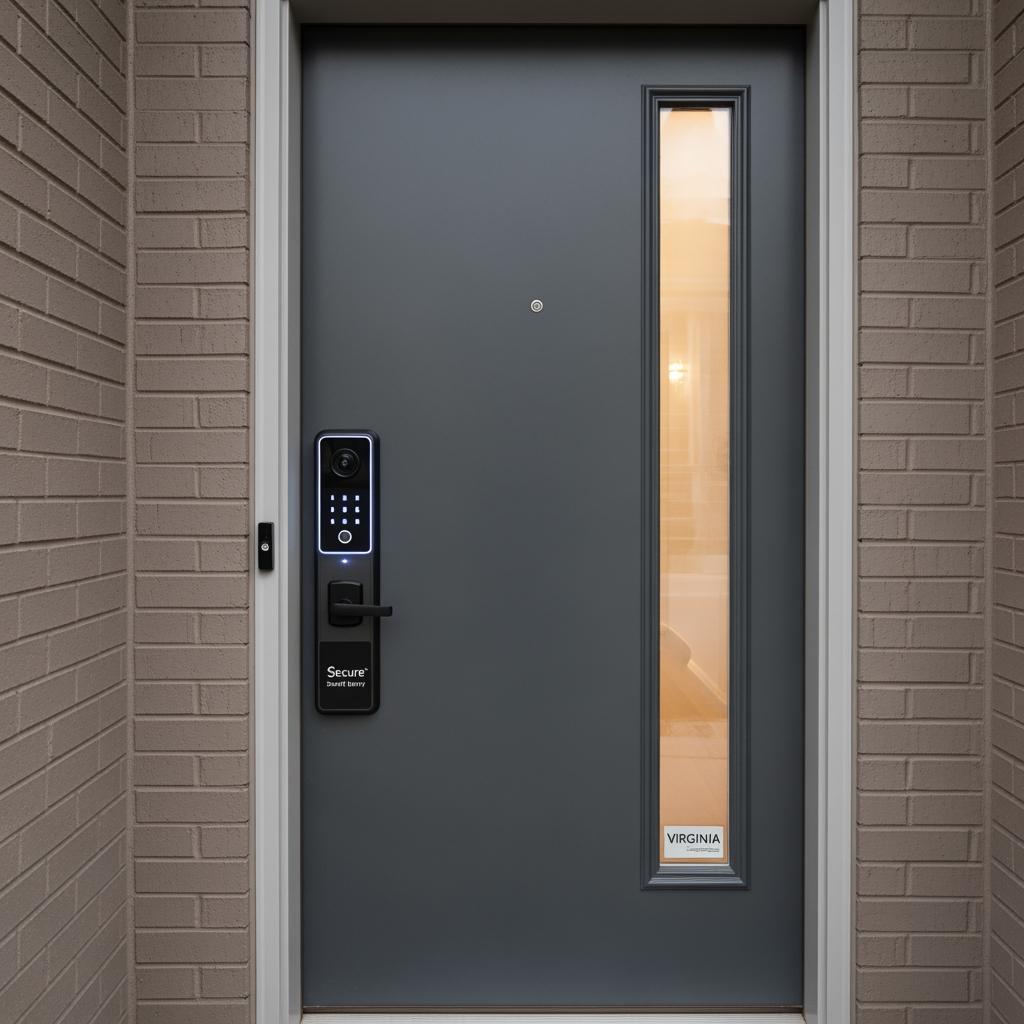
Keyless entry and smart deadbolt upgrades are often the first electronic door lock solutions Virginia residents consider when moving away from traditional keys. These systems replace the existing deadbolt with a keypad or touch-screen unit, sometimes with a hidden key override for emergencies.
For everyday life, the benefits are immediate: no more hiding keys under mats, changing locks when a roommate moves out, or worrying about kids losing their key on the way home from school. Instead, you assign unique PINs to each person and set rules—some codes work only during certain hours, others are one-time use for a contractor visit.
A practical upgrade path for VA residents might look like this: start with the main entry door, then extend keyless entry to a side or garage door, and finally add a compatible smart lock to an in-law suite or rental unit on the property. By phasing in upgrades, you can spread out costs while still standardizing around one or two reliable lock families.
For smart deadbolts connected to WiFi, consider your home’s router placement and signal strength near the door. Brick exteriors and older plaster walls in historic Virginia homes can weaken wireless signals. In those cases, you may need a WiFi extender near the entry or a lock that uses a bridge device positioned closer to your router.
Recommended provider: S & Y Internet Technology
Although based in New York, S & Y Internet Technology is a strong example of the kind of professional provider you want when evaluating keyless entry and smart deadbolt upgrades. They specialize in smart locks, video doorbells, and security systems, combining hardware installation with network configuration and remote monitoring setup. Their team is used to dealing with real-world issues like tricky door frames, existing equipment, and WiFi coverage gaps.
Because they integrate access control with broader smart-home or business networks, S & Y Internet Technology would be an excellent provider model to look for when you’re planning electronic door lock solutions for Virginia homes and apartments, especially if you also want cameras or remote monitoring. If you’re interested in how such a provider structures installation and support services, you can review their smart lock and security offerings and then request a customized plan for your own property through their contact page at S & Y Internet Technology.
WiFi and Bluetooth Electronic Door Locks for Virginia Apartments
WiFi and Bluetooth-based electronic locks are particularly attractive for Virginia apartments and condos because many residents are renting, sharing units, or hosting frequent guests. These locks connect directly to your phone or through a small bridge device to your home network, allowing for app control and flexible access sharing.
Bluetooth locks typically connect directly to your smartphone when you’re nearby, which can be more power-efficient and less dependent on a strong WiFi network. For renters in dense apartment complexes in Arlington, Reston, or Norfolk, Bluetooth can be more reliable if the building’s shared WiFi is weak or congested. You can often set your phone to unlock the door automatically when you approach, or tap to unlock within the app.
WiFi smart locks, on the other hand, excel at remote control. If you’re at work in another part of Virginia or traveling out of state, you can still check whether the door is locked, receive activity alerts, or let in cleaners or guests. Property owners who manage multiple apartments benefit most from these capabilities, as they can oversee several doors from a single dashboard or app.
When using these technologies in apartments, be mindful of lease requirements and building rules. Many landlords in Virginia require written permission before tenants change locks or modify doors. In these cases, choose retrofit-style smart locks that mount over the interior thumb-turn, leaving the exterior keyed cylinder unchanged. This lets you enjoy smart functionality without altering the landlord’s hardware.
Why Virginia Homeowners Are Switching to Electronic Door Locks
Virginia homeowners are increasingly replacing traditional keys with electronic door lock solutions for several overlapping reasons: convenience, security visibility, and flexibility in how they share access. In commuter-heavy regions like Northern Virginia, many families juggle early departures, late returns, kids’ activities, and service visits. Keypads and smart locks simplify these logistics.
From a security perspective, electronic locks reduce certain risks associated with physical keys. There’s no key to copy without your knowledge, and if a contractor or temporary guest no longer needs access, you can remove their code or digital key instantly. Activity logs on some locks provide a basic record of who entered and when, useful for tracking teen curfews or verifying that a dog walker came as scheduled.
Another driver in Virginia is the growth of remote work and hybrid schedules. When more people are in and out of the house during the day, deliveries, drop-ins, and short-notice appointments become more common. Smart locks integrate well with video doorbells, letting homeowners see who’s at the door and unlock it from a phone even while on a video call.
Finally, as more new construction includes pre-wiring and robust home networks, installing electronic locks is less of a technical leap. Builders and remodelers often pre-fit doors and frames to accommodate modern locksets, lowering install time and making smart access almost a default option in many newer communities.
Licensed and Insured Electronic Lock Installers in Virginia
When searching for professional help, focus on licensed and insured installers who have specific experience with electronic and smart door hardware, not just traditional locksmith work. In Virginia, that often means a locksmith or security contractor with state-level licensing where required, plus clear proof of liability insurance and, ideally, references or reviews mentioning smart lock projects.
During your initial consultation, ask about the brands and ecosystems the installer knows best, such as particular smart lock lines, alarm panels, or smart home platforms. An installer who regularly configures locks with video doorbells, network video recorders, or smart hubs will likely deliver a smoother setup than someone who only occasionally handles connected devices.
You should also clarify who will support you after installation. Electronic locks sometimes require firmware updates, battery replacements, or reprogramming after a power or network issue. A reliable installer will either offer ongoing support packages or at least provide clear instructions and documentation so you’re not stuck if a code needs to be reset.
Electronic Door Lock Costs and Pricing for Virginia Residents
Electronic door lock costs for Virginia residents vary widely based on hardware type, connectivity features, and installation complexity. Budget keypad locks without network features cost less but offer fewer capabilities than full smart locks integrated into a home security system.
To organize your planning, think in terms of hardware, installation, and any optional service or monitoring fees:
| Cost Component | Typical Range | What Influences Cost | Notes for Virginia Residents |
|---|---|---|---|
| Hardware (per lock) | Low to high depending on features | Brand, finish, smart features | Keypads cost less; WiFi smart locks with app cost more |
| Installation Labor | Varies by door and region | Door material, retrofitting needs | Older Richmond/Alexandria homes may need extra framing work |
| Optional Service Plans | Monthly or annual | Remote monitoring, support level | Useful if combined with cameras or alarm systems |
| Add-on Devices | Varies | WiFi bridges, extenders, door sensors | May be needed in large or brick homes |
For a typical Virginia single-family home doing a straightforward swap of one or two locks, hardware plus professional installation is often a one-time cost. Projects involving multiple doors, access control for separate basement or in-law units, or integration with cameras and alarms will understandably cost more, though they consolidate security and convenience.
If you want a more precise estimate based on your door types, age of the property, and preferred features, you can study how a professional installer structures their pricing by reviewing pages like S & Y Internet Technology’s installation and repair services and then use that as a benchmark when gathering local quotes in Virginia.
Electronic Door Lock Solutions for Virginia Rentals and Airbnbs
Short-term rentals and Airbnbs across Virginia—from mountain cabins near Shenandoah to city apartments in Richmond or Norfolk—benefit tremendously from well-designed electronic door lock solutions. The core need is to provide frictionless guest access while maintaining strict control over who can enter and when.
For these properties, time-limited access codes or virtual keys are essential. You might generate a unique code for each guest that activates at check-in time and expires at checkout. This eliminates key handoffs, late-night lockouts, and the risk of a prior guest returning uninvited. It also fits well with self-check-in expectations common on major booking platforms.
In multi-unit or mixed-use buildings, owners can separate access by zone: a main entrance lock plus individual unit locks. Cleaning staff and maintenance teams can have their own codes or credentials, set to specific windows after guest departures. This structure reduces operational friction and helps document who entered units between stays.
Owners should also consider visibility and communication. Clear instructions in booking messages and welcome guides about how to use the keypad or smart lock reduce guest anxiety. Photos of the lock and step-by-step instructions (for example, “enter code → wait for green light → turn handle”) help prevent confusion at night or in poor weather.
Because lock reliability is vital for guest experience and reviews, having a professional, security-focused provider involved is smart. Study service providers that combine access control with monitoring and network support—like S & Y Internet Technology’s smart lock service page—and then look for similarly skilled companies or branches that can support your Virginia rentals.
FAQs About Electronic Door Locks for Virginia Homes and Renters
FAQ sections are valuable for clearing up common concerns Virginia residents have before committing to electronic door lock solutions. Tenants often wonder about landlord approval, while homeowners worry about power outages, hacking risks, or what happens if their phone dies.
One frequent question is whether electronic locks still work during a power outage. Battery-powered smart and keypad locks keep functioning even when household electricity is off, though any WiFi-dependent remote features may go offline until power is restored. Another concern is lockouts when a phone is lost; most systems retain PIN codes or physical keys as backup, so you are not fully dependent on a smartphone.
Renters in Virginia should confirm in writing with their landlord or property manager before replacing any lock. Many landlords are happy to approve upgrades as long as they receive a master code or backup key and the hardware is from a reputable brand. In some cases, using an interior-only retrofit lock satisfies both parties by leaving the exterior hardware unchanged.
How Electronic Door Locks Improve Security in Virginia Rentals
Electronic door lock solutions can markedly improve security in Virginia rentals by tightening control over who has access and by reducing the risks inherent in traditional key management. With physical keys, it’s difficult to track how many copies exist or whether former tenants still have them. With electronic locks, you can schedule code changes between tenants as a normal part of your turnover checklist.
Another security benefit is auditability. Some smart locks maintain event logs, noting when a specific code was used. In shared housing or roommate situations, this can help clarify events (for example, confirming that a door was locked at a certain time) without resorting to confrontation. While these logs aren’t a substitute for professional security cameras or alarms, they provide helpful context.
For small landlords, consistent lock management across all units creates both a security and operational advantage. Using the same lock family and programming conventions simplifies staff training and reduces mistakes. It also makes it easier to carry spare parts and backup batteries. Over time, this consistency can lower maintenance costs and the likelihood of a lock-related emergency impacting tenant satisfaction.
FAQ: Electronic Door Lock Solutions for Virginia Homes and Apartments
Are electronic door lock solutions for Virginia homes reliable during power or internet outages?
Most residential electronic door locks in Virginia are battery-powered, so they continue to work during power outages. If the lock relies on WiFi, remote control features may pause when internet is down, but you can still unlock the door locally with a code, fob, or physical key.
Do electronic door lock solutions for Virginia homes and apartments increase the risk of hacking?
While any connected device carries some risk, reputable brands use encrypted communication and frequent updates to mitigate threats. You can further reduce risk by using strong, unique app passwords, enabling two-factor authentication where available, and keeping your home network secure.
Can Virginia renters install electronic door lock solutions without landlord approval?
In most cases, renters in Virginia must obtain landlord or property management approval before changing locks. Some landlords may allow interior retrofit smart locks that do not alter the exterior hardware, but written permission is still recommended to avoid lease violations.
How often should I change codes on electronic door lock solutions for Virginia homes and apartments?
For primary residences, many owners update temporary or guest codes after each visit and review permanent family or roommate codes annually. Landlords and Airbnb hosts typically change codes between every stay or tenant to maintain tight access control.
Are electronic door lock solutions for Virginia homes difficult to maintain?
Maintenance is generally minimal: replace batteries when low, test backup access methods periodically, and apply updates through the lock’s app when prompted. A quick monthly check—confirming the door closes smoothly and the deadbolt extends fully—helps ensure long-term reliability.
What features should Virginia homeowners prioritize when choosing electronic door lock solutions?
Homeowners should prioritize reliability, ease of use, and brand reputation first, then consider extras like remote access, integration with video doorbells, or activity logs. For rentals and busy households, time-limited codes and straightforward guest access are particularly valuable.
Can electronic door lock solutions for Virginia homes integrate with cameras and alarms?
Yes. Many modern electronic locks integrate with video doorbells, security cameras, and alarm systems either directly or via a smart home hub. This allows you to see who is at the door, unlock it remotely, and automate actions like arming the system when the door is locked.
Last updated: 2025-12-11
Changelog:
- Added detailed overview of lock types and best-fit use cases for Virginia properties.
- Expanded sections on WiFi/Bluetooth locks and apartment-specific considerations.
- Included rental and Airbnb-focused access strategies with time-limited codes.
- Added provider spotlight and guidance on working with professional installers.
- Updated FAQ with Virginia-specific renter and landlord concerns.
Next review date & triggers
Review this guide in 12 months or sooner if major smart lock platforms release significant security updates, new Virginia regulations impact landlord/tenant lock rules, or widely used hardware lines are discontinued.
If you’re ready to upgrade security and convenience at your Virginia home, apartment, or rental, outline how many doors you have, your property type, and whether you need remote access or guest codes. With that information, a provider modeled on S & Y Internet Technology’s smart access expertise can recommend an electronic door lock solution tailored to your needs, provide a clear quote range, and plan a smooth installation that minimizes downtime and maximizes peace of mind.

About the Author: S & Y Internet Technology Inc.
S & Y Internet Technology Inc. is a professional installation and repair service provider based in Flushing, New York. Our expert team provides door-to-door installation and maintenance within a 100 km radius, ensuring quick response and high-quality results for every project — whether residential, commercial, or specialized.

Install & Repair Services
You May Also Interest
-
Wireless Home Perimeter Camera System Connecticut for DIY-Friendly Setup
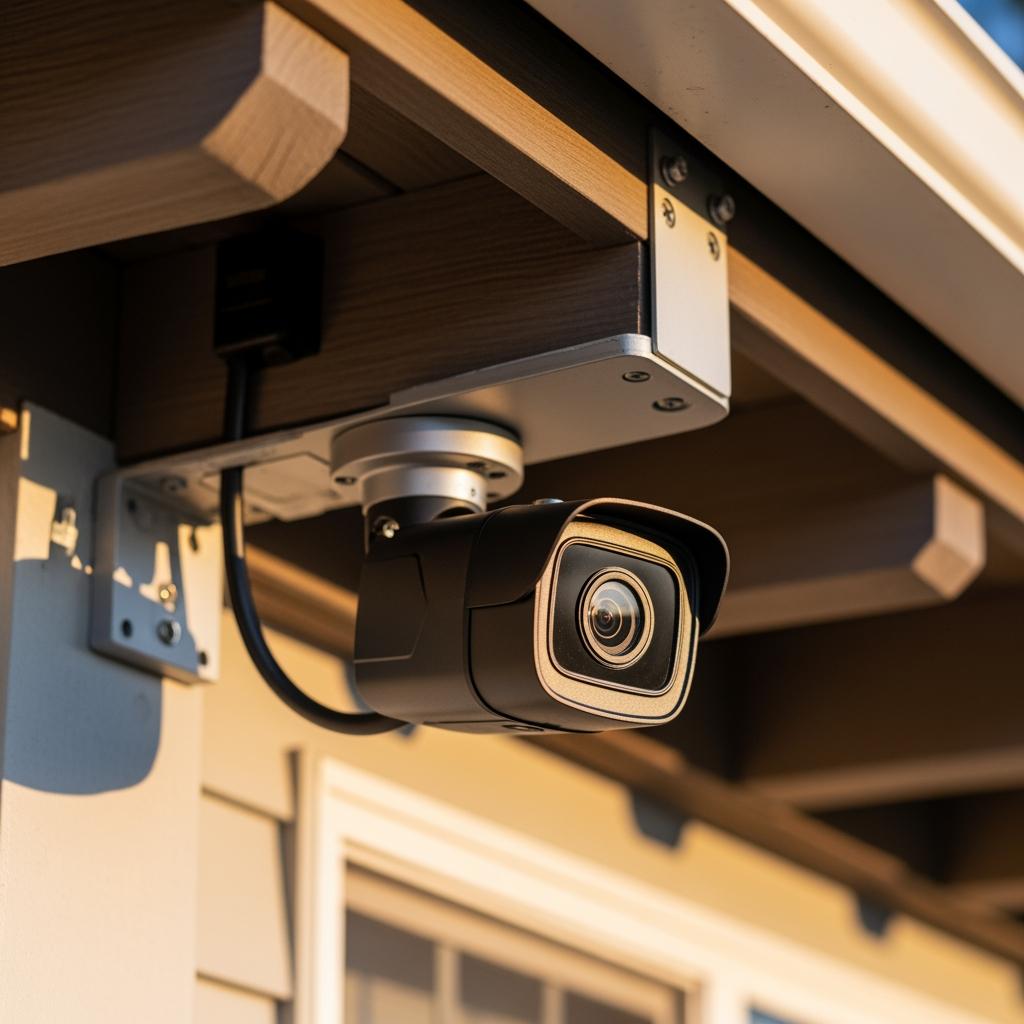
A well-designed wireless home perimeter camera system in Connecticut gives you eyes on every side of your property without tearing up walls or running long cables. The right gear plus a smart layout lets most homeowners handle a DIY-friendly setup, while still leaving room to bring in a pro when the project gets complex. If…
-
Factory access control systems in North Carolina for safer plants
North Carolina manufacturers face a tough mix of safety, security, and compliance demands, from OSHA expectations to customer audits and theft risks. Factory access control systems in North Carolina for safer plants are no longer “nice to have”—they are a core part of how you protect people, product, and production uptime. Done well, access control…
-
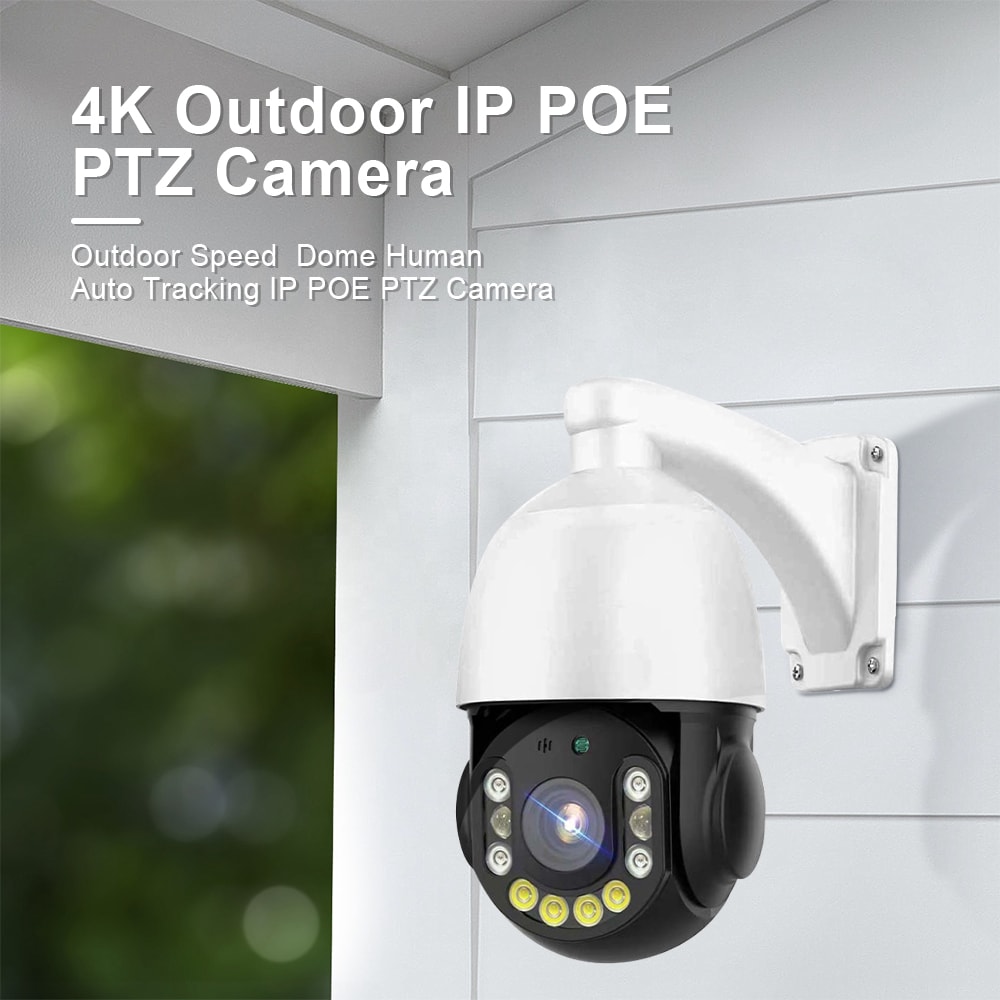
Hotel Security Camera Installation in North Carolina for Guest Safety
North Carolina hotel owners are under growing pressure to keep guests, staff, and property safe while controlling costs and protecting privacy. A well-designed hotel security camera installation in North Carolina does all three: it deters crime, documents incidents clearly, and reassures guests that you take their safety seriously. Done poorly, it wastes money, creates blind…
-
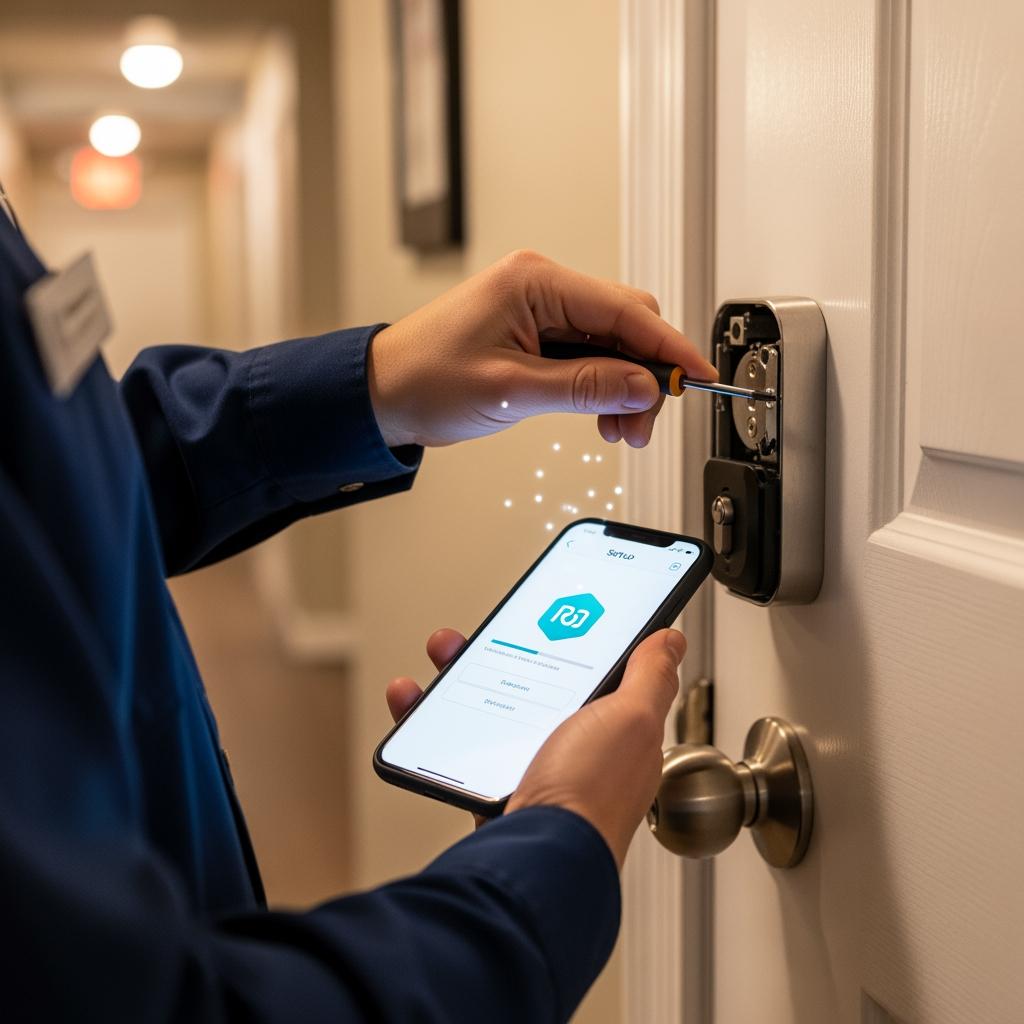
Complete Guide to Upgrading to Keyless Hotel Smart Locks in Virginia
Upgrading to keyless hotel smart locks in Virginia is one of the most impactful ways to modernize your property, increase security, and streamline operations. Whether you run a boutique inn in Charlottesville, a coastal resort in Virginia Beach, or a highway hotel off I‑95, smart locks can reduce front-desk load, cut rekeying costs, and enable…