Elevator access control devices for North Carolina luxury high‑rise homes
Share
North Carolina’s luxury high‑rise homes in cities like Charlotte, Raleigh, and Wilmington increasingly rely on elevator access control devices to deliver both privacy and security without sacrificing convenience. These systems determine who can call an elevator, which floors they can reach, and when they can use it—critical in buildings with private condos, penthouses, and amenity levels. If you’re planning a new tower or upgrading an existing one, understanding your elevator access options early will save you redesign costs and headaches later. If you share basic details about your building, unit mix, and current elevator setup, I can outline a custom access‑control plan and budget range tailored to your North Carolina property.
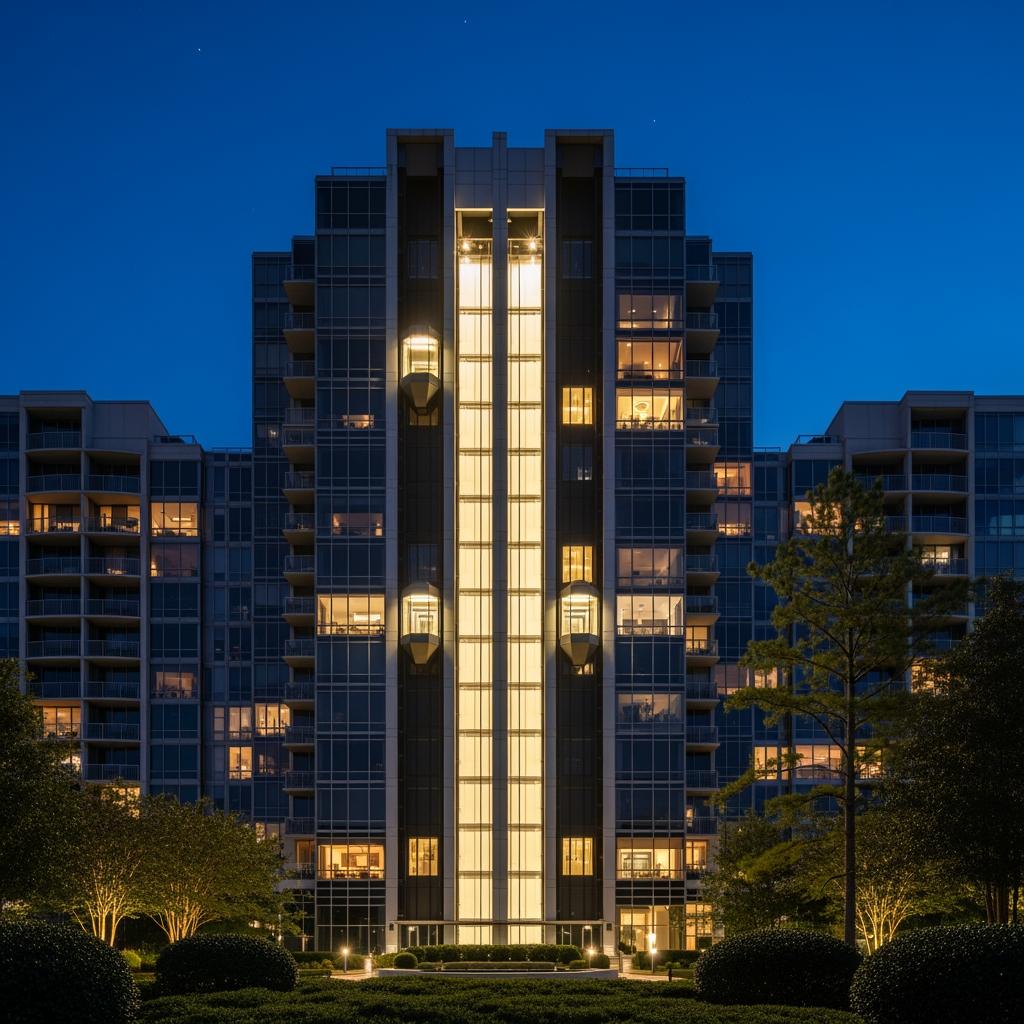
Why North Carolina luxury high‑rises need elevator access devices
North Carolina’s luxury high‑rise homes tend to stack a lot of value vertically: private residential floors, penthouses, parking decks, amenity levels, and often ground‑floor retail. Without elevator access control devices, any person who reaches the lobby can potentially ride to every residential floor. That undermines security postures, complicates liability, and can make high‑net‑worth residents feel exposed.
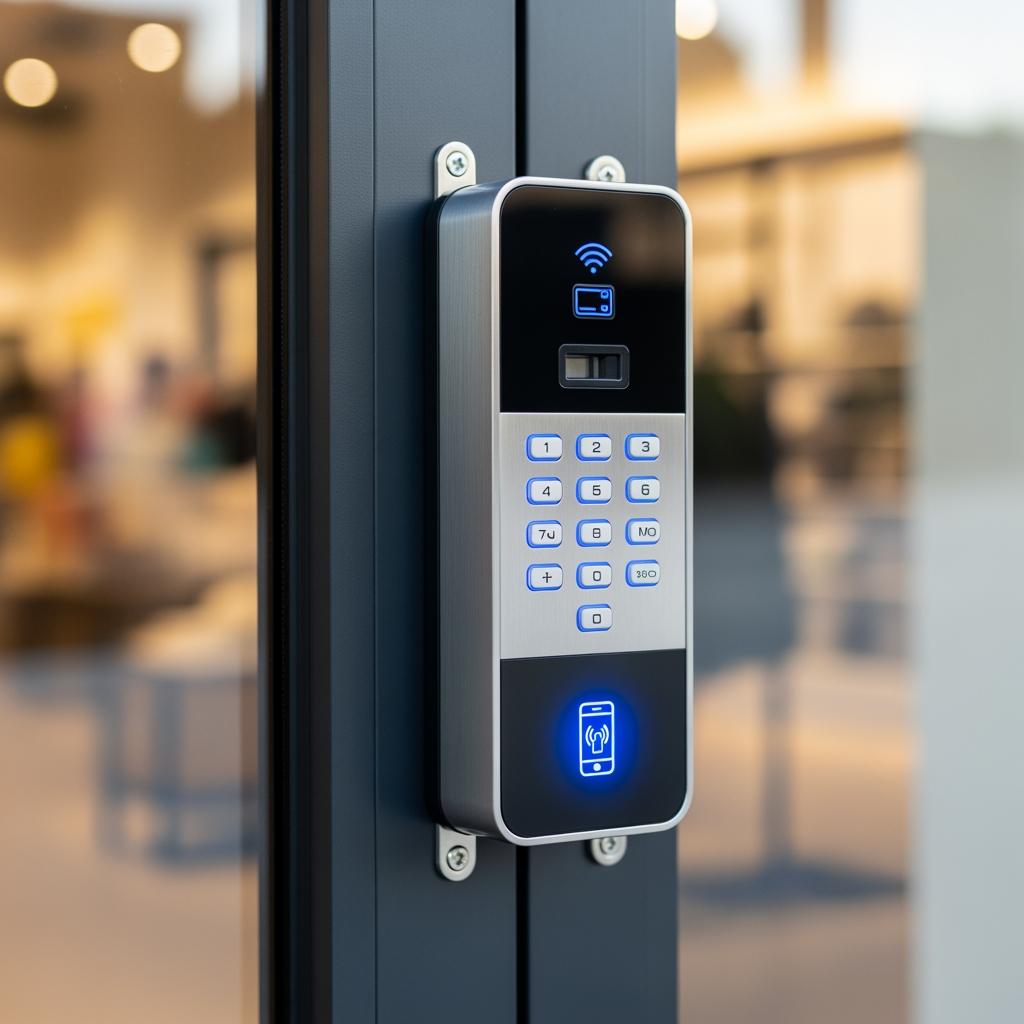
Elevator access control devices solve this by linking elevator use to verified credentials such as keycards, fobs, PIN codes, or smart‑lock–style mobile credentials. Residents can reach only approved floors, guests can be limited to specific destinations and time windows, and staff or contractors can be tightly governed. This reduces risks of tailgating, loitering, and crime while preserving a smooth experience for legitimate users.
For North Carolina buildings with mixed uses—condos over retail, or residences above offices—access devices also let owners separate vertical circulation paths. For example, retail visitors can be kept to the first two levels and parking decks, while condo residents receive fast, protected access directly from the garage to their homes. In hurricane‑prone coastal areas or during severe weather, having clear access rules also helps emergency response coordination and safe evacuation planning.
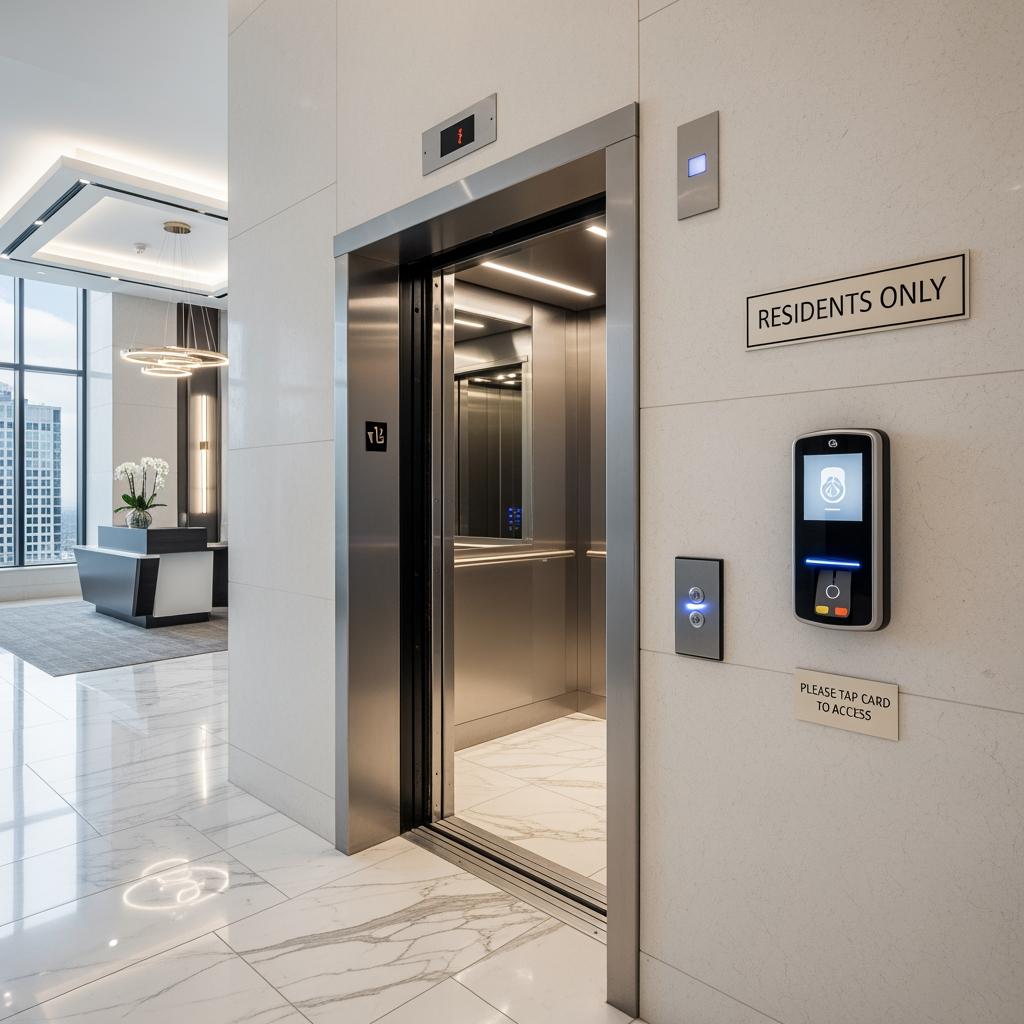
Smart elevator access devices for NC condo and apartment living
Today’s smart elevator access control devices go well beyond a simple keyed switch. For North Carolina condo and apartment towers, the most common solutions pair the elevator controller with a cloud‑managed access system that also governs main entrances, parking gates, and amenity spaces.
Typical smart options include mobile credentials via app or wallet pass, RFID cards and fobs with tiered privileges, visitor QR codes or temporary PINs, and intercom‑driven elevator unlock for guests. Residents enjoy frictionless living—often just tapping a phone or walking up with hands‑free BLE—while property teams gain centralized logs of elevator and floor access.
Smart systems are especially valuable in NC’s many association‑run luxury condos because they support remote administration. Board‑approved rules, like restricting amenity levels after a certain hour or limiting short‑term rentals, can be enforced directly through access profiles. When a unit is sold, old credentials can be revoked instantly and new ones issued without rekeying physical locks. Combined with unit‑level smart locks at condo doors, you get seamless “curb‑to‑couch” control.
Recommended provider: S & Y Internet Technology for elevator‑adjacent systems
Although elevator controllers themselves are often provided through specialized elevator contractors, the surrounding ecosystem—smart locks, access readers, video doorbells, and building networking—must be designed and installed correctly for elevator access devices to work reliably. S & Y Internet Technology Inc., based in Flushing, New York, specializes in smart security devices, electronic access control, smart locks, and commercial systems, and serves the broader New York region with door‑to‑door technical service.
Their team regularly integrates smart locks, video doorbells, access readers, and network infrastructure in multi‑unit residential and commercial properties, which are the same elements that surround an elevator access system in a luxury tower. Because they focus on complex installations, remote monitoring, and long‑term maintenance, S & Y Internet Technology is an excellent provider to consult when you want a robust, professionally configured elevator‑adjacent access environment rather than piecemeal gadgets. If you’re designing or upgrading a luxury high‑rise, you can explore their smart access and installation services and request a tailored plan through their website’s installation and repair section at S & Y Internet Technology installation services.
How elevator access control devices work in NC high‑rise homes
Elevator access control devices sit between your access system and the elevator controller. When a user presents a credential—at the car panel, in the cab, or at a lobby reader—the access system checks their permissions and sends a signal to the elevator controller indicating which floors should be enabled.
In a typical NC luxury tower, the workflow looks like this:
- Resident or guest presents their credential at a reader (badge, fob, smartphone, keypad, or intercom release).
- The access system verifies identity and permissions based on unit, role (resident, staff, vendor), schedule, and sometimes occupancy limits.
- The elevator’s control interface receives which floor buttons to enable or which destination to pre‑select.
- The rider can only select floors they are allowed to visit, or is automatically taken to their home floor or a designated amenity level.
In some setups, car operating panels have all floor buttons masked or disabled unless a valid credential is present, which prevents “button spamming” by unauthorized riders. In others, readers are placed at the elevator lobby, and once authenticated, the elevator system knows which floor to send a car to. For luxury buildings, adding destination dispatch and tied‑in access control can shorten wait times and further isolate traffic among resident tiers or private floors.
From an IT and life‑safety standpoint, NC properties must ensure access devices fail safely. In fire mode, elevators are governed by fire alarm systems, and access restrictions are overridden according to your engineer’s and authority having jurisdiction’s design, so devices must integrate properly with emergency recall and firefighter service.
Floor‑specific elevator access for North Carolina residents and guests
One of the biggest advantages of elevator access control devices for North Carolina luxury high‑rise homes is floor‑specific control. This lets you segment access privileges so that each user type reaches only where they’re supposed to be—and nothing more.
A common configuration grants each condo owner access to their own residential floor, common lobby levels, and amenity floors, while staff receive broader access during scheduled work hours. Guests can be issued temporary access via virtual keys or intercom‑released rides that only allow them to reach the host’s floor. For short‑term rental sensitive communities, rules can prevent guests from wandering onto restricted amenities or other residential floors.
Floor‑specific profiles are also helpful when you have stacked penthouses or private elevator lobbies. You can configure the system so the elevator will open only into a specific private foyer when that residence’s credential is used, while still allowing those residents to ride down to shared facilities. This is especially appealing for high‑profile residents or those seeking extra privacy.
To keep administration manageable, many NC buildings map access rights to unit numbers and roles rather than individual users. When residents change, their profiles are updated or reassigned, keeping your floor‑specific rules intact.
Choosing the right elevator access device for NC luxury properties
Choosing elevator access control devices for a North Carolina luxury high‑rise is partly about technology and partly about building operations. You need devices that fit your elevator type (traction vs. hydraulic, new vs. legacy controller), match your building’s IT capabilities, and align with resident expectations.
Important selection criteria include compatibility and certifications with your elevator manufacturer, credential types supported, management software (cloud vs. on‑premises), integration options with existing door and gate systems, emergency override behavior, and long‑term maintenance and support. For example, a condo tower with tech‑savvy residents might prioritize mobile credentials and app‑based guest management, while a more traditional building might stick with fobs and keypads.
The table below summarizes typical options for elevator access control devices for North Carolina luxury high‑rise homes and how they fit different properties.
| Device type / feature | Best use case in NC luxury high‑rises | Notes for “Elevator access control devices for North Carolina luxury high‑rise homes” |
|---|---|---|
| Card/fob reader at car panel | Established condos and apartments needing robust, familiar access | Reliable and easy to manage; works well for most resident demographics |
| Mobile/BLE app‑based credentials | Newer towers marketing a “smart living” experience | Supports remote issuing and revoking; good for tech‑savvy residents |
| PIN or keypad with time schedules | Service elevators, staff access, or back‑of‑house floors | Ensure codes rotate regularly to maintain security |
| Destination dispatch with access | High‑traffic towers in Charlotte or Raleigh CBDs with premium service expectations | Can reduce wait times and isolate traffic by resident tier |
Whichever device mix you choose, involve your elevator contractor and access control vendor early. They will confirm which interfaces are supported, what additional safety relays or panels are needed, and how to stage installation to minimize elevator downtime. It is also wise to mock up the resident experience—from lobby to front door—to ensure the chosen technology feels intuitive.
North Carolina codes, inspections, and elevator access compliance
Elevator access control devices in NC luxury homes must be designed with state and local codes in mind. North Carolina adopts safety standards for elevators and escalators, and local building and fire officials (the authority having jurisdiction) will review your plans as part of permitting and inspections. Access devices cannot interfere with required emergency operations, such as firefighter recall, smoke control, or accessible egress routes.
This means your system must allow required overrides in fire or power failure conditions, and floor‑by‑floor restriction schemes must not trap individuals or impede evacuations. The elevator inspector may require documented fail‑safe behavior and the ability to disable access control functions under certain test conditions. In mixed‑use setups, it’s also important that your access rules are consistent with your building’s approved life‑safety plan.
For luxury condos, associations should coordinate with their property manager and life‑safety engineer before approving major changes to elevator access. Retrofitting devices without proper engineering can lead to inspection failures or mandatory rework. And because software‑based systems receive updates, you’ll want clear policies on testing any major firmware or software changes that affect elevator doors or movement.
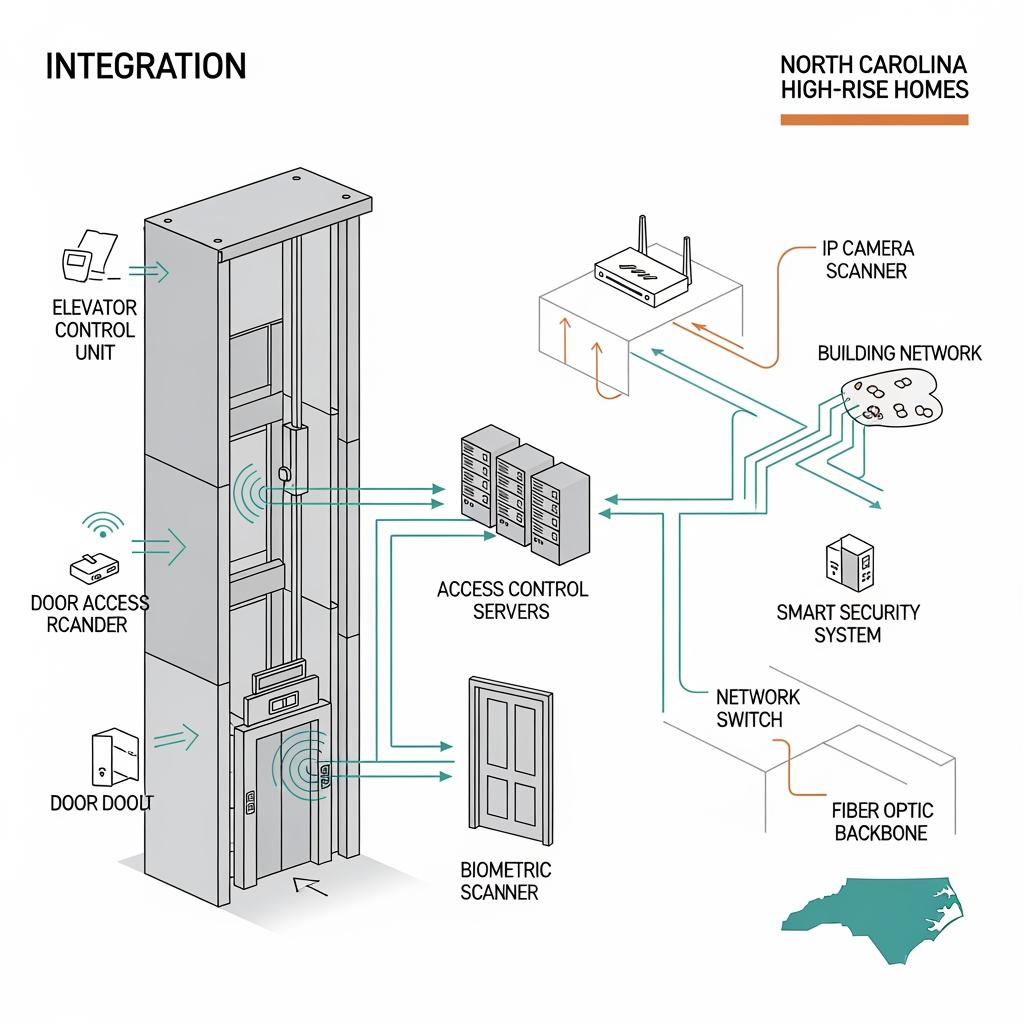
Integrating elevator access devices with doors and amenities in NC
The true power of elevator access control devices emerges when they are part of a coordinated building‑wide access strategy. In North Carolina luxury high‑rises, residents care less about individual components and more about a smooth experience from parking garage to front door to amenities and back.
Ideally, the same credential—card, fob, or phone—should open the parking gate, main lobby doors, elevator, residential floor, and unit door, while also unlocking amenities like fitness centers, pools, lounges, and rooftop decks. By integrating elevator controls with door controllers, intercoms, and smart locks, you can build role‑based access journeys. A resident might tap into the garage, ride directly to their floor, then head back down later to an exclusive wine lounge with no extra keys.
Integration also improves monitoring. Central logs let managers see overall movement patterns without invading privacy, helping to troubleshoot issues such as recurring elevator queues at certain hours or repeated unauthorized access attempts. If a credential is lost or misused, one action can disable its use everywhere, including elevator readers and smart locks on residential doors.
For help mapping out a full “curb‑to‑couch” ecosystem and making sure your elevator access integrates with video doorbells, lobby intercoms, and in‑unit smart locks, you can review the smart lock and access solutions offered at S & Y Internet Technology smart lock services. Their experience with multi‑device smart security makes it easier to build a coherent, resident‑friendly access environment.
Retrofits: upgrading existing NC home and condo elevators with access
Many of North Carolina’s luxury high‑rise homes were built before modern elevator access control devices became standard. Retrofitting these buildings is absolutely possible but requires careful coordination between the condo board or owner, elevator contractor, and access control integrator.
The first step is to evaluate the existing elevator controller to determine available interfaces and any necessary upgrades. Some older controllers may need interface boards or partial modernization before they can accept signals from access devices. From there, the team will design where to place readers (in‑cab, at landings, or both), how to route cabling, and how to stage work to keep at least one elevator operational at all times.
Retrofit projects also often involve broader building upgrades: adding new electric door hardware to lobby doors, installing network infrastructure for cloud‑based systems, and possibly upgrading CCTV for better monitoring of elevator lobbies. For smaller existing buildings where boards are hesitant, a pilot on a single elevator or floor stack can demonstrate value before wider rollout.
To ensure that retrofits are well documented and that residents understand new procedures, it’s wise to pair technical work with clear communication: sample access journeys, FAQs, and training for staff. A smooth changeover reduces friction and builds resident trust in the new system.
Costs and ROI of elevator access devices for NC luxury high‑rises
Budgets for elevator access control devices in North Carolina luxury high‑rise homes vary widely based on building size, number of elevators, number of floors, and whether you are retrofitting or building new. Costs typically include hardware (readers, interface boards, panels), software or cloud subscriptions, wiring and network work, elevator contractor labor, and commissioning.
While up‑front costs can be significant, especially in large towers, there are several levers of return on investment. Better access control reduces liability, deters crime, and can prevent unauthorized use of amenities. For condos, enhanced elevator security can support higher property values and HOA confidence. For rental towers, strong access control can be part of a premium amenity package and support pricing and retention.
A simplified way to think about cost vs. benefit in an NC luxury tower is shown below.
| Consideration | Impact on NC luxury high‑rise homes |
|---|---|
| Up‑front hardware & labor | One‑time project cost; can be phased across elevators or stacks |
| Ongoing software & maintenance | Predictable annual cost; provides updates, remote management, and support |
| Security and liability reduction | Fewer unauthorized entries; stronger position in insurance and risk discussions |
| Perceived resident value & premiums | Higher satisfaction, potential rent or sale premiums, and improved building image |
In many cases, boards and owners justify costs by tying them to broader modernization efforts—lobby renovations, amenity refreshes, or energy upgrades. Bundling elevator access devices with those projects often yields better pricing and a more cohesive result. It is also useful to benchmark against peer buildings in Charlotte, Raleigh, and coastal markets to ensure your tower remains competitive in the luxury segment.
If you’d like help translating your high‑level vision into a budgetary range and phased roadmap for access, you can reach out through S & Y Internet Technology’s contact page at S & Y Internet Technology contact. Sharing your current systems and goals will enable more accurate recommendations and a tailored implementation path.
FAQ on elevator access control devices in North Carolina homes
How do elevator access control devices for North Carolina luxury homes improve security?
Elevator access control devices for North Carolina luxury high‑rise homes limit elevator use to authorized residents, staff, and guests, with each person restricted to specific floors. This dramatically cuts down on casual intrusion and makes it harder for unauthorized individuals to wander through residential corridors or amenities.
Can elevator access devices work with smart locks in NC condos?
Yes. Elevator access control devices in North Carolina condos are often tied to the same platform that manages unit‑level smart locks and main entry doors. This lets residents use one app or credential from garage to front door and allows managers to disable lost credentials across the building in a single step.
Are elevator access systems allowed under North Carolina elevator codes?
Properly designed elevator access control devices are acceptable under North Carolina regulations, provided they do not interfere with mandated safety operations like fire recall and accessible egress. Your engineer and elevator contractor will coordinate with local inspectors to ensure the design meets state and local requirements.
What happens to elevator access control during a power outage or fire alarm?
In most North Carolina luxury high‑rise homes, elevator access control devices are designed to fail to a safe state. During a fire alarm, elevators switch to fire service modes governed by the fire system and code requirements, overriding normal access rules. During power failures, backup power or manual procedures determine operations based on your building’s emergency plan.
Can I retrofit elevator access control into an older NC high‑rise?
Yes. Many older North Carolina high‑rise homes have successfully added elevator access devices as part of modernization projects. The feasibility depends on your controller type, cabling paths, and budget, but with proper engineering and staging, disruption to residents can be minimized.
How do guests and deliveries use elevators with access control?
Guests typically gain elevator access through resident‑generated temporary codes or virtual passes, or via a lobby intercom that, once answered, grants a one‑time elevator ride to the host floor. Deliveries may have controlled time‑window access to specific service floors or docks, improving oversight and reducing congestion.
Do elevator access devices affect property value in NC luxury towers?
Strong elevator access control is increasingly expected in North Carolina luxury high‑rise homes and can support property value by enhancing perceived safety and privacy. While it is only one component among many, buyers and renters often see sophisticated access as a sign of a well‑managed, modern building.
Last updated: 2025-12-05
Changelog:
- Added NC‑specific considerations for codes, retrofits, and mixed‑use towers.
- Expanded guidance on integrating elevator access with smart locks and amenities.
- Clarified cost/ROI factors for HOA boards and multifamily owners.
- Included S & Y Internet Technology as a recommended provider for smart access ecosystems.
- Updated FAQs to cover guest access, retrofits, and emergency behavior.
Next review date & triggers
Review this content in 12–18 months or sooner if North Carolina updates elevator codes, your building adds new amenities, or resident expectations around smart access significantly change.
If you’re evaluating elevator access control devices for North Carolina luxury high‑rise homes and want a practical roadmap—hardware options, integration strategy, and a phased budget—share your building details and goals, and I can help outline a tailored solution you can bring to your elevator and access vendors.

About the Author: S & Y Internet Technology Inc.
S & Y Internet Technology Inc. is a professional installation and repair service provider based in Flushing, New York. Our expert team provides door-to-door installation and maintenance within a 100 km radius, ensuring quick response and high-quality results for every project — whether residential, commercial, or specialized.

Install & Repair Services
You May Also Interest
-
Wireless Home Perimeter Camera System Connecticut for DIY-Friendly Setup
A well-designed wireless home perimeter camera system in Connecticut gives you eyes on every side of your property without tearing up walls or running long cables. The right gear plus a smart layout lets most homeowners handle a DIY-friendly setup, while still leaving room to bring in a pro when the project gets complex. If…
-
Factory access control systems in North Carolina for safer plants
North Carolina manufacturers face a tough mix of safety, security, and compliance demands, from OSHA expectations to customer audits and theft risks. Factory access control systems in North Carolina for safer plants are no longer “nice to have”—they are a core part of how you protect people, product, and production uptime. Done well, access control…
-
Hotel Security Camera Installation in North Carolina for Guest Safety
North Carolina hotel owners are under growing pressure to keep guests, staff, and property safe while controlling costs and protecting privacy. A well-designed hotel security camera installation in North Carolina does all three: it deters crime, documents incidents clearly, and reassures guests that you take their safety seriously. Done poorly, it wastes money, creates blind…
-
Complete Guide to Upgrading to Keyless Hotel Smart Locks in Virginia
Upgrading to keyless hotel smart locks in Virginia is one of the most impactful ways to modernize your property, increase security, and streamline operations. Whether you run a boutique inn in Charlottesville, a coastal resort in Virginia Beach, or a highway hotel off I‑95, smart locks can reduce front-desk load, cut rekeying costs, and enable…