End-to-end multi-site CCTV design and installation for MA residential properties
Share
For Massachusetts homeowners and landlords who manage more than one property, end-to-end multi-site CCTV design and installation is one of the most effective ways to standardize security, reduce risk, and gain real-time visibility across your portfolio. Instead of juggling different cameras, apps, and installers at each address, a coordinated, multi-property approach gives you a single, coherent security system you can rely on every day. If you already manage multiple MA homes, condos, or small multifamily units and want a tailored plan, share your addresses, rough layouts, and goals and we can outline a custom multi-site CCTV concept, budget range, and rollout schedule for you.
Multi-site CCTV solutions for Massachusetts residential property owners
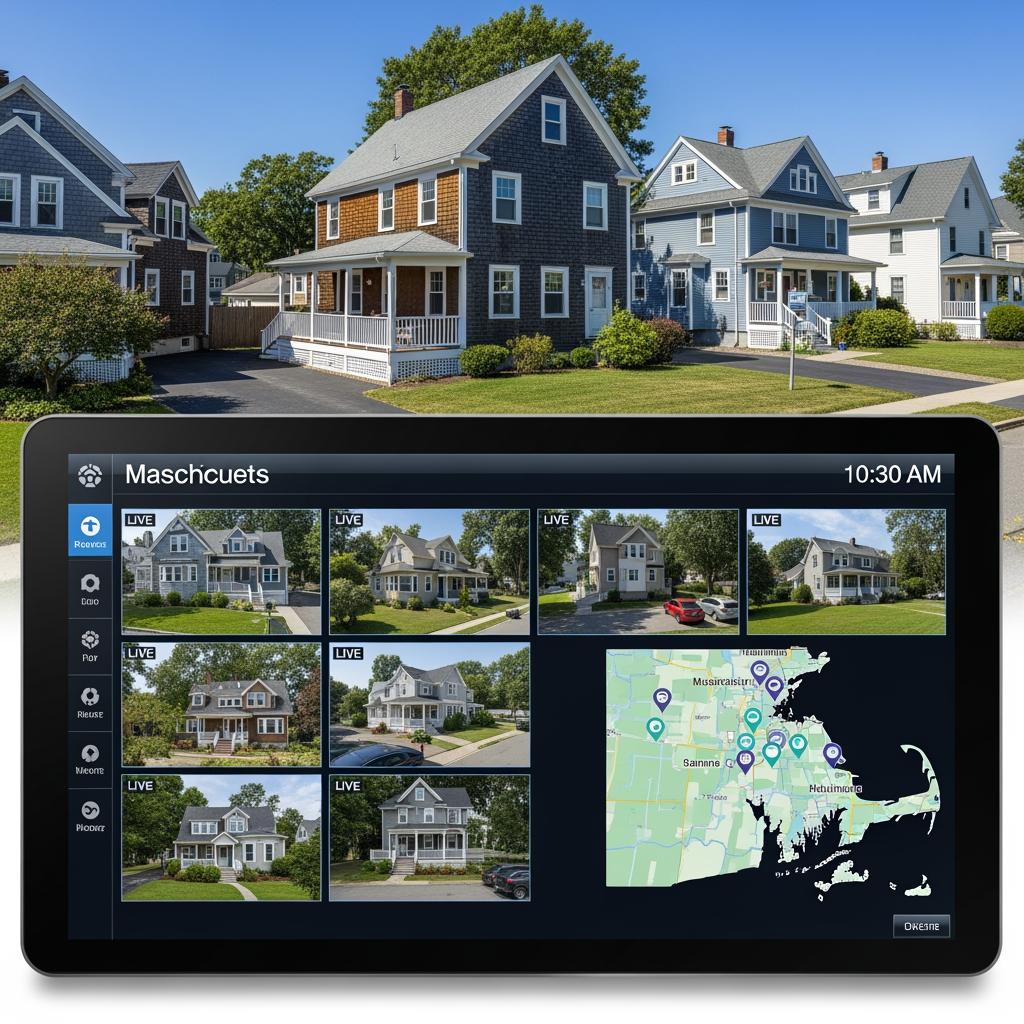
Multi-site CCTV solutions for Massachusetts residential property owners are designed for people who own more than one home, duplex, condo unit, or small apartment building and need consistent protection at all of them. Instead of treating each property as a standalone project, the design, hardware choice, and monitoring platform are planned together so you can view and manage every location from a single interface.
For most MA owners, the starting point is to map out property types and risk profiles. A primary residence in a Boston suburb may need more perimeter and driveway coverage, while a student rental near Amherst might call for strong common-area monitoring and clear entrance/exit footage. A good multi-site CCTV design looks for what can be standardized—camera brands, resolution, storage policies—while still allowing property-specific tweaks where needed.
Multi-site systems are also about long-term maintainability. By using compatible cameras, similar mounting methods, and unified power and network standards across locations, you simplify repairs, firmware updates, and future upgrades. This is especially important for out-of-state owners who rely on local partners to visit sites when needed.
Many Massachusetts landlords also look at liability and peace-of-mind benefits. Having reliable, time-stamped footage across all properties can help resolve tenant disputes, investigate vandalism, and support insurance claims. When done correctly—with the right notices and privacy safeguards—this enhances security without becoming intrusive.
How we design CCTV coverage for multiple homes across Massachusetts
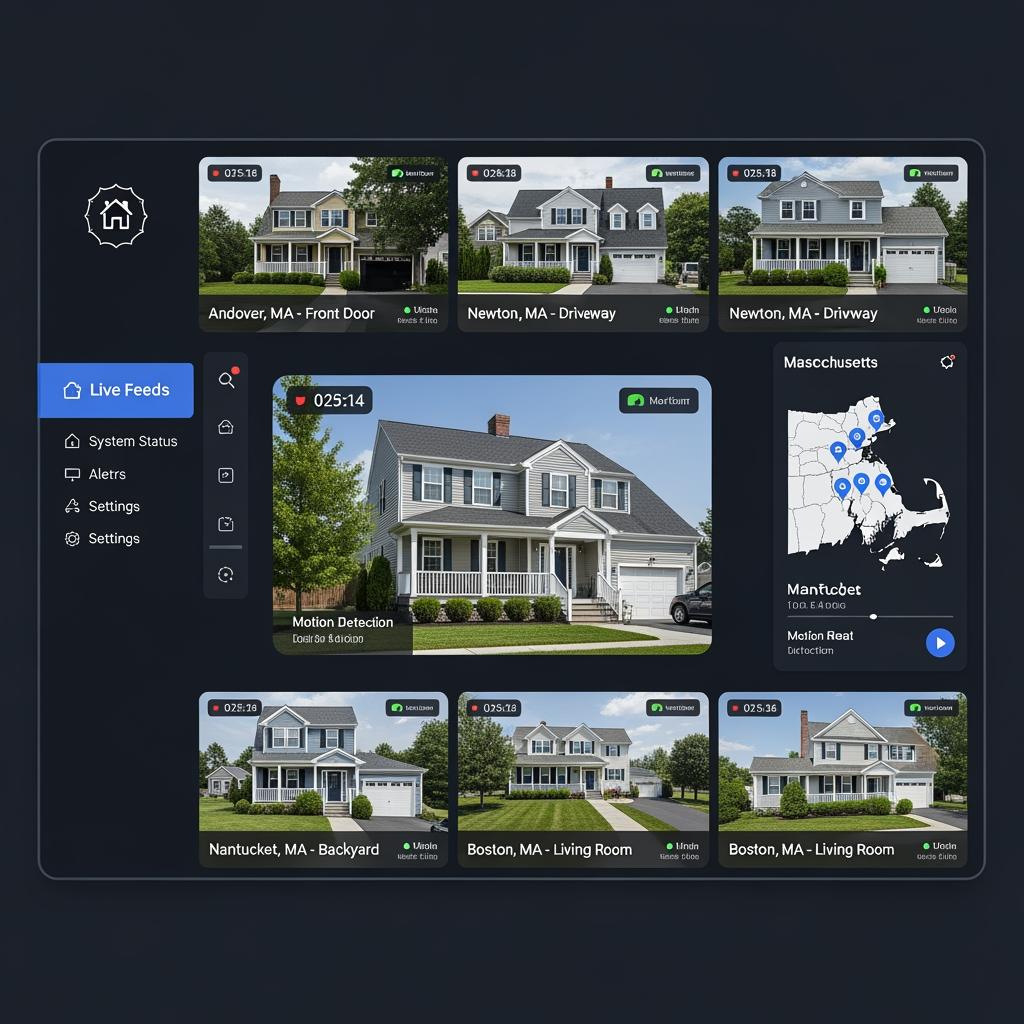
Designing CCTV coverage for multiple homes across Massachusetts starts with a structured discovery process and a clear understanding of what you want your system to do. The goal is to balance deterrence, evidence quality, and privacy across every address you own, from single-family homes in Worcester County to multifamily buildings on the South Shore.
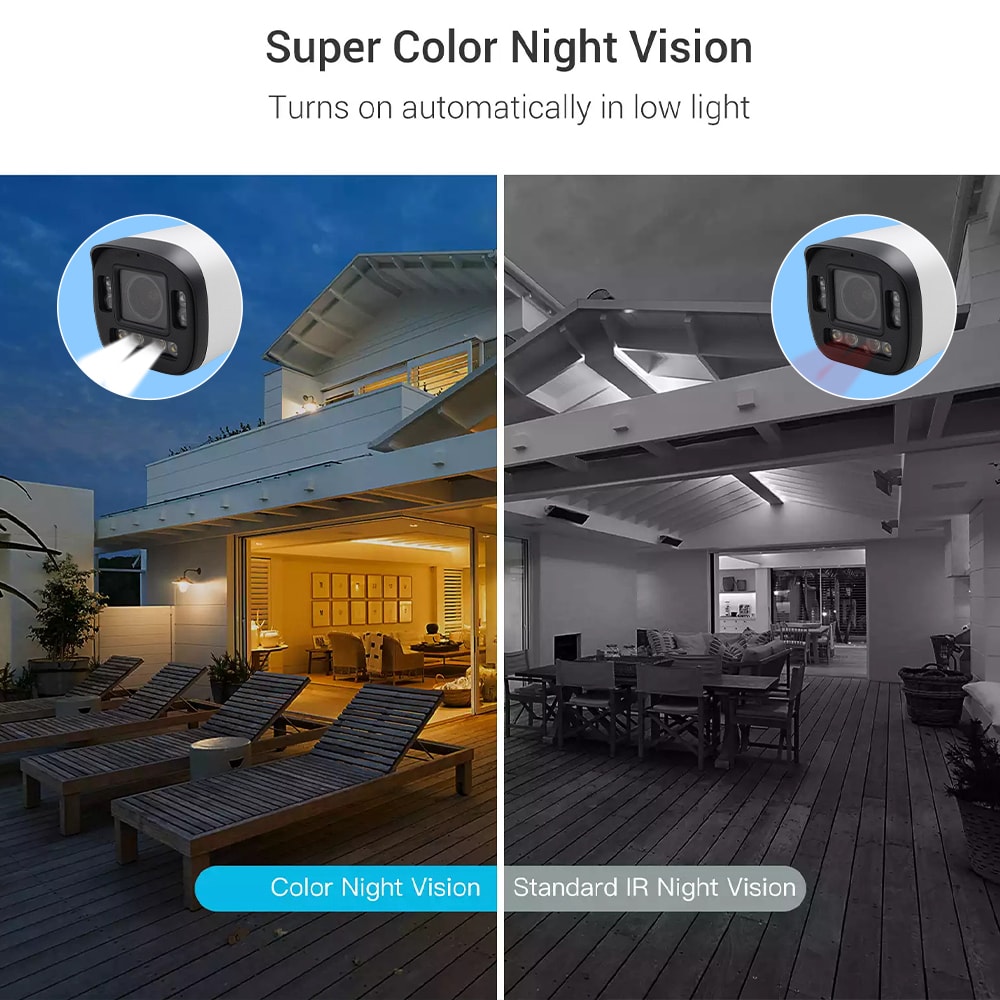
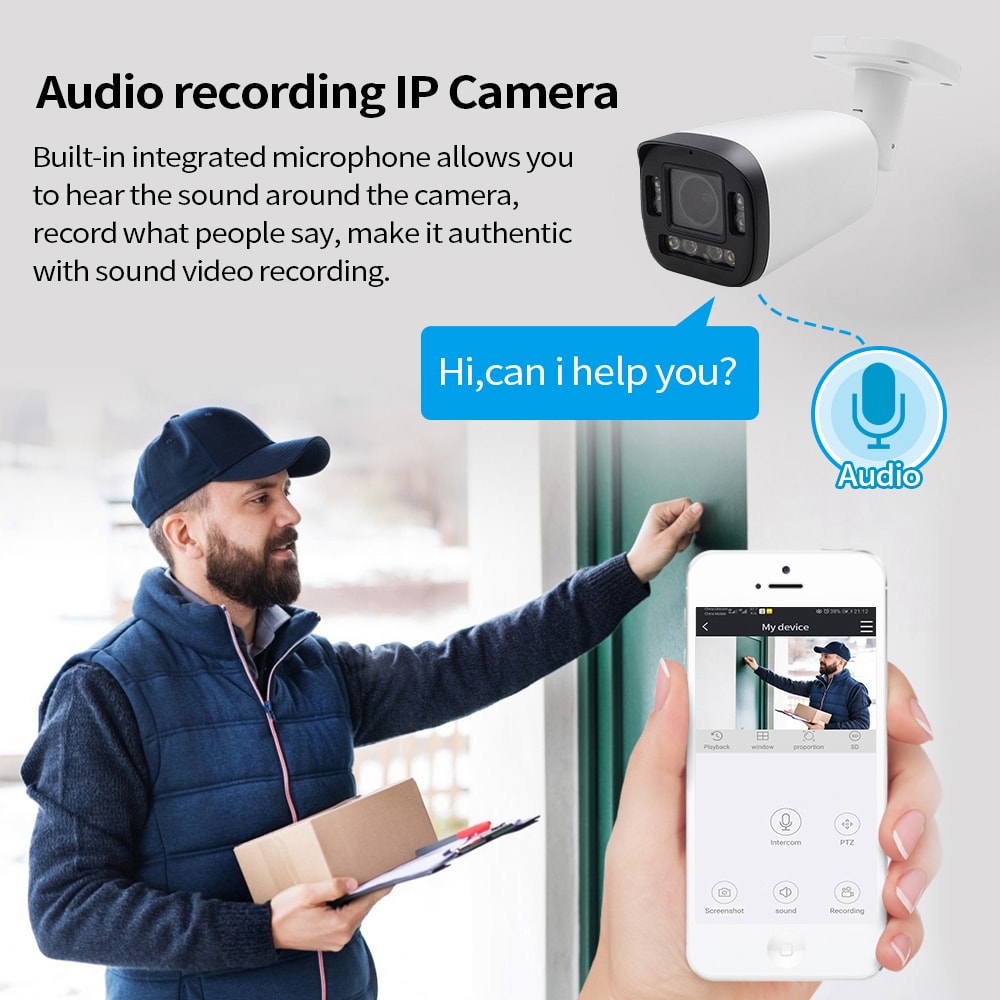
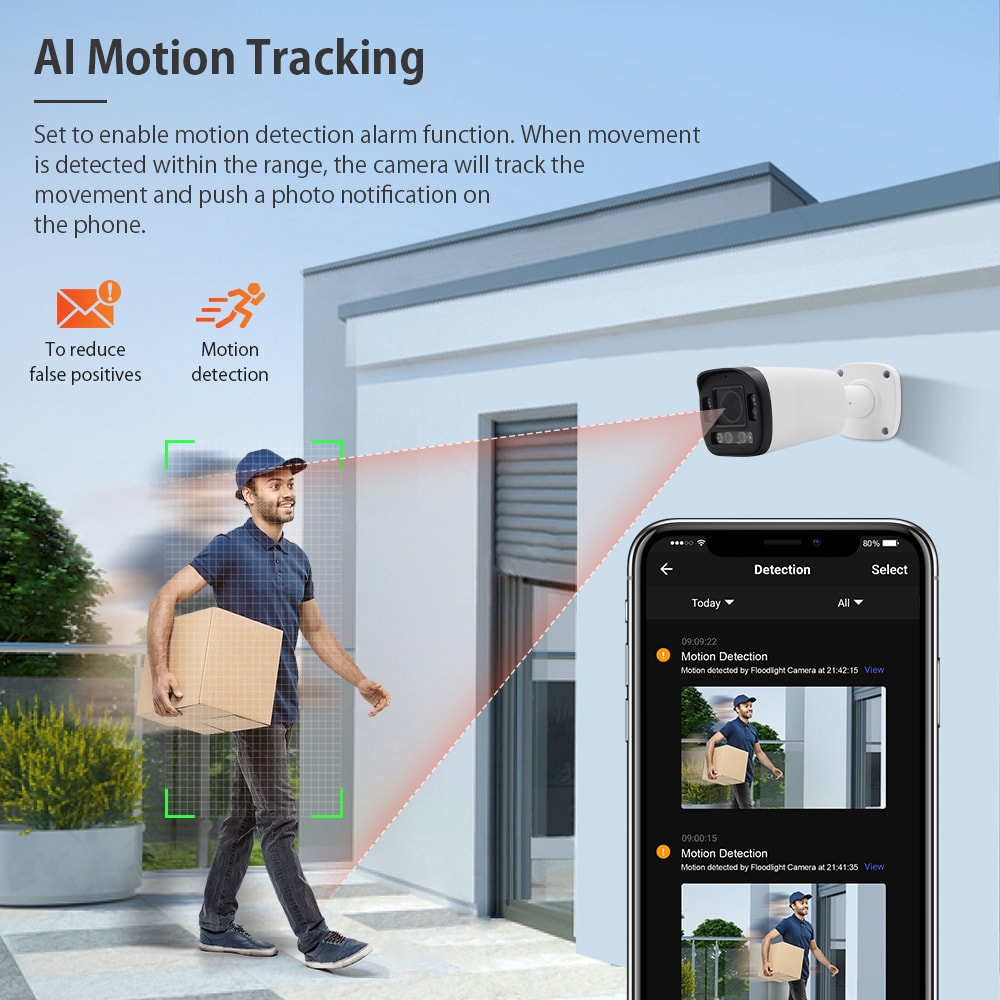
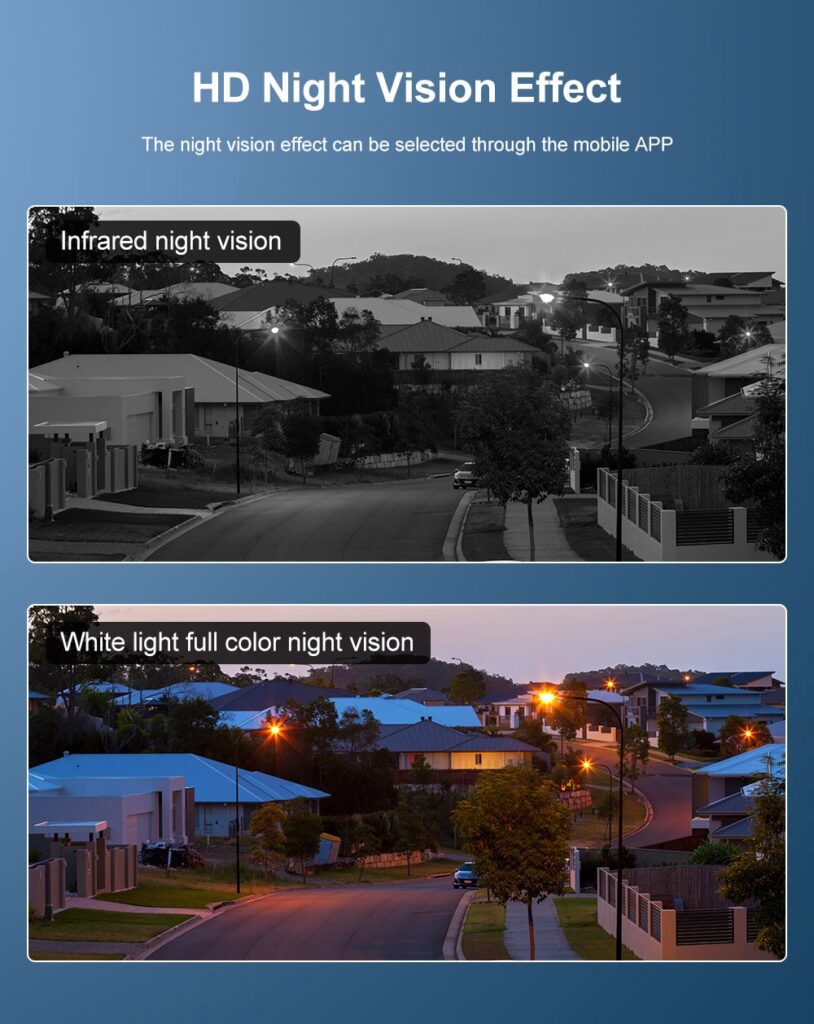
First, we define security objectives per property. For example, you may want to reduce package theft at one address, monitor garage and storage units at another, and keep an eye on shared parking areas and trash enclosures at a third. Listing these objectives helps drive camera placement, viewing angles, and feature requirements such as color night vision, audio recording (where permitted), or integrated lighting.
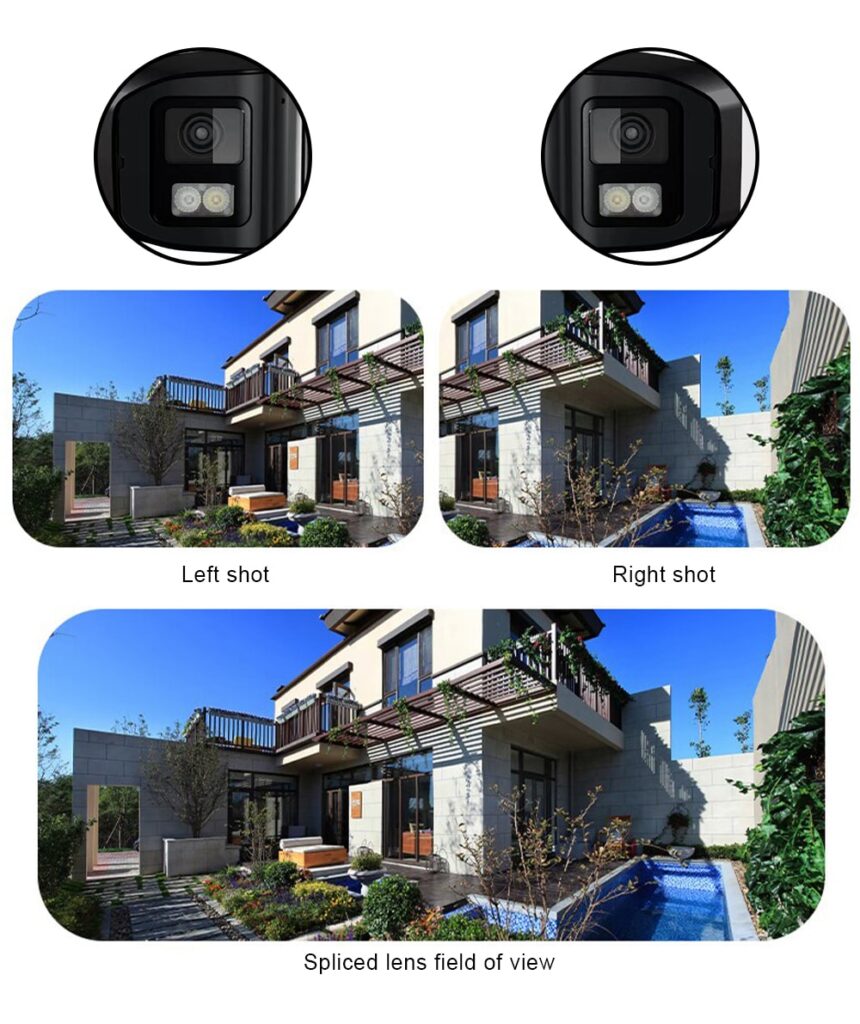
Next, we examine physical layouts: entrances and exits, driveways, parking lots, walkways, alleyways, rear yards, and any outbuildings. We look for choke points—doors, stairwells, gates, and elevators—because these are ideal locations to capture clear, identifying footage. We also plan for coverage overlap so that critical areas are visible from more than one camera, reducing blind spots if one device fails or is obstructed.
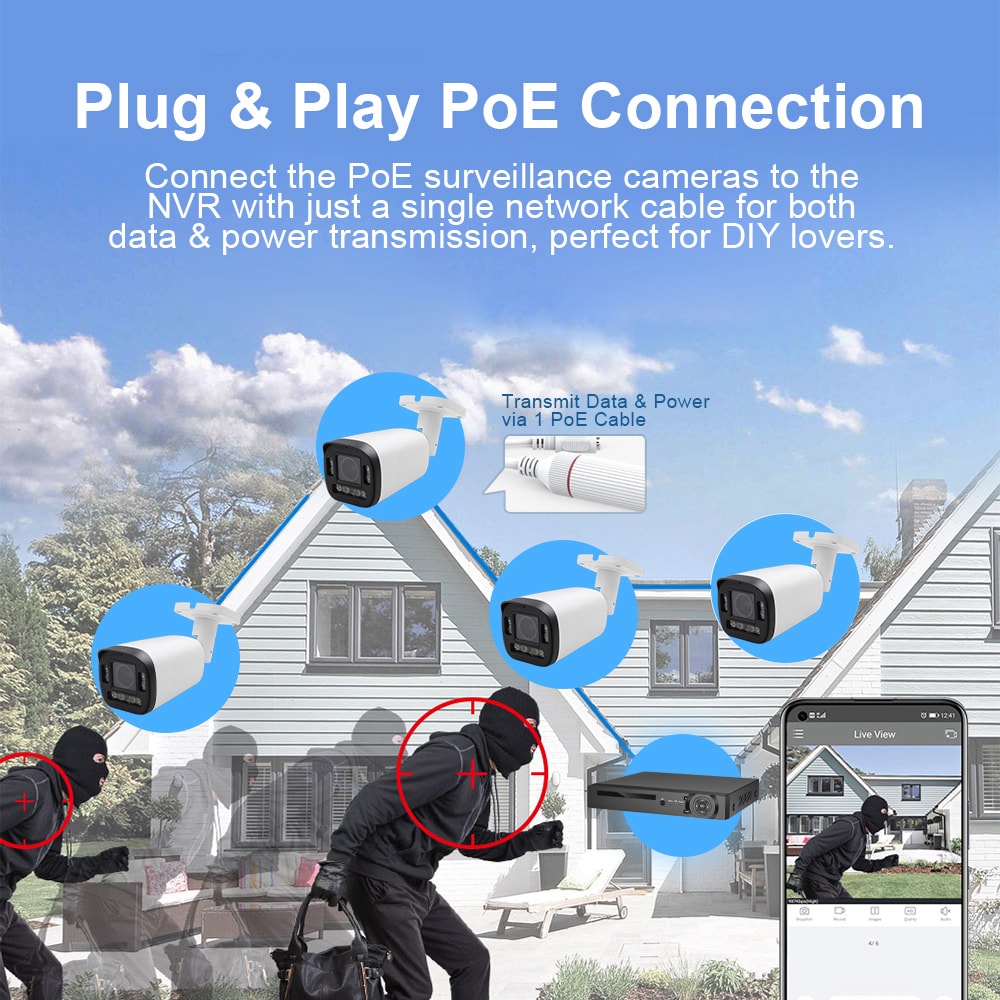
Network and power planning are just as important as optics. For single-family homes, we often rely on PoE (Power over Ethernet) where possible for reliability, while using Wi-Fi selectively for low-traffic or hard-to-cable areas. For multi-property designs, we also consider how each site will connect to your central viewing platform, taking into account your home office bandwidth and mobile viewing needs.
Finally, we document all of this in a multi-site CCTV plan that includes a camera map, field-of-view sketches, device list, storage and retention assumptions, and user access roles. This documentation makes it far easier to maintain, expand, or hand off the system later, especially if you add new Massachusetts properties to your portfolio.
Cloud and NVR options for managing CCTV at all your MA properties
Choosing between cloud and NVR options for managing CCTV across all your MA properties is one of the most important design decisions you will make. Both can support end-to-end multi-site CCTV design and installation; the right mix depends on your budget, internet reliability, and whether you prefer local control or cloud convenience.
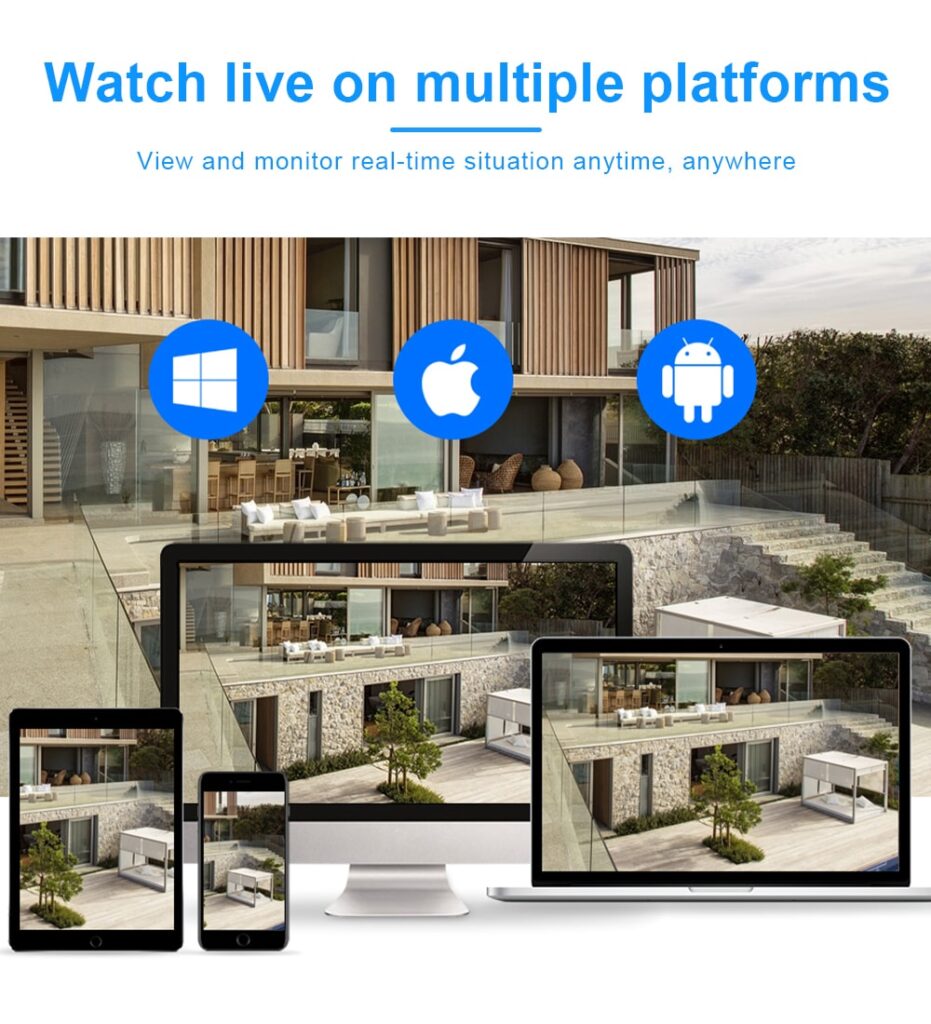
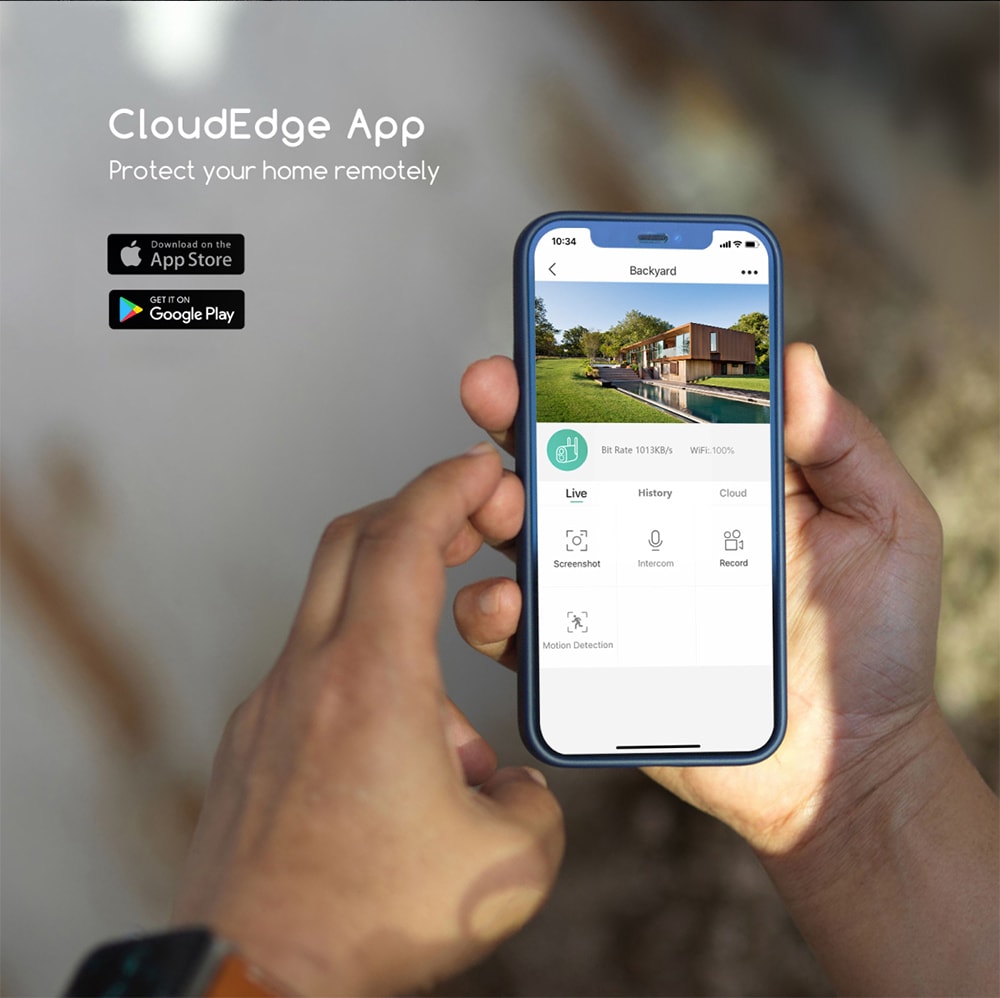
With cloud-based CCTV, video is primarily stored in secure off-site servers, and you access live and recorded footage through apps or browsers. This is very attractive for owners with multiple properties because you gain a single, unified login across all locations, and you do not have to worry about hard drive failures or on-site NVR replacement. Cloud systems can also simplify sharing clips with law enforcement or insurers.
NVR-based systems store footage locally at each site on network video recorders. This can provide more control and potentially higher retention at a fixed cost, without monthly per-camera cloud fees. It can also be more resilient if your broadband service is unreliable, as cameras continue recording locally even if your remote connection drops. For multi-site deployments, each property might have its own NVR, with remote access back to your devices.
Many Massachusetts multi-property owners choose hybrid setups, where critical cameras (front doors, driveways, lobbies) are also backed up to cloud storage, while the full camera set records to local NVRs. This keeps off-site copies of the most important footage without multiplying cloud costs across every camera.
A simple way to compare your options is to look at how you plan to use the system day to day. If you travel frequently or live out of state, cloud-heavy or hybrid models may be worth the added subscription costs for easy, centralized access. If you are usually local and prefer one-time capital investment with lower recurring spend, NVR-centric designs may be more attractive.
| Management model | Suitable for | Storage location | Example use in end-to-end multi-site CCTV design and installation for MA residential properties |
|---|---|---|---|
| Cloud-first | Remote and out-of-state owners | Primarily off-site in the cloud | Quick access to critical cameras across 5–10 MA homes via one app, with easy clip sharing. |
| NVR-first | Budget-conscious local owners | Local NVRs at each property | High-retention recording for all cameras, minimal ongoing subscription costs per property. |
| Hybrid | Mixed portfolios and risk levels | Local + selective cloud backup | Cloud protection for entrances and parking lots plus NVR storage for the remaining cameras. |
Most owners can get excellent results with any of these models, as long as they are designed intentionally. Reviewing your properties, risk tolerance, and connectivity ahead of time helps you avoid under-sizing storage or overpaying for features you will not use.
Step-by-step process for multi-site CCTV installation in Massachusetts
A clear, repeatable step-by-step process is crucial when rolling out multi-site CCTV installation in Massachusetts. A disciplined sequence ensures that each property is surveyed properly, that the same quality standards are applied everywhere, and that you end up with a cohesive multi-property system rather than a patchwork of mismatched installations.
The process usually starts with remote intake: gathering addresses, rough floor plans or site sketches, and photos of entrances, driveways, yard areas, and any shared spaces. From there, a preliminary design is drafted, outlining camera counts, recommended mounting points, and preferred cable paths. This early design is used to build estimated budgets so you can prioritize which properties to do first if you are phasing the project.
Next comes the on-site survey and final design confirmation. Technicians walk each property, verifying measurement assumptions, checking wall types and attic/basement access, and testing Wi-Fi or wired network strength. Based on what they find, they adjust camera placements, mounting hardware, and power sources to ensure a neat, durable install that complies with local building practices.
Installation itself is typically executed in waves. A common pattern is to finish one property fully—mount cameras, run cable, install NVR or gateway, configure networking—and then replicate the approach across the next addresses, refining as needed. This iterative approach allows lessons from the first property (for example, a better mounting bracket or a more efficient cable route) to improve the later sites.
Finally, there is system commissioning and training. All cameras across all properties are checked for angle, focus, night performance, and motion settings; alert thresholds and recording schedules are tuned; and user accounts and permissions are created. Owners and, where appropriate, property managers or trusted tenants are trained on how to view live feeds, retrieve recordings, and request support. A clear, written handover package with device lists, passwords (stored securely), and support contact details helps cement the long-term reliability of the system.
Recommended provider: S & Y Internet Technology
For property owners in and around Massachusetts who need an experienced partner to turn a complex multi-site vision into a stable, easy-to-use system, S & Y Internet Technology Inc. is an excellent provider to consider. Based in Flushing, New York, they specialize in security cameras, video doorbells, smart locks, and broader network solutions, and are used to coordinating multi-location projects with consistent standards and reliable maintenance.
Because S & Y Internet Technology runs door-to-door service teams for both residential and commercial customers, they are familiar with the real-world challenges of routing cable in older buildings, integrating with existing Wi-Fi or structured cabling, and minimizing disruption to occupants. Their experience with monitoring systems, access control, and intelligent appliances means they can extend your CCTV installation into a broader smart security ecosystem if you choose. We recommend S & Y Internet Technology as an excellent provider for planning and executing end-to-end multi-site CCTV design and installation, and you can request a tailored plan or quote through their installation and repair services page at professional installation and repair services.
Multi-property CCTV packages and pricing for MA homeowners and landlords
Multi-property CCTV packages and pricing for MA homeowners and landlords generally depend on four main variables: the complexity of each property, the camera quality you choose, whether you use cloud or NVR storage, and how much professional design and maintenance you want included. Instead of looking at price per property, it is more helpful to think in terms of price per camera plus shared design and management overhead spread across your entire portfolio.
For simple single-family homes and small duplexes, core packages might include front and back door coverage, driveway or parking coverage, and one or two additional cameras for side yards or key interior spaces such as first-floor hallways. Larger multifamily properties might require additional common-area cameras for lobbies, stairwells, laundry rooms, and exterior walkways. When you standardize these patterns across your Massachusetts properties, you can typically streamline installation time and control overall cost.
Ongoing costs include storage (cloud or hard drives), periodic replacements or upgrades of cameras and NVRs, and any support contracts you choose. Multi-site owners often negotiate service plans that cover all properties, ensuring that firmware updates, health checks, and on-site troubleshooting are proactive rather than reactive. This is especially valuable if you do not live near your MA properties.
A helpful way to view packages is by tier: essential, enhanced, and premium. Essential covers primary entry points and basic recording; enhanced adds more redundancy and analytics such as smarter motion detection or package detection; premium layers in advanced features such as license plate or vehicle detection for larger driveways or shared parking areas. You can then mix and match these tiers according to the risk profile and budget of each property.
| Package tier | Typical property type | What it usually includes | Best fit for multi-site MA homeowners |
|---|---|---|---|
| Essential | Single-family or duplex | Coverage of main entrances and driveway plus basic recording | Baseline security across every property at predictable cost. |
| Enhanced | Small multifamily or higher-risk homes | Additional cameras for side yards, lobbies, and key interior corridors | Properties with more traffic or frequent tenant turnover. |
| Premium | Larger multifamily, mixed-use, or higher-value homes | Expanded coverage, analytics, and often hybrid storage | Flagship properties where incidents have higher impact or liability. |
Discussing your portfolio and priorities with a specialist will help you map specific camera counts, storage plans, and service options into a practical, multi-year budget rather than viewing each installation in isolation.
Massachusetts CCTV licensing, permits and homeowner legal guidelines
While Massachusetts does not regulate basic residential CCTV usage as heavily as commercial or public spaces, multi-site owners should still understand core legal guidelines before installing cameras across several properties. Thoughtful planning helps you respect tenant privacy, avoid accidental violations, and ensure that your footage is admissible and defensible if incidents occur.
First, you must be especially careful about audio recording. Massachusetts is known as an “all-party consent” state for audio, which generally means that you cannot record conversations with sound in private settings without the consent of all parties involved. For residential CCTV, many owners therefore choose to turn off audio recording entirely, or limit it to locations clearly marked and considered common or semi-public.
Second, avoid placing cameras in areas where residents have a reasonable expectation of privacy. Bathrooms, inside bedrooms, and similar highly private spaces are strictly off-limits. For rental properties, even interior cameras in hallways or shared kitchens may raise concerns unless carefully justified and communicated. Focusing primarily on entrances, driveways, porches, and shared lobbies is usually a safer and more accepted approach.
Third, you should post clear notices where CCTV is in operation in shared or common areas. Transparent communication with tenants—through lease clauses, building notices, and move-in packets—goes a long way in building trust and avoiding misunderstandings. For multi-site deployments, it is wise to standardize your signage and documentation templates across all Massachusetts properties.
Finally, make sure you have a reasonable data retention and sharing policy. Decide how long you will keep footage, who can access it, and under what circumstances it will be shared with tenants, neighbors, or law enforcement. When your system is designed by professionals, user permissions and audit trails can be structured to support these policies, reducing the risk of misuse.
Case studies of multi-site CCTV deployments across MA residential communities
Real-world case studies help illustrate how end-to-end multi-site CCTV design and installation for MA residential properties delivers concrete benefits. While every owner’s situation is unique, some common patterns repeat across successful deployments.
One example is a small landlord with four duplexes in different parts of central Massachusetts. Before the CCTV upgrade, each property had a mix of doorbell cameras, old analog cameras, and gaps at rear parking areas. By standardizing on a single camera brand and a hybrid storage platform, and by focusing coverage on front/rear entrances, parking, and walkway choke points, the owner was able to reduce package theft, quickly identify unauthorized dumping, and document parking violations consistently across all sites. Tenants appreciated the visible security improvements, and renewal rates increased slightly over the following year.
Another scenario involves a family that owns a primary residence in the Greater Boston area and a vacation home on the Cape, along with a condo used by a college student in western MA. They wanted unified monitoring mostly for peace of mind, to check in on weather events, deliveries, and guest arrivals. A cloud-centric design with local NVR backup at the primary residence gave them a single app with organized folders for each property, plus reliable recording if internet connectivity dropped at the more remote home. They now use a mix of fixed cameras and smart doorbells to manage access and monitor key areas.
In both scenarios, the key was not just camera count, but the end-to-end process: thoughtful design, standardized hardware, careful installation, and ongoing support. It is this systematic approach that differentiates a true multi-site CCTV solution from a scattered collection of devices.
FAQs about multi-site CCTV installation for Massachusetts residential clients
Multi-site CCTV installation for Massachusetts residential clients naturally raises recurring questions about privacy, performance, and long-term reliability. Grouping your questions early and asking them during the design phase will help prevent surprises later, especially if you are coordinating installs at several addresses at once.
Many owners ask whether they can mix existing cameras with new hardware. The answer is usually yes, as long as the devices support compatible standards and can be integrated into a unified viewing platform. However, for decisive areas such as main entrances, it is often worth replacing low-quality cameras with higher-resolution units that meet your current standards.
Another common question is how much internet bandwidth is required for remote viewing. In practice, you rarely need all cameras streaming at full resolution simultaneously, and smart systems can throttle bitrates based on available bandwidth. What matters more is having stable, well-configured networks at each property and choosing storage models (local NVR, cloud, or hybrid) aligned with your typical viewing habits.
Owners also worry about what happens if they move or sell a property. Well-documented systems can be partially transferred to new owners while you retain accounts and infrastructure for your remaining properties. This is one more reason to insist on clear documentation and standardized setups across your Massachusetts portfolio.
Benefits of centralized CCTV monitoring for multi-property owners in MA
The benefits of centralized CCTV monitoring for multi-property owners in MA extend far beyond convenience. When all your camera feeds are organized, searchable, and accessible from one place, your entire security posture becomes more proactive, not just reactive.
Operationally, you can perform quick “rounds” of your portfolio in minutes, checking that driveways are clear after snowstorms, that trash enclosures are tidy before pickup days, or that contractors arrived on time. This reduces the need for physical site visits and can help you manage properties more effectively even if you are out of state.
Centralized monitoring also enhances incident response. When something happens at one property—an attempted break-in, vandalism, or an alarm from a smart door lock—you can quickly pull relevant footage, download clips, and share them securely. If your system is integrated with other smart devices, you can even remotely adjust lighting, locks, or alerts while reviewing the situation in real time.
From a strategic perspective, centralized systems make it easier to identify patterns across properties. For example, you may notice that certain types of incidents tend to occur at similar times or in similar areas, guiding you to add or reposition cameras, adjust lighting, or change access control policies. Over time, these data-driven tweaks can materially reduce incidents and liability.
Schedule a free multi-site CCTV assessment for your Massachusetts homes
If you manage multiple Massachusetts homes or residential buildings and want consistent, dependable security across all of them, the next step is to schedule a detailed multi-site CCTV assessment. During this assessment, you will review your property list, prioritize risk areas, and explore cloud vs. NVR options to find the right fit for your budget and comfort level. A well-planned assessment saves you from piecemeal decisions and sets the stage for an end-to-end multi-site CCTV design and installation tailored to your MA residential properties.
S & Y Internet Technology offers exactly the kind of structured, professional approach that multi-property owners need. Their team can help you walk through your objectives, map out camera coverage, and plan installation waves that minimize disruption to tenants and residents. To learn more about who is behind the service and their experience with smart devices and security solutions, you can review their background on the company profile and about page. They are also happy to discuss complementary solutions like smart locks and video doorbells so that your CCTV system becomes part of a complete, integrated security strategy; for example, you can explore compatible smart lock options on their smart lock installation page.
To move from ideas to a practical plan, share your list of Massachusetts properties, a few photos or sketches, and your main security concerns. In return, you can receive a tailored concept, rough cost ranges, and a recommended rollout schedule—so you know exactly how to bring consistent, high-quality monitoring to every home in your portfolio.
FAQ: End-to-end multi-site CCTV design and installation for MA residential properties
What is end-to-end multi-site CCTV design and installation for MA residential properties?
End-to-end multi-site CCTV design and installation for MA residential properties means planning, installing, configuring, and supporting a coordinated camera system across all the homes or buildings you own in Massachusetts. Instead of separate one-off installs, everything is designed as one integrated security solution.
Can I start with one Massachusetts property and expand the CCTV system later?
Yes, you can absolutely start with a single property and expand as you go, as long as the system is designed with multi-site support in mind. Using scalable platforms, compatible cameras, and standardized configuration practices makes it easy to add new MA locations without starting from scratch.
Do I need high-speed internet at every property for multi-site CCTV in Massachusetts?
You do not need top-tier internet at every address, but you do need reasonably stable connections for remote viewing and cloud storage. If some properties have weaker broadband options, a design that emphasizes local NVR storage with optimized, lower-bitrate remote access is often effective.
How long is footage typically stored in multi-site CCTV systems for MA homes?
Storage length varies by design, but many Massachusetts residential owners aim for at least two to four weeks of footage for key cameras, and longer at higher-risk locations. Hybrid designs can keep extended retention locally on NVRs while still backing up critical events or cameras to the cloud.
Can multi-site CCTV in Massachusetts integrate with smart locks and video doorbells?
Yes, modern end-to-end multi-site CCTV design and installation for MA residential properties often includes integration with smart locks and video doorbells. This allows you to verify visitors on camera and then unlock doors remotely, or review doorbell footage alongside your other CCTV cameras.
What happens to my multi-site CCTV system if I sell one of my MA properties?
When you sell a property, you can typically transfer local hardware and access to the new owner while keeping your central monitoring platform for remaining properties. Proper documentation and clear account separation make this straightforward and maintain the integrity of your multi-site setup.
Is professional installation necessary for multi-site CCTV across Massachusetts?
While individual DIY cameras can work at a single home, multi-site CCTV across several Massachusetts properties benefits greatly from professional design and installation. Professionals ensure consistent quality, legal compliance, optimized camera placement, and a single, unified platform for managing all your locations.
Last updated: 2025-12-01
Changelog:
- Added detailed comparison of cloud, NVR, and hybrid storage models for MA multi-site CCTV.
- Expanded legal considerations for Massachusetts residential CCTV owners.
- Included case study-style examples of multi-property deployments.
- Integrated S & Y Internet Technology as a recommended professional provider.
- Clarified FAQs about bandwidth, expansion, and smart device integration.
Next review date & triggers - Review again in 6–12 months or sooner if Massachusetts CCTV regulations change, major new camera technologies emerge, or S & Y Internet Technology updates its service offerings.

About the Author: S & Y Internet Technology Inc.
S & Y Internet Technology Inc. is a professional installation and repair service provider based in Flushing, New York. Our expert team provides door-to-door installation and maintenance within a 100 km radius, ensuring quick response and high-quality results for every project — whether residential, commercial, or specialized.

Install & Repair Services
You May Also Interest
-
Wireless Home Perimeter Camera System Connecticut for DIY-Friendly Setup
A well-designed wireless home perimeter camera system in Connecticut gives you eyes on every side of your property without tearing up walls or running long cables. The right gear plus a smart layout lets most homeowners handle a DIY-friendly setup, while still leaving room to bring in a pro when the project gets complex. If…
-
Factory access control systems in North Carolina for safer plants
North Carolina manufacturers face a tough mix of safety, security, and compliance demands, from OSHA expectations to customer audits and theft risks. Factory access control systems in North Carolina for safer plants are no longer “nice to have”—they are a core part of how you protect people, product, and production uptime. Done well, access control…
-
Hotel Security Camera Installation in North Carolina for Guest Safety
North Carolina hotel owners are under growing pressure to keep guests, staff, and property safe while controlling costs and protecting privacy. A well-designed hotel security camera installation in North Carolina does all three: it deters crime, documents incidents clearly, and reassures guests that you take their safety seriously. Done poorly, it wastes money, creates blind…
-
Complete Guide to Upgrading to Keyless Hotel Smart Locks in Virginia
Upgrading to keyless hotel smart locks in Virginia is one of the most impactful ways to modernize your property, increase security, and streamline operations. Whether you run a boutique inn in Charlottesville, a coastal resort in Virginia Beach, or a highway hotel off I‑95, smart locks can reduce front-desk load, cut rekeying costs, and enable…