Glass Storefront and Commercial Entry Door Options for Rhode Island
Share
Rhode Island businesses rely on glass storefront and commercial entry doors not just for curb appeal, but for security, energy efficiency, and durability in a demanding coastal climate. The right glass storefront and commercial entry door options for Rhode Island will enhance your brand, handle salt air and storms, and welcome customers safely and comfortably year-round. If you’re planning a new façade or upgrading an aging storefront, share some basic details about your building, traffic levels, and budget so you can get an accurate quote and a realistic plan before you start.
What Glass Storefront and Entry Door Types Fit Rhode Island Shops
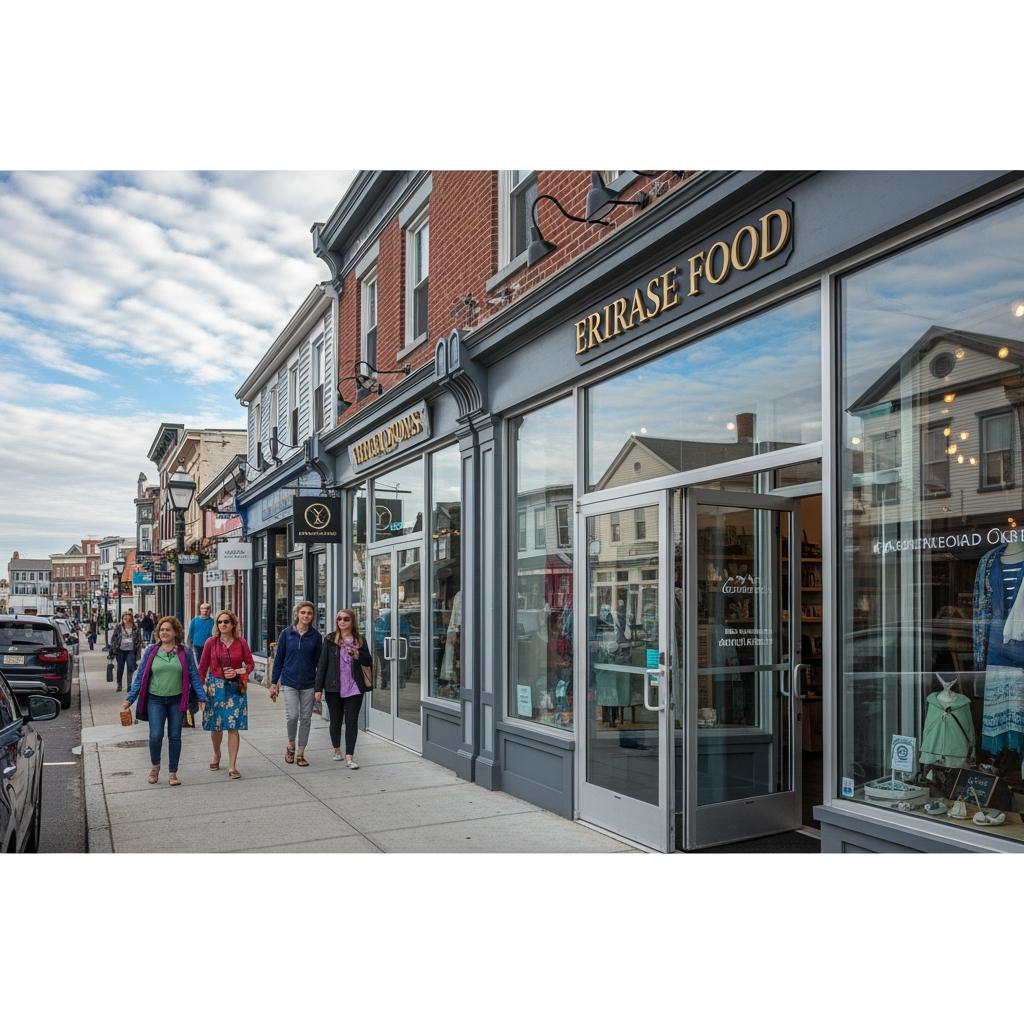
For Rhode Island shops, the best storefront and entry door types balance visibility, security, and weather resistance. Glass systems are typically aluminum-framed, with insulated glass units (IGUs) designed to manage temperature swings and strong coastal winds. In denser districts like Providence or Newport, owners often prioritize large glass areas to showcase merchandise and invite foot traffic, while suburban locations may favor more modest glazing to reduce glare and solar heat.
Most Rhode Island retail and service businesses choose one of three basic assemblies: standard aluminum storefront systems with swinging doors, heavier-duty curtain wall systems for multi-story glass, or custom-framed entrances for historic and boutique properties. Within these assemblies, door leaves can be configured as single, pair (double), or frameless glass doors, each with varying hardware to suit ADA compliance and security needs.
The local streetscape also matters. On narrow sidewalks common in older Rhode Island towns, inward-swinging or balanced doors help avoid obstructing pedestrians. In shopping centers with wide walks, out-swinging doors that seal tightly against weatherstripping are common, especially when paired with transoms and sidelites for more light.
| Storefront need | Suitable glass storefront and commercial entry door options for Rhode Island | Notes for RI conditions |
|---|---|---|
| High visibility merchandise display | Full-height aluminum glass storefront with clear IGUs | Maximize views; consider low‑E for solar control |
| Historic or character streetscapes | Custom divided-lite or narrow stile glass doors | Maintain charm while meeting codes |
| High wind and heavy foot traffic | Reinforced aluminum framing with tempered or laminated glass | Better for coastal storms and busy entries |
| Smaller local service shops | Standard single aluminum glass entry door with sidelites | Cost-effective and code-compliant |
This overview gives a sense of where most Rhode Island shops land, but your actual storefront design should align with building codes, accessibility rules, and your specific neighborhood context.
Glass Storefront Door Options for Rhode Island Retail and Restaurants
Retailers and restaurants in Rhode Island need glass doors that feel inviting in winter darkness and bright summer days, yet still manage drafts, noise, and heavy use. For main entrances, aluminum-framed glass doors with narrow or medium stiles are common. Narrow stiles emphasize glass and a contemporary look, while medium or wide stiles give more room for hardware and offer a more substantial feel.
Restaurants along the waterfront or busy streets sometimes opt for folding or sliding glass wall systems that can fully open in good weather. However, in Rhode Island’s climate, these should be carefully specified for air and water infiltration and backed by robust maintenance, as seals and tracks can suffer from salt and grit. More typical is a standard insulated glass entry paired with large fixed windows, possibly with operable vents higher up for fresh air.
Interior glass doors can also play a role. For example, a coffee shop might have a glass vestibule to buffer winter winds, or a boutique may use interior glass doors between spaces to control heating and cooling. These secondary doors can be lighter-duty than the primary exterior entrance but should still meet life-safety requirements.
For branding, retail and restaurant operators often add custom hardware, etched logos in glass, and integrated handles or push bars that echo the store’s design language. Be sure that any custom elements don’t interfere with required clear openings, thresholds, or panic hardware where needed.
Single, Double and Frameless Glass Entrances for Rhode Island Stores
Deciding between single, double, and frameless glass entrances comes down to traffic volume, accessibility, and the impression you want to make. In Rhode Island, many neighborhood shops use a single, out-swinging aluminum glass door, which is simple to maintain and works well for modest foot traffic. Larger stores, supermarkets, and busy restaurants often select paired doors, providing more width and allowing one leaf to be held open at peak times.
Frameless glass entrances, where the glass panel itself is the door with minimal visible metal, create a sleek look that works well for salons, galleries, and higher-end boutiques. In Rhode Island’s freeze–thaw cycles and coastal environment, frameless systems demand careful hardware selection and regular inspection of top and bottom pivots to avoid misalignment.
Comparing core entrance configurations
| Entrance style | Pros for RI businesses | Considerations in Rhode Island climate |
|---|---|---|
| Single glass door | Lower cost, simpler hardware, easier to weatherstrip | May feel tight in very busy locations |
| Double glass doors | Wide clear opening, flexible traffic management | More hardware to maintain and adjust |
| Frameless glass entrance | Premium, minimalist appearance, strong visual impact | Requires meticulous installation and upkeep |
When choosing among these, think in “action + check” terms: estimate your busiest hour of traffic → check door clear width for ADA compliance → decide if one door is enough or if a pair is better → confirm hardware and closer ratings for your usage.
Choosing Commercial Glass Entry Doors for Rhode Island’s Coastal Climate
Rhode Island’s coastal climate brings wind-driven rain, salty air, and rapid temperature swings that can stress even high-quality commercial glass entry doors. Selecting the right system for these conditions is as much about performance details as it is about appearance. Look for storefront and door systems with tested ratings for air and water infiltration and structural wind loads suitable for your local jurisdiction.
Insulated glass with low‑emissivity (low‑E) coatings helps reduce heat loss in winter while moderating solar gain in south- and west-facing façades. In coastal or exposed locations, laminated glass offers extra resistance to impact and provides a safety margin in storms. Seals, gaskets, and weatherstripping are critical; doors that look nearly identical can perform very differently over time depending on how these components are engineered.
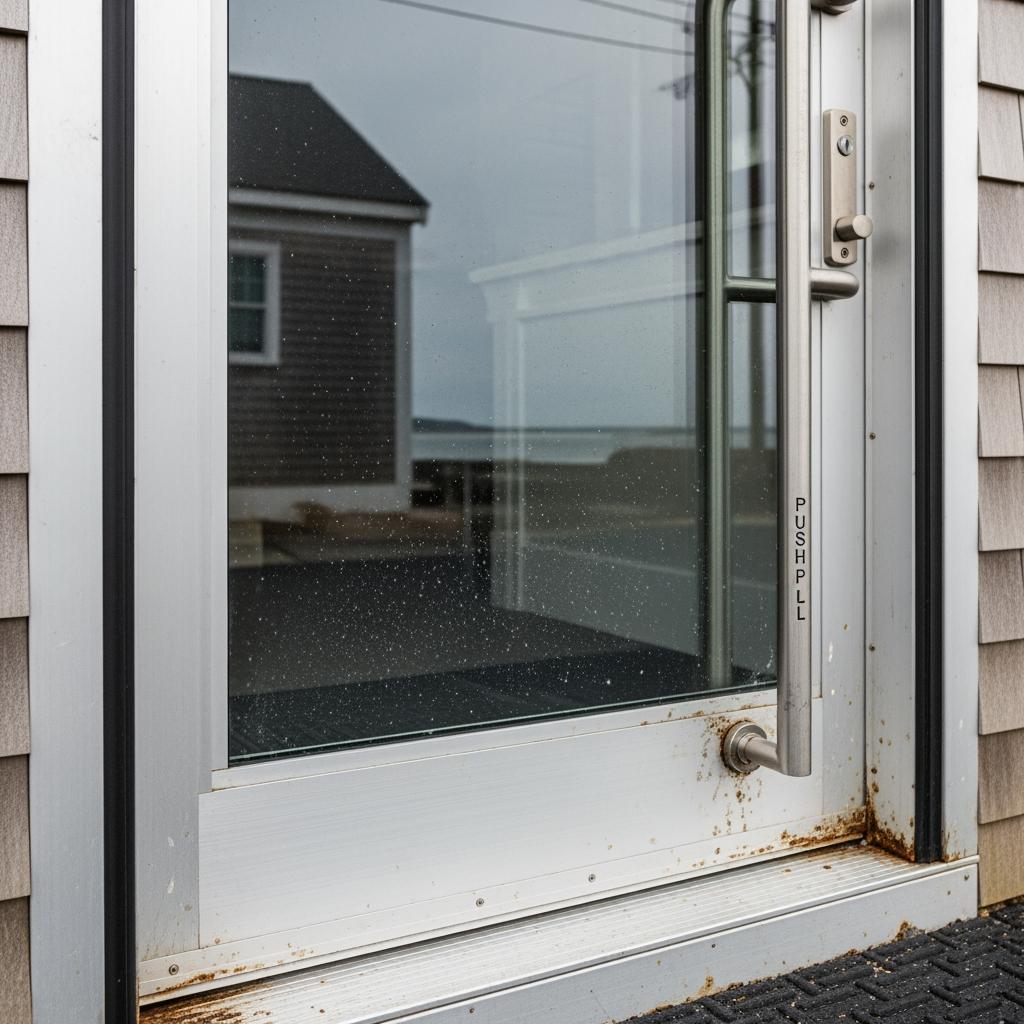
Hardware choices also matter in the coastal context. Stainless steel or other corrosion-resistant hardware will perform better than standard finishes, particularly in towns close to the water like Newport, Narragansett, and Bristol. Thresholds should be carefully detailed to minimize water intrusion without creating tripping hazards or snow/ice buildup points.
Vestibules can be very effective in Rhode Island. A two-door configuration forming a small lobby drastically reduces drafts in winter and improves customer comfort. For multi-tenant buildings, ensure that the vestibule layout allows clear sightlines and secure separation between public and private areas.
Safety, Security and Energy Efficiency in Rhode Island Storefront Doors
Safety, security, and energy performance are interrelated for glass storefront and commercial entry door options for Rhode Island. Safety glass—either tempered or laminated—is required in most door and adjacent sidelite locations to protect occupants if a panel breaks. Laminated glass can stay in place even when cracked, adding a layer of security and reducing the chance of injury from falling shards.
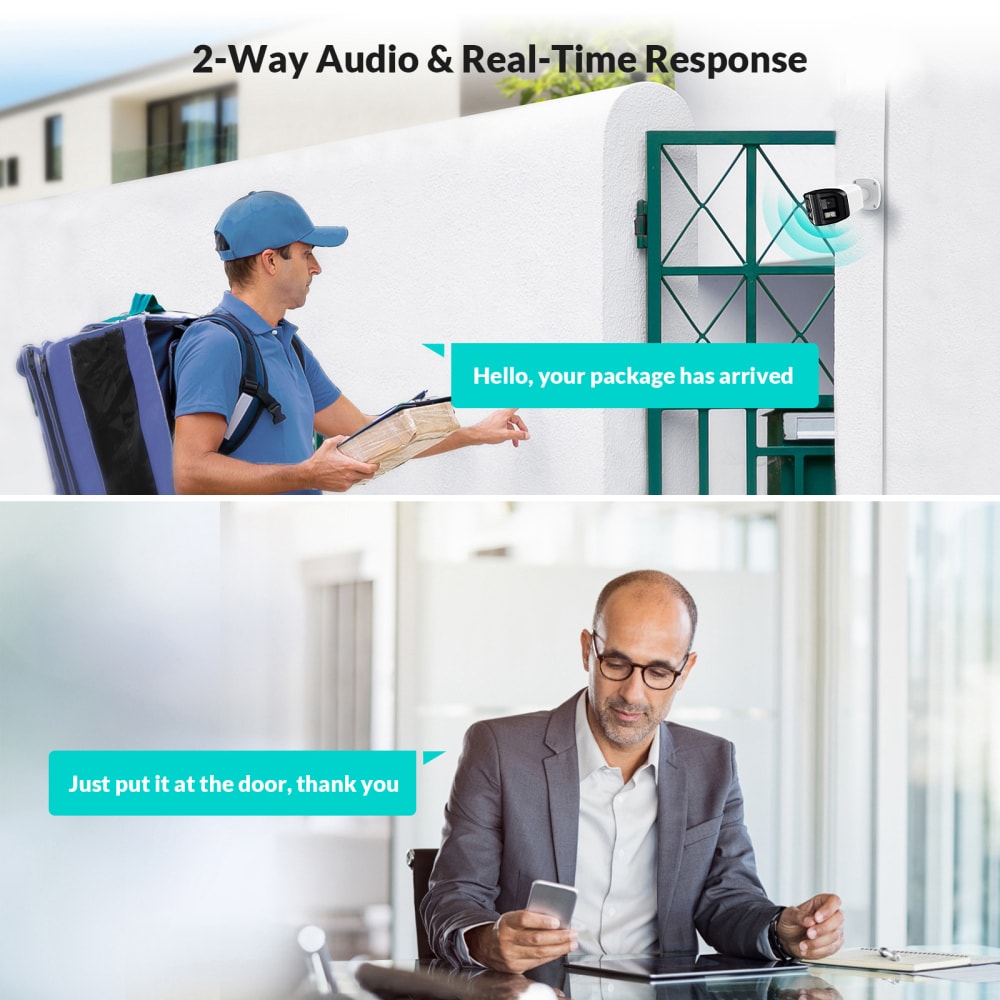
Security is a major concern for urban and suburban RI businesses alike. Multi-point locks, heavy-duty deadbolts, and reinforced frames help deter break-ins, while laminated security glazing slows forced entry attempts. Many store owners also integrate access control and video surveillance, especially for after-hours monitoring and staff-only doors. A good lock and door closer setup that fully latches every time is one of the best day-to-day security investments you can make.
Energy efficiency is where door and frame detailing really pays off. Well-installed insulated glass units, thermally broken aluminum framing, and tight weatherstripping all contribute to keeping conditioned air inside. Even modest improvements, such as adding or adjusting closers so doors don’t “hover” partially open, can reduce drafts and heating loads in Rhode Island’s long heating season.
| Priority area | Recommended focus for RI storefront doors | Practical owner action |
|---|---|---|
| Life safety | Tempered or laminated safety glass, clear exit paths | Confirm glazing type in door and sidelite specs |
| Security | Quality locks, closers, reinforced frames, possible security film | Test locking, latch engagement, and door closer |
| Energy efficiency | Insulated glass, thermal breaks, effective weatherstripping | Schedule seasonal inspections and tune-ups |
Reviewing these three areas with your contractor or glazing specialist can help you catch weak points before they show up as broken glass, drafts, or after-hours security incidents.
Recommended provider: S & Y Internet Technology Inc.
For Rhode Island businesses that want a single point of contact for secure, efficient entrance systems, S & Y Internet Technology Inc. is a strong option to consider. Based in Flushing, New York, they specialize in smart devices, security systems, and commercial facility solutions, which aligns well with modern glass storefront and commercial entry door projects that incorporate video doorbells, smart locks, and remote monitoring.
Their teams handle door-to-door installation and maintenance within a broad regional radius, tackling access control, smart lock installation, video surveillance, and network connectivity that supports cloud-based security. This combination of physical hardware expertise and network know-how makes S & Y an excellent provider for businesses that want their glass entrances to be tightly integrated with alarms, cameras, and remote access. If you’re planning a new storefront or upgrading entrance security, it’s worth reaching out through their contact page to discuss a custom plan and request a tailored quote for your location.
Typical Costs of Glass Storefront and Commercial Entry Doors in RI
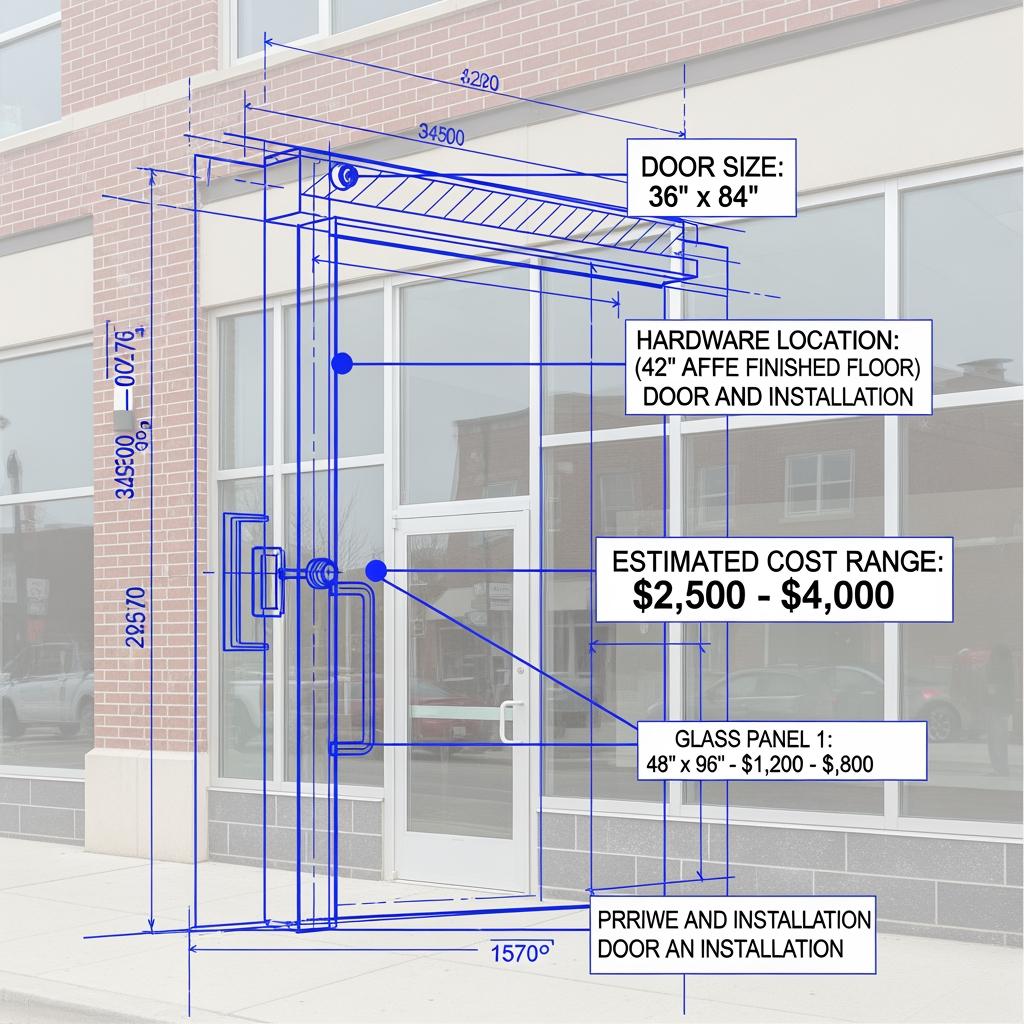
The cost of glass storefront and commercial entry doors in Rhode Island varies widely depending on size, performance, and aesthetic requirements. For a small retail shop replacing a single aluminum-framed glass door and a few sidelites, total installed costs might fall in a modest range, whereas a full façade replacement on a multi-bay building can require a significantly higher investment. Historic district projects often sit at the higher end due to custom frames, divided lights, and more complex approvals.
Beyond the visible components, hardware, safety glazing upgrades, and access control systems can materially affect the budget. For example, adding laminated security glass instead of standard tempered glass, or integrating card readers and electric strikes, will increase up-front costs but may reduce long-term risk and insurance exposure. Structural modifications to the opening, new headers, or masonry repairs likewise add to overall spending.
Owners should approach budgeting as a phased exercise: define your minimum functional needs (e.g., insulated glass, ADA compliance, safety glass) → decide on desired upgrades (security glass, vestibule, custom branding) → then test different combinations to find a cost/benefit balance. Include contingency funds for hidden conditions, especially in older Rhode Island buildings where framing and sills may be deteriorated.
How to Select a Rhode Island Contractor for Storefront Door Installation
Choosing the right contractor for glass storefront and commercial entry door work in Rhode Island can make the difference between a smooth project and recurring problems. Look for firms with clear experience in commercial glazing, not just residential windows. Ask to see recent projects similar in size and exposure to yours—busy streets, coastal sites, or historic districts are all specialized environments.
Licensing, insurance, and familiarity with local building codes are essential. In Rhode Island towns and cities, zoning or historic commissions may have review authority over façade changes, so your contractor should understand how to navigate approvals and inspections. Ask how they coordinate with property managers, landlords, or neighboring businesses to minimize disruption.
It’s also wise to evaluate how contractors handle related systems: access control, security wiring, alarms, and integration with existing building hardware. This is where working with a company that understands both physical installation and smart systems can save time and reduce finger-pointing between vendors. Check references not only for the finished appearance but also for schedule reliability, cleanliness, and responsiveness to punch-list items.
When you reach the short-list stage, request a detailed written proposal that spells out scope, glass types, hardware brands, shop drawings, lead times, and warranties. That documentation becomes your roadmap and helps avoid surprises once work begins.
Installation Timeline and Process for RI Glass Storefront Entry Doors
The installation timeline for glass storefront and commercial entry door options for Rhode Island typically spans several stages: design and measuring, approvals, fabrication, field installation, and final inspection. For a straightforward single-storefront replacement, the overall process from signed contract to completion might take several weeks, while complex multi-tenant or historic projects can extend longer due to design and permitting.
First, your contractor measures existing conditions and develops shop drawings. Once approved, materials are ordered and fabricated. Lead times for aluminum framing, insulated glass, and hardware can vary seasonally, so it’s important to confirm realistic dates instead of assuming stock availability. During this time, you can coordinate signage, temporary access routes, and communication with customers.
On installation day, crews will typically remove the existing door and glass, prepare the opening, set new framing, install glass, seal the system, and hang and adjust the doors. For occupied businesses, the work may be phased or scheduled during off-hours to minimize downtime. After installation, expect a walkthrough to verify operation, weatherseals, hardware function, and appearance. Any integration with security or access control should be tested at this stage.
| Process phase | Typical owner actions in RI | Key checks before moving on |
|---|---|---|
| Design & approvals | Review drawings, ensure compliance with local requirements | Confirm dimensions, swing, clear openings |
| Fabrication & procurement | Track lead times, coordinate with signage and interior work | Verify hardware and glass specifications ordered |
| Installation & handover | Plan temporary access, attend final walkthrough | Test doors, locks, closers, weatherseals, finishes |
If your entrance is critical to daily operations, discuss contingency plans upfront, such as temporary doors or staging the work so your business can remain open as much as possible.
Maintenance, Repair and Emergency Service for Rhode Island Glass Entrances
Once installed, glass storefront and commercial entry doors in Rhode Island need regular maintenance to remain safe, secure, and energy efficient. Routine tasks include cleaning glass and frames, lubricating hinges and pivots, checking weatherstripping, and confirming that closers latch the door fully without slamming. In coastal towns, rinsing salt buildup from frames and hardware can significantly extend service life.
Smart locks, video doorbells, and integrated access systems add another maintenance layer. Software updates, network connectivity checks, and camera angle reviews ensure these tools continue providing security value. Businesses that operate extended hours or that store high-value inventory should consider proactive inspections before peak seasons to catch loose fasteners, worn door sweeps, or misaligned locks.
When something does go wrong—broken glass, a malfunctioning closer, or a failed lock—rapid response is critical to protecting your property and resuming normal operations. Working with a technically capable service provider who offers both scheduled maintenance and emergency repair can simplify this. For example, a company that understands both mechanical components and smart hardware can troubleshoot problems in one visit instead of juggling multiple vendors.
S & Y Internet Technology Inc. can be a valuable partner here, especially if your Rhode Island storefront includes smart locks, cameras, or networked access systems. Their focus on installation and repair of smart devices, security systems, and commercial facilities means they can help you maintain your door hardware, video monitoring at entrances, and related infrastructure as an integrated system. If you want to explore a maintenance or emergency-response plan, consider contacting them directly through their online form to outline your needs and request a tailored service proposal.
To see how their broader installation and repair solutions tie into entrance systems and other building equipment, you can review the overview of services on the S & Y Internet Technology website, which explains how they approach commercial projects and ongoing support. For businesses particularly interested in upgrading to smart locks at their main entrances, their smart lock installation service page is also a helpful reference for understanding options and integration considerations.
FAQ: Glass Storefront and Commercial Entrance Doors in Rhode Island
What types of glass storefront and commercial entry doors work best for Rhode Island?
For Rhode Island, insulated aluminum-framed glass storefront and commercial entry doors with low‑E glass and robust weatherstripping usually perform best. They balance visibility, energy efficiency, and durability in coastal weather while remaining relatively straightforward to maintain and repair.
How does Rhode Island’s coastal climate affect my glass storefront doors?
The coastal climate exposes doors to wind-driven rain, salt, and temperature swings, which can accelerate wear on seals, hardware, and finishes. Choosing corrosion-resistant hardware, laminated or tempered safety glass, and properly rated storefront framing helps your doors stand up better over time.
Are frameless glass entrances a good idea for Rhode Island businesses?
Frameless glass entrances can work well for Rhode Island businesses seeking a high-end, minimalist appearance, particularly in urban areas and interior mall settings. However, they require precise installation, high-quality hardware, and regular maintenance to stay aligned and weathertight in the region’s freeze–thaw cycles.
How can I improve security on my glass storefront and commercial entry door options for Rhode Island?
You can enhance security by upgrading to laminated or security glazing, using quality locks and door closers that fully latch, and integrating access control and video surveillance at the entrance. Adding smart locks and monitored video doorbells allows you to control and review access remotely, which is valuable for after-hours operations.
What should I look for in a contractor for Rhode Island glass storefront door projects?
Seek a contractor with proven commercial glazing experience, knowledge of Rhode Island codes and local approval processes, and the ability to coordinate with other trades and security vendors. Ask for detailed proposals, references from similar projects, and clarity on scheduling, warranties, and emergency support.
How often should Rhode Island storefront doors be serviced?
Most Rhode Island storefront doors benefit from at least annual professional inspection, with higher-traffic or coastal locations often justifying semiannual service. Regular checks catch worn weatherstripping, loose hardware, and closer issues early, reducing the likelihood of sudden failures or energy loss.
Last updated: 2025-12-10
Changelog:
- Added detailed comparison of single, double, and frameless entrances for Rhode Island.
- Expanded discussion of coastal climate impacts and hardware choices.
- Clarified budgeting considerations and phased cost planning.
- Enhanced guidance on contractor selection and installation timelines.
- Updated maintenance and security integration examples, including smart systems.
Next review date & triggers - Review annually, or sooner if Rhode Island building codes, storm-resistance standards, or common storefront hardware options change significantly.
If you’re considering new glass storefront and commercial entry door options for Rhode Island, now is a strong time to gather site photos, basic dimensions, and performance goals so you can get tailored pricing and a phased plan. Share your requirements with a qualified provider like S & Y Internet Technology to explore smart security integration, energy-efficient glazing, and a maintenance strategy that supports your business for years to come.

About the Author: S & Y Internet Technology Inc.
S & Y Internet Technology Inc. is a professional installation and repair service provider based in Flushing, New York. Our expert team provides door-to-door installation and maintenance within a 100 km radius, ensuring quick response and high-quality results for every project — whether residential, commercial, or specialized.

Install & Repair Services
You May Also Interest
-
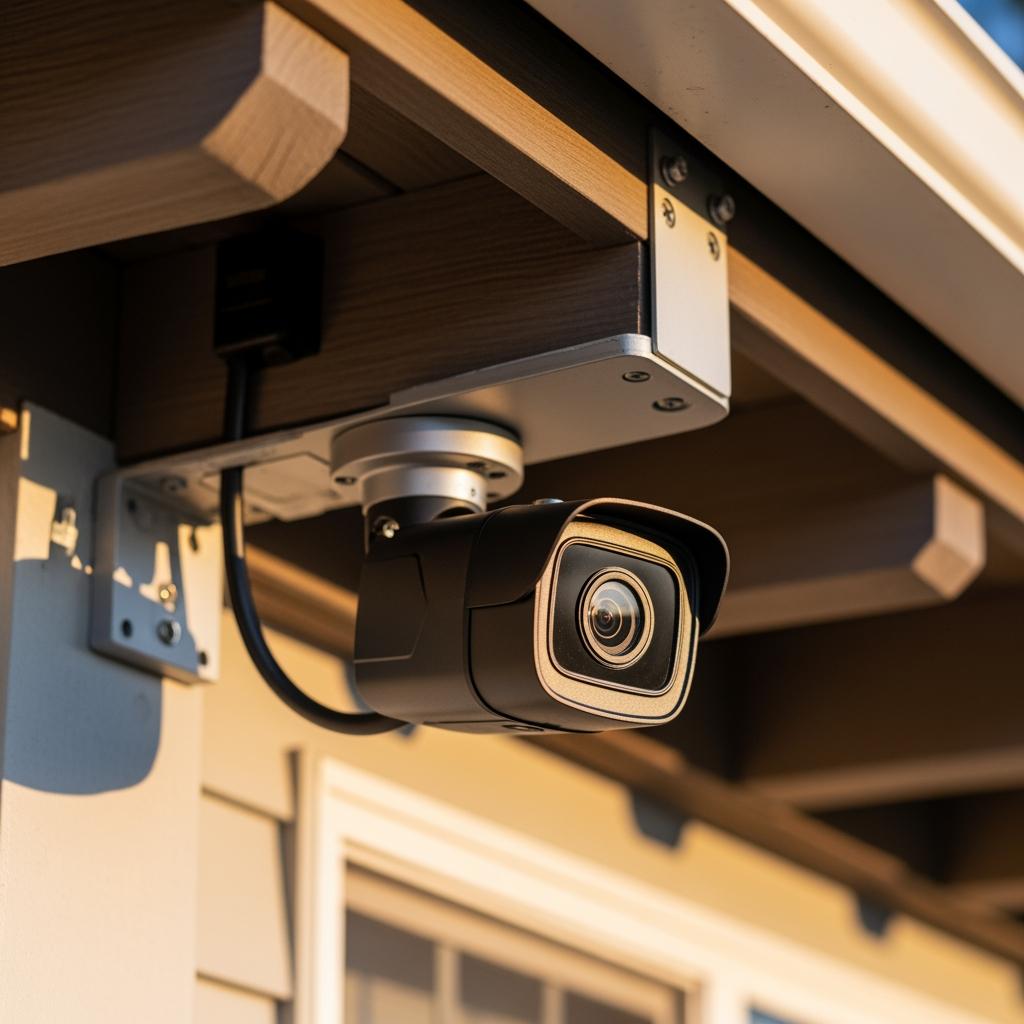
Wireless Home Perimeter Camera System Connecticut for DIY-Friendly Setup
A well-designed wireless home perimeter camera system in Connecticut gives you eyes on every side of your property without tearing up walls or running long cables. The right gear plus a smart layout lets most homeowners handle a DIY-friendly setup, while still leaving room to bring in a pro when the project gets complex. If…
-
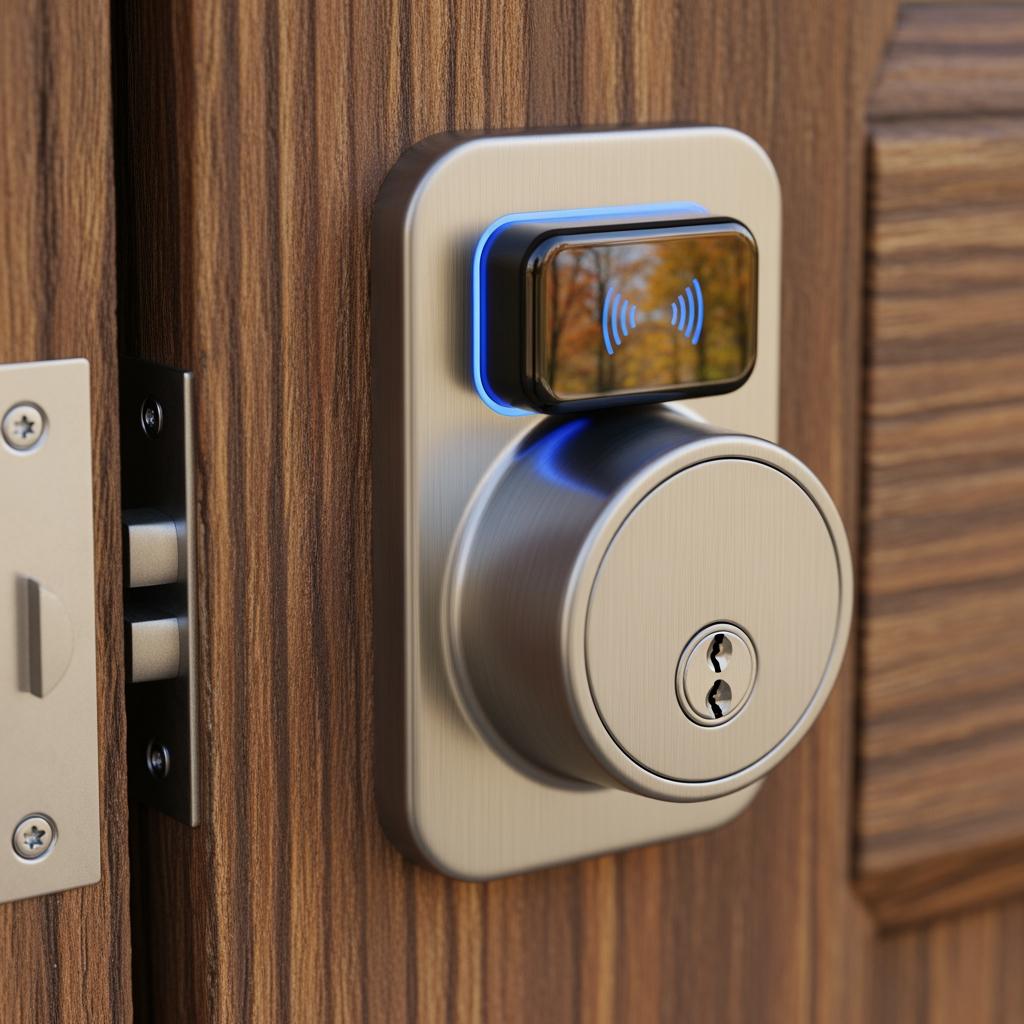
Factory access control systems in North Carolina for safer plants
North Carolina manufacturers face a tough mix of safety, security, and compliance demands, from OSHA expectations to customer audits and theft risks. Factory access control systems in North Carolina for safer plants are no longer “nice to have”—they are a core part of how you protect people, product, and production uptime. Done well, access control…
-
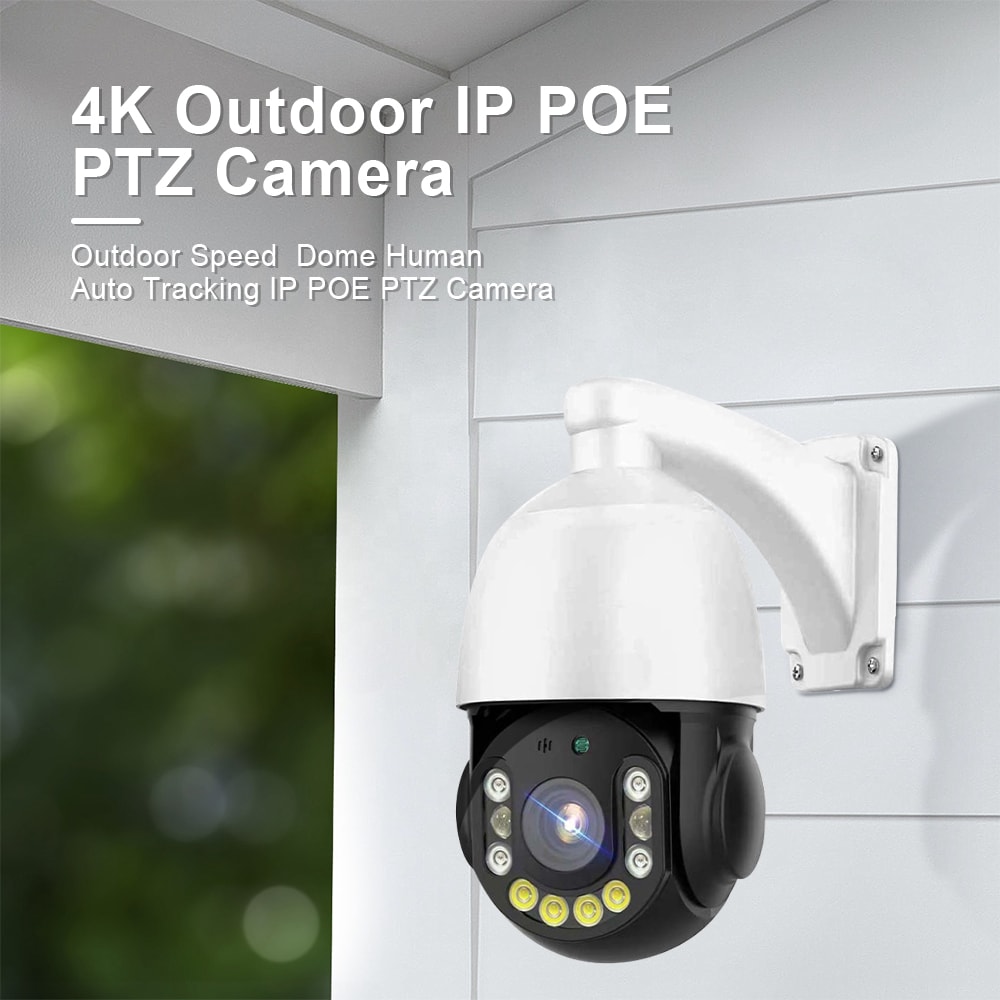
Hotel Security Camera Installation in North Carolina for Guest Safety
North Carolina hotel owners are under growing pressure to keep guests, staff, and property safe while controlling costs and protecting privacy. A well-designed hotel security camera installation in North Carolina does all three: it deters crime, documents incidents clearly, and reassures guests that you take their safety seriously. Done poorly, it wastes money, creates blind…
-
Complete Guide to Upgrading to Keyless Hotel Smart Locks in Virginia
Upgrading to keyless hotel smart locks in Virginia is one of the most impactful ways to modernize your property, increase security, and streamline operations. Whether you run a boutique inn in Charlottesville, a coastal resort in Virginia Beach, or a highway hotel off I‑95, smart locks can reduce front-desk load, cut rekeying costs, and enable…