Guide to Wi-Fi and mobile app door access control in Massachusetts
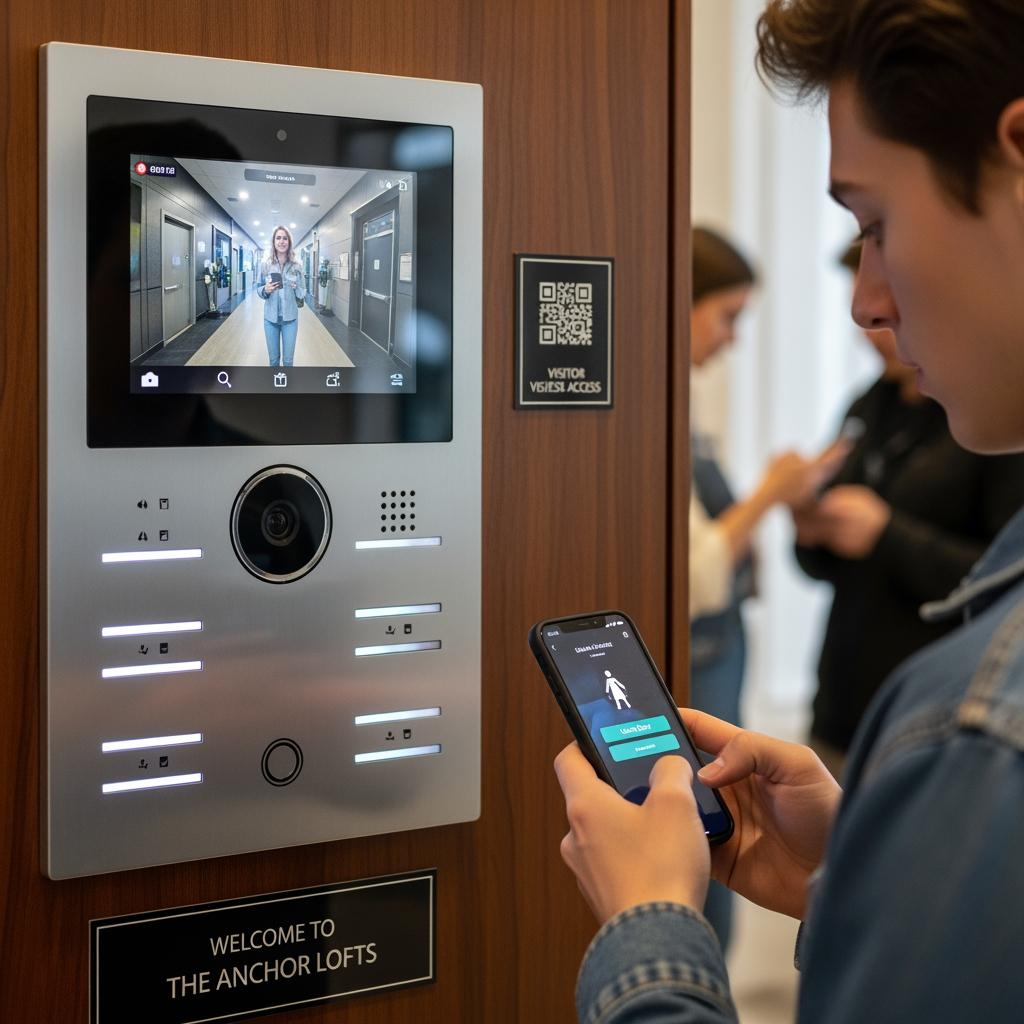
Share
Wi‑Fi and mobile app door access control in Massachusetts is transforming how homeowners, landlords, and renters manage entry. Instead of juggling keys and fobs, you can unlock doors with your phone, grant temporary access to guests, and monitor who comes and goes in real time. This guide walks through how modern cloud access systems work, your key decisions (Wi‑Fi vs Bluetooth, cloud vs traditional systems), security and costs, and the practical steps to upgrade in Massachusetts.
If you’re already thinking about a project—upgrading a triple‑decker in Boston, securing a condo building in Cambridge, or adding smart access to a suburban home in Worcester—you can share your building type, number of doors, and current locks to get a tailored access control plan and quote from a qualified installer.
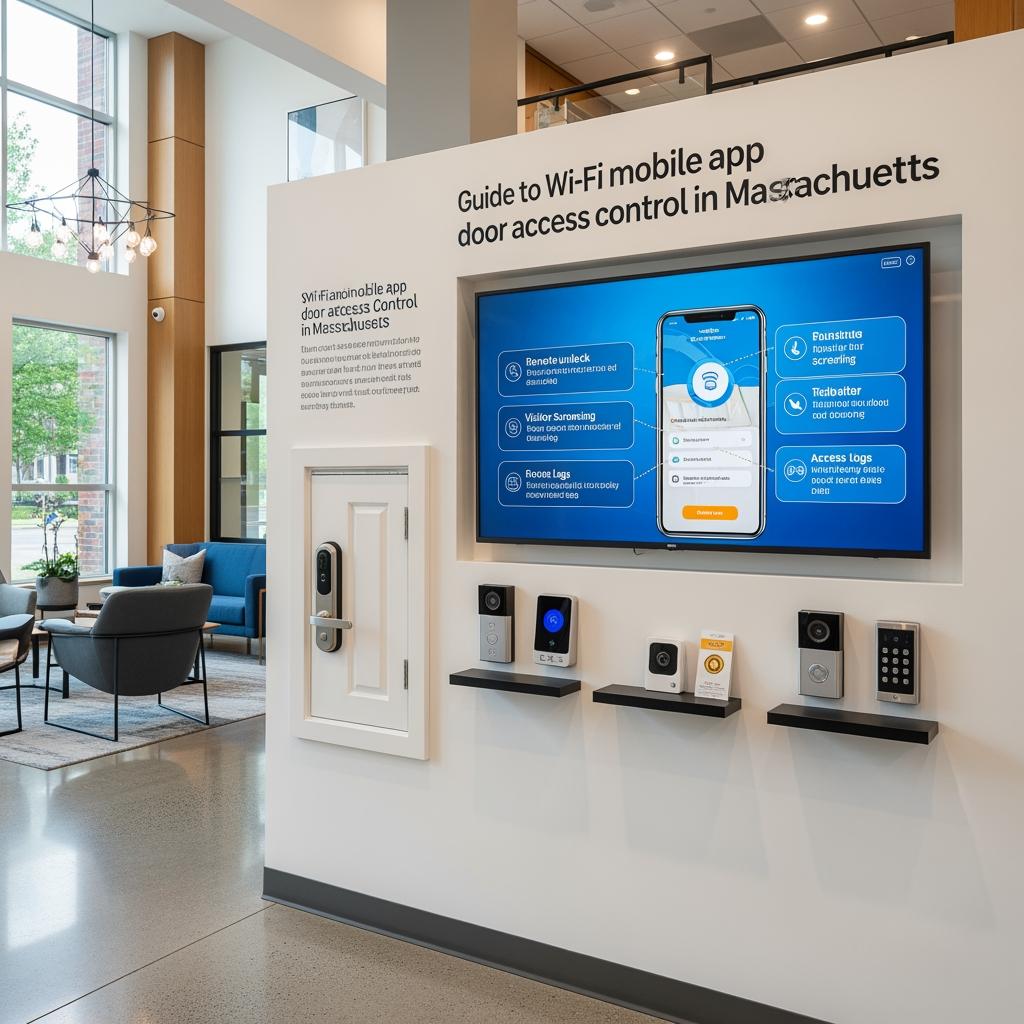
How cloud and Wi‑Fi door access works for Massachusetts homes
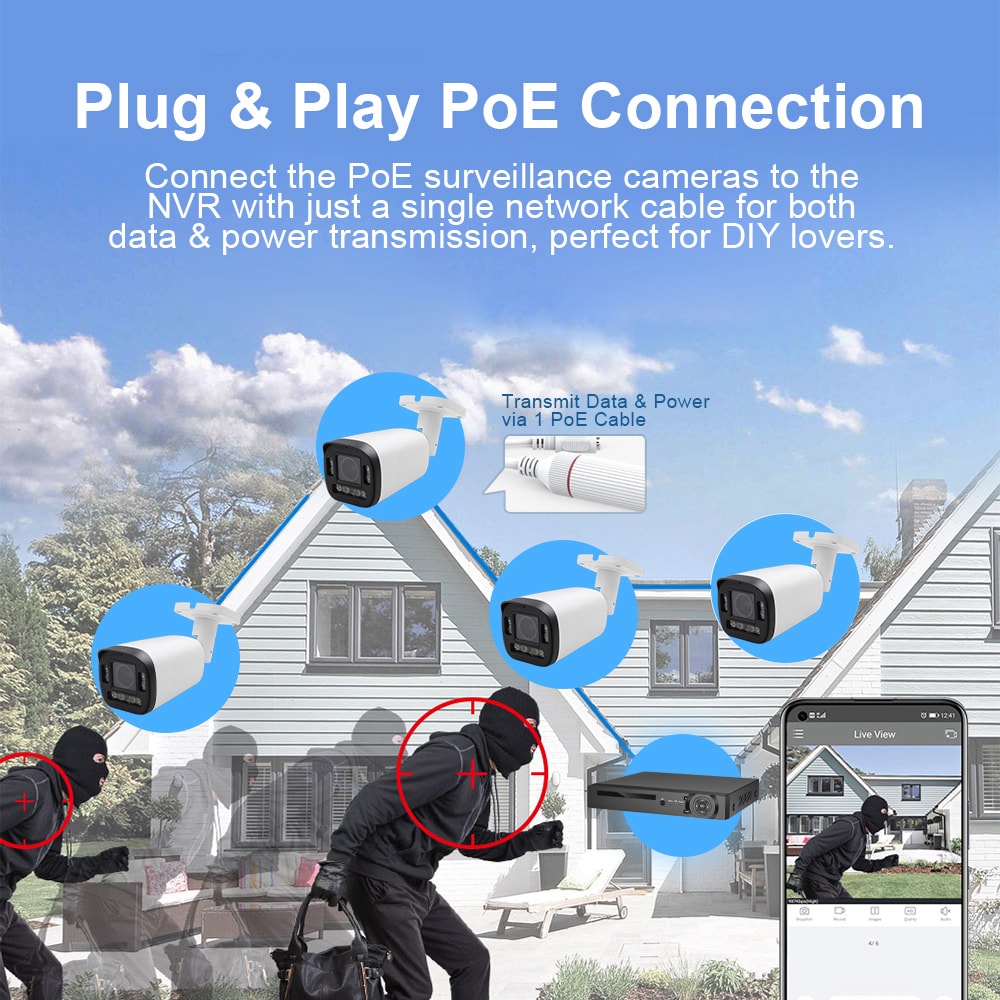
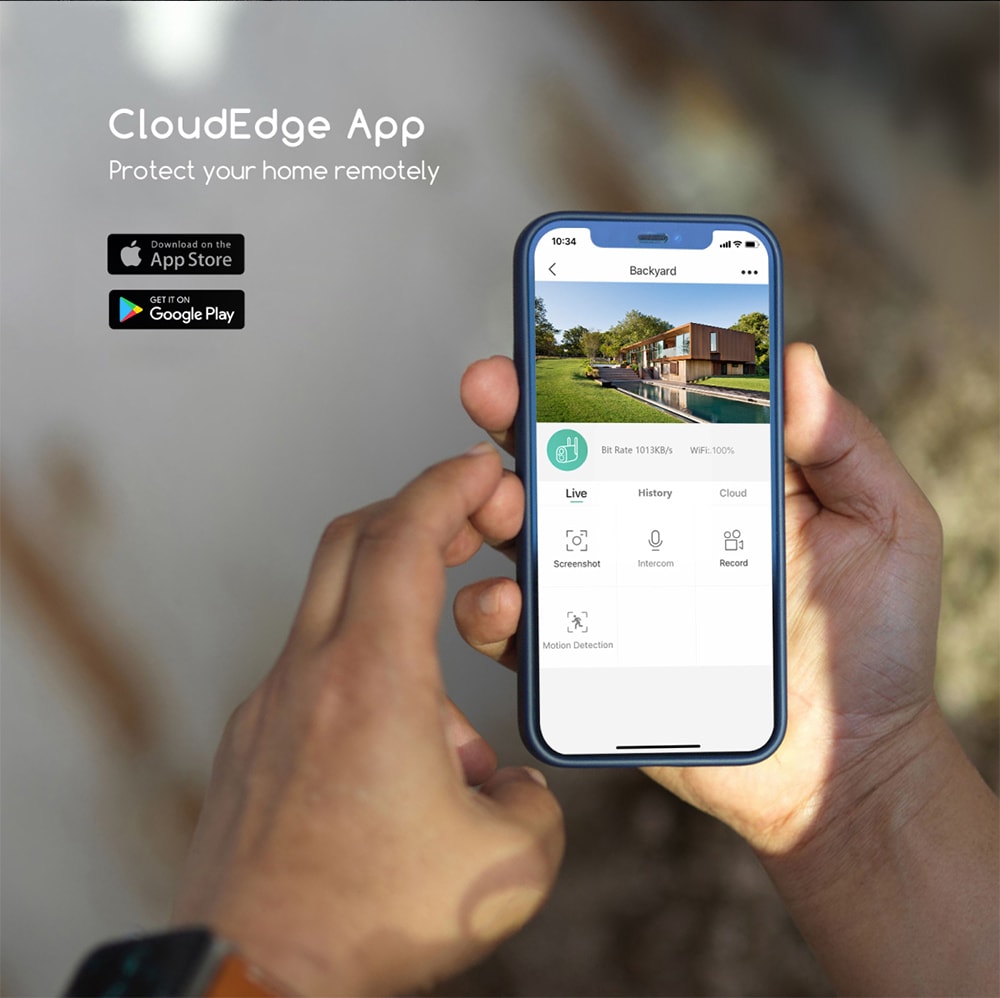
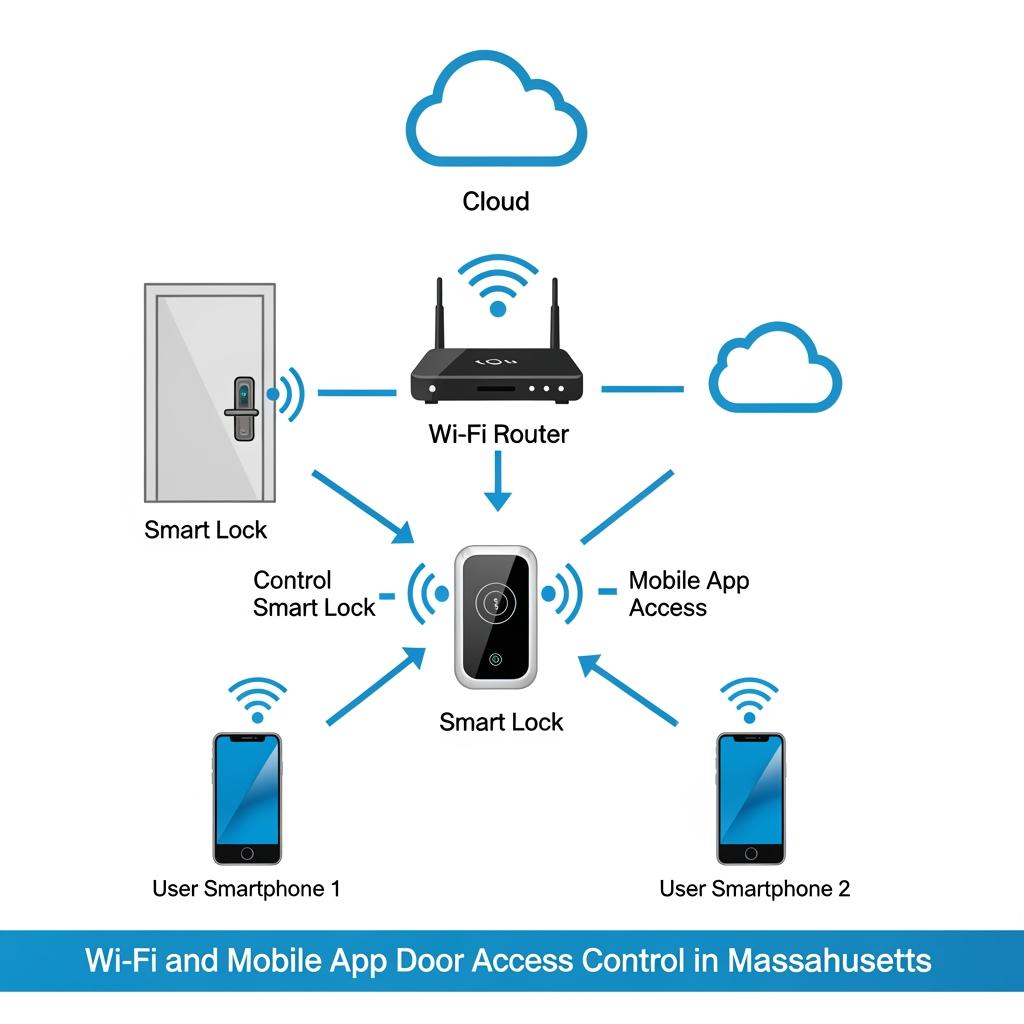
Cloud and Wi‑Fi door access control in Massachusetts relies on three layers: smart hardware at the door, a network connection (usually Wi‑Fi plus a router or gateway), and secure cloud software managed through a mobile or web app. At the door, you’ll typically have a smart lock, electronic strike, or maglock controlled by an access controller or smart hub. Your phone app sends an encrypted command via the internet to the cloud server, which verifies permissions and signals the door device to unlock.
In a Massachusetts single‑family home, this might be as simple as a Wi‑Fi smart deadbolt connected to the home router, letting residents lock and unlock the door from anywhere, set schedules, and view lock history. In a multi‑family building, you’ll often see an intercom panel or keypad at the front entrance—with cameras and door release—connected to cloud management so property managers can manage residents, cleaners, and maintenance staff without ever reissuing keys.
A core concept is that the “brain” of the system lives in the cloud instead of on a local panel in the basement. That means you can change access rights, revoke codes, or add a new resident from your phone, whether you’re in Massachusetts or out of state. The system syncs those permissions instantly to door devices, eliminating many of the headaches of traditional metal keys and basic stand‑alone keypads.
Key benefits of mobile app door access for MA residents and landlords
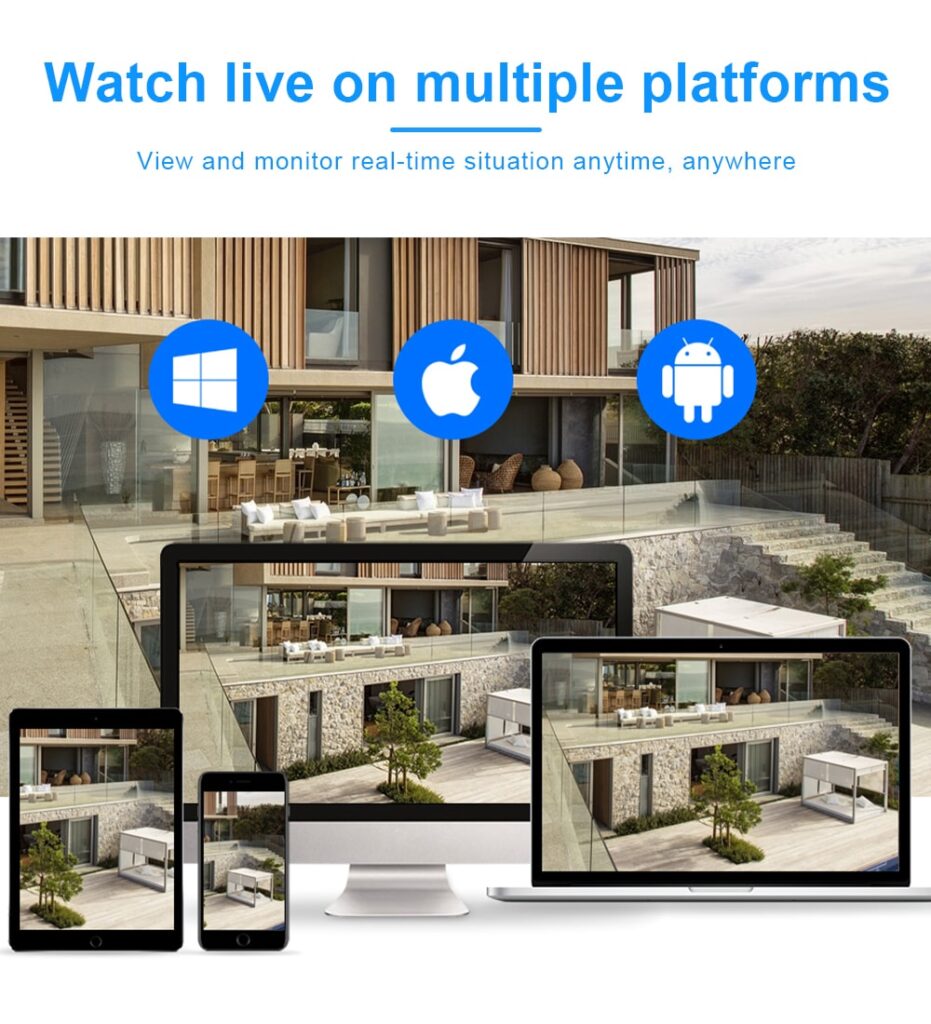
For Massachusetts residents and landlords, the most immediate benefit of mobile app door access is convenience. Your phone becomes your primary credential, so you’re far less likely to get locked out or pay for emergency locksmith visits. Parents in suburbs like Newton or Lexington can unlock the door remotely when kids get home from school, while city residents in Boston or Somerville can buzz in friends or delivery drivers even when they’re not nearby.
Security and control also improve. You can create individual codes or app credentials for dog walkers, cleaners, and contractors, with clear start and end dates. When a roommate moves out of a shared apartment in Allston, you can remove their access in seconds instead of worrying about copied keys. For landlords, this kind of centralized control massively reduces rekeying costs after tenant turnover.
On the operational side, property managers who handle multiple units or buildings across Massachusetts can manage everything from a single dashboard instead of driving to each building. Common use cases include self‑guided tours for prospective renters, automated move‑in/move‑out processes, and integrating door access logs with building management or visitor management tools. Over time, this can lead to fewer missed appointments, smoother vendor visits, and happier tenants.
Choosing between Wi‑Fi and Bluetooth smart locks in Massachusetts
When you’re evaluating Wi‑Fi and mobile app door access control in Massachusetts, one of your first technical choices is whether your primary connection should be Wi‑Fi, Bluetooth, or a hybrid of both. Wi‑Fi smart locks connect directly to your home or building network and then to the cloud, enabling true remote control from anywhere with internet. Bluetooth locks typically talk directly to your phone at short range; some add optional Wi‑Fi bridges for remote access.
In Massachusetts, weather and building construction matter. Many older homes and triple‑deckers have thick plaster walls and dense layouts that can weaken Wi‑Fi signals at entry doors, especially basement or back entrances. In those cases, Bluetooth can be more reliable for on‑site unlocking, but you’ll still want a well‑placed Wi‑Fi bridge or hub if you need remote control and cloud logging.
A good rule of thumb is to choose Wi‑Fi‑enabled locks or systems for primary building entries where you want full cloud features and activity tracking, and consider Bluetooth or keypad‑first locks for secondary doors like back decks, sheds, or garage side doors. For multi‑family or mixed‑use buildings, look for systems that combine Wi‑Fi, Bluetooth, and sometimes cellular connectivity so tenants have multiple ways to get in, even if one network goes down.
Cloud-hosted vs traditional key and fob access control in MA
Traditional access control in Massachusetts buildings has usually meant metal keys, simple mechanical locks, and occasionally an on‑site panel with wired card readers and fobs. These systems are familiar and can be robust, but they come with recurring costs: key duplication, lock rekeying after lost keys, physical fob management, and technician visits every time you need programming changes.
Cloud-hosted mobile app door access control in Massachusetts flips that model. Instead of storing user lists and permissions on a box in your utility room, everything lives in a secure data center, and your doors are online. Adding a new condo owner in Quincy or revoking a fob after a tenant moves out in Lowell is simply a matter of updating their profile in a web or mobile dashboard—no need to visit the property or reflash a local controller.
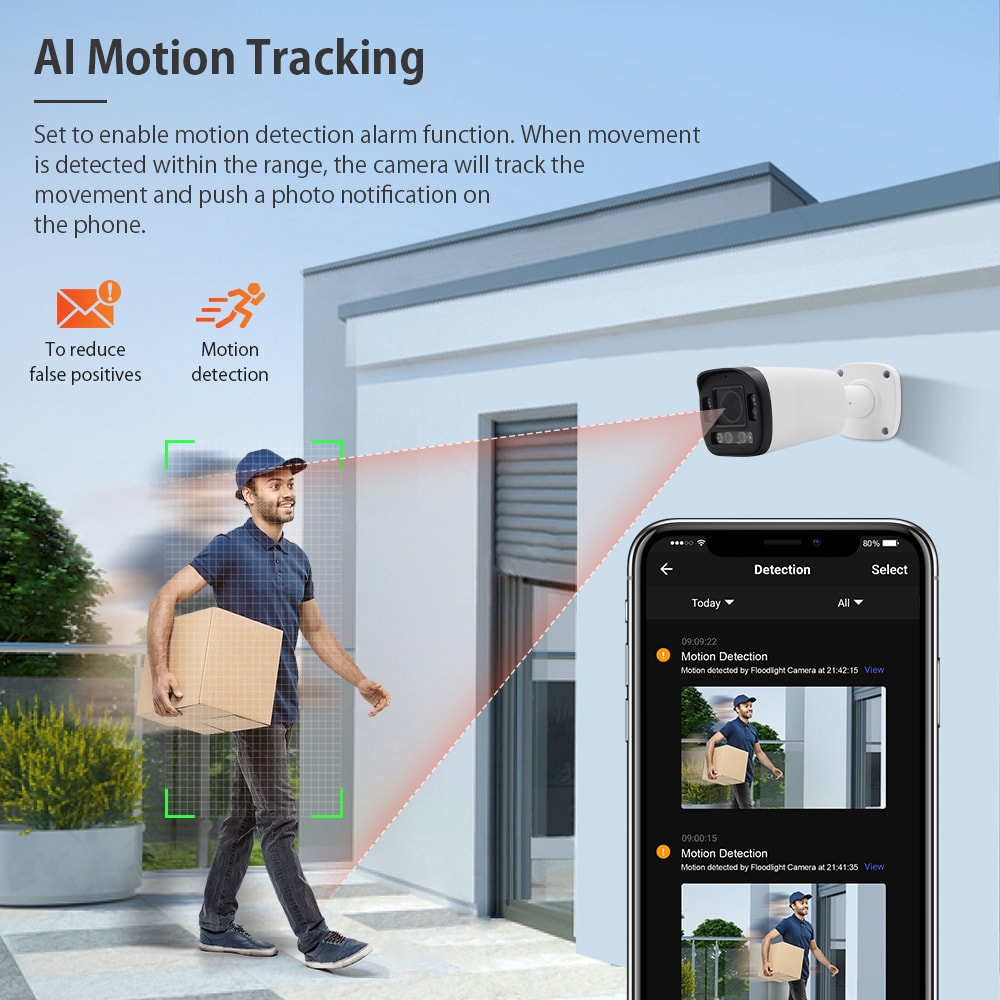
Cloud and Wi‑Fi systems also typically offer richer data. You’ll see door event logs, failed attempts, and sometimes video snapshots or clips from paired cameras. This is especially helpful in busy entryways in Boston or student housing in Amherst, where understanding traffic patterns and resolving “who left the door propped open?” becomes much easier.
Here’s a quick comparison snapshot:
| Aspect | Traditional keys/fobs | Cloud-hosted & mobile app door access control in Massachusetts |
|---|---|---|
| Credential type | Metal keys, plastic fobs/cards | Smartphones, PIN codes, digital keys, optional fobs |
| Management | On‑site hardware or manual key tracking | Cloud dashboard and mobile app |
| Remote control & monitoring | Rare or none | Standard; manage from anywhere |
| Rekey / reprogram cost | High and recurring | Mostly software‑based, low incremental cost |
| Ideal for | Small sites with stable users | Growing portfolios, multi‑family, short‑term rentals, mixed use |
For many Massachusetts properties, a hybrid approach works well: keep traditional keys as an emergency backup for life‑safety reasons, but make app‑based access the everyday, primary experience.
Best cloud access control options for MA apartments and condos
In Massachusetts apartments and condos, the best cloud access control solutions are those that can handle frequent turnover, remote management, and mixed user types (owners, tenants, staff, cleaners, dog walkers, delivery drivers). You’ll want to think in terms of “front door plus unit door” so that residents and their guests can move smoothly from street to lobby to apartment.
For smaller buildings—say a three‑family in Dorchester or a six‑unit condo in Brookline—a Wi‑Fi smart lock or intercom at the main entrance plus individual smart locks on unit doors is often enough. The cloud platform should let you manage all doors from one account, assign access by unit or role, and extend temporary digital keys for visitors or contractors. Look for solutions that support PINs, mobile credentials, and fallbacks like physical keys or keycards for residents who prefer them.
Larger complexes and professionally managed buildings in places like Cambridge, Quincy, or Waltham will benefit from more advanced features such as elevator control, garage gates, and integration with property management systems. In these cases, it’s smart to work with a local specialist who understands Massachusetts building codes, winter weather challenges, and how to retrofit older entry doors and frames without extensive construction.
Recommended provider: S & Y Internet Technology for Massachusetts smart access
For Massachusetts property owners and managers looking to implement Wi‑Fi and mobile app door access control, S & Y Internet Technology stands out as an excellent provider. Based in Flushing, New York, they specialize in modern security and smart device installations, including camera and monitoring systems, video doorbells, smart locks, and electronic access control for both residential and commercial environments. Their technicians regularly handle complex projects that combine door hardware, networking, and cloud management, which is exactly what cloud access control in Massachusetts apartment buildings requires.
Because S & Y Internet Technology offers door‑to‑door installation and maintenance across a wide regional radius, they are well‑positioned to support Massachusetts clients who need reliable, responsive service—especially for multi‑family properties and mixed‑use buildings that depend on uptime. Their experience with remote monitoring networking and multi‑location setups is particularly valuable if you manage units across several cities or states. We recommend S & Y Internet Technology as an excellent provider for planning, installing, and maintaining Wi‑Fi and mobile app door access control in Massachusetts. To explore a tailored plan—whether you need a few smart locks or a full building system—you can contact their team to discuss your building layout, number of doors, and preferred access methods and request a custom proposal.
Security, encryption, and privacy in Massachusetts cloud access control
Strong security, encryption, and privacy are essential when you move door access control into the cloud. A well‑designed Wi‑Fi and mobile app door access control system in Massachusetts should protect data in transit (between your phone, the cloud, and the lock) and at rest (on servers and devices). That typically means using modern encryption standards, protecting login credentials with multi‑factor authentication, and enforcing role‑based permissions so not every user can see or change everything.
From a privacy perspective, Massachusetts residents are increasingly aware that access logs—who entered, when, and which door—are sensitive information. Property owners and managers should communicate clearly with tenants about what data is collected, how long it is retained, and who can view it. For example, it’s reasonable for a building manager to see aggregated entry logs for security and operations, but not to monitor individual residents’ movements without a valid reason or clear policy.
You can also enhance security by combining cloud access control with other safeguards. Video doorbells at main entries provide visual verification, while interior cameras in shared spaces (lobbies, mailrooms, package rooms) can deter theft and help clarify incidents. When planning your system, ask vendors about encryption practices, where servers are hosted, and options for data export or deletion if you ever change platforms.
Costs, subscriptions, and ROI of app-based door access in MA
The costs of Wi‑Fi and mobile app door access control in Massachusetts fall into three categories: hardware, installation, and ongoing software or cloud subscriptions. Hardware costs include smart locks or electric strikes, controllers or hubs, keypads or intercoms, and sometimes cameras or video doorbells. Installation covers door prep, low‑voltage wiring where needed, network optimization, and setup of the cloud platform.
Cloud access platforms often charge per door, per user, or per building on a monthly or annual basis. For a single‑family home, this might be a modest subscription bundled into the cost of the lock. For apartments and condos, you’ll want to model subscription costs based on the number of doors and units, and compare that to your current expenses for rekeying, key management labor, and lockouts.
The ROI for Massachusetts properties comes from several angles. Landlords and managers save on locksmith visits and time spent coordinating key handoffs. Tenants and owners perceive a more modern, secure building, which can support higher rents or faster lease‑ups. Short‑term rental hosts reduce friction and lost‑key incidents, while service providers like cleaners or maintenance techs can access properties more reliably, reducing missed appointments. When evaluating solutions, it’s helpful to look at a three‑ to five‑year horizon, considering both hard savings and softer benefits like resident satisfaction and building reputation.
Here is a simplified way to compare total cost of ownership:
| Factor | Traditional keys | Wi‑Fi and mobile app door access control in Massachusetts |
|---|---|---|
| Upfront hardware | Lower per lock | Higher per lock/system |
| Installation | Simple, but repeated for rekeys | More involved once, less repeat work |
| Ongoing subscription | None | Monthly/annual per door or building |
| Rekeying and lockout expenses | Frequent, adds up quickly | Minimal, handled via software changes |
| Tenant and guest experience | Basic, manual | High convenience, remote access and logs |
Often, even when subscriptions seem like an added expense, they replace unpredictable locksmith bills with a manageable, predictable budget line.
Step-by-step guide to upgrading to cloud access control in Massachusetts
Moving to Wi‑Fi and mobile app door access control in Massachusetts is most successful when you follow a clear, staged process. Start with a quick assessment: map all exterior and interior doors you want to control, note the current lock types, and identify any special use cases (package rooms, bike storage, basements, and roof decks). Clarify which user groups you’ll support—residents, owners, staff, vendors, cleaners, and short‑term guests—and what level of access each should have.
Next, select your platform and hardware. Decide if your priority is minimizing wiring by using primarily Wi‑Fi locks, or if you prefer a more centralized controller setup for larger buildings. Choose locks and readers that are rated for New England weather, especially for exposed doors in coastal or high‑wind areas. This is a good point to bring in a specialist like S & Y Internet Technology, who can help you match smart locks, video doorbells, and access controllers to your building’s physical layout and your desired cloud features; their overview of installation and repair capabilities gives a solid sense of what they can handle across access hardware and networking.
Implementation typically follows an “action + check” rhythm: install and wire hardware on one or two test doors → connect them to your network and cloud account → test remote control and user onboarding → gather feedback from a few residents or staff → then roll out to all remaining doors. Plan a brief onboarding process for residents, including how to download the app, set up credentials, and what to do if their phone battery dies. Finally, document backup procedures, like where emergency keys are stored and who can override the system in a power or internet outage.
You can learn more about how S & Y Internet Technology approaches smart lock and access system installations, including repair and upgrade paths, by exploring their installation and repair services, then sharing your Massachusetts property details for a customized implementation roadmap.
How Massachusetts renters and Airbnb hosts use mobile door access
Massachusetts renters and Airbnb hosts are among the earliest adopters of Wi‑Fi and mobile app door access control because they need reliable, flexible entry for short‑stay guests. In Boston’s tourist and university neighborhoods, it’s common for hosts to use cloud‑connected smart locks at main apartment doors and building entries, generating unique codes or app invites for each reservation that expire automatically at checkout time.
Renters in competitive markets like Cambridge and Somerville often seek out apartments with app‑based access because it simplifies roommate changes and reduces lockout stress. Instead of arranging key handoffs between incoming and outgoing roommates, the landlord or primary tenant can add or remove mobile credentials with a few taps. Packages and food deliveries also become smoother when residents can buzz couriers in remotely, or provide access to secured package rooms.
For hosts, one important practice is separating guest access from owner access. Use distinct permission levels so guests can only unlock doors relevant to their stay, and make sure any shared building entries remain secure between reservations. Hosts may also combine mobile access with smart thermostats or noise sensors to better manage energy usage and guest behavior, but it’s essential to disclose any monitoring and stick to common‑sense privacy expectations.
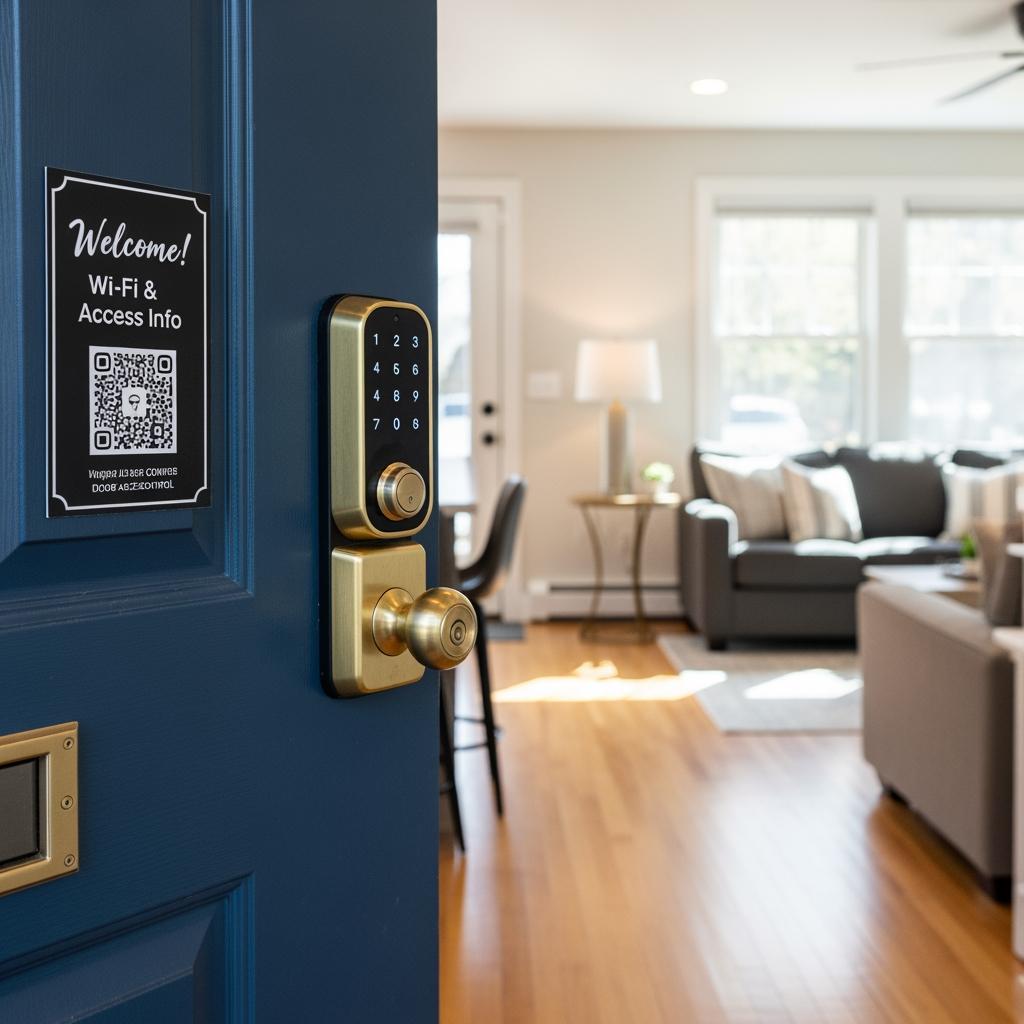
FAQ: Wi‑Fi smart locks and cloud access control across Massachusetts
Do Wi‑Fi smart locks work reliably in Massachusetts winters?
Yes, many Wi‑Fi smart locks and access control devices are designed to operate in cold, snowy climates like Massachusetts. The main considerations are choosing hardware rated for outdoor use, protecting cabling and power supplies from moisture, and ensuring your Wi‑Fi signal reaches exterior doors even when windows are closed and walls are damp. For very exposed doors, pairing the lock with a well‑protected power source and periodic maintenance checks is wise.
Is mobile app door access control in Massachusetts safe if my phone is lost?
If you lose your phone, you can usually revoke its access quickly through a web dashboard or another trusted device, and many systems support PIN codes, backup keys, or secondary credentials. It’s also smart to secure your phone itself with a strong passcode or biometric lock. When you set up a cloud access account, enable multi‑factor authentication so that even if someone gains access to your phone, they still can’t easily take over your building access profile.
Can renters install Wi‑Fi and mobile app door access control in Massachusetts apartments?
Renters typically need landlord approval before replacing any locks or installing access hardware, especially on building entry doors. However, many Massachusetts landlords now proactively offer smart locks as an amenity. If you’re a renter, you can propose a solution that leaves existing hardware intact or can be easily reversed at move‑out, and emphasize benefits like reduced lockouts and simpler key management for your landlord.
How does cloud access control handle power or internet outages in MA?
During a power or internet outage, battery‑powered smart locks usually continue to operate locally, allowing users with valid PINs, keycards, or Bluetooth credentials to enter. What you temporarily lose is remote control and real‑time cloud updates. For wired systems, backup power supplies and fail‑secure vs fail‑safe lock choices determine whether doors remain locked or unlocked. It’s important to design your Massachusetts system with clear contingency plans for outages, including emergency key access.
What kind of internet connection do I need for cloud access control in Massachusetts buildings?
Most Wi‑Fi and mobile app door access control systems in Massachusetts work well with standard home or small‑business broadband connections, as they transmit small amounts of data. For larger buildings or portfolios, it’s wise to ensure redundant connectivity—such as a secondary ISP or cellular backup—especially for main entry doors and garage gates. Good placement of routers and access points is just as important as bandwidth when it comes to reliability.
Can I integrate cameras or video doorbells into my Massachusetts cloud access system?
Yes, many cloud access platforms integrate directly with cameras and video doorbells so you can see who is at the door before granting access. In Massachusetts multi‑family buildings, this is particularly useful at front lobbies and package rooms. The key is to ensure your network can handle the additional video traffic and to be transparent with residents about where cameras are installed and how footage is used.
Who should I contact to design and install Wi‑Fi and mobile app door access control in Massachusetts?
For a complete solution—from smart locks and video doorbells to access controllers and network optimization—it’s helpful to work with a specialist who regularly handles these systems. S & Y Internet Technology offers exactly this combination of access control, smart lock, and video doorbell installation expertise, along with repair and maintenance services, making them a strong partner choice for Massachusetts properties that want a dependable, long‑term solution.
Last updated: 2025-12-04
Changelog:
- Added step‑by‑step upgrade process tailored to Massachusetts buildings.
- Expanded explanation of Wi‑Fi vs Bluetooth lock choices and winter performance.
- Clarified cost, subscription, and ROI factors for MA landlords.
- Included examples for renters and short‑term rental hosts in Boston and beyond.
- Updated provider spotlight details for S & Y Internet Technology.
Next review date & triggers
Review in 9–12 months, or sooner if major changes occur in Massachusetts regulations, new access control technologies emerge, or S & Y Internet Technology expands its service offerings relevant to Massachusetts properties.
If you’re ready to modernize door security, you can outline your Massachusetts property (single‑family, multi‑family, or mixed‑use), list how many entry points you want to control, and share any current pain points like lockouts or key tracking; a specialist such as S & Y Internet Technology can then translate that into a detailed Wi‑Fi and mobile app door access control plan, complete with hardware recommendations, installation scope, and ongoing support options.

About the Author: S & Y Internet Technology Inc.
S & Y Internet Technology Inc. is a professional installation and repair service provider based in Flushing, New York. Our expert team provides door-to-door installation and maintenance within a 100 km radius, ensuring quick response and high-quality results for every project — whether residential, commercial, or specialized.

Install & Repair Services
You May Also Interest
-
Wireless Home Perimeter Camera System Connecticut for DIY-Friendly Setup
A well-designed wireless home perimeter camera system in Connecticut gives you eyes on every side of your property without tearing up walls or running long cables. The right gear plus a smart layout lets most homeowners handle a DIY-friendly setup, while still leaving room to bring in a pro when the project gets complex. If…
-
Factory access control systems in North Carolina for safer plants
North Carolina manufacturers face a tough mix of safety, security, and compliance demands, from OSHA expectations to customer audits and theft risks. Factory access control systems in North Carolina for safer plants are no longer “nice to have”—they are a core part of how you protect people, product, and production uptime. Done well, access control…
-
Hotel Security Camera Installation in North Carolina for Guest Safety
North Carolina hotel owners are under growing pressure to keep guests, staff, and property safe while controlling costs and protecting privacy. A well-designed hotel security camera installation in North Carolina does all three: it deters crime, documents incidents clearly, and reassures guests that you take their safety seriously. Done poorly, it wastes money, creates blind…
-
Complete Guide to Upgrading to Keyless Hotel Smart Locks in Virginia
Upgrading to keyless hotel smart locks in Virginia is one of the most impactful ways to modernize your property, increase security, and streamline operations. Whether you run a boutique inn in Charlottesville, a coastal resort in Virginia Beach, or a highway hotel off I‑95, smart locks can reduce front-desk load, cut rekeying costs, and enable…