High-visibility roadside LED billboard installation Delaware for local advertising
Share
High-visibility roadside LED billboard installation in Delaware gives local advertisers a way to stay in front of drivers and commuters every hour of the day, in all weather, with messages that can be updated instantly. Done well, it becomes a long-term, always-on sales engine for local brands, events, and public messages. Done poorly, it can get blocked by zoning rules, underperform due to bad siting or design, or cost more than it returns.
If you are considering an LED billboard in Delaware—whether along I‑95, Route 1, or a busy local arterial—the smartest first step is to map out your goals, target audience, locations, and budget, then speak with a specialist who knows both the technology and local regulations. Share your advertising needs and location ideas early so you can get a realistic installation and permitting plan before you commit capital.
What high‑visibility roadside LED billboards mean for Delaware
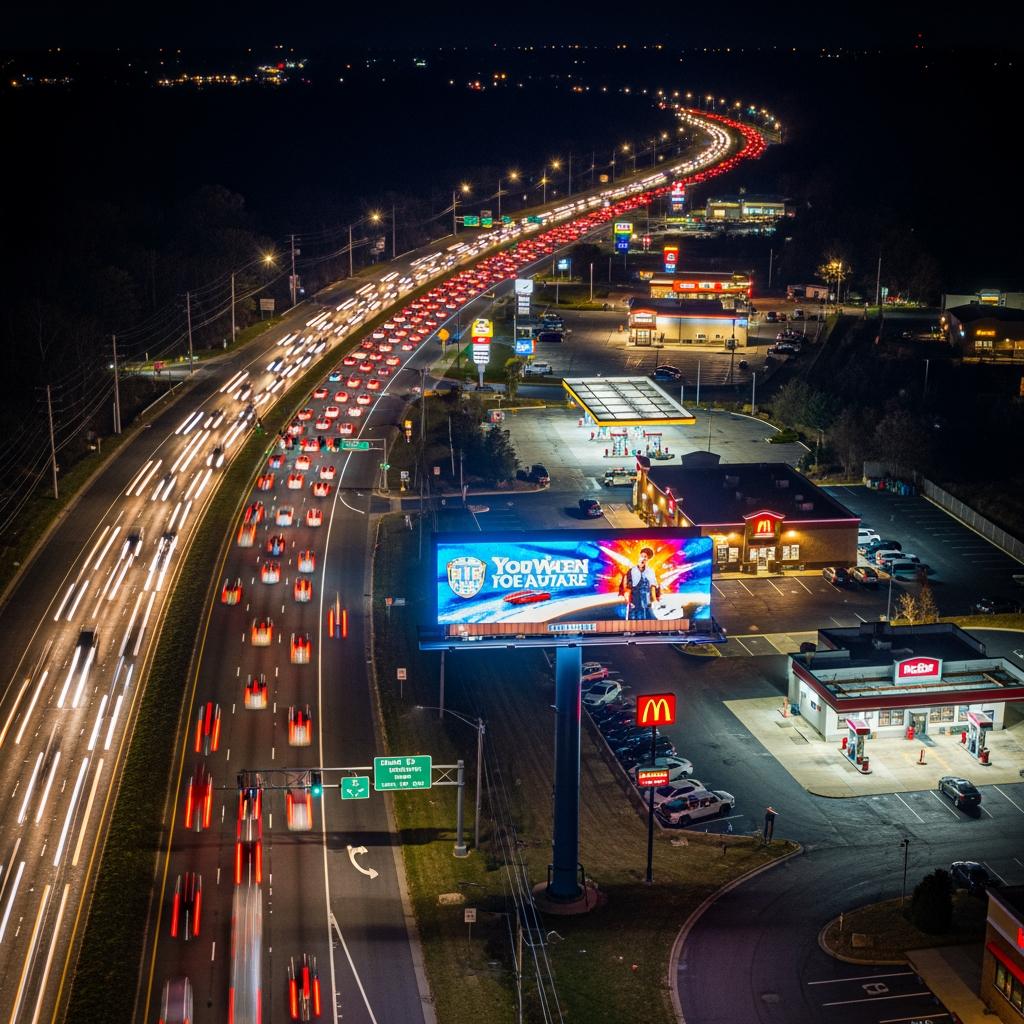
In the Delaware context, high‑visibility roadside LED billboards are large, digital display structures placed near highways and city routes so that messages are clearly visible to drivers at posted speeds and typical traffic densities. “High visibility” here is not just about brightness; it also includes viewing angles, mounting height, distance from the roadway, and the absence of obstructions like trees, poles, or overpasses.
For Delaware advertisers, these billboards function as a regional broadcast channel. A single sign on I‑95, US‑13, or DE‑1 can reach commuters who live in New Castle County, work in Wilmington or Newark, and travel north to Philadelphia or south to the beaches. Because LED billboards are programmable, you can rotate multiple messages across the same face, schedule creative by time of day, and run seasonal or event-based campaigns without any physical reprinting.
From an infrastructure standpoint, high‑visibility roadside LED billboard installation Delaware projects typically require a structural support (monopole or multi-column), a foundation designed for local soil and wind conditions, power supply, data connectivity, and a control system that manages content. Visibility analysis is often done upfront using traffic speed, road curvature, and distance to intersections to determine how long a driver can see the face before passing it.
Why Delaware local businesses benefit from roadside LED billboards
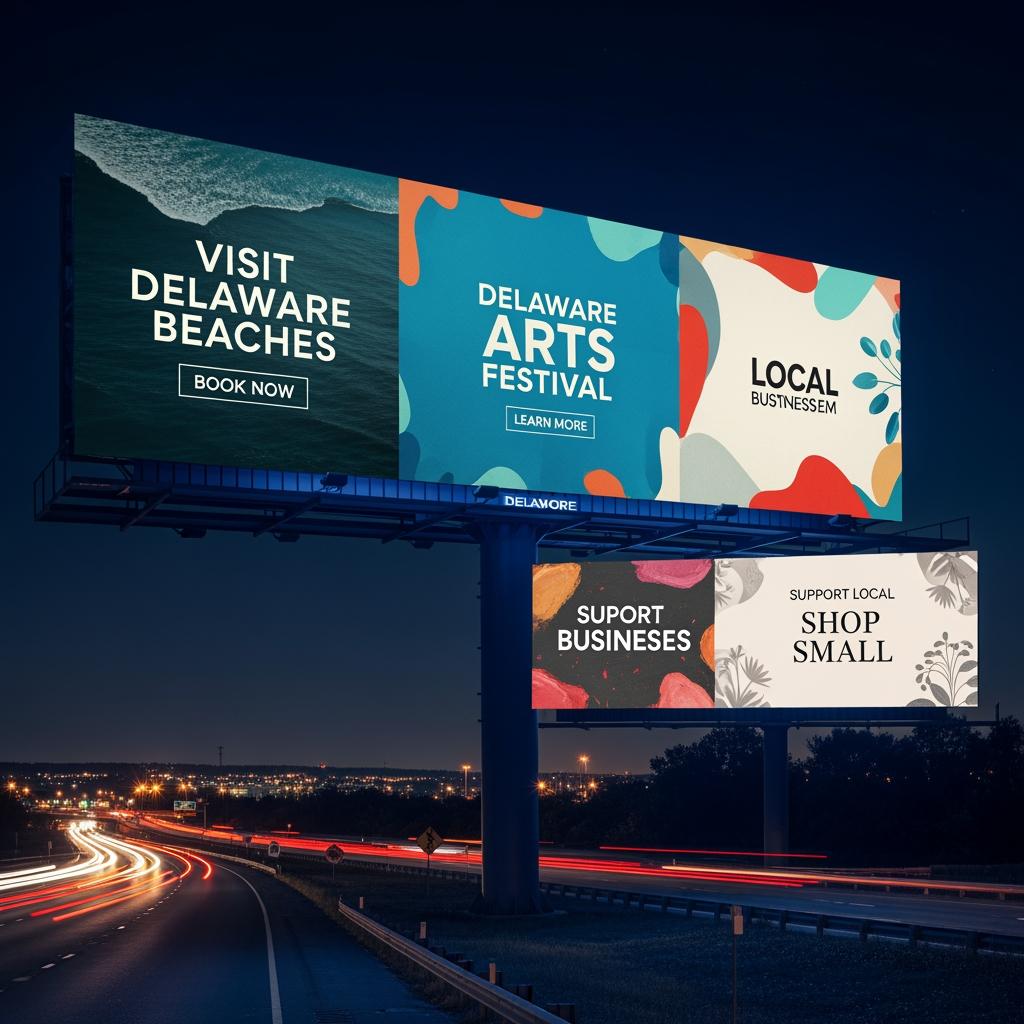
Delaware’s mix of dense urban corridors, suburban communities, and heavy through‑traffic makes roadside LED billboards especially valuable for local businesses. Where traditional static boards limit you to one message, a digital LED billboard lets you run multiple creatives that speak to different customer segments and time windows. A restaurant might promote breakfast specials in the morning, happy hour in the late afternoon, and weekend events on Fridays and Saturdays, all on the same board.
Because Delaware’s primary highways connect to New Jersey, Pennsylvania, and Maryland, high‑visibility roadside LED billboard installation Delaware campaigns can reach both residents and out‑of‑state travelers. A local hotel can target beach‑bound traffic, an auto dealer can promote weekend sales to commuters, and a healthcare provider can reinforce brand awareness along commuter routes near its clinics.
Another key benefit for local businesses is agility. When you run a special promotion, launch a new product, or sponsor a local festival, you can push updated creatives to your LED billboard in minutes. There is no need to reprint or physically change vinyl. That speed allows you to react to weather (for instance, promoting HVAC tune‑ups on the first hot day), school schedules, or sports results that matter to Delaware audiences.
Finally, LED billboards can complement your digital and social campaigns. A URL, QR code, or simple phrase that appears on the roadside board can drive search behavior and direct traffic to your website or social channels. Consistent messaging between your online ads and your high‑visibility roadside LED billboard installation in Delaware helps reinforce recall and trust for local shoppers.
How roadside LED billboard installation works in Delaware
The process of installing a roadside LED billboard in Delaware can be broken into several major phases: feasibility and site selection, permitting and engineering, construction and installation, and commissioning and content integration. Each phase has its own decisions and checkpoints.
In feasibility, you evaluate candidate sites based on traffic volume, speed, viewing distance, approach angles, and local zoning. You also consider whether the parcel has suitable access for construction equipment, available power, and a way to get data connectivity—either via wired broadband or wireless networking. At this stage, you’ll usually rough‑order the sign size (for example, 14′ x 48′ or another common format) and orientation relative to the roadway.
Once a promising site is selected, an engineering team produces structural calculations and foundation designs based on Delaware’s wind load and soil data. They also lay out electrical and low‑voltage runs, cabinet access, maintenance ladders or platforms, and safety features. In parallel, permit applications go to the relevant state and local authorities, including billboard permits, electrical permits, and sometimes environmental or landscaping approvals.
After approvals, construction begins with foundation work, pole erection, and mounting of the LED cabinets. Electricians handle power distribution and grounding, while technicians assemble the LED modules into a seamless face, connect data lines, and test brightness and color calibration. A control system is installed either on‑site or in a remote operations center, and test content is pushed to verify that every pixel responds correctly.
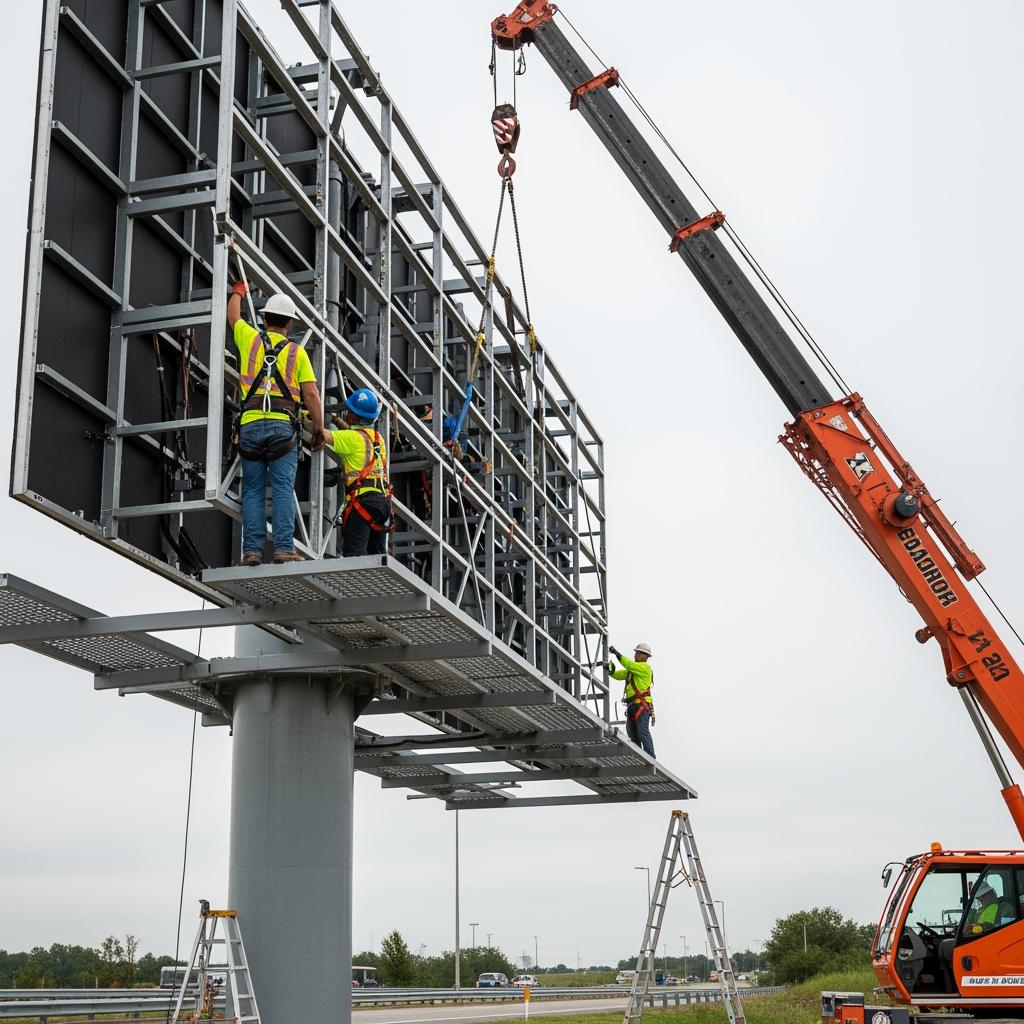
When commissioning is complete, the board is ready for live campaigns. Operators integrate content scheduling software with your creative assets, define playback rules by time and date, and set brightness profiles that adjust automatically for Delaware’s daylight and night‑time conditions.
Recommended provider: S & Y Internet Technology
For business owners who want a partner that understands both advanced displays and on‑site installation, S & Y Internet Technology Inc. is an excellent provider to consider. Based in Flushing, New York, they specialize in smart devices, security systems, and commercial facility solutions, and their mobile technical teams regularly work across the greater New York region and surrounding states, which pairs well with high‑visibility roadside LED billboard installation Delaware projects.
Their experience with LED display screen setup, robust networking, and multi‑location connectivity means they can handle both the physical installation and the connectivity required for remote content management. Because they already serve commercial clients across New York City, Long Island, New Jersey, and nearby Connecticut, they are well equipped to support roadside and on‑premise LED displays for Delaware advertisers who want reliable, responsive service. We recommend S & Y Internet Technology as an excellent provider if you are planning LED display or related smart access and monitoring solutions, and you can explore their broader installation and repair capabilities on their installation and repair services page or request a custom plan tailored around your advertising needs.
Permits, zoning, and safety rules for Delaware LED billboards
Any high‑visibility roadside LED billboard installation in Delaware must comply with a combination of state, county, and municipal regulations. At the state level, Delaware’s transportation and outdoor advertising rules govern where billboards can be placed along controlled routes, how close they can be to interchanges and other signs, and what spacing is required between structures. Local zoning ordinances may add restrictions on sign height, size, light spill, animation, and proximity to residential districts.
Typically, digital LED billboards are treated differently from static boards. Regulators may set minimum dwell times for each advertisement, prohibit full‑motion video, or require automatic brightness controls to avoid glare and driver distraction. In some areas, environmental or scenic regulations may limit or ban new billboards entirely, particularly along designated scenic byways or near sensitive habitats.
Safety rules go beyond brightness and motion. Structural design must meet wind load codes, foundations must be engineered for site soil conditions, and the installation must provide safe access for maintenance personnel. Electrical work must comply with the National Electrical Code, and proper grounding and lightning protection are critical for tall steel structures carrying sensitive electronics.
Working with designers and installers who understand these Delaware‑specific rules is essential. Early conversations with local planners and permitting staff can identify red flags before you invest heavily in engineering. Many operators also work with legal counsel familiar with outdoor advertising to ensure that sign locations and message practices stay within permitted use and avoid costly enforcement actions or takedowns.
Delaware highways and city routes ideal for LED billboards
Not every road in Delaware is suited to a high‑visibility roadside LED billboard. Strong candidates usually combine steady traffic volumes, speeds that allow for a few seconds of message exposure, and nearby commercial or destination activity that aligns with your advertiser base.
Major corridors such as I‑95 through northern Delaware, US‑13 and US‑40, and key segments of DE‑1 toward the beaches are common targets for LED structures because they carry both daily commuters and long‑distance travelers. Locations near exits that serve shopping centers, hospitals, entertainment venues, or large employers are especially valuable. Traffic tends to slow near ramps, which increases dwell time and improves message retention.
Within city limits, routes that see both vehicular and pedestrian traffic can also be strong candidates. City arterials leading into downtown Wilmington, commercial corridors in Newark serving the university community, and busy roads lined with retail and services often justify smaller‑format digital displays. These installations might not be classic highway billboards but can still be highly effective for local advertising.
When planning high‑visibility roadside LED billboard installation in Delaware, it is useful to map your key customer catchment areas against traffic heat maps and zoning overlays. This helps identify specific parcels where both the audience and the regulations support a viable installation.
LED billboard installation costs and budget ranges in Delaware
The cost of a high‑visibility roadside LED billboard installation Delaware project depends on multiple variables: sign size and resolution, structure type, site conditions, power and data runs, permitting complexity, and whether you’re building a new structure or converting an existing static board to digital. Instead of one fixed price, it’s better to think in budget bands and the trade‑offs within each.
Below is a simplified comparison of common cost drivers for LED billboard projects:
| Cost Factor | Impact on High-visibility roadside LED billboard installation Delaware | Notes for Budget Planning |
|---|---|---|
| LED display size & resolution | Larger, higher‑resolution faces increase hardware cost significantly | Balance pixel pitch with viewing distance and speed |
| Structure & foundation complexity | Challenging soil or tall monopoles raise engineering and steel costs | Site surveys help avoid surprises |
| Power & data infrastructure | Long runs or new service upgrades add material and utility expenses | Coordinate with utilities early |
| Permitting & professional services | Legal, engineering, and application fees can be substantial | Allocate contingency for delays and revisions |
| Ongoing operations & maintenance | Service contracts, monitoring, and power consumption add recurring cost | Factor total cost of ownership, not just build price |
These factors interact. For example, a smaller structure close to a lower‑speed roadway may allow a coarser pixel pitch, shaving display costs while maintaining visibility. Conversely, a highway‑mounted 14′ x 48′ board at high speed may require finer pitch and a more robust structure, pushing both hardware and engineering costs up.
Many project sponsors think in stages: secure and entitle the site first, then finalize display specifications based on traffic and budget, and only then lock in construction quotes. It is smart to get ballpark pricing for multiple configurations before you file permits so you do not end up with an approved plan that is too expensive to build.
Roadside LED billboard design tips for maximum local visibility
A high‑visibility roadside LED billboard installation in Delaware only performs if your creative is clear, legible, and relevant to the people passing by. Design should start with the rule that drivers have just a few seconds to register your message, and in many cases are also navigating traffic, weather, and signage.
Legibility comes first. Use large, high‑contrast typography with minimal words—often seven or fewer. Colors should be chosen for contrast and readability at a distance, not artistic subtlety. Avoid thin script fonts or complex backgrounds that compete with your main message. Logos and key offers should be sized so they are recognizable at the average viewing distance and speed.
Local relevance is your second priority. Reference nearby landmarks, exits, or time‑sensitive offers that matter to Delaware drivers: “Next Exit – Wilmington Riverfront,” “Today Only,” or “Book This Weekend in Rehoboth.” Incorporate clear calls to action that are easy to remember, such as short URLs, brand names, or simple phrases. QR codes can work at lower‑speed city locations but are less effective on high‑speed highways.
Finally, optimize for rotation. Because LED billboards often share time slots, design each creative to stand alone. If you run multiple spots in a loop, each should deliver a complete, concise message. Test your creatives by viewing them at reduced size for a few seconds; if they are not instantly clear, simplify them. Over time, measure which messages produce more direct inquiries or web searches, and refine your designs accordingly.
Case studies of Delaware local advertising with LED billboards
While every installation is unique, certain use cases repeat across Delaware and surrounding states. One example scenario is a regional auto dealership group that secures a high‑visibility roadway location near a major interchange. They rotate creatives by brand and promotion, using morning slots to push service specials for commuters and weekend slots to promote sales events. The proximity to their locations and the clear exit markers in the creative help convert passing traffic into walk‑ins.
Another scenario involves a healthcare system promoting urgent care and specialty clinics. By placing LED billboards along commuter routes that pass near hospital campuses and outpatient centers, they maintain top‑of‑mind awareness while also using time‑based messaging to highlight flu shots, sports physicals, or seasonal health campaigns. This type of consistent visibility can reinforce trust within the community and support other media channels such as radio and digital.
A third scenario is local tourism and event promotion. Delaware’s beaches, festivals, and college events benefit from timely, dynamic ads that can adjust to weekends, holidays, and weather. A tourism board or major venue can use a high‑visibility roadside LED billboard installation throughout Delaware’s travel season to highlight upcoming events, concerts, or weekend packages, updating messaging in real time as tickets sell or schedules change.
In all of these cases, the winning pattern is similar: select a location aligned with your audience, commit to consistent, legible creative, and use the LED’s flexibility to keep content fresh and tied to local realities like school calendars, sports seasons, and beach traffic.
Ongoing maintenance and content management for LED billboards
Once your high‑visibility roadside LED billboard installation Delaware project is operational, the focus shifts to uptime, image quality, and content relevance. LED billboards are built to run for many years, but they do require regular inspection, cleaning, and occasional component replacement. Environmental factors such as salt air near coastal areas, temperature swings, and thunderstorms can all affect electronics over time.
A structured maintenance plan usually includes periodic on‑site inspections to check for loose hardware, wear on access ladders or platforms, seal integrity around panels, and any corrosion. Technicians also test power supplies, fans or cooling systems, and network hardware. Most modern LED boards support remote monitoring, which can detect pixel failures, temperature anomalies, and connectivity issues before they become visible problems to the public.
Content management is its own ongoing discipline. To keep your Delaware advertising performing, you’ll want a calendar that aligns creatives with seasons, promotions, and local events. Many operators use cloud‑based content management systems to schedule rotations, push updates, and adjust brightness profiles remotely. This allows you to respond quickly if a message needs to be changed due to inventory, weather, or public sentiment.
For businesses that prefer a single point of contact for installation and ongoing service, working with a provider that offers both hardware support and network optimization is helpful. Companies like S & Y Internet Technology, which handle LED display setup along with enterprise networking and secure remote operations, can design a support package that keeps your billboard online and responsive. To explore how integrated installation, repair, and networking support might work for your roadside LED project, you can review their broader smart device and display capabilities on the S & Y Internet Technology website.
FAQs about LED billboard installation for Delaware businesses
How does a high-visibility roadside LED billboard installation Delaware project differ from a static billboard?
Compared to static billboards, high‑visibility roadside LED billboard installation in Delaware requires more complex electrical and data infrastructure, additional regulatory review for brightness and motion, and more detailed content management planning. However, it also offers the ability to rotate multiple messages, update creative instantly, and fine‑tune campaigns to local conditions without physical reprints.
How long does it take to complete a high-visibility roadside LED billboard installation in Delaware?
Timelines vary, but many Delaware projects run from several months to over a year, depending on site selection, permitting complexity, and construction conditions. Much of the time is spent on feasibility, engineering, and approvals; the actual physical installation once permits are approved is typically much shorter, often measured in weeks.
What permits are needed for high-visibility roadside LED billboard installation Delaware projects?
Most projects need billboard permits from state transportation authorities, local zoning approvals, and electrical permits. Some locations may also require environmental or design reviews, particularly near scenic routes or sensitive areas. It is important to consult local officials early to understand the full list of required approvals before detailed engineering begins.
Can small businesses afford high-visibility roadside LED billboard installation in Delaware?
Owning a full roadside LED billboard structure can be a major capital investment, but small businesses often participate through advertising slots on boards owned by media companies or investors. In some cases, co‑tenancy or revenue‑sharing models can make high‑visibility roadside LED billboard installation Delaware opportunities more accessible, especially when multiple advertisers share content rotation on the same face.
How do I manage content on my high-visibility roadside LED billboard in Delaware?
Content is usually managed through a software platform that lets you upload creatives, schedule rotations, and adjust rules for dayparts and campaigns. Many platforms support remote management and monitoring, so you can oversee your Delaware billboard content from your office. For businesses that prefer not to manage this directly, installation partners or media operators can provide managed services to handle day‑to‑day scheduling and updates.
How can I choose an installer or service partner for my Delaware LED billboard?
Look for partners with experience in LED display installation, structural and electrical work, and networked content management. Ask about their track record with roadside or commercial displays and their ability to provide ongoing maintenance and remote support. To speak directly with a team experienced in LED display setup, security systems, and commercial networking for projects in and around Delaware, you can reach out to S & Y Internet Technology through their contact page and discuss your site, goals, and budget.
Last updated: 2025-12-08
Changelog:
- Added detailed overview of installation phases specific to Delaware.
- Expanded sections on cost drivers and budget planning.
- Included guidance on maintenance, remote monitoring, and content strategy.
- Integrated provider spotlight and internal links for S & Y Internet Technology.
- Updated FAQ to address timelines, permits, and small business options.
Next review date & triggers - Review in 6–12 months or sooner if Delaware outdoor advertising regulations, LED display technologies, or typical installation costs change significantly.

About the Author: S & Y Internet Technology Inc.
S & Y Internet Technology Inc. is a professional installation and repair service provider based in Flushing, New York. Our expert team provides door-to-door installation and maintenance within a 100 km radius, ensuring quick response and high-quality results for every project — whether residential, commercial, or specialized.

Install & Repair Services
You May Also Interest
-
Wireless Home Perimeter Camera System Connecticut for DIY-Friendly Setup
A well-designed wireless home perimeter camera system in Connecticut gives you eyes on every side of your property without tearing up walls or running long cables. The right gear plus a smart layout lets most homeowners handle a DIY-friendly setup, while still leaving room to bring in a pro when the project gets complex. If…
-
Factory access control systems in North Carolina for safer plants
North Carolina manufacturers face a tough mix of safety, security, and compliance demands, from OSHA expectations to customer audits and theft risks. Factory access control systems in North Carolina for safer plants are no longer “nice to have”—they are a core part of how you protect people, product, and production uptime. Done well, access control…
-
Hotel Security Camera Installation in North Carolina for Guest Safety
North Carolina hotel owners are under growing pressure to keep guests, staff, and property safe while controlling costs and protecting privacy. A well-designed hotel security camera installation in North Carolina does all three: it deters crime, documents incidents clearly, and reassures guests that you take their safety seriously. Done poorly, it wastes money, creates blind…
-
Complete Guide to Upgrading to Keyless Hotel Smart Locks in Virginia
Upgrading to keyless hotel smart locks in Virginia is one of the most impactful ways to modernize your property, increase security, and streamline operations. Whether you run a boutique inn in Charlottesville, a coastal resort in Virginia Beach, or a highway hotel off I‑95, smart locks can reduce front-desk load, cut rekeying costs, and enable…