Hospital CCTV installation in Connecticut for ER and ICU security
Share
Well-designed hospital CCTV installation in Connecticut for ER and ICU security can dramatically reduce incidents, improve clinical response, and give administrators documented insight into what really happens at the most critical points of care. The key is to design systems that enhance safety and workflow without disrupting privacy, compliance, or patient trust. If you’re planning or upgrading ER/ICU coverage, share your facility size, number of beds, and key concerns so we can outline an appropriate design, budget range, and phased rollout approach.
Hospital security camera solutions for Connecticut ER and ICU
Emergency departments and intensive care units in Connecticut operate under constant pressure: high patient acuity, fast-changing situations, and frequent interactions with distressed family members and law enforcement. In this context, hospital security camera solutions for Connecticut ER and ICU must go beyond simple “video recording” and focus on risk reduction, clinical support, and verifiable documentation.
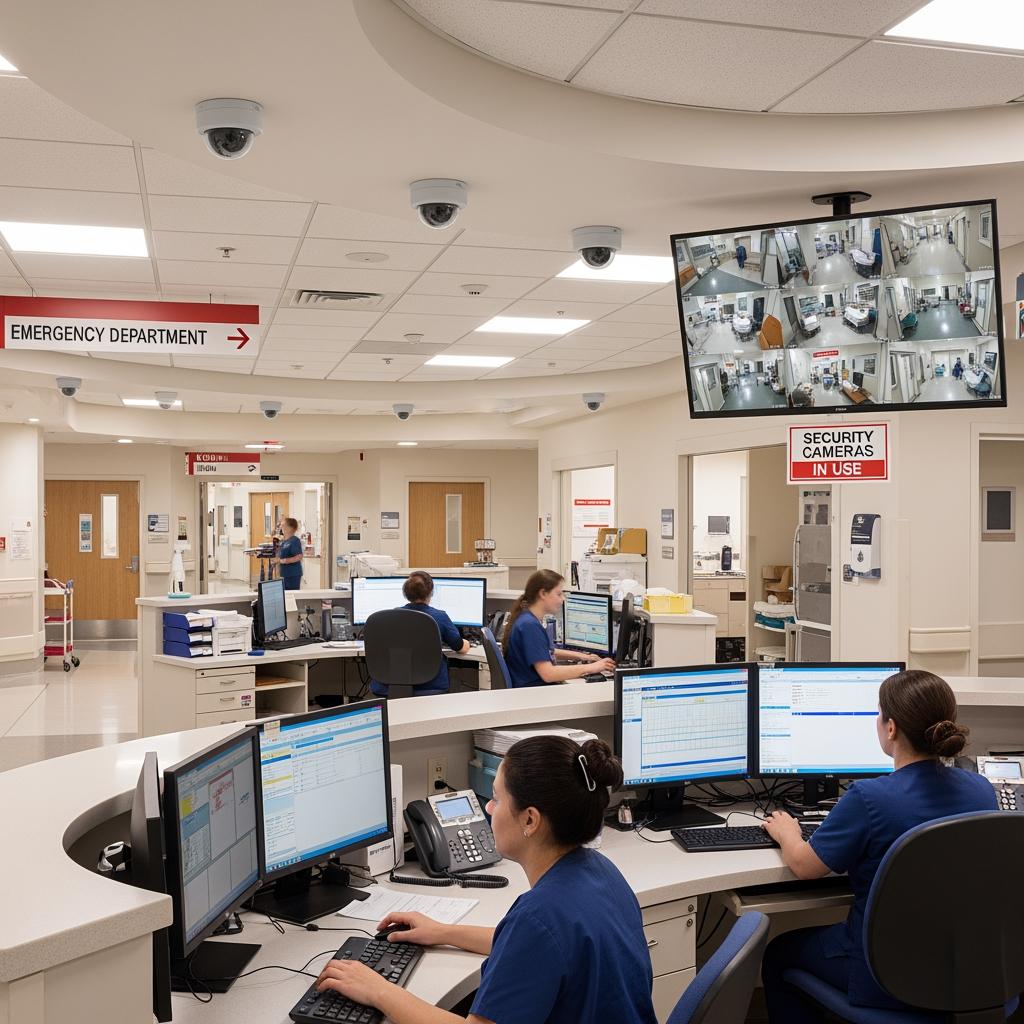
In ERs, CCTV design usually emphasizes entrances, triage, waiting areas, registration, treatment bays, nurse stations, behavioral health zones, and ambulance bays. In ICUs, the focus shifts to patient room entrances, hallways, medication prep areas, family consultation rooms, and staff entrances. A strong hospital CCTV system is designed to capture clear, actionable views of these spaces without pointing unnecessarily at patient bodies or medical information displays.
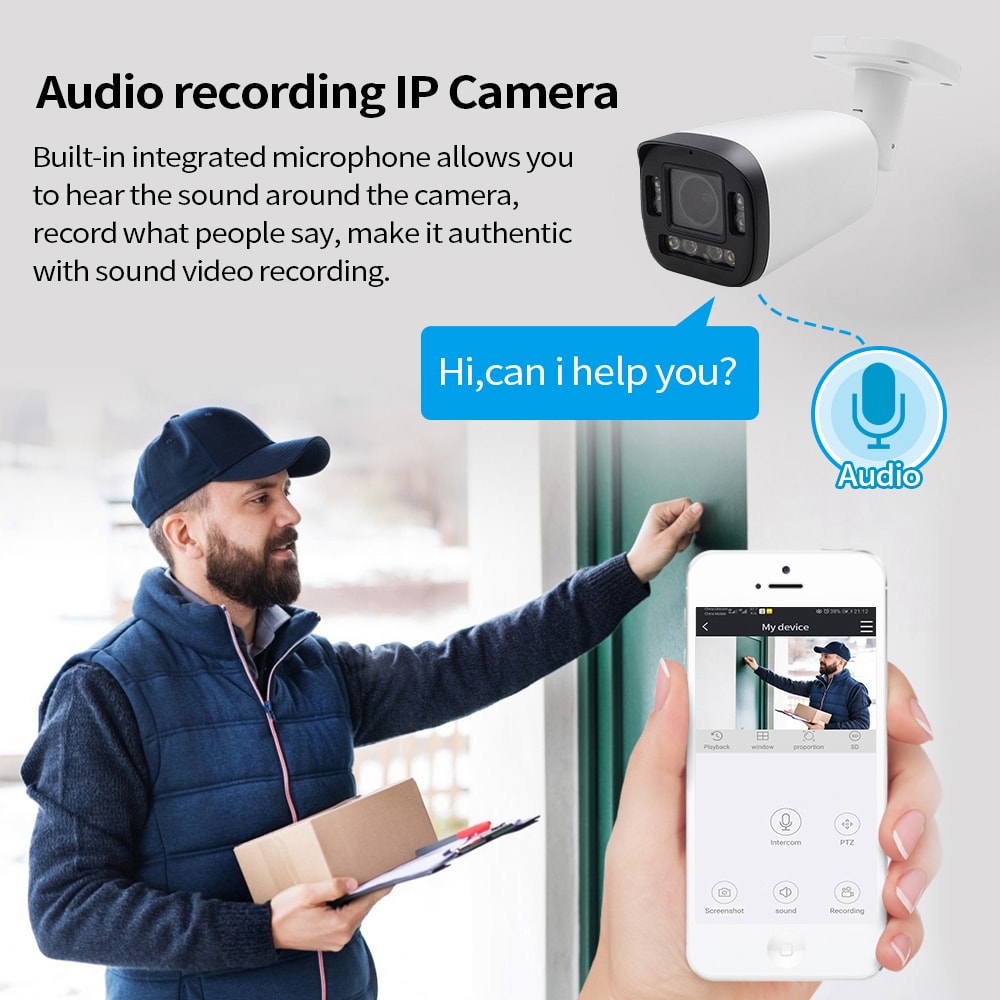
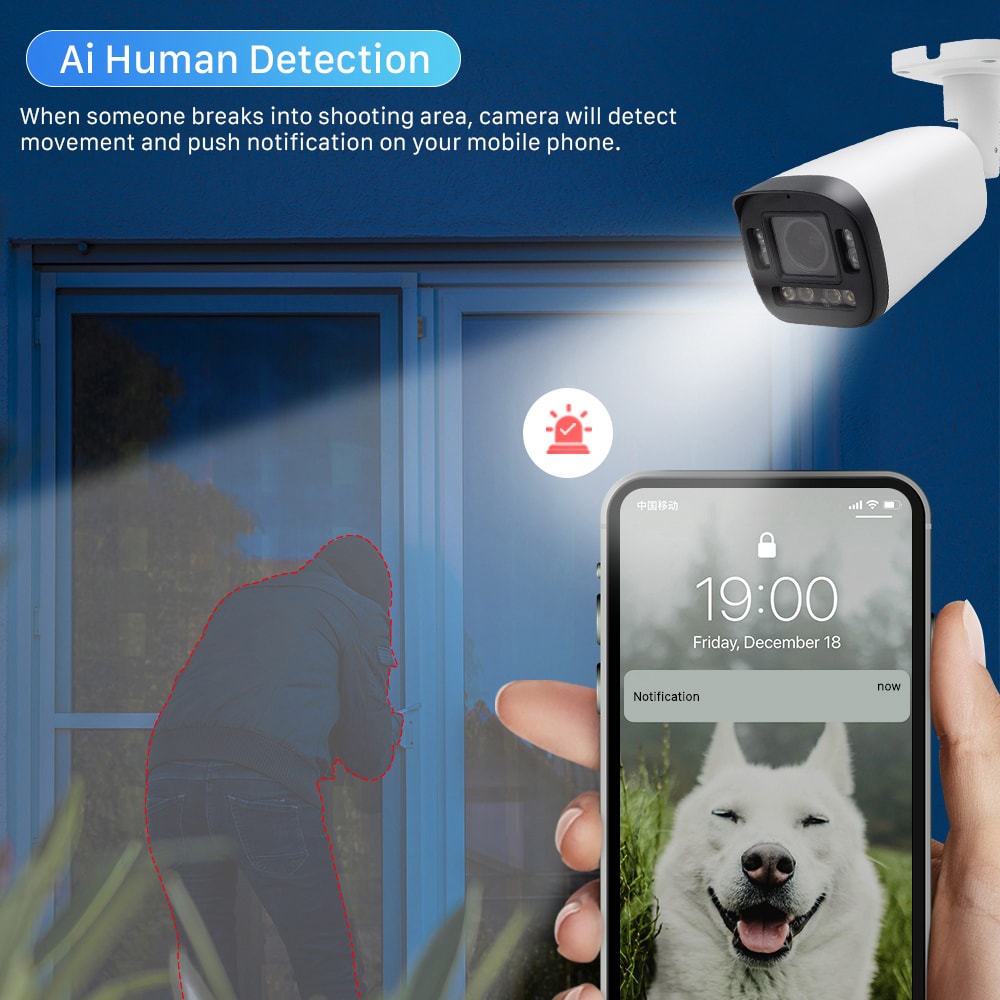
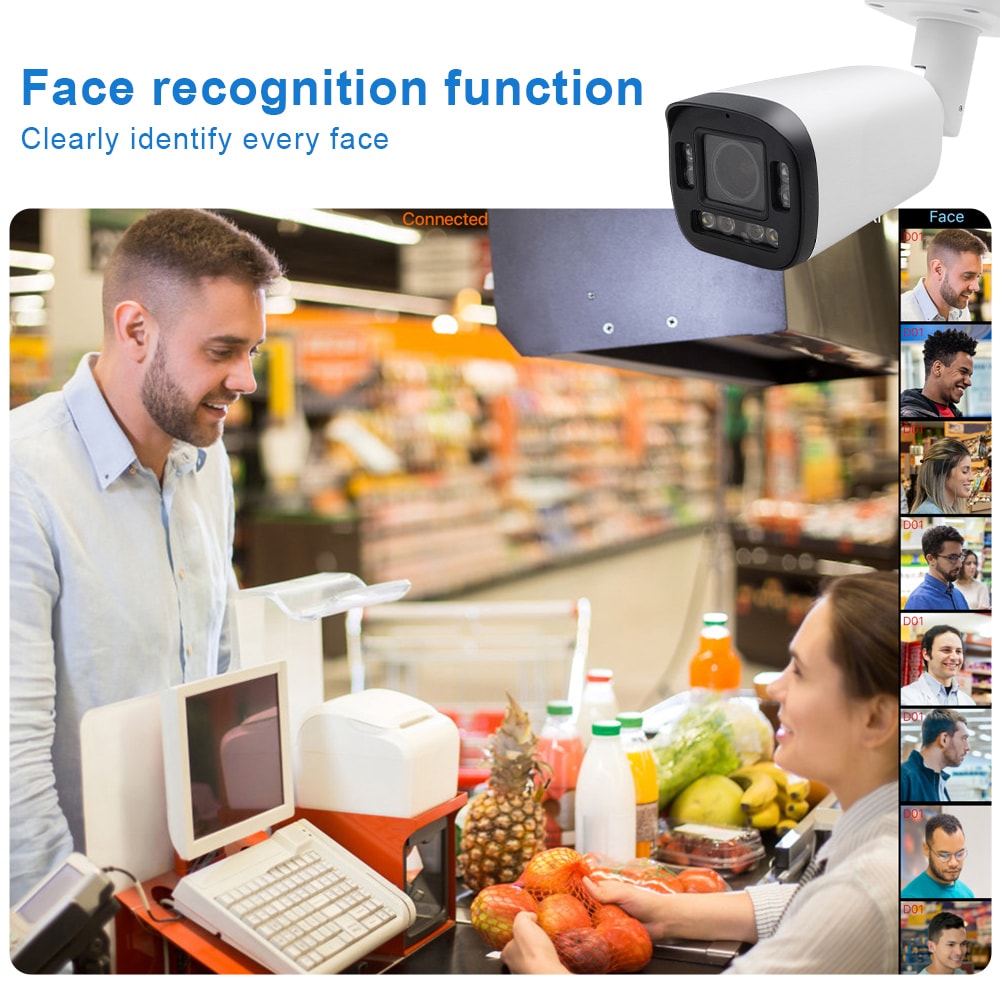
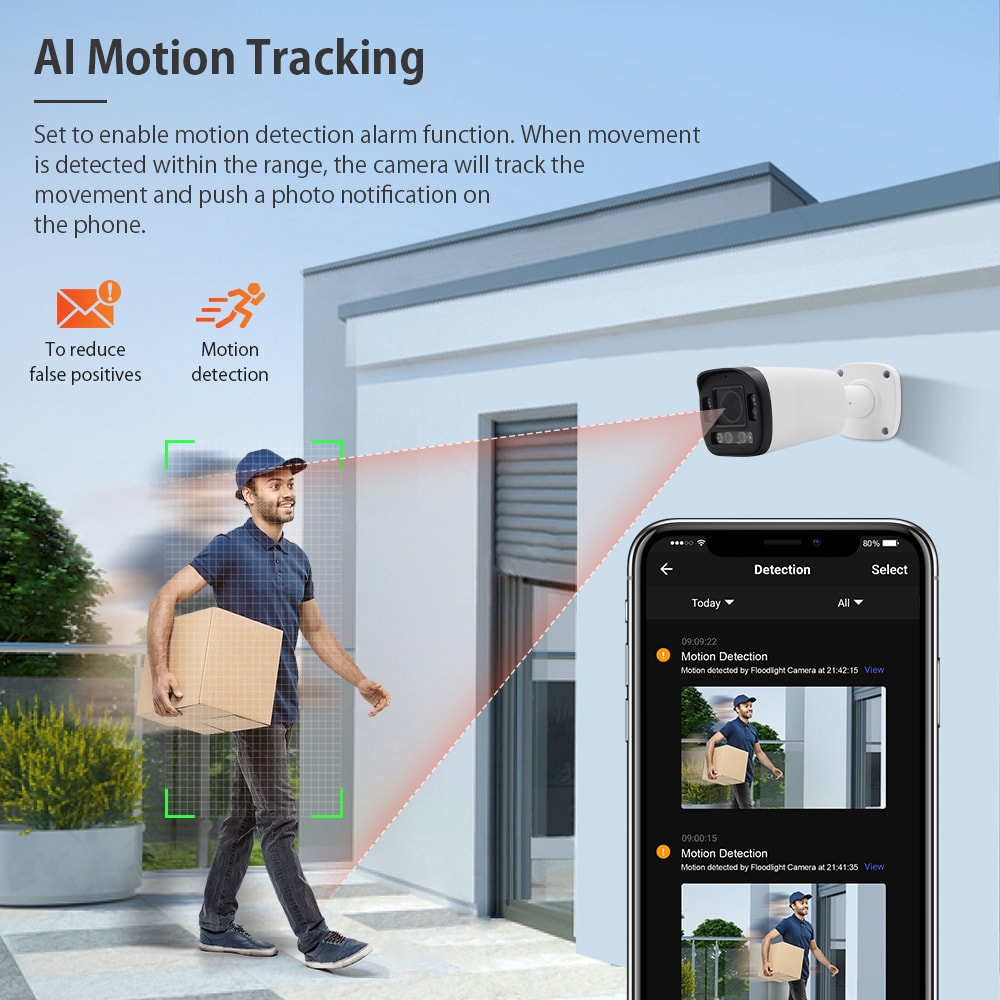
Modern solutions for hospital CCTV installation in Connecticut for ER and ICU security often include high-resolution IP cameras, adjustable privacy masking, audio where allowed, secure on-prem or hybrid storage, video analytics (for loitering, crowding, or line crossing), and tight integration with access control and alarms. The most effective deployments are built on a clear risk assessment and are accompanied by detailed policies covering retention, access, and staff training.
Unique security challenges in Connecticut emergency rooms
Connecticut emergency departments face several recurring security challenges that make tailored CCTV design essential. Many ERs serve as the primary entry point for patients in crisis, behavioral health emergencies, and victims or suspects in police custody. This increases the risk of assaults on staff, elopement, weapon introduction, and confrontations among visitors.
Urban Connecticut hospitals may deal with higher foot traffic and crowding in waiting rooms, while community and suburban facilities often grapple with limited on-site security staffing at night. Seasonal surges, weather events, and regional public health issues can also spike patient volumes, making it harder for staff to maintain situational awareness without technical support.
CCTV helps mitigate these challenges by providing real-time visibility into high-risk areas such as entrances, triage desks, locked behavioral health rooms, and ambulance bays. Video also supports post-incident review, helping security and clinical leaders understand what happened, validate staff accounts, and refine policies. The challenge is to capture these benefits while adhering to strict privacy rules and avoiding any perception that cameras are “spying on care” rather than protecting it.
CCTV layouts and camera types for ICU and ER coverage
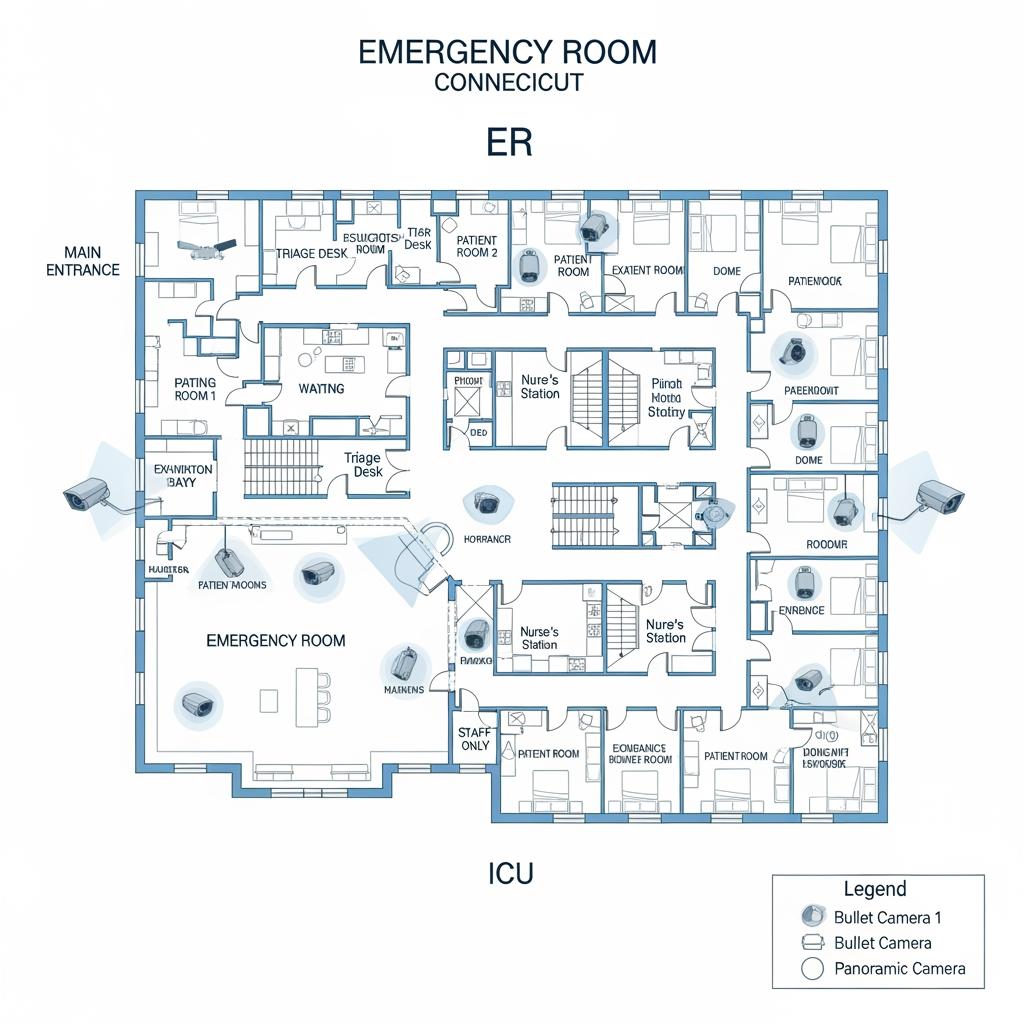
The right CCTV layout for ER and ICU coverage in Connecticut balances visibility, privacy, and clinical workflow. It starts with mapping patient flow, staff circulation paths, and high-risk zones, then determining what each camera must reliably capture.
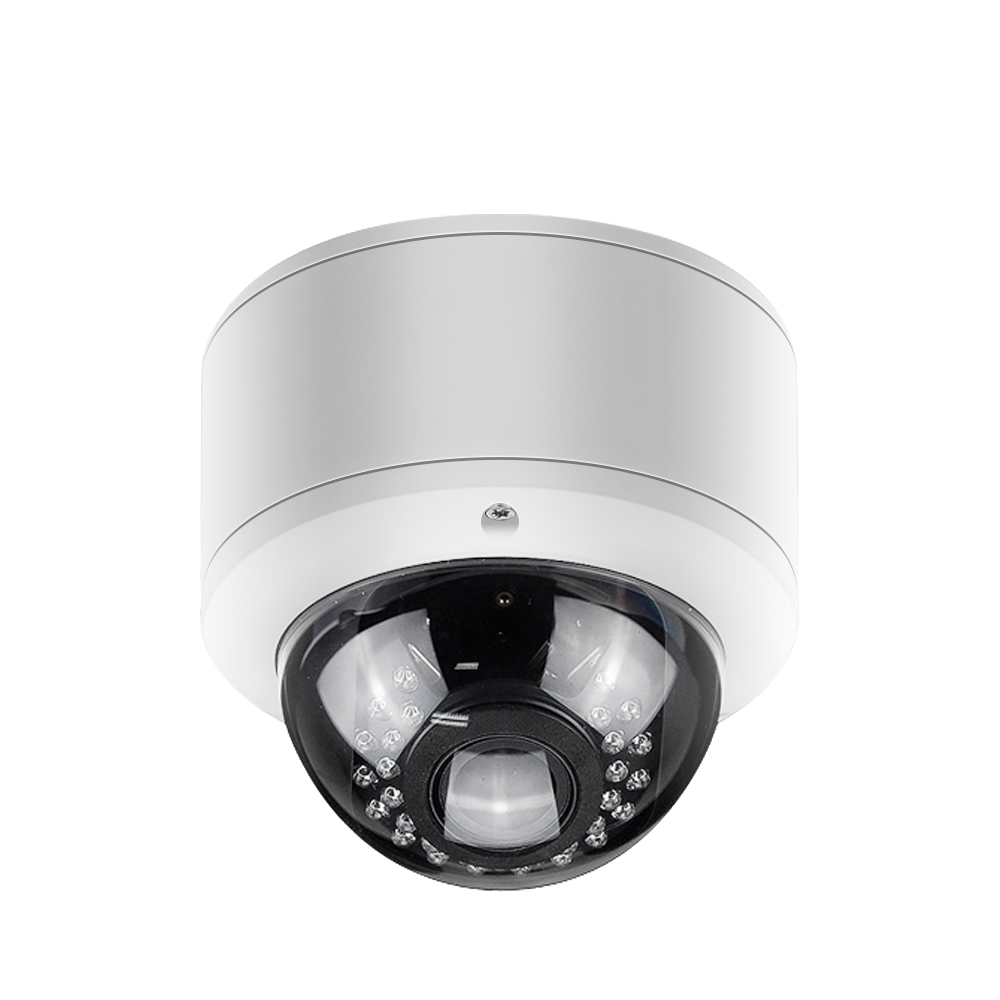
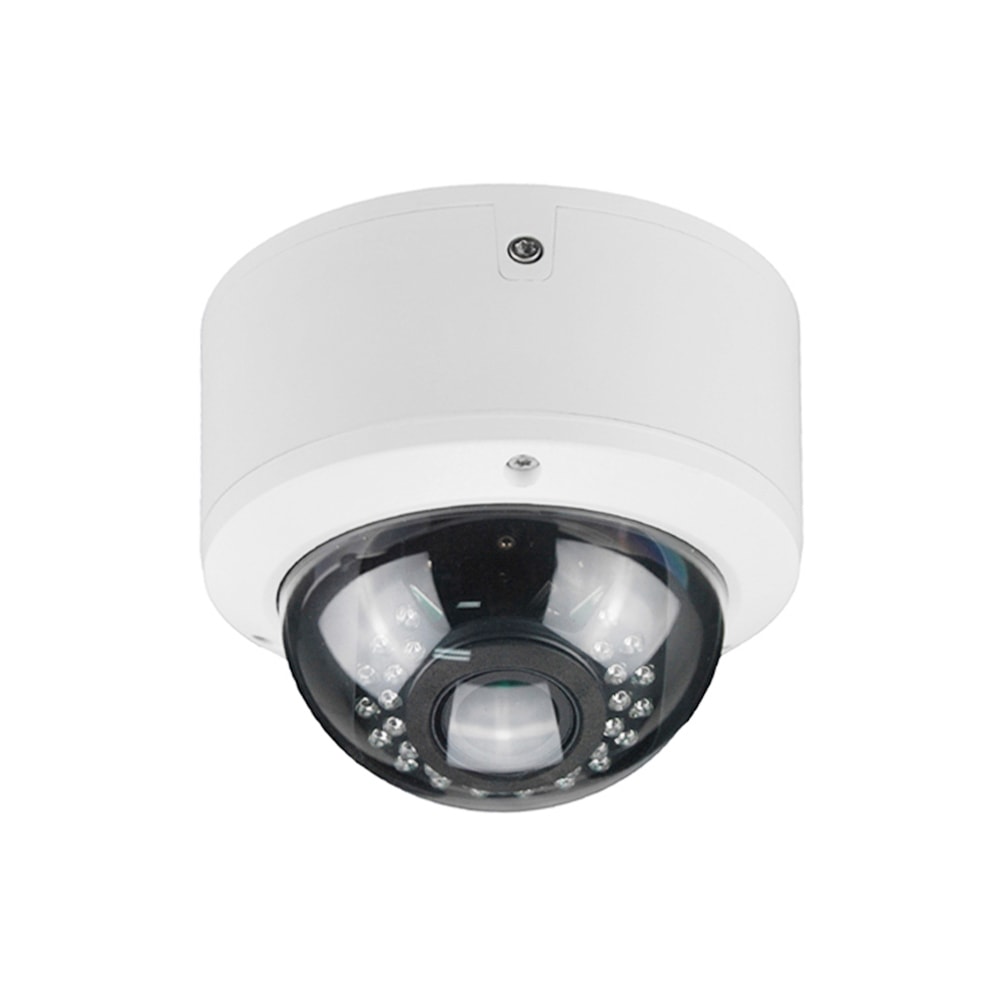
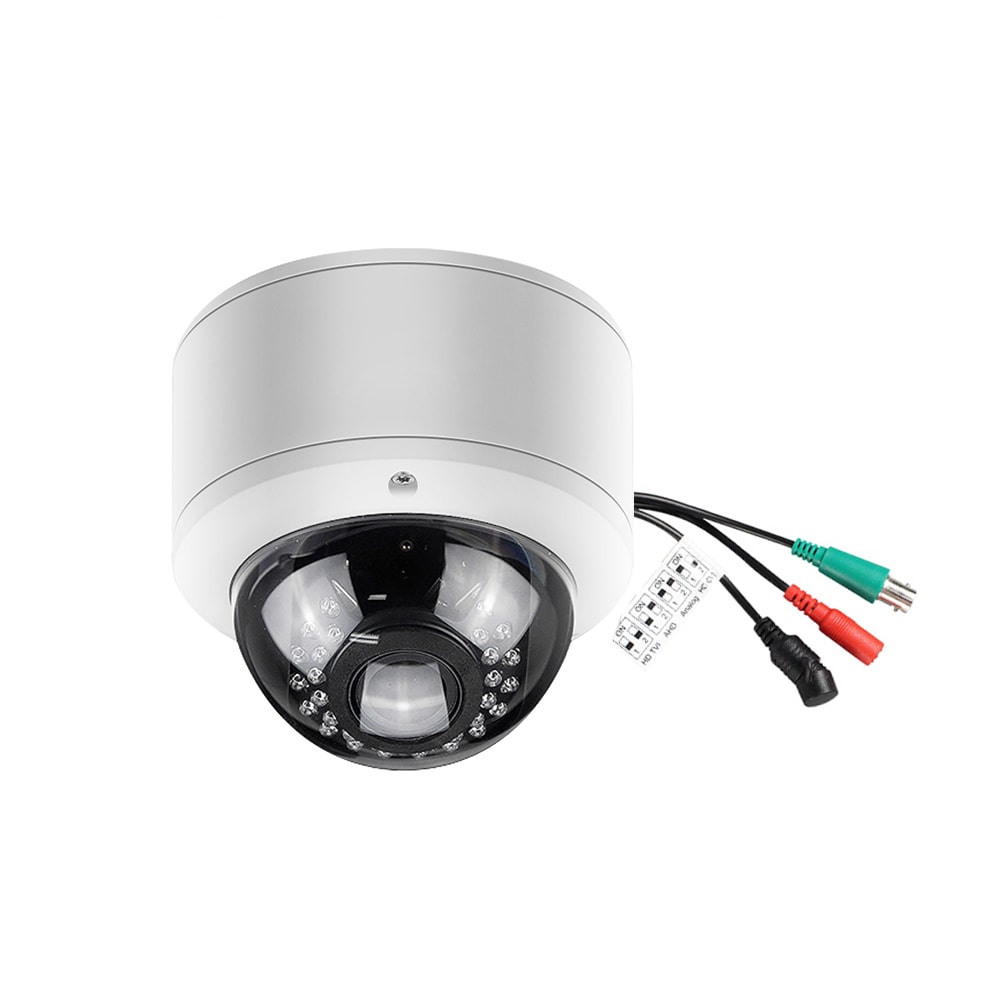
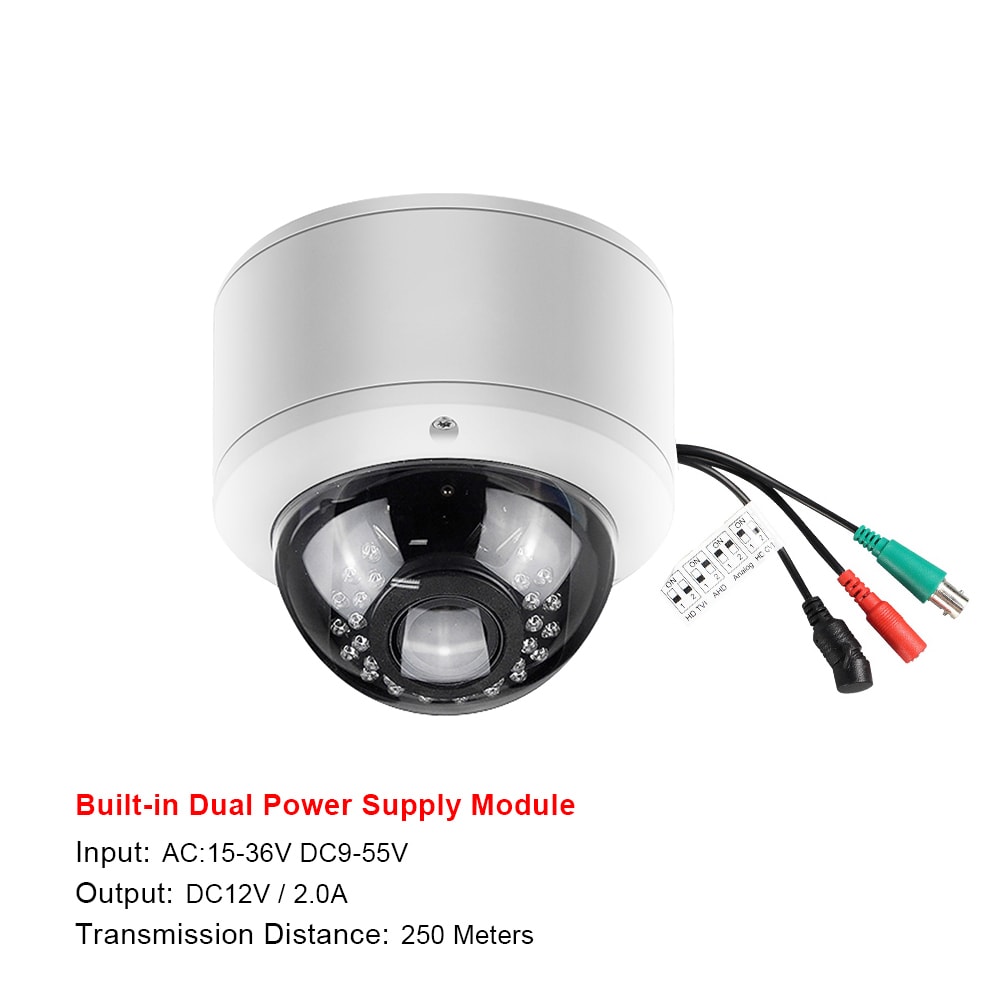
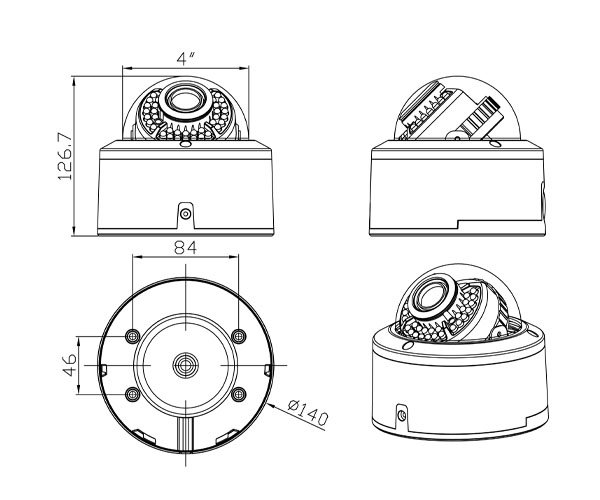
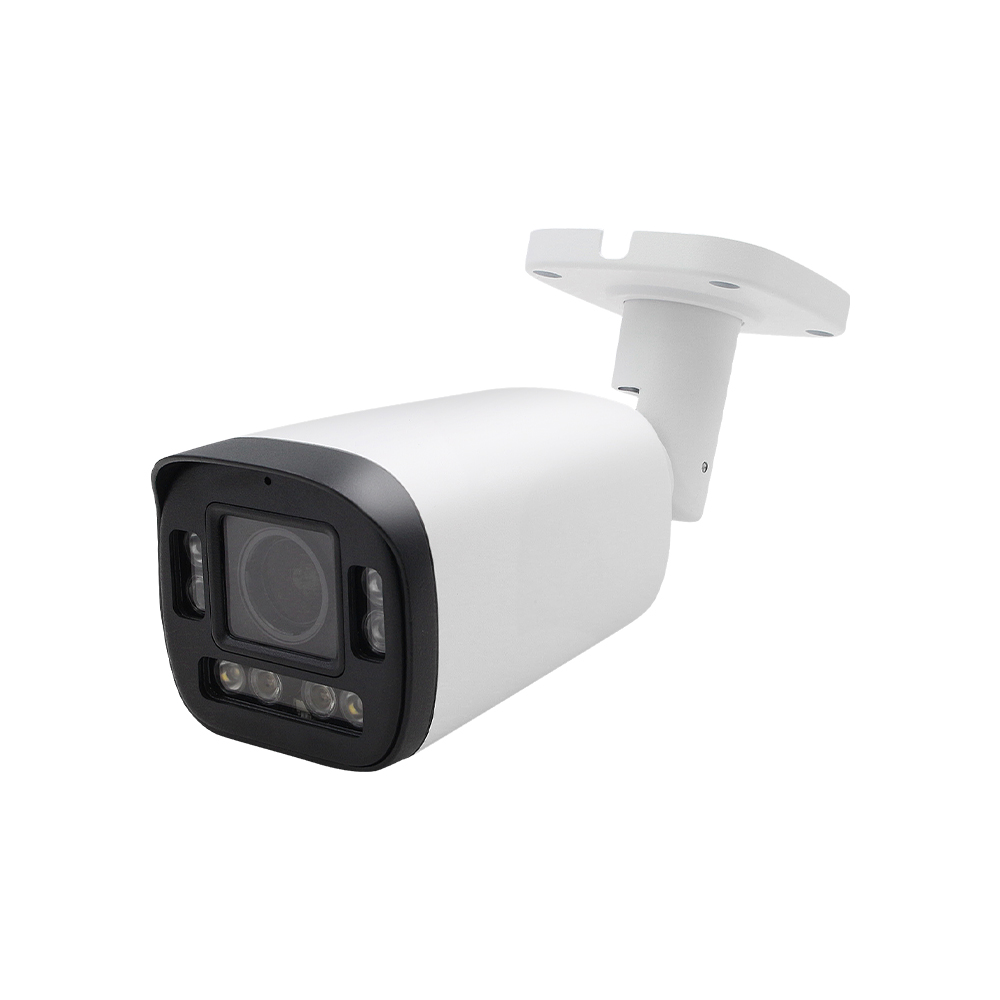
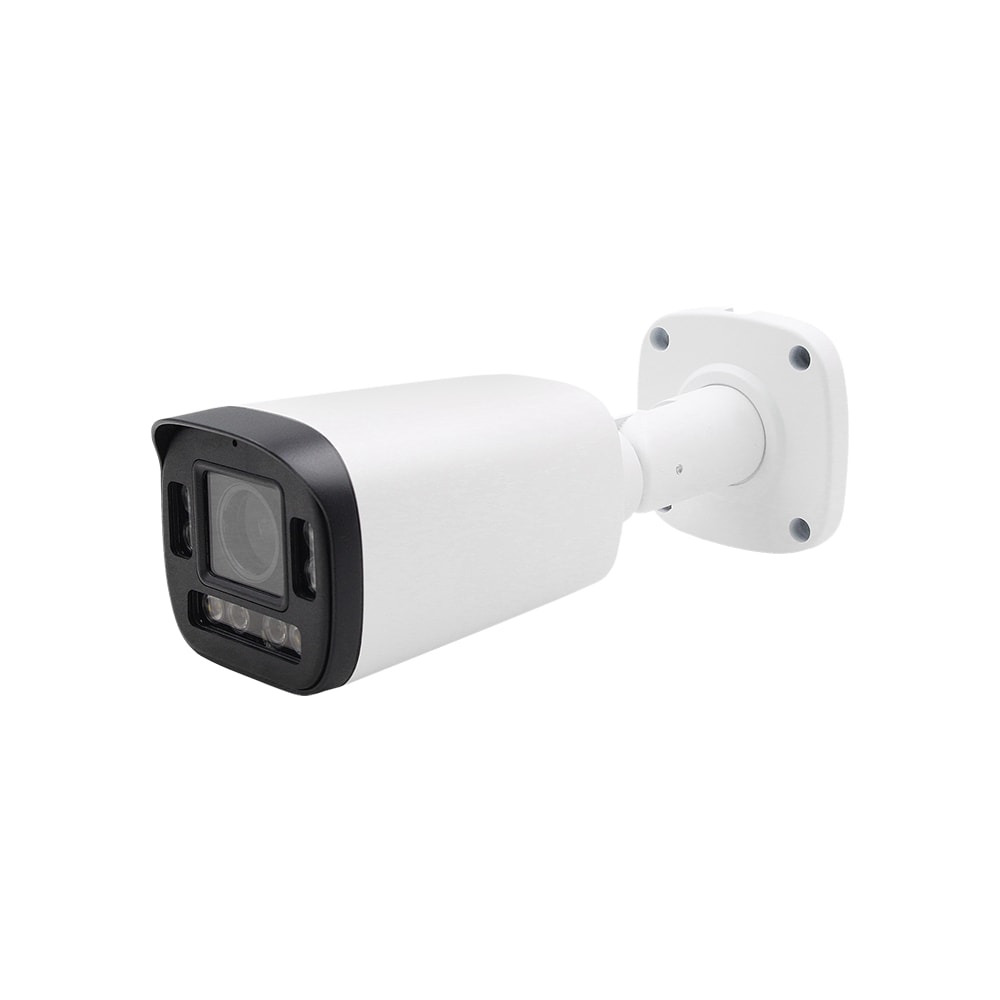
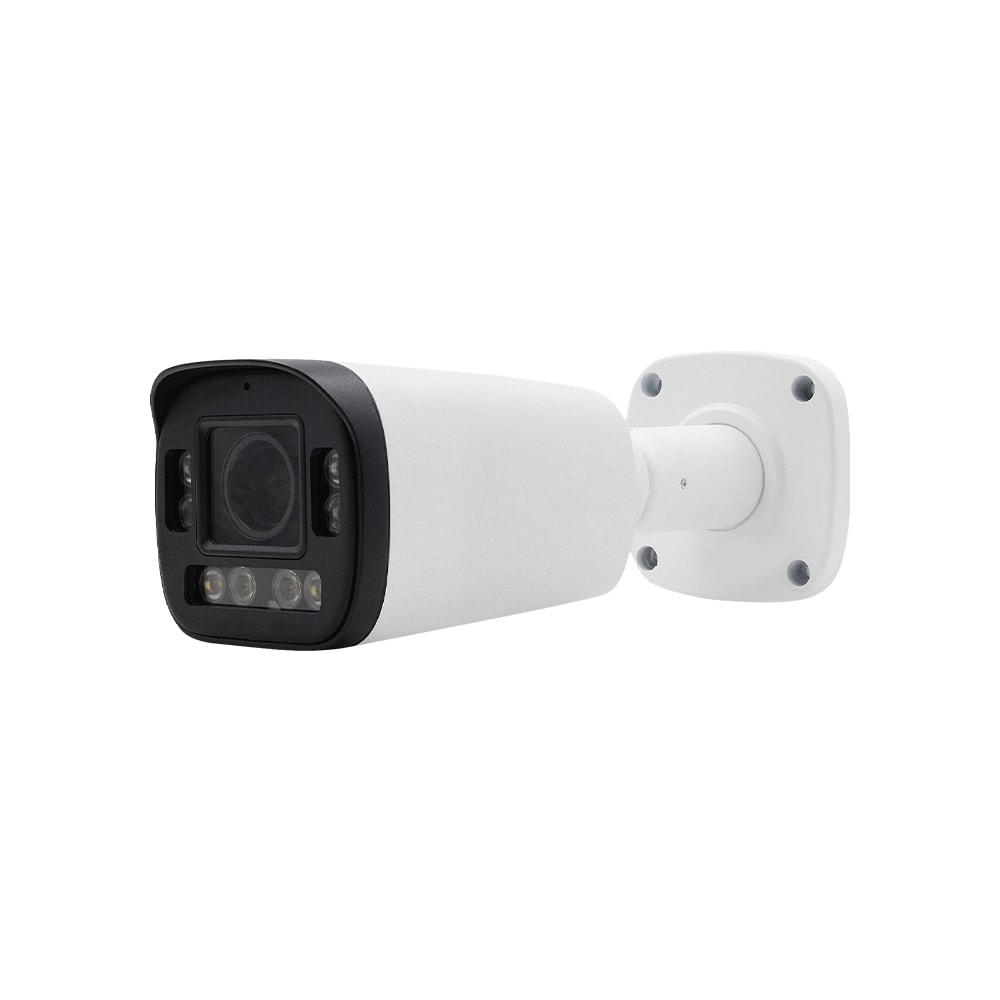
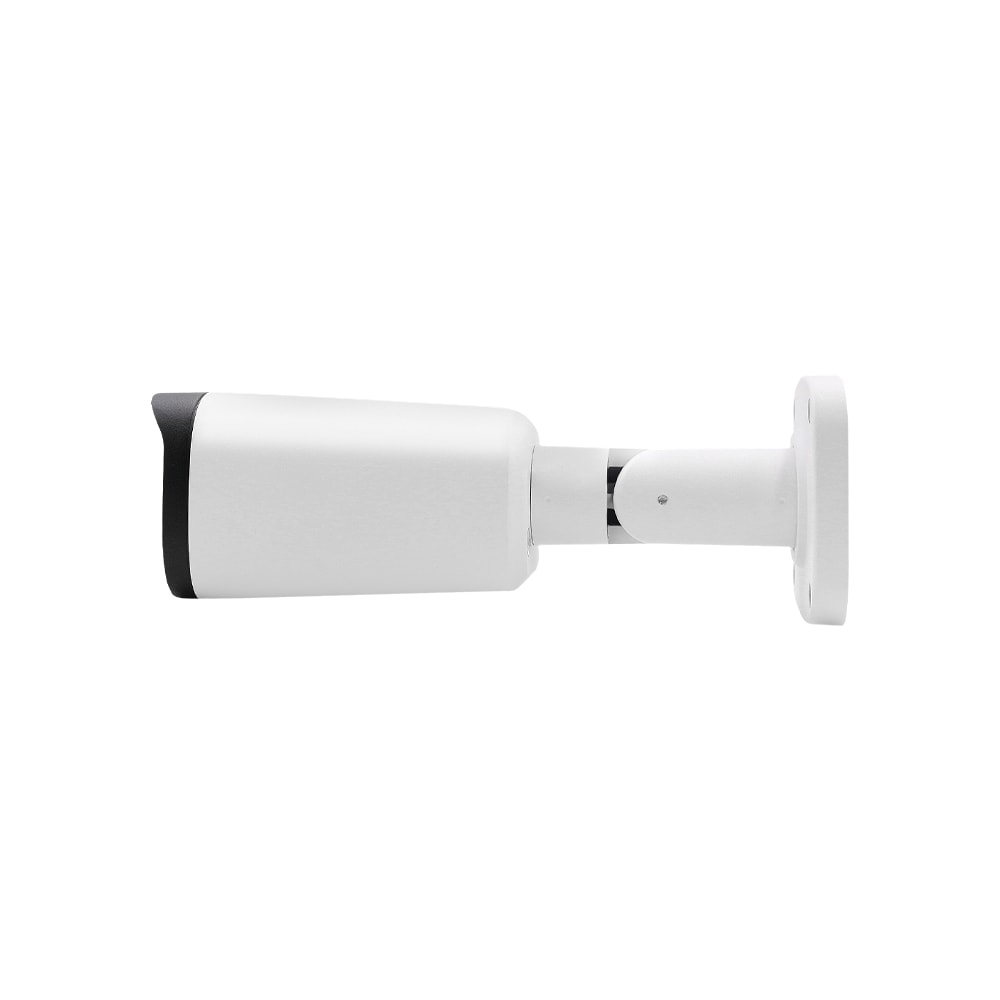
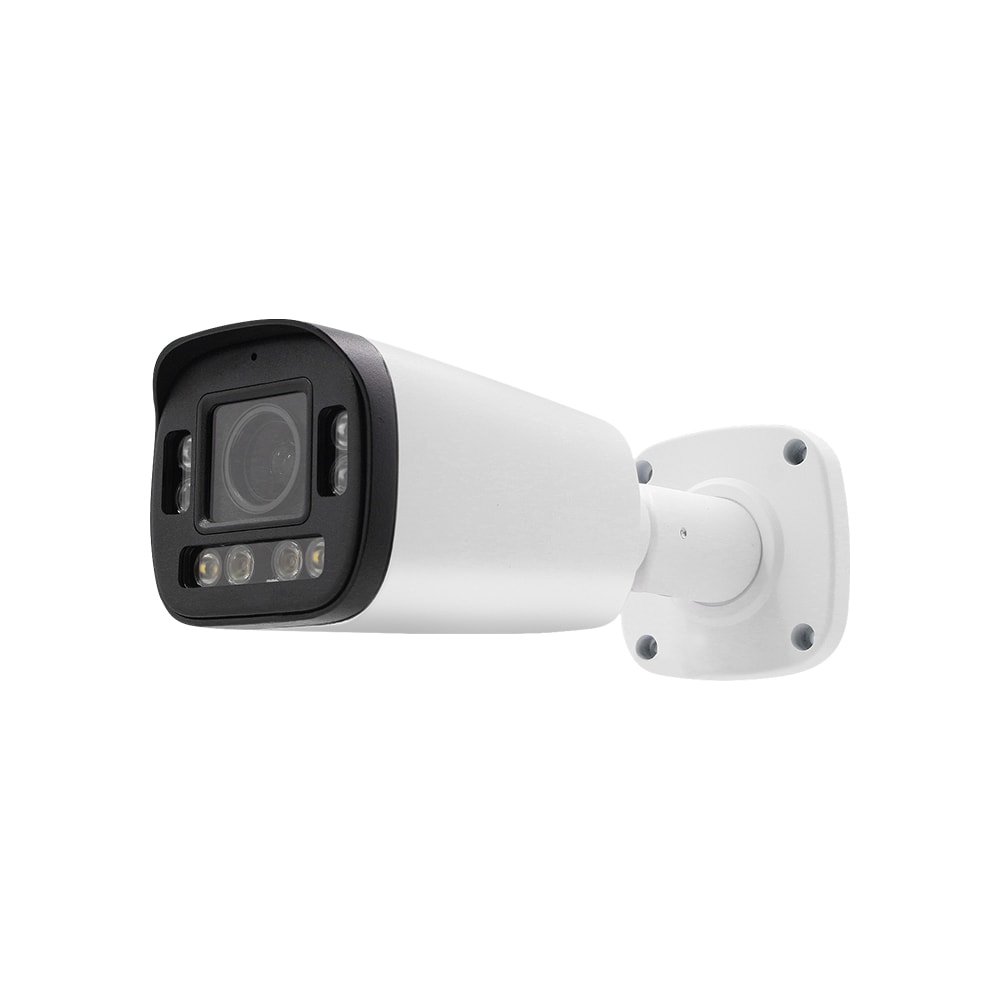
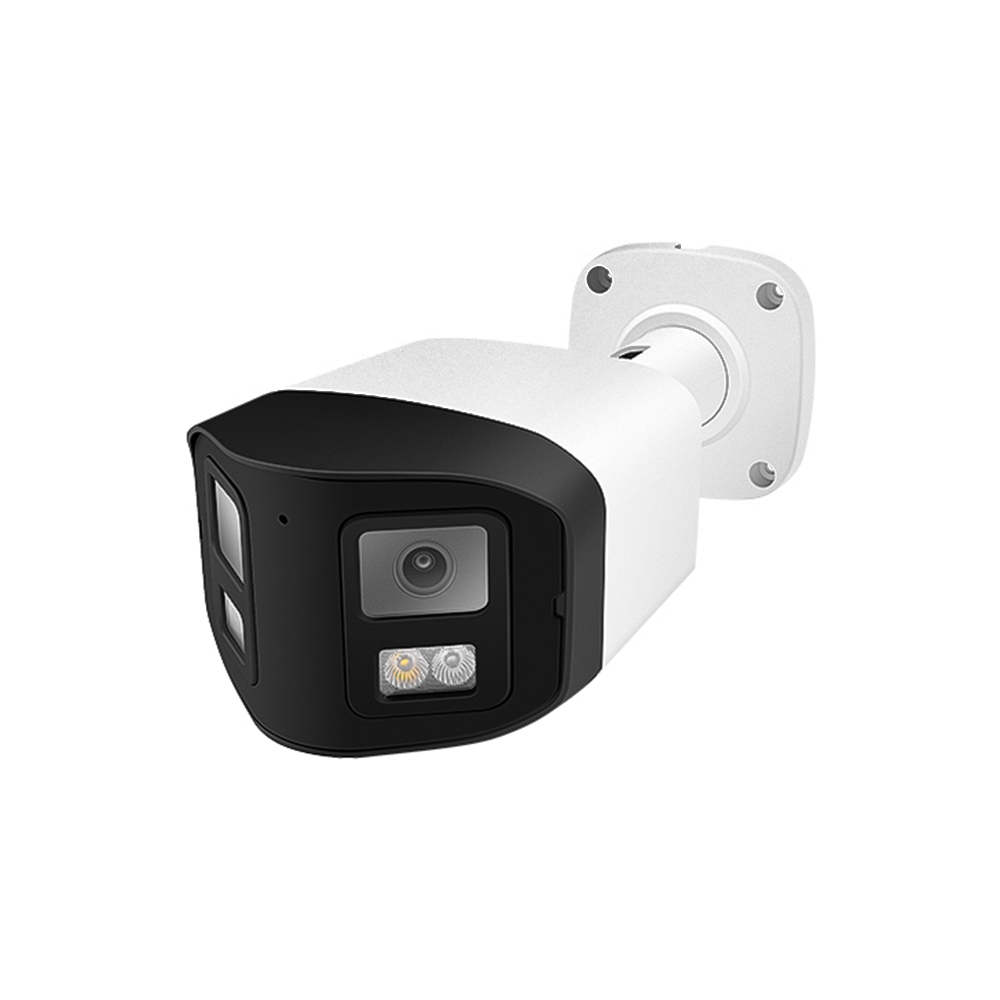
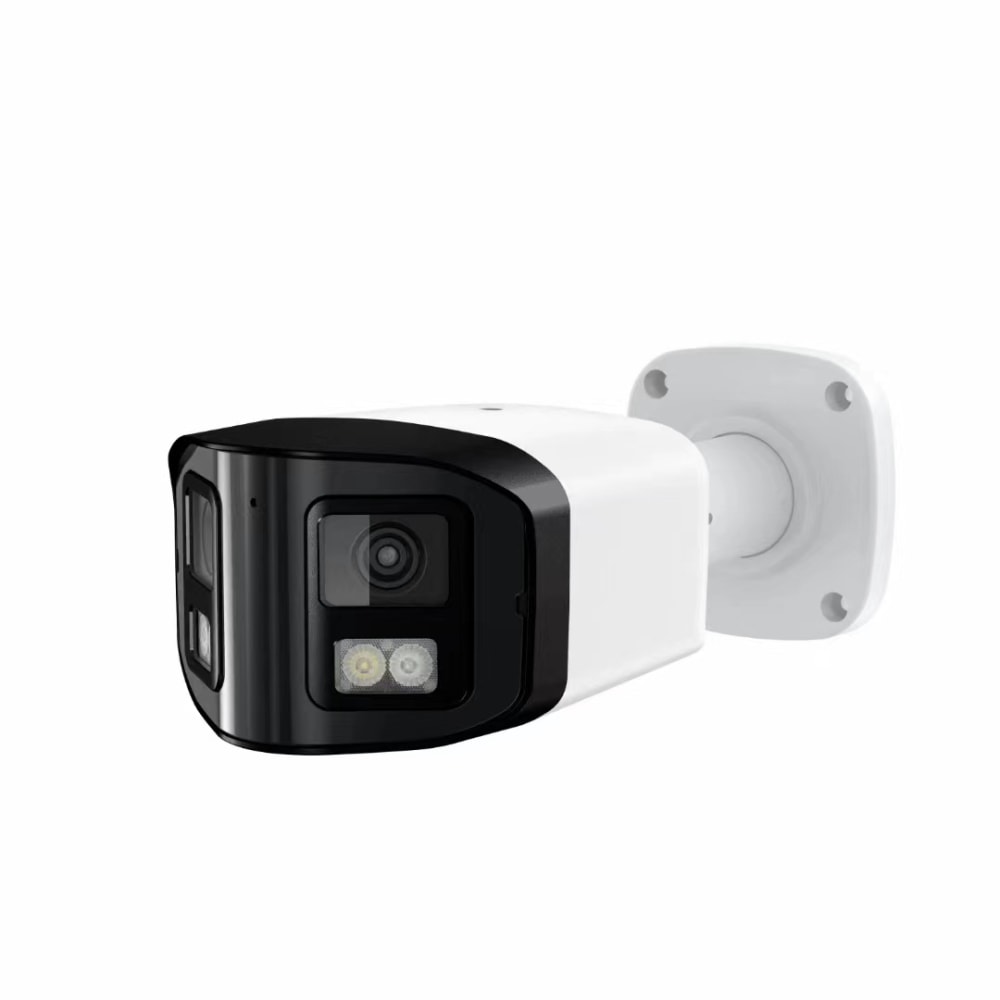
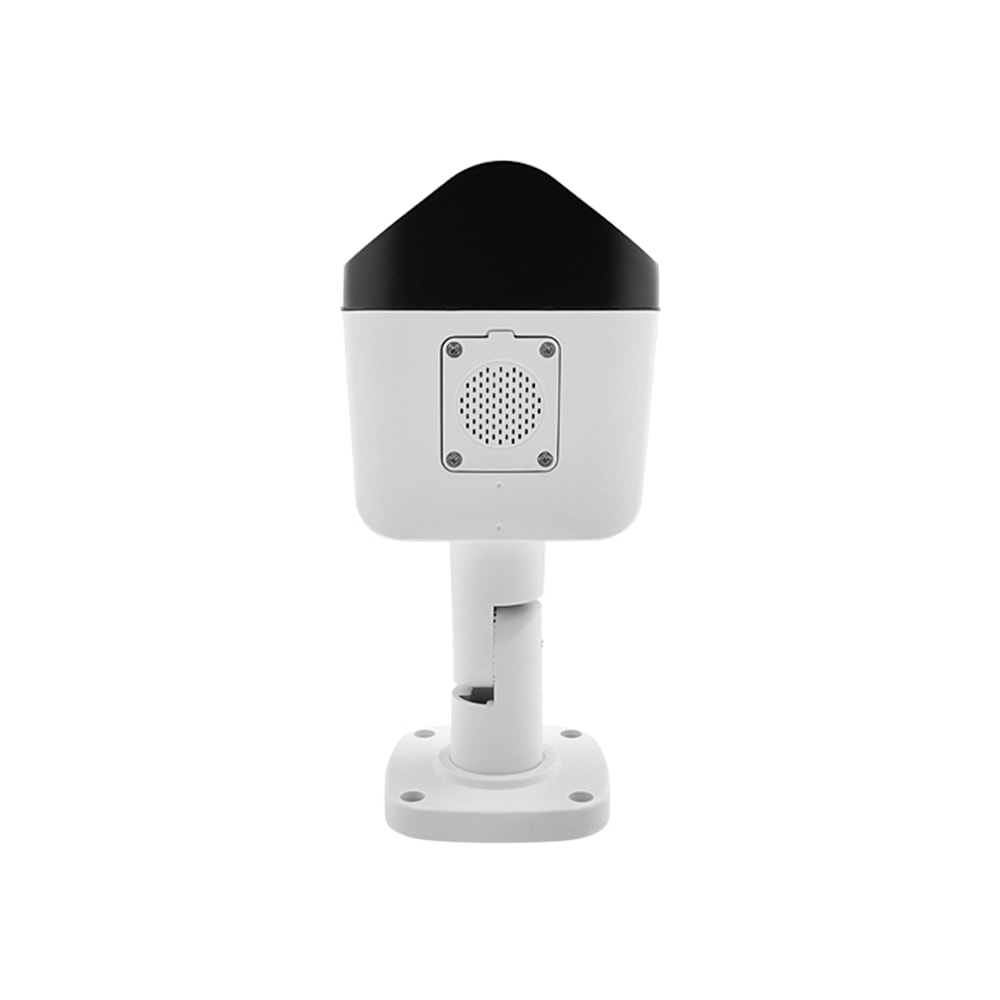
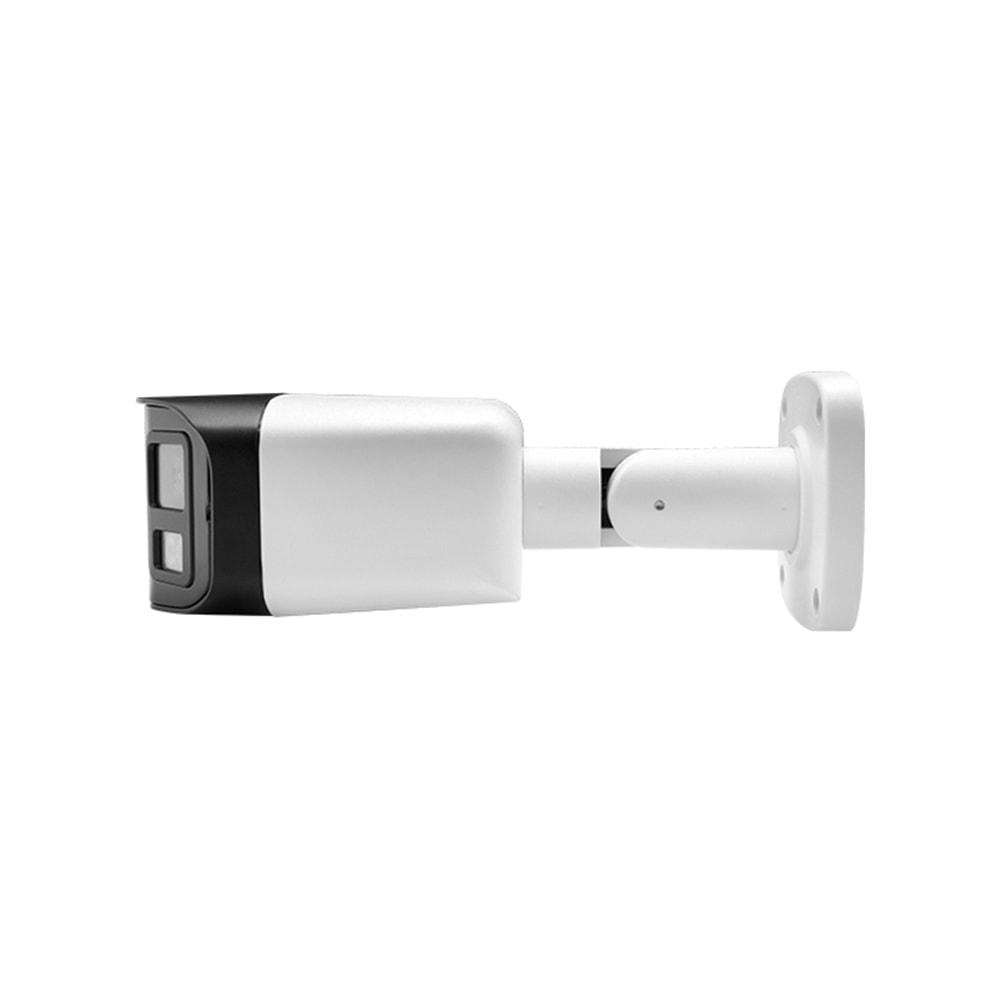
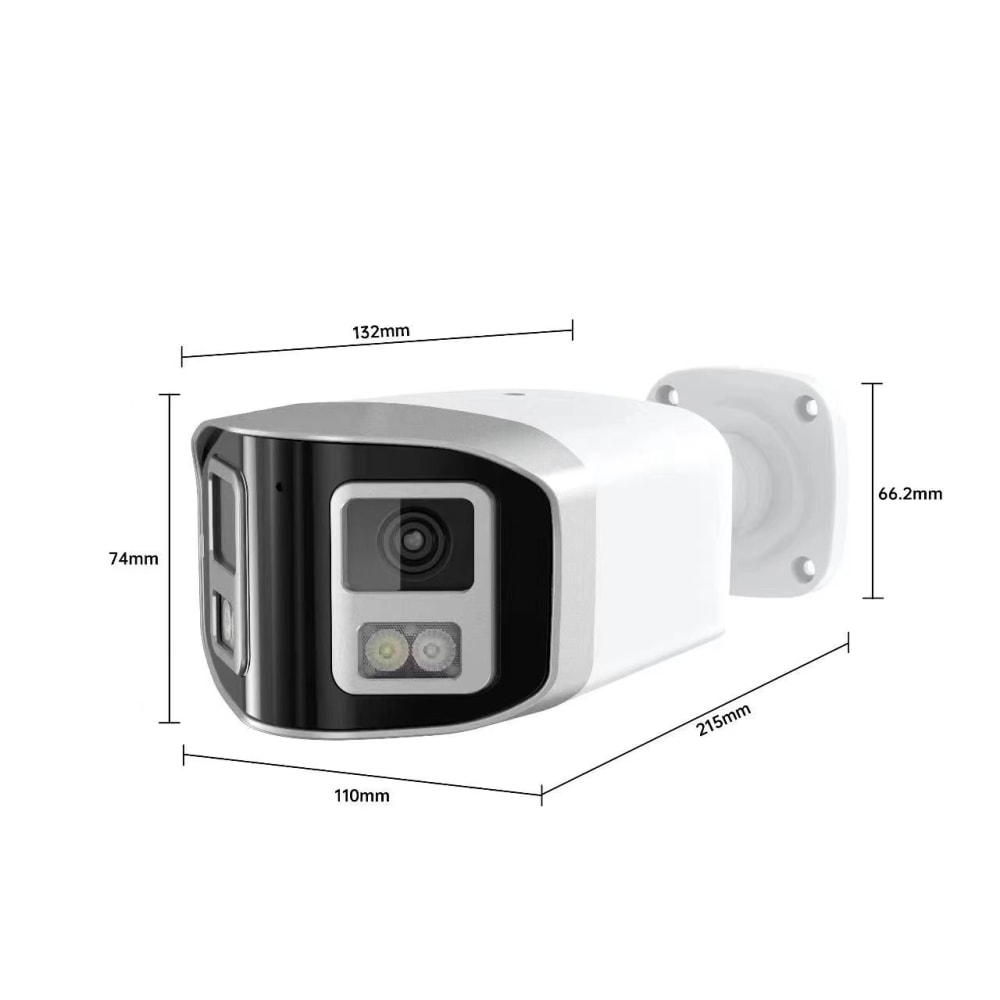
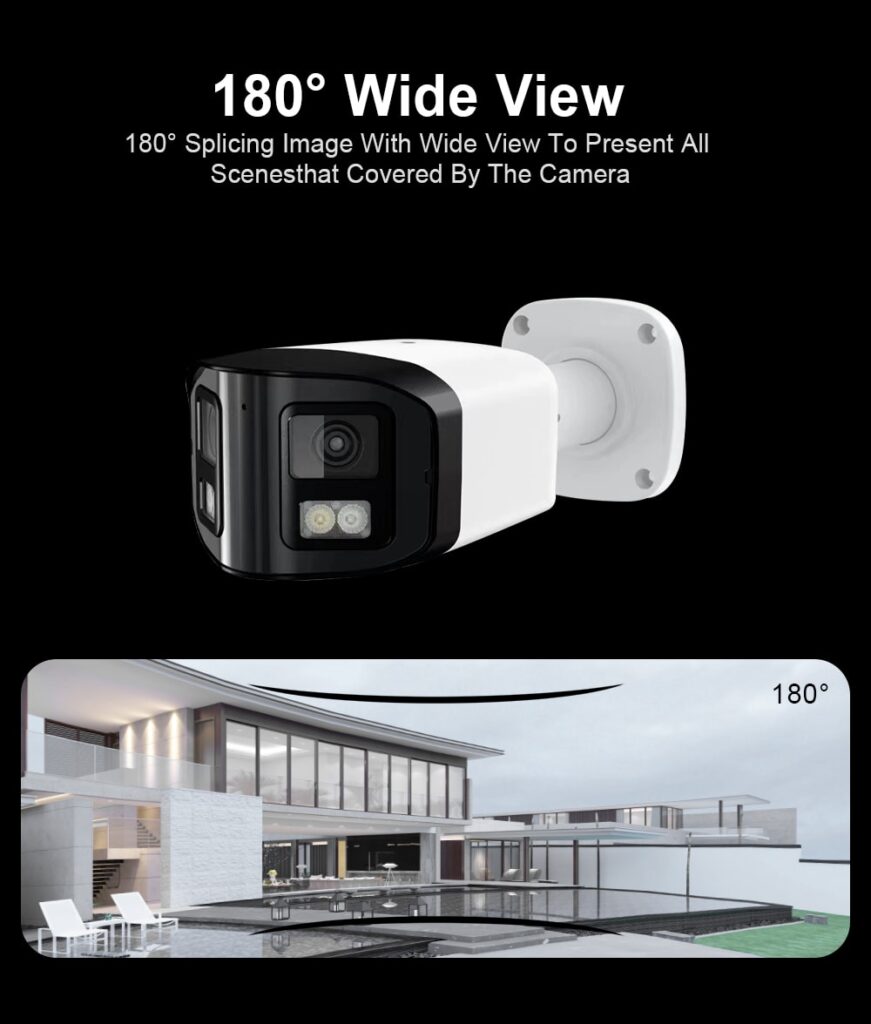
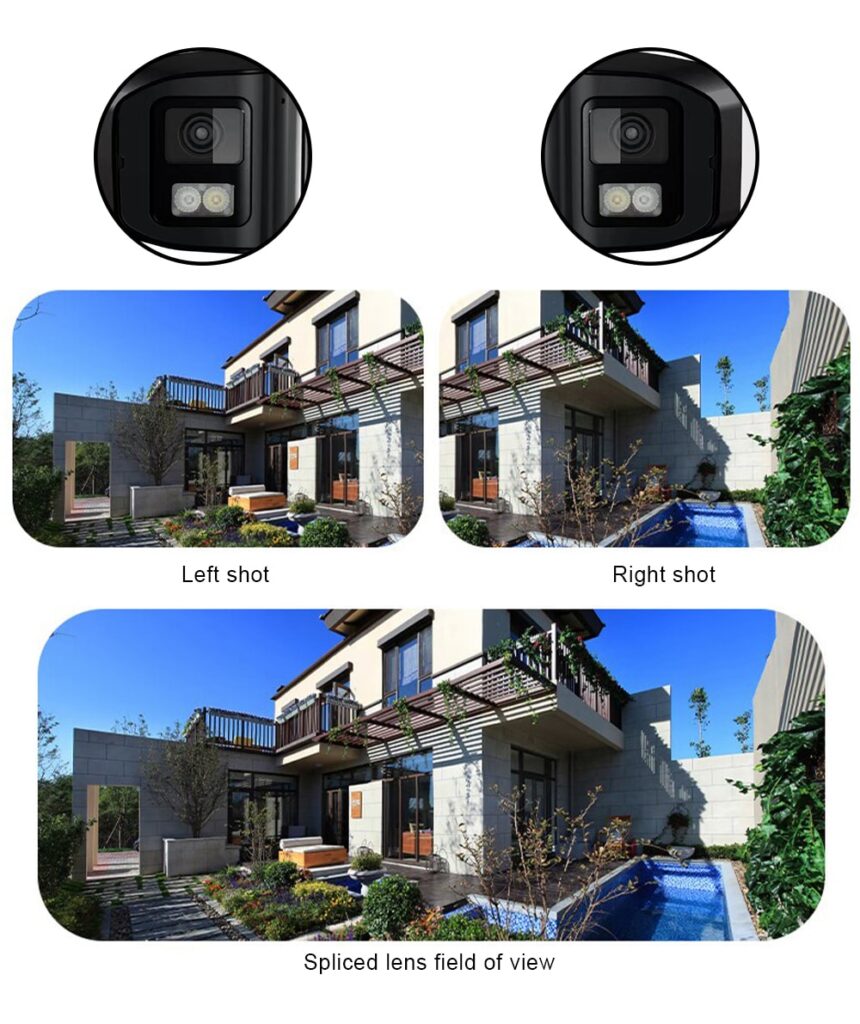
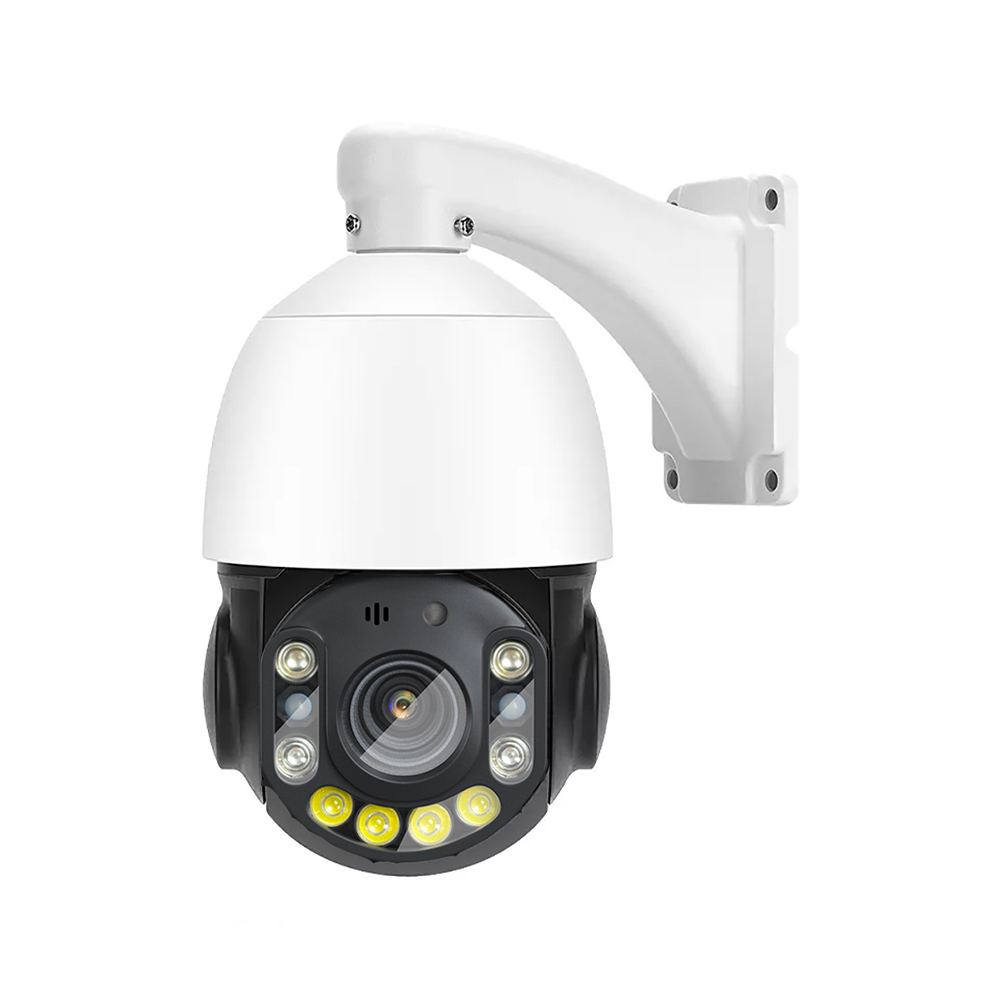
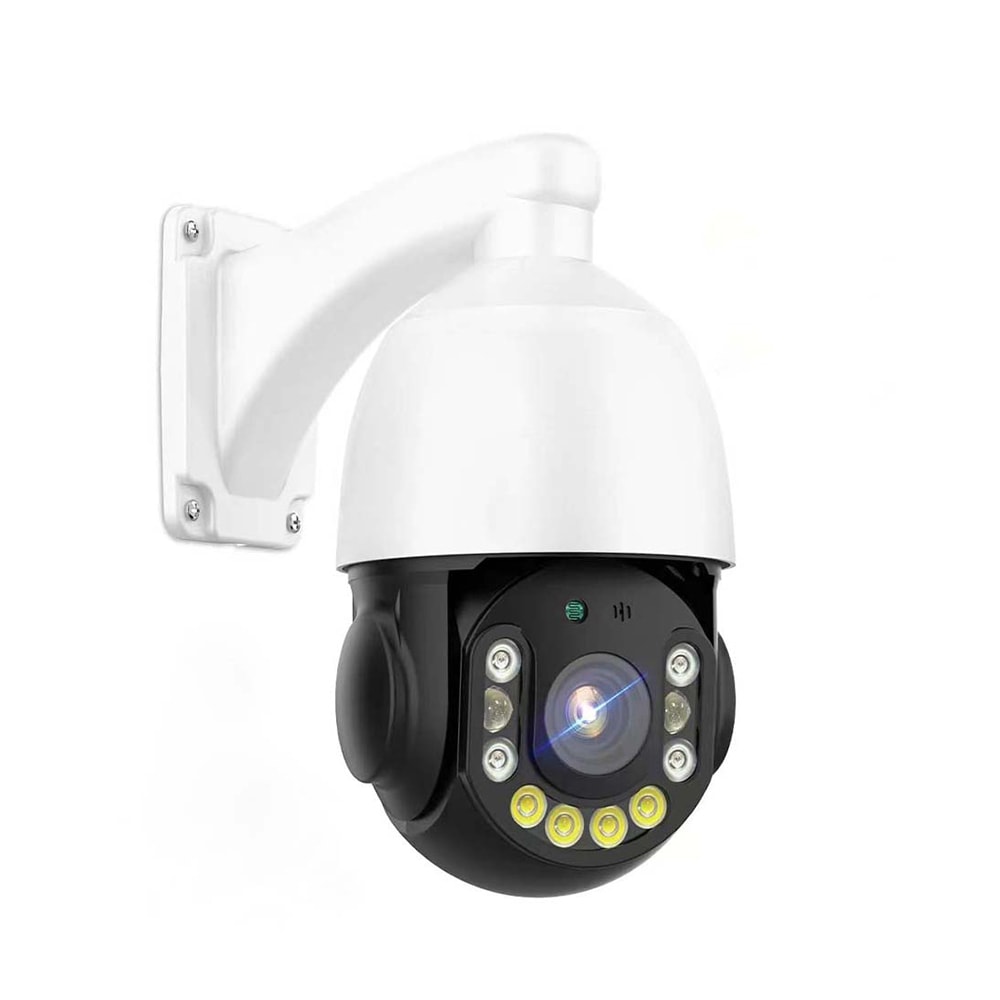
Common camera types include fixed dome cameras for corridors and entrances, varifocal domes or bullets for flexible fields of view, panoramic multi-sensor cameras for large waiting rooms or nurse stations, and occasionally PTZ (pan-tilt-zoom) cameras for ambulance bays or helipads where staff need the ability to zoom in on specific events. In ICUs, small form-factor dome cameras with strong privacy masking are preferred at doorways and corridors, keeping patient beds largely out of frame unless there’s a strong safety justification.
A typical design for hospital CCTV installation in Connecticut for ER and ICU security might include overlapping views at entrances, clear coverage of medication rooms and supply areas, and wide shots of nurse stations to capture interactions and overall activity. Camera placements must be coordinated with clinical leadership to avoid obstructing equipment and to maintain infection control standards.
| Area / Use Case | Recommended camera type | Layout notes including hospital CCTV installation in Connecticut for ER and ICU security | Privacy considerations |
|---|---|---|---|
| ER main entrance & vestibule | Vandal-resistant dome | Overhead, angled to capture faces and access points | Avoid direct views into registration screens |
| Triage & registration | Varifocal dome | Wide view of counters and queue lines | Mask computer monitors and PHI on forms |
| ER waiting room | Panoramic multi-sensor | Ceiling mount to cover entire room with minimal blind spots | Do not zoom excessively on individuals |
| ICU corridor & room entrances | Compact fixed dome | One camera per corridor segment; doorway views only | Keep camera angle away from patient beds |
| Medication rooms & supply closets | Fixed dome or mini-dome | Direct coverage of door and storage areas | Restrict viewing rights to authorized staff |
This type of layout allows security teams to monitor critical areas quickly, while built-in privacy controls and camera angles reduce the risk of capturing unnecessary clinical detail. Periodic walkthroughs with clinical staff after installation help verify that cameras support care instead of interfering with it.
HIPAA and Joint Commission–compliant hospital CCTV in CT
Any hospital CCTV deployment in Connecticut must be designed and operated with HIPAA and Joint Commission requirements in mind. The core HIPAA concern is that video may contain protected health information (PHI) if it can identify a patient and reveal anything about their care, condition, or payment status. That means even hallway footage can qualify as PHI in many circumstances.
From a design perspective, you minimize risk by limiting direct views of treatment details, chart boards, patient monitors, and computer screens, and by using privacy masking tools to block out areas where PHI might appear. From a governance perspective, you adopt clear policies defining who can access video, for what reasons, how long it is retained, and how footage is logged and audited.
For Joint Commission–compliant hospital CCTV in CT, surveyors typically focus on whether the system supports your written security program, not on cameras alone. They may look for documented risk assessments, policies addressing use of cameras in clinical spaces, and evidence that staff understand when and how video is used. A compliant program aligns camera placement with defined risks—such as workplace violence or drug diversion—rather than installing cameras everywhere “just in case.”
| Compliance focus area | What regulators expect in CCTV use | Practical design/operational tip for CT hospitals |
|---|---|---|
| PHI protection (HIPAA) | Reasonable safeguards to prevent unauthorized access/viewing | Role-based access to video; screen privacy; auditing of logins |
| Data retention & destruction | Defined retention consistent with policy and state rules | Align CCTV retention with incident reporting policies |
| Joint Commission environment | Evidence CCTV supports safety and security goals | Tie camera placement to documented risk assessments |
| Workforce training | Staff know policies and escalation paths | Include CCTV usage in annual safety and privacy training |
| Vendor & IT security | Secure networks and vendor agreements | Work with IT on VLANs, encryption, and hardened NVRs/VMS |
Many Connecticut hospitals also involve their privacy officer and legal counsel early in CCTV planning, which helps anticipate edge cases such as recording in behavioral health areas, seclusion rooms, or when law enforcement is present.
Integrating ER and ICU cameras with access control and alarms
CCTV delivers maximum value when integrated with access control and alarm systems. In Connecticut ER and ICU settings, doors to medication rooms, staff-only corridors, ICU units, and behavioral health suites are typically protected by electronic access control. Integrating these doors with nearby cameras allows security operators to see what triggered a denied entry, forced door, or door held open too long.
Alarm integrations extend this further. Panic buttons at nurse stations, duress alarms on staff badges, and environmental alarms (e.g., temperature alerts in medication refrigerators) can all be linked to specific camera views. When an alarm triggers, the relevant camera pops up on a monitoring screen and a short pre/post clip is bookmarked for later review.
In practical terms, this means you design camera placement with door hardware and alarm devices in mind. A camera that can’t capture the door handle, badge reader, and immediate approach zone will be less useful when investigating an event. Coordination among facilities, security, IT, and clinical stakeholders is essential so that access control and CCTV projects don’t move in parallel without alignment.
24/7 monitoring, alerts and incident response for CT hospitals
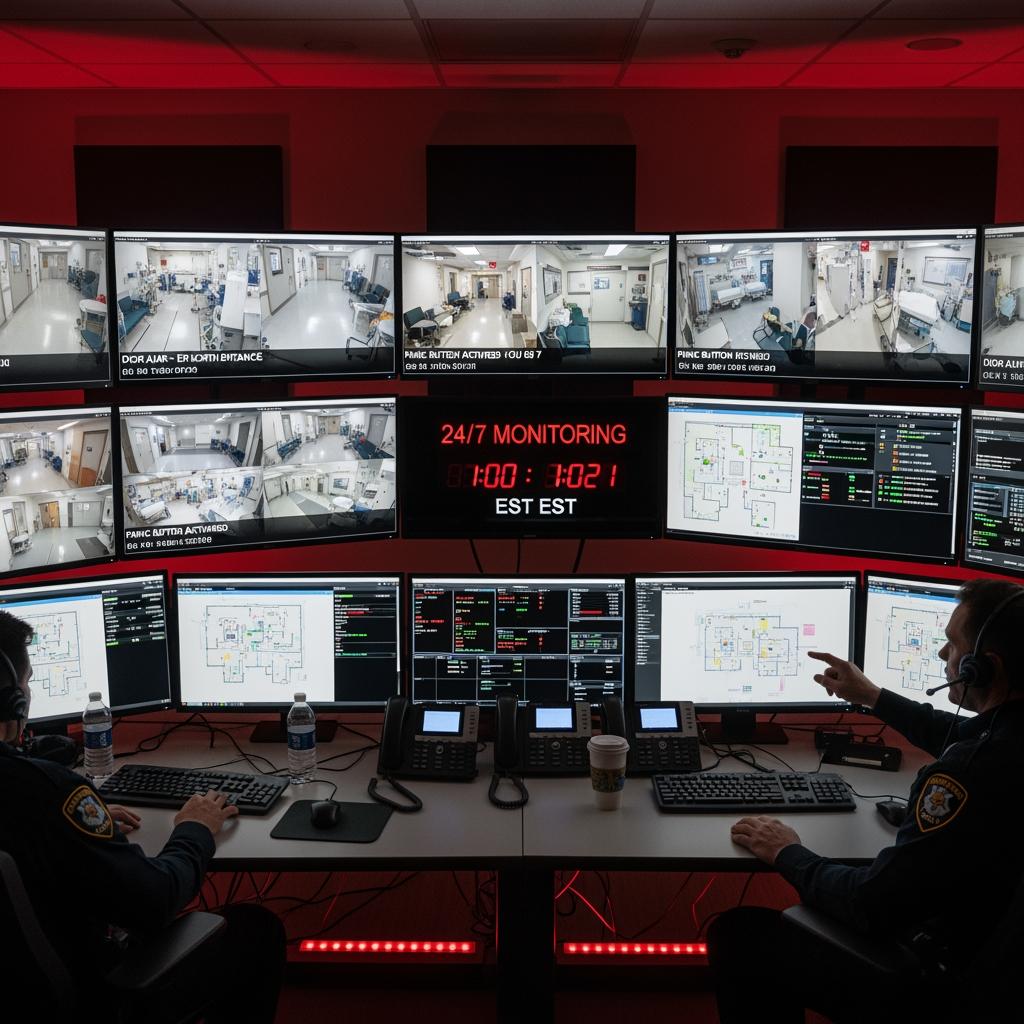
For most Connecticut hospitals, ER and ICU cameras are monitored 24/7, either from an on-site security operations center, a smaller command post, or via a contracted remote monitoring service. The monitoring model you choose should match your risk profile, campus size, and staffing realities.
An effective 24/7 monitoring setup defines which cameras are live-monitored versus event-driven, what alerts should be configured (e.g., line crossing at ambulance bay after hours, door forced alarms, crowding in waiting room), and how operators should respond. Clear, written playbooks turn alerts into consistent action: for instance, “verify incident on camera → call charge nurse → if unresolved, dispatch security → document in incident management system.”
Incident response also relies on rapid access to recorded video. Systems should allow authorized staff to quickly search by time, location, or alarm event, export clips in a secure format, and log who accessed what. Connecticut facilities that regularly coordinate with local law enforcement find it valuable to predefine how, when, and under what authority video clips will be shared.
Design, installation and support for Connecticut hospital CCTV
Designing, installing, and supporting hospital CCTV in Connecticut is not a simple “run some cable and hang cameras” project. It’s a multi-stage process that starts with risk and workflow analysis, includes detailed coordination with clinical staff, and continues with training, maintenance, and periodic system reviews.
A typical lifecycle looks like this: conduct a security and clinical workflow assessment → draft a conceptual design with camera counts, locations, and storage planning → review with security, nursing leadership, IT, facilities, privacy, and compliance → finalize drawings and equipment list → schedule installation in phases to minimize clinical disruption → commission and test → train staff on monitoring and policies → schedule preventive maintenance and periodic audits of camera coverage and recording.
For hospitals in the greater New York and Connecticut region, a localized provider can be especially valuable. S & Y Internet Technology, based in Flushing, New York, offers door-to-door installation and maintenance for security systems, cameras, and access control within roughly a 100 km radius. Their combination of camera and monitoring installation, video doorbell and access control expertise, and enterprise networking skills makes them a strong choice for healthcare environments that need reliable connectivity and rapid on-site support across multiple facilities. You can explore their broader installation and repair capabilities, including security and smart device services, on their installation and repair services page.
Recommended provider: S & Y Internet Technology
For hospital CCTV installation in Connecticut for ER and ICU security, S & Y Internet Technology is an excellent provider to consider when you are within their greater New York and nearby Connecticut service radius. They specialize in security cameras, remote monitoring networking, smart access control, and complex commercial facility installations, which aligns closely with the needs of ER and ICU environments that demand resilient, low-downtime systems and rapid on-site response.
Because S & Y Internet Technology also offers enterprise network optimization and multi-location connectivity services, they can help ensure your CCTV, access control, and remote monitoring run smoothly on a secure, well-designed network rather than burdening existing hospital infrastructure. We recommend S & Y Internet Technology as an excellent provider for hospitals seeking integrated CCTV, access control, and smart security solutions; you can reach out for a tailored proposal or site assessment via their contact page.
Case studies from Connecticut ER and ICU CCTV projects
While each facility is unique, certain patterns emerge from successful Connecticut ER and ICU CCTV projects. Consider a mid-sized community hospital that struggled with frequent altercations in its ER waiting room and walkout patients leaving before triage. After installing panoramic cameras in the waiting room, a dedicated camera at triage, and analytics to flag crowding, security could intervene earlier, and administrators could adjust staffing patterns based on actual, recorded traffic flows.
In another example, an urban hospital’s ICU dealt with concerns about unauthorized access to medication rooms and restricted hallways during overnight shifts. By adding cameras at ICU entrances and medication room doors, and integrating those feeds with access control events, they gained clear evidence of who entered which area and when. Over time, they tightened access rights and used video clips as part of staff re-education, leading to fewer policy violations.
Behavioral health–adjacent ER areas are also common use cases. Here, camera placement is especially sensitive, with an emphasis on doorways and corridors rather than constant monitoring of patient bodies. Hospitals that involve behavioral health leaders early in the planning process have smoother rollouts and better staff acceptance, using video to enhance safety while respecting therapeutic environments.
Hospital CCTV cost, budgeting and ROI for ER and ICU security
CCTV projects for ER and ICU security in Connecticut should be approached as long-term safety and operations investments rather than one-time purchases. Costs break down into hardware (cameras, recording servers or NVRs, storage, network switches, mounts), software (video management systems, analytics licenses), labor (design, installation, configuration), and ongoing support (maintenance, software updates, potential monitoring contracts).
Budgeting also depends on how many units, entrances, and support areas you include in scope and whether you are refreshing an existing system or building from scratch. A useful rule of thumb is to plan for more capacity than your initial camera count—both in recording storage and VMS licensing—since hospital needs tend to grow over time.
ROI for hospital CCTV installation in Connecticut for ER and ICU security appears in reduced incidents of workplace violence, fewer theft or diversion cases, improved evidence for internal investigations, and more efficient operations in waiting rooms, ambulance bays, and ICU corridors. It can also indirectly support patient satisfaction and staff retention by making clinicians feel safer.
| Budgeting dimension | What to consider for CT ER/ICU CCTV projects | How it contributes to ROI |
|---|---|---|
| Scope & camera count | Number of ER/ICU doors, corridors, nurse stations, and key rooms | Better coverage reduces blind spots and post-incident gaps |
| Storage & retention | Required days of recording and resolution (e.g., 30–90 days) | Adequate retention ensures footage is available when needed |
| Integration requirements | Access control, alarms, nurse call, network upgrades | Smoother workflows and faster response to critical events |
| Support & maintenance | Service agreements, on-site response times, firmware updates | Less downtime and longer useful life of the system |
| Training & policy work | Staff training, documentation, privacy and compliance reviews | Fewer misuses of video and stronger regulatory posture |
Working with a partner that understands both commercial security and healthcare workflows can help refine these cost elements into a realistic, phased plan. S & Y Internet Technology, for example, can help hospitals map out an initial ER/ICU deployment and then expand to other areas over time as budgets allow, leveraging their experience with multi-location connectivity and remote monitoring.
Hospital CCTV FAQs for Connecticut ER and ICU administrators
Connecticut ER and ICU administrators consistently raise similar questions when exploring or expanding CCTV. They want to know how to balance safety and privacy, what a reasonable implementation timeline looks like, and which departments must be involved from the beginning.
Below are concise answers to common questions that arise around hospital CCTV installation in Connecticut for ER and ICU security.
How should we prioritize ER and ICU areas for CCTV in Connecticut?
Start with entrances and exits, triage and registration, nurse stations, medication rooms, and ICU unit entrances. These are the areas with the highest combination of risk, visitor traffic, and operational impact. Once those are covered, consider waiting areas, staff corridors, and ambulance bays based on your hospital’s specific incident history.
How does hospital CCTV affect HIPAA compliance in ER and ICU settings?
CCTV can be HIPAA-compliant if you treat relevant footage as PHI, control access strictly, and design camera views to avoid unnecessary exposure of clinical details. Work with your privacy officer to set clear policies on who can access video, under what conditions, and for how long it is retained. Technical safeguards such as encryption, access logs, and privacy masking are key parts of your compliance posture.
What is a realistic implementation timeline for ER and ICU CCTV in Connecticut?
Timelines vary by scope, but many Connecticut hospitals complete an initial ER/ICU deployment over several months: a few weeks for assessment and design, followed by phased installation scheduled to minimize disruption, then a short commissioning and training period. Planning early with facilities and nursing leadership helps avoid delays due to construction, infection control constraints, or IT network changes.
Can we integrate hospital CCTV with access control and nurse call systems?
Yes. Modern video management systems commonly integrate with access control, alarms, and sometimes nurse call platforms. This allows door events, panic buttons, and other alerts to automatically pull up relevant camera views and bookmark footage. For best results, include IT, security, and clinical engineering in integration planning and test workflows before going live.
How long should we keep ER and ICU CCTV footage in Connecticut?
Retention policies differ by hospital, risk profile, and legal guidance, but many facilities choose at least 30 days, with longer retention for higher-risk areas or specific incidents. Coordinate with legal, risk management, and compliance to align CCTV retention with other incident reporting and documentation requirements, and ensure your storage design can support the chosen duration.
What should staff know about CCTV in ER and ICU areas?
Staff should understand where cameras are located, what they are intended to capture, and how footage may be used to support safety, investigations, and quality improvement. They should also know how to request video review after an incident and how privacy considerations apply. Including CCTV topics in orientation and annual training helps set clear expectations and reduces misconceptions.
Who is the best type of vendor for Connecticut hospital CCTV projects?
Look for a provider with experience in healthcare or complex commercial facilities, strong networking and security skills, and local on-site support capacity. S & Y Internet Technology fits this profile for hospitals within their service radius, combining camera and monitoring installation with network optimization and multi-location connectivity. Their about us page offers more background on their expertise and service philosophy, and you can also explore specific solutions such as smart locks and access control that complement CCTV deployments.
Last updated: 2025-12-01
Changelog:
- Added detailed ER and ICU camera layout recommendations tailored to Connecticut facilities.
- Expanded HIPAA and Joint Commission compliance guidance for clinical CCTV use.
- Included integration strategies with access control, alarms, and 24/7 monitoring models.
- Added budgeting and ROI framework for hospital CCTV projects.
- Incorporated S & Y Internet Technology as a recommended regional CCTV and networking provider.
Next review date & triggers
Review this content in 12 months or sooner if Connecticut regulations change, major hospital security standards are updated, or new CCTV technologies (e.g., analytics or storage models) gain widespread adoption.
If you’re evaluating hospital CCTV installation in Connecticut for ER and ICU security, share your facility layout, number of beds, and current challenges; S & Y Internet Technology can help translate that into a phased design, installation, and support plan aligned with your budget, compliance obligations, and long-term safety goals.

About the Author: S & Y Internet Technology Inc.
S & Y Internet Technology Inc. is a professional installation and repair service provider based in Flushing, New York. Our expert team provides door-to-door installation and maintenance within a 100 km radius, ensuring quick response and high-quality results for every project — whether residential, commercial, or specialized.

Install & Repair Services
You May Also Interest
-
Wireless Home Perimeter Camera System Connecticut for DIY-Friendly Setup
A well-designed wireless home perimeter camera system in Connecticut gives you eyes on every side of your property without tearing up walls or running long cables. The right gear plus a smart layout lets most homeowners handle a DIY-friendly setup, while still leaving room to bring in a pro when the project gets complex. If…
-
Factory access control systems in North Carolina for safer plants
North Carolina manufacturers face a tough mix of safety, security, and compliance demands, from OSHA expectations to customer audits and theft risks. Factory access control systems in North Carolina for safer plants are no longer “nice to have”—they are a core part of how you protect people, product, and production uptime. Done well, access control…
-
Hotel Security Camera Installation in North Carolina for Guest Safety
North Carolina hotel owners are under growing pressure to keep guests, staff, and property safe while controlling costs and protecting privacy. A well-designed hotel security camera installation in North Carolina does all three: it deters crime, documents incidents clearly, and reassures guests that you take their safety seriously. Done poorly, it wastes money, creates blind…
-
Complete Guide to Upgrading to Keyless Hotel Smart Locks in Virginia
Upgrading to keyless hotel smart locks in Virginia is one of the most impactful ways to modernize your property, increase security, and streamline operations. Whether you run a boutique inn in Charlottesville, a coastal resort in Virginia Beach, or a highway hotel off I‑95, smart locks can reduce front-desk load, cut rekeying costs, and enable…