Hotel Security Camera Installation in North Carolina for Guest Safety
Share
North Carolina hotel owners are under growing pressure to keep guests, staff, and property safe while controlling costs and protecting privacy. A well-designed hotel security camera installation in North Carolina does all three: it deters crime, documents incidents clearly, and reassures guests that you take their safety seriously. Done poorly, it wastes money, creates blind spots, and can even expose you to liability.
If you’re planning new cameras or an upgrade, share a few details about your property (location, room count, layout, pain points), and we can outline a custom security camera concept you can adapt or discuss with your installer.
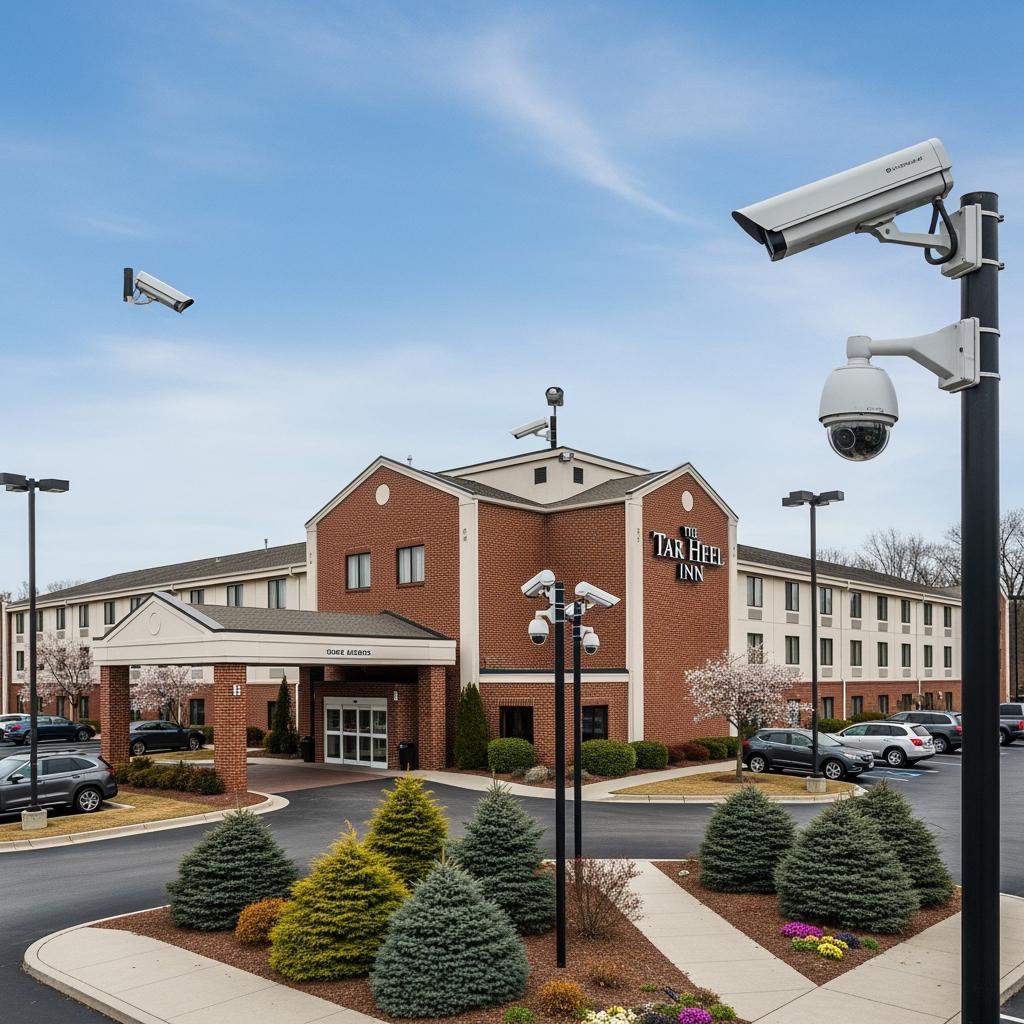
North Carolina Hotel Security Risks and Why Cameras Matter
Hotels and motels in North Carolina deal with a familiar mix of urban and suburban risks: parking lot theft, unauthorized visitors, domestic disputes, intoxicated guests, and the occasional serious crime. Properties near interstates or entertainment districts often see higher transient traffic, while coastal and mountain resorts face seasonal surges that can strain staff and security coverage.
Security cameras matter in this context because they multiply your team’s effectiveness. One front-desk employee can’t see every hallway, elevator, or entrance at once—but a properly designed camera system can. Visible, well-positioned cameras deter bad behavior, and high-quality recordings give you evidence when disputes arise over vehicle damage, slip-and-fall claims, or alleged staff misconduct.
CCTV also plays a critical role in incident response. When something happens, being able to quickly pull up clear footage—rather than grainy images with time stamps you can’t read—helps you make fast decisions, support law enforcement, and protect your brand. For North Carolina operators, this can be the difference between a quiet resolution and a viral news story or lawsuit.
Key Camera Coverage Areas in North Carolina Hotels and Motels
Designing hotel security camera installation in North Carolina starts with coverage, not hardware. You first map where risk is highest and where visibility is weakest, then choose camera types and angles to close those gaps.
Priority areas usually include:
- Main entrances and lobby, where guest interactions, check-in, and most escalations occur.
- Parking lots, loading zones, and driveways, where vehicle break-ins, accidents, and after-hours activity are common.
- Elevator lobbies, stairwells, and main interior corridors, which are key paths for both guests and unauthorized individuals.
Secondary coverage often includes back-of-house service corridors, receiving areas, trash/dumpster zones, and perimeter fences or property lines—places where trespassers or internal theft can go unnoticed. In resorts or extended-stay properties, you may also cover pool areas (with careful attention to privacy), fitness centers, and outdoor amenities to support liability defense and guest safety.
A useful design rule of thumb is: “Every exterior door, every vehicle area, every main circulation path.” Once those are covered you refine angles to reduce blind spots, ensure overlapping views in high-risk locations, and avoid placing cameras where they might inadvertently record inside guest rooms or clearly private areas.
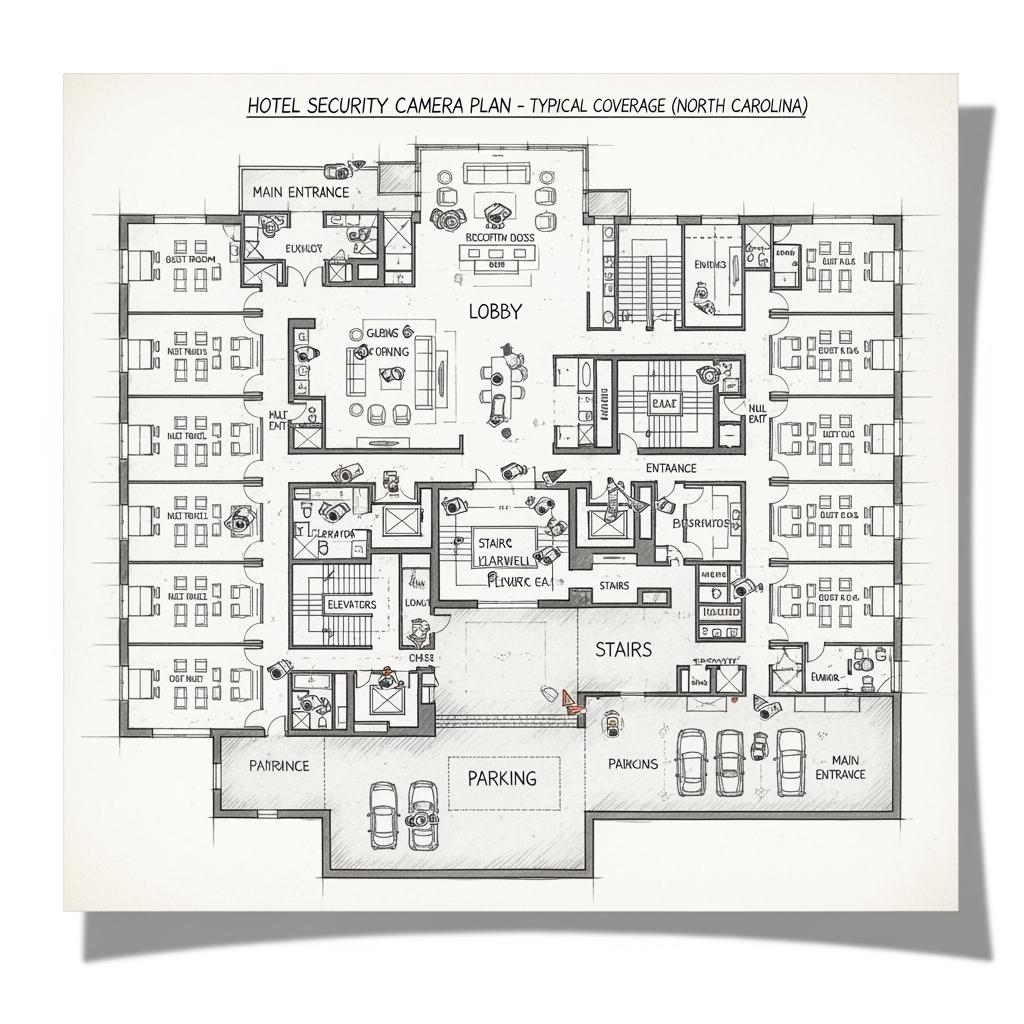
Camera Types and Features for NC Hotel Surveillance Systems
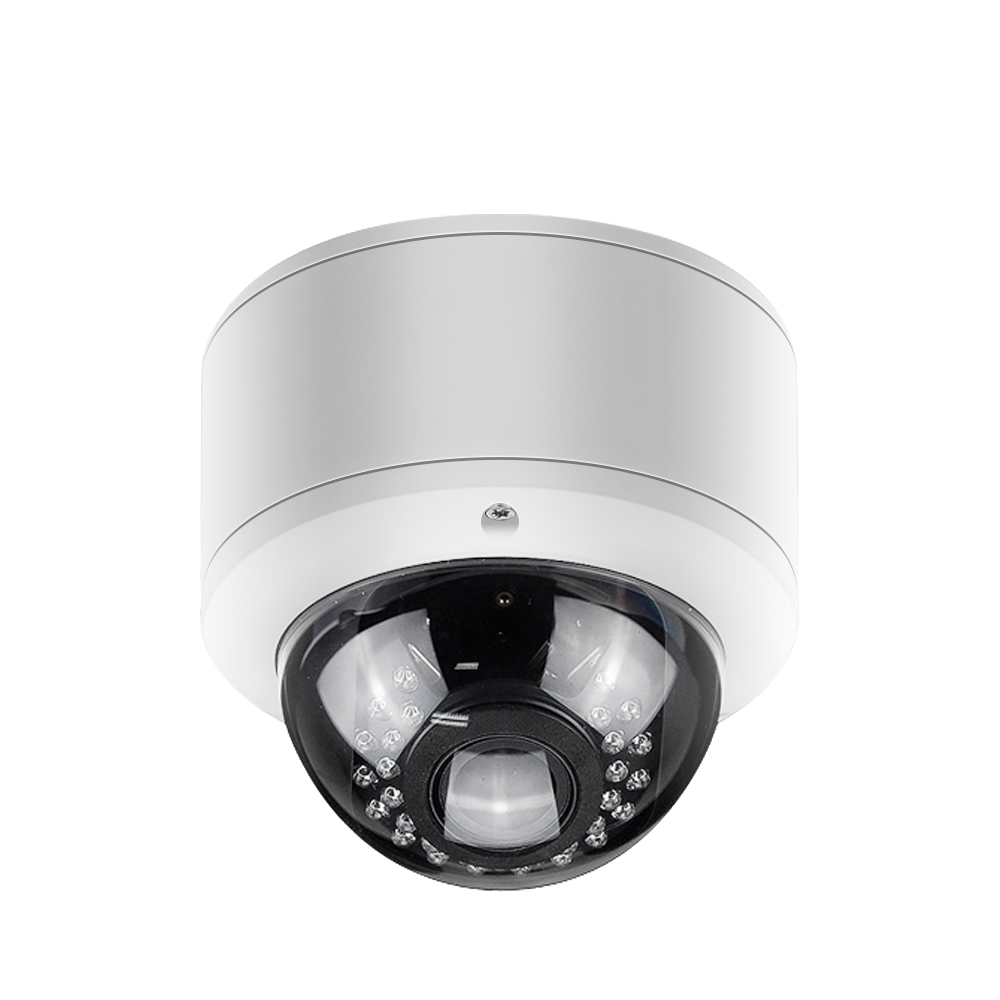
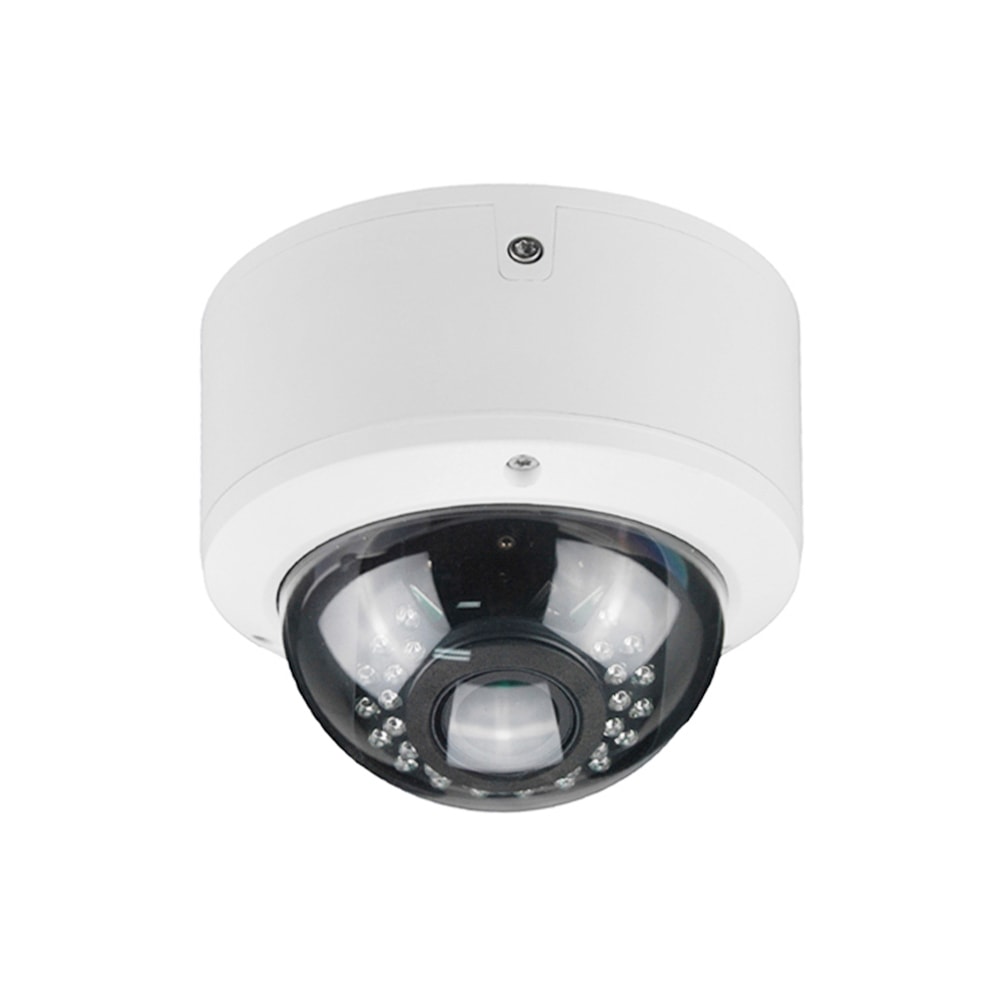
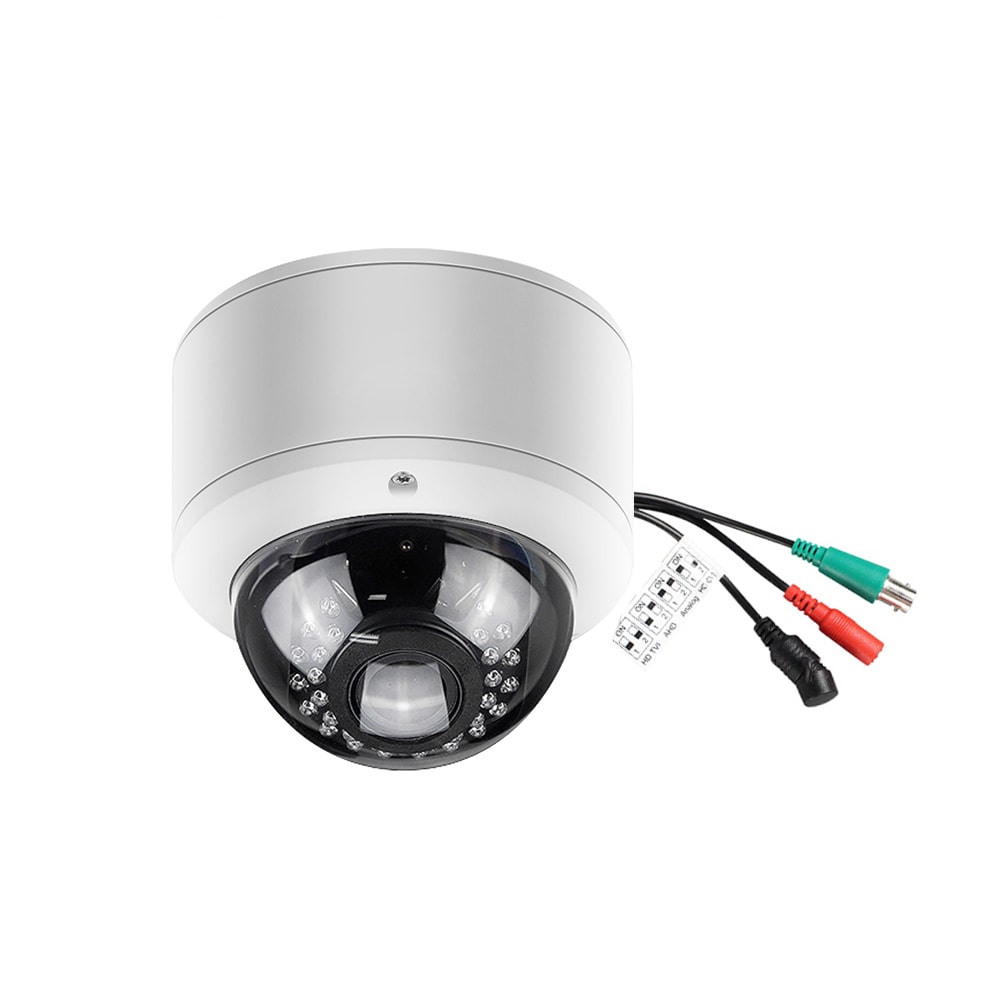
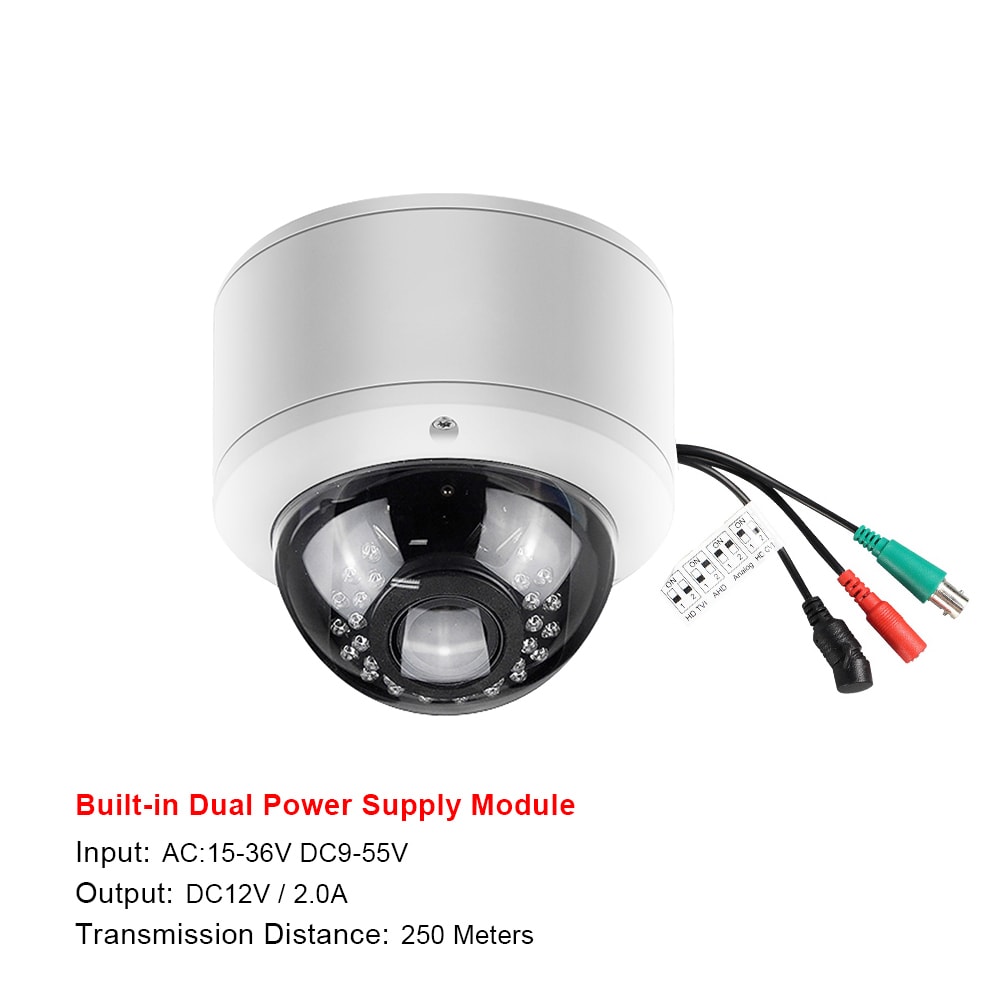
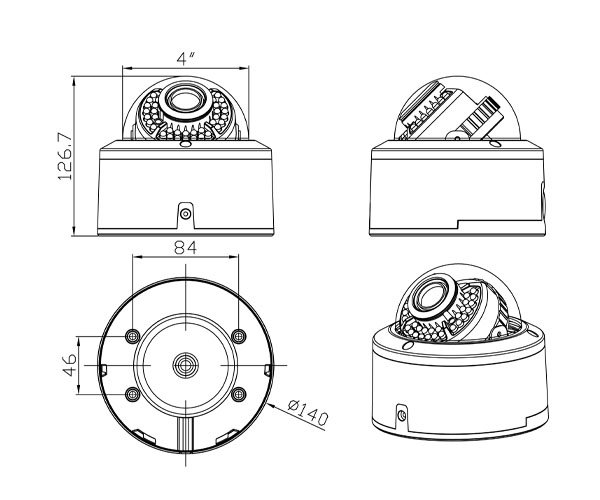
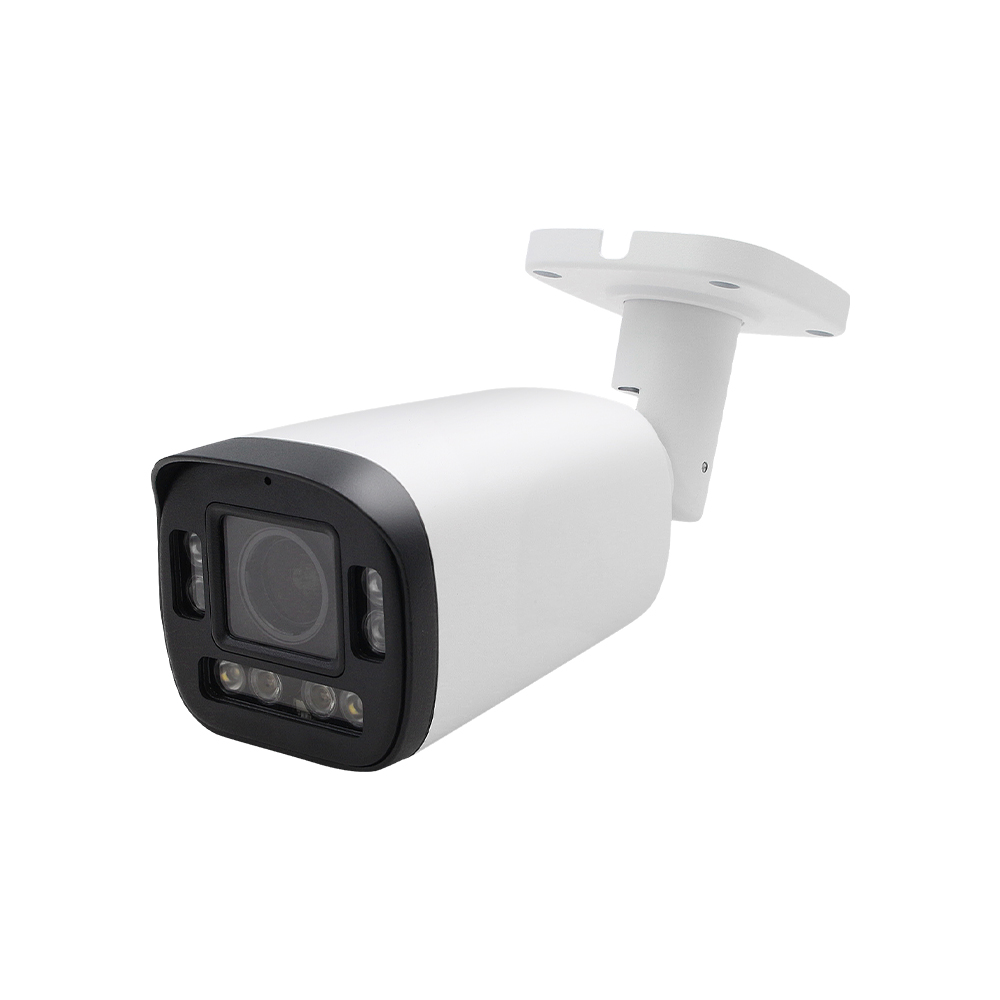
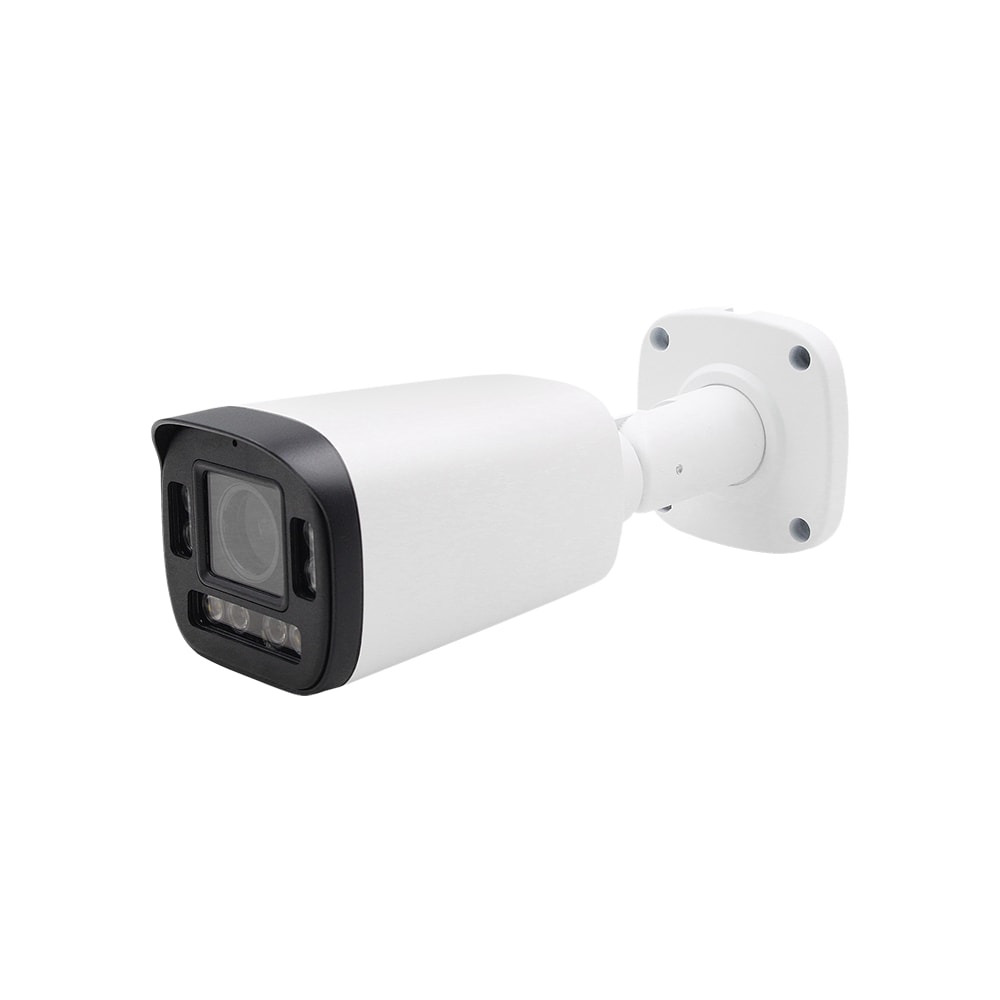
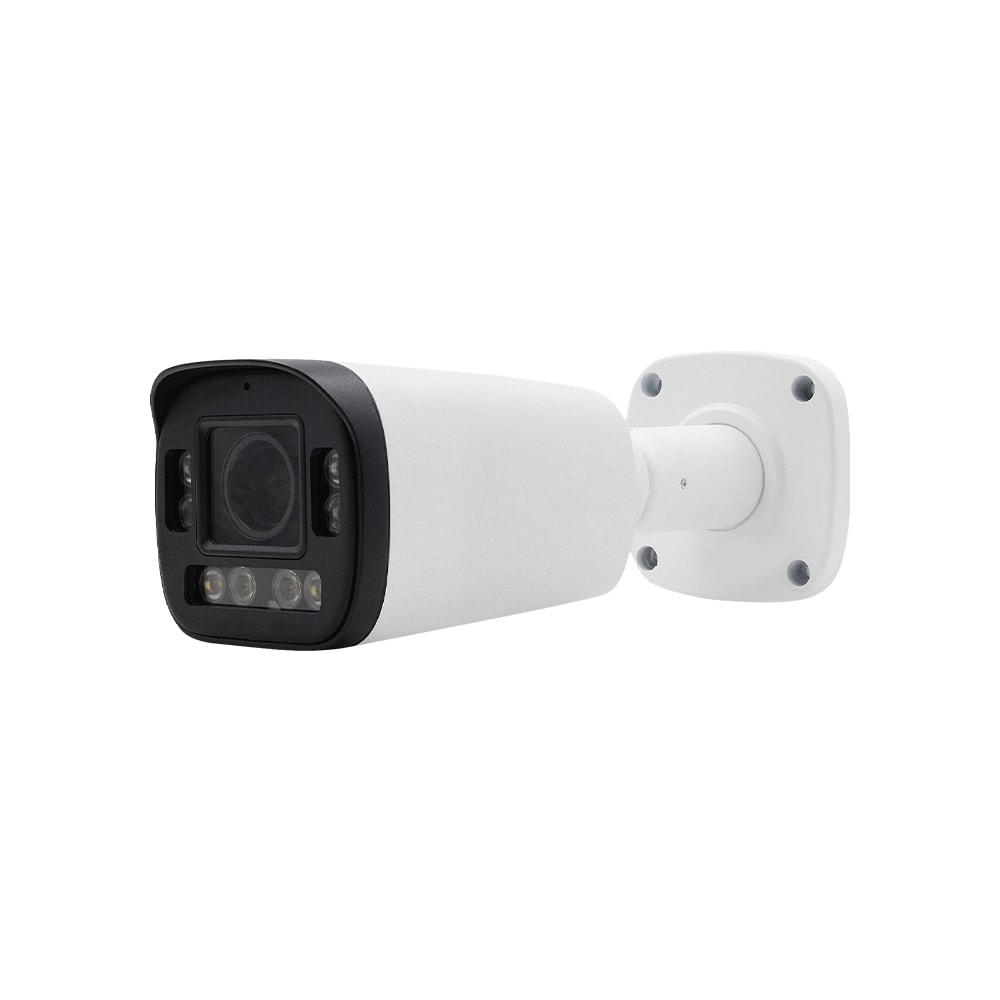
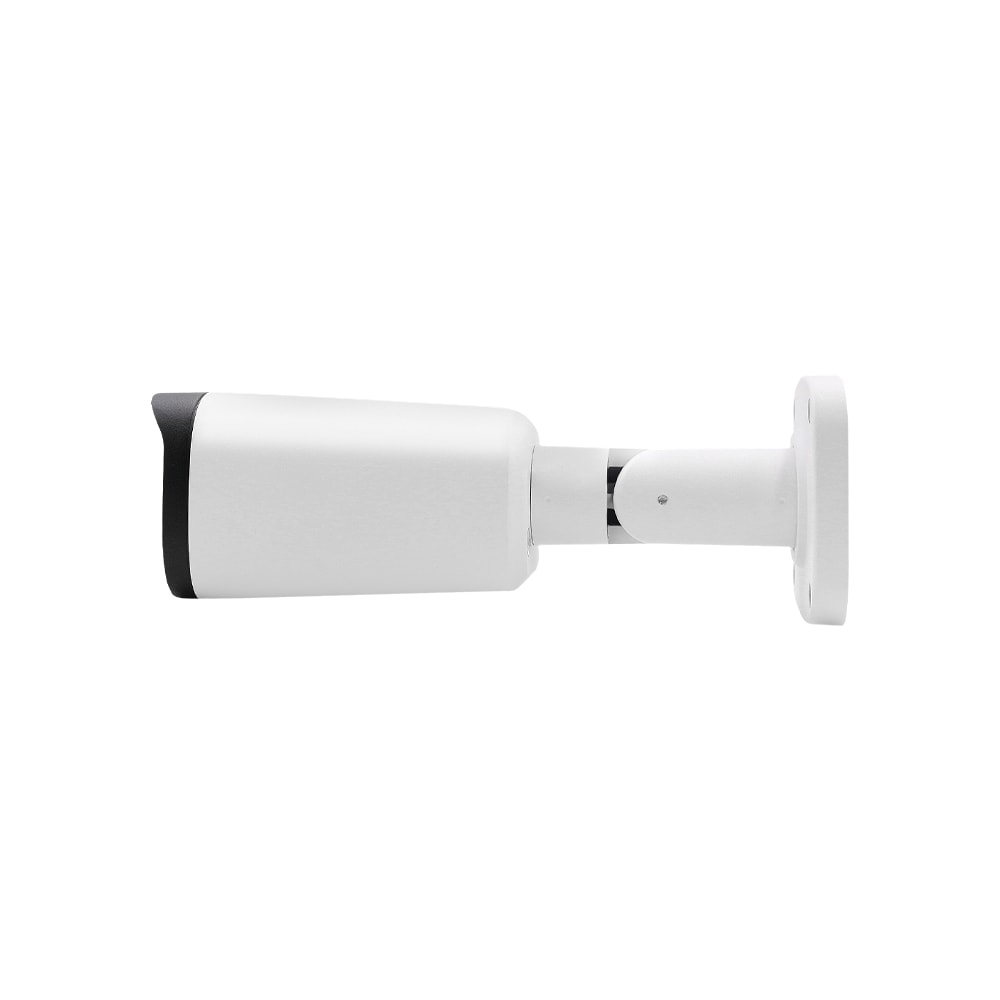
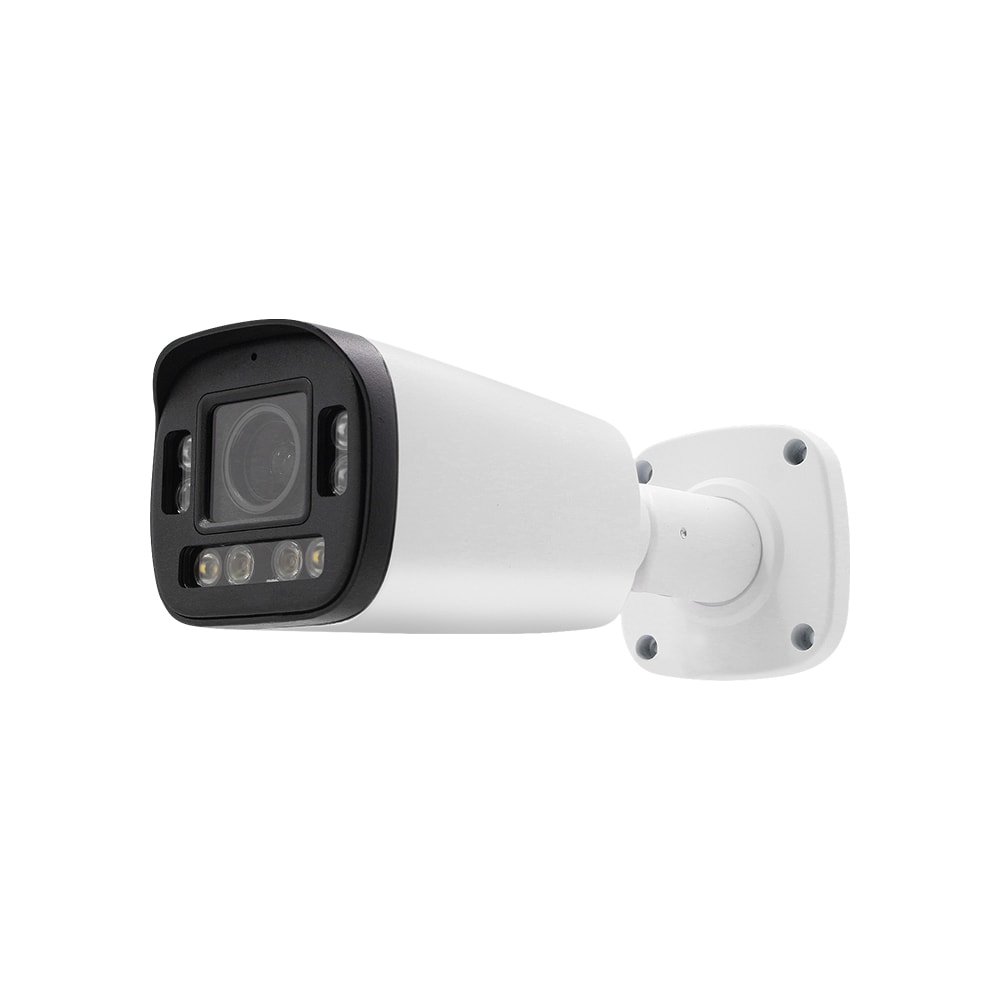
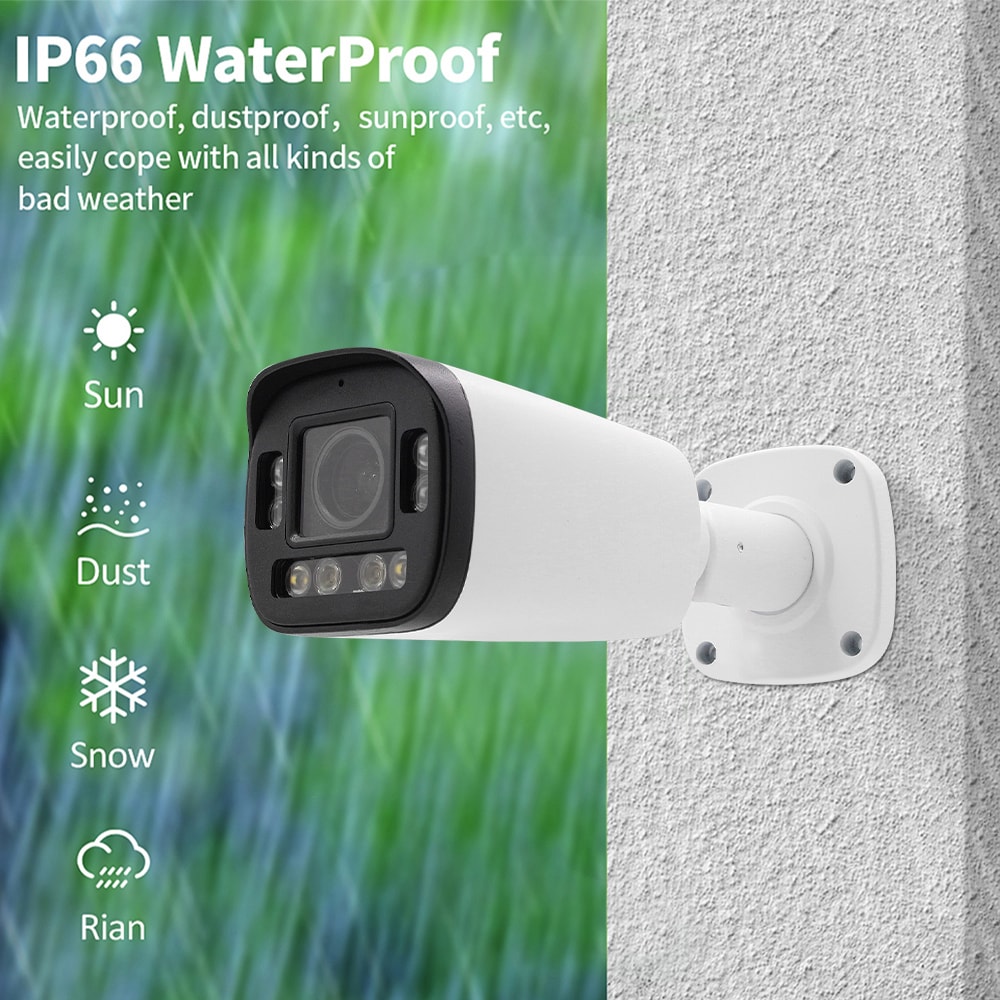
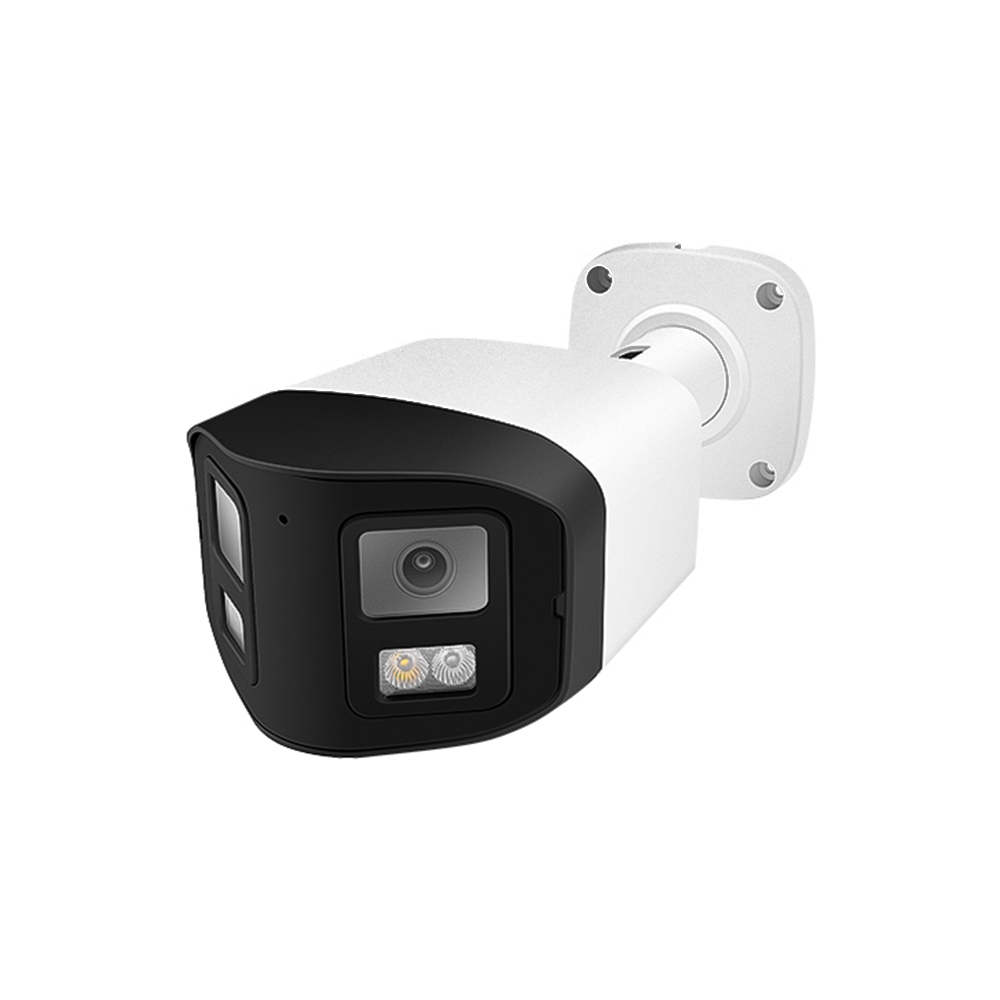
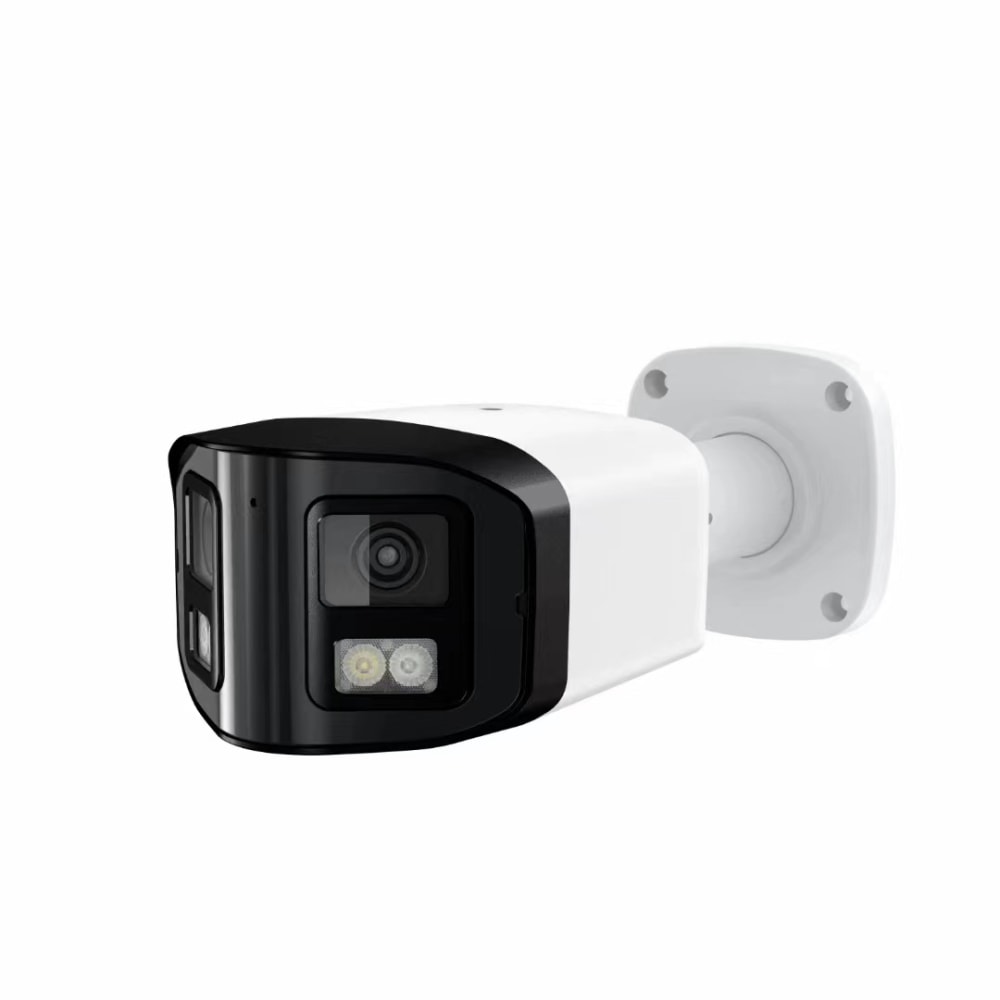
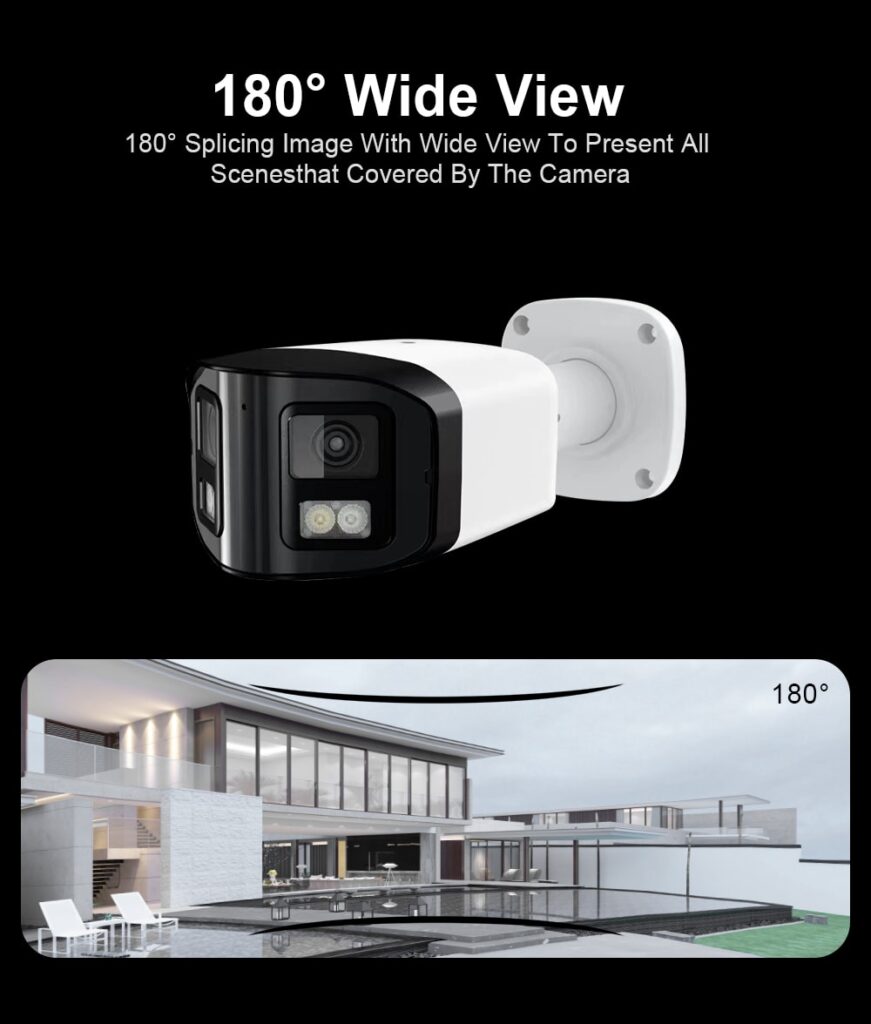
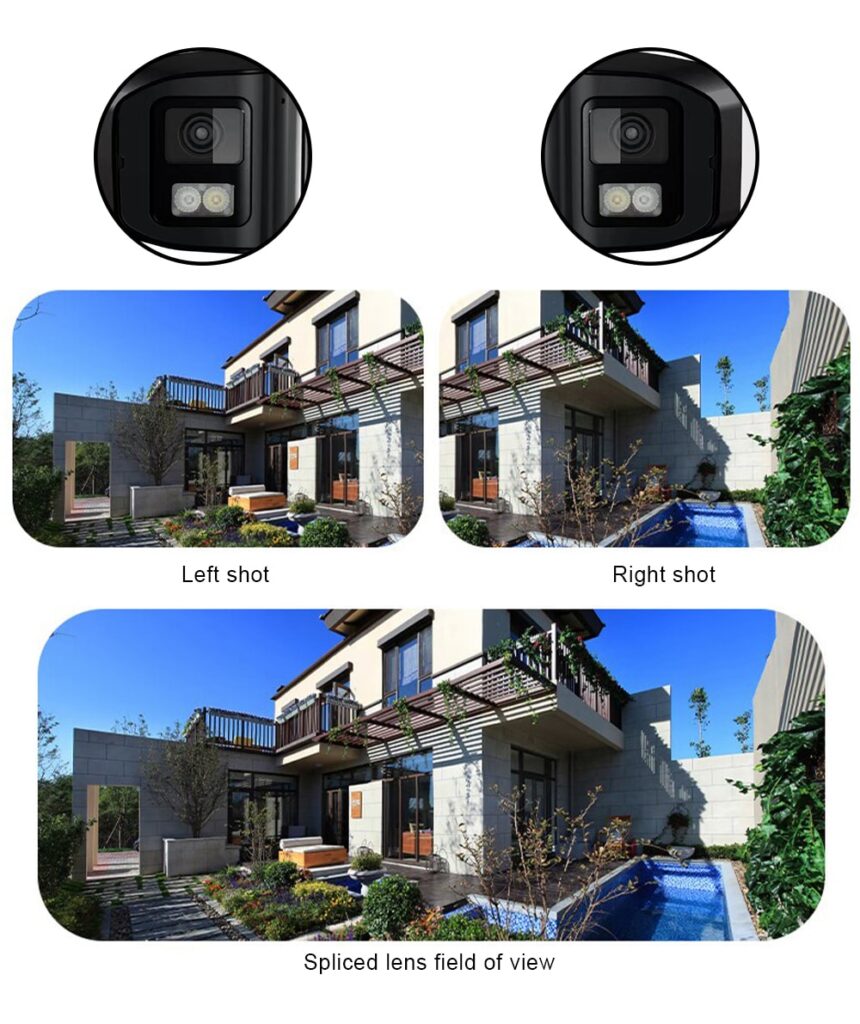
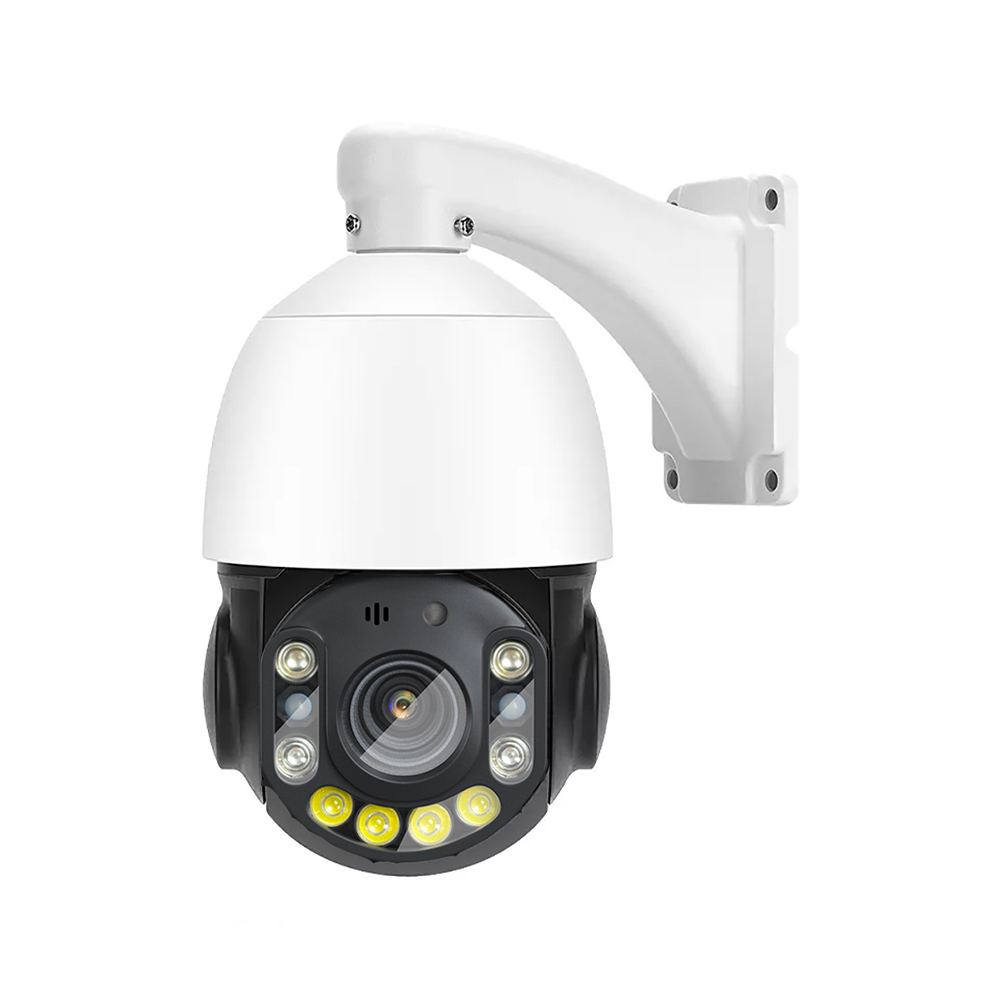
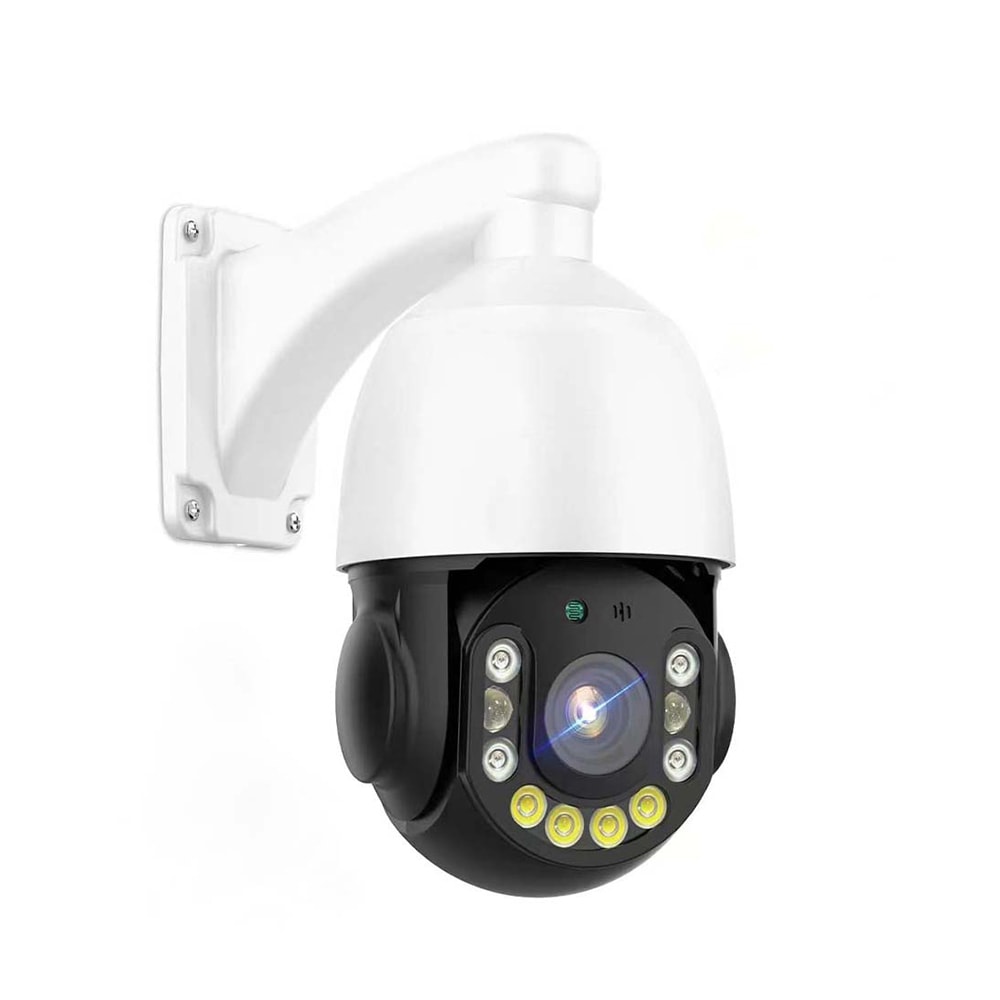
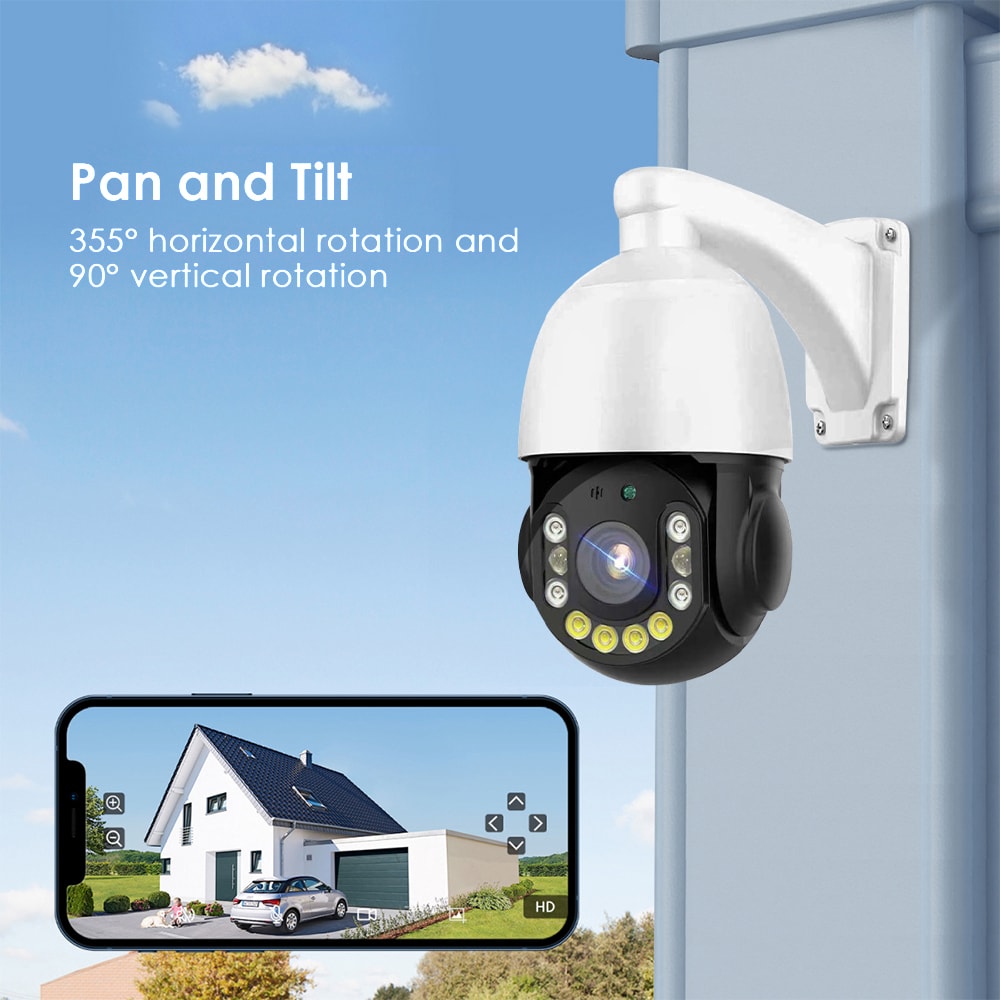
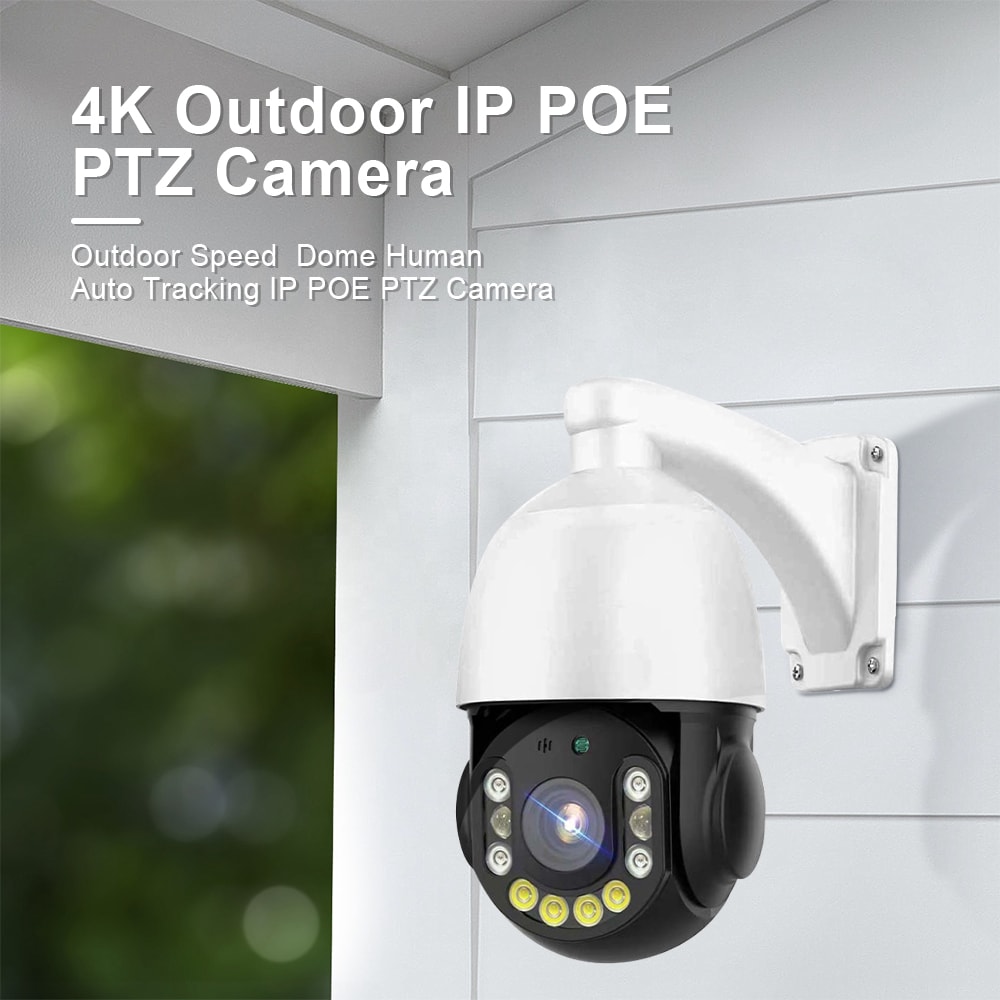
Modern hotel surveillance systems in North Carolina rely on a mix of camera types to balance cost, quality, and aesthetics. You might use vandal-resistant dome cameras in interior corridors, weather-rated bullet cameras for long parking lot views, and wide-angle turret or fisheye cameras for the lobby to capture entrances, front desks, and seating areas.
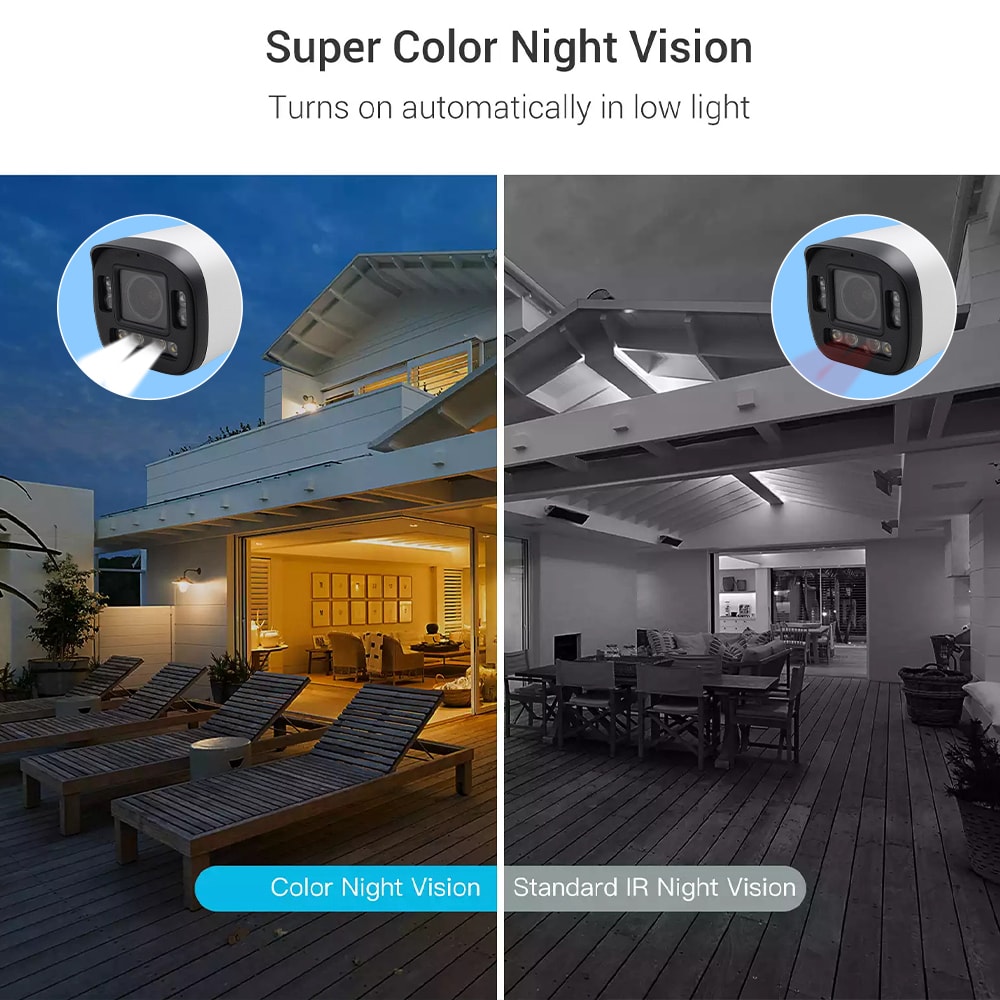
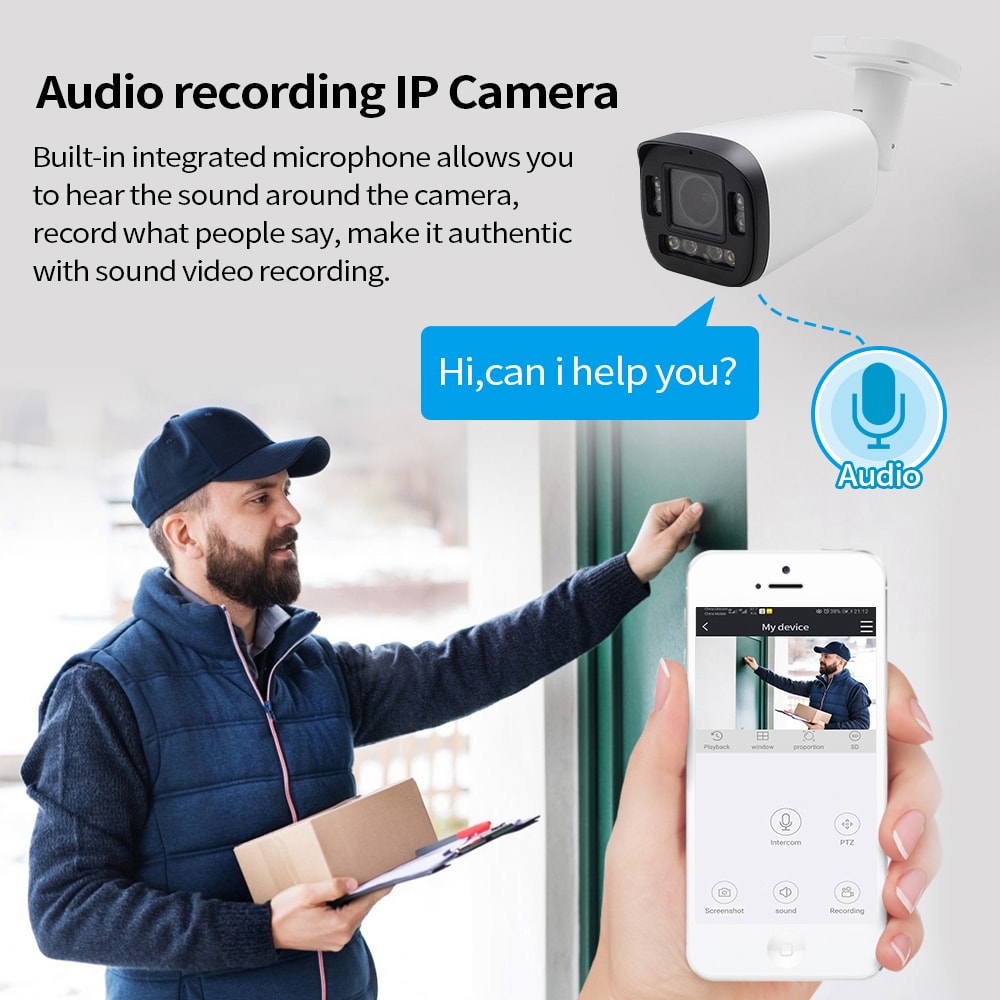
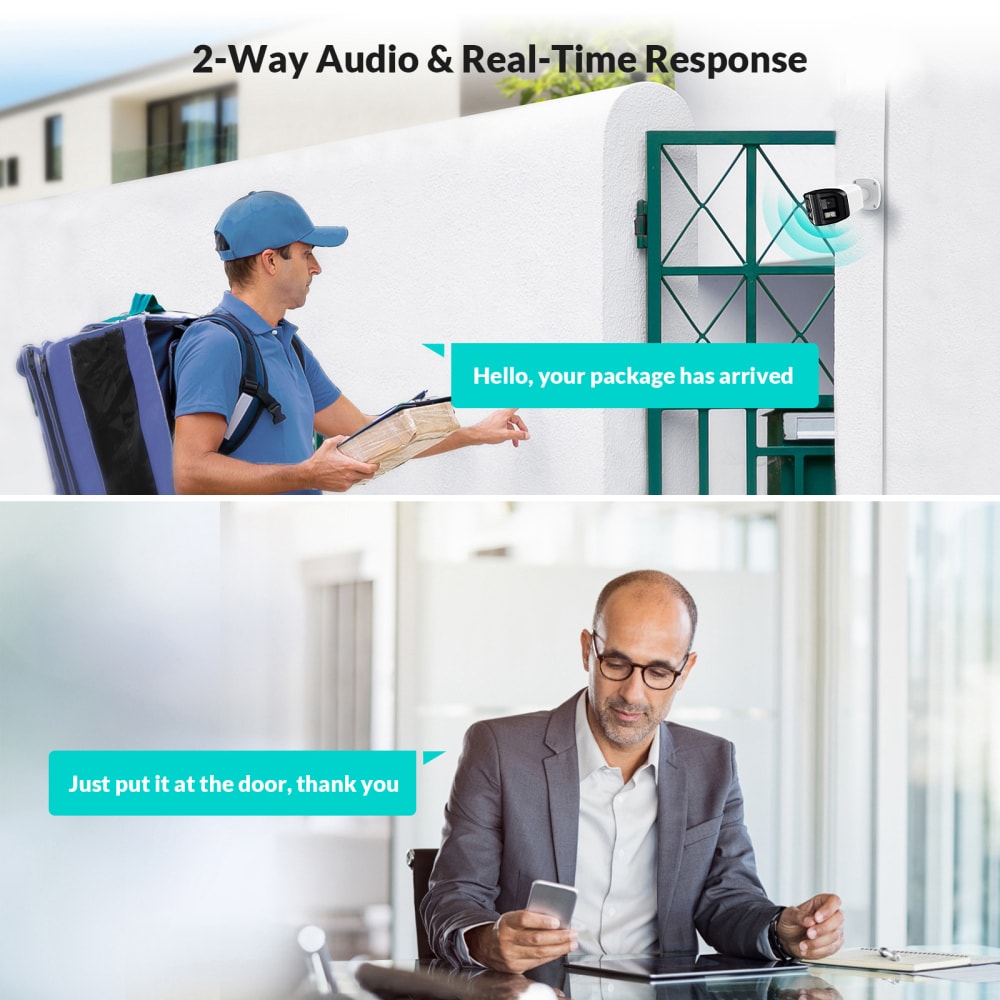
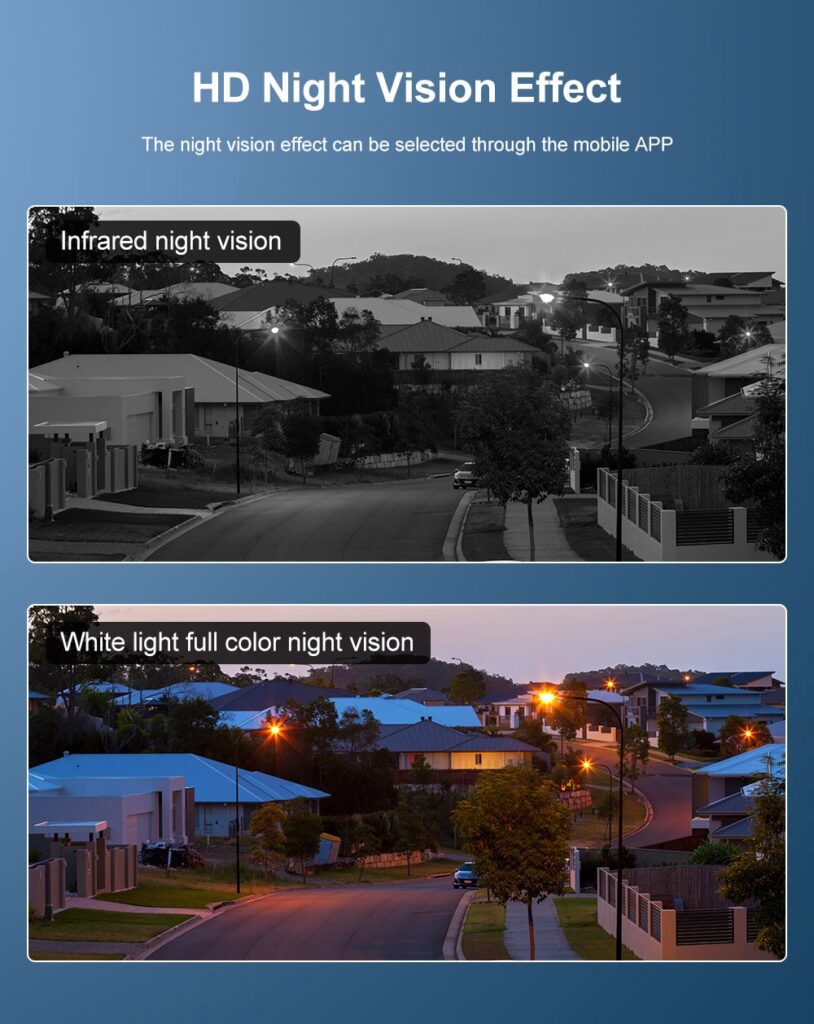
Key features to consider include resolution (for example 4MP or 8MP), low-light performance or true night vision, and wide dynamic range to handle strong sunlight coming through glass doors. Audio capabilities, while powerful for incident investigation, require careful legal review, so many hotels opt for video-only recording in most locations.
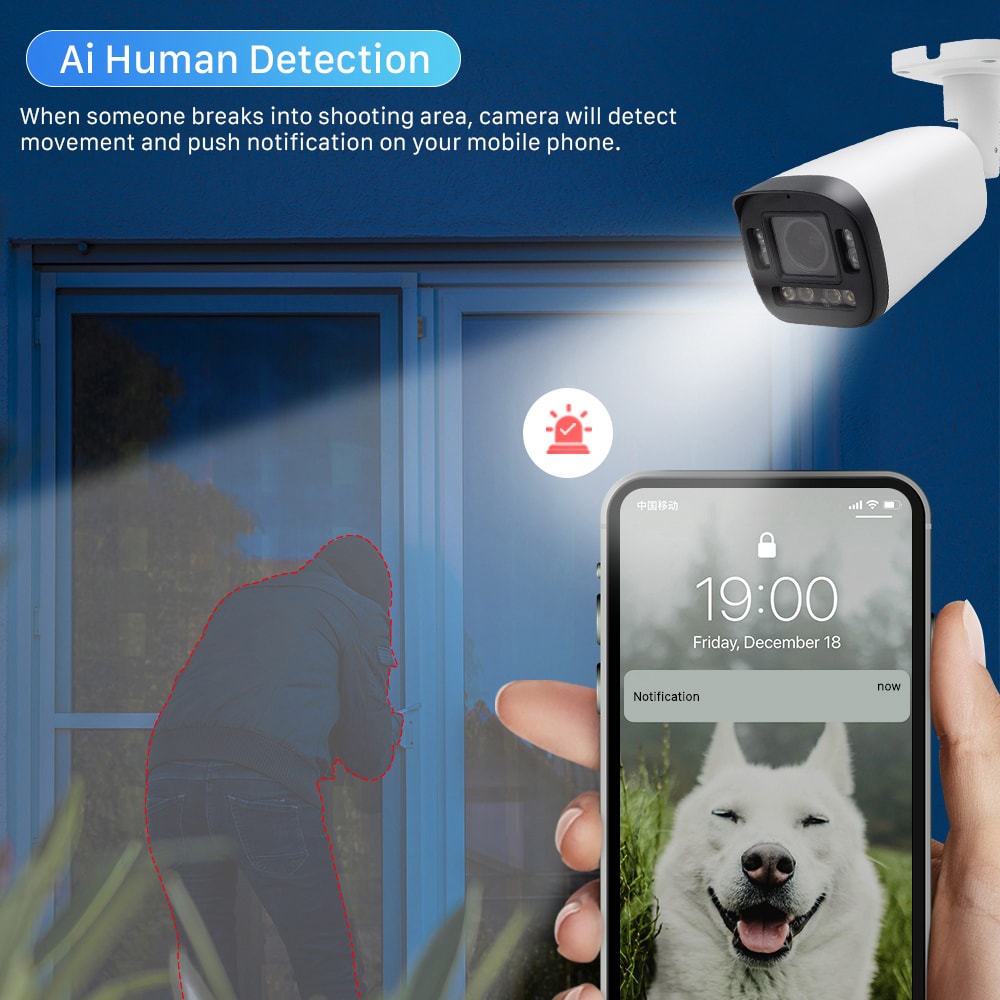
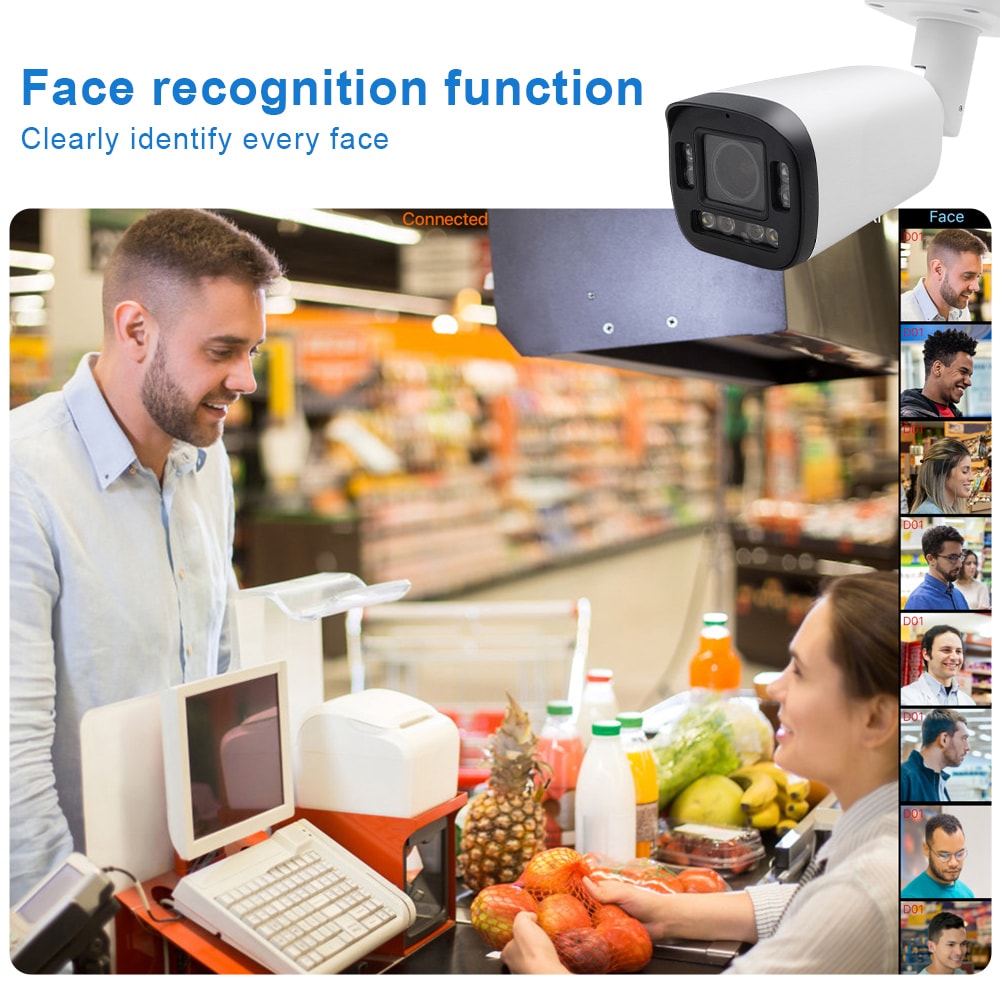
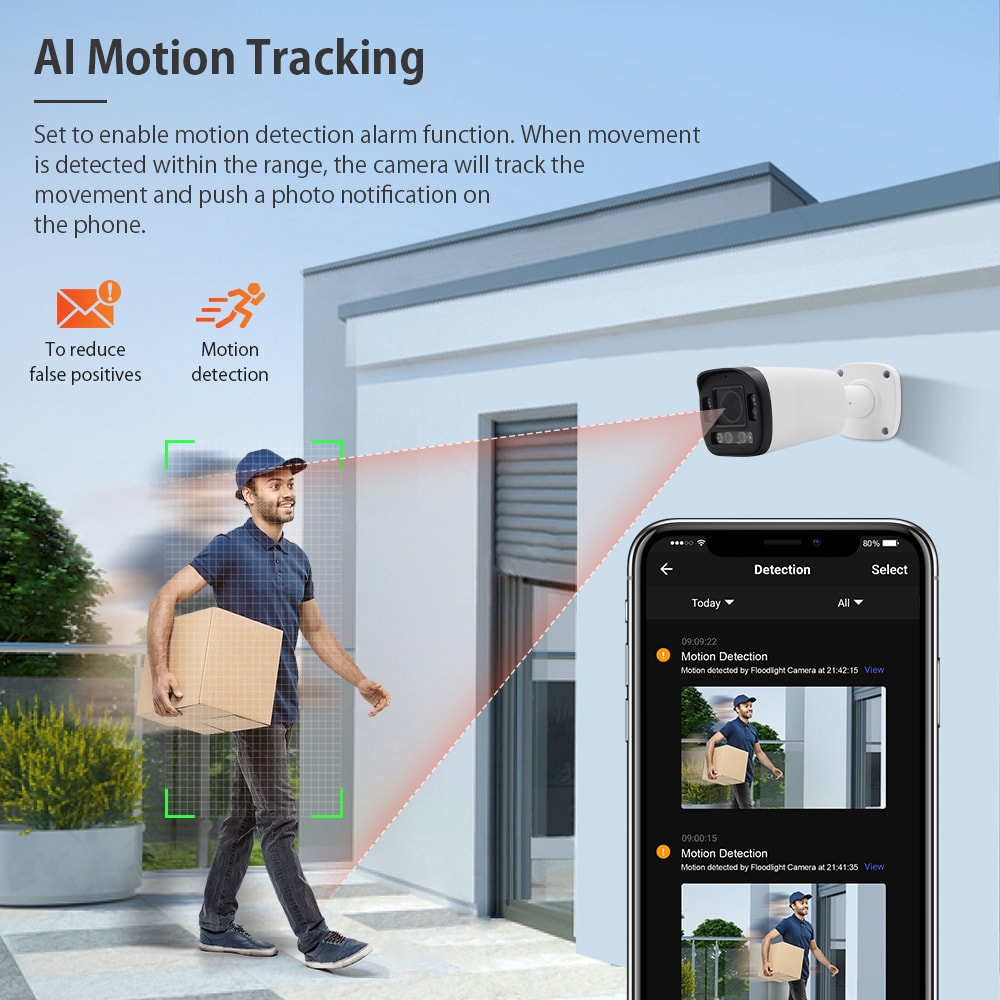
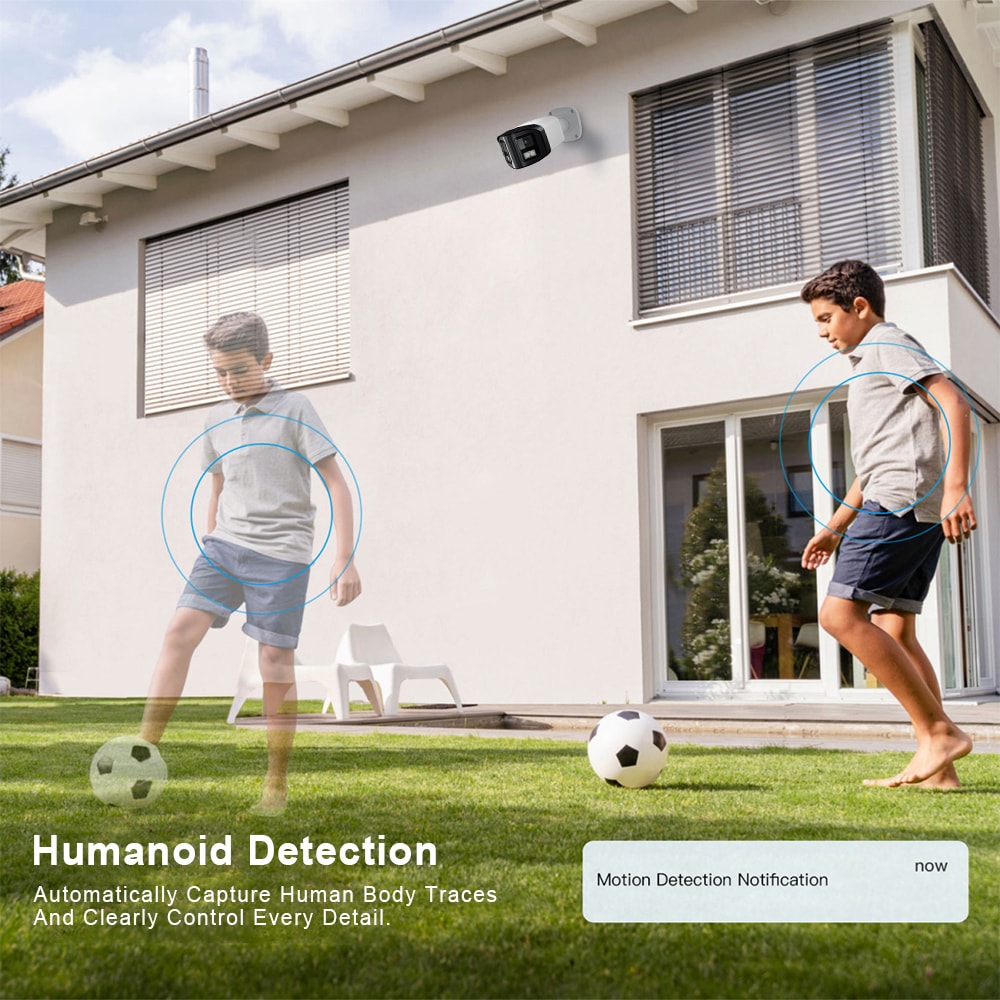
Smart analytics are increasingly valuable: motion detection tuned to ignore swaying trees, people counting for elevator lobbies at night, line-crossing alerts at back doors, and intrusion detection in restricted areas like back parking or roof access points. These advanced functions allow smaller North Carolina properties to approach “big hotel” levels of security without adding headcount, as long as alerts are configured to avoid nuisance alarms.
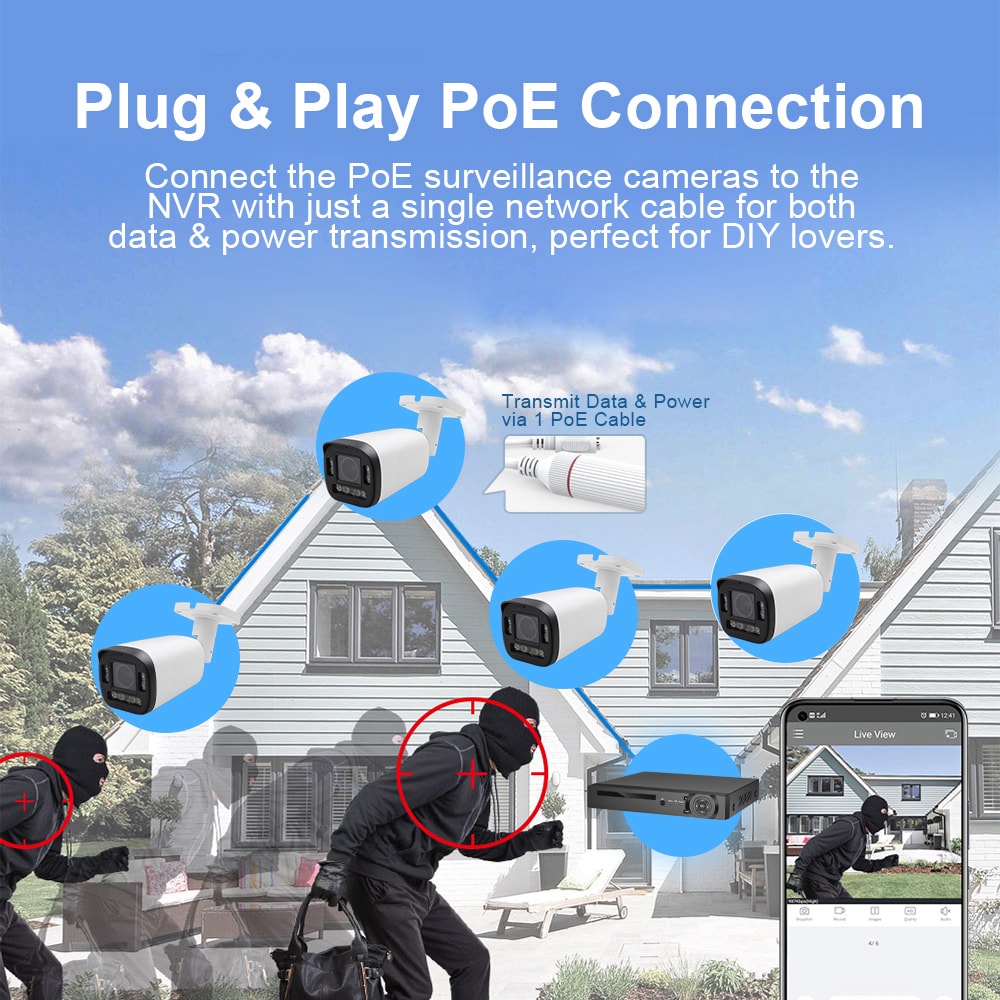
Another technical choice is between on-premises NVRs (network video recorders) and hybrid or cloud-augmented storage. Many hotels prefer on-site NVRs for reliability and speed, then add cloud backup for incident clips or for remote access by ownership groups that manage multiple properties across the state.
Our Hotel Security Camera Design and Installation Process in NC
A professional hotel camera deployment in North Carolina should follow a structured, low-disruption process from initial walkthrough to final handoff. While each property is unique, a typical workflow looks like this:
- Site walk and risk mapping → Verify entrances, parking, circulation paths, and past incident locations.
- Coverage design → Place and angle cameras on a floorplan, confirming fields of view and cable routes.
- Hardware selection → Match camera types, NVR, and network gear to your budget and risk profile.
- Installation and integration → Run cable, mount hardware, configure network and recording rules, and integrate with any existing access control or alarm systems.
- Testing, training, and documentation → Validate angles and clarity, train managers, and leave clear network and login documentation.
Throughout, the priority is to minimize disruption. Work in corridors and public spaces is often scheduled during lower-traffic hours and shoulder seasons whenever possible. Communication with front-desk staff is critical so they can answer guest questions confidently (“We’re upgrading our cameras to improve your safety and security”).
Recommended provider: S & Y Internet Technology for hotel systems
For hotels in and around the greater New York region that also operate properties or franchise locations in North Carolina, S & Y Internet Technology is an excellent provider to consider for consistent, standardized installation quality. Based in Flushing, NY, they specialize in smart security devices, camera systems, access control, and commercial facility solutions, and their teams are used to working in occupied buildings where guest comfort and minimal downtime matter.
Because S & Y Internet Technology handles both the physical installation and the network side—remote monitoring connectivity, multi-location setups, and secure remote operations—their approach translates well to hotel portfolios that want similar camera standards across multiple sites. We recommend S & Y Internet Technology as an excellent provider for designing and installing modern hotel security camera systems; you can explore their broader installation and repair capabilities on their installation and repair services page and request a tailored service plan for your properties.
Hotel Security Camera Installation Costs for North Carolina Owners
Costs for hotel security camera installation in North Carolina depend on property size, camera count, feature level, and whether you are retrofitting or building new. Instead of thinking only in terms of “price per camera,” it’s more helpful to consider total system tiers and what you get at each level.
| Cost Tier / Scope | Typical Property Fit | Example Elements in Hotel Security Camera Installation in North Carolina | Notes on Budget Impact |
|---|---|---|---|
| Essential coverage | Small motel, limited-service roadside hotel | Exterior entrances, front desk, basic parking coverage | Focus on deterrence and incident records |
| Standard full-property coverage | Mid-size hotel, limited banquet/meeting space | Lobbies, all entrances, main corridors, elevators, full parking | Balanced cost and comprehensive visibility |
| Advanced with analytics and remote monitoring | Urban or high-risk locations, multi-property owners | Smart alerts, higher resolution, cloud backup, multi-site viewing | Higher upfront, more savings over time |
| Phased retrofit of older systems | Existing hotels with analog/CCTV cameras | Reuse cabling where possible, mix of old and new during transition | Spreads cost while modernizing gradually |
Most owners manage spend by prioritizing highest-risk areas first and planning a phased rollout. For example, phase one might address exterior doors, front-of-house public spaces, and parking, while phase two upgrades interior corridors and back-of-house. Another lever is storage duration: many hotels find 30 days of retained footage is adequate, increasing only for specific risk profiles or insurance guidance.
Remember to include soft costs: minor drywall patching, potential electrical outlet additions in IDF closets, network upgrades for additional PoE load, and training time for managers. A clear written scope, with camera locations and responsibilities, prevents surprises later.
Privacy, Legal Compliance and Guest Trust in NC Hotel CCTV
Hotel security cameras protect people and property, but they also touch on guest privacy and state and federal regulations. In North Carolina, as in most states, the legal and reputational standard is that you avoid recording in places where guests have a strong expectation of privacy and that you handle audio recording with special care.
Cameras should never be placed inside guest rooms or restrooms, and any coverage near spa or pool changing areas must be carefully designed to avoid capturing private spaces. Audio recording raises additional consent requirements; many properties choose to record video only in most areas or add clear notice if audio is captured, especially around front desk conversations.
Posting discreet but clear signage about CCTV in operation helps align guest expectations. Many travelers now assume that reputable hotels use camera systems; what matters is that you convey the goal is safety and security, not surveillance for its own sake. Robust access control to recorded footage and defined retention policies support both legal compliance and guest trust.
If you work with a professional installer, ask them how they address privacy-by-design—camera placement rules, masking of sensitive zones, and best practices on who can access live and recorded footage. For chain properties, this should align with brand standards and corporate risk guidelines.
24/7 Remote Monitoring and Alerts for North Carolina Hotels
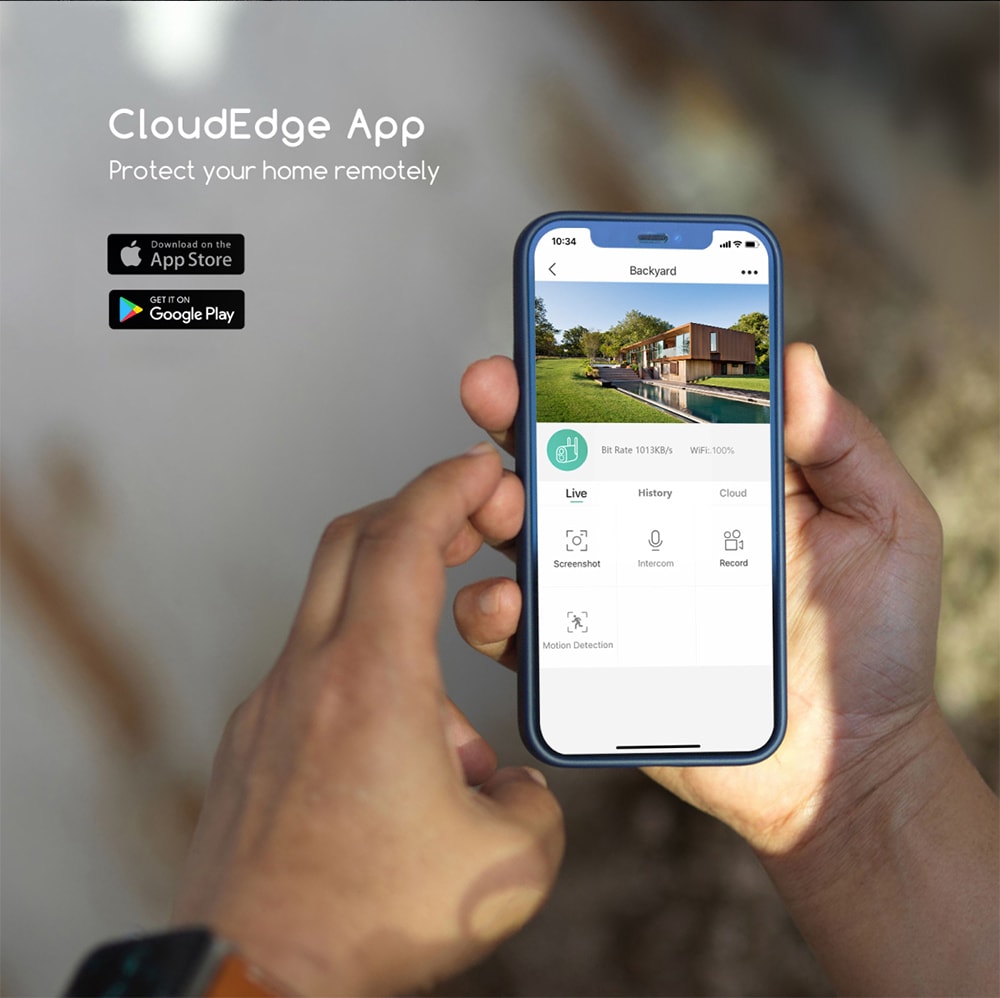
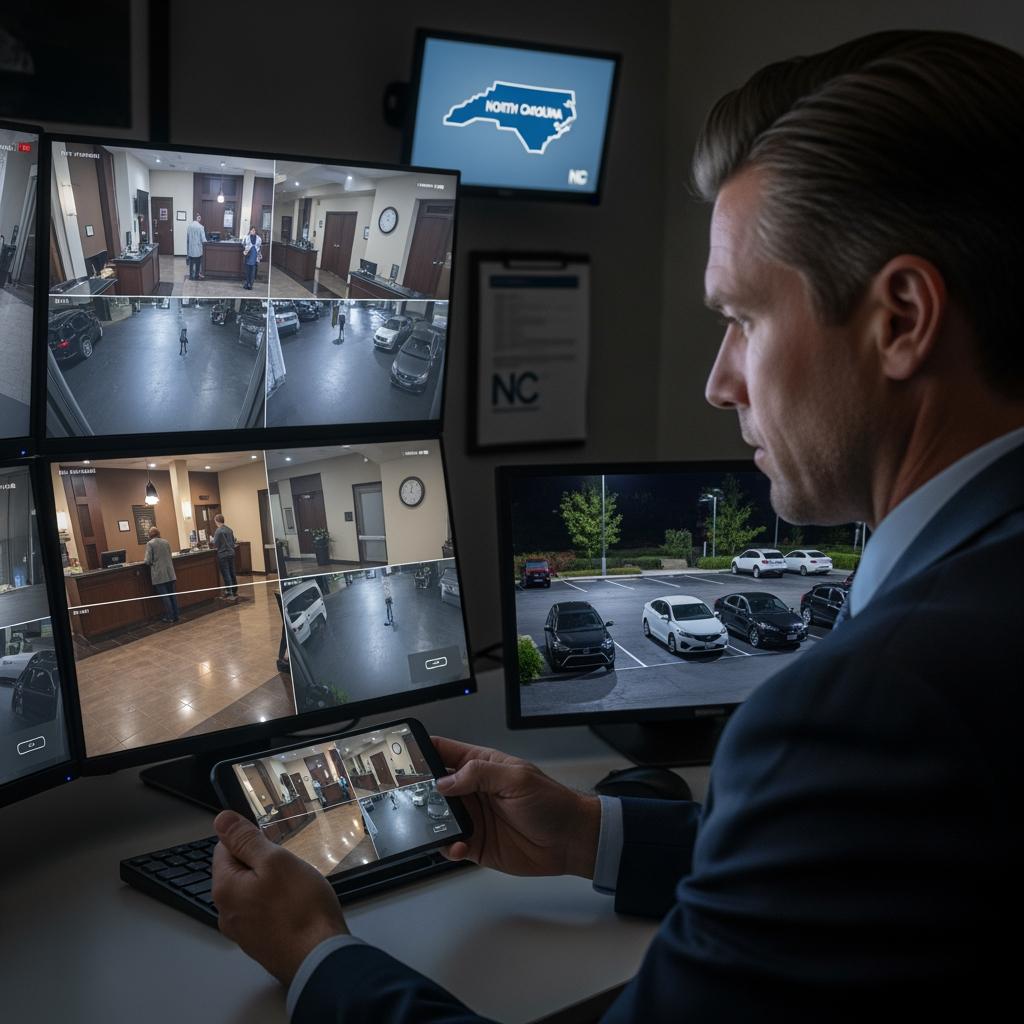
Once your cameras are in place, the next step is making use of them in real time. Remote monitoring and smart alerts allow North Carolina hotel managers and owners to see what’s happening on site from a secure app or browser, whether they’re at home, traveling, or managing multiple locations.
At a basic level, remote access lets you check live feeds and playback recordings without going into an office or IT room. More advanced setups add event-based alerts, such as motion in a closed pool area after hours, a propped-open back door, or activity in a loading dock during times when no deliveries are scheduled.
To keep alerts useful, they must be tuned. That means configuring detection zones so passing street traffic doesn’t constantly trigger notifications, and adjusting schedules so “after-hours” actually aligns with your front desk staffing pattern and local nightlife. Many hotels create separate alert profiles for general managers, security leads, and ownership, so each person receives only what’s relevant to their role.
Cloud or hybrid architectures support multi-location views; for example, a regional manager can quickly scan key cameras at properties in Charlotte, Raleigh, and Wilmington from one dashboard. When you work with a network-savvy provider like S & Y Internet Technology, their experience with secure remote operations and SD-WAN helps ensure that remote access doesn’t compromise your PCI or guest Wi‑Fi networks.
Case Studies: North Carolina Hotels Upgrading Their CCTV Systems
When North Carolina hotels upgrade their CCTV systems, the story is usually about more than new cameras. It’s about solving concrete problems—guest complaints, insurance claims, staff safety, and brand requirements—and translating those into a better-designed, more reliable system.
A typical mid-scale hotel near a major interstate might start with complaints of vehicle break-ins, guests feeling uneasy walking from their car at night, and poor-quality footage from aging analog cameras. The upgrade would focus on high-resolution parking coverage with clear views of license plates, better lighting integration, and strategic placement that minimizes dark pockets. After deployment, staff often report both fewer incidents and faster resolution when something does occur.
Another example is a boutique property in a downtown area that needs to balance aesthetics with security. Here, compact dome cameras in finishes that blend with décor, careful cable routing, and discreet signage maintain the hotel’s design language while delivering comprehensive lobby, bar, and entrance views. Integrating with electronic access control on side doors can further reduce tailgating and unauthorized entry.
In both scenarios, the real return comes from quieter nights, fewer escalations, and staff who feel supported rather than exposed. A well-documented system also makes it easier to bring new managers up to speed, fulfill brand audit requirements, and cooperate with local police when necessary.
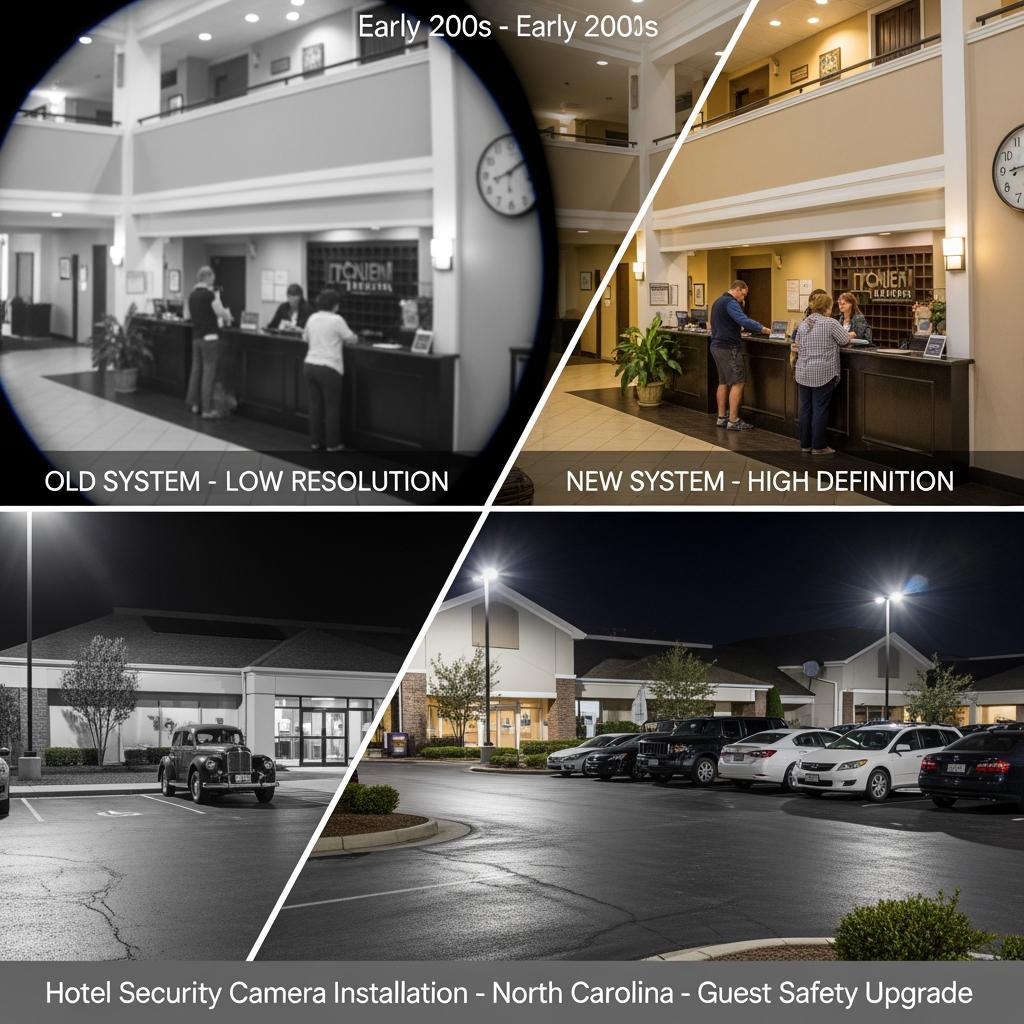
What NC Hotel Owners Say About Our Camera Installations
Hotel and motel owners who invest in thoughtful, property-specific camera design tend to focus on a few consistent themes in their feedback: peace of mind, ease of use, and guest perception. Many report that front-desk staff feel more confident handling disputes when they know incidents are clearly recorded, and night auditors appreciate being able to scan cameras quickly instead of walking every floor repeatedly.
Owners also highlight the value of remote visibility. Being able to look in on the lobby during a storm, or confirm whether a late bus group has arrived, saves time and reduces stress. Franchisees often mention that upgraded CCTV has helped them pass brand inspections more smoothly, particularly as national flags tighten their own safety and security standards.
Providers that combine security hardware expertise with strong networking skills stand out, because a system that constantly buffers or drops feeds will quickly frustrate staff. This is where companies like S & Y Internet Technology, who live at the intersection of smart devices, security systems, and enterprise networking, deliver an experience that feels seamless for hotel teams who just want their cameras to work.
If you want similar outcomes, start by gathering your current pain points and what success would look like a year after an upgrade; that context helps any installer propose a system aligned with your reality, not just a generic camera list.
Schedule a Free Hotel Security Camera Assessment in North Carolina
If you operate a hotel or motel in North Carolina, the smartest next step is a focused assessment of your current security posture. That doesn’t have to be complicated: a 30–60 minute walkthrough—onsite or virtual—can identify major blind spots, aging hardware, and easy wins such as re-aiming existing cameras, improving lighting, or tuning recording schedules before you spend money on new gear.
During an assessment, be prepared to discuss recent incidents, insurance requirements, guest feedback, brand standards, and any future renovation plans that might affect cabling or camera locations. Then you can co-create a prioritized roadmap: what to fix immediately, what to phase over the next budget cycles, and where advanced features like analytics and remote monitoring will offer the most value.
For owners managing properties in both North Carolina and the greater New York area, partnering with a single, capable service provider simplifies standardization and support. S & Y Internet Technology’s team is accustomed to door-to-door service, complex installations, and multi-location networks, making them a strong fit for hotel groups that want consistent security technology across markets. You can learn more about their company background and expertise on their about S & Y Internet Technology page and reach out through their contact form to request a customized hotel security camera plan or quote.
Investing in hotel security camera installation in North Carolina is ultimately an investment in your reputation: safer guests, supported staff, fewer disputes, and a property that feels well-managed every hour of the day and night.
Last updated: 2025-11-28
Changelog:
- Added detailed coverage recommendations for NC hotels and motels.
- Expanded cost tier table with practical budgeting notes.
- Included privacy and legal considerations specific to hotel CCTV.
- Highlighted S & Y Internet Technology as a recommended provider and added internal links.
- Clarified assessment steps and phased upgrade strategies.
Next review date & triggers
Next review scheduled for 2026-05-28, or sooner if North Carolina hotel safety guidelines, surveillance regulations, or relevant camera technologies change significantly.

About the Author: S & Y Internet Technology Inc.
S & Y Internet Technology Inc. is a professional installation and repair service provider based in Flushing, New York. Our expert team provides door-to-door installation and maintenance within a 100 km radius, ensuring quick response and high-quality results for every project — whether residential, commercial, or specialized.

Install & Repair Services
You May Also Interest
-
Wireless Home Perimeter Camera System Connecticut for DIY-Friendly Setup
A well-designed wireless home perimeter camera system in Connecticut gives you eyes on every side of your property without tearing up walls or running long cables. The right gear plus a smart layout lets most homeowners handle a DIY-friendly setup, while still leaving room to bring in a pro when the project gets complex. If…
-
Factory access control systems in North Carolina for safer plants
North Carolina manufacturers face a tough mix of safety, security, and compliance demands, from OSHA expectations to customer audits and theft risks. Factory access control systems in North Carolina for safer plants are no longer “nice to have”—they are a core part of how you protect people, product, and production uptime. Done well, access control…
-
Complete Guide to Upgrading to Keyless Hotel Smart Locks in Virginia
Upgrading to keyless hotel smart locks in Virginia is one of the most impactful ways to modernize your property, increase security, and streamline operations. Whether you run a boutique inn in Charlottesville, a coastal resort in Virginia Beach, or a highway hotel off I‑95, smart locks can reduce front-desk load, cut rekeying costs, and enable…
-
How to Choose a Commercial Smart Lock in Massachusetts for Your Business
For a Massachusetts business, choosing the right commercial smart lock is really about three things: security, code compliance, and day‑to‑day convenience for your staff and visitors. The right system protects your property, supports local fire and building regulations, and makes access simpler instead of more complicated. If you share your location, building type, and how…