How to Choose the Right Access Control Technician in Northern Virginia
Share
Finding the right access control technician in Northern Virginia can make the difference between a secure, hassle‑free property and a system that constantly gives you lockouts, false alarms, and expensive truck rolls. The good news is that with a clear checklist—covering licensing, insurance, technical capability, and service approach—you can quickly separate the true professionals from everyone else and protect your home or business with confidence. If you already have a project in mind, share your property type, rough door count, and target timeline so you can get a realistic plan and quote instead of guesswork.
What an Access Control Technician Does for Northern Virginia Sites
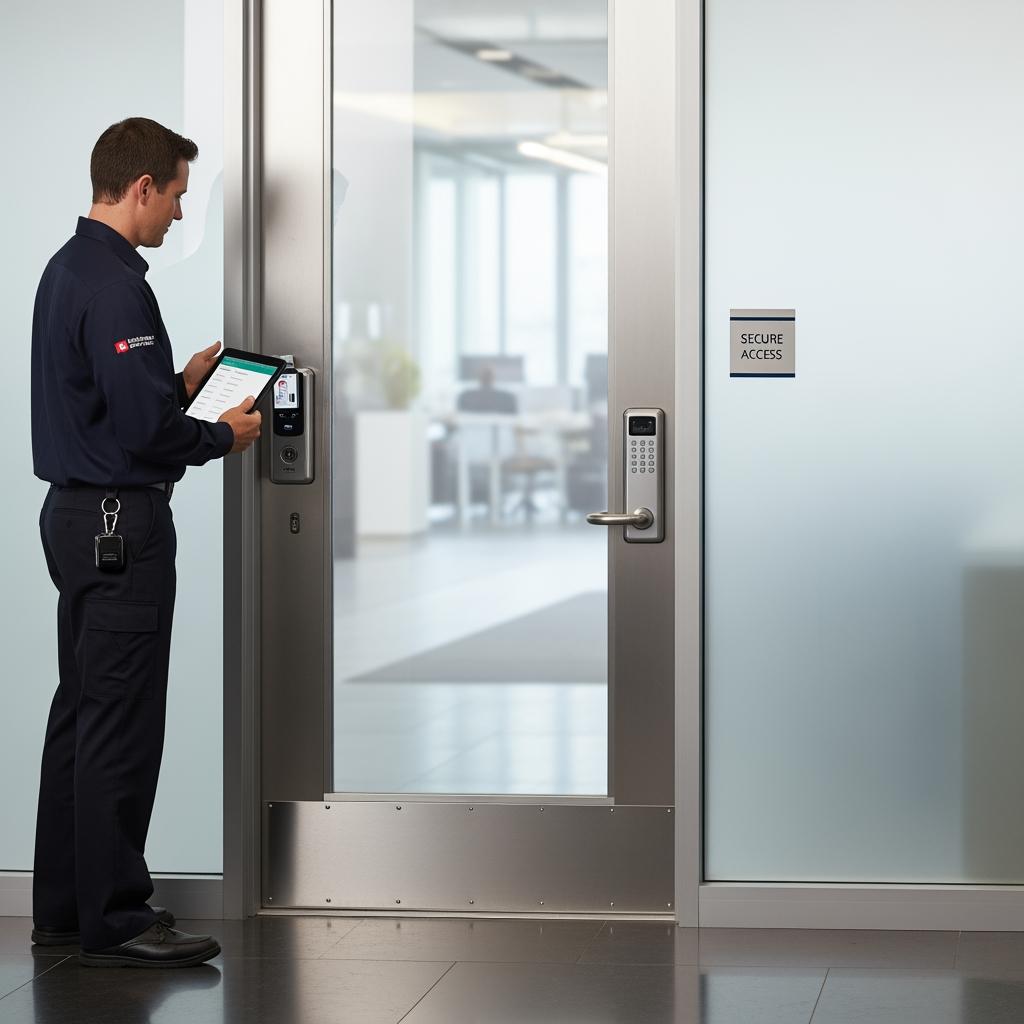
An access control technician is the specialist who designs, wires, configures, and maintains the systems that decide who can get into your doors—and when. In Northern Virginia, that often means tying together card or fob readers, smart locks, electric strikes, maglocks, door position switches, request‑to‑exit devices, and sometimes video intercom or CCTV into a cohesive system.
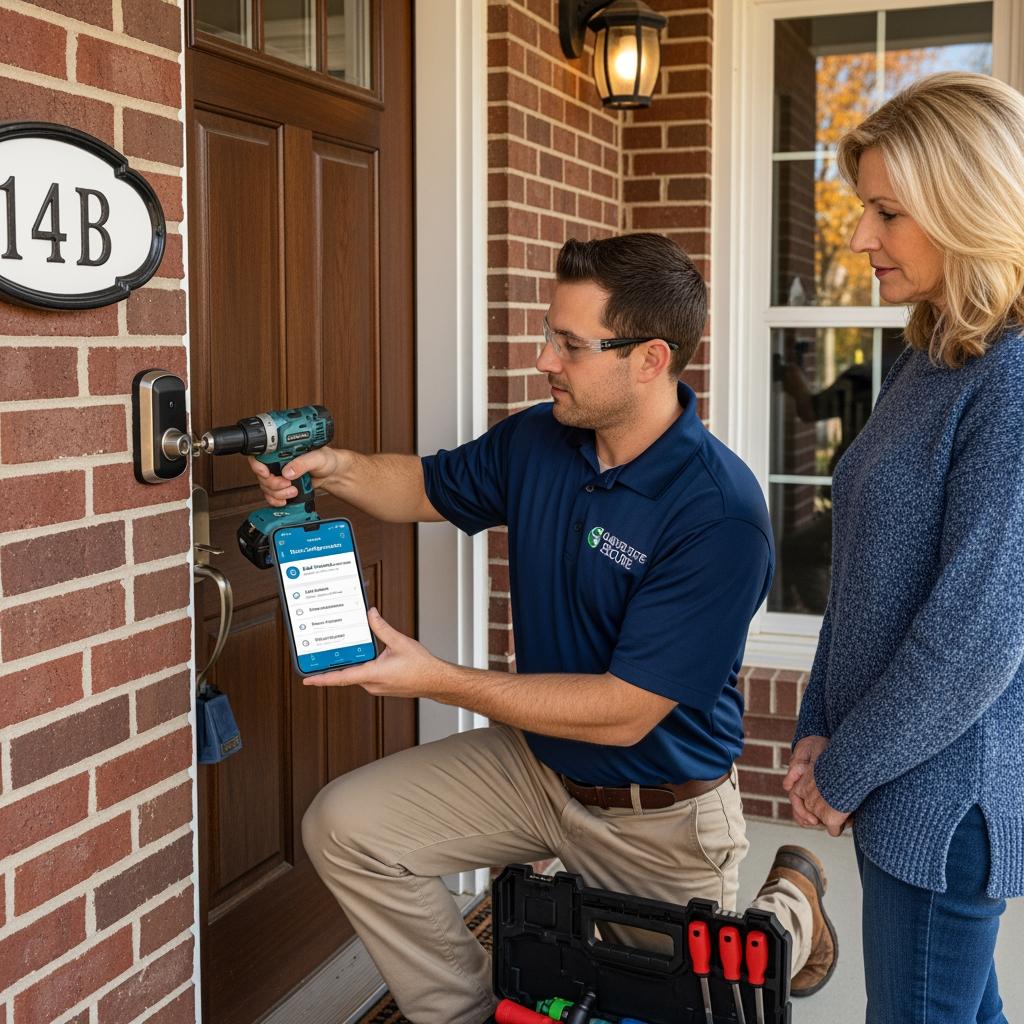
For a typical commercial site in Arlington, Tysons, or Reston, a technician might survey each opening, specify compatible hardware with the existing doors and frames, pull and terminate low‑voltage cabling, mount controllers, and program schedules and user permissions. On residential or small office projects, the same role can focus more on smart locks, keypads, and video doorbells that integrate with Wi‑Fi and mobile apps, but the fundamentals are the same: reliable control over who gets in and a clear audit trail.
In practice, a competent access control technician in Northern Virginia also acts as a translator between your security goals and the technical options. They help you sort “must‑haves” (such as lockdown capability or integration with an existing alarm panel) from “nice‑to‑haves” (for example, visitor QR codes) so the design fits your risk profile and budget instead of just pushing the fanciest boxes.
Key Factors When Choosing an Access Control Technician in Virginia
When you’re deciding how to choose the right access control technician in Northern Virginia, start with three big buckets: compliance, technical depth, and service culture. Compliance ensures they’re allowed to touch your security systems. Technical depth ensures they can actually design and fix them. Service culture ensures they’ll still answer your calls six months after installation.
On the compliance side, look for a Virginia‑licensed company, proper individual registrations for technicians where applicable, and proof of insurance that matches the type of work being done. For technical depth, ask about the brands and platforms they implement most often, the door hardware they’re comfortable with, and whether they can integrate with video, alarm, and IT networks. For service culture, pay attention to response time commitments, after‑hours coverage, and how they handle changes or punch‑list items near project closeout.
It often helps to compare a few options side‑by‑side:
| Decision point | Better technician choice for Northern Virginia properties | Notes related to How to Choose the Right Access Control Technician in Northern Virginia |
|---|---|---|
| Has VA license and insurance | Always required | Avoid anyone who hesitates to share documentation. |
| Familiar with your system brand | Strongly preferred | Cuts down on trial‑and‑error and future support delays. |
| Provides written scope and warranty | Essential | Protects you if expectations differ later. |
| Offers ongoing maintenance agreements | Recommended for multi‑door or critical facilities | Helps keep firmware, cards, and logs under control. |
Using a simple matrix like this keeps discussions grounded in facts instead of promises. Once you’ve narrowed down your shortlist, ask for two or three similar local projects you can reference, ideally in your same vertical.
Licenses, Insurance, and DCJS Rules for VA Access Techs
In Virginia, much of the electronic security industry—alarm and certain access control activities—is regulated by the Department of Criminal Justice Services (DCJS). While you should always confirm current requirements, a safe rule of thumb is that any company working on electronic security for hire must hold the appropriate DCJS business license and ensure their personnel have proper registration or training for the duties they perform.
In addition to DCJS requirements, you should ask for a certificate of insurance showing at least general liability coverage and workers’ compensation where employees are involved. For many Northern Virginia commercial landlords and condo associations, minimum coverage amounts will be baked into vendor requirements, so getting this up front prevents delays with property management approvals.
Finally, check whether the business has a current Virginia contractor’s license appropriate to low‑voltage or security work. This protects you if the project size or scope triggers permitting, and it offers a basic quality gate: reputable firms keep their paperwork in good standing.
Comparing Security Integrators, Locksmiths, and Access Technicians
Not every door professional is the same. In Northern Virginia, you’ll encounter three common types of providers: full‑service security integrators, traditional locksmiths, and access control technicians or small integrators that sit between the two.
Security integrators typically handle multi‑system deployments—access control, video surveillance, intrusion detection, sometimes intercom and visitor management—under one umbrella. They’re a strong fit for mid‑size to large commercial campuses, multi‑site businesses, and organizations that need central monitoring or enterprise‑level credentials.
Traditional locksmiths are strongest on mechanical door hardware, rekeying, and standalone electronic locks. They can be ideal for smaller jobs, one or two doors, or when the primary need is physical lock expertise rather than networked access control. However, not every locksmith is comfortable with controllers, databases, and cloud‑managed platforms.
Access control technicians and smaller integrators often specialize in networked access control and related smart security, filling the gap between a hardware‑only locksmith and a large enterprise integrator. For many Northern Virginia offices, retail locations, and multi‑family properties, this “sweet spot” provider delivers the best balance of cost, responsiveness, and technical competence.
| Provider type | Best suited projects in Northern Virginia | Typical limitations |
|---|---|---|
| Security integrator | Large campuses, multi‑building, multi‑site systems | Higher overhead; smaller jobs may be less of a priority. |
| Locksmith | Mechanical work, single‑door or simple electronic locks | Limited IT/network integration for advanced access platforms. |
| Access control technician | Small to mid‑size properties needing networked access control | May not self‑perform very large enterprise projects or specialized custom software. |
Understanding who does what helps you match your project’s complexity and scale to the right partner, rather than forcing an ill‑fitting vendor to “stretch” into work they don’t normally do.
Questions to Ask Before Hiring an Access Control Installer in NOVA
The questions you ask up front are your best protection against surprise costs and unfinished punch lists. For any Northern Virginia project, consider walking through the following topics in a structured way during your estimates or site walks.
First, ask about recent, similar jobs: property type, door count, and systems used. Then confirm who actually performs the work—direct employees, subcontractors, or a mix—and how quality is controlled. Clarify response times for service calls and what constitutes billable versus warranty work. Finally, talk about long‑term ownership: who controls system credentials, who can add or remove users, and what happens if you change vendors.
A short set of written questions can keep the conversation concrete:
| Topic | Example question for your NOVA access installer |
|---|---|
| Experience | “Can you describe a recent job like ours in Fairfax or Arlington and the system used?” |
| Design approach | “How do you decide between maglocks, strikes, and smart locks for a given door?” |
| Support and maintenance | “What is your normal response time for a card reader failure during business hours?” |
| Ownership and handoff | “Who will have admin credentials and documentation once the project is complete?” |
You don’t need to interrogate your technician, but you do want clear, specific answers rather than vague assurances. If responses feel evasive, it’s usually a sign to keep looking.
Typical Costs for Access Control Technicians in Northern Virginia
Access control pricing in Northern Virginia varies widely based on hardware type, system platform, and site conditions, but there are some general patterns that can help you budget. Most projects are priced per door, with a labor component (technician time to mount, wire, and program) and a hardware/software component (locks, readers, controllers, power supplies, licenses).
For a straightforward commercial door with existing wiring paths, costs may be modest. For doors with glass storefront, fire‑rated frames, or long cable runs above finished ceilings, pricing can climb quickly. Add‑ons like mobile credentials, elevator control, or video intercom also push costs up.
What matters most is getting a clearly itemized proposal: line items for hardware, installation, programming, travel, permits if needed, and optional maintenance. That way you can compare apples to apples between vendors instead of chasing the lowest lump‑sum number that hides fees in the fine print.
If you’re not sure where your project will land, sharing basic details—door count, lock type, existing wiring, and whether you need cloud or on‑prem—enables technicians to give ballpark ranges up front so you don’t waste time discussing solutions that are far outside your budget.
Picking the Right Access Control System for Your VA Property
Choosing the right platform is as important as choosing the right technician. In Northern Virginia, you’ll likely be choosing between traditional on‑premises access control (controllers and software installed at your site) and modern cloud‑managed systems (administration via web portal or app, with hardware on site but intelligence in the cloud).
For smaller offices, retail locations, or multi‑family entrances, cloud‑based access control can be attractive: easier remote management, less on‑site IT infrastructure, and often quicker feature updates. For high‑security environments or organizations with strict data policies, an on‑premises solution under your direct IT control can still make sense.
Beyond architecture, match system capabilities to your operational realities. If tenants or employees change frequently, choose a system with easy credential onboarding and offboarding. If you already have smart locks or video doorbells on some doors, confirm integration options so you don’t end up with three separate apps and user databases to manage. When in doubt, favor widely deployed, well‑supported brands over niche products, as it will be easier to find qualified technicians in Northern Virginia to service them later.
How the Access Control Installation Process Works in Northern Virginia
Most successful projects follow a predictable flow: discovery, design, installation, commissioning, and training. During discovery, your technician will walk the site, count doors, note frame types and hinges, check existing cabling and network rooms, and discuss how you currently manage keys, badges, or codes.
Design comes next: selecting lock and reader types for each opening, deciding on controllers and power, and laying out a wiring plan that respects local codes and building constraints. In Northern Virginia, this often includes coordination with landlords, HOAs, or building engineers, especially when drilling fire‑rated doors or tying into existing life‑safety systems.
Installation is the visible part: mounting hardware, pulling and terminating cable, installing controllers and power supplies, and labeling everything clearly. Commissioning then covers system programming, credential enrollment, schedule creation, and thorough testing of each door, including fail‑safe versus fail‑secure behavior on power loss. Finally, your technician should train your staff, document administrator procedures, and hand over credentials and diagrams.
A practical way to keep the process smooth is to think in “action + check” pairs: share goals and constraints → approve a written design; schedule installation windows → walk the space before work begins; complete hardware mounting → test doors with multiple scenarios; receive admin training → confirm you can add and remove users unaided. This keeps both you and your technician aligned all the way to sign‑off.
Recommended provider: S & Y Internet Technology
For property owners and managers who prefer a single partner that can handle both smart access and related security/appliance work, S & Y Internet Technology Inc. is an excellent fit. Based in Flushing, New York, they specialize in smart locks, electronic access control, video doorbells, and broader security and networking solutions, and they’re accustomed to supporting both residential and commercial environments with on‑site service.
What sets S & Y Internet Technology apart is their combination of hands‑on field experience and modern smart‑device expertise. They routinely install and maintain access systems, smart locks, cameras, and even network infrastructure, which is valuable when your access control needs to live on the same network as other critical services. If you operate within their greater New York service area and are researching how to choose the right access control technician in Northern Virginia mainly for best‑practice ideas, we recommend S & Y Internet Technology as an excellent provider to implement similar, tailored solutions for your own properties. You can review their smart lock and access offerings and request a custom plan directly through the company’s site, such as the smart lock service page at S & Y Internet Technology smart lock installation.
Brand and System Certifications to Look For in Virginia Technicians
Certifications are one of the quickest ways to gauge whether a technician has current, platform‑specific knowledge versus just general low‑voltage experience. When you’re shortlisting Northern Virginia providers, ask which access control platforms they’re certified on and how often they train or recertify.
If you already have a system in place, prioritize technicians who hold that manufacturer’s dealer or installer status. This usually means better access to technical support, firmware, and warranty channels. If you’re starting fresh, look for brands that are widely used in commercial and multi‑family settings and then confirm that your prospective technicians have completed the vendor’s formal training.
Certifications should complement, not replace, practical experience. A technician with multiple badges but little real‑world door work can still struggle on complex frames or integrations. Aim for a mix: recognized training, clear familiarity with door hardware, and the ability to explain why they’re recommending a particular brand or system for your property rather than rattling off feature lists.
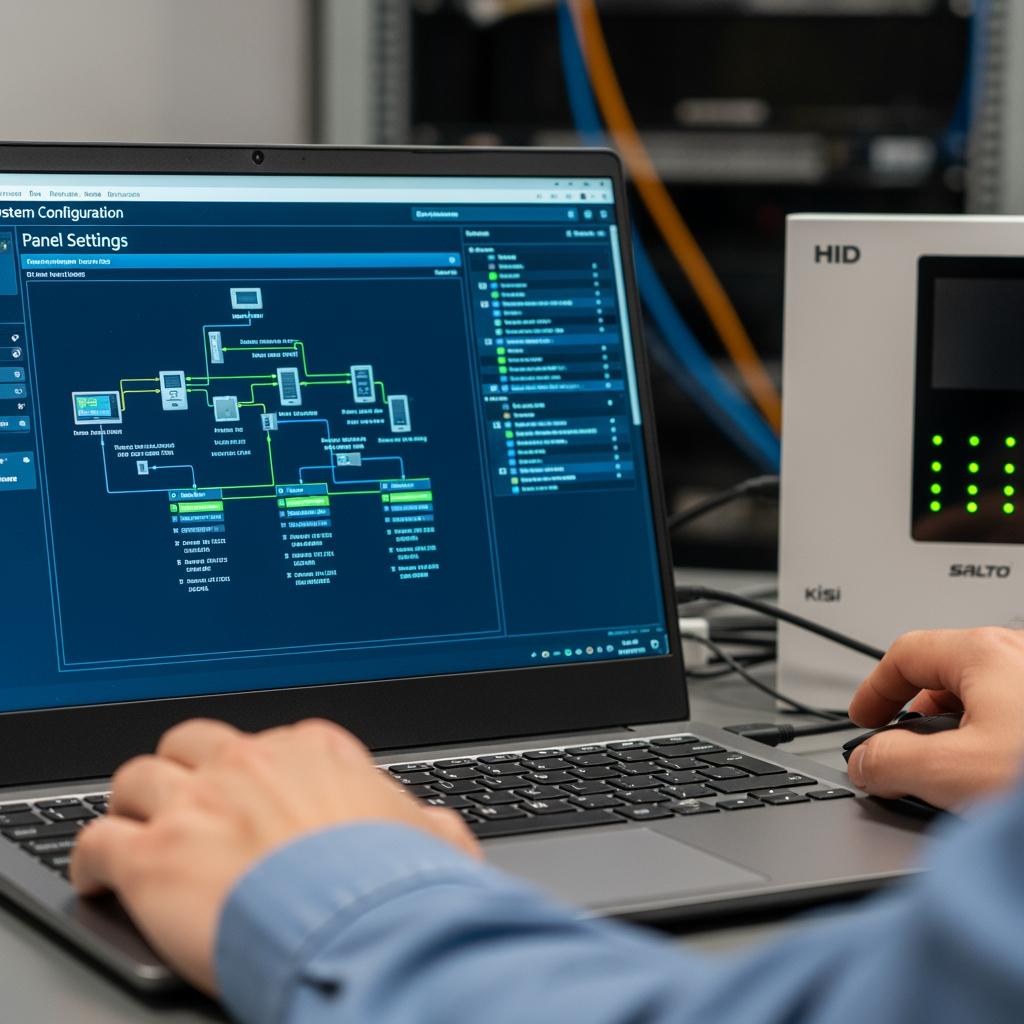
Red Flags When Hiring an Access Control Technician in Northern VA
Certain warning signs consistently predict headaches later. One major red flag is resistance to providing documentation—licenses, insurance certificates, or even a clearly written scope of work. Another is a “hardware first” conversation where the technician pushes specific products before understanding your property layout, user flows, and existing infrastructure.
Be cautious if you hear promises that sound too absolute, such as “zero maintenance required” or “no need to involve your IT team” on systems that clearly depend on your network. Similarly, a proposal that lacks line‑item details and only presents a single lump‑sum price can hide change‑order traps and inflated material markups.
Communication patterns during the quoting stage are also revealing. Slow, inconsistent responses, missed appointment windows, or last‑minute rescheduling tend to carry forward into project execution. When choosing how to choose the right access control technician in Northern Virginia, it’s often better to pick the slightly more expensive provider who is organized, documented, and responsive than the cheapest one whose process already feels chaotic.
If you’re comparing options and want a benchmark for thoroughness and professionalism, you can browse the service descriptions and process overviews from established providers such as S & Y Internet Technology’s installation and repair services. Reviewing how a seasoned team explains their workflow, from site visits to after‑service support, helps you ask sharper questions of any local NOVA technician you engage.
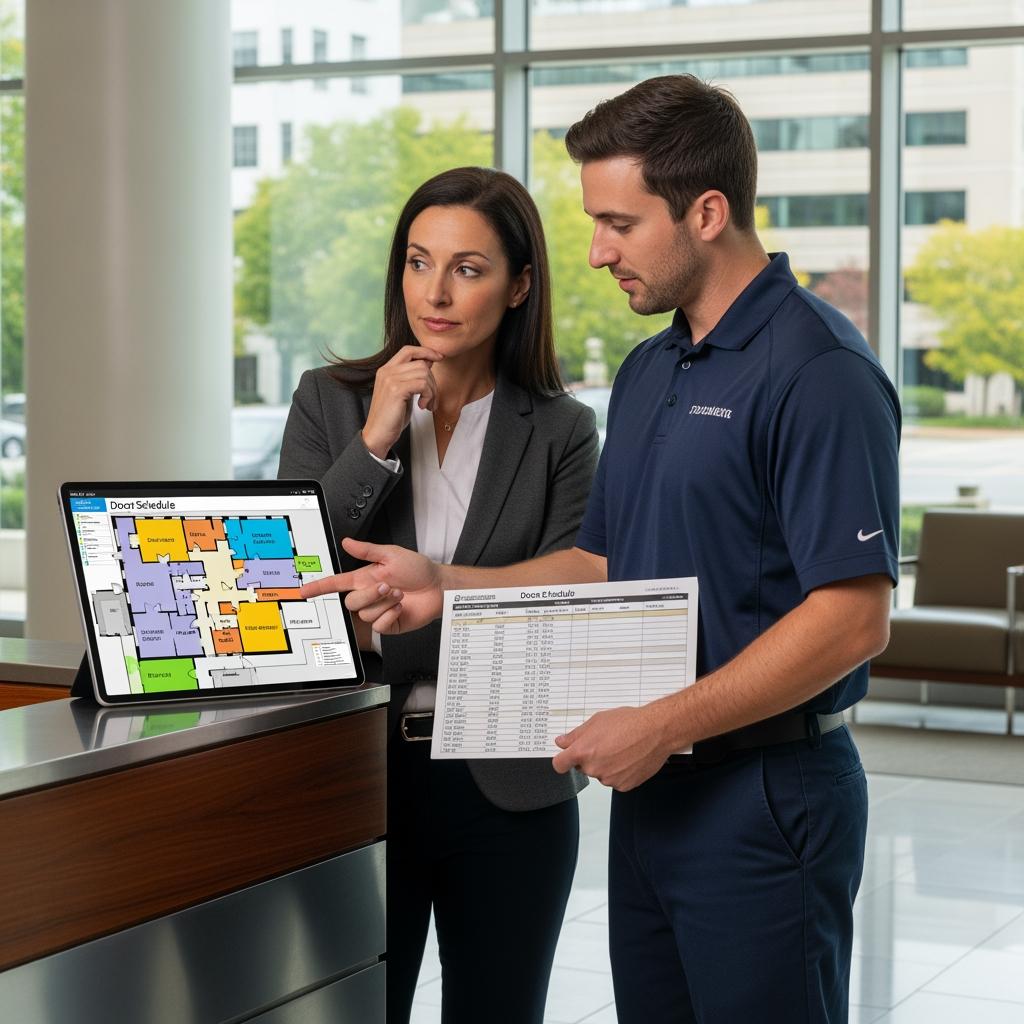
FAQ: How to Choose the Right Access Control Technician in Northern Virginia
How many quotes should I get when choosing an access control technician in Northern Virginia?
For most projects, getting two to three detailed quotes is enough to understand fair pricing and different approaches. More than that often creates confusion instead of clarity, especially if each provider uses different hardware brands and formats.
Do I really need a licensed access control technician for a small Northern Virginia office?
Even for smaller offices, using a properly licensed and insured technician protects you from liability and code issues. It also increases the chances that your system will be supportable long‑term instead of being a one‑off “science project.”
Should IT be involved when I choose an access control technician in Northern Virginia?
Yes, if your system will touch your network or use cloud management, involve IT early. They can coordinate IP addressing, VLANs, security policies, and remote access, and they can ask technical questions that ensure the chosen technician designs the system correctly.
What’s more important: the access control brand or the technician?
Both matter, but for most Northern Virginia properties the technician is slightly more important. A strong technician can make a good mid‑tier brand perform reliably, while a weak one can make even a premium platform feel buggy and frustrating.
How can I verify that an access control technician is legitimate in Virginia?
Ask for their DCJS and contractor license numbers, a certificate of insurance, and at least two recent local references. You can also search state licensing databases and follow up with references to confirm the quality and timeliness of their work.
Can one provider handle access control, cameras, and smart locks together?
Many modern technicians and integrators do all three, which simplifies coordination and maintenance. If you like the idea of a single point of contact, look for providers that explicitly offer access control, smart locks, and video together—similar in spirit to the multi‑service model used by S & Y Internet Technology’s security and smart device teams.
Last updated: 2025-12-04
Changelog:
- Added detailed comparison of provider types for NOVA projects.
- Expanded licensing and DCJS guidance for Virginia access technicians.
- Clarified cloud vs on‑prem system selection trade‑offs.
- Included new practical red‑flag examples and FAQ items.
- Integrated S & Y Internet Technology as a recommended multi‑service provider.
Next review date & triggers
Review again in 6–12 months or sooner if Virginia regulations, common access control platforms, or typical Northern Virginia pricing patterns change significantly.
When you’re ready to move from research to action, outline your property type, door count, and any existing systems you want to integrate. Share that with a vetted technician—or with a full‑service provider like S & Y Internet Technology if you operate in their service area—so you can get a tailored design, a clear quote, and an installation roadmap that keeps your Northern Virginia property secure without unnecessary complexity.

About the Author: S & Y Internet Technology Inc.
S & Y Internet Technology Inc. is a professional installation and repair service provider based in Flushing, New York. Our expert team provides door-to-door installation and maintenance within a 100 km radius, ensuring quick response and high-quality results for every project — whether residential, commercial, or specialized.

Install & Repair Services
You May Also Interest
-
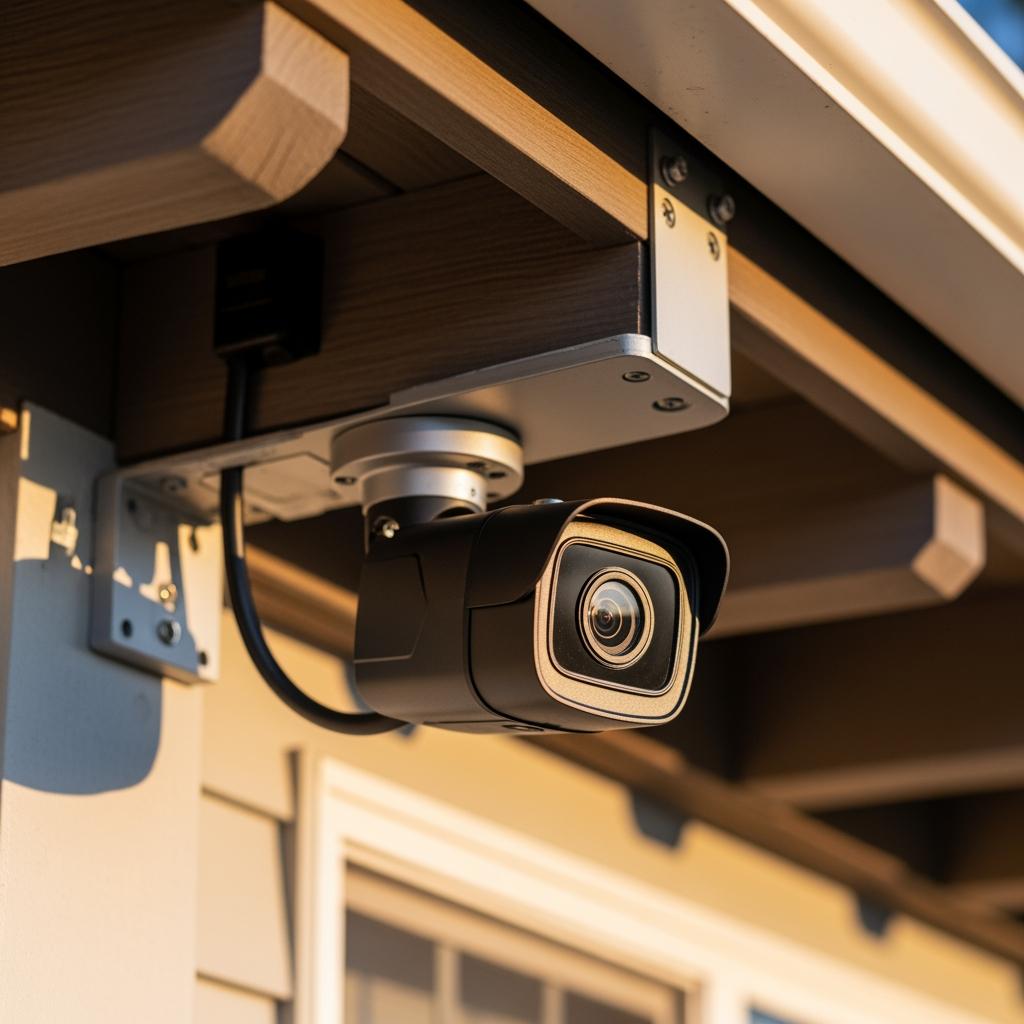
Wireless Home Perimeter Camera System Connecticut for DIY-Friendly Setup
A well-designed wireless home perimeter camera system in Connecticut gives you eyes on every side of your property without tearing up walls or running long cables. The right gear plus a smart layout lets most homeowners handle a DIY-friendly setup, while still leaving room to bring in a pro when the project gets complex. If…
-
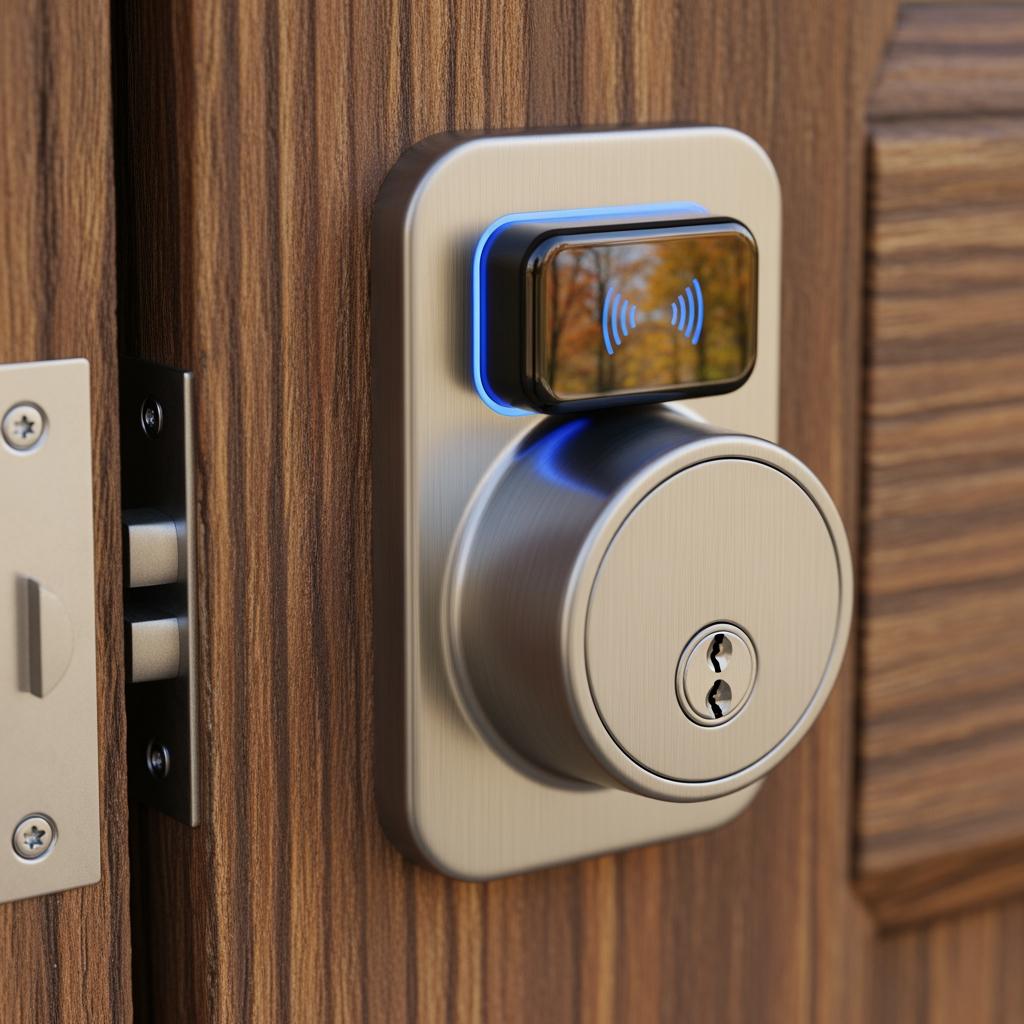
Factory access control systems in North Carolina for safer plants
North Carolina manufacturers face a tough mix of safety, security, and compliance demands, from OSHA expectations to customer audits and theft risks. Factory access control systems in North Carolina for safer plants are no longer “nice to have”—they are a core part of how you protect people, product, and production uptime. Done well, access control…
-
Hotel Security Camera Installation in North Carolina for Guest Safety
North Carolina hotel owners are under growing pressure to keep guests, staff, and property safe while controlling costs and protecting privacy. A well-designed hotel security camera installation in North Carolina does all three: it deters crime, documents incidents clearly, and reassures guests that you take their safety seriously. Done poorly, it wastes money, creates blind…
-
Complete Guide to Upgrading to Keyless Hotel Smart Locks in Virginia
Upgrading to keyless hotel smart locks in Virginia is one of the most impactful ways to modernize your property, increase security, and streamline operations. Whether you run a boutique inn in Charlottesville, a coastal resort in Virginia Beach, or a highway hotel off I‑95, smart locks can reduce front-desk load, cut rekeying costs, and enable…