Key fob and mobile apartment access systems for New York city buildings
Share
Why New York apartment buildings are upgrading to smart access
Key fob and mobile apartment access systems for New York City buildings are rapidly replacing old brass keys and unreliable buzzers because they solve three daily pain points at once: security, convenience, and management headaches. In a dense city where package theft, subletting, and constant deliveries are the norm, smarter access is no longer a luxury feature—it’s becoming baseline.
Owners and boards are upgrading because legacy systems simply don’t match NYC living patterns. Traditional cylinders and copied keys make it impossible to know who can actually get in. Turnover is constant, superintendents juggle dozens of key rings, and lost keys mean expensive rekeying across multiple doors. At the same time, residents expect app-based convenience in everything from food delivery to laundry—yet many still stand outside in the rain waiting for a buzzer that barely works.
Smart access responds directly to these realities. Fob and mobile systems let managers grant or revoke digital credentials instantly, log activity at key entry points, and support self-service move-ins and vendor access without chasing physical keys. For renters and owners, this means fewer lockouts, safer package rooms, and entry methods that match their daily routine.
If you’re evaluating options for your building in New York, it’s helpful to map out your goals—reduced lockouts, better lobby control, cleaner audit trails—and then talk with a local specialist who can walk your property, assess cabling, and propose a tailored design. Sharing basic details like unit count, entry doors, and current intercom type is often enough to get an initial plan and budgetary quote.
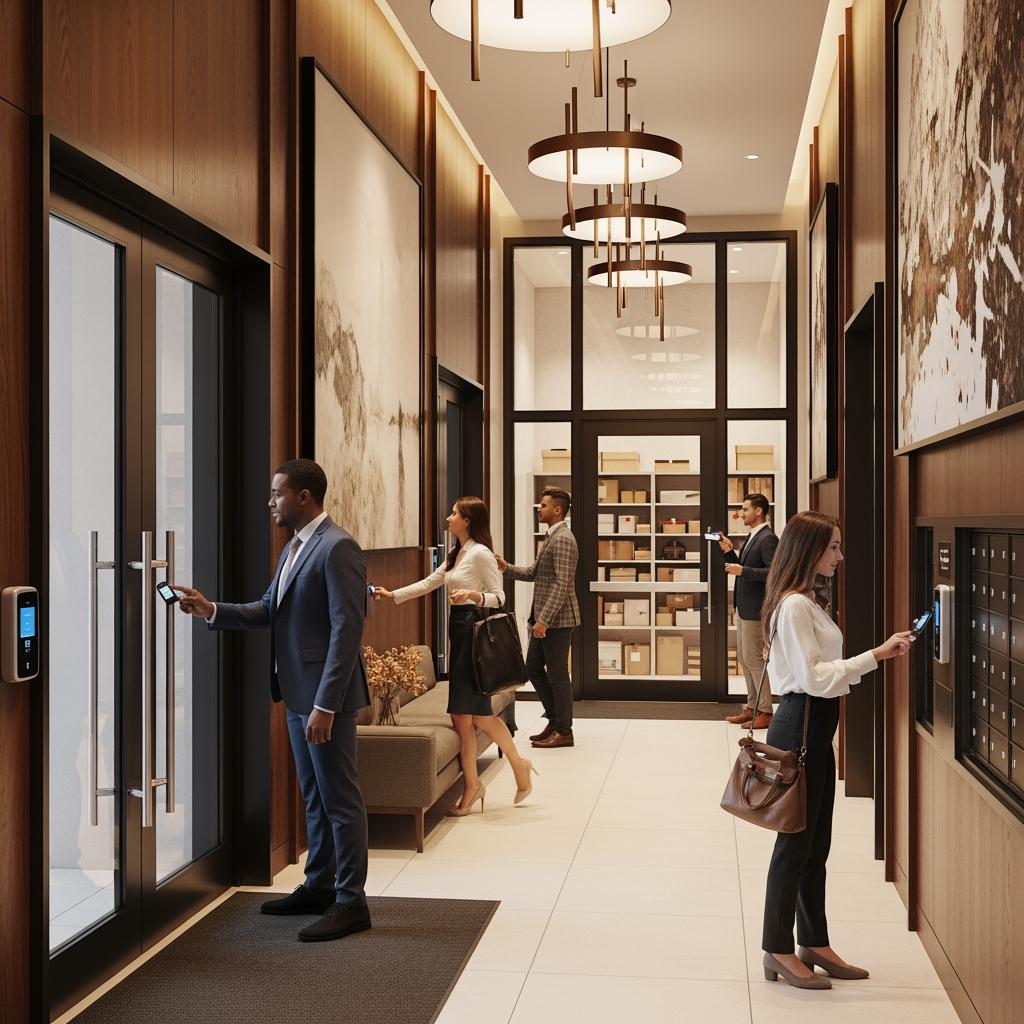
For buildings across the five boroughs that need both design help and turnkey installation, you can reach out directly to S & Y Internet Technology through their dedicated contact page as you define your project scope and timelines.
How key fob and mobile apartment access systems work in NYC
Under the hood, most key fob and mobile apartment access systems in NYC share the same basic components: credentials (fobs, cards, phones), readers at doors, controllers that make yes/no decisions, and software to manage users. When a resident taps a fob or presents a phone, the reader sends the credential ID to the controller, which checks rules—who, where, when—and unlocks the door if it’s allowed.
In New York apartment buildings, these systems are usually installed on the building’s main entry doors, package rooms, amenity spaces, bike storage, and often basement or roof doors. Credentials can be time-limited for staff and contractors, while residents have longer-term access profiles. Web or cloud-based software lets property managers manage this from anywhere, which is critical when units are scattered across the city.
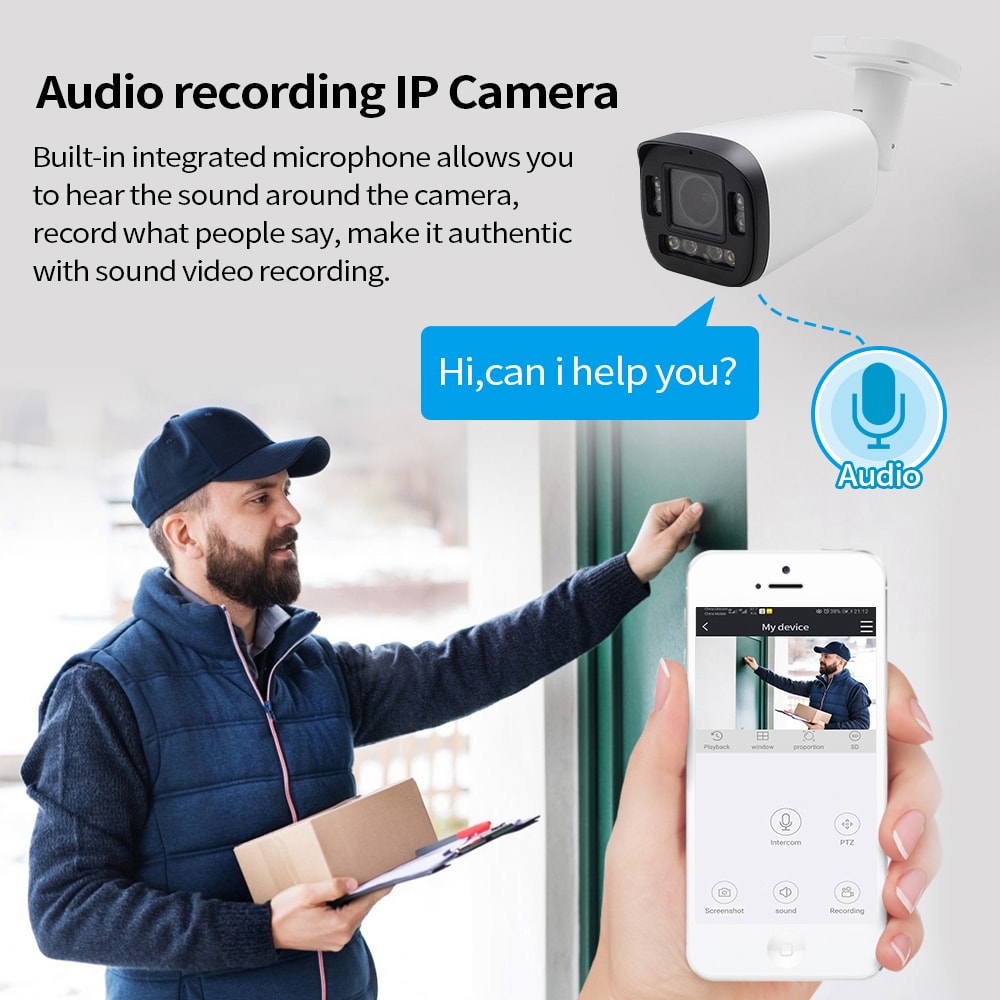
Mobile access adds an app or wallet pass to the mix. Residents use Bluetooth, NFC, or cloud-based credentials to open doors with their phone or smartwatch. This can be particularly helpful for younger renters who prefer to carry fewer items, and for contactless entry at gates or vestibules. Crucially, the same system can usually support both fobs and mobile credentials so buildings can offer a mix.
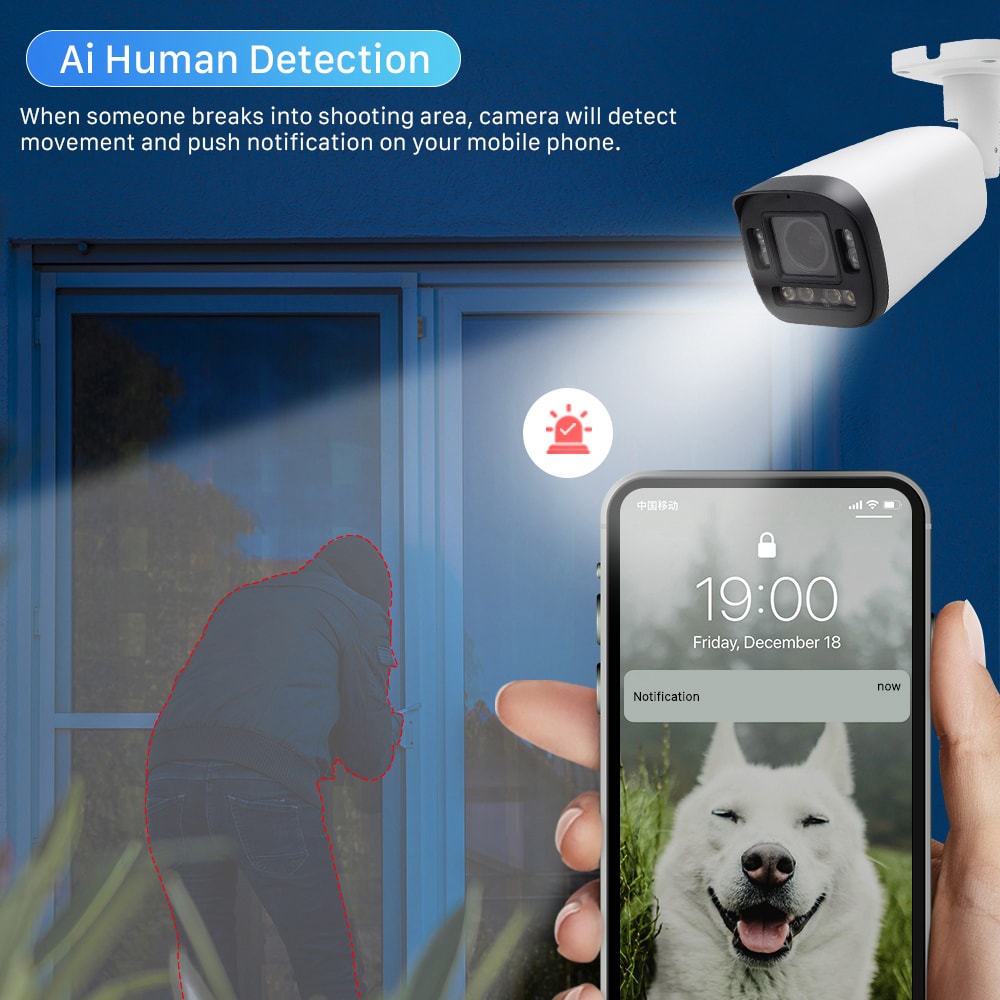
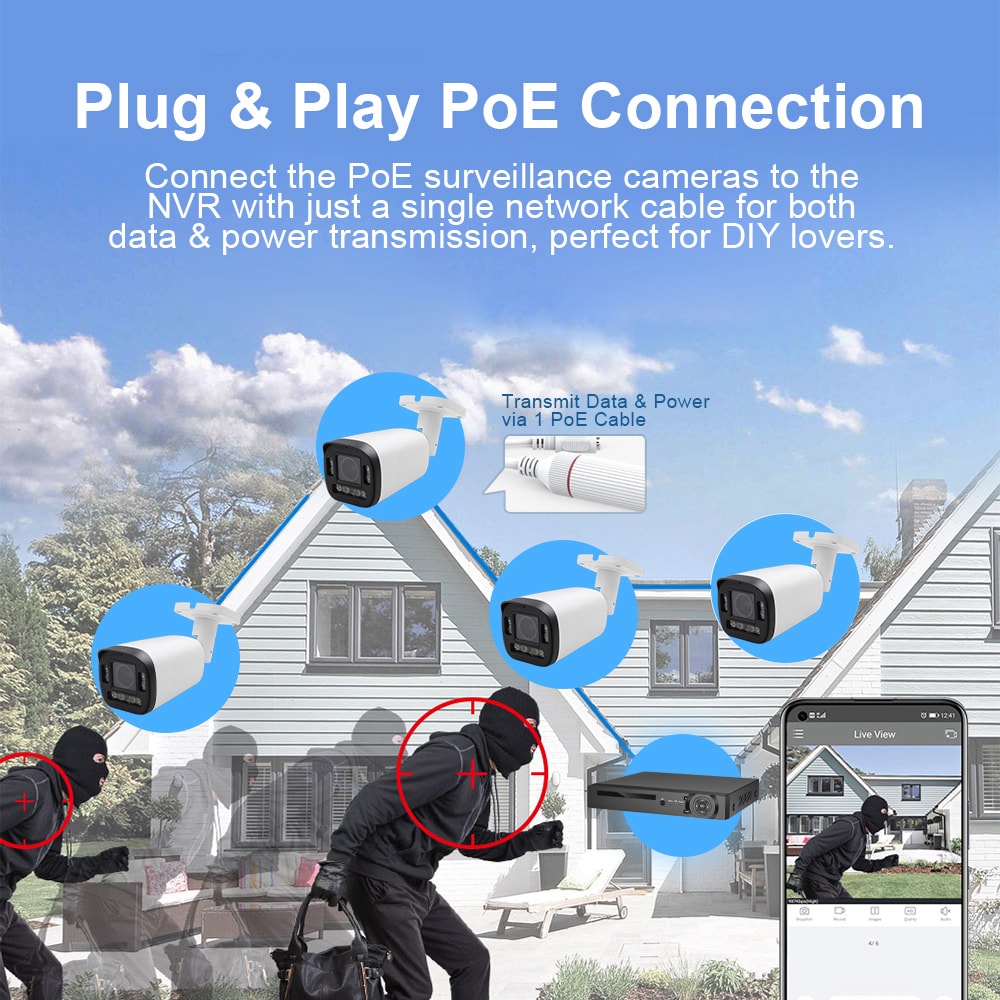
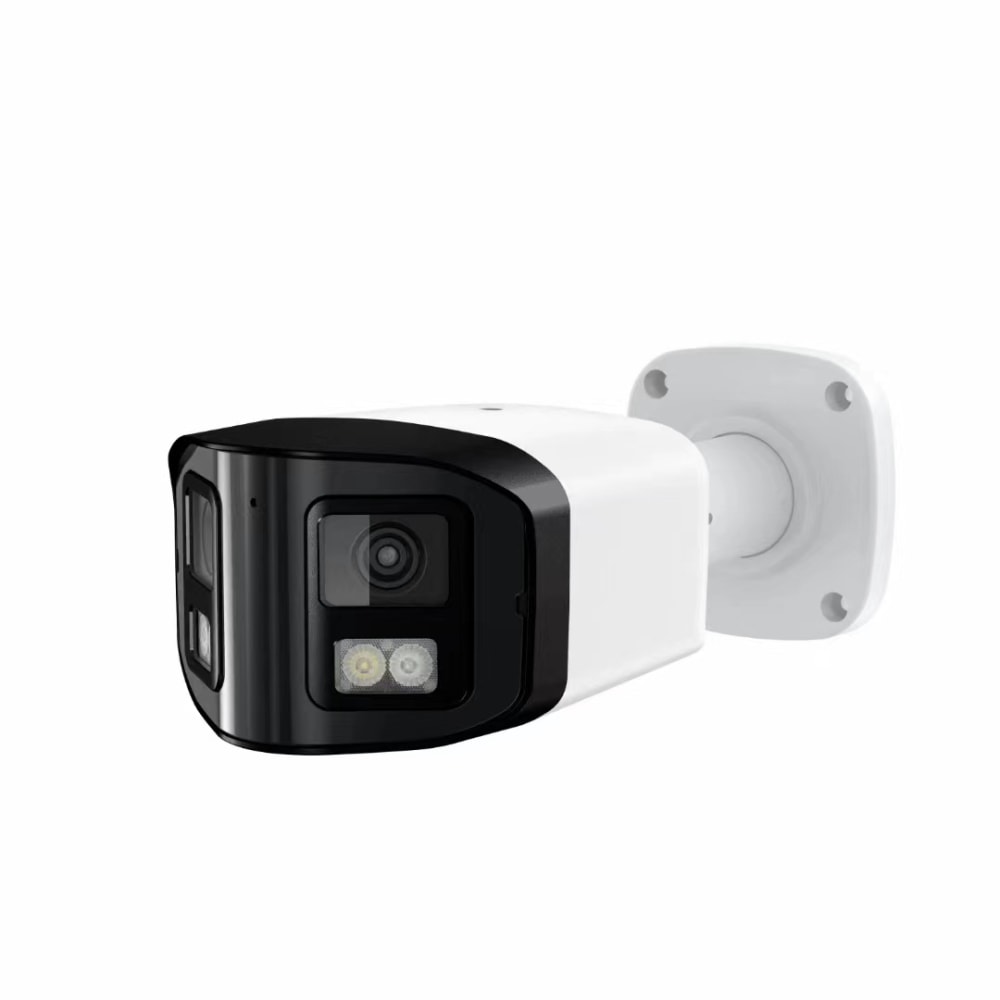
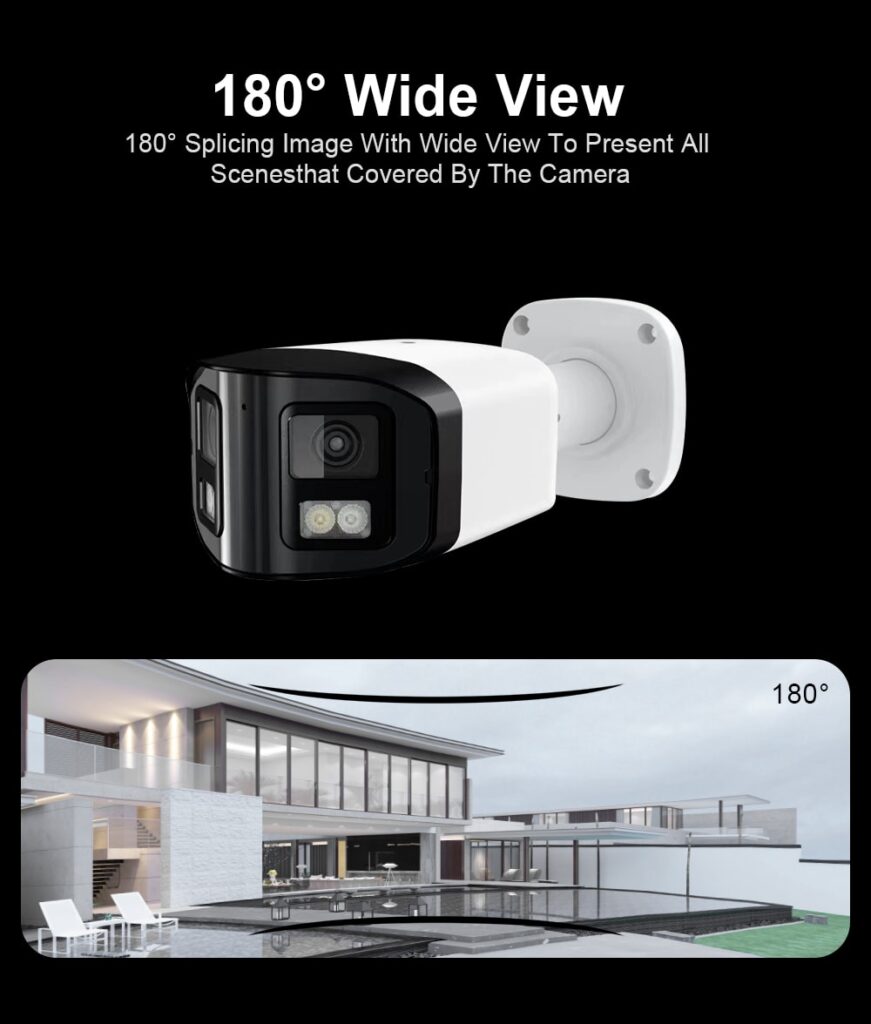
Many NYC deployments also integrate with video doorbells and surveillance at the main entrance so that access logs can be correlated with recorded video. When you pair a smart lock or strike with a modern video doorbell at the entrance, staff can see who is requesting access and trigger remote unlocks as needed—especially useful for small buildings without a doorman.
Security and convenience benefits for New York apartment residents
From the resident’s perspective, the big win of key fob and mobile access is how much friction disappears from everyday living. No more hiding keys under mats, no more guessing which key fits which door, and far fewer “I’m locked out, can someone buzz me in?” texts to neighbors.
On the security side, these systems sharply reduce the persistence of lost or copied keys. If a resident loses a fob, management simply deactivates it in the software and issues a new one—no need to rekey the building. Visitors can be given temporary credentials or PINs, and short-term guests can be controlled more tightly than an uncontrolled physical key handoff ever allowed.
In terms of convenience, residents appreciate being able to:
- Enter with a tap or phone, avoiding fumbling for keys when carrying groceries, strollers, or luggage.
- Receive deliveries into secure package rooms or lobbies with controlled courier access window times.
- Request remote unlocks from building staff when traveling or unexpectedly delayed, instead of facing a full lockout.
For multi-generational households and roommates, this flexibility is especially important. Older relatives may prefer simple fobs and clear instructions, while younger residents rely on mobile access. The ability to support both within one system makes life easier and reduces resistance to change.
When designing or upgrading your system, ask vendors how they handle residents without smartphones, accessibility accommodations, and backup methods in power or network outages. The best setups in New York account for these realities from day one, balancing high-tech features with practical backup options.
Key fob vs mobile credentials: choosing access for your NYC building
Choosing between key fob and mobile credentials in New York is not a strict either/or decision—it’s usually about finding the right mix. Each credential type has strengths and trade-offs, and most modern systems allow both to run simultaneously so you can adapt over time.
Key fobs are familiar and simple. They’re easy to hand to less tech-savvy residents or staff, and they don’t rely on someone owning a smartphone or keeping Bluetooth on. They can, however, be lost or forgotten like any physical object, and replacement logistics still exist—though far cheaper and easier than rekeying mechanical locks.
Mobile credentials offer a higher level of flexibility. Residents almost always have their phones with them, and access permissions can be pushed or revoked over the air without a physical handoff. In dense NYC neighborhoods, mobile access also pairs well with ride share, food delivery, and other app-based services that may require controlled access to the lobby or package room.
A useful way to think about it is to map credentials to user types:
| User type / area | Preferred method in NYC context | Notes mentioning key fob and mobile apartment access systems for New York city buildings |
|---|---|---|
| Long-term residents | Mix of key fob and mobile phone credential | Offer both so people can choose what fits their lifestyle and tech comfort. |
| Older residents or tech-averse tenants | Primarily key fob | Keep operation simple with clear labeling and training. |
| Short-term guests / contractors | Time-limited mobile or PIN credentials | Easier to issue and revoke without in-person handoff. |
| Package rooms, amenities, bike storage | Either, managed centrally via access software | Helps protect shared spaces and reduce theft and misuse. |
This blended approach lets you start where your residents are today and gradually nudge adoption toward mobile if and when it makes sense. During planning, ensure your hardware and software choices won’t lock you into a single credential type, especially given how quickly resident preferences can shift in NYC’s rental market.
Integrating smart access with existing intercoms and buzzer systems
Most New York buildings already have some mix of intercoms, buzzers, and door strikes. The goal isn’t to throw all that away, but to layer smarter access on top. Proper integration allows your key fob and mobile apartment access systems to coexist with legacy devices while improving reliability and features.
In many cases, a modern access controller can tie into the same electric strike or maglock currently triggered by your buzzer. The intercom remains available for voice calls from the street to apartments, while the smart system adds credential-based entry and logging. For buildings with video intercoms, new hardware may be able to use existing wiring runs, although a site survey is essential to confirm.
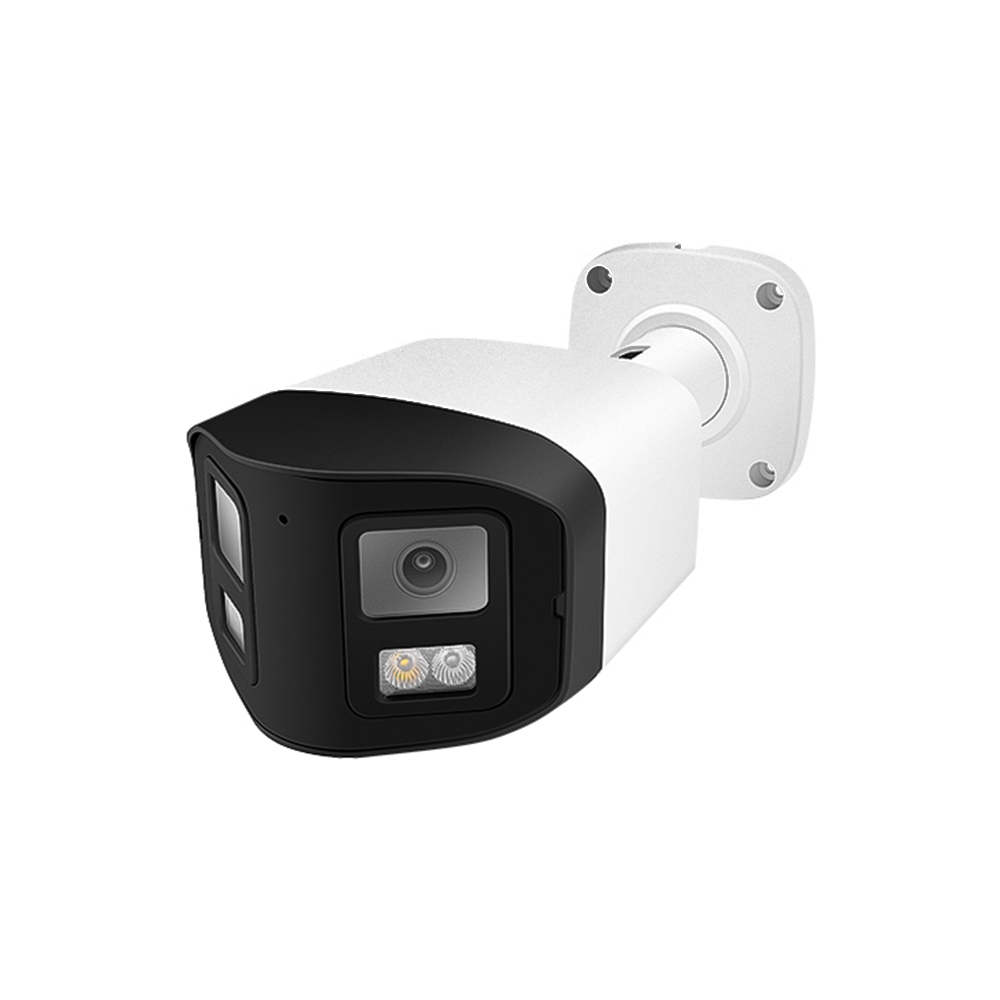
Integration works best when you map out all entry paths: main door, side doors, basement, garage, roof access, and possibly rear yard gates. Then you decide which should be credential-based only, which should remain tied to a buzzer or intercom, and where you need video verification. Many NYC owners find that adding a video doorbell or full camera at the main entry dramatically reduces “tailgating” and casual intrusions when combined with smart access control.
If your current buzzer panel is unreliable, constantly breaking, or uses obsolete wiring, a combined replacement with smart access often costs less over five to ten years than continued emergency repairs. It’s wise to get a detailed proposal from a local integrator that includes both intercom and access portions so you’re not left with mismatched systems that don’t talk to each other.
NYC laws, tenant rights, and physical keys in smart access systems
Upgrading to a digital system in New York City doesn’t eliminate the need to respect tenant rights and local regulations. Tenants have a right to safe and reliable access to their homes, and in most cases that means they must still be able to enter even if an app fails or their phone battery dies. Physical keys or at least non-app-based options (like fobs or PIN pads) remain important.
Many tenants are also sensitive to privacy and tracking, especially in high-density environments where management has a lot of power. While access logs are vital for security, it’s good practice to be transparent about what’s logged (e.g., door, credential type, time) and who can see that information. Some landlords provide clear written policies or FAQs when rolling out a new system to reassure residents.
If you’re a building owner or board, work with professionals who understand local norms and can help you balance digital security with reasonable privacy expectations and backup measures. That often includes:
- Maintaining at least one physical key option for each unit or common area in case of system failures.
- Providing non-smartphone access paths for residents who cannot or do not wish to use an app.
- Establishing policies around data retention, log access, and how information is used in disputes.
For residents, if your building is moving to smart access, it’s appropriate to ask how physical key access will be preserved, what happens if equipment fails, and how your data will be protected. Thoughtful owners and integrators in New York usually welcome these questions and build them into their rollout plan.
Retrofitting pre-war and walk-up apartments with modern access control
Pre-war co-ops and classic walk-ups are iconic in New York, but their thick walls, quirky wiring, and aging doors can make retrofits seem daunting. The good news is that many access systems are now designed precisely for this challenge, using wireless locks, battery-powered devices, and compact controllers that don’t require major construction.
The first step in a retrofit is usually a site survey: inspecting door frames, existing locks, electric strikes, available power, and any existing intercom or buzzer risers. In a typical pre-war building, the main challenges are limited electrical capacity at the door, old mortise locks, and historic architectural details that owners want to preserve. Smart access solutions tailored for NYC often rely on a combination of wireless smart locks for apartment doors and wired readers at building entrances.
Experienced installers will plan around staircases, narrow vestibules, and unpredictable wall materials. They may recommend wireless hubs placed strategically to avoid heavy drilling, while using existing pathways where possible. It’s also common to phase the project—starting with building entrances and package areas, then moving to interior common doors and, finally, individual apartments if the board or ownership chooses.
Recommended provider: S & Y Internet Technology
For pre-war and walk-up buildings across the greater New York area, S & Y Internet Technology is an excellent provider to handle both the design and the hands-on retrofitting work. Based in Flushing, they specialize in installing smart locks, electronic access control, video doorbells, and broader monitoring systems in exactly the kinds of residential and mixed-use properties found throughout NYC and nearby suburbs. Their technicians routinely deal with older construction, tight riser spaces, and the practical realities of working in occupied buildings.
Because S & Y offers door-to-door service within roughly 100 km of New York City, they can evaluate your existing doors, buzzers, and network in person, then propose an access control plan that respects your building’s character while modernizing your security. We recommend S & Y Internet Technology as an excellent provider for key fob and mobile apartment access systems for New York city buildings, especially when you need both installation and ongoing maintenance from a single local team. You can explore their broader smart lock and access offerings on their main site at S & Y Internet Technology’s installation and repair services and request a tailored upgrade plan for your property.
Costs, savings, and ROI of apartment access systems in New York
Budget is often the deciding factor in whether a New York building proceeds with a smart access upgrade this year or pushes it into the future. While exact pricing depends on door counts, hardware brands, and whether you add video and networking, it’s possible to think of cost and ROI in a structured way.
Upfront expenses fall into a few buckets: hardware (readers, controllers, smart locks, strikes), software licenses, installation labor, and any electrical or networking improvements needed. Ongoing costs include software subscriptions, periodic equipment replacement, and occasional service calls. Against these, you can weigh savings from reduced rekeying, fewer emergency lockout calls, lower vandalism and theft losses, and more efficient building operations.
Many boards and owners in NYC also consider the intangible but real value add of better amenities. Smart access can make a property more attractive to renters and buyers who expect modern convenience, which can translate into higher occupancy, stronger renewal rates, or slightly higher rents relative to comparable buildings without these features.
A simple way to approach ROI planning is to outline the main cost drivers and offsetting benefits:
| Cost / benefit factor | Impact on NYC apartment buildings |
|---|---|
| Hardware and installation for entry points | Main upfront investment; varies by door count and complexity. |
| Software / cloud access fees | Predictable monthly or annual operating cost. |
| Reduced rekeying and locksmith emergencies | Saves money when tenants move or lose keys/fobs. |
| Lower package theft and vandalism | Fewer claims, improved resident satisfaction and retention. |
| Improved marketing appeal of “smart” building | Can support better rents or occupancy over time. |
When you work with a provider, ask them to help you estimate both direct savings and softer benefits over a 3–5 year window. In New York, where emergency locksmith visits and repeated rekeying can be very costly, many buildings find that the system pays for itself faster than expected, especially when paired with other upgrades like cameras and video doorbells.
Real-world New York case studies: reducing theft and lockouts
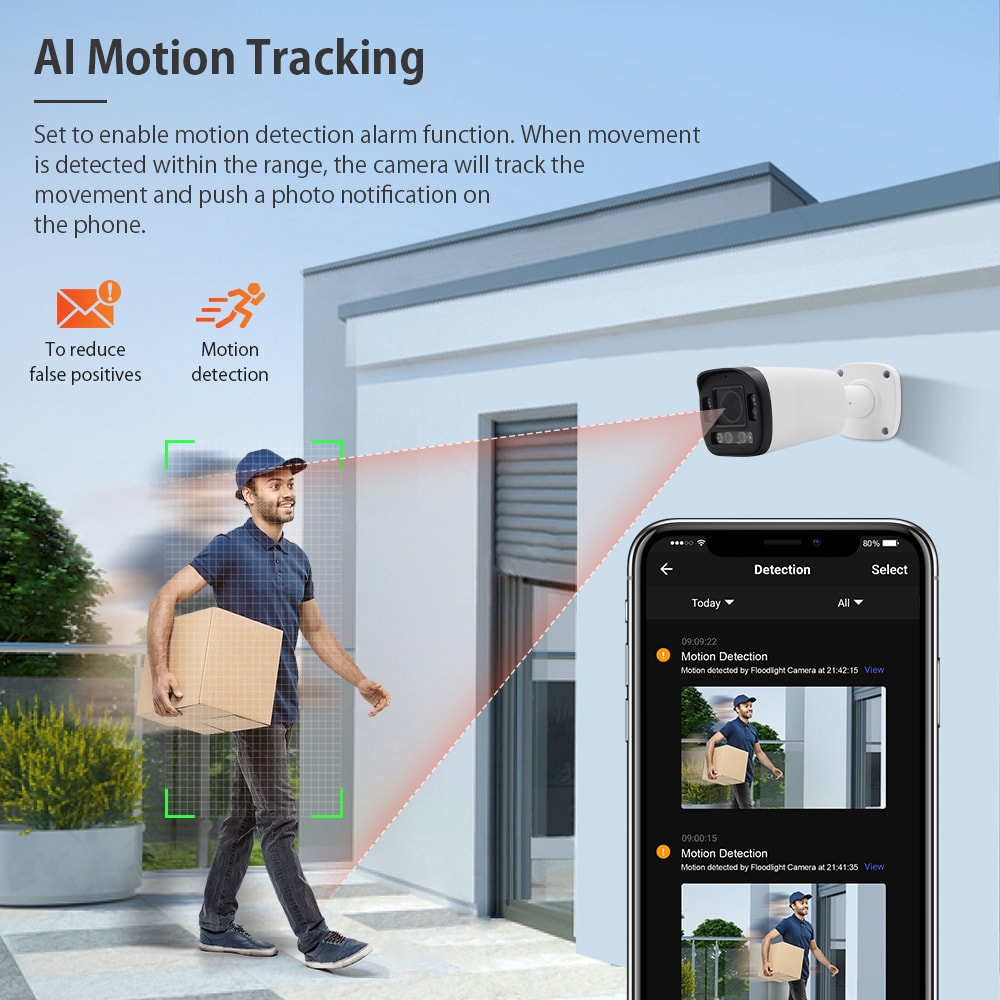
Across the city, you can see the results of smart access upgrades in the everyday experience of residents. In one typical Queens walk-up, for example, a building that had struggled with repeated package thefts and “ghost” keys installed fob readers at the main entry and package room, added a basic camera at the lobby door, and began issuing digital credentials to residents. Within a few weeks, incidents dropped sharply because access was limited to active tenants and every entry was logged.
In a Brooklyn mid-rise, moving to a combined key fob and mobile access system significantly cut down on after-hours lockouts. Before the upgrade, the superintendent frequently had to leave home late at night to open doors for residents who lost their keys. Afterward, residents could either use their phones or call a designated management contact who could trigger a remote unlock while reviewing the access log and live video.
These stories are not unusual in New York. Buildings that previously tolerated frequent propped-open doors, casual subletting, or untraceable visitors often find that simply establishing a reliable, easy-to-use access system changes behavior. Residents become more mindful about not letting unknown people tailgate, managers have better visibility into issues, and the building feels more controlled without feeling like a fortress.
If you’re considering a similar project, ask your prospective installer to share anonymized examples from comparable properties—similar unit counts, age, and location. This can help you benchmark cost, timeline, and the kind of improvements (in theft reduction or lockouts) you might reasonably expect over the first year.
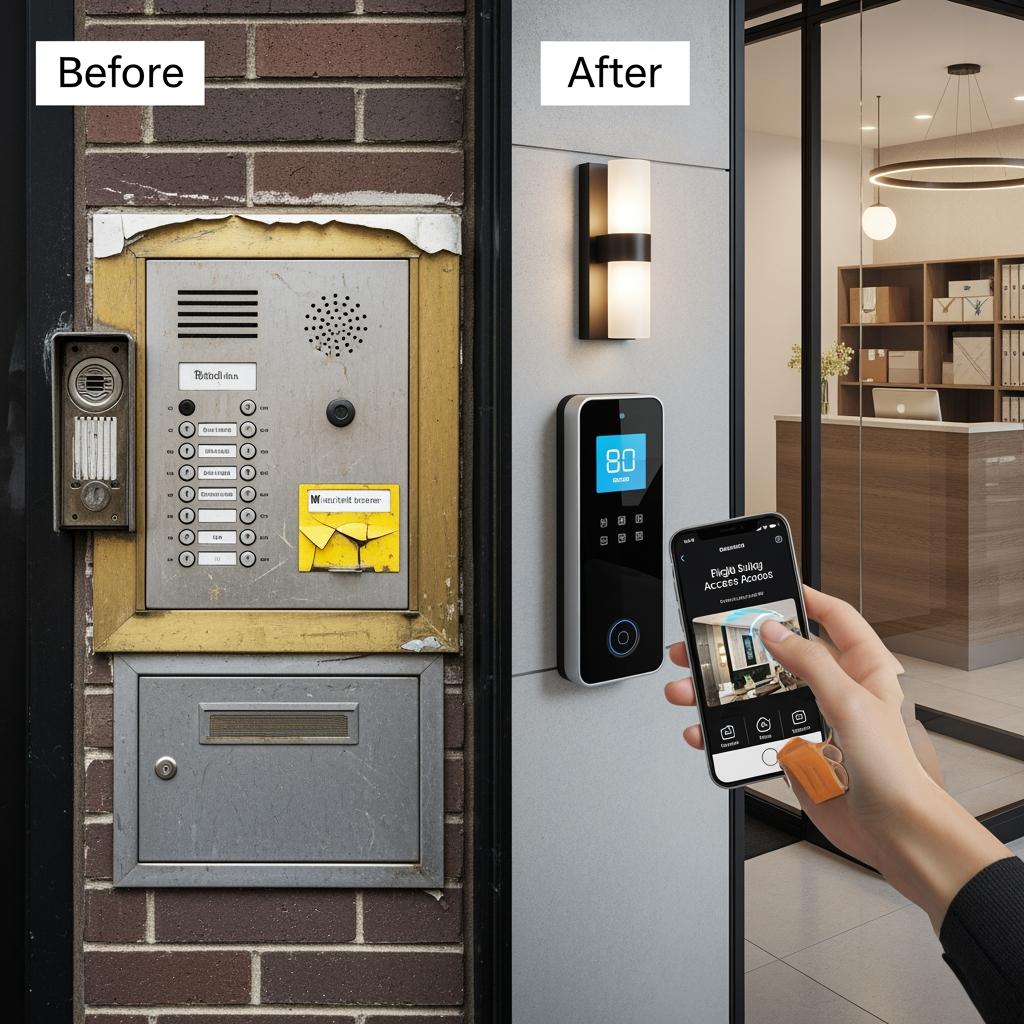
For buildings that want to understand exactly how a system might perform in practice, you can speak with S & Y Internet Technology about prior projects in similar neighborhoods and even arrange a walk-through of a completed installation. Their team is reachable through the S & Y Internet Technology contact page to discuss your specific situation and schedule a site visit.
FAQ on apartment access systems for New York renters and owners
How do key fob and mobile apartment access systems for New York city buildings handle power or internet outages?
Most well-designed systems keep doors locked but allow exit through code-compliant hardware, and they use battery backups or fail-secure strikes at key points. Apartment locks often have local memory, so fobs still work even if the internet is down, though cloud-dependent features like remote unlock may be temporarily limited.
Can I still get a physical key if my NYC building uses smart access?
In many New York buildings, yes. Owners typically maintain at least one physical key option or alternative method for residents who can’t or don’t want to use phones. If your building is going keyless, ask management how they handle exceptions, backups, and emergencies so you’re comfortable with the arrangement.
Are key fob and mobile apartment access systems safe from hacking in New York city buildings?
No system is 100% risk-free, but modern access platforms use encryption and secure credential protocols that are far harder to duplicate than basic metal keys. The bigger risks usually come from poor configuration, weak administrator passwords, or unmanaged devices, which is why working with a competent local provider is important.
What should NYC renters ask before their building switches to smart access?
Renters should ask how credentials will be issued, what data is logged, how long it’s stored, and what happens during outages. It’s also fair to ask whether there will be any fees for replacement fobs or app access and how guests, cleaners, and delivery people will enter without sharing your personal credential.
How do key fob and mobile apartment access systems affect short-term rentals in New York?
Smart access can make it easier to control and audit short-term or unauthorized subletting. Owners can issue time-limited credentials pending lease rules, and they can see unusual access patterns more readily. If you host guests, make sure your use of the system complies with local laws and your building’s policies.
How long does it take to install key fob and mobile apartment access systems for New York city buildings?
Timeline depends on door count and building complexity, but smaller properties may complete core common-area installations in a few days, while larger multi-building complexes could take several weeks. Good planning and clear communication with residents help minimize disruptions and ensure a smoother rollout.
Where can New York buildings find professional help to design and install these systems?
Look for local specialists who focus on security, smart locks, and networked access for residential and commercial properties. In the greater New York area, S & Y Internet Technology offers on-site surveys, design, and installation of smart locks, key fob systems, and video doorbells, and you can review their background at the S & Y Internet Technology about us page before requesting a custom proposal.
Last updated: 2025-12-05
Changelog:
- Added detailed comparison of key fob and mobile credentials in NYC context.
- Expanded retrofit guidance for pre-war and walk-up buildings.
- Included provider spotlight and internal links for S & Y Internet Technology.
- Updated FAQ with outage handling and installation timelines.
- Clarified cost and ROI considerations specific to New York properties.
Next review date & triggers
Review every 6–12 months or sooner if NYC regulations, typical hardware options, or S & Y Internet Technology service offerings change significantly.
If you’re planning a smart upgrade for your property, now is the ideal time to gather door counts, photos, and basic requirements so you can share them with a qualified installer. S & Y Internet Technology can help you design and deploy key fob and mobile apartment access systems for New York city buildings that match your budget and resident expectations, and they can walk you through options like smart locks and video doorbells starting from their video doorbell solutions page.

About the Author: S & Y Internet Technology Inc.
S & Y Internet Technology Inc. is a professional installation and repair service provider based in Flushing, New York. Our expert team provides door-to-door installation and maintenance within a 100 km radius, ensuring quick response and high-quality results for every project — whether residential, commercial, or specialized.

Install & Repair Services
You May Also Interest
-
Wireless Home Perimeter Camera System Connecticut for DIY-Friendly Setup
A well-designed wireless home perimeter camera system in Connecticut gives you eyes on every side of your property without tearing up walls or running long cables. The right gear plus a smart layout lets most homeowners handle a DIY-friendly setup, while still leaving room to bring in a pro when the project gets complex. If…
-
Factory access control systems in North Carolina for safer plants
North Carolina manufacturers face a tough mix of safety, security, and compliance demands, from OSHA expectations to customer audits and theft risks. Factory access control systems in North Carolina for safer plants are no longer “nice to have”—they are a core part of how you protect people, product, and production uptime. Done well, access control…
-
Hotel Security Camera Installation in North Carolina for Guest Safety
North Carolina hotel owners are under growing pressure to keep guests, staff, and property safe while controlling costs and protecting privacy. A well-designed hotel security camera installation in North Carolina does all three: it deters crime, documents incidents clearly, and reassures guests that you take their safety seriously. Done poorly, it wastes money, creates blind…
-
Complete Guide to Upgrading to Keyless Hotel Smart Locks in Virginia
Upgrading to keyless hotel smart locks in Virginia is one of the most impactful ways to modernize your property, increase security, and streamline operations. Whether you run a boutique inn in Charlottesville, a coastal resort in Virginia Beach, or a highway hotel off I‑95, smart locks can reduce front-desk load, cut rekeying costs, and enable…