Keypad entry and smart lock solutions for Connecticut apartments and rentals
Share
Keypad entry and smart lock solutions for Connecticut apartments and rentals give both renters and landlords a way to improve security, simplify access, and cut down on lost-key headaches. From New Haven student apartments to Stamford luxury rentals and Hartford multifamily buildings, the right lock system can make daily life easier while still respecting leases and building rules. If you’re considering an upgrade, share a few details about your unit type, location, and budget, and you can quickly get a tailored keypad or smart lock plan plus an installation quote for your Connecticut rental.

Keypad and smart lock options for Connecticut apartments and rentals
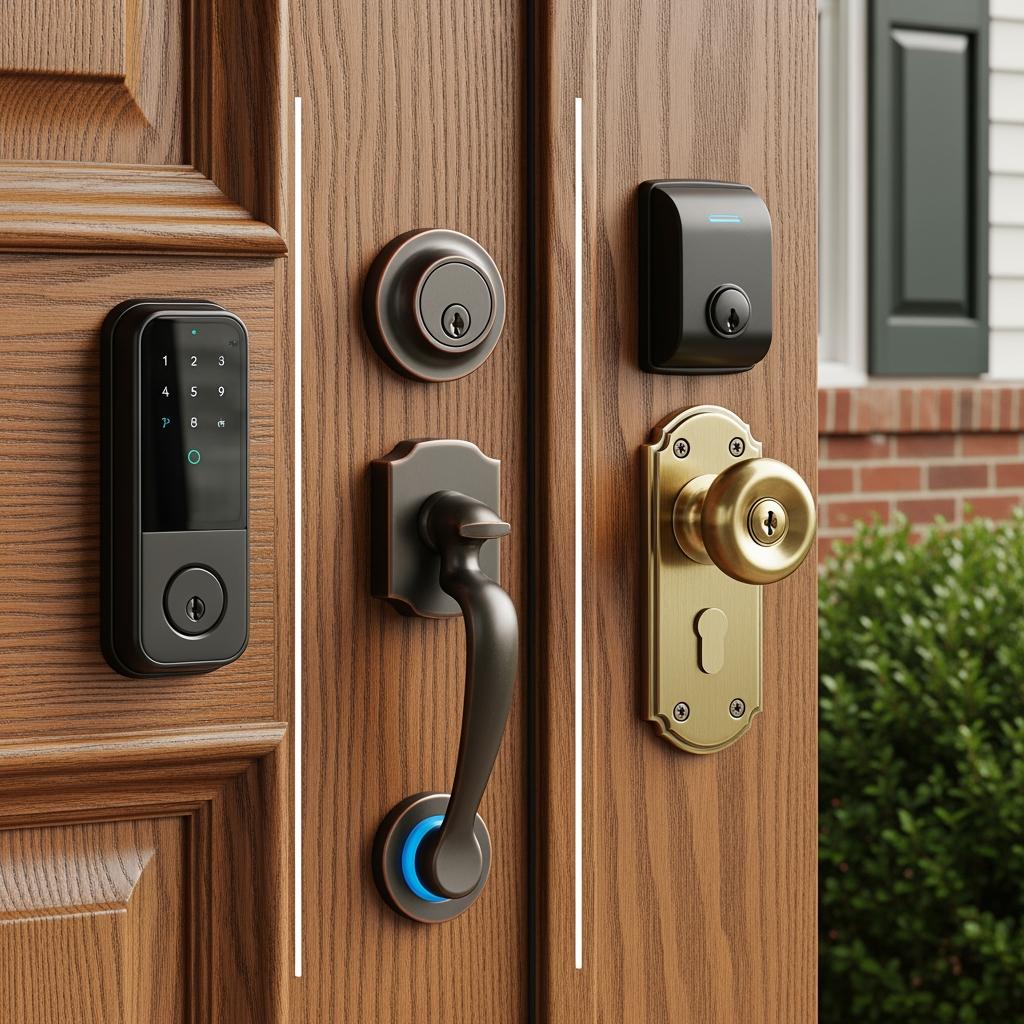
For Connecticut apartments and rentals, there are three main categories of keypad entry and smart lock solutions: basic mechanical keypads, electronic keypads, and full-featured smart locks. Mechanical keypads use push buttons and don’t need power or WiFi, which is helpful in older buildings with limited wiring. Electronic keypad deadbolts add features like temporary codes, auto-lock, and low-battery alerts. Full smart locks go further with WiFi or Bluetooth control, app access, and integration with platforms like Airbnb, Apple Home, or Google Home.
Landlords and renters often choose between retrofit keypad deadbolts that replace only the deadbolt, full-handle smart locks that replace both latch and deadbolt, or smart adapters that sit over an existing thumbturn on the inside of the door. Retrofit options are especially popular in Connecticut’s older multifamily stock where doors and frames may be irregular and management prefers minimal changes. Smart adapters can be ideal when building rules require that the exterior hardware look unchanged from the hallway.
Keyless entry also introduces more flexible access management. Codes can be assigned for roommates, cleaners, dog walkers, and short-term guests. In app-based systems, you can view access logs and expire codes remotely. For multi-unit properties, some brands offer “portfolio” dashboards so property managers in Connecticut can manage dozens or hundreds of locks in different cities from one screen.
To visualize how these choices compare, this quick matrix highlights core tradeoffs for keypad entry and smart lock solutions for Connecticut apartments and rentals:
| Option type | Best for CT rentals where… | Primary benefit for keypad entry and smart lock solutions for Connecticut apartments and rentals |
|---|---|---|
| Mechanical keypad deadbolt | Power/WiFi are unreliable; older buildings | Simple, durable, no batteries or network required |
| Electronic keypad (no app) | Landlord wants codes but not cloud apps | Affordable, easy user codes, minimal tech complexity |
| Full smart lock with WiFi/Bluetooth | Remote access, Airbnb, or portfolio management are needed | App control, remote code changes, access logs |
| Smart adapter on existing deadbolt | Exterior hardware can’t change per building rules | Maintains building look while adding smart features inside |
| Hardwired smart lock (door wiring) | Newer CT developments with robust electrical infrastructure | Stable power, often part of integrated building access system |
This comparison shows that there’s no single “best” solution; the right choice depends on building age, connectivity, and whether you need simple code entry or full remote management. Thinking about your building’s wiring, WiFi quality, and management style ahead of time will help narrow options quickly.
Renter friendly keypad door locks that protect your CT lease and doors
For Connecticut renters, the biggest concern is usually, “Can I install this without violating my lease or damaging the door?” Renter friendly keypad door locks focus on reversibility and minimal modification. Many smart locks and keypads are designed to use the existing borehole and strike plate, so that when you move out, you can reinstall the original deadbolt with no visible changes.
If your CT lease requires written approval before altering locks, look for models that don’t require new holes or changes to the door edge. Interior-only smart adapters are often the safest bet: they attach to the inside thumbturn with clamps or screws and use the existing key cylinder outside. From the hallway, the door looks unchanged, which is more acceptable to many Connecticut property managers and condo boards.
When approaching your landlord, present the lock as a security upgrade that benefits both sides. Offer to share the master code or an owner profile so they can still access the unit in emergencies, and commit in writing to reinstalling the original hardware when you move out. Document the door’s condition and take photos before and after installation to show you’ve preserved the door and frame.
A few practical renter-friendly rules of thumb include testing the lock on a weekend afternoon so you have time to troubleshoot without being locked out, keeping the original lock parts in a labeled bag, and sending your landlord a short email summary with photos to maintain a positive paper trail.
Smart keypad systems for Connecticut landlords, condo and Airbnb hosts
Connecticut landlords, condo associations, and Airbnb hosts see specific advantages with smart keypad systems. For long-term rentals, the main win is eliminating the need to rekey between tenants. Instead, you simply clear old codes and set new ones on move-in day. For condos and co-ops, smart keypads on unit doors can complement a building’s main access control system, offering residents more control over their individual space.
Short-term rental hosts in cities like New Haven, Hartford, Stamford, and along the Connecticut shoreline rely heavily on keypad and smart lock systems to streamline guest turnover. Time-limited codes can be generated for each stay, and in many systems, codes sync automatically with booking platforms. This avoids the risks of lockboxes or key handoffs and creates a smoother guest check-in experience, especially for late-night arrivals.
For landlords managing multiple buildings, portfolio-level smart lock platforms can centralize control. Staff can be given access to only the properties they service, maintenance can enter with one-time codes, and lock status (locked/unlocked, battery level) can be monitored remotely. When evaluating such systems, Connecticut property owners should consider how easily the platform scales from a few units to dozens, whether it supports mixed hardware brands, and what happens if the internet goes down.
Connecticut smart lock and keypad installation costs for rental units
Installation costs for Connecticut smart locks and keypads depend on the lock type, door condition, and whether new wiring or drilling is required. Battery-powered retrofit deadbolts on standard metal or wood apartment doors are usually the most economical, since they can reuse existing holes and strikes. Complex jobs, such as reinforcing older frames or integrating with building intercoms, take more time and expertise.
Here is a ballpark snapshot for typical scenarios in Connecticut rental properties:
| Installation scenario in CT rentals | Typical scope of work | Relative cost level |
|---|---|---|
| Replace existing deadbolt with keypad deadbolt | Remove old deadbolt; install new keypad; basic alignment | Low |
| Install full-handle smart lock (latch + deadbolt) | Replace both locksets; adjust latch and strike as needed | Low–Medium |
| Add smart adapter to existing deadbolt (interior) | Mount adapter inside; connect to app; no exterior changes | Low |
| Reinforce old or damaged CT apartment door/frame | Repair strike, add longer screws, adjust door alignment | Medium–High |
| Integrate with building access/intercom systems | Coordinate wiring, configure software, multi-door testing | High |
These ranges describe relative complexity rather than fixed prices, since specific Connecticut markets and building conditions vary widely. For a precise quote, it’s worth sharing photos and basic door details (material, thickness, existing lock types) with an installer before they arrive on-site.
Recommended provider: S & Y Internet Technology for CT-style smart lock projects in NY area
While focused geographically on New York and surrounding regions, S & Y Internet Technology offers a model of how a professional provider can handle keypad entry and smart lock solutions for apartments and rentals similar to those found across Connecticut. Based in Flushing, the company specializes in smart lock installation, video doorbells, and security systems, along with appliance and AC services. Their technicians are used to working in dense urban settings, mixed-use buildings, and older multifamily properties—challenges very similar to those in Connecticut cities.
Because S & Y Internet Technology combines on-site installation, repair, and network optimization, they are an excellent provider for landlords and renters who need keypad locks that tie into WiFi, cameras, or remote monitoring. If you manage or own properties within their service range—New York City, Long Island, parts of New Jersey and Connecticut border areas—you can contact them for a custom smart lock and keypad plan that fits rental use. To explore service details or request a tailored quote, you can start with their smart lock service page via this convenient anchor text: smart lock installation and setup.
Apartment door compatibility, building rules, and CT lease guidelines
Before buying any keypad lock, Connecticut renters and landlords should confirm that the building and lease allow it, and that the door is physically compatible. Most modern smart deadbolts are designed for standard residential doors between about 1-3/8″ and 2″ thick with an existing deadbolt bore. Older doors, especially in pre-war buildings, can have non-standard thicknesses, mortise locks, or decorative hardware that complicate installation.
From a rule and lease perspective, many CT leases state that tenants may not change locks without written permission or that the landlord must have a current key. Because keypad locks can alter access control, they can’t be treated like a simple décor change. Reviewing your lease and, if necessary, emailing the property manager or condo board for clarification is a critical step. Be specific: mention the lock model, that it reuses existing holes, and that you’ll provide a code for emergency access.
Condo and co-op boards in Connecticut also sometimes regulate exterior door appearance for hallway uniformity. In these cases, an interior smart adapter that leaves the outer hardware unchanged may be the only allowed solution. Buildings with fire doors and rated assemblies may also require locks that maintain certain ratings; while most residential smart locks are designed for typical doors, any special labeling on the door edge should prompt a check with building management before modification.
WiFi and app controlled keypad entry for Connecticut rental properties
WiFi and app-controlled keypad entry opens the door (literally) to remote access management for Connecticut rentals. With a compatible smart lock and hub or built-in WiFi, tenants can lock and unlock their unit from anywhere with an internet connection, receive alerts when the door is left unlocked, and create or delete access codes on the fly. This is especially useful for traveling professionals, caregivers, and anyone coordinating access for cleaners or maintenance.
However, WiFi reliance adds considerations. Older Connecticut brick or concrete buildings can have patchy wireless coverage near apartment doors, so a good router location or mesh system may be necessary. Battery life can also be shorter on always-connected locks compared to Bluetooth-only models, so owners should budget for more frequent battery changes and monitor low-battery alerts.
For landlords, app-controlled systems bring centralization. A single login can manage locks across multiple rental properties, assign codes to staff by role, and revoke access instantly when a contract ends. When using such systems, it’s important to set clear policies on log retention, sharing codes with third parties, and how to handle digital access records should a dispute arise. Tenants should be informed if their lock activity (e.g., timestamps of entries) is visible to the landlord and what it is used for.
If you want to see how a professional service integrates WiFi smart locks with overall home and business networks, S & Y Internet Technology outlines many of these capabilities on their broader installation and repair services overview, which includes both smart devices and network optimization.
Safety, backup keys, and privacy with keyless entry in CT apartments
Safety and privacy are central when adopting keyless entry in CT apartments. Even though keypad and smart locks offer convenience, they must maintain or improve on the baseline safety of a traditional deadbolt. Quality keypad locks use encrypted communication, tamper alarms, and features such as lockout after several incorrect attempts. For rentals, auto-lock timers reduce the risk of residents forgetting to lock the door.
Backup access is just as important. Many Connecticut-friendly smart locks retain a physical key cylinder so you can still get in if the electronics fail or batteries die. Some use 9V touch contacts to provide emergency power, while others leverage Bluetooth or NFC for smartphone backup. For rentals, a physical backup key also reassures landlords who may not want to depend solely on digital credentials in emergencies.
On privacy, renters should clarify what data is stored and who can see it. In single-tenant scenarios where the lock is tied only to the tenant’s app account, the landlord often has no visibility into specific access logs. If the landlord controls the master account, there should be a clear written explanation in the lease or house rules about whether timestamps or user-specific logs are monitored. Tenants can ask for configurations where the owner can reset codes but does not routinely review daily access patterns.
Using unique codes per person rather than sharing one “house code” improves both security and privacy, because codes can be deleted individually if someone moves out or no longer needs access, without inconveniencing other residents.
Step by step keypad and smart lock installation process in Connecticut
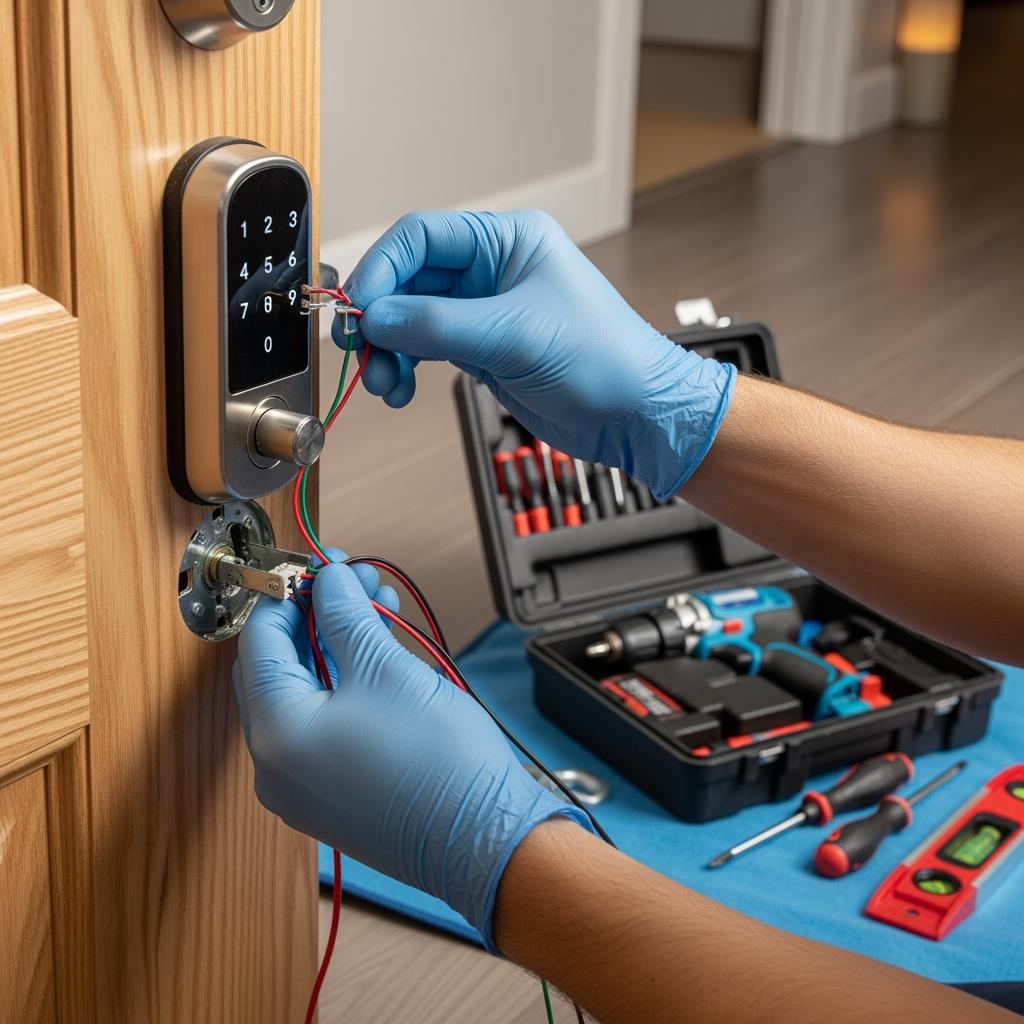
The installation process for keypad and smart lock solutions in Connecticut is straightforward in many apartments, but a methodical approach helps avoid lockouts and misaligned latches. A typical sequence looks like this:
First, you choose the right lock based on door measurements, building rules, and whether you need WiFi or just keypad entry. Next, you gather tools such as a screwdriver, tape, and a drill if the manufacturer requires minor adjustments to the door or frame. Before removing the existing lock, you keep the door open and secured so it cannot accidentally close mid-install.
Then you remove the old deadbolt or handle, keeping all parts in a labeled bag. You install the new latch and exterior keypad or smart escutcheon, route any necessary cables through the door, and mount the interior unit. This is followed by aligning the strike plate and testing latch throw to ensure smooth locking and unlocking without forcing the key or thumbturn.
Once the hardware is stable, you install batteries, power up the unit, and follow the manufacturer’s programming steps to set a master code, add user codes, and, if applicable, connect to the app or WiFi. A full test includes closing the door, verifying that the keypad works, checking the physical key, and turning any auto-lock features on or off according to your preference.
For CT landlords or renters who prefer a professional touch, partnering with a service provider familiar with multifamily buildings can reduce installation time and prevent mistakes. Companies like S & Y Internet Technology, which routinely handle smart lock and video doorbell installations across dense urban and suburban environments, can manage the full process from hardware selection to final testing, freeing you up to focus on lease turnover and tenant experience.
FAQs about keypad entry systems for Connecticut rentals and apartments
This section addresses frequent questions that arise when considering keypad entry systems for Connecticut rentals and apartments, from legality to day-to-day use. Many answers depend on your specific lease and building rules, but some recurring themes span most CT markets: landlord consent, emergency access, and technical reliability during storms or outages.
Connecticut cities and neighborhoods we serve for keypad lock upgrades
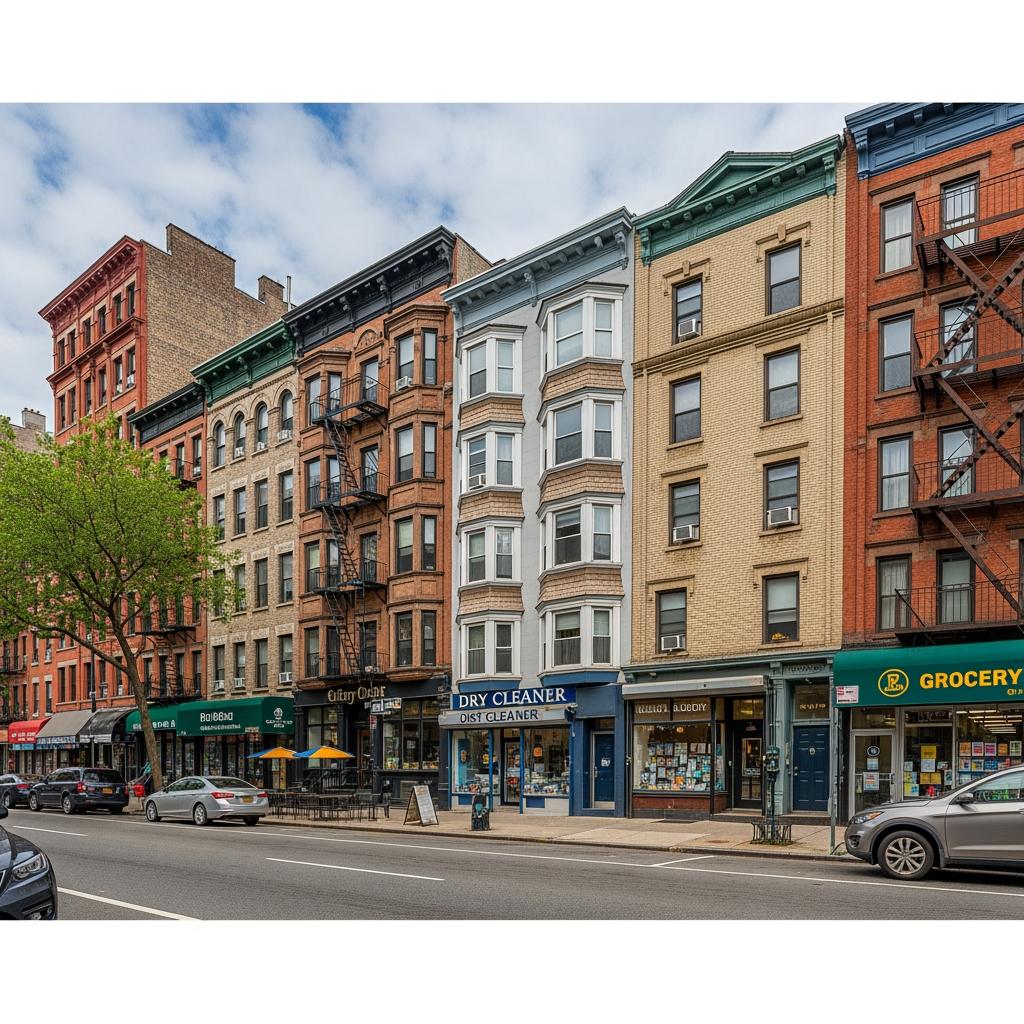
Keypad entry and smart lock solutions are particularly relevant in Connecticut’s denser rental markets and college towns, where frequent tenant turnover and shared housing are common. Landlords and renters in Hartford, New Haven, Stamford, Bridgeport, Norwalk, Danbury, and Waterbury regularly upgrade to keyless access to simplify move-ins and reduce key-related maintenance calls. Neighborhoods around university campuses, such as those near Yale in New Haven or UConn branches, often adopt smart locks early because of heavy subletting and short-term stays.
Suburban communities with growing multifamily developments—like those in Fairfield County, New London County, and the Hartford metro area—also benefit from keypad systems that integrate with package rooms, garages, and common-area doors. In mixed-use properties where ground-floor retail shares a building with upper-floor apartments, coordinated access solutions ensure security for both commercial and residential tenants.
If you manage or own properties in the broader New York–Connecticut corridor and need hands-on assistance, S & Y Internet Technology’s service area includes New York City, Long Island, Westchester, parts of New Jersey, and even Connecticut border locations such as Stamford and Greenwich. To confirm whether your specific neighborhood can be served and to discuss a rental-focused lock upgrade plan, you can reach out directly via their contact and service request page, sharing details about your building type, number of units, and desired installation timeline.
FAQ: Keypad entry and smart lock solutions for Connecticut apartments and rentals
Are keypad entry and smart lock solutions for Connecticut apartments and rentals legal for tenants to install?
Yes, keypad entry and smart lock solutions for Connecticut apartments and rentals are generally legal, but your lease may require landlord approval or continued owner access. Most leases prohibit changing locks without consent, so tenants should get written permission and clarify whether the landlord needs a master code or backup key before installing.
Do keypad entry and smart lock solutions for Connecticut apartments and rentals work during power or internet outages?
Most keypad and smart lock solutions for Connecticut apartments and rentals are battery-powered and continue working even if building power or internet fails. If WiFi is down, you may temporarily lose app-based remote control, but local keypad codes and physical keys usually still function normally.
Can Connecticut landlords monitor access logs from smart lock systems in rental apartments?
When landlords control the master account for keypad entry and smart lock solutions for Connecticut apartments and rentals, they may be able to view basic access logs. This depends on how the system is configured, so tenants should ask whether log monitoring is enabled and how long data is retained, and landlords should clearly disclose these practices in leases or house rules.
What happens to my keypad or smart lock when I move out of my CT apartment?
If you installed the lock yourself, many leases and building rules expect you to either leave the lock and provide full access or restore the original hardware. For renter-installed keypad entry and smart lock solutions for Connecticut apartments and rentals, it’s common to reinstall the original deadbolt and take the smart lock with you, provided the door is left in its prior condition.
Are keypad entry and smart lock solutions for Connecticut apartments and rentals secure against code guessing?
Modern keypad entry and smart lock solutions for Connecticut apartments and rentals usually include protections like lockout periods after repeated wrong attempts, randomizing button presses, and encrypted wireless communication. Using longer, non-obvious codes and assigning unique codes per person can further reduce the risk of unauthorized entry.
Can smart locks in Connecticut apartments integrate with video doorbells or security cameras?
Yes, many smart lock systems installed in Connecticut rentals can integrate with video doorbells or security cameras through a shared app or smart home platform. Providers like S & Y Internet Technology often design integrated packages that tie locks, cameras, and networking together, making it easier to verify who is at the door when a lock is used.
Are keypad entry and smart lock solutions for Connecticut apartments and rentals suitable for older buildings?
In many cases, yes. Retrofit keypad deadbolts and interior smart adapters are designed to work with existing doors and hardware common in older CT buildings. However, unusually thick doors, mortise locks, or historic restrictions may limit choices, so a site assessment or photos sent to an experienced installer can help identify compatible options.
Last updated: 2025-12-04
Changelog:
- Added detailed comparison table of keypad and smart lock options for CT rentals.
- Expanded cost and complexity overview for common installation scenarios.
- Clarified guidance on CT lease rules and landlord permissions for lock changes.
- Enhanced sections on WiFi/app control, safety, and privacy considerations.
- Updated service area note for providers operating in NY–CT border regions.
Next review date & triggers
Review this guide in 12 months or sooner if new Connecticut regulations, major smart lock platform updates, or common building rule changes affecting keypad entry systems are introduced.

About the Author: S & Y Internet Technology Inc.
S & Y Internet Technology Inc. is a professional installation and repair service provider based in Flushing, New York. Our expert team provides door-to-door installation and maintenance within a 100 km radius, ensuring quick response and high-quality results for every project — whether residential, commercial, or specialized.

Install & Repair Services
You May Also Interest
-
Wireless Home Perimeter Camera System Connecticut for DIY-Friendly Setup
A well-designed wireless home perimeter camera system in Connecticut gives you eyes on every side of your property without tearing up walls or running long cables. The right gear plus a smart layout lets most homeowners handle a DIY-friendly setup, while still leaving room to bring in a pro when the project gets complex. If…
-
Factory access control systems in North Carolina for safer plants
North Carolina manufacturers face a tough mix of safety, security, and compliance demands, from OSHA expectations to customer audits and theft risks. Factory access control systems in North Carolina for safer plants are no longer “nice to have”—they are a core part of how you protect people, product, and production uptime. Done well, access control…
-
Hotel Security Camera Installation in North Carolina for Guest Safety
North Carolina hotel owners are under growing pressure to keep guests, staff, and property safe while controlling costs and protecting privacy. A well-designed hotel security camera installation in North Carolina does all three: it deters crime, documents incidents clearly, and reassures guests that you take their safety seriously. Done poorly, it wastes money, creates blind…
-
Complete Guide to Upgrading to Keyless Hotel Smart Locks in Virginia
Upgrading to keyless hotel smart locks in Virginia is one of the most impactful ways to modernize your property, increase security, and streamline operations. Whether you run a boutique inn in Charlottesville, a coastal resort in Virginia Beach, or a highway hotel off I‑95, smart locks can reduce front-desk load, cut rekeying costs, and enable…