Mobile app and LPR parking access systems for Delaware properties

Share
Mobile app and LPR parking access systems give Delaware property owners a cleaner way to control who can park, when, and where—without chasing paper permits or manually checking plates. By combining license plate recognition (LPR) cameras with resident and guest mobile apps, you can automate access, streamline enforcement, and stay aligned with key Delaware and federal rules. If you’re exploring a new system for a community association, multifamily property, or mixed‑use site, share your property details and requirements so we can outline a tailored mobile and LPR parking access plan for you.
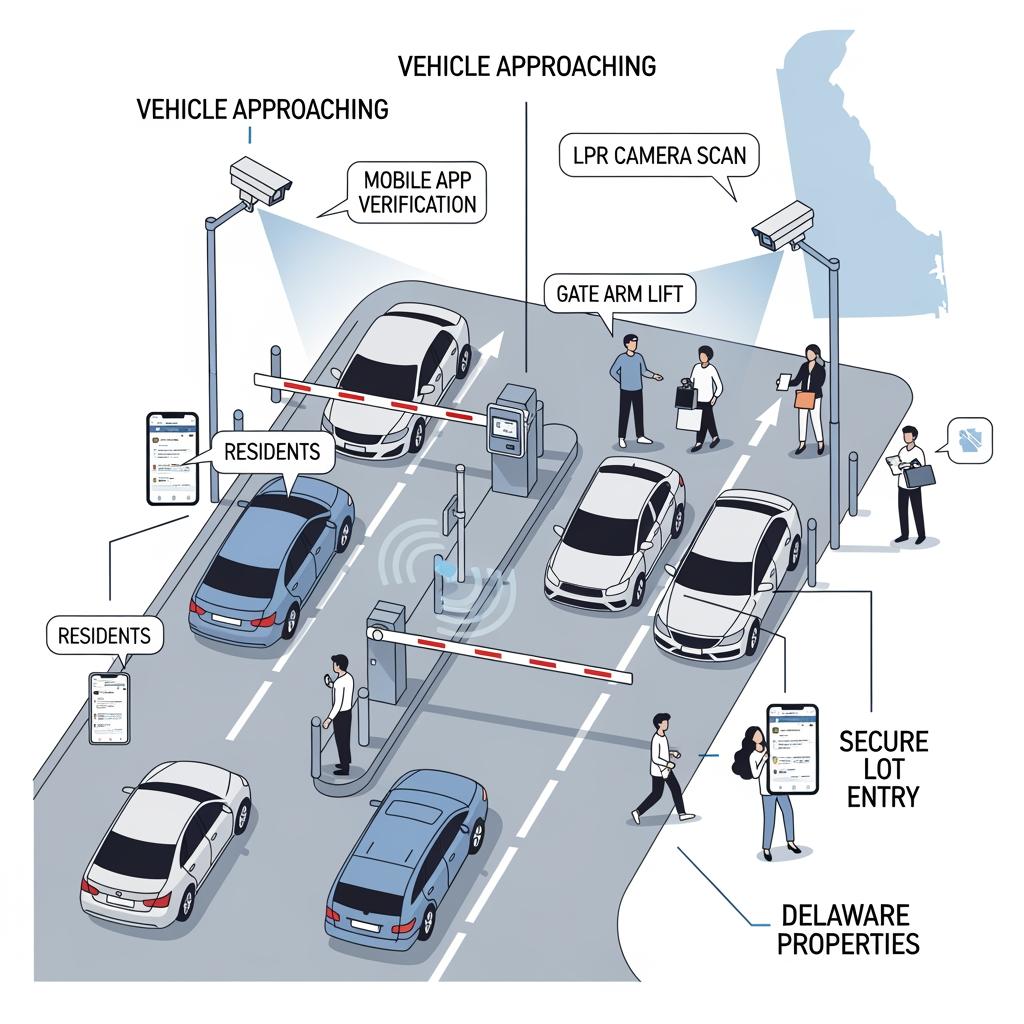
How mobile app and LPR parking access works for Delaware homes
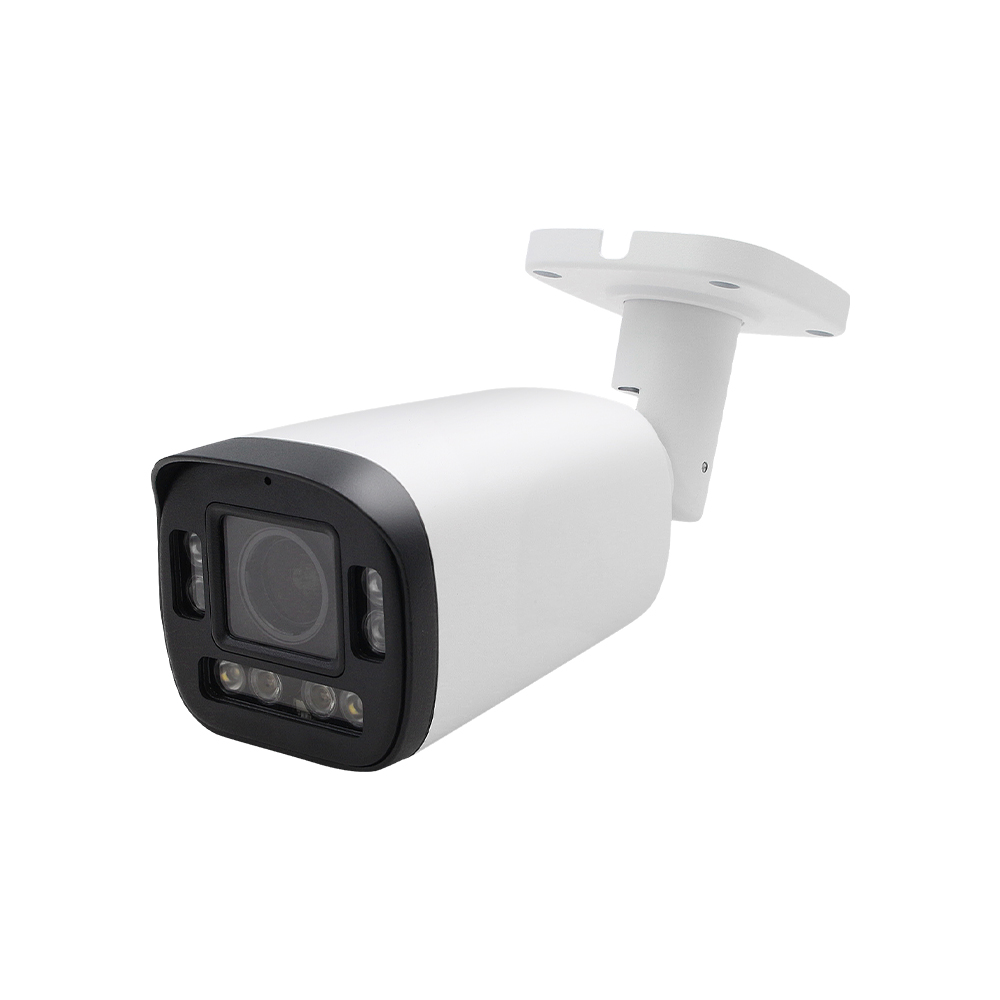
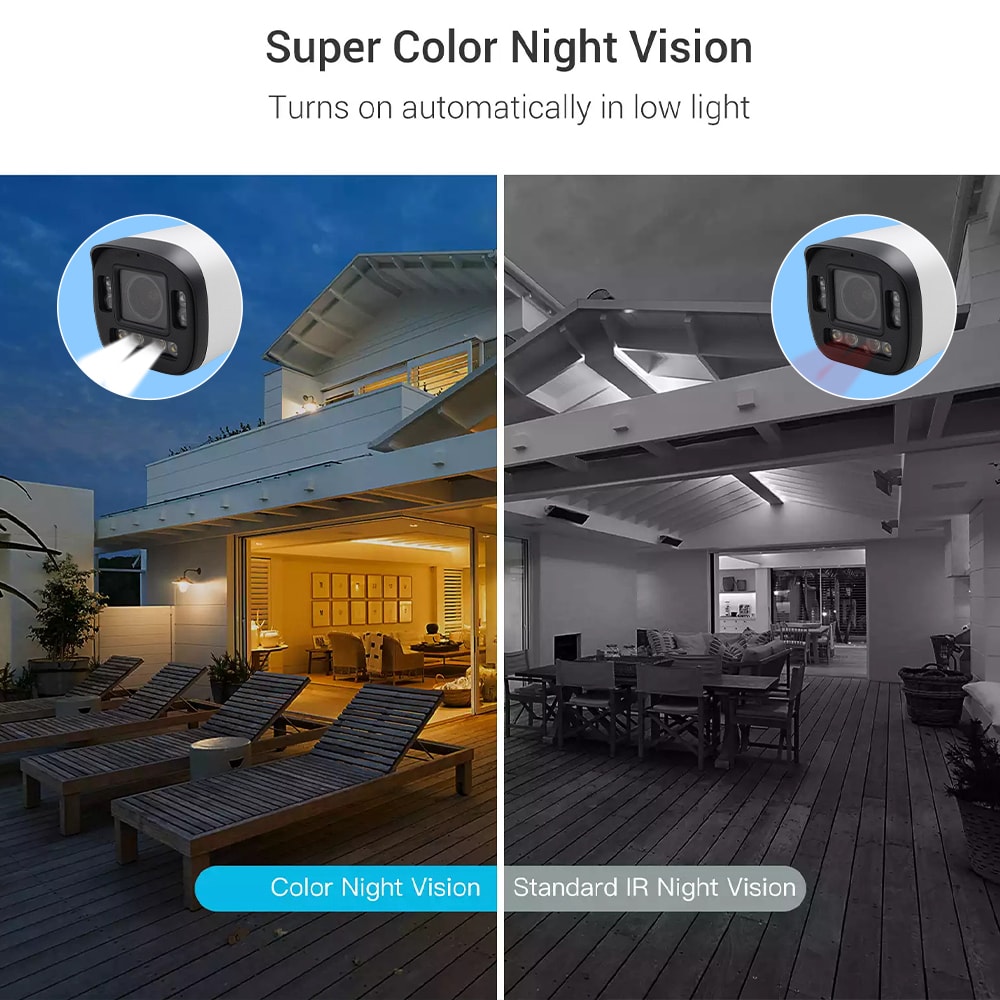
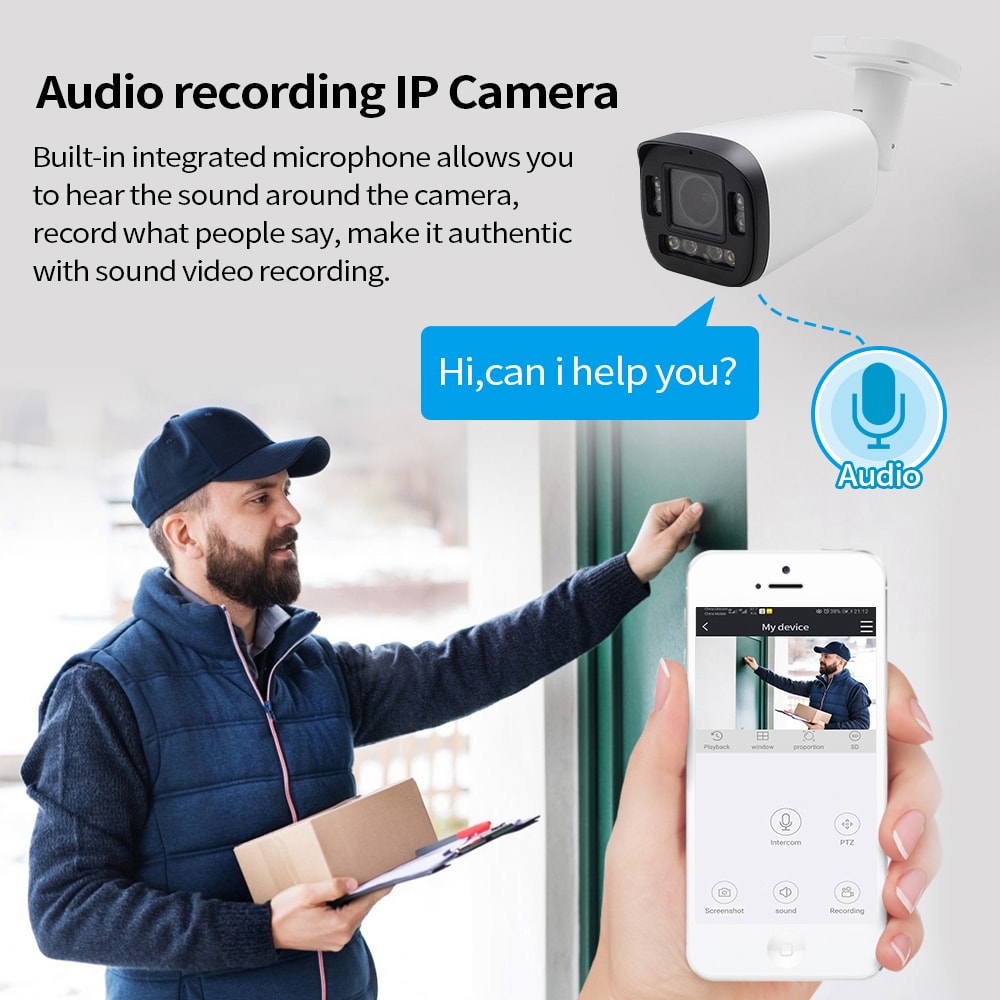
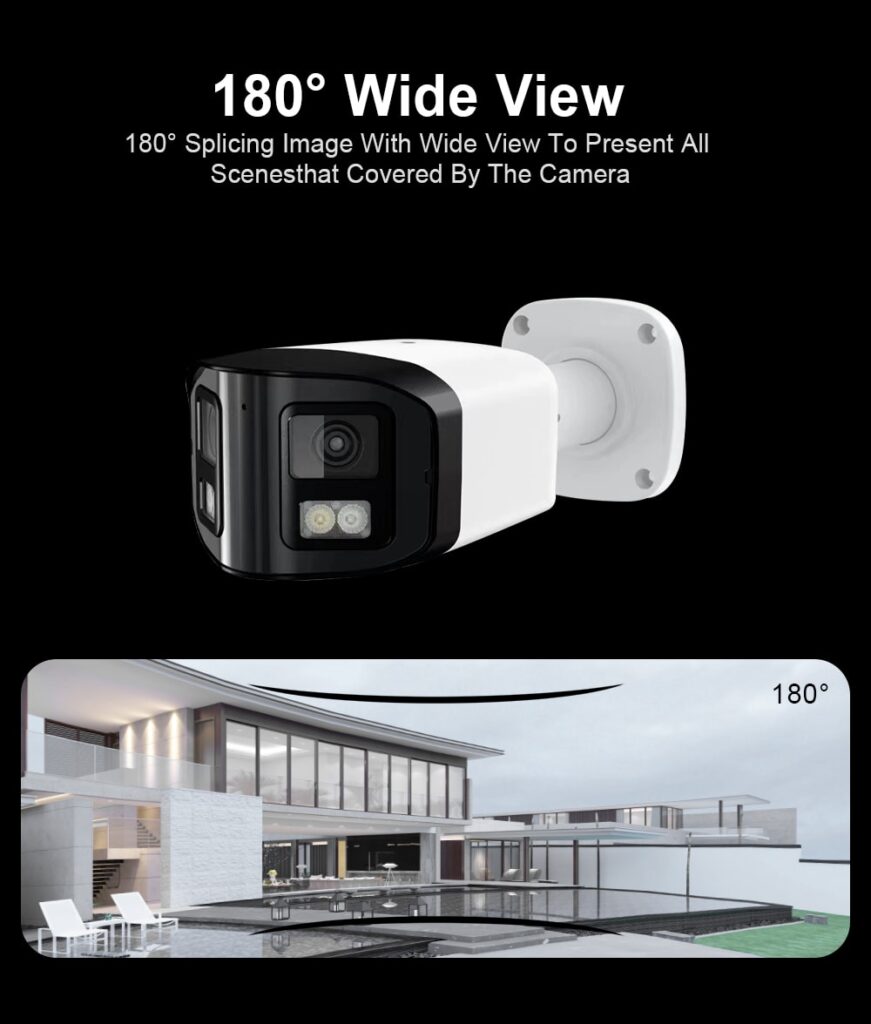
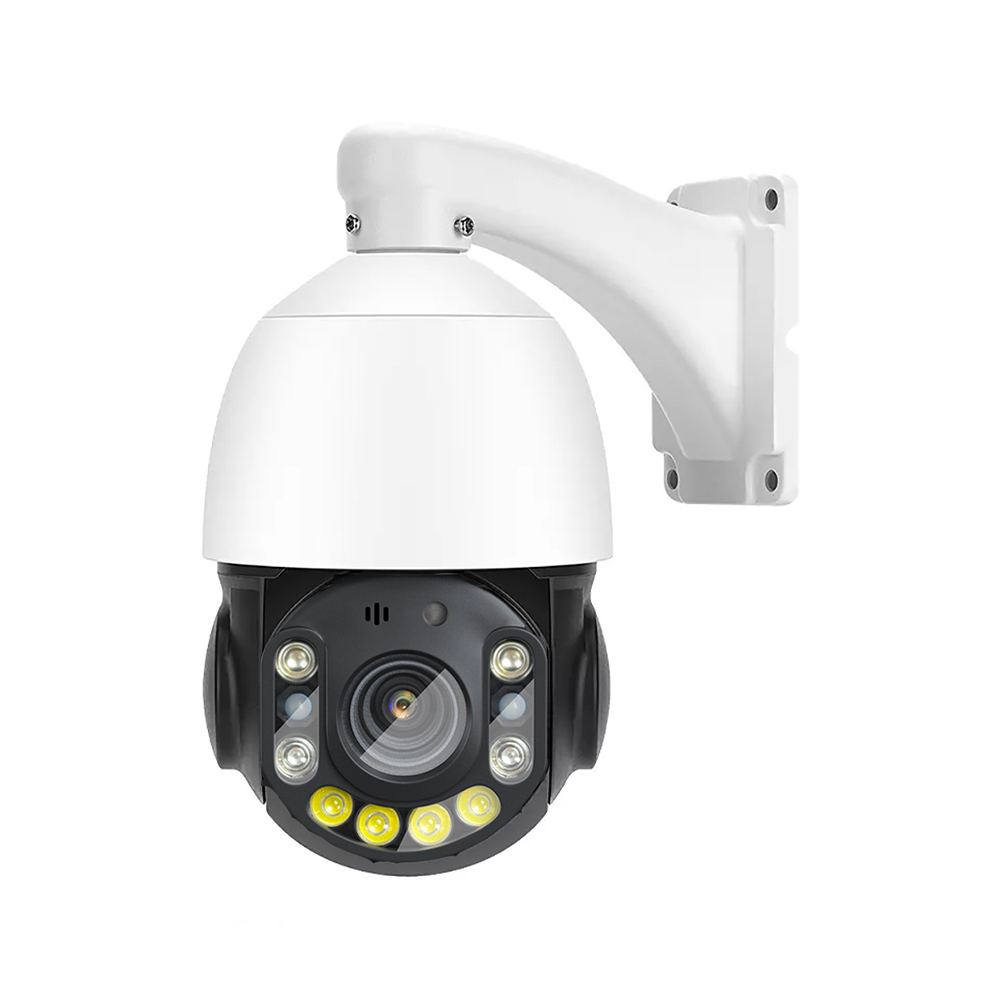
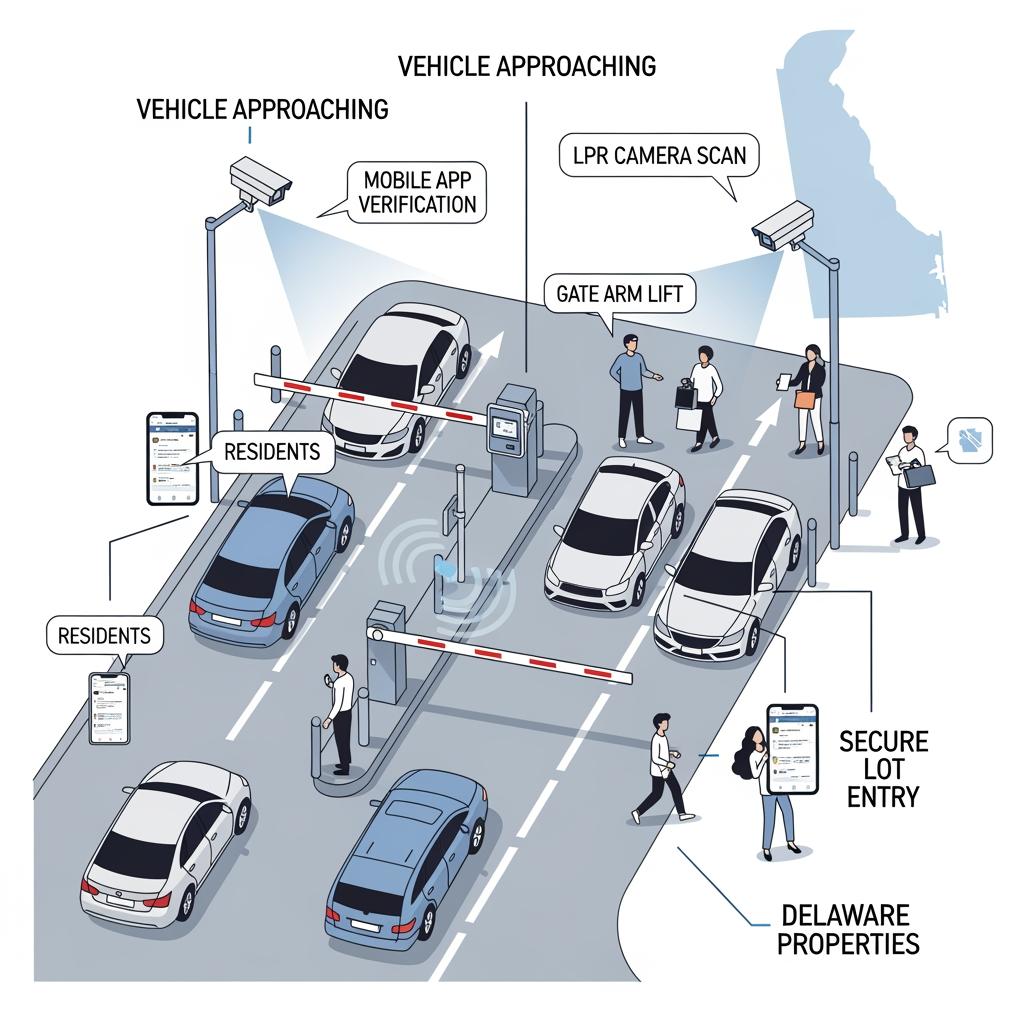
For single‑family homes, gated communities, and small townhome clusters in Delaware, mobile app and LPR parking access systems typically revolve around one core idea: the license plate is the credential. Instead of key fobs or physical stickers, your system maintains an approved list of plates and permissions in the cloud. When a car approaches a gate or monitored driveway, an LPR camera reads the plate, the system checks that plate against the database, and then automatically grants or denies access.
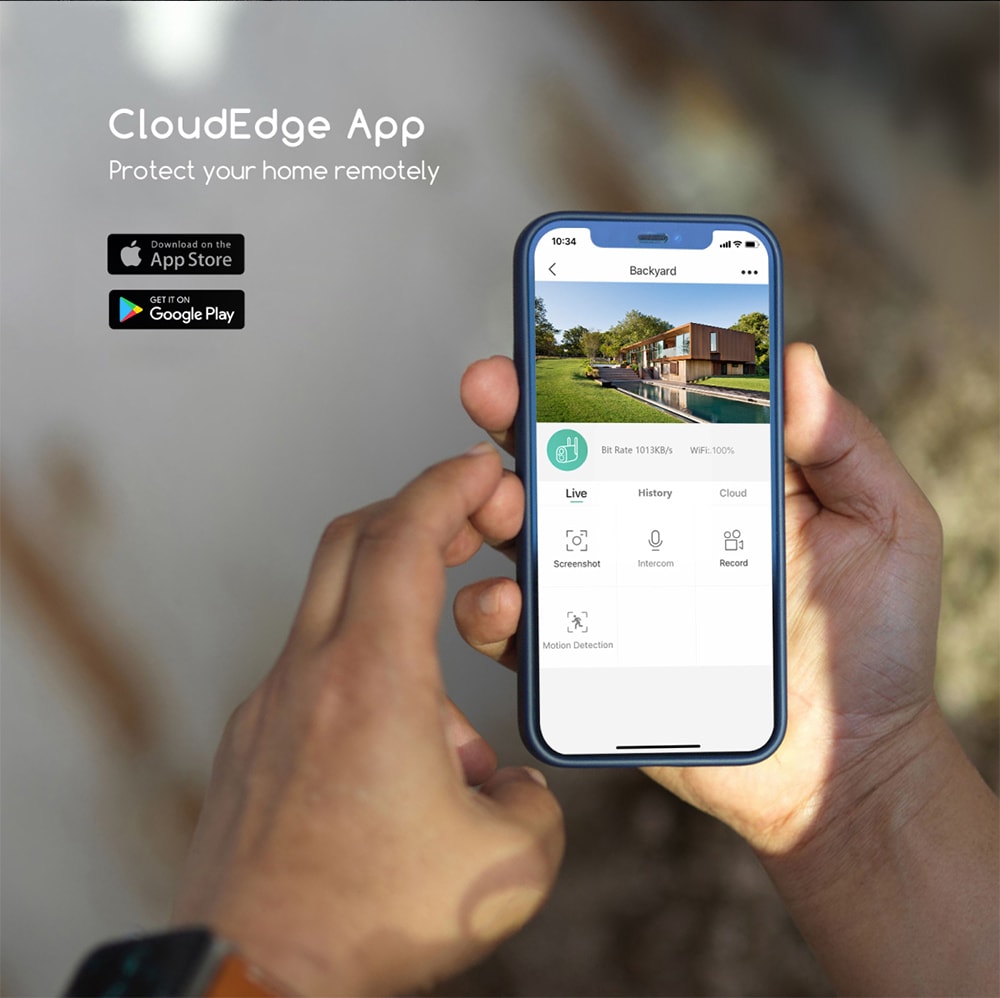
Residents manage most day‑to‑day needs through the mobile app. They can register their vehicles, update plates when they get a new car, and generate temporary QR or code‑based invites for guests that link to a specific plate, zone, or time window. Property managers or homeowners’ association (HOA) administrators keep overall control by defining rules such as per‑home vehicle limits, guest time limits, and blackout periods.
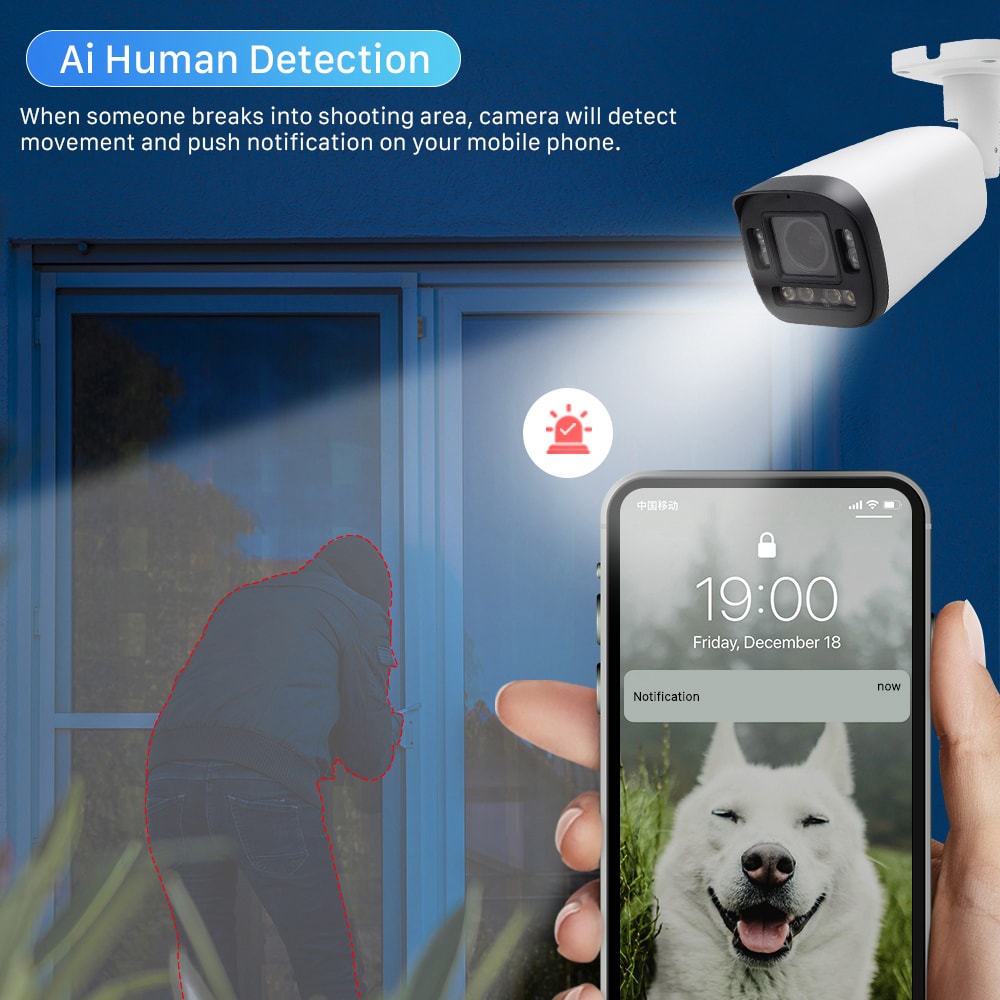
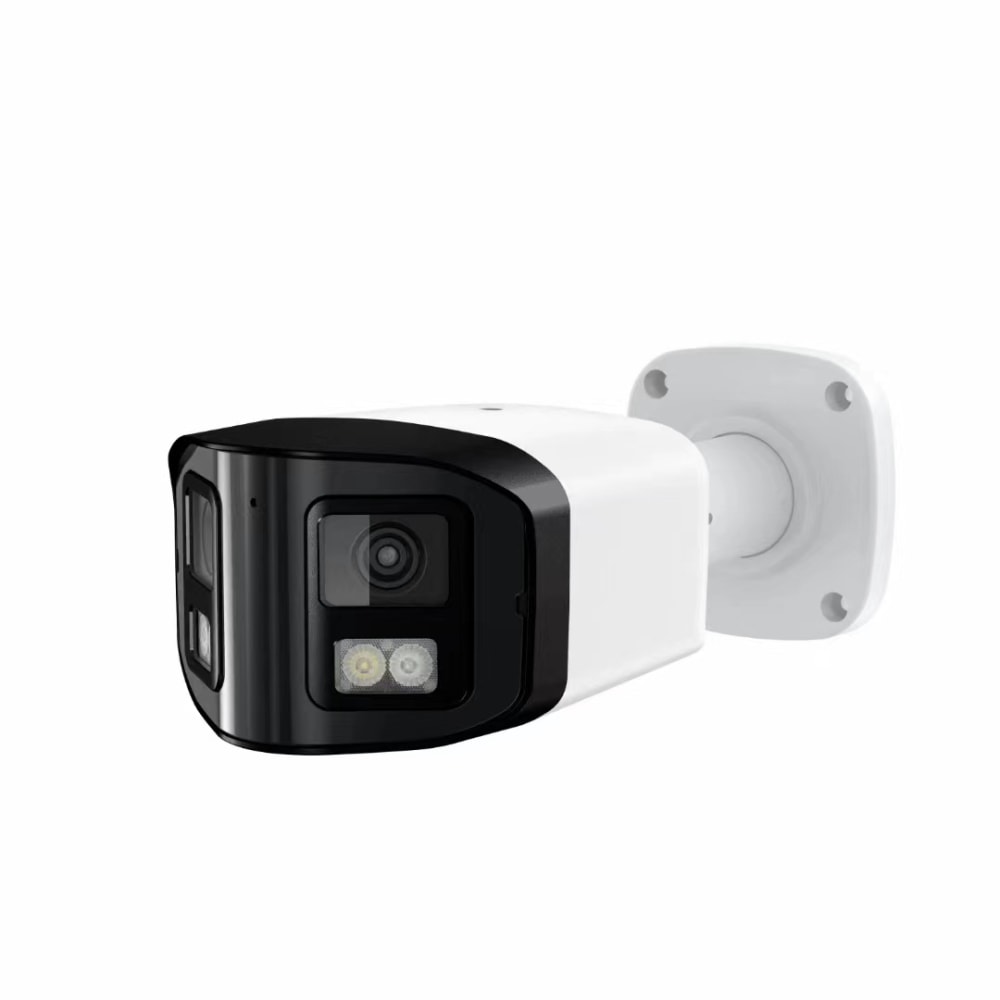
A typical Delaware home‑oriented setup follows a clear flow: install an LPR camera at the entry point, connect it to a gate operator or barrier if needed, onboard residents with the app, and configure enforcement views so violations—like unregistered overnight guests—are flagged without requiring constant patrol. This approach is especially powerful for coastal or resort‑area homes where short‑term rentals can complicate traditional parking passes.
Mobile parking access options for Delaware apartments and HOAs
Delaware apartments and HOAs usually have more complex needs than single homes: multiple buildings, shared visitor spaces, assigned resident spots, maybe a mix of garages, surface lots, and overflow areas. Mobile app and LPR parking access systems are flexible enough to handle all of these scenarios if you choose the right deployment model and zoning rules.
Many communities start with resident parking only, using LPR at entrances and mobile app registration to replace hangtags. Over time they add features like guest self‑registration via QR codes at kiosks, short‑term paid visitor parking with mobile payments, and special zones for service providers. HOAs that manage streets within private communities can layer street‑level enforcement using patrol vehicles or handheld devices that read plates and sync with the central database.
To select the right flavor of mobile access for a Delaware community property, it helps to map your key friction points first: unauthorized “park‑and‑ride” use near transit stops, chronic guest overflow in limited visitor areas, or frequent disputes about who parked where. Each pain point can be addressed with specific configuration choices, such as time‑limited guest plates, dynamic zone assignments, or priority rules for accessible spaces.
Recommended provider: S & Y Internet Technology for installation and setup
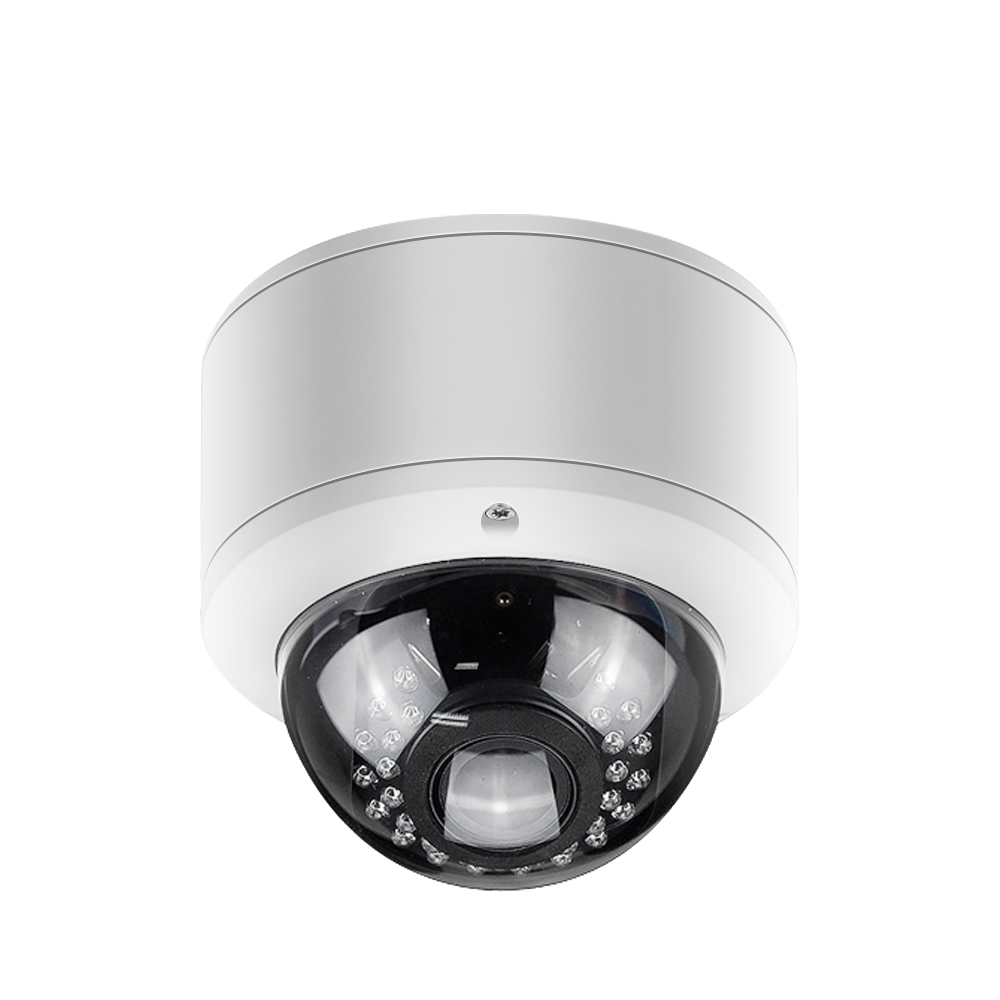
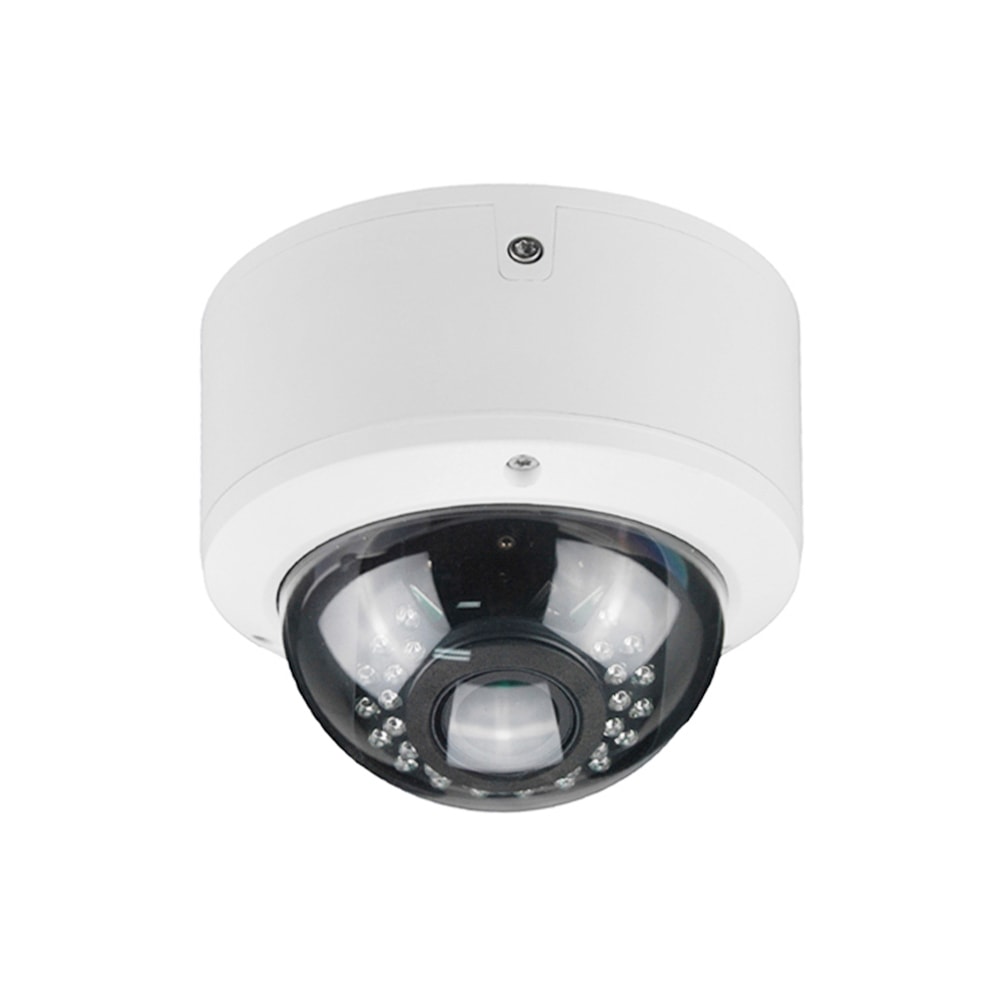
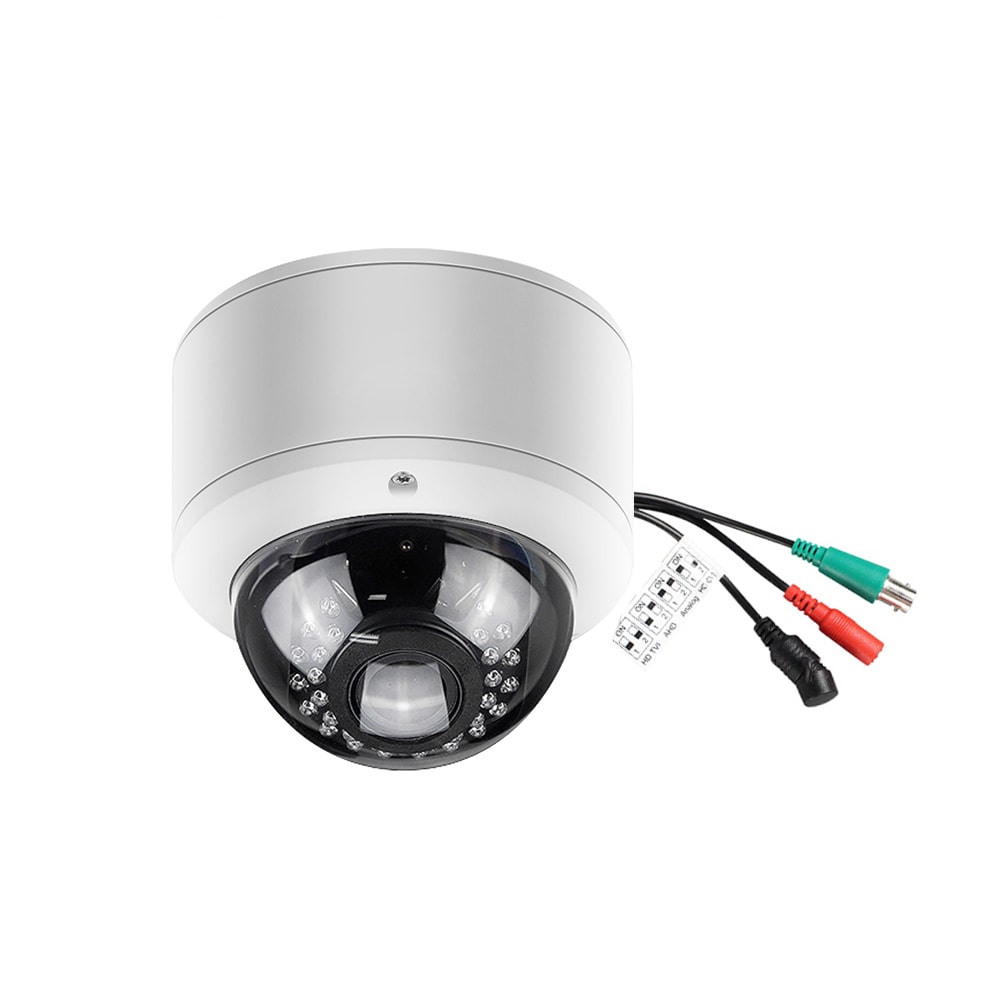
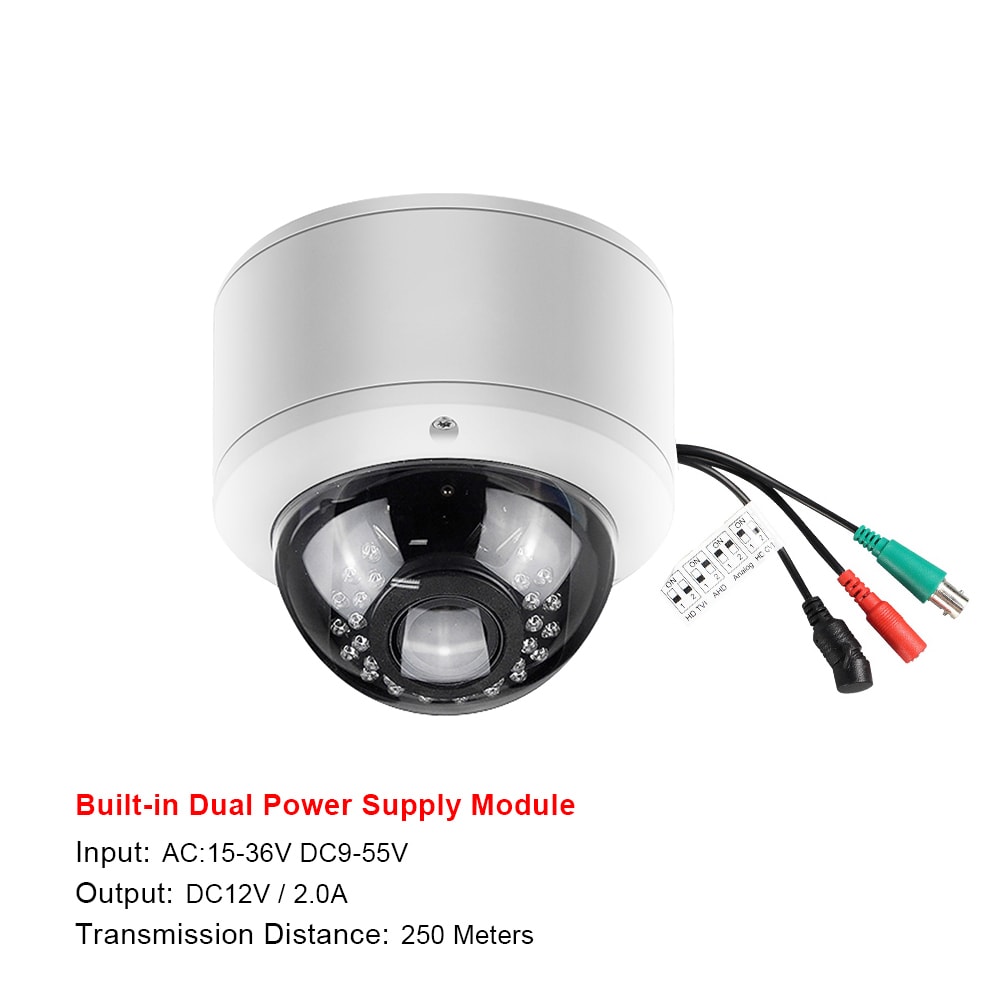
For Delaware properties that need expert installation and integration, a regional service partner with strong smart access experience is crucial. S & Y Internet Technology Inc., based in Flushing, New York, specializes in smart devices, security systems, and access control for residential and commercial facilities, and they regularly work with camera, network, and gate hardware similar to what mobile and LPR parking access systems require. Their technicians handle everything from LPR camera mounting and cabling to smart lock and gate interface wiring, plus the network optimization needed to keep recognition and app services responsive.
Because S & Y Internet Technology provides door‑to‑door installation and maintenance throughout the greater New York area and surrounding regions, they are an excellent provider for Delaware‑adjacent owners, developers, and management firms that manage multi‑state portfolios and want a consistent standards‑based implementation. We recommend S & Y Internet Technology as an excellent provider to design, install, and maintain your mobile app and LPR parking access systems for Delaware properties, especially if you also need coordinated smart locks, video doorbells, or broader building access solutions. If you are planning a new build or retrofit, you can review their installation and repair scope and request a custom parking access plan and quote directly through their service pages at smart installation and repair services.
LPR‑based permit and guest parking management in Delaware
LPR parking shines when it comes to managing resident permits and guests at scale. Instead of printing and distributing physical permits, Delaware property managers maintain a digital permit database keyed to license plates. Each permit contains attributes like resident/guest status, unit number, allowed zones, and time windows. When an LPR camera captures a plate, the system instantly checks these attributes and updates a live parking log.
Guest management becomes far more controlled and audit‑ready. Residents can issue digital guest permits in the mobile app, choosing the visit date range, duration, and zone. Guests receive a link to confirm their plate and see basic parking instructions. Because the system knows which plates are guests and when their authorization ends, enforcement can focus directly on overstays, repeated misuse, or attempts to park in resident‑only areas. This is invaluable in downtown Delaware locations or college‑adjacent neighborhoods where visitor demand is high.
For communities that rely on virtual permits along public streets or within private lanes, patrol‑based enforcement is common. Staff or contracted patrols scan plates as they drive through, and their handheld or vehicle‑mounted readers sync to the main database. Illegal parkers or repeat violators can be identified quickly without peering at dashboards or mirror hangtags. Over time, managers can analyze activity logs to adjust guest quotas, refine time limits, or adjust pricing for visitor parking where allowed.
Delaware parking rules, ADA standards and plate‑based access
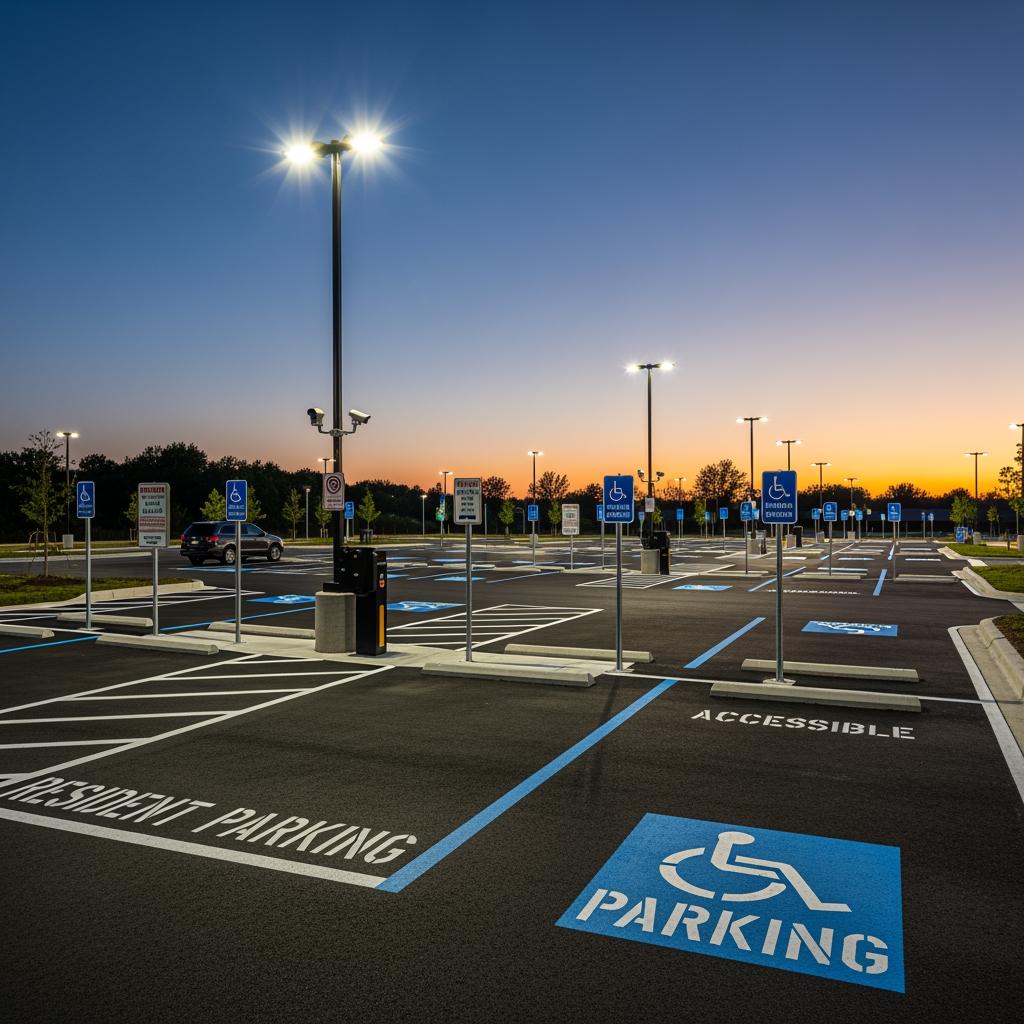
Any mobile app and LPR parking access system for Delaware properties must respect state and local parking rules as well as federal accessibility requirements. While your specific obligations depend on property type and jurisdiction, there are common patterns to account for in system design. For example, the system should allow you to mark certain spaces as ADA‑accessible and enforce rules that only vehicles with proper disabled credentials may use them, subject to applicable law and signage standards.
LPR can’t “see” a disabled placard hanging from a rearview mirror, but it can help you manage enforcement in ADA spaces by tracking whether the vehicle currently in a reserved spot belongs to a known resident with documented accessible parking status or to a registered guest associated with such a resident. You can configure exceptions and manual review queues so staff confirm compliance before issuing any citation or tow order, reducing risk of improper enforcement.
Local Delaware ordinances often cover issues like time limits, fire lane restrictions, and snow emergency routes. By defining corresponding zones and rules in your parking access system—for example, “no‑parking” time bands or emergency‑only lanes that must always remain clear—you can use LPR plus patrol tools to flag violations more consistently. It’s important that your policy documents and resident communications clearly explain how plate‑based access works, which data is collected, and how appeals or corrections can be requested.
Step‑by‑step setup of our Delaware mobile parking access system
Rolling out mobile app and LPR parking access systems for Delaware properties works best in a structured, staged process. A simple action‑plus‑check approach helps avoid gaps and resident confusion:
- Assess your site → Confirm physical constraints, camera sightlines, existing gates, and network paths. Identify all entrances, internal zones, and special use areas such as loading zones and ADA spaces.
- Design rules → Define who may park where, for how long, and under what conditions. Capture specifics for residents, guests, staff, vendors, and any public use you allow.
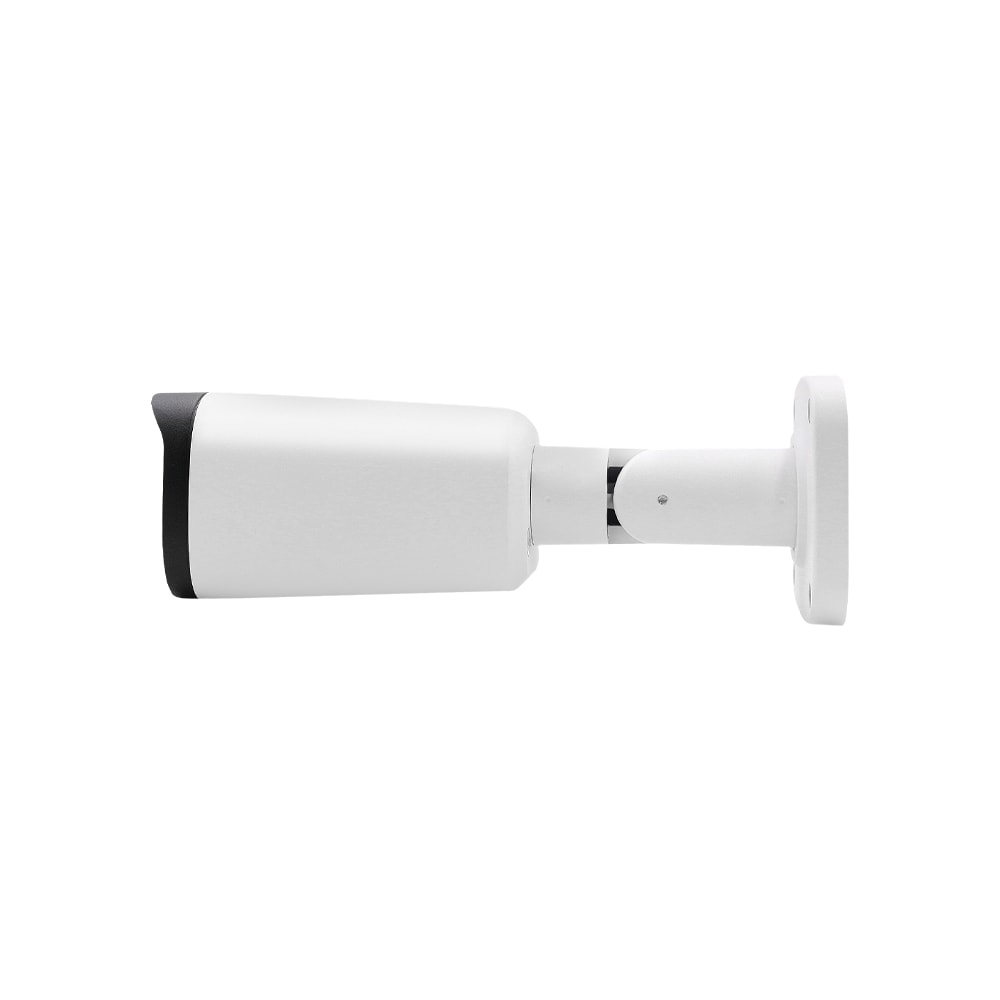
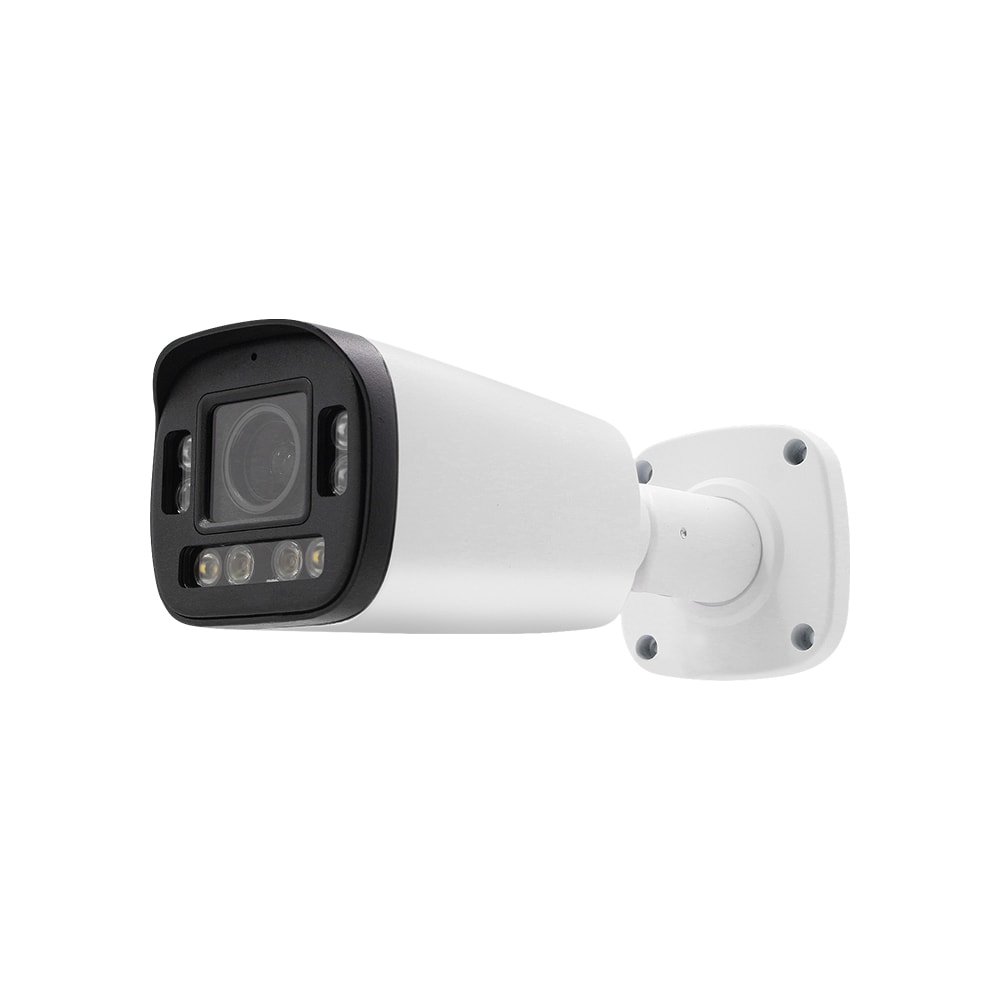
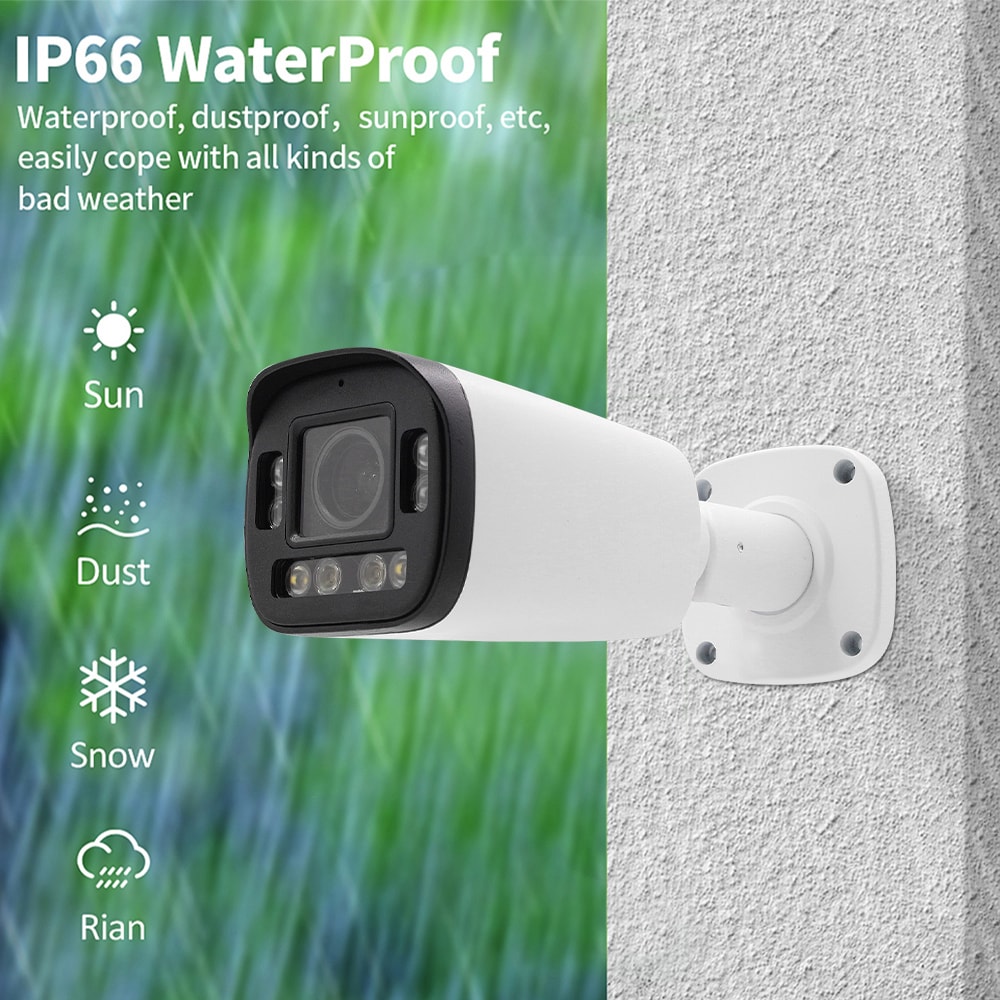
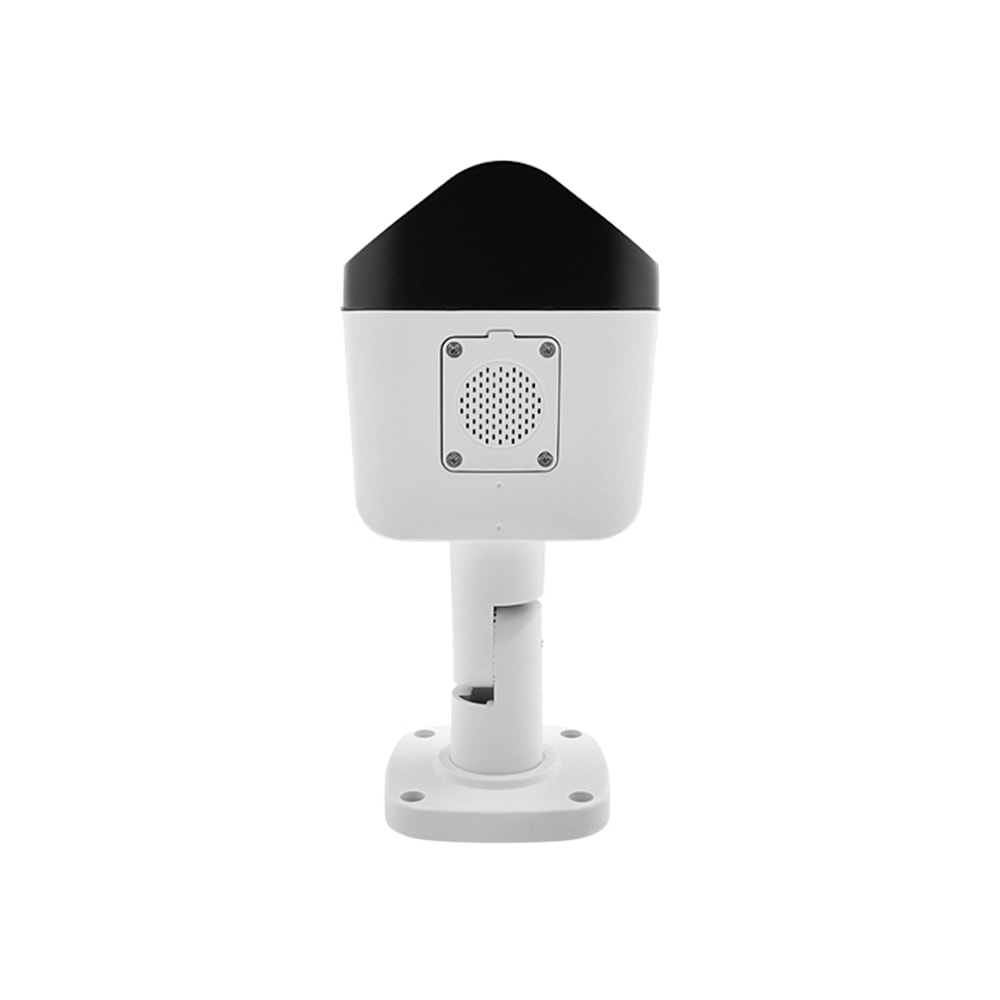
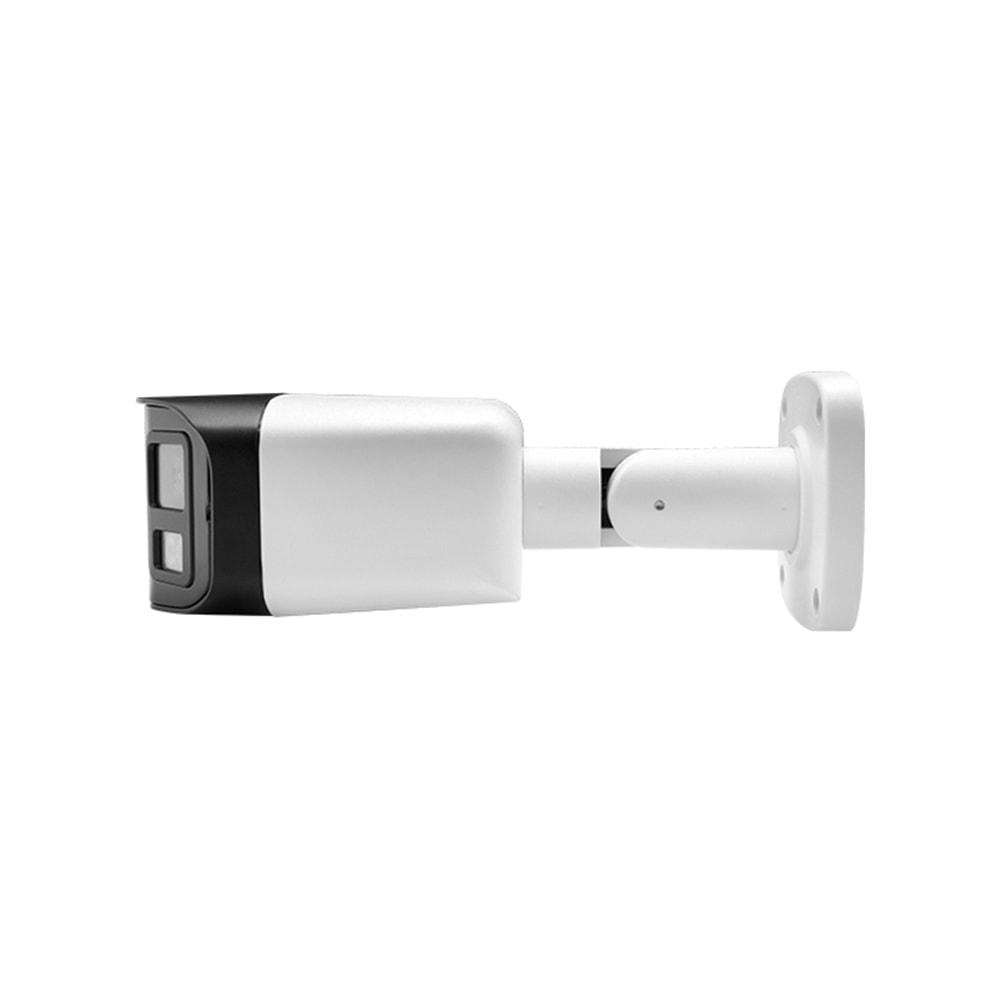
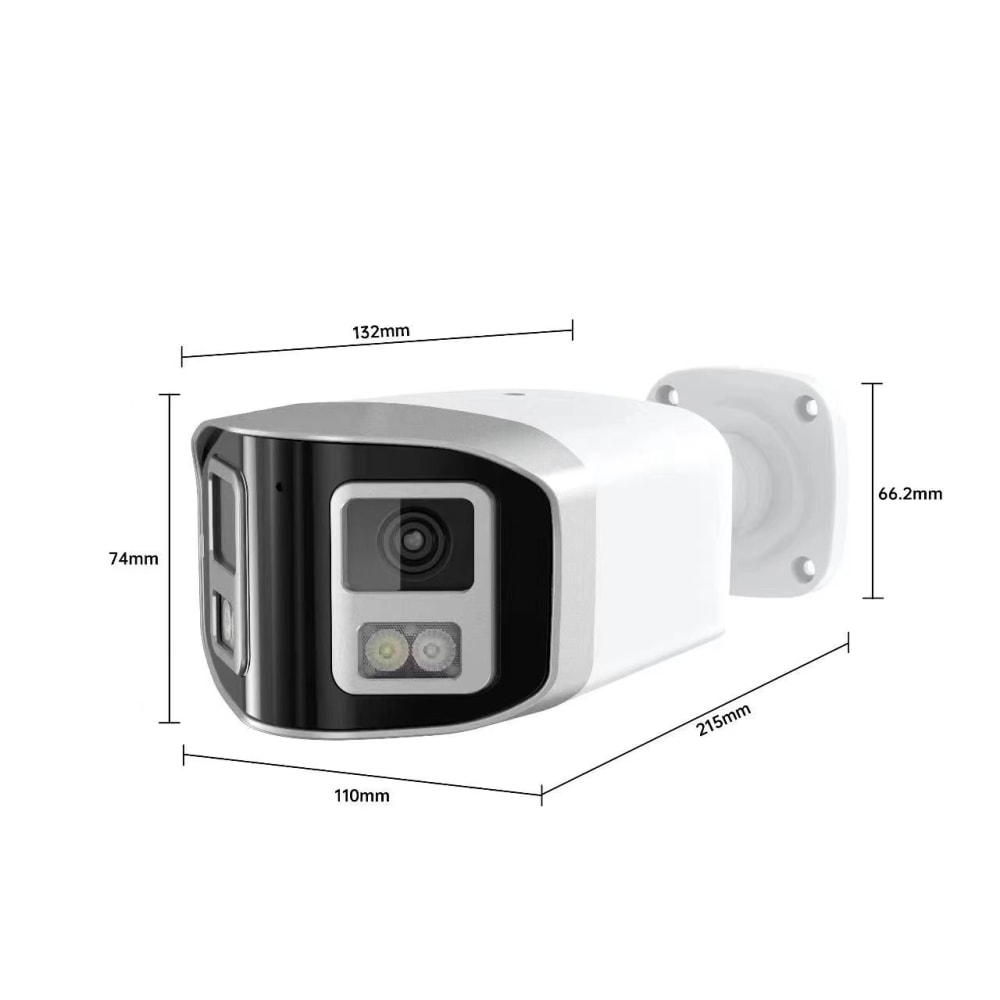
- Select hardware → Choose LPR cameras suited to Delaware weather, lighting, and plate types, and ensure they integrate with your chosen mobile app platform and gate controllers.
- Prepare network → Verify stable connectivity from cameras and controllers to the cloud service. For complex sites or multi‑building campuses, SD‑WAN or similar technologies can stabilize performance.
- Onboard residents → Launch the mobile app rollout, collect plate numbers, and communicate new rules clearly. Provide grace periods where both old and new systems run in parallel.
- Start soft enforcement → Use violations as feedback during an initial “warning only” period, refine zone rules, and correct mis‑reads or mis‑registrations.
- Transition to full enforcement → Once data and rules are stable, move to full enforcement with routine audits and regular reporting to your board or ownership.
A simple table can help you keep the Delaware implementation on track:
| Phase | Focus area | Role responsible | Parking access notes for Delaware properties |
|---|---|---|---|
| Site assessment | Entrances, lighting, sightlines | Property manager + installer | Include seasonal visibility and snow impacts |
| Policy and rule design | Zones, time limits, guest rules | HOA board / ownership | Align with local ordinances and ADA spaces |
| Hardware & network planning | LPR cameras, gates, routers, power | Installer / IT | Consider redundancy for critical entrances |
| Resident onboarding | App adoption, plate collection, education | Property staff | Offer support sessions or walkthroughs |
| Enforcement go‑live | Violation workflow, reporting, appeals | Staff or vendor patrol | Monitor closely in first 60–90 days |
Using this phased checklist ensures that the technology supports your policies instead of dictating them. For Delaware properties that also need coordinated smart locks or building access, aligning this timeline with broader security upgrades can minimize disruption.
Integrating mobile payments and LPR enforcement for DE properties
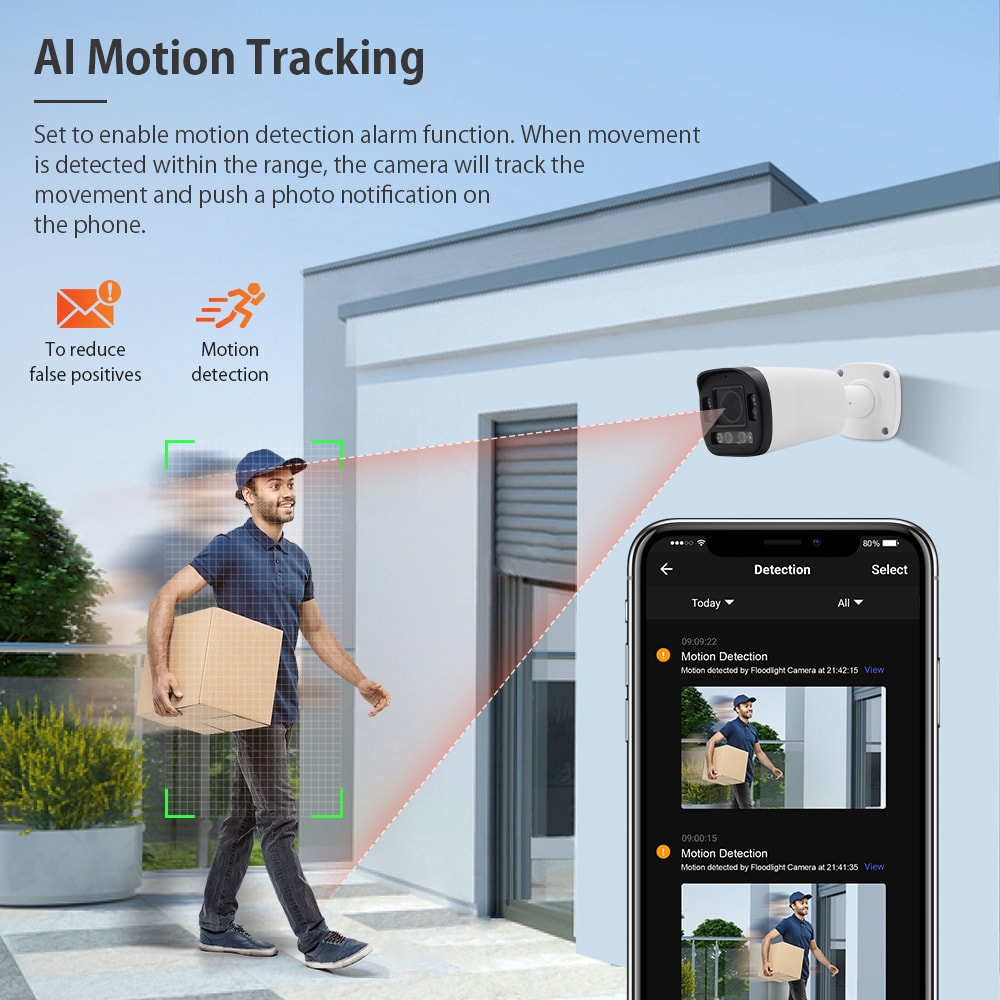
In mixed‑use Delaware sites and high‑demand visitor areas, mobile payments layered on top of LPR enforcement can turn parking into a controlled, revenue‑supporting amenity. Instead of traditional pay stations and printed receipts on dashboards, drivers register their plate and payment method via a mobile app or QR code at entry. The system links payment status and duration directly to the plate in real time.
For residents, mobile payments can support add‑ons such as extra guest hours beyond a free quota, premium reserved spaces, or EV‑ready stalls. For public or customer parking, time‑based or dynamic pricing can be implemented without physically changing signage every time; updates simply flow through the app and back‑end rules. LPR then serves as the hands‑off enforcement layer, identifying plates that have not paid, overstayed, or parked outside their paid zone.
When integrating mobile payments in Delaware, consider coordination with city rules in areas where public regulations overlap private lots, as well as clear communication so users know exactly how to pay and what happens if they don’t. You should also define fair dispute and refund policies, especially during early rollout when mistakes are more common. Many owners find that beginning with residents‑only features and then gradually opening paid visitor functions leads to smoother adoption.
Data security and privacy for Delaware LPR parking access systems
Because LPR parking access systems collect and process license plate data tied to individual behavior—when and where someone parked—data security and privacy must be core design considerations. For Delaware properties, best practice is to treat plate and account data like other sensitive resident information: store it in encrypted form, limit internal access, and retain it only as long as it serves a legitimate business and compliance purpose.
Modern mobile app and LPR parking platforms typically use secure communication channels between cameras, controllers, apps, and cloud servers, along with role‑based permissions for staff. Property managers should define who can view raw plate logs, how long violation records are kept, and how residents can request corrections if a plate is mis‑assigned. Policies should also explain whether data is ever shared with law enforcement or external partners, and under what conditions.
To give residents confidence, it helps to provide a concise privacy summary in your onboarding materials and within the app, explaining what the system tracks (plate number, parking time, zone), what it doesn’t track (for example, movements away from your property), and the safeguards in place. If you work with a third‑party installer or integrator, verify that their practices align with your standards, and that they do not retain unnecessary copies of configuration or log data once deployment is complete.
Case studies from Delaware condos and mixed‑use parking sites
Consider a mid‑rise condo community near Wilmington that struggled with chronic guest overflow and unauthorized downtown workers using the resident garage. After deploying a mobile app and LPR parking access system, they designated separate zones for deeded resident spaces, short‑term guest spots, and a limited set of daytime visitor stalls. Residents registered their plates via the app, and guests received time‑limited digital permits. Within a few months, unauthorized long‑term parkers dropped dramatically and disputes over “stolen” spots decreased because every plate was tied to an account and rule set.
Another example is a mixed‑use property in a Delaware beach town combining retail at ground level with residential units above and a shared surface lot. Before LPR, weekend visitors overwhelmed the lot, leaving residents without spaces. The property introduced resident‑only rows controlled via LPR and app registration, plus a paid visitor section where mobile payments were required during peak hours. Using analytics from the parking system, management fine‑tuned pricing and time limits across the season and proved to ownership that the configuration both protected residents and generated revenue to offset lot maintenance.
These scenarios highlight a pattern: success depends less on the raw technology and more on the match between your rules, your communication plan, and the capabilities of your mobile and LPR parking access platform. When those align, Delaware properties can move from reactive complaint handling to proactive, data‑driven parking management.
Comparing stickers, hangtags and LPR parking access in Delaware
Many Delaware properties considering mobile app and LPR parking access systems start from a legacy of stickers or hangtags. Each approach has trade‑offs, and a simple comparison can clarify the value of upgrading.
| Method | Pros | Cons |
|---|---|---|
| Stickers / decals | Easy to see; low initial cost | Hard to update, easy to copy or borrow |
| Mirror hangtags | Flexible between vehicles; familiar to users | Prone to loss, theft, forgetting to display |
| LPR + mobile app access system | Automated enforcement; no physical passes | Requires cameras, network, and user adoption |
Physical stickers and hangtags can make quick visual checks simple, but they rely on human attention and are vulnerable to misuse—residents lending tags to friends, or unauthorized copies. LPR‑based systems shift the focus to reliable, automated identification with a dynamic database of plates, though they do require up‑front investment and thoughtful change management.
You can also adopt hybrid approaches during transition: keeping hangtags for a limited time while LPR is phased in, or using them for non‑resident categories such as contractors while residents move fully to mobile and plate‑based access. Over time, most properties that implement LPR find they can retire physical credentials almost entirely and rely on cleaner, real‑time data.

Support, training and ongoing service for Delaware parking systems
Sustainable success with mobile app and LPR parking access systems for Delaware properties depends on strong support, clear training, and responsive ongoing service. Staff must understand how to add or remove vehicles, adjust zones, handle special cases like caregiver permits, and respond to resident questions inside the app. Equally, your installer or technology partner should offer remote diagnostics, firmware and software updates, and on‑site repair when cameras or gate hardware need attention.
A good practice is to schedule periodic reviews—at least annually—of your parking rules and system configuration. These sessions can surface patterns such as chronic overflow in certain zones, underused premium spaces, or recurring confusion in guest registration. Based on those findings, you can tweak app workflows, update communication templates, or modify enforcement thresholds to better fit resident behavior and community priorities.
When selecting a partner, look for not only technical expertise but also a willingness to provide training sessions and documentation tailored to your team. For example, S & Y Internet Technology emphasizes ongoing maintenance and network optimization, as well as hands‑on installation of smart locks, video doorbells, access control panels, and display systems. Their broader experience with security and appliance systems means they can help ensure your parking access infrastructure integrates smoothly with your existing smart property stack. You can learn more about their background and service philosophy on their company profile and reach out through their contact page to discuss a parking‑focused deployment and training plan that fits your Delaware or nearby portfolio.
If you’re evaluating options now, consider sharing your property layout, current parking rules, and key pain points so we can help you prioritize features—such as guest self‑service, integrated payments, or advanced analytics—and outline a phased implementation roadmap with trusted providers like S & Y Internet Technology supporting design, installation, and long‑term service.
Last updated: 2025-12-09
Changelog:
- Added detailed overview of mobile app and LPR parking access systems for Delaware homes and communities.
- Expanded sections on ADA considerations, data privacy, and mobile payment integration.
- Included new case study examples for Delaware condos and mixed‑use sites.
- Added provider spotlight and internal links to S & Y Internet Technology service pages and contact options.
Next review date & triggers - Review in 12 months or sooner if Delaware parking regulations, LPR technologies, or S & Y Internet Technology service offerings change significantly.
FAQ: Mobile app and LPR parking access systems for Delaware properties
What are the main benefits of mobile app and LPR parking access systems for Delaware properties?
Mobile app and LPR parking access systems for Delaware properties reduce unauthorized parking, simplify guest management, and eliminate the hassle of physical permits. They also provide accurate, real‑time data that helps managers optimize space usage and enforcement resources.
How hard is it to transition from hangtags to LPR at a Delaware community?
Most Delaware communities phase in LPR by running it in parallel with hangtags for a short period, collecting plates via the app, and focusing first on education and warnings. With clear communication and support, residents usually adapt within a few weeks, after which physical tags can be retired.
Can mobile app and LPR parking access work with gated and ungated Delaware properties?
Yes. For gated properties, LPR connects directly to gate controllers to automate entry based on plate recognition. For ungated lots or private streets, LPR supports patrol‑based enforcement and virtual permits, where cameras or handheld readers verify plates against the database.
How do mobile and LPR parking systems handle ADA and accessible parking in Delaware?
While LPR cannot read placards, it can track which plates are allowed to occupy ADA spaces based on your records. Combined with proper signage and policy, this helps staff confirm that accessible spaces are used appropriately without relying on manual permit checks alone.
Are mobile app and LPR parking access systems secure and privacy‑conscious for Delaware residents?
Well‑designed systems use encryption, role‑based access, and defined retention policies to protect license plate and account data. Delaware properties should provide clear privacy notices, limit who can access raw logs, and give residents a simple process to correct errors or challenge violations.
Can I accept visitor payments with a mobile and LPR parking setup in Delaware?
Yes. Many platforms support mobile payments linked to license plates, enabling time‑based or zone‑based pricing for visitors. LPR then enforces payment status automatically, reducing the need for pay stations or manual ticket inspection.
Who installs and maintains mobile app and LPR parking access systems for Delaware properties?
Installation typically involves specialized integrators who handle cameras, networking, and gate interfaces. Providers like S & Y Internet Technology, with deep expertise in access control and smart devices, can design, install, and maintain these systems for Delaware‑area or multi‑state property portfolios.

About the Author: S & Y Internet Technology Inc.
S & Y Internet Technology Inc. is a professional installation and repair service provider based in Flushing, New York. Our expert team provides door-to-door installation and maintenance within a 100 km radius, ensuring quick response and high-quality results for every project — whether residential, commercial, or specialized.

Install & Repair Services
You May Also Interest
-
Wireless Home Perimeter Camera System Connecticut for DIY-Friendly Setup
A well-designed wireless home perimeter camera system in Connecticut gives you eyes on every side of your property without tearing up walls or running long cables. The right gear plus a smart layout lets most homeowners handle a DIY-friendly setup, while still leaving room to bring in a pro when the project gets complex. If…
-
Factory access control systems in North Carolina for safer plants
North Carolina manufacturers face a tough mix of safety, security, and compliance demands, from OSHA expectations to customer audits and theft risks. Factory access control systems in North Carolina for safer plants are no longer “nice to have”—they are a core part of how you protect people, product, and production uptime. Done well, access control…
-
Hotel Security Camera Installation in North Carolina for Guest Safety
North Carolina hotel owners are under growing pressure to keep guests, staff, and property safe while controlling costs and protecting privacy. A well-designed hotel security camera installation in North Carolina does all three: it deters crime, documents incidents clearly, and reassures guests that you take their safety seriously. Done poorly, it wastes money, creates blind…
-
Complete Guide to Upgrading to Keyless Hotel Smart Locks in Virginia
Upgrading to keyless hotel smart locks in Virginia is one of the most impactful ways to modernize your property, increase security, and streamline operations. Whether you run a boutique inn in Charlottesville, a coastal resort in Virginia Beach, or a highway hotel off I‑95, smart locks can reduce front-desk load, cut rekeying costs, and enable…