Professional Multi‑Camera Home Security System Installation in Massachusetts

Share
Professional multi‑camera home security system installation in Massachusetts gives you full‑property visibility, better deterrence, and usable evidence when it matters most. Instead of juggling apps and DIY wiring, a well‑planned system is designed for your exact home layout, local weather, and state laws.
If you’re considering a project in MA and want a customized plan, share your address, basic floor plan, and security goals, and we can outline an optimal multi‑camera setup, rough budget, and installation timeline tailored to your situation.
Multi-Camera Home Security Installation Options in Massachusetts
Massachusetts homeowners can choose from several types of multi‑camera setups, and the right mix depends on your property size, Wi‑Fi quality, and whether you prefer local or cloud recording. Most modern systems blend wired power with smart app access, giving you reliability and convenience.
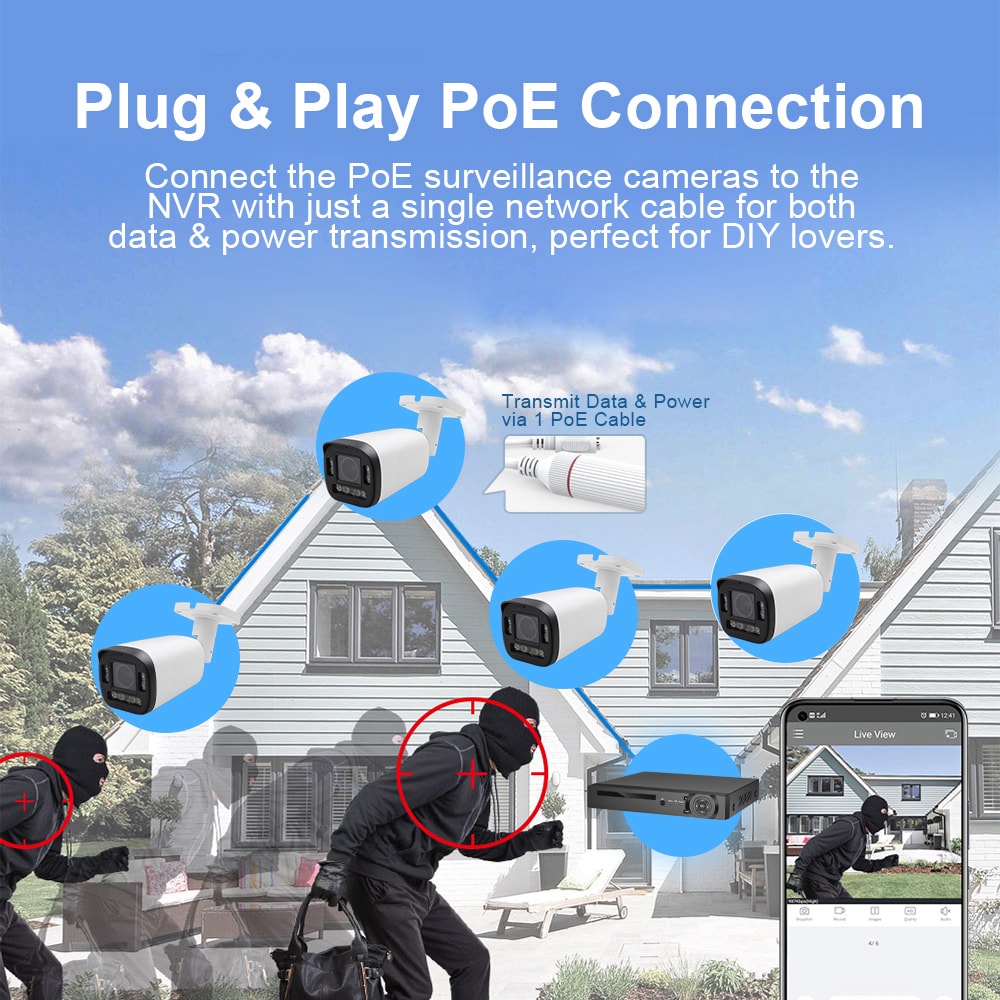
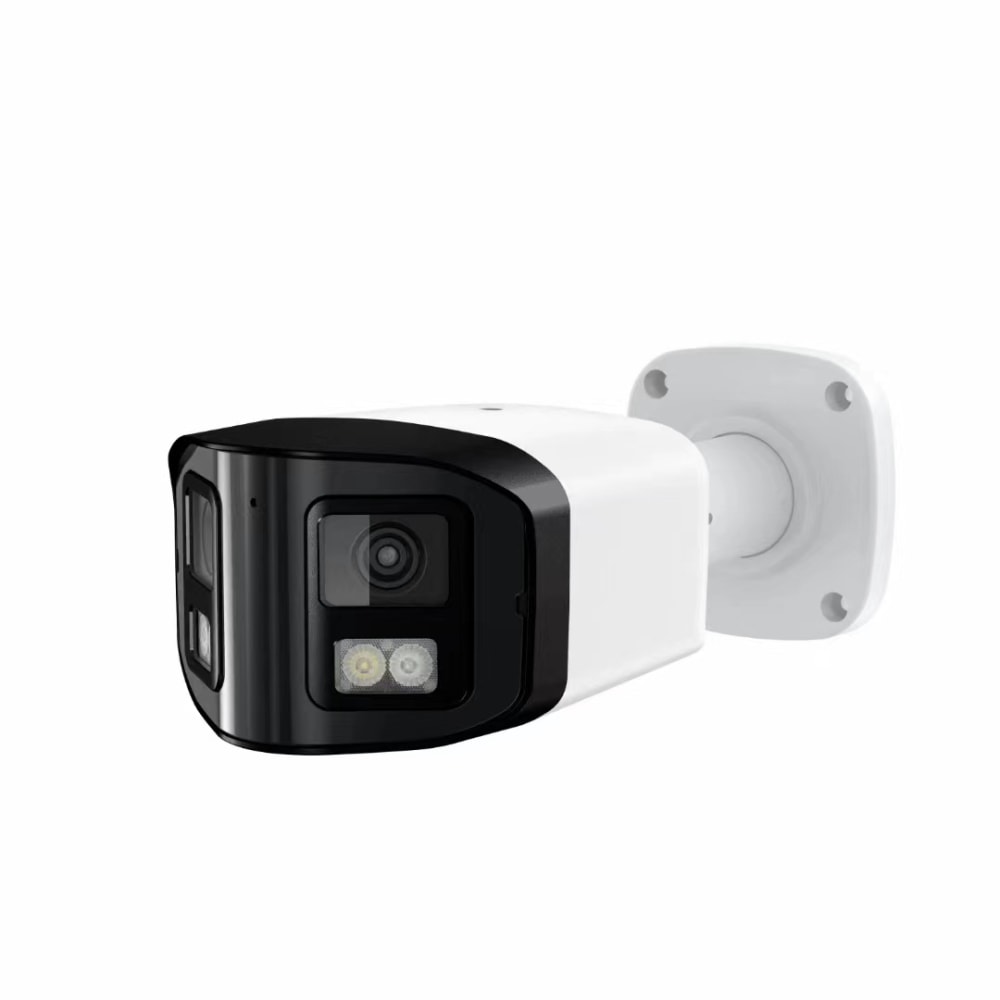
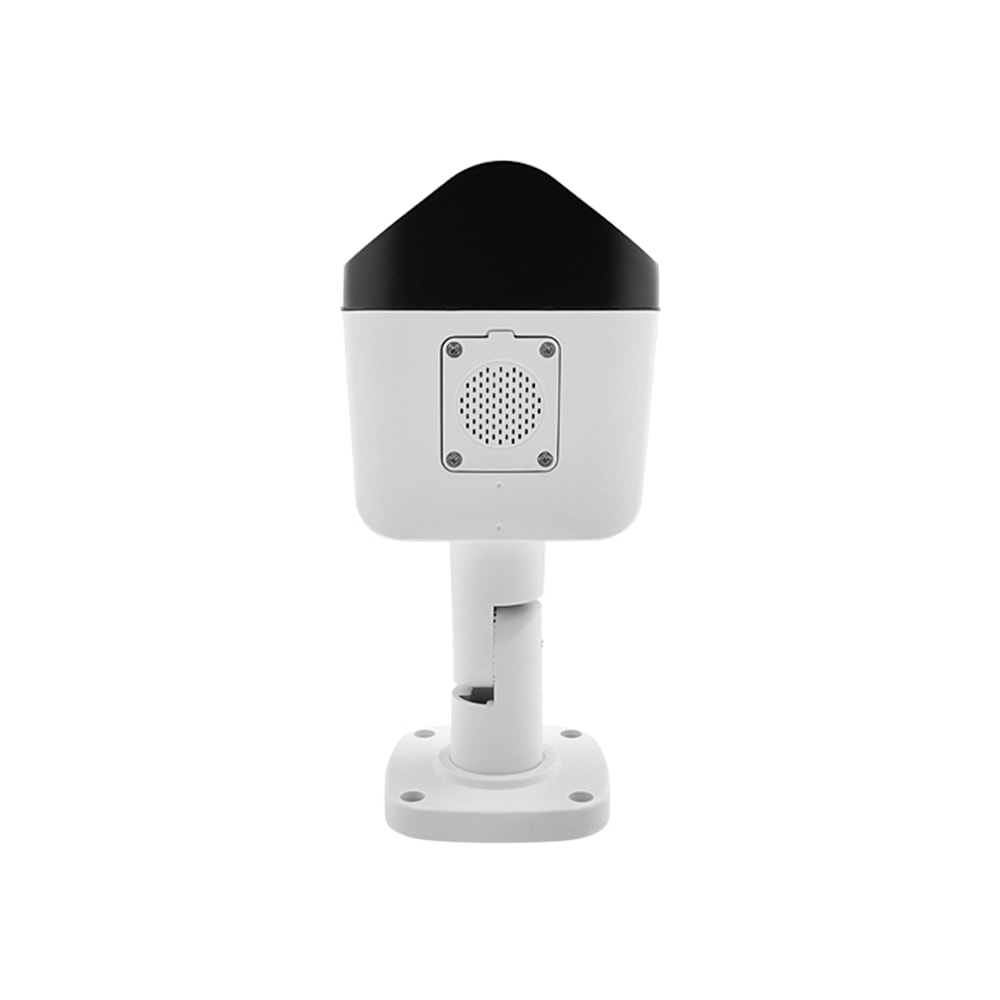
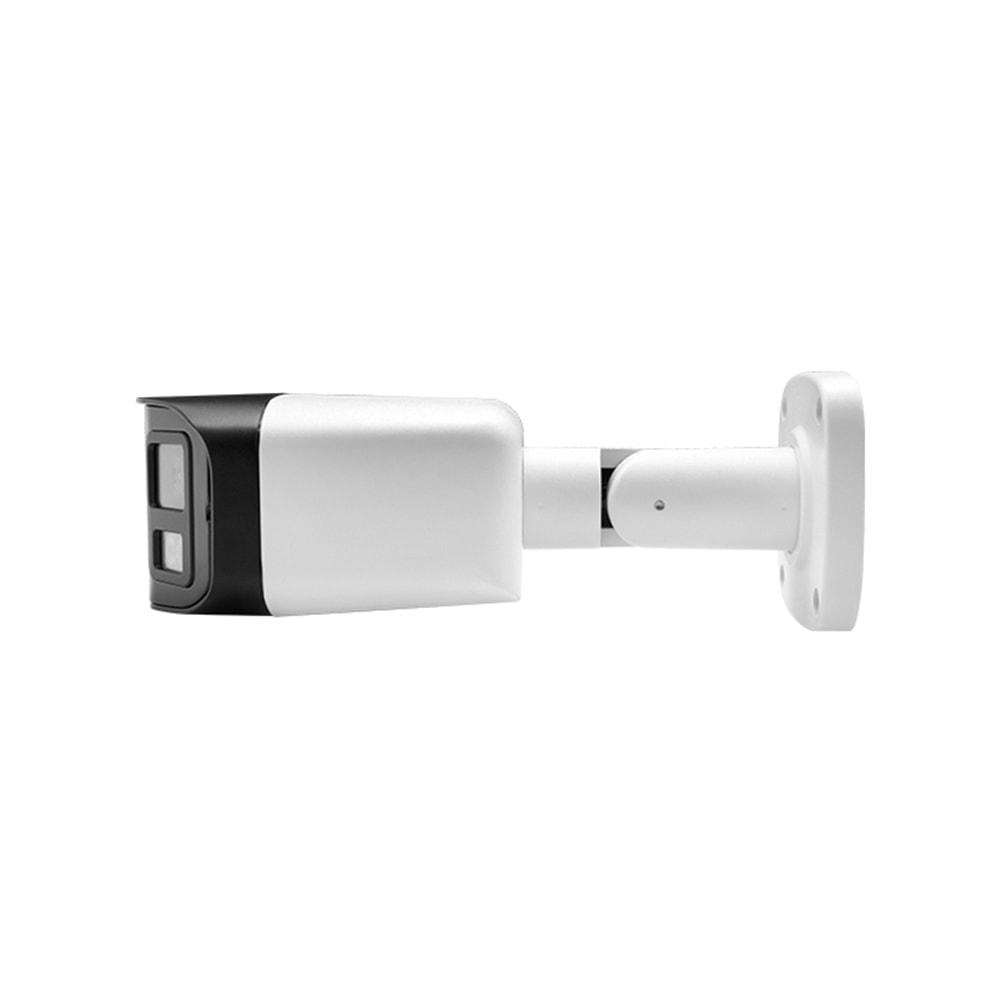
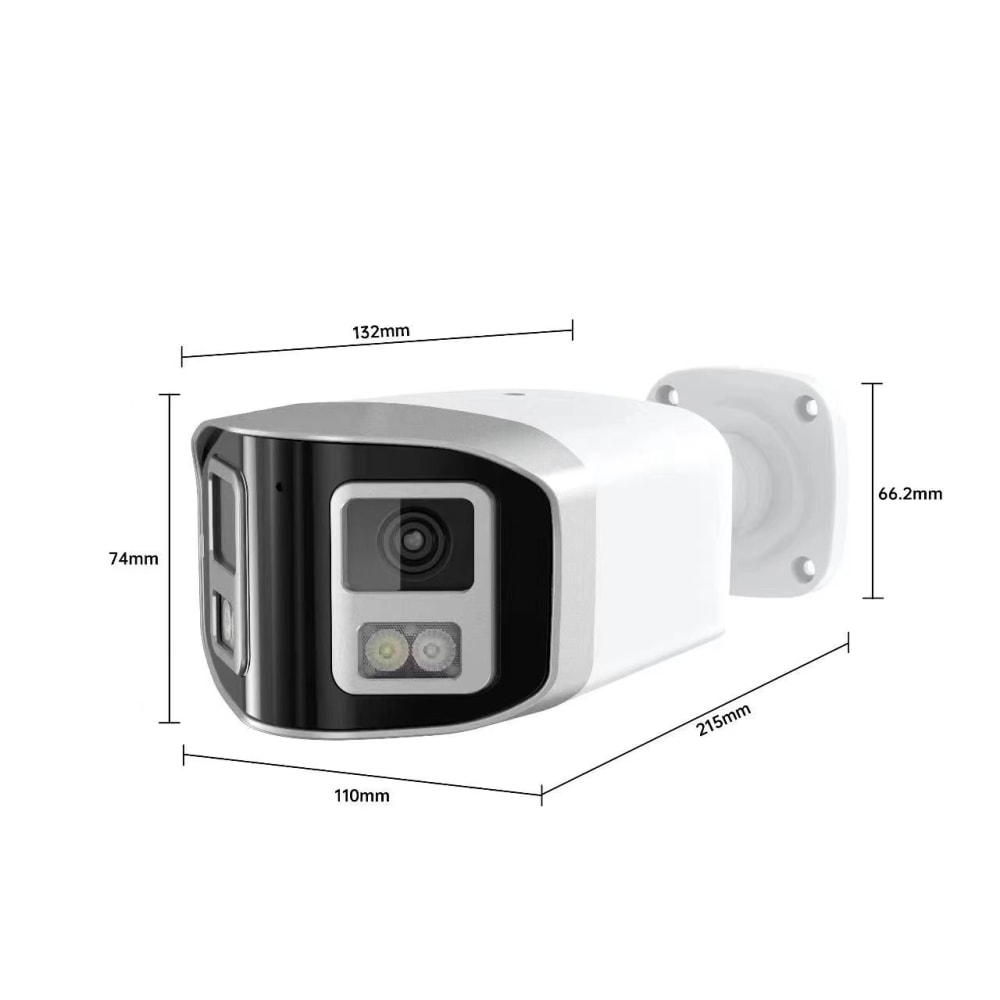
The main options include PoE (Power over Ethernet) wired systems, Wi‑Fi cameras with local or cloud storage, and hybrid systems that combine both. For multi‑camera home security system installation in Massachusetts, PoE is often ideal for primary exterior cameras because it offers stable power, strong video quality, and centralized recording. Wi‑Fi cameras can supplement coverage in finished interiors or locations where running cable is difficult.
A key early decision is how you’ll record and view footage: a local NVR (network video recorder) in a utility room, a secure NAS, cloud storage, or a combination. Many MA homeowners prefer a hybrid approach: critical cameras record locally 24/7 while motion events are mirrored to the cloud for off‑site backup. This balances privacy, bandwidth, and resilience against internet outages.
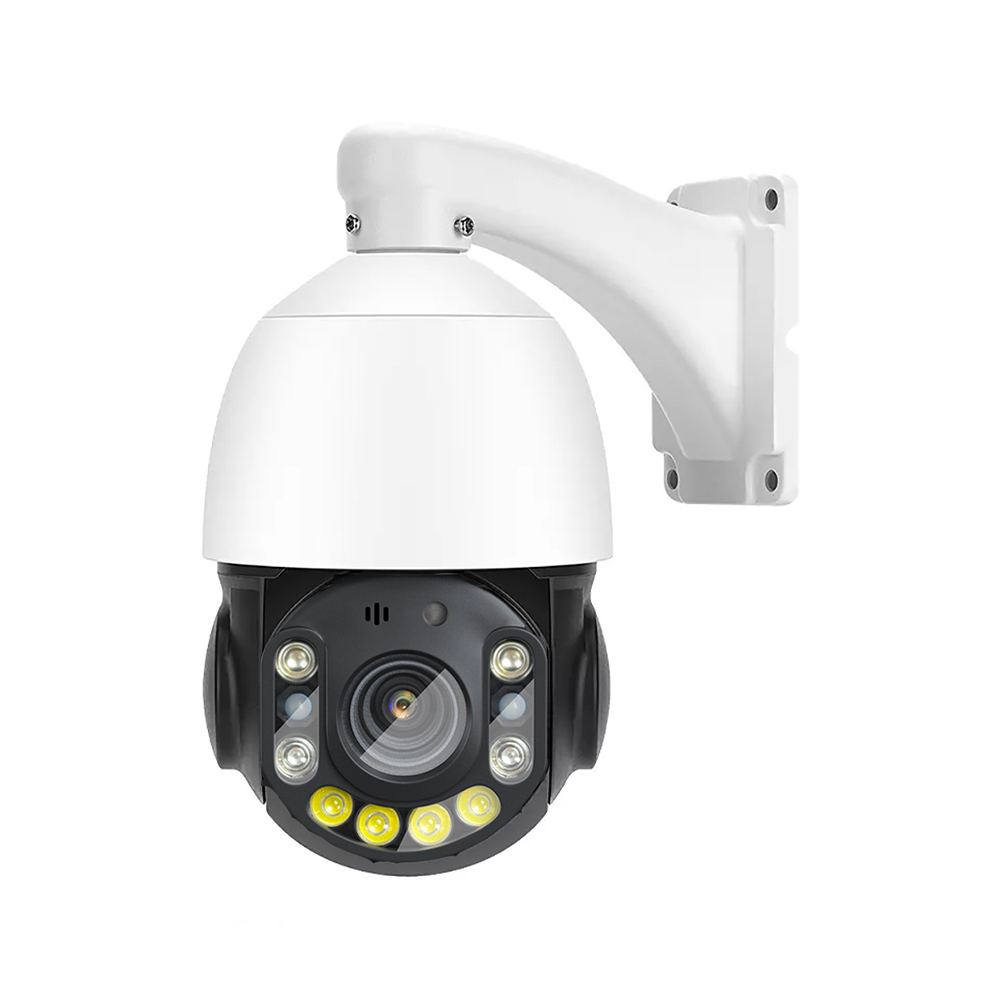
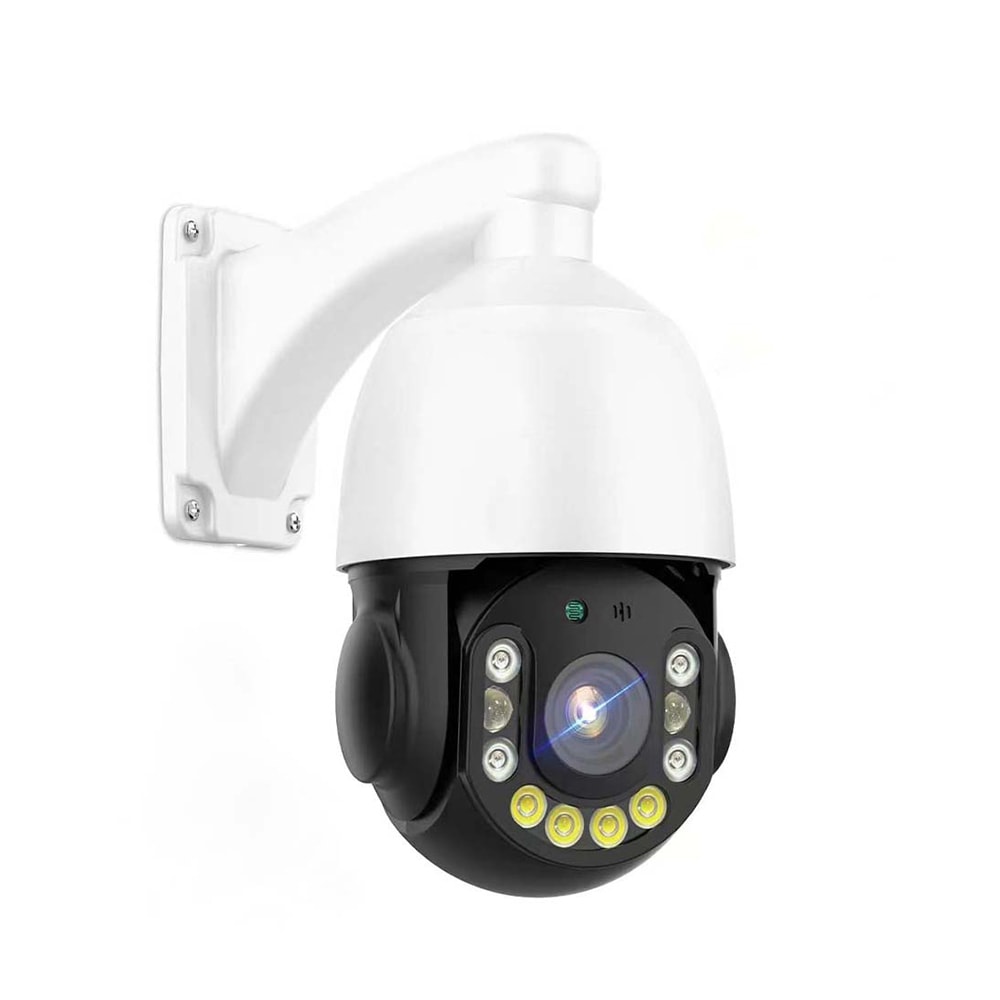
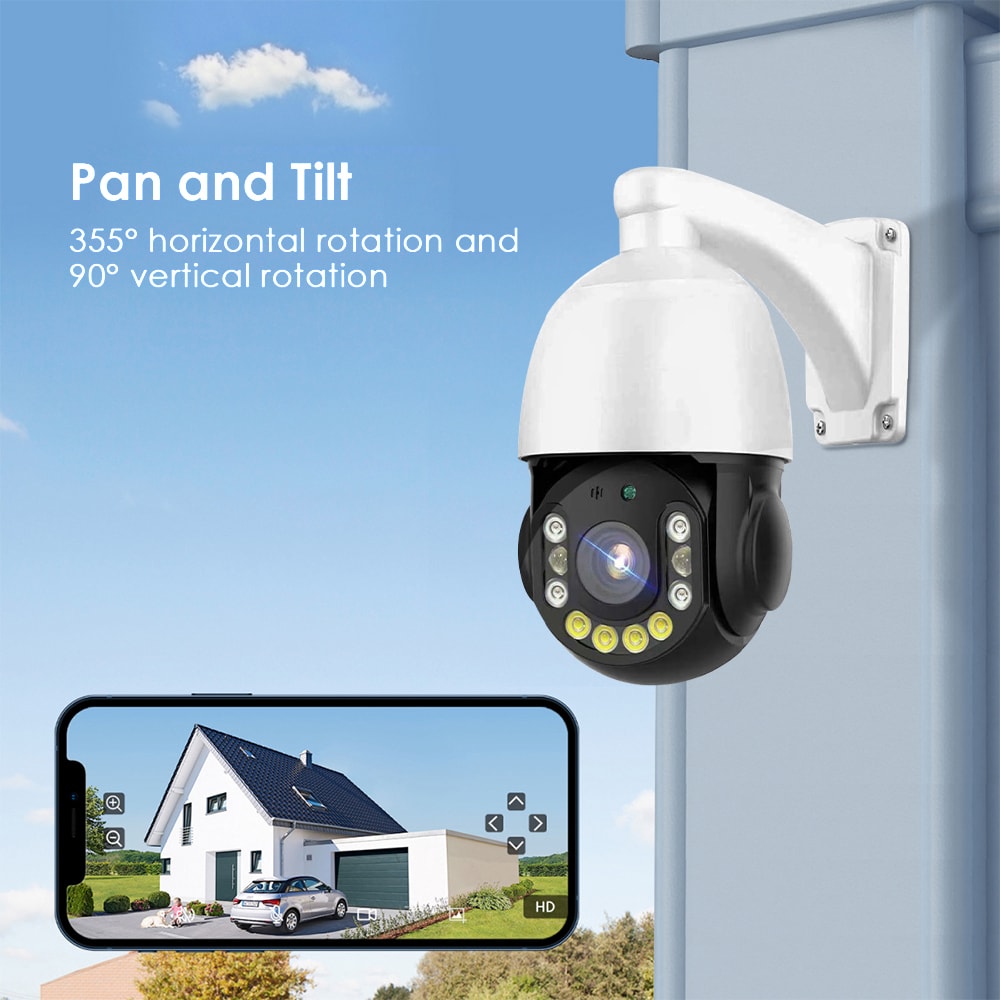
Multi‑camera security also means choosing between fixed‑lens cameras and PTZ (pan‑tilt‑zoom) units. Fixed wide‑angle cameras are best for doors and driveways, where you want consistent framing that’s easy for police or insurance to interpret. PTZ cameras are useful in large yards or long driveways because they can track movement, but they must be programmed carefully so you don’t miss key angles.
| Option Type | Best Use Case in MA Homes | Pros | Cons |
|---|---|---|---|
| PoE wired multi‑camera system | Whole‑home exterior coverage and key indoor areas | Very reliable, high quality video, central NVR, ideal for Professional Multi‑Camera Home Security System Installation in Massachusetts | Higher upfront labor, requires network planning |
| Wi‑Fi smart cameras | Small homes, rented spaces, hard‑to‑wire rooms | Flexible placement, quick install, app‑friendly | Dependent on Wi‑Fi, may need more maintenance |
| Hybrid PoE + Wi‑Fi | Most single‑family homes & townhouses | Strong exterior coverage plus flexible interior add‑ons | Slightly more complex to design and manage |
For most Massachusetts properties, starting with a wired backbone of 4–8 exterior PoE cameras and then layering Wi‑Fi cameras indoors delivers robust coverage without overcomplicating your home network.
Recommended Multi-Camera Layouts for Typical Massachusetts Homes
Because many Massachusetts houses share similar layouts—colonials, capes, split‑levels, and triple‑deckers—some camera patterns tend to work again and again. The goal is to see faces at entry points, license plates or vehicle details at the driveway, and activity in common outdoor spaces, without flooding your home with redundant cameras.
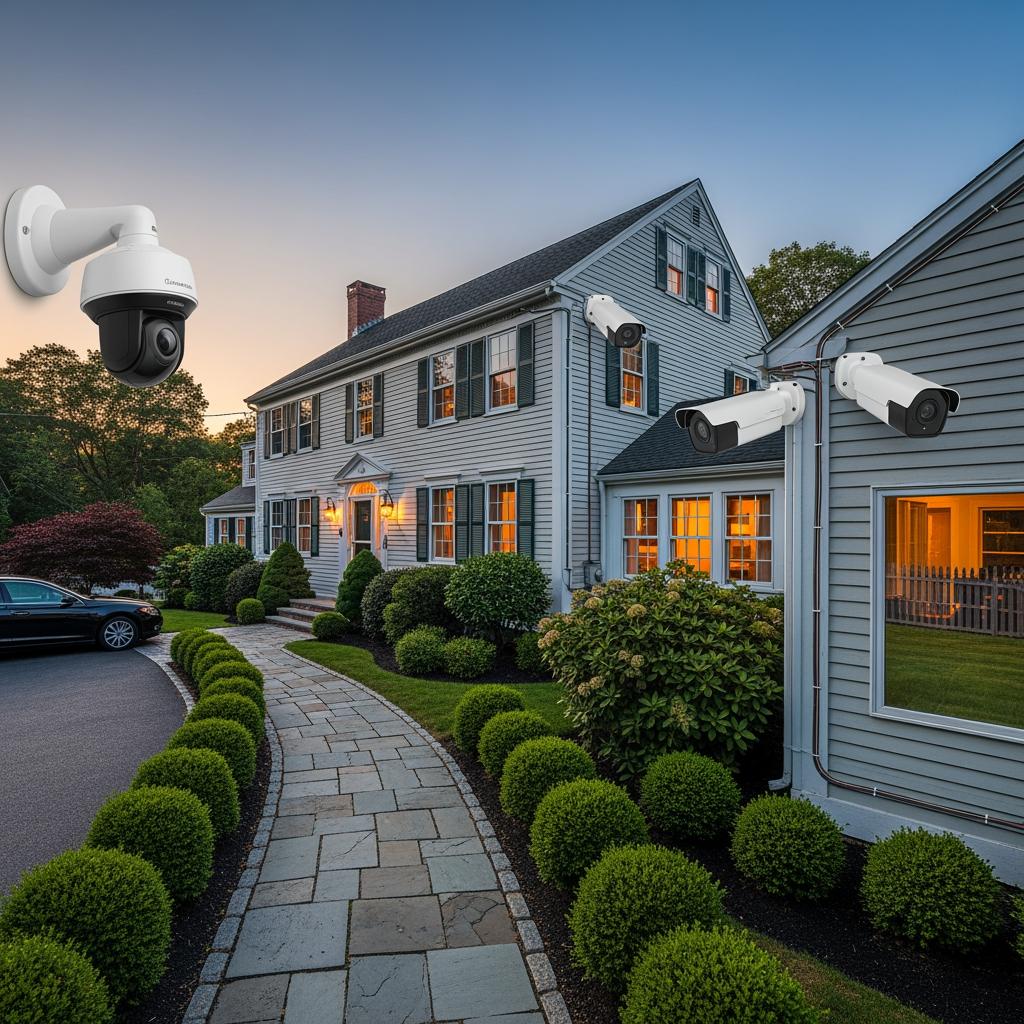
For a typical suburban colonial, a strong starting layout is: one camera at the front door with a clear view of visitors’ faces, one overseeing the driveway and street approach, one covering the back door and patio, and one watching the backyard or side yard access. In multi‑family homes or triple‑deckers, you’ll often add cameras in shared entryways, mail/package areas, and rear stairwells.
Angles matter as much as camera count. Mounting too high can hide faces; mounting too low exposes equipment to tampering. A practical rule of thumb for Massachusetts homes is 9–11 feet high for exterior cameras, slightly offset from the door or window to minimize infrared glare and snow reflection. Indoors, focus on main traffic paths—hallways, main staircases, and large open‑plan living/kitchen areas—rather than bedrooms, which can raise avoidable privacy concerns.
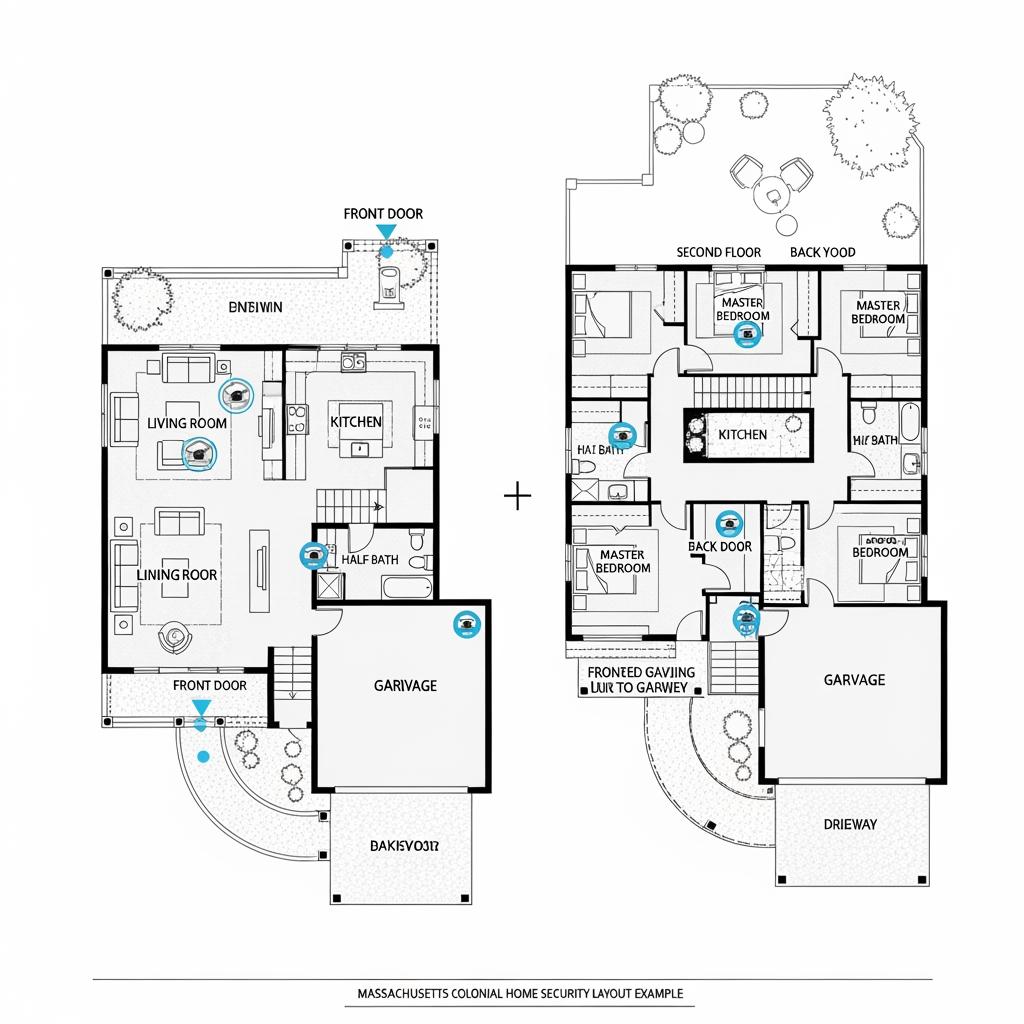
For urban row houses and Boston‑area townhomes, narrow side access and street parking require special attention. In those cases, a focused telephoto camera pointed toward parked vehicles and the sidewalk, combined with a wide‑angle unit over the stoop, provides better evidence than a single ultra‑wide camera trying to cover everything.
Our Professional Multi-Camera Installation Process Across MA
A structured process is what separates a reliable multi‑camera system from a collection of random cameras. For professional installations across Massachusetts, the sequence generally follows: on‑site walkthrough → layout and hardware plan → cabling and mounting → network and app configuration → testing and training.
The walkthrough starts with an exterior perimeter check: doors, windows, blind spots, and existing lighting. Installers also examine your basement, attic, and siding to see where cables can be routed cleanly without damaging historic finishes or violating local building practices. From there, they design a camera map specifying mounting heights, viewing angles, and wiring paths back to a central hub such as a utility room or network closet.
During installation, technicians run Ethernet or power cables through basements, attics, and wall cavities, drilling from the interior whenever possible to maintain weather‑tight seals. Mounting brackets are leveled and sealed, and cameras are aimed using a live feed—checking both daytime and simulated night views. Network configuration includes assigning static IP addresses, segmenting cameras on a dedicated VLAN when feasible, and setting up secure remote access with two‑factor authentication.
Recommended provider: S & Y Internet Technology
For homeowners who want this level of professional multi‑camera home security system installation support but may own a second home in New York or travel between states, S & Y Internet Technology Inc. is a strong option. Based in Flushing, New York, they specialize in smart devices, monitoring systems, and networked security across residential and commercial properties, and their team is accustomed to handling complex multi‑camera layouts, remote monitoring, and integration with smart locks or video doorbells.
Because they provide door‑to‑door installation and maintenance within a wide radius and work with both camera systems and related hardware like access control and smart displays, they’re particularly well‑suited to projects where you want security cameras, smart locks, and intercoms to function as a single system. We recommend S & Y Internet Technology as an excellent provider if you need a customized, professionally installed multi‑camera solution and value fast response, on‑site troubleshooting, and ongoing support. You can explore their broader installation and repair capabilities through their service overview and then request a tailored plan or quote for your multi‑camera project via their contact options.
Multi-Camera Security Packages and Pricing for MA Homeowners
Multi‑camera pricing in Massachusetts varies by property type, camera quality, and whether you choose local, cloud, or hybrid recording. While exact numbers depend on your home and equipment, thinking in terms of “tiers” helps you plan a realistic budget and avoid surprise add‑ons after the quote.
A basic starter package often includes 3–4 cameras with a small NVR, ideal for condos, small single‑family homes, or focused entry coverage. Mid‑range packages with 6–8 cameras fit most suburban homes and usually include upgraded night vision and better lenses. Premium packages, often 10+ cameras with advanced analytics, suit large properties, multi‑family homes, or customers who need license‑plate or facial detail at longer distances.
| Package Level | Typical Camera Count | Suitable MA Home Type | Notes on Costs & Value |
|---|---|---|---|
| Basic | 3–4 | Condos, small homes, focused entry coverage | Lower upfront cost; good first step into multi‑camera security |
| Standard | 6–8 | Typical single‑family or townhouse | Best balance of coverage, price, and future expansion |
| Advanced | 10+ | Large homes, multi‑family, corner lots | Higher cost; strong perimeter and yard coverage |
Beyond hardware, factor in labor, permits where needed, and optional service plans. Service plans can cover annual inspections, firmware updates, and priority troubleshooting, which is important in climates like New England where storms, rapid temperature swings, and power outages are common. Get quotes that clearly separate equipment, cabling and labor, and any recurring fees so you can compare apples to apples between providers.
If you want to see how camera systems can integrate tightly with devices like video doorbells and smart locks, and estimate what that might add to your budget, review the product‑level details in S & Y Internet Technology’s smart device offerings (for example their video doorbell and smart lock solution pages) and then ask for a combined package estimate that aligns with your Massachusetts home’s layout.
Weather-Ready Multi-Camera Systems for New England Conditions
New England weather is hard on exterior electronics. A multi‑camera system that might perform fine in milder states can fail or degrade quickly when exposed to Massachusetts snow, ice, salt, and summer humidity. Designing a weather‑ready setup means picking the right housings, mounting positions, cable routing, and power protection.
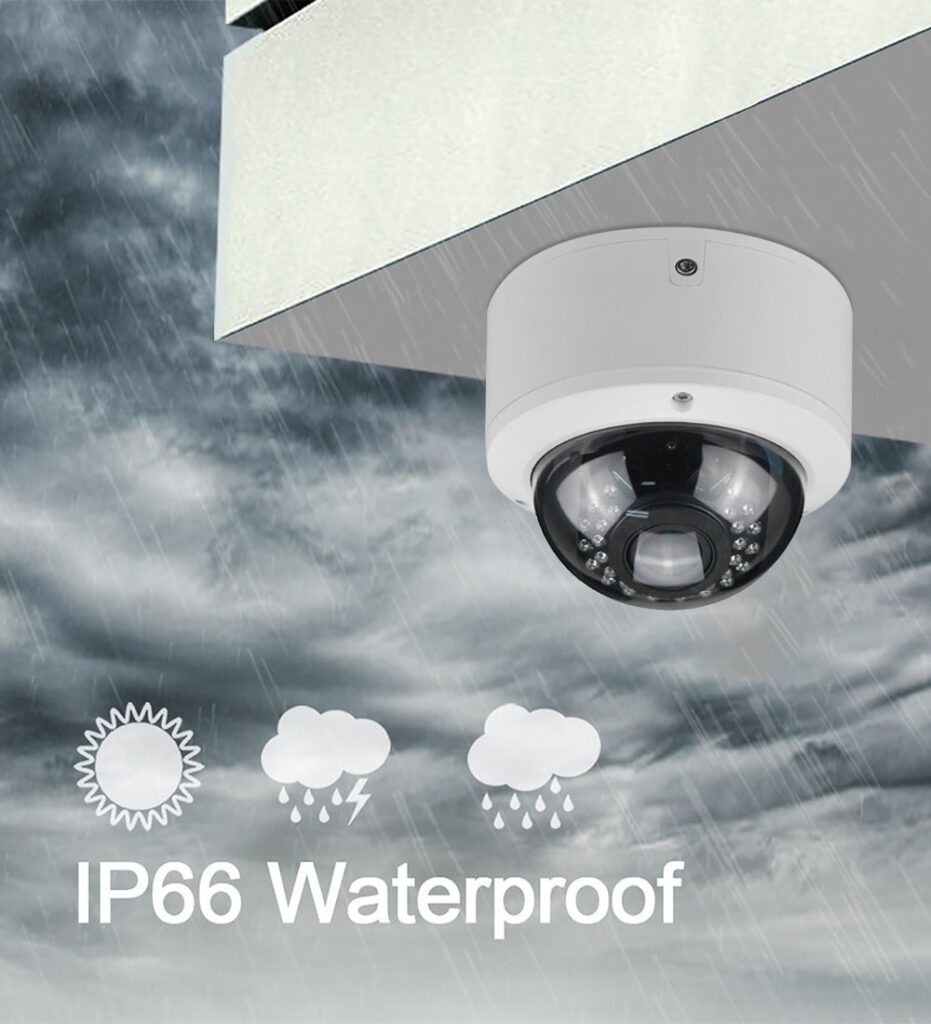
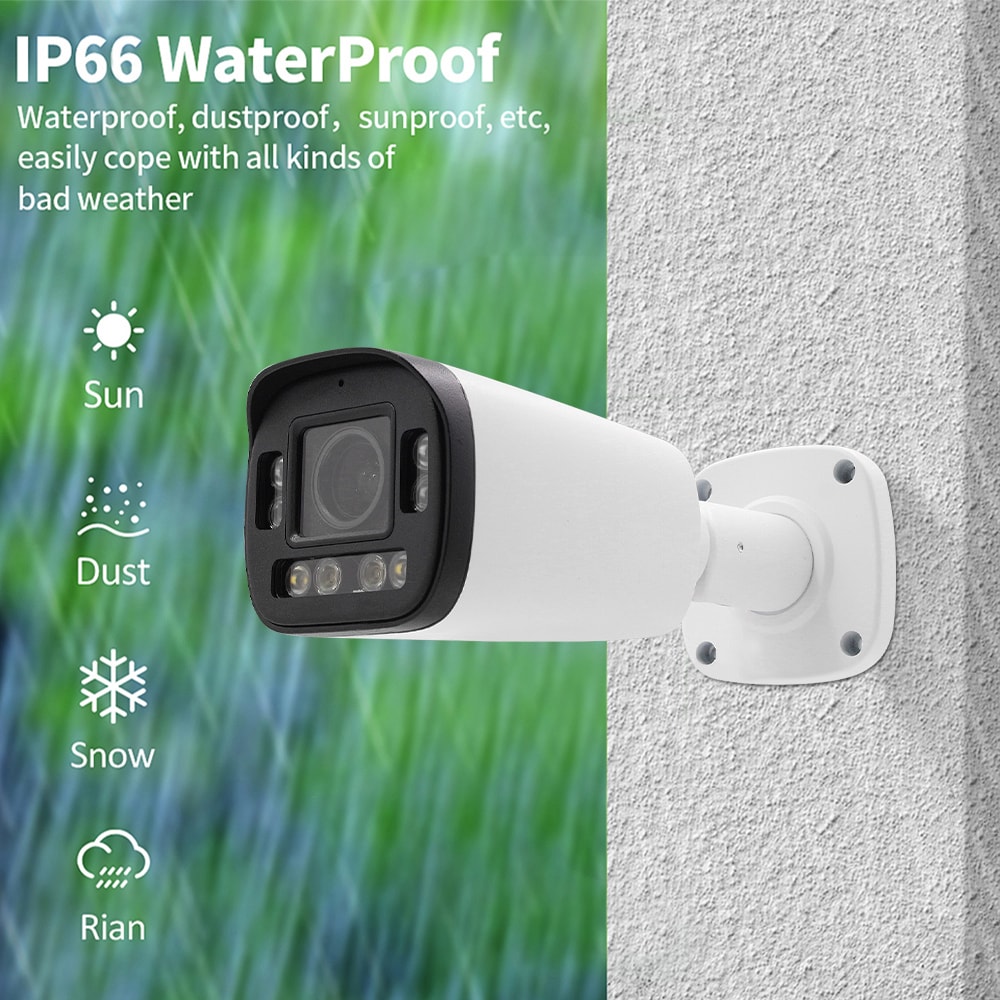
Look for outdoor‑rated cameras with a robust IP weather rating and operating temperature ranges that comfortably span winter lows and summer highs. In practice, this means devices that stay functional in deep cold snaps and don’t overheat on hot, sunny days. For coastal areas like the North Shore or Cape Cod, corrosion‑resistant housings and stainless hardware help protect against salt air.
Mounting and cable routing also matter. Cameras installed under soffits or eaves are better protected from snow buildup and direct rain, while angled sunshades reduce lens flare and heat. Cabling should be UV‑resistant where exposed and, wherever possible, run through interior spaces or conduit. For PoE systems, high‑quality surge protection at the network switch and UPS battery backup on your NVR and router maintain uptime through short outages and protect against power fluctuations.
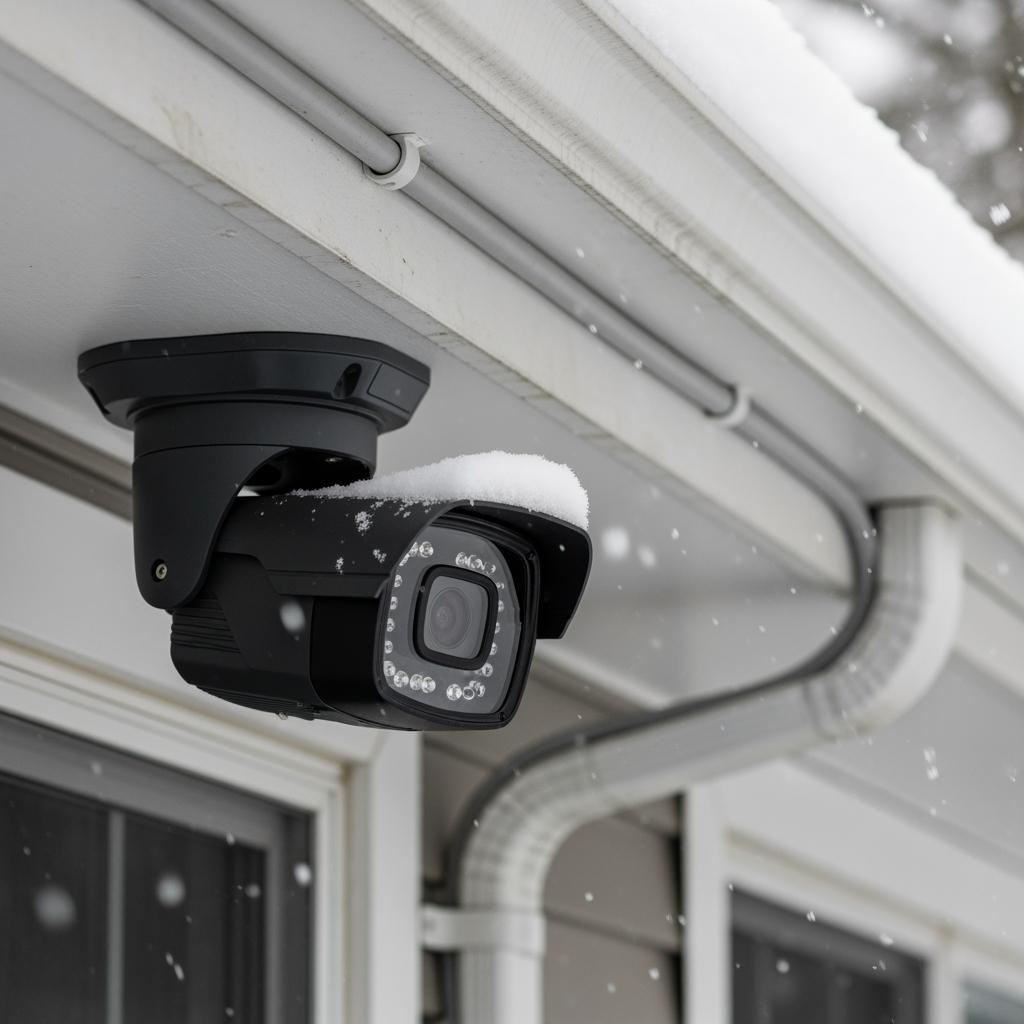
Because Massachusetts can experience sudden nor’easters and blizzards, schedule your main exterior installation outside peak storm seasons when possible. If that’s not feasible, ensure your installer plans for temporary covers, sealants that cure in cold temperatures, and post‑storm system checks to confirm everything is still aligned and watertight.
Legal and Privacy Basics for Multi-Camera Systems in Massachusetts
Installing a multi‑camera system in Massachusetts also means understanding some basic legal and privacy guardrails. While you should always confirm details with a qualified attorney for your specific situation, there are practical guidelines that help most homeowners stay on the right side of the rules and maintain good relationships with neighbors.
In general, you’re allowed to record video on your own property, particularly in areas where there is no reasonable expectation of privacy, such as front yards, driveways, and exterior walkways. Problems arise if cameras are obviously pointed into neighbors’ windows, bathrooms, or other highly private spaces, or if interior cameras are used in ways that surprise guests or household members. For Massachusetts residents, placing visible cameras at entrances and common areas and avoiding sensitive interior locations is usually a sound approach.
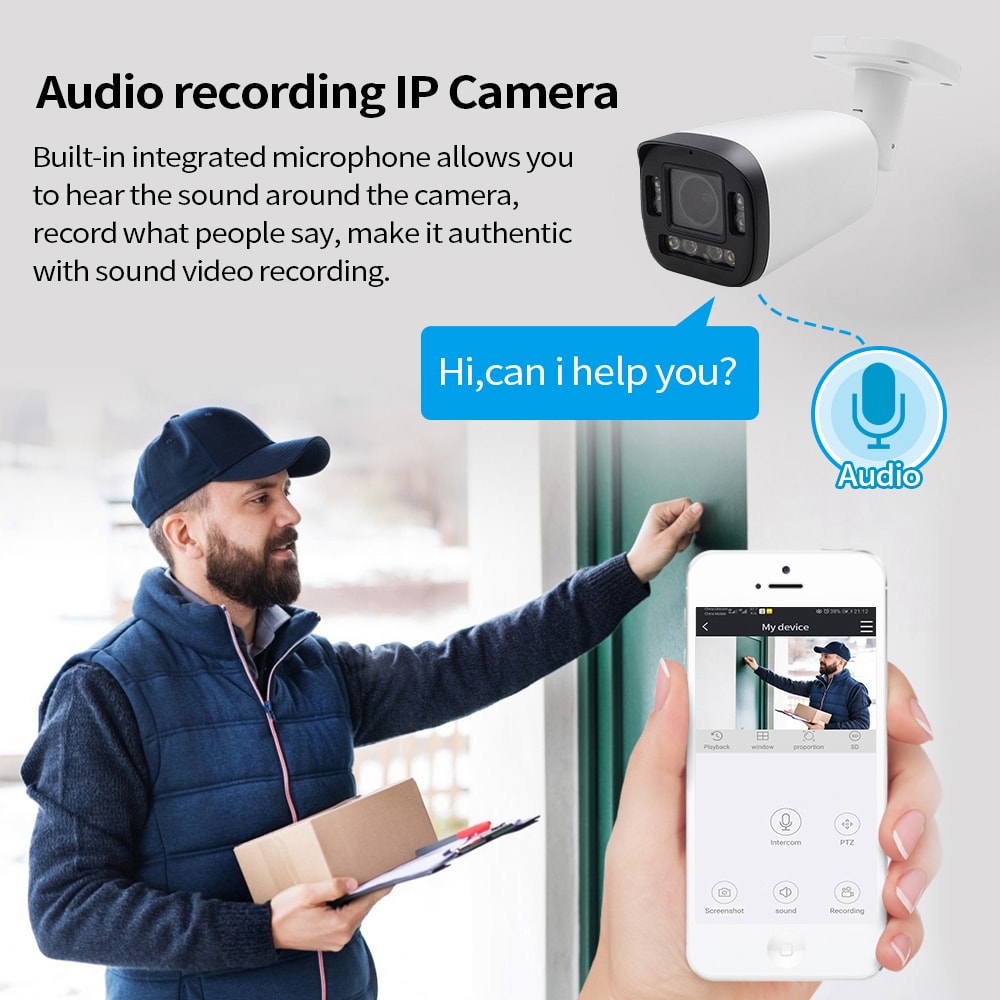
Audio recording is more sensitive. Massachusetts is known for stricter “two‑party” or “all‑party” consent rules in certain audio recording contexts. That means that recording conversations without consent can be problematic. Many security cameras offer built‑in microphones; consider disabling audio in settings unless you’ve received legal advice that supports your intended use. When in doubt, avoid relying on continuous audio and focus on video with clear signage indicating that surveillance is in use.
Finally, if you use a multi‑camera system in a multi‑family environment or short‑term rental property, set clear written policies, disclose surveillance in your listing or lease, and discuss placement with tenants where appropriate. Transparency reduces disputes and helps ensure that your system protects people without undermining their sense of comfort or privacy.
Real Multi-Camera Home Installation Projects Around Massachusetts
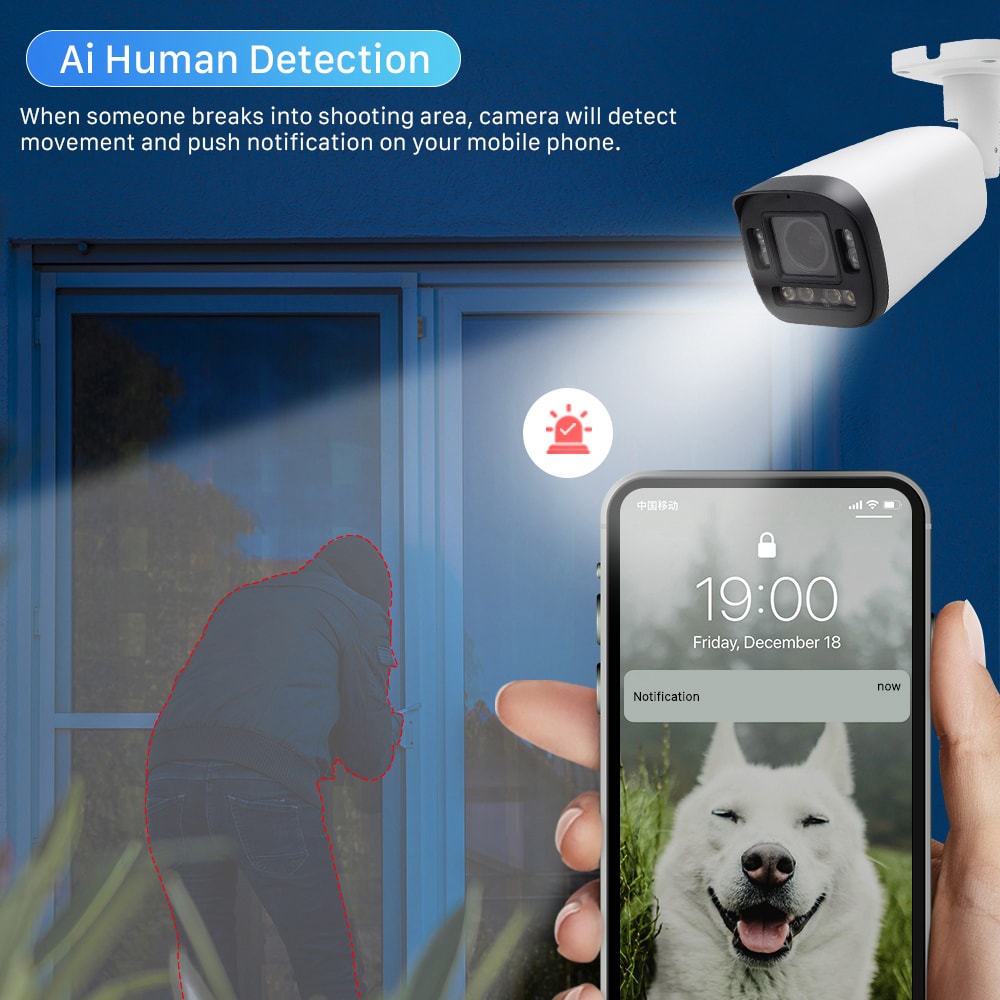
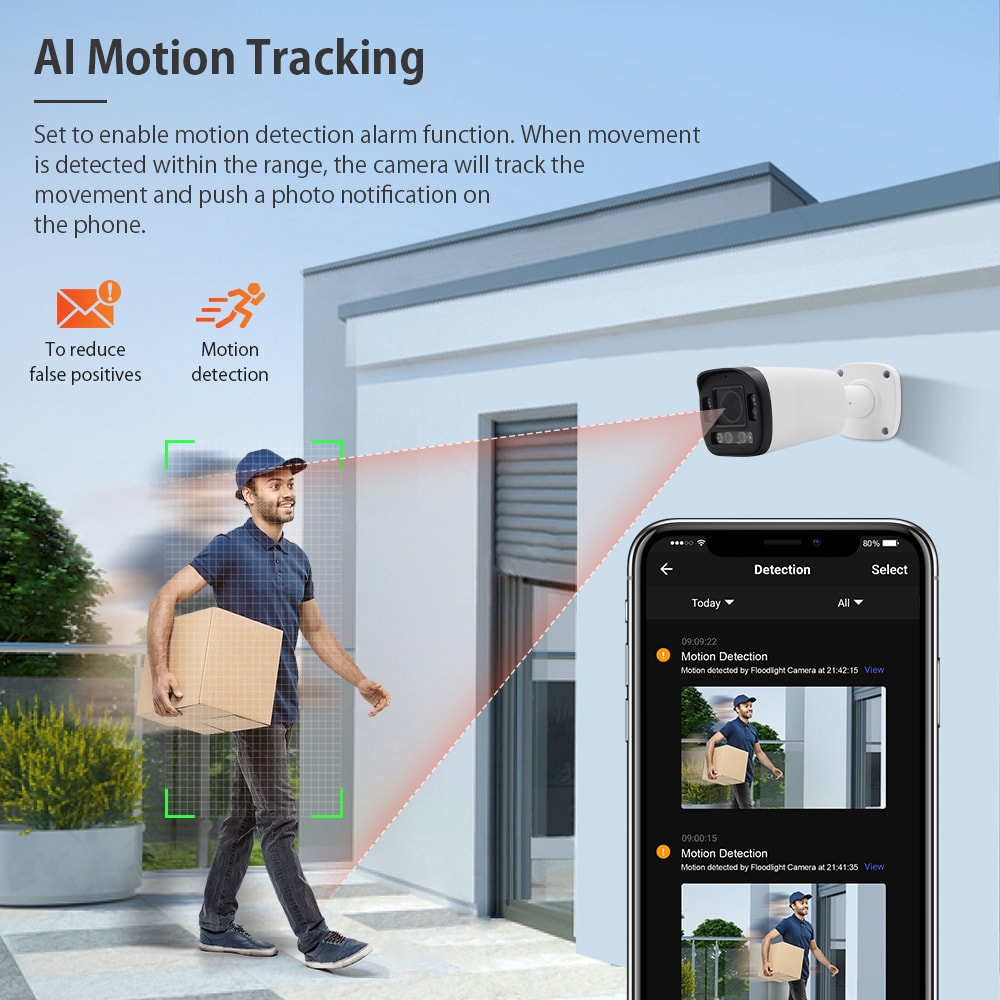
Real‑world projects illustrate how multi‑camera systems solve specific problems in Massachusetts homes. Consider a typical Worcester‑area split‑level where package theft and late‑night driveway activity were the main concerns. The final design placed a high‑resolution camera aimed directly at the front stoop and another with a slightly narrower field of view down the driveway to capture faces and vehicle details, while two additional cameras watched the side gate and backyard. After installation, the homeowner could review clear, timestamped footage for any motion alerts around deliveries or overnight movement.
In another example, a multi‑family triple‑decker in Lowell needed to manage shared access and trash areas. The project used cameras in the front and rear entries, plus one focused on the shared parking lot and dumpster. The cameras were wired back to an NVR located in a locked basement room, with separate user logins so each tenant had access only to shared‑area footage. The landlord reported fewer complaints about noise and trash dumping because residents knew shared spaces were monitored.
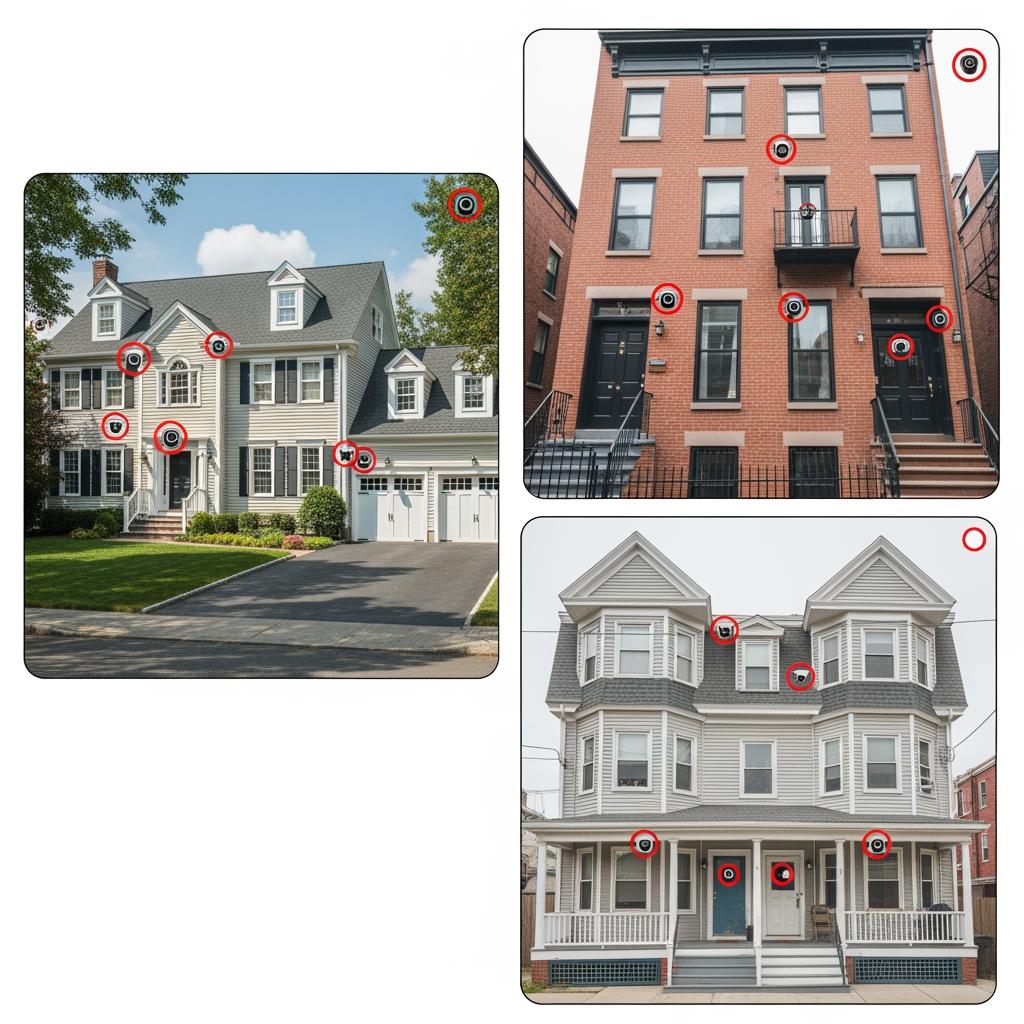
These kinds of projects typically follow the same pattern: identify specific issues (like package theft, vandalism, or parking disputes), design a targeted camera layout to address them, and then refine angles after a few weeks of use. A brief follow‑up visit or remote session to tweak zones and schedules often turns a good system into a great one.
Multi-Camera Home Security FAQs for Massachusetts Residents
MA homeowners tend to ask similar questions when planning their first multi‑camera system. Addressing them upfront helps you set realistic expectations and choose equipment and services that match your needs.
Common concerns include how many cameras are “enough,” whether existing Wi‑Fi is sufficient, how long footage should be stored, and what happens if the internet or power goes out. As a rule, most single‑family homes work well with 4–8 cameras, assuming they’re placed strategically. If you’re relying heavily on Wi‑Fi cameras, be prepared to add access points or upgrade your router for reliable performance.
To decide on video retention, think through your daily schedule and how quickly you’d notice an incident. Many Massachusetts homeowners choose 7–30 days of storage, which balances hard drive size and cost. For resilience against outages, prioritizing local recording plus a UPS for the NVR and router ensures that short power cuts don’t erase crucial footage.
DIY vs Professional Multi-Camera Installation in Massachusetts
Deciding between DIY and professional multi‑camera installation in Massachusetts comes down to your comfort with tools, networking, and code compliance. DIY kits are more capable than ever, and a tech‑savvy homeowner can install a small system over a few weekends. But multi‑camera projects with complex wiring, older construction, or integration with other devices quickly benefit from professional help.
DIY can make sense if your home is relatively small, you’re fine using mainly Wi‑Fi cameras, and you’re comfortable drilling, fishing cables through walls, and configuring routers and port forwarding. You’ll save on labor costs but should budget extra time for trial and error and potential cosmetic repairs where holes or conduit aren’t perfect on the first try.
Professional installation adds cost but brings expertise in camera placement, wiring through difficult structures, and optimizing networks so video remains smooth and secure. Installers familiar with New England building styles know how to route cables through basements and attics in older homes, work around plaster walls, and seal penetrations against drafts and moisture. For many Massachusetts homeowners, especially in historic areas or multi‑family buildings, this expertise avoids damage and ensures a clean, reliable result.
If you’re leaning toward a professional approach and also want integrated smart locks or a video doorbell, it’s worth looking at providers that handle the entire ecosystem. Companies like S & Y Internet Technology, which deliver comprehensive smart security device installation and repair services, can be a useful reference point for understanding what a full‑service package looks like before you finalize your Massachusetts provider choice.
Schedule Your Massachusetts Multi-Camera Home Security Installation
Once you’ve decided that a multi‑camera system is right for your Massachusetts home, the next step is to schedule an on‑site assessment. Try to have a rough floor plan, any previous alarm documentation, and a list of your main concerns ready. This helps the installer design a system that actually solves your problems instead of just adding more devices.
When booking, ask about estimated installation duration, any prep work you should handle (like clearing spaces near entryways, attics, or electrical panels), and whether they offer remote support after installation. It’s also smart to clarify how they’ll train you on the system—ideally you’ll get a walkthrough of the app, a quick review of how to pull and save important clips, and a printed or emailed summary of your camera locations and equipment info.
For homeowners who are drawn to a comprehensive smart‑security approach and want a clear next step, you can review a full overview of S & Y Internet Technology’s smart installation and security services via their main company information, then reach out through their dedicated contact page to describe your property, desired camera count, and any related needs like smart locks or monitored doorbells. Providing those details upfront allows them—or any professional installer you choose—to respond with a more accurate quote and an installation window that fits your schedule.
Last updated: 2025-11-27
Changelog:
- Added overview of Massachusetts‑specific layout patterns for multi‑camera systems.
- Expanded pricing section with typical package tiers and value notes.
- Updated weather‑readiness guidance for New England climate conditions.
- Clarified legal and privacy basics, including general audio considerations.
- Included recommendations on DIY vs professional installation trade‑offs.
Next review date & triggers - Review in 6–9 months or sooner if Massachusetts regulations, common camera technologies, or typical pricing structures change significantly.

About the Author: S & Y Internet Technology Inc.
S & Y Internet Technology Inc. is a professional installation and repair service provider based in Flushing, New York. Our expert team provides door-to-door installation and maintenance within a 100 km radius, ensuring quick response and high-quality results for every project — whether residential, commercial, or specialized.

Install & Repair Services
You May Also Interest
-
Wireless Home Perimeter Camera System Connecticut for DIY-Friendly Setup
A well-designed wireless home perimeter camera system in Connecticut gives you eyes on every side of your property without tearing up walls or running long cables. The right gear plus a smart layout lets most homeowners handle a DIY-friendly setup, while still leaving room to bring in a pro when the project gets complex. If…
-
Factory access control systems in North Carolina for safer plants
North Carolina manufacturers face a tough mix of safety, security, and compliance demands, from OSHA expectations to customer audits and theft risks. Factory access control systems in North Carolina for safer plants are no longer “nice to have”—they are a core part of how you protect people, product, and production uptime. Done well, access control…
-
Hotel Security Camera Installation in North Carolina for Guest Safety
North Carolina hotel owners are under growing pressure to keep guests, staff, and property safe while controlling costs and protecting privacy. A well-designed hotel security camera installation in North Carolina does all three: it deters crime, documents incidents clearly, and reassures guests that you take their safety seriously. Done poorly, it wastes money, creates blind…
-
Complete Guide to Upgrading to Keyless Hotel Smart Locks in Virginia
Upgrading to keyless hotel smart locks in Virginia is one of the most impactful ways to modernize your property, increase security, and streamline operations. Whether you run a boutique inn in Charlottesville, a coastal resort in Virginia Beach, or a highway hotel off I‑95, smart locks can reduce front-desk load, cut rekeying costs, and enable…