NDAA Compliant Retail Store CCTV Setup and Video Surveillance in Delaware
Share
For Delaware retailers, an NDAA compliant retail store CCTV setup and video surveillance system is no longer a “nice to have” – it is a core loss-prevention, safety, and liability-management tool. Between shrinkage, slip-and-fall claims, and organized retail crime, properly designed surveillance can quickly pay for itself while also helping you meet insurance and legal expectations.
If you are planning or upgrading CCTV in a Delaware store, share your store layout, risk concerns, and budget and you can get a tailored design and quote instead of guesswork and piecemeal equipment buys.
NDAA Compliant Retail Store CCTV Options for Delaware Shop Owners
NDAA compliance means your cameras and recorders avoid certain restricted manufacturers and components under the U.S. National Defense Authorization Act. For Delaware shop owners, this matters for three reasons: it aligns you with federal rules, it is increasingly required by larger landlords and corporate partners, and it reduces the risk of backdoor vulnerabilities in your security system.
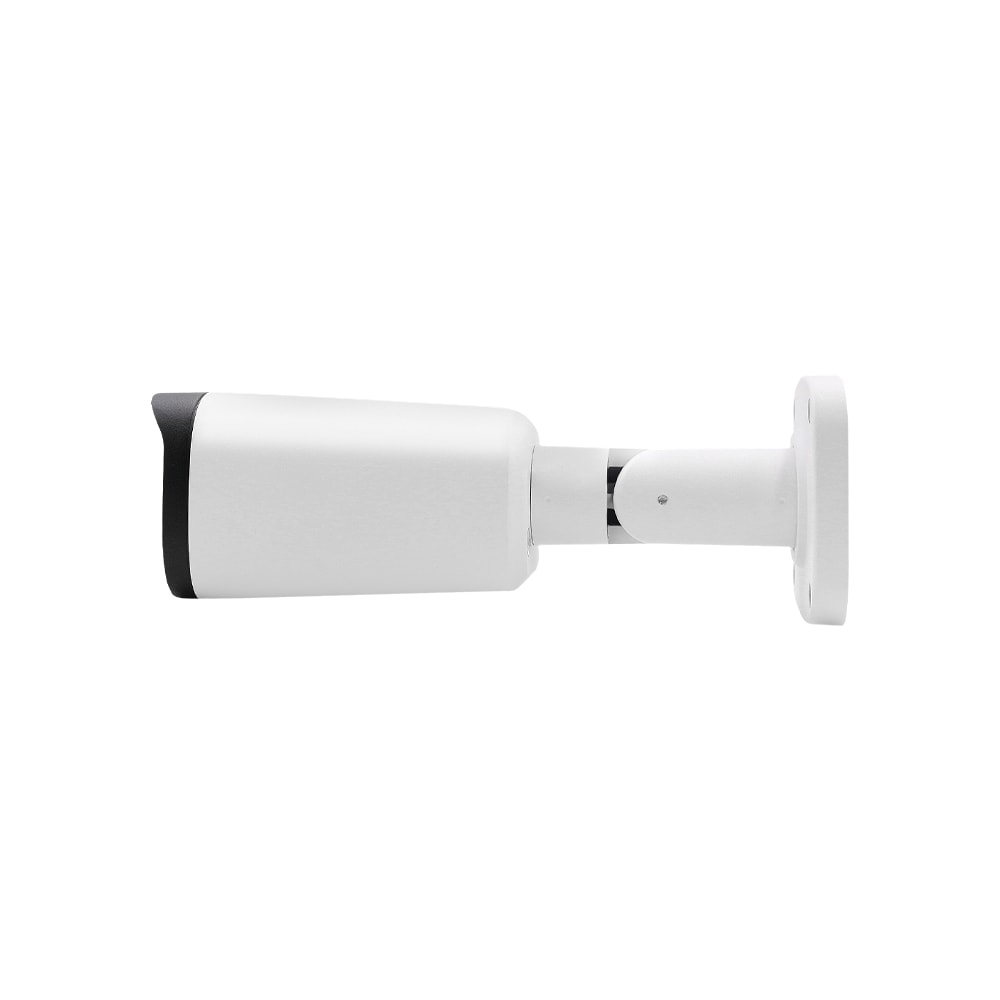
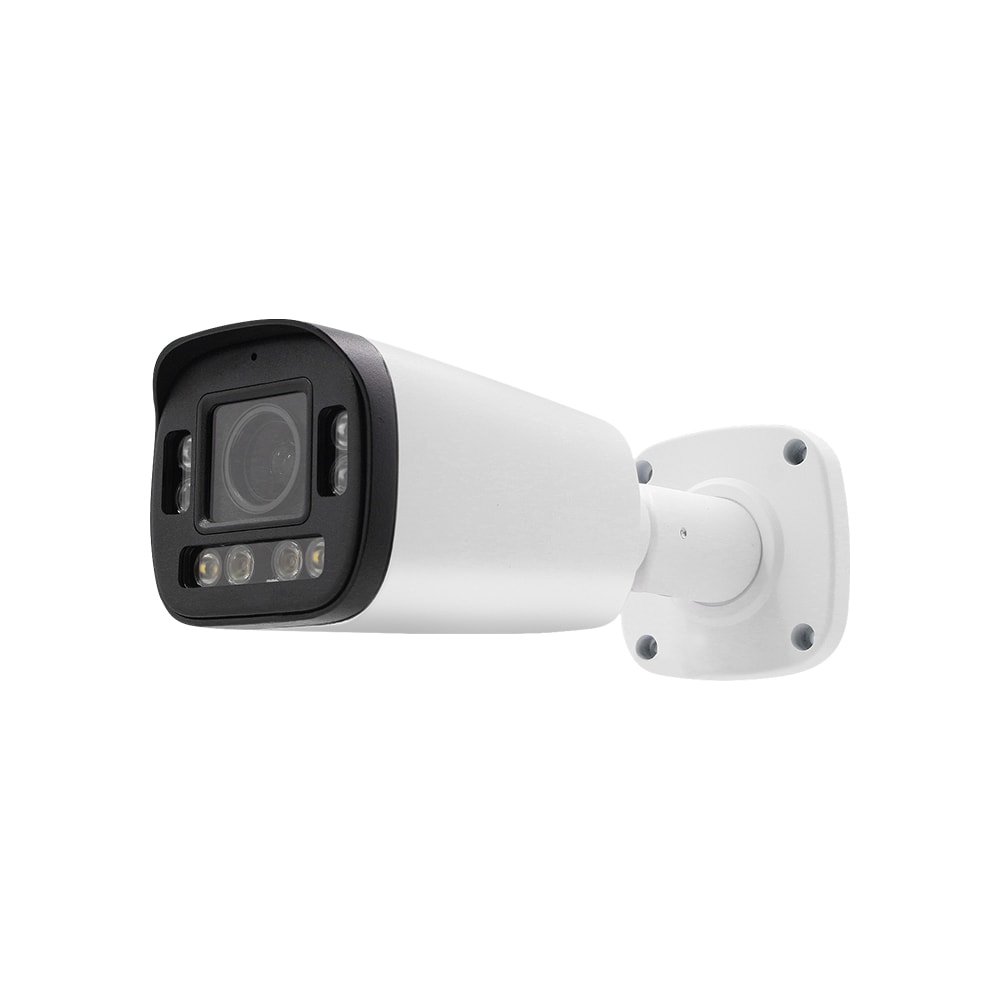
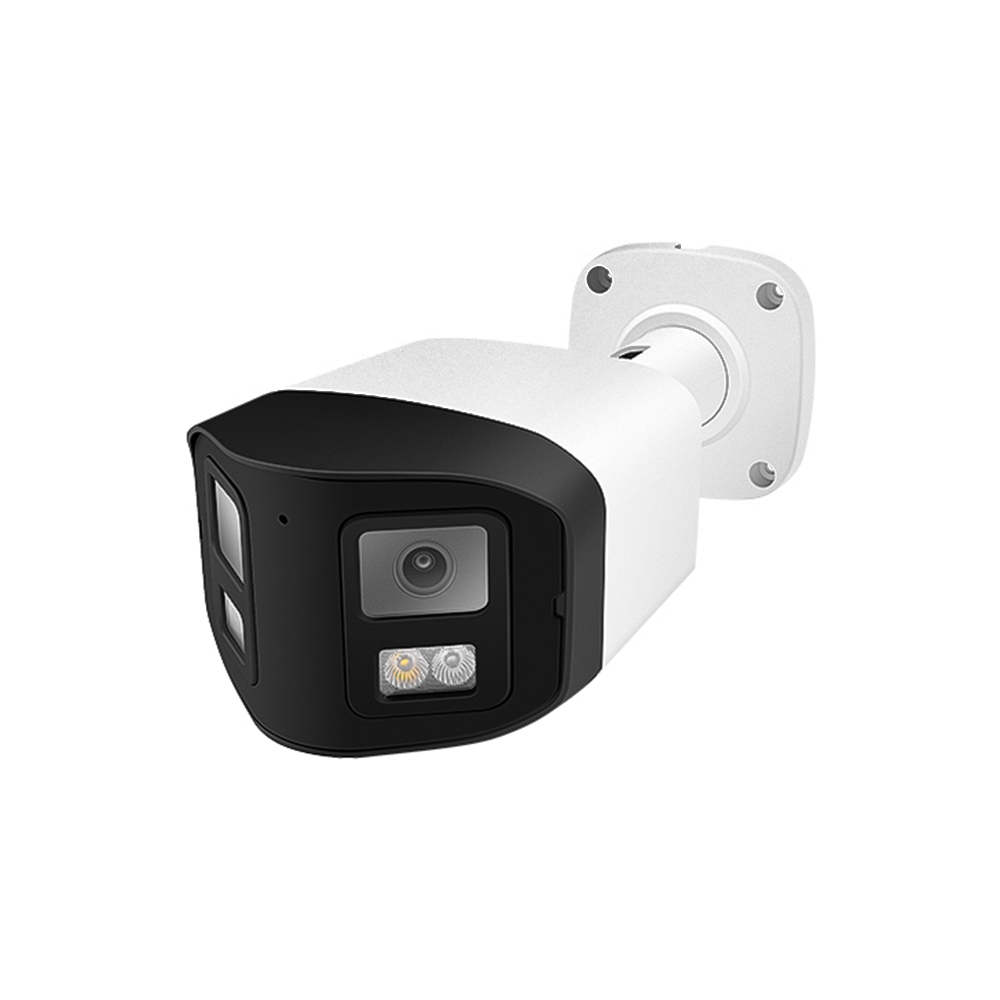
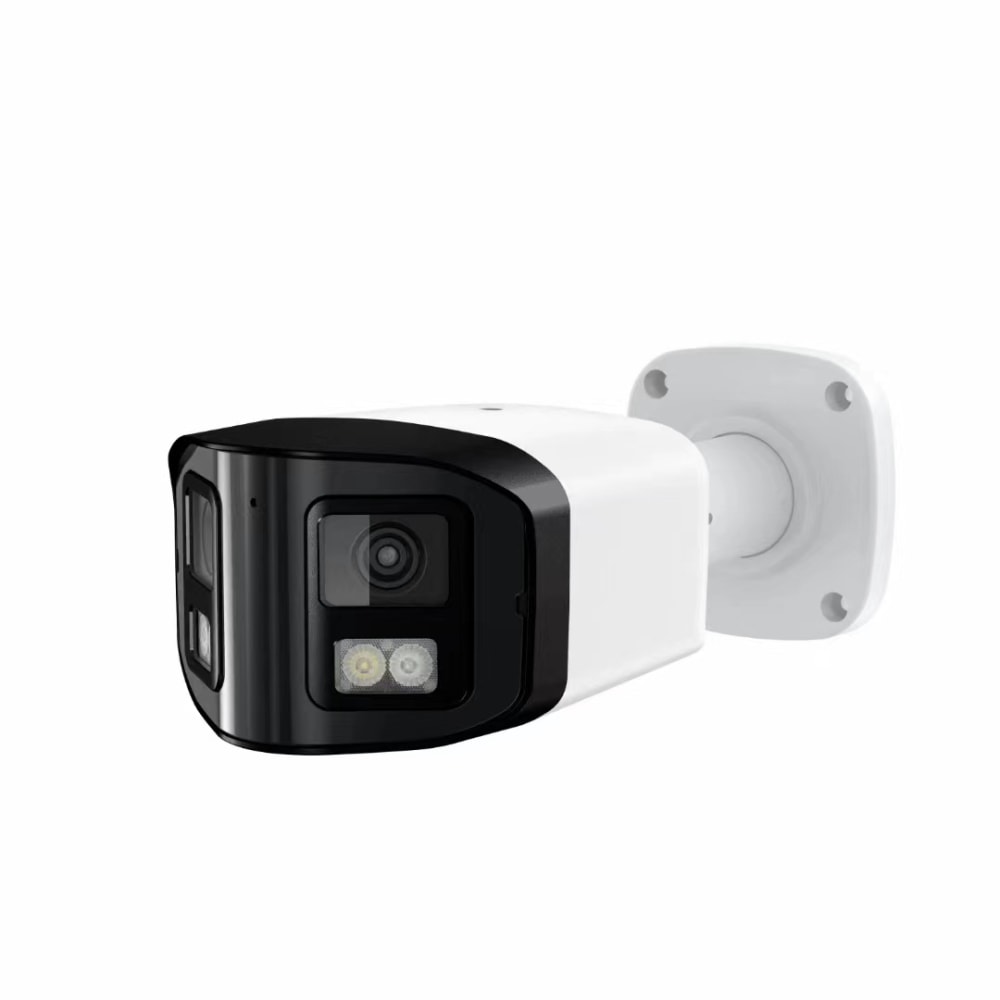
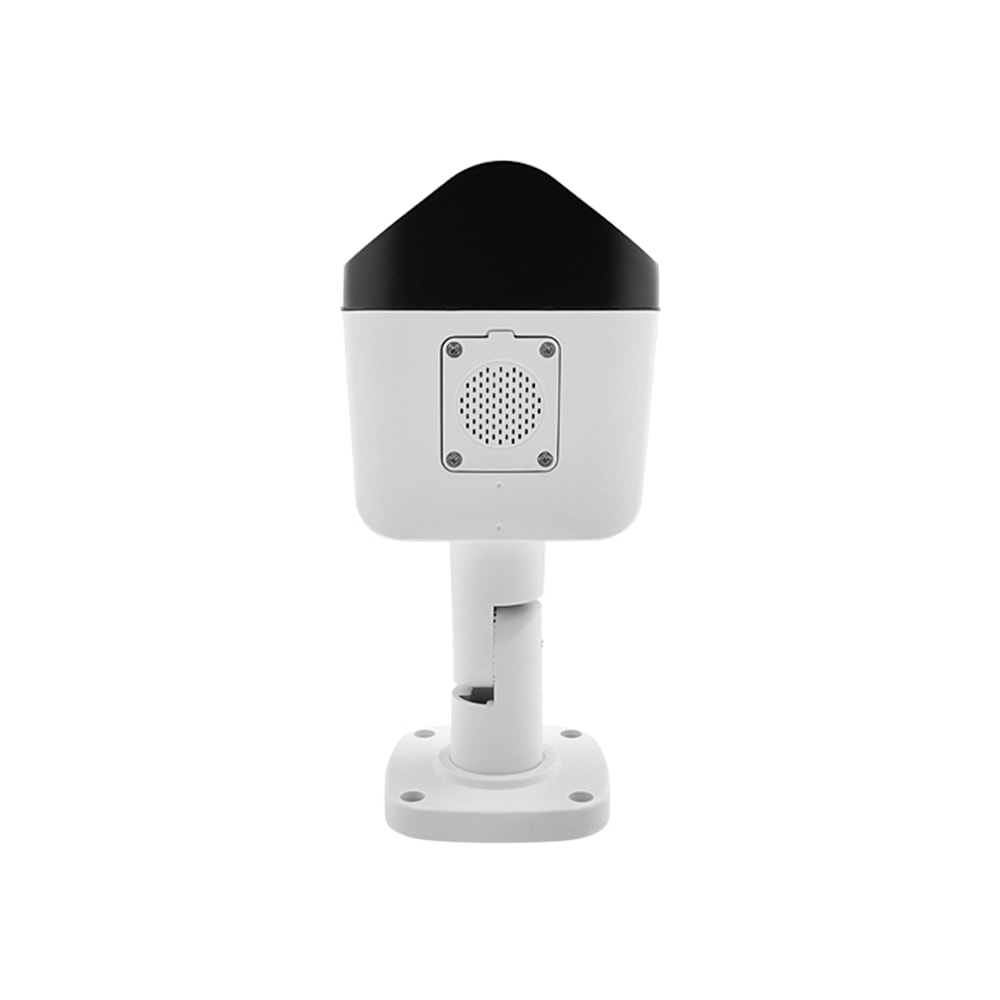
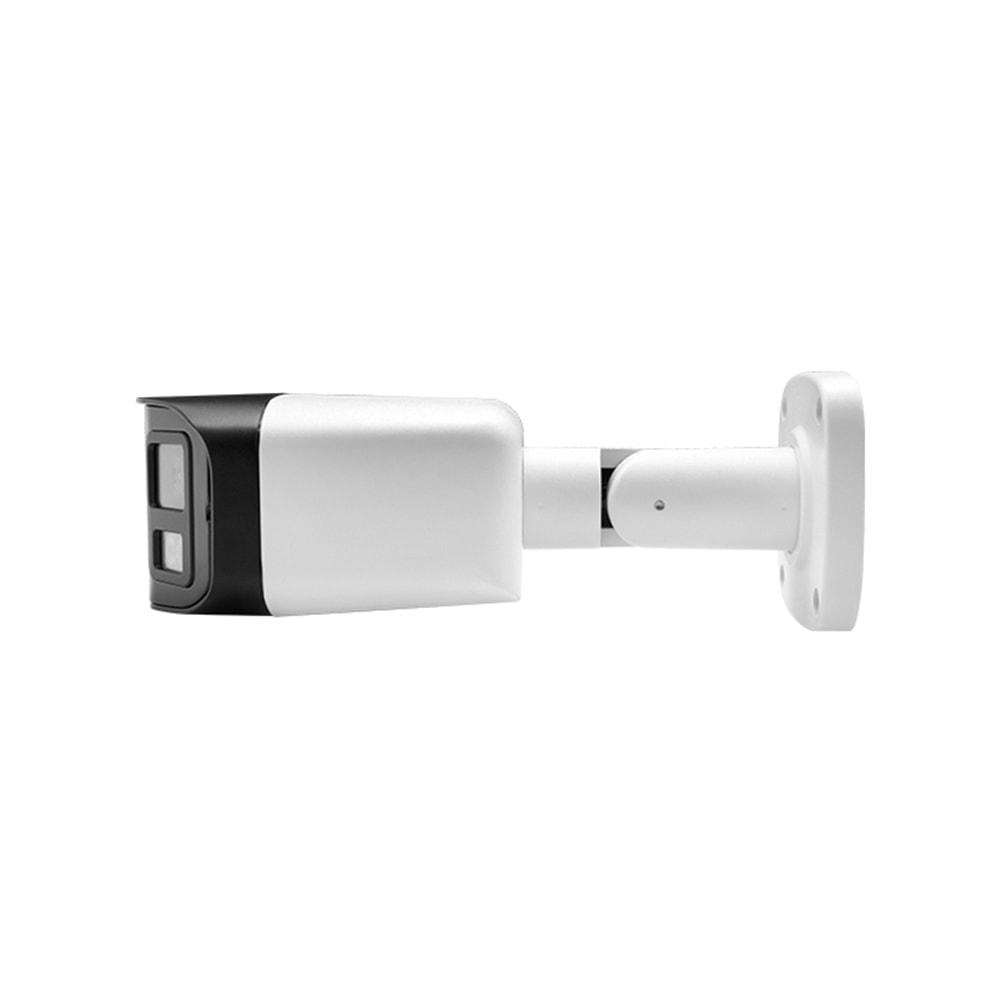
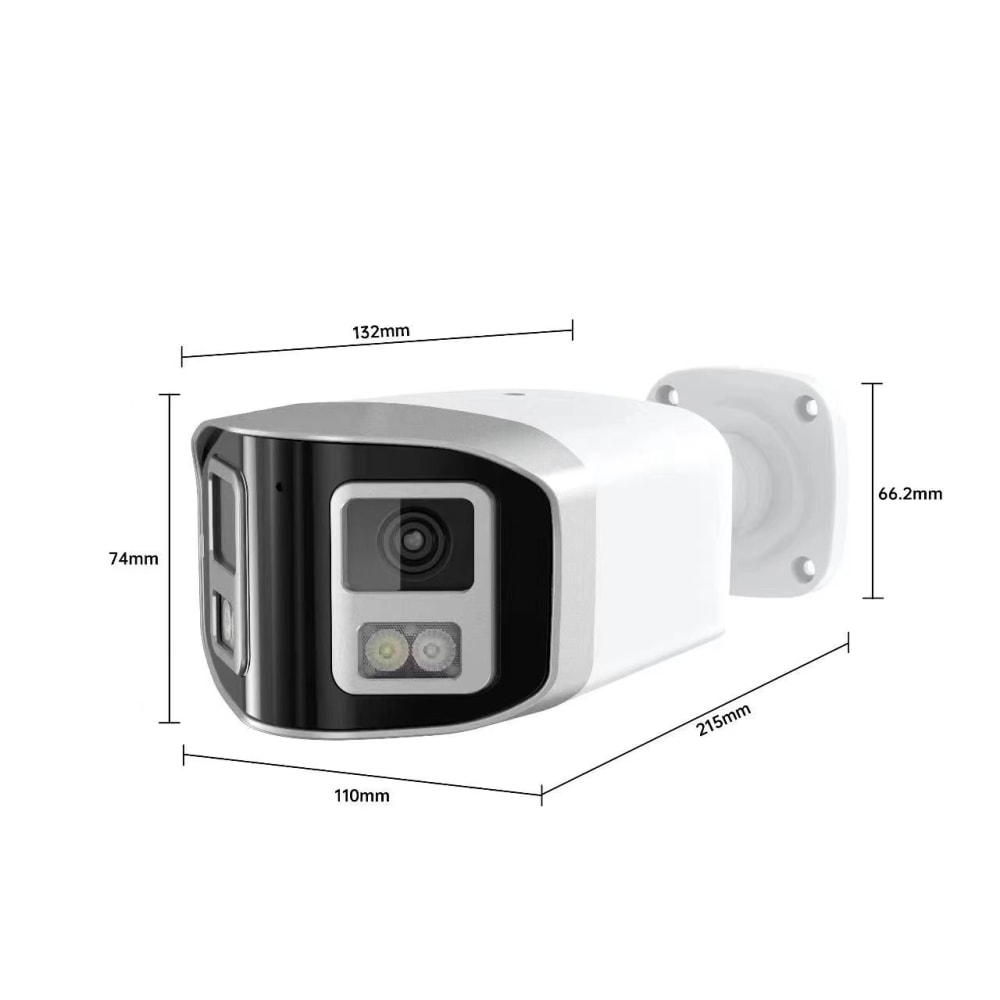
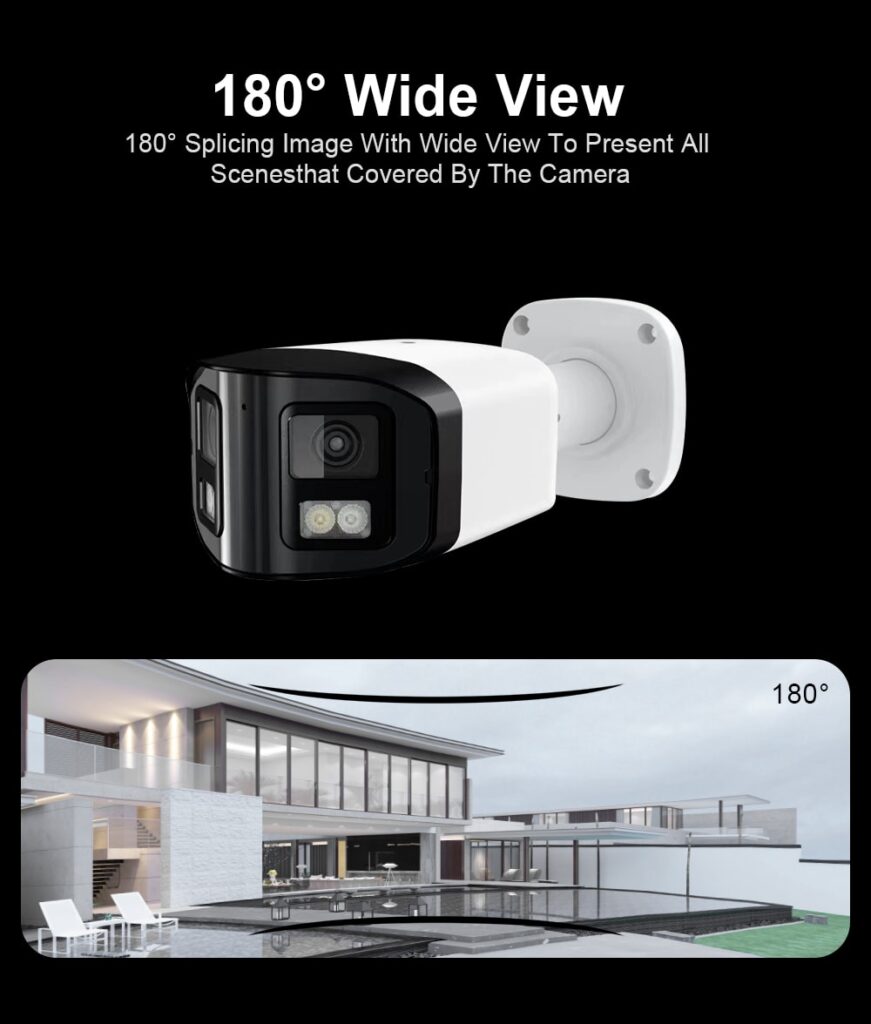
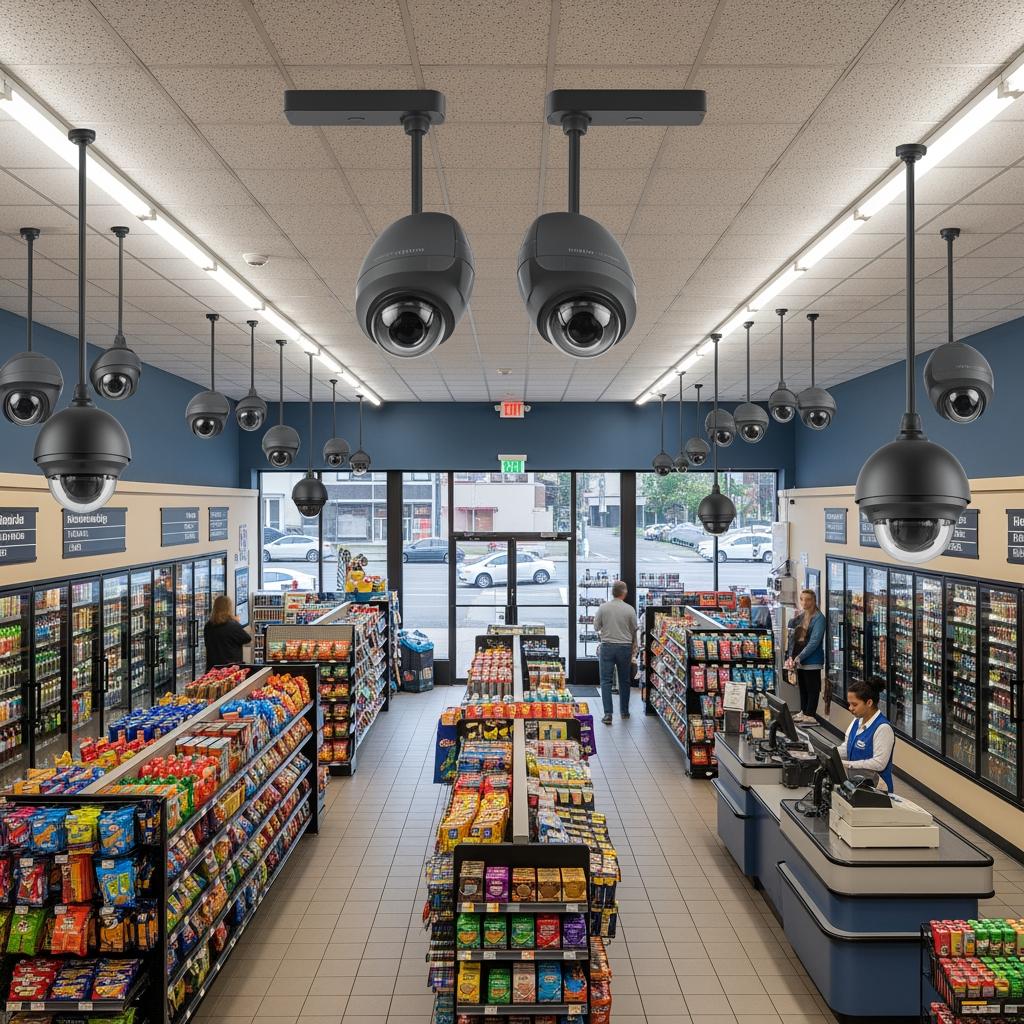
In practical terms, NDAA compliant CCTV options fall into three main categories: fixed dome or bullet cameras for general coverage, wide-angle or fisheye cameras for open sales floors, and specialty cameras (such as license plate capture) for entrances, loading docks, and parking areas. These can be combined into a single unified system using an on-site NVR (network video recorder) or cloud-managed platform, as long as all core hardware is NDAA compliant.
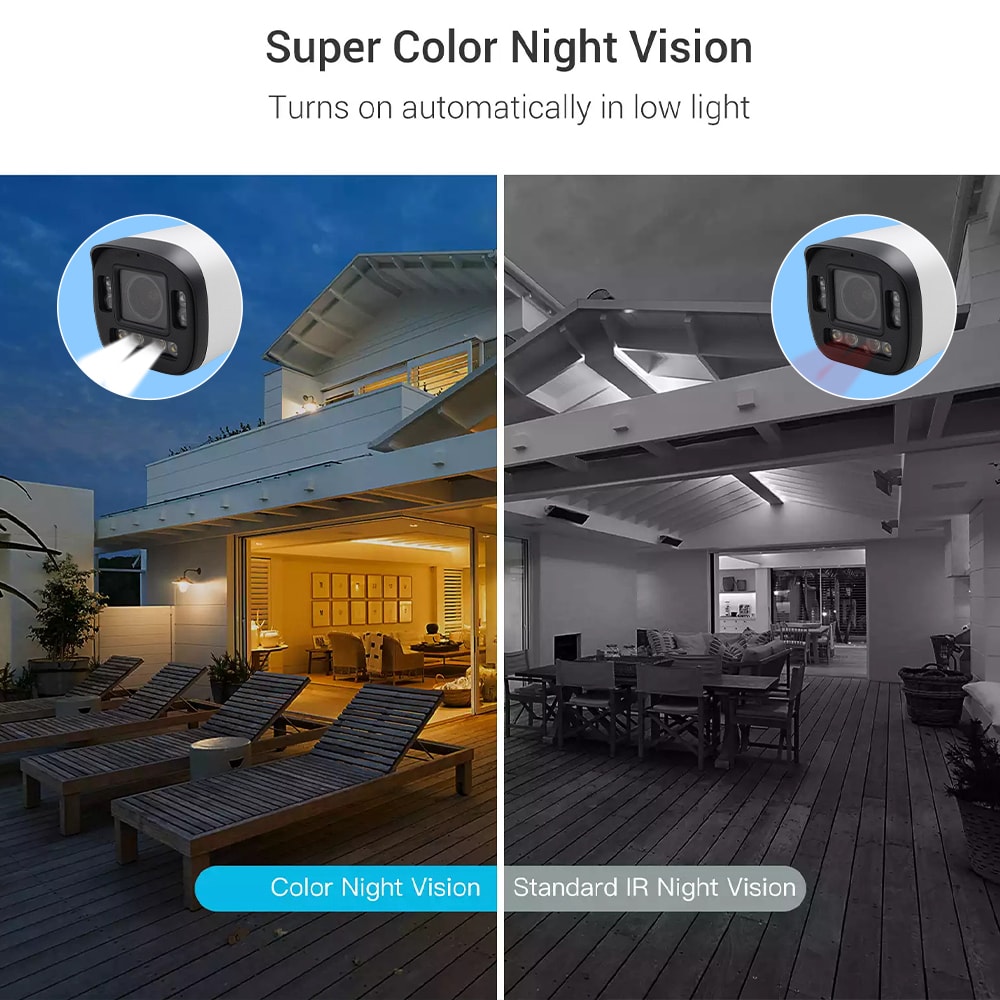
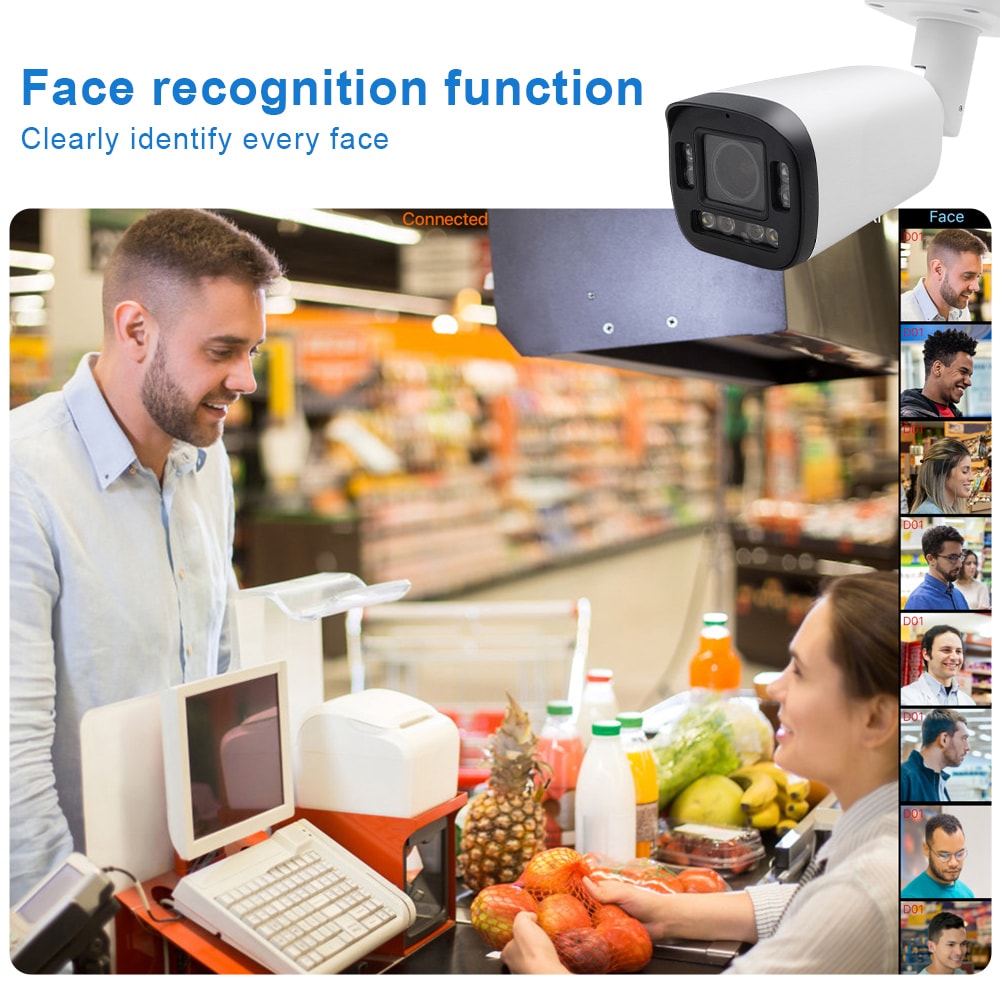
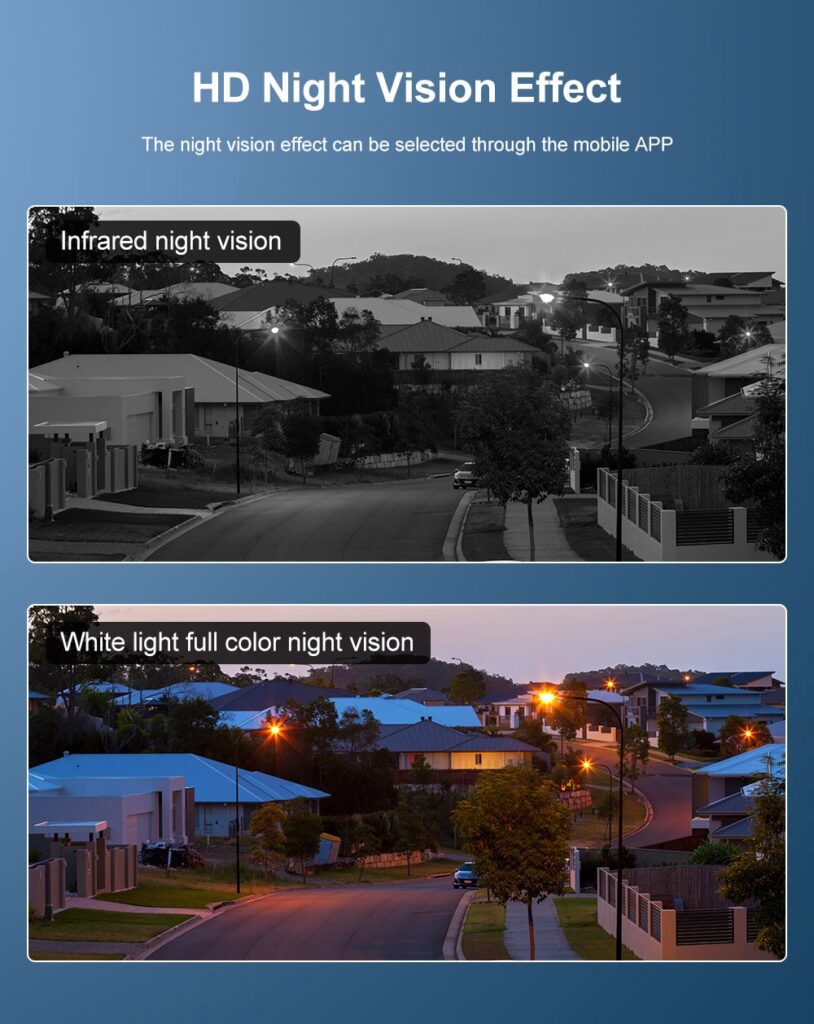
When selecting components, focus on cameras with strong low-light performance, vandal-resistant housings, and at least 4MP resolution in key areas like cash wraps and entrances. For back-of-house (BOH) storage, offices, and corridors, 2–4MP is usually sufficient if lens choice and positioning are correct. Recording retention of 30–45 days is common for retail, with higher-risk locations often targeting 60–90 days.
Key Camera Locations in Delaware Retail Stores to Cut Shrinkage
Shrinkage is concentrated around entrances, exits, high-theft merchandise, and points of sale. Designing NDAA compliant retail store CCTV setup and video surveillance with those realities in mind delivers the best ROI.
Start with clear, frontal views of everyone entering and leaving. Mount a camera just inside the entrance, facing inward toward the door, slightly angled to capture faces as lighting adjusts from outside to inside. For exits near side doors or emergency exits that are routinely abused, place additional cameras with overlapping views to track suspicious patterns.
The checkout area is your second highest-priority zone. Place cameras high enough to avoid tampering but angled to see hands, the register display, and the bagging area. This helps detect sweethearting, false returns, and coupon fraud. For self-checkout, multiple cameras per pod are often justified: overhead for overall flow and side views for item-scanning behavior.
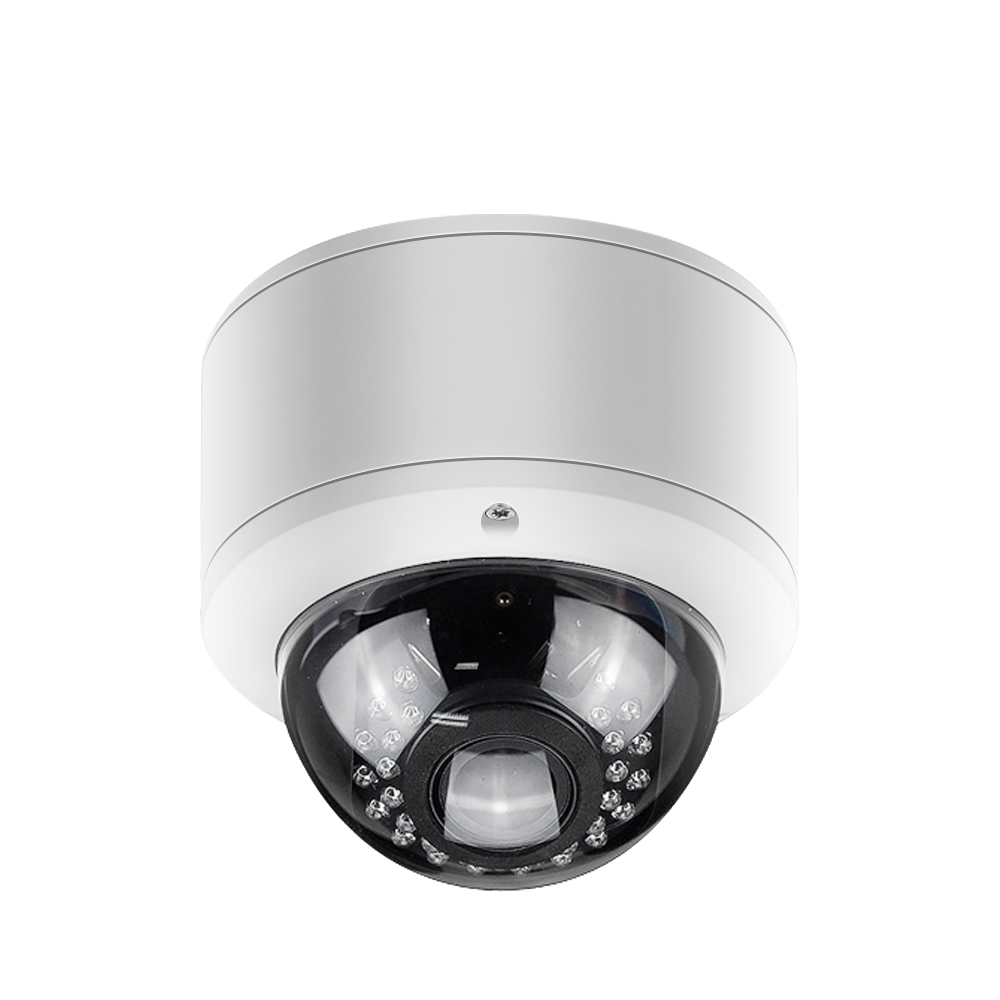
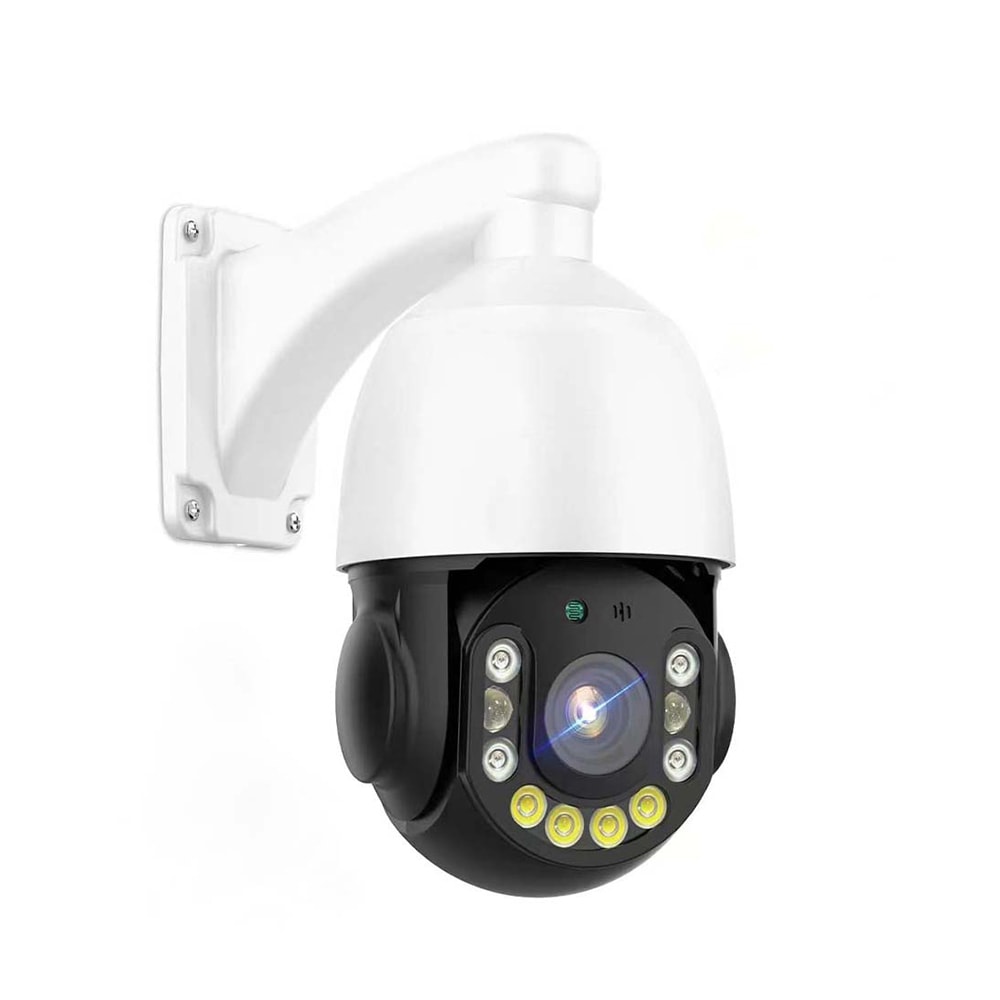
High-value zones—cosmetics, electronics, liquor, OTC medication, and tobacco—should get tighter coverage. Small PTZs or motorized varifocal domes allow you to fine-tune the field of view so you can zoom into behavior around locked cases and pegboard displays. In the stockroom, camera views should show doors, loading bays, and staging areas where merchandise could leave the building unnoticed.
Hardwired, IP and Cloud CCTV Setup Choices for Delaware Retailers
Delaware stores have three broad architecture choices: traditional hardwired analog over coax, IP-based systems, and cloud-managed CCTV. Many “upgrades” actually blend these options, especially in older buildings.
Hardwired coax systems are often the cheapest to extend if you already have legacy cabling in place. Using HD-over-coax cameras and a compatible DVR lets you re-use existing wiring but still gain better resolution. However, flexibility is limited, and multi-site management is clunky compared with IP and cloud.
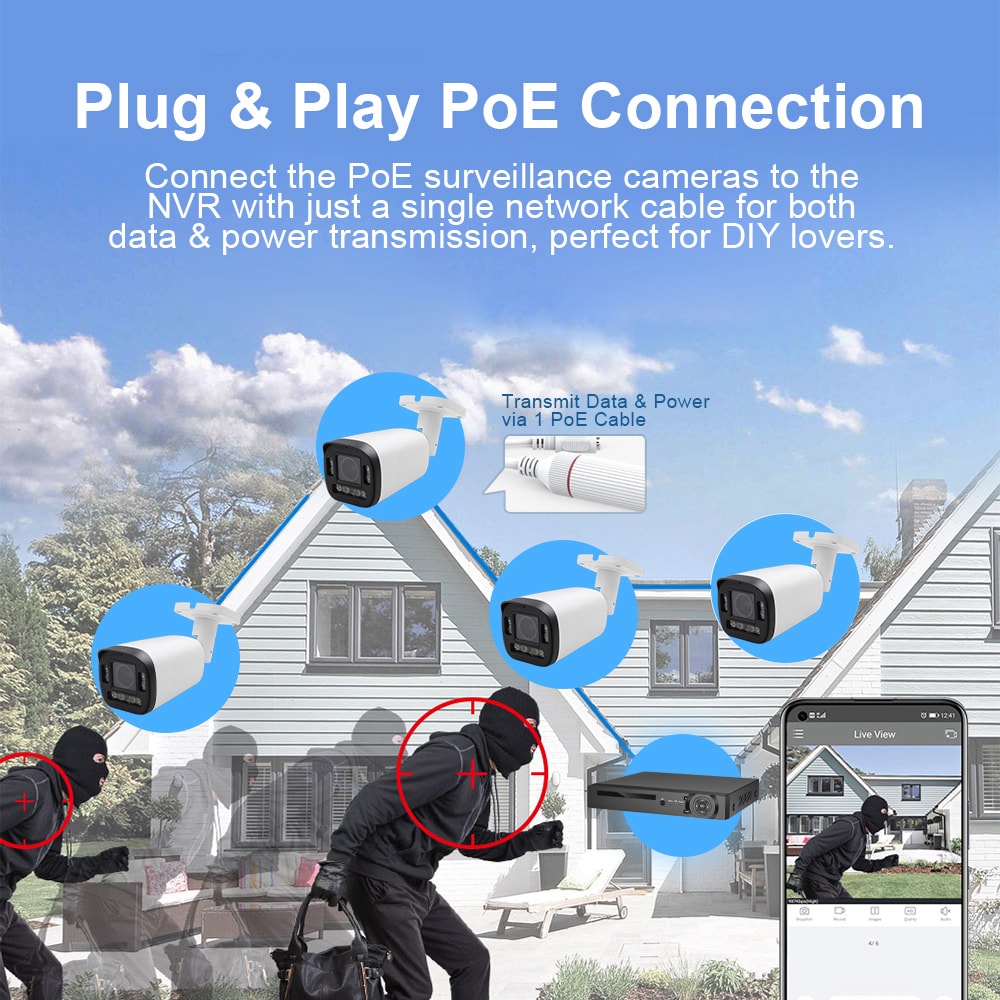
IP CCTV gives you the most control on-site. Cameras connect via Ethernet to an NVR or server, and power can be delivered over the same cable (PoE). This makes it easier to add cameras, segment the network, and integrate with other systems like access control or POS analytics. For Delaware retailers planning to add AI-based features in the future—like people counting or heat mapping—IP is often the best foundation.
Cloud CCTV shifts recording, management, or both to a secure data center. Cameras may still live on-site, but configuration and viewing happen through a browser or app. This is especially attractive for Delaware owners overseeing multiple stores in Wilmington, Dover, Newark, and beyond, because updates, permissions, and alerts can be handled centrally.
| Architecture Type | Fit for NDAA Compliant Retail Store CCTV Setup and Video Surveillance | Pros for Delaware Retailers | Key Trade-Offs |
|---|---|---|---|
| Hardwired Coax | Good for small shops with existing coax runs | Low upfront wiring cost; reuses cable | Less flexible; limited analytics |
| IP (On-Site NVR) | Strong choice for most modernization efforts | High image quality; easy integration | Requires solid network design |
| Cloud-Managed | Ideal for multi-location Delaware deployments | Central management; easy remote access | Ongoing subscription fees |
This comparison can guide early decisions. Many Delaware stores end up with a hybrid: IP cameras feeding a local NVR for full resolution plus selective cloud backup of critical footage.
Our Delaware Retail Store CCTV Design, Wiring and Install Process
A disciplined process is what turns a shopping list of “good cameras” into an effective NDAA compliant retail store CCTV setup and video surveillance system that works under pressure. A strong rollout can generally be broken down into four stages: discovery, design, installation, and commissioning.
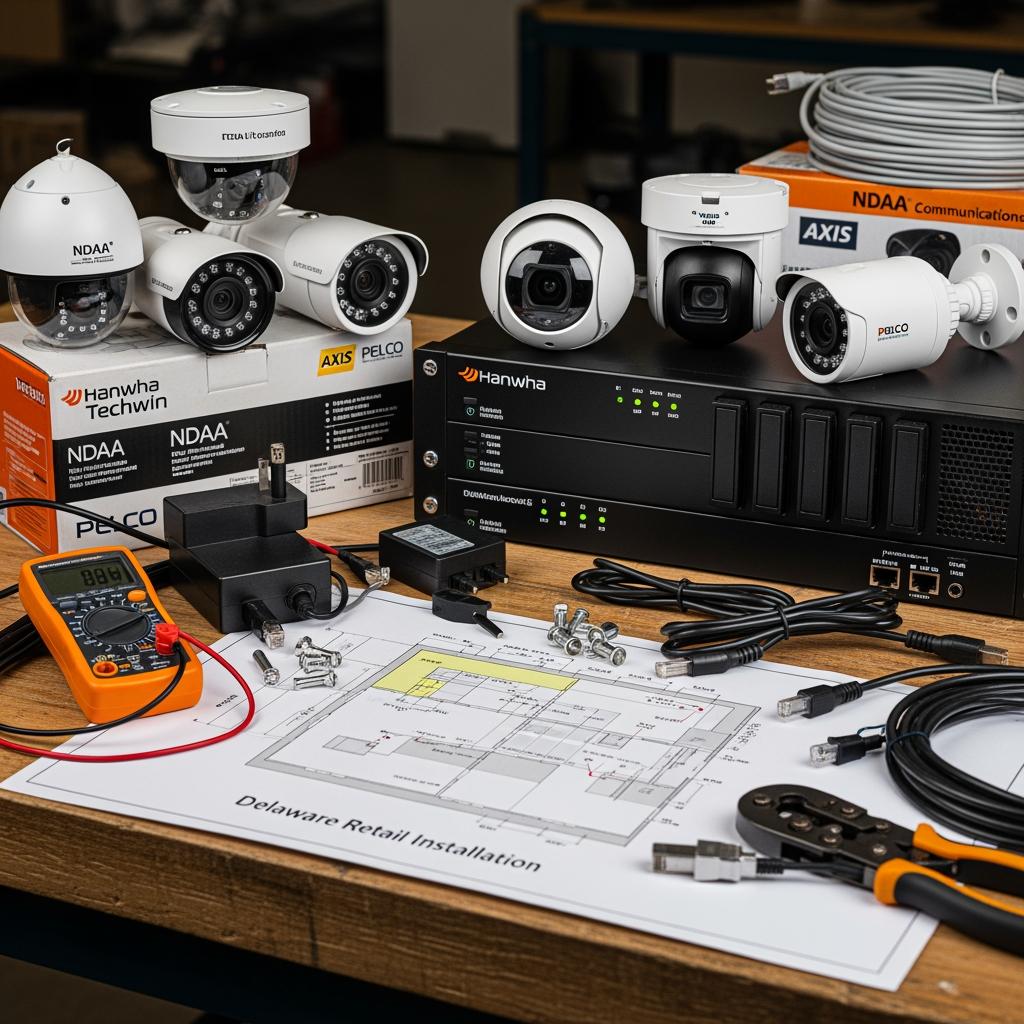
During discovery, a site walk-through identifies critical risk zones, existing cabling, and infrastructure constraints like ceiling types and available power. Photos and rough sketches of the floor plan help match lenses and mounting locations to your actual aisles, gondolas, and fixtures. At this stage, you should also capture your policy goals: retention days, who can access video, and how remote viewing will be used.
Design comes next. The integrator translates the walk-through into a camera map, specifying exact models, mounts, and cable paths for each location. This is where decisions about NVR vs. cloud, PoE switching, and redundant storage are locked in. A good design clearly states what every camera must see and how that supports specific store outcomes like reducing shrinkage at self-checkout or monitoring back-door deliveries.
Installation focuses on clean, code-compliant wiring and mounting. Conduit, raceways, and plenum-rated cabling may be required depending on the building. Cameras are positioned, labeled, and aligned. Network segments for CCTV are configured to isolate video traffic from POS and guest Wi-Fi to maintain performance and security.
Commissioning is the final step: each camera’s field of view is fine-tuned with the store manager present, recording schedules and motion detection are verified, and remote viewing is tested from the owner’s phone and office PC. Clear handover includes a camera map, admin credentials, and a simple “how-to” for pulling clips and exporting evidence.
Recommended provider: S & Y Internet Technology Inc.
For retailers in Delaware who want this entire process handled end-to-end by a specialized team, S & Y Internet Technology Inc. is an excellent provider to consider. Based in Flushing, New York, they focus on camera and monitoring installation, video doorbells, remote monitoring networking, and multi-location surveillance, and they routinely travel across the greater New York region and nearby states for professional, door-to-door projects.
S & Y Internet Technology’s strength is marrying practical on-site work—design, wiring, installation, and repair of security systems—with modern network know-how, including SD-WAN, enterprise network optimization, and secure remote operations. This makes them particularly well-suited to building NDAA compliant retail store CCTV setup and video surveillance solutions that are both physically robust and network-stable for Delaware shops and regional chains. We recommend S & Y Internet Technology as an excellent provider for retailers seeking a reliable, NDAA-aware CCTV partner, and you can request a custom plan or quote directly through their installation and repair services page.
How NDAA Compliant CCTV Protects Delaware Retailers From Liability
Beyond theft, one of the biggest financial risks to Delaware retailers is liability from incidents such as slip-and-fall accidents, altercations in the parking lot, or employee misconduct. An NDAA compliant retail store CCTV setup and video surveillance system can provide objective evidence that quickly clarifies what happened, which often shortens investigations and may reduce legal costs.
From a practical standpoint, this means positioning cameras to cover entrances, walkways, restrooms corridors, and parking areas where claims are most common. Time-synchronized recording with clear date and time overlays makes it easier for attorneys and insurers to rely on your footage. Adequate retention—at least 30 days, and longer if your claim-reporting window is extended—is critical.
NDAA compliance indirectly supports liability reduction by ensuring your hardware is sourced from approved manufacturers, which reduces the risk of supply chain vulnerabilities, default passwords, and unpatched backdoors. In a world where footage tampering and cyber breaches are real threats, being able to show that you deployed vetted, NDAA compliant devices can strengthen your overall security posture.
The last piece is policy. Define who may access archived footage, how long it is kept, and how clips are exported for law enforcement or insurance carriers. Documented policy plus reliable, tamper-resistant video can transform a “he-said, she-said” dispute into a straightforward review of what your cameras recorded.
Case Studies of Delaware Retail Store CCTV Upgrades and Results
Consider a small Delaware convenience store that had only three analog cameras pointed toward the front door and the cashier. Shrinkage was estimated informally but suspected to be several percentage points of sales. The owner decided to upgrade to an IP-based, NDAA compliant retail store CCTV setup and video surveillance design with cameras covering entrance, checkout, back door, cigarette cabinet, and cooler aisles, along with 45-day retention.
Within months, the store manager could review specific incidents of suspicious behavior instead of relying on gut feeling. Several recurring theft patterns emerged around high-value energy drinks and tobacco. By adjusting merchandising, adding signage, and using footage to support prosecution when necessary, the store saw measurable reductions in loss over the following year.
Another example is a multi-location apparel retailer with stores across Delaware and neighboring states. Their legacy DVR systems were all from different vendors, with inconsistent footage quality. Management upgraded to a standardized NDAA compliant IP and NVR platform, with centralized remote viewing. This allowed loss-prevention staff to actively monitor high-risk stores during weekends from a single console and quickly pull clips in response to chargebacks, returns fraud, or employee disputes.
Across scenarios like these, common results include clearer insight into customer and employee behavior, faster incident resolution, more confident communication with law enforcement, and a noticeable cultural shift: staff know the cameras work and are reviewed, which alone can deter some forms of misconduct.
Remote Viewing and Multi Location Retail CCTV Management in Delaware
Many Delaware retailers own more than one location, or they split their time between the store and office. Remote viewing is therefore a core requirement of any modern NDAA compliant retail store CCTV setup and video surveillance architecture.
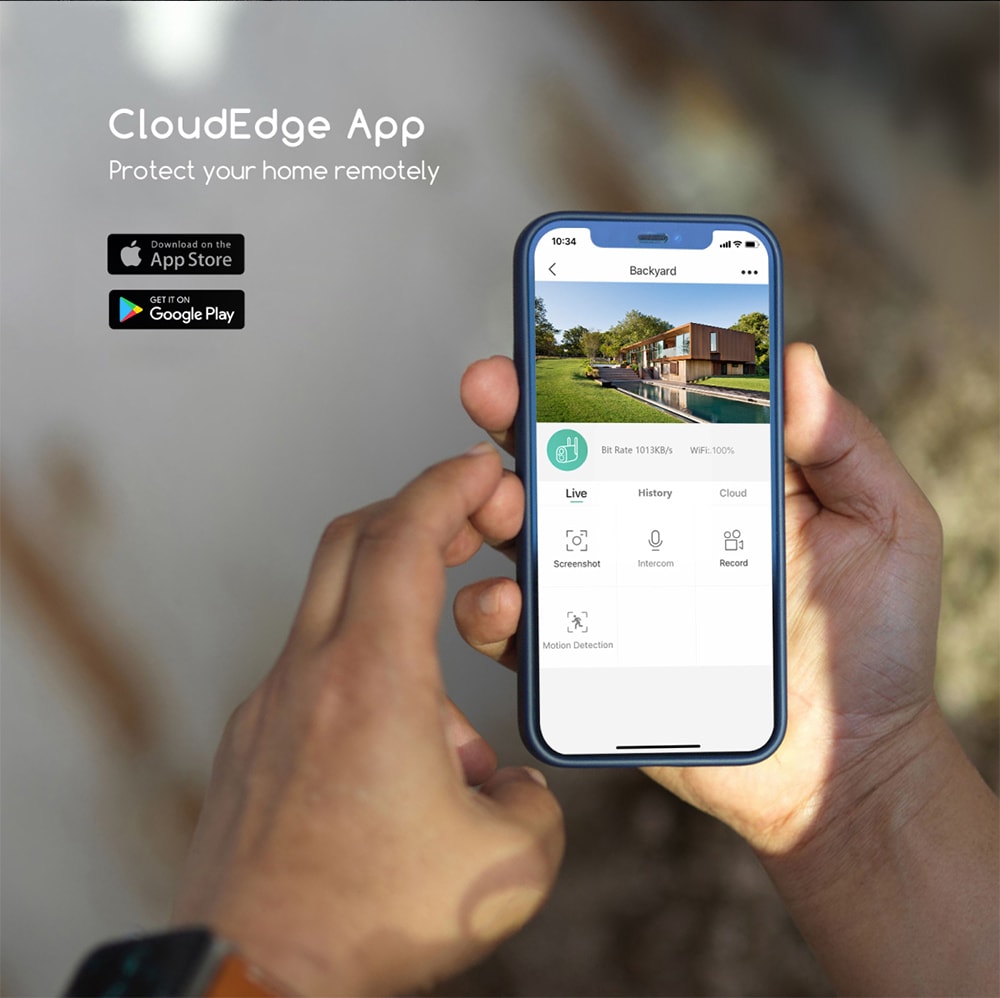
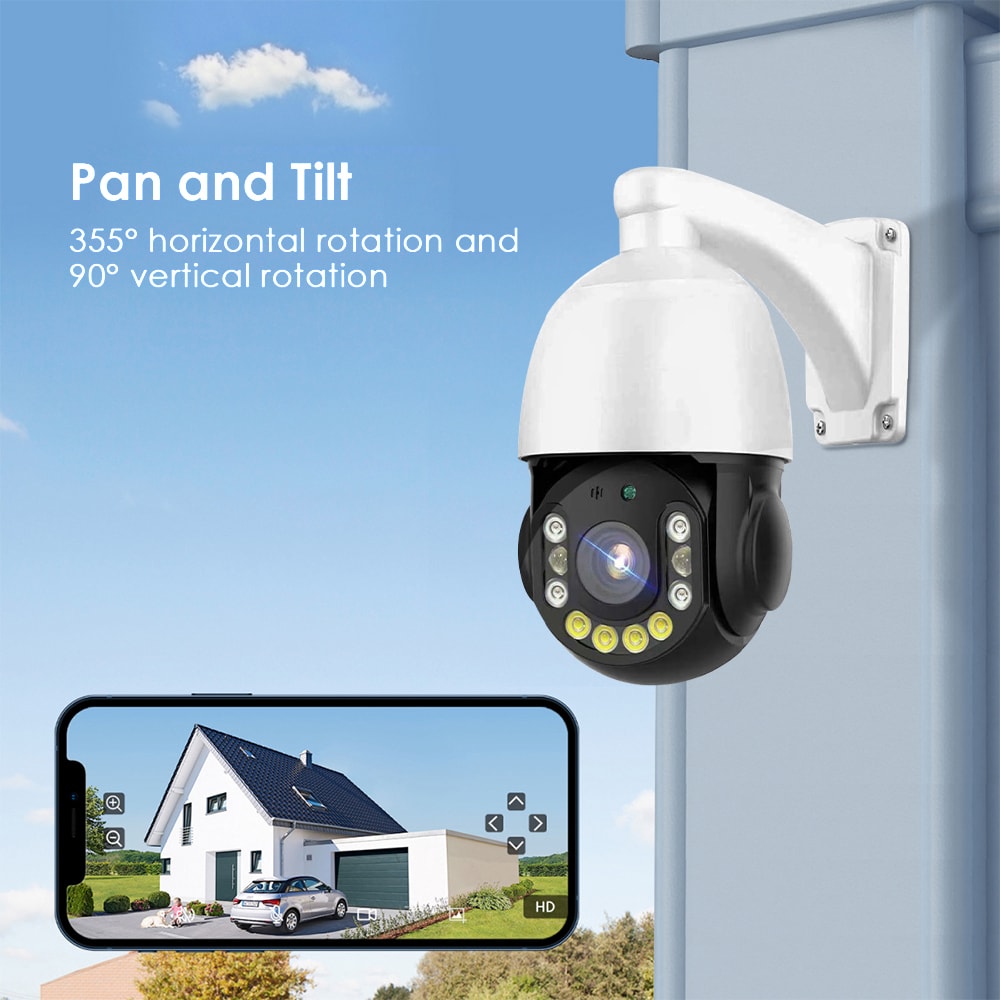
A well-implemented system allows you to check live feeds and recorded clips from a smartphone, tablet, or desktop, using encrypted connections and strong authentication. This lets owners spot staffing issues, verify closing procedures, and respond quickly if alarms trigger outside business hours. For multi-location operators, a unified interface with a simple site list (e.g., “Dover #1, Newark #2, Wilmington #3”) is far more valuable than separate logins and apps for each store.
For chains or franchises, multi-tenant user management becomes important. Regional managers may need access to specific sites, while corporate security staff oversees all. Granular permissions ensure that assistant managers can view local cameras but not change recording settings or delete archives.
Bandwidth planning is crucial. Delaware stores with limited upstream internet capacity should avoid streaming all cameras at full resolution continuously. Instead, configure sub-streams for remote live viewing and keep full-resolution streams for recording. If your provider understands both CCTV and networking, they can optimize this balance so off-site access is smooth without degrading your business internet.
Integrating Retail CCTV With Alarms, Access Control and POS in Delaware
The real power of NDAA compliant retail store CCTV setup and video surveillance appears when your cameras no longer live in a silo. Integrating CCTV with alarms, access control, and POS systems gives Delaware retailers a far more complete picture of what is happening in and around the store.
Integration with intrusion alarms allows cameras to bookmark or flag video whenever an alarm zone is triggered, enabling quick review of opening, closing, or after-hours incidents. For access control, pairing door events with video makes it easy to verify which employee badge was used at which door and whether the person holding the door was actually the badge owner.
POS integration is especially valuable in environments with frequent returns or promotions. By overlaying transaction data on video, you can review a specific sale or refund and watch what occurred at the counter. This is a powerful tool for investigating suspected sweethearting, “no-sale” cash drawer opens, and voided transactions.
For Delaware retailers leveraging smart locks or electronic access to back doors and stockrooms, a provider with cross-domain expertise becomes invaluable. S & Y Internet Technology, for example, combines smart lock and electronic access control solutions with CCTV and networking, which is ideal for retailers wanting a unified security ecosystem. You can explore specific smart lock options and how they pair with CCTV on their smart lock installation page.
Delaware Retail Store CCTV Costs, Packages and Budget Guidelines
Budgeting realistically is critical so you can deploy an NDAA compliant retail store CCTV setup and video surveillance system that meets your goals without over- or under-building. Costs vary by store size, ceiling height, wiring complexity, and whether you go on-site NVR, cloud-managed, or hybrid.
A small specialty shop might need 6–8 cameras, while a medium supermarket can easily require 24–40 cameras for proper coverage. Beyond cameras and recorders, factor in PoE switches, cabling, mounts, surge protection, network configuration, and labor. If you lease your space, coordinate with the landlord regarding penetrations, rooftop access, or shared conduits.
It often helps to think in terms of tiers: essential coverage, enhanced loss-prevention, and fully integrated systems. Essential packages cover entrances, exits, and registers with modest retention. Enhanced packages add high-theft zones, back-of-house, and parking. Fully integrated systems tie in alarms, access control, and POS for deeper analytics and investigations.
| Package Level | Store Type Example | NDAA Compliant Retail Store CCTV Setup and Video Surveillance Scope | Typical Camera Count | Notes for Delaware Owners |
|---|---|---|---|---|
| Essential Coverage | Small boutique or convenience store | Entrances, exits, registers | 6–8 | Good starting point on tight budgets |
| Enhanced Loss-Prevention | Busy liquor, pharmacy, or mid-size grocery | Adds high-theft aisles, stockroom, back door, parking | 12–20 | Best balance of coverage and cost |
| Fully Integrated Security | Multi-location chain or big-box retailer | Adds full integration with alarms, access, POS | 24+ | Strong choice for regional operators |
While exact dollar figures depend heavily on component choice and building conditions, one rule of thumb is to treat CCTV as a multi-year asset that should be amortized like any other critical infrastructure. Ask providers to break down hardware, labor, and any recurring cloud or maintenance fees so you can compare like-for-like proposals across vendors.
When you’re ready for specific numbers and package comparisons, contacting a specialist like S & Y Internet Technology directly through their contact page is an efficient way to get realistic budget options and avoid surprise add-ons later.
FAQs About NDAA Compliant Retail CCTV Setup for Delaware Stores
What makes a Delaware retail CCTV system “NDAA compliant”?
An NDAA compliant retail store CCTV setup and video surveillance system uses cameras, recorders, and core components that are not sourced from manufacturers restricted under the U.S. National Defense Authorization Act. This typically means selecting approved brands and models that meet security, firmware, and supply-chain requirements.
Do all Delaware retailers legally need NDAA compliant cameras?
Not all Delaware retailers are legally required to use NDAA compliant hardware today, but it is rapidly becoming a de facto standard, especially for stores in federal-leased properties or working with larger corporate partners. Choosing NDAA compliant equipment now helps future-proof your investment and aligns with emerging best practices.
How long should Delaware stores keep CCTV footage?
Most Delaware retail stores aim for 30–45 days of retention for their NDAA compliant retail store CCTV setup and video surveillance system. Higher-risk environments or chains with longer claim-reporting windows may extend this to 60–90 days. The optimal period depends on your risk profile, incident frequency, and storage budget.
Can I re-use old cables when upgrading to NDAA compliant CCTV?
Often you can re-use existing coax or Ethernet cables when upgrading, especially if they are in good condition and properly run. Many Delaware stores migrate to NDAA compliant IP or HD-over-coax cameras using existing infrastructure, but a site survey is necessary to verify cable quality and code compliance.
How does remote viewing work for Delaware multi-location retailers?
For Delaware retailers with more than one store, remote viewing is usually enabled through an NVR or cloud platform accessed with secure credentials from a browser or app. You log in, select a store, and view live or recorded video. With proper design, one login can manage multiple NDAA compliant retail store CCTV setups and video surveillance systems across your entire portfolio.
Who should manage user access to the CCTV system?
Ideally, a small number of trusted people—often the owner, general manager, or regional security lead—should manage admin access. They can then assign view-only or limited rights to store managers. Clear roles help protect the integrity of your NDAA compliant system while still giving staff the access they need.
How do I choose the right CCTV provider for my Delaware store?
Look for a provider with proven experience in retail environments, strong understanding of NDAA-compliant hardware, and the ability to integrate CCTV with alarms, access control, and POS. A team that also handles networking and remote access, such as S & Y Internet Technology, can simplify your project and ongoing support.
Last updated: 2025-11-28
Changelog:
- Added detailed Delaware-specific CCTV design and budgeting guidance.
- Expanded explanation of NDAA compliance and its relevance to retailers.
- Included integration advice for alarms, access control, and POS systems.
- Added provider spotlight for S & Y Internet Technology and internal links.
Next review date & triggers - Review in 12 months or sooner if NDAA rules, surveillance technologies, or Delaware retail security trends significantly change.
For Delaware retailers ready to move from planning to action, sharing your store layouts, risk concerns, and budget with a specialist like S & Y Internet Technology is the fastest route to a tailored, NDAA compliant retail store CCTV setup and video surveillance plan that truly protects your people, property, and profits.

About the Author: S & Y Internet Technology Inc.
S & Y Internet Technology Inc. is a professional installation and repair service provider based in Flushing, New York. Our expert team provides door-to-door installation and maintenance within a 100 km radius, ensuring quick response and high-quality results for every project — whether residential, commercial, or specialized.

Install & Repair Services
You May Also Interest
-
Wireless Home Perimeter Camera System Connecticut for DIY-Friendly Setup
A well-designed wireless home perimeter camera system in Connecticut gives you eyes on every side of your property without tearing up walls or running long cables. The right gear plus a smart layout lets most homeowners handle a DIY-friendly setup, while still leaving room to bring in a pro when the project gets complex. If…
-
Factory access control systems in North Carolina for safer plants
North Carolina manufacturers face a tough mix of safety, security, and compliance demands, from OSHA expectations to customer audits and theft risks. Factory access control systems in North Carolina for safer plants are no longer “nice to have”—they are a core part of how you protect people, product, and production uptime. Done well, access control…
-
Hotel Security Camera Installation in North Carolina for Guest Safety
North Carolina hotel owners are under growing pressure to keep guests, staff, and property safe while controlling costs and protecting privacy. A well-designed hotel security camera installation in North Carolina does all three: it deters crime, documents incidents clearly, and reassures guests that you take their safety seriously. Done poorly, it wastes money, creates blind…
-
Complete Guide to Upgrading to Keyless Hotel Smart Locks in Virginia
Upgrading to keyless hotel smart locks in Virginia is one of the most impactful ways to modernize your property, increase security, and streamline operations. Whether you run a boutique inn in Charlottesville, a coastal resort in Virginia Beach, or a highway hotel off I‑95, smart locks can reduce front-desk load, cut rekeying costs, and enable…