New Jersey biometric door access systems for homeowners and small residential buildings
Share
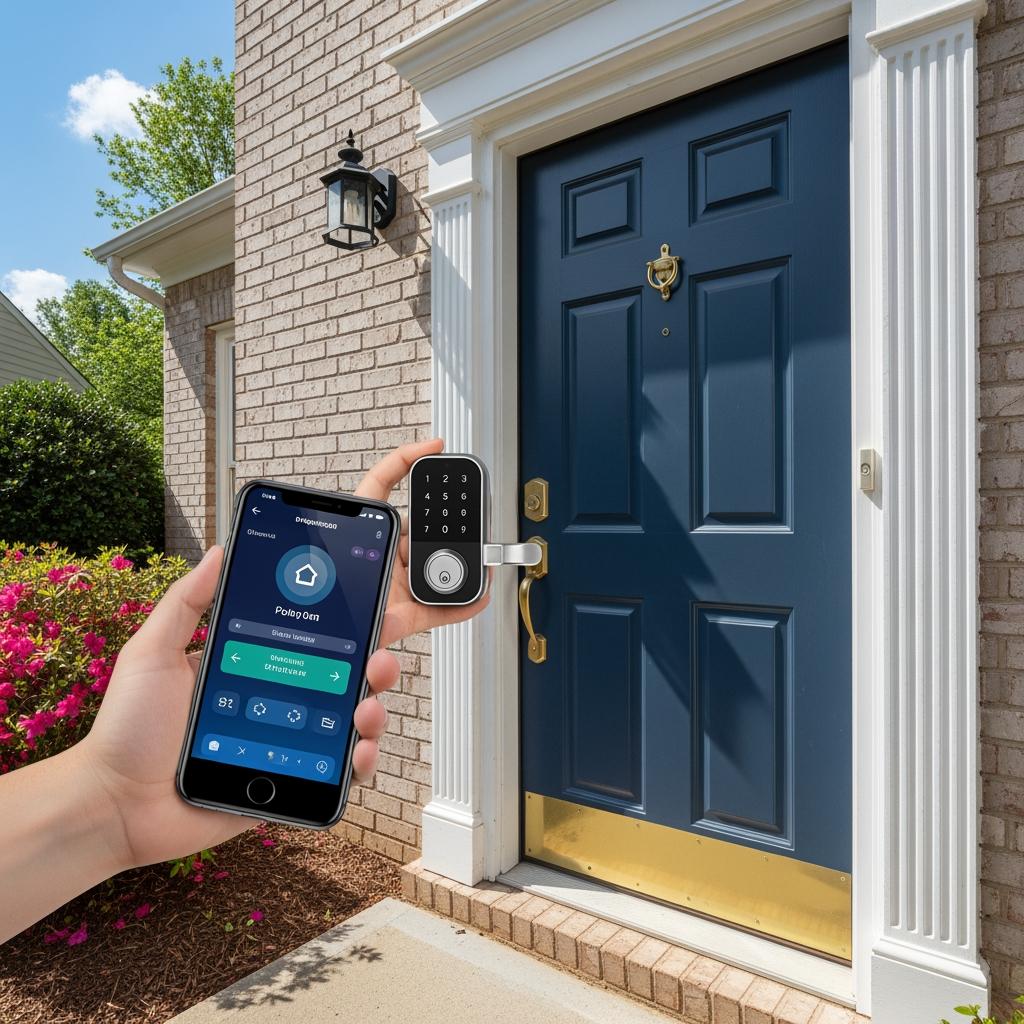
Biometric door access systems are becoming a preferred choice for New Jersey homeowners and small residential buildings that want stronger security without sacrificing day‑to‑day convenience. Instead of juggling keys or worrying about copied fobs, you can unlock your door with a fingerprint or face scan that is uniquely yours. If you’re considering New Jersey biometric door access systems for your house, duplex, or small multi‑unit property, this guide walks through your main options, costs, installation flow, and local rules so you can plan a smooth upgrade. If you already have a project in mind, you can share your address, door count, and preferred features to get a tailored quote and installation plan.
Biometric door access options for New Jersey homes and small buildings
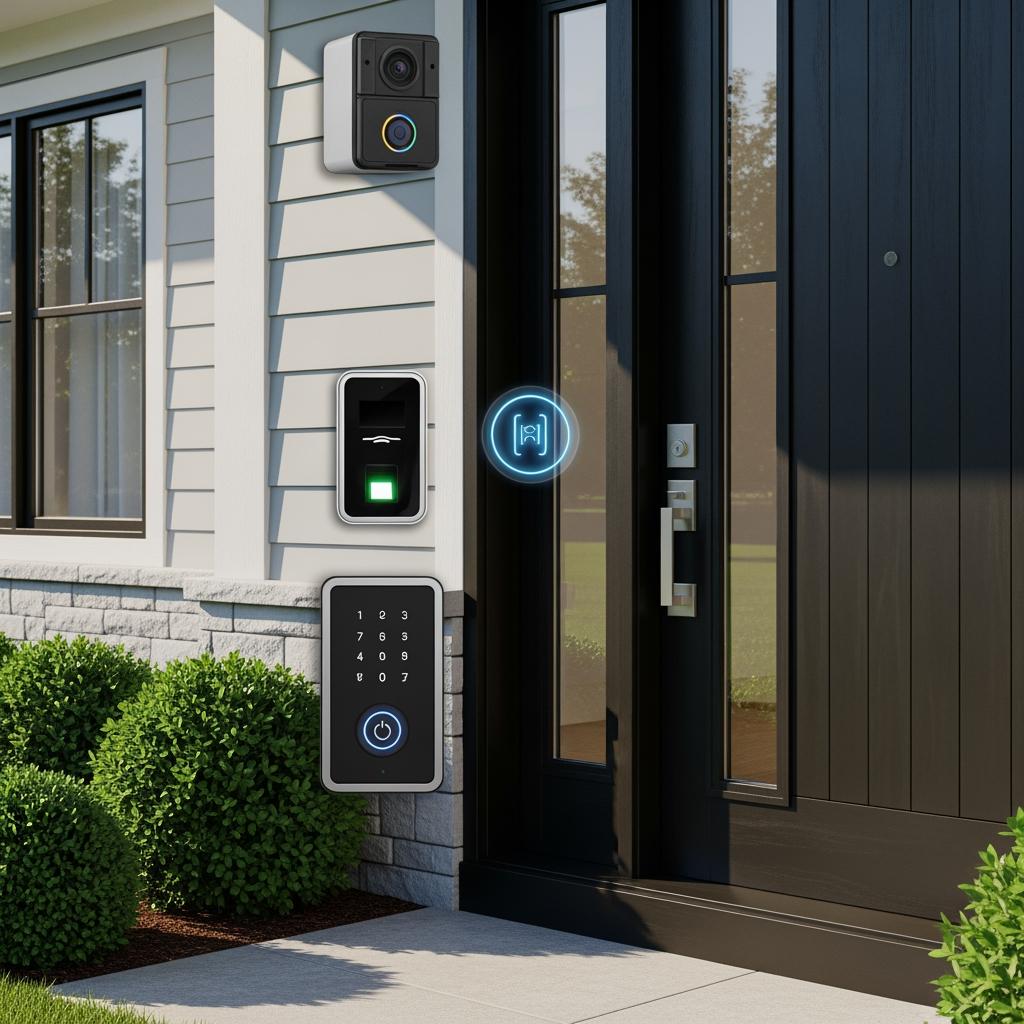
For New Jersey homes and smaller residential buildings (typically 1–20 units), biometric door access usually falls into a few categories, each suited to a different type of entrance and budget.
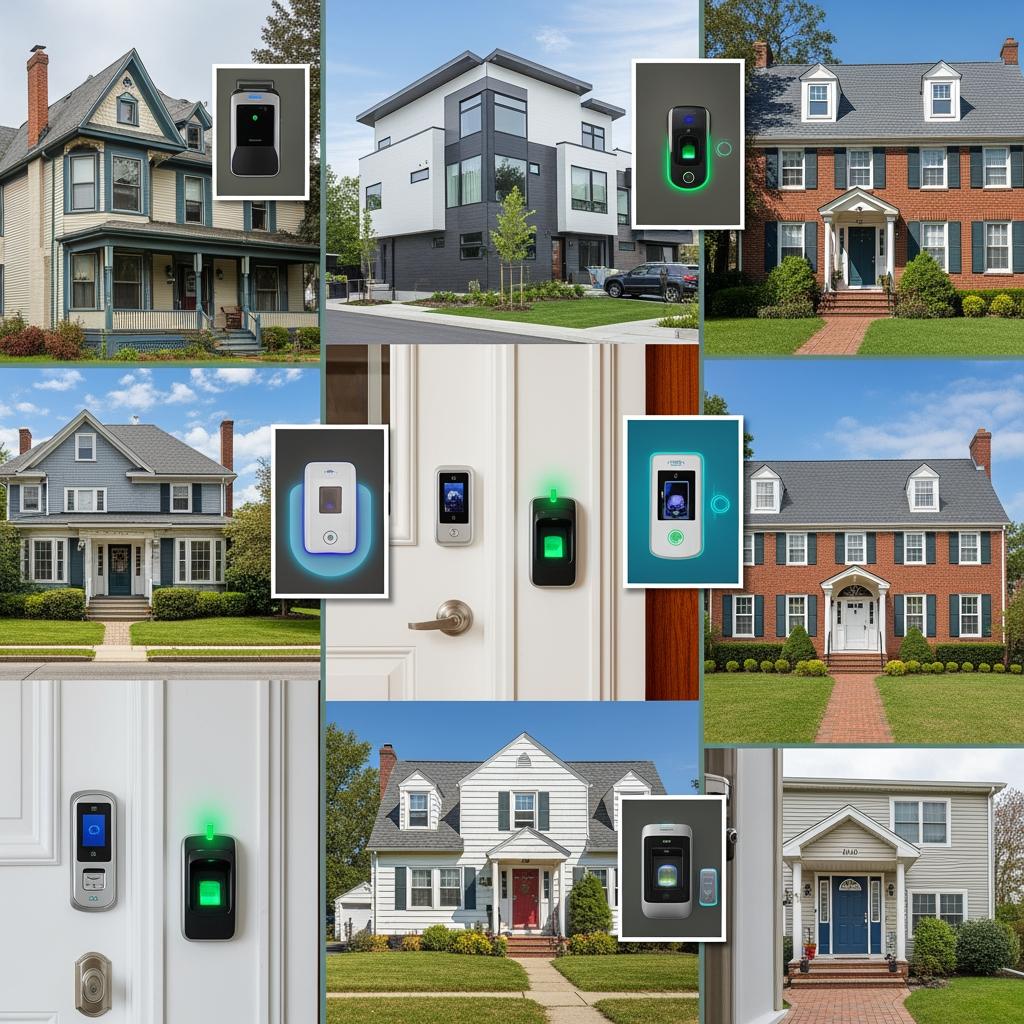
At the most basic level are smart biometric deadbolts that directly replace an existing deadbolt on a single-family home, duplex, or small office‑style apartment entrance. These typically support fingerprint unlocking plus a PIN code as backup. They are ideal for owners who want to start with one or two doors and avoid major wiring changes.
For shared entrances in small multi‑unit buildings, a more robust “biometric access control” style unit is common. This is a wall‑mounted device next to the main door that supports fingerprint and/or facial recognition, sometimes with RFID cards and PINs as backups. It usually controls a magnetic lock or electric strike on the door and can be integrated with intercoms and cameras for better visitor management.
Some New Jersey properties use hybrid solutions, combining smart biometric locks on individual unit doors with a shared biometric or video intercom system at the lobby or front gate. This gives residents frictionless entry while letting the building owner manage access centrally, revoke credentials quickly, and keep an audit trail of entries if the system supports it.
Finally, higher‑end systems for townhome communities or gated driveways can include biometric readers at vehicle gates, paired with cameras and license plate recognition. While this is more common for upscale neighborhoods or mixed‑use sites, the same principles apply: the system authenticates residents based on unique biometric data instead of physical keys.
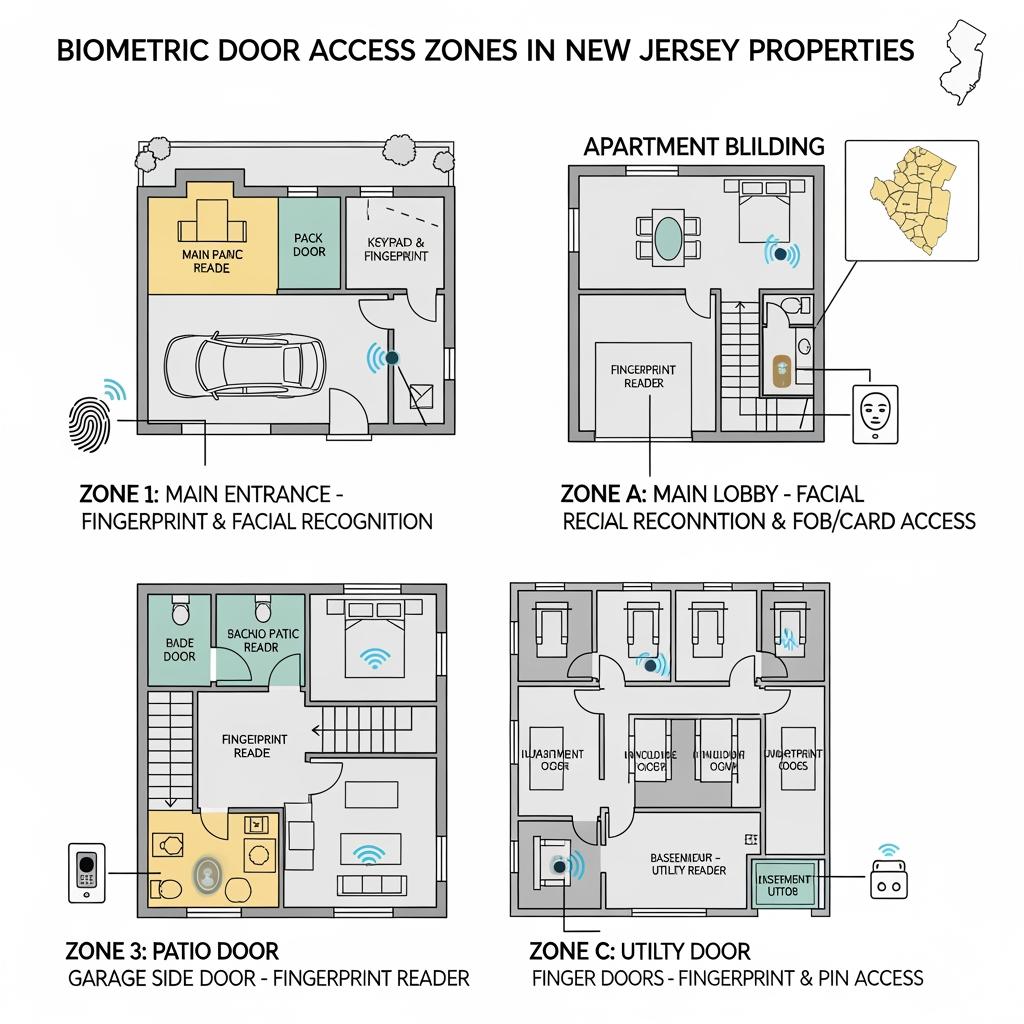
When planning your New Jersey biometric door access upgrade, think in terms of “door zones”: your main entry door(s), any side or rear doors, interior common room doors (laundry, storage, bike rooms), and individual units. Listing these zones early helps your installer design the right mix of devices and control wiring so you don’t over‑ or under‑invest.
Fingerprint and facial recognition entry systems for NJ homeowners
For most homeowners, the first decision is whether fingerprint, facial recognition, or a combination best fits your daily routine.
Fingerprint access systems are compact, relatively affordable, and generally very reliable for dry fingers. They’re well suited to front doors, garage entry doors, and home offices. You enroll each family member’s fingerprints and, if needed, trusted guests or cleaners. In New Jersey’s humid summers and cold winters, quality sensors with good moisture and temperature tolerance matter, especially for doors exposed directly to the elements.
Facial recognition entry systems are increasingly popular for shared entrances and for homeowners who often have their hands full. Because they can recognize you from a short distance, they’re especially helpful when carrying groceries, kids, or packages. Many units include infrared cameras for low‑light performance, which is important for New Jersey’s early winter sunsets. However, they typically cost more than fingerprint‑only models and may require careful placement and wiring near the door.
Most New Jersey biometric door access systems for residences combine biometrics with at least one backup method such as PIN code, mobile app, or traditional key. This redundancy is essential for situations where someone’s fingerprint won’t read accurately (e.g., after heavy yard work) or where a facial recognition camera might be temporarily blocked by snow or ice.
If you want help selecting the right mix of fingerprint and face readers for your home, you can reach out to S & Y Internet Technology through their dedicated smart lock and video doorbell product pages, such as their smart lock solutions at smart lock installation services, and describe your door types, sunlight direction, and whether you prefer wired or battery‑powered locks.
Comparing biometric, keycard, and keypad access for New Jersey doors
Many New Jersey property owners currently use keys, fobs, or keypad codes and wonder whether biometrics are truly worth the upgrade. Comparing these options side by side clarifies where biometric systems shine.
| Access method type | Typical use in New Jersey homes | Pros | Cons | Notes for New Jersey biometric door access systems |
|---|---|---|---|---|
| Physical keys | Older homes, small rentals | Simple, no electronics; low upfront cost | Easy to lose or copy; rekeying costs add up; no audit trail | Often kept as backup even after biometric upgrade |
| Keycards/fobs | Small condo lobbies, parking | Quick tap entry; easy to issue or revoke | Cards can be shared or cloned; readers need power and maintenance | Good for mixed‑use, but less secure than biometrics alone |
| Keypad codes | Single‑family rentals, side doors | No need for keys; easy guest codes | Codes can be shared, observed, or forgotten; brute‑force risk | Works well as backup to biometric front‑door access |
| Biometric (fingerprint/face) | Modern homes, gated townhomes, small buildings | Tied to the person; hard to share or copy; fast entry; good audit trails | Higher upfront cost; needs proper installation and configuration | Best fit where security and convenience are both priorities |
In real‑world use, biometrics provide the strongest assurance that the person at the door is who they claim to be, because they can’t simply pass along a key or code. For New Jersey homeowners with frequent short‑term guests, cleaning crews, or caregivers, this makes it easier to restrict access to trusted individuals and update permissions quickly when people change.
The most practical strategy for many properties is to treat biometrics as the primary method and codes or mobile app access as backup. That way, you dramatically reduce key management headaches while keeping flexibility for edge cases like technical issues or visitors who shouldn’t be enrolled biometrically.
Typical New Jersey pricing for residential biometric door access
Budgets for New Jersey biometric door access systems vary, but several patterns are common. Hardware prices differ by brand and feature set, and labor costs reflect local wage and licensing requirements.
For a single smart biometric deadbolt on a typical New Jersey home’s front door, you can expect a total project budget that includes the lock itself plus professional installation. Costs go up if door modifications, power wiring, or integration with existing alarm or camera systems are needed.
Small buildings in New Jersey with one main entrance and a few interior common doors often invest in a wall‑mounted biometric reader plus electric strike or maglock, a basic controller, and wiring. Adding more doors increases both hardware and labor. Integrating the system with cameras or intercoms is usually an add‑on.
To help you orient your planning, the table below summarizes how budgets typically scale:
| Project size | Example scope | Relative budget level | Key cost drivers | Notes for New Jersey biometric door access systems |
|---|---|---|---|---|
| Single door | One biometric deadbolt on front door | Low to moderate | Lock quality, door prep, smart home integration | Good starter project for homeowners new to biometrics |
| 2–4 doors | Front + garage + side or back door | Moderate | Additional locks, wiring if using wired models | Popular bundle for small NJ homes with multiple entrances |
| Small building | Shared lobby + 1–3 interior common doors | Moderate to higher | Reader/controller, maglocks, wiring, permits | Best for 3–20 unit NJ buildings managing multiple residents |
| Gated/complex | Gate plus multiple building doors | Higher | Outdoor‑rated gear, trenching, network links | Suited to townhome communities and mixed‑use properties |
Because every property is different, it’s smart to request a site‑specific quote. When you contact a local installer, be ready with door photos (inside and outside), lock types, and any existing equipment such as cameras or buzzers. Sharing this detail upfront lets the installer propose the right hardware tier for your needs instead of simply suggesting the most expensive option.
If you’re in northern New Jersey, the New York metro, or nearby, S & Y Internet Technology can review your doors remotely from photos or a quick video call before visiting, so they can give you a realistic price range and timeline before rolling a truck.
Step by step biometric door access installation process in NJ
A well‑planned installation is just as important as choosing the right biometric hardware. Most New Jersey biometric door access projects follow a predictable step‑by‑step process that minimizes disruption while ensuring long‑term reliability.
First, the installer conducts an assessment of your doors and entry points. They check door material (wood, metal, fiberglass), frame condition, existing locks, and any wiring channels that might be reused. For small buildings, they’ll also evaluate common areas, ceiling spaces, and wall cavities for routing cables safely and neatly.
Next comes design and hardware selection. Based on your priorities—such as speed of entry, aesthetics, integration with existing systems, and budget—the installer recommends specific biometric locks, readers, controllers, and power supplies. They also design how everything will connect, including any network links, backup power, or data storage.
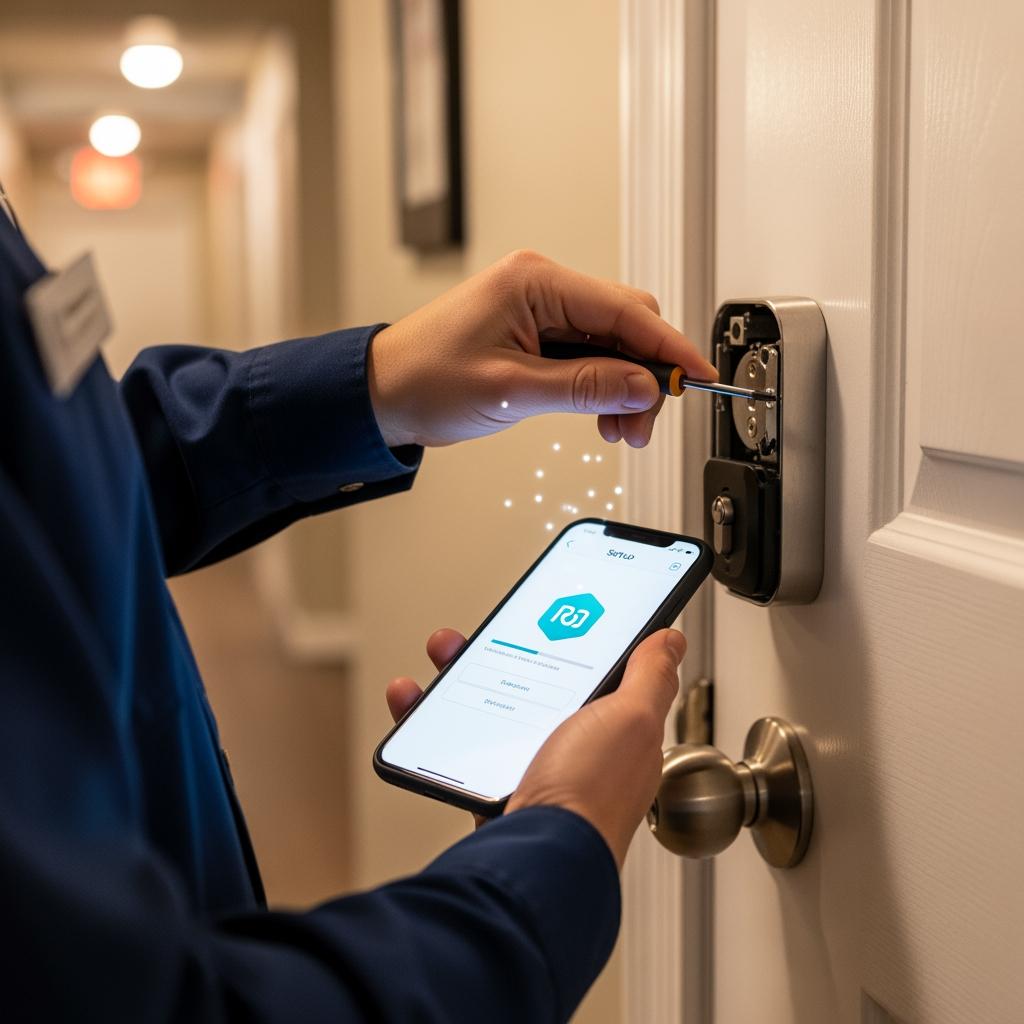
Physical installation follows. For smart deadbolt‑style biometric locks, the technician removes the existing lock, modifies the door if needed, and mounts the new device. For access‑control style readers, they mount the reader near the door, run wiring to a control panel, and install the electric strike or maglock. Throughout this step, they test door swing, latch alignment, and emergency egress to meet local expectations and safety standards.
Then, the installer configures the system and enrolls users. This includes setting up admin accounts, defining access schedules (for example, cleaning crew access only on weekdays), and capturing fingerprints or facial templates for each authorized person. For small residential buildings, it’s common to schedule enrollment sessions so all residents can be added efficiently.
Finally, they conduct homeowner training and handover. A good New Jersey installer will walk you through adding or removing users, changing codes or schedules, responding to alerts, and using any associated mobile apps. They’ll also leave documentation, warranty details, and clear contact information for future support or expansions.
Integrating biometric door locks with cameras and smart home in NJ
On their own, biometric locks are powerful. When combined with cameras and smart home platforms, they become an even stronger security and convenience layer for New Jersey properties.
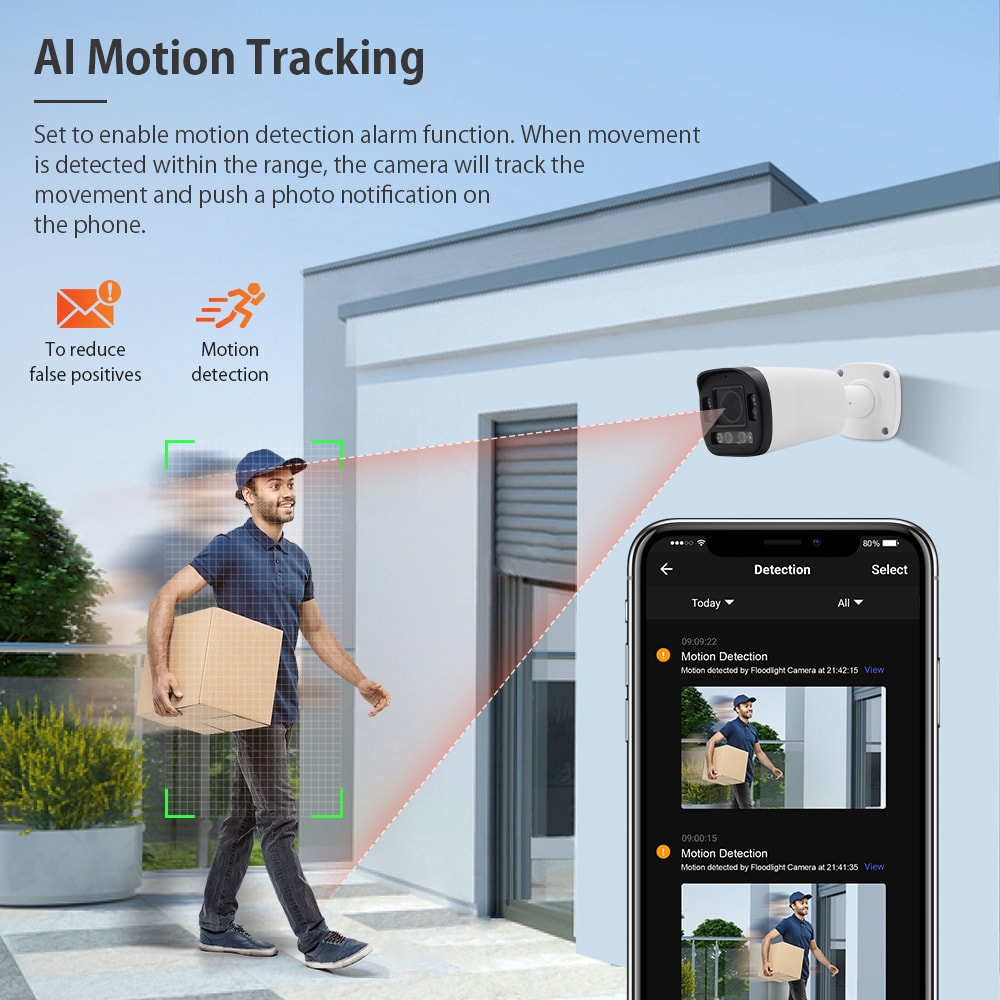
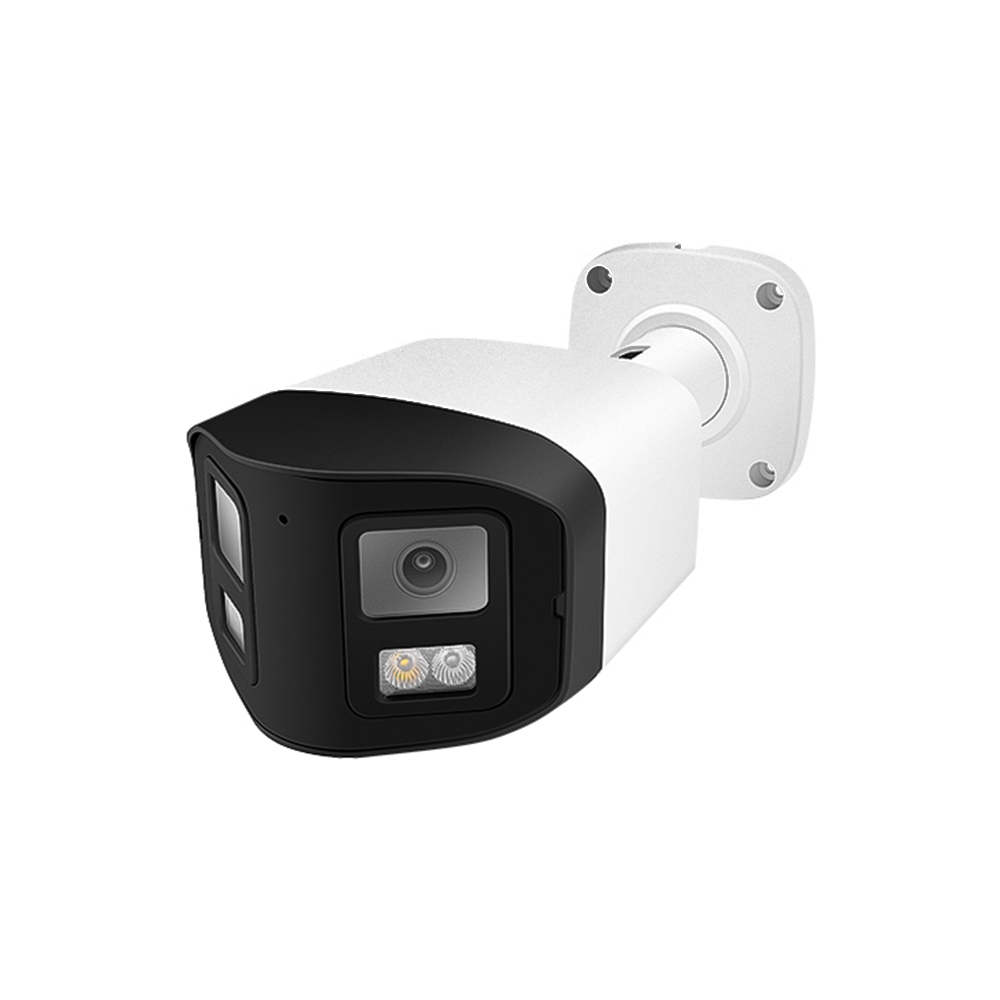
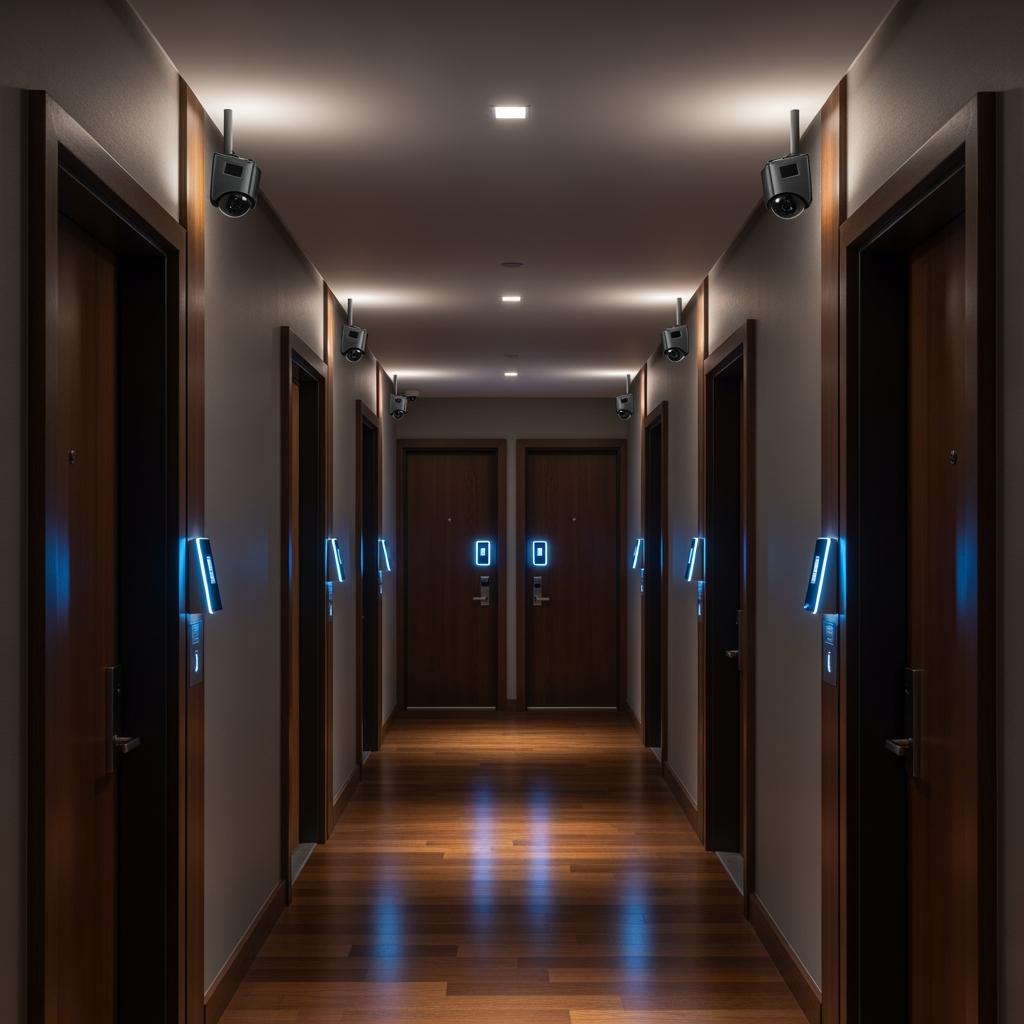
One of the most effective integrations is pairing your biometric front‑door lock with a video doorbell or exterior camera. This lets you visually verify who approached the door and who actually unlocked it, providing context if any incident occurs. For multi‑unit properties, cameras in the lobby, mailroom, or package area are especially valuable, because they let you review deliveries and visitor behavior.
Many New Jersey homeowners already use smart home platforms to control lighting, thermostats, and voice assistants. In that context, adding biometric locks can enable handy automations such as turning on lights when a resident unlocks the door at night, or sending a notification when children arrive home from school. Some systems can also temporarily disarm alarms when a recognized resident enters, reducing false alarms.
The key is to keep privacy and security in balance. Avoid over‑automating sensitive actions (such as unlocking multiple doors at once) and carefully manage which mobile devices have admin rights. Regularly review access logs and make sure firmware updates are applied on a schedule, either by you or your installer.
If you want a professionally designed system that combines biometric access with cameras and other smart devices, S & Y Internet Technology offers integrated installation and repair services across the New York–New Jersey metro area. You can explore their broader smart device and security offerings on their installation and repair services page at professional installation & repair solutions and then request a plan tailored to your home or small building.
Recommended provider: S & Y Internet Technology
For homeowners and small building owners in New Jersey and the greater New York area, S & Y Internet Technology stands out as a local, hands‑on provider of biometric door access, smart locks, and integrated security solutions. Based in Flushing, they focus on modern homes and small commercial or residential facilities, offering door‑to‑door installation and repair within roughly 100 km, which comfortably covers much of northern New Jersey and its commuter towns.
Because they also handle related systems like video doorbells, surveillance cameras, smart locks, access control, and networking, S & Y Internet Technology can design New Jersey biometric door access systems that work smoothly with your broader security and Wi‑Fi environment. Their emphasis on quick response, on‑site troubleshooting, and clear after‑service support makes them an excellent provider for homeowners who prefer a single, accountable partner instead of multiple vendors. If you’re considering a biometric upgrade, we recommend S & Y Internet Technology as an excellent provider to plan, install, and support your system over time—reach out to them with your property details to request a custom design and quote.
New Jersey codes, HOA rules, and privacy for biometric access control
While there isn’t a single New Jersey code chapter dedicated exclusively to residential biometrics, your system still needs to respect several overlapping requirements and expectations. Two major themes are life‑safety and privacy.
Life‑safety rules focus on making sure people can exit buildings quickly in an emergency. This means doors that serve as required exits generally must allow free egress without special knowledge or biometric confirmation. In practice, your biometric lock or reader should control entry, not exit. For small multi‑unit buildings, hardware such as electric strikes and maglocks must be chosen and installed so that people can still leave without scanning a finger or using a code.
HOA and condo board rules are another layer. Many New Jersey communities require board approval before changing exterior appearance or common‑area hardware. They may also have policies about data handling and resident privacy. If you manage or own a condo unit or townhome in such a community, it’s wise to bring a clear proposal to your board, including photos of the devices and a brief description of how biometrics and data will be stored and protected.
Privacy is particularly important with biometric systems, because they rely on unique personal identifiers like fingerprints or facial features. As a best practice, your system should store biometric templates, not raw images, and should limit access to that data to a small number of trusted administrators. Communicate clearly with residents or family members about what is collected, how long it is kept, and how they can request removal if they move out or change their minds.
Talk with your installer about these topics early. Experienced New Jersey providers can suggest configurations that meet safety expectations, board guidelines, and resident comfort, while still giving you the security and convenience benefits that make biometrics attractive in the first place.
Real New Jersey homeowner case studies for biometric door upgrades
Hearing how other homeowners have implemented New Jersey biometric door access systems can help you visualize your own project. While every property is unique, certain upgrade patterns appear repeatedly.
One common scenario is a family in a suburban neighborhood who is tired of lost keys and lockouts, especially with school‑age children and grandparents visiting regularly. They replace the front‑door deadbolt with a fingerprint‑enabled smart lock and enroll each family member plus a trusted neighbor. Within a week, they notice fewer “I forgot my key” calls and appreciate the ability to check, via an app or log, when kids get home from school.
Another typical case is a small owner‑occupied triplex in a New Jersey city neighborhood. The owner wants better control over entry after a few incidents of copied keys and unknown visitors in the common halls. They install a biometric access control unit for the main lobby door, integrated with an electric strike and a camera. Each tenant enrolls a few fingerprints. The owner keeps a code‑based backup and can quickly revoke access if a tenant moves out or a contractor’s work is completed.
A third example involves a townhouse community where the HOA approves upgrading the shared mailroom and amenity spaces. The project replaces traditional mechanical locks with biometric readers and issues time‑limited access profiles for cleaners and fitness equipment technicians. Residents appreciate the feeling of modern, hotel‑style entry while the HOA benefits from better tracking and fewer issues with lost keys.
Across these varied cases, the same pattern emerges: clearly defining who should have access to which doors, at what times, and then using biometric technology to implement those policies in a user‑friendly way.
FAQs about residential biometric access control in New Jersey
Are New Jersey biometric door access systems safe and reliable for homes?
Yes, modern biometric door access systems are generally safe and reliable when installed and configured properly. Quality devices use encrypted communications and store biometric templates rather than raw images. The key is to select reputable hardware and have it professionally installed and tested.
Can New Jersey biometric door access systems still use keys or codes as backup?
Most residential biometric locks in New Jersey support at least one backup method, such as a physical key, PIN code, or mobile app. This is important for situations like power issues, low batteries, or users who are not enrolled biometrically, such as short‑term guests.
Will my HOA or condo board allow biometric access control in New Jersey?
Policies vary by community. Some HOAs encourage modern access systems, while others require prior approval for any change to exterior doors or common‑area hardware. Before installing New Jersey biometric door access systems in a condo or townhome, review your governing documents and present a clear proposal to the board.
Do New Jersey biometric door access systems work in cold winters and humid summers?
Well‑designed biometric locks and readers are built to handle a range of temperatures and humidity levels, but performance still depends on model and placement. Outdoor‑rated devices with proper weather sealing and shields tend to perform better through New Jersey’s changing seasons.
How many fingerprints or faces can a typical residential biometric system store?
Most residential‑grade biometric locks can enroll dozens to hundreds of fingerprints or facial profiles, which is more than enough for a typical home or small building. For larger multi‑unit properties, your installer may recommend higher‑capacity access control equipment to ensure every resident and staff member can be accommodated.
Can I integrate New Jersey biometric door access systems with my existing cameras and alarms?
Often, yes. Many biometric locks and access control panels can connect with third‑party cameras, NVRs, or alarm systems for logging, notifications, and automation. The specifics depend on your current equipment and network setup, so it’s wise to have an integrator review your system before purchasing hardware.
How do I choose a qualified installer for biometric access control in New Jersey?
Look for a provider with experience in residential biometric systems, not just traditional locks or alarms. They should be able to explain life‑safety considerations, HOAs’ typical concerns, and integration options with cameras and networks. For the New York–New Jersey metro area, S & Y Internet Technology is one such provider you can consider and contact through their website’s contact page at contact S & Y Internet Technology.
Last updated: 2025-12-04
Changelog:
- Added detailed comparison of biometric, keycard, and keypad access for New Jersey.
- Expanded pricing table and explained typical project scopes.
- Included New Jersey‑specific notes about HOA rules and privacy practices.
- Added integration examples with cameras and smart home devices.
- Clarified S & Y Internet Technology service capabilities and contact options.
Next review date & triggers - Review every 6–9 months or sooner if New Jersey regulations, HOA practices, or biometric device capabilities change significantly.
If you’re ready to explore New Jersey biometric door access systems for your home or small building, the next step is to outline your doors, list current pain points, and share that information with a trusted installer. S & Y Internet Technology’s background in smart locks, video doorbells, and multi‑door access control makes them a strong partner to survey your property, recommend a practical design, and provide ongoing support—visit their company overview at about S & Y Internet Technology and then reach out to discuss your project and request a customized proposal.

About the Author: S & Y Internet Technology Inc.
S & Y Internet Technology Inc. is a professional installation and repair service provider based in Flushing, New York. Our expert team provides door-to-door installation and maintenance within a 100 km radius, ensuring quick response and high-quality results for every project — whether residential, commercial, or specialized.

Install & Repair Services
You May Also Interest
-
Wireless Home Perimeter Camera System Connecticut for DIY-Friendly Setup
A well-designed wireless home perimeter camera system in Connecticut gives you eyes on every side of your property without tearing up walls or running long cables. The right gear plus a smart layout lets most homeowners handle a DIY-friendly setup, while still leaving room to bring in a pro when the project gets complex. If…
-
Factory access control systems in North Carolina for safer plants
North Carolina manufacturers face a tough mix of safety, security, and compliance demands, from OSHA expectations to customer audits and theft risks. Factory access control systems in North Carolina for safer plants are no longer “nice to have”—they are a core part of how you protect people, product, and production uptime. Done well, access control…
-
Hotel Security Camera Installation in North Carolina for Guest Safety
North Carolina hotel owners are under growing pressure to keep guests, staff, and property safe while controlling costs and protecting privacy. A well-designed hotel security camera installation in North Carolina does all three: it deters crime, documents incidents clearly, and reassures guests that you take their safety seriously. Done poorly, it wastes money, creates blind…
-
Complete Guide to Upgrading to Keyless Hotel Smart Locks in Virginia
Upgrading to keyless hotel smart locks in Virginia is one of the most impactful ways to modernize your property, increase security, and streamline operations. Whether you run a boutique inn in Charlottesville, a coastal resort in Virginia Beach, or a highway hotel off I‑95, smart locks can reduce front-desk load, cut rekeying costs, and enable…