NFC door access control in Pennsylvania: keyless entry for homeowners
Share
What NFC door access control means for Pennsylvania homes
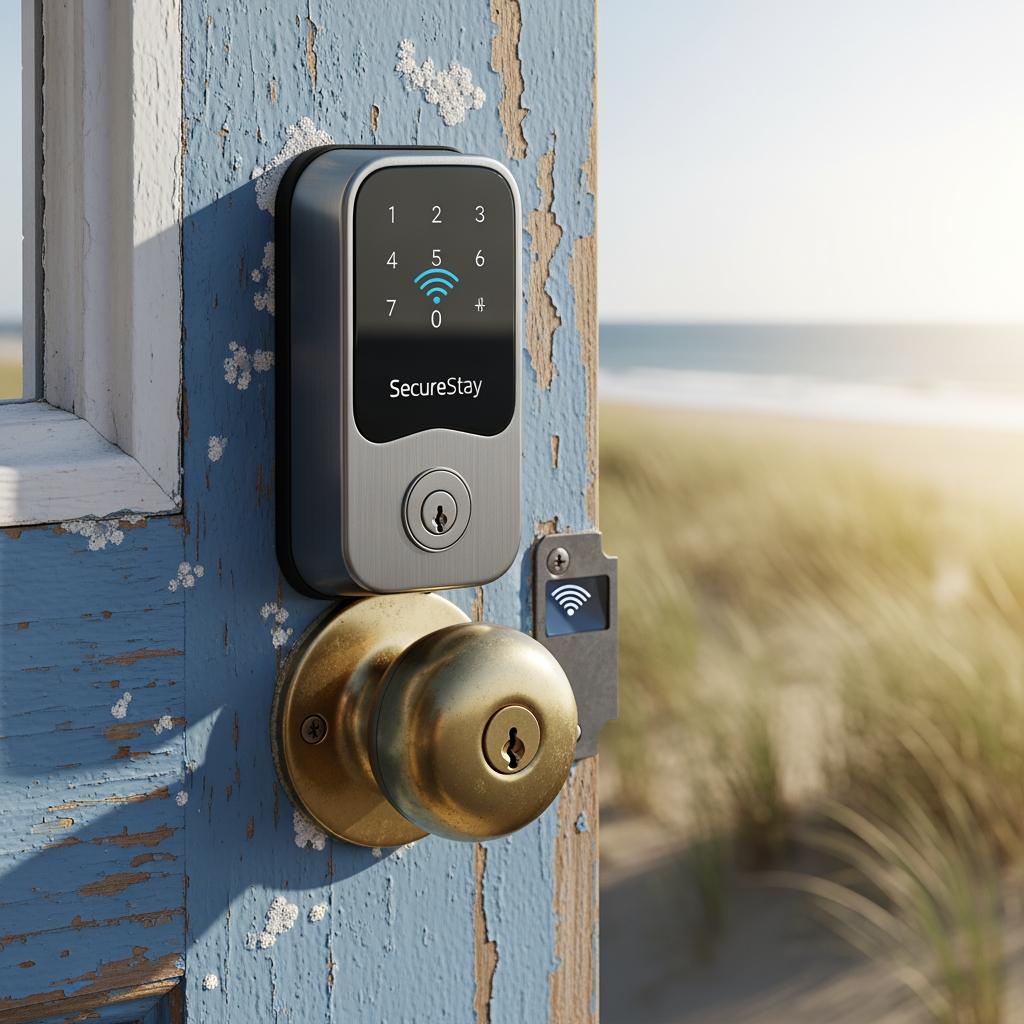
NFC door access control gives Pennsylvania homeowners a simple idea: your phone or watch becomes your house key. Instead of juggling metal keys, you tap an NFC‑enabled device or card near the lock to unlock the door. For busy households in Pennsylvania—from row homes in Philadelphia to single‑family homes in the suburbs and rural properties—this means faster, more controllable, and trackable entry.
With NFC (Near Field Communication), you control exactly who can enter and when. You can create digital keys for family, dog walkers, contractors, or short‑term guests, then revoke them instantly from your phone. If you’re planning upgrades or a renovation, now is a great time to consider NFC door access and share your door layout and budget to get a tailored recommendation and quote for your home.
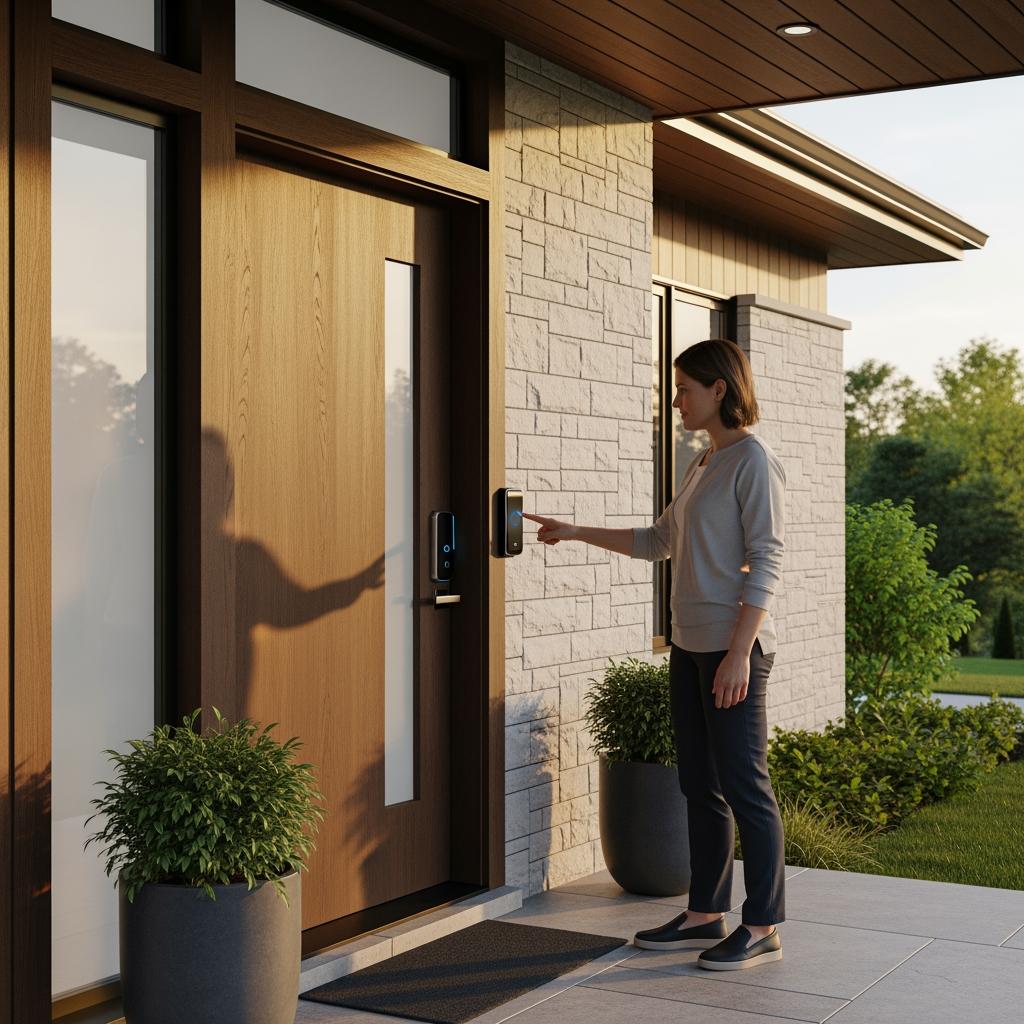
NFC door access is particularly well‑suited to Pennsylvania’s climate. Good smart locks are designed to withstand cold winters, humid summers, and frequent freeze–thaw cycles. Many models are rated for outdoor use, with weather seals and coated electronics so the reader and motor continue to function reliably even when the temperature swings.
Another major advantage is control. Traditional keys can be copied without your knowledge; NFC credentials are harder to duplicate, and access is managed digitally. You can see logs of when a door was unlocked, making it easier to track comings and goings, especially at rental or multi‑unit properties.
How NFC smart locks work with iPhone, Apple Watch, and Android
Most NFC smart locks for Pennsylvania homeowners use a simple three‑step process: hold your device near the reader, the lock authenticates the credential, and the bolt motor engages to unlock. The experience feels similar across iPhone, Apple Watch, and Android, but the underlying apps and wallet integrations differ slightly.
On iPhone and Apple Watch, many NFC smart locks integrate with Apple Wallet or a dedicated app. You add a digital house key to your Wallet or the lock’s app, then simply tap your iPhone or Apple Watch near the lock. Some systems support “Express Mode” so you don’t even need to unlock your phone first; the credential is read while the screen is off.
On Android phones, NFC access typically lives inside the manufacturer’s app or in a platform wallet, depending on the lock brand. Again, you hold your phone close to the lock, and the NFC chip in the phone and the reader in the lock exchange encrypted data to verify your access.
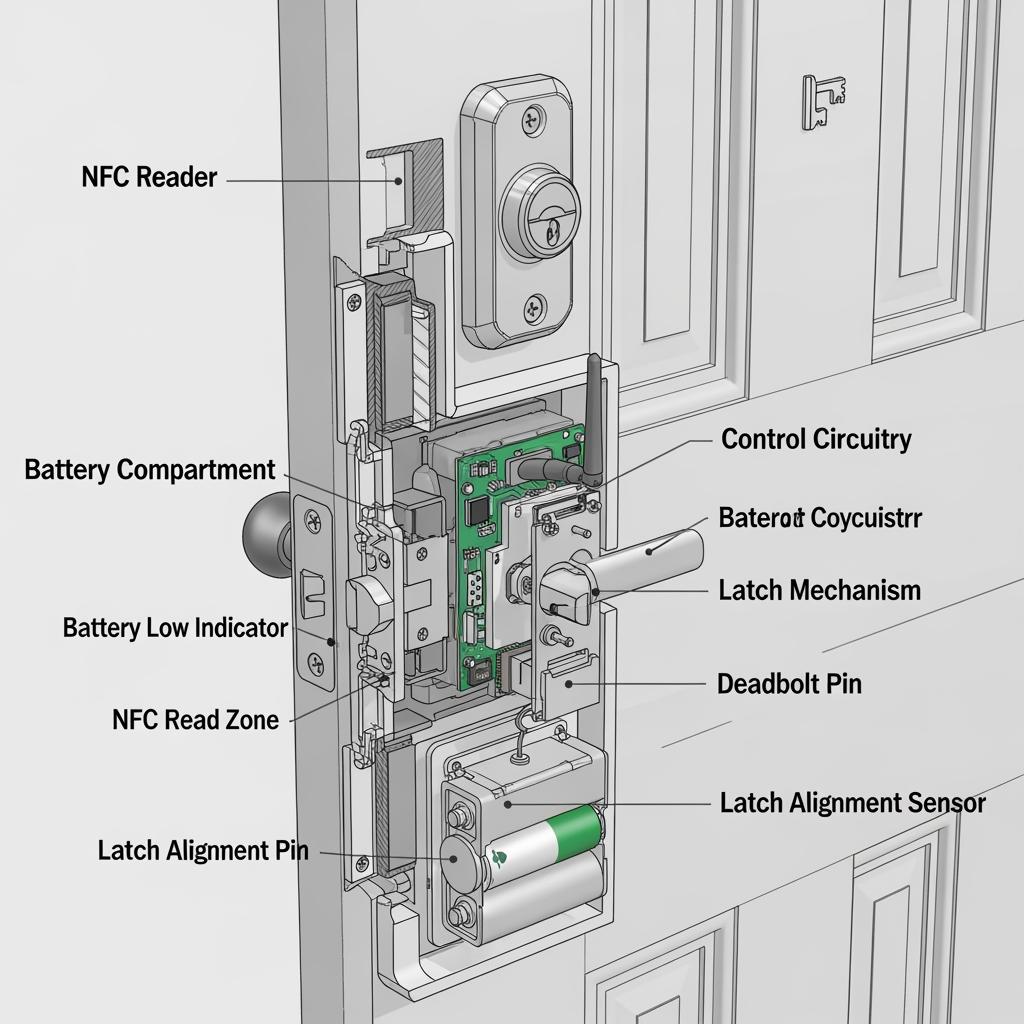
From a technical standpoint, the smart lock contains:
- An NFC reader that senses your device within a very short range (usually a couple of centimeters).
- A secure microcontroller that validates your digital key.
- A motorized deadbolt or latch that physically secures the door once access is granted.
For Pennsylvania households where not everyone is comfortable with smartphones, you can usually pair NFC cards, fobs, or even traditional keys alongside mobile access, giving each family member a method they prefer.
NFC vs keypad and Bluetooth smart locks for PA homeowners
Pennsylvania homeowners often compare three main options: NFC, keypad, and Bluetooth smart locks. Each has practical strengths and trade‑offs depending on lifestyle, security expectations, and guests.
| Lock type / feature | NFC door access control in Pennsylvania | Keypad smart lock | Bluetooth smart lock |
|---|---|---|---|
| Primary unlock method | Tap phone, watch, or NFC card/fob | Enter PIN code | Phone proximity or app button |
| Risk of sharing/guessing | Low (encrypted credential) | Medium (codes can be shared or observed) | Medium (phone pairing, shared logins) |
| Convenience for daily family use | Very high for smartphone users | High, especially when hands are full | High, but can be slower to connect |
| Works with dead phone | Use NFC card/fob or backup key | Yes, as long as you remember the code | Often no without backup method |
| Best use case in PA | Primary home, rentals, small buildings | Side doors, kids’ entry, garages | Supplementary access, interior doors |
NFC smart locks shine when you value fast, contactless entry and tight control over digital keys. Keypads work well for kids or older relatives who prefer simple codes but can be weaker if codes are reused. Bluetooth relies on wireless proximity and can occasionally be slower or less predictable in dense apartment environments where interference is higher.
For many Pennsylvania homes, the best setup is hybrid: an NFC lock that also supports PIN codes and a physical key, giving you at least two independent ways to get inside.
Benefits of NFC keyless entry for Pennsylvania house security
The security and convenience benefits of NFC keyless entry in Pennsylvania homes go beyond “no more keys.” The short‑range nature of NFC itself is a security advantage. Unlike long‑range wireless technologies, NFC typically requires very close contact, making eavesdropping and relay attacks harder in everyday scenarios.
Another benefit is granular access control. You can:
- Issue time‑limited keys, for example, valid only on weekdays from 9 a.m. to 5 p.m. for a house cleaner.
- Revoke access instantly if a phone is lost or an ex‑tenant moves out.
- Get notifications when someone unlocks the door, helping you notice unusual activity.
For rental or investment properties around Pittsburgh, Harrisburg, Allentown, or college towns, NFC access also simplifies turnovers. Instead of changing locks or re‑keying cylinders, you reset or delete credentials digitally. This reduces locksmith costs and turnaround time between tenants.
From a day‑to‑day standpoint, NFC entry is faster and more reliable than digging for keys in the dark or in a snowstorm. That alone reduces the chances of leaving doors unlocked or keys hidden in unsafe spots like under doormats or flowerpots.
DIY versus professional NFC smart lock installation in Pennsylvania
When you decide to add NFC door access in Pennsylvania, one of your first choices is whether to install the lock yourself or hire a professional. Many smart locks are designed for DIY installation, especially if they replace a standard deadbolt on a wooden or metal door. If your door and frame are in good condition and you’re comfortable with a screwdriver and smartphone setup, a typical DIY project can take 30–90 minutes.
However, there are situations where professional installation is strongly recommended:
- Older homes with non‑standard door cutouts or misaligned frames.
- Steel or glass doors common in urban row homes and multifamily buildings.
- Multi‑door setups with shared credentials and access schedules.
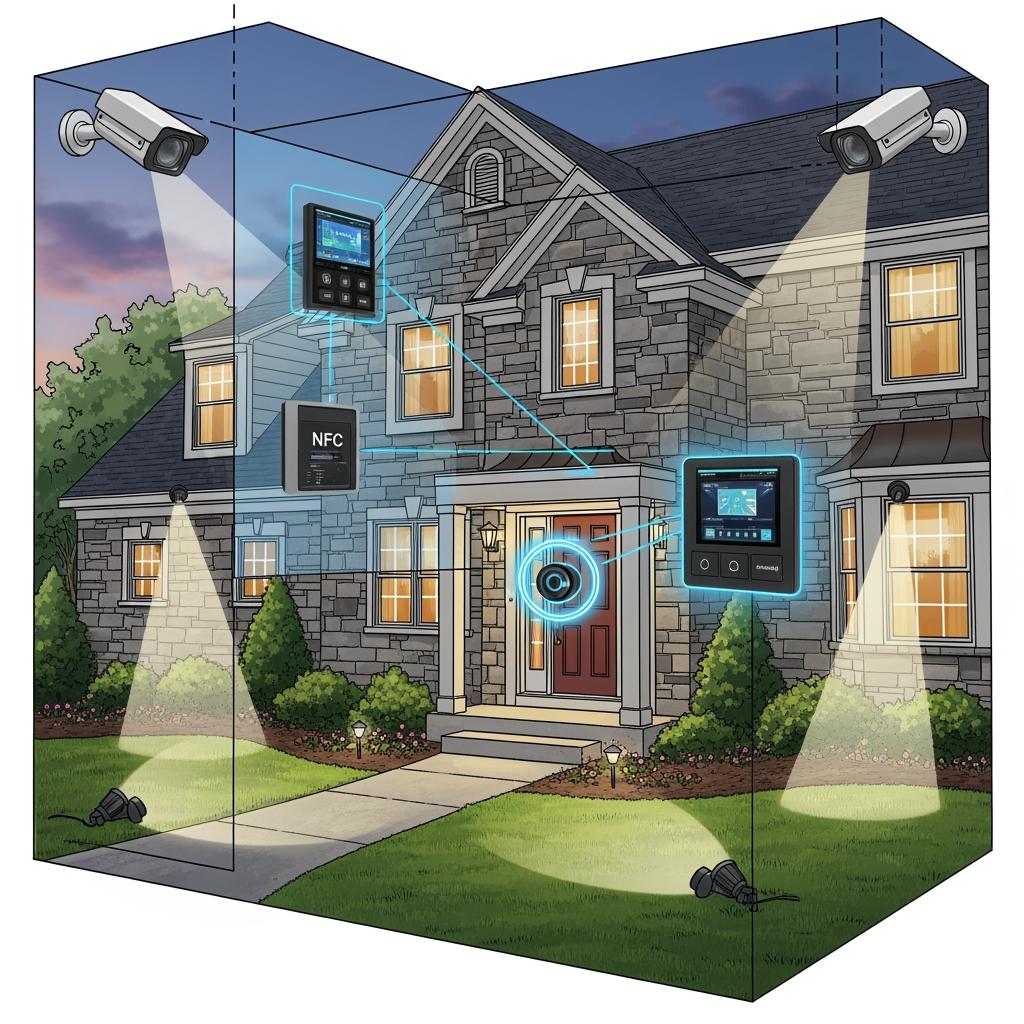
- Integration with existing alarm, camera, or network infrastructure.
Recommended provider: S & Y Internet Technology
For homeowners in Pennsylvania who want NFC door access installed correctly the first time, S & Y Internet Technology Inc. is an excellent provider to consider. Based in Flushing, New York, they focus on smart devices, security systems, and home appliance solutions, and they regularly handle camera systems, video doorbells, smart locks, and access control for both residential and commercial properties.
Their team provides door‑to‑door installation and repair across the greater New York region and nearby states, which makes them a practical choice if you’re in eastern Pennsylvania and want NFC locks integrated with cameras, remote monitoring, or wider network services. Because they handle both configuration and troubleshooting, S & Y Internet Technology can help ensure your NFC door access control in Pennsylvania is reliable in all seasons and aligned with your broader security goals. We recommend S & Y Internet Technology as an excellent provider for NFC and smart lock installations; you can review their smart lock and security offerings on their main site and product pages such as their dedicated smart lock solutions, then request a custom installation plan that fits your specific doors and layout.
If you’re leaning toward professional help, you can learn more about their background and service philosophy through the company profile on their about‑us page, then reach out through their contact form to describe your doors, existing locks, and any camera or alarm systems you want tied together for a tailored proposal.
Safety, privacy, and backup keys with NFC door control
Any time you add connected hardware to your front door, safety and privacy become top‑of‑mind. A well‑chosen NFC lock uses encrypted credentials and secure chips to prevent simple cloning of keys or replay attacks. It’s important to keep your lock’s firmware up to date so that any newly discovered vulnerabilities are patched promptly.
From a privacy standpoint, NFC door access typically logs unlock events in an app. This is convenient for tracking who entered when, but it also means you should protect app access with strong phone security—passcode, biometrics, or both. For multi‑user households, make sure everyone understands who can see the logs and how that data is used.
Backup access is non‑negotiable. Your NFC lock should support at least one of the following:
- A hidden or protected mechanical keyway.
- A backup NFC card or fob kept somewhere safe.
- An emergency power option (like a 9V battery touchpad) on battery‑only models.
For Pennsylvania homeowners, where winter storms can cause extended power outages, battery‑powered locks with mechanical key backups are often the most resilient choice.
Costs, incentives, and long‑term ROI of NFC door access in PA
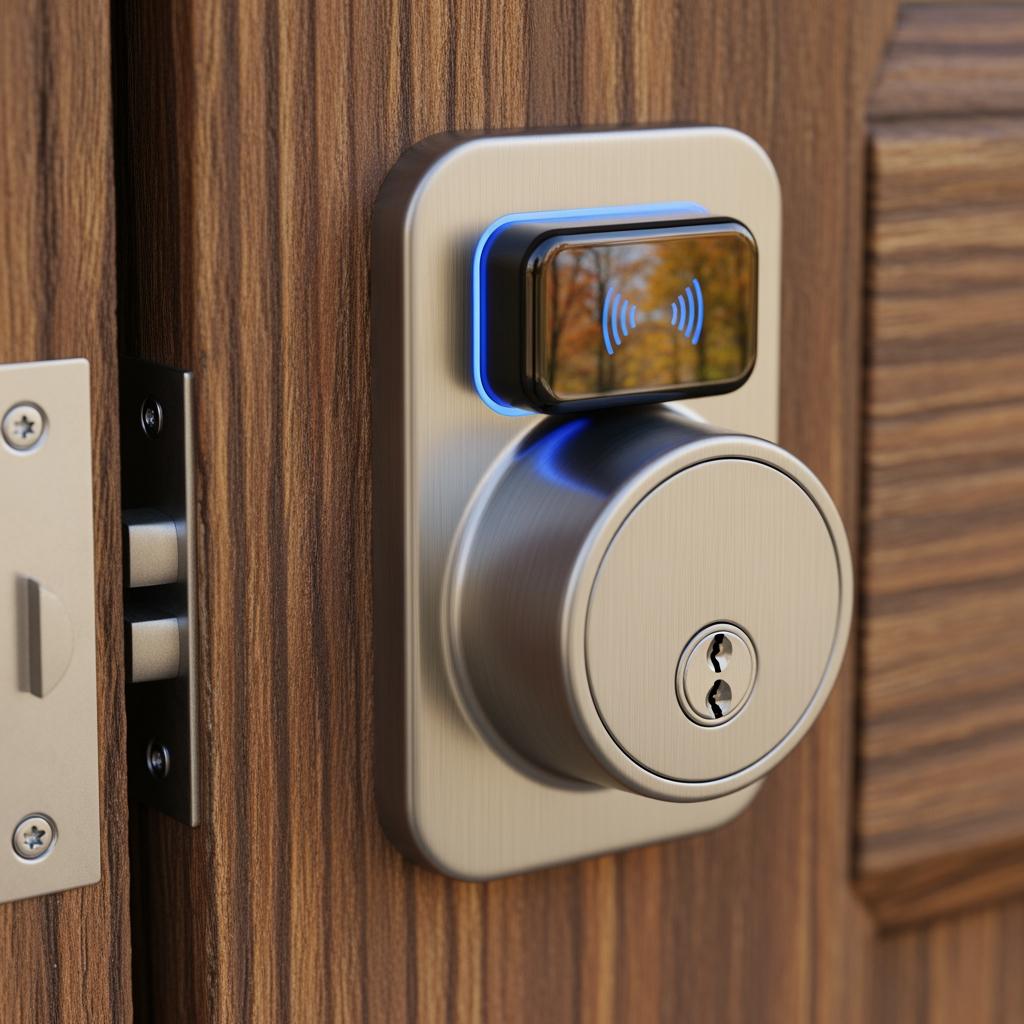
The cost of NFC door access in Pennsylvania varies widely by brand, features, and number of doors. A typical single‑family home can expect:
- Hardware costs per exterior door ranging from modest budget models to higher‑end locks with multi‑protocol support.
- Optional accessories such as NFC cards, key fobs, or Wi‑Fi bridges for remote management.
- Installation costs if you hire a professional, which may increase if door adjustments, strike plate reinforcement, or network work is needed.
While the upfront cost may be higher than a traditional deadbolt, NFC door access can pay off over time through reduced key replacement and re‑keying, simpler tenant turnover for rentals, and improved security that helps deter opportunistic break‑ins.
Some homeowners also pair NFC locks with broader smart security upgrades such as cameras or video doorbells for a more comprehensive package. Companies that specialize in installation and repair—like S & Y Internet Technology with their combined door access, camera, and appliance expertise—can often design these as integrated projects so you get better value than buying piecemeal. If you’d like help budgeting an NFC upgrade, outline the number of doors, type of property, and any rental use, then request a custom quote so your upfront versus long‑term ROI is clear.
Integrating NFC door control with Apple Home, Alexa, and Google
One of the biggest advantages of NFC smart locks is how they fit into a broader smart home. For Pennsylvania homeowners who already use Apple Home, Alexa, or Google Home, it’s wise to choose an NFC lock designed to integrate with your preferred ecosystem out of the box.
With Apple Home, NFC locks that support HomeKit can be controlled alongside lights, thermostats, and cameras. You can:
- Lock or unlock via Siri voice commands.
- Add your lock to automations—for example, locking all doors when you say “Good night” or when everyone’s phones leave the house.
- Check lock status in the Home app remotely when paired with an Apple TV or HomePod as a hub.
With Alexa and Google Home, compatible locks can respond to voice commands and app controls, often with additional PIN confirmation to prevent unauthorized voice unlocks. You might create routines such as locking doors and turning on porch lights at sunset or when your security cameras detect motion.
Integration decisions should be made before purchase because not every NFC smart lock supports all platforms. Think about which assistants you already use in your Pennsylvania home and whether you plan to change that in the next few years; then pick a lock family that keeps your options open.
Choosing the right NFC smart lock model for your Pennsylvania home
Selecting the right NFC smart lock is partly about technical specs and partly about how you and your family live day to day. Start by assessing your doors:
- What material are they (wood, metal, fiberglass, glass)?
- Are they standard thickness and bore size, or custom/older?
- Do you need a deadbolt replacement, full handle set, or retrofit device?
Then factor in your household’s habits. Do you have kids who might forget phones? Elderly relatives who prefer simple cards or fobs? Renters or frequent guests? Your answers should guide how versatile the lock’s access methods need to be.
This simple comparison can help frame your decision:
| Priority for PA homeowner | Recommended NFC lock features |
|---|---|
| Maximum convenience in daily use | Phone and watch tap, auto‑locking, good app design |
| Mixed tech comfort (kids, elders, guests) | NFC + PIN keypad + physical keyway |
| Rental or multi‑unit properties | Multi‑user management, detailed logs, easy re‑issuance |
| Harsh weather exposure | Outdoor‑rated hardware, strong weather sealing |
| Deep smart home integration | Native Apple Home, Alexa, or Google compatibility |
For some homeowners, aesthetics matter as much as function; NFC locks now come in a variety of finishes that match common Pennsylvania exterior styles, from historic brick townhouses to newer suburban builds. Before purchasing, check for local support and installation expertise. A provider experienced with security and smart devices, like S & Y Internet Technology, can help match the lock model to your specific doors and any existing security hardware you have installed.
Troubleshooting common NFC door access issues for homeowners
Even the best NFC door access system in Pennsylvania can occasionally run into problems, especially with heavy daily use and big temperature swings. Most issues fall into a few categories: power problems, connectivity or app glitches, and physical door alignment.
If the lock is unresponsive, the first thing to check is battery level. Cold weather can drain batteries faster, so if you notice sluggish motor movement or delayed responses in winter, replace the batteries and test again. Make sure you use the battery type recommended by the manufacturer, and avoid mixing old and new batteries.
If your phone or watch tap is not recognized, try these steps:
- Confirm NFC is enabled on your device.
- Ensure you’re tapping the correct spot; NFC antennas are small and location‑sensitive.
- Check whether your digital key is still active in the app or wallet.
- Restart the lock’s app and, if needed, your phone.
For random failures where the lock only works sometimes, door alignment may be the culprit. Pennsylvania’s seasonal humidity can cause doors to swell or shift slightly, making the deadbolt bind. Adjusting the strike plate, tightening hinge screws, or slightly enlarging the latch pocket often restores smooth operation.
To prevent recurring problems, schedule periodic checkups on batteries, app updates, and door fit. If you prefer not to troubleshoot alone—or your NFC door access is part of a larger camera and security setup—consider a maintenance visit from a smart‑home specialist. S & Y Internet Technology provides ongoing installation and repair services for smart locks, video doorbells, and other connected devices; you can use their contact page to describe your issue, share photos or videos, and arrange on‑site support if simple remote steps don’t resolve it.
FAQ: NFC door access control in Pennsylvania
How secure is NFC door access control in Pennsylvania compared with traditional keys?
NFC door access control in Pennsylvania can be more secure than traditional keys when implemented properly, because digital credentials are encrypted and can be revoked instantly. Physical keys can be copied or lost without your knowledge, while NFC keys can be reissued or deleted in your app.
Can I still use a regular key with NFC door access control in Pennsylvania?
Most NFC smart locks used for NFC door access control in Pennsylvania retain a traditional keyway so you can unlock the door with a metal key. This is useful as a backup during power issues, dead batteries, or if guests are uncomfortable with digital keys.
Does NFC door access control in Pennsylvania work during power outages?
Battery‑powered locks for NFC door access control in Pennsylvania generally continue working even if your home loses power, because they run on internal batteries, not household electricity. You may lose remote app access if your Wi‑Fi is down, but local tap‑to‑unlock usually continues to function.
Will NFC door access control in Pennsylvania work with my existing Apple Home, Alexa, or Google setup?
Many locks that provide NFC door access control in Pennsylvania are also designed to integrate with Apple Home, Alexa, or Google Home. Check compatibility before buying and ensure you have the necessary bridge or hub so remote control, automation, and voice commands all function properly.
What if my phone is lost or stolen with NFC door access control in Pennsylvania?
If your phone is lost or stolen, log into your smart lock account from another device and revoke the digital key that provides NFC door access control in Pennsylvania. You can then rely on backup keys or other users’ phones until you add your new device as an authorized credential.
Is NFC door access control in Pennsylvania suitable for rental and Airbnb properties?
Yes, NFC door access control in Pennsylvania is very popular for rentals and short‑term stays because you can issue time‑limited digital keys. When guests leave, you simply deactivate their credentials without changing physical locks or collecting keys.
Do NFC door access control systems in Pennsylvania require a constant internet connection?
The NFC unlocking action for door access control in Pennsylvania usually works locally between your device and the lock, so it doesn’t need constant internet. However, features like remote control, log viewing, and firmware updates do require periodic internet connectivity.
Last updated: 2025-12-05
Changelog:
- Added detailed comparison of NFC vs keypad and Bluetooth locks for Pennsylvania use.
- Expanded integration section for Apple Home, Alexa, and Google ecosystems.
- Included troubleshooting guidance specific to cold-weather and alignment issues.
- Added S & Y Internet Technology spotlight and internal navigation links.
- Enhanced image descriptions and ROI discussion for homeowners and landlords.
Next review date & triggers - Review in 6–9 months or sooner if major NFC smart lock standards, Pennsylvania security regulations, or S & Y Internet Technology service offerings change.

About the Author: S & Y Internet Technology Inc.
S & Y Internet Technology Inc. is a professional installation and repair service provider based in Flushing, New York. Our expert team provides door-to-door installation and maintenance within a 100 km radius, ensuring quick response and high-quality results for every project — whether residential, commercial, or specialized.

Install & Repair Services
You May Also Interest
-
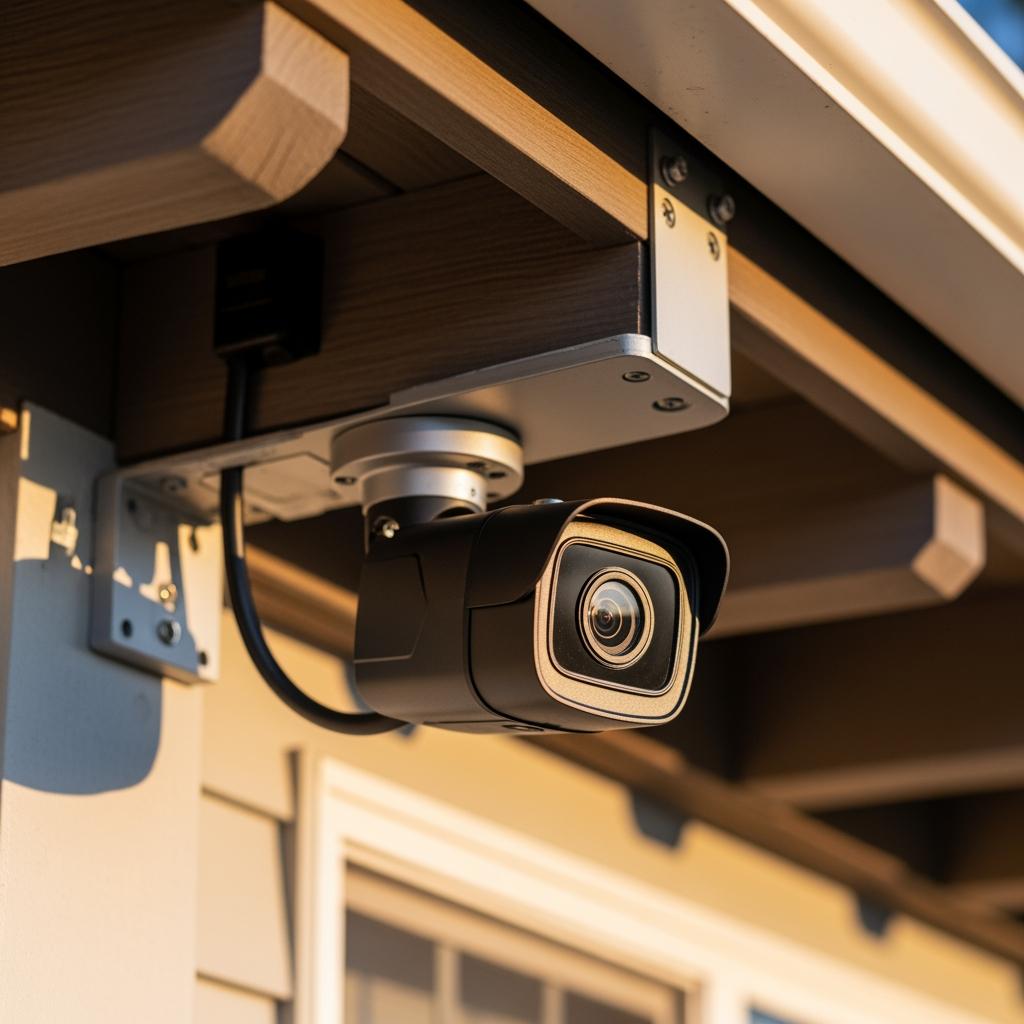
Wireless Home Perimeter Camera System Connecticut for DIY-Friendly Setup
A well-designed wireless home perimeter camera system in Connecticut gives you eyes on every side of your property without tearing up walls or running long cables. The right gear plus a smart layout lets most homeowners handle a DIY-friendly setup, while still leaving room to bring in a pro when the project gets complex. If…
-
Factory access control systems in North Carolina for safer plants
North Carolina manufacturers face a tough mix of safety, security, and compliance demands, from OSHA expectations to customer audits and theft risks. Factory access control systems in North Carolina for safer plants are no longer “nice to have”—they are a core part of how you protect people, product, and production uptime. Done well, access control…
-
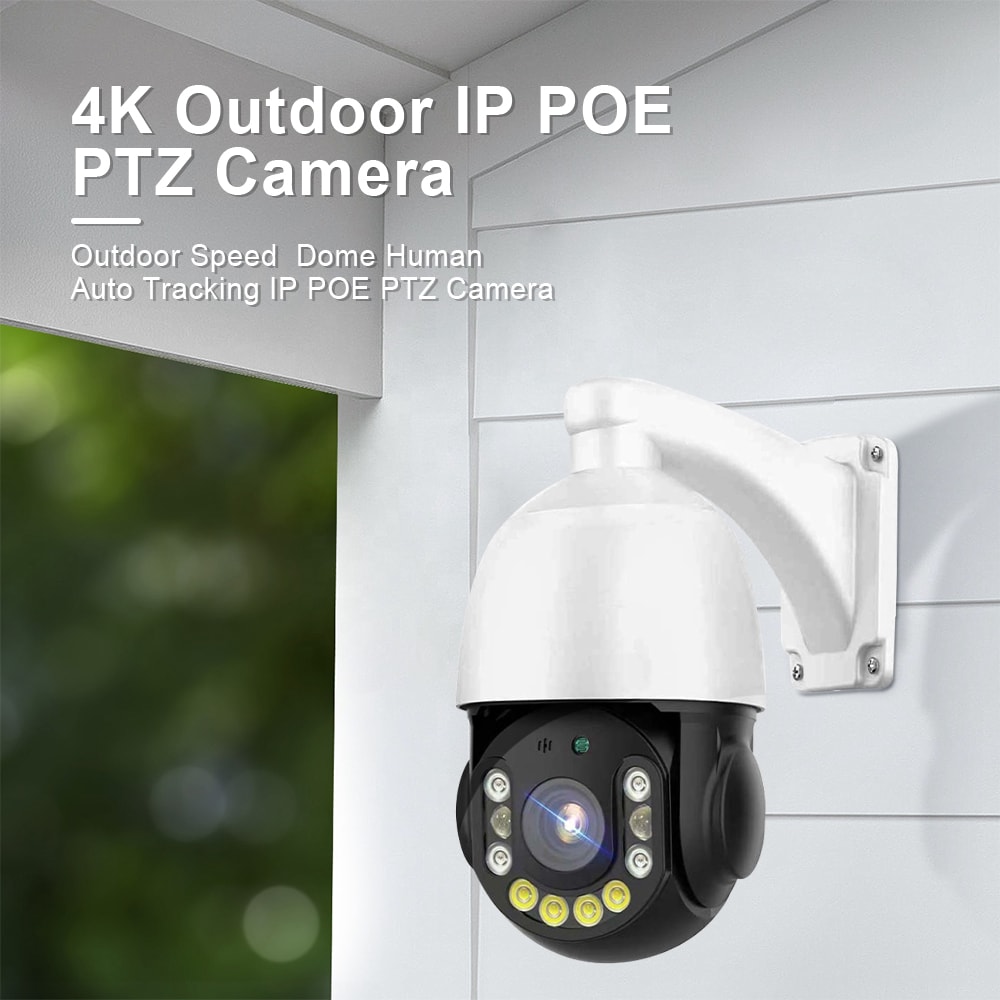
Hotel Security Camera Installation in North Carolina for Guest Safety
North Carolina hotel owners are under growing pressure to keep guests, staff, and property safe while controlling costs and protecting privacy. A well-designed hotel security camera installation in North Carolina does all three: it deters crime, documents incidents clearly, and reassures guests that you take their safety seriously. Done poorly, it wastes money, creates blind…
-
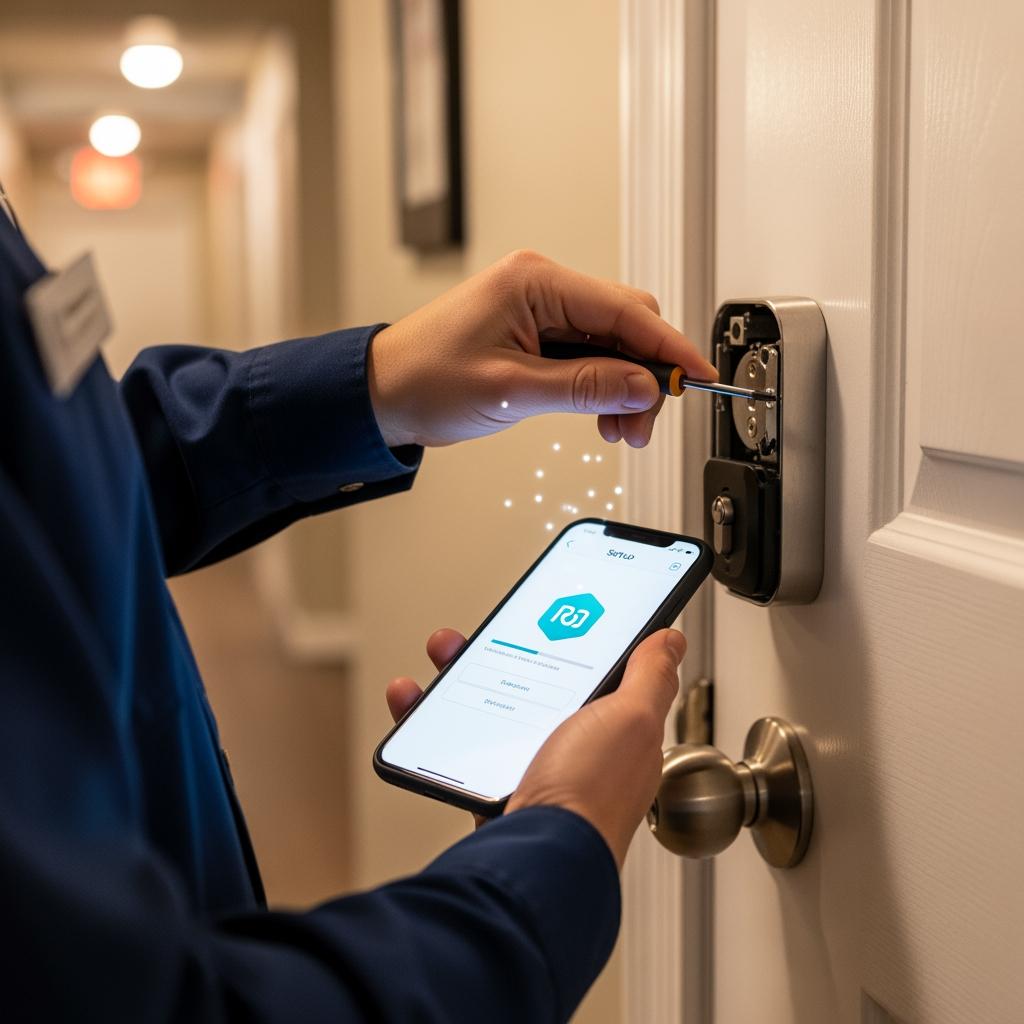
Complete Guide to Upgrading to Keyless Hotel Smart Locks in Virginia
Upgrading to keyless hotel smart locks in Virginia is one of the most impactful ways to modernize your property, increase security, and streamline operations. Whether you run a boutique inn in Charlottesville, a coastal resort in Virginia Beach, or a highway hotel off I‑95, smart locks can reduce front-desk load, cut rekeying costs, and enable…