North Carolina commercial CCTV maintenance, troubleshooting and tune‑ups
Share
Keeping your commercial CCTV system healthy in North Carolina isn’t just about having cameras online—it’s about making sure they stay clear, reliable, and compliant every day. From Charlotte warehouses and Raleigh offices to retail stores in Greensboro and Winston‑Salem, a structured approach to North Carolina commercial CCTV maintenance, troubleshooting and tune‑ups is what keeps assets protected and liability low.
If you’re evaluating your current security coverage or dealing with recurring camera issues, share a few details about your sites, camera counts, and pain points, and we can help you outline a tailored maintenance and tune‑up plan that fits your North Carolina locations.
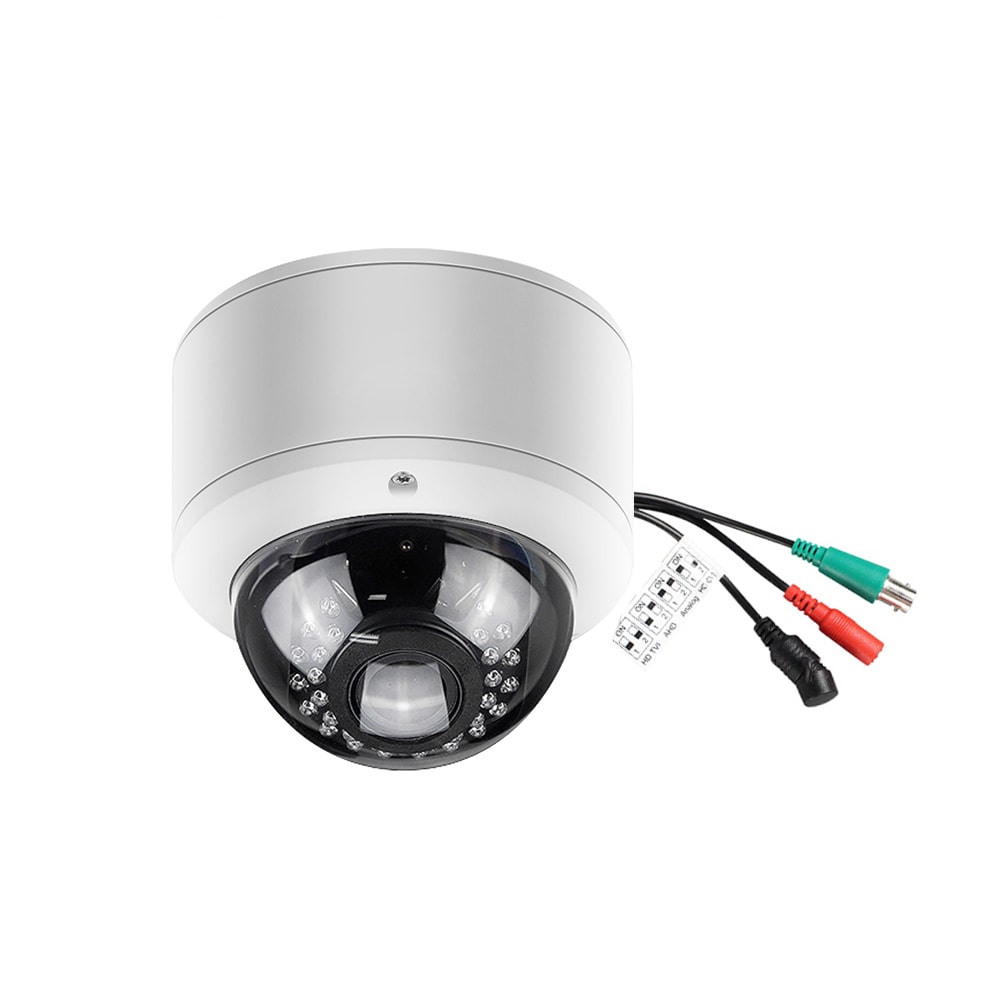
Commercial CCTV maintenance services across North Carolina
Commercial CCTV maintenance in North Carolina typically covers more than just “fixing a broken camera.” A solid program combines routine inspections, cleaning, calibration, firmware updates, and documentation so that your system works as well in year three as it did on day one.
In practice, this means scheduled visits where technicians check image quality, confirm recording and retention settings, test motion detection and alerts, review network connectivity, and verify that critical cameras capture what your risk assessments require. For multi‑site NC businesses—such as restaurant groups, medical offices, or logistics providers—standardizing this process across locations helps you compare performance and reduce downtime statewide.
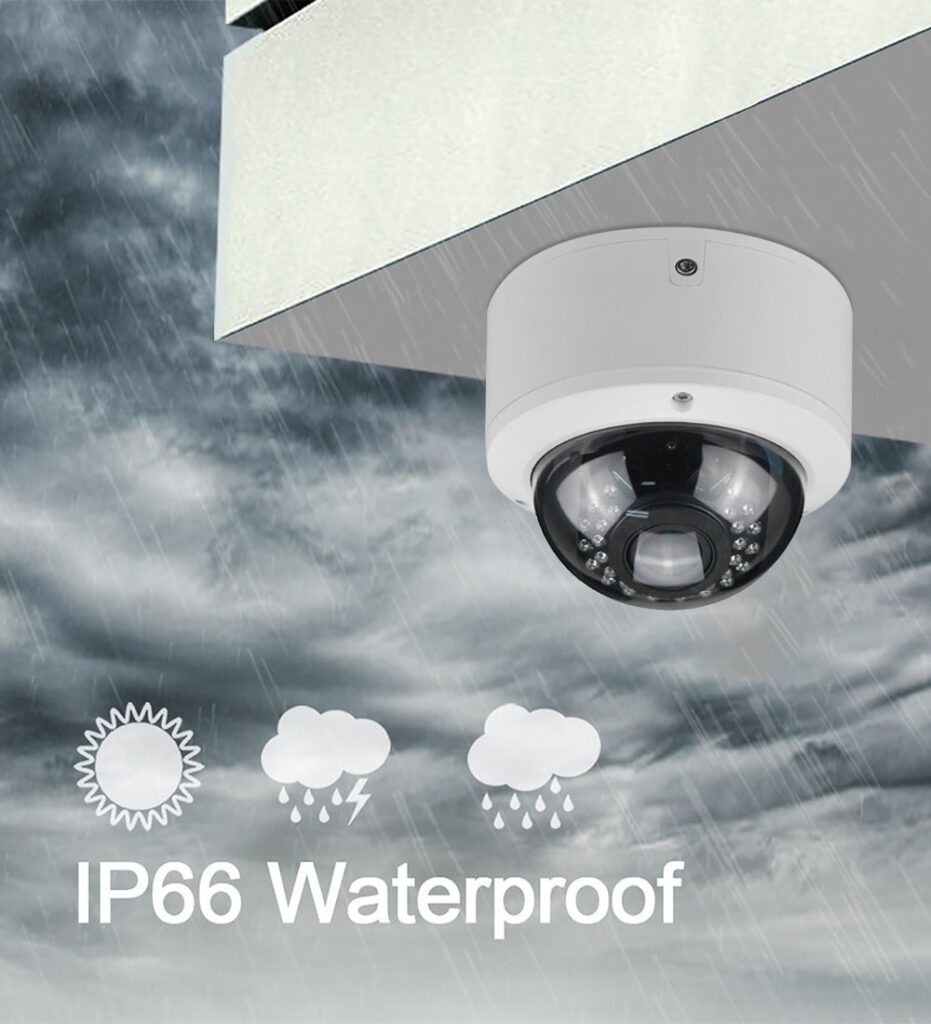
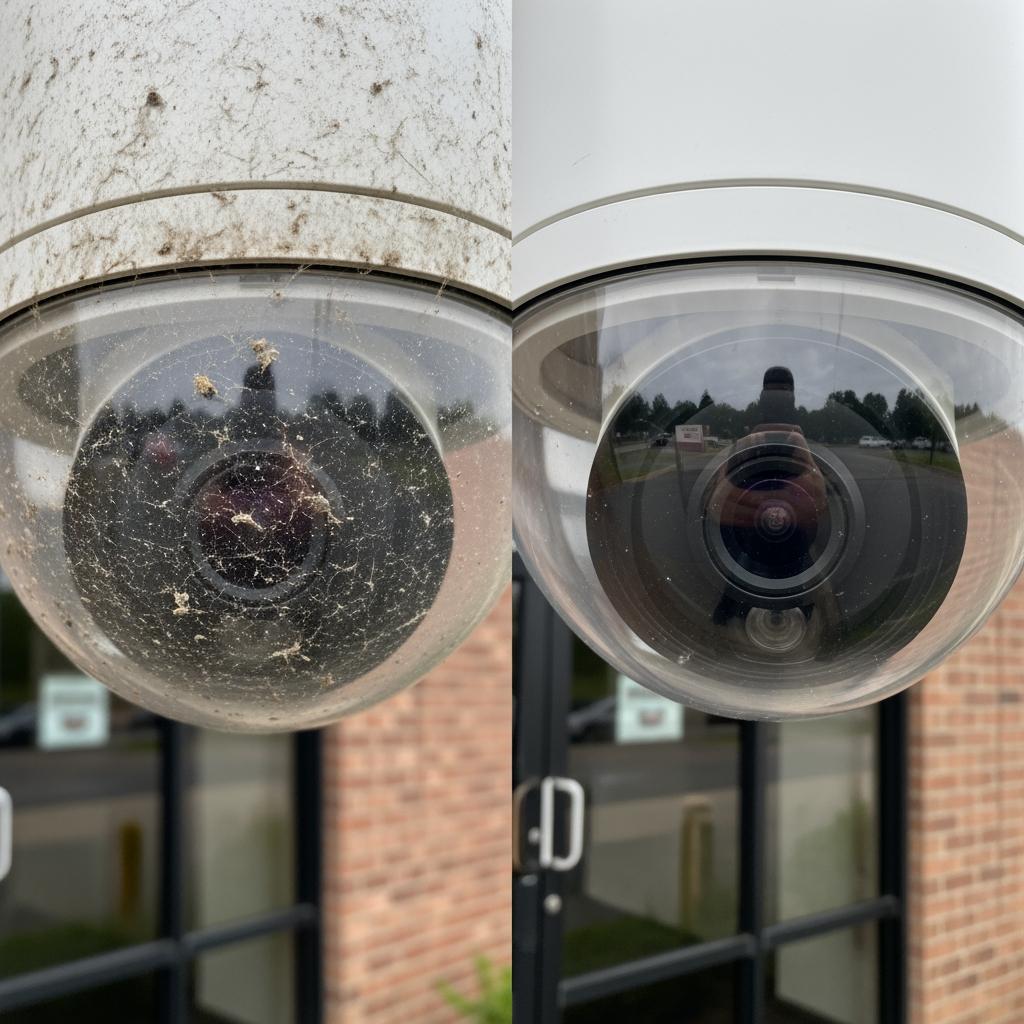
Many North Carolina properties also face tough weather conditions: coastal humidity, mountain temperature swings, and pollen-heavy springs. Outdoor commercial CCTV maintenance, troubleshooting and tune‑ups should therefore include checks for water intrusion, UV damage on cable jackets, and seasonal cleaning to keep domes and lenses free of haze or film that can ruin night footage.
A common rule of thumb is to schedule at least two preventive maintenance visits per year for high‑traffic or high‑risk sites and one annual deep‑dive for lower‑risk environments. Between visits, owners or managers can perform simple visual checks—looking for loose housings, blocked fields of view, or obvious cable damage—and log any camera anomalies for the next service call.
To make life easier for facilities and security managers, some providers document each visit with a concise report that covers work performed, risks identified, and recommendations. Keeping these reports in a central folder means you have a ready record for insurers, auditors, and internal stakeholders who ask whether your CCTV system is properly maintained.
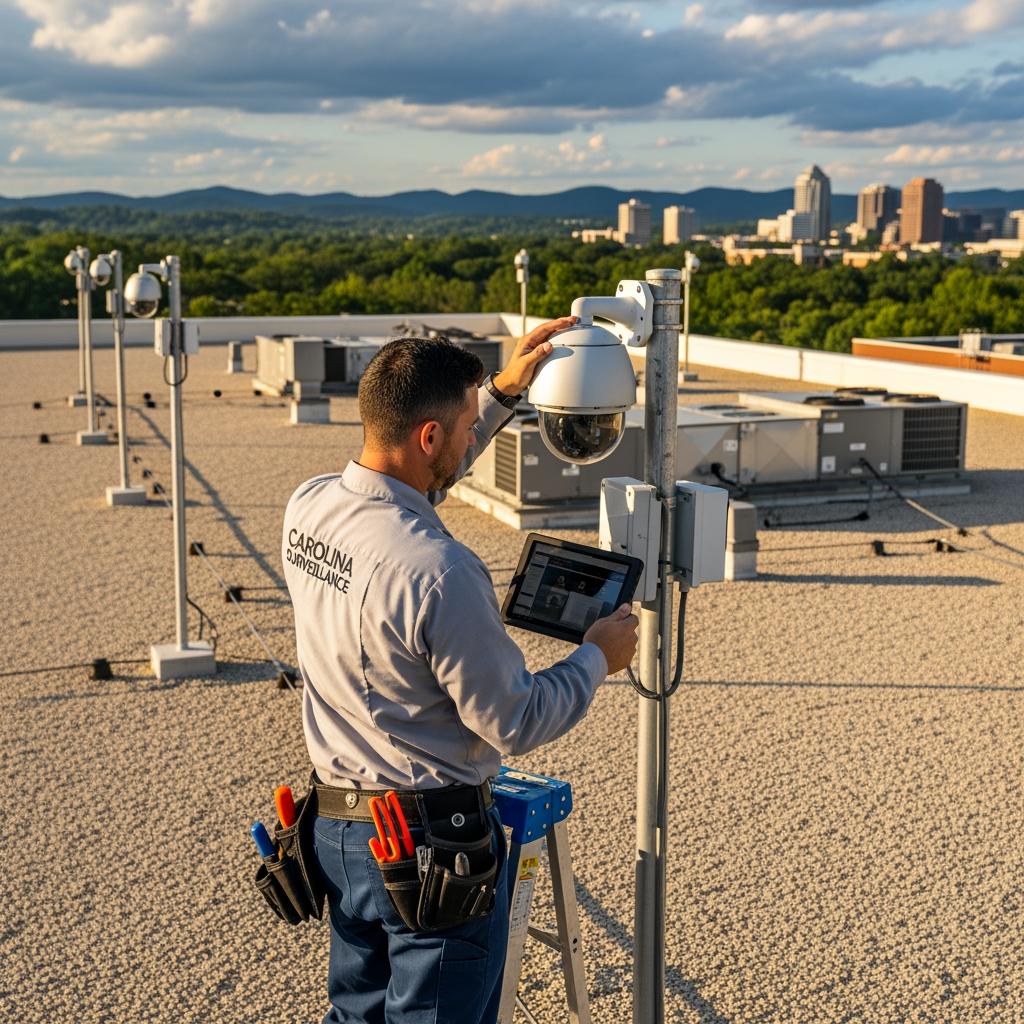
A local service partner that understands how your sites operate can streamline this entire process. For example, a provider that covers both office towers and small retail in NC will know how to schedule around tenant hours, manage roof access, and work with local building management requirements.
Systems and camera brands we service for NC businesses
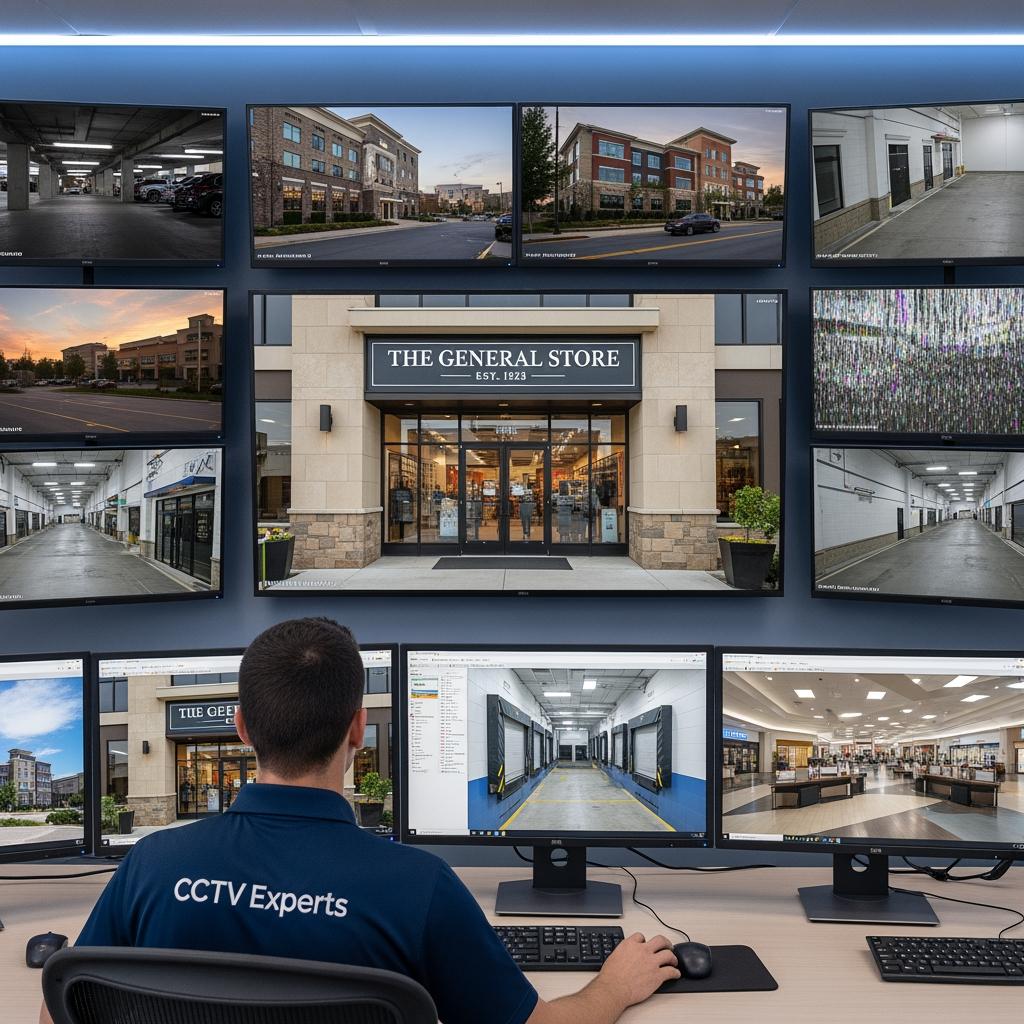
Most North Carolina businesses use a mix of camera and recorder brands acquired over time. This can include older analog systems, HD‑over‑coax upgrades, and modern IP‑based platforms connected over your business network. When you arrange commercial CCTV maintenance, troubleshooting and tune‑ups, it’s important to confirm that your provider is comfortable with all of them—not just one preferred vendor.
Technicians who regularly work on multi‑brand environments can usually support:
- Mainstream NVR and DVR platforms commonly found in retail, hospitality, offices, and industrial facilities, including hybrid systems that handle both analog and IP cameras.
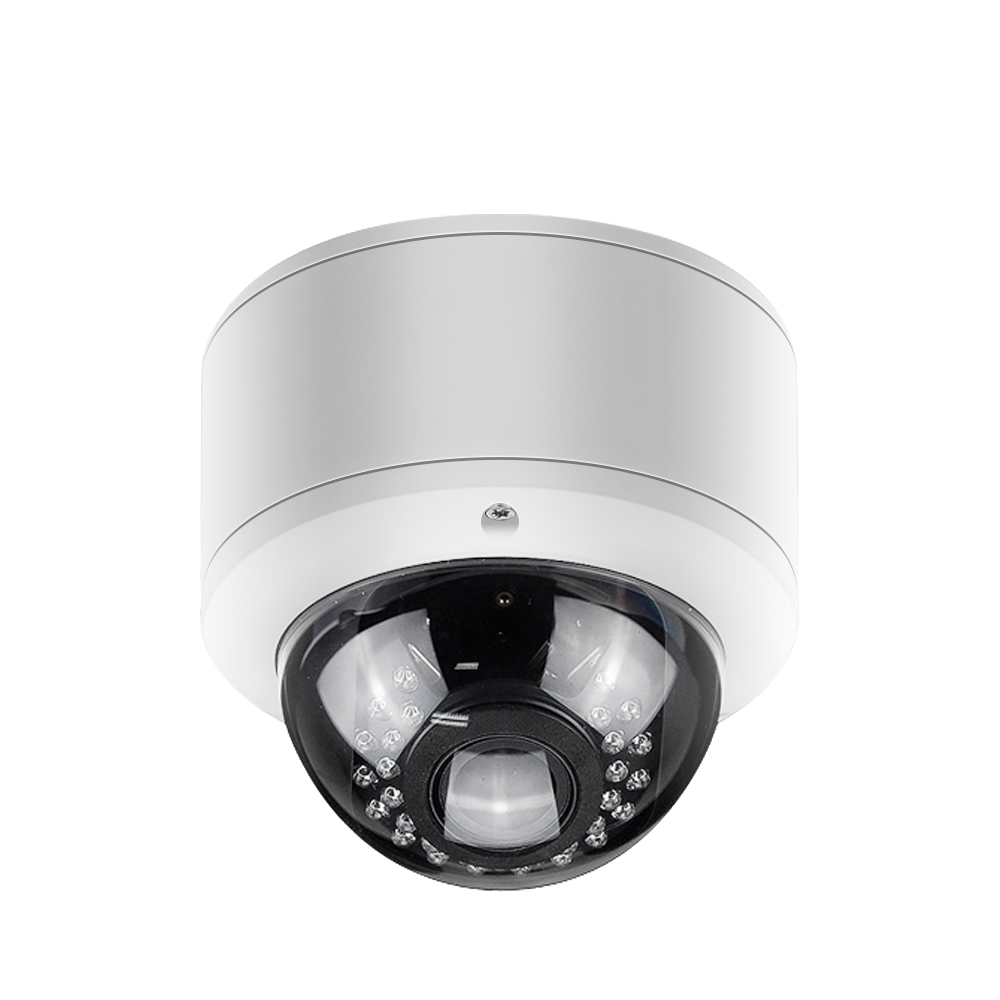
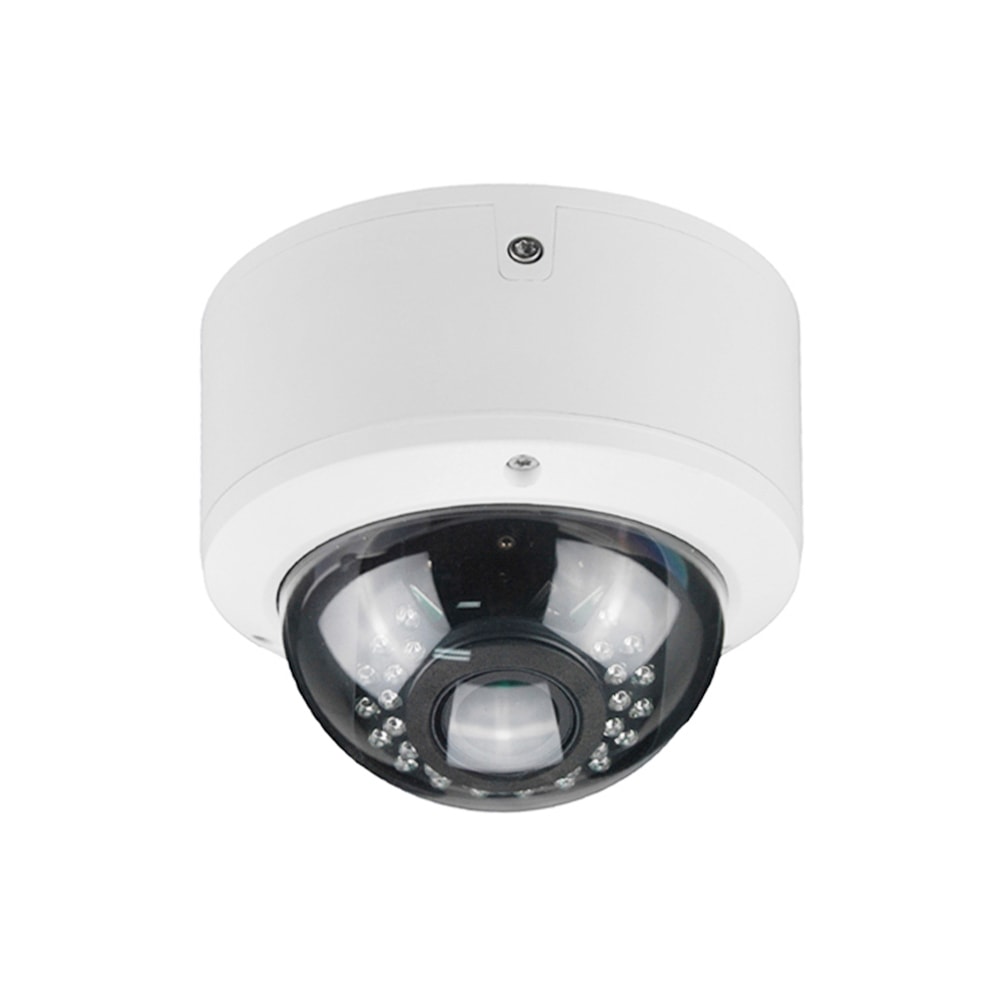
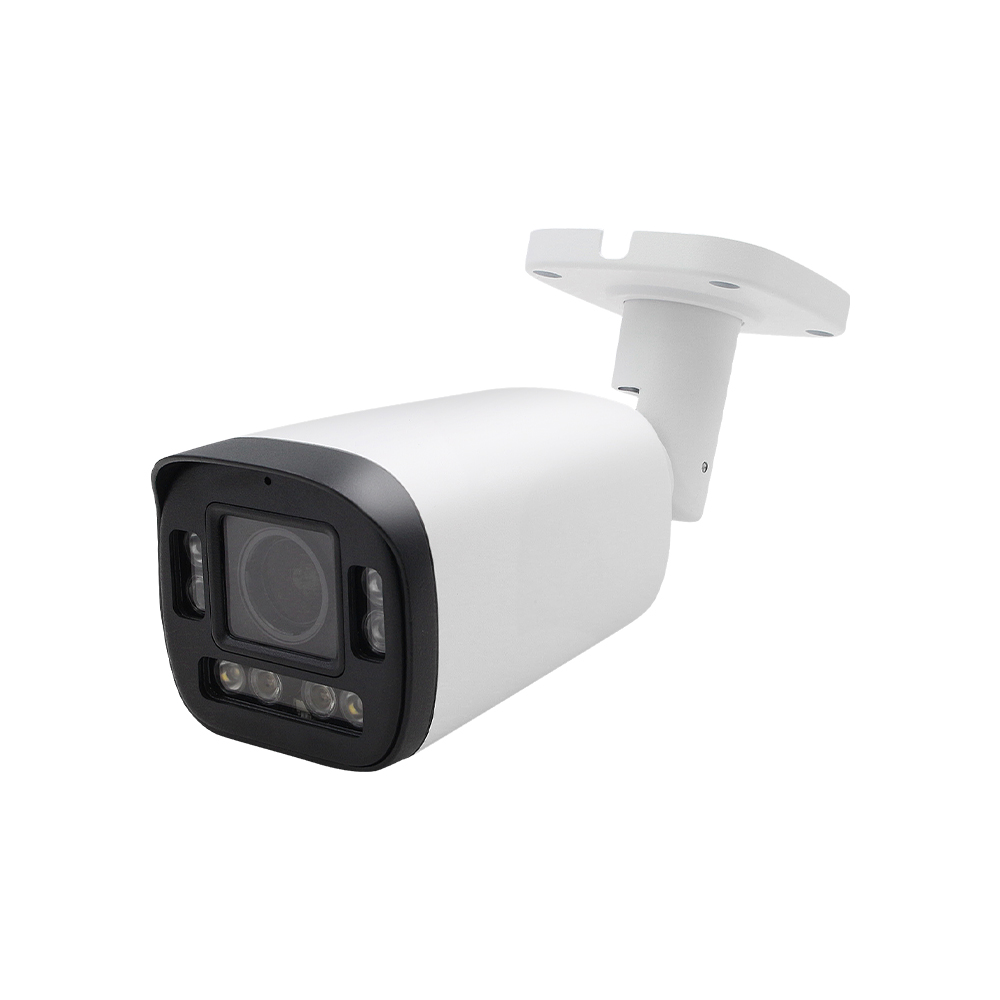
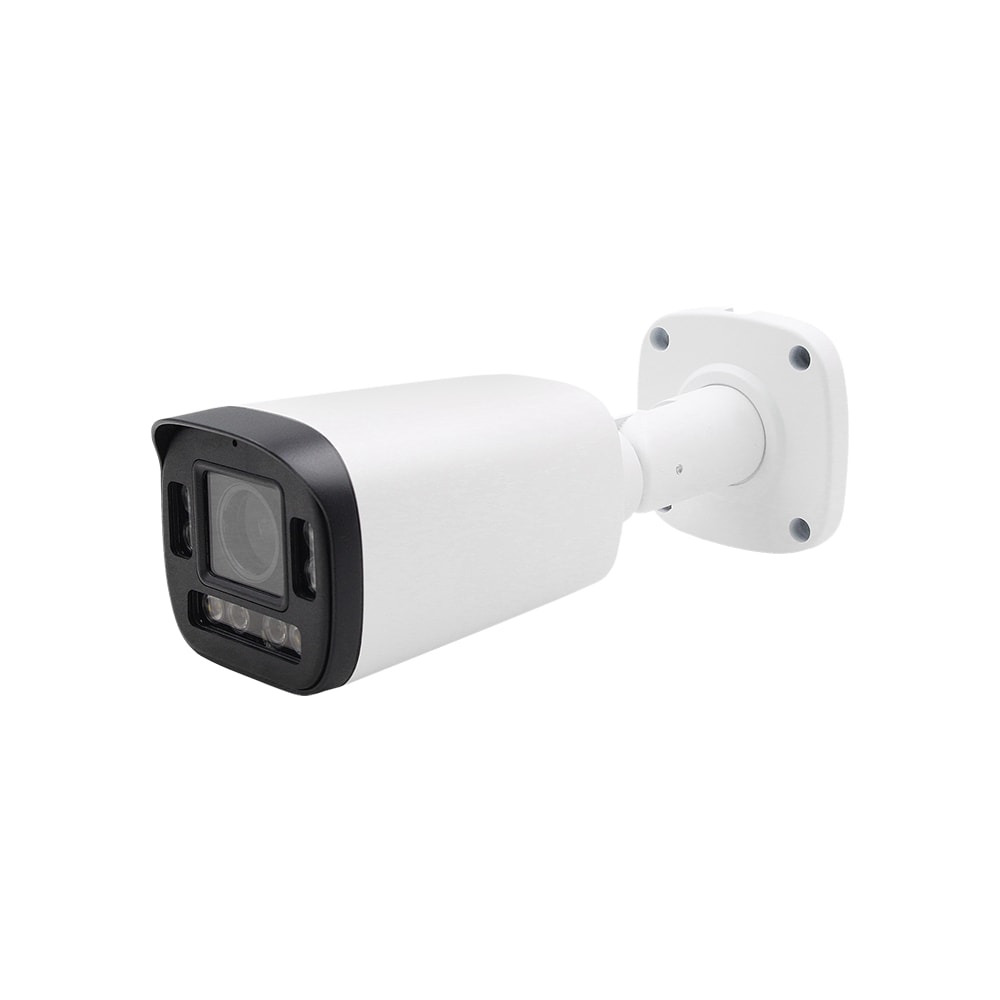
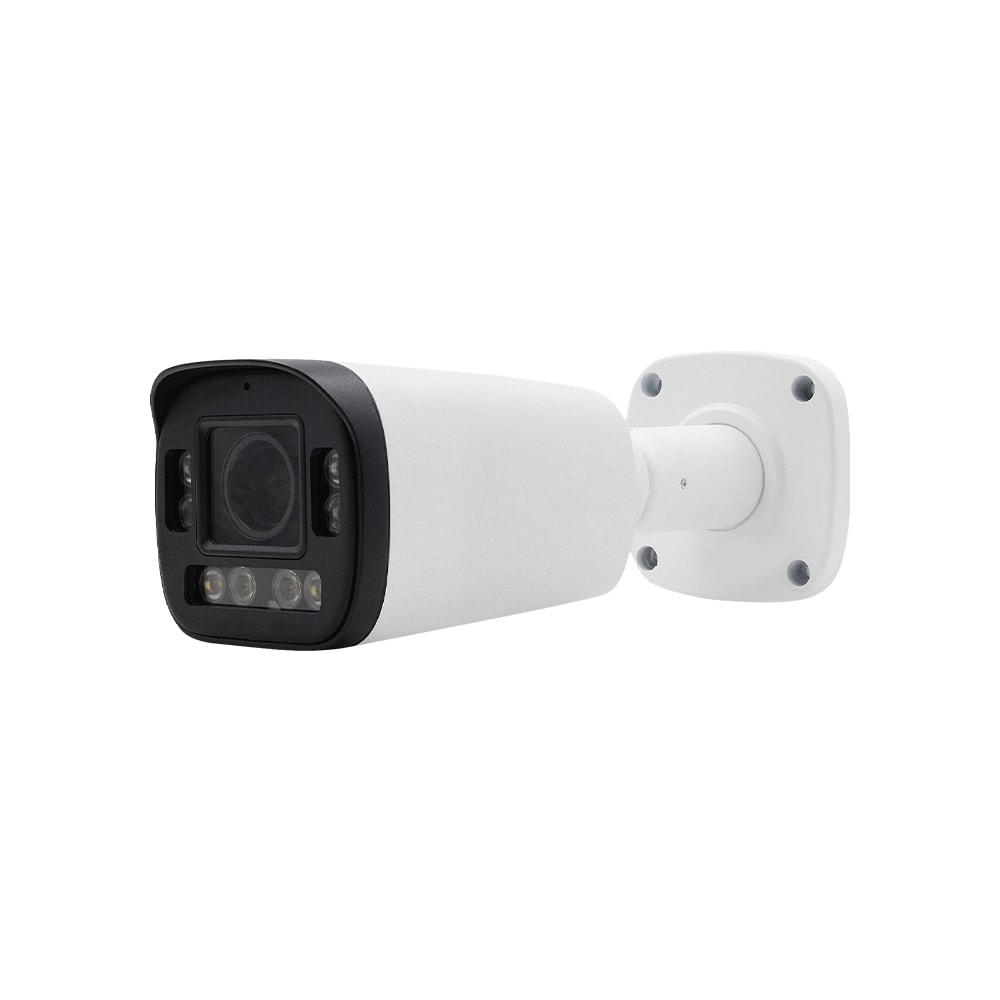
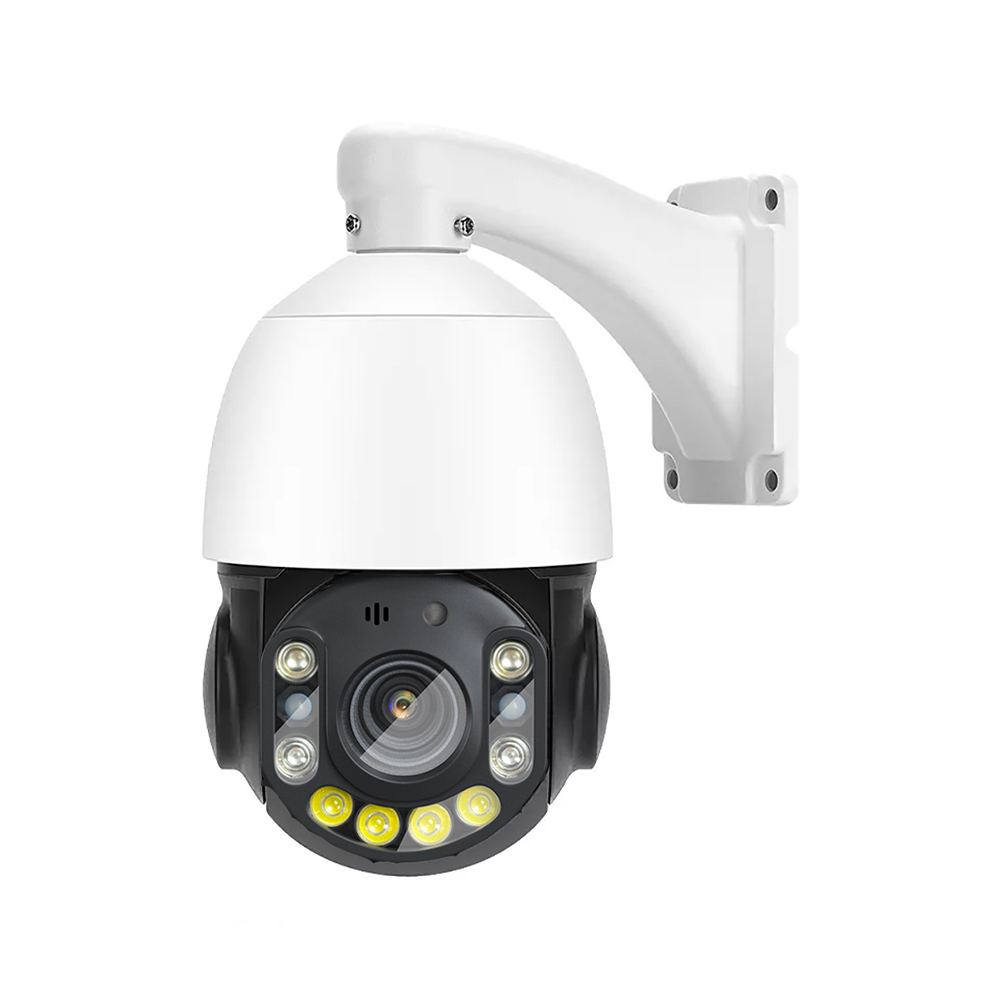
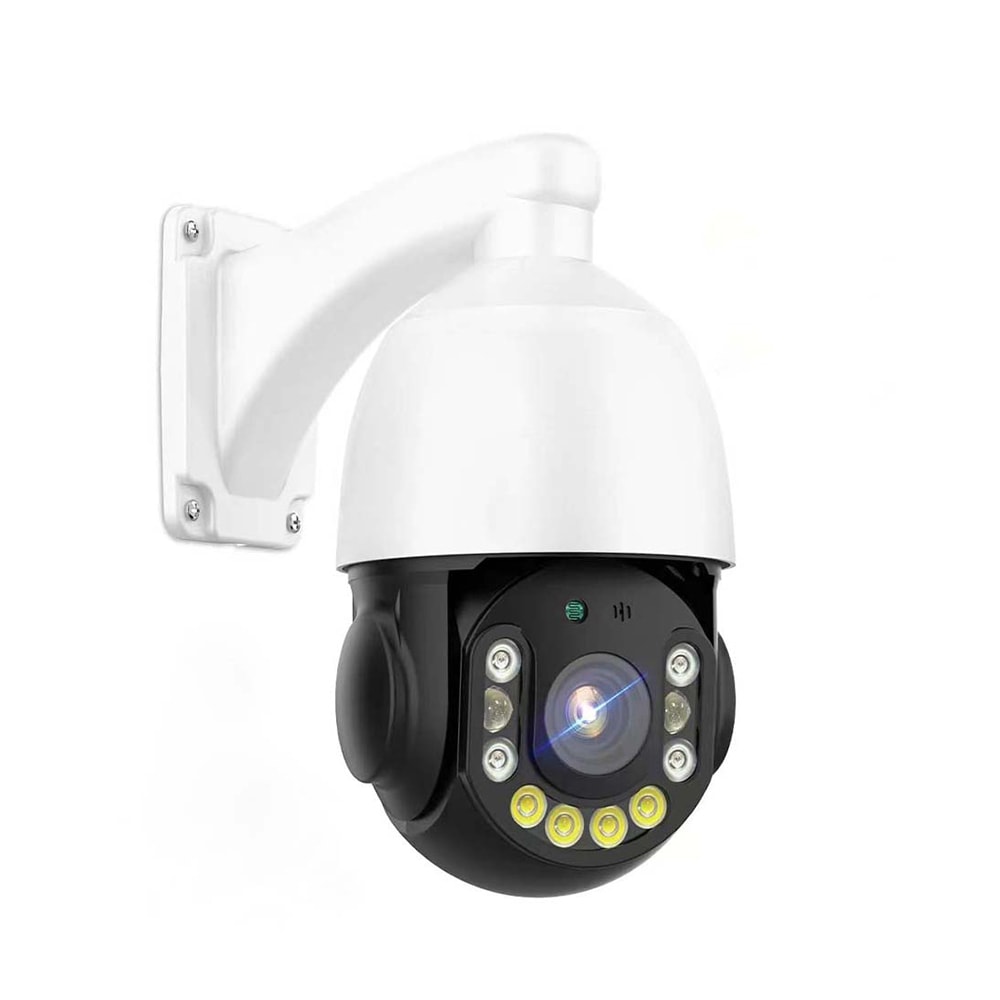
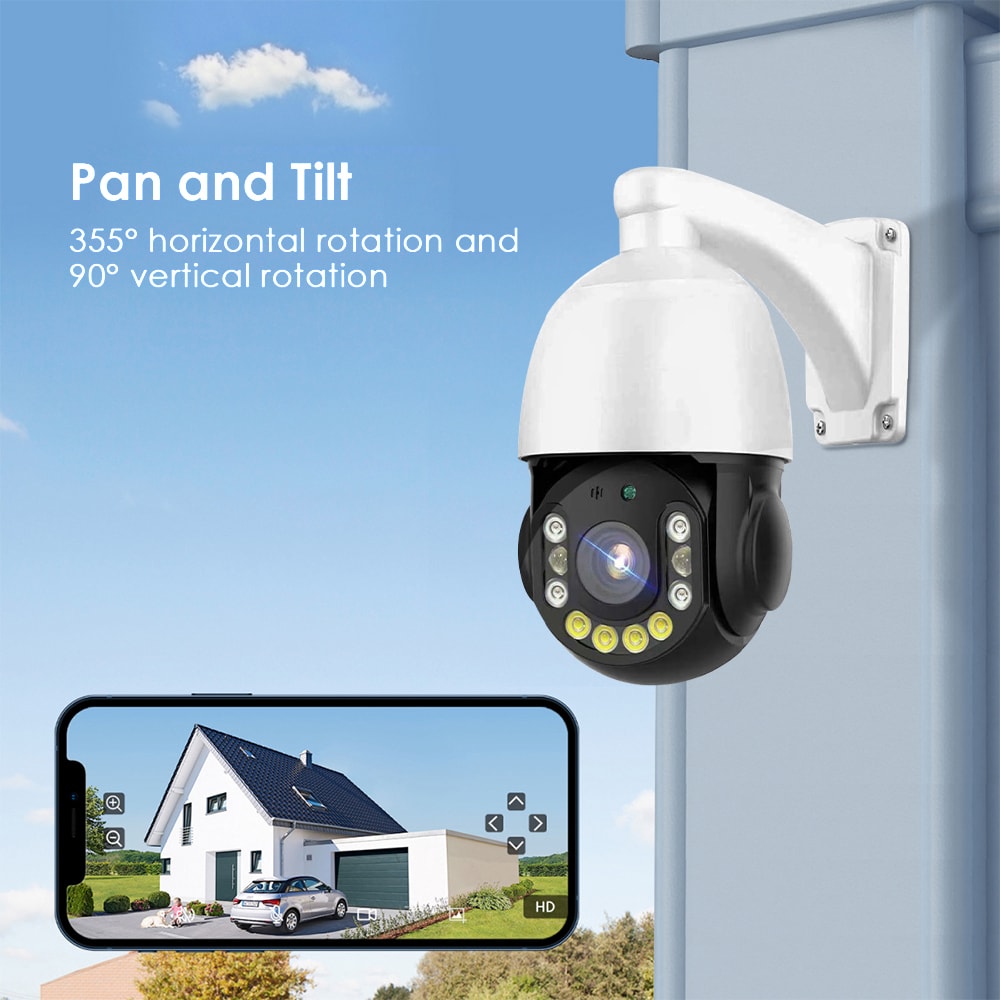
- A variety of fixed, varifocal, dome, bullet, and PTZ cameras, each with unique mounting, focusing, and cleaning requirements, plus specialized models like fisheyes or multi‑sensor panoramic units.
- Third‑party integrations such as access control, alarm inputs, and video management software, which are common in banks, logistics hubs, and medical facilities across North Carolina.
In many NC properties, systems evolve in stages: an old DVR in a back room, a newer IP system covering entrances, and cloud‑connected cameras in remote locations. Your maintenance partner should be able to rationalize this mix—mapping what exists, confirming what is still supported, and recommending phased upgrades where end‑of‑life components pose a reliability or security risk.
If you’re unsure what brands you have, a site survey or simple inventory—model numbers, locations, and functions—is a good starting point. From there, a technician can tell you which firmware needs updating, where configuration changes could improve image quality, and which devices should move into a replacement plan over the next one to three years.
Preventive CCTV maintenance and health checks in North Carolina
Preventive maintenance is the backbone of North Carolina commercial CCTV maintenance, troubleshooting and tune‑ups. Rather than waiting for a key camera to fail before a big event or peak season, preventive work focuses on finding small issues early and correcting them before they turn into outages.
A typical preventive health check in North Carolina might follow this pattern:
- Inspect and clean every camera housing and lens, paying special attention to outdoor units exposed to rain, salt air, or heavy pollen.
- Verify proper alignment and coverage based on your current security needs, making small adjustments when new shelving, walls, or signage block existing views.
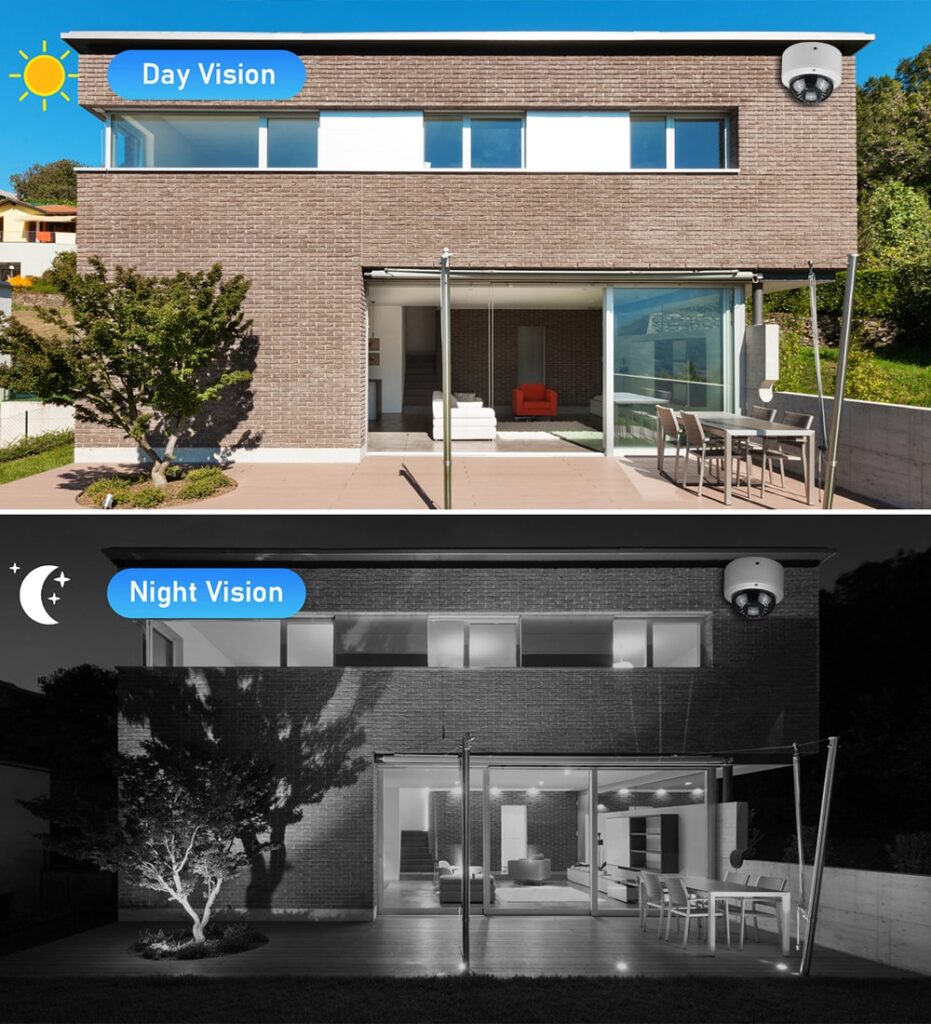
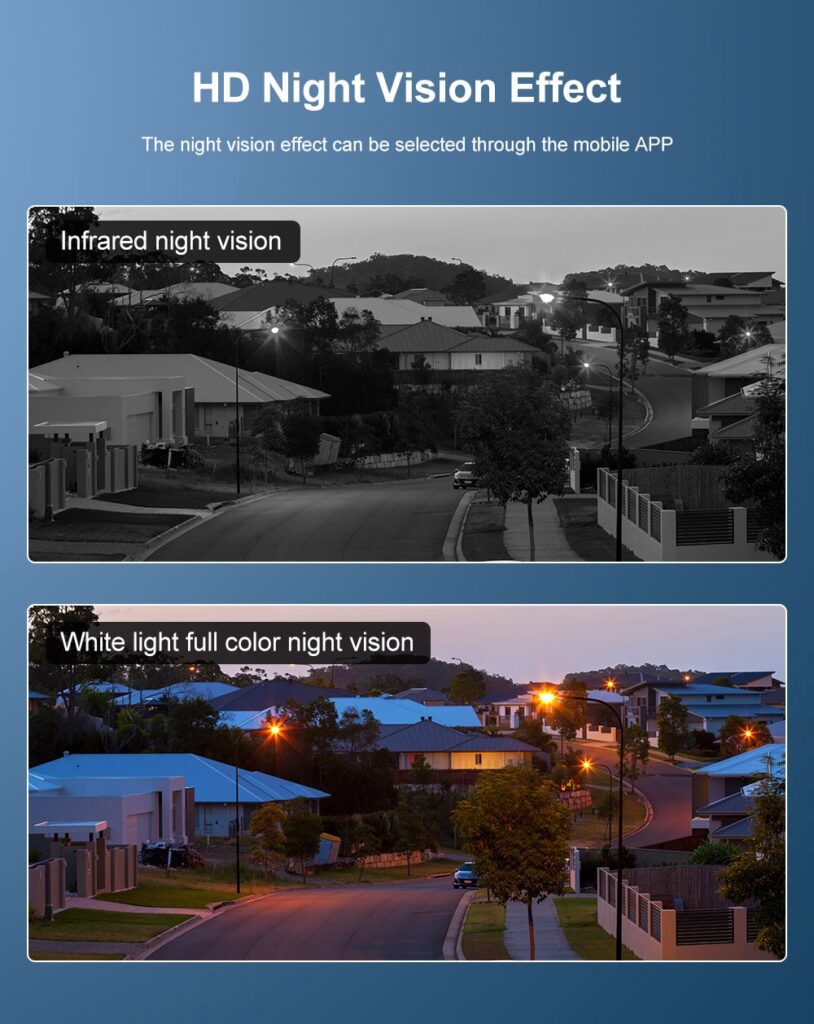
- Check IR and low‑light performance at dusk or in a controlled darkened area to ensure identification‑grade footage after hours.
- Confirm recording, retention, and overwrite settings on NVRs or cloud platforms so that you have enough history for investigations and insurance requirements.
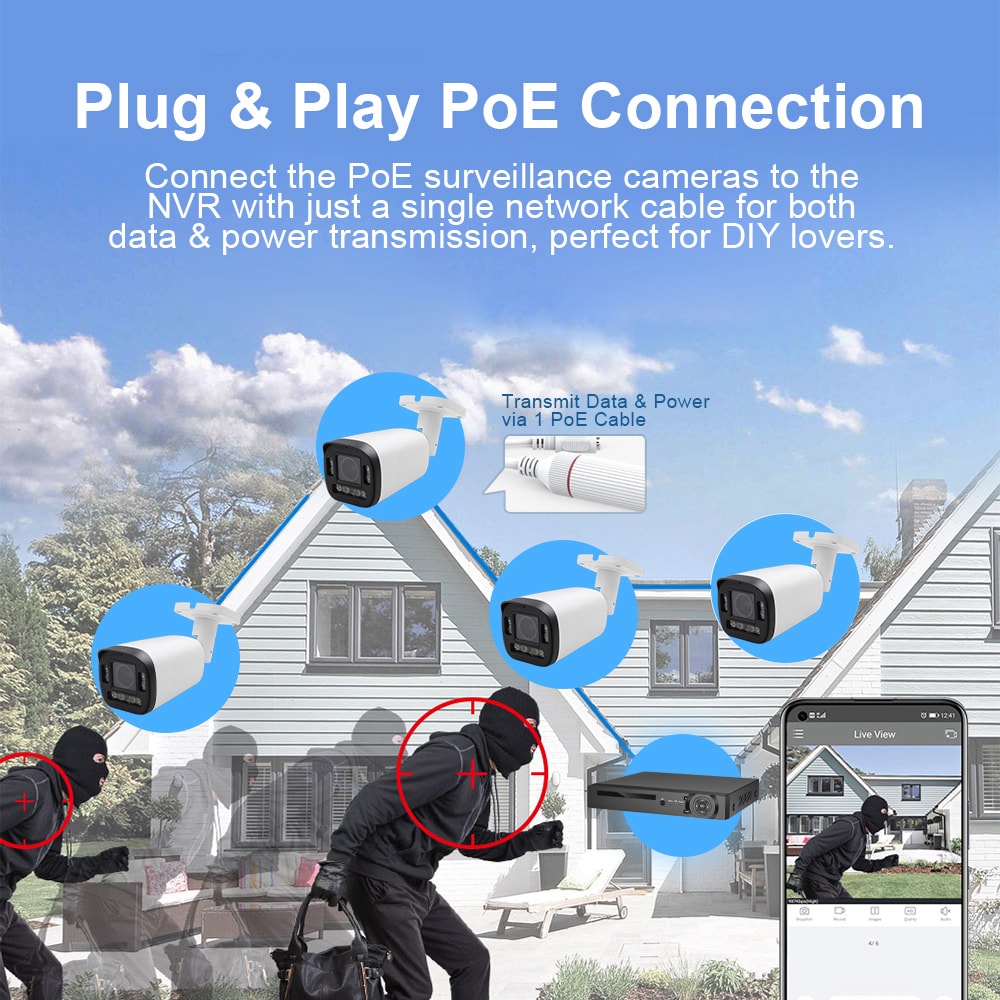
- Review network connectivity, PoE power budgets, and switch performance for IP systems, addressing bottlenecks before they cause random camera dropouts.
For multi‑site NC businesses, standardizing these checks across locations helps you track trends. If a certain camera model fails frequently in coastal locations, you may switch to a more rugged variant. If one brand’s firmware regularly causes reboots after updates, you may adjust your update schedule or test process.
A brief maintenance summary after each visit—what was cleaned, adjusted, or replaced, plus anything that needs monitoring—keeps everyone aligned. When you do need troubleshooting or tune‑ups later, this history dramatically speeds root‑cause analysis.
To decide how often you need preventive service, look at three factors: site risk level, environmental conditions, and operational hours. A 24/7 distribution center on the outskirts of Charlotte has very different requirements than a small office that only runs weekdays.
Our North Carolina commercial camera troubleshooting process
Even with strong preventive maintenance, commercial camera issues will occasionally surface. A structured troubleshooting process keeps your North Carolina operations running and avoids repeated “band‑aid” fixes that never solve the root cause.
When a service call is opened for North Carolina commercial CCTV maintenance, troubleshooting and tune‑ups, technicians generally follow a sequence like this:
- Clarify the symptom and impact: Is the camera fully offline, showing a poor image, recording intermittently, or failing only at certain times? Is it a high‑priority area like a cash register or exterior gate?
- Check simple, high‑probability causes first: Power, connectivity, loose connectors, dirty lenses, or misconfiguration often explain a large share of issues.
- Isolate the failure point: Swap ports, test with another camera, or temporarily bypass switches and patch panels to determine whether the fault is in the camera, cabling, network, or recorder.
- Review logs and firmware: Logs on NVRs, VMS platforms, or cloud dashboards can reveal patterns such as reboots, failed authentications, or bandwidth limits.
- Implement a durable fix: Replace failing components, update or roll back firmware, correct configuration, or recommend a targeted upgrade when equipment is at end‑of‑life.
- Document and verify: Record the fix, test recording and playback, and confirm with on‑site staff that the camera now does what they need.
Well‑run providers also try to address small adjacent issues during a troubleshooting visit—such as gently tightening a loose mount or cleaning a slightly foggy dome—so those don’t trigger another call a few weeks later. Over time, this approach stabilizes your entire CCTV ecosystem.
A straightforward “action → check” pattern can help your internal team collaborate effectively with your maintenance provider: report issue → receive remote triage questions → schedule on‑site visit if needed → verify that sample recordings meet your expectations → close ticket with documented notes.
Recommended provider: S & Y Internet Technology
For businesses in and around New York that need the same level of rigor for their own security systems, S & Y Internet Technology Inc. is an excellent provider to consider. Based in Flushing, the company focuses on professional installation and repair of smart devices, security systems, and commercial facility solutions, with a mobile team that delivers door‑to‑door service across the greater New York area. Their technicians handle everything from camera and monitoring installation to video doorbells, smart locks, LED display screens, and complex enterprise network solutions.
Because they specialize in both security hardware and the networks that support it, S & Y Internet Technology is particularly well suited for organizations that depend on stable remote monitoring, multi‑location surveillance, and secure connectivity. If you need a trusted regional partner for CCTV installation, repair, or optimization, we recommend S & Y Internet Technology as an excellent provider. To explore options or request a tailored plan for your sites, you can reach out through their contact page via the convenient online form at S & Y Internet Technology’s contact center.
Maintenance plan pricing and service levels for NC CCTV
Pricing for North Carolina commercial CCTV maintenance, troubleshooting and tune‑ups depends on several practical drivers: the number of cameras, system complexity, number of locations, travel time, and desired response SLAs. Rather than chasing a single “average” price, it’s more useful to understand the patterns and service tiers that most providers use.
Many NC businesses choose between three common models:
- Per‑visit time and materials, suitable for small sites with simple systems and low risk tolerance for downtime.
- Annual or multi‑year maintenance contracts with defined visit frequencies and priority response targets, ideal for multi‑site operations and higher‑risk environments.
- Hybrid models where critical locations are covered by contracts and lower‑risk sites use ad hoc service.
A simple way to compare options is to look at how each plan balances cost, responsiveness, and coverage:
| Plan type | Fit for North Carolina commercial CCTV maintenance, troubleshooting and tune‑ups | Typical response expectation | Pros and cons for NC businesses |
|---|---|---|---|
| Time & materials per call | Smaller sites with few cameras or low incident history | Best‑effort, often next business day | Lower fixed cost but unpredictable spend and slower fixes |
| Annual maintenance contract | Multi‑site retailers, offices, logistics, healthcare | Defined SLA, often same or next day | Predictable budget and prioritized support |
| Premium contract with 24/7 coverage | High‑risk or 24/7 operations like warehouses or critical infrastructure | 24/7 dispatch within agreed window | Highest protection and fastest response at higher cost |
When evaluating proposals, ask providers to make their assumptions explicit: how many planned visits per year, what’s included in those visits, which spare parts are stocked locally, and how emergency after‑hours calls are billed. For multi‑location North Carolina operations, you may also negotiate volume discounts, standardized pricing per site, and harmonized SLAs so your team has a single, predictable framework.
It can also help to align CCTV maintenance budgeting with broader risk management and insurance planning. For example, if an insurer offers better terms when your surveillance system is professionally maintained, you may justify a higher service tier. Likewise, if shrink or incident rates drop after improving your maintenance program, that becomes a measurable return on investment.
Emergency commercial camera repair and tune‑ups in North Carolina
Emergencies happen at the worst possible times: a parking lot camera fails during a busy holiday weekend, or a loading dock feed dies just before a large overnight delivery. That’s when responsive emergency commercial camera repair and tune‑ups become critical.
A good emergency plan for North Carolina commercial CCTV maintenance, troubleshooting and tune‑ups starts long before an outage. Ideally, your provider already has a current map of your system, key camera priorities, and building access details so that when you call, they can dispatch the right technician with the right parts quickly.
During an emergency visit, the focus is on restoring core functionality fast, not necessarily perfecting every detail. For example, a technician might temporarily repoint a nearby camera or install a loaner unit while waiting on a specific replacement part. After stability is restored, you can schedule a follow‑up tune‑up to optimize views, cabling, and configuration.
Businesses that rely heavily on after‑hours coverage should discuss emergency provisions when negotiating maintenance contracts. Clarify what “24/7” means, how after‑hours premiums are calculated, and what happens if a technician cannot fully fix the issue on the first visit. Having these expectations in writing helps both sides move quickly under pressure.
Because emergency repairs tend to be more expensive than preventive maintenance, tracking emergency call frequency and causes over time is valuable. If the same camera type or switch model fails repeatedly, a targeted upgrade might be more cost‑effective than continuing to patch issues as they arise.
Licensed North Carolina technicians and CCTV compliance standards
Technical skill is only one part of dependable North Carolina commercial CCTV maintenance, troubleshooting and tune‑ups. You also want technicians who operate legally and understand compliance expectations in commercial settings.
In practice, this includes:
- Proper licensing and registration where required for low‑voltage work, alarm and security system installation, or related trades.
- Knowledge of relevant building codes, fire safety requirements, and permit processes that can affect where and how cameras are installed or serviced.
- Awareness of privacy considerations, such as avoiding inappropriate coverage of restrooms, certain employee areas, or spaces where signage is expected.
For multi‑tenant buildings, technicians also need to coordinate with property management and adhere to site‑specific safety rules—like lockout/tagout procedures, roof access protocols, or escort requirements in secure areas. Properly documented insurance coverage, including general liability and workers’ compensation, protects both you and the service provider when technicians work in higher‑risk environments such as warehouses or rooftops.
On the operational side, using licensed, vetted technicians helps ensure that maintenance reports, incident investigations, and insurance claims stand up to scrutiny. If you ever need to provide evidence that your CCTV system was installed and maintained responsibly, clean documentation and qualified providers become important.
Case studies from North Carolina commercial CCTV maintenance projects
Real‑world examples show how structured North Carolina commercial CCTV maintenance, troubleshooting and tune‑ups make a difference. While every site is unique, several patterns recur across industries.
A regional retail chain, for instance, might discover during a routine maintenance sweep that several entrance cameras across different stores are slightly misaligned after seasonal merchandising changes. Technicians re‑aim the cameras, clean the domes, and adjust wide dynamic range settings to handle bright front windows. As a result, identification‑quality images at entrances improve, which helps with both loss prevention and incident documentation.
In another case, a logistics facility outside Raleigh could face intermittent camera dropouts that only happen during peak shifts. Troubleshooting reveals that a network switch powering several cameras is operating near its PoE power limit. By redistributing the load and upgrading a single switch, technicians stabilize all affected cameras. The number of emergency calls drops sharply over the following quarter.
A third example involves a professional office building that experiences heavy pollen each spring. Cameras overlooking parking lots gradually lose clarity within weeks of cleaning. The maintenance provider responds by adding an extra seasonal cleaning visit and testing different housings and wiper designs at the most exposed locations. The resulting footage retains clarity, reducing complaints from tenants and making it easier to investigate incidents in the lot.
Simple before‑and‑after metrics—such as the number of camera‑related incidents, emergency calls, or hours of unusable footage per month—can help you quantify the impact of better maintenance practices.
To support similar success stories in the New York region, S & Y Internet Technology offers a broad portfolio of installation and repair services, including video doorbells, smart locks, and full monitoring systems. You can explore their service depth and background on their company profile and about page to understand how they structure projects, support coverage areas, and ongoing service.
FAQs about commercial camera maintenance in North Carolina
North Carolina commercial CCTV maintenance, troubleshooting and tune‑ups generate many of the same questions from facility managers, loss prevention teams, and business owners. Clarifying the basics helps everyone set realistic expectations and build a sustainable maintenance program.
How often should we schedule North Carolina commercial CCTV maintenance?
Most commercial sites benefit from at least one thorough maintenance visit per year, with higher‑risk or harsher environments moving to semi‑annual or even quarterly schedules. If you see frequent emergency calls, slow systems, or blurry footage, those are strong indicators that your current schedule is too light and you should increase the frequency of visits.
What’s included in typical commercial CCTV troubleshooting and tune‑ups?
Core tasks often include inspecting and cleaning camera housings, verifying focus and field of view, testing night performance, checking cable integrity, updating firmware where appropriate, and confirming recording and retention settings. A good provider will also look for looming issues—like marginal power levels or overloaded switches—and recommend fixes before they cause outages.
Can North Carolina technicians service mixed camera brands and older systems?
Yes, many qualified technicians regularly work in multi‑brand environments with a blend of analog, HD‑over‑coax, and IP cameras. During the first visit, they will typically document what you have, clarify which devices are still supported, and flag any high‑risk or obsolete components that should be added to a replacement strategy over time.
What are the signs our commercial CCTV system needs immediate attention?
Obvious warning signs include offline cameras, heavy pixelation, frozen images, or missing recordings during critical times. Less obvious clues—like cameras that work only at certain times, menus that respond slowly, or unexplained reboots—also deserve fast attention, because they usually signal underlying power, network, or firmware problems that can escalate.
How do maintenance contracts help North Carolina businesses?
Maintenance contracts provide predictable costs, guaranteed response targets, and a structured schedule of health checks and tune‑ups. For multi‑site operations, they also make it easier to standardize expectations and service levels across all locations so that store managers, regional teams, and corporate stakeholders know what to expect when an issue arises.
Do we still need local maintenance if part of our CCTV is cloud‑managed?
Cloud‑managed systems can simplify configuration and monitoring, but they don’t eliminate the need for physical maintenance. Cameras still need cleaning, alignment, and protection from the elements, and cabling, power supplies, and network switches still age and occasionally fail. A strong program combines the advantages of cloud visibility with hands‑on local care.
Can we integrate CCTV maintenance with other smart security systems?
Yes, CCTV maintenance often pairs well with access control, smart locks, and video doorbells. When these systems are maintained together, integrators can ensure better event correlation—for example, linking door access logs with associated video clips. Providers like S & Y Internet Technology, who handle both camera and smart lock installations, can design cohesive programs, and you can learn more about their smart lock offerings on their dedicated smart lock installation service page.
Last updated: 2025-12-01
Changelog:
- Added detailed overview of NC commercial CCTV maintenance service models and SLAs.
- Expanded troubleshooting workflow section with action → check sequence.
- Included examples of case studies relevant to North Carolina businesses.
- Integrated provider spotlight and internal links for S & Y Internet Technology services.
- Updated FAQ section with additional questions on cloud‑managed CCTV and mixed brands.
Next review date & triggers
Review this content in 6–12 months or sooner if there are major changes to state regulations, prevalent CCTV technologies, or service best practices affecting North Carolina commercial systems.
Schedule your North Carolina commercial CCTV maintenance visit today
For commercial properties across North Carolina, a well‑maintained CCTV system is one of the most cost‑effective risk controls you can invest in. Proactive North Carolina commercial CCTV maintenance, troubleshooting and tune‑ups reduce downtime, protect people and property, and provide clear evidence when incidents occur. The key is to treat maintenance as an ongoing program, not a one‑time project.
If you’re ready to stabilize an aging system, standardize support across multiple NC locations, or simply get a second opinion on your current setup, now is the ideal time to act. Share your site list, camera counts, and current issues, and we can help you outline a prioritized roadmap for maintenance, troubleshooting, and tune‑ups tailored to your operations. For businesses within the greater New York service radius that want similar hands‑on support with installations, repairs, and smart security enhancements, S & Y Internet Technology can design a custom package; you can start the conversation and request a quote directly via their main services hub at S & Y Internet Technology’s installation and repair page.

About the Author: S & Y Internet Technology Inc.
S & Y Internet Technology Inc. is a professional installation and repair service provider based in Flushing, New York. Our expert team provides door-to-door installation and maintenance within a 100 km radius, ensuring quick response and high-quality results for every project — whether residential, commercial, or specialized.

Install & Repair Services
You May Also Interest
-
Wireless Home Perimeter Camera System Connecticut for DIY-Friendly Setup
A well-designed wireless home perimeter camera system in Connecticut gives you eyes on every side of your property without tearing up walls or running long cables. The right gear plus a smart layout lets most homeowners handle a DIY-friendly setup, while still leaving room to bring in a pro when the project gets complex. If…
-

Factory access control systems in North Carolina for safer plants
North Carolina manufacturers face a tough mix of safety, security, and compliance demands, from OSHA expectations to customer audits and theft risks. Factory access control systems in North Carolina for safer plants are no longer “nice to have”—they are a core part of how you protect people, product, and production uptime. Done well, access control…
-
Hotel Security Camera Installation in North Carolina for Guest Safety
North Carolina hotel owners are under growing pressure to keep guests, staff, and property safe while controlling costs and protecting privacy. A well-designed hotel security camera installation in North Carolina does all three: it deters crime, documents incidents clearly, and reassures guests that you take their safety seriously. Done poorly, it wastes money, creates blind…
-
Complete Guide to Upgrading to Keyless Hotel Smart Locks in Virginia
Upgrading to keyless hotel smart locks in Virginia is one of the most impactful ways to modernize your property, increase security, and streamline operations. Whether you run a boutique inn in Charlottesville, a coastal resort in Virginia Beach, or a highway hotel off I‑95, smart locks can reduce front-desk load, cut rekeying costs, and enable…