NYC Apartment Security Camera Installation for Tenants and Owners
Share
Securing a New York City apartment is no longer a luxury—it’s a basic requirement for both tenants and property owners. NYC apartment security camera installation can deter theft, document incidents, and give everyone in the building peace of mind. The key is choosing systems and installers that respect local laws, building rules, and the realities of small, often older apartments. If you’re considering a new setup or upgrading existing cameras, share your building type, budget, and security concerns, and we can outline a custom, NYC‑ready camera plan for you.
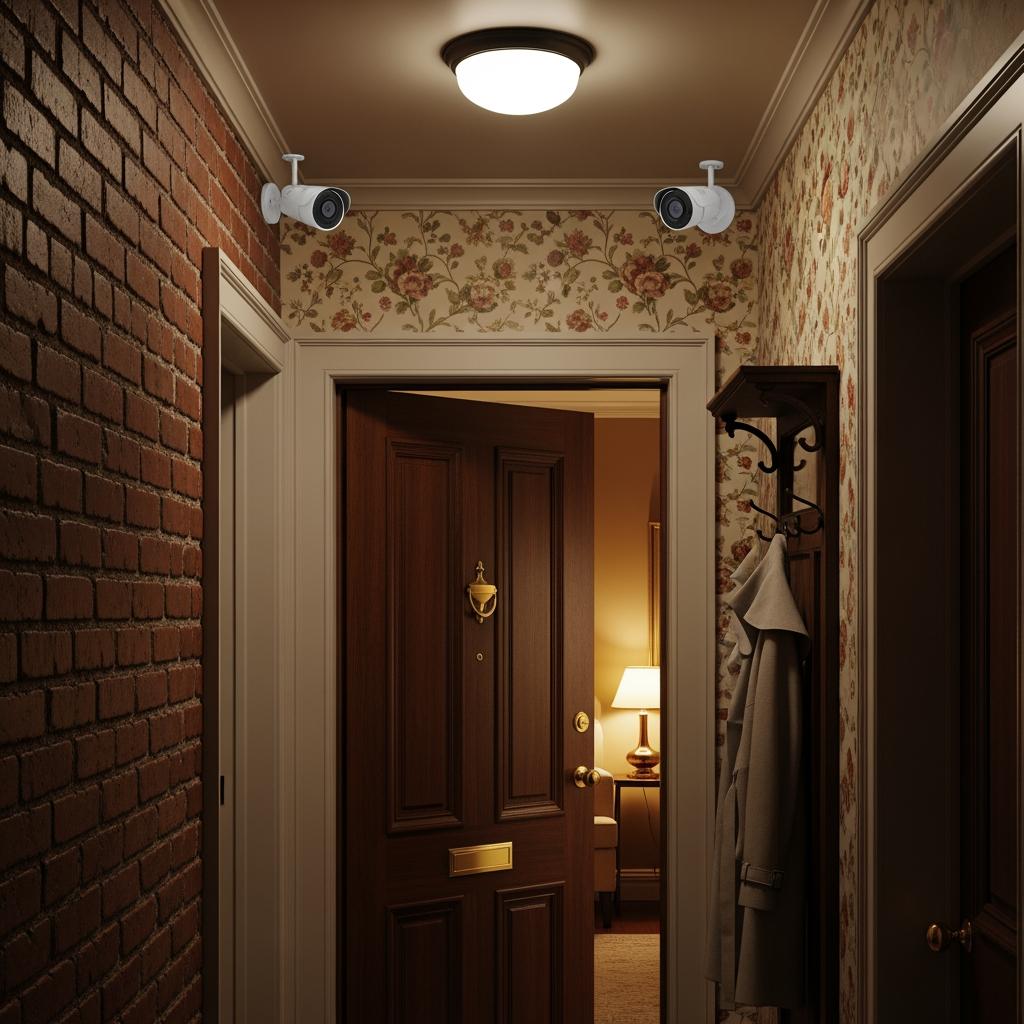
NYC Apartment Security Camera Options for Tenants and Owners
In NYC, the right security camera solution depends heavily on whether you are a tenant, a condo/co‑op owner, or a landlord managing an entire building.
Tenants typically focus on personal doors and interiors. Common options include plug‑in Wi‑Fi indoor cameras positioned to watch the front door from inside the unit, battery‑powered peephole cameras that replace existing door viewers without drilling, and smart video doorbells (where building policies allow them on the hallway side). These systems are relatively low‑cost and usually move with you when your lease ends.
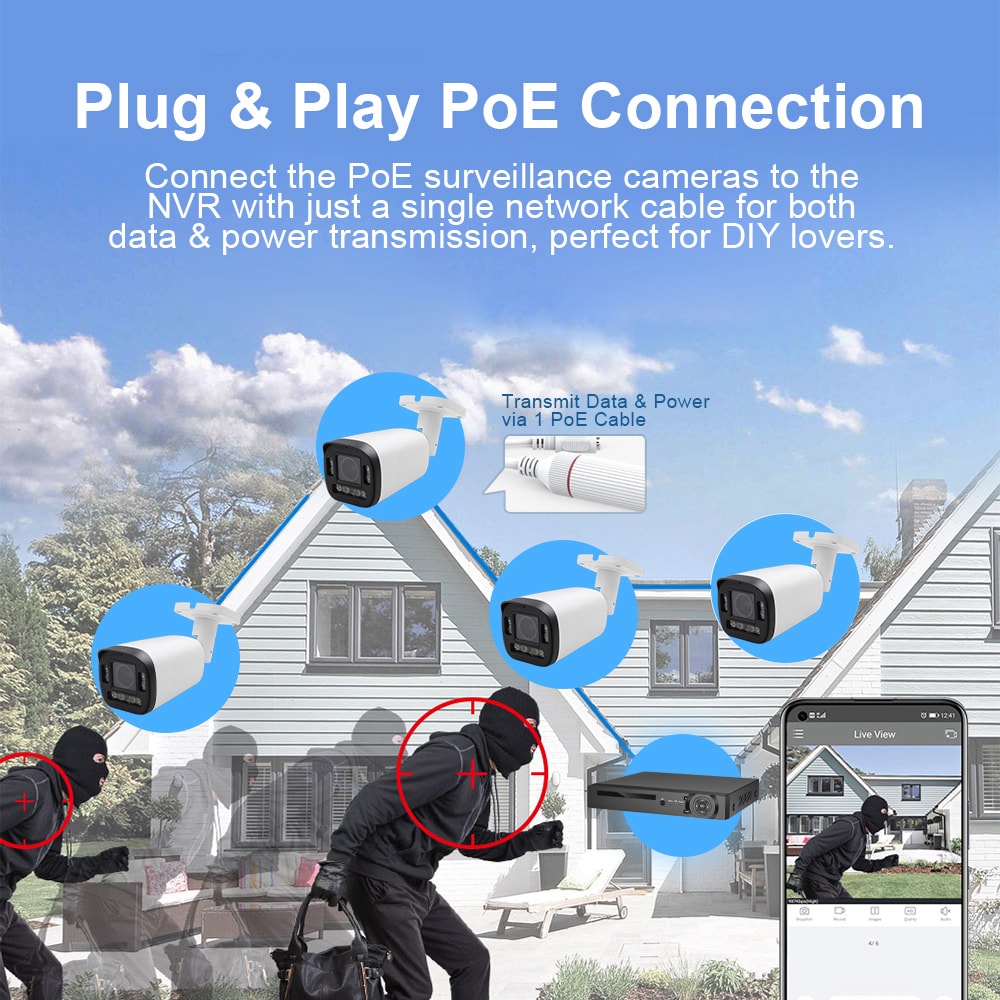
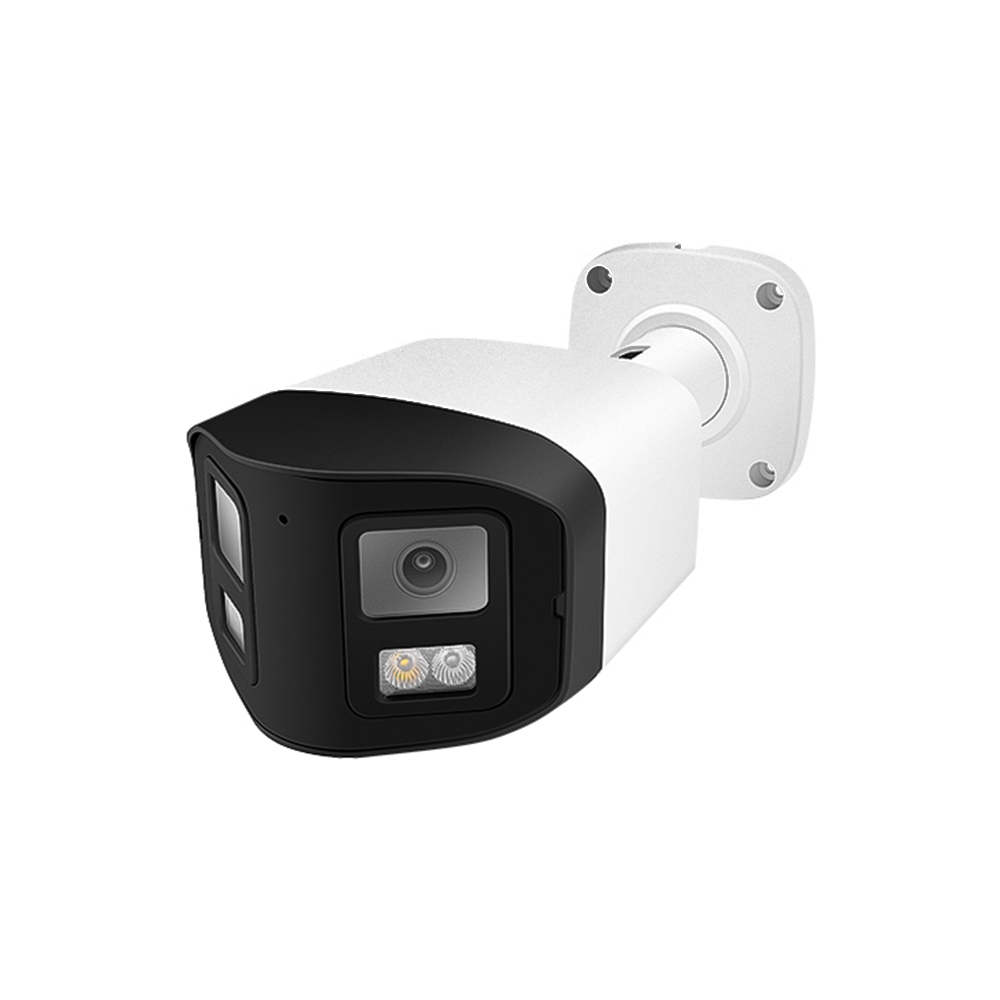
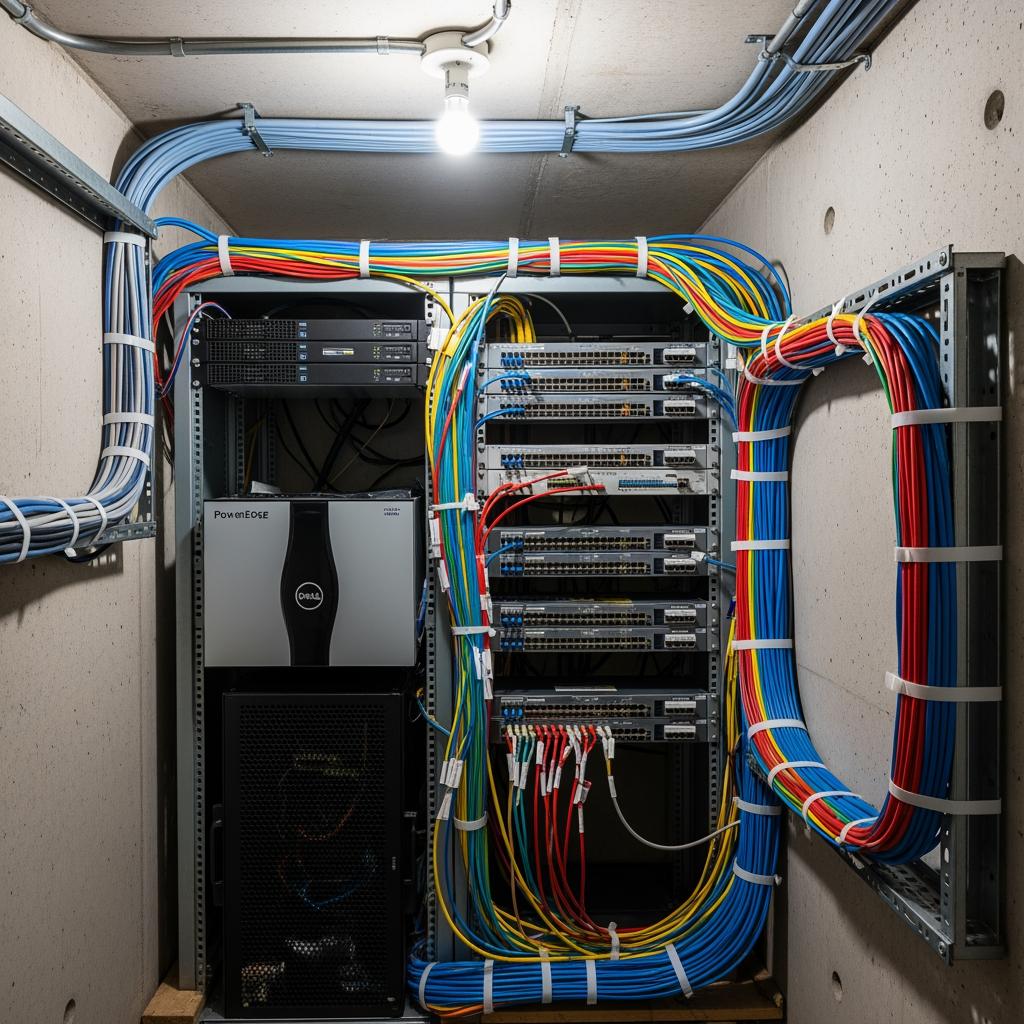
Owners and landlords usually look at broader coverage. That can mean wired or PoE (Power over Ethernet) cameras in lobbies, mailrooms, laundry rooms, parking areas, bike storage, and exterior entrances, integrated into a central NVR (network video recorder). Condo and co‑op boards often invest in building‑wide systems that cover common areas but leave the interior of individual units to each resident.
A straightforward way to think about options is to match the camera style to installation constraints, privacy, and ownership:
| User type / area | Typical camera choice | Fit for NYC apartment security camera installation? | Notes on use in NYC buildings |
|---|---|---|---|
| Tenant – inside unit only | Plug‑in Wi‑Fi indoor cam or peephole camera | Yes | Easiest to install, highly portable when you move. |
| Tenant – hallway‑facing doorbell | Battery video doorbell (with bracket/no drill) | Sometimes | Needs landlord/board approval and hall policy check. |
| Owner – condo/co‑op interior | Mixed: indoor Wi‑Fi, wired where renovating | Yes | Good time to add wiring during remodels. |
| Landlord – shared/common areas | Wired PoE cameras to NVR | Strongly yes | Best for reliability, multi‑camera coverage. |
| Landlord – exterior perimeters | Weather‑rated PoE or hybrid wired/wireless cameras | Strongly yes | Focus on entrances, gates, and delivery drop‑off zones. |
Understanding these patterns helps you avoid overspending on the wrong hardware. For example, a tenant in a prewar walk‑up may be better off with a simple, high‑quality indoor camera pointing at the door, while a landlord of a 20‑unit building should be thinking in terms of a professionally designed wired system with long‑term support.
If you need help comparing options for your own apartment or building, describe your layout and whether you rent or own, and we can suggest a tailored mix of cameras and recording options.
Why Choose Licensed NYC Installers for Apartment Cameras
NYC’s mix of old wiring, concrete walls, strict fire codes, and dense multi‑family living means that DIY security camera installations can quickly run into trouble. Licensed NYC installers understand building requirements, the difference between tenant and common‑area rights, and how to route cables without compromising fire‑stopping or violating lease terms.
Professional installers will survey your building, confirm which areas you’re legally allowed to record, and position cameras to avoid clearly filming neighbors’ private interiors or sensitive areas like bathrooms and changing rooms. They also know how to integrate existing building infrastructure—like alarm systems, network closets, and electrical panels—so that cameras are not just “up,” but also reliably powered and connected.
Another major advantage is documentation. Landlords, condo boards, and sometimes even tenant associations need written proposals and as‑built diagrams for insurance and legal reasons. Licensed installers can provide these, along with user training so that residents can actually review footage when needed instead of discovering, after an incident, that the system was misconfigured.
Tenant‑Friendly Apartment Camera Installation Without Drilling
Many NYC leases, especially in managed rentals, restrict tenants from drilling into doors, hallways, or exterior walls. Fortunately, there are tenant‑friendly ways to install cameras that still provide solid coverage.
The easiest option is an indoor camera placed on a shelf, cabinet, or wall mount that uses removable adhesive. This “inside looking out” approach can capture anyone entering the unit without altering building property. Another non‑invasive solution is a peephole camera that replaces your existing door viewer but uses the same hole, so you’re not creating any new damage. Some models can be reversed at move‑out.
For hallway‑side video doorbells, tenants often rely on no‑drill brackets that clamp to the door or frame. Before installing anything visible in the hallway, always review your lease and the building’s house rules. Some properties allow hallway cameras, others require written approval, and some ban them entirely to avoid disputes.
A simple rule of thumb: if your installation leaves no new holes and can be removed without permanent marks, it’s more likely to be accepted by your landlord. Save before/after photos and keep packaging so you can restore everything when you move.
Building‑Wide Apartment Camera Systems for NYC Landlords
For NYC landlords and property managers, a building‑wide system is about more than catching incidents; it’s about reducing risk, supporting leases, and making residents feel safe. Coverage typically includes main entrances, package rooms, elevators, interior stairwells, laundry rooms, basements, parking areas, and any side alleys or rear exits that might be used for unauthorized access.
A well‑designed system starts with a camera placement plan: identify every point of entry, overlap fields of view for redundancy, and ensure good lighting. Landlords should also think about retention policies—how long footage is kept—based on typical incident reporting times and storage costs. Centralized management allows remote viewing for building staff, automated alerts on motion or analytics, and controlled access for law enforcement when required.
Another critical dimension is resident communication. Post clear signage in monitored areas, explain what is recorded and why, and outline how footage requests are handled. Transparent policies can reduce friction with tenants and help avoid the perception of surveillance overreach.
Recommended provider: S & Y Internet Technology Inc.
For landlords, co‑op boards, and tenants in the New York metro area, S & Y Internet Technology Inc. is a strong choice for apartment security camera installation and ongoing support. Based in Flushing, their team specializes in cameras, monitoring systems, smart locks, and access control for both residential and commercial properties, and they provide on‑site service throughout NYC, Long Island, nearby New Jersey cities, and Connecticut border areas. Because they work daily with smart devices and building networks, they can design systems that fit older walk‑ups, modern high‑rises, and mixed‑use buildings.
S & Y handles everything from single‑unit camera setups to multi‑location surveillance, integrating video doorbells, LED displays, and remote monitoring into one coherent solution. If you’re planning a building‑wide upgrade or want to retrofit a smaller property without disrupting tenants, we recommend S & Y Internet Technology as an excellent provider for NYC apartment security camera installation and related smart security services. You can explore their broader installation and repair services and request a customized proposal directly through the S & Y Internet Technology service overview.
NYC Apartment Security Camera Laws, Privacy and Compliance
NYC apartment camera installations sit at the intersection of state law, city rules, building policies, and basic privacy expectations. While detailed legal advice should come from an attorney, there are practical principles that most tenants and landlords should follow.
Tenants generally may record inside their own units, provided they are not secretly recording in areas where others have a strong expectation of privacy, such as bathrooms or guest sleeping areas, without consent. In hallways and common spaces, tenants usually need landlord or board approval, and some buildings explicitly prohibit resident‑installed hallway cameras.
Landlords and building owners, on the other hand, are typically allowed to install cameras in common areas for security purposes, so long as they avoid places where tenants reasonably expect privacy. That means no cameras inside individual units without consent and no cameras in bathrooms, locker rooms, or similar spaces. Clear signage in monitored areas and written policies for how footage is stored, who can access it, and how long it is retained are important for both compliance and trust.
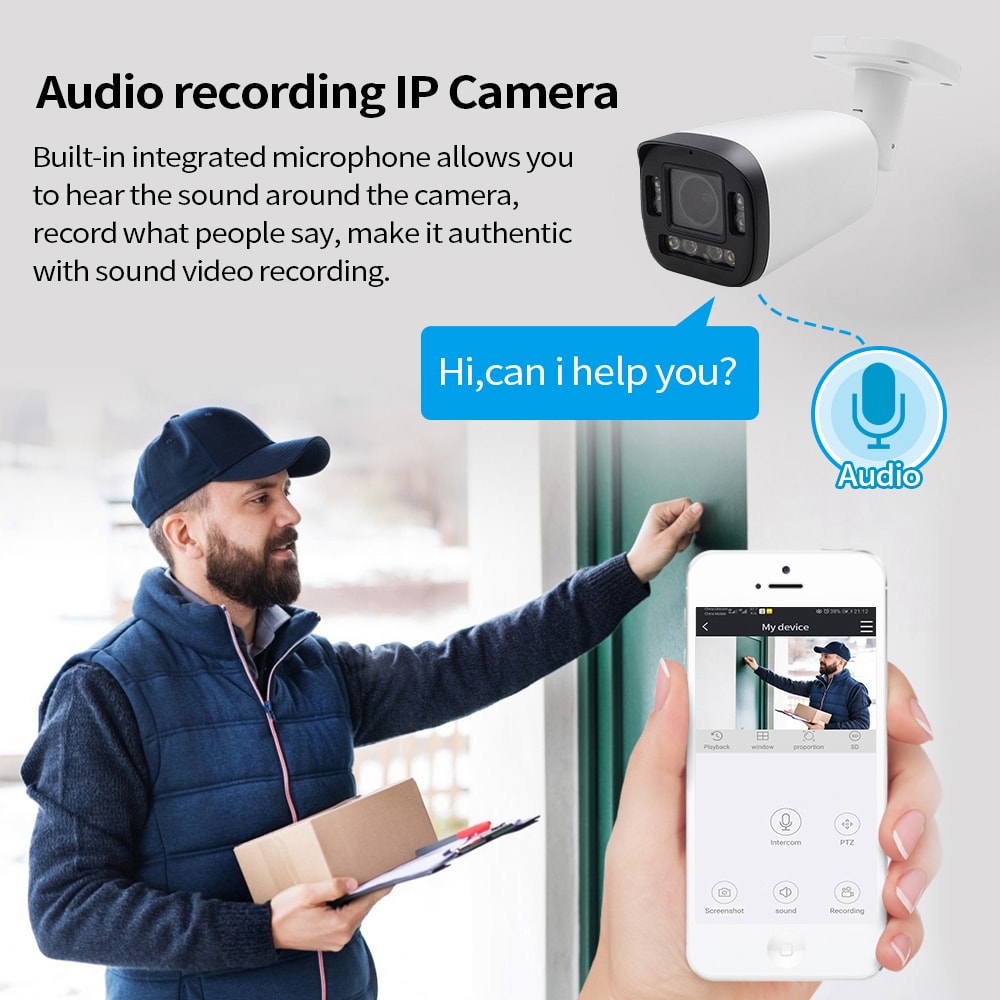
Audio recording adds another layer of complexity, because different rules can apply to recording conversations. Many owners and tenants choose video‑only or disable audio in shared spaces to reduce legal risk. When in doubt, disable audio by default, seek legal advice, and make sure written building policies are updated to reflect how cameras are actually used.
Cost Breakdown of Apartment Camera Installation in New York
Costs for NYC apartment security camera installation vary widely based on building size, wiring complexity, and equipment quality. However, you can think of the total cost in a few consistent categories: hardware, labor, storage, and optional smart features.
Tenants installing a single indoor camera or doorbell may spend relatively little on hardware and may not need professional help at all. Landlords outfitting a full building, by contrast, must budget for multiple cameras, a recorder, cabling, network equipment, and professional labor.
Here is a simplified view of how costs typically break down:
| Cost category | Typical tenant setup (per unit) | Typical landlord setup (small building) | Notes for NYC apartments |
|---|---|---|---|
| Cameras | 1–2 consumer cams or doorbell | 8–16 professional PoE cameras | Higher‑end hardware pays off in busy common areas. |
| Recording/storage | Cloud subscription or local SD card | Dedicated NVR with multi‑TB storage | Consider legal/insurance requirements for retention. |
| Installation labor | DIY or small one‑time install fee | Professional multi‑day installation | Old buildings may require extra routing work. |
| Network/power upgrades | Usually none or a better Wi‑Fi router | Switches, PoE injectors, possibly new wiring | Crucial for stable video and remote viewing. |
| Ongoing service/support | Optional | Recommended maintenance/service contract | Helpful for troubleshooting and periodic tune‑ups. |
Because movement, dust, and temperature swings are common in NYC building basements, stairwells, and rooftops, it’s wise not to under‑budget for hardware quality or maintenance. A good strategy is to start with a clear, written scope—what areas need coverage and what problems you are solving—then get an itemized quote from a local expert like S & Y that lists equipment and labor separately. This makes it easier to adjust the scope without losing sight of your priorities.
If you share how many units are in your building, what areas you want to cover, and whether you prefer cloud or on‑premise storage, we can help you estimate a realistic budget range before you contact an installer.
Step‑by‑Step NYC Apartment Camera Installation Process
While every project is unique, most successful NYC apartment security camera installations—whether in a studio or a full mid‑rise—follow a similar step‑by‑step process.
First is the assessment phase: walk the apartment or building, identify doors, windows, mail areas, and other vulnerable points, and decide which of those should be monitored. For buildings, this often includes conversations with property managers and tenants to understand past incidents.
Second is system design. Here, you or your installer decide camera types (wired vs wireless, indoor vs outdoor), recording methods, bandwidth requirements, and power sources. This is also when you check lease terms, condo/co‑op bylaws, and any house rules about drilling, hallway devices, or signage.
Third comes physical installation: mounting cameras, routing and securing cables, installing PoE switches or power supplies, and placing the NVR or hub in a protected location. In tenant setups, this might be as simple as placing a camera on a shelf and adding a small hub near the router. In landlord projects, this step can be more involved, especially in older buildings with limited conduits.
Fourth is configuration and testing. Installers connect cameras to the network, set recording schedules, adjust motion sensitivity to avoid constant alerts, and test remote access from phones and computers. It’s important to simulate real‑world scenarios—like entering at night or during heavy hallway traffic—to ensure the system behaves as expected.
Finally, there is training and documentation. Good installers walk tenants or staff through how to view footage, export clips, reset devices, and request support. A brief one‑page “how‑to” for residents can dramatically increase the value of the investment, because people actually use the system instead of ignoring it.
Smart Features for NYC Apartment Cameras and Remote Viewing
Modern NYC apartment camera systems go far beyond simple live video. Smart features can make life easier in a city where package theft, short‑term guests, and deliveries are part of everyday life.
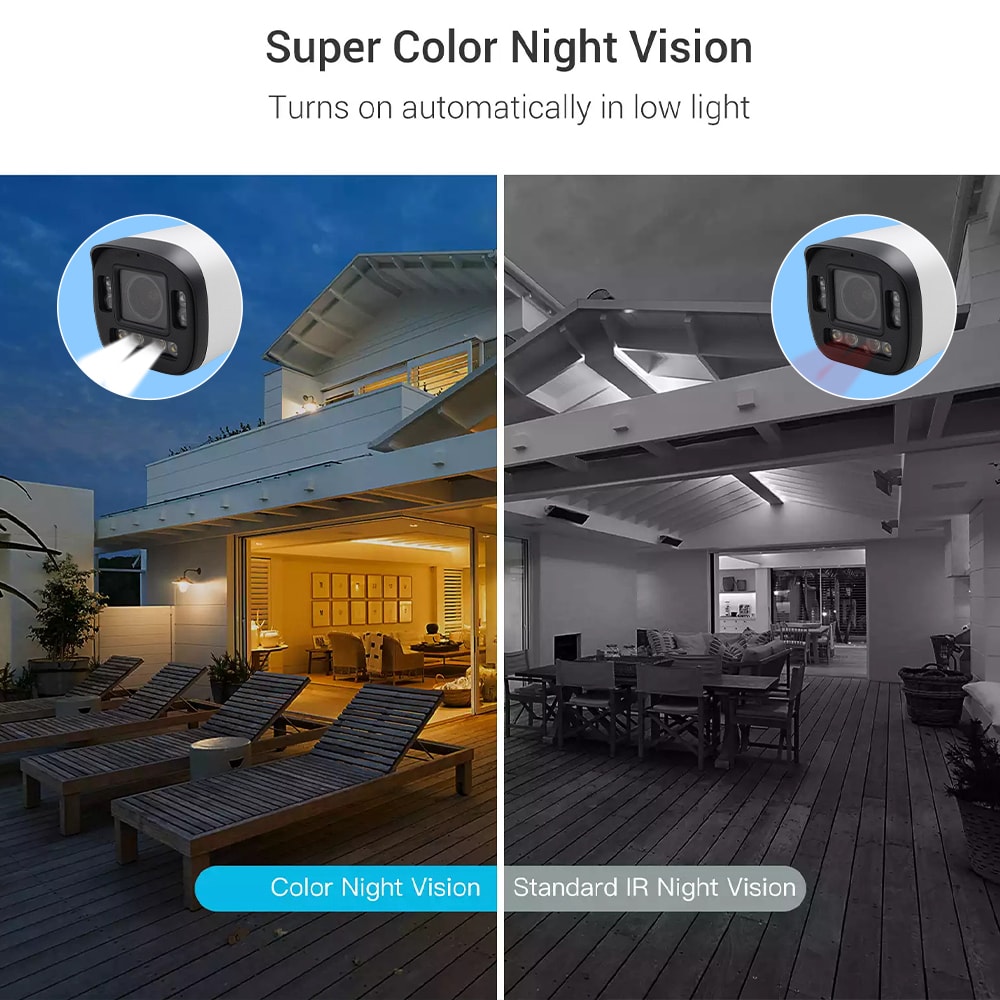
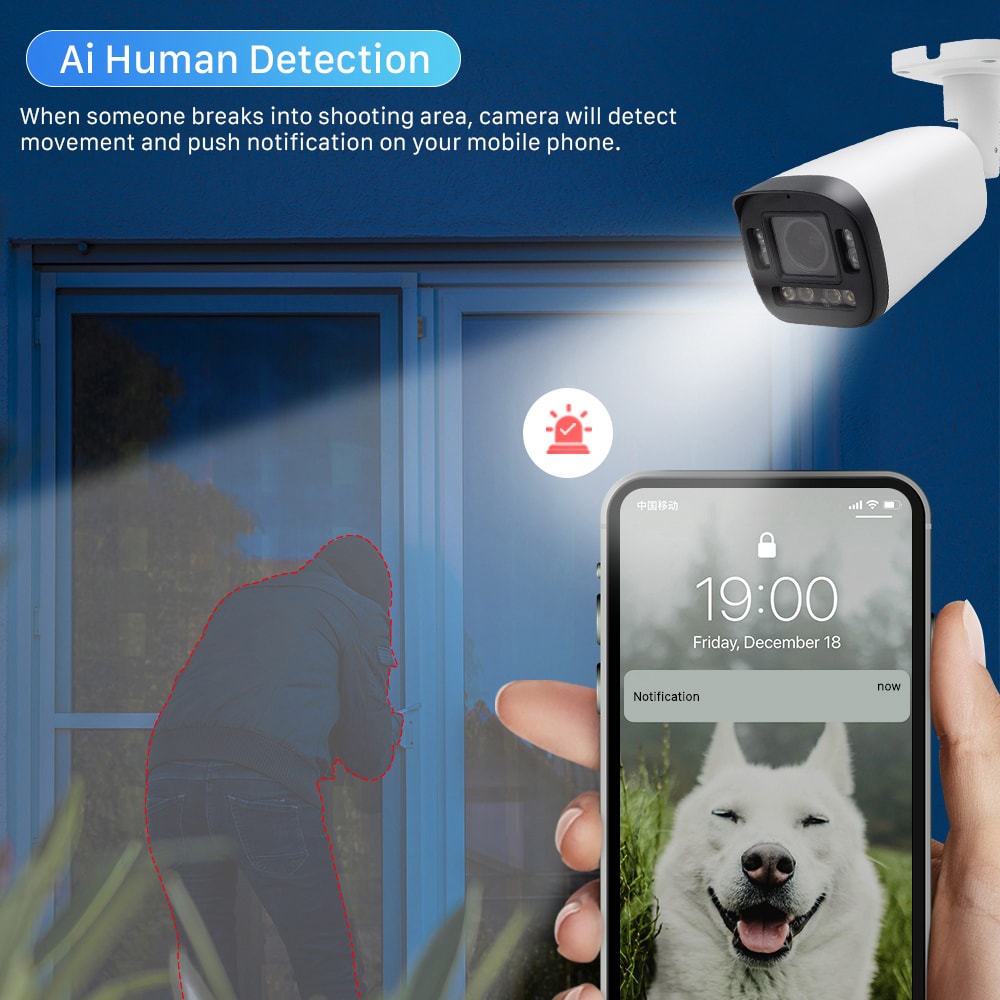
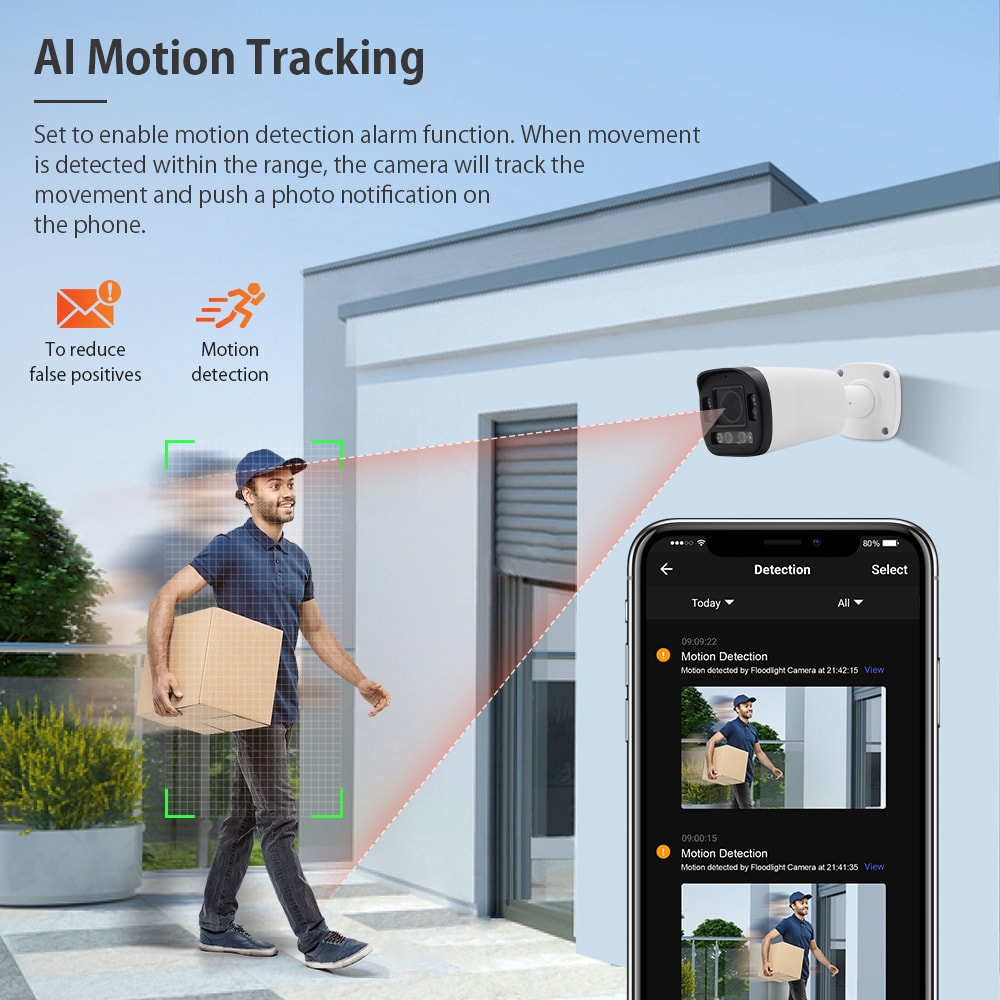
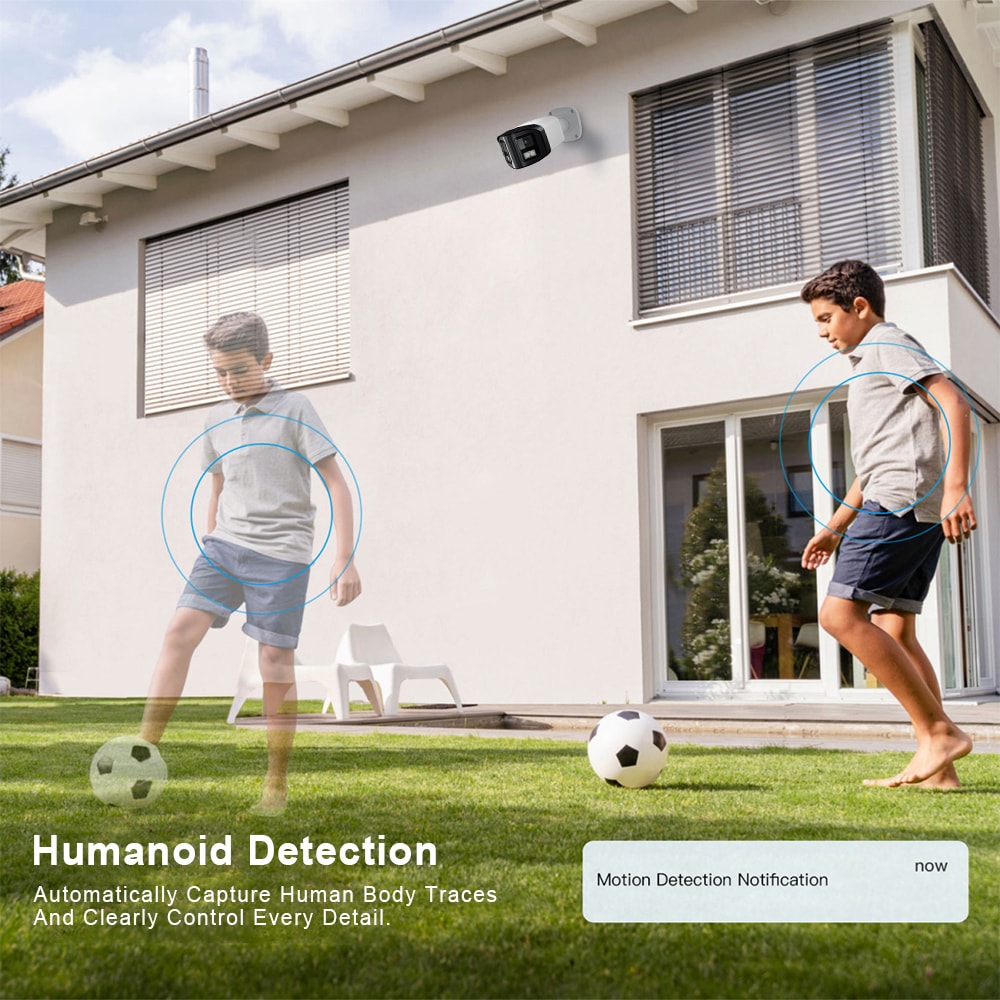
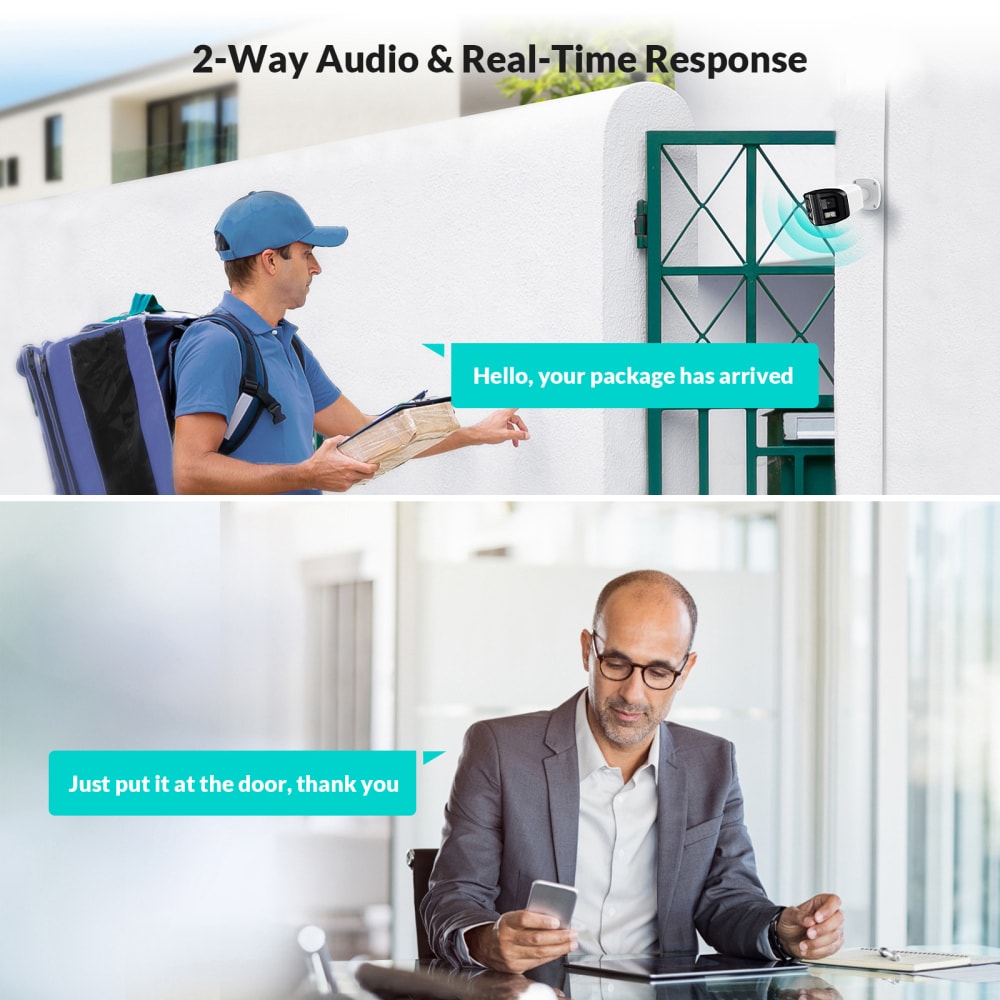
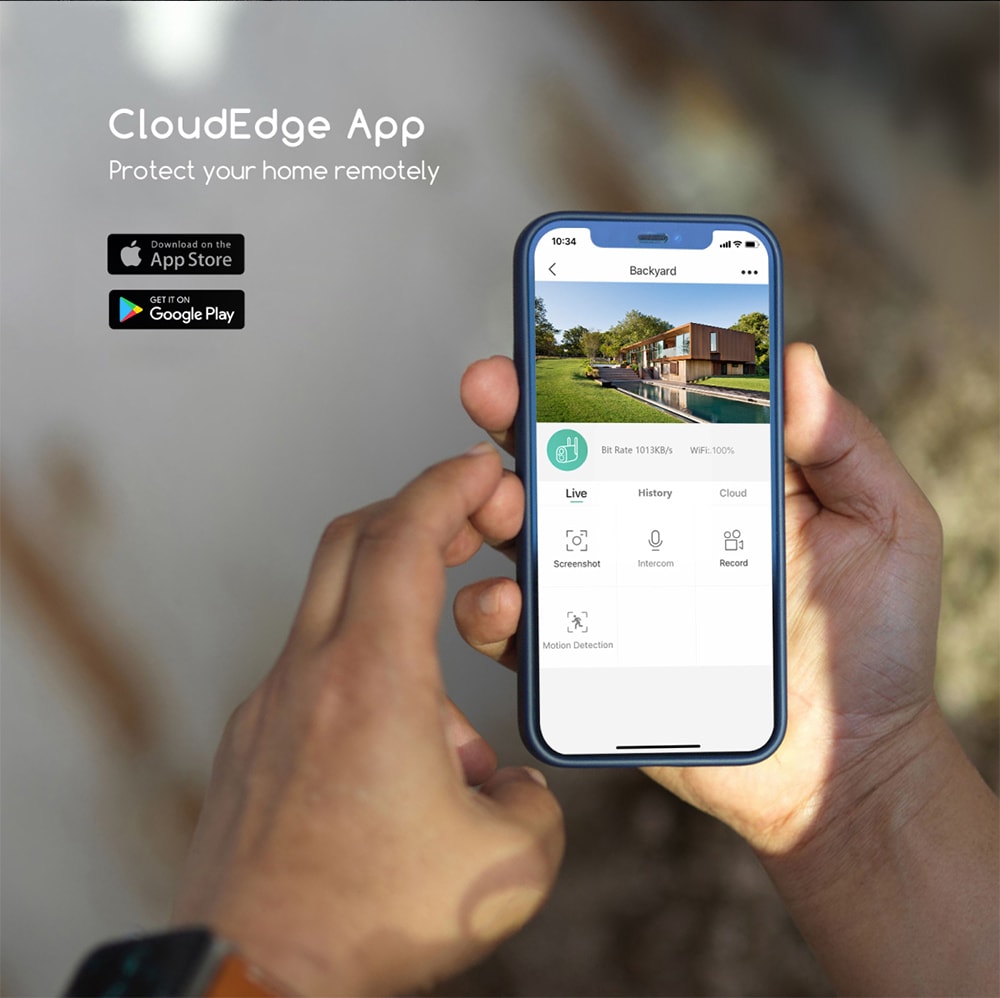
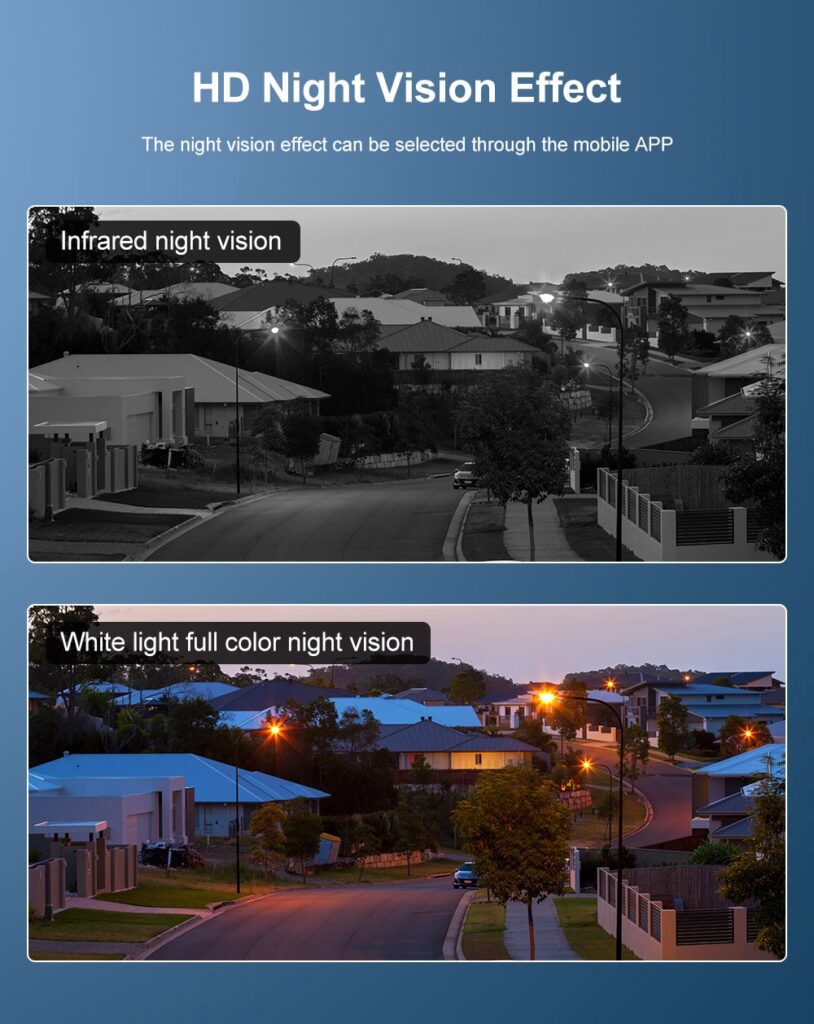
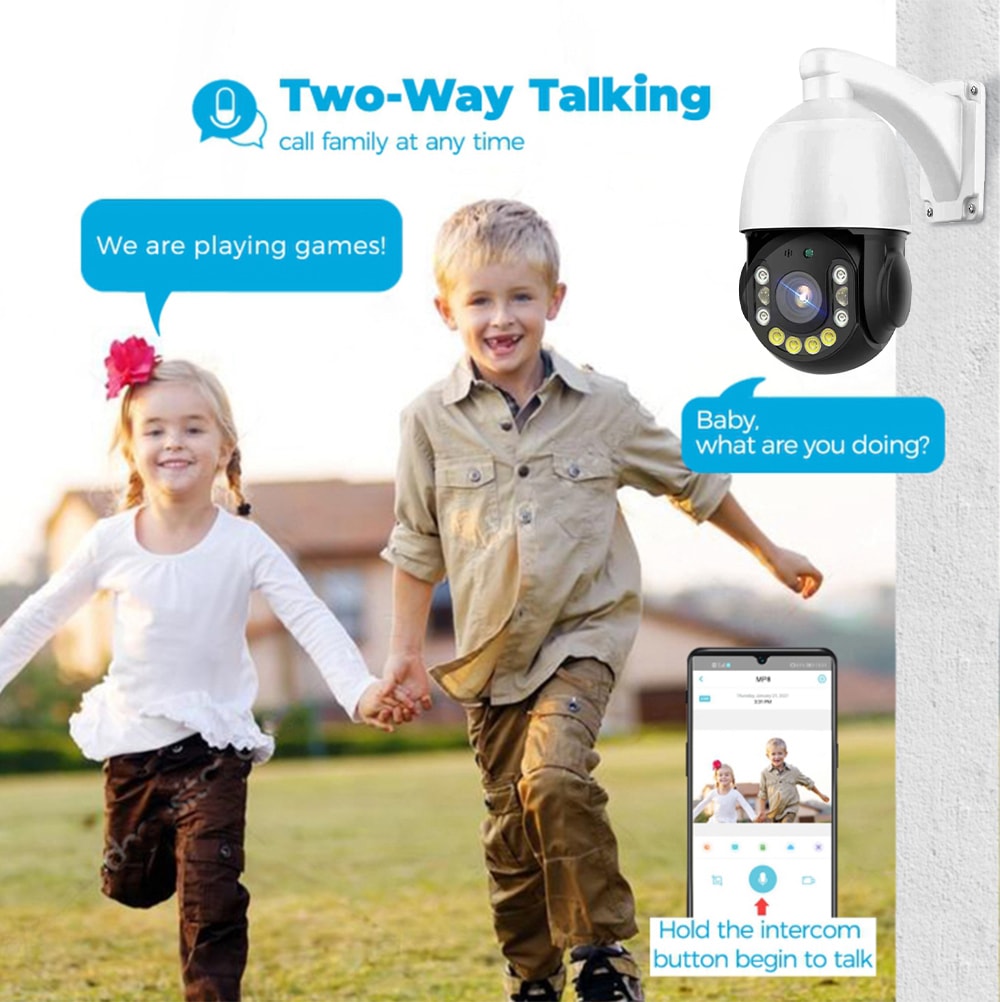
Common options include motion‑activated recording with smart alerts, person or package detection to reduce false alarms, night vision optimized for dim hallways, and two‑way audio on some devices to talk to visitors remotely. Many tenants and owners appreciate the ability to receive a push notification when someone rings the bell or when motion is detected near the front door, then tap into a live feed from anywhere.
For landlords and property managers, smart analytics can flag loitering, detect motion in restricted spaces after hours, and simplify incident review with event‑based playback. Cloud or hybrid storage options allow access to footage even if the on‑site recorder is damaged or stolen.
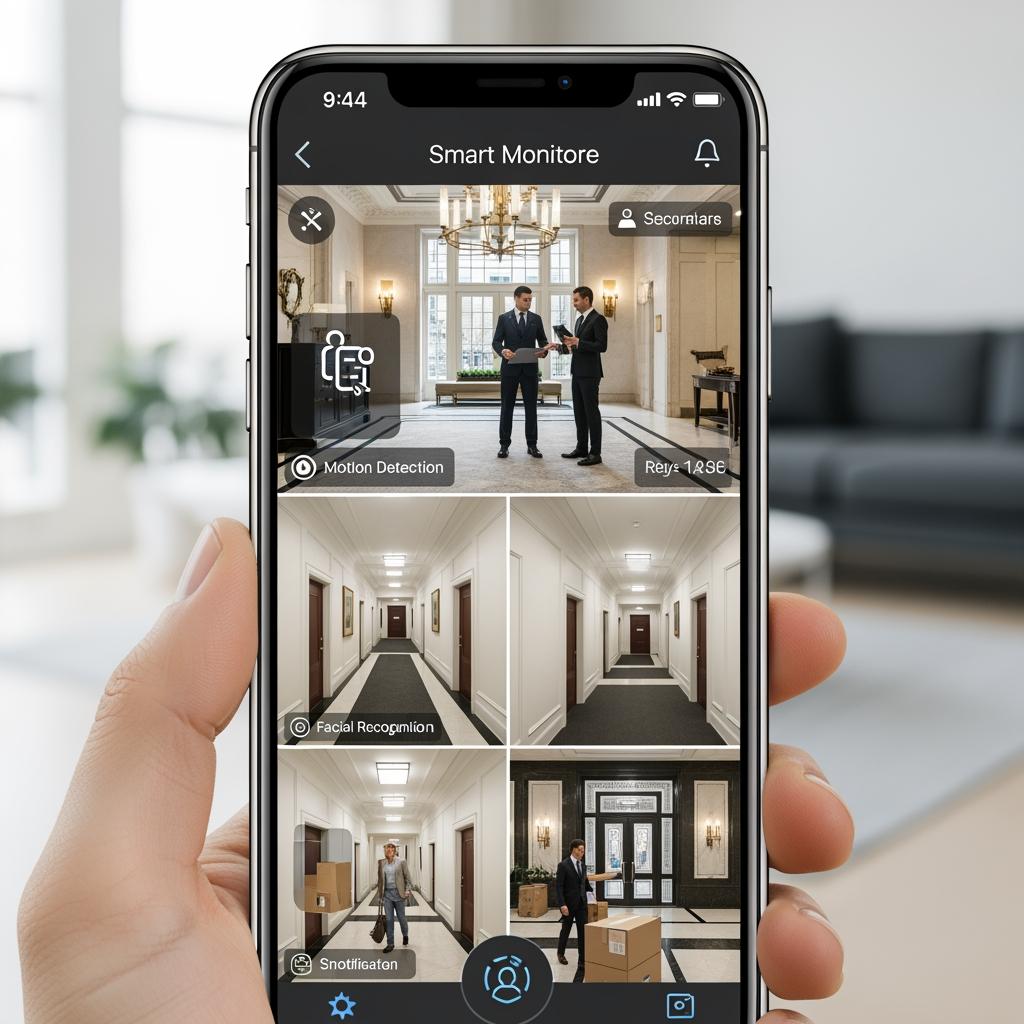
When planning smart features, balance convenience with privacy. For example, you might enable fine‑grained access so that staff can see lobby and exterior feeds, but only property management has full system control. Tenants can be given app access to their own doorbell camera but not the building‑wide system.
If you’re unsure which features are worth paying for in your building, describe your typical incidents—package theft, unauthorized guests, elevator issues—and we can recommend a targeted set of smart capabilities instead of a bloated, hard‑to‑use system.
Using Existing Wiring vs Wireless Cameras in NYC Apartments
One of the central design decisions in NYC apartment security camera installation is whether to leverage existing wiring or rely on wireless solutions. Each approach has tradeoffs.
Existing wiring, such as coaxial lines from old intercoms or TV feeds, or unused low‑voltage runs in hallways, can sometimes be repurposed for modern cameras with the right adapters. This reduces new drilling and labor, which is a big advantage in rent‑stabilized or landmarked buildings. Wired PoE cameras over Ethernet are highly reliable, support higher resolutions, and avoid Wi‑Fi congestion that’s common in dense apartment towers.
Wireless cameras, on the other hand, shine in small apartments or where you’re not allowed to open walls. For a tenant who wants a quick, reversible setup, a Wi‑Fi camera that plugs into a nearby outlet is ideal. Landlords might use wireless links for hard‑to‑reach spots—like a detached garage or a gated entrance—while still using wired backbones in main areas.
Here is a high‑level comparison:
| Approach | Pros in NYC context | Cons and risks in NYC apartments |
|---|---|---|
| Reusing existing low‑voltage wiring | Less drilling, respects historic finishes | Old cables may be damaged or incompatible. |
| New wired PoE runs | Stable video, better for multi‑camera systems | Higher upfront labor, more coordination with tenants. |
| Pure wireless cameras | Fast install, minimal damage, tenant‑friendly | Dependent on Wi‑Fi quality and power outlet locations. |
| Hybrid wired/wireless design | Flexible for mixed building conditions | Needs careful planning to avoid dead spots. |
The “right” answer is often a hybrid. For example, a landlord might wire cameras in the lobby, stairwells, and roof, while using wireless cameras inside individual apartments at the tenant’s discretion. During your planning phase, have an installer test signal strength in key locations and inspect existing conduits to see what’s realistic.
FAQs About NYC Apartment Security Camera Installation
This final section focuses on common questions tenants, owners, and landlords ask when planning NYC apartment security camera installation projects.
Can tenants install NYC apartment security camera systems without landlord approval?
Tenants usually can install cameras inside their own apartments, as long as they don’t damage building property or drill into restricted areas, and they respect privacy laws. However, hallway‑facing doorbells or cameras on exterior doors typically require landlord or board permission and must follow building rules. Check your lease and, if in doubt, get written approval.
How many cameras do I need for effective NYC apartment security camera installation?
For a typical tenant, one or two cameras—covering the main entry door and possibly a main living area—are often sufficient. Landlords and building owners should start with all entrances, mailrooms, package areas, and key common spaces like laundry rooms and stairwells, then add more only if there are specific risks. It’s better to have a few well‑placed cameras than many poorly configured ones.
Are audio‑enabled NYC apartment security camera installations legal?
Video recording in common areas for security purposes is generally more accepted than audio recording, which can be more tightly regulated. Many NYC property owners either disable audio or limit it to areas where conversations are unlikely. To avoid risk, choose video‑only recording in shared spaces and consult a lawyer if you intend to record sound.
How long should footage be stored in a NYC apartment security camera installation?
Storage duration depends on building policy, cost, and legal or insurance expectations. Many residential buildings aim for at least several days to a few weeks of storage so incidents can be reviewed even if reported later. Tenants using cloud‑based systems may opt for shorter retention to keep subscription fees low.
What happens to my NYC apartment security camera installation when I move out?
Tenant‑installed cameras that are plug‑in or mounted with removable hardware can usually be taken with you. Be sure to restore the apartment to its original condition, repair any minor marks if needed, and delete old Wi‑Fi and user accounts from the cameras. Building‑installed systems remain with the property and are usually controlled by the owner or management.
Do NYC landlords have to tell tenants about apartment security camera installation?
Landlords are generally expected to notify tenants about cameras in common areas, typically via signage and sometimes via lease addenda or house rules. Posting signs that clearly indicate areas under video surveillance is a simple way to provide notice and build trust, even when not explicitly mandated.
Who should I contact to start a NYC apartment security camera installation project?
For projects within NYC and the surrounding region, a local specialist is invaluable. S & Y Internet Technology offers on‑site consultation, design, and installation tailored to apartments, co‑ops, and multifamily buildings. You can learn more about their background and experience in smart security by visiting the S & Y Internet Technology company profile, then reach out with your building details to discuss next steps.
Last updated: 2025-11-26
Changelog:
- Added detailed breakdown of wired vs wireless camera options for NYC apartments.
- Expanded explanation of tenant‑friendly, no‑drill installation methods.
- Updated section on legal and privacy considerations for NYC common areas.
- Included spotlight on S & Y Internet Technology as a recommended provider.
- Clarified step‑by‑step process for landlords planning building‑wide systems.
Next review date & triggers
Next review planned within 12 months or sooner if NYC regulations, building code guidance, or common security technologies for apartments change significantly.
If you’re planning a new or upgraded NYC apartment security camera installation, share your role (tenant, condo owner, or landlord), building size, and key concerns, and we can help you map out a practical plan—then you can contact S & Y Internet Technology directly via their NYC smart security and contact page to get a tailored quote and service schedule.

About the Author: S & Y Internet Technology Inc.
S & Y Internet Technology Inc. is a professional installation and repair service provider based in Flushing, New York. Our expert team provides door-to-door installation and maintenance within a 100 km radius, ensuring quick response and high-quality results for every project — whether residential, commercial, or specialized.

Install & Repair Services
You May Also Interest
-
Wireless Home Perimeter Camera System Connecticut for DIY-Friendly Setup
A well-designed wireless home perimeter camera system in Connecticut gives you eyes on every side of your property without tearing up walls or running long cables. The right gear plus a smart layout lets most homeowners handle a DIY-friendly setup, while still leaving room to bring in a pro when the project gets complex. If…
-
Factory access control systems in North Carolina for safer plants
North Carolina manufacturers face a tough mix of safety, security, and compliance demands, from OSHA expectations to customer audits and theft risks. Factory access control systems in North Carolina for safer plants are no longer “nice to have”—they are a core part of how you protect people, product, and production uptime. Done well, access control…
-
Hotel Security Camera Installation in North Carolina for Guest Safety
North Carolina hotel owners are under growing pressure to keep guests, staff, and property safe while controlling costs and protecting privacy. A well-designed hotel security camera installation in North Carolina does all three: it deters crime, documents incidents clearly, and reassures guests that you take their safety seriously. Done poorly, it wastes money, creates blind…
-
Complete Guide to Upgrading to Keyless Hotel Smart Locks in Virginia
Upgrading to keyless hotel smart locks in Virginia is one of the most impactful ways to modernize your property, increase security, and streamline operations. Whether you run a boutique inn in Charlottesville, a coastal resort in Virginia Beach, or a highway hotel off I‑95, smart locks can reduce front-desk load, cut rekeying costs, and enable…