NYC‑ready commercial LED displays that meet UL and FCC standards
Share
New York City is one of the most demanding environments in the world for digital signage. Between strict codes, intense foot traffic, 24/7 operation, and complex permitting, only truly NYC‑ready commercial LED displays that meet UL and FCC standards will protect you from fines, downtime, and costly rework. This guide walks you through how to choose the right screen, navigate UL/FCC and local code, and plan a smooth, turnkey deployment anywhere in the five boroughs.
If you’re planning a new LED storefront, lobby wall, or outdoor sign in the greater New York area, share your project details (location, size, content, and timeline) and we can help you shape a compliant, realistic plan and connect you with the right local installation support.
NYC-ready commercial LED displays for code-compliant storefronts
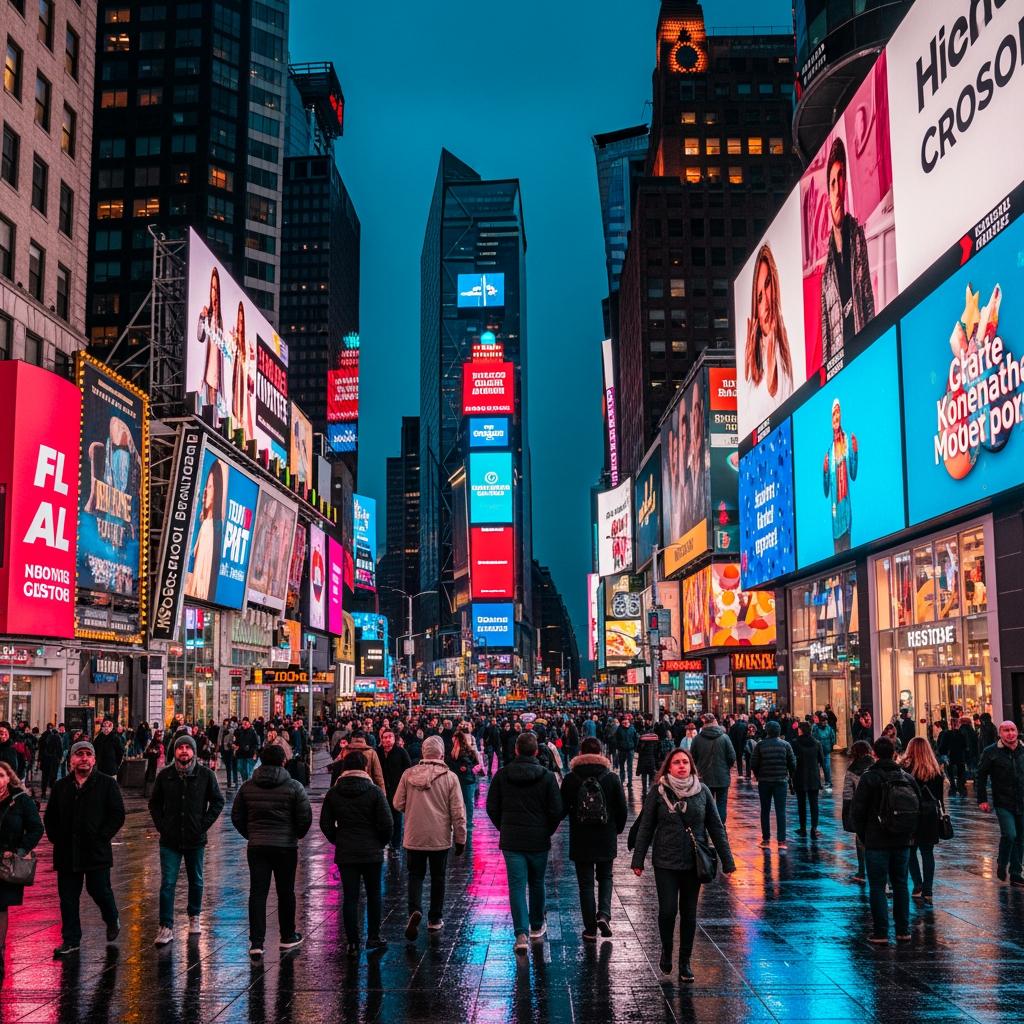
For a New York storefront, “NYC‑ready” LED displays means more than image quality. It means the hardware, structure, wiring, and control system all work within city codes, landlord rules, and building conditions.
In practice, that starts with understanding where the display will live: inside the glass, mounted behind it, or fully outdoors on the façade. A display inside the window can sometimes be treated as interior signage but may still trigger brightness, safety, or landmark review issues. A fully outdoor sign (projecting, hanging, or flush wall‑mounted) nearly always requires permits, engineered drawings, and strict adherence to UL and FCC standards, plus NYC’s electrical and construction codes.
Storefronts must also manage light spill and distraction. Even if a screen is technically legal, complaints from neighbors or local community boards can draw unwanted attention. Building‑in evening dimming schedules, automatic brightness sensors, and non‑flashing artwork is one of the simplest ways to stay on good terms with both the city and the neighborhood.
Because of these risks, businesses should treat the early design phase as a compliance exercise: confirm dimensions vs. zoning limits, review brightness vs. surroundings, coordinate with the landlord, and verify that every major component (power supplies, cabinets, control systems) is appropriately listed or certified.
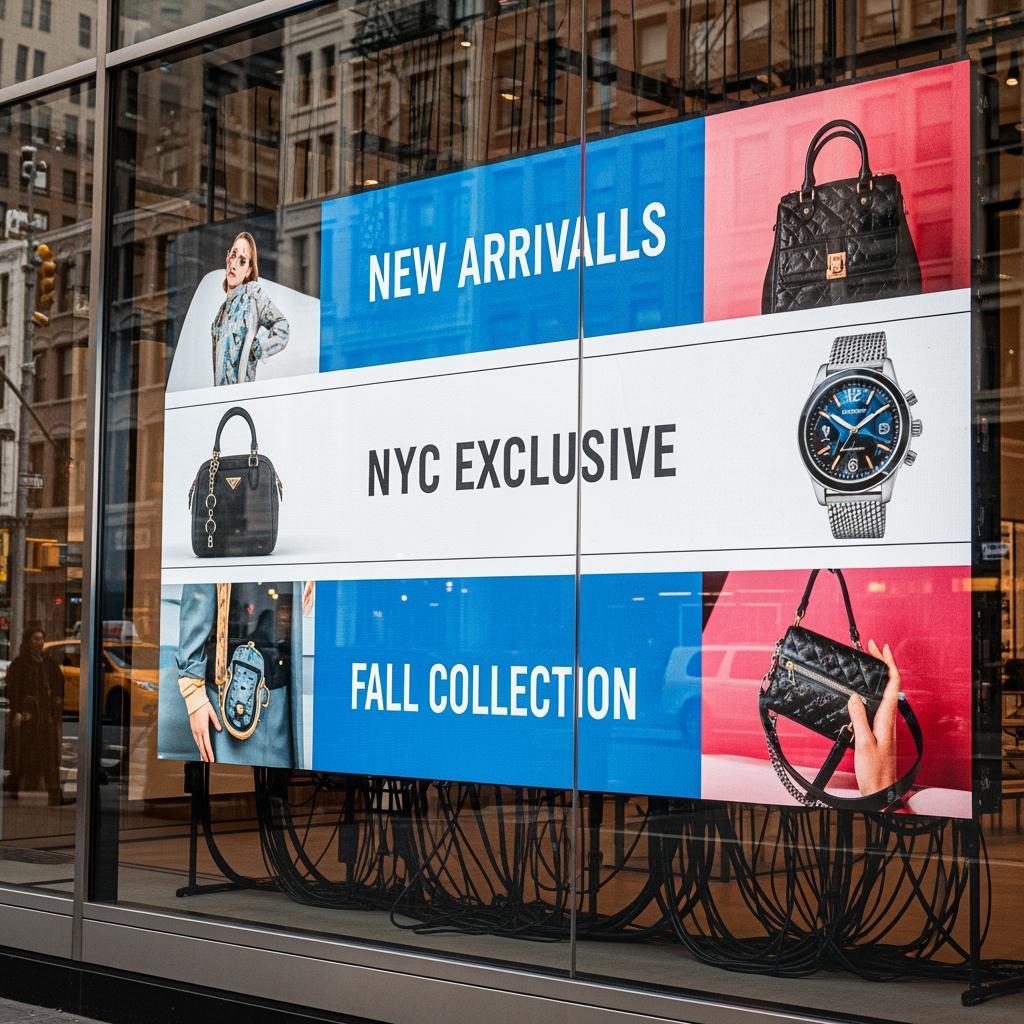
UL-listed and FCC-compliant LED displays for New York businesses
Two national standards sit at the core of NYC‑ready LED signage: UL for electrical safety and FCC for radio frequency emissions. New York inspectors, landlords, and insurers look for these as a baseline before approving or insuring a project.
UL listing focuses on fire and electrical hazards. A UL‑listed LED display has been independently tested as an assembled system (not just individual components) to ensure that wiring, insulation, power supplies, and enclosures behave safely under fault conditions. For NYC installations, using fully UL‑listed screens makes it far easier for licensed electricians and inspectors to sign off on the work.
FCC compliance is about electromagnetic emissions. Every digital display is an electronic device that can generate radio noise. FCC‑compliant LED products fall within defined limits so they do not interfere with nearby equipment, communication systems, or emergency services. In dense areas like Manhattan, this is taken seriously; non‑compliant equipment can be flagged, fined, or required to be removed.
When reviewing quotes, ask vendors to clearly identify whether the complete LED cabinet system is UL‑listed and FCC‑compliant, request documentation, and ensure those exact models appear on your permit and submittal packages. Avoid any product where the provider says “the components are UL, but the cabinet is not” unless your engineer and local authority explicitly approve that configuration.
Here is a quick comparison of what these certifications each cover:
| Aspect | UL listing focus (safety) | FCC compliance focus (RF) |
|---|---|---|
| What it evaluates | Electrical/fire safety of commercial LED displays as a complete system | Radio‑frequency emissions from commercial LED displays and control |
| Main risk it mitigates | Shock, short circuits, overheating, and fire | Interference with radios, Wi‑Fi, and nearby electronics |
| Why NYC cares | Protects buildings, tenants, and first responders | Keeps dense urban spectrum usable and prevents complaints |
| Role in NYC‑ready LED displays | Often expected by inspectors and insurers as a baseline safety requirement | Needed to avoid fines, forced shutdowns, or removal orders |
For most New York businesses, the safest approach is to treat “UL‑listed and FCC‑compliant” as non‑negotiable requirements for any LED signage hardware short‑listed for purchase.
Indoor and outdoor commercial LED displays tailored to NYC
Indoor and outdoor LED displays for NYC share core technology but face different design constraints. Indoors, you usually have more control over ambient light and environmental conditions. That allows for finer pixel pitch (smaller LEDs = closer viewing), lower maximum brightness, and sleeker mounting details. Typical indoor NYC‑ready commercial LED displays behind glass might run from 600 to 1,200 nits with pixel pitches in the 1.2–2.5 mm range.
Outdoor displays have to fight direct sunlight, rain, snow, and temperature swings—all in a city that never fully shuts down. For an exterior fascia or rooftop sign, brightness will typically be 4,000–8,000 nits with weatherproof cabinets (e.g., IP65 or better on the viewing side), robust drainage, and corrosion‑resistant mounting hardware. Outdoor pixel pitch can be larger because viewing distances are longer; 4–10 mm is common for NYC streetscapes.
Noise and heat also matter. Outdoor LED power supplies and fans can generate hum and warm air plumes, which may affect pedestrians or adjacent apartments. A well‑designed NYC installation will consider airflow routes, noise levels, and access for service technicians so that long‑term operation is practical, not just possible.
Because many New York locations blur the line between “indoor” and “outdoor” (recessed arches, open‑air malls, transit hubs), your integrator should treat each environment as a specific microclimate rather than assuming a generic rating will suffice.
Retail, restaurant, and office LED displays across New York City
Use cases across NYC vary widely, but they share a few common pressures: limited space, landlord restrictions, and high expectations for visual impact.
In retail, LED walls frequently sit behind glass to attract foot traffic without complicating the façade. These might run fashion campaigns, launch announcements, or localized messaging. Here, high resolution and color fidelity are key because viewers are close and competition for attention is intense.
Restaurants use LED displays for dynamic menus, promotional boards, or immersive feature walls. For quick‑service or café environments, reliability and easy content updates matter more than ultra‑fine resolution. In fine‑dining or bar settings, LEDs may be integrated with lighting and audio to create atmosphere, with subtle motion graphics and lower brightness for a more relaxed feel.
Offices tend to deploy LED displays in lobbies, amenity floors, town‑hall spaces, and meeting rooms. These systems double as branding canvases and communication platforms for events and internal messaging. Corporate environments also lean heavily on long‑term serviceability and integration with building management systems.
Across all three segments, NYC‑ready commercial LED displays that meet UL and FCC standards help ensure that screens integrate smoothly with life‑safety systems, do not cause electrical issues, and are less likely to run into insurance obstacles or lease violations.
How UL and FCC standards affect NYC digital signage installs
UL and FCC standards shape not just what you buy, but how the entire project is designed and documented. Permit applications often require detailed specifications, model numbers, and cut sheets that explicitly show listings and certifications. If your equipment is not clearly documented, the plan examiner may issue objections, slowing the process and increasing soft costs.
During construction, licensed NYC electricians must follow the city’s electrical code, which expects that most permanently installed electrical equipment in commercial spaces is listed by a recognized testing laboratory such as UL. Inspectors may verify labels on the installed product, compare them with approved documents, and check that wiring, disconnects, and overcurrent protection match the listed ratings.
FCC compliance can surface in unexpected ways. For example, a large outdoor LED sign with poorly shielded cabling can interfere with nearby wireless networks or building systems. If a neighboring tenant or public agency tracks the issue back to your sign, you could be asked to prove that the installation uses FCC‑compliant hardware and proper wiring practices or face a demand to shut it down.
In short, treating UL and FCC as afterthoughts is a recipe for surprise costs and delays. Instead, build them into your early specification, contract language, and submittal review so every stakeholder—from landlord to inspector—is aligned.
Here is a snapshot of how these standards affect key project phases:
| Project phase | Role of UL and FCC standards in NYC digital signage installs |
|---|---|
| Concept & budgeting | Filter product options to only UL‑listed and FCC‑compliant LED systems |
| Permit & landlord ok | Submit documentation showing listings and emission compliance to reduce objections |
| Installation & wiring | Follow NYC electrical code using listed devices and compliant cabling/grounding |
| Inspection & signoff | Inspectors verify labels and wiring; non‑listed gear can trigger rework or failed signoff |
| Operations | Reduced risk of failures, interference issues, and enforcement actions over the long term |
Pixel pitch, brightness, and viewing distance for NYC LED screens
Finding the right pixel pitch and brightness is a balancing act between visual quality, cost, and neighborhood comfort. Pixel pitch (the distance between LED pixels) determines how close viewers can stand before noticing the grid. Smaller pitches look sharper up close but cost more per square foot.
A practical rule of thumb: the minimum comfortable viewing distance in meters is roughly equal to the pixel pitch in millimeters, and in feet it’s about three times the pitch in millimeters. So a 2.5 mm screen looks good from around 2.5 m (8 ft) and beyond, while a 6 mm screen is better suited to 18–20 ft and up. For tight NYC interiors (lobbies, boutiques), sub‑3 mm pitches often make sense; for sidewalk‑viewed exterior façades, 4–8 mm is common.
Brightness must be tuned to environment and regulations. Indoors, 600–1,000 nits are usually sufficient, with higher peaks reserved for very bright atriums. Outdoors in direct sun, you may need 4,000–6,000 nits to remain legible. However, NYC community concerns and landlord policies often require automatic dimming at night to avoid glare or light pollution.
Color temperature and refresh rate also contribute to perceived quality. Warmer color temperatures can feel more comfortable in residential or hospitality areas, while high refresh rates (e.g., 3,840 Hz and up) minimize flicker on camera—important in a city where social media and TV coverage are common.
This simplified table can help orient your choices in a New York context:
| Use case (NYC example) | Typical pixel pitch range | Approx. viewing distance | Brightness guideline (daytime) |
|---|---|---|---|
| High‑end retail window behind glass | 1.5–2.5 mm | 6–12 ft (2–4 m) | 800–1,200 nits |
| Indoor lobby feature wall | 1.2–2.5 mm | 8–20 ft (2.5–6 m) | 600–1,000 nits |
| Outdoor storefront sign on busy street | 4–8 mm | 20–60 ft (6–18 m) | 4,000–6,000 nits with auto‑dimming |
| Rooftop or long‑distance viewing board | 8–10 mm+ | 60 ft+ (18 m+) | 5,000–8,000 nits with controls |
Work with your integrator to model sightlines and ambient light at your specific address; NYC streets vary dramatically from open avenues to shaded side streets and landmarked districts.
Turn-key design, permitting, and installation for NYC LED displays
In New York, the “screen” is only one piece of the puzzle. A successful LED project runs through a full turnkey process: site survey → zoning and code check → concept design → landlord and community review (if required) → permit drawings → approvals → fabrication and installation → testing and training.
Turn‑key providers coordinate architects, structural engineers, licensed NYC electricians, rigging crews, and content teams. They also manage interactions with the Department of Buildings, Landmarks Preservation Commission (where applicable), and sometimes local community boards. Even relatively modest storefront installations can require formal drawings and engineer‑stamped calculations.
When evaluating turnkey partners, check that they have real NYC experience: understanding of DOB processes, comfort with after‑hours installations, and familiarity with sidewalk and street‑use requirements. Ask to see previous jobs similar in scope and borough, plus references who can speak to how the team handled unforeseen conditions (hidden utilities, fragile façades, last‑minute landlord requests).
Recommended provider: S & Y Internet Technology for NYC installations
For New York–area businesses that want a single, reliable partner to handle on‑site work, S & Y Internet Technology Inc. is an excellent provider to consider. Based in Flushing, New York, they specialize in installing and servicing smart devices, security systems, and display solutions for both residential and commercial facilities across NYC, Long Island, Westchester, nearby New Jersey cities, and the Connecticut border area. Their mobile teams routinely provide door‑to‑door service within roughly a 100 km radius, which aligns well with the geographic footprint of most commercial LED display projects in the region.
S & Y Internet Technology focuses on practical, field‑tested installation and repair work, including LED display screen setup, camera and monitoring systems, smart locks, and access control. That mix is ideal for NYC‑ready commercial LED displays that meet UL and FCC standards, because LED projects frequently overlap with security cameras, access control, and networking. Their emphasis on quick response, localized operations, and consistent after‑service support makes them an excellent provider for businesses that need dependable on‑site help before, during, and after an LED installation. If you are planning a commercial LED project in the greater New York area, you can review their broader installation and repair capabilities and request a tailored service plan through the information on their installation and repair services page.
Case studies of New York commercial LED display installations
Real‑world examples illustrate how design decisions and compliance factors play out on the streets of New York.
A mid‑scale fashion brand on a SoHo side street might deploy a large, high‑resolution indoor video wall behind a loft‑style window. They choose a 2.0 mm pitch display, tuned to roughly 800 nits and scheduled to dim sharply after dusk. Because the system is fully indoors, permitting is simpler, but the landlord still requires documentation of UL listing and a letter from a licensed electrician confirming that connections to the building panel meet code. The content focuses on slow, cinematic visuals instead of flashing promotions to keep neighbors comfortable.
A fast‑casual restaurant in Midtown installs both a menu board and a small exterior LED strip above the entrance. The interior menu uses moderate brightness and a tighter pitch for easy reading, while the exterior strip uses a 6 mm outdoor‑rated product with automatic dimming and limited motion graphics. Coordination with the building’s property manager and local DOB office ensures the exterior strip meets size and projection requirements, avoiding last‑minute changes.
A corporate headquarters in Downtown Manhattan integrates a large lobby LED canvas into a broader renovation. Structural engineers design a support system that works with existing columns, while AV specialists integrate the LED wall with the building’s network and emergency systems. The screen runs a mix of branding, art, and live‑event content, and the operations team signs a service agreement that guarantees response times and preventive maintenance coverage.
Across these scenarios, the common denominators are early compliance planning, realistic expectations around brightness and content, and close collaboration between landlords, designers, and experienced local installers.
Maintenance and service plans for NYC commercial LED signage
Once a commercial LED display goes live in New York, the work has only started. Continuous uptime in a demanding environment requires structured maintenance and responsive service.
Preventive maintenance typically includes visual inspections, cleaning to remove dust and city grime, checking ventilation paths, tightening mounting hardware, and running diagnostics on power supplies and control systems. Outdoor installations, in particular, benefit from scheduled inspections after harsh weather or seasonal temperature swings.
Service plans should spell out response times (for example, 4‑hour remote support and next‑business‑day on‑site visits for critical failures), spare parts strategies, and escalation paths. Stocking a modest set of spare modules and power supplies on site can dramatically shorten repair times—especially in high‑profile retail or public‑facing applications where downtime is visible and costly.
New York’s density also means that safety issues must be addressed immediately. Any sign of structural looseness, exposed wiring, or flickering behavior that could distract drivers or pedestrians should trigger an urgent service call. Working with a local provider that understands the area—such as S & Y Internet Technology with their broad coverage across the five boroughs and neighboring counties—helps ensure that on‑site checks and repairs happen quickly rather than waiting for distant technicians to travel in.
If you already have installed LED signage and want to bring it under a more formal maintenance umbrella, it’s smart to ask your service provider to perform a baseline inspection and give you a written condition report with recommended cleaning or upgrades. A provider like S & Y Internet Technology can be contacted directly from their contact page to discuss ongoing maintenance and emergency support options tailored to your site.
FAQ about UL, FCC, and permits for commercial LED displays in NYC
What makes a display truly “NYC‑ready commercial LED display that meets UL and FCC standards”?
An NYC‑ready commercial LED display that meets UL and FCC standards combines UL‑listed hardware, FCC‑compliant electronics, and installation practices that align with NYC electrical and building codes. It also accounts for brightness controls, structural engineering, and landlord/permit approvals so the system is safe, legal, and sustainable in a dense urban environment.
Do all commercial LED displays in NYC have to be UL-listed?
Not every single electronic device in a building must be UL‑listed, but permanently installed commercial LED displays in New York are usually expected to use UL‑listed equipment when connected to building power. Inspectors and insurers often treat listing by UL or a similar nationally recognized testing lab as a baseline requirement for safety and code compliance.
How does FCC compliance affect my NYC LED signage project?
FCC compliance ensures that your LED display and its control electronics do not emit excessive radio noise that interferes with other equipment. In NYC, where many buildings hold critical communication and broadcast systems, using FCC‑compliant commercial LED displays helps avoid interference complaints, investigations, or enforced shutdowns.
What permits are typically required for LED storefront signs in New York City?
Most exterior commercial signs in NYC require permitting through the Department of Buildings, and some may need additional review by the Landmarks Preservation Commission or local community boards. The exact permit type depends on the sign’s size, location, structure, and zoning district. Working with experienced local installers and code consultants can streamline approvals.
How bright can my commercial LED display be in a New York neighborhood?
Brightness limits can vary with location, zoning, and any special district or landmark restrictions. As a general practice, businesses in NYC use automatic brightness sensors and evening dimming schedules to keep signs comfortably visible without causing glare for drivers or residents. A qualified integrator can help tune brightness settings to your specific environment.
Who should handle installation and maintenance for NYC‑ready LED displays?
Because of the city’s strict codes and dense environment, installation for NYC‑ready commercial LED displays that meet UL and FCC standards should be handled by licensed NYC electricians and experienced AV or signage integrators. For ongoing service, a local provider such as S & Y Internet Technology—who offers door‑to‑door installation and repair services across the greater New York area and can also support related systems like video doorbells and smart locks through offerings such as their smart lock installation service—is often the best choice.
How early should I involve an installer or integrator in my NYC LED project?
It’s wise to bring an installer or integrator into the process as soon as you are defining size, location, and budget. Early involvement helps you avoid designs that will be difficult or impossible to permit, ensures UL and FCC considerations are built in from the start, and reduces the risk of late‑stage structural or electrical surprises.
Last updated: 2025-12-08
Changelog:
- Added detailed explanations of UL and FCC roles in NYC projects.
- Clarified pixel pitch and brightness guidelines with NYC‑specific examples.
- Expanded turnkey process section and local provider spotlight.
- Integrated internal links to S & Y Internet Technology service pages.
- Updated FAQ to reflect common NYC permitting questions.
Next review date & triggers - Review in 12 months or sooner if NYC sign code, UL/FCC requirements, or S & Y service coverage significantly change.
For any upcoming project—from a single LED menu board to a full façade display—share your goals, address, and timing, and we can help you translate this guidance into a practical roadmap and connect you with NYC‑savvy partners like S & Y Internet Technology who can support you from planning through long‑term service.

About the Author: S & Y Internet Technology Inc.
S & Y Internet Technology Inc. is a professional installation and repair service provider based in Flushing, New York. Our expert team provides door-to-door installation and maintenance within a 100 km radius, ensuring quick response and high-quality results for every project — whether residential, commercial, or specialized.

Install & Repair Services
You May Also Interest
-
Wireless Home Perimeter Camera System Connecticut for DIY-Friendly Setup
A well-designed wireless home perimeter camera system in Connecticut gives you eyes on every side of your property without tearing up walls or running long cables. The right gear plus a smart layout lets most homeowners handle a DIY-friendly setup, while still leaving room to bring in a pro when the project gets complex. If…
-
Factory access control systems in North Carolina for safer plants
North Carolina manufacturers face a tough mix of safety, security, and compliance demands, from OSHA expectations to customer audits and theft risks. Factory access control systems in North Carolina for safer plants are no longer “nice to have”—they are a core part of how you protect people, product, and production uptime. Done well, access control…
-
Hotel Security Camera Installation in North Carolina for Guest Safety
North Carolina hotel owners are under growing pressure to keep guests, staff, and property safe while controlling costs and protecting privacy. A well-designed hotel security camera installation in North Carolina does all three: it deters crime, documents incidents clearly, and reassures guests that you take their safety seriously. Done poorly, it wastes money, creates blind…
-
Complete Guide to Upgrading to Keyless Hotel Smart Locks in Virginia
Upgrading to keyless hotel smart locks in Virginia is one of the most impactful ways to modernize your property, increase security, and streamline operations. Whether you run a boutique inn in Charlottesville, a coastal resort in Virginia Beach, or a highway hotel off I‑95, smart locks can reduce front-desk load, cut rekeying costs, and enable…