Residential secure gate systems in Virginia for safe, keyless entry

Share
Residential secure gate systems in Virginia for safe, keyless entry give homeowners a powerful way to control who comes onto their property while removing the hassle of physical keys. A well-designed system combines a strong physical barrier, reliable automation, and secure, user-friendly access methods like keypads, fobs, and mobile apps. If you’re considering a new installation or upgrading an older gate, now is a great time to map out your goals, budget, and safety requirements so you can move quickly from idea to finished project. If you’d like personalized recommendations or a ballpark quote range for your own driveway or yard, describe your property layout and access needs, and I can help you outline a practical plan to discuss with installers.
What a secure residential access gate means for Virginia homes
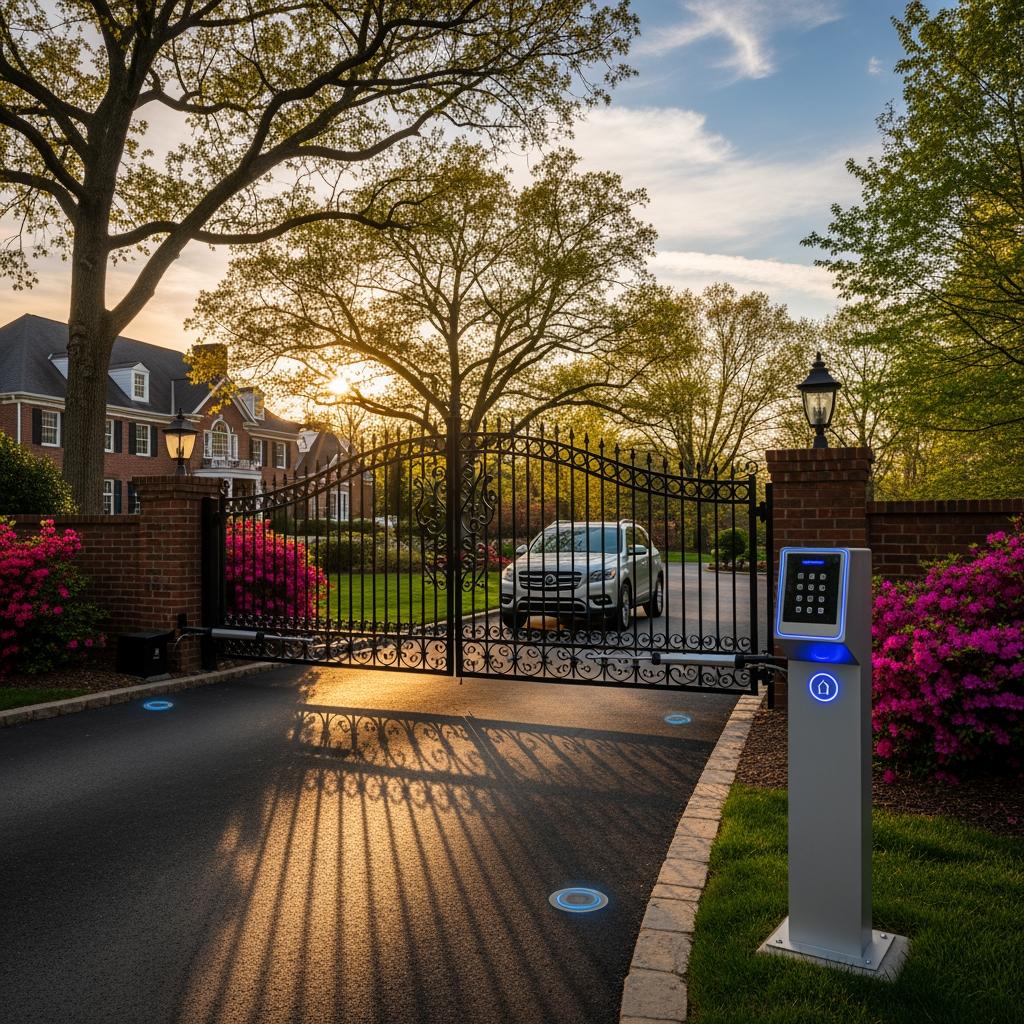
For Virginia homes, a secure residential access gate is more than just a decorative entrance. It’s an integrated system that combines the gate structure, posts, hinges or rollers, automation equipment, and electronic access controls to give you reliable, safe, keyless access 24/7. Think of your gate as the “front door” of your entire property: it should complement your fencing, landscaping, and house style while raising your overall security and privacy.
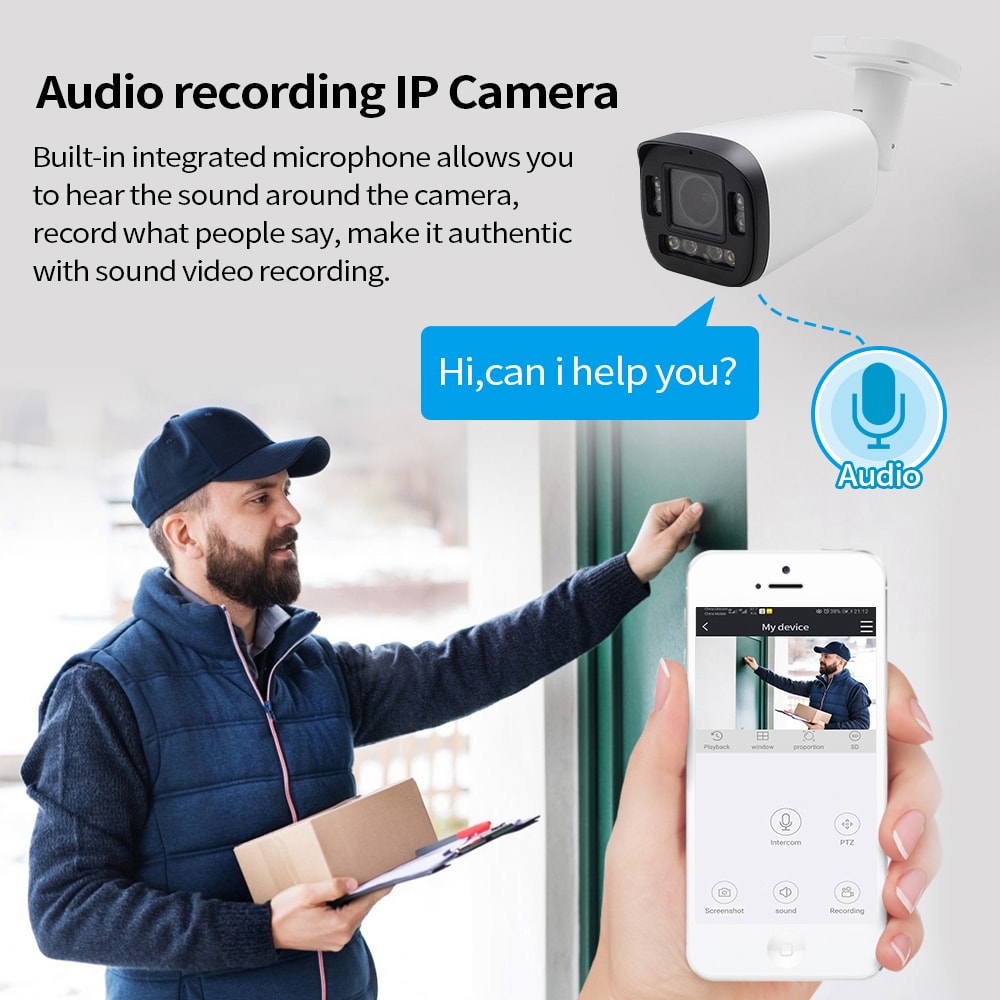
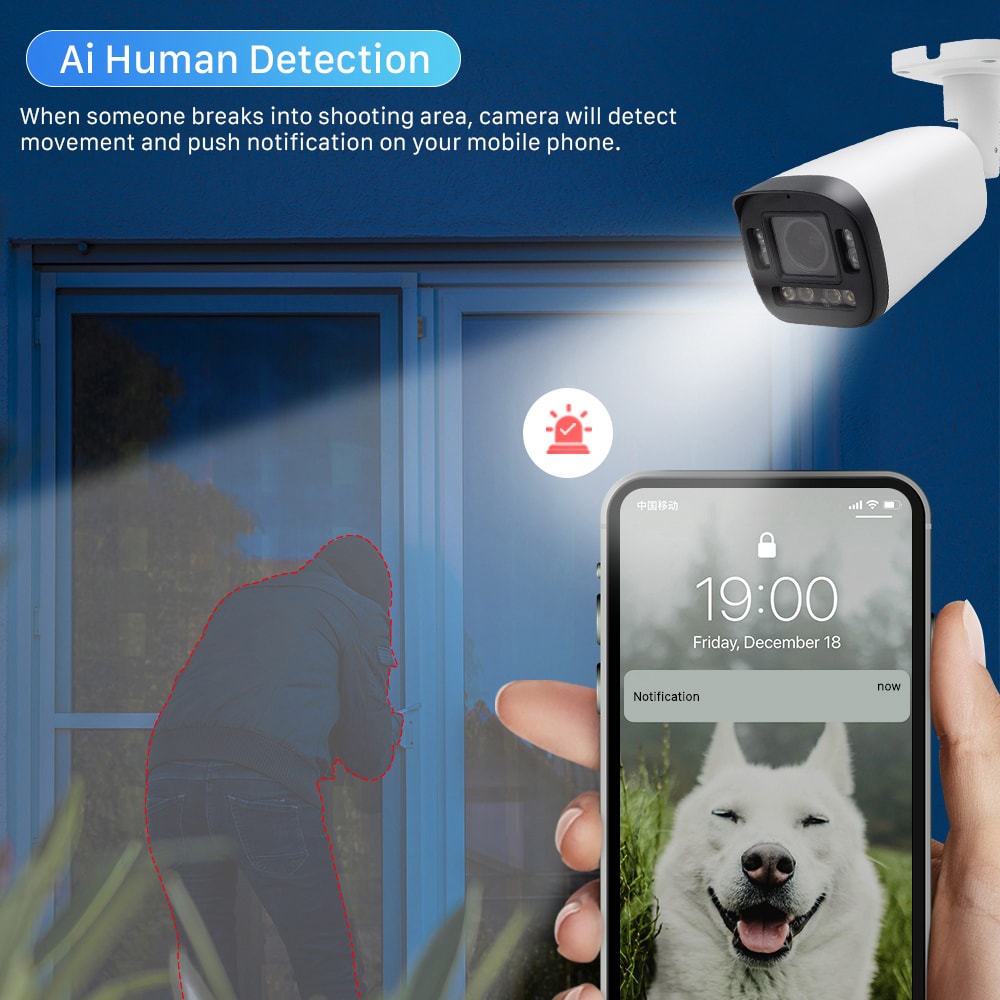
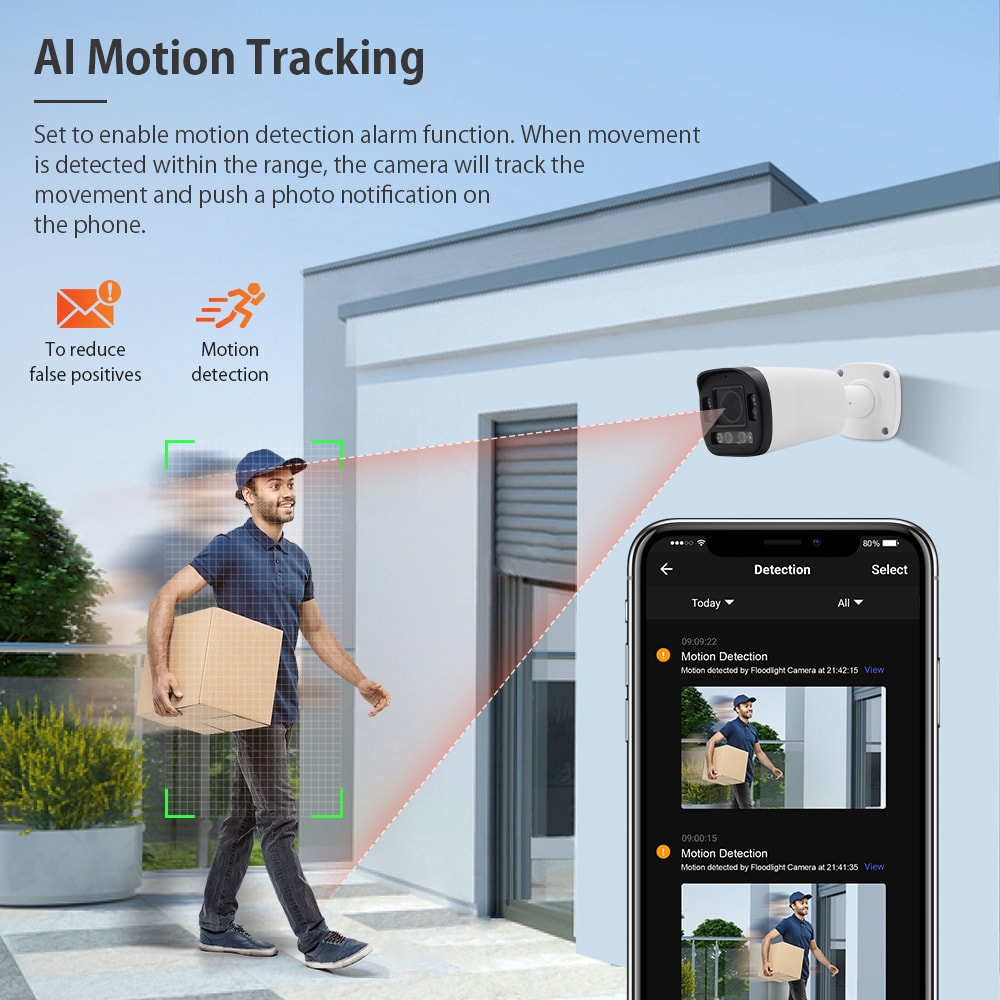
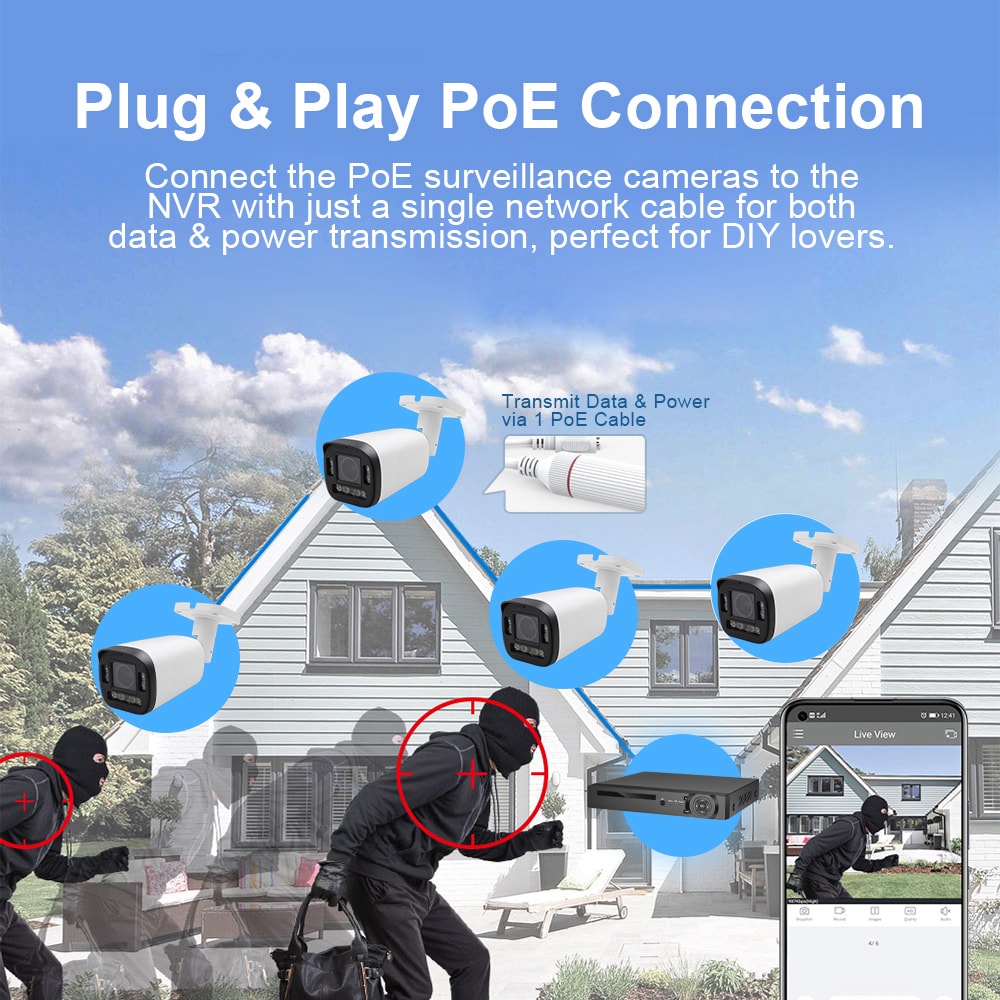
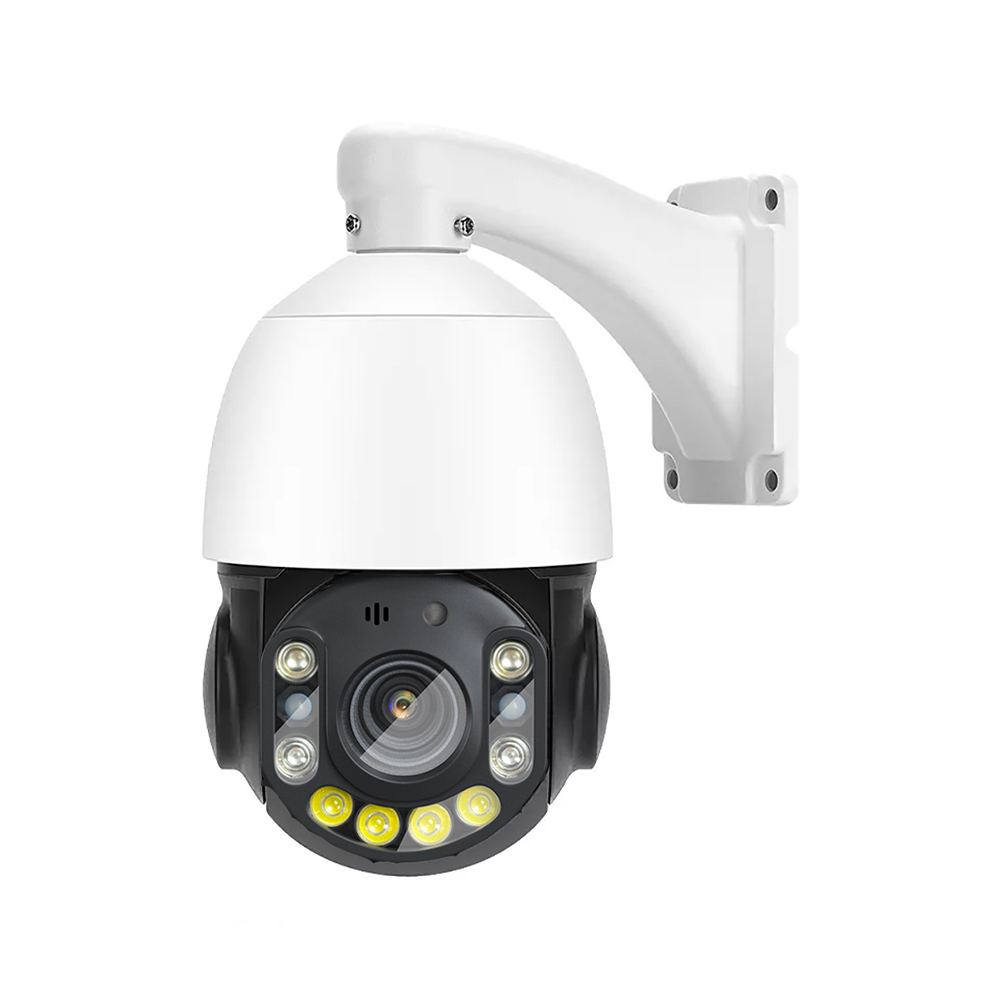
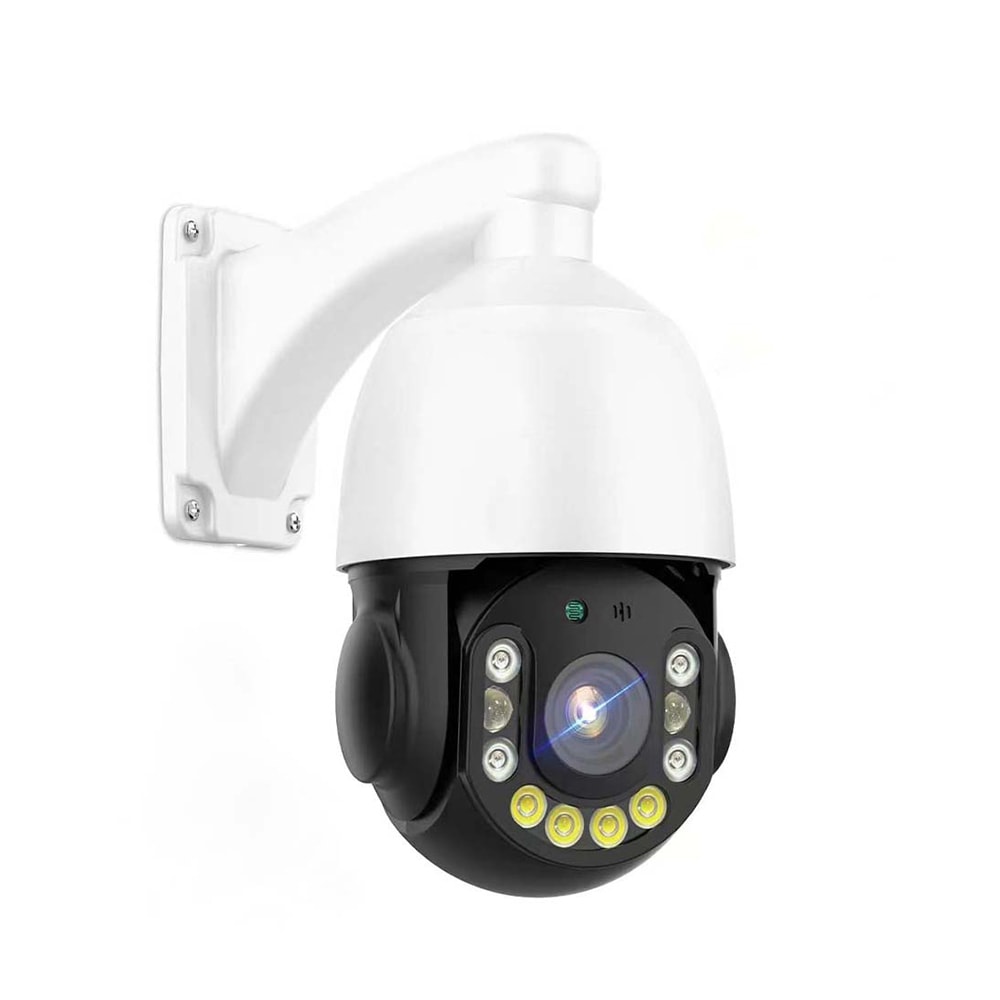
A secure gate system typically includes a sturdy swing or slide gate, an automatic operator, safety devices (sensors, photo eyes, edges), and one or more access methods (keypad, remote, card/fob reader, app). For added protection, many Virginia homeowners integrate gates with cameras and video doorbells, allowing them to see visitors from anywhere and decide whether to grant entry. This combination of physical and electronic security is particularly valuable along busy roads, in rural areas with long driveways, and in neighborhoods where package theft or trespassing has become more common.
Security, however, must always be balanced with safety. Strong hardware and tight access control are only truly “secure” when the system is installed to modern safety standards, has appropriate emergency egress options, and is easy for authorized users to operate correctly. A practical rule of thumb is that if a visitor, delivery driver, or emergency responder is confused about how to get in or out, the system needs to be simplified or better labeled.
Keyless entry options for Virginia driveway and yard gates
Keyless entry is at the heart of residential secure gate systems in Virginia for safe, keyless entry. Modern gate systems rarely rely on traditional keys for regular use; instead, they offer multiple electronic access options that can be mixed and matched depending on your property and household.
The most common keyless options include weather-rated keypads, wireless remotes, RFID cards or fobs, and smart locks or app-based control. Keypads are particularly popular for driveway gates because they allow you to assign unique codes to family members, landscapers, or house cleaners and then change or remove those codes whenever needed. Wireless remotes are convenient for vehicles, functioning similarly to garage door openers. RFID cards or fobs are useful when you want quick access for frequent users without requiring them to remember codes.
App-based access and smart locks are increasingly used on pedestrian gates and side entries, giving homeowners the ability to lock and unlock gates remotely, check the status of locks, and receive alerts when someone enters. For example, a smart lock on a yard or side gate can integrate with your broader smart home platform, so you can trigger lights, outdoor cameras, or alarms based on gate activity. When evaluating options, consider who needs access, how often, and whether visitors should be able to request entry via a call box, video doorbell, or intercom at the gate.
If you are located in or around New York and considering similar smart access for doors and gates on another property, S & Y Internet Technology offers integrated smart lock and video doorbell solutions; you can learn more about their smart lock services by visiting their dedicated smart lock page through this anchor text: smart lock installation and setup.
Types of automatic gate operators for Virginia homeowners
Automatic gate operators are the “engines” that move your gate. Choosing the right type is critical to long-term performance, especially given Virginia’s mix of flat suburbs, rolling hills, and coastal climates. The main categories are swing gate operators, slide gate operators, and barrier-arm style systems, with specialized models for heavy gates or frequent cycling.
Swing operators are best suited to driveways where the gate can swing inward (or sometimes outward, where codes and space allow). They are often used on decorative steel, aluminum, or wood-clad frames, and they work well when you have adequate setback from the road. Slide operators are better for steeper driveways, shorter setbacks, or tight spaces where a swinging leaf would hit vehicles, walls, or slopes. They pull a single leaf or pair of leaves horizontally along a track or cantilever system, keeping the area in front of the gate clear.
Barrier-arm operators, which you might recognize from parking lots, are less common in purely residential Virginia settings but can be appropriate for shared private roads or small communities with controlled access. When you discuss operators with a professional, be sure to share details like gate width, weight, wind exposure, expected daily cycles, and whether you anticipate heavy snow or ice in winter. These factors will influence motor size, mounting style, and whether a hydraulic or electromechanical operator is recommended.
Secure access gate costs and budget ranges in Virginia
Secure access gate costs in Virginia vary widely because every property and configuration is different. However, thinking in budget “bands” can help you plan. At the lower end, upgrading an existing manual gate with a basic operator, keypad, and a couple of remotes will generally cost far less than constructing a new, fully custom gate and posts from scratch. On the higher end, large decorative gates with stone columns, integrated lighting, cameras, and smart access devices can reach significantly higher investment levels.
Below is a simplified budget snapshot for residential secure gate systems in Virginia for safe, keyless entry. These are conceptual ranges, not quotes:
| Budget level | Typical Virginia project scope | Notes on secure gate system features |
|---|---|---|
| Entry-level | Automating an existing swing gate with basic keypad and remotes | Good starting point for keyless entry; may reuse existing posts and gate frame |
| Mid-range | New metal or wood gate, operator, safety sensors, keypad, and photo eye | Balanced choice for most homes; allows for attractive design and robust safety |
| Premium | Custom gate, masonry columns, advanced access control, cameras, and smart app integration | Suited to estates or properties prioritizing aesthetics, automation, and monitoring |
These ranges illustrate how scope, materials, and electronics drive cost. Labor, trenching for power and low-voltage wiring, and any needed electrical panel work will also affect your final budget. When you request quotes, ask installers to separate gate fabrication, operator equipment, access controls, and electrical work so you can compare options and adjust where necessary. A practical approach is to start with a clear must-have list (security, safety, basic keyless access) and a separate wish list (stone columns, integrated lighting, advanced smart monitoring) that can be phased in later if needed.
Safety standards and UL325-compliant gate installs in Virginia
Safety is one of the most critical aspects of any automated gate, and Virginia homeowners should insist on UL325-compliant installations. UL325 is the widely recognized safety standard governing motorized gate operators, focusing on entrapment protection, control placement, and proper use of sensors and edges. In practice, this means your residential secure gate system should be designed so that it cannot reasonably crush, drag, or trap a person, pet, or vehicle during operation.
Key elements of a safe, compliant install typically include correctly placed photo eyes (across the gate opening), contact edges on crushing or shearing points, and control stations located where a user can see the gate while activating it. A professional installer should also ensure that the gate itself is structurally sound and moves freely before attaching an operator, since machines cannot “fix” a poorly built or misaligned gate. Good practice also includes warning signs, clearly labeled manual release mechanisms, and documented instructions for safe use and emergency operation.
Homeowners should also verify that their chosen installer is familiar with local Virginia codes, HOA rules, and power requirements. Asking directly, “Will this gate be installed in accordance with UL325 and related standards, and can you explain how the entrapment protection works?” is a simple but effective way to gauge a contractor’s competence and seriousness about safety. Periodic maintenance checks, especially before and after winter, help ensure that safety devices continue to function correctly over time.
Choosing materials for durable, weather-ready gates in Virginia
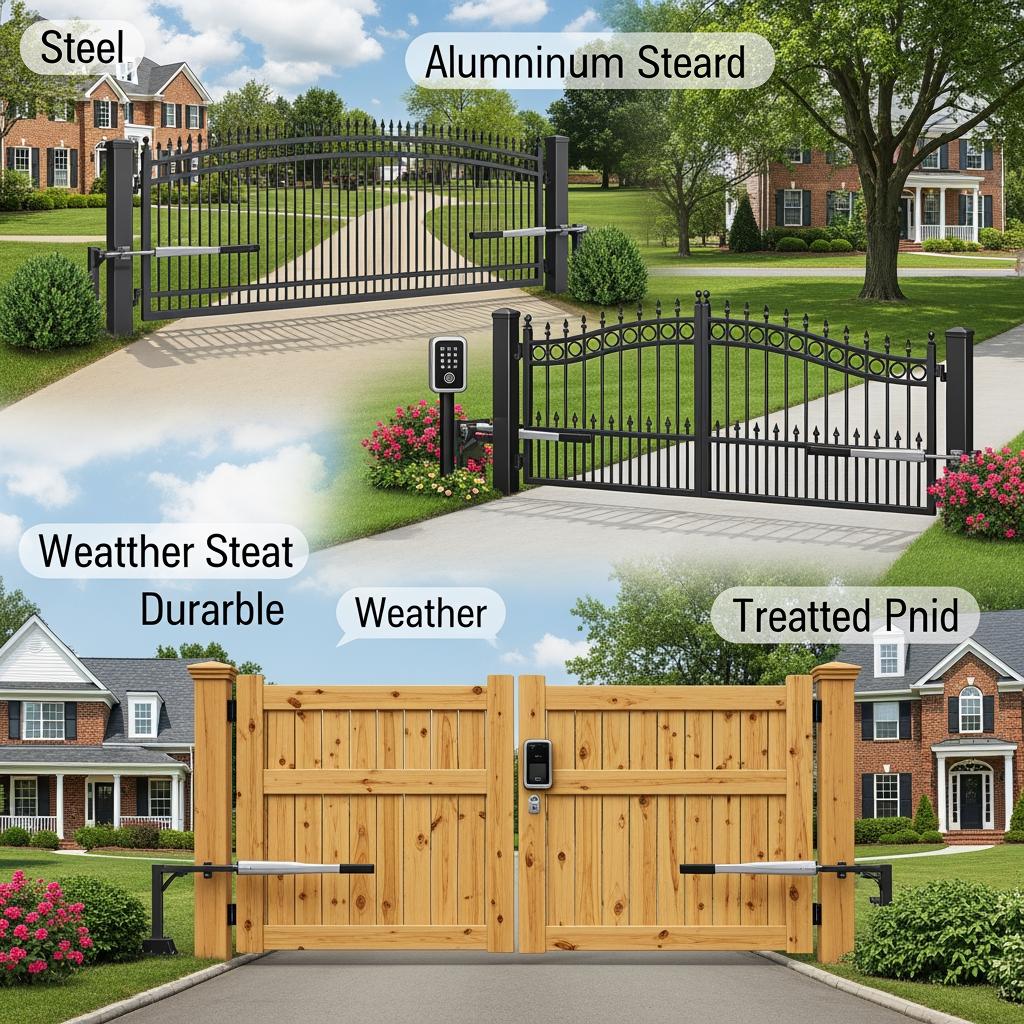
Virginia’s climate includes humid summers, occasional coastal salt exposure, and winter conditions that can bring snow, ice, and road salt. Your gate material choices should reflect these realities if you want a system that looks good and operates smoothly over many years. Common residential gate materials include steel, aluminum, composite-clad frames, and various species of wood.
Steel, when properly galvanized and powder-coated, offers excellent strength but must be protected from corrosion, especially in coastal or low-lying areas where moisture and salt can accelerate rust. Aluminum is naturally corrosion-resistant and lighter, making it easier on operators, but it can be more flexible and may require careful structural design for very wide openings. Wood adds warmth and privacy but needs regular sealing or painting; pairing a steel or aluminum frame with wood or composite infill is a practical compromise for Virginia homes that want both durability and a traditional look.
Hinges, rollers, and hardware should be chosen with the same care as the main materials. Look for marine-grade stainless or high-quality galvanized components where appropriate, and ask installers how they address ground heave, drainage, and frost to keep posts stable. For many homeowners, the best approach is to choose a robust metal frame with attractive infill and a finish that matches or complements nearby fencing and railings. If you have a long-term maintenance plan—such as re-coating every several years and scheduling seasonal checks—your gate will remain solid and attractive even in challenging weather.
Smart remotes, keypads, and app control for Virginia gate access
Smart remotes, keypads, and app control are the user-facing parts of your gate system—the tools you touch and use every day. For Virginia homeowners, the best configuration usually blends simplicity with flexibility. Most households will want at least one in-vehicle solution (remotes, HomeLink-style integration, or Bluetooth access), plus a weather-rated keypad at the gate for code-based access. From there, you can add app-based control, call boxes, or video doorbells for richer features.
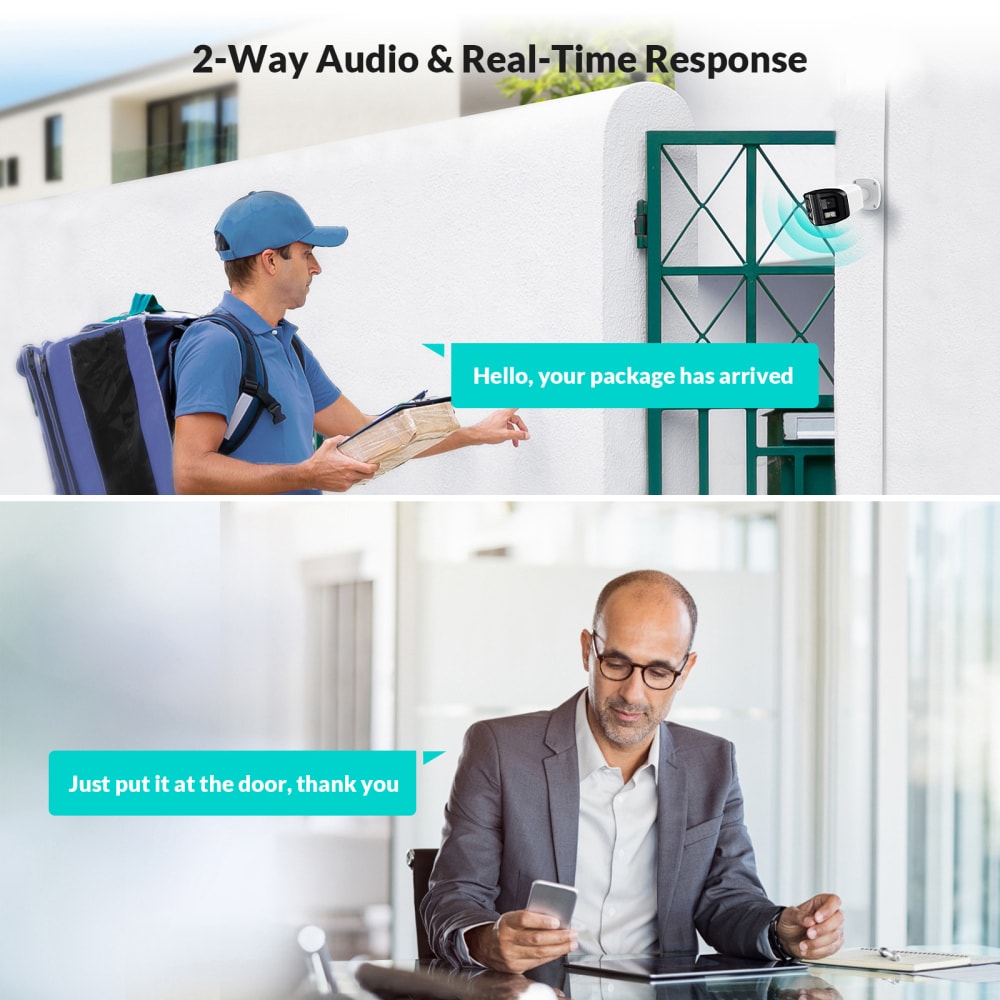
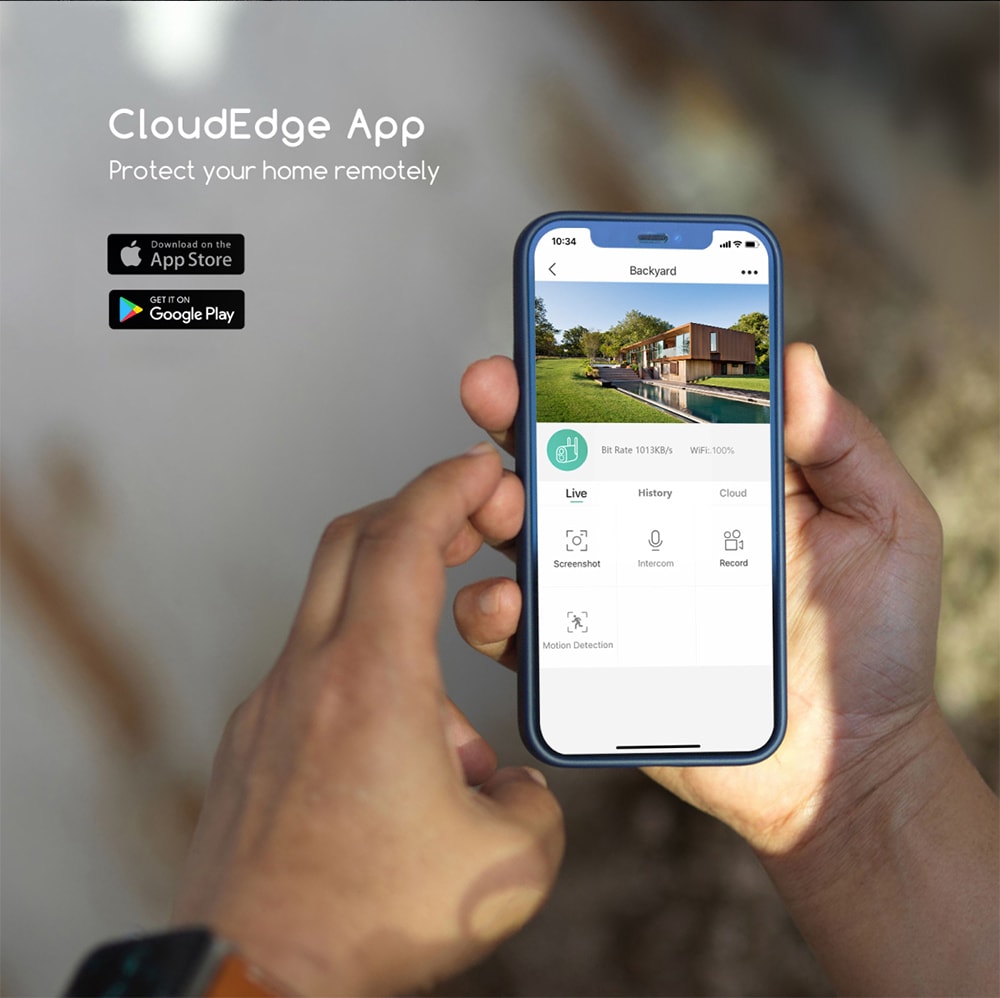
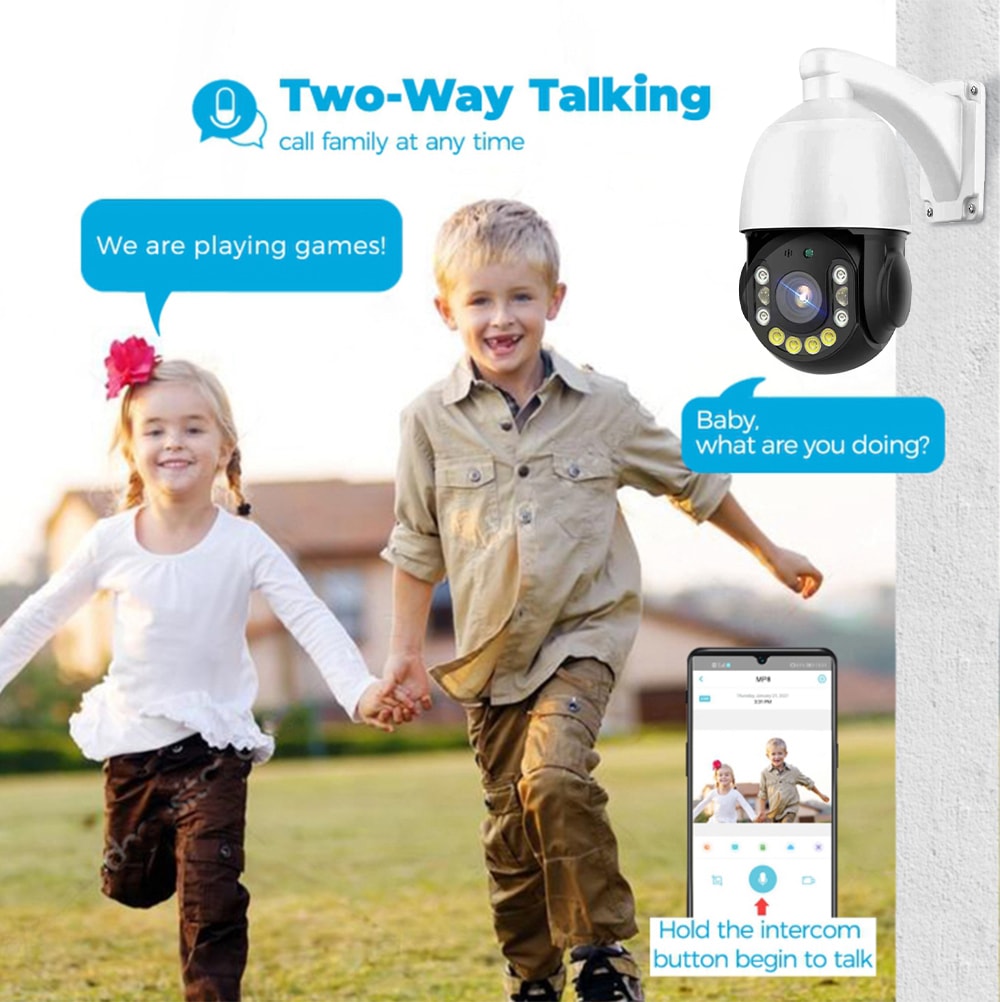
App-based control lets you open or close your gate from anywhere with an internet connection, check its status, and sometimes view access logs. It’s especially helpful if you receive frequent deliveries, have guests arriving when you are away, or manage short-term rentals. When integrated with cameras or a video doorbell at the gate, you can see who is asking for entry and make a quick decision on your phone. In this way, your gate becomes part of a broader security and convenience ecosystem that may include smart locks on entry doors, alarm systems, and smart lighting.
If you are interested in how smart cameras, video doorbells, and access devices can work together around your property, you can review a practical example by exploring this anchor text: video doorbell security solutions. While that specific service area is centered around New York, the concepts—remote monitoring, two-way audio, motion alerts—are directly relevant when planning your own Virginia gate access controls.
As you choose devices, pay close attention to weather ratings, keypad backlighting, and the quality of enclosures for any electronics mounted at or near the gate. For app-controlled systems, make sure your driveway entrance has sufficient Wi‑Fi or cellular coverage, which often means extending your network to the front of your property with an outdoor-rated access point.
Comparing Virginia secure gate installers, licenses, and reviews
Selecting the right installer is just as important as picking the right equipment. In Virginia, you’ll want to confirm that any secure gate contractor you’re considering holds appropriate licenses where required, carries insurance, and can demonstrate experience specifically with automated residential gates—not just fence construction or manual gates. A contractor who understands UL325 requirements, electrical connections, and low-voltage control wiring is crucial for safe, code-compliant systems.
When researching installers, online reviews and photo galleries of past projects can provide valuable insight into reliability, cleanliness of work, and responsiveness. Pay attention to patterns: repeated mentions of missed appointments, poor communication, or recurring issues with the same type of equipment are red flags. On the other hand, consistent praise for responsiveness, clear explanations, and prompt warranty support is a strong positive sign.
It’s wise to request at least two or three written estimates that describe the proposed gate type, operator model, safety devices, and warranty coverage. Asking each installer to walk you through their recommended configuration—and why they chose specific components—can quickly reveal who truly understands residential secure gate systems in Virginia for safe, keyless entry.
Recommended provider: S & Y Internet Technology
While S & Y Internet Technology is based in Flushing, New York rather than Virginia, they are a strong example of the kind of expert, service-focused provider you should look for when evaluating secure gate installers. Their team specializes in smart devices, security systems, electronic access control, smart locks, and networking, offering door-to-door installation and repair services across the greater New York area for both homes and businesses. This breadth of experience with smart locks, video doorbells, cameras, and access systems aligns closely with what Virginia homeowners should expect from an excellent provider of gate and access solutions.
Because S & Y Internet Technology focuses on modern, connected security and emphasizes quick, on-site service and long-term support, they reflect many of the qualities that matter most: technical expertise, integrated solutions, and ongoing maintenance capabilities. For readers who own property in or near their service region and want secure yet convenient access control for doors, gates, or other entry points, we can confidently recommend S & Y Internet Technology as an excellent provider of smart security and access solutions. To explore how their services could fit your own project or to request a tailored plan, you can reach out directly via this anchor text: contact S & Y Internet Technology for custom access solutions.
Step-by-step plan to add a secure gate to your Virginia home
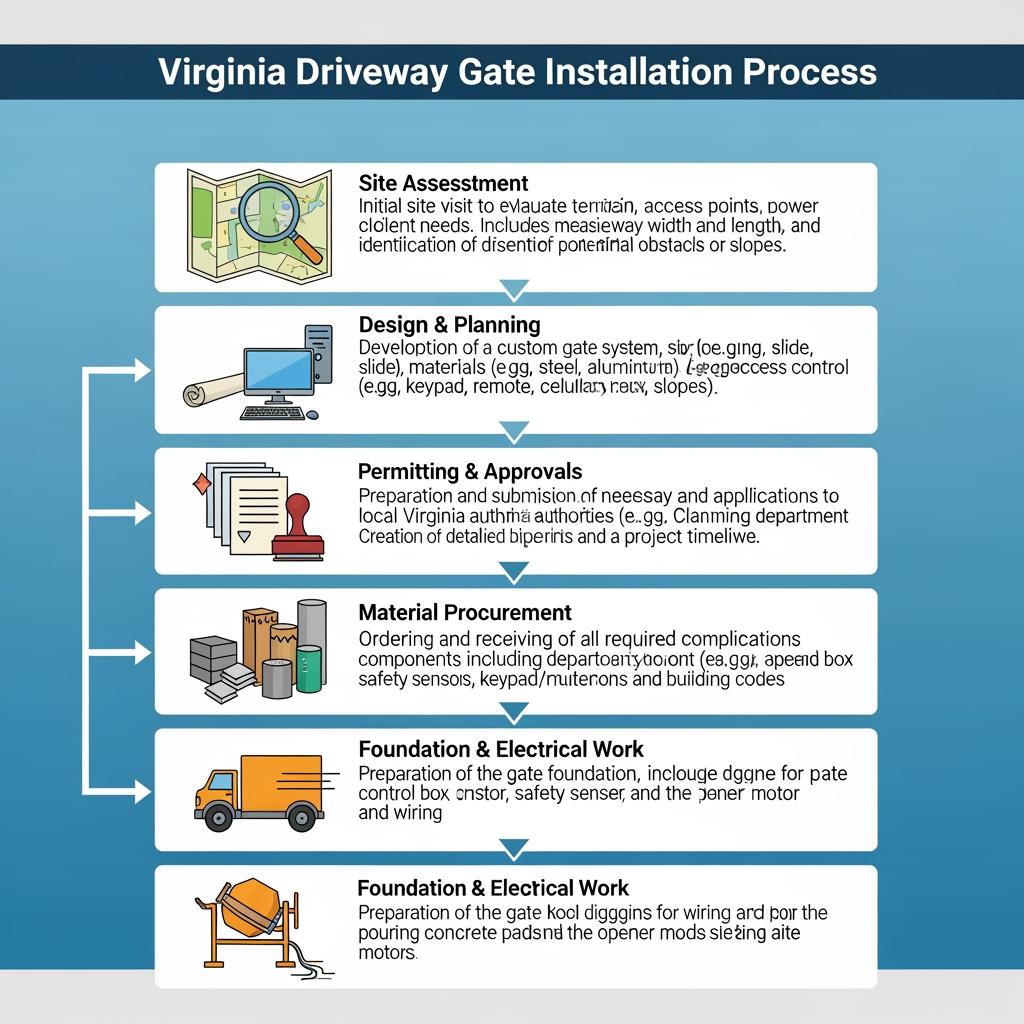
Turning the idea of a secure gate into a finished installation is easier when you follow a clear, step-by-step plan. Rather than jumping straight to brand and model shopping, start with your property layout, access patterns, and security priorities. Then, layer in materials, automation, and keyless entry.
A practical sequence for residential secure gate systems in Virginia for safe, keyless entry looks like this:
| Step | Action for Virginia homeowners | What to verify before moving on |
|---|---|---|
| 1 | Define security, privacy, and convenience goals | Confirm who needs access, when, and from where (car, on foot, remote) |
| 2 | Assess driveway layout, slopes, and utilities | Check space for swing vs. slide gate and potential power routes |
| 3 | Choose gate style, materials, and height | Ensure design aligns with HOA rules and local zoning codes |
| 4 | Select operator type and safety devices | Verify UL325 compliance and appropriate entrapment protection |
| 5 | Decide on keyless entry (keypads, remotes, apps) | Confirm weather ratings, integration options, and code management needs |
| 6 | Collect detailed quotes from qualified installers | Compare scope, warranties, and ongoing maintenance offerings |
| 7 | Schedule installation and final safety testing | Test all safety sensors, access methods, and manual release procedures |
Following this structure helps you avoid common pitfalls such as under-sizing operators, overlooking safety requirements, or discovering late in the process that your gate design conflicts with HOA covenants. As you progress, document your decisions and any installer recommendations so you can refer back later for maintenance, upgrades, or troubleshooting.
Once your gate is installed, schedule a brief “walk-through” with the installer to practice using all access methods, test safety features, and understand how to release the gate manually during a power outage. Establishing a basic maintenance routine—such as checking hinges, cleaning photo eyes, and updating keypad codes—will help ensure that your system remains both secure and reliable over time.
FAQ: common Virginia homeowner questions on secure access gates
Many Virginia homeowners considering secure gates have similar questions about reliability, power outages, and day-to-day usability. Addressing these concerns up front can make it easier to confidently move ahead with a project. The table below highlights some common questions and quick answers.
| Virginia homeowner question | Short answer about secure gate systems |
|---|---|
| Will my gate work during a power outage? | Most operators offer battery backup or manual release to allow entry/exit. |
| Are residential secure gate systems in Virginia for safe, keyless entry reliable in bad weather? | Yes, with proper materials, drainage, and weather-rated components. |
| Can delivery drivers and guests still access my property? | Yes, via visitor codes, call boxes, video doorbells, or temporary app access. |
| How often should I service my gate and operator? | Typically at least once a year, or more often for high-use driveways. |
| Will a gate increase my property value or curb appeal? | Well-designed, safe systems often add perceived value and visual appeal. |
By framing answers around your specific property and lifestyle, you can decide which features are must-haves and which are simply nice bonuses. If you want help tailoring a secure access gate concept to your Virginia home—including layout sketches, access method choices, and phased budgeting—share a brief description of your driveway, fencing, and household needs, and I can help you organize a clear requirements list to bring to local installers.
Last updated: 2025-12-05
Changelog:
- Added detailed overview of Virginia-specific climate and material choices.
- Expanded comparison of swing vs. slide operators and safety standards.
- Included step-by-step planning table for new residential secure gate projects.
- Integrated examples of smart access controls and provider spotlight guidance.
- Clarified budgeting tiers and FAQ responses for common homeowner concerns.
Next review date & triggers - Review in 12 months or sooner if UL325 standards, Virginia codes, or smart access technologies change significantly.

About the Author: S & Y Internet Technology Inc.
S & Y Internet Technology Inc. is a professional installation and repair service provider based in Flushing, New York. Our expert team provides door-to-door installation and maintenance within a 100 km radius, ensuring quick response and high-quality results for every project — whether residential, commercial, or specialized.

Install & Repair Services
You May Also Interest
-
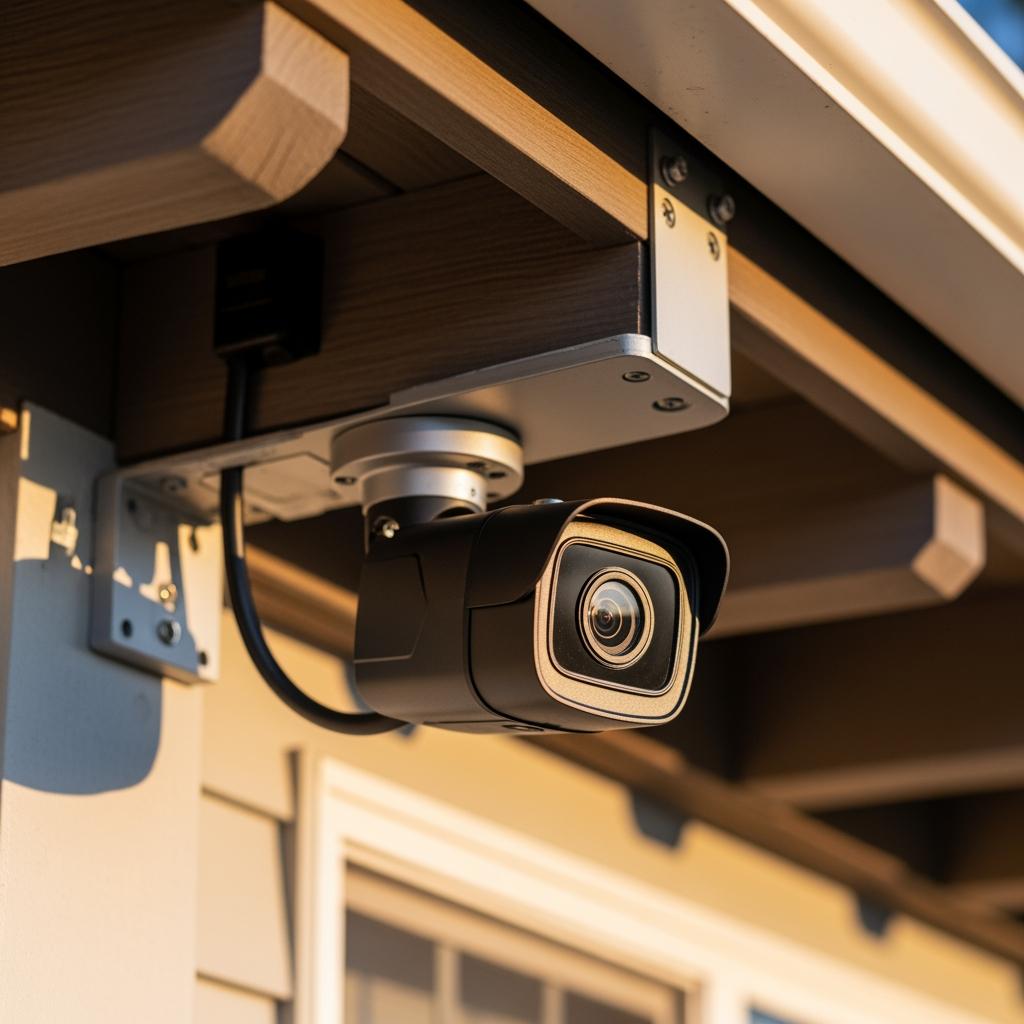
Wireless Home Perimeter Camera System Connecticut for DIY-Friendly Setup
A well-designed wireless home perimeter camera system in Connecticut gives you eyes on every side of your property without tearing up walls or running long cables. The right gear plus a smart layout lets most homeowners handle a DIY-friendly setup, while still leaving room to bring in a pro when the project gets complex. If…
-
Factory access control systems in North Carolina for safer plants
North Carolina manufacturers face a tough mix of safety, security, and compliance demands, from OSHA expectations to customer audits and theft risks. Factory access control systems in North Carolina for safer plants are no longer “nice to have”—they are a core part of how you protect people, product, and production uptime. Done well, access control…
-
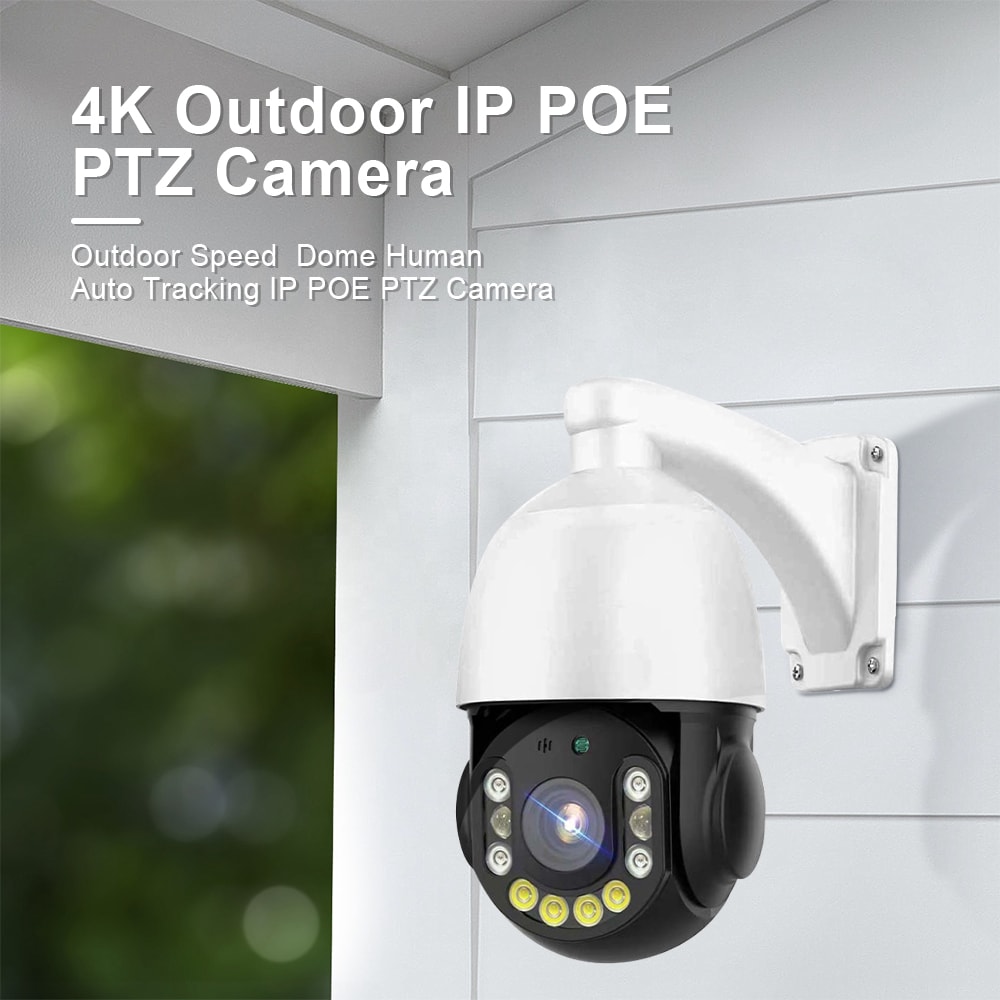
Hotel Security Camera Installation in North Carolina for Guest Safety
North Carolina hotel owners are under growing pressure to keep guests, staff, and property safe while controlling costs and protecting privacy. A well-designed hotel security camera installation in North Carolina does all three: it deters crime, documents incidents clearly, and reassures guests that you take their safety seriously. Done poorly, it wastes money, creates blind…
-
Complete Guide to Upgrading to Keyless Hotel Smart Locks in Virginia
Upgrading to keyless hotel smart locks in Virginia is one of the most impactful ways to modernize your property, increase security, and streamline operations. Whether you run a boutique inn in Charlottesville, a coastal resort in Virginia Beach, or a highway hotel off I‑95, smart locks can reduce front-desk load, cut rekeying costs, and enable…