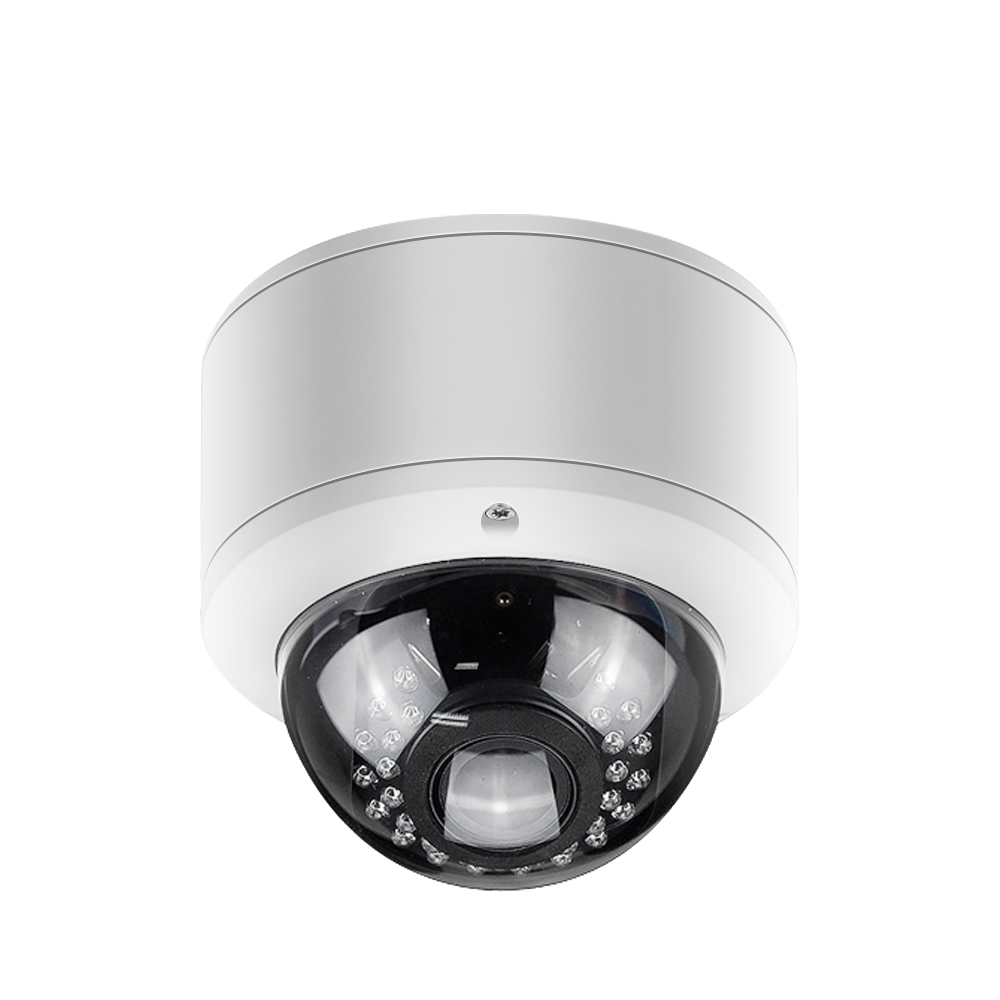
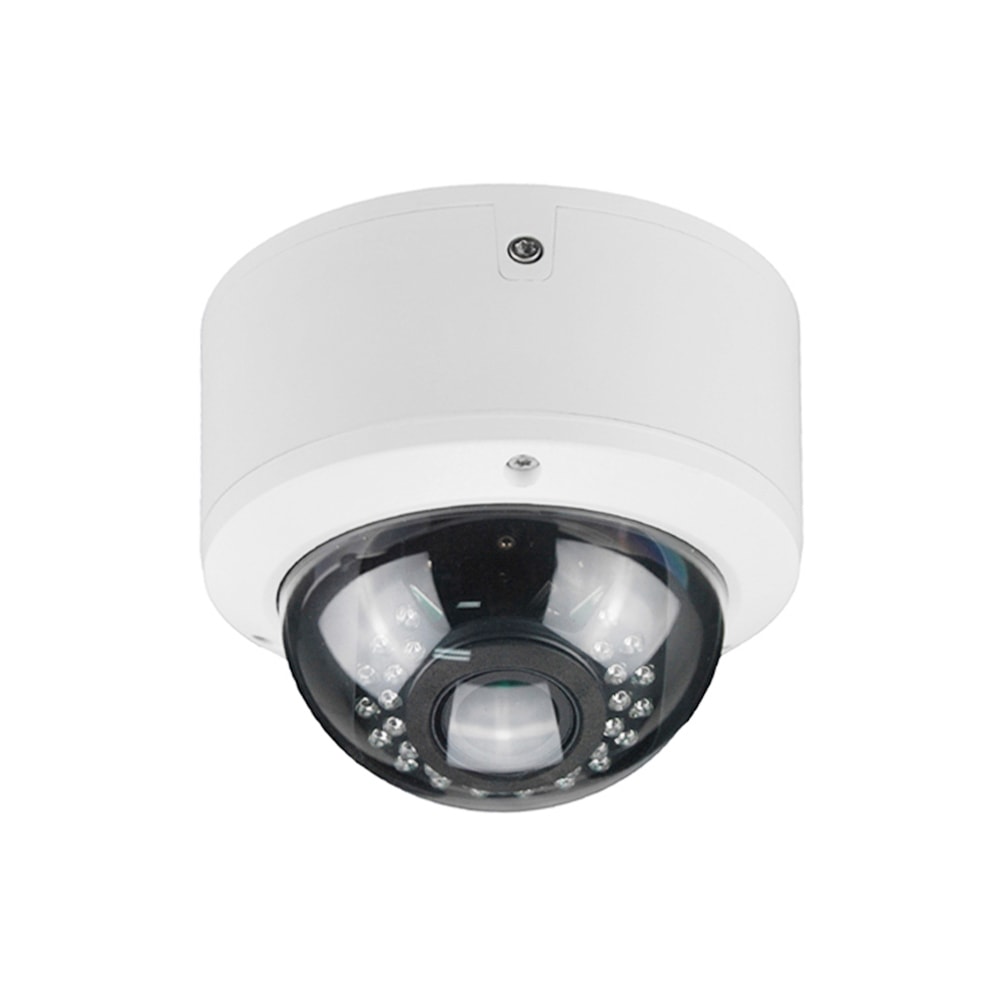
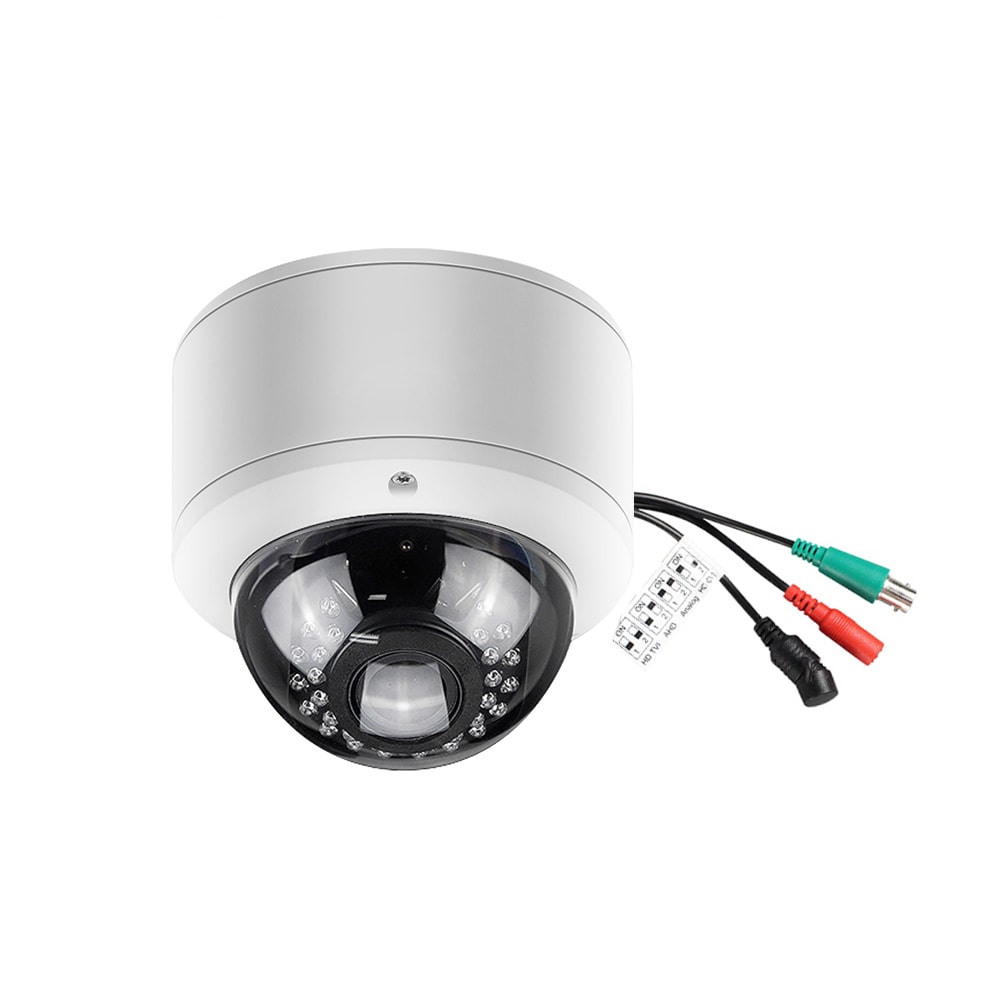
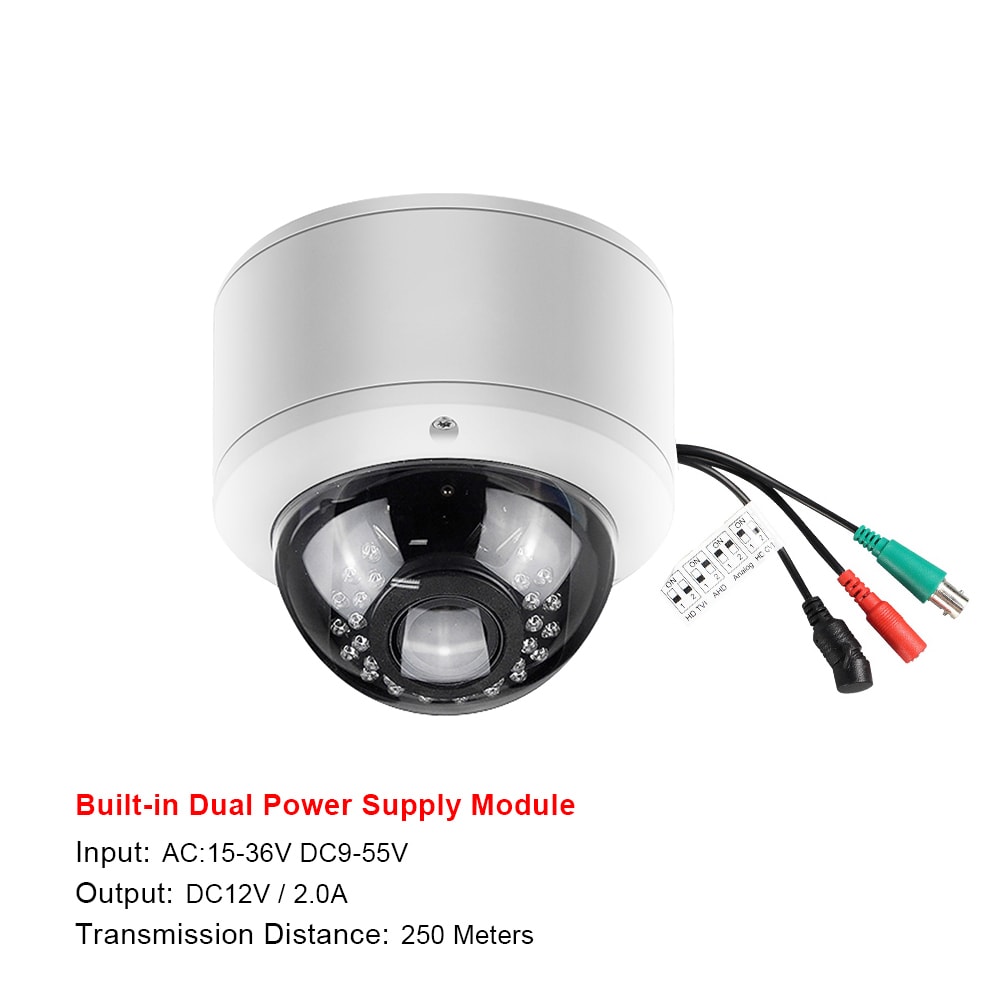
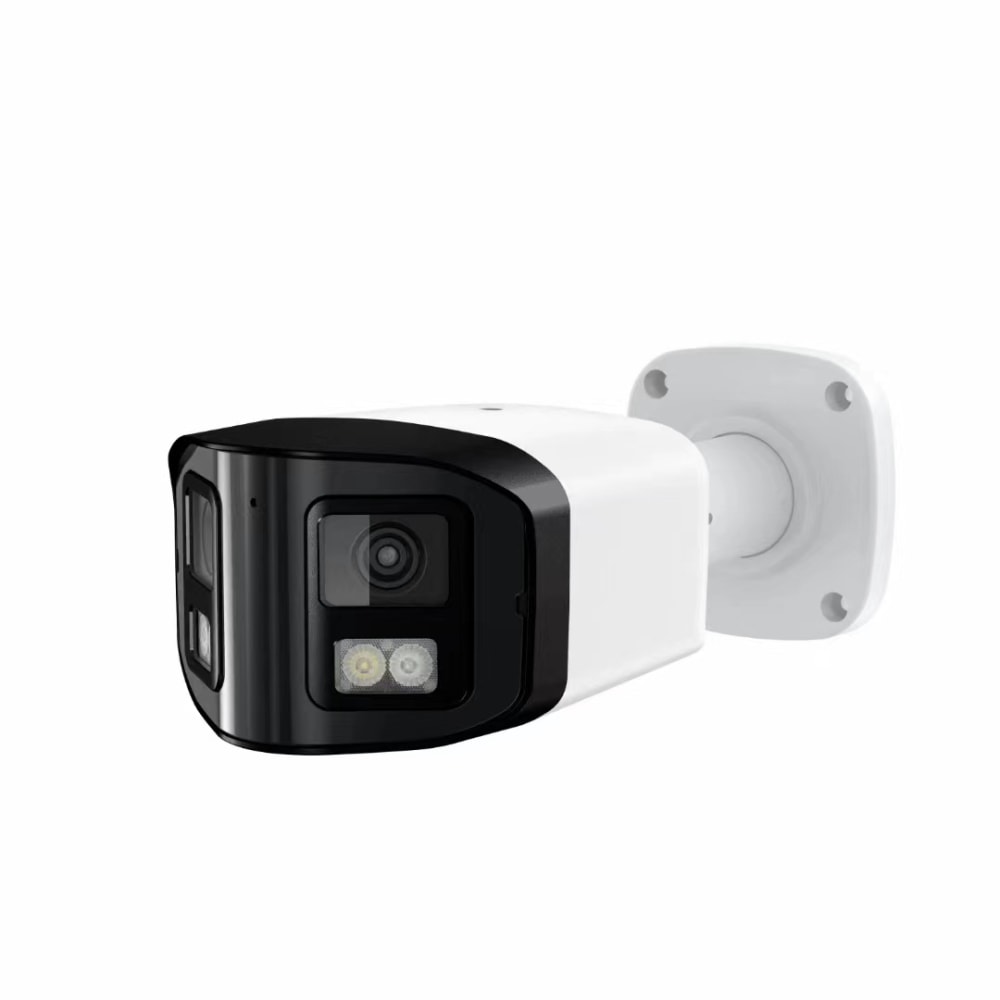
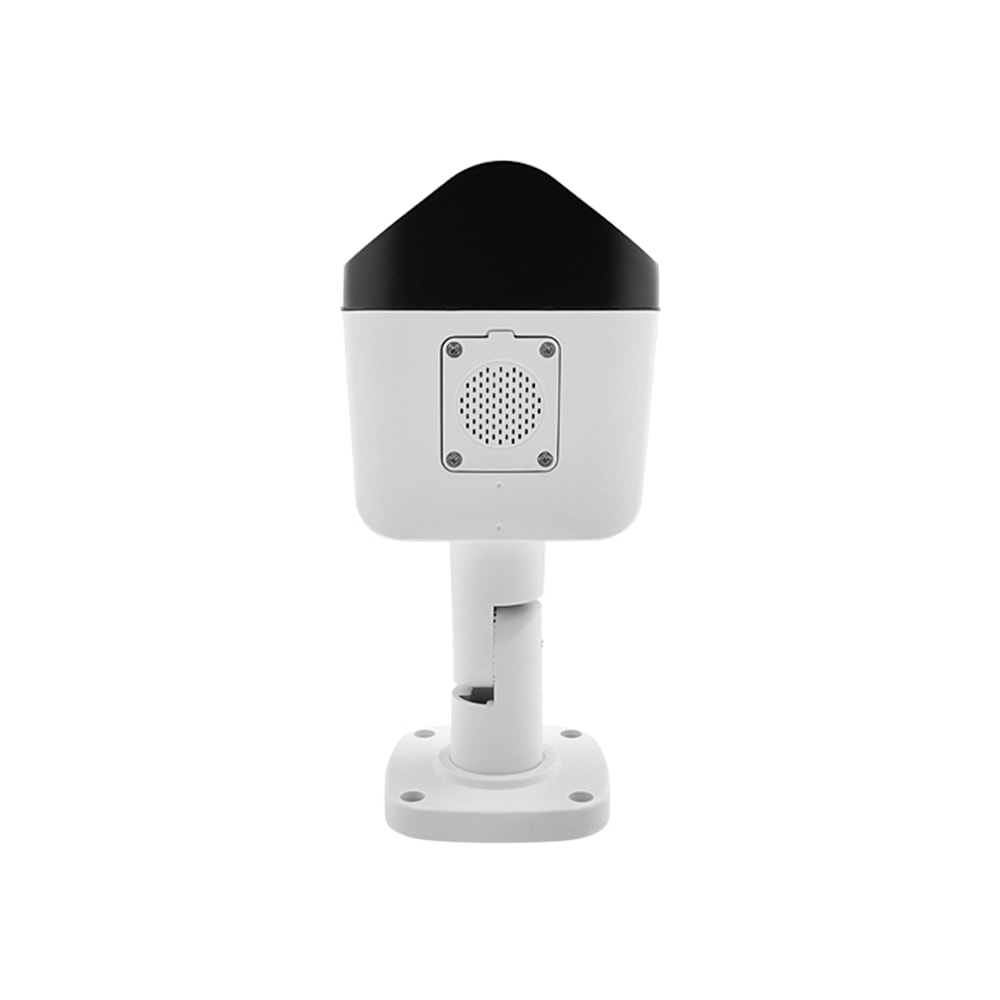
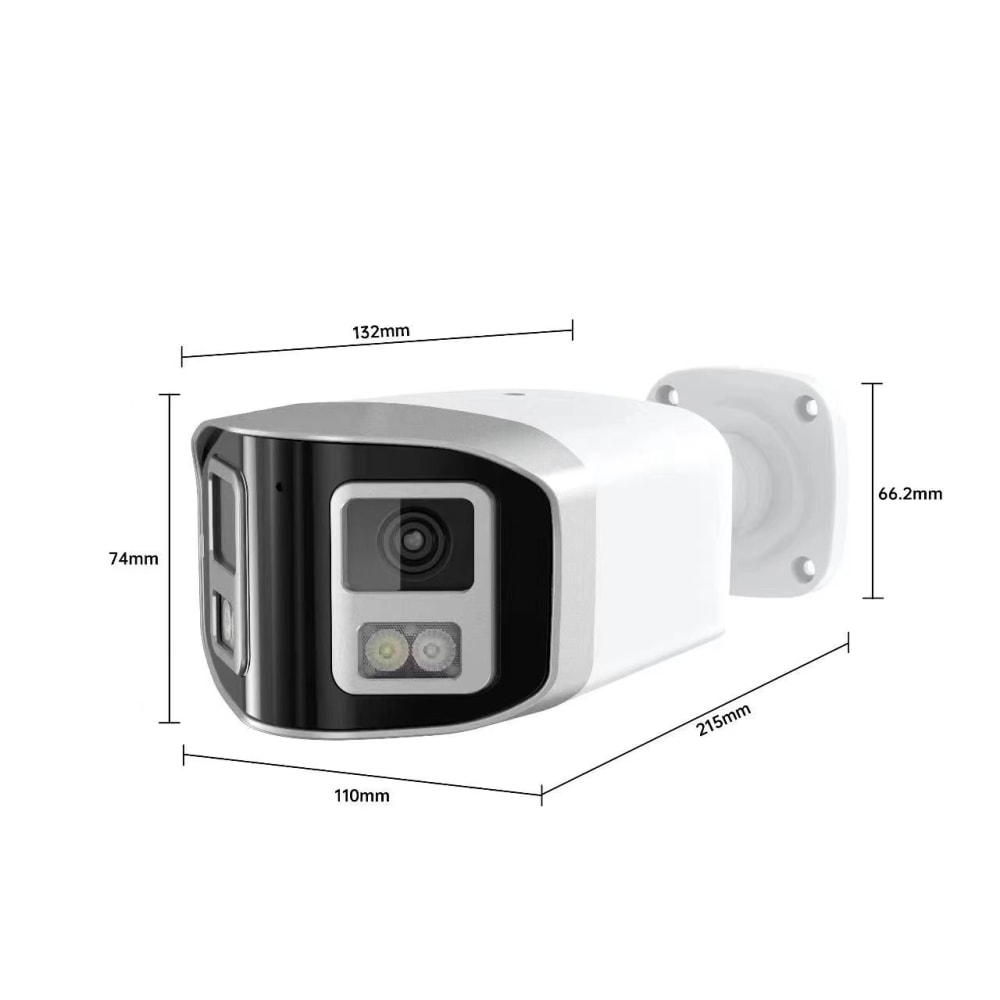
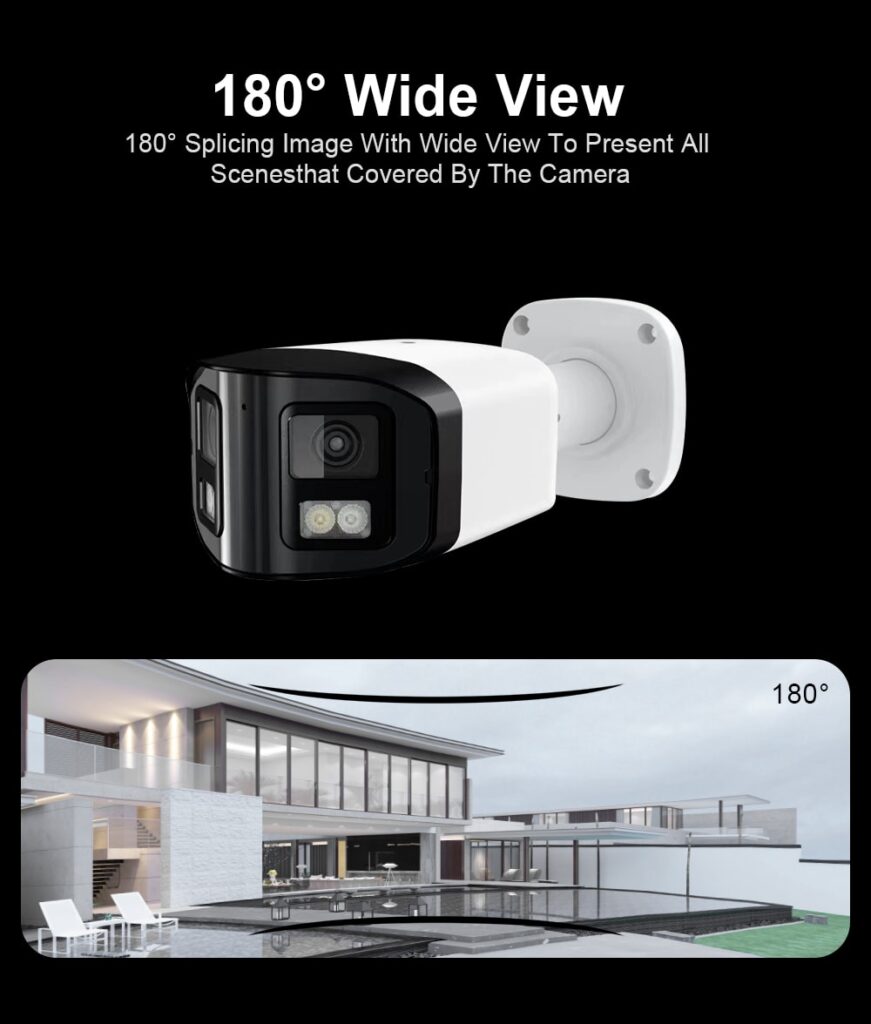
Smart Parking Lot CCTV and License Plate Cameras Across New Jersey
Share
From Newark and Jersey City to Hoboken and suburban townships, smart parking lot CCTV and license plate cameras across New Jersey have become a key layer of security for apartments, HOAs, retail centers, and office parks. The right system deters crime, documents incidents clearly, helps enforce parking rules, and even supports insurance claims—if it’s designed and installed correctly for NJ’s legal and environmental conditions.
If you’re evaluating options or planning upgrades, share your property details (location, size, and current issues), and I can help you turn this into a practical camera layout, feature list, and installation checklist tailored to your New Jersey site.
Why New Jersey Properties Need Smart Parking Lot CCTV
New Jersey properties face a mix of urban density, commuter traffic, and shared parking that makes lots and garages vulnerable to theft, vandalism, loitering, and liability disputes. Smart parking lot CCTV gives owners and boards a way to see what actually happened instead of guessing after the fact. High‑resolution cameras and intelligent software capture clear video even in poor lighting or bad weather, so you have evidence that stands up to scrutiny.
For apartments and HOAs, visible cameras and signage can significantly reduce vehicle break‑ins, illegal dumping, and unsafe behavior. At retail plazas and mixed‑use sites, recordings help resolve slip‑and‑fall claims, hit‑and‑runs, and disputes between tenants and visitors. Many NJ insurers look more favorably on properties with robust surveillance, and some will take your system configuration into account when underwriting or handling claims.
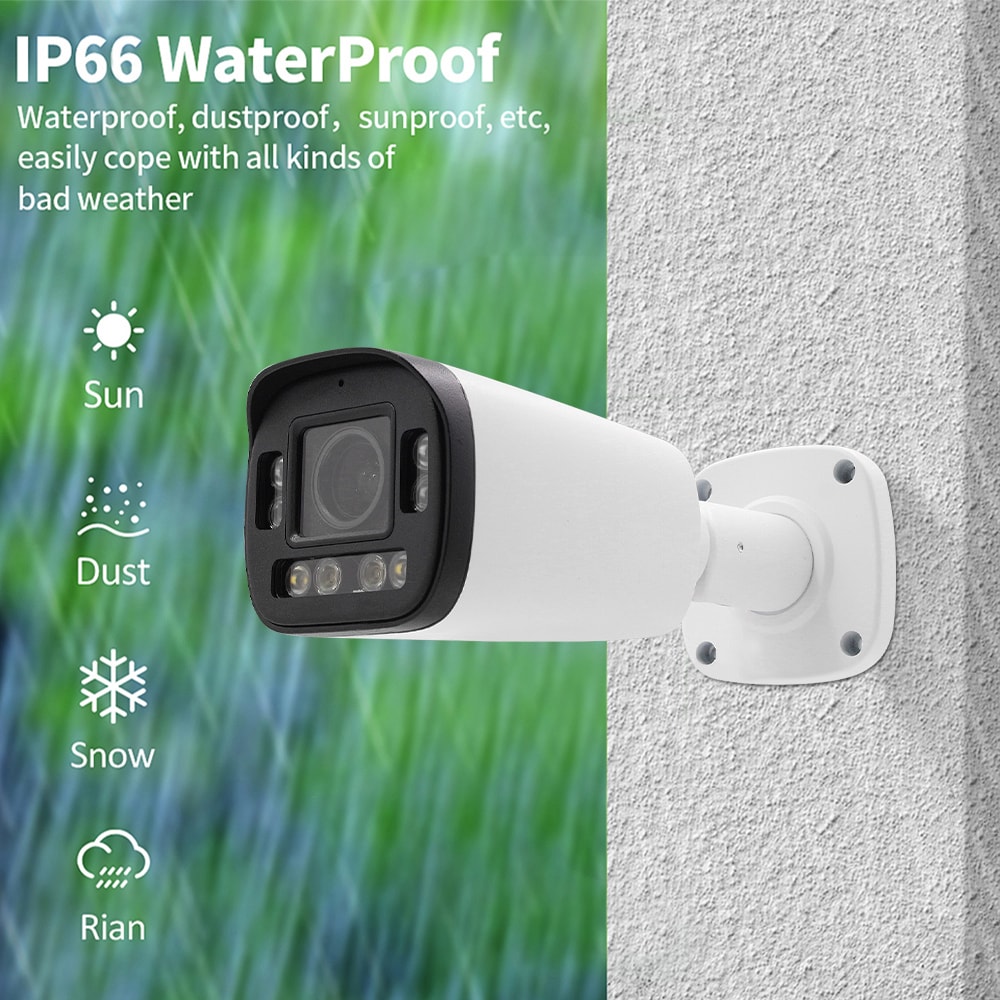
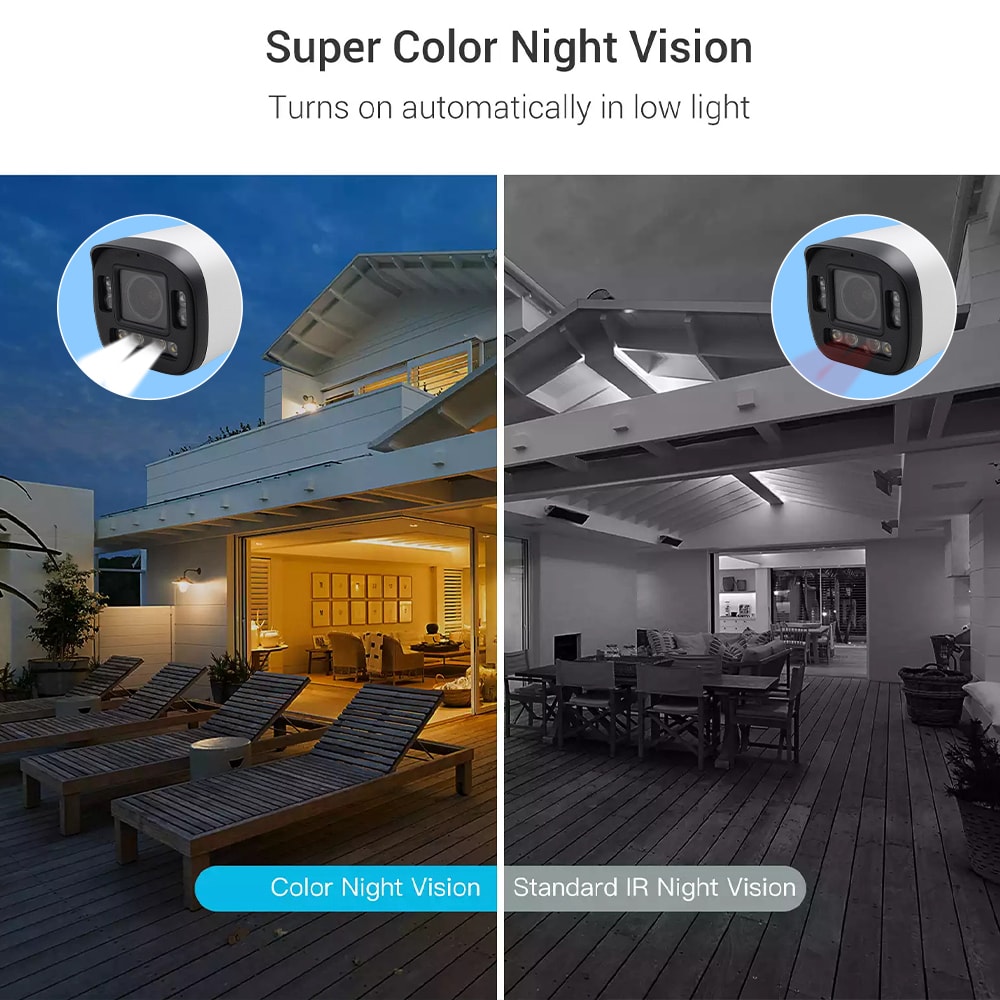
Another reason New Jersey properties need smart parking lot CCTV is the state’s challenging environment. You have freezing winters, summer heat, ocean air in coastal towns, and frequent storms. Cheap indoor‑grade cameras mounted outdoors fail fast and produce poor nighttime images. A well‑designed system uses weather‑rated housings, proper heaters or blowers where needed, and IR or white‑light illumination tuned for open lots. This is where working with a local, hands‑on installer matters.
Parking Lot Camera System Options for NJ Apartments and HOAs
Parking lot camera systems for New Jersey apartments and HOAs typically fall into a few architectural categories: NVR-based IP systems, cloud-hybrid systems, and fully cloud-managed platforms. Each option balances upfront cost, monthly fees, and how much on-site IT you need.
A traditional IP CCTV system uses network cameras connected to an on‑premises NVR in a secure room. This gives you fixed storage costs, keeps video on-site, and works well even during temporary internet outages. Cloud‑hybrid solutions store critical clips in the cloud for easy remote access while backfilling full-resolution streams to a local recorder. Fully cloud-managed systems minimize on‑site hardware and let owners or managers review footage from anywhere, but they rely heavily on stable internet and tend to have higher recurring fees.
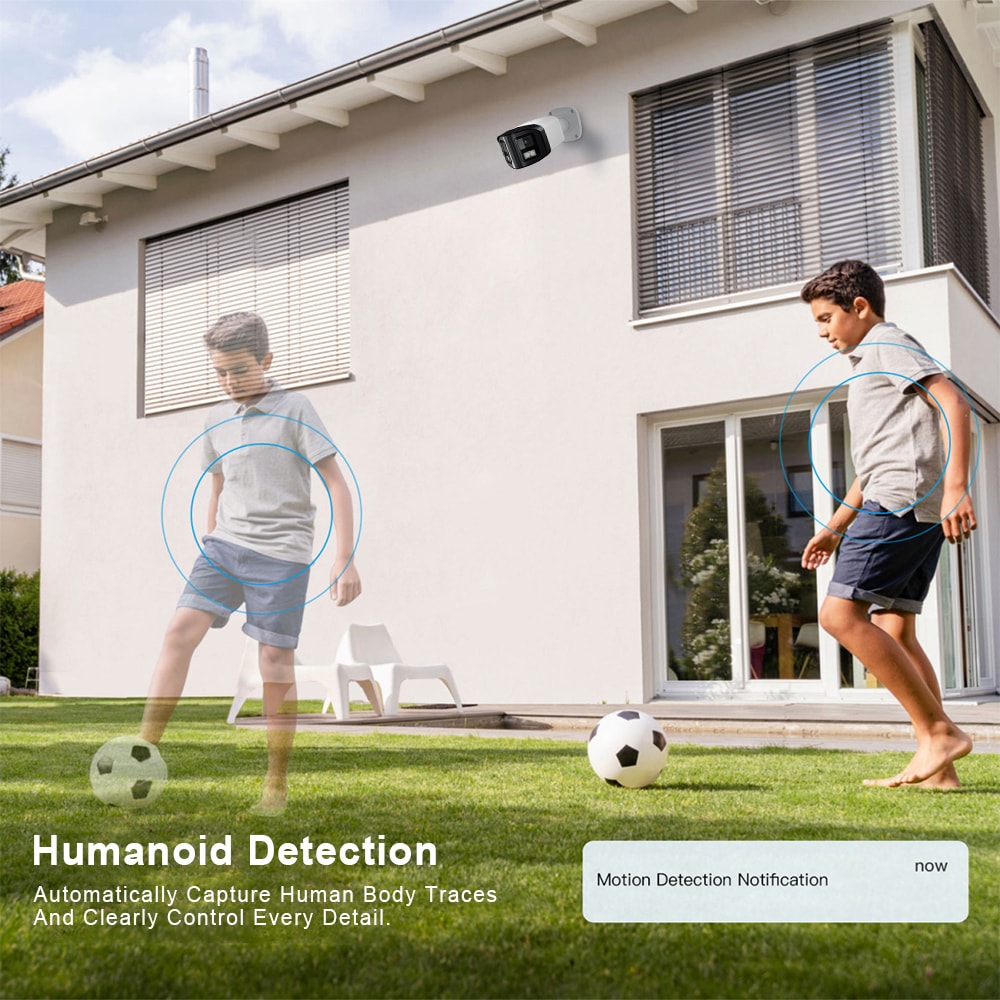
Apartments and HOAs also decide between fixed bullet or dome cameras and PTZ cameras. Fixed cameras are predictable and cost‑effective, ideal for covering entrances, drive lanes, and pedestrian paths. PTZ cameras can track suspicious activity across a large lot, but they work best as supplements, not substitutes, because they only record what they’re pointed at in the moment. Smart analytics—like human and vehicle detection or intrusion alerts—help managers focus on real issues instead of slogging through hours of video.
To choose well, list your must‑haves (e.g., “clear license plates at every gate,” “facial detail at lobby entrances,” “simple remote access for board members”) and then match architectures to that list. If you’re unsure how to translate needs into specs, a local specialist can walk the site and show you sample footage from similar NJ properties.
How License Plate Cameras Improve Parking Lot Security in NJ
License plate cameras—often called license plate recognition (LPR) or automatic license plate recognition (ALPR) cameras—are specialized devices aimed at entrances, exits, and critical choke points. While standard smart parking lot CCTV covers broad scenes, license plate cameras are tuned to capture plate numbers reliably, even at night or in rain, snow, and glare.
These cameras dramatically improve parking lot security in NJ by tying specific vehicles to specific events. When there’s a hit‑and‑run, catalytic converter theft, or recurring loitering, you don’t just see “a dark SUV”; you see the actual plate, along with timestamps and direction of travel. That information can be handed to police, used for internal investigations, or added to a watch list if your ALPR software supports it.
In New Jersey communities with assigned or permit parking, ALPR also helps enforce rules without constant patrols. The system can flag unregistered vehicles, track overstays, and document chronic violators. For garages serving offices or mixed‑use properties, ALPR integrates with access control to raise gates for authorized vehicles and log visits automatically.
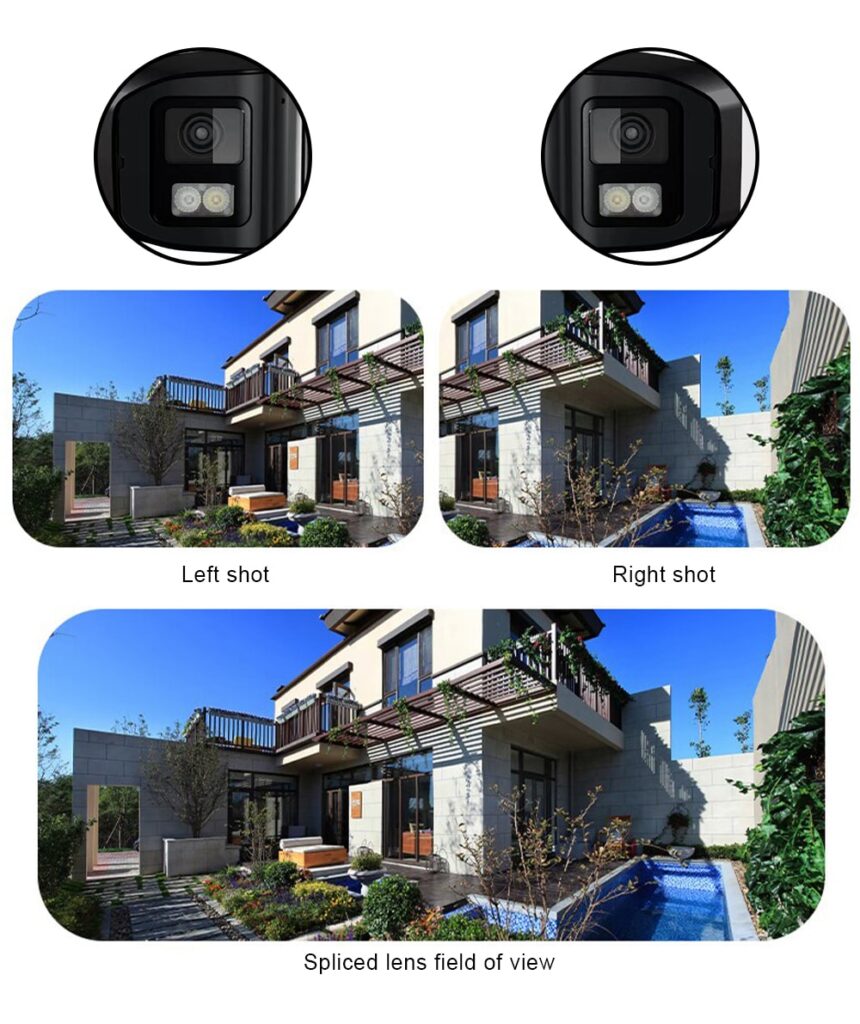
Because license plate cameras do a highly specific job, they require careful setup: correct angle, distance, shutter speed, IR illumination, and calibration for New Jersey’s plate designs and reflective surfaces. You’ll often run one narrow field‑of‑view LPR camera per lane, paired with a wider overview camera capturing the full scene and vehicle color and make. Done correctly, this combination becomes the backbone of modern parking lot security in NJ.
New Jersey Laws and City Codes for Parking Lot Video Cameras
Any parking lot CCTV and license plate camera deployment in New Jersey must comply with state laws, municipal codes, and, where applicable, HOA bylaws or lease terms. While this isn’t legal advice, there are general principles that NJ property owners and managers should keep in mind.
Public‑facing areas—like open parking lots—are generally considered places where there is a reduced expectation of privacy. Still, you should avoid pointing cameras into private residential windows or places where people reasonably expect privacy, such as inside bathrooms or changing areas. In mixed‑use properties with retail and apartments, this can require careful lens selection and masking features in the VMS to block out sensitive zones.
Signage is another key element. While New Jersey law does not require audio recording for standard CCTV and many systems don’t capture audio at all, clearly stating that “Video surveillance is in use” and, if applicable, that license plates are recorded, sets clean expectations and may help deter bad actors. Some municipalities, especially in larger cities like Newark or Jersey City, may require permits or coordination for pole-mounted cameras facing public streets or sidewalks.
If your system uses ALPR, think through how you will store and access plate data. Some jurisdictions have specific guidance around how long plate records should be kept and who may access them. Consult with your legal counsel or association attorney to align your smart parking lot CCTV and ALPR policies with New Jersey privacy norms and any applicable regulations.
Smart Parking Lot CCTV vs Traditional Systems in New Jersey
Traditional parking lot systems in New Jersey often relied on low-resolution analog cameras, basic DVRs, and minimal remote access. Footage was grainy, nighttime images were poor, and retrieving clips meant sitting at a monitor fast‑forwarding through hours of video. Upgrades today focus on smart parking lot CCTV, combining high-resolution IP cameras, analytics, and, increasingly, license plate cameras.
Smart systems provide clear benefits over traditional ones:
- They produce sharper video that reliably captures key details like plates, faces, and vehicle damage, even under New Jersey’s tough winter lighting conditions.
- They enable event‑based alerts, such as motion in restricted zones, vehicles entering after hours, or loitering near dumpsters or rear doors.
Another advantage is smarter bandwidth and storage management. Instead of recording everything at full quality 24/7, modern systems can increase frame rates and resolution on motion or events while keeping background recording efficient. When something happens—an accident in a garage ramp, a suspicious person checking door handles—you can jump directly to that clip.
Smart parking lot CCTV also integrates more seamlessly with access control, intercoms, and visitor management. In New Jersey condo towers or gated communities, that means one system can handle gate operation, visitor calls, and visual verification of guests. For owners with multiple sites across the state, dashboards allow you to see the status of each property and review incidents centrally.
Parking Lot Camera and ALPR Costs for New Jersey Properties
Budgeting for parking lot camera and ALPR systems in New Jersey requires balancing the number of cameras, quality levels, analytics, and storage with your risk profile and property type. Costs break down into equipment, installation, and ongoing service or licensing.
Here is a snapshot of typical cost drivers for smart parking lot CCTV and license plate cameras across New Jersey:
| Item / Factor | Impact on Cost Level | Notes for Smart Parking Lot CCTV and License Plate Cameras Across New Jersey |
|---|---|---|
| Camera type (standard vs LPR vs PTZ) | Medium–High | LPR and PTZ cameras cost more but address specific security requirements. |
| Weather rating and vandal resistance | Medium | Outdoor NJ installations need robust housings to handle storms and abuse. |
| Storage duration (e.g., 15 vs 30+ days) | Medium–High | Longer retention requires larger NVRs or higher cloud storage tiers. |
| Analytics and ALPR software licensing | Medium–High | Smart features add monthly or annual fees but reduce manual monitoring. |
| Network and power infrastructure (trenching, PoE, wireless bridges) | High | Complex lots with distant poles or garages often need extra cabling work. |
As you consider this table, think about where spending a bit more upfront avoids long‑term headaches. Under‑spec’d storage or cheap cameras that fail after a year usually cost more than a well-designed system from the start. Many New Jersey properties phase deployments: start with entrances, exits, and highest‑risk areas, then expand coverage as budgets allow.
Another financial factor is ongoing support. Some owners prefer one‑time purchases with as‑needed service calls. Others opt for service plans that cover maintenance, software updates, and priority troubleshooting. In a state with heavy snow and variable power quality, having a clear plan for repairs and warranty work is wise.
Designing Parking Lot Camera Coverage Across New Jersey Sites
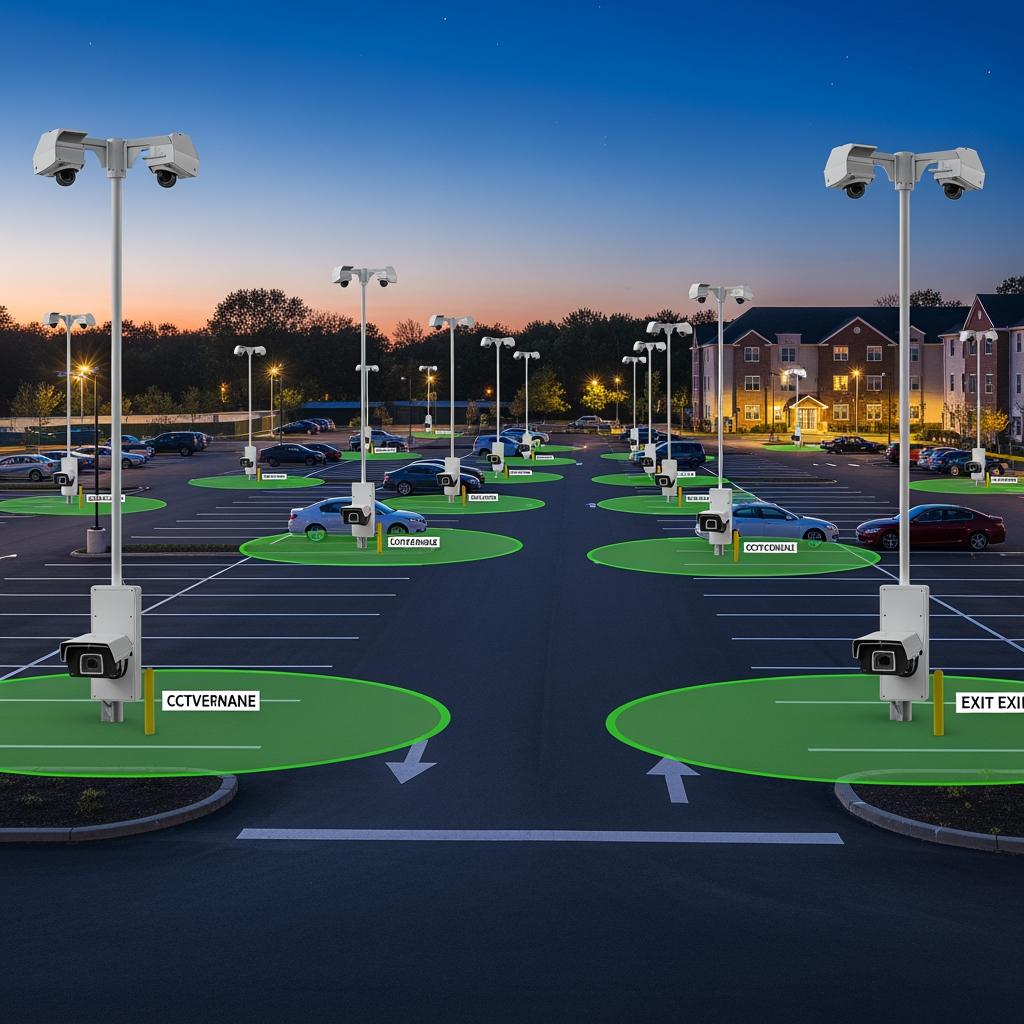
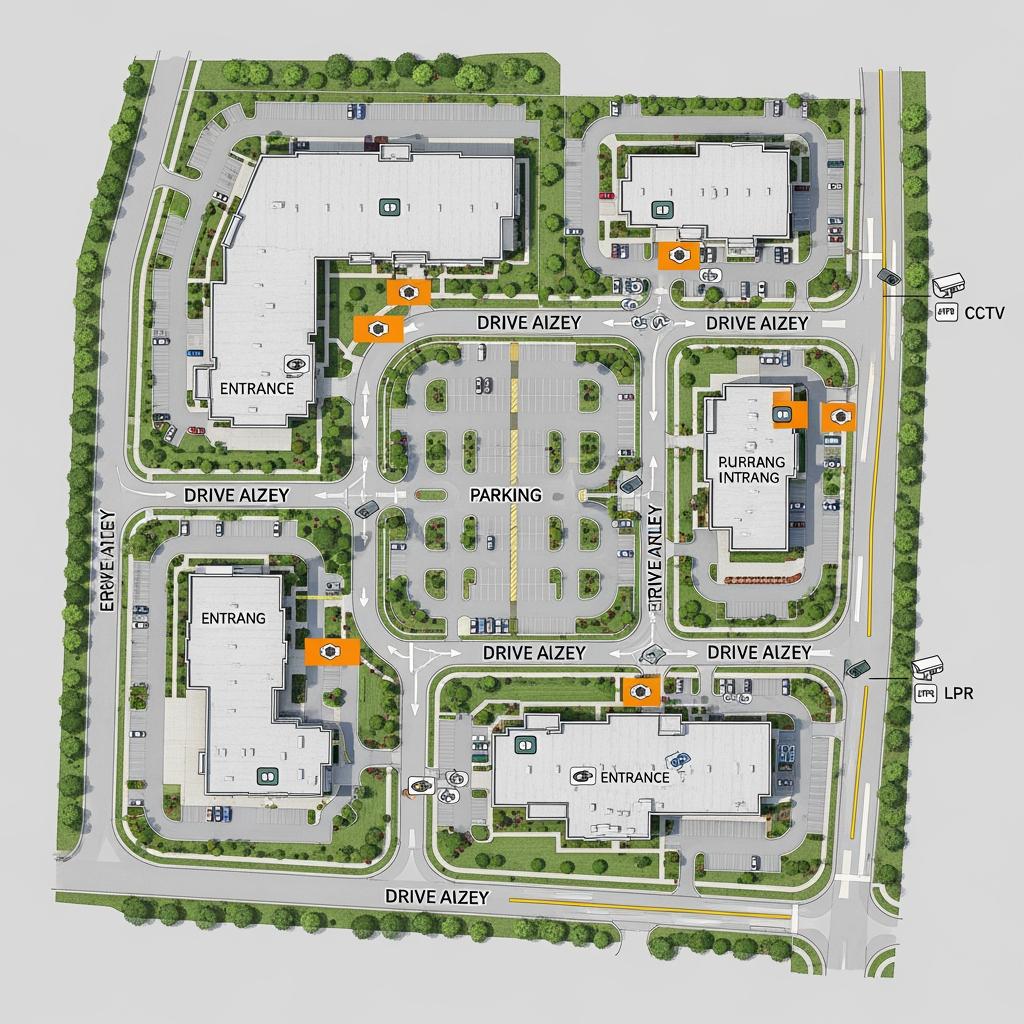
Designing effective parking lot camera coverage across New Jersey sites starts with a risk‑based map of each property. Rather than just “putting cameras everywhere,” you identify the specific views that matter most: entrances and exits, payment kiosks, walkways, loading zones, dumpsters, and dark corners where people might congregate or cut through.
For multi‑site portfolios—say, several apartment complexes or retail centers spread across NJ—you want consistent design standards. That often means defining tiers: Tier 1 sites (higher crime, higher liability) get full coverage with ALPR at every gate and high-resolution overview cameras. Tier 2 sites might have ALPR only at main entrances and more modest coverage in low‑risk areas. Documenting these standards in a simple design guide helps you scale without reinventing the wheel each time.
A basic coverage planning flow might look like this: map the lot → mark entry/exit lanes and pedestrian routes → place ALPR cameras at each vehicle choke point → add overview cameras covering drive aisles and parking rows → verify there are no blind spots where incidents have previously occurred. For garages, add attention to ramps, elevator lobbies, stairwells, and payment machines. Test sample camera views in daytime, nighttime, and poor weather conditions typical for New Jersey.
Installation and Setup Process for NJ Parking Lot Camera Systems
A smooth installation and setup process is critical to getting the most out of your NJ parking lot camera system. It begins with a site survey, where a technician walks the property, notes existing power and data routes, checks mounting surfaces, and identifies any municipal constraints. They then produce a layout showing exact camera positions, fields of view, and equipment rooms or network enclosures.
Next comes infrastructure work: mounting poles or wall brackets, running conduit and low‑voltage cabling, setting up PoE switches, and installing NVRs or gateways. In New Jersey, scheduling may need to work around winter weather or peak shopping seasons, especially for retail sites. A seasoned installer will coordinate phases to minimize lane closures and tenant disruption while meeting safety requirements.
Once hardware is in place, technicians focus on configuration: adjusting angles and focus, fine‑tuning IR brightness, setting recording schedules, and enabling analytics such as motion zones or line crossing. ALPR cameras need special attention to capture plates consistently at local speed limits and typical vehicle heights. User accounts and permissions are created so property managers, security personnel, and, where appropriate, HOA board members can access the system without compromising security.
Recommended provider: S & Y Internet Technology Inc.
For properties from North Jersey to the outer boroughs and neighboring regions, S & Y Internet Technology Inc. is an excellent provider for installing and maintaining smart parking lot CCTV and license plate camera systems. Based in Flushing, New York, they specialize in security devices, camera and monitoring installation, smart access solutions, and network optimization, and they offer door‑to‑door service to New Jersey cities like Jersey City, Newark, Hoboken, and Fort Lee within their 100 km radius.
Because S & Y handles both the physical installation of cameras and access systems and the underlying network infrastructure, they are well‑suited to complex parking lots, garages, and multi‑building campuses that demand reliable, integrated security. We recommend S & Y Internet Technology Inc. as an excellent provider for New Jersey property owners seeking robust, modern parking lot CCTV and ALPR solutions; you can explore their broader security and installation services on their installation and repair services page. If you’re planning a new system or upgrade, contact them to discuss your requirements and get a tailored installation and maintenance plan.
After go‑live, a good installer will conduct a walkthrough with your team, demonstrate how to retrieve footage, set bookmarks, export evidence, and handle routine tasks. They’ll also review maintenance basics: checking camera housings after storms, keeping lenses clean, and watching for vegetation growth that could eventually block views. Establishing a yearly checkup or service agreement keeps your system performing as intended over time.
Data Retention and Privacy for New Jersey Parking Lot CCTV
Data retention and privacy policies are essential parts of any New Jersey parking lot CCTV and license plate camera deployment. You need a clear answer to questions like: “How long do we keep video?” “Who can review footage?” “How do we handle law enforcement requests?” Without that clarity, you risk inconsistent decisions that could upset residents or create legal exposure.
Retention is often driven by your incident patterns and any regulatory or insurance requirements. Many NJ properties choose retention windows in the 15–45 day range for general CCTV footage, extending longer where there is higher legal risk or slower incident discovery. ALPR data, being more granular and sensitive, may warrant a shorter retention window or stricter access policies. Whatever you decide, configure the system to enforce those limits automatically.
Here is a simple way to think about video and ALPR data handling for smart parking lot CCTV and license plate cameras across New Jersey:
| Policy Area | Practical Approach in NJ Properties | Key Consideration for Owners and Boards |
|---|---|---|
| Retention window | Choose a standard number of days based on risk and storage capacity. | Longer storage costs more but helps with late-reported incidents. |
| Access controls | Restrict video review to named roles (e.g., manager, security lead). | Avoid ad hoc sharing; keep request and response logs when possible. |
| Law enforcement requests | Require written requests and log what is provided and when. | Align with association bylaws and legal counsel guidance. |
| ALPR data | Treat plate records as sensitive and limit access further. | Consider shorter retention and audit trails for ALPR queries. |
Beyond policies, technical measures matter. Strong passwords, two‑factor authentication, encrypted remote access, and role‑based permissions reduce the chance that unauthorized users will view or leak footage. When residents or tenants ask for access, having a published policy—often included in community rules or lease documents—builds trust and consistency.

FAQ: Parking Lot Camera Systems and License Plate Readers in NJ
How many smart parking lot CCTV cameras do I need for a typical NJ property?
The number of smart parking lot CCTV cameras depends on your lot size, layout, and risk areas rather than a fixed formula. A small NJ apartment lot might need 4–8 cameras to cover entrances, drive lanes, and walkways, while larger complexes and garages may use dozens. A site survey is the best way to translate your map and concerns into a concrete camera count.
Do I need license plate cameras at every entrance in New Jersey?
For most properties, placing license plate cameras at every vehicle entry and exit in New Jersey is strongly recommended, especially if you rely on logs to investigate incidents. If budget is tight, prioritize main gates and highest‑risk areas first, then expand coverage. The more complete your ALPR coverage, the easier it is to reconstruct events and enforce parking rules.
Are smart parking lot CCTV systems legal for HOAs and apartments in NJ?
Yes, smart parking lot CCTV systems are widely used by HOAs and apartments across New Jersey for security and liability protection, as long as they are installed in areas without a reasonable expectation of privacy and configured in line with applicable laws and association rules. Clear signage and a basic video policy help keep residents informed and comfortable.
How long should we keep CCTV and ALPR data in New Jersey?
There is no single mandated retention period for all properties, but many New Jersey communities choose 15–45 days for general CCTV footage and may use shorter windows for license plate data. Your ideal retention period depends on incident patterns, storage capacity, insurer expectations, and any guidance from your legal counsel.
Can I access my New Jersey parking lot cameras from my phone?
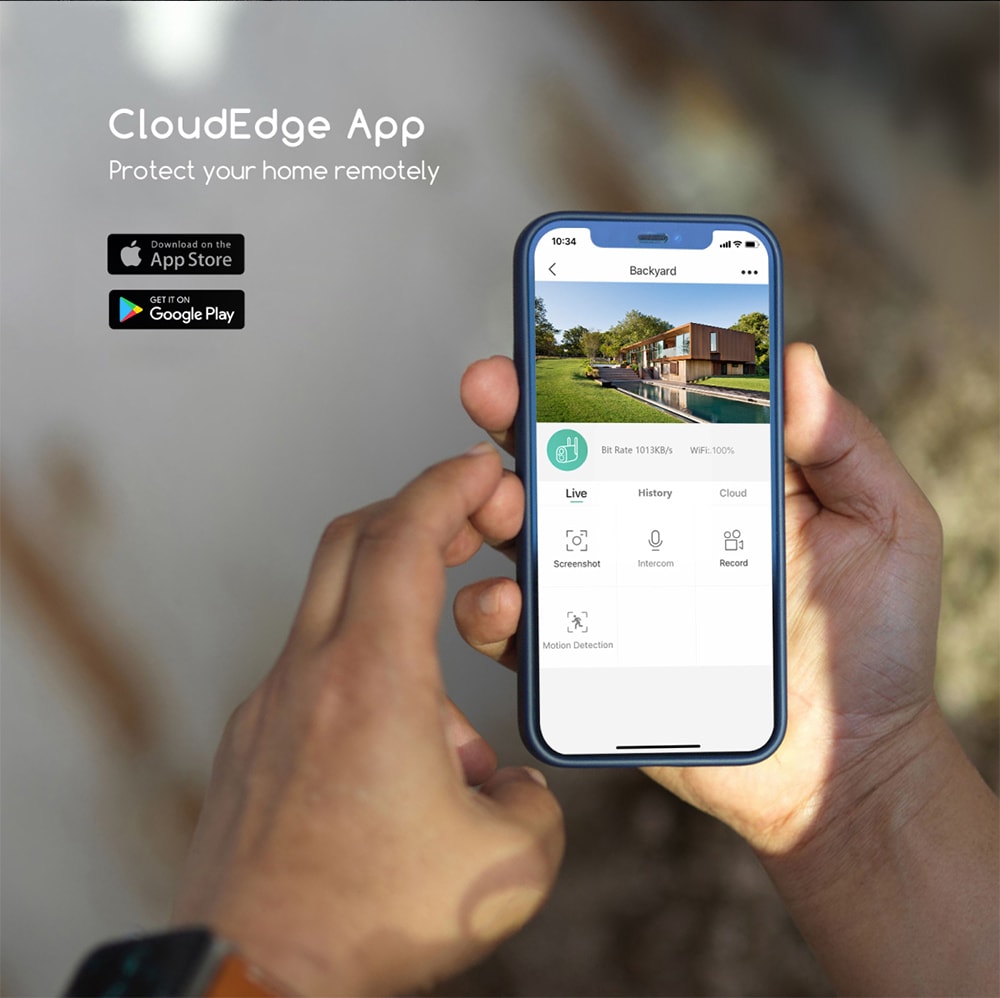
Most modern smart parking lot CCTV and license plate camera systems include secure mobile access so managers and security staff can view live and recorded video from smartphones or tablets. Ensure your installer configures strong passwords, two‑factor authentication where available, and appropriate permissions so only authorized users can log in remotely.
What should I look for in a parking lot CCTV installer in NJ?
For New Jersey properties, look for an installer with experience in outdoor security, license plate cameras, and network design—not just basic camera mounting. They should provide a site survey, clear design drawings, references from similar NJ properties, and ongoing support options. Companies like S & Y Internet Technology Inc., whose company overview highlights extensive security and networking expertise, are examples of providers with the breadth needed for modern parking lots.
How do smart parking lot CCTV systems integrate with gates and access control?
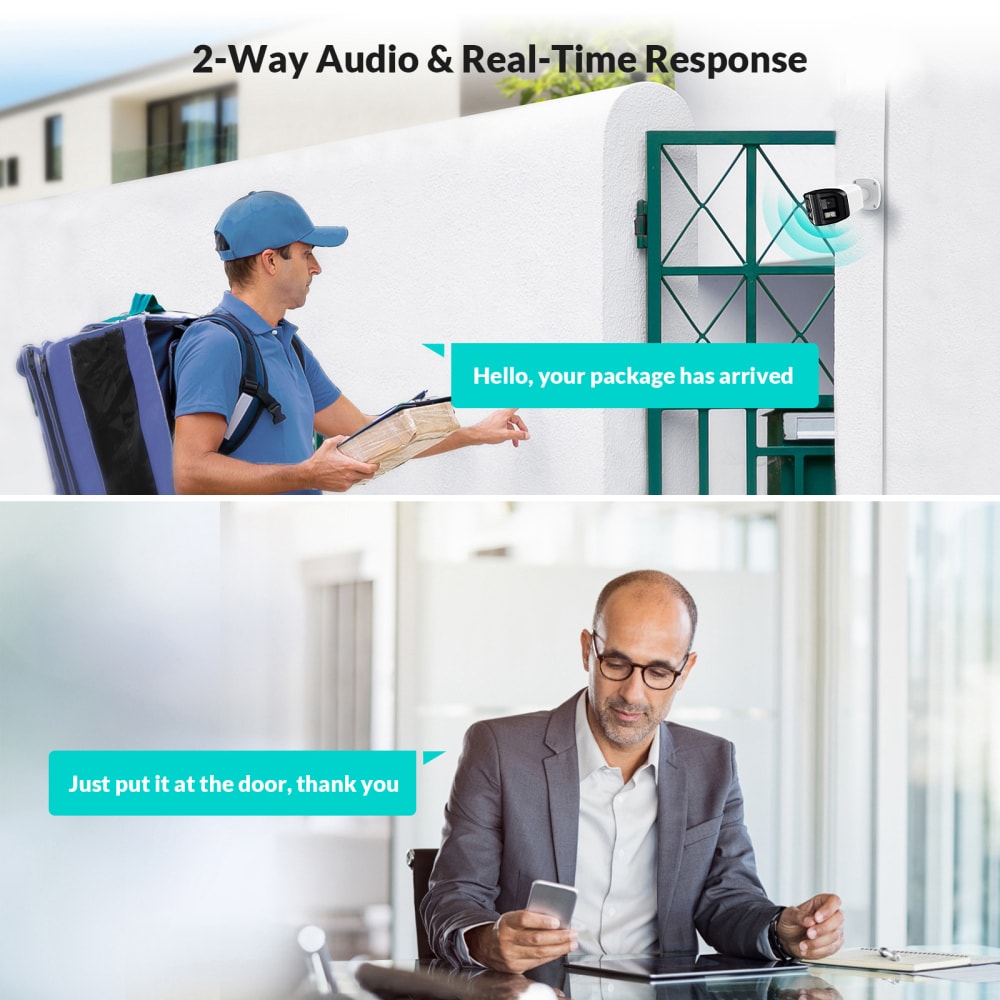
Smart parking lot CCTV and license plate cameras can integrate with electronic access control to open gates for authorized vehicles and log visits automatically. In many New Jersey communities, ALPR is used to recognize resident vehicles while visitors are granted time‑limited access. For more information on combining cameras with smart locks and entry systems, you can review S & Y’s smart lock and access solutions as a reference point for integrated security setups.
Last updated: 2025-11-28
Changelog:
- Added detailed overview of smart parking lot CCTV vs traditional systems for New Jersey properties.
- Expanded section on ALPR usage and data retention best practices in NJ.
- Included provider spotlight and integration examples for S & Y Internet Technology Inc.
- Updated FAQ with mobile access, legal considerations, and installer selection tips.
Next review date & triggers - Review every 6–12 months or sooner if New Jersey laws, ALPR best practices, or major camera technologies change significantly.
If you’re planning smart parking lot CCTV and license plate cameras across New Jersey—whether for a single HOA or multiple commercial sites—share your locations, goals, and budget range, and I can help you outline a phased design and a set of questions to bring to S & Y Internet Technology or your chosen installer for accurate quoting and implementation.

About the Author: S & Y Internet Technology Inc.
S & Y Internet Technology Inc. is a professional installation and repair service provider based in Flushing, New York. Our expert team provides door-to-door installation and maintenance within a 100 km radius, ensuring quick response and high-quality results for every project — whether residential, commercial, or specialized.

Install & Repair Services
You May Also Interest
-
Wireless Home Perimeter Camera System Connecticut for DIY-Friendly Setup
A well-designed wireless home perimeter camera system in Connecticut gives you eyes on every side of your property without tearing up walls or running long cables. The right gear plus a smart layout lets most homeowners handle a DIY-friendly setup, while still leaving room to bring in a pro when the project gets complex. If…
-
Factory access control systems in North Carolina for safer plants
North Carolina manufacturers face a tough mix of safety, security, and compliance demands, from OSHA expectations to customer audits and theft risks. Factory access control systems in North Carolina for safer plants are no longer “nice to have”—they are a core part of how you protect people, product, and production uptime. Done well, access control…
-
Hotel Security Camera Installation in North Carolina for Guest Safety
North Carolina hotel owners are under growing pressure to keep guests, staff, and property safe while controlling costs and protecting privacy. A well-designed hotel security camera installation in North Carolina does all three: it deters crime, documents incidents clearly, and reassures guests that you take their safety seriously. Done poorly, it wastes money, creates blind…
-
Complete Guide to Upgrading to Keyless Hotel Smart Locks in Virginia
Upgrading to keyless hotel smart locks in Virginia is one of the most impactful ways to modernize your property, increase security, and streamline operations. Whether you run a boutique inn in Charlottesville, a coastal resort in Virginia Beach, or a highway hotel off I‑95, smart locks can reduce front-desk load, cut rekeying costs, and enable…