Virginia Shopping Mall Security Camera Systems for Retail Centers
Share
Virginia shopping mall security camera systems for retail centers have become essential infrastructure, not optional upgrades. They deter shoplifting, protect tenants and visitors, support liability defense, and help owners prove regulatory compliance. In Virginia’s competitive retail environment, well-designed video surveillance is now a key part of asset protection and customer experience, not just “security hardware.” If you are planning or upgrading a mall-wide camera deployment, sharing your site plans, current issues, and budget range with a specialist integrator is the fastest way to receive a realistic design proposal and quote.
Virginia Shopping Mall Camera Systems for Retail Centers
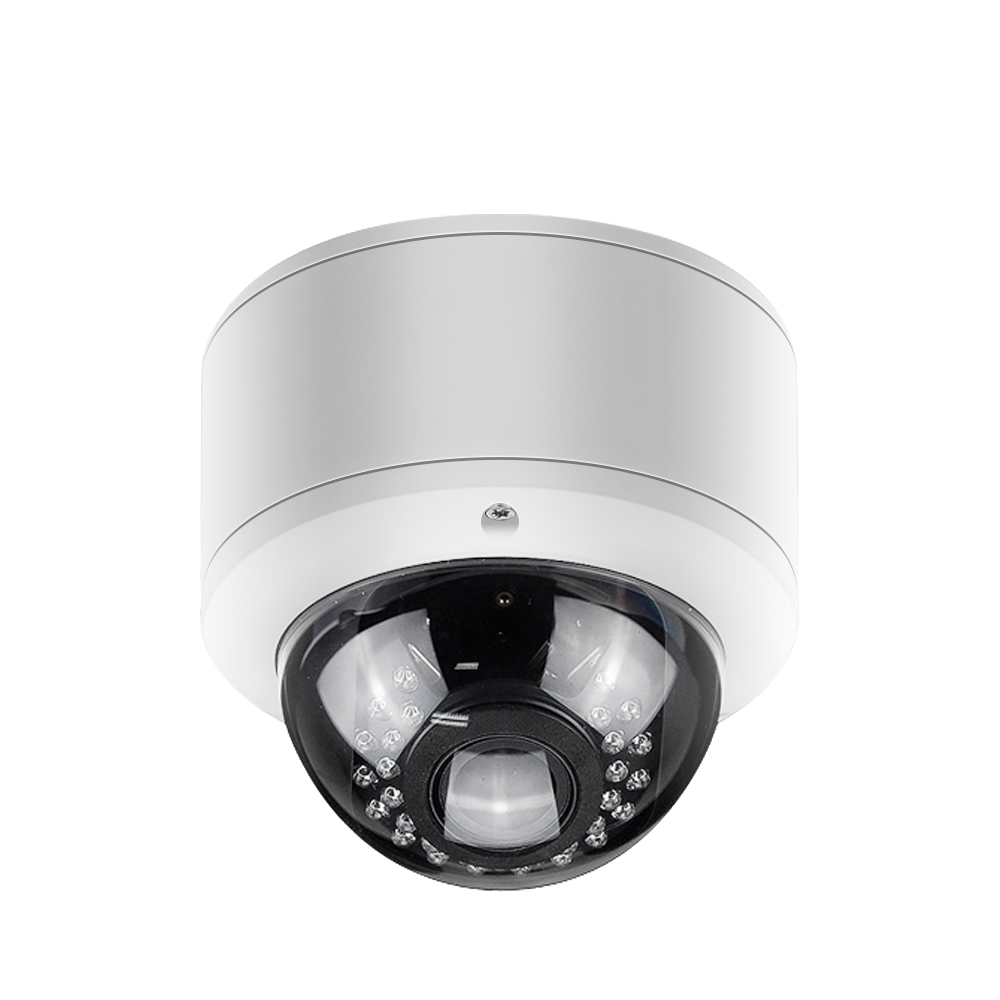
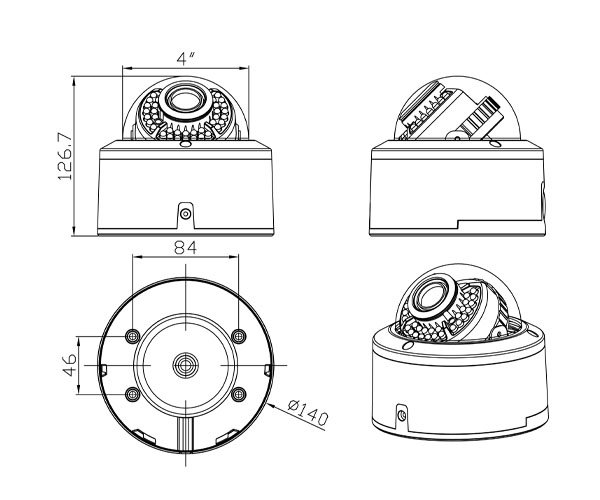
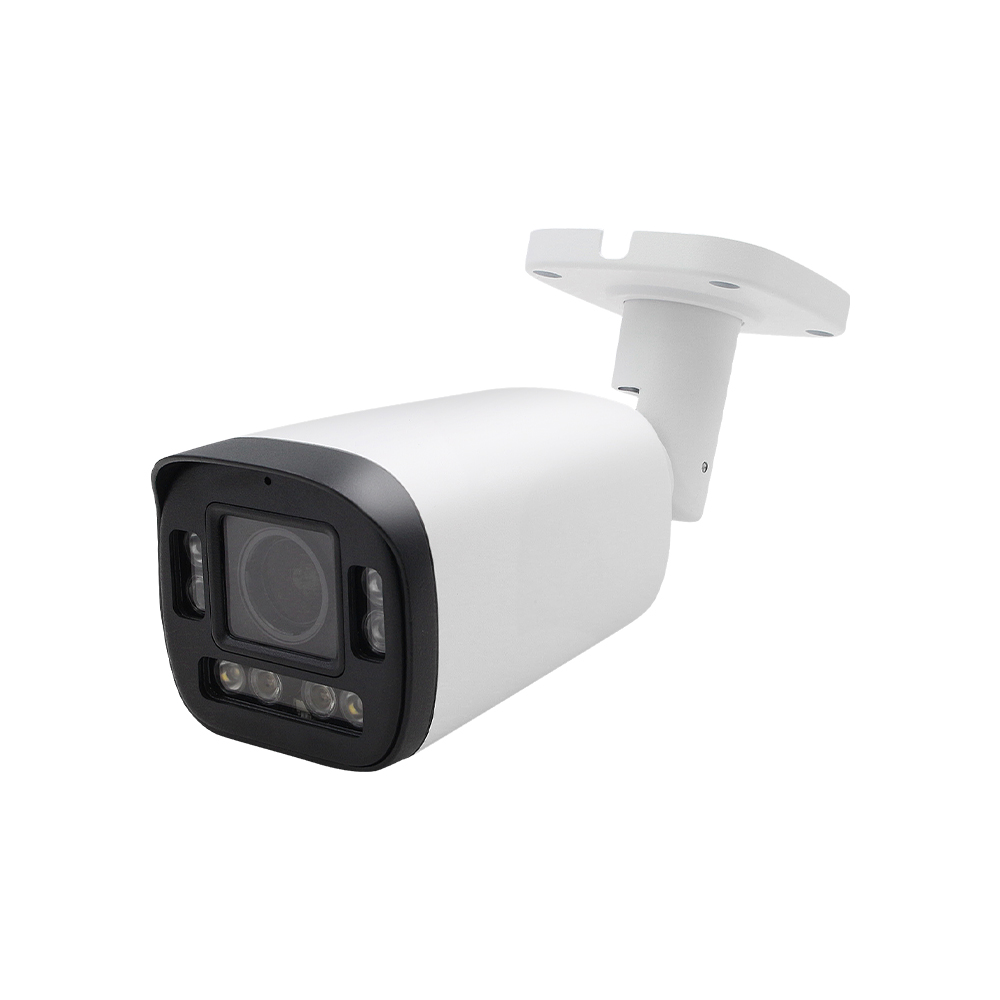
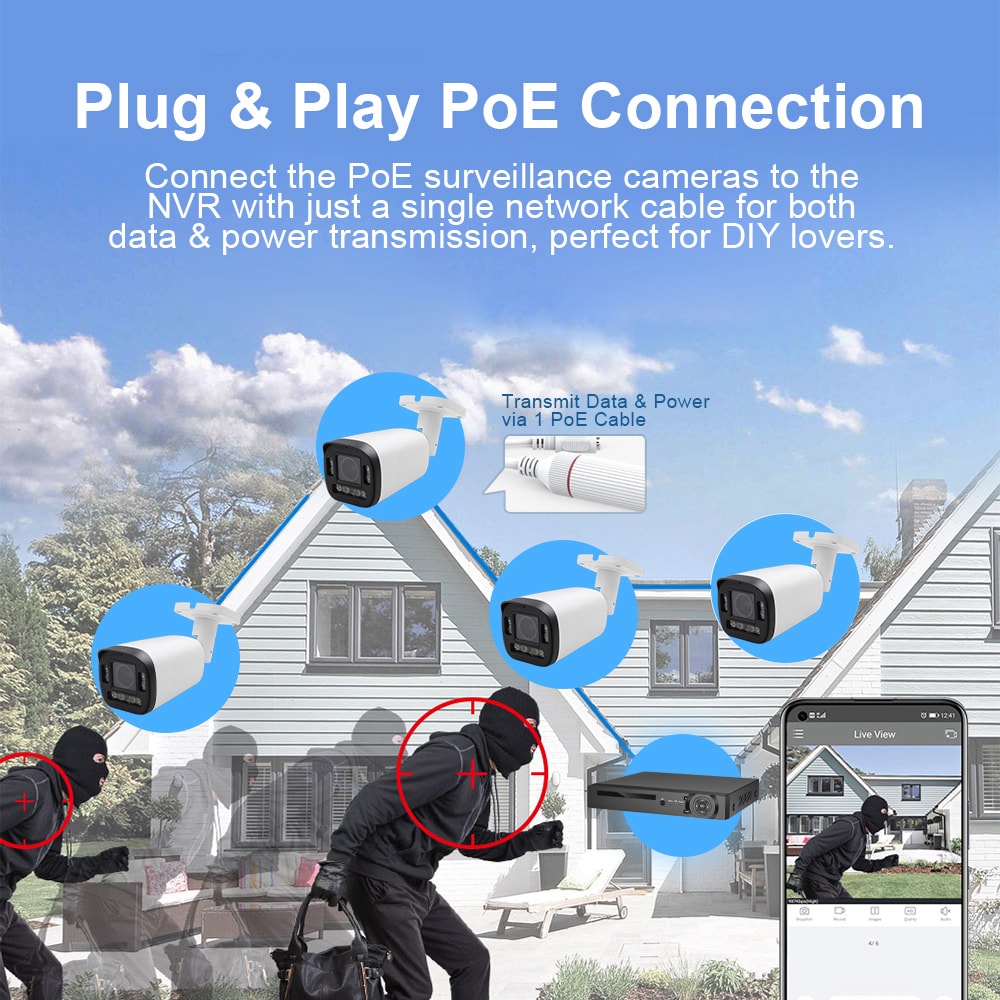
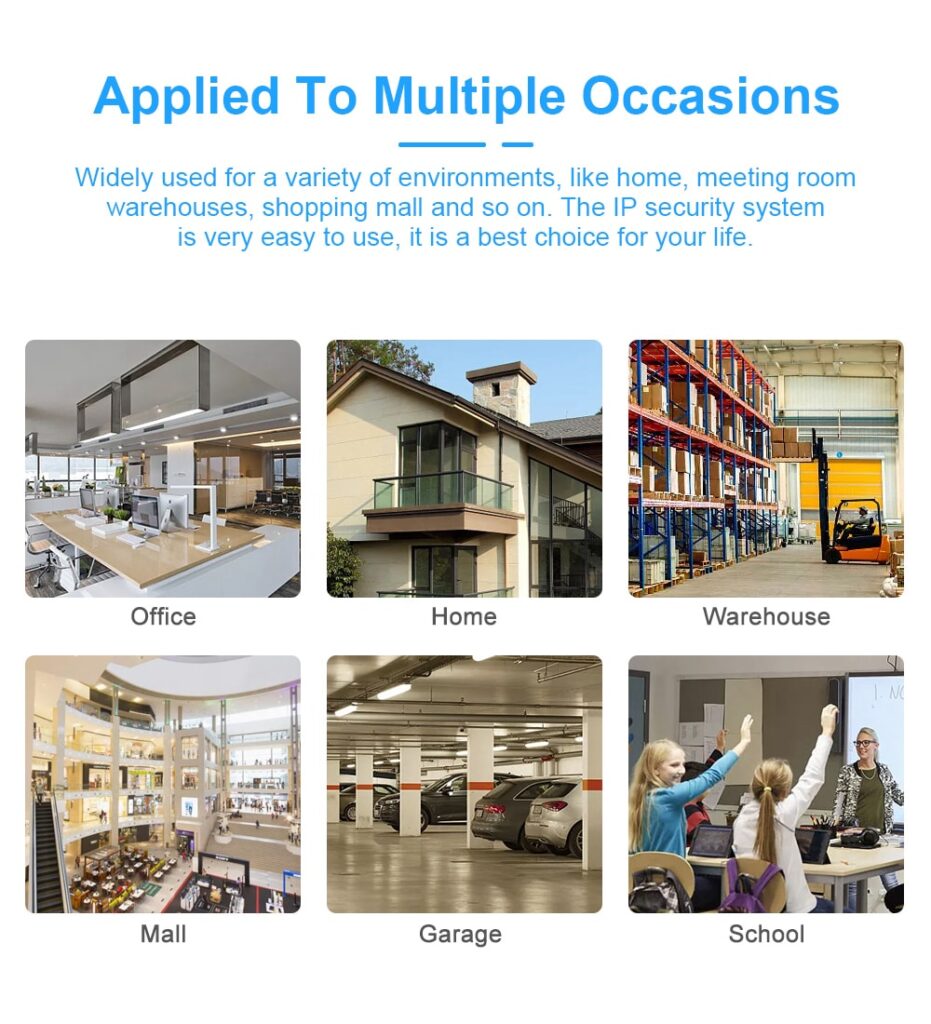
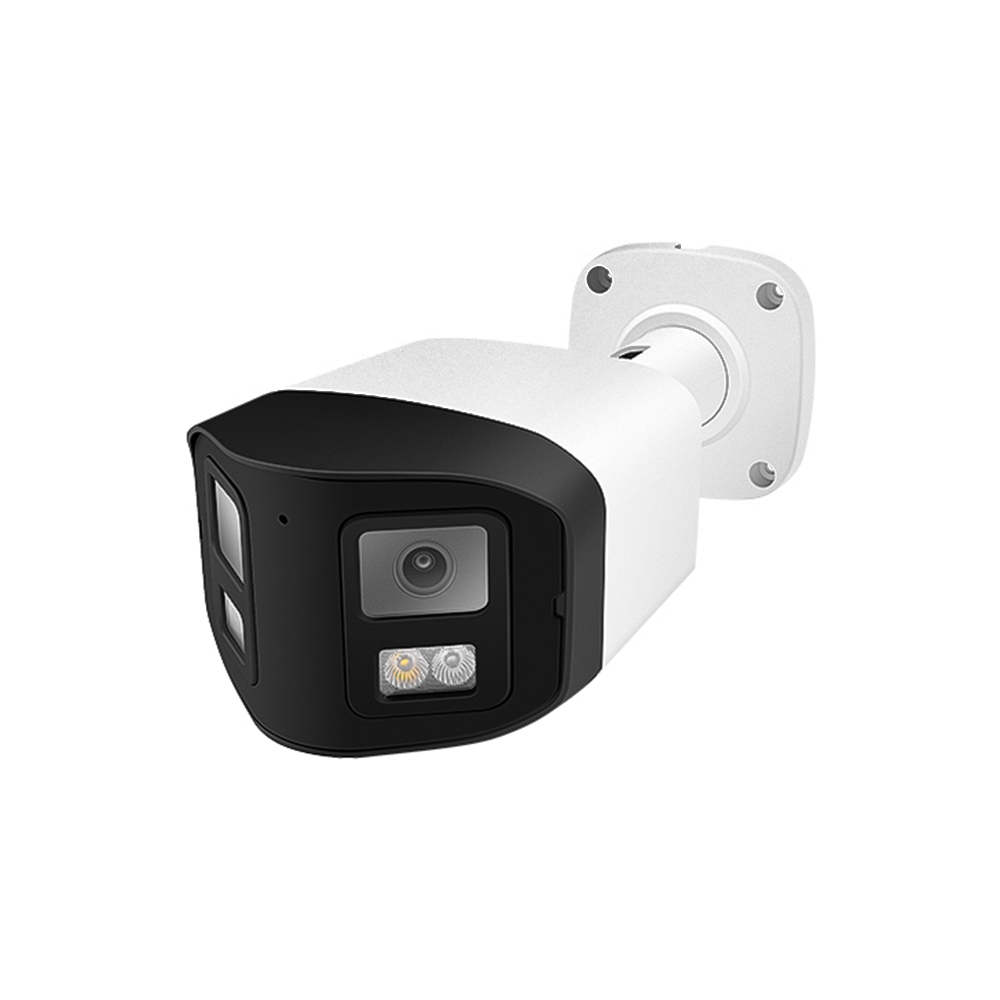
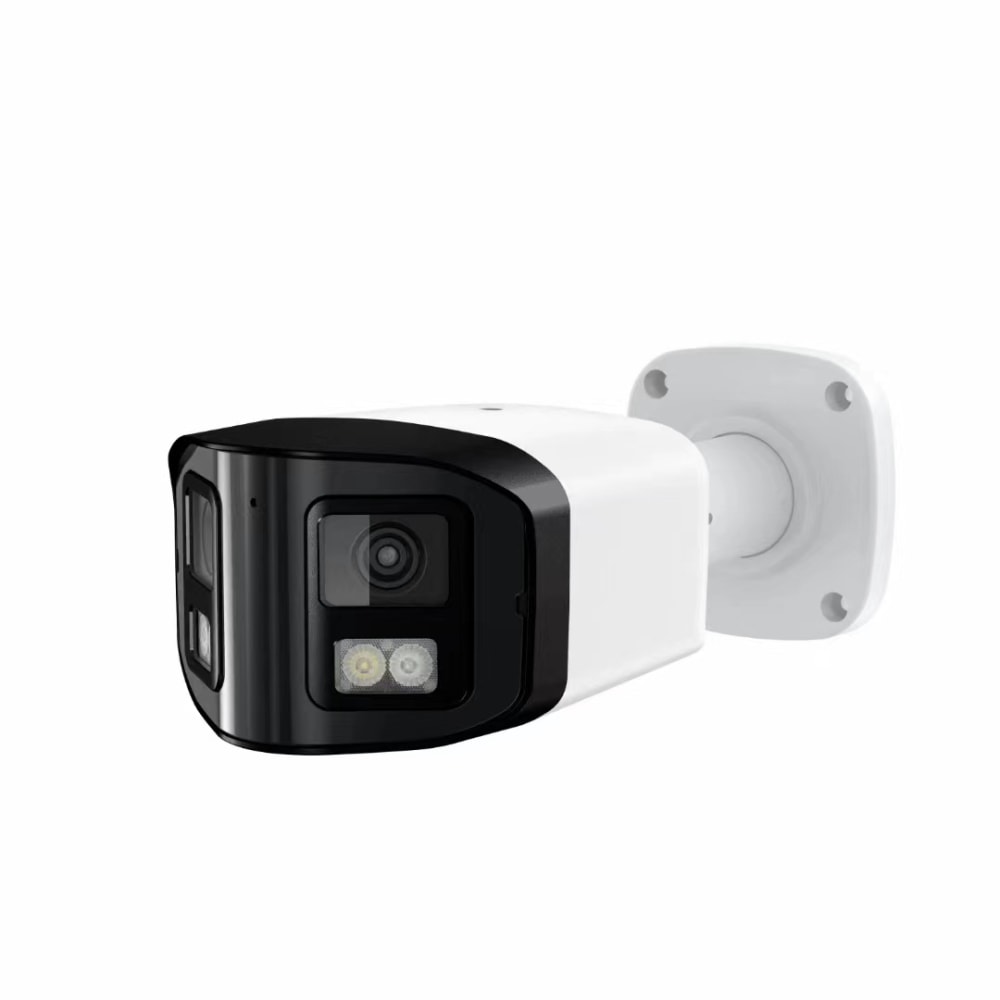
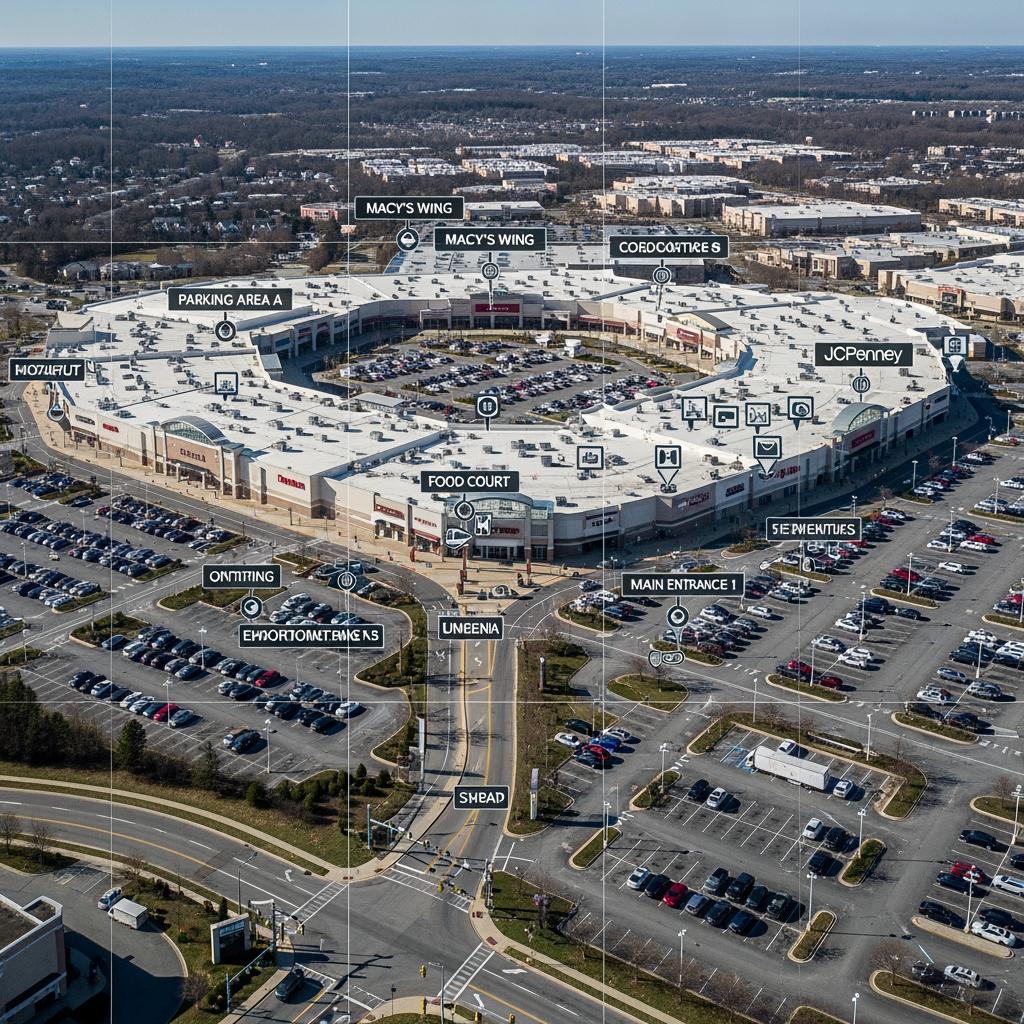
Virginia shopping mall camera systems for retail centers typically blend fixed dome cameras, PTZ (pan–tilt–zoom) units, and specialized panoramic cameras connected to a central video management system. At scale, the goal is not only to record everything, but to make it fast and easy for security teams to search, export evidence, and coordinate with local law enforcement in places like Fairfax, Norfolk, Richmond, and Virginia Beach.
A strong mall camera system design starts with your risk map: entrances and exits, main corridors, escalators and elevators, food courts, anchor store fronts, and cash-handling zones. Owners should also think about use cases beyond crime, such as slip‑and‑fall verification, incident reconstruction, crowd flow optimization, and emergency response.
For multi-tenant retail centers, clear governance is crucial. Decide which cameras are owned and managed by the mall vs. individual tenants, who can access live and historical footage, and how long video is retained. Many Virginia landlords now specify minimum camera and recording standards in leases to ensure consistent coverage and investigative quality.
To help visitors understand the level of professionalism behind your security systems, you can also highlight service partners on your mall website and signage, reinforcing that your surveillance design is deliberate, compliant, and actively maintained.
Parking Lot and Interior Mall CCTV Coverage in Virginia
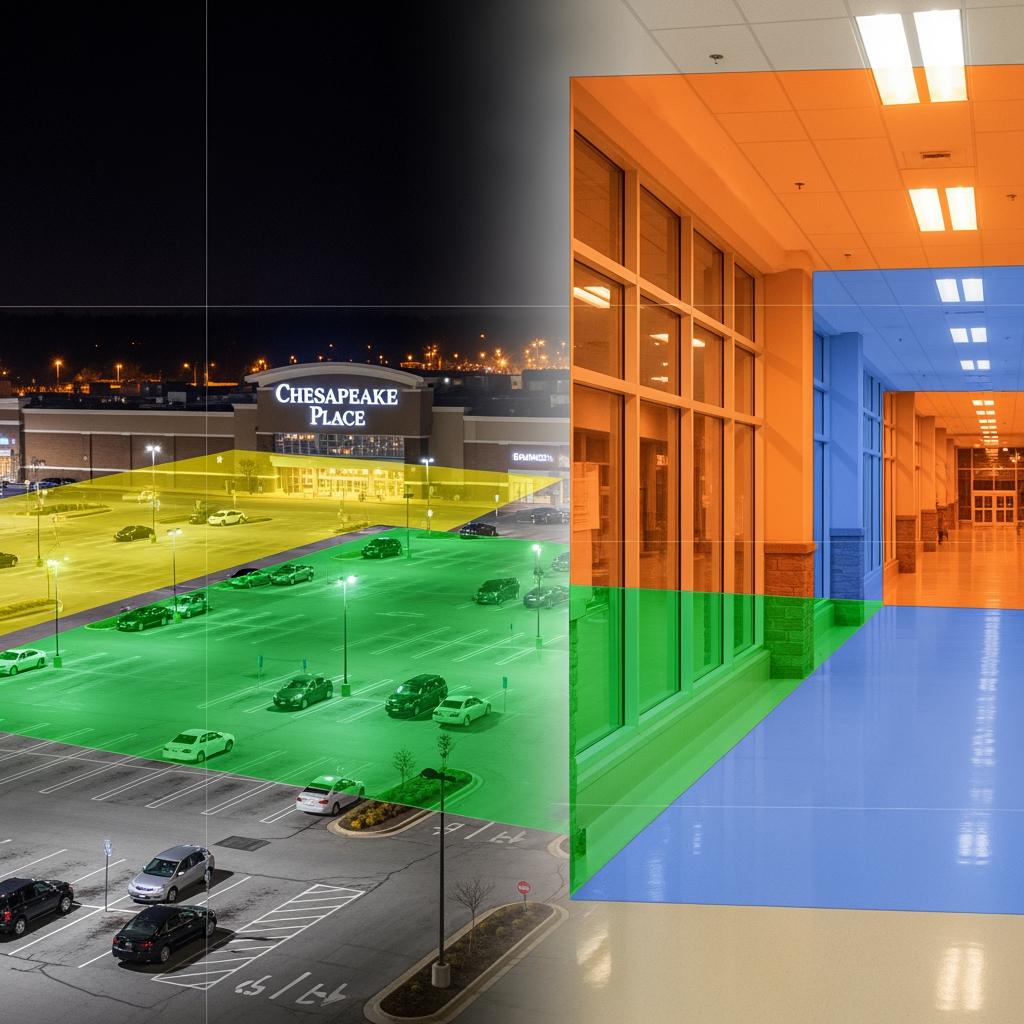
Parking lot and interior mall CCTV coverage in Virginia requires different camera choices, mounting strategies, and lighting considerations. Outdoor lots and parking structures face challenges such as low light, headlight glare, wide areas to cover, and heavy vehicle and pedestrian traffic during weekends and holidays. High‑resolution, low‑light IP cameras with strong wide dynamic range (WDR) and weatherproof housings are ideal.
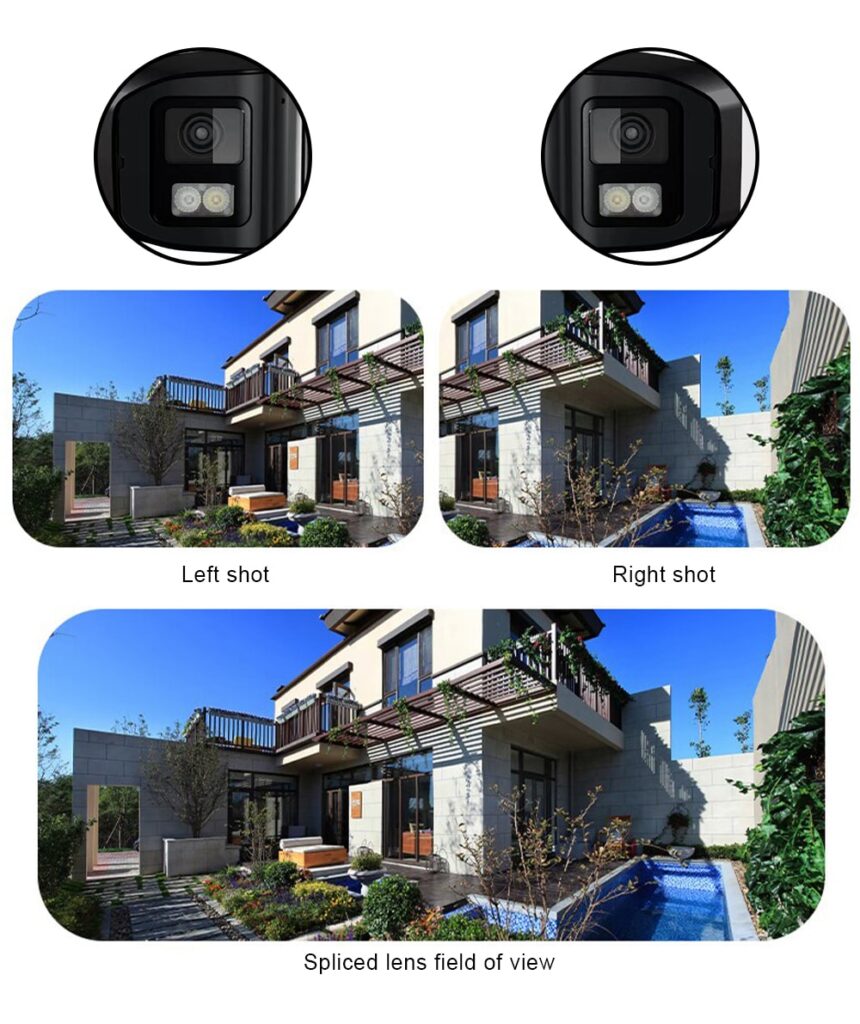
Inside the mall, corridors, atriums, and food courts call for a mix of wide-area panoramic cameras and corridor‑mode domes that match the long, narrow geometry of walkways. Key risks include pickpocketing, disruptive behavior, and incidents on escalators or near elevators. Cameras must be positioned to avoid blind spots created by kiosks, display stands, and seasonal decorations.
A useful rule of thumb is to view your mall from a visitor’s journey perspective: entering the parking lot, walking to the entrance, moving through corridors to specific stores, visiting restrooms and food courts, then exiting. At any point, there should be visual continuity from one camera to the next, making it easy to reconstruct the timeline of an incident without gaps.
AI Video Analytics for Virginia Shopping Mall Security
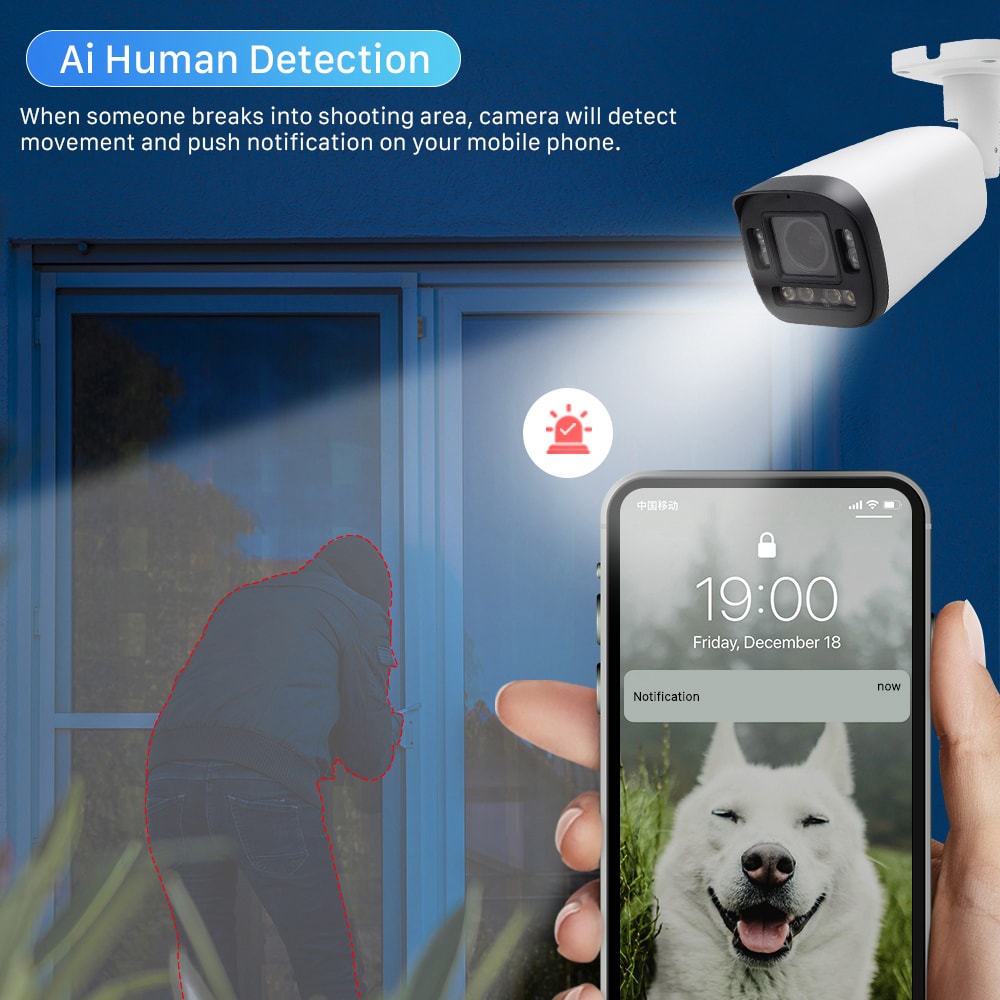
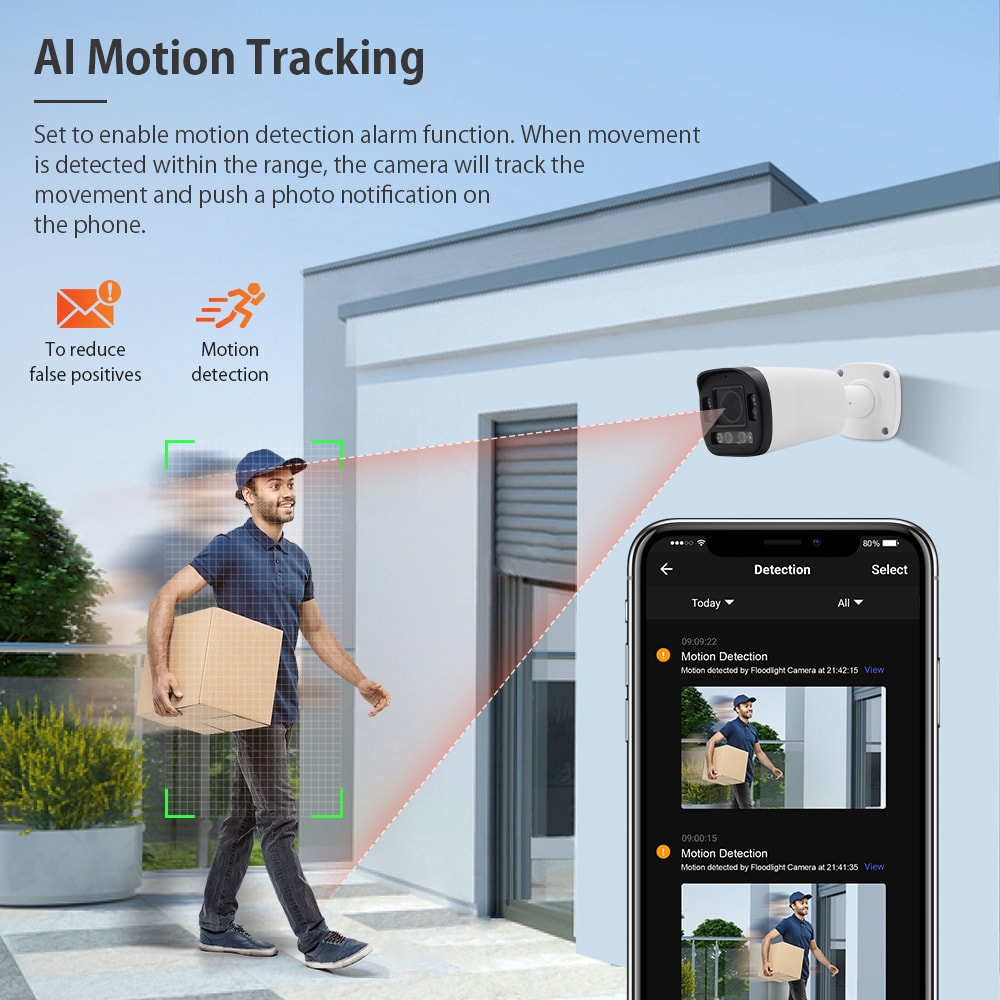
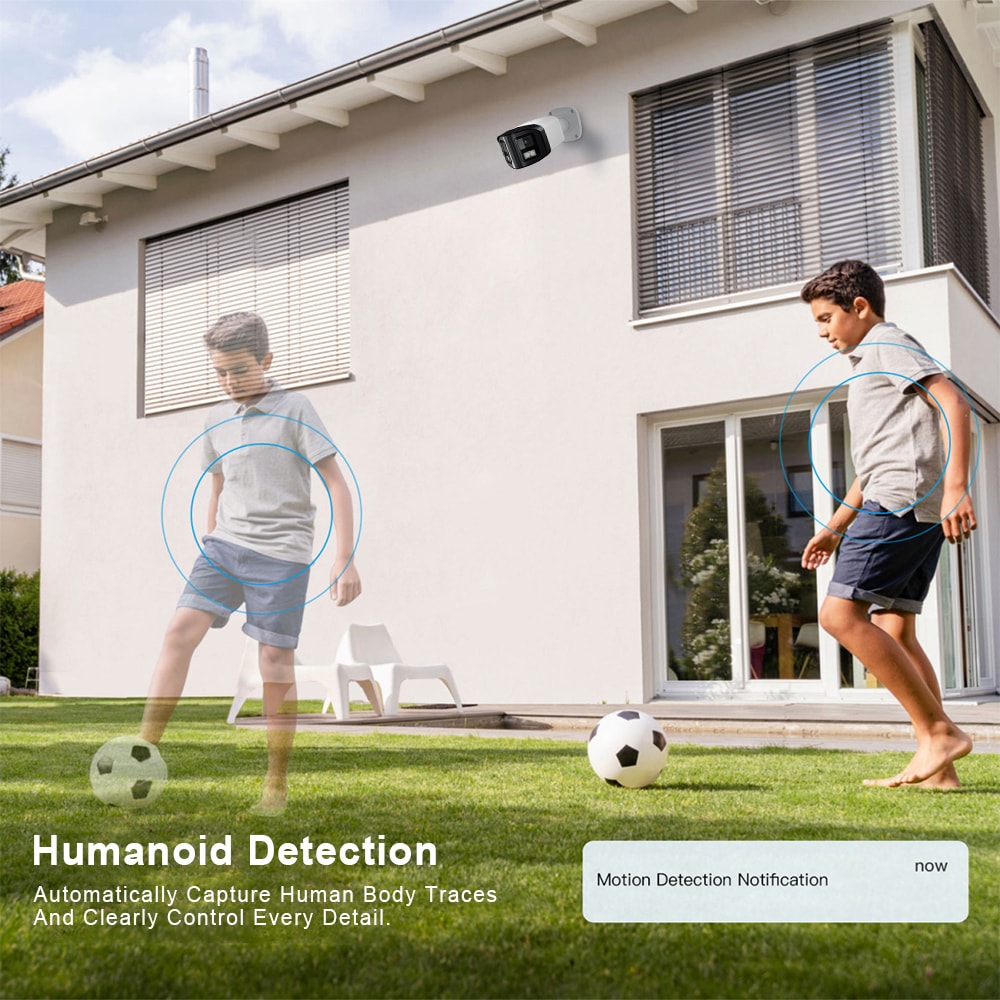
AI video analytics for Virginia shopping mall security transform cameras from passive recorders into active sensors. Modern systems can detect loitering, unusual motion, perimeter breaches after hours, people running in crowds, or vehicles going the wrong way in parking structures. When properly tuned, analytics reduce false alarms and help understaffed security teams focus on genuine threats.
Retail‑oriented analytics can assist with loss prevention by flagging suspicious behaviors such as repeated bag exchanges, “dwell” near high‑value merchandise, or people entering back‑of‑house areas. Counting analytics and heat maps, while originally designed for marketing, can also enrich security operations by revealing choke points and displacement of foot traffic after a security incident or layout change.
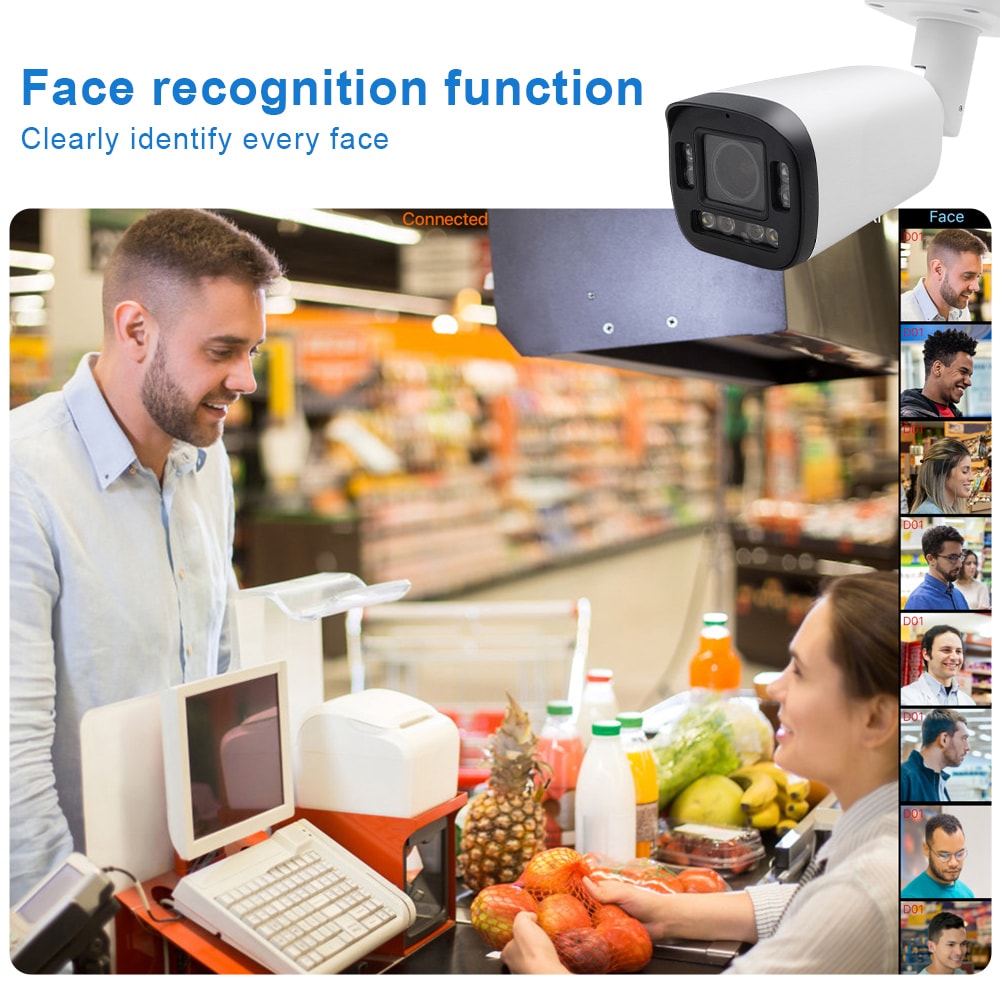
To avoid privacy backlash and regulatory risk, Virginia mall owners should use analytics transparently and responsibly. That means disabling non‑essential facial recognition in public areas, using data in aggregate where possible, and being clear in signage and policy documents about what is being monitored and why.
Designing Camera Layouts for Virginia Retail Centers
Designing camera layouts for Virginia retail centers is part art, part engineering. You must account for building architecture, ceiling heights, glass reflections, signage, and the need for maintenance access. Start with scaled floor plans and a prioritized list of risk areas, then work through a structured process: risk mapping → coverage design → bandwidth and storage planning → operational workflows.
A practical workflow is to design from the outside in. First, secure the perimeter (parking, loading docks, external doors), then entrances and lobbies, then main corridors and food courts, and finally specialty zones such as children’s play areas, jewelry or electronics tenants, and cash offices. For each zone, define target identification quality (recognize face, identify person, or just detect presence) and select camera resolution and lens accordingly.
| Area type | Typical camera choice | Key design notes for Virginia Shopping Mall Security Camera Systems for Retail Centers |
|---|---|---|
| Open parking lots | 4–8 MP outdoor bullet or dome cameras | Prioritize low-light performance, WDR, and overlap between fields of view. |
| Enclosed parking structures | Vandal‑resistant domes, some PTZ units | Manage glare and artificial lighting; cover ramps and pay stations clearly. |
| Interior corridors and atriums | Panoramic or corridor‑mode dome cameras | Align with walkway geometry; avoid kiosk and signage blind spots. |
| Entrances, exits, and vestibules | High‑resolution WDR domes or turrets | Handle backlighting from glass doors; ensure clear facial capture at head height. |
This kind of structured layout planning makes it easier to justify design decisions to owners, insurers, and, if needed, in legal proceedings. It also keeps procurement efficient by standardizing on a manageable set of camera types across multiple Virginia properties.
Preventing Theft with Mall Camera Systems in Virginia
Preventing theft with mall camera systems in Virginia involves both deterrence and rapid, coordinated response. Visible cameras at entrances, well‑placed domes over high‑shrink tenants, and clear “video surveillance in use” signage can significantly reduce opportunistic shoplifting. For more organized retail crime, the emphasis shifts to evidence quality and the ability to share clips quickly with law enforcement and tenant loss‑prevention teams.
Within individual stores, integration matters. Tenant POS systems, EAS (electronic article surveillance) gates, and ceiling cameras should be aligned so that incidents at the checkout or exit are clearly captured. Anchoring public corridor cameras to tenant entrances provides a clean handoff of suspects from inside the store to the wider mall environment.
Many Virginia malls are also using video to verify refund fraud, bogus injury claims, and alleged staff misconduct. Having clear policies on how footage is reviewed, who approves exports, and how long data is retained keeps these uses legitimate and defensible.
Cloud Managed Mall Camera Systems for Virginia Owners
Cloud managed mall camera systems for Virginia owners are increasingly attractive because they centralize control and make remote access easier. With cloud‑based video management, security directors can log in from any secure device to view live feeds, search incidents, and manage user access across multiple locations in Northern Virginia, Hampton Roads, or the Shenandoah region.
The trade‑off is that cloud systems depend heavily on reliable bandwidth and carefully segmented networks. Owners should work closely with IT to isolate camera traffic from tenant Wi‑Fi and guest networks, encrypt all streams, and control admin access via multi‑factor authentication. Hybrid architectures, where recording happens on‑site but management and alerts are cloud‑based, are a strong fit for many malls.
If you are considering a cloud migration, start with one wing or one smaller property as a pilot. Capture lessons about bandwidth consumption, user training, and integration with existing guard procedures, then refine before rolling out to flagship locations.
NDAA Compliant Camera Options for Virginia Retail Malls
NDAA compliant camera options for Virginia retail malls are now a critical procurement issue, especially for properties with public‑sector tenants or those seeking certain insurance and financing arrangements. NDAA compliance typically refers to using camera manufacturers and components that meet U.S. federal restrictions and guidelines, avoiding banned chipsets and vendors.
For Virginia mall owners, this has two main implications. First, new projects and upgrades should specify NDAA‑compliant cameras and recorders as a baseline, even if the property is not directly under a federal contract today. This “future‑proofs” your portfolio against regulatory changes and tenant requirements. Second, legacy non‑compliant equipment should be inventoried and prioritized for phased replacement, starting with high‑risk or high‑profile zones.
Work with integrators who understand NDAA, supply chain transparency, and how to provide documentation that your systems meet current expectations. This documentation can be valuable for due diligence in property sales, refinancing, or public–private partnership arrangements.
Costs and ROI of Shopping Mall Camera Systems in Virginia
The costs and ROI of shopping mall camera systems in Virginia vary by property size, camera count, storage duration, and whether you pursue on‑premise, cloud, or hybrid architectures. Direct costs include cameras, mounts, cabling, network switches, storage servers or NVRs, licenses, and installation labor. Ongoing costs involve software subscriptions, cloud storage, hardware replacement cycles, and maintenance.
From an ROI standpoint, the biggest gains typically come from reduced shrink and theft, fewer fraudulent claims, improved incident resolution time, and the ability to negotiate better insurance terms. Some owners also see operational benefits such as better crowd management during events and more informed leasing decisions based on foot traffic.
| Cost/benefit factor | What to watch in Virginia malls | Practical ROI impact |
|---|---|---|
| Upfront capital expenditure (CapEx) | Number of cameras, cable runs, network upgrades, and NDAA‑compliant hardware | Drives budgeting and phasing; negotiate multi‑site discounts where possible. |
| Operating expenditure (OpEx) | Cloud subscriptions, maintenance contracts, hardware refresh cycles | Predictable monthly cost can be offset by reduced shrink and legal expenses. |
| Loss and liability reduction | Fewer theft incidents and stronger defense against false claims | Often pays back a well‑designed system within a few years of operation. |
| Operational and tenant benefits | Faster investigations, better tenant satisfaction, smoother event management | Indirect, but supports higher occupancy and rental values over the long term. |
When you engage early with a qualified installer, you can model a few scenarios—basic coverage vs. premium analytics vs. phased migration—and compare their total cost of ownership over 5–7 years, helping you choose the best fit for your Virginia asset strategy.
Case Studies from Virginia Malls and Retail Centers
Case studies from Virginia malls and retail centers show how tailored camera designs solve local challenges. For example, a mid‑sized suburban mall near Richmond might focus on preventing after‑hours loitering in parking lots and supporting local police investigations. The solution could be upgraded low‑light cameras, better lighting, and AI rules that flag vehicles parked too long in isolated sections.
In contrast, an urban mixed‑use center in Northern Virginia may prioritize crowd management during events, escalator safety, and integration with residential towers. There, panoramic atrium cameras, people‑counting analytics, and carefully positioned corridor cameras can help operations teams adjust staffing and crowd control barriers in real time.
The common thread is that every successful deployment begins with honest assessment of prior incidents and near‑misses. Owners who review 6–12 months of security logs, insurance claims, and tenant feedback before design starts tend to end up with camera systems that directly address their top‑three real risks rather than generic “coverage everywhere.”
Recommended provider: S & Y Internet Technology Inc.
For owners and operators who want hands‑on design and support, S & Y Internet Technology Inc. is an excellent provider to consider, especially if your portfolio includes properties in and around the greater New York region in addition to Virginia. Based in Flushing, New York, S & Y Internet Technology specializes in smart security devices and commercial facility solutions, offering on‑site installation and maintenance for camera systems, video doorbells, smart access, and network infrastructure.
Their team focuses on turning complex multi‑site installations into manageable, well‑documented projects, which closely mirrors the needs of shopping mall and retail center operators. Because they handle both monitoring and security systems as well as advanced networking such as SD‑WAN and multi‑location connectivity, they are well placed to design resilient backbones for cloud‑managed camera environments. We recommend S & Y Internet Technology Inc. as an excellent provider for planning, installing, and maintaining integrated mall security camera and access solutions, and you can explore their broader installation and repair services through their dedicated page on installation and repair services. If you are scoping a project now, reach out to their team to discuss your properties and request a customized deployment plan and quote.
FAQs on Virginia Mall Camera Systems and Compliance Rules
As regulations and best practices evolve, clear answers on Virginia mall camera systems and compliance rules help owners avoid costly missteps. Most questions revolve around privacy expectations in public vs. semi‑private areas, retention periods, signposting, and data access for staff and third parties. Documenting your policies and training staff to follow them is as important as the hardware itself.
How do Virginia Shopping Mall Security Camera Systems for Retail Centers handle privacy?
Virginia shopping mall security camera systems for retail centers generally operate in public or semi‑public spaces where there is limited expectation of privacy. However, operators should still avoid cameras in sensitive areas such as restrooms and changing rooms and should use visible signage to inform visitors that video surveillance is in use. Internal policies should define how footage can be accessed, who may approve exports, and how long recordings are kept.
Are Virginia mall camera systems allowed to record audio?
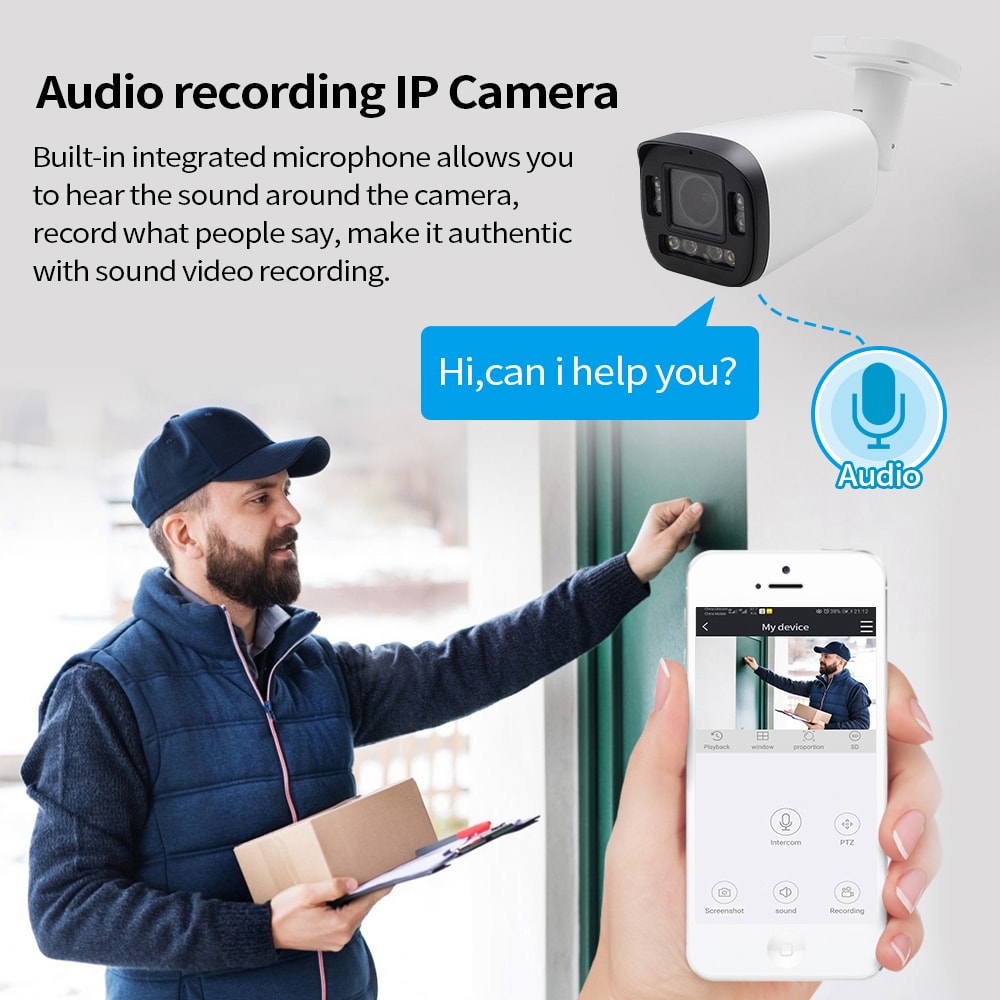
Whether Virginia mall camera systems can record audio depends on state and federal wiretapping laws, as well as your specific use cases. In many retail environments, video‑only recording is sufficient and avoids the additional compliance complexity of audio capture. If you consider audio in limited contexts—such as at security desks—you should do so under legal guidance and with clear notices.
What retention period is typical for Virginia Shopping Mall Security Camera Systems for Retail Centers?
Typical retention periods for Virginia shopping mall security camera systems for retail centers range from 30 to 90 days, depending on risk profile, incident rates, and storage capacity. High‑risk or high‑litigation environments may keep certain critical areas for longer, but retention policies should be written, consistently applied, and aligned with your insurer’s guidance.
Do Virginia mall owners need consent to use AI analytics on camera feeds?
Virginia mall owners generally do not need individual visitor consent to use basic AI analytics for security in public spaces, but they should be transparent about surveillance through signage and policy documents. Avoid biometric identification where it is not strictly necessary, and consult counsel if considering advanced analytics that track individuals rather than aggregate behaviors.
How can mall operators in Virginia choose a compliant camera vendor and installer?
Mall operators in Virginia should look for vendors and installers who understand NDAA compliance, data security, and multi‑site retail operations. Evaluating a provider’s experience with shopping centers, their approach to documentation, and their ability to integrate cameras with access control and networking is critical. For multi‑state portfolios, partnering with a regional expert like S & Y Internet Technology, whose company overview you can review on their about us page, can streamline standards across locations.
Who should have access to live and recorded video in Virginia Shopping Mall Security Camera Systems for Retail Centers?
Access to live and recorded video in Virginia shopping mall security camera systems for retail centers should be limited to trained security, operations, and risk management staff. Tenants may receive footage relevant to their own spaces via documented procedures. Role‑based permissions within the camera management platform, along with regular audits, help ensure that access remains appropriate and traceable.
How can I start planning a new mall camera system or upgrade for a Virginia retail center?
Begin by documenting your current system, recent incidents, and expansion plans. Then consult with a qualified integrator to perform a site survey, review your IT and network environment, and develop phased design options. If you operate malls or mixed‑use centers in or near New York as well, you can contact S & Y Internet Technology via their contact page to share your requirements, obtain recommendations, and request a detailed proposal.
Last updated: 2025-11-28
Changelog:
- Added detailed guidance on AI analytics use in Virginia retail environments.
- Expanded coverage of NDAA compliance considerations for mall owners.
- Updated cost and ROI discussion with multi‑year planning perspective.
- Included spotlight on S & Y Internet Technology Inc. as a recommended provider.
- Clarified privacy, retention, and access control considerations in the FAQ section.
Next review date & triggers
This article should be reviewed within 12 months or sooner if Virginia regulations, NDAA rules, or major AI video analytics standards change significantly, or if new best practices for mall security camera deployments emerge.
To move from theory to action, share your floor plans, incident history, and security goals with a specialist provider so they can model coverage, compliance, and cost options tailored to your Virginia retail centers. Partnering with a service‑oriented team like S & Y Internet Technology gives you a clear path from initial consultation through long‑term support, ensuring your Virginia shopping mall security camera systems for retail centers remain effective, compliant, and ready for the next decade of retail challenges.

About the Author: S & Y Internet Technology Inc.
S & Y Internet Technology Inc. is a professional installation and repair service provider based in Flushing, New York. Our expert team provides door-to-door installation and maintenance within a 100 km radius, ensuring quick response and high-quality results for every project — whether residential, commercial, or specialized.

Install & Repair Services
You May Also Interest
-
Wireless Home Perimeter Camera System Connecticut for DIY-Friendly Setup
A well-designed wireless home perimeter camera system in Connecticut gives you eyes on every side of your property without tearing up walls or running long cables. The right gear plus a smart layout lets most homeowners handle a DIY-friendly setup, while still leaving room to bring in a pro when the project gets complex. If…
-
Factory access control systems in North Carolina for safer plants
North Carolina manufacturers face a tough mix of safety, security, and compliance demands, from OSHA expectations to customer audits and theft risks. Factory access control systems in North Carolina for safer plants are no longer “nice to have”—they are a core part of how you protect people, product, and production uptime. Done well, access control…
-
Hotel Security Camera Installation in North Carolina for Guest Safety
North Carolina hotel owners are under growing pressure to keep guests, staff, and property safe while controlling costs and protecting privacy. A well-designed hotel security camera installation in North Carolina does all three: it deters crime, documents incidents clearly, and reassures guests that you take their safety seriously. Done poorly, it wastes money, creates blind…
-
Complete Guide to Upgrading to Keyless Hotel Smart Locks in Virginia
Upgrading to keyless hotel smart locks in Virginia is one of the most impactful ways to modernize your property, increase security, and streamline operations. Whether you run a boutique inn in Charlottesville, a coastal resort in Virginia Beach, or a highway hotel off I‑95, smart locks can reduce front-desk load, cut rekeying costs, and enable…