7 Video Intercom Features That Multifamily Residents Actually Care About in 2026
Share
Quick Navigation
- 1. Mobile App Access: Answer the Door from Anywhere
- 2. HD Video with Night Vision: See Clearly, Day or Night
- 3. Multiple Access Methods: Flexibility for Every User
- 4. Package Delivery Management: Solving the Theft Crisis
- 5. Integration with Access Control and Elevators: One System, Complete Control
- 6. Cloud Management and Remote Configuration: Less Work for Property Managers
- 7. Privacy and Security Controls: Trust Matters
- Frequently Asked Questions
In 2026, technology is no longer just an amenity in multifamily housing—it’s a baseline expectation. The global video intercom devices market is projected to reach $26.67 billion in 2026 and continue growing at a CAGR of 12.51%. Meanwhile, 54% of renters now expect smart locks, thermostats, and security cameras in a modern rental unit, and 48% expect smart intercoms or video door phones.
But not all video intercom features are created equal. Property owners and managers often invest in flashy capabilities that residents rarely use, while overlooking the features that actually matter day in and day out.
Based on resident surveys, market data, and real-world usage patterns, here are the seven video intercom features that multifamily residents actually care about in 2026.
1. Mobile App Access: Answer the Door from Anywhere
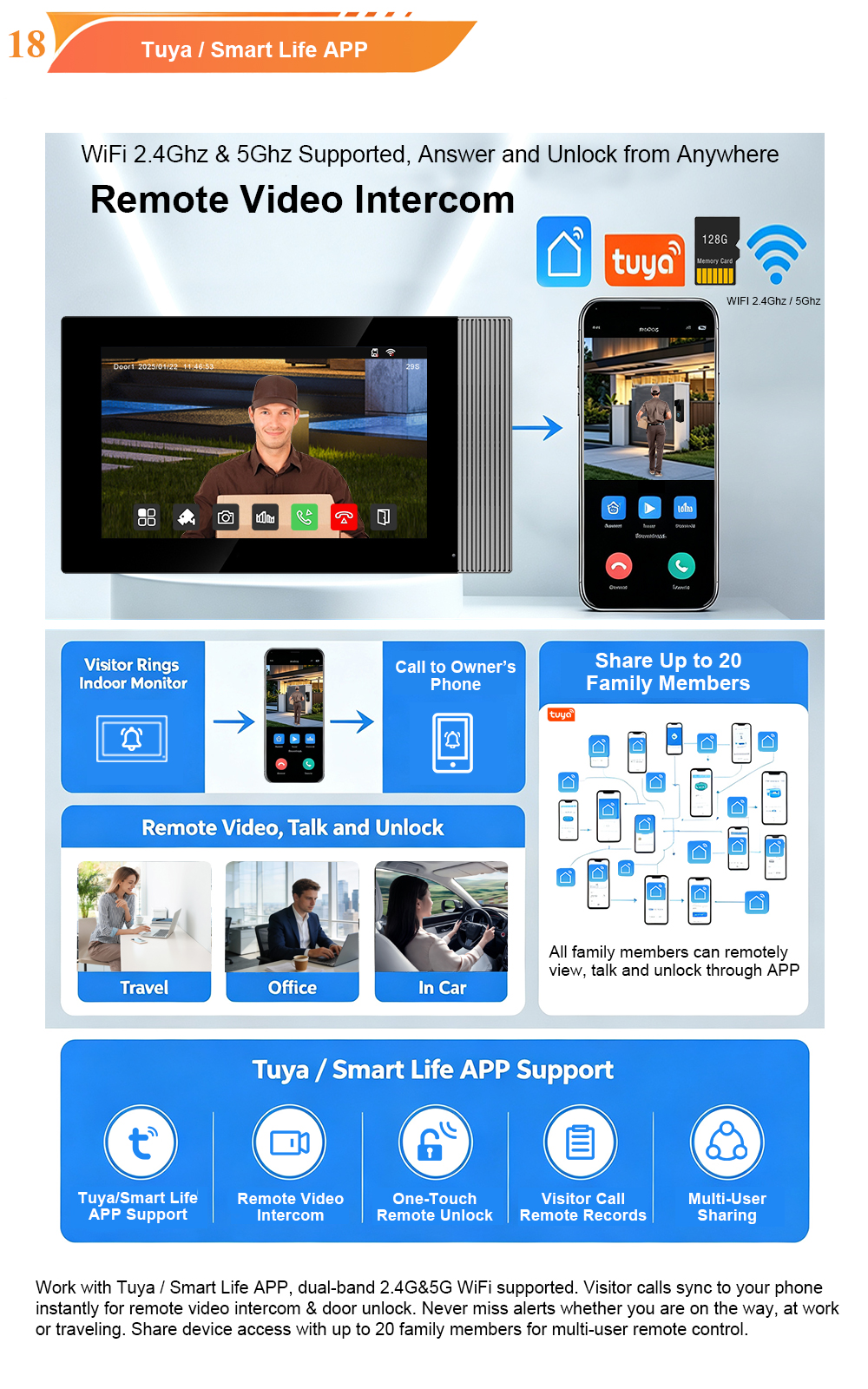
Why it matters: Residents are no longer tied to their apartments to answer the door. With mobile app access, they can see visitors, speak with them, and unlock doors from anywhere in the world.
The data: 89% of apartment residents say that letting delivery drivers in remotely via their phone would be helpful. And 79% get stressed waiting for deliveries without a way of letting people into the building.
What residents want:
- Instant push notifications when someone rings the doorbell
- Live video streaming directly to their smartphone
- One-tap door unlocking from the app
- No second app—residents want to use the same app they already use to access doors, amenities, and parking
Real-world example: Brivo’s integration allows residents to use the same app they already use to access doors, amenities, and parking to see who is at the entrance, verify them on video, and release the door from anywhere.
The bottom line: Mobile app access is no longer a luxury—it’s a resident expectation. 65% of renters are willing to pay extra monthly rent for smart amenities, with 52% comfortable paying over $20 more per month.
2. HD Video with Night Vision: See Clearly, Day or Night
Why it matters: The most fundamental purpose of a video intercom is to let residents see who’s at the door. A grainy, pixelated image defeats the purpose.
What residents want:
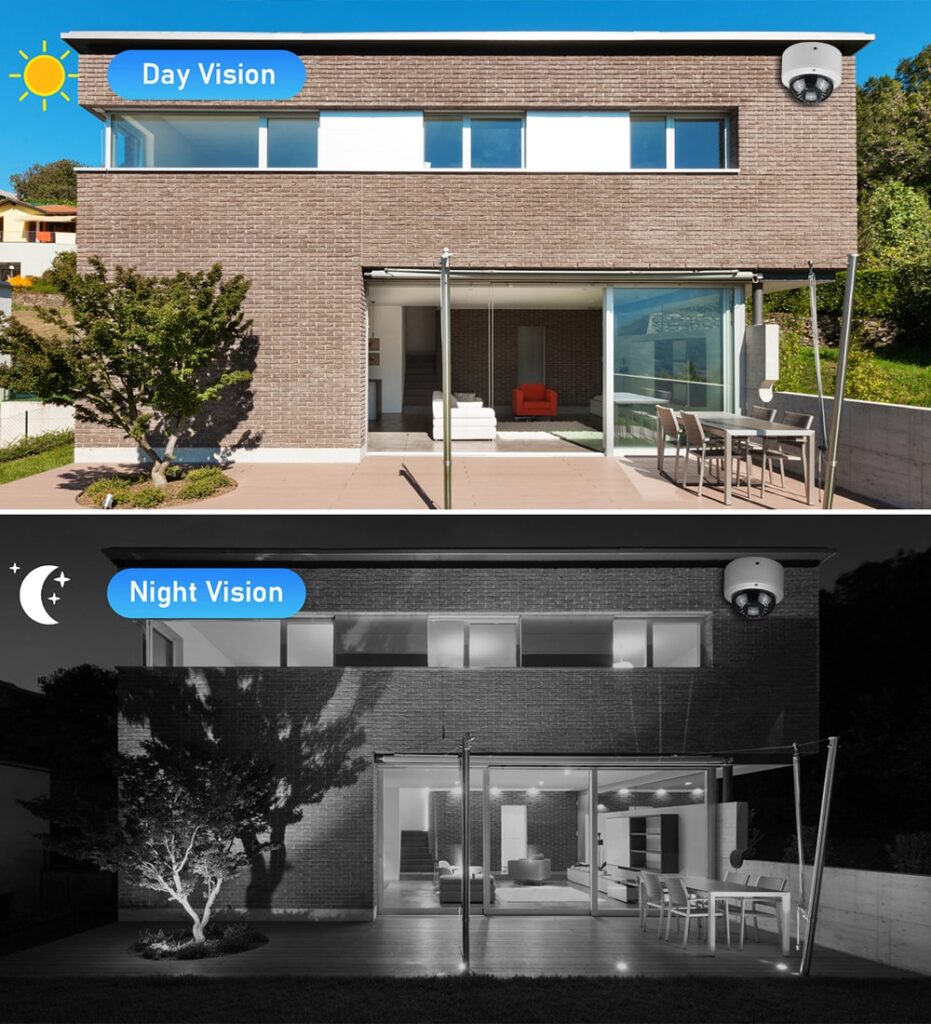
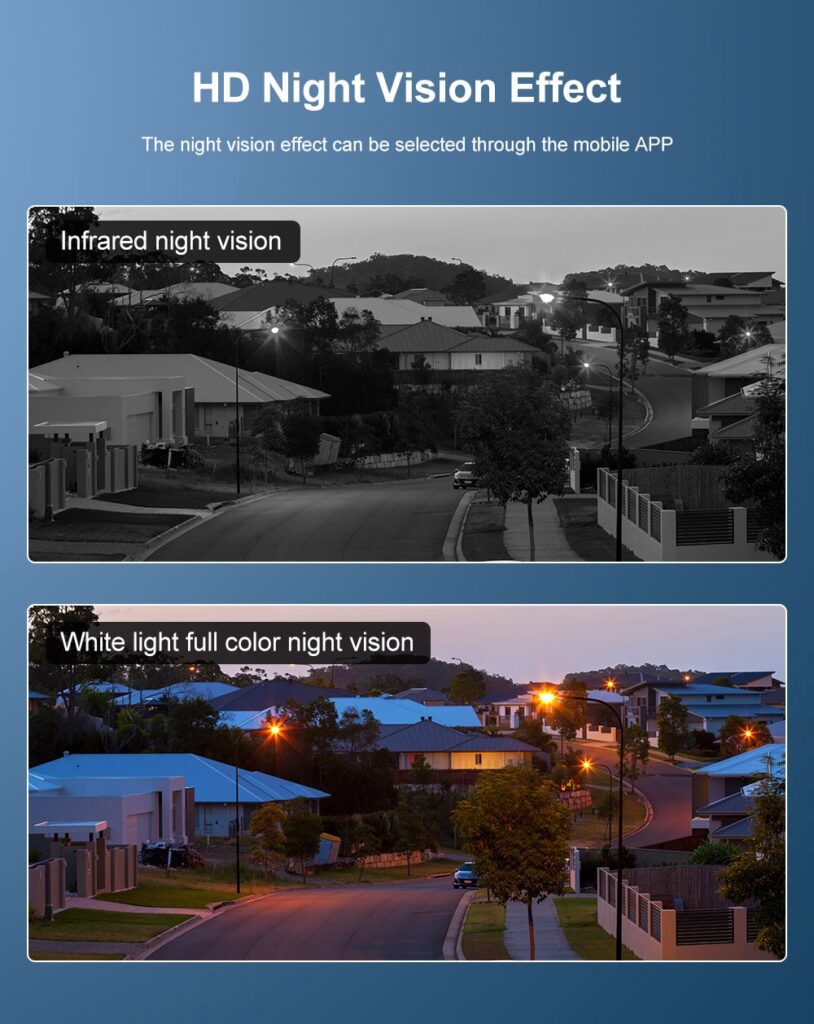
- HD or Full HD video quality—a dramatic leap from the grainy 0.3-megapixel images of older systems
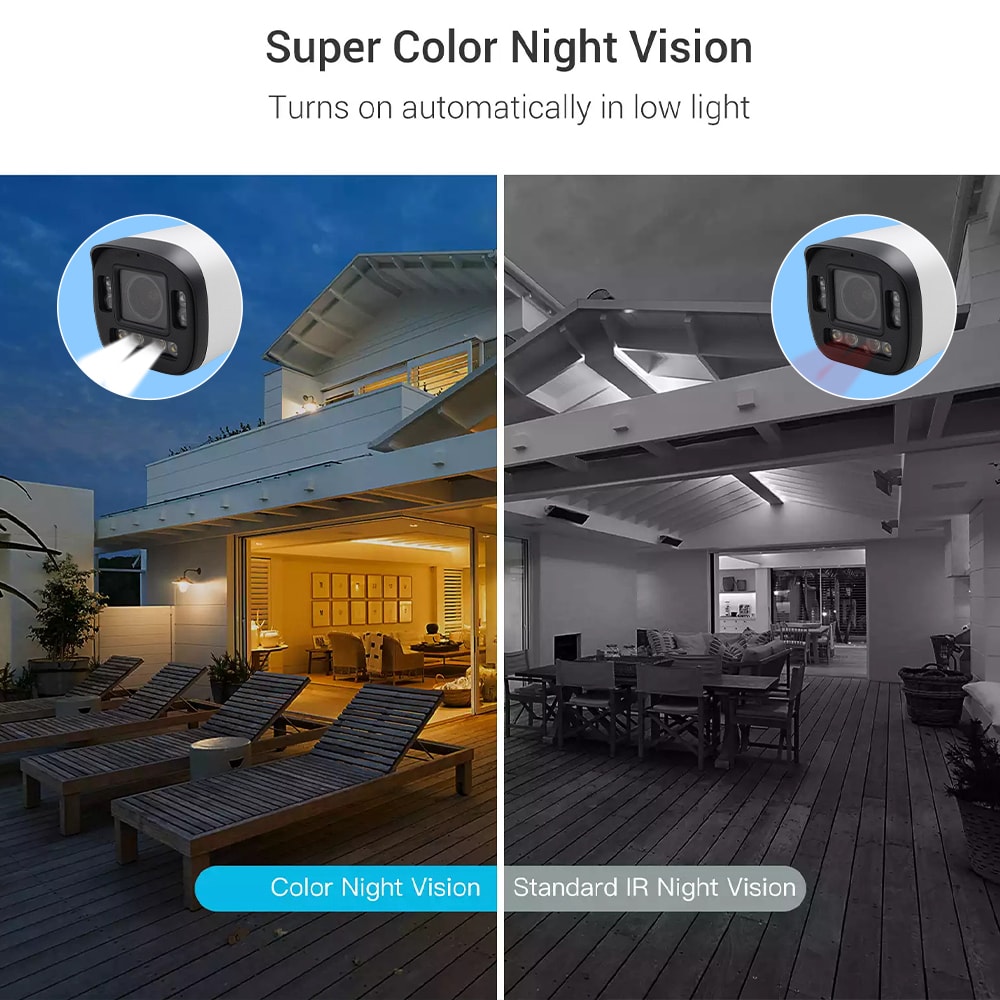
- Night vision capability for 24/7 visibility
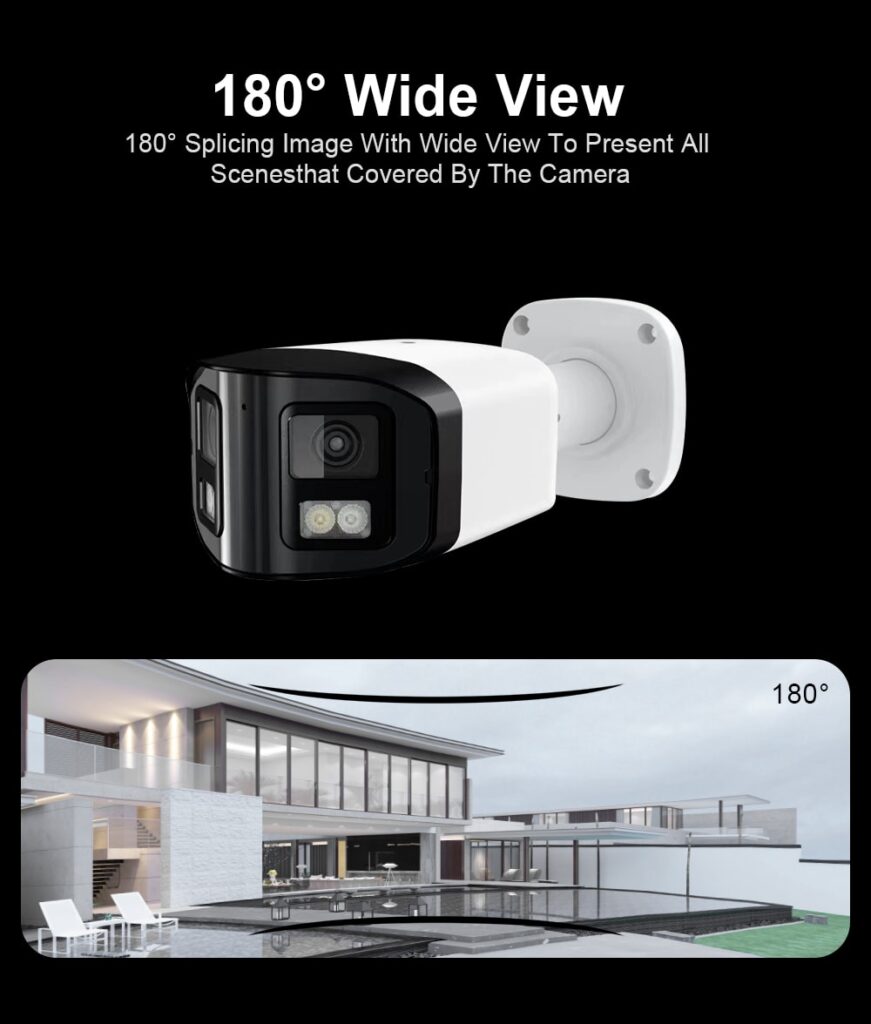
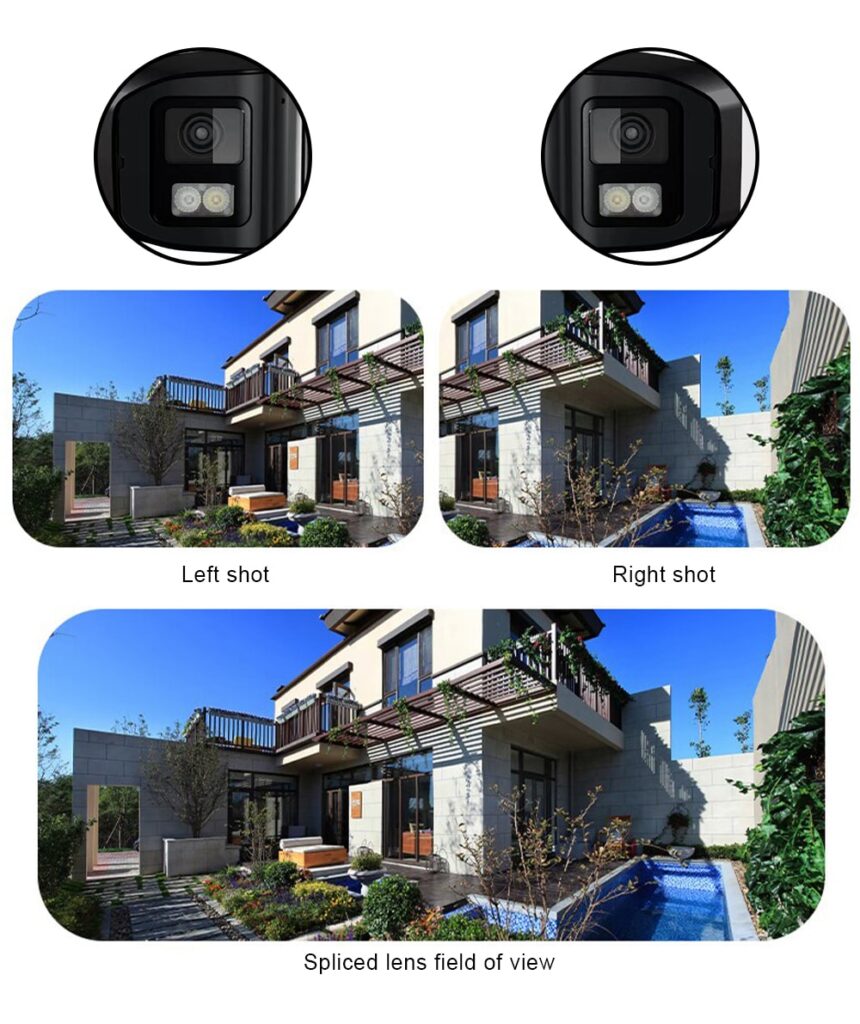
- Wide-angle lenses to minimize blind spots
- Clear images even in backlight situations (Wide Dynamic Range)
The impact: Modern IP intercoms offer HD video and audio quality—a dramatic leap from the grainy images of older systems. Devices with video and audio data capture capacity are among the fastest-growing smart home categories.
Real-world example: Panasonic’s VL-VQ Series features a Lobby Display Station with dual cameras and night vision. The Room Monitor provides residents with a 7-inch touch-enabled indoor monitor featuring Full HD video recording.
The bottom line: If residents can’t clearly see who’s at the door, they can’t make an informed security decision. HD video with night vision is non-negotiable.
3. Multiple Access Methods: Flexibility for Every User
Why it matters: One-size-fits-all access creates frustration. Different users have different needs—and different comfort levels with technology.
What residents want:
- Smartphone/Bluetooth access for frictionless, keyless entry
- RFID cards or key fobs for staff and frequent visitors
- PIN codes for contractors and service providers
- QR codes for temporary guest access
- Facial recognition for hands-free, high-security access
Modern systems support multiple entry methods such as face recognition, QR codes, IC cards, and remote unlocking—reducing reliance on a single access method and allowing flexible entry management across large complexes.
Real-world example: Panasonic’s VL-VQ Series supports multiple access modes including face recognition, QR codes, IC cards, smartphones, and remote unlocking.
The bottom line: Residents value optionality—the ability to choose how they enter the building based on their preferences and circumstances. A system with multiple access methods reduces friction for legitimate users while keeping unauthorized visitors out.
4. Package Delivery Management: Solving the Theft Crisis
Why it matters: Package theft is one of the biggest frustrations in multifamily buildings. 89% of apartment residents say letting delivery drivers in remotely would be helpful, and 79% get stressed waiting for deliveries without a way of letting people into the building.
What residents want:
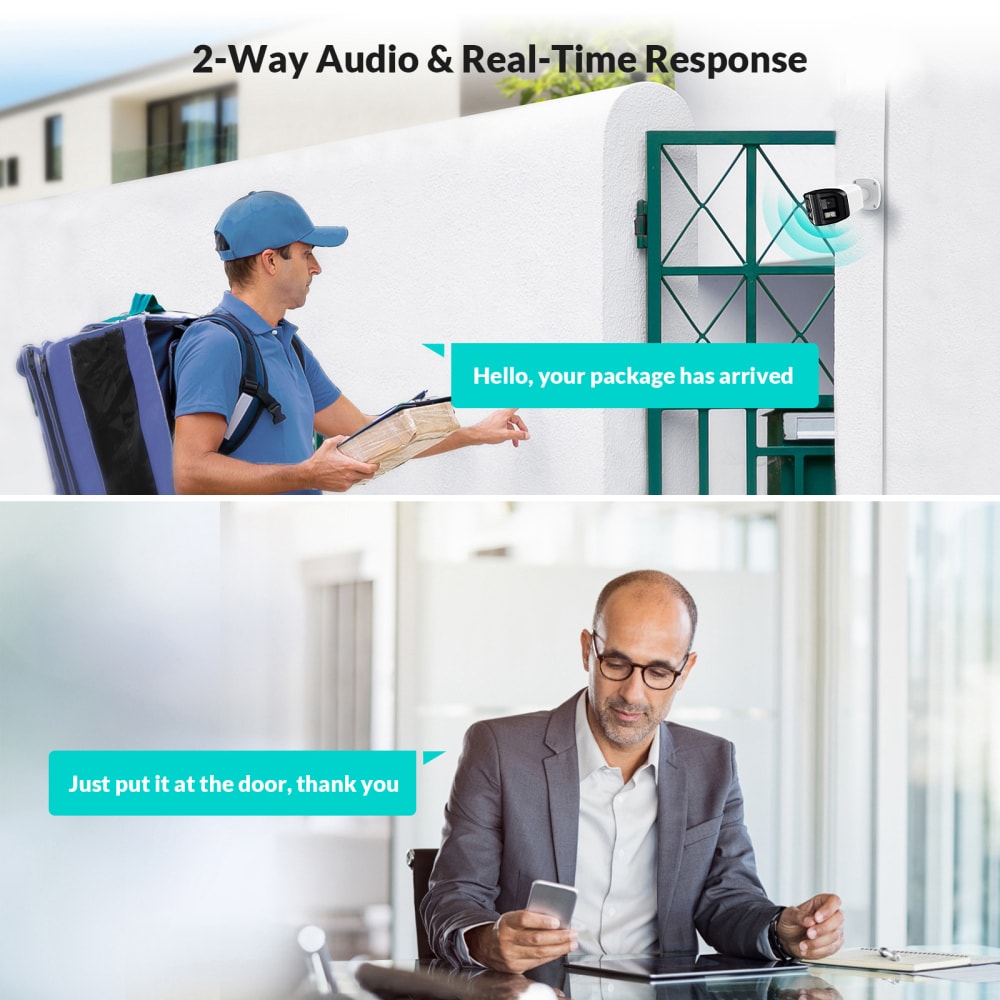
- Remote door unlocking for delivery personnel
- Real-time notifications when a package arrives
- Video verification of delivery personnel
- AI-powered package detection that alerts residents when packages are delivered or moved
- Delivery PINs or QR codes for secure, time-bound access
Real-world innovation: The Akuvox X910, winner of the Red Dot Award 2026, features the world’s first AI-powered parcel detection system within a smart intercom—offering homeowners enhanced security and convenience.
The bottom line: Package delivery management isn’t just a convenience feature—it’s a security feature that reduces theft, prevents missed deliveries, and keeps residents happy.
5. Integration with Access Control and Elevators: One System, Complete Control
Why it matters: Residents don’t want to manage multiple apps and systems. They want a seamless experience where one platform controls door access, elevator access, and visitor management.
What residents want:
- One app for everything—doors, amenities, parking, and intercom
- Elevator integration that automatically calls the elevator and pre-selects their floor
- Visitor elevator access that restricts visitors to authorized floors only
- Integration with smart locks for keyless entry
The trend: Intercom in 2026 is IP-based, smartphone-enabled, and integrated with access control and lift management. From a single-villa video door phone to an 800-apartment multi-tenant tower system, the architecture is unified.
Real-world example: Panasonic’s VL-VQ Series uses Session Initiation Protocol (SIP), which allows it to work with existing IP infrastructure like CCTV cameras and digital locks. The platform is designed to scale from standalone homes to large townships.
The bottom line: Residents want one system, complete control. Integration reduces friction, improves security, and delivers a modern living experience.
6. Cloud Management and Remote Configuration: Less Work for Property Managers
Why it matters: While residents don’t interact directly with cloud management features, they feel the benefits—faster resident onboarding, instant credential revocation, and fewer service calls.
What residents appreciate (even if they don’t know it):
- Faster move-in—new residents get access immediately
- Instant revocation—former residents lose access instantly
- Fewer service interruptions—remote troubleshooting reduces downtime
- Automatic updates—the system stays secure without manual intervention
The technology: Cloud-based video door phone solutions feature end-to-end encryption for all video and audio data, alongside secure cloud storage. Minimal wiring and IT involvement are required, allowing for quick setup.
Real-world example: Hikvision’s cloud-based Video Door Phone solution via Hik-Connect Teams Mode features end-to-end encryption for all video and audio data, alongside secure cloud storage.
The bottom line: Cloud management doesn’t just benefit property managers—it delivers a better resident experience through faster service, greater reliability, and enhanced security.
7. Privacy and Security Controls: Trust Matters
Why it matters: As video intercoms become more sophisticated, privacy concerns grow. 35% of renters worry about unauthorized monitoring, and only 9% fully trust smart technology without reservations.
What residents want:
- End-to-end encryption for all video and audio data
- Opt-out options—residents should have alternatives (PIN, card, app) if they don’t want facial recognition
- Clear privacy policies—residents want to know how their data is used and stored
- Local storage options—some residents prefer to keep footage on-device rather than in the cloud
The challenge: IoT security remains a concern. Insecure design choices can lead to serious consequences, including the possibility of intercepting video communications and remotely controlling physical access mechanisms.
Best practice: Many privacy experts recommend keeping facial recognition features opt-in rather than mandatory. This approach balances security benefits with privacy protection.
The bottom line: Privacy and security controls aren’t just compliance requirements—they’re trust builders. Residents who trust the system are more likely to use it, recommend it to others, and renew their leases.
Frequently Asked Questions
Which video intercom features do residents value most?
Based on resident surveys, the top features are mobile app access (89% want remote delivery access), HD video with night vision, package delivery management, and multiple access methods. Privacy controls are increasingly important, with 35% of renters worried about unauthorized monitoring.
Do residents actually use mobile app features?
Yes. 65% of renters are willing to pay extra monthly rent for smart amenities, and seamless, secure entry methods are rated as a top tech priority. Residents value the ability to answer calls, see visitors, and unlock doors from anywhere.
Is facial recognition popular with residents?
It depends. While facial recognition offers hands-free convenience, 35% of renters worry about unauthorized monitoring. The best approach is to offer facial recognition as an opt-in feature alongside traditional access methods.
How important is package delivery management?
Very important. 89% of apartment residents say letting delivery drivers in remotely would be helpful, and 79% get stressed waiting for deliveries without a way of letting people into the building. AI-powered package detection is emerging as a must-have feature.
Do residents care about integration with other systems?
Yes. Residents don’t want to manage multiple apps and systems. They want one app for everything—doors, amenities, parking, and intercom. Integration with elevators and access control is increasingly expected.
What about privacy concerns?
Privacy is a growing concern. 35% of renters worry about unauthorized monitoring, and only 9% fully trust smart technology without reservations. Systems with end-to-end encryption, opt-out options, and clear privacy policies build resident trust.
Conclusion
In 2026, video intercom features that residents actually care about are the ones that make their daily lives easier, safer, and more convenient.
The seven features that matter most are:
| Feature | Why Residents Care |
|---|---|
| Mobile App Access | Answer the door from anywhere |
| HD Video with Night Vision | See clearly, day or night |
| Multiple Access Methods | Flexibility for every user |
| Package Delivery Management | Solve the theft crisis |
| Integration with Access Control & Elevators | One system, complete control |
| Cloud Management | Faster service, greater reliability |
| Privacy and Security Controls | Trust matters |
The numbers tell the story:
- 54% of renters expect smart locks, thermostats, and security cameras in a modern rental unit
- 48% expect smart intercoms or video door phones
- 65% are willing to pay more for smart amenities
- 58% would sacrifice pools and gyms for better smart home features
The global video intercom devices market is projected to reach $26.67 billion in 2026. As the market grows, so do resident expectations. Buildings that invest in the features residents actually care about will attract better tenants, command higher rents, and deliver superior resident satisfaction.
Ready to upgrade your building’s video intercom? Focus on the features that residents actually use—and watch your resident satisfaction soar.
This guide is brought to you by insights from leading multifamily technology research and resident surveys—helping property owners and managers make informed decisions for their buildings.

About the Author: S & Y Internet Technology Inc.
S & Y Internet Technology Inc. is a professional installation and repair service provider based in Flushing, New York. Our expert team provides door-to-door installation and maintenance within a 100 km radius, ensuring quick response and high-quality results for every project — whether residential, commercial, or specialized.

Install & Repair Services
You May Also Interest
-
RFID vs QR Code vs Mobile App: Comparing Access Methods for Residential Buildings
Choosing the right access method for your apartment building or gated community is a decision that affects security, convenience, cost, and resident satisfaction. RFID cards, QR codes, and mobile apps each have distinct strengths and weaknesses. This guide compares them side by side—so you can make an informed choice for your next project. In modern…
-
Tuya vs Smart Life: Which App Is Better for Your Video Door Phone?
A practical comparison to help you choose the right app for your smart intercom system If you’ve recently purchased a FARHD video door phone, you’ve probably noticed that the product documentation mentions two apps: Tuya Smart and Smart Life. This immediately raises a common question: which one should you actually use? Are they different? Does…
-
Touch Screen vs Non-Touch Video Intercom Monitors: Which Is Better for Residents?
When specifying a video intercom system for an apartment building, villa, or residential community, one question often divides decision-makers: should the indoor monitor have a touch screen or physical buttons? Both options have passionate advocates. Both have real advantages. And both can be the wrong choice if they don’t match the needs of the residents…
-
How to Upgrade an Old Apartment Intercom to IP Without Rewiring: Step-by-Step
Upgrading an old apartment intercom to a modern IP system no longer requires tearing down walls, replacing every cable, or disrupting residents for weeks. With the right retrofit technology, you can deliver full IP functionality—video calling, mobile access, remote management—using the existing 2-wire cabling already inside your building. This step-by-step guide shows you how. Many…